
Contents:

Free test: which digital profession is right for you? Find out the answer in 15 minutes and try your hand at a new specialty.
Find out moreWhat is Vegetarianism
Vegetarianism is a diet based on the exclusion of meat, poultry, and fish from the diet. Instead, the emphasis is on plant foods, which may include vegetables, fruits, grains, legumes, and nuts. Some vegetarians also consume dairy products and eggs, which makes their diet more varied and nutritious. Vegetarianism can be chosen for a variety of reasons, including ethical concerns, health concerns, and environmental factors. A properly balanced vegetarian diet can provide the body with all the necessary nutrients and is an excellent alternative to a traditional diet.
Despite the common belief that vegetarianism is a modern concept, this dietary system has deep roots, dating back to 3200 BC. In ancient Egypt and Babylon, there were religious communities that abstained from eating meat and wearing fur and leather. They believed that abstaining from these foods and materials was essential for achieving reincarnation. Vegetarianism, therefore, has not only cultural but also spiritual aspects, making it a significant part of human history.
Pythagoras became a famous "ambassador" of a meat-free diet, which led to the popularization of the diet known as the "Pythagorean" diet. He is often called the father of vegetarianism. Interestingly, the term "vegetarian" only appeared in 1847, when the first vegetarian society was founded in England.
Currently, 6% of the population in North America adheres to a vegetarian lifestyle, in Europe this figure is 5%, while in Asia, vegetarianism is chosen by 19% of the population. These data demonstrate the diversity of dietary preferences in different regions of the world and the growing interest in vegetarianism as a healthy and ethical way of eating.
Types of Vegetarianism
Vegetarianism has several varieties. Based on a plant-based diet, one can exclude all animal products, or just some of them. It is important to understand that the choice in favor of vegetarianism can depend on various factors, including health, environmental concerns, and ethical principles. A vegetarian diet can be varied and balanced, including vegetables, fruits, grains, legumes, and nuts. Proper planning helps provide the body with all the necessary nutrients.
There are several main types of vegetarianism, each of which has its own characteristics and principles. Vegetarianism is a style of eating that excludes animal products. The main types of vegetarianism include:
— Lacto-ovo vegetarianism: This type of vegetarianism allows for dairy products and eggs, but completely excludes meat and fish.
Ovo-vegetarianism: This type includes eggs, but excludes dairy products, meat, and fish.
Lacto-vegetarianism: This type allows for dairy products, but excludes eggs, meat, and fish.
Veganism: The strictest type, which completely excludes all animal products, including milk, eggs, and honey.
Pescetarianism: This is an intermediate option that includes fish and seafood, but excludes animal meat.
The choice of the type of vegetarianism depends on individual preferences and goals. A vegetarian diet can offer many health benefits, such as a reduced risk of heart disease and improved overall well-being. Given the variety of vegetarianism options, everyone can find a suitable option that suits their lifestyle and ethical beliefs.
- Flexitarianism is a flexible vegetarianism. People eat a plant-based diet, but may occasionally, for example, once a week, eat meat. This is the mildest form of vegetarianism.
- Pescetarianism is a conditional vegetarianism. The diet prohibits eating only meat, but fish and seafood can be included.
- Lacto-ovo vegetarianism is a classic vegetarianism. This type excludes meat and fish, but does include eggs and/or dairy products. Lacto-vegetarians exclude eggs but eat dairy products, while ovo-vegetarians do the opposite.
- Veganism—its adherents adhere to a strict plant-based diet, excluding not only meat and fish, but also any products that exploit animals: dairy products, eggs, and even honey.
Veganism is not only about nutrition, but also about a whole lifestyle. Vegans reject the use of animal products not only in their diet, but also in everyday life. This includes refusing clothing made of fur and leather, as well as cosmetics and household products that have been tested on animals. The vegan lifestyle aims to reduce animal suffering and protect the environment, making it an important aspect of modern consciousness.
Raw foodism is one form of vegetarianism. A flexible raw food diet allows for the inclusion of up to 25% of thermally processed vegetables and fruits, such as baked, boiled, or fried foods, in the diet. In contrast, strict raw foodists adhere to the principle of eating only raw foods, excluding any thermally processed ingredients. This approach to nutrition emphasizes preserving the maximum amount of nutrients and vitamins present in fresh vegetables and fruits.
Benefits of Vegetarianism
People give up meat for various reasons, such as ethical concerns, religious beliefs, and environmental concerns. However, an important question remains how vegetarianism affects health.
Research shows that a vegetarian diet can provide significant benefits to the body. It often includes a variety of fruits, vegetables, grains, and legumes, which helps improve digestion and reduce the risk of chronic diseases such as cardiovascular disease and diabetes. Vegetarians may also get more vitamins and minerals, such as fiber, vitamin C, and folate, which have a positive effect on overall health.
However, it is important to plan a vegetarian diet carefully to avoid deficiencies in nutrients such as protein, iron, and vitamin B12. Careful food selection will help ensure adequate nutrition and maintain good health.
One of the main benefits of a vegetarian diet is the high fiber content in the diet. Fiber, a part of plant cell walls, is found exclusively in plant foods. It is not digested or absorbed in the stomach or intestines, but plays an important role in maintaining the health of the digestive system and the body as a whole. Regular fiber consumption promotes better digestion, helps prevent constipation, and reduces the risk of various diseases. A vegetarian diet rich in fiber can also promote weight control and improve metabolism.
Insoluble fiber passes through the gastrointestinal tract unchanged. It increases the volume of the food bolus, which mechanically stimulates the intestinal walls and promotes their contraction. Because of this, people who get enough fiber rarely experience constipation, and the risk of developing irritable bowel syndrome is significantly reduced. Including foods rich in insoluble fiber in the diet can help improve digestion and maintain intestinal health.

Revised text:
Learning about various topics and gaining new information is an important aspect of our development. We invite you to explore a range of interesting materials that will help you deepen your knowledge and broaden your horizons. Don't miss the opportunity to learn more about current trends, helpful tips, and innovations in your field of interest. Reading quality content promotes not only personal growth but also professional development. Stay informed and discover new horizons.
Fiber is an essential element of a healthy diet, promoting digestion and maintaining good health. This list features 52 fiber-rich foods that you can easily incorporate into your diet to improve overall well-being. Including fiber in your daily menu helps control blood sugar levels, promotes weight loss, and improves bowel function. Vegetables, fruits, grains, and legumes are all excellent sources of fiber. By eating a variety of fiber-rich foods, you'll not only enrich your diet but also improve your overall health. Consider adding foods like beans, lentils, oatmeal, whole-grain bread, apples, pears, carrots, and broccoli to your diet. Each of these foods is not only rich in fiber but also contains many beneficial vitamins and minerals. Including these 52 foods in your daily menu will help you achieve optimal fiber levels and maintain lifelong health.
A diet consisting primarily of plant foods provides the body with high fiber and minimal saturated fat. This leads to normal blood cholesterol levels and slows the progression of atherosclerosis. Eating a plant-based diet helps improve cardiovascular health and reduce the risk of developing chronic diseases.
A vegetarian diet helps reduce the risk of coronary heart disease by 19%. This disease occurs due to the formation of cholesterol plaques in the arteries, which leads to insufficient supply of nutrients to the heart muscle. Switching to a plant-based diet can be an effective measure for maintaining heart health and improving overall health. Vegetarianism offers significant benefits for those trying to control their blood sugar and cholesterol levels. Switching to a plant-based diet means eliminating fatty foods, which contributes to improved health. Vegetarians tend to consume more fiber, which interacts with food and slows the absorption of cholesterol and glucose into the blood. This, in turn, promotes weight loss and increases cellular sensitivity to insulin. Thus, a vegetarian diet can improve the course of type 2 diabetes by allowing cells to better respond to insulin and use glucose efficiently. Plant-based nutrition is becoming an important aspect for maintaining health and improving metabolic processes.

Reading is an important aspect of our lives. It not only develops mental abilities but also enriches our inner world. Reading books, articles and other materials helps to improve vocabulary, increase literacy and broaden horizons. Reading also helps develop critical thinking and the ability to analyze information.
In today's world, access to information has become easier thanks to the Internet. Online resources offer a wide selection of literature and materials on any topic. This allows everyone to choose what suits their interests and needs.
Don't forget that regular reading has a positive effect on your emotional state. It can serve as a source of inspiration and motivation, and also helps cope with stress. It is important to find time for reading every day to enrich your knowledge and develop personal qualities.
Pay attention to different genres and authors to diversify your reading experience. Reading not only entertains, but also makes us more emotionally stable and intelligent.
Insulin Resistance: Definition, Mechanisms of Development, and Consequences
Insulin resistance is a condition in which the body's cells lose sensitivity to insulin, which leads to metabolic disorders and high blood sugar levels. This condition can develop for several reasons, including genetic predisposition, poor diet, a sedentary lifestyle, and excess weight.
Initially, the pancreas begins to produce more insulin to compensate for the hormone's decreased effect on cells. However, over time, this leads to the depletion of pancreatic beta cells and can lead to the development of type 2 diabetes.
Insulin resistance has several serious consequences. It can cause not only diabetes, but also cardiovascular disease, hypertension, and a number of other metabolic disorders.
To prevent insulin resistance, it is important to monitor your lifestyle, include healthy foods in your diet, engage in regular physical activity, and maintain a healthy weight. Seeing a doctor for diagnosis and monitoring of insulin levels is also an important step in the prevention and treatment of this condition.
Disadvantages of Vegetarianism
A vegetarian diet has many benefits, but without the right balance, it can lead to a deficiency of important vitamins and minerals. This, in turn, can cause various health problems. To avoid negative consequences, it is important to carefully plan your diet, including a variety of nutrient sources. The right combination of vegetables, fruits, legumes, and grains will help provide the body with everything it needs for normal functioning.
Athletes need to increase protein intake for effective muscle growth after training. Protein synthesis requires 20 amino acids, 9 of which are essential, meaning the body cannot synthesize them on its own. When switching to a vegetarian diet, obtaining essential amino acids becomes more difficult, since each plant product lacks a certain amino acid. If the diet is not varied, this can lead to a protein deficiency, and the body will have to break down muscle protein to obtain the necessary amino acids. It is important to maintain a balanced diet to avoid this negative effect and maintain healthy muscle tissue.
Vitamin B12 deficiency is common among vegans. Initial symptoms of deficiency are often confused with stress and fatigue. In most cases, the following problems occur:
Weakness and fatigue, impaired concentration and memory, and mood changes. These symptoms can significantly impact quality of life and overall health. It is important to understand the risks associated with vitamin B12 deficiency and take steps to replenish it, including adding fortified foods or vitamin complexes to the diet. Regular testing of vitamin B12 levels can help in the early detection of deficiency and prevent more serious health consequences.
- low mental performance;
- physical fatigue;
- tingling in the hands and feet.
Some people believe that vitamin B12 can be obtained from tempeh, seaweed, and nutritional yeast. However, scientific research shows that these products do not contain true vitamin B12 analogs. Furthermore, they contain substances that can interfere with the absorption of true B12, making them ineffective sources of this important vitamin. It's important to remember that to maintain good health, you need to get vitamin B12 from reliable sources, such as meat, dairy products, or supplements.
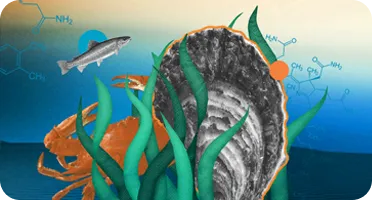
Vitamin B12 is not synthesized by plants, animals, or fungi. It is produced exclusively by bacteria and accumulates in animal tissues throughout the food chain.
- Soil bacteria → Vitamin B12 on plant surfaces → Herbivores → Milk, eggs, meat → Humans
- Ocean bacteria → Vitamin B12 in water → Marine plankton (phytoplankton and algae) → Marine life → Seafood, fish → Humans
Lacto-vegetarians may also experience vitamin B12 deficiency, as neither a glass of milk nor an egg a day can fully satisfy the daily requirement for this important vitamin. Vitamin B12 plays a key role in maintaining a healthy nervous system and the formation of red blood cells. Therefore, people following a lacto-vegetarian diet are advised to monitor their levels of this vitamin and consider incorporating fortified foods or supplements into their diet to prevent deficiency.
Read also:
Vitamin B12, also known as cobalamin, plays an important role in maintaining a healthy nervous system and blood formation. A deficiency in this vitamin can lead to serious health problems. It's important to know which foods contain vitamin B12 to ensure you're getting enough in your diet.
Meat products, especially beef and liver, are among the richest sources of vitamin B12. These foods not only provide the body with the necessary amount of the vitamin, but also contain other important nutrients. Fish, especially salmon and tuna, are also excellent sources of cobalamin. Dairy products such as milk, cheese, and yogurt contain vitamin B12 and can be beneficial for people who don't eat meat.
Eggs, especially the yolk, also contain vitamin B12. Vegetarians and vegans can consider fortified plant foods, such as soy milk and certain cereals, which are often fortified with vitamin B12. Cookies and energy bars can also be a source of this vitamin if they are fortified.
It's important to monitor your vitamin B12 levels, especially if you follow a certain diet. Regular consumption of foods rich in this vitamin will help maintain health and prevent possible deficiencies.
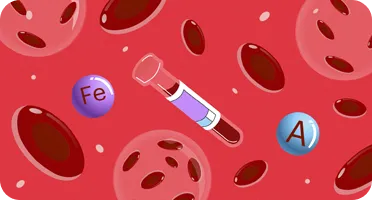
Anemia is a blood disorder characterized by a decrease in red blood cell count, which leads to reduced oxygen delivery to tissues. The main causes of anemia are deficiencies in key components such as protein, vitamin B12, and iron, which are necessary for red blood cell production. Deficiencies of these substances can occur due to poor diet, chronic diseases, or other factors. It is important to pay attention to symptoms of anemia, such as fatigue, weakness, and pallor, and promptly seek medical attention for diagnosis and treatment. Maintaining normal levels of iron, vitamins, and protein in the body is an important step in the prevention and treatment of anemia.
Although vegetarians get as much or even more iron than meat eaters, it should be noted that they absorb only non-heme iron. This means that the absorption of iron from plant sources is slower than from animal products. It is important to take this factor into account when planning a diet to maintain normal iron levels in the body.
Rework the text, keeping the main topic. Do not add unnecessary information. Optimize it for search engines and expand the content a little. Avoid emoticons and unnecessary symbols. Do not use sections in the form of numbers or asterisks. Provide clear text. Read also: Iron Deficiency: Its Dangers and How to Replenish It Iron deficiency is a common problem that can negatively impact human health. Iron plays a key role in the formation of hemoglobin, which is responsible for transporting oxygen to tissues. A deficiency of this mineral can lead to anemia, fatigue, decreased immunity, and impaired cognitive function.
The dangers of iron deficiency manifest themselves in various symptoms, such as weakness, dizziness, pale skin, and difficulty concentrating. Women are at particularly high risk of anemia, especially during pregnancy and menstruation, which requires special attention to iron levels.
To replenish iron deficiency, it is important to include foods rich in this mineral in the diet. Such foods include red meat, liver, fish, legumes, nuts, seeds, and green leafy vegetables. Vitamin C, which promotes better absorption of iron, is also recommended.
In some cases, iron supplements may be necessary, but you should consult a doctor before starting. Proper nutrition and monitoring iron levels will help avoid deficiency-related diseases and maintain overall health.
In the long-term EPIC-Oxford study, which was conducted from 1993 to 2016, scientists from the University of Oxford examined the relationship between diet and fracture risk. The study involved 54,898 British participants, including 29,380 meat eaters, 8,037 fish eaters, 15,499 vegetarians, and 1,982 vegans. The results of this study may have important implications for understanding the impact of diet on bone health and injury risk, which is relevant for formulating recommendations for nutrition and fracture prevention.
The dietary data study was conducted twice: at the beginning of the period from 1993 to 2001 and ten years later. The analysis revealed interesting results. Compared to meat eaters, pescetarians had a 26% higher rate of hip fractures, vegetarians a 25% higher rate, and vegans a 130% higher rate. These findings highlight the importance of dietary choices and their impact on bone health.
Vegans, unlike vegetarians, completely exclude dairy products and eggs from their diet, which can lead to a lack of calcium, which is essential for bone health. Plant sources of calcium, such as leafy green vegetables, often contain oxalates, which interfere with the absorption of this important mineral. Therefore, it is important for vegans to find alternative ways to get enough calcium, such as through supplements or fortified plant foods.
Vitamin D is necessary for the proper absorption of calcium in the intestine. However, a vegetarian diet can make it difficult to obtain this important vitamin, as it excludes key sources of vitamin D, such as fish, fish oil, and eggs. This can lead to vitamin D deficiency, which in turn negatively affects calcium absorption and can impact bone health and overall well-being. Therefore, it is important for vegetarians to find alternative sources of vitamin D to maintain normal levels and ensure optimal calcium absorption.
How to Develop a Vegetarian Diet
Giving up meat is only the first step. It is necessary to replace meat products with nutritious plant-based alternatives. This will allow you to get enough vitamins, minerals, and protein necessary for health. It is important to include a variety of plant protein sources in your diet, such as legumes, nuts, and seeds, to maintain nutrient balance and meet the body's needs.
Vegetarians are advised to maintain certain proportions in their diet to ensure a balanced diet. The main components should be vegetables, fruits, grains, legumes, and nuts. It is important to ensure sufficient amounts of protein, carbohydrates, and fats to maintain health and vitality. It is also necessary to consider the intake of vitamins and minerals, such as vitamin B12, iron, and calcium, which may be underrepresented in a vegetarian diet. A balanced diet will allow vegetarians not only to satisfy their taste preferences, but also to maintain optimal health.
- 25% of the diet should consist of raw leafy and root vegetables in season in the form of salads;
- 25% - raw fresh fruits or pre-soaked dried ones;
- 25% - green and root vegetables, grilled or cooked over an open fire;
- 10% - proteins from plant or dairy products;
- 10% - healthy carbohydrates from cereals, bread and sugar;
- 5% - fats, including from butter and its plant-based analogs.
Not all plant foods have the same nutritional value. It is important to carefully read package labels. Even vegetarian snacks can contain high amounts of sugar, hidden salt and artificial additives, which can negatively affect health. Choose foods with minimal processed ingredients and pay attention to the ingredients to make healthier choices.
What can we conclude?
A diet based primarily on plant foods and containing limited amounts of salt, saturated fat, and sugar is considered an important part of a healthy lifestyle, according to experts from the World Health Organization (WHO). Experts from the Academy of Nutrition and Dietetics also support this opinion, emphasizing that vegetarianism is a complete and balanced approach to nutrition. Including plenty of vegetables, fruits, grains, and legumes in your diet not only improves overall health but also reduces the risk of chronic diseases.
All authoritative organizations unanimously agree that vegetarianism can be beneficial, but only if you plan your meals properly. It is necessary to consider all possible health risks and develop a balanced menu. This will minimize the likelihood of deficiencies in nutrients that are difficult to digest from plant sources or are absent altogether. Proper nutrition based on vegetarian principles requires a careful approach to choosing products to provide the body with all the necessary vitamins and minerals.
Free test: which digital profession is right for you?
IT, design, marketing or management? Find out the answer in 15 minutes. And then try your hand at a new specialty for free.
Find out more