Contents:

Free test: which digital profession is right for you? Find out the answer in 15 minutes and try your hand at a new one Specialties.
Learn moreWhat are core muscles?
The core muscles play a key role in stabilizing the body and maintaining proper posture. This group of muscles is responsible for coordinating movements and protecting internal organs, ensuring their secure position. Strong core muscles help maintain an upright body posture, which is important for performing everyday tasks and playing sports. Strengthening the core muscles not only improves physical fitness but also reduces the risk of injury, as they help maintain balance and stability during movement. Regular training aimed at developing the core muscles helps improve overall functionality and enhance quality of life.
The core muscles act as a natural corset, protecting the spine from overload and promoting even load distribution during movement. A strong core helps prevent back pain and significantly reduces the risk of injury during physical activity. Strengthening the core muscles is an important part of training programs aimed at improving overall fitness and maintaining the health of the musculoskeletal system.
Structure and functions of the core muscles
The muscles that form the core are divided into three layers: deep, middle, and superficial. These layers play a key role in maintaining stability and strength of the body, as well as in performing various movements. The deep layer is responsible for supporting the spine and correct posture, the middle layer is involved in dynamic movements, and the superficial layer provides protection and support for other muscle groups. Understanding the anatomy and functions of these layers allows you to effectively develop and strengthen the core muscles, which, in turn, helps improve athletic performance and reduce the risk of injury.
The deep core muscles play a key role in stabilizing the spine and internal organs. These «invisible» The muscles are constantly toned, supporting the body even in static positions such as standing or sitting. Their proper function is essential for maintaining posture and preventing injury, making them essential for overall health and physical activity. Strengthening the deep core muscles helps improve balance, coordination, and functional strength.

The deep core muscles play a key role in maintaining the stability and balance of the body. They provide protection for the spine and internal organs and promote proper posture. Developing and strengthening the deep core muscles is essential for increased physical activity, improved athletic performance, and a reduced risk of injury. These muscles help perform everyday movements with less stress on the joints and spine. Exercises that target the deep core muscles, such as planks, Pilates, and yoga, help strengthen them and improve overall fitness. Regular exercise will not only increase endurance but also improve coordination. By focusing on your deep core muscles, you can significantly improve the quality of your life and achieve your fitness goals.
- The diaphragm is a key breathing muscle that helps stabilize the core, especially during exercise.
- The quadratus lumborum supports the spine, helps with lateral bending, and stabilizes the lower back.
- The multifidus muscles are small, deep muscles located along the spine that are responsible for its stability and control of small movements.
- The iliopsoas muscles (iliopsoas and psoas major) connect the spine to the hips, are involved in leg movement, and support the lumbar region.
- The pelvic floor muscles form the “floor” of the core, support the internal organs, and control posture.
- The transverse abdominis muscle is the deepest of the abdominal muscles, it works like a natural “belt” around the waist, supporting the spine and internal organs. organs.

Text reworked taking SEO into account:
Study additional materials:
Breathing exercises: methods of implementation and their benefits
Breathing exercises are an effective way to improve the physical and psycho-emotional state of a person. They help increase the level of oxygen in the body, reduce stress and improve overall well-being. Proper performance of breathing exercises helps activate the lungs, improve blood circulation, and strengthen the immune system.
There are many breathing techniques, such as diaphragmatic breathing, square breathing, and pranayama. Each has its own unique benefits and is suitable for different purposes. For example, diaphragmatic breathing helps relax and reduce anxiety, while square breathing can improve concentration and attention.
To achieve the maximum effectiveness of breathing exercises, it is important to pay attention to their regularity. It is recommended to set aside at least a few minutes a day for practice. In addition, you should pay attention to your body position and create a comfortable environment. It is important to remember that breathing exercises are suitable for people of all ages and fitness levels.
Incorporating breathing exercises into your daily practice can significantly improve your quality of life, increase your energy levels, and promote overall health.
The middle layer of the core muscles plays a key role in providing body movement. These muscles are responsible for twisting and turning movements, which contribute to improved functionality and stability. Developing the middle layer of core muscles is important not only for athletic performance, but also for everyday activities, as they maintain proper posture and protect the spine from injury. Strengthening these muscles will help improve overall fitness and coordination.

The middle core muscles play a key role in maintaining the stability and functionality of the body. They provide essential support for the spine and organs, promoting proper posture and reducing the risk of injury. The primary muscles that make up the mid-core group include the internal and external obliques, the transverse abdominis, and the multifidus. These muscles are actively involved in movements involving twisting and bending, and also help control balance. To strengthen the mid-core muscles, it is recommended to perform exercises aimed at developing them, such as planks, crunches, and side bends. Regular training of these muscles not only improves physical fitness but also helps improve overall performance and reduce back pain.
- The internal obliques keep the spine and internal organs stable and are also involved in twisting and lateral bending of the torso.
- The erector spinae muscles are a long muscle complex located along the spinal column. These muscles maintain posture, allow you to straighten your back, and help maintain balance during movement.
- The gluteus medius muscles stabilize the pelvis during walking, preventing it from falling to the side. They are also involved in lateral movements of the legs and maintain core stability under load.

Read also:
How to Pump Up Your Abs: Effective Exercises for Results
Pumping up your abs is one of the most popular goals among people looking to improve their physical fitness. The right approach to training and choosing effective exercises will help you achieve the desired results. In this article, we will present the best abdominal exercises that will help strengthen your abs and improve overall endurance.
The first exercise is the plank. This static exercise develops not only the abdominal muscles but also the muscles of the entire body. It is important to keep your body in a straight line, resting on your elbows and toes. The duration of the exercise can be gradually increased.
The second exercise is crunches. This classic exercise is aimed at working the upper abs. Lie on your back, bend your knees and lift your torso toward your knees, contracting your abdominal muscles.
The third exercise is leg raises. It effectively works the lower abs. Lying on your back, raise your legs, keeping them straight, to a 90-degree angle.
The fourth exercise is a bicycle. Lie on your back and imitate the motion of a bicycle, alternating crunches and leg lifts. This exercise activates all abdominal muscle groups.
The fifth exercise is side crunches. Lie on your side and perform crunches to work the oblique abdominal muscles. This will help make your waist more defined.
The sixth exercise is a plank with twists. Perform a plank, but add side twists. This will make the exercise more challenging and activate additional muscles.
The seventh exercise is pulling your knees to your chest from a lying position. This effectively works the lower abs and helps improve overall strength.
The eighth exercise is a bridge. Lie on your back, bend your knees and lift your pelvis up. This exercise not only strengthens your abs but also develops your gluteal and back muscles.
The ninth exercise is the "Russian twist". Sit on the floor, lean back slightly and rotate your torso from side to side, holding your arms in front of you. This exercise works your oblique muscles well.
The tenth exercise is a plank with leg raises. In a standard plank, raise one leg above body level, alternating legs. This complicates the exercise and adds stress to your abdominal muscles.
Regularly performing these exercises, combined with proper nutrition and cardio, will help you pump up your abs and achieve a toned silhouette. Don't forget the importance of recovery and variety in your training to achieve maximum results.
The superficial layer of the core muscles are the key muscles that form visible six-pack abs. These muscles play a vital role in maintaining proper body posture and are actively involved in various physical activities, such as running, jumping, and weightlifting. Developing these muscles not only improves appearance but also contributes to overall stability and strength. Strong core muscles are essential for performing many exercises and preventing injury.

The superficial core muscles play a key role in maintaining stability and balance of the body. They provide protection for internal organs and are involved in movement. The primary superficial core muscles include the rectus abdominis, obliques, and back muscles. These muscles not only build strength and endurance but also promote proper posture. Developing the superficial core muscles is important for improving athletic performance, reducing the risk of injury, and enhancing quality of life. Regular training aimed at strengthening these muscles will help you achieve a harmonious physical condition and improve overall body function.
- The rectus abdominis is the primary muscle that many associate with a six-pack. They are responsible for spinal flexion, core stabilization, and protection of internal organs from injury.
- The external oblique abdominal muscles help rotate the torso and bend, working in conjunction with the internal oblique abdominal muscles.
- The latissimus dorsi muscles are involved in spinal stabilization and coordination of core movements, although their main function is pulling movements of the arms.
- The gluteal muscles are important for core stability, especially the gluteus maximus, which is involved in hip extension and supports the pelvis.

Reworked text:
Explore additional resources on this topic.
Endurance is the body's ability to perform physical activity for an extended period of time without significant fatigue. It plays a key role in sports activities and everyday life, allowing you to improve overall fitness, increase energy levels, and reduce the risk of injury.
Endurance training is essential for achieving high results in various sports, such as running, swimming, cycling, and many others. Regular exercise improves cardiovascular function, increases lung capacity, and promotes an efficient metabolism.
There are several methods of endurance training, including aerobic exercise, interval training, and high-intensity strength training. It is important to choose a program that suits your goals and fitness level. Effective endurance training will help not only in sports but also in everyday life, increasing your activity and improving overall well-being.
In summary, endurance training is an important aspect of physical activity that contributes to improved health, performance, and overall vitality. Regular exercise will help you achieve your goals and improve your quality of life.
All three layers of core muscles interact to form a strong muscular corset. This corset supports the spine, ensures balance, and promotes safe movement without overload and injury. Strong core muscles play a key role in improving physical performance and stability, which is especially important for preventing injuries and enhancing the effectiveness of training.
Why Strengthen Your Core Muscles
A strong core is essential not only for athletes but also for ordinary people. Developing the core muscles helps improve posture, increase stability, and prevent injuries. Strengthening your core helps you in everyday life, improving your performance of common tasks like lifting and balance. Core strengthening exercises can be an important part of your fitness routine for anyone striving for an active and healthy lifestyle. Core muscles play a key role in stabilizing the body by supporting the spine and pelvis. A strong core promotes ease of movement and improves balance. Strengthening these muscles not only improves physical performance but also reduces the risk of injury by providing a secure base for the entire body. Regular core training can improve your overall fitness and quality of life. Strong core muscles play a key role in ensuring comfortable movement and the ability to handle daily activities without placing undue stress on joint cartilage and ligaments. Effective, harmonious functioning of muscles and tendons creates the necessary muscular balance, which is essential for ease of movement and proper load distribution. This not only promotes comfort during physical activity but also helps prevent age-related degenerative changes in joints and soft tissues. Strengthening your core muscles is an important part of maintaining health and activity throughout life.
Roman Gordienko is a talented author and expert in his field. His works cover a variety of topics, including literature, art, and culture. Roman actively participates in community events, sharing his knowledge and experience, which helps him gain recognition among readers and colleagues. His writing style is distinguished by clarity and depth of thought, making his works interesting and relevant. Roman Gordienko continues to develop as an author, exploring new ideas and approaches in his work.
Strong core muscles play a key role in providing stability and evenly distributing weight throughout the body. They support the spine in its neutral position, which reduces pressure on the intervertebral discs and helps prevent back pain. Furthermore, a strong core promotes efficient joint function, reducing excess stress on the knees, hips, and ankles. Strengthening your core muscles not only improves physical performance but also promotes overall musculoskeletal health.

Running is one of the most accessible and effective types of physical activity that helps maintain health and improve fitness. To run correctly, it is important to consider several key aspects that will help avoid injuries and increase the effectiveness of your workouts.
First, choose the right running shoes. They should provide good cushioning and support, and be tailored to your individual characteristics and running style. Consider the surface you plan to run on and choose your shoes accordingly.
Proper running technique also plays a crucial role. Keep your back straight, your head high, and your shoulders relaxed. Your arms should be bent at a 90-degree angle, and as you run, they should move alongside your body, without obstructing your movement. Your feet should land under your center of gravity, not far ahead, to avoid putting unnecessary stress on your joints.
It's also important to properly dose your workouts. Start with short distances and gradually increase them to give your body time to adapt. Don't forget to warm up before and cool down after running to reduce the risk of injury and improve recovery.
Nutrition and hydration are equally important. Eat a light meal before training, and stay hydrated during long runs. This will help maintain energy levels and prevent dehydration. By following these recommendations, you can enjoy running, improve your fitness, and achieve your goals. A proper approach to training and taking care of your body are the keys to successful and safe running. During walking and other physical activities, the core muscles play a key role in stabilizing the body, preventing swaying and poor posture. This significantly reduces the risk of strains, dislocations, and other injuries, especially with sudden movements and jumps. Furthermore, strong core muscles improve balance and coordination, which further protects against falls and awkward landings. Strengthening the core is an important part of training, as it provides reliable support for the spine and joints, making any physical activity safer and more effective. Regular core exercises can not only help prevent injury but also improve overall fitness.
Targeted core training has been proven effective in reducing chronic low back pain. Research confirms that strengthening these muscles helps redistribute stress from the spine and surrounding tissues, which helps reduce discomfort. Strong core muscles maintain stability and promote proper posture, which is key to preventing low back pain. Regular core strengthening exercises can not only reduce pain but also improve overall back health.
Core strengthening exercises help prevent back pain, promote flexibility, and ensure comfort during everyday movements. Regular core training improves posture and maintains back health, which is especially important for people with a sedentary lifestyle. Integrating these exercises into your daily routine can significantly improve overall fitness and reduce the risk of injury.
Core strength plays a key role in maintaining proper gait, as it provides stability to the spine, pelvis, and hips. Strong core muscles promote smooth and coordinated body movement, preventing slouching even during fast movements like walking or running. Strengthening these muscles not only improves posture but also reduces the risk of injury, making them an important element of physical activity and overall health.
Weak core muscles can cause an unsteady gait, excessive body sway, and overuse of the legs. This, in turn, increases the risk of lower back and joint pain. Strengthening the core muscles is important for maintaining stability and proper posture, which helps reduce stress on the lower extremities and reduce pain. Regular core strengthening exercises will help improve your balance and prevent the development of various musculoskeletal disorders.
Of course, I can help you with text revision. Please provide the original text you wish to change.
Achieving muscle balance promotes a straight gait. If your back muscles are not toned, this can lead to slouching. Correct posture and strengthening your core muscles are important for maintaining a healthy spine and preventing posture problems. Regular exercise and stretching will help maintain back muscle tone, which, in turn, will improve the quality of your gait and overall comfort.
Roman Gordienko is a name that has become a symbol of creativity and professionalism. His work is distinguished by its high quality and original approach. Roman is actively engaged in creating unique content that attracts attention and generates interest among a wide audience. His writing style combines information and accessibility, making his works understandable to readers.
Roman Gordienko also actively uses SEO methods to promote his texts. He understands the importance of proper content optimization, which allows his work to rank high in search engines. Thanks to this, his work resonates with his target audience and becomes more visible online.
Each new work by Roman Gordienko is a step towards expanding the boundaries of his creativity. He is constantly searching for new ideas and inspiration, which allows him to remain relevant in the rapidly changing world of content. Roman strives for excellence and is always ready for new challenges.
How to determine core muscle strength
Core muscle strength can be easily assessed with a simple test that can be performed at home. This test will help you understand how well developed your core muscles are, which is important for maintaining stability and preventing injury. It doesn't require any special equipment, and the results can be a starting point for improving your fitness and health.
Put your weight on your elbows and toes, keeping your body stable. Be sure to keep your lower back straight and your pelvis from lifting. This will help prevent injury and ensure proper technique.
The plank is an effective exercise for assessing core strength in a static position. It helps improve strength endurance, stabilization, and control of body movements. Regularly performing the plank strengthens the abdominal, back, and shoulder muscles, which are important for maintaining proper posture and preventing injury. This simple yet powerful training element can be incorporated into any exercise routine to achieve maximum results.
The analysis results show that the achieved indicators are significant for further development. Importantly, correct interpretation of the data allows you to identify key trends and identify areas for improvement. Effective use of the results can lead to process optimization and increased overall performance. It is recommended to conduct such analyses regularly to monitor progress and adjust strategies. This approach can lead to better results and sustainable growth.
- Less than 30 seconds — weak core muscles.
- 30–60 seconds — intermediate level.
- More than 1.5–2 minutes — good core strength.

Read Also:
Cardio training is physical activity aimed at developing the cardiovascular system and improving overall health. Common types of cardio include running, swimming, cycling, aerobics, and using cardio equipment such as treadmills and elliptical trainers. These workouts help strengthen the heart, increase endurance, and burn calories, which contributes to weight loss and improved fitness.
The benefits of cardio training include not only improving cardiovascular function but also its positive impact on psycho-emotional state. Regular cardio exercise helps reduce stress, improve mood, and increase energy levels. Additionally, cardio training helps control blood sugar levels and can reduce the risk of developing chronic diseases such as diabetes and hypertension.
Despite the many benefits, it is important to be aware of the potential harm of cardio training, especially when overdoing it. Excessive physical activity can lead to excessive fatigue, injury, and poor health. Therefore, it is important to maintain a balance and choose the appropriate level of training intensity, taking into account the individual characteristics of the body.
Overall, cardio training is an important part of a healthy lifestyle, contributing to improved fitness, health, and a better quality of life.
6 Core Exercises You Can Do at Home
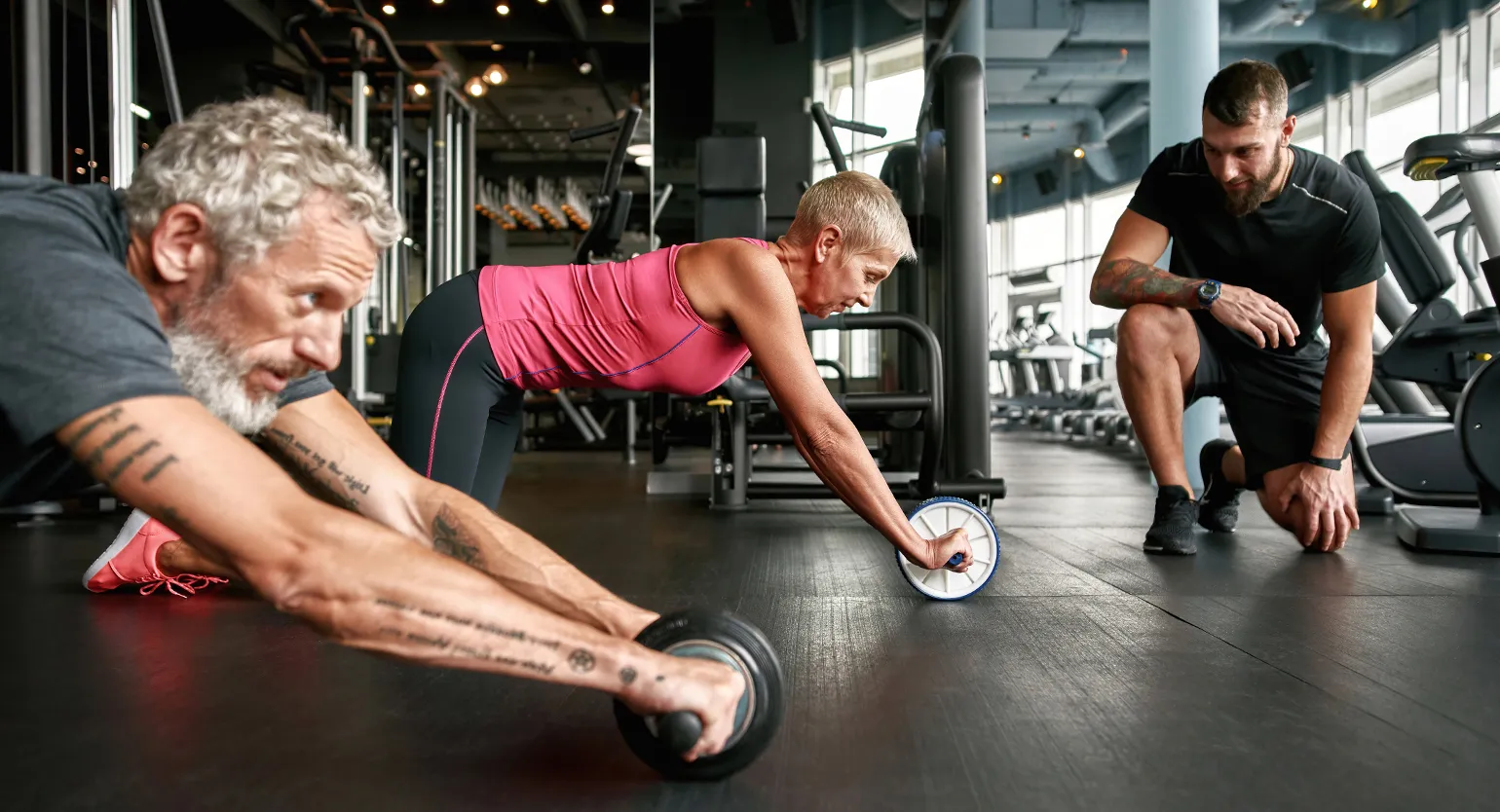
To fully train all layers of the core muscles, you need to perform exercises that activate both superficial and deep muscles. Proper breathing is an effective method of engaging them, as it is closely related to the functioning of the diaphragm, transverse abdominis, and pelvic floor muscles. Using breathing techniques during training helps improve the stability and strength of the core muscles, which contributes to improved overall fitness and a reduced risk of injury. Proper breathing helps activate deep muscles, making workouts more effective and safer.
When performing exercises, it's important to isolate movements. Each movement should be precise, without unnecessary body movements or sudden jerks. Smooth and deliberate execution helps activate not only the core muscles but also the stabilizing muscles, significantly increasing the effectiveness of the workout. This approach allows you to improve body control, reduce the risk of injury, and achieve better results during training.
- Take a deep breath in through your nose and exhale through your mouth.
- As you exhale, pull your stomach in strongly and hold this position for about 10 seconds.
- Take a slow breath in and relax your stomach.
- Repeat several times.
- Lie on your back and bend your knees.
- As you inhale, lift your pelvis, keeping your shoulder blades pressed to the floor.
- Hold this position for about 10–30 seconds. Try to keep your back straight and don't stick your chest out.
- As you exhale, smoothly lower your pelvis to the floor.
- Repeat several times.
- Take small dumbbells (1-2 kg) in your hands, get on all fours, pull in your stomach, look down.
- As you exhale, simultaneously stretch your right arm forward and your left leg back, hold this position for 10-15 seconds.
- Return to the starting position as you inhale.
- Repeat the same with your left arm and right leg.
- Do several approaches.
- Lie on your right side, place your right hand on your elbow, and place your left hand on your thigh.
- Raise your body, leaning on your right arm and legs. Try not to bend.
- Hold the position for a few seconds until you feel a burn in your muscles.
- Repeat the exercise on your left side.
- Sit on the floor, bend your knees slightly, and clasp your hands in front of you.
- Turn your arms, body, and head left and right.
- Repeat several times.
- Lie on your back, bend your knees, press your lower back to the floor, and clasp your hands behind your head.
- As you exhale, bend your chest and stretch your chest toward your knees; as you inhale, straighten.
- Repeat several times.
Pilates effectively strengthens the core muscles. This method involves controlled breathing, fluid movements, and conscious attention to stabilizing the body. Regular Pilates practice helps improve posture, develop balance, and reduce stress on joints and the spine. Due to its versatility, Pilates is suitable for people of all fitness levels and can be tailored to individual needs, making it an excellent choice for strengthening the core and improving overall fitness.

Explore additional materials:
Pilates is a system of physical exercises designed to improve strength, flexibility, and posture. Pilates focuses on strengthening the core muscles, which helps distribute the load on the joints correctly and prevent injuries. Exercises include stretching and breathing techniques, making the classes effective for improving overall body tone.
The benefits of Pilates training include improved physical fitness, stress relief, and increased energy levels. Regular classes help improve coordination and balance, and also aid in injury rehabilitation. Pilates is suitable for people of all ages and fitness levels, making it a versatile choice for wellness.
Beginners are recommended to start with simple exercises such as the Bridge, Twist, and Swim. These basic movements will help develop the necessary muscle strength and flexibility, as well as learn how to properly perform more complex elements. It's important to pay attention to exercise technique and breathing control to maximize the benefits of your workouts.
Incorporating Pilates into your fitness regimen will not only help strengthen your muscles but also improve your overall well-being and quality of life.
For successful content creation, it's important to use high-quality sources. Reliable sources ensure accurate facts and data, which increases the credibility of your content. When preparing your material, it's worth relying on scientific articles, official publications, and reputable web resources. This not only improves the quality of the text but also helps with search engine rankings. When choosing sources, consider their relevance and reputation to ensure the information provided is useful and informative for your audience. Using a variety of sources also enriches the content, giving readers a broader perspective on the topic at hand.
Free test: which digital profession is right for you?
IT, design, marketing or management? Find out the answer in 15 minutes. And then try your hand at a new specialty for free.
Find out more