
Contents:

Free test: which digital profession is right for you? Find out the answer in 15 minutes and try your hand at a new Specialties.
Learn moreWhat is KBZhU?
KBZhU is an abbreviation for calories, proteins, fats, and carbohydrates. These parameters are indicated on the labels of prepared foods, allowing consumers to assess the macronutrient content and energy value of food. Understanding KBZhU helps you choose more balanced and nutritious foods, promoting healthy eating and weight management. Proper use of this information contributes to improved overall health and the formation of healthy habits.
The calorie-protein-fat-carbohydrate balance (CPFC) plays an important role for everyone, regardless of weight goals. Although it's most often monitored by people trying to lose or gain weight, understanding how much protein, fat, carbohydrates, and calories the body needs for optimal functioning is beneficial for everyone. This knowledge helps maintain health, improve physical activity, and achieve desired nutritional results. Correctly calculating protein, fat, carbohydrates, and calories not only contributes to weight loss or gain, but also maintains energy balance, improves metabolism, and promotes overall well-being. Proteins are the primary source of amino acids necessary for the body's functioning. Amino acids act as building blocks for muscle tissue, the brain, the nervous system, blood, skin, and hair. Proteins also play a key role in transporting oxygen and other vital nutrients, thereby ensuring the normal functioning of all body systems. Proper protein intake promotes health and improves physical fitness. One gram of protein provides 4 calories. Proteins play an important role in nutrition, as they are the primary building blocks for muscles, tissues, and cells. Protein intake is essential for maintaining normal body function and meeting energy needs. Getting the right amount of protein in your diet can help improve metabolism and maintain good health.

Explore additional resources:
Proteins perform many important functions in the human body. They are the basic building blocks of cells and tissues, ensuring growth and repair. It's important to note that proteins are involved in the formation of enzymes that catalyze biochemical reactions, as well as hormones that regulate metabolism and physiological processes.
Furthermore, proteins play a key role in the immune system, helping the body fight infections and diseases. They also participate in the transport of oxygen and nutrients, which promotes the efficient functioning of organs and systems. Proteins can serve as a source of energy, especially during periods of carbohydrate and fat deficiency.
It's also worth mentioning the role of proteins in maintaining acid-base balance and water balance in the body. They help maintain the structure of cells and tissues and participate in the regulation of cellular activity. Proteins are essential for the normal functioning of the nervous system, facilitating the transmission of signals between neurons.
Therefore, proteins are essential components for maintaining health and vitality, and their adequate intake is an important aspect of a balanced diet.
Many people believe that it is necessary to avoid fats in the diet, but this is a misconception. Fats perform critical functions in the body. They are necessary for the formation of cell membranes, the synthesis of hormones, and the creation of a protective layer of the skin barrier. Healthy fats also act as antioxidants, slowing the aging process and preventing cellular damage. In addition, fats promote the absorption of fat-soluble vitamins, which is an important aspect of a balanced diet. Including high-quality sources of fat in your diet can significantly improve overall health.
One gram of fat contains 9 kilocalories of energy.
Carbohydrates are the main source of energy for the body. They are converted into energy faster and more easily than fats and proteins. For some organs, such as the brain, muscles, and red blood cells, carbohydrates are the sole source of energy. Adequate carbohydrate intake is essential for the maintenance and optimal functioning of these organs.
One gram of carbohydrates produces 4 kilocalories of energy. Carbohydrates play a key role in providing the body with energy, making them an essential part of the diet. They are the primary source of fuel for cells and provide the energy needed for physical activity and metabolism. When consumed correctly, carbohydrates help maintain energy levels throughout the day and help improve athletic performance.
Who divided calories into proteins, fats, and carbohydrates?
A calorie is a unit of measurement that determines the amount of heat required to raise the temperature of 1 gram of water by 1 degree Celsius. This term has existed for over 200 years, first coined by French scientists in 1824 during their experiments studying the thermal processes that occur during various biochemical reactions. The Latin word "calor" translates as "heat," emphasizing the essence of this concept. Calories play an important role in the science of nutrition and energy balance, as they help estimate how much energy a person receives from food.
At the end of the 19th century, agricultural chemist Wilburg Atwater began actively popularizing the concept of caloric value of food. To visually demonstrate his ideas, he used a calorimeter in which he burned various foods. By measuring the amount of heat released, he determined the content of proteins, fats, and carbohydrates in these foods, and then converted the obtained data into calories. This approach contributed to a better understanding of the energy value of food and became the basis for further research in the field of nutrition and dietetics.
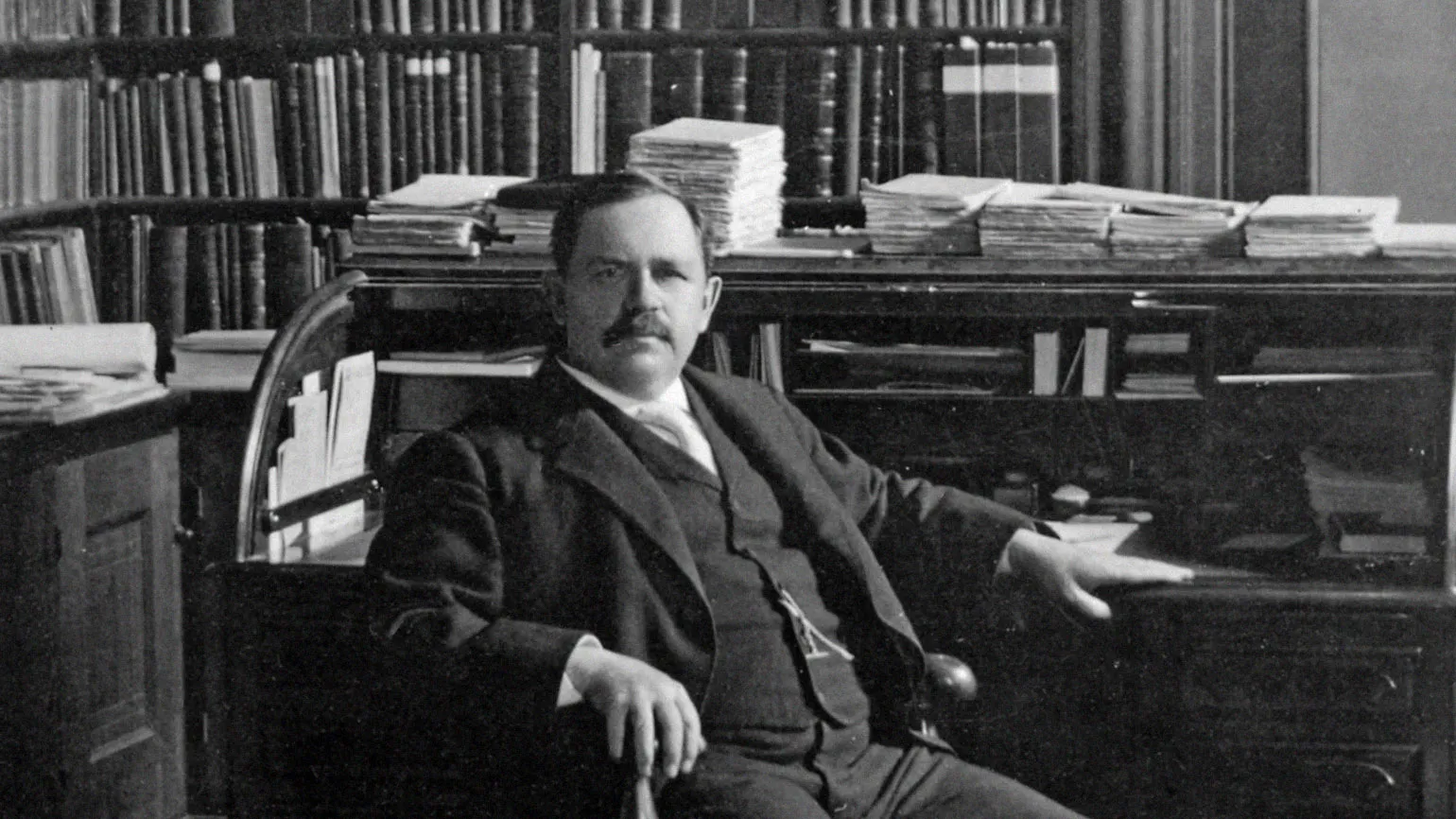
By 1896, Atwater completed the development of the first tables of calorie content of foods. These tables became the basis for the creation of USDA reference materials, including the National Nutrient Database and the Food Composition Handbook. These resources have played a vital role in the work of nutritionists and researchers, providing essential information on the nutritional value of foods and advancing the advancement of nutrition science.
How to Calculate Your Calorie Needs
You can use online calculators to calculate your calorie needs, but we'll explain how to do the calculation yourself. First, determine your basal metabolic rate (BMR), which measures the number of calories needed to maintain your body's energy at rest. You can use formulas like the Harris-Benedict or Mifflin-St Jeor formulas to do this.
Then factor in your activity level to calculate your total daily calorie intake (TDEE). Multiply your BMR by the activity factor: 1.2 (sedentary), 1.375 (light exercise), 1.55 (moderate exercise), 1.725 (active), or 1.9 (very active).
These steps will help you determine exactly how many calories you need to achieve your goals, whether it's weight maintenance, weight loss, or weight gain.
Your basal metabolic rate (BMR) is the number of calories your body expends at rest. These calories are needed to perform vital functions such as breathing, circulation, cellular renewal, and the synthesis of new substances. Therefore, even when you're not physically active, your body continues to consume energy. Understanding your basal metabolic rate is key to weight management and developing effective nutrition strategies. Knowing your BMR allows you to better plan a calorie deficit or surplus, which helps you achieve your health and fitness goals.
Your basal metabolic rate (BMR) is calculated using the Mifflin-San Jeor formula, which takes into account factors such as weight, height, age, and gender. This formula helps determine the number of calories your body needs to maintain basic functions at rest. Correctly calculating your BMR is an important step in planning your diet and exercise regimen, as well as in weight management. Knowing your basal metabolic rate allows you to more accurately determine the caloric intake of your diet to achieve your desired results, whether that be weight loss, weight gain, or weight maintenance.
- weight — the greater your body mass, the higher your calorie expenditure;
- height — tall people usually have more muscle and tissue;
- age — because metabolism slows down with age;
- gender — gender differences are taken into account in the form of correction factors: "+5" for men and "-161" for women.
The Mifflin-St. Jeor formula is one of the most popular methods for calculating basal metabolic rate (BMR). It allows you to determine the number of calories your body needs to maintain basic functions at rest. This formula takes into account parameters such as age, gender, height, and weight, which makes it more accurate than other methods. Accurately calculating your basal metabolic rate is important for developing personalized nutrition and exercise plans, which can help you achieve your health and fitness goals. Using the Mifflin-St. Jeor formula helps people manage their calorie balance and optimize weight loss or muscle gain.
To determine your basal metabolic rate for men, use the following formula: 10 times your weight in kilograms, 6.25 times your height in centimeters, subtract 5, multiply by your age in years, and add 5. This calculation provides an accurate value that can help you plan your diet and physical activity. Understanding your basal metabolic rate (BMR) is an important step in achieving weight loss or fitness goals.
To calculate BMR for women, the following formula is used: 10 times your weight in kilograms, plus 6.25 times your height in centimeters, minus 5 times your age in years, minus 161. This formula helps determine the number of calories needed to maintain your body's energy levels at rest, which is an important step in meal planning and weight management. Correctly determining your BMR helps women more effectively manage their diet and achieve their health and fitness goals.
The daily calorie requirement (DMR) indicates how many kilocalories are needed to meet all of your body's energy needs throughout the day. It is calculated using the Mifflin-St. Jeor formula, the result of which is multiplied by a coefficient reflecting your physical activity level. This allows for a more accurate calculation of your individual calorie needs, taking into account your lifestyle and physical activity. Correct calculation of the daily requirement will help maintain optimal weight and health.
- 1.2 - sedentary lifestyle;
- 1.375 - light exercise 1-2 times a week;
- 1.55 - 3-5 workouts per week;
- 1.725 - daily intense exercise;
- 1.9 - heavy physical labor [18].
With a sedentary lifestyle, women need an average of 1,800 calories per day, while men need about 2,400 calories. Proper nutrition and adherence to calorie intake help maintain health and optimal weight. To achieve the best results, it is worth considering the individual characteristics of the body and the level of physical activity.
For effective weight gain, you need to increase your calorie intake by 200-300 kcal above your daily requirement. If your goal is weight loss, then you should accordingly reduce the calorie content of your diet. However, it's equally important to consider not only total calorie intake but also the balance of macronutrients: proteins, fats, and carbohydrates. The ratio of these components directly impacts your well-being and overall health. For athletes, maintaining adequate protein levels is critical to avoiding a deficiency, which can negatively impact muscle mass. Complex carbohydrates play a key role in providing a long-lasting feeling of fullness, which is especially important for those trying to lose weight. Proper distribution of proteins, fats, and carbohydrates (PFCs) will help you achieve your goals while maintaining health and energy. Optimal PFC ratios play a key role in maintaining a healthy diet and achieving your fitness and health goals. The most common PFC recommendations are approximately 30% of total calories from fats, 30% from proteins, and 40% from carbohydrates. These ratios help provide the body with essential nutrients, maintaining energy levels and promoting recovery after exercise. However, it is important to remember that individual needs may vary depending on activity level, age and health. Proper distribution of proteins, fats, and carbohydrates contributes not only to improving physical fitness, but also to overall vitality.
- to gain weight — 25/15/60;
- to maintain weight — 25/25/50 or 20/30/50;
- to lose weight — 50/30/20.

Read also:
Complex Carbohydrates: Definition, Benefits, and Sources
Complex carbohydrates are polysaccharides made up of long chains of sugar molecules. They are broken down slowly in the body, providing a stable level of energy. Unlike simple carbohydrates, which are quickly absorbed and can cause sharp spikes in blood sugar, complex carbohydrates provide a prolonged feeling of fullness and maintain energy over a long period of time.
The benefits of complex carbohydrates include their ability to maintain normal blood glucose levels, improve digestive function, and promote cardiovascular health. They also contain important micronutrients and fiber, making them beneficial for overall health.
Complex carbohydrates are found in a variety of foods. Primary sources include whole grains such as oatmeal, quinoa, brown rice, and whole-grain bread. Additionally, legumes such as beans and lentils, and vegetables, especially starchy ones like potatoes and carrots, are also excellent sources of complex carbohydrates.
Including complex carbohydrates in your diet helps improve metabolism and maintain a healthy weight, so they should be considered an important part of a balanced diet.
If your daily calorie intake is 2,000 kcal and you want to establish a macronutrient ratio (protein, fat, and carbohydrates) of 20-30-50, you should calculate the distribution of calories among these components. With this ratio, proteins will account for 20% of calories, fats for 30%, and carbohydrates for 50%.
Therefore, to calculate the calorie content of each macronutrient, you need to multiply the total calorie content by the corresponding percentage. For proteins, this will be 400 kcal (20% of 2000 kcal), for fats - 600 kcal (30% of 2000 kcal), and for carbohydrates - 1000 kcal (50% of 2000 kcal).
Knowing the caloric content of each macronutrient (proteins and carbohydrates are 4 kcal per gram, fats - 9 kcal per gram), you can calculate the required amount of each of them in grams. This will allow you to plan your meals more effectively and achieve your nutritional goals.
- Proteins - 400 kcal;
- Fats - 600 kcal;
- Carbohydrates - 1000 kcal.
To understand the energy value of food, it is important to know how many kilocalories are contained in one gram of protein, carbohydrates, and fat: 4 kcal per gram of protein, 4 kcal per gram of carbohydrates, and 9 kcal per gram of fat. To calculate the amount of necessary macronutrients, you can use the reverse method. Proteins and carbohydrates have the same rule: to calculate them, you need to divide the total number of kilocalories by 4. For example, if you have 100 grams of protein and 250 grams of carbohydrates, then these values can be easily converted into kcals. Fats are calculated differently: the total number of kilocalories is divided by 9. So, if you have 600 kcal from fat, this corresponds to approximately 67 grams of fat. These calculations will help you properly balance your diet and achieve your nutritional goals.
Kcalories, proteins, fats, and carbohydrates (Kcals, proteins, fats, and carbohydrates) in different diets
In the modern world, there are many opinions about how many calories, proteins, fats, and carbohydrates (Kcals, proteins, fats, and carbohydrates) a person needs daily. However, some dietary patterns have become particularly popular and deserve attention. Let's consider the most common of them.
The US Department of Agriculture has developed dietary guidelines that are aimed at maintaining the health of Americans. These recommendations are useful for most people striving for a healthy lifestyle and proper nutrition. Following these guidelines can improve overall health, increase energy levels, and reduce the risk of chronic disease.
For a standard balanced diet, adults are recommended to maintain a protein, fat, and carbohydrate (PFC) ratio of 20% protein, 30% fat, and 50% carbohydrates. However, there is an acceptable range for these macronutrients, which may vary depending on individual needs and goals. This approach ensures optimal nutrition that helps maintain health and energy.
- 10–35% of the diet should come from protein;
- 20–35% from fat, with at least 10% of that fat coming from saturated fat [1];
- 45–65% from carbohydrates: the main emphasis should be on complex carbohydrates, as they provide a stable energy level.

Read also:
Foods high in fat play an important role in our diet. Fats are necessary for providing the body with energy, maintaining cellular health, and absorbing certain vitamins. Foods high in fat include nuts, seeds, avocados, olive oil, fatty fish such as salmon and mackerel, and dairy products, including butter and cheeses. These foods can be healthy, especially when they are part of a balanced diet. It is important to choose high-quality sources of fat to support optimal body function and improve overall well-being.
The calories, proteins, fats, and carbohydrates in the Mediterranean diet are comparable to those of a standard diet. The Mediterranean diet emphasizes fresh vegetables, fruits, whole grains, olive oil, and fish, which promotes a balanced intake of nutrients. It provides essential macro- and micronutrients, supporting health and performance of the body. By choosing the Mediterranean approach to nutrition, you get the opportunity to diversify your diet while maintaining an optimal ratio of KBZhF. This makes the diet not only healthy but also tasty, contributing to improved overall well-being and a reduced risk of chronic diseases.
- 18% - proteins;
- 35% - fats;
- 47% - carbohydrates [9], [10].
The Mediterranean diet differs from the traditional American diet due to its higher content of fruits and seafood, as well as less dairy. For example, according to USDA recommendations, people following a 2,000-calorie per day Mediterranean diet are recommended to consume about 425 grams of seafood per week. While the American diet suggests consuming only about 215 grams of seafood per week. This approach to nutrition promotes better health, a reduced risk of cardiovascular disease, and the maintenance of an optimal weight.

Rework the text to make it more SEO-friendly while maintaining the main topic and essence. Do not add unnecessary characters or emojis, avoid using numbered lists and sections. Simple and clean text without frills.
Read also:
The Mediterranean Diet: Key Restrictions and a Sample Daily Menu
The Mediterranean diet is based on the dietary traditions of the countries located around the Mediterranean Sea. It is known for its health benefits and may help reduce the risk of cardiovascular disease. The main restrictions of this diet include reducing the consumption of red meat and processed foods, as well as limiting sugar and saturated fats. Instead, the emphasis is on the consumption of fresh vegetables, fruits, whole grains, nuts, legumes, and olive oil.
A sample daily menu for the Mediterranean diet might look like this: for breakfast, you can cook oatmeal with berries and honey, for lunch - a salad with quinoa, tomatoes, cucumbers, and olive oil, and for dinner - grilled fish with a side dish of baked vegetables. Nuts or fresh fruit are suitable as snacks. Following these nutritional principles not only helps maintain a healthy weight but also improves overall health.
A high-protein diet has become popular among people looking to build muscle or lose weight. This diet emphasizes maintaining an optimal macronutrient ratio of 30% protein, 30% fat, and 40% carbohydrates. Protein plays a key role in muscle recovery and growth, as well as fat burning. This approach to nutrition helps increase metabolism and reduce appetite, which in turn helps manage weight. A high-protein diet can include a variety of protein sources, such as meat, fish, eggs, dairy, and plant-based proteins. The right combination of these components will help you achieve your fitness goals and improve your overall health.
- 30% protein;
- 30% fat;
- 40% carbohydrates [11].
A high-protein diet promotes feelings of satiety and helps control overeating. This principle is the basis of such popular diets as the Atkins diet and the Kremlin diet. High-protein foods not only fill you up but also maintain energy levels, making them ideal for those looking to lose weight and improve overall health. Including protein sources such as meat, fish, eggs, and dairy products in your diet can significantly improve weight loss results.

Read also:
The Kremlin Diet: Pros and Cons
The Kremlin Diet is a low-carb diet popular among those who want to lose weight quickly. The basic principle is to limit carbohydrates and increase protein and fat intake.
The benefits of the Kremlin diet include rapid weight loss, improved metabolism, and lower blood sugar levels. Eliminating carbohydrates from the diet can help reduce hunger, making it easier to stick to the diet.
However, this diet also has disadvantages. Limiting carbohydrates can lead to deficiencies in essential vitamins and minerals. In addition, this diet can cause fatigue and decreased energy levels, especially at the beginning of the diet. Long-term adherence to the Kremlin diet can be difficult and may lead to regaining lost weight.
Before starting the Kremlin diet, it is recommended to consult a doctor or nutritionist to assess its safety and appropriateness, taking into account individual health characteristics.
The ketogenic diet significantly changes the usual proportions of proteins, fats, and carbohydrates (PFC). In this diet, there is a significant reduction in carbohydrate intake, while the proportion of fats increases, and the amount of protein remains the same. This approach to nutrition promotes the transition of the body into a state of ketosis, in which it begins to use fat as a primary source of energy. The ketogenic diet can be useful for weight loss, improving blood sugar levels, and increasing energy.
- 20% protein;
- 75% fat;
- 5% carbohydrates [14].
The ketogenic diet aims to reduce carbohydrate intake in order to achieve a state of ketosis, in which the body begins to use fat as a primary source of energy. This state activates the fat-burning process, which promotes weight loss and improves metabolic processes. Ketosis can also help control blood sugar levels and reduce hunger. When following a ketogenic diet, it is important to consider the quality of the fats and proteins you consume to ensure you are getting all the nutrients your body needs.

Reading is one of the most important aspects of personal development and knowledge acquisition. It helps expand your horizons, improve your vocabulary, and develop critical thinking. Books, articles, and other literary materials provide a unique opportunity to immerse yourself in new ideas and concepts.
The variety of genres and topics allows everyone to find something to suit their taste, whether it's fiction, scientific research, or specialized publications. Regular reading not only promotes intellectual development but also improves concentration and memory.
Furthermore, reading promotes a better understanding of the world around us and helps us form our own opinions. It's important to devote time not only to popular new releases but also to classic works, which have become the basis for many modern ideas.
Don't forget that reading can be combined with other leisure activities, such as listening to audiobooks or participating in book clubs, which makes the process even more engaging and rewarding.
Take advantage of the opportunity to improve your life through reading. This isn't just a pleasant pastime, but also an important step toward personal and professional growth.
The Keto Diet: What It Is, Its Advantages and Disadvantages
The keto diet, or ketosis, is a low-carb diet in which fats are the body's primary source of energy. This diet involves significantly reducing carbohydrate intake and increasing the proportion of fats in the diet. As a result, the body begins to use stored fats for energy, which promotes weight loss.
The benefits of the keto diet include its ability to accelerate fat burning, improve blood sugar levels, and reduce the risk of cardiovascular disease. Many keto diet proponents also note improved concentration and energy, making it attractive to people with an active lifestyle.
However, the keto diet also has its drawbacks. A sharp reduction in carbohydrates can cause side effects such as headaches, fatigue, and digestive problems. In addition, following a keto diet for a long time can lead to a lack of essential vitamins and minerals.
Before starting a keto diet, it is recommended to consult a doctor or nutritionist to take into account your individual needs and avoid possible negative consequences.
The calories, proteins, fats, and carbohydrates (CF) when switching to a plant-based diet differ slightly from a traditional diet, but the basis of the menu changes. Instead of animal products, vegetarians and vegans choose whole grains, legumes, fruits, and vegetables, which contain fiber. This means that people on a plant-based diet typically consume more carbohydrates and less protein. Understanding these changes can help in properly planning a diet to achieve a balance of essential nutrients.
The calorie content and protein, fat, and carbohydrate ratio (PFC) is approximately 15% protein, 25% fat, and 60% carbohydrates. Proper distribution of proteins, fats, and carbohydrates (PFCs) is important for maintaining a healthy diet and achieving health and fitness goals. The optimal ratio of these macronutrients helps effectively manage weight, increases energy levels, and promotes proper recovery.
- 15% - proteins;
- 25% - fats;
- 60% - carbohydrates.
The proportion of proteins, fats, and carbohydrates (PFCs) in plant foods often corresponds to this ratio. This ratio plays an important role in the diet, providing the body with essential nutrients. Proper distribution of PFCs in plant foods helps maintain health and metabolic balance. The variety of plant-based foods makes it easy to achieve an optimal balance, which is especially important for vegetarians and vegans.
Free test: which digital profession is right for you?
IT, design, marketing or management? Find out the answer in 15 minutes. And then try your hand at a new specialty for free.
Find out more