Contents:

Thinking about a new profession, but don't know where to start? Find out what suits you: IT, design, game development, management or marketing. Take a free career guidance course.
Learn moreThis article will provide you with information on key aspects of the topic. We will cover the main points that will help you better understand the subject matter. You will be able to learn how to effectively apply the acquired knowledge in practice and improve your skills in this area. Read on for helpful tips and recommendations.
- What are fats and which ones are healthy;
- How are trans fats different from other fats;
- How dangerous are trans fats and should we fear them more than poisonous snakes;
- What foods contain trans fats and is there a safe limit for their consumption.

Nutritionist and gastroenterologist, expert in weight management and eating disorders. An authoritative specialist offering recommendations on healthy eating and effective weight loss strategies. The host of a channel dedicated to dietetics shares useful tips and up-to-date knowledge in the field of nutrition.
We created the Telegram channel "How Are You?", where we share useful information on self-development, psychology, effective learning methods, and career building at any age in a convenient format. Subscribe to receive up-to-date tips and recommendations for personal growth and achieving professional goals.
What are trans fats?
Trans fats, or trans isomers of fatty acids, are hydrogenated vegetable oils. These substances are formed during the processing of oils, which helps extend their shelf life and improve the texture of foods. However, trans fats have negative health effects, contributing to high cholesterol and increasing the risk of cardiovascular disease. It is important to understand that consuming foods containing trans fats can have serious consequences for the body. To maintain health, it is recommended to avoid or minimize the consumption of such fats, replacing them with healthier alternatives, such as unsaturated fats. Fats are important food components that serve as sources of fatty acids. Fatty acids are chains of linked carbon atoms. Our bodies cannot synthesize these chains on their own, so they must be obtained from the diet. Without fat, fat-soluble vitamins such as D, A, and E cannot be absorbed, making them crucial for maintaining health. Proper fat consumption not only promotes vitamin absorption but also supports normal cellular function, provides energy, and is involved in many physiological processes.
Fatty acids play a key role in maintaining the body's health at the cellular level and ensure the proper functioning of the brain, which is 60% fat. They are essential for the formation of cell membranes, maintaining metabolism, and the proper functioning of the nervous system. Without enough fatty acids, the brain and other body systems may not function properly.

Read also:
Brain Food: What You Should and Shouldn't Eat Before Exams
Proper nutrition plays a key role in preparing for exams. Some foods can improve concentration, memory, and overall performance, while others can negatively impact mental performance.
It is recommended to include foods rich in omega-3 fatty acids in your diet, such as fish, nuts, and seeds. These substances help improve cognitive function. Berries, especially blueberries, are also beneficial; they contain antioxidants and improve memory. Green leafy vegetables, such as spinach and broccoli, provide the body with essential vitamins and minerals that support brain health.
Don't forget about complex carbohydrates found in whole grains, such as oatmeal and whole-grain bread. They provide stable energy levels and improve concentration. It is also important to drink enough water to maintain hydration, as even mild dehydration can negatively affect mental performance.
On the contrary, you should avoid excess sugar and fast food, as they can cause sudden fluctuations in energy levels and impair concentration. Alcohol is also not recommended, as it can hinder the process of memorization and perception of information.
In conclusion, a balanced diet based on healthy foods can significantly increase your productivity and help you successfully prepare for exams.
Fats are important carbohydrates necessary for the body's functioning. However, not all fats are created equal. There are three main groups of fats: saturated, unsaturated, and trans fats. Saturated fats are considered unhealthy, as their consumption contributes to an increased risk of cardiovascular disease. This is emphasized by Susan Main, director of the FDA's Center for Food Safety and Nutrition. To maintain health, it is important to choose unsaturated fats, which can positively impact the cardiovascular system and overall well-being.
Saturated fats are mainly animal fats that retain their solid consistency at room temperature. Classic examples of saturated fats are butter, lard, and lamb fat. These fats play an important role in nutrition, but their consumption should be controlled to maintain health.
Unsaturated fats are considered "good" fats because they promote cardiovascular health by raising levels of "good" cholesterol. These fats are liquid at room temperature and include both monounsaturated and polyunsaturated acids. Consuming unsaturated fats in the diet can help reduce the risk of cardiovascular disease and improve overall health. They are found in foods such as olive oil, avocados, nuts, and fatty fish. Including unsaturated fats in your daily diet helps maintain normal cholesterol levels and improve metabolism.
Unsaturated fats are characterized by the presence of double bonds between carbon atoms, unlike saturated fats, which lack such bonds. The more double bonds in the fat structure, the greater its beneficial properties for the body. Unsaturated fats play a key role in various biochemical processes, including the formation of cell membranes, which provide protection for cells, and the normal functioning of the reproductive system. Including unsaturated fats in your diet can improve overall health and support important physiological functions.
Olga Shestakova is an expert in her field, possessing extensive experience and deep knowledge. She actively pursues her professional career, providing high-quality services and consultations. Olga always strives for excellence, which allows her to achieve outstanding results. Her approach to work is based on an individualized approach to each client, which contributes to the creation of effective solutions. Olga Shestakova constantly develops her skills, monitors new trends, and applies relevant techniques, making her an indispensable specialist.
The body's "defender" fats are found in nuts and seeds, avocados, fish, and seafood. These healthy fats are also present in vegetable oils such as olive, canola, and sunflower. Including these foods in your diet helps maintain health and improve metabolism. Healthy fats play an important role in maintaining normal body function, facilitating the absorption of vitamins and reducing the risk of cardiovascular disease. Trans fats are unhealthy forms of fat that are similar to healthy unsaturated fats. These artificially created fats can negatively impact health by raising cholesterol levels and increasing the risk of cardiovascular disease. The importance of being aware of their presence in the diet should not be underestimated, as trans fats are often found in processed foods and fast food. Understanding their effects on the body will help you make more informed dietary choices and choose healthier alternatives. Trans fats are unsaturated fats that have undergone a process called hydrogenation. During this process, hydrogen is introduced into the fat molecule, which leads to the destruction of beneficial carbon double bonds and the transformation of the oil from a liquid to a solid. While this process reduces production costs, it also results in the loss of all the beneficial properties of unsaturated fats. Consuming trans fats is associated with negative health effects, such as increased levels of bad cholesterol and the risk of cardiovascular disease. It is important to understand the risks associated with trans fats and limit their consumption to maintain good health.
An example of a food Frankenstein is margarine. This product is initially created from vegetable oil, which is hydrogenated into a product resembling butter in appearance and consistency.
As a result, two main conclusions can be drawn.
- Trans fats differ from other fats by the presence of a hydrogen molecule in their composition.
- Trans fats (like saturated fats) are significantly harmful to health. And unsaturated ones are considered useful when consumed within the daily norm.

Study additional materials:
Separate nutrition is a nutrition system based on the principle of combining products in such a way that they do not interfere with each other during digestion. The basic idea behind food combining is that certain food groups, such as carbohydrates and proteins, are better digested when eaten separately. This eating system helps improve digestion, lose weight, and increase energy levels. Food combining involves certain rules, such as pairing proteins with vegetables and carbohydrates with fruits. By following these guidelines, you can achieve more efficient nutrient absorption and improve overall health. Food combining also helps reduce the burden on the gastrointestinal tract, which can help prevent various diseases. People who monitor their diet and choose food combining often report improved well-being, increased concentration, and reduced fatigue.
Thus, separate nutrition is an effective approach to organizing a diet that helps not only maintain health but also improves the quality of life.
What are the dangers of trans fats?
According to the World Health Organization, trans fats cause 278 thousand deaths annually. Statistics raise serious concerns: excessive consumption of trans fats increases the likelihood of death from various causes by 34%, and the risk of developing coronary heart disease by 28%. These fats do not provide any health benefits and, therefore, their consumption should be minimized.
The altered chemical structure of trans fats negatively affects the human body. Over millions of years of evolution, our body has not adapted to digest fats that have undergone chemical changes to reduce production costs. As a result, trans fats become defective nutritional components that disrupt cholesterol metabolism. This, in turn, increases the risk of atherosclerosis, as well as premature heart attacks and strokes. Consuming trans fats can significantly worsen cardiovascular health and lead to serious illnesses. Olga Shestakova is a professional in her field, possessing significant experience and knowledge. She successfully works in a field where she combines a creative approach with analytical thinking. Olga is actively involved in projects aimed at developing and optimizing processes, which allows her to achieve high results. Her expertise covers various aspects, including project management and teamwork. Thanks to her skills, Olga Shestakova becomes a valuable resource for any team striving for success and innovation. Artificially produced trans fats can significantly increase the risk of cancer, systemic inflammatory processes, and type 2 diabetes. These findings were presented in a review conducted by a group of researchers from Italy and Armenia. Consumption of such fats is associated with negative health consequences, highlighting the importance of monitoring diet and choosing healthier alternatives.
Brazilian scientists have conducted research demonstrating the negative impact of trans fats on the nervous system of insects during their early development. These results highlight the importance of avoiding trans fat consumption by pregnant women, as it may negatively impact the intellectual and nervous functions of the unborn child. It is important to recognize that nutrition during pregnancy plays a key role in the child's development, and trans fats can be potentially harmful to their health.
Studies in rats confirm the effects of hydrogenated fat on offspring behavior. Young rodents whose mothers consumed hydrogenated fats during pregnancy and lactation showed higher levels of anxiety compared to the control group. These results highlight the importance of maternal diet for the development of the nervous system and emotional state of the offspring.

To optimize text for SEO, it is important to consider keywords and phrases that can help improve visibility in search engines. You should also maintain the original topic, avoiding adding unnecessary information.
Read other articles on our website to deepen your knowledge on this topic. We offer a variety of content to help you better understand key topics and current trends. Stay up-to-date with the latest news and updates to avoid missing important details.
Anxiety Disorder: Causes, Symptoms, and Treatments
Anxiety disorder is a mental condition characterized by persistent feelings of worry and fear. It can manifest itself in various forms and significantly impair quality of life. The main causes of anxiety disorders include genetic predisposition, biochemical changes in the brain, and the influence of stressors and traumatic events.
Symptoms of anxiety disorders can range from mild anxiety to panic attacks. These include persistent restlessness, increased fatigue, sleep problems, irritability, and physical manifestations such as rapid heartbeat and sweating. It is important to recognize these symptoms promptly to prevent the condition from worsening.
Treatment for anxiety disorders may include psychotherapy, medication, and self-help techniques. Cognitive behavioral therapy (CBT) is one of the most effective approaches for helping change negative thoughts and behaviors. Antidepressants and anxiolytics may be prescribed by a doctor to reduce anxiety. Physical activity, meditation, and relaxation techniques, which help reduce stress, may also be helpful.
If you or a loved one is experiencing symptoms of an anxiety disorder, it is important to seek professional help. Proper diagnosis and treatment can help restore quality of life and cope with anxiety.
Where are trans fats found?
Research conducted by scientists from India found that ready-made bakery products are among the highest in trans fat content, accounting for up to 40% of the total consumption of this dangerous product. The cookies, crackers, buns, and cakes that so tempt consumers can be significantly more dangerous than many wild animals. They are estimated to be 27 times more likely to cause death than sharks and twice as likely as venomous vipers. With this data in mind, it is important to understand the risks of consuming foods containing trans fats and to make more informed food choices.
The top seven trans fat killers include:
- animal products (e.g. frozen store-bought patties, hot dogs, and sausages) — 21% of total trans fat consumption;
- margarine — 7%;
- fried potatoes — 8%;
- chips and popcorn — 5%;
- breakfast cereals and candy — 5%;
- confectionery fats — 4%.
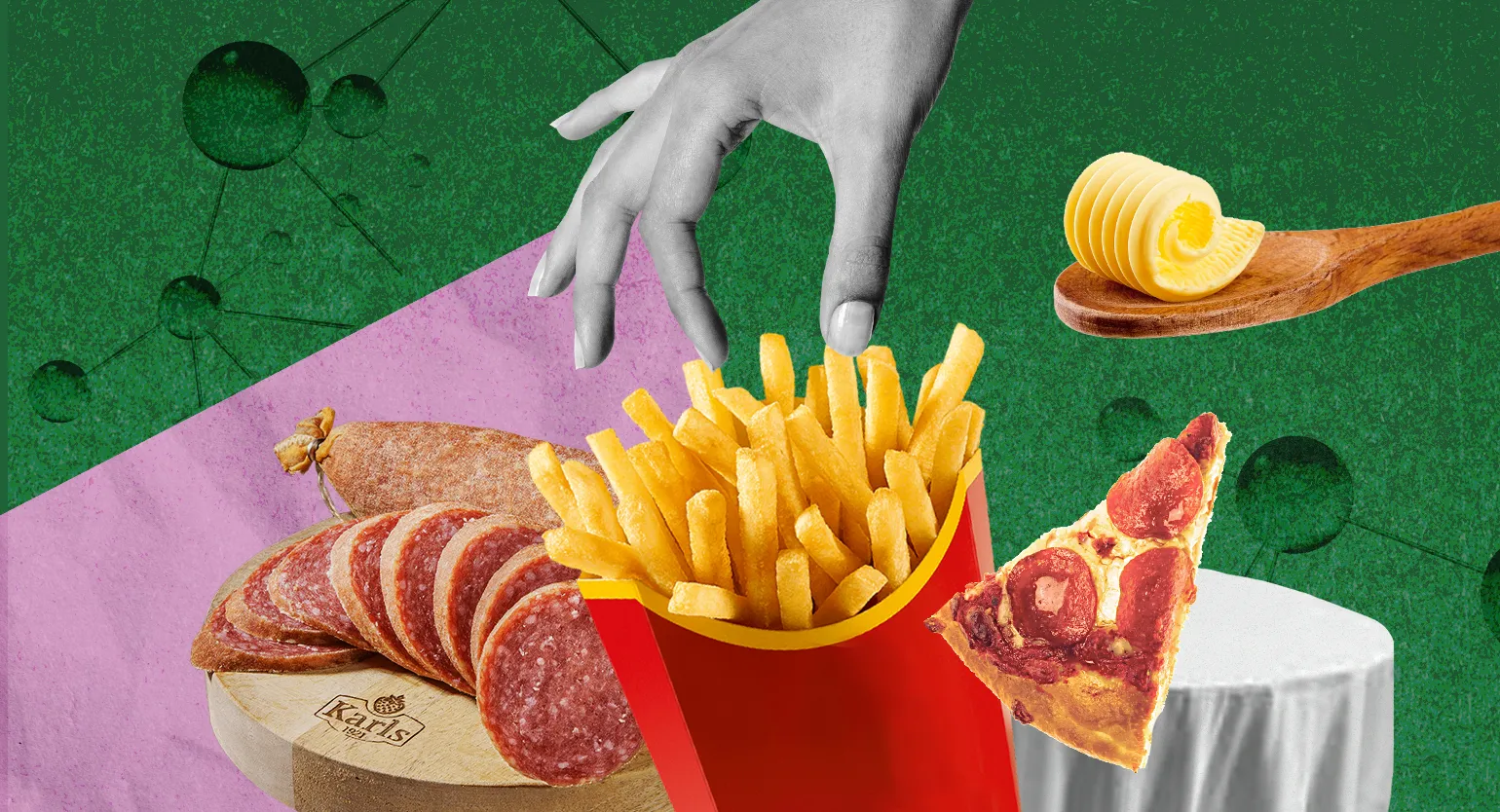
The World Health Organization (WHO) points out that trans fats are hidden in popular foods such as donuts, baked goods, and fried foods offered in restaurants and fast food establishments. These include French fries, chicken nuggets, burgers, rolls, and pizza. Trans fats are also often found in ready-made food mixes, such as those used to make pancakes and hot chocolate. Consuming these fats is associated with an increased risk of cardiovascular disease, so it's important to carefully monitor food ingredients and limit their consumption. Responsible manufacturers may use natural vegetable oils in their products, which eliminates trans fats. Countries such as Denmark, Lithuania, Poland, Saudi Arabia, and Thailand have banned the use of trans fats in food production. This ban is strictly controlled by laws, which ensures consumer safety and high quality products.

Reworked text:
Also study:
Detox is the process of cleansing the body of toxins and harmful substances accumulated as a result of poor diet, polluted environment or stress. The main goal of a detox is to restore the body's natural balance, improve well-being, and increase energy levels.
Detoxification can be accomplished through a variety of methods, including diets, special drinks, herbal supplements, and exercise. It's important to note that a detox is not a short-term solution but requires a comprehensive approach and lifestyle changes to achieve lasting results. A proper detox can boost immunity, improve digestion, and promote weight loss.
Therefore, a detox is an important part of a healthy lifestyle that helps cleanse the body and restore its functionality.
In Russia, there is no complete ban on the use of trans fats in food production. However, Rospotrebnadzor has imposed restrictions requiring that the trans fat content in margarine, milk fat substitutes, and other specialty fats should not exceed 2% of the total fat content in the product. This restriction is aimed at protecting consumer health and reducing the risk associated with the consumption of trans fats, which can negatively affect the cardiovascular system. It's important to monitor food ingredients and choose those that contain minimal amounts of trans fats to maintain a healthy lifestyle. Food labels often don't list the presence of trans fats. Therefore, it's important to carefully read the ingredients. Trans fats are typically labeled as "hydrogenated" or "partially hydrogenated vegetable oils." These terms indicate that trans fats, which can have negative health effects, were used during the production process. To avoid consuming them, you should carefully read food ingredients and choose trans-fat-free alternatives. Olga Shestakova is a talented specialist in her field. She has extensive knowledge and experience, which allows her to successfully complete her tasks. Olga is actively developing her skills and always strives for new achievements. Her professionalism and dedication make her a valuable member of the team. With each project, Olga demonstrates high results and brings fresh ideas, which contributes to the successful completion of tasks and business development.
Trans fats are found not only in processed foods, but also in natural ones. They are present in cow's milk and the meat of ruminants, such as cows, sheep, and goats. Small amounts of trans fats can also be found in the fats of poultry and pigs. It is important to consider these sources when planning a diet, as trans fats can have a negative impact on health.
Most trans fats are formed during industrial production. Small amounts of these substances are also found in natural meat and dairy products from ruminants. For example, pure butter contains no more than 8% trans fats, while in alternative products obtained as a result of industrial hydrogenation, their content can reach 50%. It is important to pay attention to the composition of products, as high levels of trans fats can have a negative impact on health.
Olga Shestakova - Olga Shestakova is a name that is familiar to many. She has established herself as an expert in her field, bringing a unique approach and creative ideas to her work. Thanks to her knowledge and experience, Olga has been able to succeed and become a sought-after expert. Her work covers various aspects, and she constantly strives for self-improvement. If you are looking for a reliable partner or specialist, Olga Shestakova is an excellent choice.
Cooking favorite dishes such as pancakes, scrambled eggs, and liver pancakes can significantly increase the trans fat content in your diet. However, there is no need to panic and rush to a cardiologist. An important aspect of home cooking is the choice of frying oil. Choosing the right oil will help reduce the amount of trans fats and make dishes healthier. Use vegetable oils high in unsaturated fats, such as olive or canola, to improve the quality of food and reduce health risks.
When heated, any oil can contain 3% to 5% trans fat. Olive oil intended for frying contains approximately 2% trans fat. This is a negligible amount, which, when consumed in moderation, will not harm the body. It is important to note that trans fats can form during the thermal processing of oils, but proper selection and moderation in their use will help minimize potential negative health effects. Olga Shestakova is a professional in her field, possessing extensive experience and deep knowledge. She successfully works on various projects, demonstrating high results and a creative approach. Olga constantly improves her skills, staying abreast of the latest trends and new technologies. Her expert opinion and recommendations are valued by both colleagues and clients. Olga Shestakova's work is always distinguished by quality and attention to detail, making her an indispensable specialist. Olga has identified five key rules for safe home cooking. These recommendations will help avoid kitchen accidents and ensure safe food preparation. Following these rules will minimize the risk of burns, cuts, and other injuries, as well as prevent food poisoning. It's important to remember that kitchen safety starts with good habits and careful attention to food preparation.
- Do not use margarine in baking;
- Cook more often with vegetable oil, not butter;
- Trim visible fat from meat;
- Do not use oil for frying twice;
- Stewing, boiling, steaming, and baking instead of frying.

Revised text:
Be sure to check out additional materials on this topic. This will help you deepen your knowledge and better understand the issue at hand. Our recommendations contain helpful tips and practical examples that you may find useful. Don't miss the opportunity to expand your horizons and get up-to-date information.
Healthy Eating Outside the Home: Key Principles and Doctor's Recommendations
Eating healthy in restaurants and cafes may not be as difficult as it seems. By following a few basic principles, you can make the right choice even with a limited menu. First, pay attention to the ingredients in your dishes. Avoid fried and highly processed foods, giving preference to baked, boiled, or grilled dishes. Choose dishes containing plenty of vegetables and whole grains, which will provide your body with the necessary nutrients.
Second, control your portions. Portions are often large at restaurants, so don't hesitate to order half a portion or share a dish with another person. This will help you avoid overeating and excess calorie consumption.
Also, try to avoid sugary drinks and alcoholic cocktails. It's better to choose water, unsweetened tea, or freshly squeezed juice. They are not only lower in calories but also healthier.
When choosing desserts, choose fruit or light yogurts to satisfy your sweet tooth without harming your figure.
Also, don't forget the importance of regularity. If you know you're going to dine out, plan your day so you don't skip meals or get overly hungry. This will help you make more informed choices.
By following these guidelines, you can enjoy eating out without compromising your health. Healthy eating doesn't mean restriction, but rather conscious choice and balance.
How much trans fat can you eat per day?
The World Health Organization (WHO) recommends limiting trans fat intake to 2.2 grams per day on a 2,000-calorie diet. This represents no more than 1% of daily calories. The optimal option is to completely eliminate trans fats from the diet to maintain health and reduce the risk of various diseases.
Two wedges of potatoes fried in margarine can significantly exceed the permissible intake of trans fats. Margarine contains almost 50 grams of trans fat per 100 grams of product. Trans fat levels in industrial baked goods and confectionery products are so high that consuming just one pastry can exceed a month's recommended intake. Olga Shestakova is a professional in her field, possessing extensive experience and knowledge. She actively develops and promotes projects using modern methods and strategies. Olga places special emphasis on the quality of her work and strives to achieve high results. Her approach is based on market analysis and client needs, allowing her to create effective solutions. Working with Olga Shestakova guarantees reliability and professionalism in every aspect of our work. One teaspoon contains 4.6 grams of olive oil. Frying chicken cutlets in this oil produces only 0.0092 grams of trans fat. This amount of trans fat will not have a negative impact on health. Olive oil, thanks to its beneficial properties and low trans fat content, is a good choice for cooking. Susan Main of the FDA recommends two important tips for home cooks to reduce trans fat intake. First, choose lean, skinless meats, such as chicken or turkey breast. Second, choose low-fat dairy products. By following these recommendations, you can significantly reduce your risk of excess trans fat intake, which will positively impact your health. Proper food choices are the key to a balanced diet and good health. Balance and avoidance are key to maintaining good health. Completely eliminating fats from the diet, especially out of fear of trans fats, may not be advisable. Fats play an important role in the body, and some are necessary for normal functioning. It is recommended to choose healthy sources of fats, such as olive oil, nuts, and avocados, rather than cutting them out completely. Understanding the role of fats in nutrition will help maintain health and prevent potential diseases.
Fats play a vital role in the body, as they are necessary for the absorption of fat-soluble vitamins, maintaining hormonal balance, optimal gallbladder contraction, cell renewal, and normal functioning of the nervous system. It is important to remember that fats should be consumed in moderation. Proper fat consumption promotes overall health and well-being.
Olga Shestakova is a specialist in marketing and business management. She has extensive knowledge in strategic planning and market analysis. Olga actively applies modern methods of promotion and optimization of business processes, which allows her to achieve high results in her work. Her experience includes the development of effective marketing strategies, as well as project management of varying complexity. Olga Shestakova also provides training and consulting, sharing her knowledge with both beginners and business professionals.
The optimal fat intake is approximately 20-35% of total daily calorie intake. This allows the body to obtain the essential fatty acids and maintain health. It is important to choose healthy sources of fat, such as olive oil, avocado, nuts, and fish, which contain monounsaturated and polyunsaturated fats. Avoid trans fats and excessive saturated fats, as they can negatively affect cardiovascular health. The correct ratio of fats in the diet helps maintain a healthy weight and improves metabolism.
- Fats should make up to 30% of daily calories;
- of which saturated fats - up to 10%;
- Trans fats - no more than 1%.
To improve your diet, try to reduce the consumption of fatty meats and butter. Instead, use vegetable oils, which are healthier. Add nuts and seeds to salads to enrich them with healthy fats and vitamins. Try to fry foods less often and avoid ready-made and fast foods, as they often contain harmful additives and excess calories. Don't forget to include fish and seafood in your diet, which, when combined with vegetables, create a balanced and nutritious dish.
Free career guidance
Take a short test and find out which profession is right for you, and then try your hand at your chosen specialty. At the end of the course, you will have a session with a career guidance specialist. It will help you decide on your career path.
Find out more