
Contents:

Thinking about a new profession, but don't know where to start? Find out what suits you: IT, design, game development, management or marketing. Take a free career guidance course.
Learn moreIn this article, we will cover the key aspects of the topic in detail. We will delve into the main concepts, analyze important details, and offer practical recommendations. We will also provide useful tips and examples to help you better understand the material. We will strive to make the information as useful and relevant as possible, providing you with a complete understanding of the issue under consideration.
- What is an eating disorder;
- What are the symptoms and causes of an eating disorder;
- What types of eating disorders are there;
- How to determine if a loved one has a problem;
- And how is the disorder treated.
We have created the "How Are You?" Telegram channel, where we share useful information about self-development, psychology, as well as how to effectively study and develop a career at any age, in a convenient format. Join us to receive relevant tips and recommendations to help you achieve success and harmony in life. Subscribe and stay up to date with new publications!
What is an eating disorder?
An eating disorder is a mental illness characterized by a disturbance in the relationship with food. People with this disorder may experience problems such as binge eating, when they are unable to stop despite feeling full, or, conversely, anorexia, which is characterized by a prolonged lack of appetite. These disorders can significantly affect physical and mental health, causing serious consequences. It is important to seek professional help at the first signs of an eating disorder to prevent further complications and restore healthy eating habits.
Eating disorders (EDs) are often perceived as a problem specific to adolescent girls. However, in reality, various forms of eating disorders can affect people of all genders and ages. Eating disorders are not limited to a specific age group or gender; they can affect both men and women, as well as people of all ages. It is important to understand that eating disorders are a serious problem that requires attention and understanding from society, as well as professional help.
Eating disorders are most often diagnosed in women, but this does not mean that women are more prone to this condition than men. A more likely reason for this statistic is that women are more likely to seek professional help, which leads to a higher number of reported cases. It is important to understand that eating disorders can affect people of any gender, age, and social group, and awareness of this fact contributes to more effective detection and treatment of the disease.
Eating disorders can develop in both children and the elderly. It is important to note that eating disorders can manifest at any age, which requires special attention to their detection and treatment. Seeking professional help and early diagnosis are key to overcoming these disorders.
Eating Disorder Symptoms
Eating disorders are a group of conditions whose symptoms vary depending on the specific type. Each of these conditions can significantly impact a person's physical and psychological health. Proper understanding and diagnosis of different types of eating disorders are key to effective treatment and support.
Some of the main signs include the following characteristics:
- feeling guilty for eating something “extra”;
- excessive concern about your weight: you constantly try to change it dramatically - go on strict diets, start exercising intensively (for example, you have never run and suddenly decide to run every day), buy dietary supplements or medications (diuretics, laxatives) to “bring your weight back to normal”;
- frequent overeating - a state when you are already full, but it is difficult to stop;
- the desire to eat something when stressed or, conversely, refuse to eat.
People suffering from eating disorders (EDs) often hide food or eat it in secret. They may also avoid meeting with friends, fearing being in a company where there will be a lot of food. This behavior is associated with deep psychological issues and fears that interfere with normal social interactions and lead to isolation. Understanding these difficulties can help in finding support and treatment options.
Causes of Eating Disorders
The reasons can be varied. They can include a lack of necessary knowledge, inexperience, as well as the influence of external factors. It is also worth considering that a person's personal circumstances and motivation can significantly influence their actions. It is important to understand that each case is unique, and for a deeper analysis, it is necessary to consider specific circumstances.
- Psychological. Low self-esteem, perfectionism, a tendency toward impulsive behavior, and problematic relationships can contribute to the development of eating disorders.
- Biological. Eating disorders can be caused, for example, by a decrease in the level of serotonin, a hormone that is involved in the regulation of mood and appetite.
- The influence of media and social networks. The image of the ideal body that we see in the media and social networks reduces satisfaction with our own body. In one study, researchers surveyed teenage girls who read fashion magazines. 47% of respondents said that the photos in the magazines made them want to lose weight.
- Genetic factors. A person's chances of developing an eating disorder are higher if someone in their family has had the disorder. But still, the main reason is mental problems.
Explore similar topics:
Loving and accepting your body is an important step towards harmony and inner peace. This is a process that takes time and effort, but it brings significant results. First of all, you need to realize that each body is unique and beautiful in its own way. It is important to learn to look at yourself with love, accepting all your features and imperfections.
Start with positive self-reflection. Replace criticism with support. Focus on your strengths, whether it's physical strength, flexibility, or beautiful skin. Regular exercise will help improve your fitness and boost your self-confidence. Furthermore, proper nutrition not only promotes physical health but also improves your mood.
Visualization can also play an important role in body acceptance. Create positive images of yourself, imagining yourself at your best. Practicing gratitude helps you appreciate your body for what it does for you every day.
Remember that the path to acceptance can be challenging, and it's important to surround yourself with supportive people. Connecting with those who share your values can significantly improve your self-image. Investing in personal development and emotional health will help you love and accept your body, and therefore yourself.
Types of Eating Disorders
The most well-known types of eating disorders (EDs) are anorexia and bulimia. However, there are many other forms of eating disorders that may remain unnoticed even by the people who suffer from them. It is important to understand that eating disorders can manifest in different ways and require attention to avoid serious health consequences.
Bulimia nervosa is characterized by alternating episodes of binge eating and attempts to get rid of the food eaten. A person with this disorder may maintain a healthy diet, but during stressful moments they often break down and binge. After such episodes, there is a desire to compensate for food consumption through fasting, vomiting, excessive exercise, or the use of laxatives. It is important to understand that bulimia nervosa requires a professional approach to treatment, as it can have serious health consequences.

People suffering from this disorder strive to lose weight and are afraid of gaining extra pounds, which leads to strict Dietary restrictions. Even with significant weight loss, such people may continue to feel fat due to a distorted body image. No matter how thin they are, their internal perception may cause them to consider themselves overweight.
The danger of this disorder is that the desire to lose weight can lead to serious health problems. A person may experience decreased bone density, which increases the risk of fractures. Kidney and liver dysfunction are also possible, which can lead to various diseases. Women may experience problems with their menstrual cycle, even its complete disappearance. These consequences emphasize the importance of a safe approach to weight loss and the need to consult with a medical professional.
This type of eating disorder (ED) most often occurs under conditions of stress, boredom, and negative emotions. A person may not feel physically hungry, but still reaches for another chip or indulges in more ice cream. In this case, food becomes a means of relieving tension and emotional discomfort. Understanding the causes of this behavior is important for developing effective strategies for overcoming it and building a healthier relationship with food.
Selective eating disorder (ED) manifests itself in a person refusing certain foods based on their appearance, texture, negative experiences, or fear of choking. It is important to note that this food avoidance is not based on rational reasons such as allergies or intolerances. Instead, it is rooted in psychological fears and aversions. Understanding these factors can help develop effective treatment and support strategies for people suffering from a selective eating disorder.

Reworked text:
Read also:
Body positivity is a movement that promotes acceptance and respect for bodies, regardless of size, shape, or other characteristics. It aims to combat negative beauty standards imposed by society and the media. Body positivity promotes a positive perception of one's body and encourages people to value themselves as they are. This approach helps boost self-esteem and confidence, as well as reduce the pressure associated with ideal appearance. This movement actively embraces diversity and includes people of all ages, races, genders, and sizes, emphasizing that every body is unique and deserves respect. It is important to understand that body positivity is not only about accepting one's body but also about striving for inner comfort and a healthy lifestyle. Orthorexia nervosa is a disorder that currently has no official status, but it is attracting increasing interest from researchers. In this condition, a person does not strive to lose weight, but experiences an excessive obsession with healthy eating. As a result, they begin to avoid so-called "unhealthy" foods, experience shame when consuming them, and exhibit compulsive behavior, following a strict eating schedule. This disorder can negatively impact physical and mental health, as excessive focus on proper nutrition can lead to nutrient deficiencies and a deterioration in quality of life.
Not all eating disorders can be clearly classified. One person may experience symptoms characteristic of different types of eating disorders. However, this does not mean that such disorders are harmless or untreatable. It is important to understand that even mixed symptoms require a professional approach and comprehensive therapy. Every eating disorder, regardless of its type, can negatively impact a person's health and quality of life, so timely diagnosis and treatment are key.
How to recognize a disorder in a loved one
Numerous studies show that people with eating disorders (EDs) often do not recognize their problem or believe that they do not need help. If you notice similar signs in someone close to you, pay attention to the following symptoms, which may indicate the development of an eating disorder.
- Skip meals or make excuses for not eating.
- Follow an overly strict diet.
- Obsessed with healthy eating.
- Cooks separate meals instead of eating what the rest of the family eats.
- Often calls oneself fat and talks about losing weight.
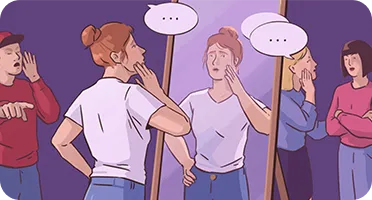
- Regularly examines supposed body flaws in the mirror.
- Often consumes large amounts of sweets and fatty foods.
- Uses dietary supplements, laxatives, or other drugs for weight loss.
- Exercises too much.
- Expresses disgust, shame, or guilt about eating habits.
- Eats much more or less than usual.
- Goes to the bathroom during food.
- Tries to eat alone and hides food consumption.
- The person has obvious problems with tooth enamel, which may indicate frequent vomiting, as well as calluses on the knuckles from vomiting.
People suffering from eating disorders, in particular anorexia nervosa, are often unaware of their illness. This condition is known as anosognosia. Anosognosia can seriously complicate the process of diagnosis and treatment, as patients ignore symptoms and refuse help. It is important to raise awareness of this phenomenon to improve understanding and support for people facing eating disorders.
If you notice signs of an eating disorder in a loved one, it is important to discuss the issue with them. Try to gently suggest that they seek help from a specialist who can provide the necessary help. Your attention and support can play a key role in their recovery.
How to Treat an Eating Disorder
The main treatment method for eating disorders (EDs) is psychotherapy, which helps people learn to control their emotions and cope with stress without using food as a means of comfort. Psychotherapy can be conducted both individually and in a family setting. Family therapy is especially effective for children and adolescents suffering from eating disorders, as it involves loved ones in the recovery process and helps create a supportive atmosphere.
Cognitive behavioral therapy is the most researched treatment method for eating disorders (EDs). This approach helps people identify stress triggers, become aware of negative thoughts, and manage their behavior. As a result of therapy, patients become more aware of their emotional reactions and learn to cope with them effectively. Cognitive behavioral therapy not only helps improve mental health but also develops healthy eating habits, which is a key aspect in the fight against eating disorders.

Reading is an important aspect of our lives, which enriches knowledge and develops intelligence. In today's world, access to information has become easier, and books, articles, and blogs open new horizons. Regular reading helps improve concentration, expand vocabulary, and enhance critical thinking. Reading also promotes empathy, allowing you to better understand the feelings and thoughts of others. To get the most out of reading, it's important to choose a variety of genres and topics. This will not only make the process more engaging but also allow you to gain a deeper understanding of various aspects of life. Develop a reading habit, and you will notice positive changes in your thinking and perception of the world. Cognitive behavioral therapy (CBT) is an effective method of psychotherapy that focuses on changing negative thoughts and behavioral patterns. This approach is based on the principle that our thoughts influence emotions and behavior. CBT helps people recognize and rethink destructive beliefs, promoting improved psychoemotional well-being. During cognitive behavioral therapy, the client actively participates in the analysis of their thoughts and actions. A therapist guides the individual in this exploration, helping to identify and modify ineffective strategies. CBT can be useful in treating a variety of mental health disorders, including depression, anxiety disorders, and phobias.
CBT methods include journaling, role-playing, and practical tasks, making the therapy process interactive and goal-oriented. Research shows that cognitive behavioral therapy is effective and leads to long-term changes in thinking and behavior.
Therefore, CBT is a valuable tool for those seeking to improve their mental health and quality of life.
Antidepressants are sometimes used in the treatment of eating disorders, but only under a doctor's prescription. These medications do not help eliminate the disorder itself, but rather help manage the symptoms of anxiety and depression that may accompany it. In some situations, hospitalization may be required. For example, if anorexia has led to significant malnutrition, a doctor may recommend inpatient treatment or day care to ensure the necessary monitoring of your health.
Also learn:
- Panic attack: what it is, causes, symptoms, and treatment
- "Anxiety is not a weakness": how to accept anxiety and cope with it
- What is OCD: symptoms, examples, treatment
Free Career Guidance
Take a short test and find out which profession is right for you, and then try your hand at your chosen specialty. At the end of the course, you will have a session with a career guidance specialist. It will help you decide on your career path.
Find out more