
Contents:
- What is bipolar affective disorder
- What types of bipolar disorders are there?
- How does a person behave during the depressive phase of bipolar disorder?
- How does mania manifest itself?
- How does hypomania manifest itself?
- What is a mixed episode in bipolar disorder?
- Can bipolar disorder be cured?
- How to adapt to life with bipolar disorder?

Thinking about a new career but don't know where to start? Find out what's right for you: IT, design, game development, management, or marketing. Take a free career guidance course.
Learn moreThis article will introduce you to the main aspects of the topic we'll be covering. We'll cover key points in detail to help you better understand the subject. Expect useful information and practical advice that will help you.
- What is bipolar disorder and how is it different from the meme "bipolar";
- What types of bipolar disorder exist;
- How do people behave in depression, mania, and hypomania;
- Can bipolar disorder be cured;
- How to adapt to life with it.

Family, child, and adolescent psychotherapist using cognitive behavioral therapy (CBT), compassion-focused therapy (CFT), and interpersonal therapy (IPSRT). I specialize in supporting families and individuals in overcoming emotional difficulties, improving mental health, and developing harmonious relationships. My approach is based on scientific methods and an individualized approach to each client, which allows me to effectively address the challenges associated with childhood and adolescence. By seeking help, you are taking a step toward improving the quality of life and emotional well-being of your family.
We have launched the "How Are You?" Telegram channel, where we discuss self-development and psychology in an accessible format, and also share recommendations for effective learning and career building at any age. Join us and receive useful tips for personal growth and professional development. Subscribe!
What is bipolar affective disorder?
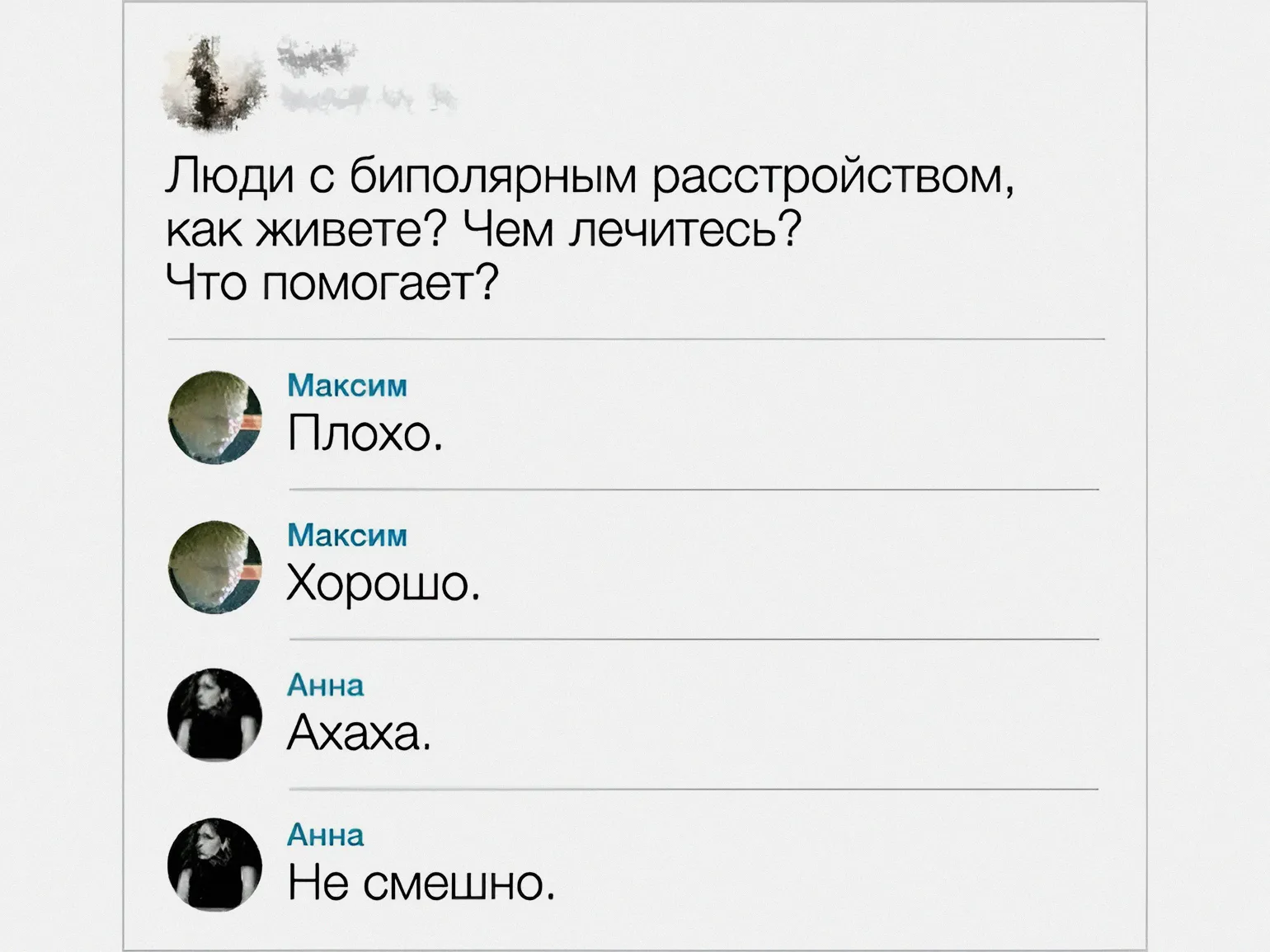
On the Russian-language internet, the term "bipolar" is more often perceived through the prism of memes than as a serious and incurable mental illness. This leads to misunderstanding and stigmatization of people suffering from bipolar disorder. It is important to understand that this condition requires attention and treatment, not a frivolous attitude. To better understand bipolar disorder and its impact on people's lives, it is necessary to inform society about its symptoms, causes, and treatment methods.
In the morning, you ask your spouse to buy a vegetarian bowl for breakfast, and in the evening you go to a Georgian restaurant, While enjoying shashlik with the juices from meat khinkali. Such changes in preferences can surprise others and be associated with inconsistency. People prone to sudden changes in decision making are often susceptible to emotions and can quickly switch from joy to sadness.
The authoritative publication "Memopedia" conducted a study on the phenomenon of the popularity of bipolar disorder. The article claims that people's desire to ascribe this condition to themselves increased significantly after the release of the track "Bipolarochka" by rapper Oxxxymiron, who was declared a foreign agent in Russia. The study emphasizes that this tendency may influence public perception of mental illness and its stigmatization.
Fans, seeking to understand the suffering of their idol, began to look for signs of bipolar disorder in themselves. However, many of them did not delve into the topic, and as a result, the mental disorder became a label for sad teenagers and people with diverse interests. It's important to recognize that bipolar disorder is a serious condition that requires professional diagnosis and treatment, not simply an emotional reaction to life's challenges. A proper understanding and awareness of this disorder will help avoid stigma and misconceptions about people who experience these issues. Bipolar disorder (BD) is a chronic mental illness characterized by cyclical changes in mood, energy, and activity levels. These changes, called phases, can range from manic episodes to depressive states. BD impacts a person's daily life, their interactions with others, and their ability to cope with everyday tasks. It is important to understand that this disorder requires a professional approach to diagnosis and treatment, including therapy and medication management to help patients manage their condition and improve their quality of life.
The International Classification of Diseases (ICD-11) describes various phases that can manifest as episodes of mania, hypomania, clinical depression, or depressive symptoms. Mixed episodes, characterized by the simultaneous manifestation of features of various phases, are also considered. In the next section, we will consider each of these phases in detail.
The trend towards mental health care continues to gain popularity. More and more people are taking a conscious approach to their psycho-emotional state and are less and less embarrassed or ashamed when seeking professional help. As a result, jokes about "bipolar" and similar phrases are becoming less appropriate and cause more awkwardness than laughter. The question, "Have you seen a doctor?" becomes relevant and important, emphasizing the need for a professional approach to mental health care.

Reading is an important aspect of our life, which not only develops thinking, but also enriches our inner world. Books provide a unique opportunity to immerse ourselves in different worlds and gain new knowledge. They help us better understand the world around us and the people around us. Regular reading not only improves vocabulary but also develops critical thinking. In today's world, where information is available in vast quantities, it is important to be able to analyze and select high-quality content. Therefore, take the time to read books and articles that interest you and help you develop.
A clinical psychologist is a specialist who diagnoses and treats mental disorders and emotional disturbances. They work with various problems, such as depression, anxiety, stress, and other conditions affecting mental health. A clinical psychologist provides support and assistance to patients using psychotherapeutic methods, exploring their thoughts, emotions, and behavior.
The main goal of a clinical psychologist is to help people overcome difficulties, improve their quality of life, and restore psychological well-being. They can work in hospitals, clinics, educational institutions, and private practice. Clinicians often use a variety of approaches and techniques, adapting them to the individual needs of their clients.
It is important to understand that a clinical psychologist does not provide medical treatment, like a psychiatrist, and does not prescribe medications. Their work focuses on psychotherapeutic methods that help people cope with emotional and psychological difficulties. Professional training for clinical psychologists includes psychology training, internships, and obtaining a license to practice.
What are bipolar disorders?
Mental health expert Tatyana Volkova notes that bipolar disorders represent a wide range of illnesses. A diagnosis of bipolar affective disorder unites people with a variety of symptoms and different consequences for everyday life. This emphasizes the importance of an individual approach to each patient and the need for comprehensive treatment that takes into account the unique manifestations of the disease.
Modern researchers distinguish nine types of bipolar spectrum disorders. The most well-known are bipolar disorder types I and II, as well as cyclothymic disorder. In addition, there is the concept of unipolar depression, which also belongs to affective disorders. However, its manifestations and treatment require separate discussion. Bipolar disorders are characterized by dramatic mood swings, making them an important topic for study and understanding.
Tatiana Volkova is a talented specialist, renowned in her field. She has significant experience and knowledge, which allows her to achieve high results in her work. Tatiana actively participates in professional events and seminars, sharing her expertise with colleagues and young professionals. Her passion for new experiences and desire for self-improvement make her a valuable expert. When working on various projects, Tatiana always focuses on high-quality results and meeting the needs of her clients.
The difference between the main types of bipolar affective disorder (BD) lies in the characteristics of the phases. With bipolar I, manic episodes are observed, which alternate with periods of depression or mixed states. In contrast, with bipolar II, a person does not experience full manic phases; Instead, depression alternates with hypomania, and episodes of mixed depression or subdepression, which is a less severe form of depression, may also occur. These distinctions are important for diagnosis and treatment selection, as each type of disorder requires an individualized approach. Cyclothymic disorder is part of the bipolar spectrum and is similar to bipolar II disorder. People with cyclothymic disorder experience cyclical mood swings, but the severity of these mood swings is less pronounced than in bipolar II disorder. The US National Institute of Mental Health emphasizes that with cyclothymia, mood swings may be less intense but still have a significant impact on quality of life. It is important to take into account the differences in symptoms and severity of these conditions for proper diagnosis and selection of effective treatment.
The following scheme exists:
- BAR type I = mania / mixed episodes + depressive phases / mixed episodes;
- BAR type II = hypomania + depressive (or subdepressive) phases / mixed episodes;
- Cyclothymic disorder = mild hypomania + subdepressive episodes.
In each of these subtypes, the phases can change every few hours or last for months. This diversity in the duration and frequency of phase changes emphasizes the complexity and dynamism of the processes under consideration.
Of course, send me the text that needs to be revised, and I will help you with its correction and optimization for SEO.
In the treatment of bipolar affective disorder (BD), the signs of different phases can be unclear and resemble cyclothymia. The course of the phases is individual for each person: for example, under stress, one may experience hypomania, while another will face prolonged depression. In this regard, the classification of BD into types seems conditional. It is important to consider the unique characteristics of each person for a more accurate diagnosis and the selection of an effective treatment method.
Tatiana Volkova is a well-known figure in her field, possessing significant experience and professional achievements. She is actively involved in various projects aimed at the development and support of her field. Tatiana is constantly improving her skills, which allows her to remain at the forefront and offer innovative solutions. Her work attracts attention and generates interest among colleagues and clients. Tatyana Volkova exemplifies determination and professionalism, inspiring others to achieve high results.
How does a person behave during the depressive phase of bipolar disorder?
The depressive state in bipolar disorder lasts for at least two weeks and is characterized by a number of symptoms. The main manifestations include depressed mood, apathy, loss of interest in previously enjoyed activities, sleep and appetite disturbances, and difficulty concentrating. These symptoms can significantly impact quality of life and the ability to function in daily activities. It is important to seek help from a specialist in a timely manner to obtain a correct diagnosis and effective treatment for bipolar disorder.
- decreased activity and mood;
- loss of interest in activities that previously brought pleasure;
- feelings of emptiness and worthlessness;
- loss of strength and increased fatigue, as well as sudden fatigue from communication;
- difficulty concentrating, making decisions, slowed thinking;
- self-blame, feelings of shame or guilt, auto-aggression.
Life seems slowed down, as if the person is acting at half speed. They ponder answers for a long time, their movements become difficult, and they barely find the strength to perform daily tasks and maintain personal hygiene. Sleep and appetite disturbances may also occur: this could range from increased sleepiness to insomnia, as well as endless bouts of overeating or a complete lack of interest in food.
A person suffering from depression often experiences anxiety, melancholy, sadness, and irritability. These conditions may be accompanied by a decrease in libido and self-esteem, as well as the emergence of self-destructive thoughts. The severity of the illness, mood swings, and the inability to control symptoms can cause a person to want to disappear. Bipolar disorder (BD) has a high mortality rate associated with depression, underscoring the seriousness of this problem.
Major depression often presents with psychotic symptoms, such as hallucinations, delusions of guilt or sinfulness, and stupor. This condition is extremely difficult to cope with, and many people may have poor memories of the depressive phase. Outwardly, a person suffering from depression may appear indifferent or sedentary, which often leads to conflicts in the family. Relatives may perceive this as a conscious choice of the condition, which exacerbates misunderstandings and suffering for both the person and their loved ones. It's important to understand that severe depression is a serious illness that requires attention and support.
Tatyana Volkova is a renowned figure with outstanding achievements in her field. She attracts attention with her professionalism and unique approach to work. With her knowledge and experience, Tatyana inspires many, becoming a role model. Her work covers a wide range of areas, allowing her to successfully address various challenges and find optimal solutions. Tatyana Volkova is an expert sought after for advice and support, demonstrating a high level of trust. Her contribution to the development of the field is invaluable, and she continues to actively work, opening new horizons and opportunities.
Depression is an illness no one chooses. Its onset is uncontrollable and can occur suddenly. Similarly, mania is also a condition that can develop without warning. Both of these disorders require a professional approach and attention.

Reading is an important part of our lives, and it brings many benefits. Regularly reading books, articles, and other materials promotes critical thinking, improves vocabulary, and broadens horizons. In addition, reading can serve as an excellent way to relax and relieve stress. Research shows that immersing yourself in a book helps reduce anxiety levels and improve overall well-being. Remember that reading not only enriches knowledge but also develops your imagination. It's important to devote time to reading, choosing a variety of genres and topics to help you find inspiration and new ideas.
Seven Common Stereotypes About Depression: Fact or Myth
Depression is a serious mental disorder, about which there are many myths and misconceptions. It's important to understand which of these are true and which are fiction. Many people underestimate the impact of depression on their lives, while others exaggerate its symptoms. A deeper understanding of depression and its manifestations will help to understand these stereotypes.
The first stereotype is that depression is simply a bad mood. In fact, this is an illness that affects not only the emotional state but also physical health. The second myth claims that depression occurs only because of life's difficulties. However, this disorder can also occur without any obvious cause.
The third stereotype is that depression does not require treatment. In fact, professional help and therapy can significantly improve a person's quality of life. The fourth myth is that depression can be overcome through willpower. This misconception ignores the seriousness of the condition and the need for medical intervention.
The fifth stereotype claims that depression is a sign of weakness. In fact, this illness can affect anyone, regardless of strength of character. The sixth myth states that depression always manifests as sadness. However, some people may experience irritability or apathy instead of sadness.
Finally, the seventh stereotype is that depression is temporary and will resolve on its own. It is important to understand that without proper attention and treatment, depression can become chronic and significantly impair quality of life. Debunking these myths will help create a more informed society and support those who suffer from this disorder.
How Mania Manifests
Depression obviously brings many problems, but mania raises more questions. The main symptom of mania is an elevated mood and a seemingly inexhaustible supply of energy. At first glance, this may seem positive: a multitude of ideas, ambitious plans, and a lack of fatigue create the illusion of success. However, in practice, the life of a person in a state of mania is far from harmonious and well-being. Often, this condition leads to impulsive decisions, loss of control, and deterioration of relationships with others. It is important to realize that mania, like depression, requires attention and professional help to restore mental health.
Motivating patients to seek treatment can be difficult, especially when periods of hypomania and mania seem inspiring. People are often willing to "pay" for these states with subsequent depressive episodes, believing that such a life does not cause significant harm. However, research shows that each episode of mania negatively impacts cognitive functions such as attention, memory, and information processing speed. Thus, each episode of mania represents potential brain damage, emphasizing the importance of prompt treatment and seeking medical help. Tatyana Volkova is a well-known personality whose work attracts a wide audience. She has established herself as an expert in her field, demonstrating a high level of competence and creativity. Tatyana's work is distinguished by its originality and quality, making her sought after by clients and colleagues. Her creative path includes numerous successful projects that have become significant in her career. Tatyana actively shares her experience and knowledge, which contributes to her popularity and recognition in the professional community. Tatyana Volkova describes the manic phase as a state characterized by increased energy and activity. In this state, a person may experience euphoria, a desire to take action, and a sense of accomplishment. However, behind this apparent energy lie negative aspects, such as impulsiveness and difficulty concentrating. The manic phase can influence behavior, leading to risky behavior and a lack of critical thinking. It is important to understand that this condition requires careful attention and, in some cases, professional help to manage it.
- the person remains in an elevated mood and is markedly hyperactive for at least a week;
- signs of inflated self-esteem appear, the person considers himself better, more successful than others and believes that he can do anything (symptoms of delusions of grandeur are also possible);
- special sensitivity to the perception of colors, smells and sounds develops;
- episodes of thoughtless spending of money occur (a person can take out a loan without having the objective ability to repay it, or spontaneously invest a large sum without experience and proper financial knowledge);
- sexual disinhibition appears;
- social restrictions cease to be significant (for example, a person can steal a significant amount of money in a passion, without thinking about the consequences);
- a person wants to sleep less (in some cases, people with bipolar disorder type I sleep for 2-3 hours a day and do not feel tired until the depressive phase hits).
An increase in the number and speed of physical processes becomes obvious: a person begins to move faster, their movements become more nervous and unsteady, and they cannot remain calm, whether standing or sitting. Mental processes also undergo changes: thoughts quickly replace one another, attention jumps from one object to another, and emotions become unstable and change quickly. As a result, the person begins to speak quickly and incoherently, demonstrating speech pressure, interrupting others, and is often distracted. This condition may indicate various psychological stressors and stress factors affecting behavior and perception.
Work and interaction with others in a state of mania present significant difficulties. In extreme cases of the manic phase, serious impairment of performance and social maladjustment may occur. These problems negatively impact a person’s quality of life and their relationships with others.

Explore additional materials:
Social maladjustment is a condition in which a person experiences difficulty establishing and maintaining social contacts, which can lead to isolation and a decrease in quality of life. This phenomenon can manifest itself in various forms, including difficulty communicating, fear of society, and a lack of social skills. To overcome social maladjustment, it's important to address the underlying causes.
Psychological support, participation in interest groups, and social skills development can play a key role in the adaptation process. Individual and group sessions with a psychologist can help identify internal barriers and learn to overcome them. Active participation in community life is also beneficial: volunteering, sports clubs, and interest groups help expand your social circle and create new connections.
It's important to remember that social maladjustment is not a life sentence. With the right approach and support, you can regain your confidence and harmony in your interactions with others. Understanding and accepting yourself, as well as taking active steps to improve your social skills, can help you cope with this condition and restore a fulfilling life.
Mania, which accounts for only 1% of the year compared to 37% of depression, often leads not to grandiose successes and enviable adventures, but to conflicts with loved ones, legal consequences, dangerous behavior, and alcohol and substance abuse. These negative consequences of mania highlight the importance of understanding and treating this condition to prevent the deterioration of personal and social relationships.
Joy and euphoria are not the only emotions associated with manic states. Acute anxiety, suspiciousness, irritability, and angry outbursts are also present in this spectrum. These emotions play a significant role in the manic phase, highlighting the complexity and diversity of a person's emotional experience. Understanding these emotional states can help us better understand manic episodes and their impact on our lives.
People in mania often deplete their resources, are unable to stop, and sometimes spend significant amounts of money on questionable ideas. They may also risk their lives without good reason. Mania is relatively easy to diagnose due to its vivid symptoms, but hypomania is more insidious and difficult to recognize.
How Hypomania Manifests
Hypomania is less pronounced than mania, leading some psychiatrists to believe that many patients diagnosed with major depressive disorder actually suffer from bipolar II disorder. Identifying and recognizing hypomanic phases, which can last as little as four days, can be difficult, especially against the backdrop of prolonged depressive episodes. This complicates proper diagnosis and selection of appropriate treatment for patients, highlighting the importance of careful monitoring of their condition.
Mania is a powerful release of energy, comparable to fireworks or sparks from a welder. This state is accompanied by significant consequences, to put it bluntly. Hypomania, on the other hand, manifests as a bright light that can be blinding but does not deprive the patient of vision and action. People in a state of hypomania typically have better control over their emotions and behavior, which allows them to experience the negative consequences of hyperactivity and restlessness less frequently. Tatyana Volkova identifies the following symptoms of hypomania:
- a markedly elevated or irritable mood;
- increased activity, talkativeness, and fussiness;
- difficulty concentrating and high distractibility;
- decreased need for sleep;
- increased libido;
- episodes of reckless or irresponsible behavior;
- increased sociability with a tendency to familiarity.
Symptoms of hypomania are characterized by changes in a person's mood, energy level, and behavior that differ from his or her usual state. However, the manifestations of hypomania are not so pronounced as to significantly impair functioning in professional or social life, as well as in relationships with others. Unlike hypomania, mania is accompanied by more severe impairments that can significantly impact daily functioning and interactions with others. Tatyana Volkova is a well-known name associated with professionalism and a high level of competence. She has established herself in her field, demonstrating outstanding results and drawing attention to her achievements. Tatyana actively participates in various projects and events, which contributes to her further development and strengthening her reputation. Her work is distinguished by its originality and quality, making Tatyana Volkova a prominent figure in her field. With each new step, she continues to inspire colleagues and followers, setting high standards and bringing innovation to her work. Tatyana Volkova is an example of how determination and hard work can lead to success.

Reading is also an important part of learning and development. It broadens our horizons and allows us to delve deeper into various topics. It is important to choose high-quality sources of information that will help you expand your knowledge and skills. Whether you're interested in science, art, or business, literature offers a wealth of resources for self-improvement. Regular reading fosters improved thinking and critical thinking, which is especially important in today's information-driven world.
Mental Self-Regulation: Methods and Examples
Mental self-regulation is an important aspect of mental health, allowing you to control your emotions, thoughts, and behavior. Effective self-regulation techniques help you manage stress, increase concentration, and promote harmony in life.
There are many methods of mental self-regulation. One of the most popular is meditation. It helps calm the mind, improve your emotional state, and increase awareness. Another effective method is breathing exercises, which can quickly reduce stress and tension.
Also worth considering is keeping a diary. Writing down thoughts and feelings helps structure your inner experiences and find solutions to difficult situations. Physical activity, including sports and walks in the fresh air, promotes the release of endorphins, which has a positive effect on your mental state.
Using these methods in your daily life can significantly improve your quality of life, increase resilience to stress, and contribute to the development of emotional intelligence. Mental self-regulation is the key to inner peace and harmony.
We have already examined the "portraits" of the two poles of bipolar disorder, but there is another significant phase—the mixed phase. During this stage, patients experience symptoms of both the manic and depressive phases simultaneously. This condition can be particularly dangerous, as the combination of high emotions and depressed mood increases the risk of impulsive behavior. Understanding the mixed phase of bipolar disorder is essential for diagnosis and the selection of effective treatment.
What is a mixed episode in bipolar disorder?
The mixed phase of bipolar disorder is characterized by the simultaneous manifestation of depressive and hypomanic or manic symptoms. Tatyana Volkova notes that during this period, conditions such as motor restlessness, increased energy, and dysphoria are observed. This combination of symptoms can significantly complicate diagnosis and treatment, requiring a careful approach from specialists and support from loved ones. Understanding the characteristics of the mixed phase is an important step in effectively managing the condition and improving patients' quality of life. Dysphoria is an emotional state characterized by depressed mood, anger, irritability, intolerance, and intransigence. In this state, a person reacts sharply to the actions of others, demonstrating increased sensitivity to communication. This can lead to difficulties in interpersonal relationships, as a dysphoric person is not always able to control their emotional reactions, which can manifest in outbursts of aggression and hostility. Understanding dysphoria and its manifestations can help in finding effective ways to manage emotions and improve quality of life. Mixed-phase states are often accompanied by manic symptoms, such as euphoria, inflated self-esteem, and a sense of grandiosity. These signs can significantly affect behavior and perception of reality, requiring a careful approach to diagnosis and treatment. It's important to understand how mixed states manifest and how they interact with manic symptoms to provide effective care for patients.
Tatyana Volkova identified several common symptoms of the mixed phase. These include sharp mood swings, where a person experiences both depressive and manic feelings simultaneously. Difficulty concentrating and increased irritability are common. Physical symptoms, such as insomnia or, conversely, fatigue, may also occur. These symptoms can interfere with daily life and require professional help to effectively manage the condition. The mixed phase is an important aspect that requires attention and understanding to improve the quality of life of patients.
- racing thoughts, high distractibility and slurred speech;
- obsession and increased social activity;
- general hyperactivity, not knowing what to do with oneself.
Only a qualified psychiatrist can determine the presence of symptoms and classify the disease as bipolar affective disorder (BD). Self-diagnosis is not recommended, since during periods of mania and depression, critical perception of one's behavior and the world around one is significantly reduced. Neurotypical, that is, conditionally healthy people, do not always realize how much BD can affect the quality of life and may misdiagnose themselves based only on normal mood swings caused by stress. It is important to consult a specialist for an accurate analysis of the condition and receive adequate help.
Tatiana Volkova is a name familiar to many. She is a talented professional in her field and has successfully established herself in various projects. Tatyana Volkova is actively involved in public life, sharing her experience and knowledge, making her a significant figure in her community. Her work and achievements inspire many, and her personal approach to each project attracts attention and earns respect. Tatyana Volkova continues to develop and reach new heights, which confirms her status as an expert.

Reworked text:
Be sure to read the additional information.
Stress is the body's natural reaction to external or internal factors that cause tension and anxiety. It can occur in response to a variety of situations, including professional pressures, personal problems, and life changes. Stress activates defense mechanisms, but chronic exposure can negatively impact health.
Long-term stress can cause a number of health conditions, including cardiovascular disease, gastrointestinal disorders, and immune system problems. It can lead to depression, anxiety, and a decline in overall well-being. It is important to understand that managing stress and its consequences is a key aspect of maintaining health.
Relaxation techniques, physical activity, and a healthy diet are recommended to reduce stress. These approaches not only help cope with current problems but also strengthen the body as a whole. It is important to take care of your psycho-emotional state and find time for rest to minimize the impact of stress on health.
Only a qualified psychiatrist can determine the presence of symptoms and classify bipolar disorder (BD). Self-diagnosis is not recommended, since during periods of mania or depression, critical perception of one's behavior and condition is significantly reduced. People with neurotypical perceptions, unaware of how bipolar disorder can impact their quality of life, may misdiagnose themselves based on normal mood swings that occur during stress. Consulting a specialist is essential for a proper diagnosis and adequate care. Tatyana Volkova is a professional in her field, possessing significant experience and deep knowledge. She is actively involved in project development and the implementation of innovative solutions. Tatyana strives for continuous self-improvement and learning, which allows her to remain at the forefront of her profession. Thanks to her ability to connect with clients and colleagues, she successfully completes even the most complex tasks. In her work, Tatyana is focused on high standards of quality and effectiveness, which makes her a valuable specialist in the team.
Is it possible to cure bipolar disorder?
Stabilization of the condition is possible, but a complete cure is not always achieved.
On the outside, a person with bipolar disorder may seem capricious and unstable. However, this is a misconception. People with bipolar disorder do not choose their condition, and their behavior is often due to serious mental changes that require professional help. Without medication and psychotherapy, breaking the cycles of depression and mania is extremely difficult. It is important to understand that support and treatment are necessary to normalize their condition and improve their quality of life.
Bipolar disorder, according to the UK National Health Service, has a genetic predisposition. Although the specific gene responsible for bipolar disorder has not yet been identified, research shows that if a person has a family history of this disorder, their close relatives are also at increased risk. This underscores the importance of genetic factors in the development of bipolar disorder and the need for careful attention to mental health in families with a history of this disease.
British doctors emphasize that the disease may be associated with negative environmental impacts and high levels of stress. These factors have a significant impact on public health and can contribute to the development of various diseases. Improving the environmental situation and stress management can be important steps in the prevention and treatment of diseases.
When combined with these factors, "dormant" genes are activated, affecting brain function and initiating the development of bipolar affective disorder (BD).
Tatiana Volkova is a well-known figure in her field, with significant experience and knowledge. She is actively involved in various projects and initiatives related to the development and promotion of her work. Tatyana Volkova exemplifies professionalism and determination. Her contribution to the industry is invaluable, and she continues to inspire many with her achievements and approach to work.
The third reason why people cannot cope with illness without medical help is a chemical imbalance in the brain. In bipolar disorder (BD), the function of neurotransmitters such as norepinephrine, serotonin, and dopamine is disrupted. During mania, for example, norepinephrine levels increase significantly, leading to a feeling of extreme power and can lead to risky behavior. Understanding these mechanisms is important for developing effective treatments and support for people with bipolar disorder.

Reworked text:
Also study:
Dopamine is a neurotransmitter that plays a key role in the brain's reward system. It is responsible for transmitting signals between nerve cells and is involved in the regulation of mood, motivation, and pleasure. High levels of dopamine contribute to improved concentration, increased energy, and an overall feeling of happiness.
Several effective methods can be used to increase dopamine levels. Firstly, physical activity, especially aerobic exercise, stimulates dopamine production. Secondly, a healthy diet rich in protein contains the amino acid tyrosine, which is necessary for dopamine synthesis. Foods such as eggs, fish, dairy products, and nuts will help increase its levels.
It is also important to pay attention to the quality of sleep. Regular and adequate sleep helps normalize dopamine production. Reducing stress and practicing meditation also play a significant role in maintaining optimal levels of this neurotransmitter. Incorporating enjoyable hobbies and interests into your daily life also helps stimulate dopamine production.
Thus, physical activity, a balanced diet, quality sleep, and stress management can be used to increase dopamine levels. Taking care of your mental and physical health can improve dopamine levels and enhance quality of life.
Chronobiology can influence the course of illness. Chronobiology studies how biorhythms and circadian rhythms influence health and disease development. The time of day at which illness symptoms manifest can be linked to a person's internal biological clock. For example, some illnesses may be more severe at certain times of the day, which is important to consider during diagnosis and treatment. Understanding chronobiological processes can help develop more effective therapies and improve patients' quality of life. Research in this area is ongoing, and its results are opening new horizons in medicine.
Symptoms of bipolar disorder (BD) often have a seasonal pattern. Many patients experience a clear correlation between the time of year and the onset of mania or depression. Mood changes can also be associated with daylight hours. People suffering from depression often report that their condition worsens in the morning, while they feel better in the afternoon.
Tatyana Volkova is a well-known figure in her field. She attracts attention thanks to her achievements and professionalism. Tatyana is actively involved in various projects, which allows her to expand her skills and find new opportunities for self-realization. Her experience and expertise make her a valuable specialist, whose opinions are respected by colleagues and like-minded people. Tatyana Volkova continues to develop and inspire others to achieve success in their professional endeavors.
Bipolar disorder (BD) is a serious condition that affects brain biochemistry. It is caused by genetic factors, environmental conditions, and a person's overall psychological state. If you experience cyclical mood swings that significantly affect your behavior and daily life, don't expect it to go away on its own. It's important to seek professional help to receive the support and treatment you need.
While people can't always control certain processes in their bodies, we can adapt to them. It's important to recognize symptoms, anticipate their occurrence, and adapt to your individual body's unique characteristics. These skills can be developed through therapy for bipolar disorder (BD). Effective therapy not only helps improve quality of life but also provides an opportunity to better understand yourself and your reactions to various situations.
Tatiana Volkova is a professional in her field, known for her expertise and experience. She is actively developing her career, focusing on the high quality of services provided. Tatiana strives for continuous self-improvement and monitors the latest trends in her field. Her approach to work is based on attention to detail and an individual approach to each client. Thanks to these qualities, Tatiana Volkova has earned a reputation as a reliable specialist who is able to solve complex problems and achieve her goals.
How to Adapt to Life with Bipolar Disorder
To successfully overcome mental health problems, it is important to first consult a psychiatrist for an accurate diagnosis and medication support. A psychiatrist will assess your condition and offer the necessary treatment. In parallel, you should begin psychotherapy, which will help you understand the emotional and psychological aspects of your situation. These steps are the foundation for further recovery and improved quality of life.
Tatiana Volkova offers a number of effective approaches that can significantly improve your results. She emphasizes the importance of systematic analysis and process optimization. Using proven strategies allows you to achieve your goals faster and with minimal costs. It is also important to take into account the individual characteristics of each case, which will help adapt approaches to specific tasks and conditions. Please note the need for regular monitoring and adjustments to achieve maximum effectiveness. These recommendations will help you not only improve current results but also prepare for future challenges.
- cognitive behavioral therapy (CBT);
- interpersonal and social therapy with IPSRT rhythms;
- ACT approach (acceptance and commitment therapy);
- dialectical behavioral therapy (DBT).
The DBT program includes mandatory group skills training, which helps improve patients' well-being. This is especially relevant for those experiencing anxiety, emotional lability, or social maladjustment. Group sessions help develop the necessary skills for managing emotions and interacting with others, which ultimately contributes to more successful social adaptation and an improved quality of life. Tatyana Volkova is a familiar name to many. She is a professional in her field and has significant experience. Tatyana Volkova actively participates in various projects and events, sharing her knowledge and skills with others. Her work is distinguished by its high quality and originality. Tatyana strives for continuous development and improvement, which makes her a sought-after specialist. You can learn more about Tatyana Volkova on her official website or social media, where she shares her latest achievements and news. Tatyana Volkova inspires many, and her example serves as motivation for reaching new heights. It is important to remember that with bipolar affective disorder (BD), psychotherapy alone is not enough. Consulting with a psychiatrist and developing an individualized medication treatment plan are essential steps. In cases of seasonal affective disorder, light therapy may also be necessary to improve the patient's condition.
Medications can make life less vibrant and appealing. However, such "gray" periods provide an opportunity to recognize and feel stability and establish a relative norm. In moments of depressive despair or in moments of manic upsurge, it is important to remind yourself: "Stop. I know things can be different." This awareness allows you to overcome difficult times and return to a more vibrant sense of life.
Tatiana Volkova is an outstanding individual, known for her achievements in various fields. She is an expert in the field of [specify field of activity], which has allowed her to earn the recognition and respect of colleagues and admirers. Tatiana actively shares her knowledge and experience, inspiring others to success and development. Her work covers a wide range of topics, including [list key topics], making her content valuable and relevant. Tatyana Volkova continues to make significant contributions to [specify field], remaining a role model for many.
Tatiana emphasizes that at the beginning of therapy, it is crucial to provide the patient and their loved ones with complete information about the disease. Without an understanding of bipolar disorder (BD) on the part of the patient and their family, stabilizing the condition becomes a difficult task. It is often tempting to attribute symptoms to personal traits such as personality, lack of willpower, or moodiness, which only exacerbates the situation. Proper information about BD not only helps to understand the nature of the disease but also facilitates more effective therapy and support.
Information readiness is the basis for developing self-support skills. To determine which skills will be most effective in a particular situation, it is useful to consult a therapist who can help you master the necessary skills. The right information base promotes the development of self-awareness and self-confidence, which in turn improves quality of life.
For a person with bipolar disorder, independent self-improvement is key. An important element of this work is establishing a daily routine that helps stabilize sudden mood swings and maintain a healthy lifestyle during periods of exacerbation. An effective way to adapt to bipolar mental health is to carefully monitor the first signs of phase activation and respond to them promptly. This helps minimize consequences and improve quality of life.
The prodromal period, derived from the Greek word for "harbinger," is the stage when symptoms of the disease have not yet fully manifested but are already beginning to make themselves felt. For example, with an acute respiratory viral infection, a person may experience nasal congestion, lethargy, and frequent yawning during this time. Similar precursors are also observed in bipolar affective disorder (BD). It is important to pay attention to these signals, as early recognition of the prodromal period can facilitate timely diagnosis and prevent more serious consequences of the disease.
Early detection of signs of the disorder and its episodes plays a key role in reducing their duration and severity. With the help of a psychotherapist, you can analyze and identify prodromal symptoms, which will not only allow you to learn to control them but also explain to your loved ones which manifestations to pay attention to. This promotes more effective management of the condition and an improved quality of life.
Tatyana Volkova is a well-known name in the world of art and culture. She has established herself as a talented artist who inspires viewers with her work. Tatyana's work spans various genres and styles, making her a unique figure in contemporary art.
Her work focuses on the depth of emotion and interaction with the surrounding world. Tatyana actively participates in exhibitions and art projects, which allows her to share her vision with a wider audience.
In addition, Tatyana Volkova actively leads master classes, where she shares her knowledge and experience with aspiring artists. Her approach to teaching is based on an individual approach and support for creativity.
Thus, Tatyana Volkova not only creates unique works of art, but also inspires a new generation of artists, contributing to the development of the cultural environment.
Read also:
In this section, we invite you to familiarize yourself with additional information and materials that may be useful for a thorough understanding of the topic under consideration. We've compiled the best resources, research, and practical recommendations to help you expand your knowledge and skills. Each resource has been carefully selected for relevance and quality to ensure you get the most out of it and apply it in your practice. Don't miss the opportunity to deepen your knowledge and improve your skills by exploring these resources. Seeking help from a psychologist can evoke a host of doubts and fears. Let's look at eight main reasons why many find it difficult to take this step. First, fear of judgment. Many are afraid that others will judge them for needing professional help. Second, shame. People often feel ashamed of their problems, believing they should cope with them on their own. Third, not knowing how to choose the right psychologist. There are many specialists with different approaches, and this can be confusing. Fourth, mistrust of psychology. Some people doubt the effectiveness of psychological help, believing it to be unreliable. Fifth, financial constraints. Psychologists' services can be expensive, which prevents many from seeking help. Sixth, fear of discovery. The therapy process may require discussing deep and personal issues that cause discomfort. The seventh reason is uncertainty. Not knowing what to expect from therapy can cause anxiety. Finally, the eighth reason is the habit of self-management. Many are accustomed to solving problems without outside help, and this becomes a barrier to seeking psychological help. Understanding these reasons can help people overcome internal barriers and seek the necessary support. Once a person has mastered the skills of monitoring their condition, studied the theoretical foundations and internal mechanisms of the disease, and developed self-care habits, they can move on to the maintenance therapy stage, as Tatyana Volkova emphasizes. During this period, key aspects include: regular monitoring of well-being, adherence to the treatment regimen, and the use of methods that promote emotional and physical well-being. This helps to consolidate the achieved results and prevent relapses. English: Supportive care plays an important role in maintaining quality of life and promotes more effective health management.
- keep self-report and mood monitoring sheets;
- carefully “filter out” triggers for approaching episodes;
- make plans and checklists of supportive actions for yourself and your loved ones in case of worsening condition;
- adjust drug therapy with a doctor if necessary;
- learn to cope with residual symptoms and side effects of medications;
- maintain a sleep, wakefulness, and physical activity regimen;
- learn to cope with stress and regulate social activity (do not refuse it during the depressive phase and do not overdo it during periods of mania).
By following established rules and recommendations, it is possible to achieve remission in bipolar affective disorder (BD). In some cases, it is possible to significantly reduce the manifestations of the phases and establish emotional balance. Even if a person faces ongoing difficulties associated with the disorder, they can learn to adapt and live within this rhythm, maintaining their quality of life. It is important to remember that the right approach to treatment and support can make a significant difference.
The human psyche has many unique characteristics, each of which can become a strength, contributing to the development of willpower and a sense of control over one's life. Experiences gained throughout life play a key role in improving quality of life, personal growth, and achieving success. Opportunities for such experiences are open to everyone, but people with neurodiversity may need to make extra efforts to realize them.
Tatiana Volkova is a vibrant personality, well-known in her field. She is active in various projects and initiatives, drawing attention to important aspects of life. Thanks to her professionalism and dedication, Tatiana has earned the trust and respect of her colleagues and followers. Her experience and expertise make her a valuable expert in the field in which she works. Tatyana Volkova continues to inspire people to reach new heights by sharing her knowledge and skills. Coping with the need to constantly strive to achieve a balance that others naturally possess can be challenging. This is one of the manifestations of personal injustice that many face. To avoid despair, it's important to remember that everyone has their own unique challenges. Your achievements, even if they seem insignificant, are of great value and significance. Evaluate your successes, don't hesitate to seek support from specialists, and learn to see the strength in your efforts rather than viewing your mental characteristics as weakness. Applying these principles will help you not only establish inner balance but also develop resilience in challenging situations. Early detection of signs of the disorder, as well as its episodes, can significantly reduce the duration and severity of manifestations. It's important to work with a psychotherapist to analyze and identify prodromal symptoms. This will not only allow you to learn how to manage them but also explain to your loved ones what to look for. This knowledge will help you respond promptly to changes in your condition and provide the necessary support during difficult times.
Tatyana Volkova is a professional in her field, possessing extensive experience and knowledge. She actively develops her skills and improves her qualifications, allowing her to stay abreast of current trends. In her work, Tatyana focuses on achieving high results and satisfying her clients' needs. Her approach is based on careful analysis and meticulous planning, making her an expert in solving complex problems. Tatyana also actively shares her knowledge with colleagues and young professionals, which contributes to the overall development of the profession.
Free career guidance
Take a short test and find out which profession is right for you, and then try your hand at your chosen specialty. At the end of the course, you will have a session with a career guidance specialist. It will help you decide on your career path.
Find out more