Contents:

Thinking about a new profession, but don't know where to start? Find out what suits you: IT, design, game development, management or marketing. Take a free career guidance.
Find out moreThe microclimate of a room is the state of the internal environment, which has a significant impact on a person. The key parameters of the microclimate are air temperature, humidity level and lighting. These factors directly affect health, concentration and productivity. Optimizing the indoor microclimate improves well-being and increases productivity. Proper temperature regulation, maintaining comfortable humidity, and providing adequate lighting play a crucial role in creating a favorable living and working environment.
This article will introduce you to the key aspects of this topic. We'll cover key facts and details to help you better understand the subject matter. You will receive useful information that will be relevant and interesting for further study.
- what should be the temperature, humidity and lighting of the premises;
- what is the difference between cold and warm artificial lighting;
- how to make the microclimate of your premises ideal - an assignment.

Obstetrician-gynecologist and service expert "SberHealth" and a speaker on the educational course "How to Manage Your Health." She has extensive knowledge of women's health and provides expert consultations. She specializes in obstetrics and gynecology, helping women make informed decisions about their health. The course is aimed at teaching self-management and disease prevention skills, which contributes to improved overall health and a higher quality of life.
What should be the room temperature?
Comfortable air temperature varies among people and depends on many factors, including habits, the thickness of subcutaneous fat, cultural traditions, and even emotional state. Research shows that women often feel more comfortable in warmer rooms than men. This fact may seem paradoxical, since women tend to have a thicker layer of subcutaneous fat, which should provide them with better protection from the cold. However, scientists have not yet come to a definitive conclusion about the causes of this phenomenon.
To accurately measure the room temperature, the thermometer should be installed at a distance of at least 30 cm from heating devices and at a height of at least one meter from the floor. This will ensure accurate readings and eliminate the influence of heat flows on the measurement results.
According to the recommendations of the World Health Organization (WHO), the optimal temperature indicators are the following values:
- 18–24 °C — room air temperature.
- 19–26 °C — floor surface temperature.
- 20 °C — the minimum room temperature for small children, the elderly, and people with chronic diseases, as they are more vulnerable to heat and cold.
It is not always obvious that your discomfort is associated with high or low room temperature. It is recommended to bring the temperature to a comfortable state and assess how this will affect your well-being. Maintaining an optimal microclimate contributes to overall well-being and increased productivity.
At the same time, it's important to remember that content quality plays a key role in attracting an audience and improving search engine rankings. Optimizing text for SEO involves using relevant keywords and creating unique and useful content for readers. It's also important to pay attention to the structure of the text, including headings and subheadings, to make the material easier to read. It is important to keep information current and update content regularly to ensure it remains relevant and interesting for users.
- Air conditioners should not be directed at people.
- Air conditioners and heaters dry out the air, so use a humidifier with them.
- The air conditioner filter should be cleaned regularly, as it can harbor harmful bacteria.
- Placing a fan closer to a window will help refresh the air in the room faster.
- The room must be ventilated: indoor air is always dirtier than outside air. When it's cold outside, opening a window for 5-10 minutes is enough to completely ventilate the room.
- You can increase the temperature in the room using infrared and oil heaters, but carefully read the safety precautions: do not dry clothes on the radiator, do not place it close to curtains, do not leave small children or animals in the same room with the heater.

Read our blog to stay up-to-date on the latest news and trends. We offer helpful articles to help you understand current issues. Learn more about key topics and get expert advice to improve your knowledge and skills. Don't miss out on important information that will help you stay ahead. Subscribe to updates and stay up-to-date with our content.
Physical activity plays an important role in maintaining health and fitness. There are many types of physical activity, which can be classified according to various criteria. Basic types of physical activity include aerobic exercise, strength training, flexibility and balance, and functional training.
Aerobic exercise, such as running, swimming, and cycling, helps improve cardiovascular fitness, increase endurance, and promote calorie burning. Strength training, which includes weight lifting and bodyweight exercises, helps develop muscle mass, strengthen bones, and increase metabolism.
Flexibility exercises, such as yoga and stretching, help improve joint mobility and prevent injury. Balance training, including Pilates, helps improve coordination and stability. Functional training focuses on developing strength and endurance that are applicable to everyday life.
Regular physical activity provides many benefits, including improved mood, increased energy, reduced stress, and improved sleep quality. Integrating a variety of physical activity into your daily routine can improve your overall health and quality of life.
What Should Humidity Be?
Humidity plays a key role in creating a healthy indoor climate, and fluctuations in it can significantly impact a person's health and well-being. Maintaining optimal indoor humidity levels helps improve indoor air quality, preventing the development of respiratory diseases and allergies. Humidity that is too high or too low can cause discomfort, leading to various health problems, such as dry skin, eye irritation, and respiratory diseases. Therefore, it is important to monitor humidity levels in living and working spaces to maintain a comfortable and healthy atmosphere.
Scientific organizations specializing in health issues strongly recommend maintaining indoor relative humidity levels between 30 and 50%. This humidity range promotes optimal well-being and reduces the risk of developing diseases associated with dry air or high humidity. Proper humidity levels help prevent dry skin, respiratory irritation, and the spread of allergens. Maintaining the recommended relative humidity level indoors is essential for a comfortable and healthy environment.
When choosing the optimal indoor humidity level, it's important to consider personal preferences and the clothing you wear at home. If you prefer light clothing, it's recommended to increase the humidity level to avoid discomfort from the cold. Proper air humidity promotes a comfortable atmosphere and improves overall well-being, especially during cold seasons.
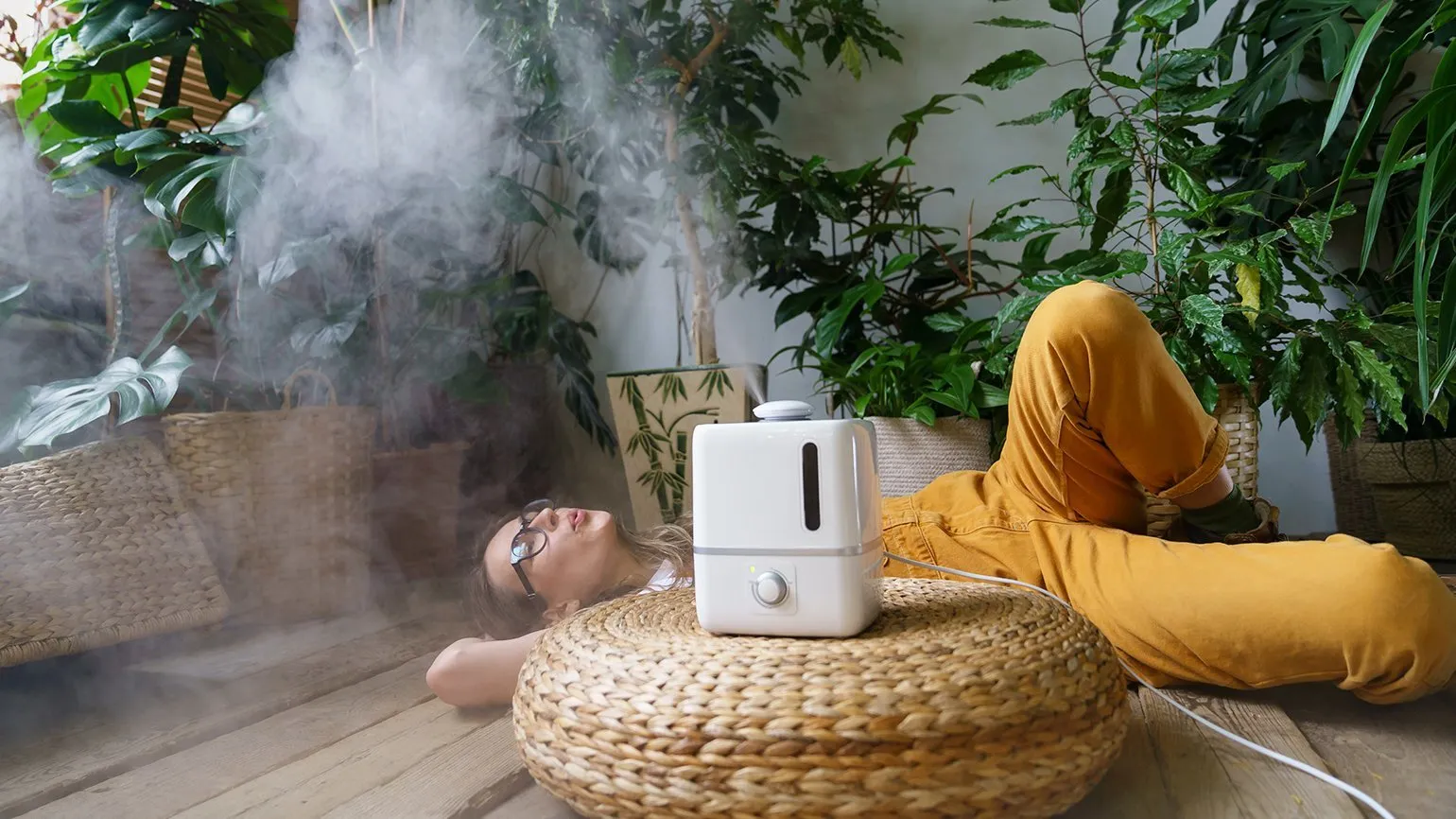
The air around us contains invisible water vapor, the amount of which varies depending on the temperature. In hot weather, humidity tends to increase, while in extreme cold, it decreases. Humidity levels depend on many factors, such as air temperature, atmospheric pressure, and the presence of moisture sources, such as bodies of water or vegetation. Understanding these factors helps us better understand climate conditions and their impact on our health and comfort.
- the number of people in the room;
- the season (usually it is lower in winter);
- the presence of bodies of water nearby;
- the side of the building (usually the north side is more humid), and many other factors.
Indoor humidity is measured using a hygrometer. It is recommended to place the device away from the bathroom and kitchen to avoid the influence of moisture from these sources. In addition, it is important not to install the hygrometer near windows, as weather changes, such as rain, can lead to distorted readings. Proper placement of a hygrometer ensures more accurate results and helps control humidity levels in your home.
High humidity increases the feeling of heat, which can cause lethargy and irritability. In winter, low humidity can make people feel cold even at normal temperatures. Maintaining optimal indoor humidity levels can improve well-being and enhance productivity.
High indoor humidity can indicate problems with ventilation and thermal insulation. It is recommended to have these systems checked to ensure a comfortable indoor climate. Proper ventilation and high-quality thermal insulation will help reduce humidity, prevent mold, and improve the overall condition of the home.
High humidity is an important climate factor that significantly impacts human health, the environment, and various industries. In conditions of high humidity, the air becomes saturated with moisture, which can lead to discomfort, difficulty breathing, and a decline in well-being. Furthermore, high humidity promotes the growth of mold and mildew, which negatively impacts indoor air quality and can cause allergic reactions.
In agriculture, high humidity can have both a positive and negative impact on crop yields. While it is essential for plant growth, excess moisture can lead to root rot and reduced yields.
To combat the effects of high humidity, it is important to use climate control methods such as ventilation, dehumidification, and air conditioning. These measures will help create comfortable living and working conditions, as well as reduce the risk of illness and property damage.
Thus, high humidity is a factor that requires attention and a competent approach to ensure health and well-being.
- promotes the growth and spread of mold;
- can provoke asthma and allergy attacks in those suffering from these diseases;
- can cause sleep problems.
To reduce humidity, it is important to reduce the amount of water vapor in the air. This can be achieved using a dehumidifier, properly organized exhaust and ventilation systems, and regular ventilation of the premises. Optimizing these processes will help create a comfortable microclimate and prevent the formation of mold and mildew.
In winter, the humidity level in apartments decreases due to the operation of central heating. This leads to dry air, which can negatively affect the health and comfort of residents. Dry air contributes to dry skin, breathing problems, and increased fatigue. To improve indoor air quality, it is recommended to use humidifiers and regularly ventilate rooms. Simple methods, such as placing bowls of water or houseplants, can help maintain optimal humidity levels and create a more comfortable environment during the winter.
Low indoor humidity can significantly impact human comfort and health. When humidity levels drop below optimal levels, it can cause a number of problems. Firstly, dry air negatively affects the skin, leading to dryness and irritation. Secondly, low humidity can lead to respiratory problems, as the mucous membranes of the respiratory tract lose their protective function. Under such conditions, the likelihood of allergies and colds also increases.
To maintain optimal indoor humidity levels, it is recommended to use humidifiers. These devices help create a comfortable atmosphere and prevent the negative consequences associated with low humidity. In addition, regular ventilation, the use of indoor plants, and the placement of water containers also help improve the indoor microclimate.
Pay attention to the humidity level in your home to ensure a healthy and comfortable living environment.
- dries out the skin and mucous membranes of the nose and mouth, irritates the throat, and causes dry eyes. Low humidity is especially harmful to people who wear contact lenses;
- increases vulnerability to cold and infections. The immune system only works on moist mucous membranes, and when they dry out, immune cells cannot neutralize infections that enter.
To increase humidity in your home, you can use humidifiers, install bowls of water, or hang wet laundry. These methods will help create a comfortable atmosphere, improve air quality, and prevent dry skin and mucous membranes. Maintaining the right level of humidity promotes overall well-being and can reduce the risk of colds.
Opening windows in freezing winter weather reduces indoor humidity. It's important to remember that the air becomes drier, which can negatively impact your health. At the same time, if it's rainy and damp outside, ventilating through an open window increases indoor humidity. This is especially important for maintaining a comfortable microclimate and preventing dry air, which can cause discomfort.
What should be the lighting in a room?
Light has a significant impact on various systems in our body, especially the nervous and endocrine systems. Our body has a special gland, the pineal gland, which senses changes in light levels and, in response, produces the hormones serotonin and melatonin. Melatonin, known as the master sleep hormone, plays a key role in regulating sleep-wake cycles. Disruption of these cycles can lead to insomnia, which is often caused by insufficient light during the day and too much light at night. To maintain healthy sleep, it is important to ensure optimal lighting levels during the day, and avoid bright light before bed.

Read also:
Healthy sleep: duration and ways to improve it
Healthy sleep is the basis of physical and mental health. The optimal duration of sleep for adults is from 7 to 9 hours a day. However, each person is unique, and some may need more or fewer hours to fully recover.
To establish healthy sleep, it's important to create a comfortable resting environment. It's recommended to stick to a regular schedule, going to bed and waking up at the same time every day, even on weekends. This helps your body establish biorhythms. It's also worth paying attention to the atmosphere in your bedroom: darkness, quiet, and a comfortable temperature promote better sleep.
Avoid caffeine and heavy meals before bed, as they can disrupt the sleep process. Instead, try incorporating relaxing practices into your evening ritual, such as reading a book, meditation, or light exercise.
It's also helpful to limit your use of electronic devices an hour before bed, as the blue light emitted by screens can disrupt the production of melatonin, the hormone responsible for sleep.
By following these recommendations, you can improve your sleep and improve your overall well-being. Healthy sleep is the key to an active life and a positive mood.
A lux meter is used to measure illumination levels. The device should be placed on a flat surface with the sensor facing the light source to obtain accurate readings. Proper use of a lux meter allows you to effectively assess the level of illumination indoors or outdoors, which is important for creating a comfortable and safe environment.
For most residential and office spaces, the optimal illumination level is between 500 and 1,000 lux. However, if you engage in activities such as cross-stitching, your workspace requires more intense lighting—between 2,000 and 5,000 lux. Proper lighting not only improves comfort but also reduces eye strain, which is especially important when working on fine details. Providing the right level of lighting depending on the tasks being performed improves concentration and productivity.
Natural light entering the room through windows has a positive effect on human health. Adequate sunlight helps prevent infectious diseases, as ultraviolet rays can pass through glass and inhibit the growth of pathogens. Providing adequate lighting in rooms not only improves overall well-being but also creates a comfortable living and working environment.
Spending significant time in bright spaces can help reduce the risk of depression and insomnia. Bright lighting affects our well-being and mood, helping us maintain high productivity and improve the quality of sleep. Optimal interior lighting plays an important role in creating a comfortable atmosphere, which in turn has a positive impact on mental health.
Artificial light is created using lamps that can emit both warm and cool light. Warm light creates a cozy atmosphere, while cool light promotes concentration and increases productivity. The choice of lighting type depends on the purpose of the space and personal preferences. Proper lighting plays a key role in creating a comfortable and functional environment.
Cool light with a blue tint helps improve concentration and reduce anxiety, but using it in the evening can negatively impact sleep quality. It is recommended to choose lamps with a warmer, yellow light at night to create a comfortable atmosphere and improve sleep.
Bright artificial lighting at night has a negative impact on human health. It disrupts the production of melatonin, which, in turn, leads to disruptions in sleep-wake rhythms. To minimize the effects of this impact, it is recommended to install thick curtains or use sleep masks, especially if light from signs and streetlights penetrates the room. This will help improve the quality of sleep and maintain a normal wake cycle.
To assess the microclimate of your room and determine how close it is to ideal conditions, fill out the provided table. This will help you identify key aspects, such as temperature, humidity, and lighting levels, that affect comfort and health. A proper indoor microclimate contributes to improved well-being and increased productivity. By comparing your data with the recommended standards, you can make the necessary changes to create a more comfortable environment in your home or office.

- 7 apps to help you monitor your health
- What is psychosomatics - explained in simple terms in words
- Hypochondria - what is it, how to recognize and fight it
How to manage your health
You will learn how your body works and learn to track key parameters of well-being. Set goals for improving your health and understand how to achieve them using the course tools.
Find out more