
Table of Contents:

Project Manager: 7 Key Skills for success
Learn moreDetermining the Project Budget
The project budget is the total cost of all tasks, activities, and resources required to successfully complete the project. It is formed through a process of agreement between all stakeholders and participants, which ensures transparency and clarity on costs. A properly prepared budget allows not only to control costs but also to effectively allocate resources, minimizing risks and increasing the likelihood of successful project completion.
The project budget is a key document that details how the allocated funds will be distributed among specific tasks. This plan allows managers and stakeholders to effectively track and control financial expenses throughout the project, ensuring transparency and accountability. Proper budget management helps avoid cost overruns and contributes to the successful implementation of the project within the established deadlines.
Preparing a budget before the start of work on a project is a critical step. Once a project has started, budget changes are only possible if requirements or scope of work are adjusted. This emphasizes the importance of thorough preparation and analysis at the initial stage to avoid additional costs and inefficient use of resources during project implementation. Proper budget planning contributes to the successful completion of the project within the established deadlines and allocated funds.
Project Budget Components: What to Consider
The project budget is a key element of financial management and represents a detailed allocation of the resources necessary for the successful completion of tasks. First, expenses are structured into main categories, which allows for a general understanding of the financial needs of the project. Then, each category is broken down into more specific subcategories, which ensures greater accuracy in planning and cost control. This approach not only optimizes financial resources but also minimizes the risks associated with budget overruns. Drawing up and regularly analyzing a project budget contributes to effective financial management and achieving set goals.
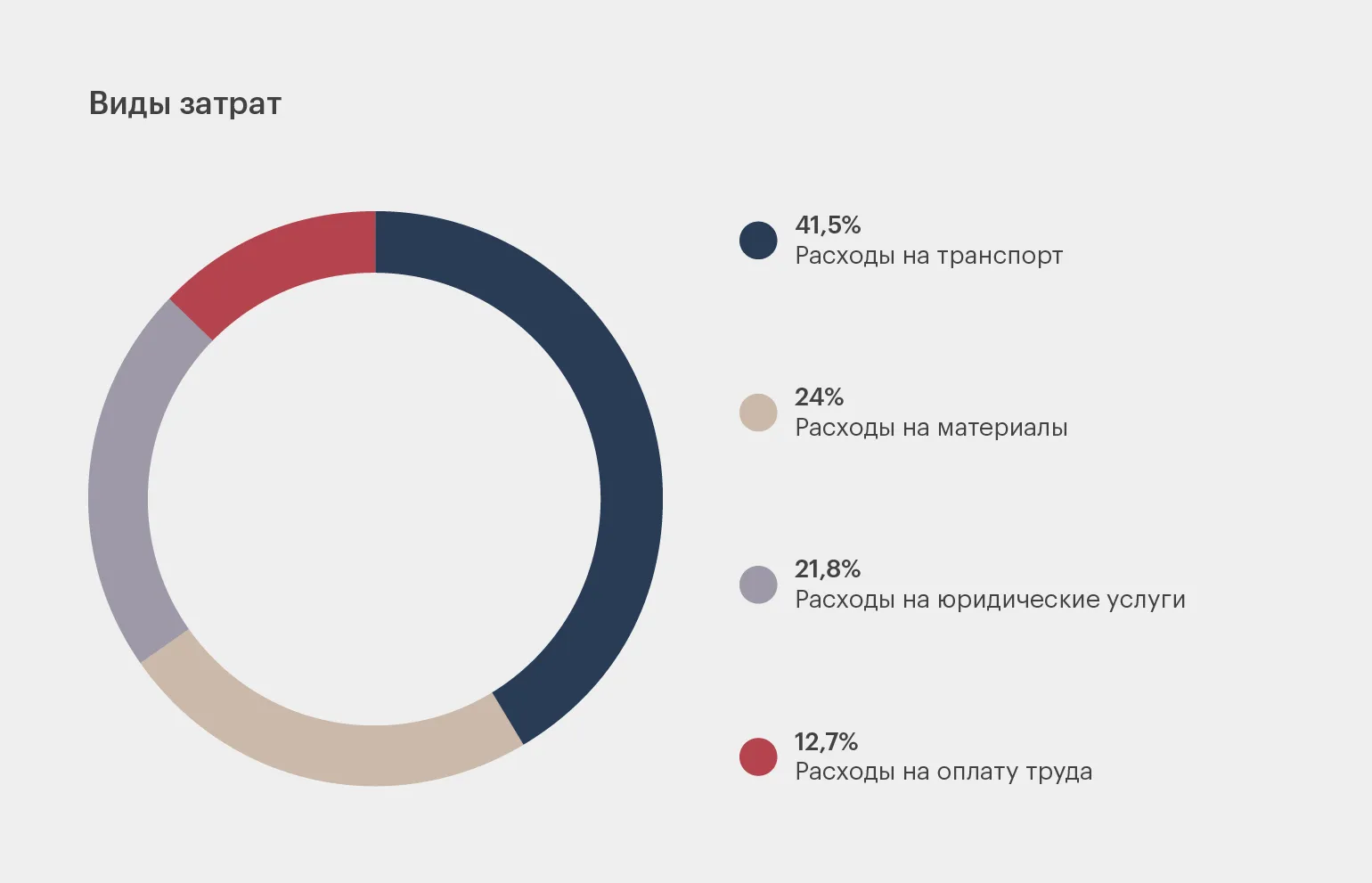
Every project has key expense items, which may vary depending on the specifics of the business. Key expense items include materials, labor, premises rent, and third-party services. Proper planning of these expenses will optimize the budget and improve the project's efficiency.
- Labor costs — includes salaries, benefits, and taxes;
- Purchase of equipment and software, as well as other necessary materials;
- Transportation and logistics costs;
- Consultations with experts, analysts, and lawyers;
- Employee training — courses, workshops, and participation in conferences.
The distribution of expenses in projects varies depending on their type. In construction projects, the bulk of costs usually goes towards materials, while in merger projects, the emphasis shifts to legal services. In projects involving the implementation of new technologies, the cost of employee training can exceed the cost of technical specialists' salaries. This emphasizes the importance of analyzing the specifics of the project for proper budget planning. Ultimately, understanding the cost structure allows for more effective resource management and the achievement of goals.
Creating a project budget may seem like a daunting task, but a systematic and detailed approach allows for the creation of a clear and structured document. Such a budget becomes a convenient tool for financial management at all stages of project implementation. Proper budget planning helps avoid unexpected expenses and allows for the effective allocation of resources, which in turn contributes to the successful completion of the project on time and within the allocated funds.
Why is it important to effectively manage the project budget?
Project budget management is a critical element that ensures transparency and clarity in interactions between the team and stakeholders. This process plays a key role in controlling financial flows and achieving the project's goals. Effective budget management allows for the timely identification of deviations and the necessary measures to address them, which contributes to the successful implementation of the project and the satisfaction of all participants.
Effective budget management ensures that actual expenses match planned expenditures. It also allows for flexible response to changing project requirements. If necessary, the budget can be revised and adjusted to reflect new conditions. Proper budget management is key to successfully completing a project and achieving its goals.
Project budget management offers a number of significant benefits. First and foremost, it allows for effective control of financial resources and avoids cost overruns. Clear budget planning helps identify priority tasks and allocate funds to the most critical areas.
Furthermore, systematic budget analysis facilitates more accurate forecasting of project deadlines and overall costs. This fosters greater transparency and accountability within the team, which in turn improves communication and collaboration among project participants.
Budget management also allows for the timely identification of deviations from the plan and the implementation of corrective measures, minimizing risks and increasing the chances of successful completion of the project within the established deadlines. Ultimately, proper budget management is key to achieving project goals and ensuring financial sustainability.
- Tracking Progress: A budget records completed tasks and their costs, allowing the team to see where they stand.
- Securing Funding: Budget transparency attracts investor interest by showing how their investment will be used.
- Focusing on Tasks: Pre-planned expenses help the team stay on track and avoid unnecessary distractions.
- Cost Analysis: A budget provides information on the actual costs of completed project milestones, improving future financial planning.
According to a recent study, 24% of project managers say an unrealistic budget can lead to significant financial difficulties. Therefore, it is important to invest time in careful budget planning and analysis to minimize the risk of unexpected expenses and ensure the successful completion of the project. Proper budgeting not only helps avoid problems but also facilitates more effective resource management and the achievement of goals.
7 Key Steps to Successfully Creating and Managing a Project Budget
Creating a project budget is a key step that plays a crucial role in the success of the entire enterprise. In this article, we will review the recommendations from the PMBOK to help you develop an effective budget. A properly prepared budget not only allows you to control financial resources but also facilitates more accurate project planning and management. Using the PMBOK principles, you will be able to identify the necessary resources, estimate costs, and set financial limits, which will ultimately lead to the successful implementation of your project.
Before starting calculations, it is important to define the stages and objectives of the project. A clear understanding of the necessary actions and project goals will allow you to effectively plan further steps and avoid potential errors during the implementation process. Ensure all project elements are analyzed and documented to ensure successful completion of the tasks.
Review the project plan, identifying key milestones and tasks. Effective communication with the team and stakeholders promotes shared understanding and alignment during the planning process. This will ensure smoother project execution and minimize the risk of miscommunication. Early alignment facilitates the successful completion of all tasks, ultimately leading to the achievement of the stated goals.
It is recommended to use collaboration platforms such as Notion and Monday Workdocs to effectively organize information and create a holistic view of the project. These tools allow teams to easily share data, track progress, and coordinate activities, which promotes more productive collaboration and successful project completion.
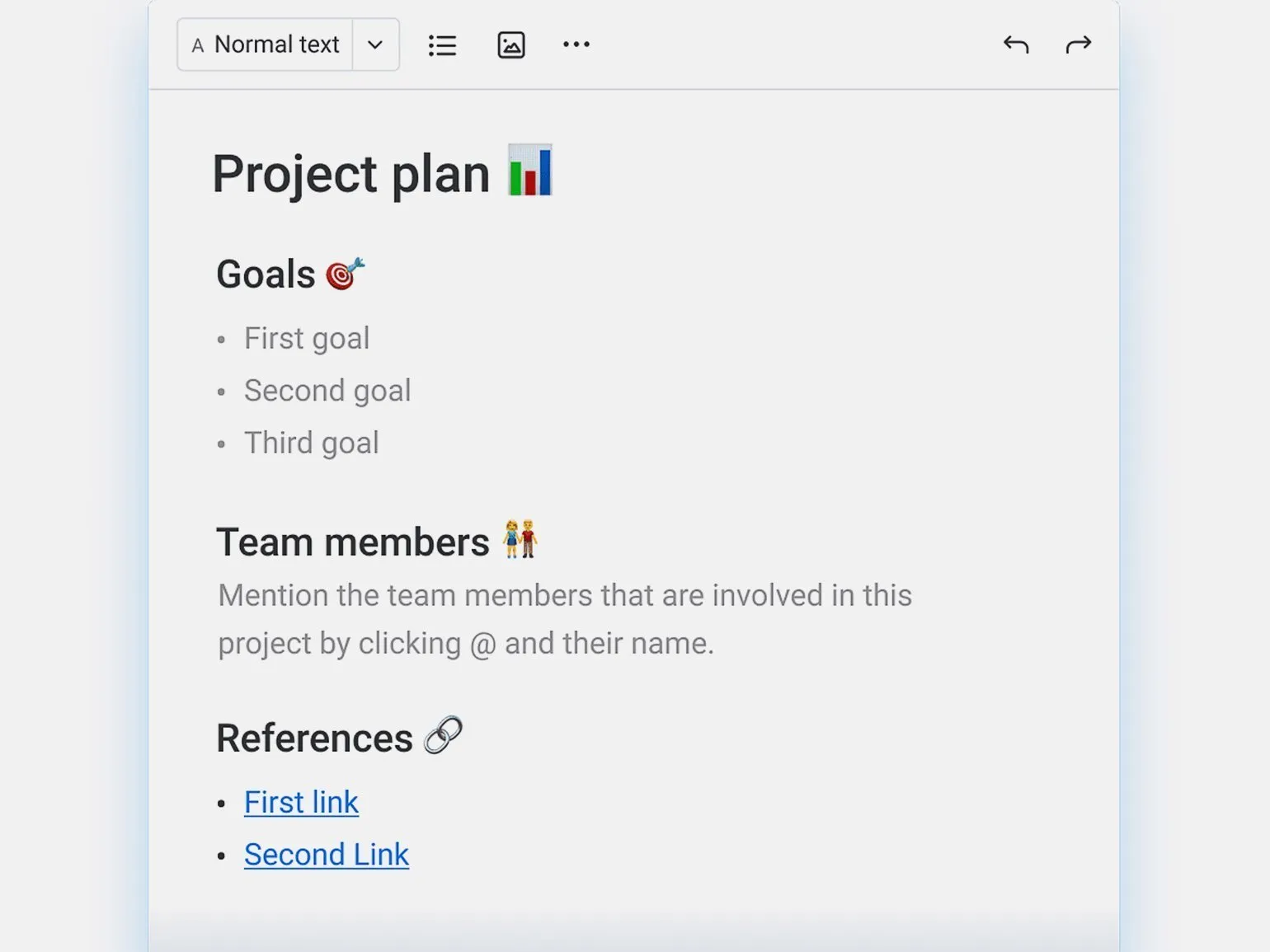
At the initial stage of budgeting, it is important to focus on compiling a complete list of all possible expenses, without focusing on specific numbers. This will help create a clearer picture of financial commitments and will allow you to plan your budget effectively in the future. Listing all potential costs is a key step in financial management and promotes more informed spending.
Once you have compiled a list, it will become clear what additional data may be needed, such as available resources and the final scope of work. This will help you plan the project more accurately and optimize all stages of its implementation.
For more effective budget planning, it is recommended to use additional project documents, including a risk register and a resource calendar. These tools will help you more accurately estimate costs and manage resources, which in turn will increase the likelihood of successful project implementation.
Estimating the project budget is an important step that requires careful analysis. List all possible costs to get a complete understanding of the financial requirements. There are two main approaches to estimating the overall cost of a project: the top-down method, which is based on total costs, and the bottom-up method, which takes into account all details and components. Choosing the right estimating method will help you achieve more accurate forecasts and avoid unexpected expenses during the project.
The top-down method involves establishing a general budget, which is then allocated to specific tasks. In contrast, the bottom-up method involves estimating each task separately and then summing these estimates to create a total budget. Both approaches have their advantages and can be used depending on the specifics of the project and budget management goals.
Choosing an appropriate estimating methodology is a key step in the analysis process. Use a variety of methods based on the specific tasks that need to be accomplished. Adapting the estimating method to specific conditions will yield more accurate and useful results.
There are three effective cost estimating methodologies. These approaches help organizations accurately determine the financial resources required to implement projects. The first method is cost analysis based on historical data, which takes into account previous experience and adapts it to current conditions. The second method involves the use of expert judgment, where specialists in a particular field estimate expected costs based on their experience and knowledge. The third technique is the analogy technique, which is based on comparison with similar projects and their costs. All three approaches allow for more accurate and justified estimates, which facilitates effective budget and resource management.
- Analogous Estimation. Use data from past projects to determine the cost of current tasks.
- Parametric Estimation. Statistical methods and algorithms will help calculate costs with greater accuracy.
- Weighted Three-Point Estimation. Estimate costs using the optimistic, pessimistic, and most likely scenarios to obtain an average value.
Be sure to consider current data and monitor current market conditions, as well as changes in the business environment. This will help you make informed decisions and adapt to market dynamics. Regular analysis and updating of information will allow you to remain competitive and effectively respond to new challenges.
Approving the project budget is an important step. Once you've created a preliminary budget, be sure to coordinate it with key project stakeholders. This will help avoid misunderstandings and ensure transparency in financial matters. Budget approval helps establish financial boundaries, which contributes to the successful implementation of the project. Obtain formal approval from management and coordinate the budget with stakeholders. This will allow you to make improvements based on feedback and ensure the successful implementation of the project. Budget approval and coordination are critical to achieving goals and allocating resources effectively.

Create a tracker to control your project budget. In this tracker, break your project down into individual tasks and record both planned and actual expenses. This will allow you to effectively monitor your financial status and make timely budget adjustments.
For effective budget tracking, we recommend using tools such as 1C, Bitrix24, and Excel. These programs allow you to easily monitor financial flows, track income and expenses, and create detailed reports. Using these tools will help optimize financial management and increase the transparency of the budget process.
If a large team is working on a project, we recommend restricting access to the tracker so that only approved participants can make changes. This will ensure control over the process and prevent unauthorized edits, which contributes to more effective project management and increases its security.
Monitoring the project budget is an important step in management. Regularly monitor actual costs and compare them with planned expenses. This will help you promptly identify deviations and make the necessary budget adjustments. Effective budget control allows you to optimize costs and minimize risks, which contributes to the successful implementation of the project.
Continuous budget monitoring allows you to make timely changes and maintain control over planned expenses. This approach helps avoid cost overruns and ensures financial stability. Regular budget analysis also contributes to more efficient resource allocation and cost optimization.
Establish a procedure for budget changes. Once the budget is approved, it is important to stick to the original plan. Budget changes are usually possible only if the scope of work or project deadlines change. This will help avoid unnecessary expenses and maintain financial stability throughout the project.
When making changes, it is necessary to carefully consider all costs that they may affect. It is recommended to establish a clear procedure for managing budget changes for the team. This will help avoid unexpected expenses and ensure the effective allocation of resources.
After the project is completed, it is important to conduct a budget review. Evaluate successful aspects of the implementation and identify areas for improvement. This analysis will help identify the strengths and weaknesses of the project and will also provide an opportunity to optimize the budget for future endeavors.
It is important to include actual expenses in reporting, as this contributes to better project management in the future. According to research, only 48% of organizations conduct a budget review after the project is completed, which means many are missing out on valuable data for optimizing future endeavors. Analyzing actual costs helps identify deviations from the plan and improve financial planning, which ultimately increases the effectiveness of project management.
Effective Project Budget Management: Key Aspects
- The project budget represents the total cost of all tasks, purchases, and activities related to its implementation. It is an important document that describes how the total amount is allocated among individual tasks.
- Within the budget, project expenses are divided into detailed categories, such as salaries, training costs, materials, transportation, research, and consulting. The distribution of funds may vary depending on the specifics of the project.
- One of the main purposes of the budget is to facilitate the process of obtaining funding. Project participants must understand how funds will be spent, which promotes transparency and trust.
- For effective budget management, it is necessary to determine the cost volumes for each task and consumables in advance. This will minimize the risk of cost overruns.
- Once the tasks have been identified, the estimated costs should be calculated. For this purpose, various estimation methods can be used, such as analogous estimation, parametric estimation, or a weighted three-point average estimation, which will help to plan the budget more accurately.
- Throughout the project, it is important to continuously monitor actual expenses. If they begin to exceed planned expenses, this will allow you to promptly respond and adjust the budget.
- At the end of the project, it is necessary to conduct an in-depth analysis of the budget report. The data obtained will be useful for optimizing budgeting in future projects.
How to improve your project management competence
- Before starting any project, it is important not only to draw up a financial plan, but also to conduct a thorough risk analysis. This will allow you to prepare strategies for managing potential problems in advance. We recommend reviewing Google's risk management resources to help you avoid common mistakes.
- Don't forget to study the project communication management guide. Effective communication will not only help avoid budget overruns but also ensure the timely delivery of the project.
- If you are unsure how to properly organize your team's work, consider the Kanban and Scrum methodologies. These approaches will help you optimize the process and increase productivity.
- For those just starting out in project management, we recommend taking an intensive course from Skillbox. You will gain knowledge on project budget planning, team building, launching pilot initiatives, and strategy development.
- If you aspire to become a project manager, a course that covers the basics of project management will be useful. You will learn not only how to manage projects and their finances, but also how to effectively interact with customers and lead a team.

Additional resources from Skillbox Media for managers Skillbox Media offers a wealth of useful resources for project managers seeking to improve their skills and productivity. On our website, you'll find training materials, webinars, articles, and practical guides to help you master new project management approaches and tools. Our resources cover key aspects of project management, including planning, teamwork, risk management, and deadline management. We strive to provide relevant information to help you navigate professional challenges and achieve your goals. Visit our website to explore our full list of resources and choose the ones that best suit your needs and interests. Skillbox Media is your reliable partner in the world of project management.
- How to effectively plan projects and avoid deadlines using Gantt charts.
- A comprehensive guide to business process management: from analysis to automation.
- How to use the RACI matrix to complete all tasks on time.
- Creating a project structure: step by step.
- How to develop a project roadmap to achieve goals.
Project Manager: 5 Steps to a Successful Career
Want to become an indispensable project manager? Learn 5 key steps to a successful career! Read the article.
Find out more