
Contents:

Project Manager: A Free Course for Your First Project
Learn MoreDefinition of Project Structure and Its Importance for Successful Management
Project structure is an interconnected system of components that are necessary for successful project management. The main elements of this structure include:
- Project objectives and expected results;
- Project budget and funding schedule;
- Project team and responsibility assignment matrix;
- Project tasks and deadlines;
- Risk matrix and risk mitigation plan.
The main goal of the project structure is to optimize processes to achieve the specified goal, taking into account the balance between cost, time and quality. It is important to keep in mind that in each project, only two of three priority factors can be identified: speed, quality and cost. It is impossible to implement a project focusing on all three aspects simultaneously. Therefore, it is necessary to determine the priority factor, striving for a harmonious combination of all three elements.
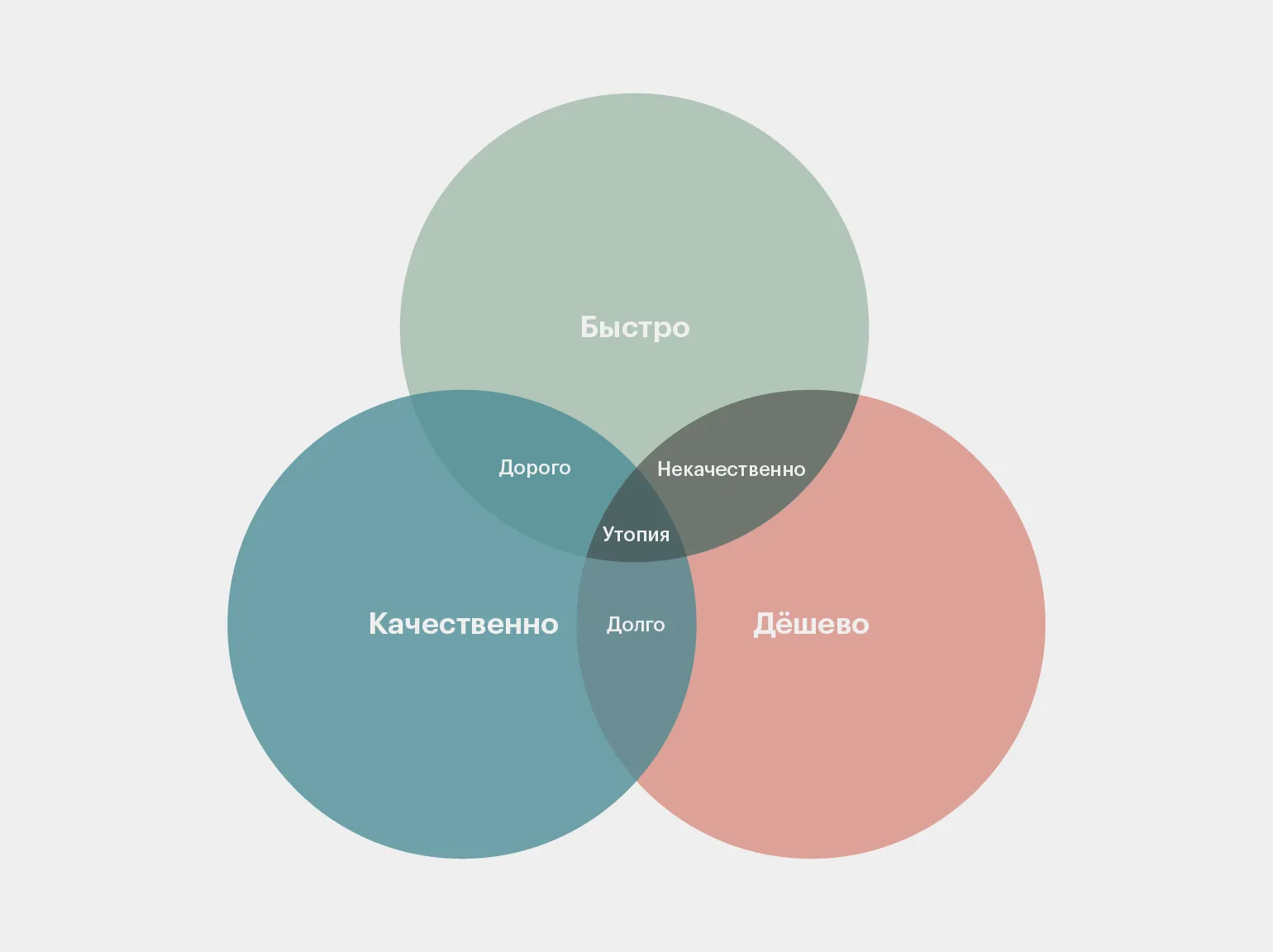
Structuring a project using the example of organizing a family dinner requires a careful approach. If the goal is to prepare quickly and economically, this can negatively impact the quality of the dishes. As a result, simple dishes made with low-quality ingredients may end up on the table. To avoid this, it is important to find a balance between time, cost, and food quality. Proper menu planning and choosing fresh ingredients will help create a delicious and memorable family dinner without wasting time and resources.
When focusing on quality and speed of food preparation, it is important to consider that the cost of the project will increase. This is due to the need to order food from restaurants or engage the services of a professional chef. If you focus on more affordable and high-quality options, it will require more time, as all the dishes will need to be prepared in-house. This approach can ensure a unique and individual menu, but it requires additional effort and time.
Project structure plays a key role in establishing priorities and ensuring an optimal balance between them. In the next section, we'll detail the process of creating a project structure, which can be divided into seven stages.
Structuring a Project: Seven Key Steps Using a Dinner Party Example
Creating an effective project structure can seem daunting, but there are seven key steps that will help organize the process. Each step answers important questions, contributing to the successful implementation of the project. A proper project structure provides clarity, improves communication, and increases the chances of achieving the set goals. Using these steps not only simplifies project management but also contributes to its successful completion on time and on budget.
Step 1: Define Goals and Reasons. Start by creating a mind map known as a "Goal Tree." This visualization helps clearly define the main goal of the project and break it down into specific tasks. Each task can be further detailed into subtasks, forming a structure similar to a tree, with the main goal in the center and its component elements at the edges. This approach allows for more effective planning and project progress monitoring.
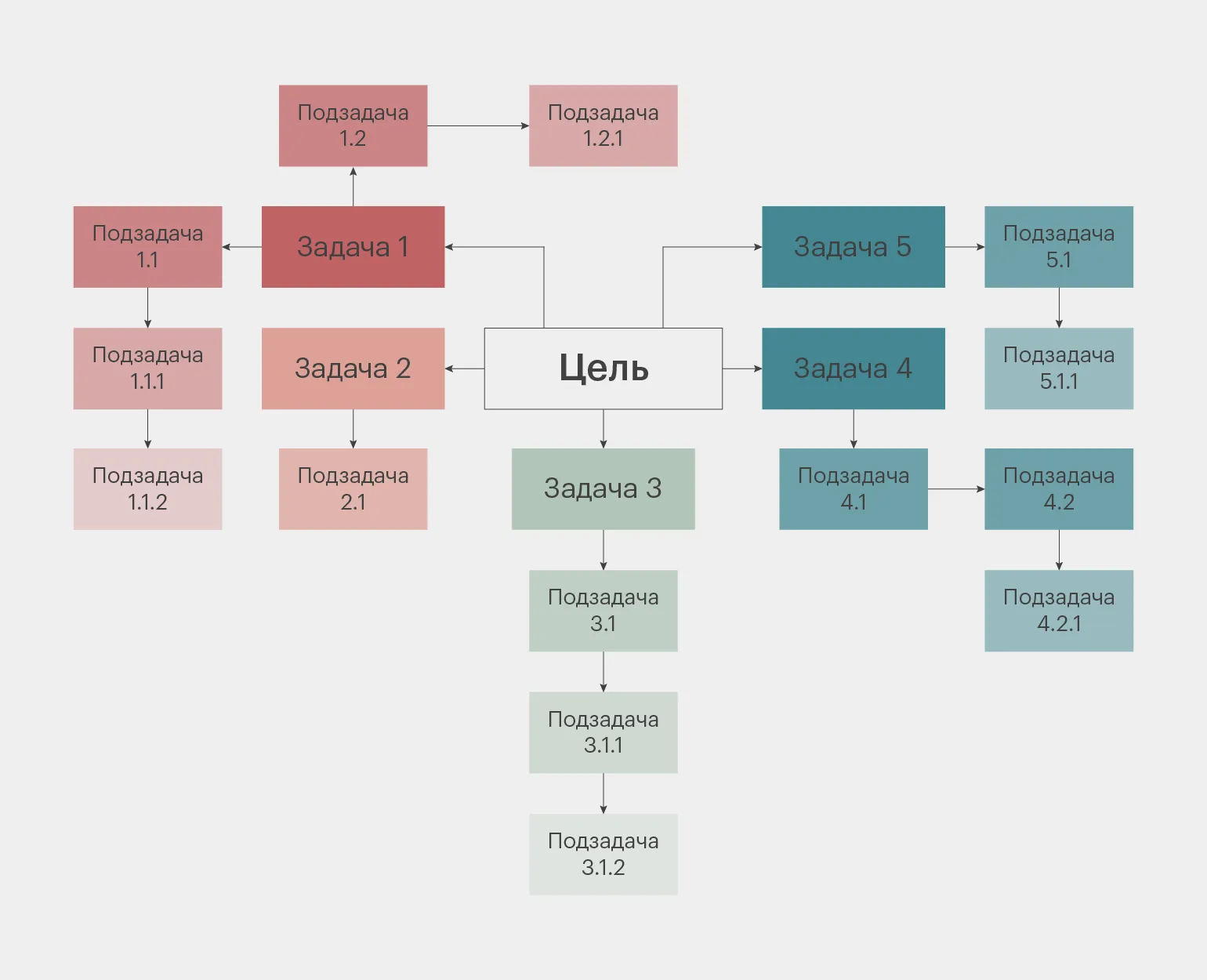
In this example, the main goal is to organize a dinner party. Important tasks include cooking, cleaning the room, and setting the table. Subtasks include preparing ingredients, cleaning the floor, and preparing cutlery. Proper organization of these processes will ensure a successful dinner and create a pleasant atmosphere for guests.
A detailed "Goal Tree" promotes a better understanding of tasks among project participants. This increases their engagement and motivation, which in turn affects the success of the project. A clear goal structure helps the team focus on priorities and achieve results more effectively.
In the second stage of our project, it is important to develop a clear action plan. It is necessary to establish the sequence of tasks and subtasks, as well as determine their interrelationships. For example, when preparing a dish, the eggs should first be boiled, then peeled, and only then sliced. Using a mind map at this stage will help you structure your thoughts and visualize the process, which will facilitate task completion and increase work efficiency.
At this stage, a project network model will be developed to establish minimum deadlines and determine the critical path. The critical path is a sequence of tasks whose completion is essential for the successful completion of the project.
In the third stage of forming the project schedule, it is necessary to develop a schedule that takes into account the deadlines for each task. It is important to estimate the duration of the work based on the experience and opinions of colleagues, as well as analyze the feasibility of these deadlines. To do this, you should compare the volume of work with the number of project participants and the time they can devote to completing the tasks. This approach will allow you to create an effective schedule that contributes to the successful implementation of the project.
If preparing dinner takes a significant amount of time, it makes sense to consider hiring assistants to streamline this process. This will not only speed up the preparation of food but also make it more efficient. With the help of a team, you can divide the tasks, which will significantly simplify the organization of the process and improve the quality of the end result.
Step 4. Assign Roles and Responsibilities. Clearly defining the responsibilities of each team member is key to successful teamwork. For small projects, one person may be sufficient, but larger projects will require the participation of several specialists. For example, in our case, one person is responsible for planning the menu, another for purchasing ingredients, and a third for the cooking process. Properly assigning roles promotes effective communication and increases overall team productivity.
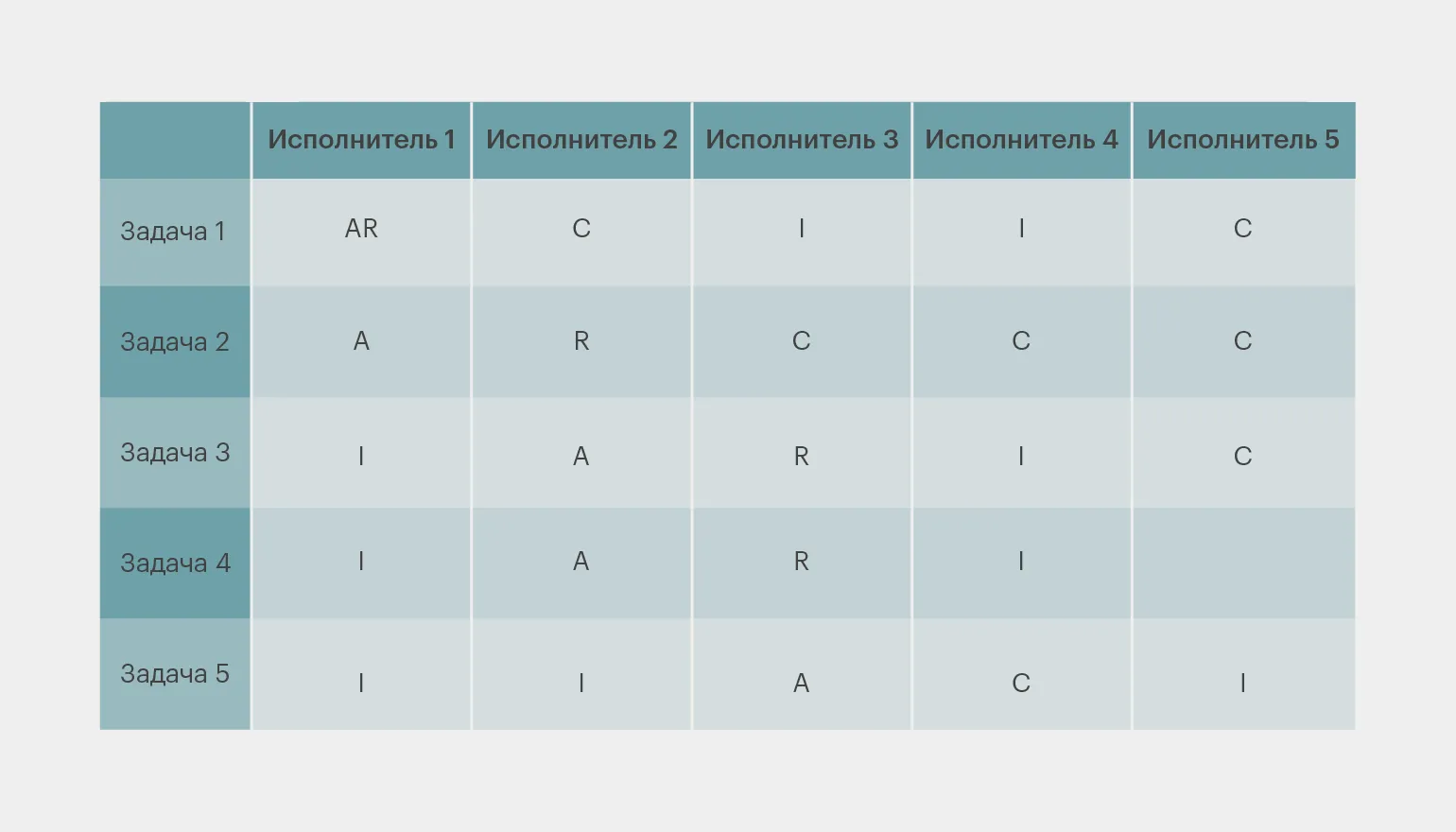
Assigning responsibilities at the outset of a project helps avoid future conflicts. A RACI matrix is an effective tool for this, as it clearly defines the roles and responsibilities of team members. Using a RACI matrix ensures clarity of tasks, which promotes more coordinated teamwork and improves communication. Using this approach helps improve project management efficiency and reduce the risk of misunderstandings.
- R (responsible) — responsible for completing a task, such as a child going to buy bread.
- A (accountable) — fully responsible for the task, such as a friend responsible for setting the table.
- C (consult) — an expert consulting the team, such as a family friend with a unique recipe.
- I (informed) — participants who need to be aware of the project status, such as guests.
Determining the project budget is an important step that should be carried out after a detailed analysis of the previous steps. At this stage, it is important to answer the question: "What is the cost of implementing the project?" If the budget is limited, it is recommended to plan processes in advance with the maximum amount in mind. This will allow for optimal resource allocation and avoid unexpected costs in the future. Proper budgeting will help ensure effective project management and the achievement of goals.
Starting a project without a clear structure can lead to a lack of funds and resources to complete it on time and with the required quality. Proper planning and organization in the early stages will help avoid financial difficulties and ensure the successful completion of the project. Developing a clear structure will allow for the effective allocation of the budget, timeline, and tasks, which in turn will increase the likelihood of achieving the goals.
Step 6. Risk Assessment. At this stage, a risk matrix is created, allowing for the early identification of potential problems that could negatively impact the project. It is important to describe in detail all possible scenarios that could cause difficulties and prepare action plans to minimize the consequences of their implementation. Effective risk assessment contributes to the sustainability of the project and improves its results.
Discussing risks with the team increases the awareness of the performers and prepares them for possible difficulties. This allows not only to identify potential problems early but also to develop strategies to overcome them. This approach helps create a more resilient team capable of responding effectively to unexpected circumstances. Furthermore, actively engaging participants in risk analysis improves communication and increases shared accountability for work results.
Step 7. Review the structure. After completing the first six steps, you should return to them to clarify details and make any necessary changes. This process will help create a more detailed and functional project structure, which in turn will improve its efficiency and the quality of its implementation. Reviewing this process will help identify potential shortcomings and optimize design decisions.
Documents and materials developed during the project implementation are an important management tool. They provide the basis for making informed decisions about the future of the project. Proper documentation contributes to the effective analysis and evaluation of results, which in turn increases the chances of successful completion and development of the project.
Overview of key aspects of project management
- The project structure plays a critical role in effective management and includes all the key elements necessary to achieve the set goals. An optimal structure configures processes so that the project is completed with maximum efficiency in terms of time, budget, and quality.
- Important point: it is impossible to implement a project quickly, efficiently, and cheaply at the same time. It is necessary to determine priorities and choose two of three factors: speed, quality, and budget.
- The main steps in creating a project structure include: developing a mind map, building a network model, drawing up a project schedule, a responsibility matrix, budget, and risks. It is recommended to complete these stages at least three times to ensure all issues are resolved before launching the project.
Skillbox offers the "Project Manager Profession" course, which is ideal for both beginners and those seeking to improve their project management skills. The course is focused on practical training and includes not only theoretical classes and tests, but also a specialized course, "Practice for Project Managers." In this course, students work on real cases from Skillbox partners, receive feedback from experienced mentors, and can add their experience to their portfolio. This course will help you develop key project management competencies and improve your competitiveness in the labor market.
As part of the course, students have the opportunity to work on a real project from the red_mad_robot agency, which specializes in the development of marketplaces and mobile applications. Students immerse themselves in the routine tasks of a project manager and develop a proposal for a client to implement a media platform for a news publication. This practical assignment allows students to apply acquired knowledge and skills in the field of project management, requirements analysis, and customer interaction, which is an important aspect in professional work.
- Answers to key questions about the MBA program: benefits, courses, and the impact on salary levels after graduation.
- Analysis of the Gantt chart - an essential tool for every manager.
- Overview of ERP systems: how they work and what is important for managers to know.
- A guide to change management: methods and assessing the chances of success from the very beginning.
- Analysis of business models: how they can help save a company.
Project Manager: 5 Steps to a Successful Career
Want to become a sought-after project manager? Learn 5 key steps to achieving success in your profession!
Learn more