
Contents:
- Collaboration: What is it?
- Learning and developing in the field of collaborations
- Why do we need collaborations in business?
- Types of collaborations in SMM: how to choose the right approach
- The effectiveness of collaborations: practical examples of success
- Effective steps for successful collaboration
- Effective collaborations: the key to success
- How to explore collaboration opportunities

Internet Marketer: 5 Steps to a Successful Career
Learn MoreCollaboration: What is it?
Collaboration is a mutually beneficial collaboration between people or organizations that allows you to achieve shared goals. Anastasia Sevalnikova, Project Manager at the digital agency Interium, emphasizes that collaboration is a strategic approach to implementing marketing tasks based on the short-term pooling of resources with partners. This collaboration can significantly improve project effectiveness and expand opportunities for all participants.
There are a number of similar concepts, including partnership, cross-marketing, and advertising integrations. Denis Gerasimov, Account Director at Altezza Communications, emphasizes: "Today, almost everything is called a collaboration, including joint musical projects, which were previously called duets." In modern business and marketing, collaborations are becoming an important tool for achieving common goals and increasing audience reach. They allow brands to combine efforts, share resources, and create unique offers for consumers.
Collaborations differ from traditional marketing tools in that they are based on the joint creation of a product. Anastasia Sevalnikova notes that such collaborations are perceived by the audience not simply as advertising, but as a unique offering. This creates a deeper connection with consumers and helps build brand trust. Joint projects allow for the pooling of resources and expertise from different companies, leading to innovative solutions and increased interest in the product. As a result, collaborations become an effective tool for attracting attention and increasing sales, as well as for shaping a positive image in the market.
Collaboration is the process of jointly creating various objects, including products and events. Collaboration partners pool their resources and efforts, which helps achieve more significant results than traditional advertising methods. Joint projects not only expand audiences but also increase brand trust, as consumers value collaboration between companies. Effective collaboration can lead to innovative solutions and profitable synergies, making it an important tool in modern business strategies.
Denis Gerasimov argues that successful collaborations often result in the creation of tangible products that become available for purchase. Such joint projects create a stronger emotional connection with consumers. This underscores the importance of strategic partnerships in business, which not only increases sales but also strengthens the brand in the marketplace. An emotional connection with customers plays a key role in building loyalty, which, in turn, becomes the key to long-term success.
Collaborations are becoming increasingly popular among various market participants: from large companies to small businesses, including bloggers and experts. Polina Galinskaya, PR Manager for the lead management platform Callibri, highlights successful examples of such partnerships. Among them are Nike's collaboration with LeBron James, as well as the exciting projects between skateboard brand Supreme and Oreo, and KFC's collaboration with Crocs. These examples demonstrate how creative collaborations can attract audience attention and significantly increase brand awareness.
Polina Galinskaya discusses two exciting collaborations that have captured the public's attention. These projects not only reflect the creative approach of their participants but also open up new horizons for collaboration in various fields. Delving into detail, Polina emphasizes the uniqueness of each collaboration and their significance for the development of contemporary art and culture.
- The Europa Plus radio station, in collaboration with the Chistaya Liniya ice cream brand, launched a project in which listeners chose unusual ingredients for a new ice cream. The result was "Pomegranate Cactus"—ice cream with spirulina, pomegranate, loquat, and quince.
- Nike collaborated with Heineken, releasing sneakers with a bottle opener and a cushioning pad made from beer. This is an interesting example of collaboration between completely different brands.
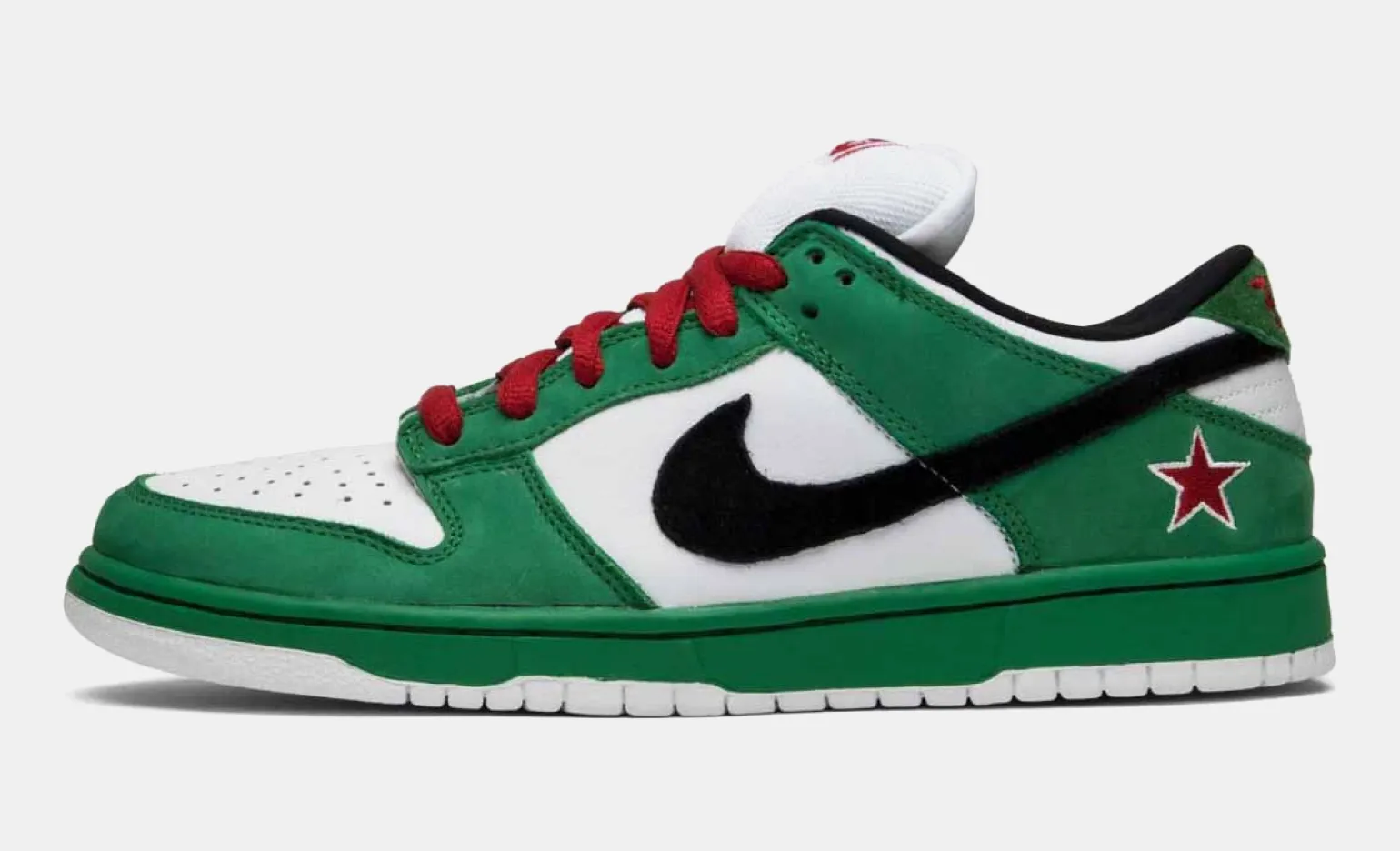
Collaboration Training and Development
Skillbox offers a wide range of courses for those seeking to deepen their knowledge in collaboration and marketing. These courses will help you master key aspects of partner interaction and effective product promotion. You will learn modern marketing strategies, apply analytics tools, and develop successful collaborations. Training at Skillbox provides a unique opportunity to gain practical skills from industry experts and apply them to real-world projects.
- The "Influencer Marketing Manager" course teaches how to select bloggers, create creatives, and analyze effectiveness.
- The "Brand Manager Profession" course: start your career in four months and learn how to successfully promote brands.
- The "Event Manager Profession" course: learn how to organize successful events of various sizes and find a job in this field.
Why Collaboration in Business?
Collaborations are becoming an important tool for achieving business goals. According to PR specialist Maria Ermolaeva, the main goals of collaborations include attracting a new audience, increasing sales, and effectively promoting new products. Strategic partnerships allow brands to expand their horizons, improve their image, and actively work to expand their customer base. Effective collaborations not only help achieve short-term goals but also promote long-term business growth.
Some popular goals of collaborations include the following: First, joining forces to achieve a common goal allows for the efficient use of partners' resources and expertise. Second, collaborations help expand audiences and increase project visibility, which in turn can lead to increased sales or followers. Furthermore, joint initiatives create opportunities for the exchange of ideas and innovations, which can significantly improve the quality of products or services. Finally, collaborations help strengthen industry ties and form communities around shared interests.
Obtaining additional resources when their own resources are insufficient is becoming an important strategy for many. Anastasia Sevalnikova, project manager at the digital agency Interium, provides an example. She describes the situation of a mom-blogger with an audience of millions who wants to bring her design ideas to life. In this context, she might approach a well-known brand with a proposal to create a limited-edition collection, participating in its development. This approach not only leverages the brand's resources but also creates a unique product that will attract the attention of both the blogger's audience and the brand's customers.
Bloggers receive the necessary resources for development, and brands gain access to a large audience. Influencers' followers are highly likely to be interested in the products featured in their collections. This creates a mutually beneficial partnership, where the influencer can increase their popularity, and the company can increase sales and strengthen its image in the market.
Increasing brand loyalty is an important aspect of modern marketing. Anastasia Sulimenko, Account Group Head at Trinity Digital Agency, emphasizes that joint marketing campaigns help build trust with consumers. For example, a collaboration between a healthy food brand and a blogger who actively promotes a healthy lifestyle can significantly improve the perception of both parties. Such partnerships not only increase awareness but also strengthen the brand's image, ultimately leading to increased audience loyalty and sales.
Receipt promotions significantly contribute to increased customer loyalty. A striking example is the collaboration between Dr. Körner and Asus. For purchasing chips, consumers were entered into a prize draw from both brands, resulting in over 2,000 receipt registrations. This approach demonstrates how joint promotions can effectively stimulate audience interest and engagement.
Finding new development opportunities is an important aspect of a successful partnership. Partners often identify new markets and ideas through collaboration. Natalia Belkova, CEO of the 4D communications agency, highlights the successful collaboration between the EU Delegation to Russia and the Okko multimedia platform. This example highlights how collaboration can open doors to innovative solutions and business expansion. By working together, companies can share knowledge and resources, which helps identify new opportunities and improve competitiveness. After 15 years of organizing film festivals in Russia, in 2021, due to the pandemic, it was decided to abandon offline events. This led to the idea of creating an all-Russian European Film Festival on the Okko platform, which attracted 13,000 unique visitors and 5,000 subscribers on VKontakte. This collaboration provided Okko with valuable experience, allowing them to launch other festivals. Thus, the festival became an important step in adapting the film industry to new realities and contributed to the development of online culture in Russia. It is difficult to define a single goal for the collaboration, as in practice, it solves several problems simultaneously. Anastasia Sevalnikova emphasizes that the versatility and effectiveness of such strategies make them particularly attractive for businesses. Collaborations not only contribute to achieving specific results but also strengthen partnerships, expand audiences, and improve competitiveness.
Types of Collaborations in SMM: How to Choose the Right Approach
According to SMM expert and head of an SMM agency, Elena Volkova, there are three main types of collaborations in digital marketing. The first type is interaction between individuals, where individual bloggers or influencers team up to create joint content or promotion. The second type involves collaboration between an individual and a brand, where famous personalities help promote products or services, building trust and increasing reach. The third type is collaboration between brands, which allows companies to pool their resources and audiences to achieve common marketing goals. Each of these collaborations has its own characteristics and advantages, allowing brands to effectively engage with their target audience and increase their visibility in the market. Personal collaborations represent effective collaborations between bloggers and experts aimed at mutually beneficial development. Examples of such interactions include joint live broadcasts, the creation of training courses, the organization of offline events, and mutual recommendations on social media. These forms of collaboration contribute to audience expansion and content reach, which in turn enhances the influence of each party. Collaborations also allow for the exchange of knowledge and experience, which enriches the content and makes it more valuable to subscribers.

Stream manager Ivan Toropov emphasizes the importance of collaborations for attracting new audiences. He notes: "Over three years of working in the streaming industry, I've become convinced that collaboration is an effective way to quickly grow an audience. Both streamers and bloggers can find their loyal viewers faster thanks to collaboration." Statistics support his words: 65% of streamers report an increase in their audience after collaborating. This underscores the importance of interaction and joint projects in the streaming world, which not only contributes to viewership growth but also builds a community around the content.
A personal-brand collaboration is a strategy in which companies partner with bloggers to promote their products and services. Dmitry Senderov, director of the Strong advertising agency at the Igronik Group, emphasizes that such partnerships can take a variety of forms, including joint videos, promotions, and lotteries. Bloggers can act as brand ambassadors by using their products and writing reviews, which helps build consumer trust and improve the company's image. Effective collaborations not only increase audience reach but also improve engagement, which in turn leads to increased sales and a stronger market position.
Senderov emphasizes that collaborating with influencers has a significant drawback: the impact of such collaborations can quickly fade. To achieve true success, it's important to establish long-term partnerships with influencers. This not only helps increase brand awareness but also leads to increased sales. Long-term relationships with influencers build brand trust and ensure a constant flow of attention to the product, which ultimately impacts the company's revenue.
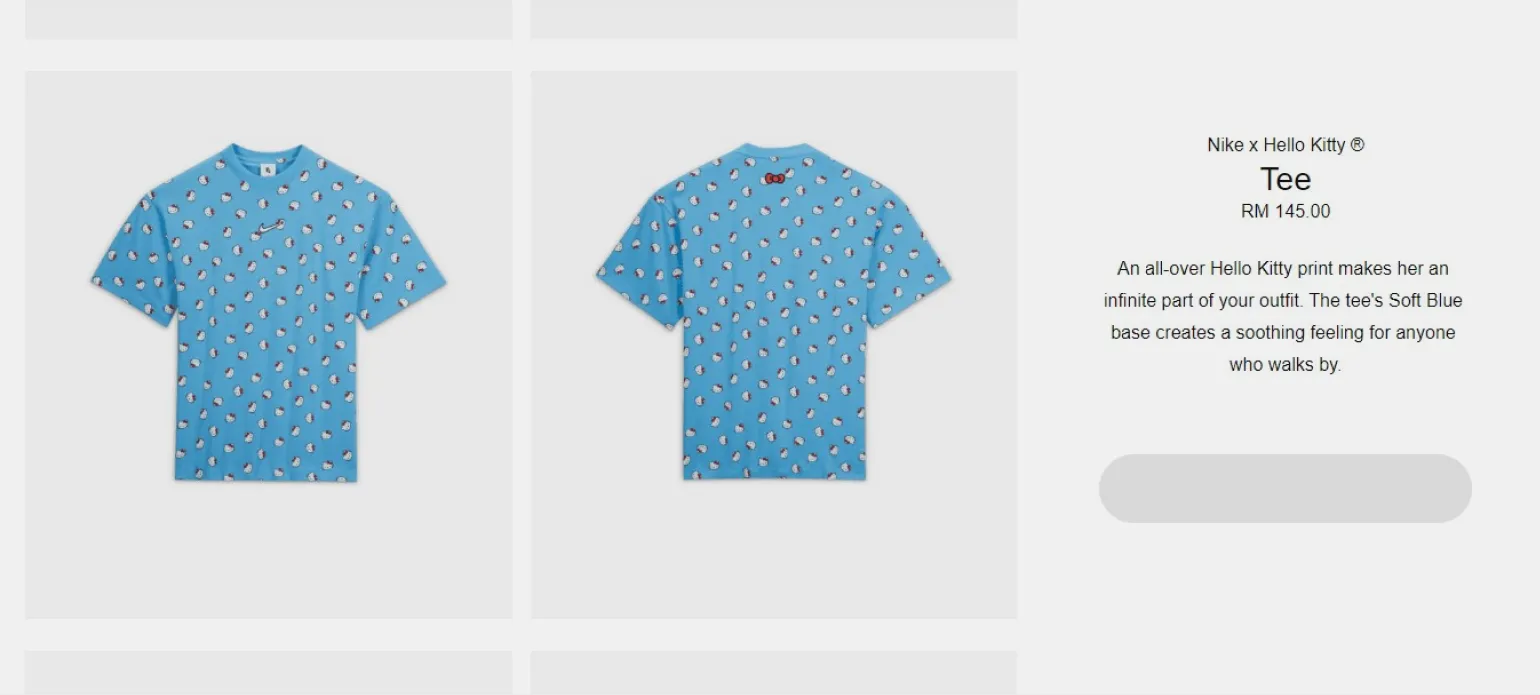
Collaborations between brands create new business opportunities. Joint product development, event organization, and PR campaigns allow companies to expand their audience and enhance their appeal. A striking example of such collaboration is the recent partnership between Nike and Hello Kitty, which saw the introduction of a unique apparel range featuring the iconic character. Such partnerships not only strengthen brands' image but also help attract new customers, making them an important tool in modern marketing.
Denis Gerasimov, Account Director at Altezza Communications, emphasizes that a simple classification of collaborations may not be entirely accurate. Each famous personality represents a separate brand. When choosing a partner for collaboration, it is crucial to consider not only their status but also how this interaction will affect the final result. Matching the partners' positioning is a key factor for a successful collaboration. Correctly selected partners can significantly increase the effectiveness of marketing campaigns and strengthen the image of both brands.
Collaboration Effectiveness: Practical Examples of Success
Anton Udodov, CCO of the creative marketing agency Kuraga, presented three impressive examples of successful collaborations. These projects demonstrated significant results for all parties involved. Creative marketing collaborations allow for the pooling of resources and ideas, which in turn leads to innovative solutions and increased brand awareness. Successful partnerships not only enhance marketing campaigns but also create new opportunities for growth and development.
The first collaboration between the developers of Cyberpunk 2077 and the pizza chain Dodo Pizza resulted in the creation of a unique limited-edition pizza, the "Dodo 2077." This pizza featured a unique "Cybercola BBQ" sauce and original graffiti-style packaging. Additionally, special stickers and an AR mask called "The Power of Arrakis" were released on Instagram, making the collaboration more interactive and engaging for fans of the game. This cross-promotion was an excellent example of synergy between the gaming and gastronomy industries, offering fans a unique experience.
The results of the collaboration were impressive: every fifth delivery order included a limited-edition pizza, exceeding the average for new product launches at Dodo by 25%. The pizzeria initially planned to sell 100,000 pizzas in three months, but sold 50,000 units on the first day. Additional revenue amounted to 92 million rubles in December 2020 alone. These figures underscore the success of the company's strategy for launching unique products and their demand among customers.
The second example of a successful collaboration is Alfa-Bank's partnership with the famous rapper Morgenstern, who was designated a foreign agent in Russia. At the end of 2020, he filmed a music video for the bank, costing 10 million rubles, and became "Director of Youth Affairs." Although this position was largely symbolic, discussions on social media and mentions in the media generated significant resonance. This case demonstrates how effective marketing strategies involving popular personalities can significantly increase brand awareness and attract the attention of a young audience.
As part of the advertising campaign, the "Make Money with Alfa-Card" project was launched. From May 11th to 16th, cardholders had the opportunity to participate in contests with prizes from Morgenstern and receive 500 rubles cashback on their first purchase. A video dedicated to the project has garnered over 24 million views, confirming the high interest in the initiative.
The Dixy chain actively collaborates with TV presenter and blogger Anastasia Ivleeva, who became the face of the spring promotion "Flying Friends. Let's Buzz Together." As part of this campaign, customers could receive stickers for every 200 rubles on their receipt. Having collected 20 stickers, participants in the promotion had the opportunity to purchase a soft toy for the symbolic price of 49 rubles. Anastasia Ivleeva also actively participated in the creation of commercials and was depicted on all advertising materials in a bee costume. This collaboration drew attention to the promotion and contributed to increased sales in the Dixy chain.
Anton Udovov emphasized that the Kuraga agency actively promoted this collaboration, releasing 20 posts on the VKontakte social network from March 31 to June 8, which garnered 2.2 million views. This fact clearly illustrates how successful collaborations can generate significant media coverage and increase interest in products. Effective use of social platforms contributes to audience growth and increased engagement, which in turn has a positive impact on the brand's image.
Effective steps for a successful collaboration
According to Natalia Belkova, CEO of the 4D communications agency, a successful collaboration launch consists of five main stages. These stages are important for achieving effective cooperation and implementing joint projects. Proper organization of the process maximizes results and ensures harmonious interaction between participants.
- Defining goals. Collaboration opens the opportunity to achieve multiple goals simultaneously. For example, one partner may increase sales, while another may want to enhance their visibility. It is important that goals are measurable, allowing for their effectiveness to be assessed.
- Finding a suitable partner. After defining goals, it is necessary to find a partner with similar interests and values. The key is to avoid duplicating audiences—collaborating with a company already serving your clients may be ineffective.
- Strategy development. After finding a partner, it is important to discuss the goals, objectives, and roles of each party, as well as the target audience and budget. These aspects are recorded in the strategy and media plan.
- Project implementation. This stage includes the production of a product or content, as well as informational support: publications in the media, advertising with bloggers, and display advertising—everything as in any PR campaign.
- Evaluating effectiveness. Partners must continually monitor results and share data. If something is not working, the collaboration should be adjusted.
To analyze the effectiveness of a collaboration, it is important to clearly define metrics that align with the collaboration's goals. Natalia Khatsela, director and founder of the Smart contemporary art gallery, emphasizes that the selection of metrics should be based on the specifics of the project and the expected results. This may include aspects such as audience growth, sales growth, increased brand awareness, or improved image. Proper analysis will help not only evaluate current results but also adjust the strategy to achieve better results in the future.
To increase brand awareness, it is recommended to track the number of mentions in the media and analyze the growth of brand queries using the Wordstat tool. In the case of a joint product launch, it is important to monitor sales volume. If the emphasis is on joint content, you should closely monitor the audience's reaction, including comments on social media and the number of new newsletter subscriptions. These metrics will help evaluate the effectiveness of marketing strategies and adjust them depending on the data received.
Regular monitoring of results is a key aspect of successful brand management. Polina Galinskaya, PR Manager of the lead management platform Callibri, emphasizes the importance of adhering to ethical standards in communications. If a brand violates ethical boundaries or offends the audience's feelings, it is necessary to respond promptly. This may include changing the strategic positioning of the campaign or even stopping it completely. Paying close attention to reviews and brand perception helps avoid negative consequences and preserve the company's reputation.
Some collaborations can cause negative public reactions. An example of this is the scandals surrounding the Dolce & Gabbana brand. Gabbana, associated with an unethical advertising campaign, and the incident with H&M, where misunderstanding arose due to the image of a black boy in a sweatshirt with the slogan "Coolest monkey in the jungle." These situations led to mass protests and looting of H&M stores in South Africa, which highlights the importance of carefully approaching issues of cultural sensitivity in marketing strategies.
Effective Collaborations: The Key to Success
Collaborations are effective collaborations between individuals or companies aimed at creating joint content, products, and events. This strategic tool is actively used by both small and large businesses to achieve common goals. Successful collaborations help expand your audience, increase brand awareness, and increase revenue. They facilitate the exchange of experience and resources, which in turn leads to innovation and improved quality of the products and services offered. In a highly competitive market, collaborations are becoming a crucial factor for achieving success and sustainable business development.
Collaborations play a vital role in modern business. They help significantly increase sales, enhance brand awareness, and strengthen customer loyalty. Successful partnerships open up new horizons for development and enable market expansion. Collaboration with other companies or brands can lead to the creation of unique products, an improved image, and the attraction of new audiences. Thus, collaborations are becoming a strategic tool for achieving business goals and strengthening positions in a competitive market.
There are three main types of collaborations: individual-to-individual, individual-to-brand, and brand-to-brand. The first type involves creating joint content and hosting live broadcasts, which helps increase audience engagement and expand reach. The second type involves collaboration between an individual and a brand through promotions, lotteries, and ambassadorship, which helps increase brand awareness and attract new customers. The third type involves joint products, events, and PR campaigns between brands, which allows for the pooling of resources and the reaching of a wider audience. Each of these types of collaborations has its own characteristics and goals, making them effective tools in marketing strategies.
Successful collaborations demonstrate their effectiveness in practice. For example, Dodo Pizza generated 92 million rubles thanks to a joint promotion with the developers of Cyberpunk 2077. A music video created by Morgenstern in collaboration with Alfa-Bank garnered 24 million views. Posts about Dixy's collaboration with Anastasia Ivleeva also reached 2.2 million users. These examples highlight the importance of strategic partnerships in modern business and their impact on audience engagement.
To successfully launch a collaboration, it is necessary to follow a clear plan. First, define the purpose of the collaboration. Then, select a suitable partner with whom to discuss the engagement strategy. Afterwards, conduct an advertising campaign and be sure to analyze its results. The selection of metrics for assessing success should be aligned with the stated goals. It's also important to closely monitor audience reactions, as negative feedback may require changes to strategy or even a complete campaign shutdown. Successful collaboration requires flexibility and a willingness to adapt based on your target market's response.
How to Explore Collaboration Opportunities
- Collaborating with bloggers is an important aspect of influencer marketing. This involves selecting the right influencer, developing an effective format, and then analyzing the project's results. Check out our complete guide to influencer marketing to learn how to effectively collaborate with bloggers.
- The effectiveness of collaborations is measured through KPIs (key performance indicators). In this article, we'll take a detailed look at what KPIs exist and when they are best used to evaluate results.
- One of the main goals of collaborations is to increase brand awareness. We explain what awareness is, how to measure it, and what steps can help increase it.
- To achieve successful results, collaborations are often accompanied by PR campaigns. Enroll in the "PR Manager Profession" course from Skillbox, where students learn how to create a positive image for products and promote them through bloggers and media.
Explore Skillbox Media resources to learn about other tools that facilitate effective promotion. This will help you optimize your marketing strategies and improve results.
- Detailed instructions: how to quickly set up advertising on VKontakte in just an hour.
- What is guerrilla marketing, its types and examples of successful application.
- Main trends and mistakes in loyalty programs for 2023.
- Teaser advertising: principles of operation and recommendations for its use.
- Advertising on Telegram: how to choose the best channels and launch effective seeding.
According to the court decision, Meta Platforms Inc. does not have the right to sell its products, including the social networks Facebook and Instagram, on the territory of the Russian Federation. This decision is related to the company's accusations of extremist activity.
Internet Marketer: 5 Steps to a Successful Career
Want to become an internet marketer? Learn 5 key steps to achieving success in the profession! Read the article.
Find out more