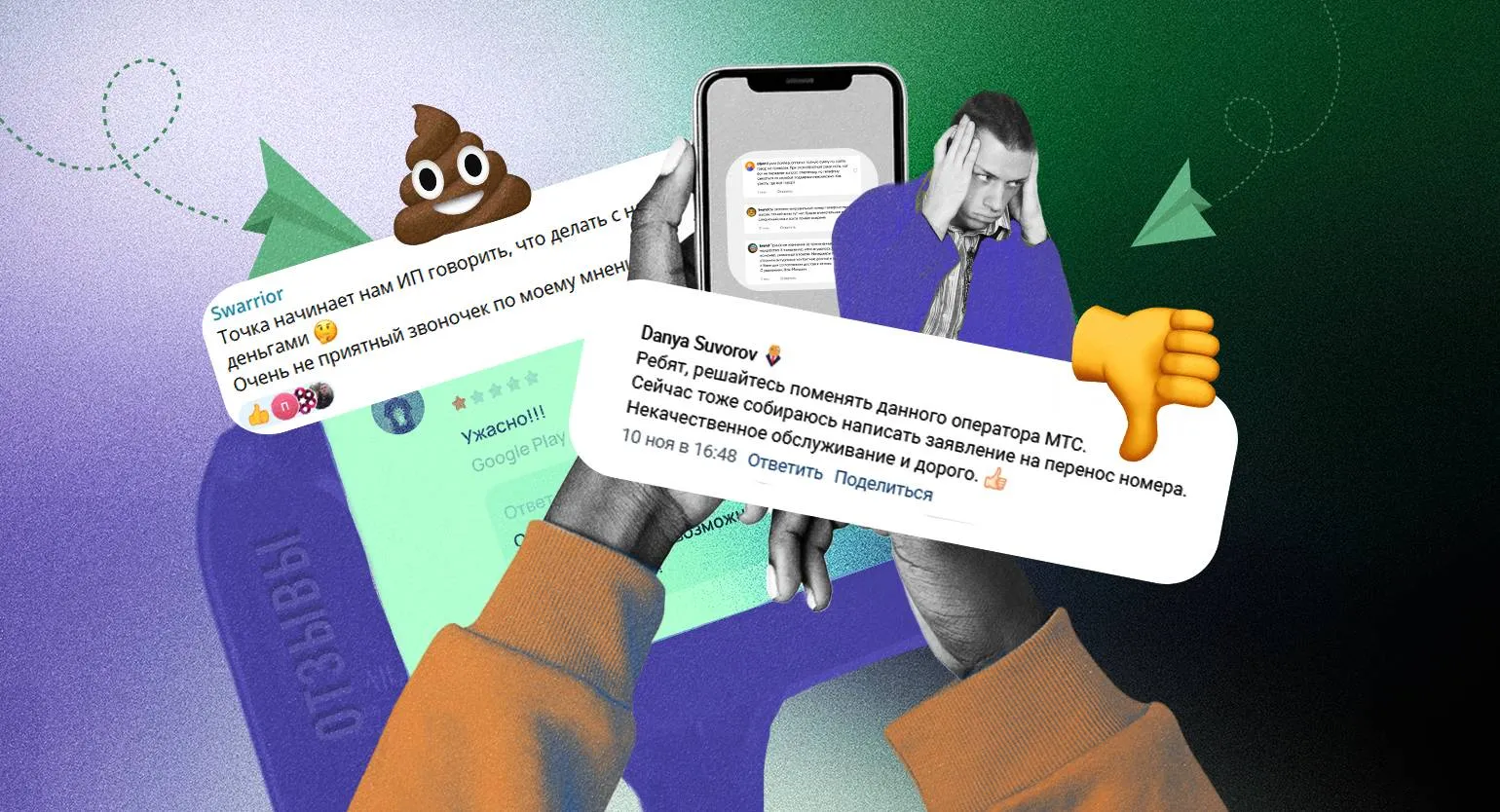
Contents:

Learn: Reputation management and Marketing
Learn MoreHow to Respond to Negative Comments
When dealing with criticism on social media, it's important to keep a few key rules in mind. First and foremost, stay calm and don't react to negative comments impulsively. Try to view criticism as an opportunity to grow and improve. Respond to constructive comments with gratitude, demonstrating your openness to dialogue. Avoid confrontation and don't get into arguments, as this can escalate the situation. Instead, focus on the positive aspects of the interaction and try to maintain a friendly atmosphere. Remember that your reaction can impact the perception of your personality or brand, so choose your words carefully and display professionalism.
Ensure consistency in your tone of voice (ToV) when responding to comments. It's important to adhere to the style adopted by the brand on other communication platforms. This helps create a unified customer experience across customer support, sales, and social media. Consistency in communication builds brand trust and increases customer loyalty.
Create response templates to speed up the processing of similar comments. This is especially useful for brands that frequently receive order complaints or questions about delivery times. Pre-defined algorithms will allow you to quickly and effectively resolve customer issues, improving their experience and increasing satisfaction. Using such templates will not only save time but also ensure consistency in customer communication, which will positively impact your brand's reputation.
Set a response time limit for user comments and inquiries. Ideally, you should respond to them within 24 hours. If a customer reports a critical issue, you should respond within 1-2 hours, or even within minutes. Responding quickly to user requests builds brand loyalty and improves your company's reputation, which in turn can positively impact your business and attract new customers.
Use a human approach when communicating with users. Using templates and seeking a quick response can make interactions seem formal and insincere. This is undesirable, as sincerity and a personal approach are essential for building trust. Even when using templates, try to maintain a human tone. For example, adding informal elements to messages or using a more relaxed communication style, if it matches your tone of voice, will help make interactions more personal and enjoyable for users.
It's important to maintain a balance when communicating with customers. A human approach can be effective if the brand has the necessary resources. Otherwise, even a standard response to comments is better than completely ignoring them. Openness and a willingness to communicate help build trust in the brand and maintain a positive image.

Ignore insults and unfounded Accusations. If a user expresses dissatisfaction without providing evidence, such comments may be deleted or left unanswered. If unfounded complaints continue, the author should be blocked, first temporarily and then permanently. This will help maintain a healthy atmosphere of communication and protect the community from negative influences.
Deleting comments is not a sign of weakness or censorship on the part of the brand. It is important to create and maintain a positive atmosphere in the community, which includes protection from trolls and negative comments. Clear discussions help build user trust and improve a company's image.

Read also:
Working with comments on social media is an important part of business management. Here are three key tips for effectively engaging with your audience.
First, always respond to comments. Responding quickly to customer feedback demonstrates your interest and respect for them. This helps build trust and increases loyalty to your brand.
Second, be attentive to negative comments. Ignoring criticism can lead to a deterioration in your business's reputation. Instead, try to respond constructively to comments by offering a solution or explaining your position. This can demonstrate your willingness to engage in dialogue and improve public perception.
Third, use comments as a source of feedback. By analyzing customer opinions, you can identify weaknesses in your product or service and make necessary improvements. Not only will this help you tailor your offerings, but it will also show customers that you value their opinions.
By following these tips, you can effectively manage social media comments and improve customer engagement, which in turn will positively impact the success of your business.
In this section, we will analyze three common situations and offer effective strategies for addressing each.
Negative comments about a service or product on a brand's social media
Customers often turn to a brand's social media as an alternative to customer support, leaving comments about service issues. Ignoring such feedback is a serious mistake. Commenters may feel ignored, and other users will notice the lack of response from the brand, which may lead to the belief that they will not receive help in similar situations. It's important to actively engage with customers on social media, promptly responding to their questions and resolving issues that arise to maintain a positive company image and build user trust.
To effectively resolve such comments, it's essential to engage customer support specialists. They will help resolve the customer's issue and provide professional assistance. This will ensure higher-quality customer interactions and improve customer satisfaction.
To effectively contact customer support, it's important to provide as much detailed information about your situation in the comments as possible. This will help support staff quickly identify the user in their database, determine the cause of the problem, and promptly offer a solution. The more details you provide, the faster and more accurate your assistance will be.
If a brand rarely receives such comments, SMM specialists can independently answer customer questions and forward them to customer support. This approach allows for a prompt response to requests and maintains a positive company image. It's important to monitor reviews and comments to ensure a high level of customer service and build brand trust.
Large brands receive hundreds of reviews daily. In such cases, it makes sense to create a dedicated team to monitor comments and promptly resolve user issues. This will not only improve customer interactions but also enhance the brand's reputation. A systematic approach to review management helps build trust and loyalty among consumers.
A life hack is a simple and effective way to solve everyday problems that saves time and effort. These tricks can apply to various aspects of life, from organizing your workspace to improving your personal productivity. Life hacks are becoming increasingly popular because they help find creative solutions to common problems. For example, you can optimize your cleaning routine by using unusual tools or methods. Life hacks are actively shared online, making them accessible to a wide audience. By learning new life hacks, you can significantly improve your quality of life and increase your task efficiency.
It's important to promptly notify users that their comment has been noticed. Therefore, it's recommended to respond to complaints within the first minutes or hours after they're received. Start with a greeting and a brief statement that the issue is being resolved. Then, ask clarifying questions to obtain more information and extend the time it takes to resolve the issue. This approach not only improves customer engagement but also contributes to increased customer satisfaction.
Negative Comments on Brand Content
The brand published content on social media that provoked a negative reaction among its audience. Perhaps the joke was inappropriate or the execution was subpar. Users are expressing their dissatisfaction and actively sharing their emotions in the comments. It is important to take into account the opinion of the audience and quickly respond to criticism in order to maintain a positive brand image.
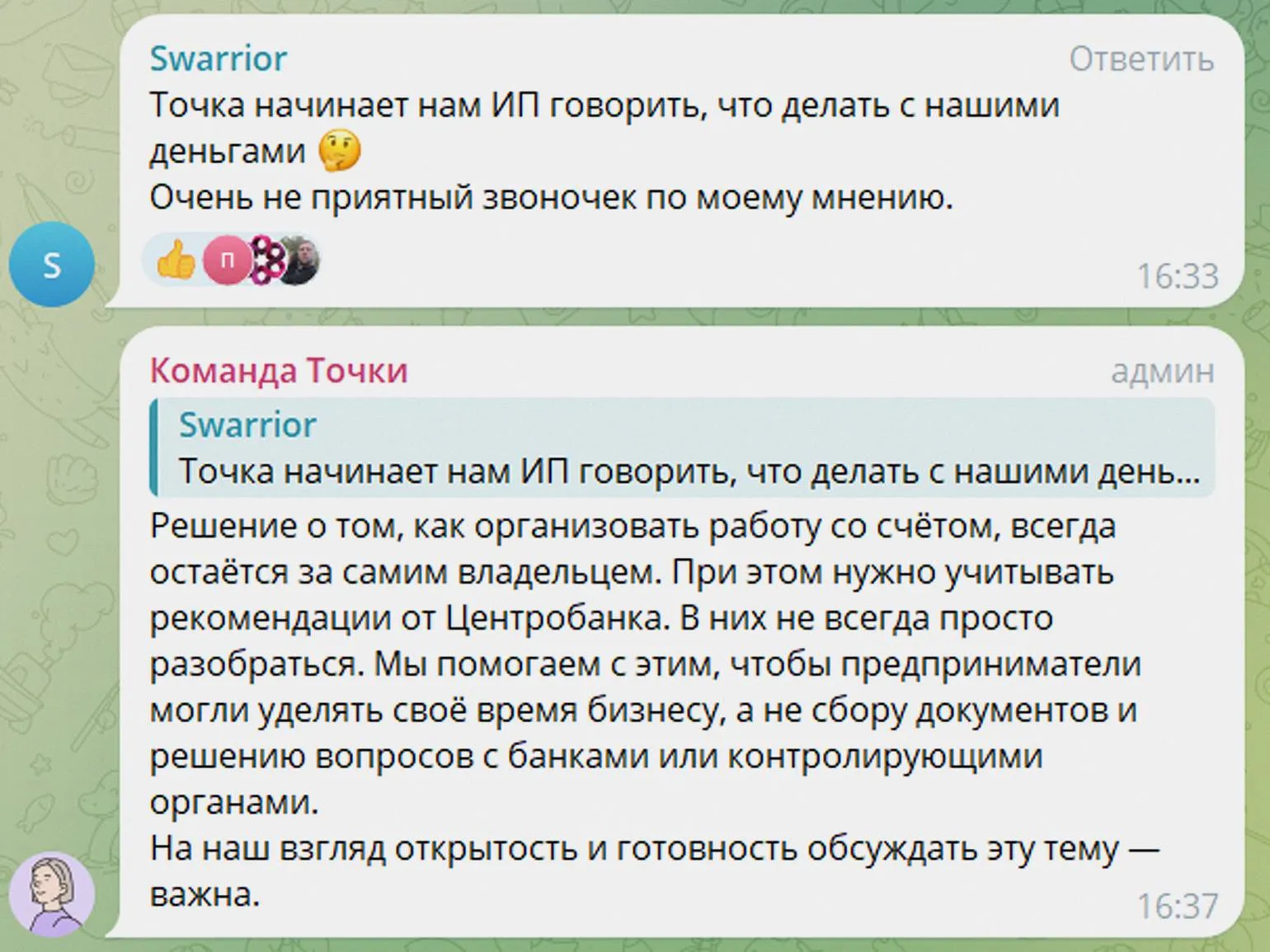
The solution to the problem depends on the level of user dissatisfaction. If the criticism is not too severe, it is sufficient to analyze the error to avoid its recurrence in the future. In such cases, responding to negative reviews is not necessary.
If the number of comments increases or if content with ironic or derogatory captions is shared on other blogs and public pages, the brand must respond promptly. Ignoring such situations can negatively impact the company's image and lead to a deterioration in relations with the audience. It is important to develop a response strategy that will effectively manage the brand's reputation and maintain a positive image in the online environment.
To successfully address the situation, it's necessary to publish a post or story explaining the current situation in detail. If a scandal arises, it's also worth considering a public apology. It's recommended that these actions be overseen by a PR or reputation management team, rather than marketers. If necessary, outside specialists can be brought in to ensure a professional approach to resolving the issue and minimize the negative impact on your image.
If a scandal hasn't yet erupted, but negative comments and emojis continue to pour in, you can respond on behalf of your brand while maintaining the tone of your communication. Use humor or acknowledge your mistakes to connect with your audience and mitigate the negative impact. This will help build a positive image and strengthen trust in your brand.
Removing controversial content is ineffective because the internet stores all data. Controversies and conflicts can remain online even if the original materials have been removed. This highlights the importance of being mindful when posting information and managing your reputation in the digital space.
Negative comments about a brand under other people's posts
A user shared a negative experience with a brand on their personal page. They described instances where they encountered disrespectful treatment, received bad coffee, or experienced discomfort from overly intrusive phone offers. In their post, the user also mentioned the brand name and tagged its social media pages, which may draw the attention of other users to their review.
The author's friends can support their opinion or share their negative experiences with the brand in the comments under this post. This will create a space for discussion and exchange of experiences, which can help other users better understand the reputation and quality of the company's services.
Responding to a user's post, even if they only have 50 followers, is an important step for a brand. This creates an opportunity to increase loyalty both from the post's author and their friends who may notice the discussion. Active engagement with the audience helps strengthen the brand's image and fosters positive public opinion. This approach not only demonstrates concern for users but also helps expand reach, which in turn can lead to new potential customers.
It's important to understand the reasons for the customer's dissatisfaction. If appropriate, it's worth apologizing, matching the company's tone, or offering a bonus as a way to resolve the situation. This approach will not only help retain the customer but also improve the brand's reputation.
To successfully resolve the issue, it's recommended to involve colleagues from the support and product management departments. Their involvement will help more effectively understand the situation and offer the customer appropriate bonuses. This will not only improve interaction with the client, but also increase their satisfaction level.
Reputation Management and Marketing
You will learn how to shape a brand image online and mitigate negativity. You will learn how to work with popular review platforms. You will be able to increase audience loyalty, boost sales, and optimize marketing costs.
Find out more