
Contents:

4 Internet Marketing Professions: Free Mini-Course
Learn MoreWhat Data Do Social Networks Collect?
In today's digital space, social networks play an important role in our daily lives. However, many users are unaware of what data is collected about them and for what purpose. Information about data collection is contained in the user agreements we agree to when registering. Understanding these terms will help users better protect their personal information and use social platforms wisely. It is important to carefully review the terms to understand how your data is used and what rights you have regarding your personal information.
Popular social networks such as Facebook, Instagram, and VKontakte provide users with transparent information about their privacy policies. On these platforms, you can read the data they collect and the terms of use of this information. For example, VKontakte offers a detailed description of the data they collect and how it is processed. Similarly, Facebook and Instagram provide access to their privacy policies, allowing users to better understand how their personal information is used and protected.
Social networks collect and analyze many categories of data, including information about users, their behavior, interests, and interactions. Key data categories include demographic information such as age, gender, and location. Also important is user preference data based on user activity, likes, comments, and shares. Analyzing this data allows platforms to better understand their audience and tailor content to their interests. Social networks also track interactions between users, which helps identify trends and build communities. All of this data, taken together, helps create a more personalized user experience and improve the effectiveness of advertising campaigns.
- Registration data: first name, last name, gender, age, place of residence, phone number, email. Profile changes, such as job and relationship status changes, are also taken into account.
- User actions: photos, posts, likes, comments, and interactions with content. Social networks record which links you click, how much time you spend on the platform, and your purchases.
- Community subscriptions and your posting history.
- Friends and subscription lists, including the history of adding and interacting with them.
- Device information: operating system, device model, IP address, browser type, battery level. Some platforms also track mouse movements and camera signals.
- Network connection information: your mobile operator, connection speed, language, and time zone.
- Files and applications on your device, including address book data.
- Cookies and data collected through partner sites to improve advertising targeting. For example, Facebook uses a "pixel" to track user behavior across third-party resources.
- Geolocation: data about your location and movements.
- Information provided by other users: mentions in publications, photos with you, and reposts.
Every day, we generate a significant amount of information, creating our "digital footprint." This footprint includes text, images, videos, geolocation data, and browsing history. It is important to understand that data posted online can remain there indefinitely, and its use can impact your privacy. Protecting personal information in the digital space is becoming increasingly important, and it is important to pay attention to what data we share and where it is stored. Be mindful of your digital footprint to minimize the risk of personal information leakage and maintain your privacy online.
Social networks actively use the collected data not only to improve user interactions but also to achieve commercial goals, including targeted advertising and analytics. This allows brands to more precisely target their advertising campaigns and offer users relevant content, which in turn increases the effectiveness of marketing strategies. Understanding this process is important for users, as it helps them consciously approach issues of privacy and the use of personal information.
How Big Data Works and Its Role in the Modern World
Big Data represents significant volumes of information stored in digital format. Typically, this data is unstructured, making it difficult to analyze without the use of modern technologies and processing methods. Effective use of Big Data allows companies to extract valuable insights and make informed decisions, which is especially important in a rapidly changing market. Working with big data requires specialized tools and algorithms that help simplify the process of analyzing and visualizing information.
Data collection has a long history, but only in recent years has the ability to effectively process large volumes of information become possible. The availability of modern computing power has fueled the rise in popularity of neural networks and deep learning algorithms. These technologies enable analysis and extraction of useful insights from massive data sets, opening up new horizons for business and science. Effective data processing is becoming a key factor in decision-making and process optimization.
Social media today generate colossal volumes of data, including text, images, videos, and audio. However, this data is invaluable without proper processing. Processing involves analysis, comparison, and prediction, which allows for the identification of user behavior patterns based on characteristics such as age, race, social status, and other factors. Effective work with social media data can help businesses more precisely tailor their marketing strategies and improve engagement with their target audience. By analyzing this data, companies can not only understand current trends but also predict future changes in user behavior, which is key to achieving a competitive advantage.
Netflix effectively uses big data to analyze user behavior. The platform studies which films and series viewers prefer, what they binge-watch, what they rewatch, and what ratings they give. These analytics not only help better understand audience interests but also predict the success of new projects. For example, the series "House of Cards" has become one of the most popular on the platform thanks to an accurate analysis of user preferences, confirming the importance of big data in creating successful content.
Big data is actively used in various fields, such as medicine, education, human resources, finance, industry, and retail. In marketing, analytical algorithms study consumer interests and behavior, allowing for the creation of more accurate and personalized advertising offers. This, in turn, significantly increases the effectiveness of marketing campaigns and contributes to increased sales. Using big data helps companies better understand their audience and adapt their strategies to achieve maximum results.
If a user lists their passion for drawing in their profile, they may see ads for art supplies. Photos with a car in the background may lead to ads for auto repair shops. By analyzing texts, likes, and communities, it is possible to identify a user's personality type and even political views. This makes it possible to suggest new groups, friends, and music recommendations, which facilitates a more personalized and effective interaction with content. This approach not only improves the user experience but also increases the conversion rate of advertising offers, which is beneficial for both users and advertisers.
The legality of data collection: what you need to know?
Collecting user data for commercial purposes is a legal practice. When registering on platforms and installing applications, users consent to the processing of their data by checking the box in the user agreement. Such agreements often include a clause allowing the transfer of information to third parties, which creates opportunities for marketing use of the collected data. Effective use of this data allows companies to improve their offerings and target advertising, which in turn increases customer satisfaction and promotes business growth. Data transferred to advertisers on social media does not contain users' personal information. Advertisers can customize their target audience through their personal account, but access to identifying data remains restricted. When information is transferred to third parties, it undergoes an anonymization process, eliminating the possibility of identifying individual users. This ensures a high level of privacy and security of personal data, an important aspect of modern digital marketing.
Anonymous data, including age, gender, and user behavior, plays a key role in analyzing and building audience behavior models. This approach allows companies to better understand the needs and preferences of their customers, which, in turn, helps optimize marketing strategies. Effective use of anonymized data helps improve advertising targeting and increase customer satisfaction, which is an important factor for successful business in a competitive market.
Federal Law No. 152-FZ of July 27, 2006, "On Personal Data" establishes rules for the processing of personal information. This law does not clearly define the term "anonymous data." Article 3 of the law mentions the process of "anonymization of personal data," which implies the inability to identify a specific subject without additional information. However, in situations where access to complete personal data is necessary, for example, at the request of government agencies, such information may only be provided based on a court order. Ensuring the security and privacy of personal data remains an important concern, and compliance with laws in this area is critical to protecting citizens' rights.
Social media platforms make significant efforts to protect their users' personal data. However, like any other online service, they cannot completely eliminate the risks of data breaches and cyberattacks. Throughout the history of digital technology, there are numerous instances of platforms facing serious security breaches. One of the most notorious incidents was the Facebook scandal of 2018, which drew attention to issues of user privacy and data protection. Given the growing reliance on social media, it is important to be aware of potential threats and take precautions to protect your information online.
As a result of a leak, data on 50 million users was released to Cambridge Analytica. This information was used for illegal targeted political advertising, particularly during the Donald Trump campaign. The fallout from the incident had a negative impact on Facebook's stock, which plummeted, and also resulted in a $5 billion fine levied against the company.
While data collection is legal, users have a responsibility to exercise caution and carefully review the terms of agreements before agreeing to the processing of their personal data. It is important to understand how exactly your data will be used and what rights you retain in this process. This will help protect your personal information and avoid unwanted consequences.
Why social networks need your data and how they use it
Social networks such as Facebook, Instagram, and VKontakte offer their services completely free of charge. However, they rely on revenue, mainly coming from advertising campaigns. Users essentially "pay" for access to these platforms by providing their personal data. Thus, there is a direct link between social media use and information sharing, highlighting the importance of data awareness and privacy in the digital world.
Collecting user information is primarily aimed at commercial purposes. Social networks actively segment their audiences to better understand each user's interests and offer the most relevant advertisements. The more complete and accurate user data is collected, the higher the likelihood of advertising effectiveness. This leads to increased revenue for companies and encourages them to use advertising platforms more frequently. Effective advertising is becoming a key factor for business growth in the digital world.
Data collection serves many important purposes. Firstly, it allows for the analysis of user behavior, which helps improve the quality of products and services. Secondly, data helps identify trends and preferences of the target audience, which is important for developing effective marketing strategies. A third important goal is the optimization of business processes, which contributes to increased company efficiency. Furthermore, data can be used to predict future market needs, allowing companies to remain competitive. Thus, data collection is a key element of successful business management and development.
- Optimizing user interactions to improve the usability of social networks.
- Creating personalized search results and news feeds based on preferences.
- Protecting users' personal data from unauthorized access.
- Preventing the distribution of illegal content on platforms.
- Conducting analytical research to improve services.
Advertising Setup: Who Does It and How?
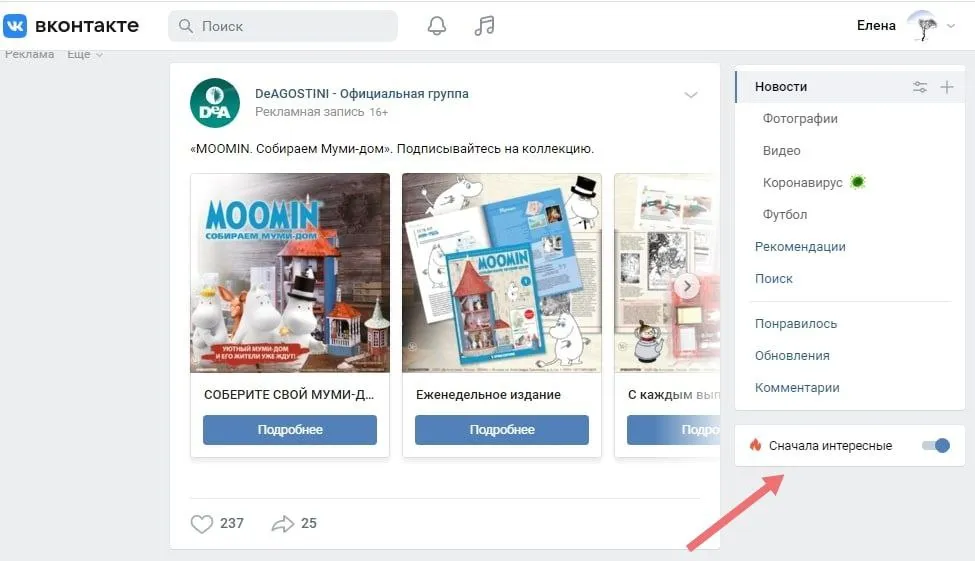
Modern social networks actively use algorithms to collect user data, which enables companies to launch effective advertising campaigns. More often than not, this process is handled not by the entrepreneurs themselves, but by professional targeting specialists who are responsible for setting up and optimizing advertising. This approach ensures more precise targeting of the target audience and increases the conversion rate of advertisements, which is a key factor in the successful promotion of goods and services online.
Targeting specialists conduct a detailed analysis of large volumes of data on user behavior and preferences to segment audiences. They formulate hypotheses, define target groups, and customize advertising campaigns based on parameters such as gender, age, location, interests, and social status. This approach allows systems to accurately identify users who are most likely to respond to advertising offers. Effective targeted advertising helps increase conversions and optimize advertising budgets, making it an essential tool for businesses.
The cost of advertising on social media can vary significantly. The more precise the targeting settings used by a specialist, the lower the company's costs. High accuracy enables the correct selection of the target audience, allowing ads to be shown only to users who are genuinely interested in the product. This not only reduces advertising costs but also increases the effectiveness of advertising campaigns, ensuring better results and return on investment. Targeting optimization is a key factor in successful social media promotion. Errors in targeting settings can have negative consequences when users are exposed to irrelevant advertising. For example, if you're not a pet owner but are constantly seeing ads for pet food, this indicates insufficient efforts by your marketers and targeted advertising specialists. Incorrect targeting not only reduces conversion rates but can also negatively impact your brand image. To avoid such situations, it's important to regularly analyze and adjust targeting settings, taking into account the interests and preferences of your target audience. This way, you can increase the relevance of your ads and improve customer engagement. Retargeting is an important tool in the targeting arsenal, allowing you to effectively engage customers. For example, if you visited an online store and added an item to your cart but didn't complete the purchase, you may encounter an ad for that item when browsing your feeds on social media platforms like Facebook. Advertising can include special offers or discounts, which encourage customers to return and complete their purchase. This method not only increases conversion but also effectively strengthens the brand by reminding users of the product and creating additional incentives to complete the purchase. Optimally configured advertising is focused on the specific needs of users, making it personalized and effective. It helps solve current problems, making life easier and saving time searching for the necessary goods and services. The main task of a targeting specialist is to create unobtrusive, yet useful advertising that makes the purchasing process pleasant and convenient for customers. The correct approach to targeting can significantly increase conversion and target audience satisfaction. To achieve high advertising effectiveness, targeting specialists undergo specialized training. We offer a course called "Targeting Profession," which provides comprehensive theoretical knowledge and practical skills for working with real-world projects. This course will help you master modern targeted advertising tools and learn how to effectively attract your target audience, which is a key aspect of successful business promotion in the digital space.
Internet Marketer: 5 Key Skills for Success
Want to become an internet marketer? Learn 5 skills for success in this profession! Read the article.
Find out more