
Contents:
- What is spam
- Origin of the term
- What types of spam exist
- Where do spammers get contacts and how do they send spam
- How to fight spam
- Why spam is dangerous for business
- Briefly about the main thing
Spam — is the mass distribution of messages without the recipient's prior consent. Kaspersky Lab research shows that almost half of all email traffic should be considered spam.
What is spam?
Spam is intrusive mailings that arrive without your consent. The key criterion that allows us to say for sure that it is "it" is the lack of consent from the recipient. Even a useful mailing from a well-known brand will be considered spam if you did not subscribe to it.
Examples of spam:
- An advertising leaflet in your mailbox.
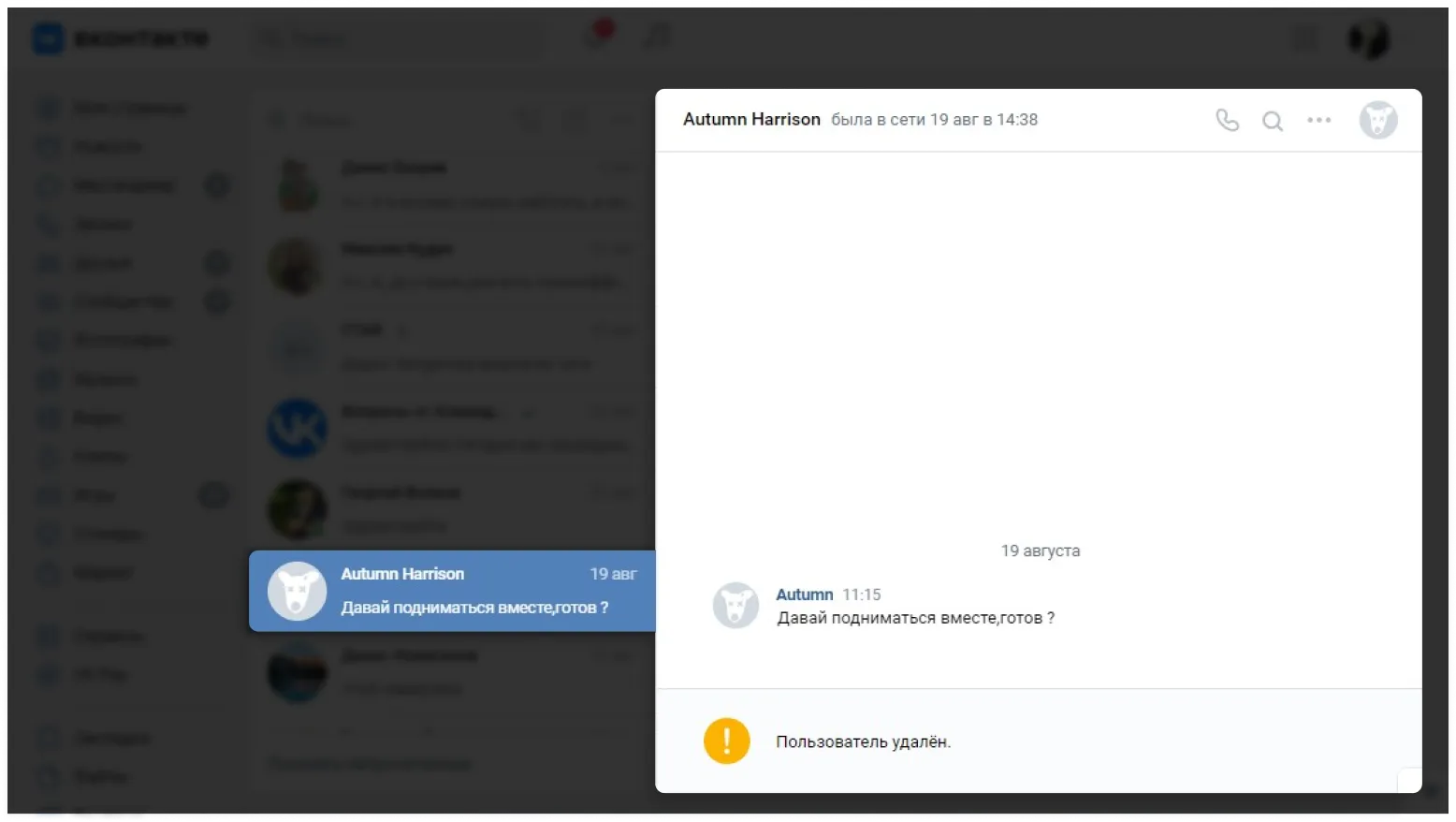
- An SMS from a stranger asking you to transfer money.
- An email about "winning" a lottery you didn't participate in.
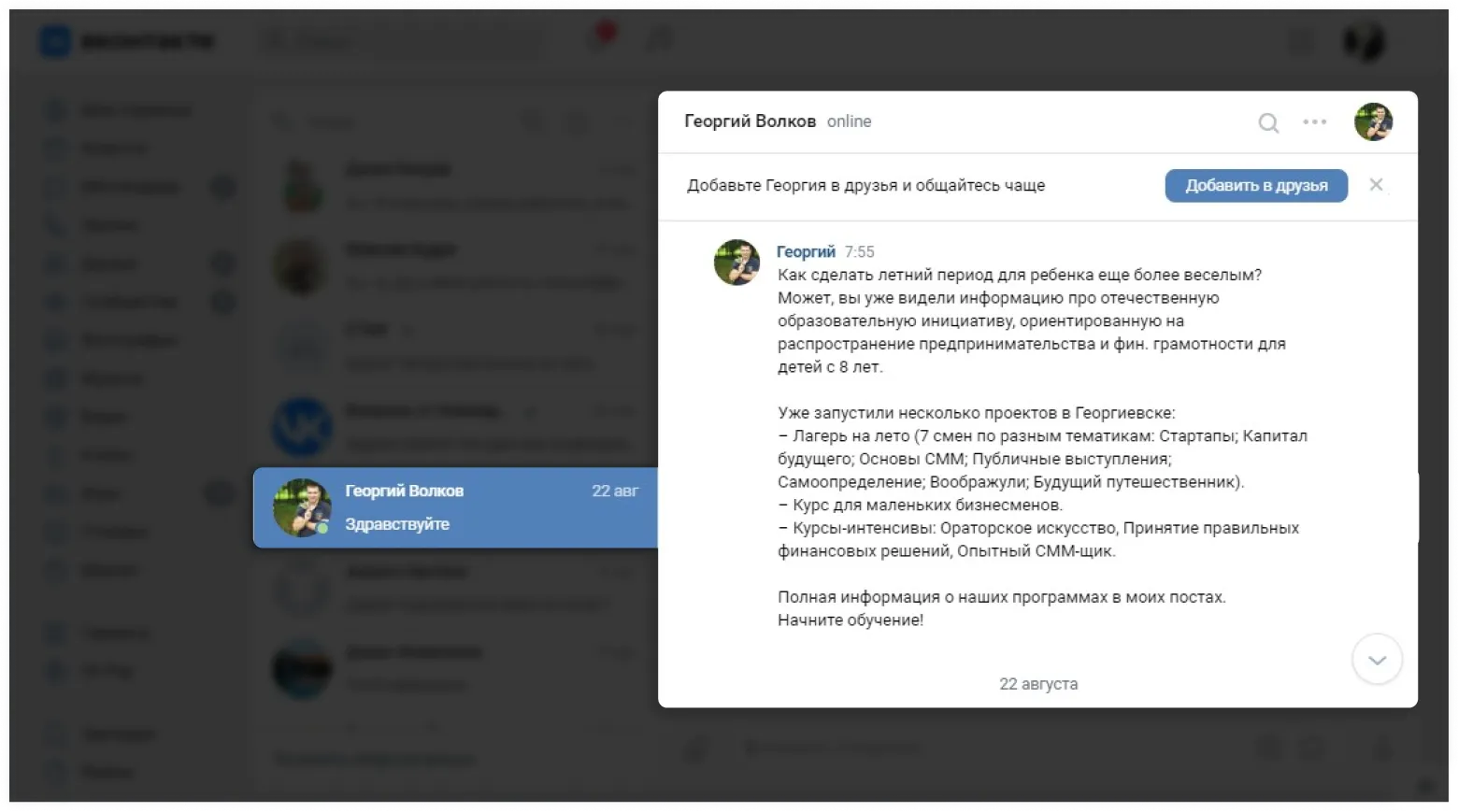
- An advertising comment under a post on an irrelevant topic.
Origin of the term
The name comes from the brand of canned meat SPAM (short for spiced ham — "ham with spices") by Hormel Foods. In the famous sketch of the comedy group "Monty Python" this word became a symbol of something obsessive and inevitable. In 1986, a Usenet user drew an analogy between the intrusive advertising of canned goods and the mass mailing of advertisements for a financial pyramid scheme. Thus, the term "spam" was assigned to unsolicited mailings.
What types of spam exist?
Spam can be divided into two main types: relatively safe and dangerous.
1. Safe spam
Does not pose a direct threat, but is annoying and time-consuming.
- Advertising of goods and services: persistent offers to buy something.
- "Chain letters": requests to forward a message to "ten friends" to fulfill a wish.
- Manipulative messages: attempts to shape public opinion (for example, to denigrate a competitor).
2. Dangerous spam
Aimed at stealing money or data.
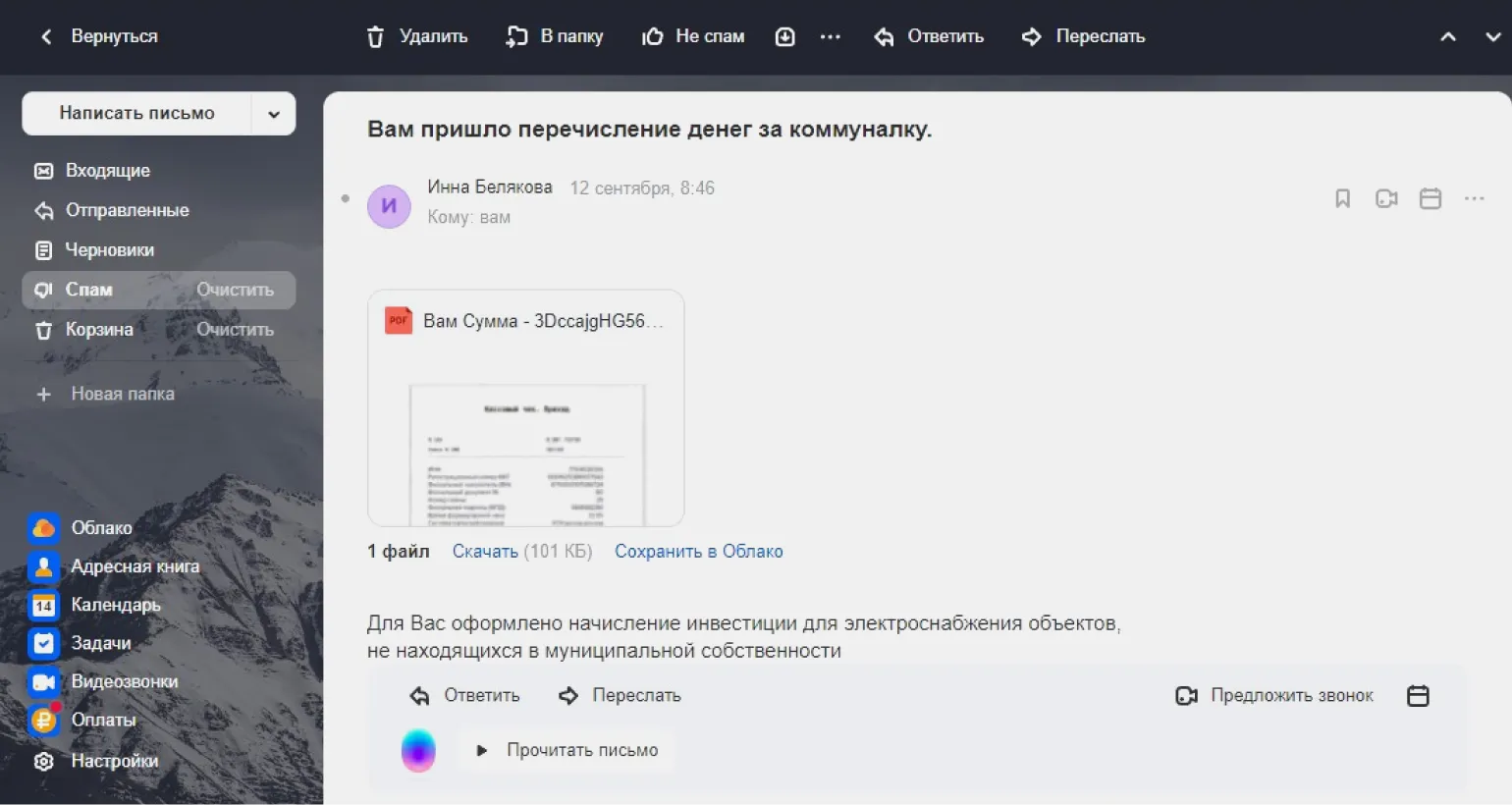
- Phishing: emails disguised as mailings from banks or services. The goal is to obtain your logins, passwords, and card details.
- Messages with viruses: links or attachments that, when clicked or downloaded, infect a device with malware.
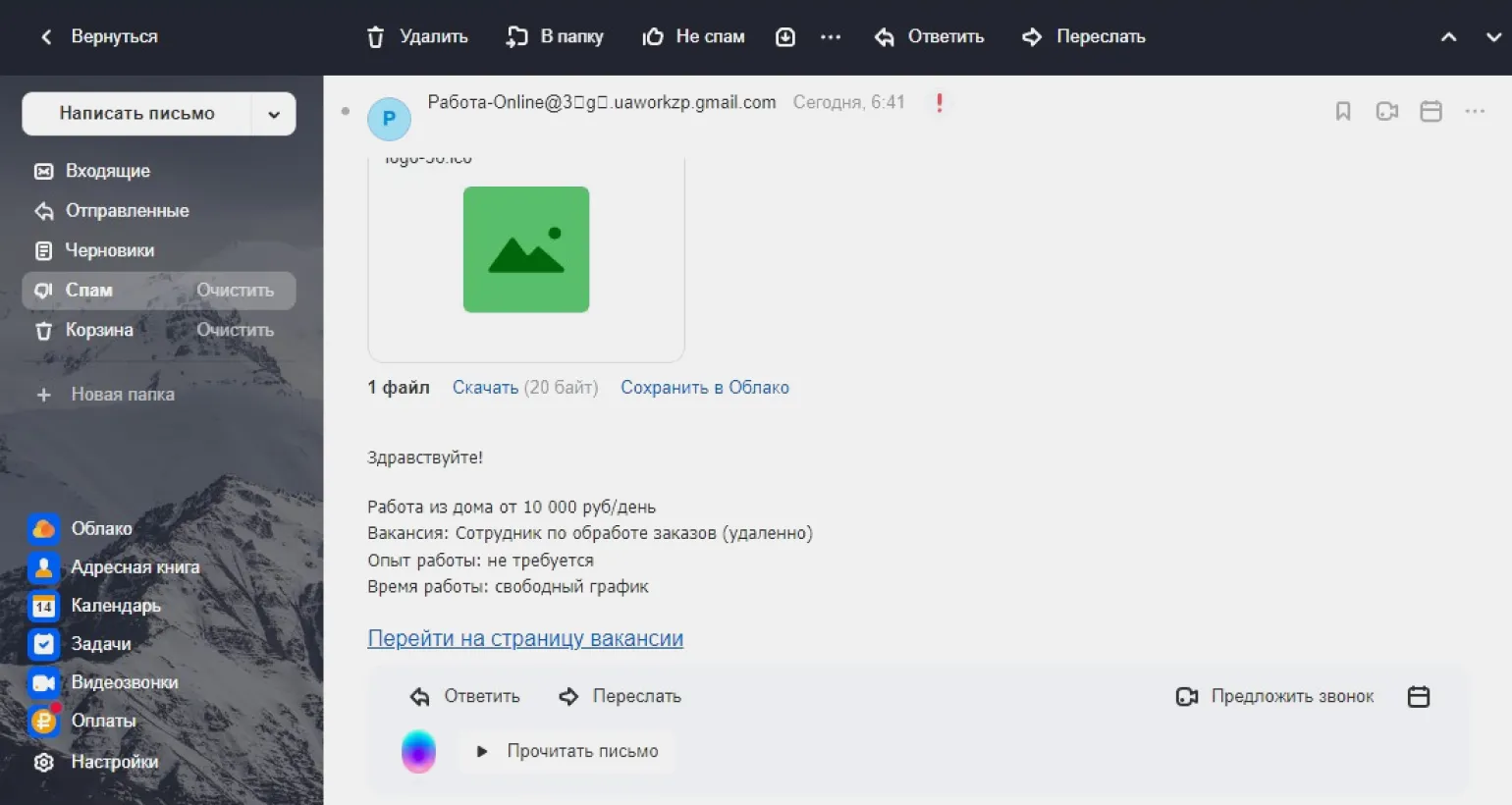
- Fraudulent mailings: offers of "easy work," "inheritance," or "winnings," which ultimately ask for a "commission" or "delivery" payment.
Where do spammers get contacts and how do they send spam?
Distribution channels:
- Phone calls and SMS.
- Email.
- Private messages and comments on social networks and instant messengers.
Contact sources:
- Parsing:automatic collection of email addresses and phone numbers from websites and social networks.
- Database hacking:hacker attacks on services to steal user databases.
- Data leaks:for example, in 2022, there was a leak of data from 50 million Yandex.Food orders.
- Purchase of databases:illegal trade in contact databases collected by other methods.
- Generation:selecting random combinations of numbers and email addresses.
Important:all of these contact collection methods are illegal. For example, hacking databases is punishable by criminal liability and large fines.
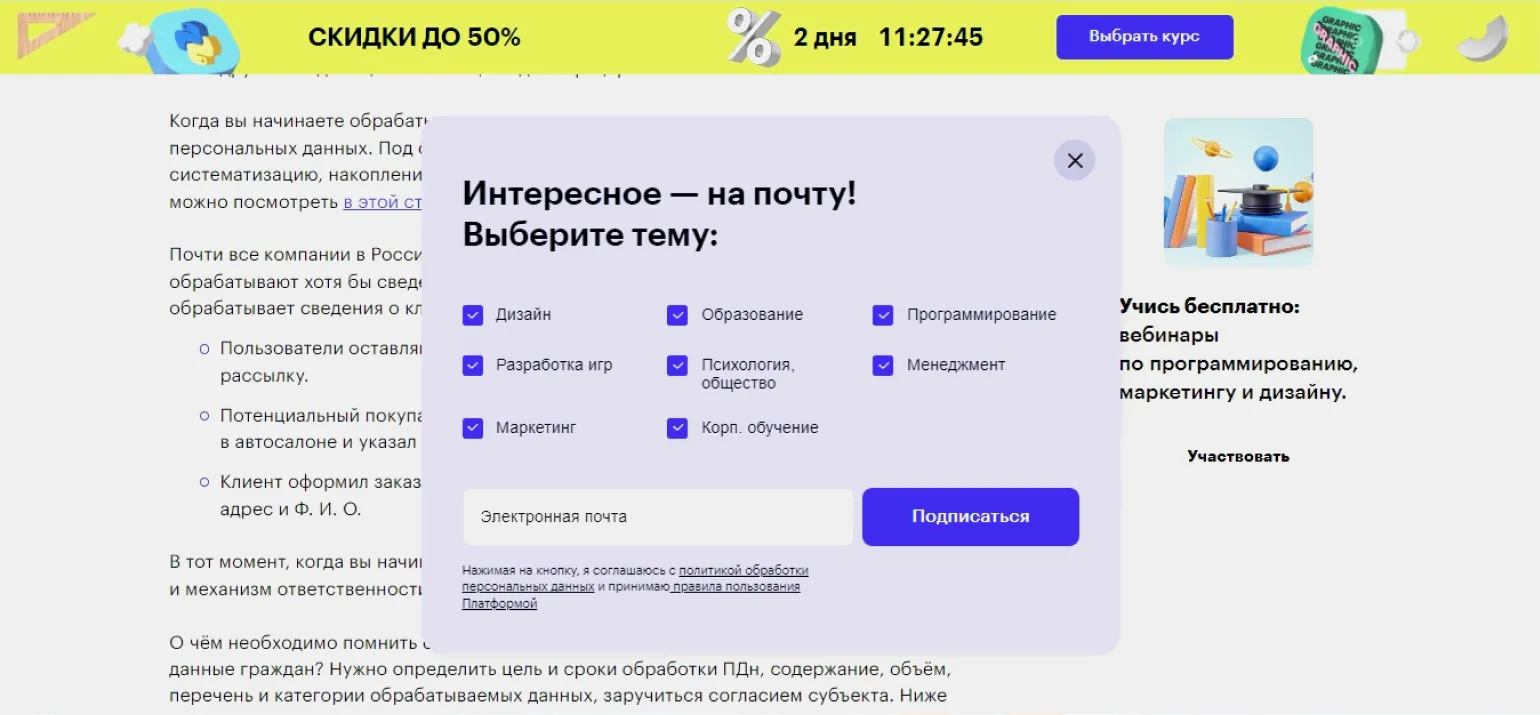
A legal alternative is to independently collect contacts and obtain the user's explicit consent to send and process personal data.
How to fight spam
Prevention:
- Do not publish contacts in the public domain.
- Use a disposable email and phone number to register on dubious sites.
If spam is already arriving:
1. Complain to:
- The National Center for Personal Data Protection. You can file a complaint on the service's website against telecom operators and companies that call without consent.
- Platforms. Complain about the spammer directly on social networks, instant messengers, or to your email provider.
2. Block:
- Use built-in functions for blocking numbers and users.
- Set up privacy on social networks so that only friends can send messages.
3. Use special services:
- Getcontact and other applications help identify and block spammer numbers.
4. Do not engage in dialogue.Do not respond to spam and do not click links. Your activity signals to spammers that the address is "live".
Why Spam Is Dangerous for Business
If a business uses spam for promotion, it risks facing two types of problems:
1. Technical risks:
- Blocking of accounts by email providers and social networks for violating rules (automatically or based on user complaints).
2. Legal risks:
- Fines under the Law "On Advertising". For each message sent without consent, a legal entity may be fined from 10 to 50 basic units.
Briefly about the main thing
1. Spam is mailing without consent. The main sign is that you did not give permission to receive such messages.
2. Spam can be safe (annoying) and dangerous (steals money and data).
3. Spammers obtain contacts through parsing, hacking, leaks, and purchasing databases.
4. To protect yourself, do not publish contact information, block spammers, and file complaints with the Federal Antimonopoly Service and platforms. 5. For businesses, spam poses a risk of blocking and large fines. There is a legal alternative: sending newsletters only to those who have given explicit consent.
Internet Marketer Profession
You will learn how to launch advertising on various platforms and achieve results. Study targeting, context, analytics, and advertising strategies. You will practice your knowledge on real-world tasks, be able to find a job in a new profession and work on interesting projects.
Learn more