Contents:
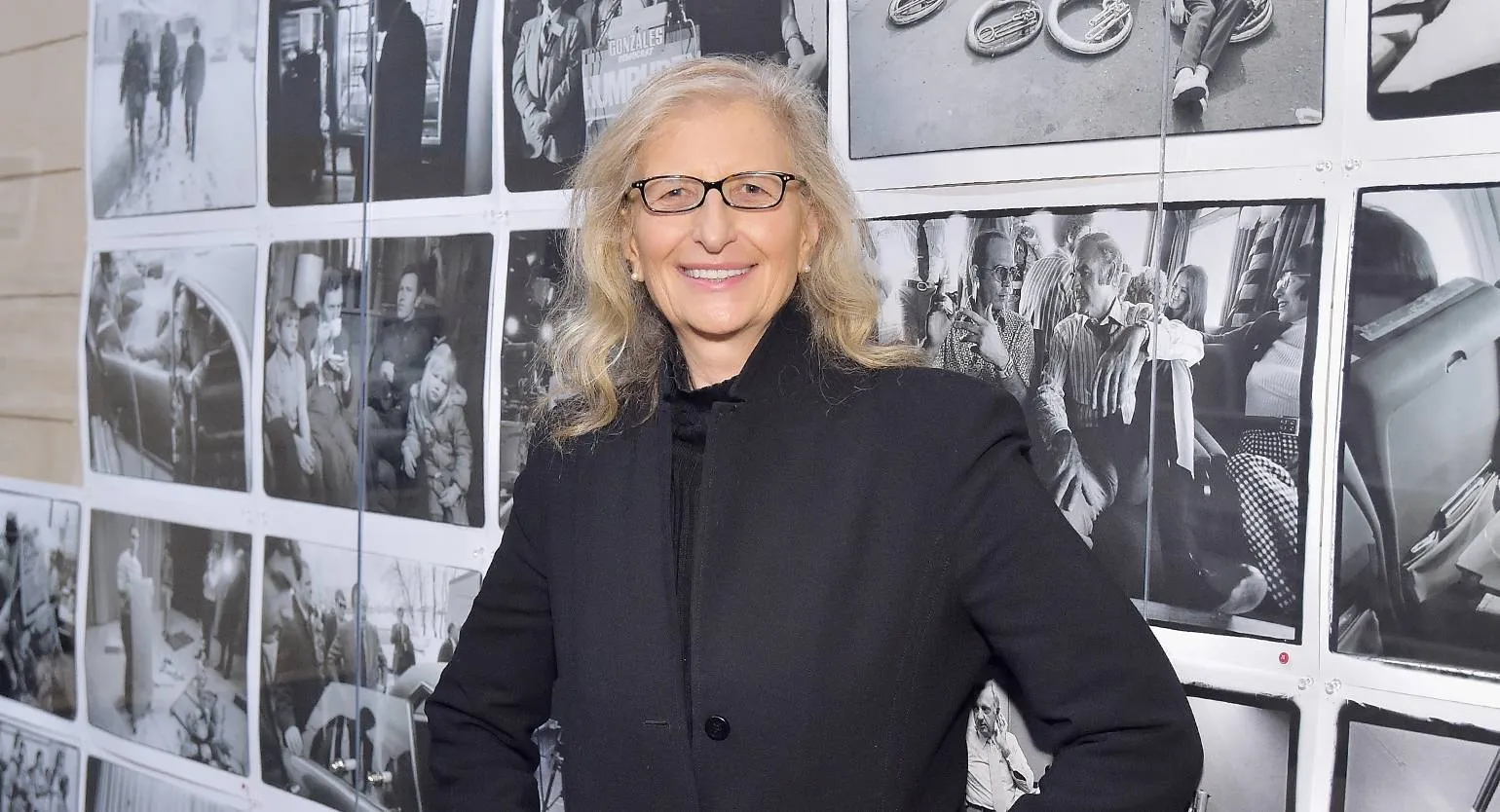
Annie Leibovitz is one of the most famous living photographers in the world. Her career is filled with diverse aspects, including underground culture, pop music, politics and fashion. She became famous for her collaboration with philosopher Susan Sontag and touring with the legendary Rolling Stones. Leibovitz is recognized as a master of portrait photography, her works reflect the brightness and complexity of human nature, as well as the cultural and social events of her time.
Annie Leibovitz did not plan to become a professional photographer. The camera was an integral part of her life, like her entire family. The Leibovitzes traveled extensively throughout the country, taking their six children with them and capturing their adventures on 8mm film. Family portraits also played an important role in their lives, capturing moments of joy and togetherness. These experiences formed the foundation for her unique style and understanding of photography as an art form.
Annie acquired her first camera during a forced move to the Philippines. During the Vietnam War, her father, a military man, was posted to an American base located on the islands. It was there that she was given the opportunity to use a darkroom. Annie didn't know what exactly to do with a camera, so she simply photographed everything she saw on and around the base. This experience became her starting point in the world of photography, opening up new horizons and opportunities for self-expression.
In 1967, Annie's parents gave her permission to return to San Francisco under the guardianship of her older sister. Leibovitz entered the Art Institute of San Francisco, choosing to major in painting. Initially, she aspired to become an art teacher, but one day she heard the opinion that one can only teach if one is a recognized artist. This thought got her thinking, and eventually she decided to enroll in a photography course.
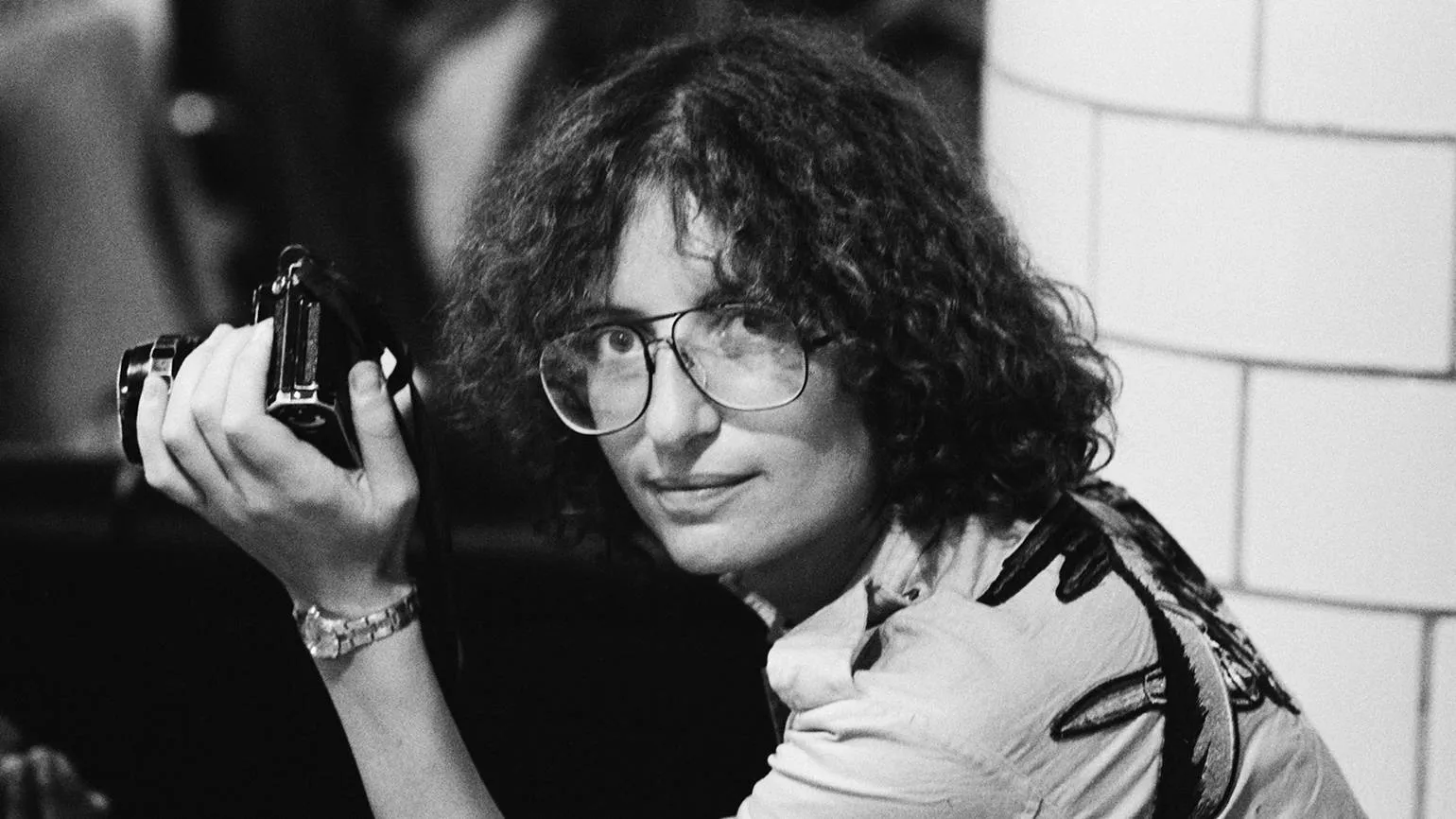
The photography school was inspired by the works of Robert Frank and Henri Cartier-Bresson, pioneers of a new reportage style distinguished by its dynamism and ease. Annie recalled, "You wander the streets and capture life in its natural state." Cartier-Bresson's book opened her eyes to the opportunity to travel the world as a photographer, capturing unique moments and stories.
During a break between courses, Annie traveled to Israel to shoot. During her absence, her only source of news about events in the United States was Rolling Stone magazine, a subscription given to her by an ex-boyfriend. In the late 1960s, San Francisco was experiencing a boom in rock culture, which contributed to the emergence of an underground magazine whose editorial office was located in a few small rooms. Upon returning to the city, Annie brought with her a suitcase full of her photographs. She was accepted to the editorial board, and her photo from a demonstration against the Vietnam War graced the cover of one of the issues.
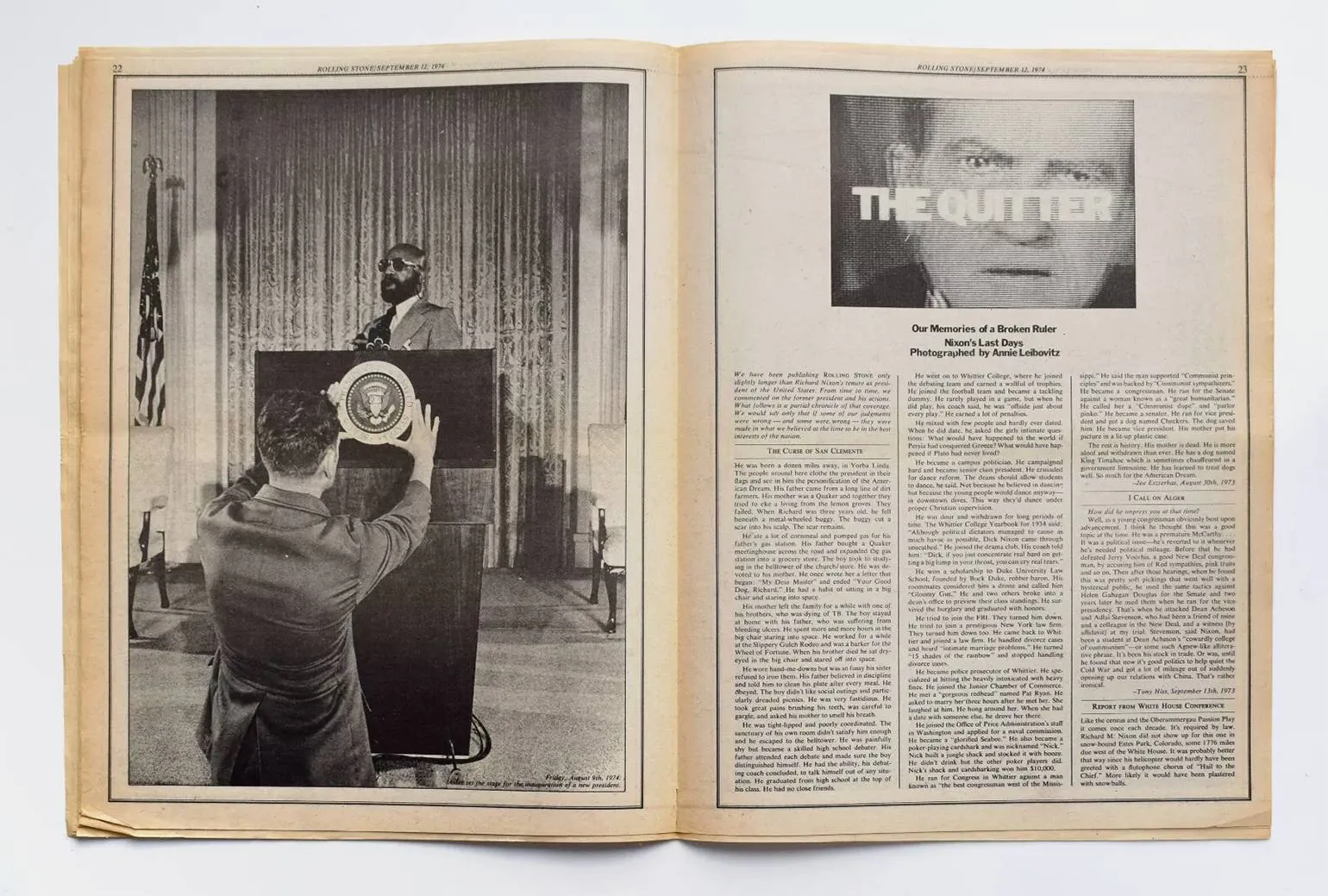
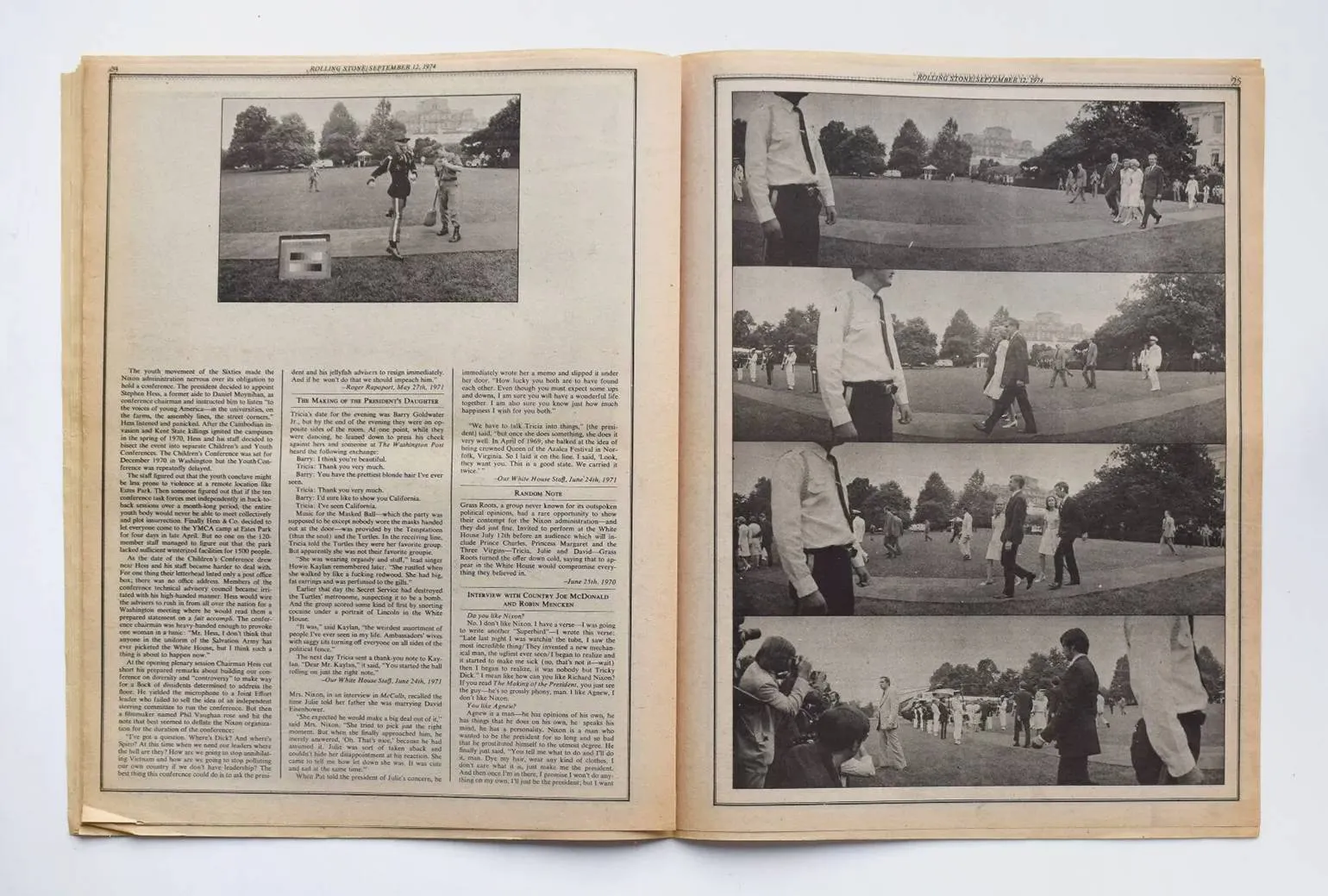
Rolling Stone magazine is known not only for its music reviews, but also for the variety of topics it covers. The publication's chief photographer, Linda Leibovitz, distinguished herself as a talented reporter, photographing not only musicians but also astronauts, election campaigns, and the aftermath of political scandals like Watergate. In 1974, she captured the historic moment when Richard Nixon left the White House after his forced resignation. Leibovitz remained on the scene longer than other correspondents, allowing her to capture a unique image: security guards rolling up the red carpet as a helicopter carried the now-former US president away. This image, along with other photographs, became the centerpiece of the issue. The success of the photo essay was due to the fact that this time Rolling Stone prioritized images over text, which made this event significant in the history of the publication.
A Telegram channel for photography enthusiasts. Here you will find inspiration, shooting and editing tips, and information about current trends in the world of photography. Join our community to share your work and get feedback from like-minded people. We discuss various styles and techniques, share useful resources, and host contests. This channel will become your source of knowledge and ideas for improving your photography skills.
If you want to learn about the diversity of literature, subscribe to our resource. We publish works by talented Russian authors, follow global literary competitions, and share creative life hacks from experienced writers. Our content will help you delve into the world of literature and discover new ideas and inspiration.
The Telegram channel for photography enthusiasts offers a unique space for communication and sharing experiences. Here you will find inspiration, shooting and editing tips, and discussions of current photography trends. Join our community to share your work, receive feedback, and support other photographers. Don't miss the opportunity to deepen your knowledge and improve your photography skills while connecting with like-minded people.
If you want to learn about the diversity of the literary world, subscribe to our resource. We present talented Russian authors, cover global literary competitions, and share creative life hacks from experienced writers. Discover new literary horizons with us.
Rolling Stone explored subcultures and delved into the lives of various communities. Annie spent several days on the road with her subjects to fully immerse herself in their worlds. The photographer was largely invisible, allowing her to capture everyday moments without interruption. This made it possible to capture the behind-the-scenes lives of bodybuilders, revealing unique aspects of their existence.
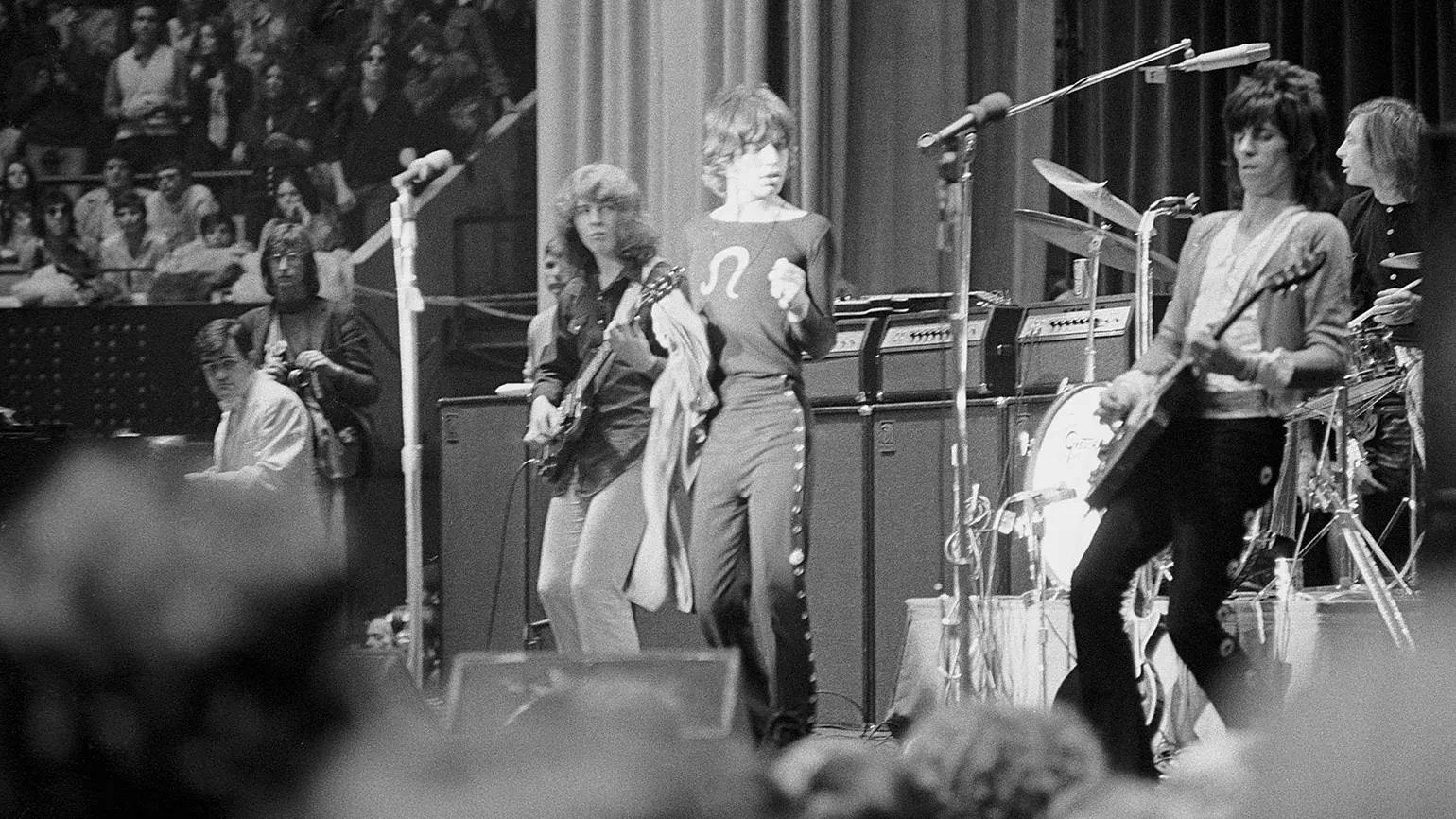
In 1978, Rolling Stone magazine moved its editorial staff to New York, where Annie Leibovitz met renowned photographer Richard Avedon, who became a source of inspiration. However, Leibovitz's true mentor was art director Bia Feitler, already a legendary figure in the fashion magazine industry. Under her influence, Annie began to develop a conceptual approach to photography. She began creating staged photographs in which she used props that could tell a story about a character and enrich the visual perception of the frame.
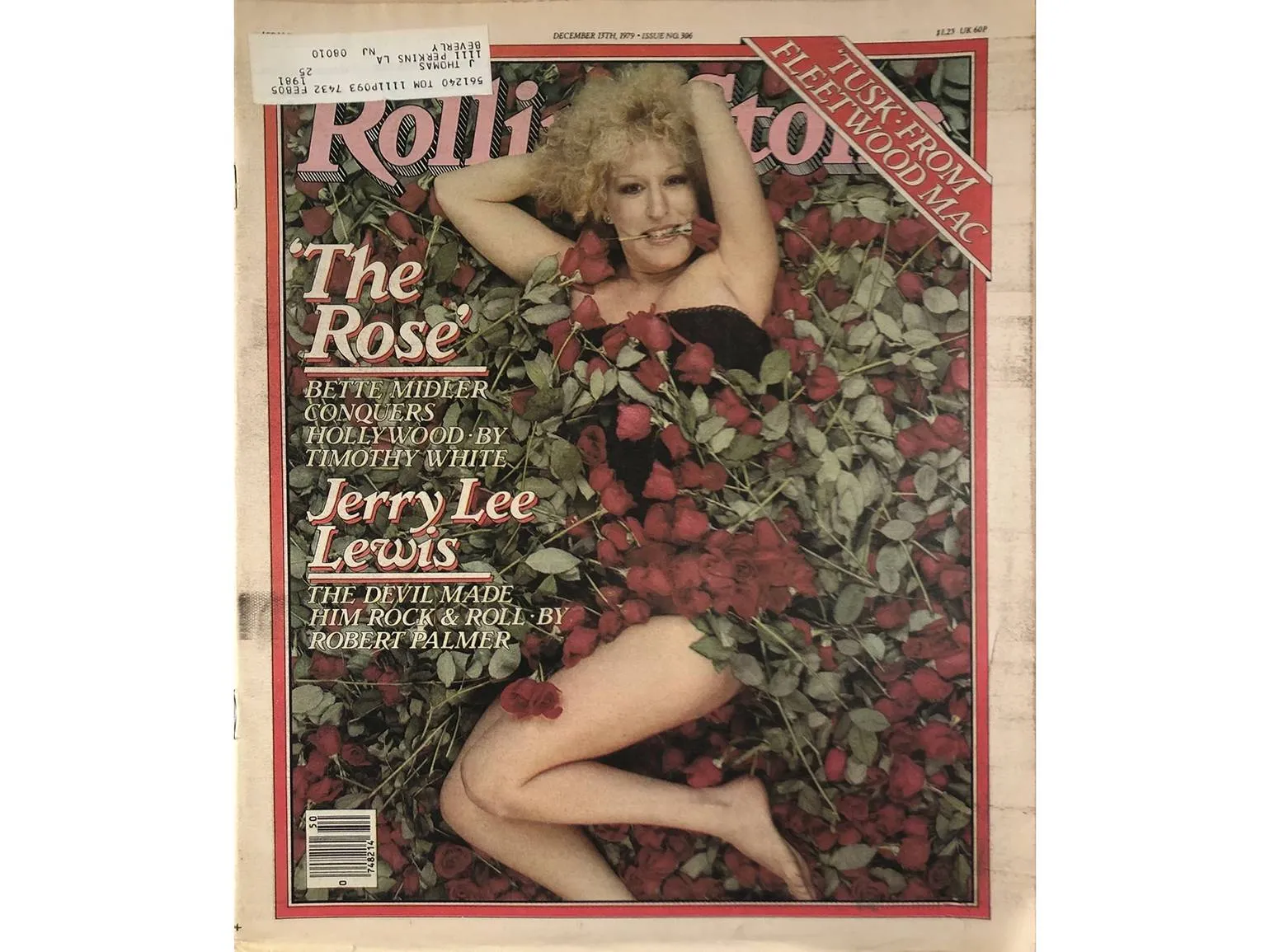
One of the first iconic images was a photograph of actress Bette Midler on a carpet of fresh roses. This image was a reference to the film "Rose," in which she played the leading role. After the issue's release, the editor-in-chief of Rolling Stone received a letter from legendary photographer Richard Avedon, in which he noted that Bette's photo was one of the best covers he had seen in the last three decades.
The idea of conceptual covers arose thanks to Annie Leibovitz, who sought to convey the essence of her subjects through visual imagery. Although her approach was often straightforward and, in her own words, even silly, such ideas proved successful. Readers awaited new issues of Rolling Stone precisely for the fresh images of Leibovitz, something previously typical only of feature writers. Thus, her work not only attracted attention but also became an important part of the cultural discourse.
When Annie received an offer to collaborate with the glossy magazine Vanity Fair, she intended to combine her work at both publications. However, the editor-in-chief of Rolling Stone, Jann Wenner, turned her down, believing that the new environment would help Annie overcome her addiction. She later noted that working at Rolling Stone itself was an integral part of drug culture.
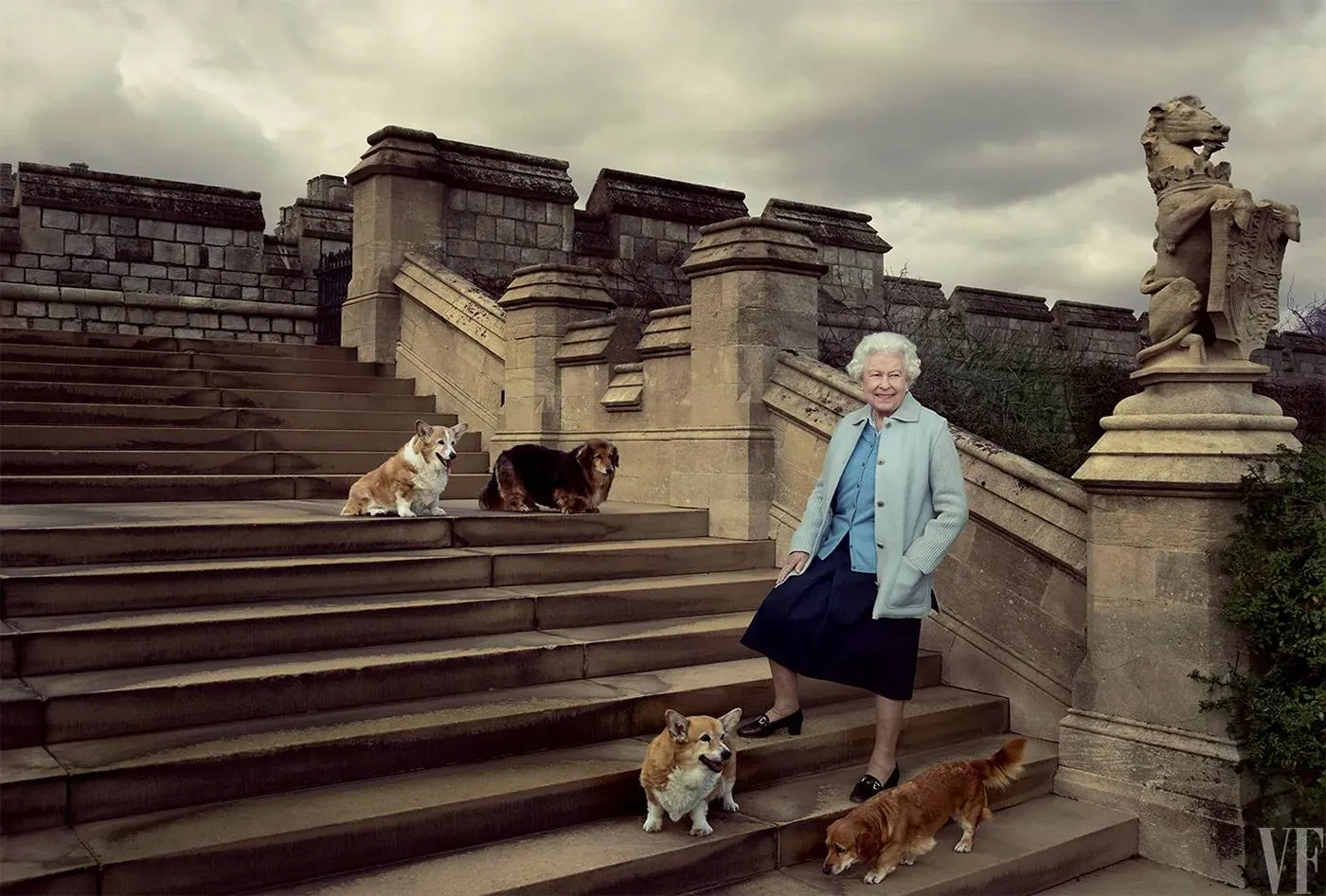
Annie Leibovitz completed rehab and never returned to drug use. After rehab, she began her career at Vanity Fair, moving from the underground to the mainstream and risking her reputation. Vanity Fair wanted Annie to become the new Edward Steichen, continuing the tradition of portrait photography by the great American master. Leibovitz believes that she succeeded in creating "very glossy" images. However, it is her portraits that attract the attention of the busiest celebrities, including Donald Trump and Queen Elizabeth II, who willingly agree to pose for her cameras.
After moving to the glossy press, Leibovitz continued to create iconic covers, striving to achieve A balance between the publication's commercial success and creative experimentation. The celebrities she photographed trusted her, and through repeated collaborations, they were open to bold and unusual ideas. This allowed Leibovitz to experiment with visual aesthetics and concepts, making her work unique and memorable.
The Vanity Fair cover featuring a nude Demi Moore in her ninth month of pregnancy significantly increased the publication's circulation from 800,000 to 1,000,000 copies and secured the actress's long-term popularity. This image became a catalyst for public discussion of the perception of pregnancy, changing the attitude towards this period of women's lives and emphasizing its naturalness.
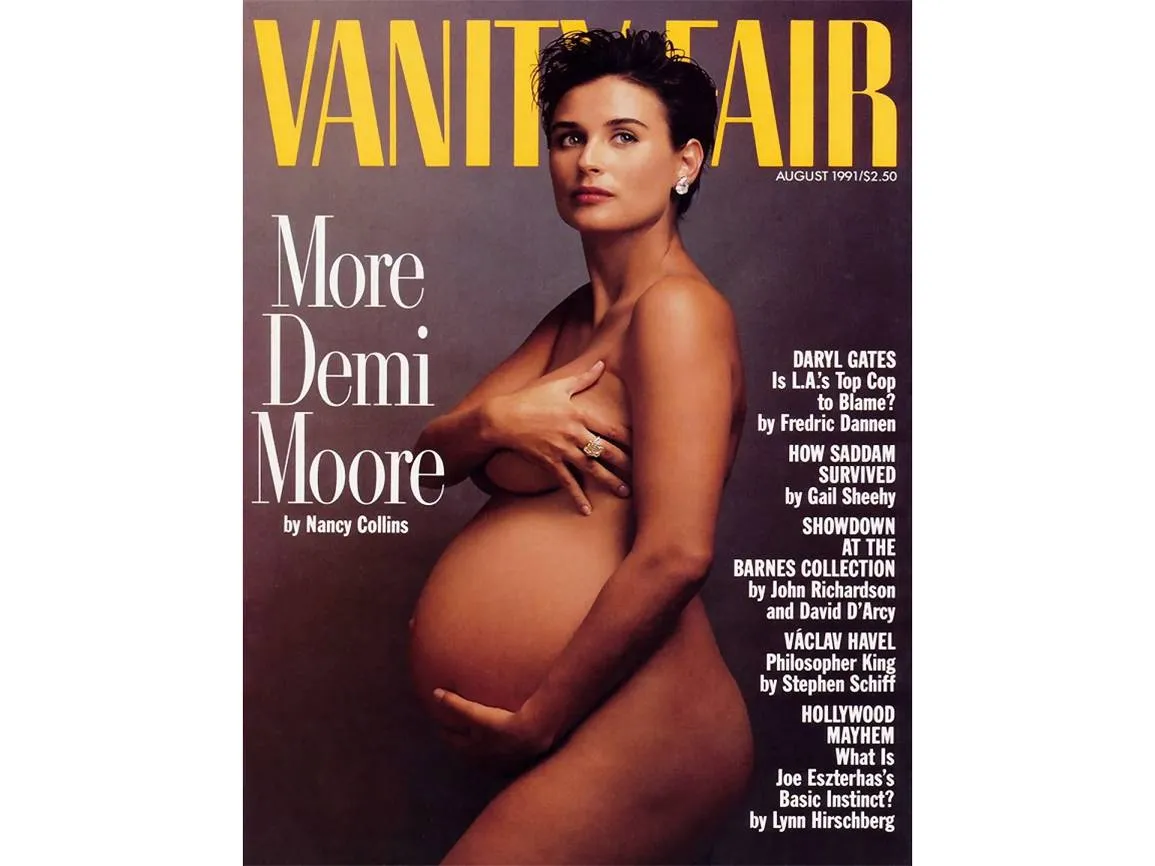
When Annie began her career in the world When she was working in glossy magazines, she found it difficult to understand the need to make people look even more attractive in photographs. She found it ridiculous to choose clothes for a shot. However, over time, she realized that by photographing actors, she could create a unique story for them. This inspiration led her to use a variety of outfits and large-scale sets, which significantly enriched her work and made it more expressive.
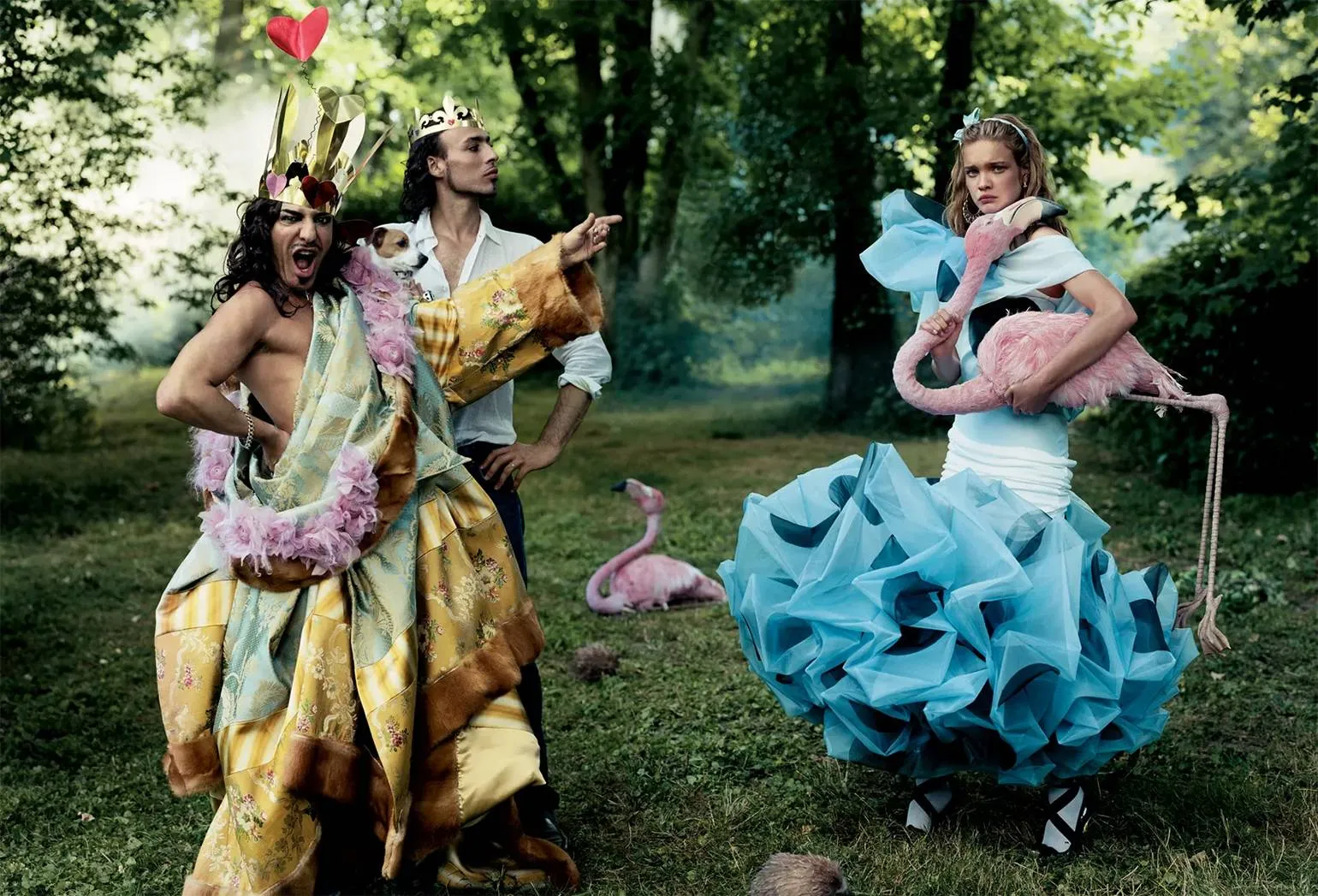
Annie received an invitation from Vogue, one of the most famous fashion magazines in the world. The budgets for photo shoots for this publication reached impressive levels. One of her most memorable works for the magazine was a grandiose shoot with the model Natalia Vodianova, inspired by the fairy tale "Alice in Wonderland." This work stands out not only for the number of costumes but also for the participation of famous people, which emphasizes the high level of professionalism and creativity of Annie.
Annie Leibovitz met Susan Sontag during a shoot when the writer needed portraits for her book "AIDS and Its Metaphors." Sontag had a clear idea of the necessary shots and how she should be photographed. After their first meeting, she expressed a desire to continue communicating with Leibovitz. This surprised Annie, who did not understand why Sontag needed her help, given her reputation shaped by her work at such publications as Rolling Stone and Vanity Fair. Nevertheless, their creative union lasted 15 years, during which they created many iconic images and strengthened their influence in the world of art and literature.
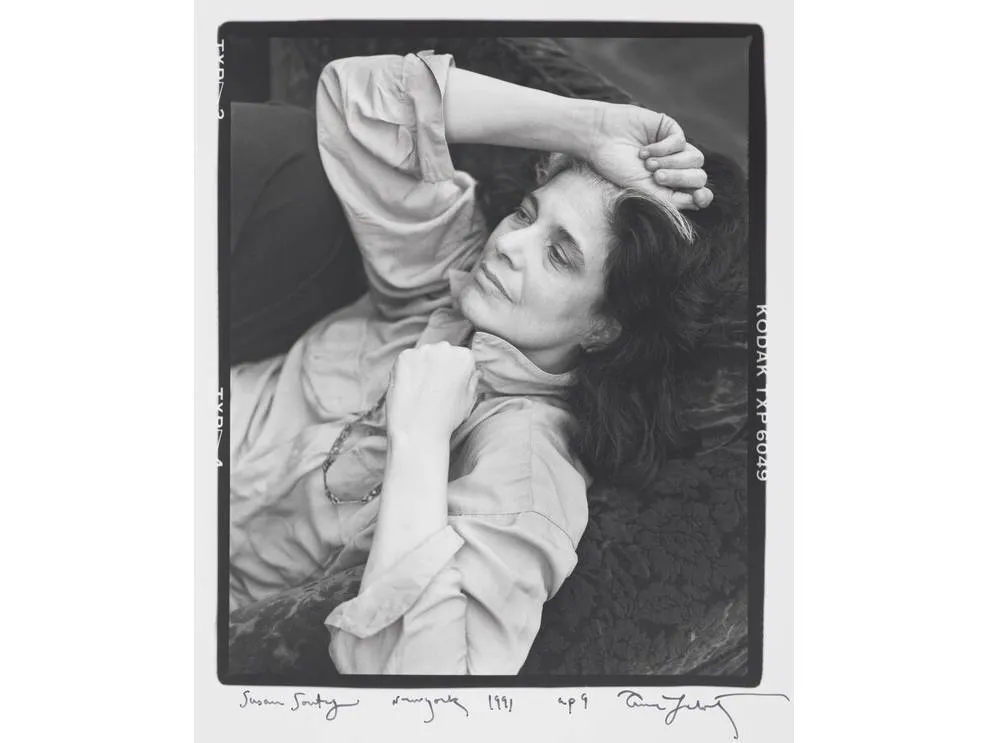
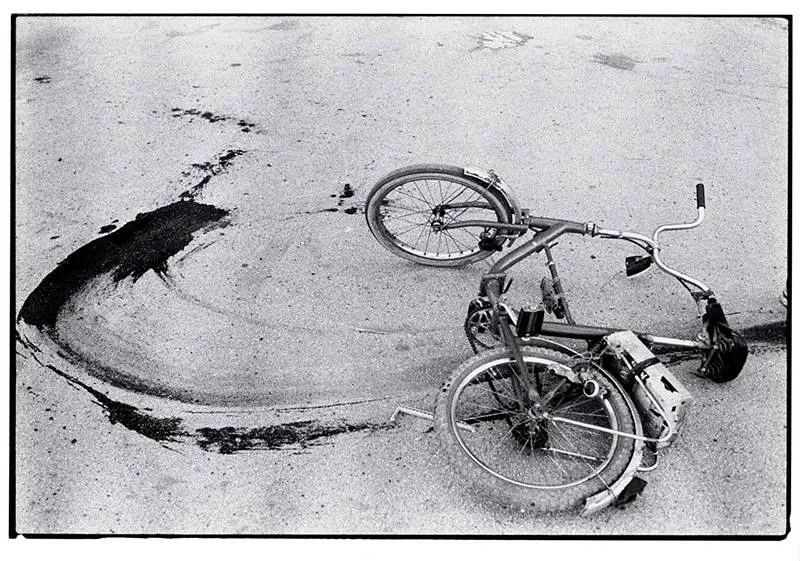
Susan Sontag, one of the leading intellectuals of the 20th century, had a significant influence on Annie Leibovitz. Leibovitz recalled that she longed to approach this greatness and elevate her work to a new level. Sontag truly wanted Leibovitz to become more serious and profound in her approach. The writer convinced her to travel to Yugoslavia to document the reality of war. This experience, Annie says, brought perspective to her work: "Which side of Barbra Streisand I photographed no longer seemed so important." Sontag's influence on Leibovitz was a pivotal moment in her career, allowing her to see her work in a new light.
In 1999, the photo book Women by renowned photographer Annie Leibovitz was published with a foreword by Susan Sontag. In this foreword, Sontag analyzes the differences in the perception of images of women and men in contemporary society. The book became an important contribution to the discussion of gender stereotypes and the role of women in art, highlighting how visual images shape public perceptions. Leibovitz’s works demonstrate the power and diversity of women’s experiences, making this collection significant not only from an artistic but also from a social perspective.
After Sontag’s death, Leibovitz began a new conceptual project, which she called Pilgrimage. This project presents metaphorical portraits of famous figures from American history, such as writers, politicians, and musicians. The works were created during journeys to places connected to the lives of these individuals, which gives them a special depth and significance. The "Pilgrimage" project not only reflects the memory of great figures but also explores their impact on culture and society, creating a unique visual and emotional experience.
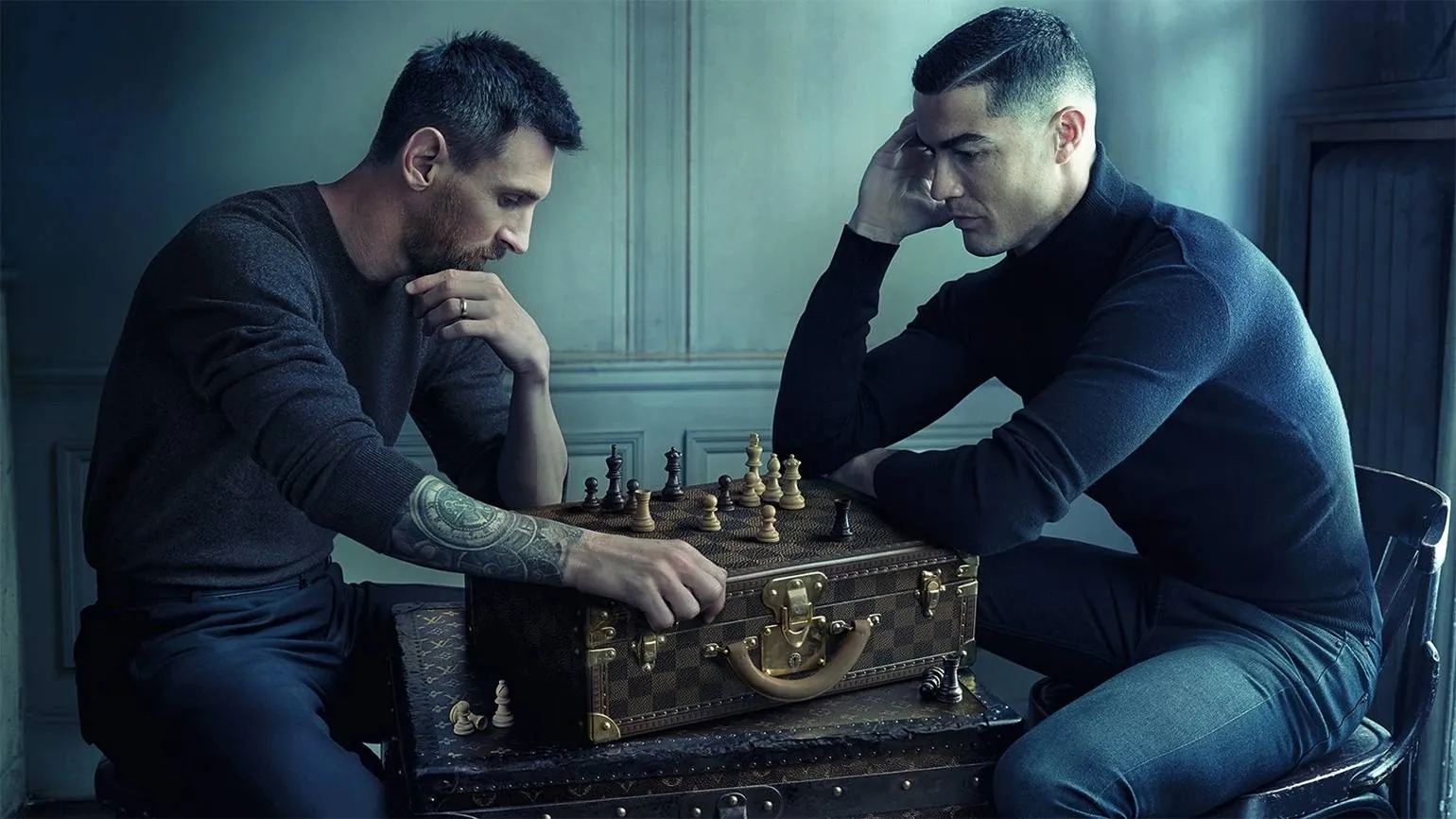
Annie Leibovitz, the renowned photographer, celebrates her 75th birthday and continues to create impressive work for Vogue and advertising campaigns for famous brands. Her photographs remain significant events in the worlds of art and fashion. In 2022, Leibovitz captured eternal rivals Lionel Messi and Cristiano Ronaldo playing chess for a Louis Vuitton campaign. This advertising campaign, prepared for the World Cup, quickly gained viral popularity, attracting the attention of football and art fans.
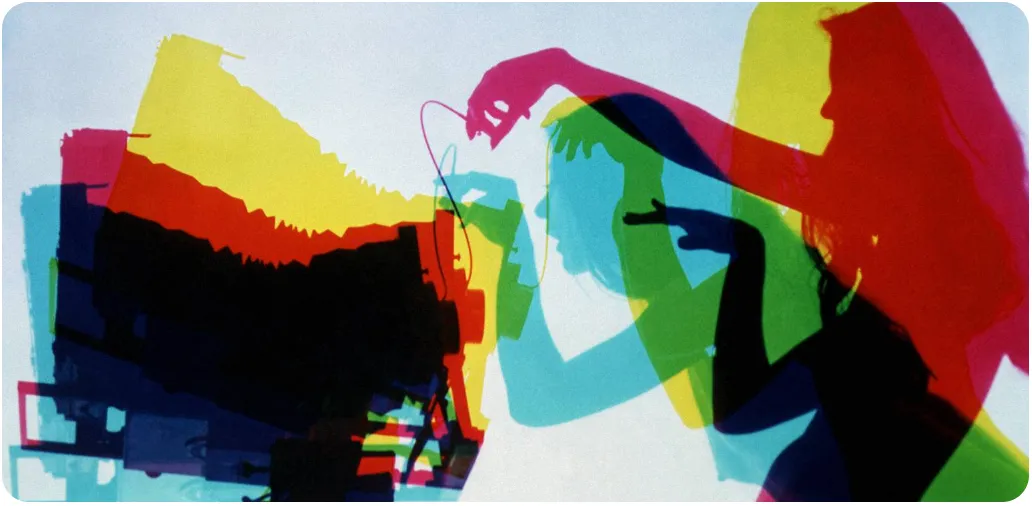
In the documentary In her 2006 book "Leibovitz: Life Through a Lens," renowned photographer Annie Leibovitz asserts that her passion for photography is so great that she would continue shooting even on the day she died. This statement underscores the importance of art and the dedication to her craft that underpin her career. The film introduces viewers to Leibovitz's unique vision, her philosophy of life and work, and raises questions about the importance of photography as a means of capturing moments and emotions.
Reading is an important aspect of our learning and development. It helps not only expand our horizons but also improve our critical thinking skills. In today's world, access to information has become easier, and anyone can find books or articles on any topic of interest. Regular reading helps enrich your vocabulary and improve grammar skills. Therefore, it is important to set aside time for reading to develop your knowledge and skills.
It is also worth noting that reading helps cope with stress and improves your overall emotional state. Immersing yourself in engaging stories allows you to escape from everyday worries and experience pleasure. Reading books of various genres, from fiction to scientific publications, develops imagination and critical thinking.
Don't forget that reading can be a great way to communicate. Discussing books you've read with friends or in online communities opens up new horizons and allows you to exchange opinions. This not only enriches your personal experience but also contributes to the development of argumentation and persuasion skills.
So, find time to read, choose interesting books, and share your impressions. It's not only useful but also enjoyable. Read and grow!
Self-portrait is a unique genre of photography that allows the artist to express their individuality and inner world. There are many talented photographers in Russia who successfully practice self-portrait. Their works are distinguished by their originality and depth, making them stand out among contemporary art.
Russian photographers use self-portraiture as a means of self-expression, exploring various themes such as identity, emotions, and the social aspects of life. They employ a variety of techniques and styles, allowing them to create memorable and emotionally charged images.
Some of them actively share their work on social media, which helps them gain popularity and attract attention to their work. The self-portraits of these photographers inspire others to express themselves and find their place in the world.
By studying the work of Russian photographers, one can see how self-portraiture is becoming not only a means of self-expression but also an important tool for discussing current problems and issues of our time. These artists continue to develop the self-portrait genre, introducing fresh ideas and approaches.
Profession Photographer
You will learn how to take professional photos from scratch. You will learn how to organize shoots, process frames, manage models and a team. Find your style, build an impressive portfolio, and start making money doing what you love.
Find out more