Contents:
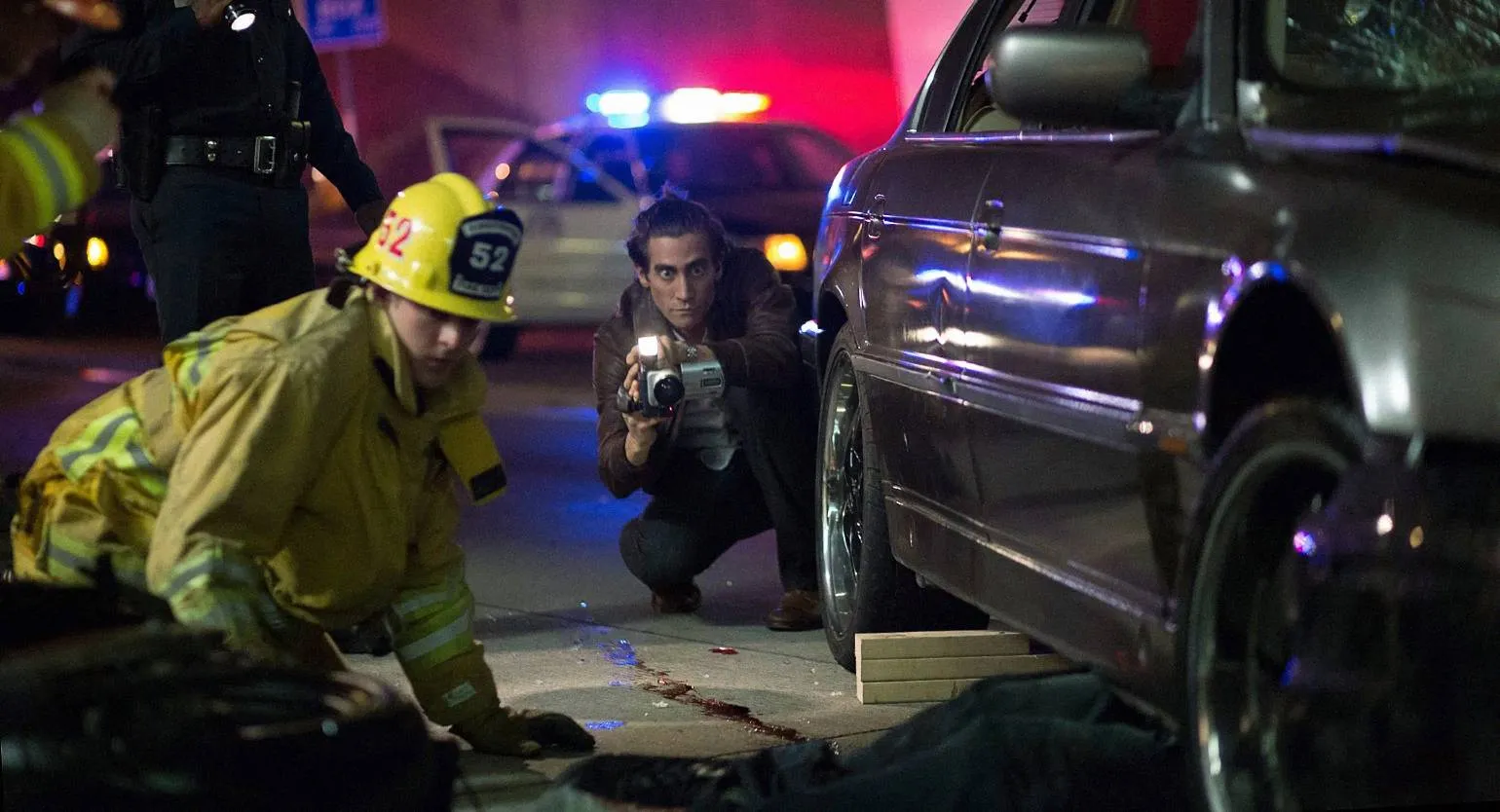
True crime (from English true crime) is a genre in which creators of films, podcasts, short stories, and other formats explore real-life criminal events. Photography also plays a prominent role in this genre, capturing moments surrounding crimes and creating visual narratives that immerse viewers in these stories. Truecrime draws attention to complex human destinies, the motives of criminals, and the consequences of their actions, making it relevant and in-demand in today's media landscape.
"Roof"
Photographer Marina Istomina has created a unique project dedicated to the 2000s, drawing on a true crime story, personal childhood memories, and archival photographs. This project offers a deeper understanding of the atmosphere and events of that time, reflecting the complex social and cultural changes. Through her work, Marina conveys the peculiarities of life in the 2000s, creating a visual story about the most important moments and experiences that remain relevant today.

In the spring of 2003, the leader of the A local criminal gang known as the King. This news had a profound effect on 10-year-old Marina, who was looking for her sniper at the time. The King had provided protection to numerous private entrepreneurs, including the girl's stepfather. His death sparked a power struggle in the region, which affected the crime scene and the lives of local residents. I visited the King's house, where I remembered the stove in the corner and the majestic icons on the walls. I recognized the archway into the darkness of which his brother had disappeared, and I heard his mother's frantic cries. The high tombstones left an indelible impression on me. Fear gripped me, penetrating my skin. At home, I wondered where it would be easier to kill myself and looked for shelter. I prepared for the worst; I had a feeling that what had happened had left its mark, perhaps already had, but I couldn't detect it. Every crime invariably leads to the next, and I felt like a witness I needed to get rid of. This experience left a deep imprint on my consciousness, forcing me to realize how easy it is to become a victim of circumstances.
The author of the project supplemented her photographs with 2,000 pictures taken between 1993 and 2003, which were provided by residents of Ust-Kut. These archival images help create a complete perception of the memories of the 2000s and convey the atmosphere of that time.
"Model of Action"
In the 1990s, a serial killer operated in the Samara region, terrorizing the local population. His crimes took place in an area known as the Road of Love—a picturesque place surrounded by forests, often visited by young couples seeking solitude and romance. This area became not only a symbol of love, but also the site of a tragedy that left a deep mark on the memories of the region's residents.
The man, nicknamed the Forest Maniac, would wait for a couple to leave their car and attack them with a knife. He would then move on to the person remaining in the car. At least 10 people fell victim to his crimes. This case attracted a lot of attention from the public and law enforcement agencies, highlighting the importance of safety in public places and the need for vigilance while outdoors.
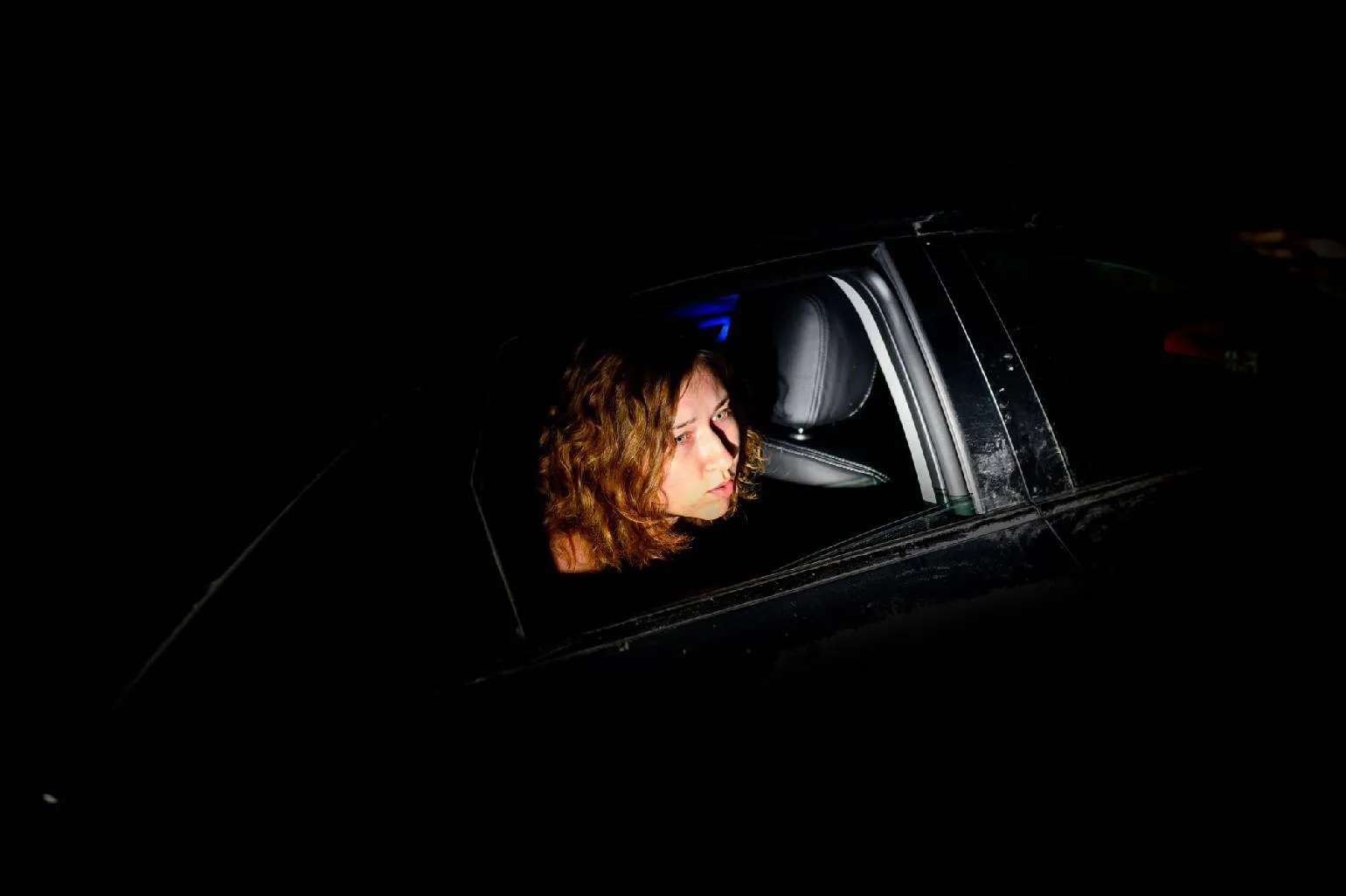
Several years later, photographer Natalia Shulgina decided to rethink the rumored story associated with the Road of Love. She created a series of staged photographs in the forest and conducted research, examining available sources, including journalistic materials about the serial killer and social media posts from local residents. Some of the collected information was processed using neural network technologies, which allowed for a deeper understanding of the context and atmosphere of the place.
In Samara, there are urban legends about a serial killer who preys on lovers. These myths partially romanticize the crimes committed. I explored how artificial intelligence can demonstrate the process of mythologization of the image of a serial killer. Neural networks, for example, created portraits of the serial killer based on real composite sketches, and the results were quite varied.
An interview with Natalia Shulgina provides a unique insight into her thoughts and views. Natalia shares her ideas and experiences, revealing key aspects of her professional career. She discusses the importance of personal growth and career development and shares advice on overcoming difficulties and achieving goals. During the conversation, Natalia emphasizes the importance of perseverance and determination, emphasizing that success often comes to those who are not afraid to take on challenges. The interview not only showcases Natalia's personal journey but also offers inspiration for those seeking self-improvement and new achievements in their lives.
Read also:
"Model of Action" is a photo project dedicated to the mythologization of serial killings. It explores the social and cultural aspects that shape the public perception of serial killers. The project analyzes how media and literature create images of criminals, turning them into mythical figures that evoke fear and fascination. Through visual imagery and documentary elements, the project raises questions about the nature of evil, the psychology of criminals, and society's response to violence. "Model of Action" invites viewers to rethink the perception of serial killings, highlighting how myths can distort reality and influence public consciousness.
"The Angarsk Maniac"
Photographer Anastasia Chistyakova visited the locations where former police officer Mikhail Popkov, notorious for his crimes as the Angarsk Maniac, committed his crimes. This visit was part of her project dedicated to exploring crime-related locations and their impact on society. Anastasia's work aims to draw attention to serious social issues related to crime and security.
From 1992 to 2010, Popkov committed numerous murders in the Irkutsk region. To date, investigators have linked him to 86 crimes. These facts highlight the scale of his criminal activity and the threat he posed to society.
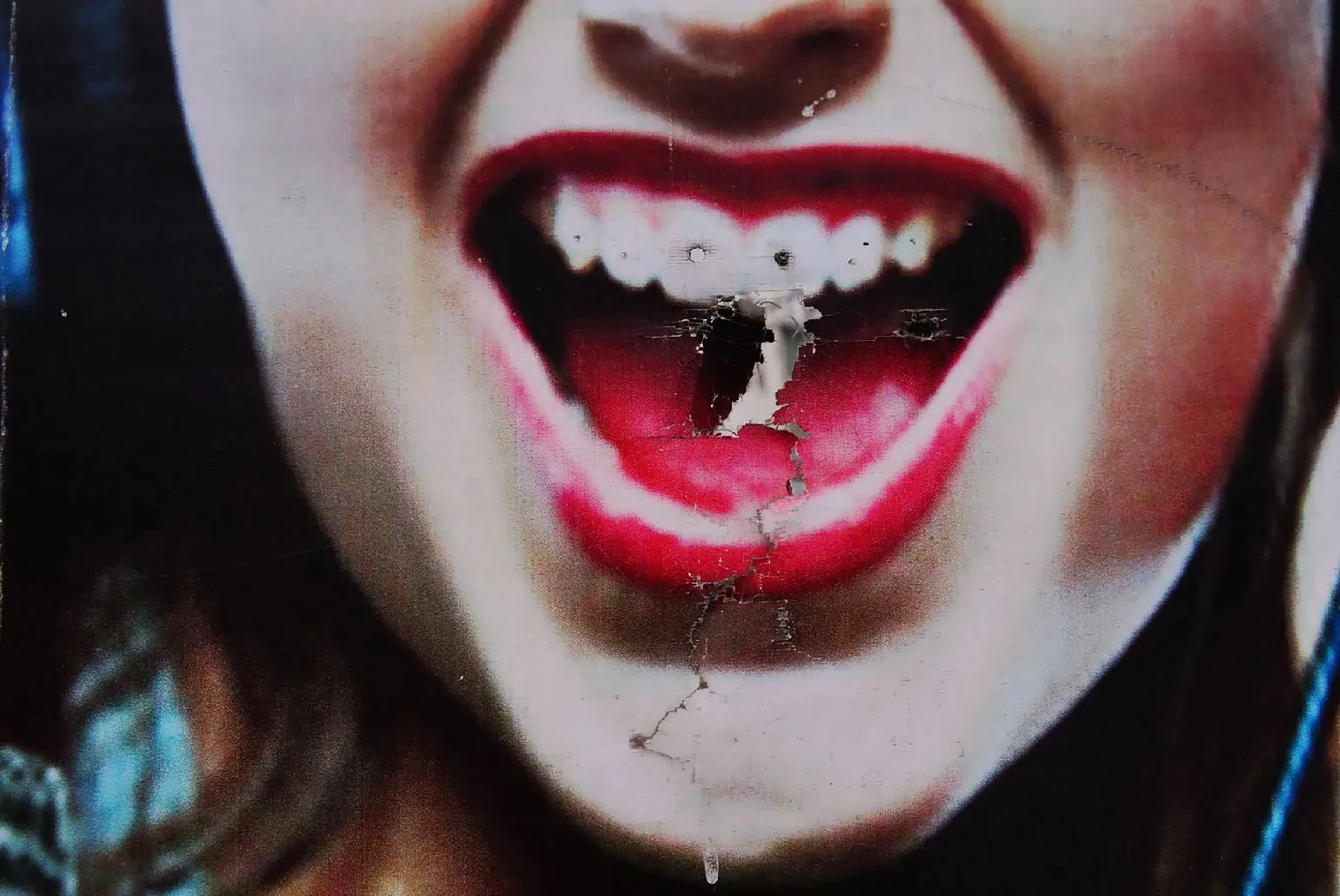
Popkov offered women a ride in his Niva, after which he took them to the forest, where he committed violence and murder.
Anastasia Chistyakova meticulously documented the locations where the criminal lived, worked, sought out his victims, and abandoned their bodies. Exploring these locations provides a deeper understanding of his behavior and the mechanisms by which he committed his crimes.
"The Firm"
Englishman Jocelyn Bain Hogg spent several years documenting the British criminal group The Firm. His work immerses viewers in the world of crime, revealing details of the daily lives of the group's members. The film explores not only the criminal aspects but also the human stories behind them, allowing us to understand the motivations and dynamics of relationships within this organization. Hogg's work has become an important contribution to the documentary film genre, illuminating complex issues of crime and social injustice in the UK.
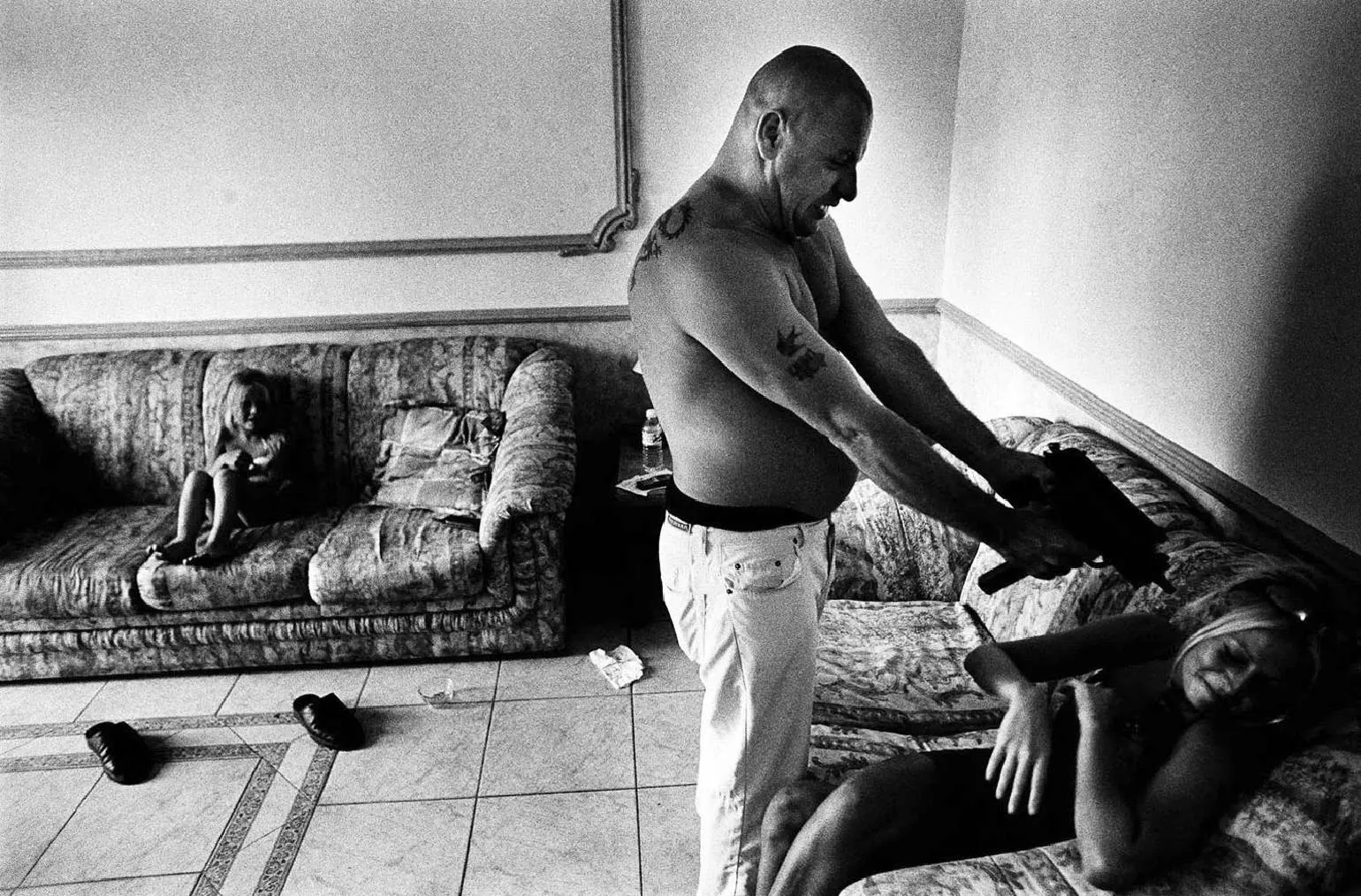
In 1997, while on assignment, the photographer met with a member of a criminal gang and realized that he had a unique opportunity to look into The closed and dangerous world of gangsters. He managed to obtain the gang's consent to conduct the filming. The photographer is confident that his resonant images were made possible by his sincere and honest approach to his work, which allowed him to establish trusting relationships with the participants in these events.
From the very beginning, I made my position clear: I was not going to photograph them the way they wanted to appear. No staged shots or fake emotions. From the first day, I showed them my photos, capturing their lives in all its manifestations, even the most unattractive. This approach eliminated the possibility of arguments and compromises. Soon I noticed that they even liked this harsh and realistic interpretation of themselves.
An interview with Joslyn Bain Hogg provides a unique opportunity to learn about his views and experiences. In the conversation, he shares his thoughts on current trends in the industry, as well as his personal achievements. Hogg emphasizes the importance of innovation and adaptation to changes in the world of technology. He emphasizes that success is achieved through hard work and the desire for self-improvement. The interview also discusses key moments that shaped his career and advice for young professionals aspiring to succeed in their field.
"Smuggled"
In 2010, American artist Taryn Simon spent a week working with U.S. Customs officers. For this project, she documented every item confiscated from passengers at JFK Airport in New York City. The resulting 1,075 photographs vividly illustrate the diversity of objects attempting to cross the border. This series draws attention to issues of security, migration, and cultural differences, and raises important questions about what people consider valuable or important to their journey. Taryn Simon's photographs serve not only as documentary evidence, but also as a provocation for reflection on modern society and its rules.
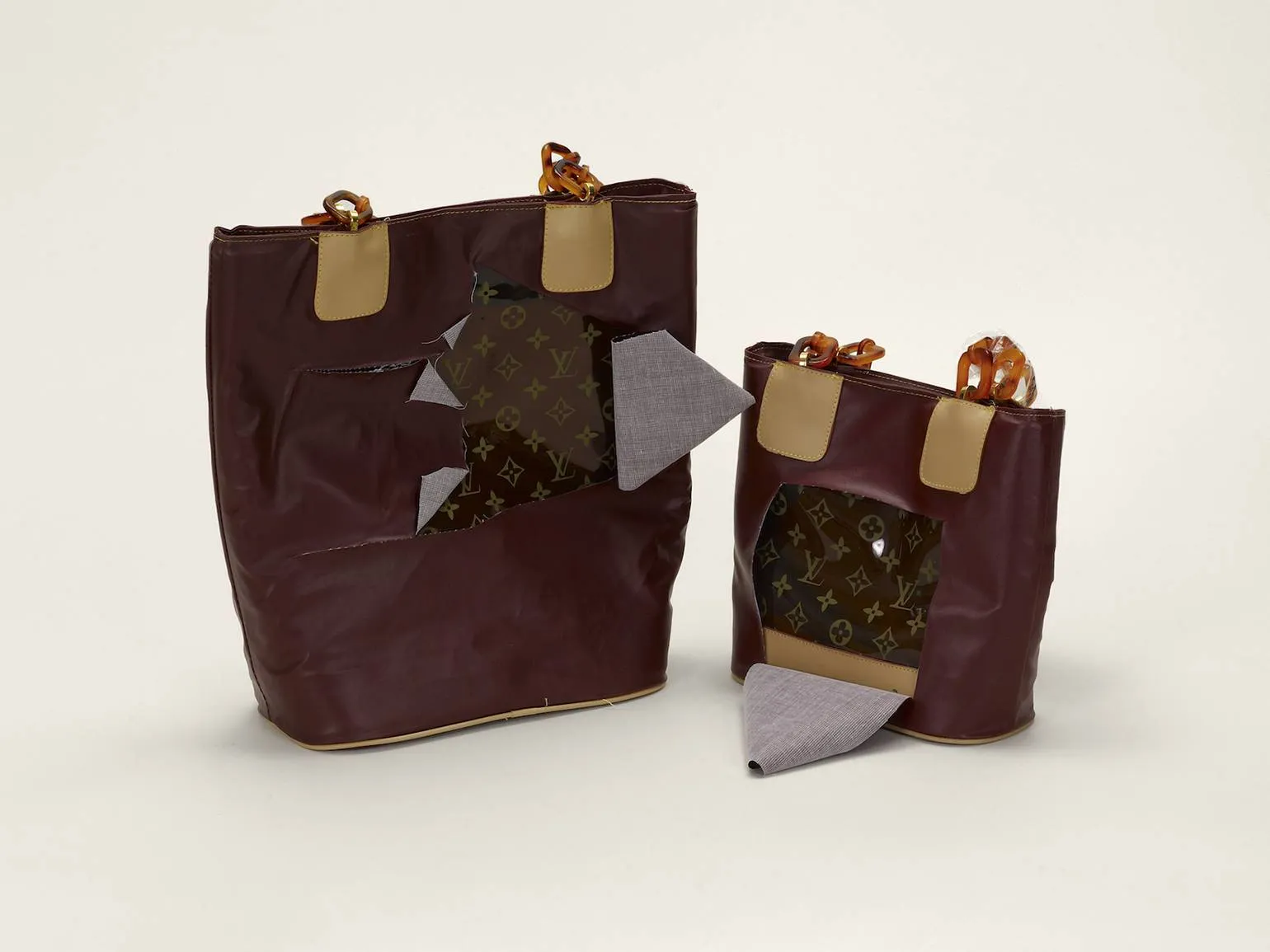
In addition to weapons, tobacco, and counterfeit goods from famous brands, the photographs also depict deer penises, live snails, Prohibited sausage and counterfeit nesting dolls. These items highlight the variety of illegal goods that can be discovered during border checks.
A Telegram channel for photography enthusiasts. Here you will find inspiration, shooting tips, discussions of various techniques and styles, as well as current news from the world of photography. Join a community where you can share your work, receive feedback, and learn from others. Subscribe to our channel to stay up-to-date with useful content and engaging discussions.
If you want to learn about the diversity of literature, follow our publications. We feature talented Russian authors and provide information about global competitions. We share creative life hacks from professionals to inspire your own work. Subscribe to stay up-to-date with new releases and unique ideas in the world of literature.
"About Prison Cells"
The photo project by German photographer Jürgen Hill includes nine photographs of prison cells taken in German correctional facilities. Each image conveys the atmosphere and conditions in which inmates are held, allowing viewers to gain a deeper understanding of the realities of prison life. Hill's work highlights not only the physical space of the cells but also the emotional state of the people who find themselves in such conditions. This project makes an important contribution to visual art and social debate about the criminal justice system in Germany.
The photographer employed a documentary style, emphasizing the objectivity of his approach. The overhead perspective emphasizes the author's neutrality. Hill made no changes to the interior, preserving the original arrangement of items left by their owners. This creates a sense of authenticity and depth, allowing viewers to immerse themselves in the atmosphere of the space.
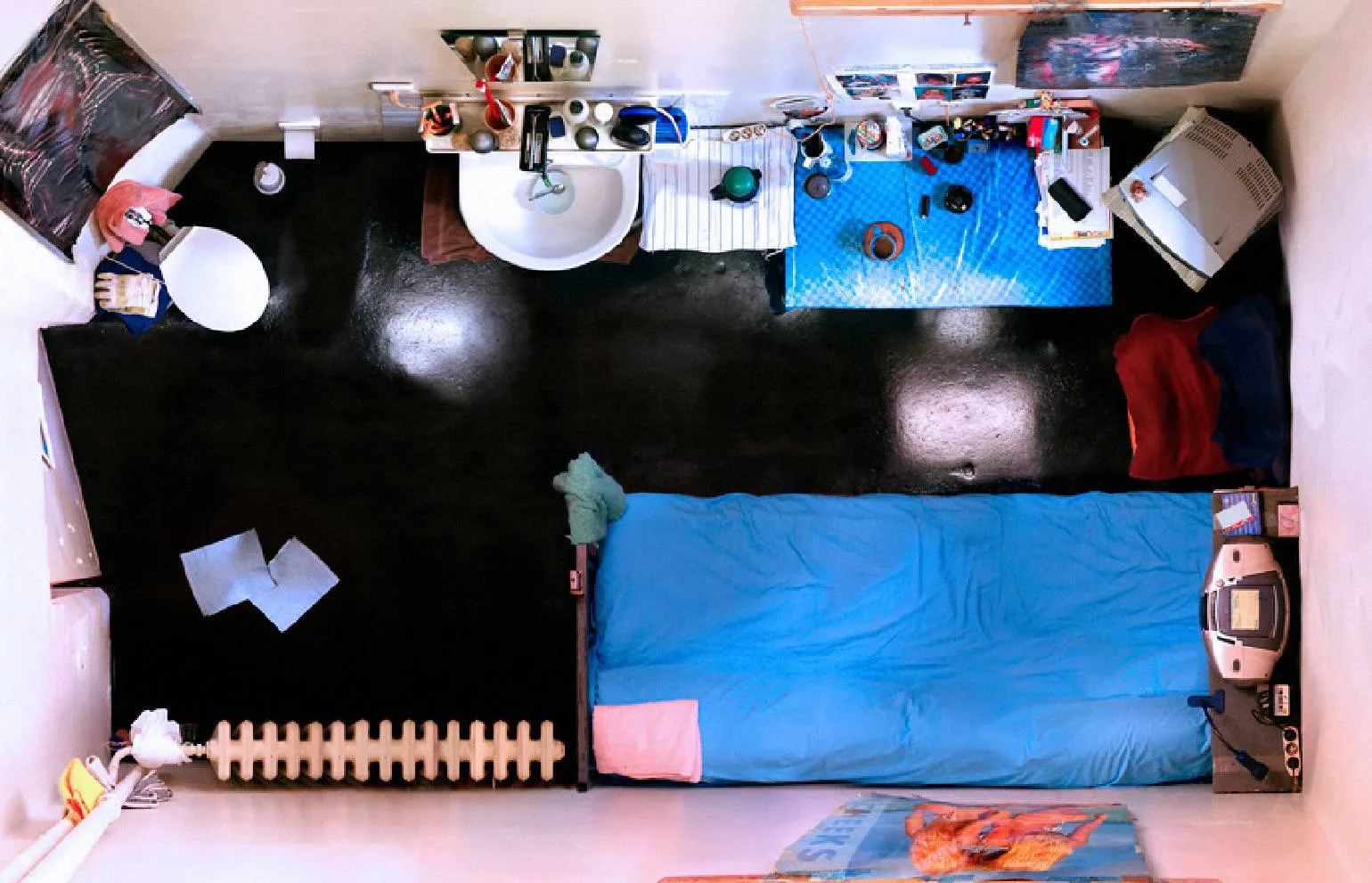
The series of works was awarded first prize at the European Architectural Photography Competition, dedicated to the theme "Favorite Places". The jury noted that the approach to creating the photographs may seem controversial, but the prisoners managed to imbue their cells with a unique character, making them feel like beloved places, albeit briefly. This project emphasizes the importance of individuality and an emotional connection to space, making it particularly relevant in contemporary art.
A favorite place is a space chosen by a person independently, not imposed from outside. It reflects personal preferences and freedom of choice. However, not everyone has the opportunity to enjoy this freedom. People deprived of choice often adapt to their surroundings, creating a comfortable space for themselves within the existing limitations.
The project aims to create an innovative solution that meets the needs of users in the modern digital world. We strive to develop a product that not only solves current problems but also exceeds customer expectations. Our team of experienced specialists applies modern technologies and best practices to ensure high quality and reliability. The project plans to implement unique features that will facilitate user interaction with the product and increase its effectiveness. We focus on continuous improvement to remain competitive and respond to market challenges.
"Deep under the skin. "A Look Behind the Tattoos"
Stephen Burton began his project on gangster tattoos with the intention of creating "before" and "after" photographs. He photographed former gang members living in Los Angeles and then manipulated their images to remove all tattoos. This study not only visually demonstrates the transformation but also raises important questions about the past, identity, and changes in the lives of people associated with criminal gangs.
When Burton showed the manipulated photographs to his subjects, he noticed how powerfully this moment affected their emotions. People opened up to the photographer, sharing their feelings and telling personal stories from their lives. This process of interaction underscores the importance of photography as a means of self-expression and communication. The emotional connection that develops between the photographer and his subjects makes each image unique and filled with meaning.
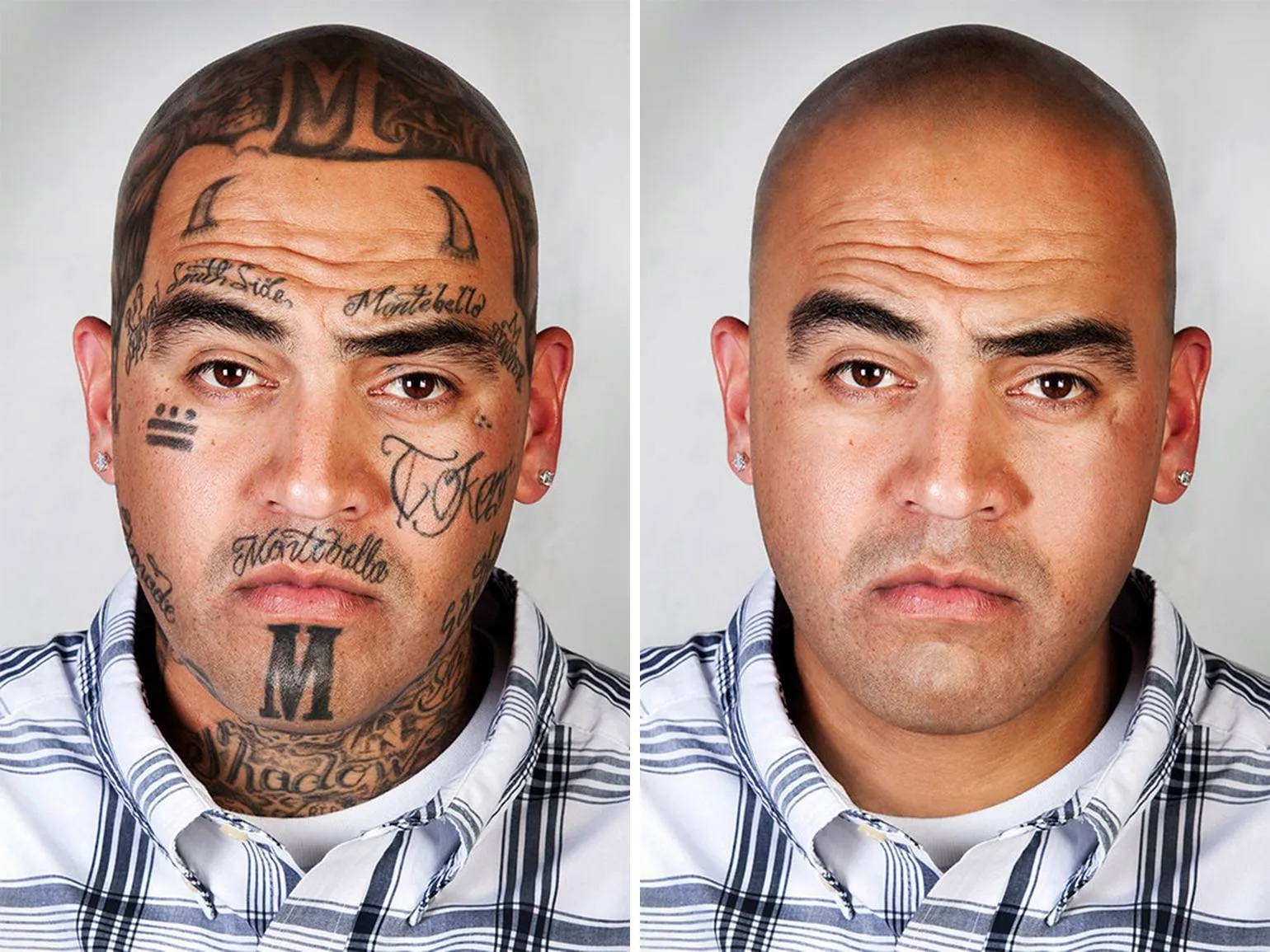
People choosing to leave the criminal world face difficulties associated with tattoos. These tattoos, once symbolizing gang affiliation and serving as protection for their owners, are now becoming an obstacle to a new life. Tattoos can evoke mistrust and negative associations, making it difficult to integrate into society. Therefore, many seek ways to remove these marks in order to begin a new chapter of their lives without the shadow of the past.
Burton recorded video interviews with former criminals and included these materials in his book.
This project seeks to showcase the humanity of those who are often perceived negatively. It gives participants the opportunity to share their stories, talk about their families, ambitions, and the meaning of tattoos in their lives. Importantly, the project also highlights the difficulties people face in their journey to social reintegration.
From the project description
This project aims to create an innovative solution in the field of technology. We strive to develop a product that not only meets the needs of users but also becomes an important tool in its niche. We focus on high standards of quality and functionality to achieve maximum efficiency and ease of use. Our team of professionals works to ensure the reliability and safety of the product, as well as its compliance with modern market requirements. We are confident that the results of our work will help solve current problems and improve the user experience.
"About Rape"
"About Rape" is the second part of a large-scale project "History of Misogyny" created by Catalan artist Laia Abril. This project explores complex and painful topics related to female discrimination and violence. As part of the work, Laia Abril focuses on the problem of rape, examining its impact on society and the personal stories of women. The project not only raises important questions about misogyny but also aims to help understand and overcome stereotypes that contribute to violence.
Abril chose the topic inspired by the story of an 18-year-old Spanish woman who was a victim of gang rape. The court found the five men guilty only of sexual assault, which is considered a lesser crime than rape. The defense argued that the 96-second video, which showed the unconscious woman, allegedly indicated her consent. This case has sparked mass protests by women across Spain, raising important questions about the legal system and the protection of victims of sexual violence.
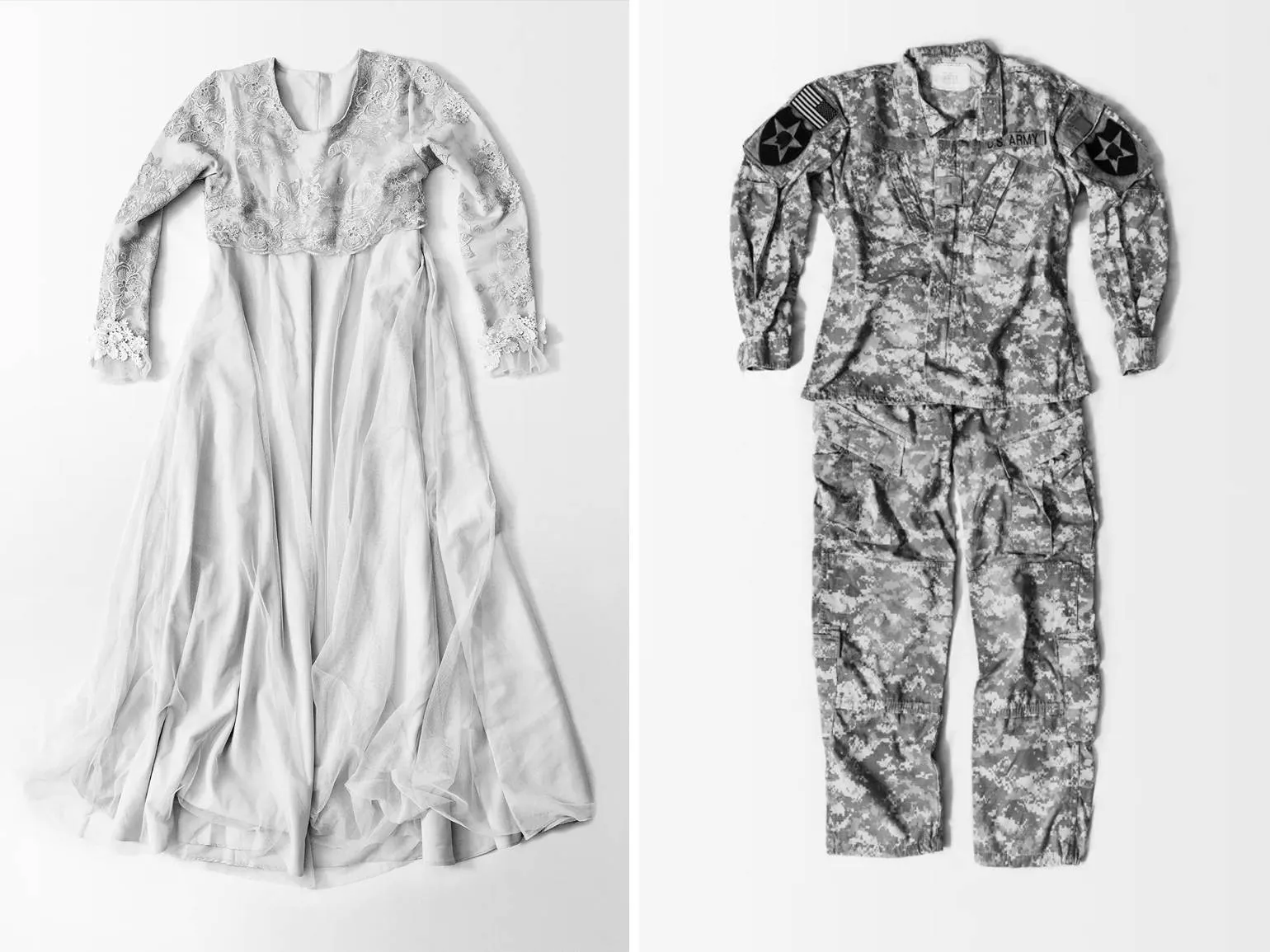
Laya Abril explores the reasons why law enforcement and judicial systems around the world not only fail to adequately protect victims of violence, but also support ingrained stereotypes about sexualized violence in society. The artist shifts the focus from victims to institutions, seeking to avoid further spreading a culture of victim blaming. Her works raise important questions about the role of state structures in ensuring justice and protecting the rights of victims, focusing on the need for changes in approaches to this topic.
"The Color of Violence"
In his project "The Color of Violence," photojournalist Sergey Stroitelev explores the problem of xenophobia that he encountered while observing conflicts between local residents and newcomers. From 2016 to 2020, he photographed incidents of insults based on appearance and skin color that occurred on the streets of Moscow and the Moscow region. This project aims to draw attention to a pressing social problem and demonstrate how bias and intolerance can destroy social relations.
The project includes three key components. The first part presents portraits and stories of migrants who have been victims of attacks related to racial and national hatred. In the photographs, all participants are depicted with elements painted in bright red, symbolizing danger and drawing attention to the problem of ethnic violence.
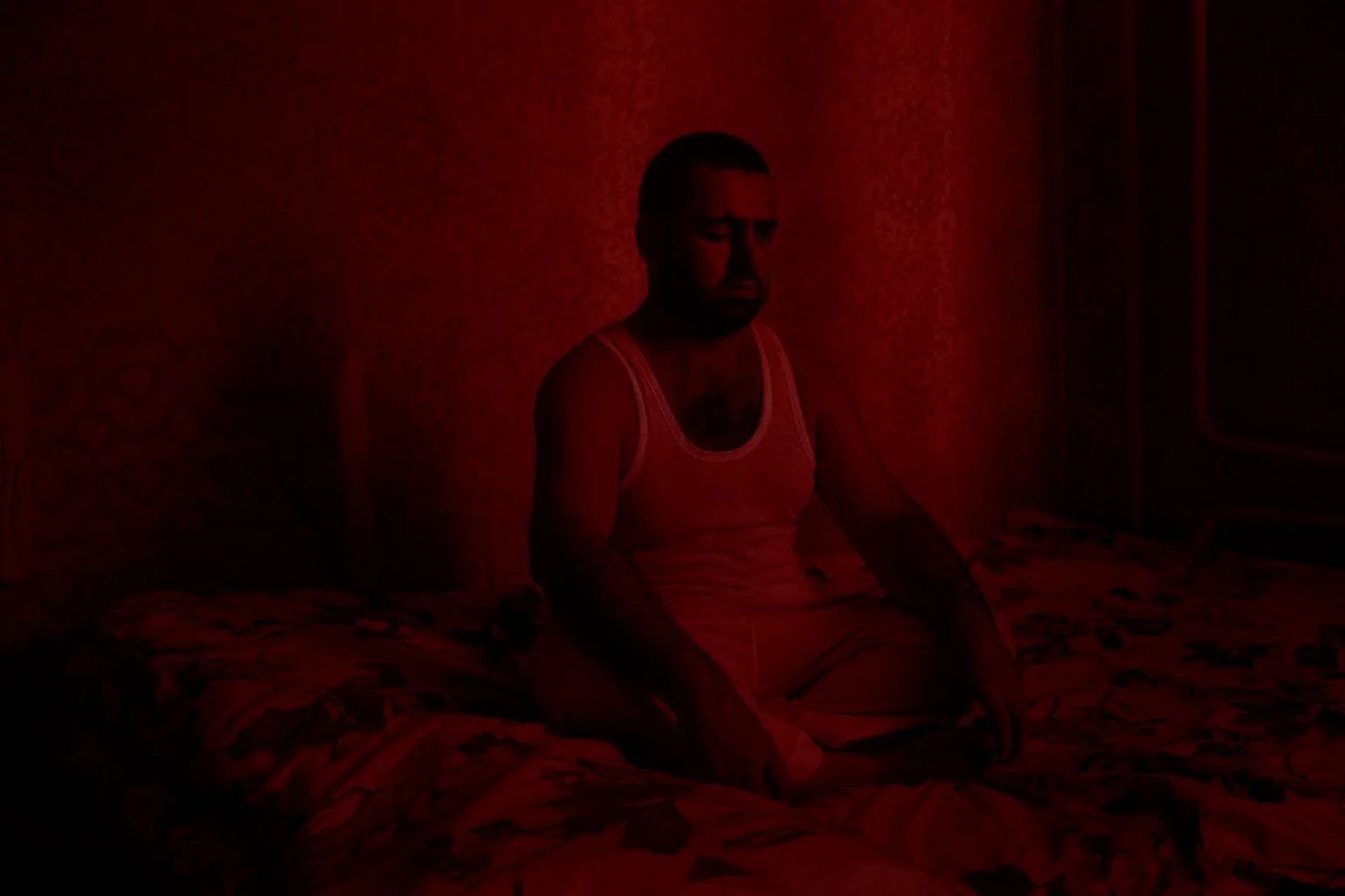
The second part of the study is devoted to determining the psychotype of the attackers. Stroitelev developed composite sketches of the criminals based on the statements of the attack victims and then commissioned a psychologist to conduct an in-depth analysis of these images. This approach not only allows for a better understanding of the criminals' motivations but also helps develop strategies to prevent similar crimes in the future. Combining composite sketch analysis with psychological research opens new horizons in forensic science and helps law enforcement agencies more effectively address security threats.
In the third part of the project, Stroitelev focuses on the locations of attacks related to racial hatred. According to human rights activists, the vast majority of such crimes occur in the Moscow region in the evenings between 7 PM and 11 PM. The photographer visited various locations, actively communicating with passersby and finding out their opinions about newcomers. This research highlights the importance of public dialogue and awareness of the problem of racism in the region.
The color of violence is associated with red, as is blood. Red symbolizes aggression, passion, and danger, reflecting the deep emotions and experiences associated with violence. This connection between color and violence emphasizes the importance of understanding the social and psychological aspects of aggression. Red, being bright and noticeable, attracts attention and evokes strong reactions, making it a powerful symbol in the context of violence.
The project aims to develop an innovative solution that will meet users' needs for effective and convenient tools. Our goal is to create a product that not only solves current problems but also exceeds customer expectations through high quality and functionality. We strive to implement cutting-edge technologies and best development practices to ensure maximum performance and security. A primary focus on user experience allows us to tailor the product to the needs of our target audience. As a result, we are confident that the solution we are creating will be in demand on the market and will help users achieve their goals more effectively.
«Abuse of Authority»
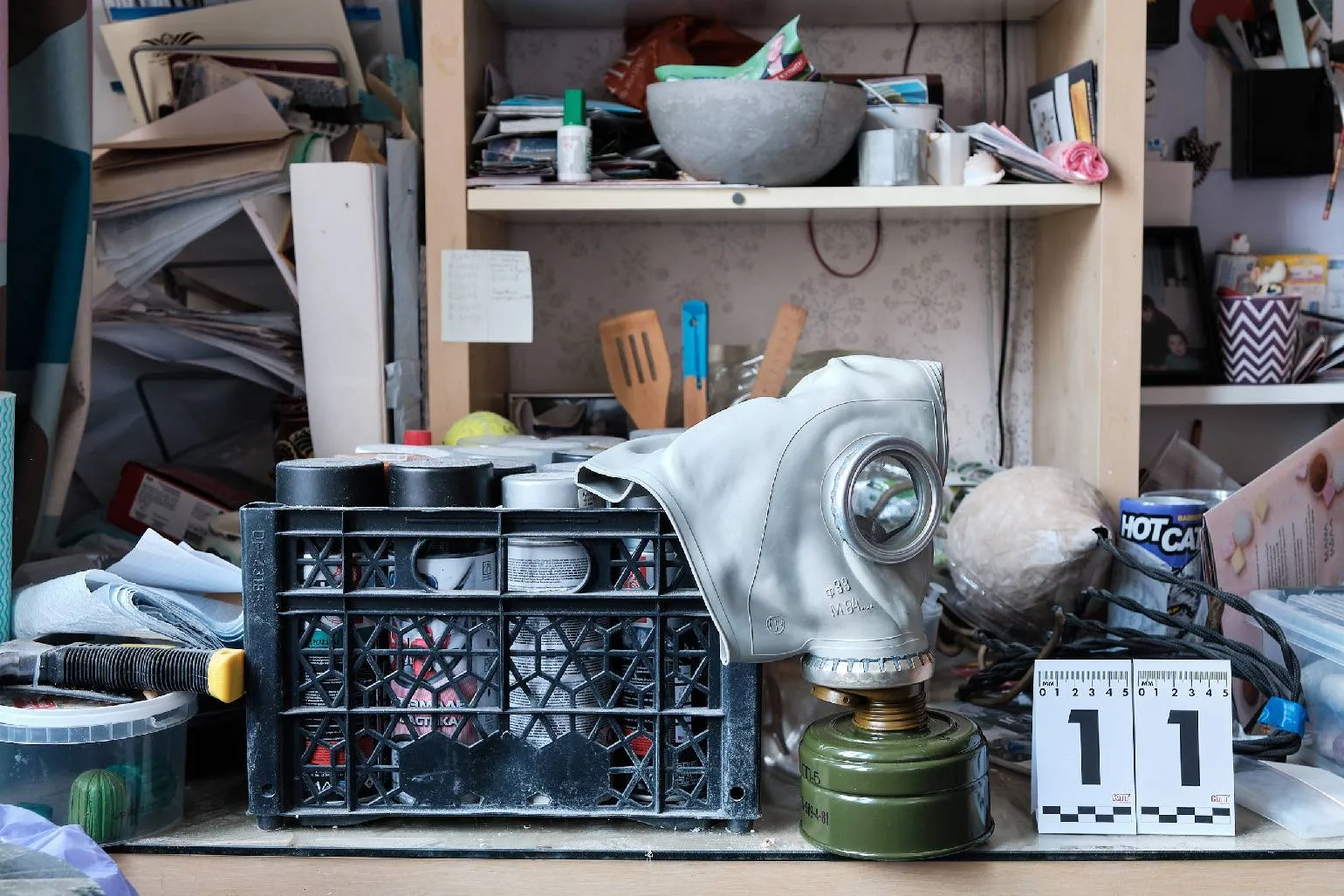
Igor Skabelin analyzes the problem of torture in Russian law enforcement system. It raises important questions about human rights violations that occur during investigative actions. Skabelin draws attention to the systemic problems that contribute to the use of violence and torture, as well as the lack of effective mechanisms for monitoring and accountability for such actions. It is important to understand that torture is not only an ethical but also a legal problem that requires serious attention from society and the state. By discussing this topic, Igor Skabelin seeks to draw attention to necessary reforms and improvements in the conditions in which suspects are detained and interrogated.
My photographs are staged shots of everyday objects placed in everyday settings. These images highlight the contrast between everyday life and the harsh reality described by victims of police brutality. Criminal case materials can contain references to similar objects being used for torture. My work aims to draw attention to these important issues through visual art, highlighting social problems and the need for change.
The project represents a unique solution aimed at solving a specific problem. Its goal is to improve the quality of life of its users by providing effective tools and resources. The project has developed innovative technologies that ensure a high degree of convenience and efficiency. We focus on user needs and strive to continuously improve the services we provide. Our team consists of experienced specialists ready to offer professional support and advice. Join our project and discover new opportunities.
Read also:
Neural networks and photography: five significant scandals
Neural networks have recently caused a lot of controversy in the world of photography. These technologies are capable of creating, modifying, and processing images, which leads to various conflicts. Let's look at five high-profile scandals related to the use of neural networks in photography.
The first scandal concerns copyright. Neural networks trained on huge volumes of images can generate works that visually resemble the works of famous photographers. This raises questions about who is the author of the created work and what rights the original authors have to it.
The second conflict arose due to photo manipulation. Neural networks can easily edit images, creating fake or misleading photographs. This raises concerns about the veracity of visual information, especially in journalism and social media.
The third scandal concerns ethics. Creating realistic images of people who never existed can lead to problems with identification and violation of personal rights. This raises important questions about the limits of the use of technology.
The fourth conflict occurred in the art world. Some artists and photographers expressed dissatisfaction that their work is being used to train neural networks without their consent. This calls into question practices around licensing and the use of copyrighted materials.
The fifth scandal concerns the commercial use of neural networks. Advertising companies have begun actively using image-generation technologies to create unique content. This raises concerns among professional photographers, who may face competition from artificially generated work.
Thus, the use of neural networks in photography raises numerous questions related to copyright, ethics, and commerce. These scandals highlight the need to develop clear norms and rules to regulate new technologies in the visual arts.
Profession Photographer
You will learn to take professional photos from scratch. You will learn how to organize shoots, process frames, manage models and a team. Find your style, build an impressive portfolio, and start making money doing what you love.
Find out more