Contents:

Would you like to work remotely? ➞ Master IT, design, or marketing. Join Telegram and take 5 online courses to get started in top digital professions.
Learn moreFilm can be thought of as photography in motion. Although static photography appeared long before the advent of "moving pictures," photographers have a lot to learn from filmmakers. For nearly a century, directors have championed the uniqueness of cinema, meticulously composing shots, experimenting with various shooting techniques, and creating visually stunning works. Photographers, in turn, have not lagged behind their colleagues: great masters of still photography have inspired filmmakers to new achievements throughout the history of cinema. Importantly, inspiration is a reciprocal process, with each art form enriching the other.
Film critic Yegor Sheremet has presented a selection of films that can educate and inspire viewers. These films not only entertain but also offer profound lessons about life, humanity, and moral values. Each of the films presented contains important ideas that can help viewers see the world from a new perspective and learn valuable lessons. These films will be an excellent choice for those who strive for self-development and want to enrich their inner world through the art of cinema.
- work with color;
- trust your own style;
- look for beauty in the ordinary;
- challenge yourself;
- don't be afraid of difficulties.

A Telegram channel for photography enthusiasts offers a unique opportunity to share experiences, ideas, and inspiration. Here you'll find tips on shooting, editing, and choosing equipment. Join a community where every photographer, whether beginner or professional, can share their work, receive constructive criticism, and find like-minded people. Follow new photography trends and develop your skills with us.
If you want to learn about the diversity of literature, subscribe to our resource. We publish works by talented Russian authors, track international literary competitions, and share creative life hacks from practitioners. Discover new literary horizons with us.
A Telegram channel for photography enthusiasts. Here you'll find inspiration, shooting and editing tips, and news from the world of photography. Join our community to share your work, receive feedback, and discover new creative ideas. Stay up to date with the latest trends and discover new horizons in the art of photography.
If you want to learn about the diversity of literature, subscribe to our resource. We present the works of talented Russian authors, follow global competitions and share useful creative advice from professionals. Discover new horizons in literature with us.
All About My Mother
Director Pedro Almodóvar is one of the most famous and influential masters of modern cinema. His unique style combines vibrant colors, emotional depth and profound social themes. Born in Spain, Almodóvar showed an interest in art and cinema from an early age, which later led to the creation of many cult films such as Women on the Verge of a Nervous Breakdown and All About My Mother. His works often explore complex human relationships, identity, and sexuality, making them relevant and resonant with audiences worldwide. Almodóvar is not only a director but also a screenwriter, producer, and editor, allowing him to control every aspect of his films. Thanks to his skill and original approach, he has won numerous awards, including Oscars and Golden Globes, and continues to inspire a new generation of filmmakers.
Year of release: 1999
Spain is a country with a rich history, diverse culture, and picturesque landscapes. It is famous for its historical monuments, vibrant festivals, and excellent cuisine. Spain attracts tourists from all over the world thanks to its beaches, architectural masterpieces, and warm climate. Each region of the country offers unique traditions, from flamenco in Andalusia to Catalan cuisine in Barcelona. Spain is also known for its art museums, such as the Prado in Madrid and the Gaudi Museum in Barcelona. Traveling through Spain offers numerous opportunities to explore the local culture and history, making it a popular tourist destination.
Spanish director Pedro Almodóvar's filmography is characterized by vibrant color and melodramatic plots. He has created over twenty feature-length films, each of which dazzles audiences with its rich colors and the skill of its set designers. Almodóvar's work is distinguished by a unique style that combines emotional depth and visual luxury, making his films iconic in the world of cinema.
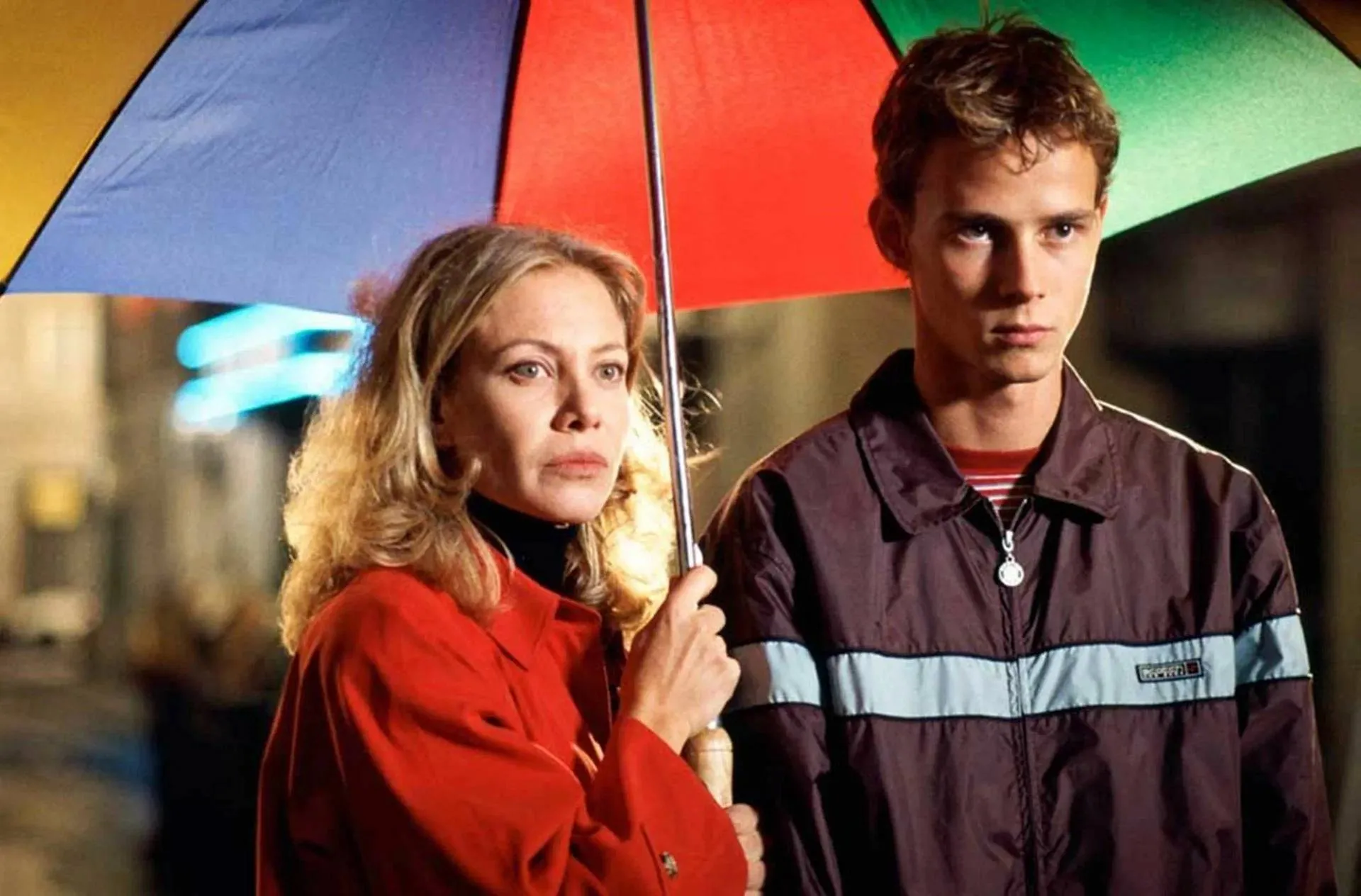
"All About My Mother" is a deeply touching and At the same time, Pedro Almodóvar's film is aesthetically pleasing. The story of a single mother who faces the loss of her only son is presented in the format of a classic melodrama. However, Almodóvar's style cannot be confused with the works of other directors of the sentimental genre. The film, starring Cecilia Roth, is executed with such sophistication that, against the backdrop of the cozy landscapes of Barcelona and the dominance of the color red, Almodóvar's unique style clearly emerges. This film attracts attention not only for its emotional depth but also for its visual style, making it an important work in contemporary cinema.
Almodóvar's film demonstrates a masterful use of color, particularly the red that permeates almost every frame. This vibrant accent unifies the film, creating a holistic visual perception. Awareness and skillful application of a specific color palette will have a positive impact not only on cinematography but also on photography. Understanding color helps enhance emotional impact and convey atmosphere, which is an important aspect in any visual art.

Read also:
Women on the Verge of Pain and Glory: The Work of Pedro Almodóvar
Pedro Almodóvar, a Spanish film director and screenwriter, is known for his unique style that explores complex human emotions and relationships, especially in the lives of women. In his films, he often explores themes of suffering and triumph, exploring the inner lives of heroines who face challenges but still find the strength to overcome them.
Each of his works immerses the viewer in rich plots filled with drama and irony. Almodóvar masterfully conveys the multi-layered female experience, showing how women struggle with social prejudice and personal tragedies. His characters often teeter on the brink of pain and glory, making their stories particularly resonant and relevant.
Almodóvar's films not only entertain but also provoke thought about profound issues related to identity, love, and loss. His style combines striking visuals with powerful emotional content, attracting audiences and critics worldwide. Almodóvar remains a significant figure in contemporary cinema, continuing to explore the complexities of women's lives and their place in society.
The Color of Pomegranates
Director Sergei Parajanov is a prominent figure in the world of cinema, known for his unique visual styles and deep cultural motifs. His works stand out not only for their original approach to storytelling, but also for their vivid, memorable images that immerse the viewer in the atmosphere of Ukrainian and Armenian culture. Parajanov created several iconic films that have become classics of world art. His films are often regarded as masterpieces that reflect the complex aspects of human life and identity. The director continues to inspire new generations of filmmakers, and his legacy remains relevant and significant in modern cinema.
Year of release: 1968. This year was marked by significant events in various fields, including culture, science, and politics. In the film industry, 1968 presented audiences with many iconic films that remain relevant today. Music from this period was also revolutionized, with the emergence of new genres and artists. Socially, 1968 was a year of protest and change, with youth movements fighting for human rights and freedoms. Importantly, the events and achievements of 1968 continue to influence modern trends and cultural perceptions.
The Soviet Union, or USSR, was a federal socialist state that existed from 1922 to 1991. It encompassed vast territories, including Russia, Ukraine, Belarus, and other republics. The USSR became one of the world's two superpowers after World War II, playing a key role in international politics and economics.
The USSR's economic system was based on centralized planning, which allowed for significant advances in industry and science. However, this system also led to disadvantages, including shortages of goods and restrictions on free enterprise.
Cultural life in the Soviet Union was diverse and multifaceted. Literature, art, and music flourished, reproducing the ideals of socialism and reflecting the realities of life in the country. Many Soviet writers and artists became famous on the international stage.
The collapse of the Soviet Union in 1991 was a significant event in world history, affecting the political map and the economic situation in a number of countries. This collapse opened new opportunities for the states that emerged from the territory of the former USSR and marked the beginning of the transition to a market economy and democratic reforms.
The Soviet Union left a bright mark on history, and its legacy continues to influence modern politics and society.
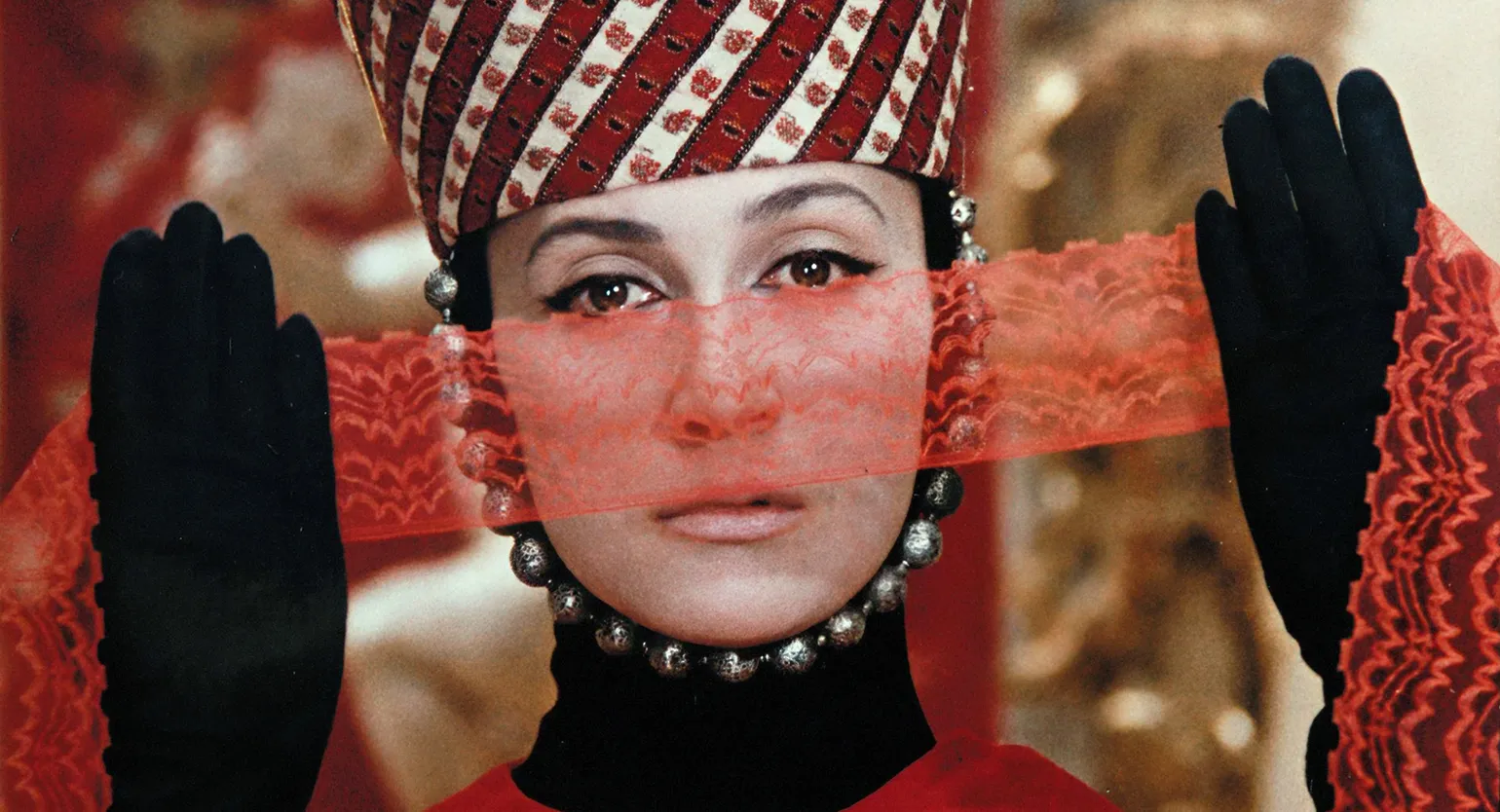
The surreal parable "The Color of Pomegranates" is one of the most daring Soviet films. Director Sergei Parajanov rejected traditional drama and cinematic conventions, creating a unique work that transforms the life of the Armenian poet Sayat-Nova into a vibrant manifesto of visual poetry. The film's unusual structure and expressive aesthetic make it a landmark in the history of world cinema. Using symbolism and metaphor, Parajanov created a profound and multilayered narrative that continues to inspire audiences and art scholars. "The Color of Pomegranates" is one of those films that expand the boundaries of the genre and open up new horizons for interpretation.
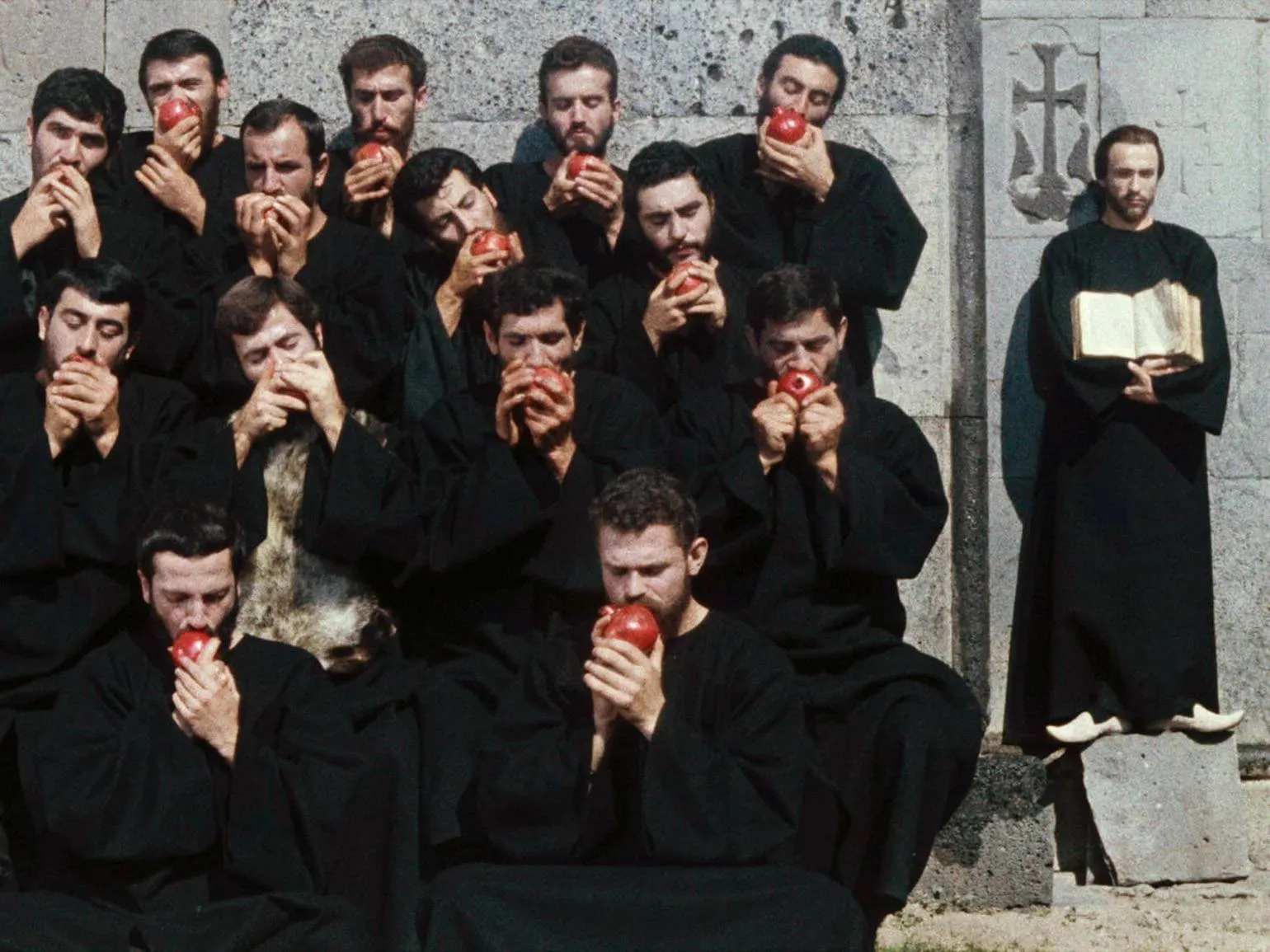
The film, filled with dozens of vignettes, invites viewers to immerse themselves in the inner experiences of the master of love Lyrics. These scenes resemble paintings, each evoking emotion and reflection. Analyzing the plot of this film may seem pointless and even risky. The deliberate complexity of the narrative helps distract viewers from the linear plot and focus entirely on the film's atmosphere. This unconventional film continues to spark heated debate: some viewers consider it a masterpiece, while others criticize Parajanov for narrative obscurity.
The film teaches original thinking and creativity. Parajanov, relying on his imagination, created one of the most unusual and visually impressive films in history. His work stands out not only for its unique approach to the plot, but also for its aesthetic beauty, which makes this film unforgettable.
Read also:
Sergei Parajanov: five significant projects in his oeuvre
Sergei Parajanov is an outstanding Soviet and Armenian director, whose work has left an indelible mark on the history of cinema. His films are distinguished by a unique style, expressive visual aesthetics, and profound philosophical content. Let's look at five of Parajanov's most significant projects, which have become landmarks in his career and cinema culture as a whole.
"Shadows of Forgotten Ancestors" (1964) was Parajanov's first major success, which brought him international recognition. The film is based on the work of Ukrainian writer Mykhailo Kotsiubynsky and tells the story of love, tradition, and the conflict between personal feelings and social norms. Its vivid visual imagery and unique storytelling style have made the film a classic.
"The Tale of the Land of Sidira" (1969) is a work that continues to explore the theme of national identity and cultural heritage. The film uses elements of folklore and mythology, creating an unrivaled atmosphere. Its cinematic technique and use of traditional motifs became an important milestone in the development of Soviet cinema.
"The Color of Pomegranates" (1968) is one of Parajanov's most famous films, considered a masterpiece of world cinema. In this film, the director explores the life of the Armenian poet Sayat Nov through the lens of poetic visualization. Every frame is a work of art, and its symbolism and metaphors invite multiple interpretations.
"Ashik-Kerib" (1970) is based on a folk tale and immerses viewers in a world of Eastern poetry and music. Parajanov once again uses vibrant color palettes and original compositions to convey a fairytale atmosphere and the depth of human emotion.
"Parajanov: Film Director and Artist" (1988) is a documentary that summarizes Parajanov's work and life. It showcases not only his achievements in cinema but also his artistic legacy, which continues to inspire many contemporary directors.
These five projects by Sergei Parajanov highlight his unique approach to filmmaking and his influence on the development of world art. Parajanov's work remains relevant and inspiring thanks to its depth, aesthetics, and ability to speak to timeless human themes.
The Neon Demon
Director Nicolas Winding Refn is known for his unique approaches to filmmaking. His works attract attention due to their striking visual aesthetics and deep emotional themes. Refn rose to prominence with films such as Drive and The Neon Demon, which have received acclaim from both audiences and critics. He masterfully combines intense plots with expressive music and unusual cinematography, making his films memorable and unique in contemporary cinema. With his style and vision, Nicolas Winding Refn continues to be an influential figure in the world of cinema.
Year of release: 2016. This year was marked by many significant events and achievements in various fields. The field of technology saw important innovations that impacted the daily lives of users. The film industry released many successful films that won the love of audiences and acclaim from critics. The music world also did not remain on the sidelines, presenting a number of outstanding albums and performances. 2016 became an important milestone in cultural and social life, leaving behind many memorable moments.
The countries in question include the United States, Belgium, Denmark, and France. These states are known for their unique cultural heritage, historical landmarks, and diverse traditions. The United States, as one of the largest economies in the world, attracts tourists with its megacities and nature reserves. Belgium is famous for its chocolate and architecture, and Denmark offers amazing landscapes and a high quality of life. France, in turn, enchants the world with its art, cuisine, and romantic atmosphere. Each of these countries has its own unique characteristics and appeal to travelers.
Nicolas Winding Refn, a Danish director, is deservedly considered a visionary of modern cinema. His films, filled with brutal and bloody scenes, captivate audiences thanks to the unique style and skill of his set and costume designers. Refn's aesthetic, combining visual beauty with dark themes, keeps audiences returning to his work again and again. Each of Refn's works is not just a film, but a deep immersion into a world where art and violence intertwine to create an unforgettable experience.

The Neon Demon is a striking example of modern cinema that combines elements of horror and drama. The film follows the misadventures of an aspiring model and immerses the viewer in the dark world of the fashion industry. Director Nicolas Refn creates a unique atmosphere where even the abundance of blood and graphic violence do not detract from the overall impression. Refn's visual solutions are striking in their originality: the use of acidic color correction and dynamic camera angles gives the film a special expressiveness. Neon light washes over the frames, turning Elle Fanning's character into an angel – albeit with blood on her face. This film is not only visually impressive but also raises important questions about beauty and the value of life in the world of fashion.
The Neon Demon emphasizes the importance of visual perception. Refn creates a work about the world of models and photographers, where every scene becomes a vivid visual image. Some shots in the film are reminiscent of glossy photo shoots, highlighting the importance of aesthetics in contemporary art. Thus, the film not only tells a story, but also focuses on visual content that shapes the overall perception.

The Poor
Director Yorgos Lanthimos presents a unique vision of contemporary cinema. His works are distinguished by an unusual aesthetic, deep psychological portraits of characters, and bold plot twists. Lanthimos is known for his mastery of creating atmospheric films that evoke a wide range of emotions in viewers. His films often explore complex themes such as human relationships, moral dilemmas, and social norms. With his original style and unconventional approach to storytelling, Yorgos Lanthimos has won acclaim from both critics and audiences worldwide.
Year of release: 2023. This year marks a milestone for many industries. In 2023, we are witnessing significant changes in technology, culture, and the economy. New trends and innovations are shaping the future, creating opportunities for growth and development. The events and achievements of this year will have long-term consequences and will influence the further development of various industries. Attention to environmental issues and sustainable development are also becoming key aspects setting the agenda. 2023 promises to be an eventful and significant year, opening new horizons for business and society as a whole.
Ireland, Great Britain, the USA, and Hungary are countries with unique cultures and histories. Ireland is famous for its picturesque landscapes and rich folklore. Great Britain attracts tourists with historical sites and a variety of cultural events. The United States offers a wealth of travel and leisure opportunities, from magnificent national parks to bustling metropolises. Hungary is renowned for its thermal springs and architectural heritage, particularly in Budapest. Each of these countries has its own unique characteristics and appealing features that make them popular among tourists and travelers.
Greek director Yorgos Lanthimos has always emphasized the visual component of his films, but in "The Poor, the Poor," his commitment to aesthetics reached its peak. Unlike his previous works, where narrative dominated visual elements, in this film starring Emma Stone, the work of the director, cinematographer, costume designers, and set designers becomes a true masterpiece, eclipsing even the script's ideas. Visual harmony and artistic expressiveness make "The Poor, the Unfortunate" an outstanding work of art, which is remembered for its unique aesthetics and deep meaning.
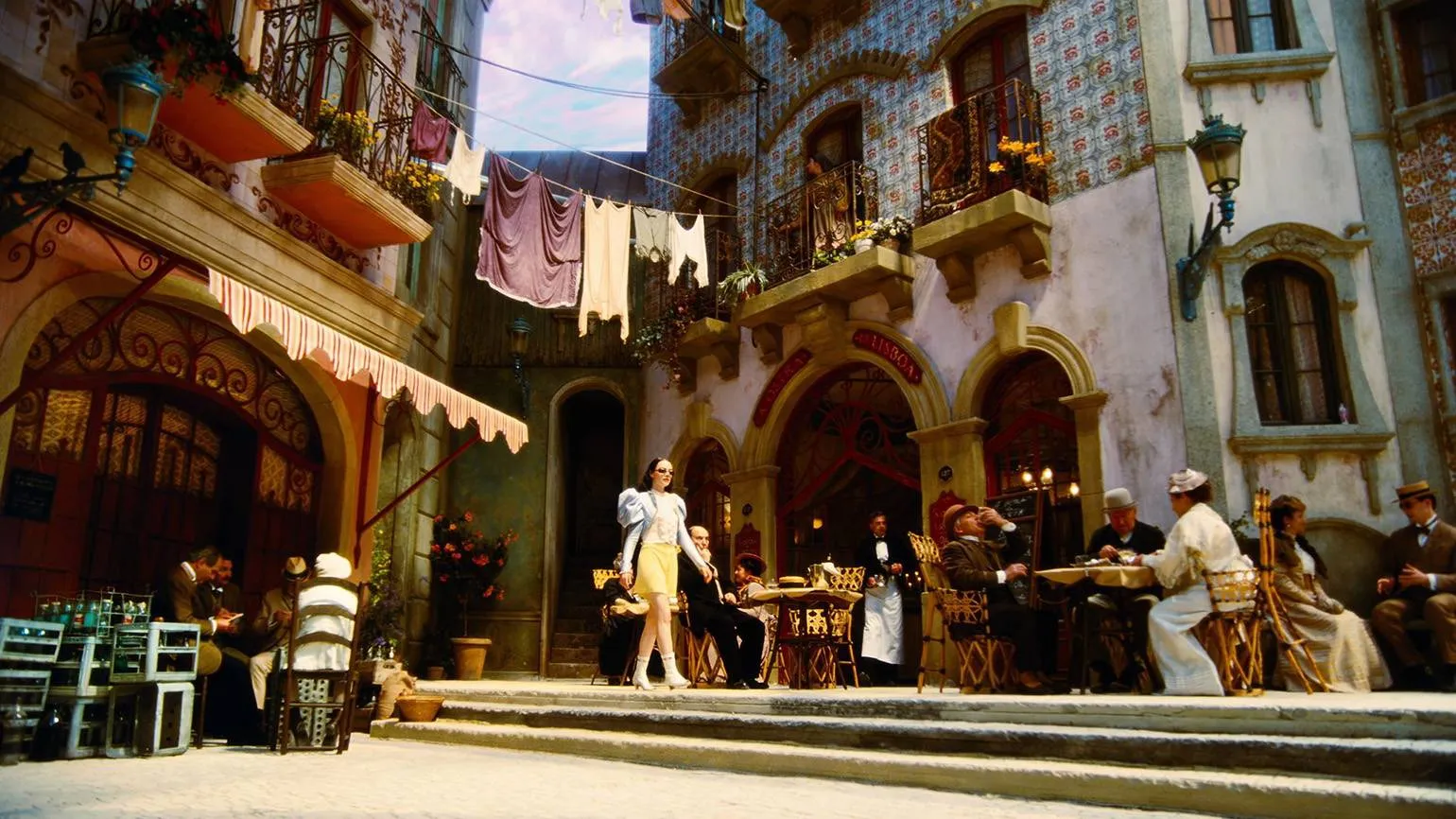
The story of a child locked up In the body of a beautiful girl, it appears as a showcase for Victorian dioramas. Artificial city landscapes, carefully designed costumes, and wide-angle shots give Lanthimos's film the atmosphere of a timeless masterpiece. This provocative narrative structure forces the viewer to reflect on the nature of identity and perception, creating a unique visual experience.
The film "The Poor, the Unfortunate" demonstrates the importance of stylization in cinema. Director Yorgos Lanthimos creates a unique visual atmosphere using elements of Victorian fantasy. Every aspect of the film is carefully considered and works in harmony with the overall design. Despite criticism of stylization for its anti-realism, in some cases such artistic expressiveness is justified and contributes to the creation of a high-quality work.

Before we begin, it is important to note that SEO text optimization includes not only the use of keywords, but also the creation of high-quality, readable content that meets user requests.
To make your text more effective, use keywords and phrases that are likely to attract your target audience. For example, mention relevant topics related to your business and strive to create content that is useful and informative for readers.
It's also important to pay attention to the structure of your text. Make sure it's logically organized and has a clear introduction and conclusion. This will help retain readers' attention and improve interaction with your website.
Don't forget about internal and external linking, which can increase the visibility of your content in search engines. Include links to other pages on your site and to authoritative resources to increase the trustworthiness of your content.
By following these guidelines, you can create SEO-optimized text that will not only be visible in search engines but also useful to your readers.
The film "The Poor, the Unfortunate": Key Points and Information
The film "The Poor, the Unfortunate" is an interesting work that touches on important social issues. The plot centers on characters facing various life difficulties. The film attracts viewers with its profound content and the relevance of the issues raised.
The film's plot revolves around the problems people face in modern society. The characters go through trials, showing the importance of maintaining humanity and supporting each other in difficult times. The film raises questions about poverty, social inequality, and the search for meaning in life.
Film critics note the high quality of the script and acting, which makes "The Poor, the Unfortunate" an important work in the world of cinema. The director masterfully conveys the atmosphere, and visual solutions emphasize the emotional weight of the story.
"The Poor, the Unfortunate" offers viewers not only entertainment, but also food for thought about the social and moral aspects of life. This film is a must see for anyone interested in current social issues and wants to see their reflection in art.
The Life Aquatic
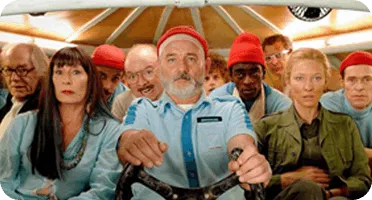
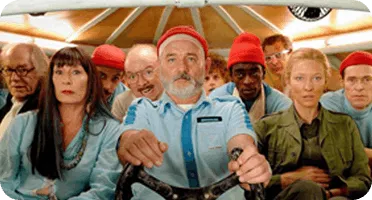
Director Wes Anderson is known for his unique style and visual aesthetics, which have made him one of the most recognizable auteurs in contemporary cinema. His films are often distinguished by carefully considered composition, vibrant colors, and unusual characters. Anderson masterfully combines elements of comedy and drama, creating memorable stories that resonate with audiences. The director is also known for his use of symmetry and symbolic visualization, which adds depth and originality to his work. Wes Anderson's filmography includes such iconic films as "The Royal Tenenbaums," "The Grand Budapest Hotel," and "The Croods." Each of his films is not only a visual work of art, but also a profound story about human relationships and the eccentricity of life.
Year of release: 2004. This year became significant in history, thanks to many events and achievements in various fields. In 2004, important changes took place in technology, culture, and politics. This time was marked by the release of new films, music albums, and significant cultural events. Also in 2004, elections were held that influenced future events. Interesting facts and achievements of this year continue to attract the attention of researchers and history buffs, highlighting its importance in the modern context.
The United States, or the United States of America, is one of the most influential countries in the world. With a rich history, diverse culture, and a powerful economy, the United States attracts the attention of tourists, investors, and professionals from all over the world. This country is known for its iconic cities such as New York, Los Angeles, and Chicago, which offer unique opportunities for business and leisure. In addition, the United States is renowned for its natural beauty, including national parks, mountain ranges, and coastlines. Innovation and technology in the United States are at the forefront, making the country a hub for startups and research initiatives. The US economy is characterized by a diversity of industries, including finance, technology, healthcare, and agriculture. All this makes the United States an attractive destination for international collaboration and investment.
Wes Anderson's symmetrical and doll-like compositions have become popular and widely known. His unique aesthetic inspires not only directors but also photographers who strive to reproduce this style in their work. Anderson's influence on the visual arts cannot be overstated, and his work continues to inspire creators around the world.
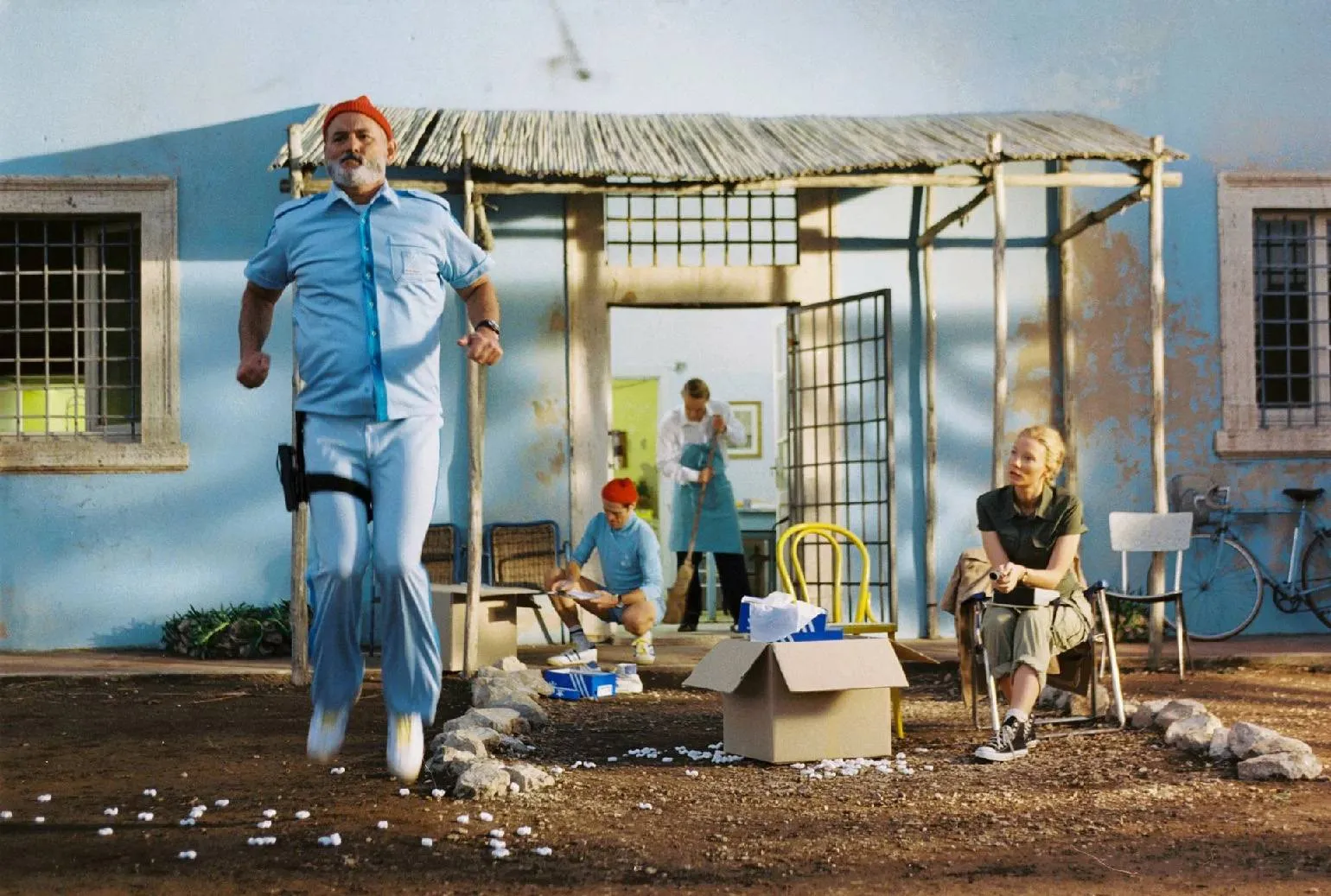
True inspiration can also be found in the master's early works. For example, in the seafaring fantasy "The Life Aquatic," which tells the story of an oceanographer who vows revenge against an aggressive shark. In 2004, Anderson had not yet developed his distinctive style, so "The Life Aquatic" contains some less successful shots. However, this creates additional interest—Anderson fans will be able to trace the evolution of his artistic method and see how he became one of the most renowned directors of our time.
The film teaches the importance of being true to your own style. Following the crowd can be tempting, but it doesn't always lead to positive results. It's important to adhere to a unique approach that brings joy and satisfaction. Twenty years ago, many ridiculed Wes Anderson's hyper-stylized images, but today his originality and creative vision are highly valued. This film inspires you to stay true to yourself and not be afraid to stand out from the crowd.
Read also:
The World of Wes Anderson: The Secrets of Symmetry and a Caramel Palette
Wes Anderson is a director whose unique style captivates audiences worldwide. In his films, symmetry and pastel colors become more than just visual elements; they are true protagonists of the narrative. Symmetrical compositions create a sense of harmony and order, immersing viewers in a carefully crafted world. Every frame, every detail, speaks of his attention to aesthetics, making his works recognizable and memorable.
The caramel palette, Anderson's favorite element, adds warmth and comfort, creating an atmosphere of nostalgia. These soft, muted tones not only please the eye but also enhance the emotional impact of the scenes. Thanks to this, the films become true visual works of art that invite rewatching.
Wes Anderson's films are more than just stories; they are journeys into a world where every detail matters. Symmetry and pastel colors create a unique atmosphere that captivates and makes you reflect on the deeper meaning of each plot. Wes Anderson creates worlds that linger in the memory, and his style continues to inspire a new generation of filmmakers.

Tales of the Misty Moon After Rain
Kenji Mizoguchi is a prominent Japanese director known for his unique films and his mastery of creating deeply emotional stories. His work spans various genres, from drama to comedy, and demonstrates an outstanding ability to explore human relationships and internal conflicts. Mizoguchi's films are distinguished by their artistic style, attention to detail, and attention to visual aesthetics. He became an iconic figure in Japanese cinema, leaving a significant mark on world culture and inspiring numerous directors around the world.
Year of release: 1953.
Japan is a unique country known for its rich cultural heritage, high technology, and picturesque natural landscapes. Located in eastern Asia, Japan is an archipelago consisting of four main islands: Honshu, Hokkaido, Kyushu, and Shikoku, as well as numerous smaller islands. The capital of Japan is Tokyo, one of the largest and most dynamic metropolises in the world, which combines traditional Japanese elements with modern advances.
Japan is famous for its traditions, such as the tea ceremony, ikebana, and calligraphy, as well as architectural monuments, including temples and castles, which are evidence of its long history. Japanese cuisine, renowned for its diversity and sophistication, includes dishes such as sushi, ramen, and tempura, attracting foodies from around the world.
Furthermore, Japan is a leader in technology and innovation, with Japanese companies renowned for their advancements in automobiles, electronics, and robotics. Tourism in Japan is also booming, offering travelers unique opportunities to explore natural beauty such as Mount Fuji, national parks, and scenic coastlines.
A visit to Japan leaves a lasting impression thanks to its blend of ancient culture and modernity, making it one of the most attractive countries for tourists and explorers.
The melancholic black-and-white films of Japanese director Kenji Mizoguchi have had a significant influence on both his compatriots and the entire post-war world cinema. Mizoguchi's work, characterized by deep emotionality and a philosophical approach, has become fundamental in shaping the aesthetics and themes of Japanese cinema. His work continues to inspire new directors and audiences, highlighting the importance of artistic expression and cultural heritage.
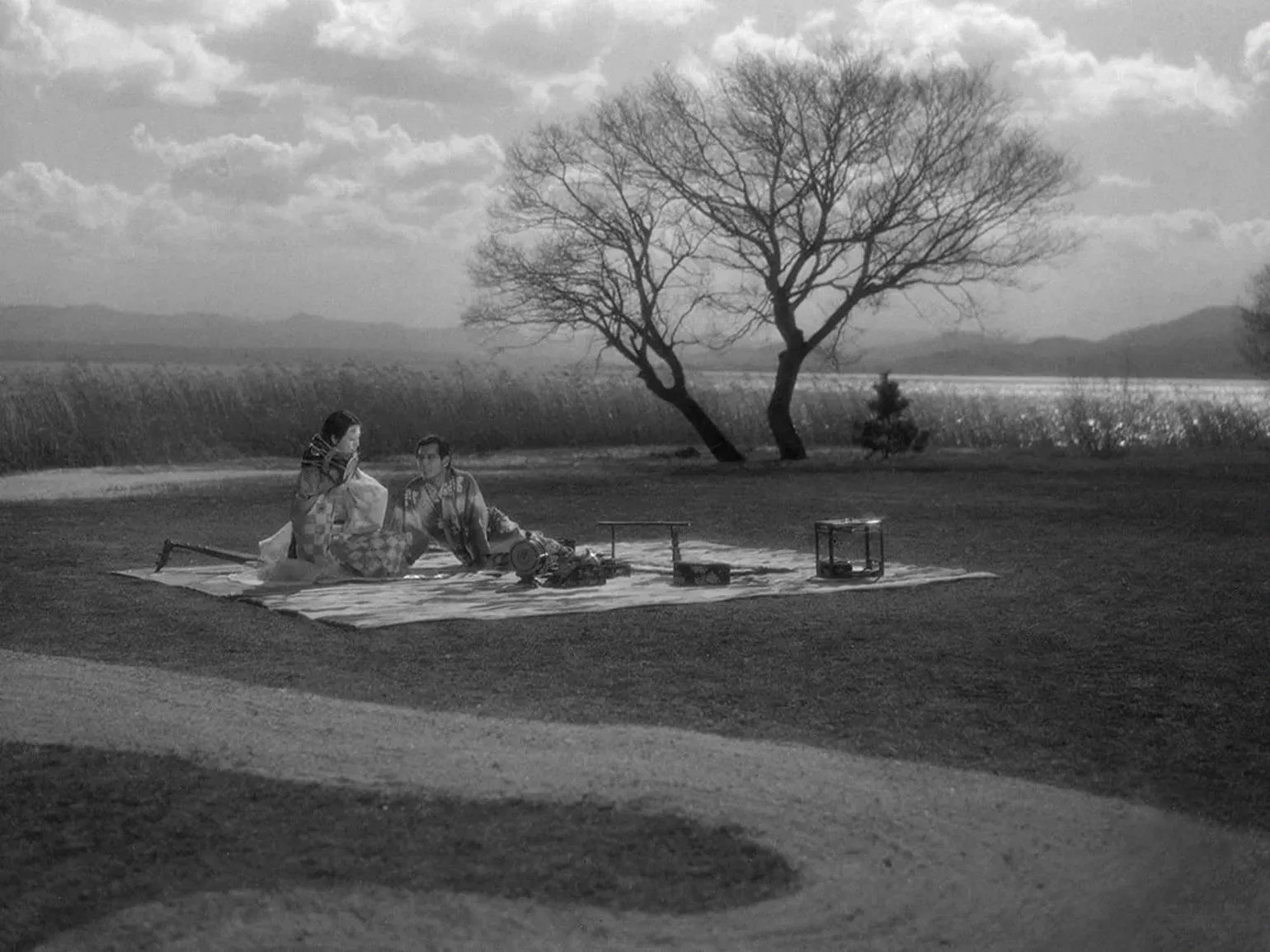
"Tales of the Misty Moon After the Rain" is a fairy tale film about a poor potter who suffers from the greed of greed. The aesthetics of landscapes, numerous close-ups, and fluid camera movement make this film unique. Director Mizoguchi created a work that was ahead of its time and established him as a master of "beautiful" cinema. The film is just over an hour and a half long, but the slow-motion narrative gives the plot a timeless character. Some shots are so long that watching it becomes like reading a book. You can get lost in Mizoguchi's masterpiece, immersed in the atmosphere of a misty Japanese forest. The film is not only captivating, but also makes you reflect on life and human values, which makes it important for the study of Japanese cinema.
The film teaches the subtle art of composition. Like other directors, Mizoguchi divides the shots into three planes—background, middle ground, and foreground—but he does this with surprising ease. The compositions of his shots are reminiscent of miniature dioramas. When working with a camera, it is also important to consider all three planes, as the image will be more textured and expressive if they interact with each other as a whole. This approach not only improves visual perception but also allows for a deeper conveyance of the emotions and meaning of the image.
Sicily!
Directors: Daniel Huillet, Jean-Marie Straub. These talented creators have left a noticeable mark on the world of cinema, bringing a unique style and an original approach to filmmaking. Their works are distinguished by a profound analysis of human nature and the social themes they raise in their films. Daniel Huillet is known for his experiments with form and content, while Jean-Marie Straub focuses on political and cultural aspects. Together, they create unforgettable works of art that continue to inspire audiences and critics for years to come.
The film was released in 1999.
Italy, France, and Germany are key European countries, each with a unique culture, history, and economic potential. Italy is known for its rich heritage, architectural masterpieces, and gastronomy, making it a popular tourist destination. France attracts tourists with art, fashion, and picturesque landscapes, and its capital, Paris, is considered a center of romance and culture. Germany, with its highly developed technology and powerful economy, offers a variety of business and investment opportunities and is also renowned for its historical landmarks and cultural events. These three countries are not only important players on the European stage but also attractive destinations for travel and business cooperation.
Daniel Huillet and Jean-Marie Straub are recognized masters of film adaptations who adapt literary works for the screen. Their work includes films based on the works of authors such as Franz Kafka, Cesare Pavese, and Bertolt Brecht. French directors strive to preserve the original meaning and atmosphere of the literary source material, avoiding over-interpretation. This allows viewers to more deeply understand and feel the ideas of the authors, which makes their film adaptations unique and significant in the world of cinema.
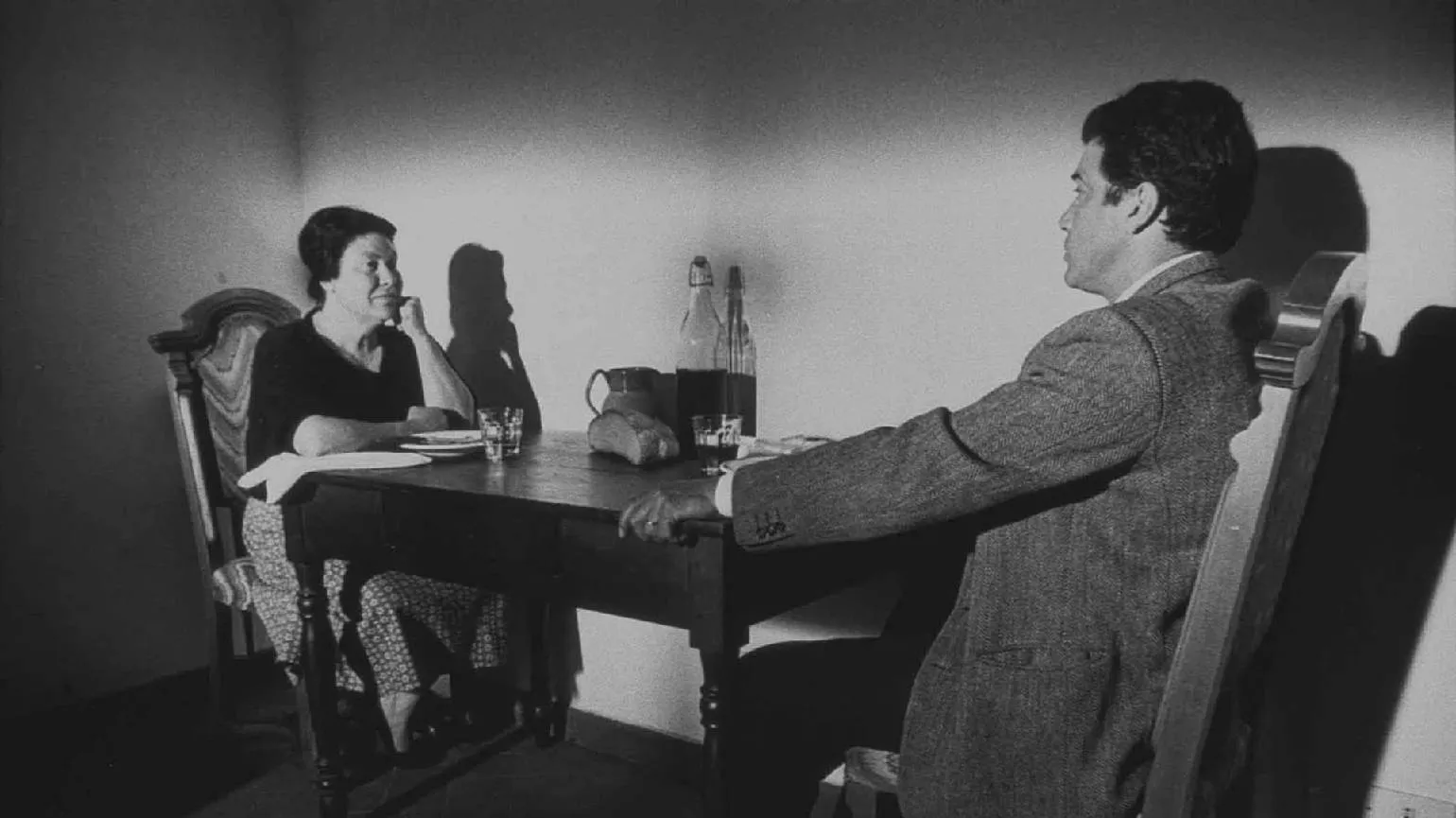
The scripts of their films are formed exclusively from the lines of the authors themselves, and the directors are only engaged in visualization. The miniature film "Sicily!" is based on the novel by Italian writer Elio Vittorini. This leisurely film tells the story of the protagonist's return to his native Sicilian town. Deserted streets, cracked facades, and village faces—Huillet and Straub's camera captures the insignificant moments of everyday life, transforming them into art. Each frame in this creative pair's films is meticulously crafted, eliminating any chance moments and creating a unique atmosphere.
The film teaches us to find beauty in everyday life. Huillet and Straub have created a captivating film using simple elements—the picturesque landscapes of a small town and the performances of non-professional actors. This work emphasizes the importance of the ordinary, transforming it into something surprising and memorable. Each frame is filled with atmosphere, allowing viewers to rethink their perception of the familiar world.

Reworked text:
See also:
The photo project "Transplanted Roots" explores the life of a Russian-Chinese family in the United States, reflecting their unique experience of integration into a new culture. The project presents moments of everyday life that highlight the interaction of the two cultures and their influence on the formation of the family's identity. Through photographs, viewers can see how the traditions and customs of both countries intertwine in the lives of the characters. This project is not only visually appealing but also serves as a platform for discussing issues of migration, cultural adaptation, and intercultural interaction. "Transplanted Roots" becomes an important testimony to a modern multicultural society, showing how a family can maintain its roots while living far from its homeland.
Happiness
Director Alexander Medvedkin is one of the most significant figures in the world of cinema. His works are distinguished by a unique style and a deep understanding of human nature. Medvedkin has managed to create a series of films that not only entertain but also provoke thought about important social and philosophical issues. In his films, he masterfully combines artistic elements with current themes, making his work relevant and in demand in modern cinema. Alexander Medvedkin's contribution to the development of cinema is difficult to overestimate, and his films continue to inspire both audiences and future directors.
Year of release: 1934. This is an important year in history, marked by significant events and cultural achievements. In 1934, the world saw many changes that impacted various spheres of life, including art, politics, and science. This year became significant for many countries, reflecting the spirit of the times and people's desire for new ideas and change.
The Soviet Union, or USSR, was a multinational state that existed from 1922 to 1991. It united 15 republics and occupied vast territories in Eastern Europe and Northern Asia. The USSR became a major player on the world stage, gaining significant influence in politics, economics, and culture. During this period, significant changes took place, including industrialization, collectivization, and the development of science and education. The Soviet Union also became renowned for its achievements in space exploration, notably the launch of the first artificial satellite and the first human spaceflight. However, alongside these successes, the country faced internal challenges, including economic hardship and political repression. In 1991, the USSR collapsed, a landmark event in world history that altered the political landscape and its impact on international relations.
Alexander Medvedkin is a forgotten hero of the Soviet avant-garde. While Sergei Eisenstein revolutionized cinema, Medvedkin experimented with surrealism. His silent film "Happiness" is a manifesto for unusual cinema. The plot revolves around a poor peasant named Khmyr, who accidentally finds a purse of money. The story is told as a folk tale, in which the hero faces numerous hardships and loses all his gold. A fantastical spotted horse appears in some scenes, adding a touch of surrealism. Despite the complex political context, Medvedkin boldly drew inspiration from pre-Soviet Russia, and the popular aesthetic of "The Tale" sets his film apart from more propagandistic works.
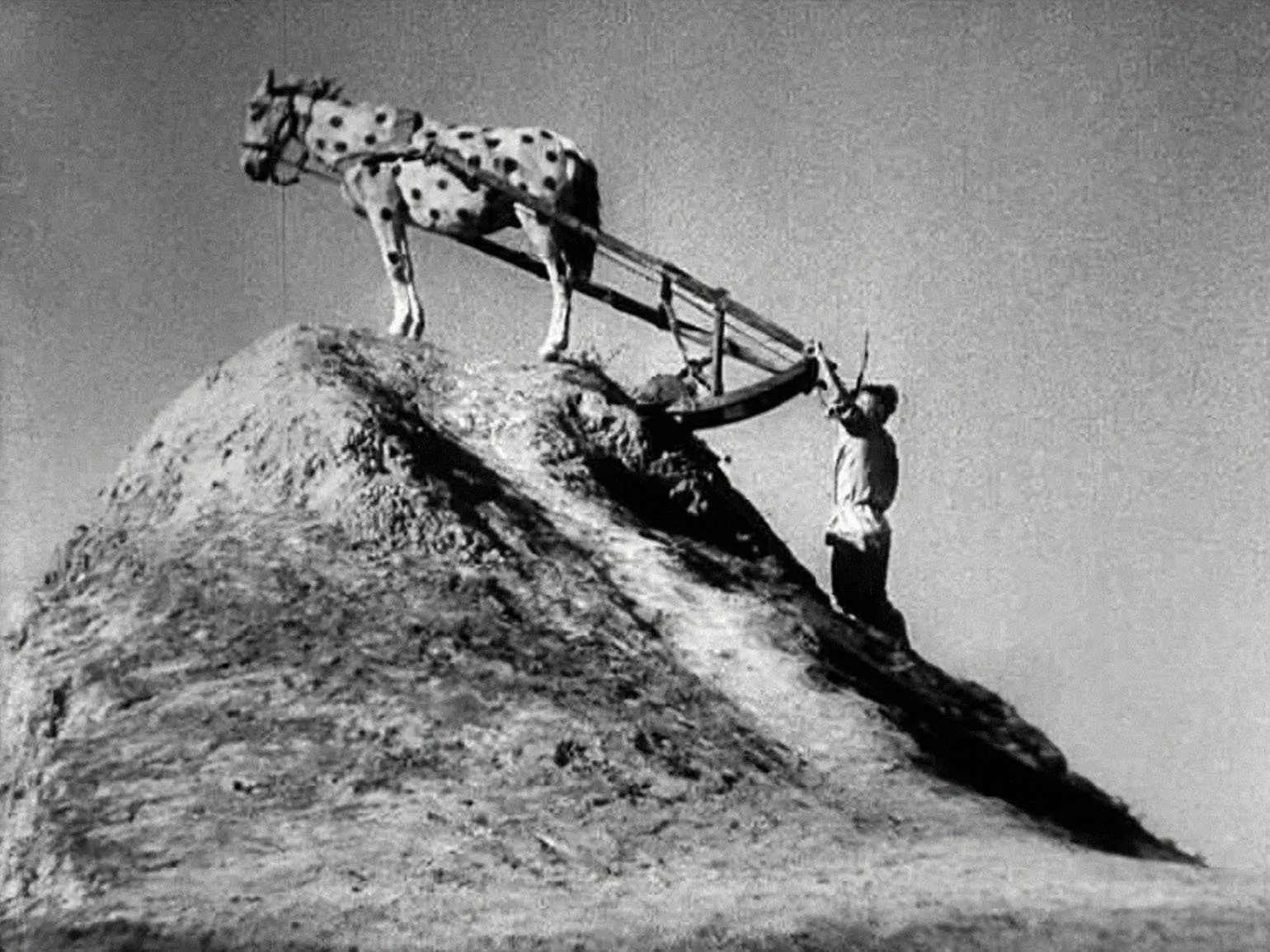
The film teaches us not Afraid to express one's individuality and be authentic, even if it causes misunderstanding among others. Director Medvedkin was not appreciated by his contemporaries, but with the onset of the Thaw, his film "Happiness" gained international recognition. The brilliant French director Chris Marker even dedicated a film to Medvedkin, entitled "The Tomb of Alexander." This fact underscores the importance of creative expression and recognition of originality in art.

RR
Director James Benning is a prominent figure in the world of cinema. His work often explores themes of time, space, and nature, which makes his works unique and memorable. Benning is known for his minimalist style and ability to convey deep meanings through simple visual images. His films often attract interest from both critics and audiences, making him an important figure in contemporary cinema. The importance of his contributions to the art of cinema cannot be overstated, and his works continue to inspire a new generation of directors and artists.
Year of release: 2007. This year was significant for many events that influenced various areas of life. In 2007, the world experienced many significant changes, including technological advancements, cultural achievements, and economic transformations. In this article, we will look at the key moments of 2007 that influenced the future.
The United States is a large and diverse country known for its economic influence, cultural diversity, and natural beauty. It is the third largest country in the world by area and population. The United States is renowned for its innovation, high technology, and leading universities that attract students from all over the world. The country's economy is based on a mixed model, where both the private and public sectors coexist. Major industries include technology, financial services, healthcare, and manufacturing. Furthermore, the United States offers a wealth of tourist attractions, from national parks to historical monuments, making the country a popular destination for travelers. The diversity of cultures and traditions is reflected in its multicultural cuisine, arts, and festivals, creating a unique atmosphere for residents and visitors alike.
American director James Benning is known for his unique approach to landscape cinema. His films feature static shots that transform nature into "living paintings." This style allows the viewer to immerse themselves in the atmosphere and appreciate the beauty of the surrounding world without unnecessary fuss. Benning's work is characterized by a meditative rhythm and attention to detail, which makes his work unique in contemporary cinema.

RR includes 43 shots of moving trains and does not contain traditional elements such as actors, script, or sets. Director Benning forces the viewer to carefully examine unremarkable landscapes, waiting for the inevitable train to appear. This may seem boring, but prolonged observation makes nature the central character of the film. Some of Benning's shots surprise with their unexpected beauty, which evokes admiration and makes one reflect on the visual perception of the world.
The film clearly demonstrates the importance of patience in the creative process. Benning spends hours searching for the perfect angle for a single shot, which emphasizes how persistence and attention to detail can lead to a high-quality result. Patience becomes a key element in creating art, showing that each frame requires time and effort to achieve perfection.
The Dragon's Refuge
Director Tsai Ming-liang is known for his unique style and profound approach to filmmaking. His works are distinguished by their attention to detail and vibrant visual aesthetics. Tsai Ming-liang explores complex themes, touching on human emotions and interpersonal relationships. The films he creates often evoke strong emotions and profound reflection in viewers. His work has become an important part of modern cinema, attracting the attention of both critics and audiences around the world.
The film was released in 2003.
Taiwan is an island country in East Asia, located in Taiwan Bay. Taiwan is famous for its rich culture, unique history, and developed economy. The island offers a variety of tourist attractions, ranging from picturesque natural landscapes to modern, high-tech cities.
Taiwan is known for its cuisine, which combines elements of Chinese, Japanese, and local traditions. City streets are filled with markets where you can try traditional dishes such as dim sum and seafood treats.
The country is also actively developing its technology and innovation, being an important player in the global high-tech industry. Taiwan is a leader in semiconductor and electronics manufacturing, making it a key hub for many international companies.
Taiwan attracts not only nature lovers but also those interested in history and cultural heritage. Numerous temples, museums, and historical monuments reflect the region's centuries-old history.
Thus, Taiwan is a country where modernity harmoniously blends with tradition, offering unique experiences for tourists and explorers.
Taiwanese director Tsai Ming-liang is one of the leading popularizers of the concept of "slow cinema." In his works, shots change with such slowness that the viewer is immersed in a trance-like state. Tsai's style emphasizes detail, allowing viewers to more deeply experience the atmosphere and emotional weight of the scenes. His films create a unique experience that makes you think about time, life, and the human experience.
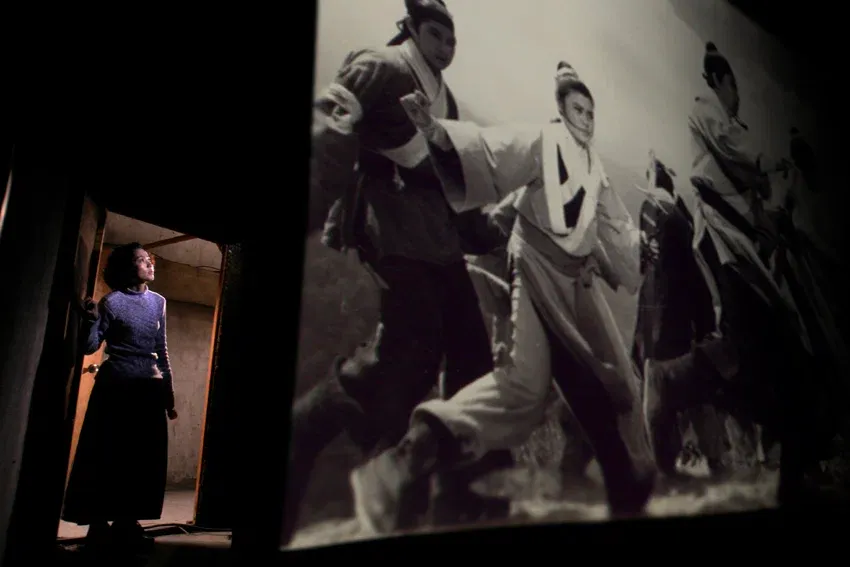
The film "The Dragon's Refuge" is one of the director's most ambitious works. The plot unfolds in an old movie theater, which will soon close its doors forever. Regulars say goodbye to their favorite place: they watch films, wander the theater, and share memories of the past. This film features many characters, but the closing cinema itself becomes the protagonist. The claustrophobic atmosphere does not limit the director's creative freedom—the dark spaces are transformed into a world of dreams and melancholic memories. Characters wander aimlessly through empty corridors, and viewers enjoy the unusual filming style and distinctive dark visual style. "Dragon's Refuge" offers a unique experience, combining nostalgic motifs with an innovative approach to cinematography.
The film teaches you to overcome difficulties. Filming or photographing in complete darkness presents significant challenges. However, Ming-liang successfully mastered this challenge, transforming the old cinema into a stunning, lyrical object. This example is inspiring and shows that you, too, can overcome any challenge.
The Draughtsman's Contract
Director Peter Greenaway is a prominent figure in the world of cinema. His works are distinguished by a unique style and deep philosophical content. Greenaway is known for his ability to combine visual aesthetics with an intellectual narrative, which makes his films a subject for study and analysis. Each of his films is not just a film, but a multi-layered work of art that invites the viewer to reflect on life, culture, and human emotions. Peter Greenaway continues to inspire new directors and film lovers around the world with his innovative approach and bold artistic decisions.
Year of release: 1982. This year became a landmark in history, leaving a significant mark on various fields, including music, cinema, and technology. The year 1982 saw the release of films that would later become classics, as well as albums that influenced the music industry. The technological advances of this period also laid the foundations for future innovations. 1982 continues to be a significant milestone in a cultural and historical context.
The United Kingdom is an island nation located in northwestern Europe. It consists of four countries: England, Scotland, Wales, and Northern Ireland. The United Kingdom is known for its rich historical and cultural heritage, which has been shaped over centuries. London, the country's capital, is one of the world's major financial and cultural centers.
The United Kingdom is famous for its universities, such as Oxford and Cambridge, which attract students from all over the world. Tourism in the UK is also thriving, thanks to attractions such as Buckingham Palace, Tower Bridge, and Stonehenge.
The country has a diverse climate, which ranges from moderate maritime in the south to colder in the north. The United Kingdom is a member of numerous international organizations and actively participates in global processes. The country's economy is one of the largest in the world and plays a significant role in international trade.
The United Kingdom offers its residents and tourists numerous opportunities for education, work, and leisure, making it an attractive place to live and travel.
British director Peter Greenaway began his career with original experiments, creating pseudo-documentaries. He combined live-action scenes with static photographs and handwritten texts, allowing him to blur the boundaries between documentary and fiction film. These innovative approaches attracted attention to his work and laid the foundation for the further development of his unique style. Greenaway continues to be an influential figure in the world of cinema, exploring new forms of storytelling and visual art.
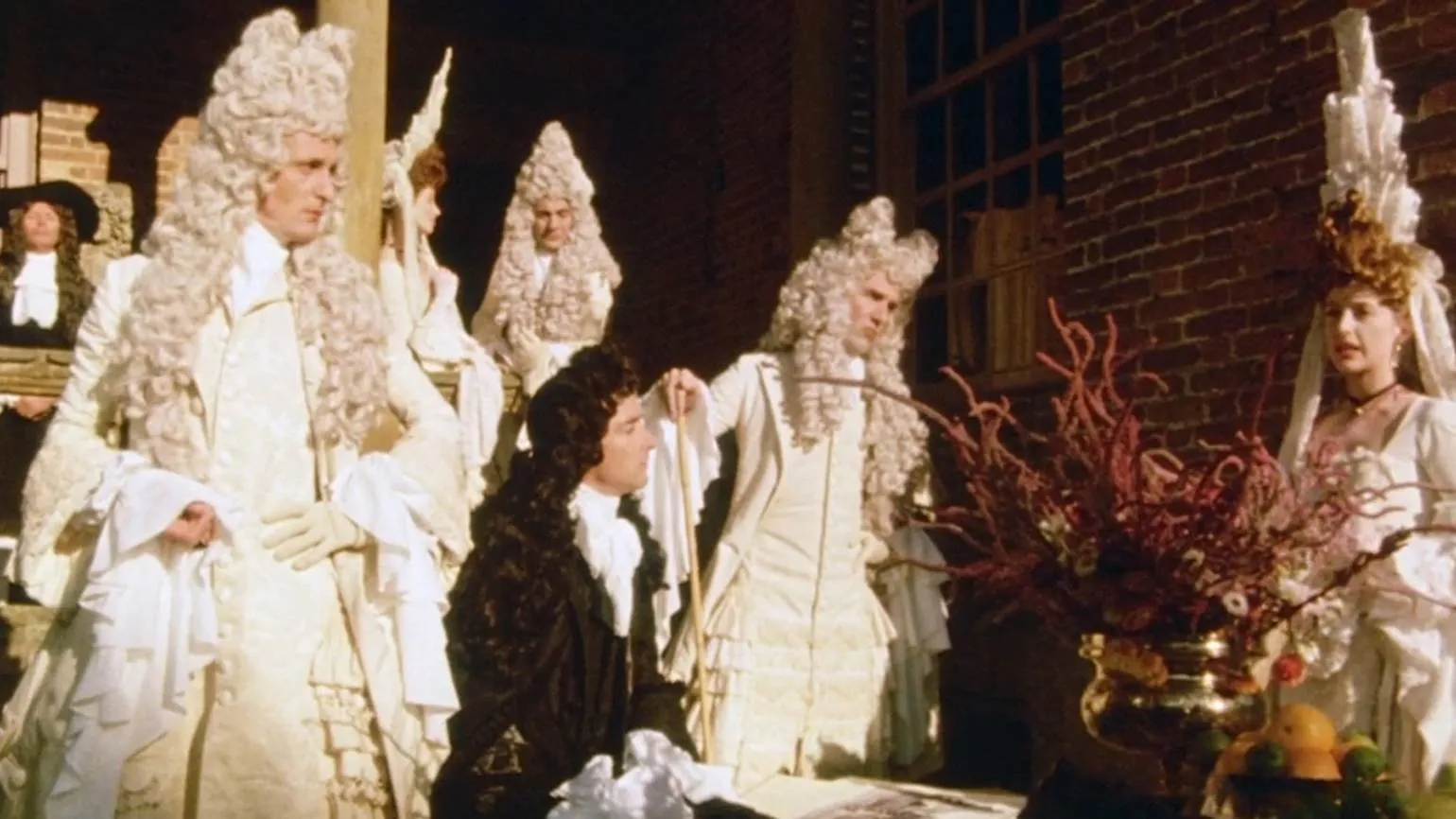
Greenaway's method, which combines complex artistic solutions and a unique style, quickly gained popularity. However, in 1982, the director faced an unexpected challenge with The Draughtsman's Contract, a costume drama about the life of artist Mr. Neville. In this film, Greenaway's experimental approach took a back seat to a more traditional narrative structure. Despite this, the film retained its originality through its odd yet captivating elements. Greenaway chose a path of simplification, which had a positive impact on the perception of his work. Filigree shot compositions, an intricate script, and magnificent period costumes became iconic of his style and determined the direction of his work for many years to come.
The film demonstrates the importance of courage. Greenaway radically changed his signature style, rejecting conventional approaches and methods. Thanks to this, he became one of the most renowned and influential European directors. This example inspires risk-taking in creativity and life, emphasizing that innovation and courage can lead to significant achievements.
Fortune Telling on a Daisy
Director Robert Frank is a prominent figure in the world of cinema. His unique style and approach to filmmaking have made him famous not only among audiences but also among industry professionals. Frank is distinguished by his originality and boldness in choosing his subjects, which allows him to create profound and memorable works. His works often explore complex aspects of human nature and society, which makes them relevant and meaningful. Robert Frank's contribution to cinema continues to inspire new generations of directors and audiences.
The film was released in 1959.
The United States is a country located in North America, known for its cultural diversity, economic potential, and unique natural landscapes. The United States of America is the third-largest country in the world by area and population, making it one of the most influential nations. The US economy is the largest in the world, contributing significantly to the global market. The country is home to numerous major cities, such as New York, Los Angeles, and Chicago, each offering its own unique characteristics and opportunities. The US natural beauty is also impressive, from majestic mountain ranges to picturesque beaches and national parks such as Yellowstone and the Grand Canyon. With its diverse population and cultural heritage, the US is a magnet for millions of tourists and immigrants from around the world.
The thirty-minute black-and-white short film "Tell the Daisy's Fortunes" is a simple yet profound work. The film ironically reflects the everyday life of the American bohemian elite, where the characters indulge in empty pleasures, make noise, and succumb to laziness. This work attracts attention with its minimalist aesthetic and subtle humor, creating a unique atmosphere that makes viewers reflect on the meaning of existence in a world full of chaos and absurdity.
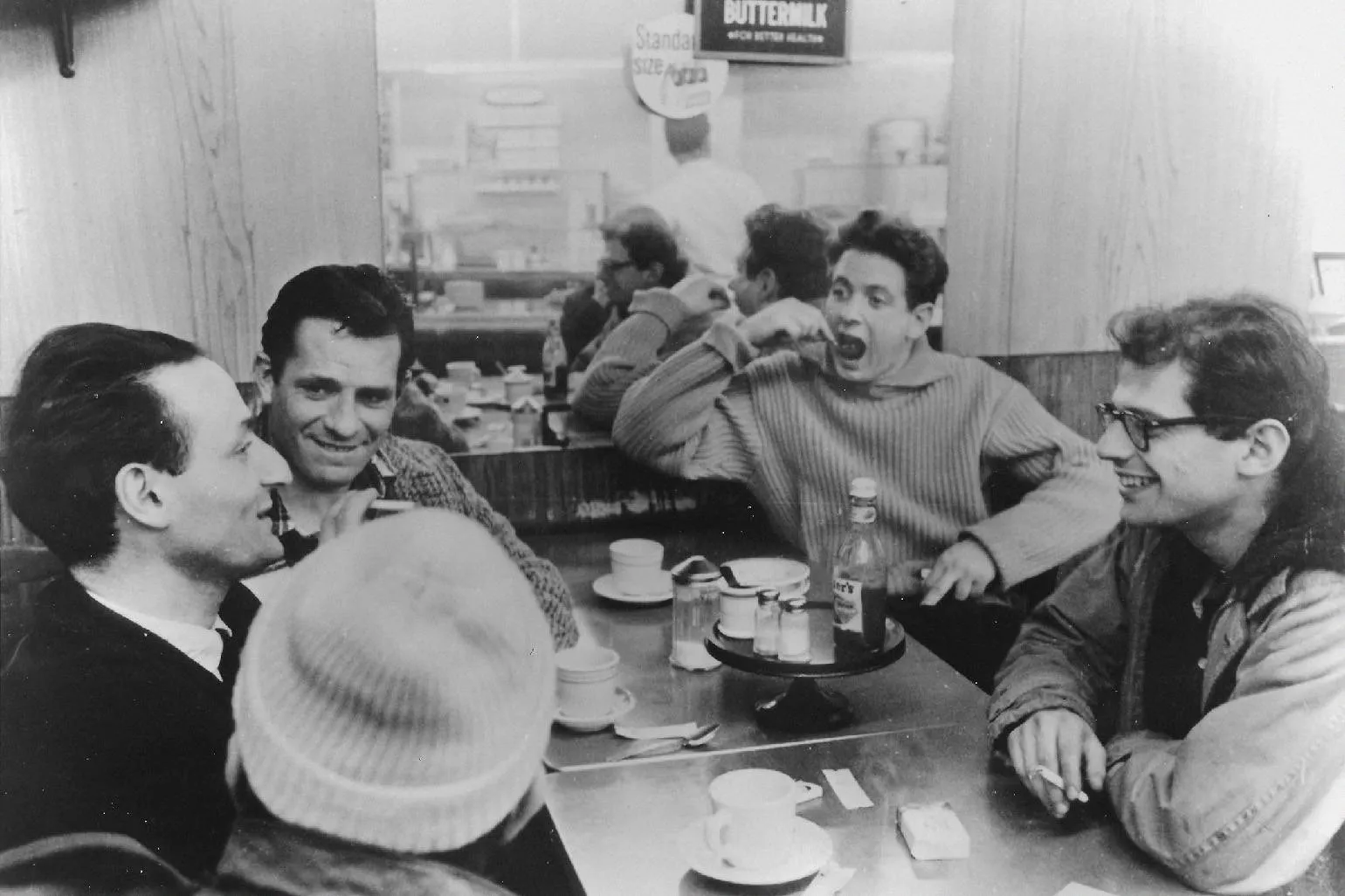
The film "Tell Your Story with a Daisy" stands out on our list because it can hardly be called a visionary work. However, its creator, street photographer Robert Frank, is a true genius whose images captured the atmosphere of post-war America. Frank decided to change the static approach to shooting, choosing a dynamic technique, which inspired many photographers to experiment in this direction. His work became the basis for the work of such masters as Anton Corbijn and Steve McQueen, who continued to develop the ideas laid down by Frank.
The film teaches self-confidence and the courage to take on challenges. Robert Frank draws on his decades of experience in street photography to create a powerful film that demonstrates his ability to adapt and overcome challenges.
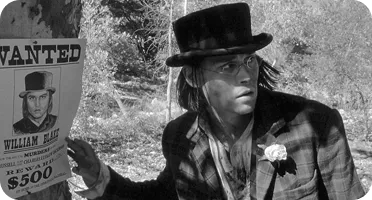
Reading is an important part of our lives, allowing us to gain new knowledge and expand our horizons. In today's world, where information is available in large quantities, the choice of reading materials becomes especially relevant. Whether you're interested in fiction, scientific research, or self-improvement articles, finding quality sources is important. Reading not only develops your thinking but also helps improve your communication skills. So, try to make time for reading every day, choosing topics that inspire and motivate you. This will help you not only learn something new but also achieve your personal and professional goals. My life is connected with cinema, especially black-and-white cinema. This unique artistic style not only shapes my perception of the world but also inspires new ideas. Black-and-white films have a special atmosphere that allows for a deeper understanding of the characters' emotions and feelings. They convey mood and create an impression unattainable in color. Black-and-white cinema remains relevant, captivating audiences and cinephiles alike. This art form continues to influence modern cinema, inspiring directors to experiment with visual style and narrative. Black and white cinema is not just aesthetics; it is a whole world that opens up new horizons for the perception of cinema.