In the previous article, we examined the concepts of zines, photobooks, and artist books. These formats represent unique ways of self-expression and dissemination. Zines, as independent publications, allow authors to share their ideas and creativity without the interference of traditional publishing houses. Photo books focus on visual storytelling, combining images and text to create a cohesive work of art. Artist books, on the other hand, are original works where graphics, text, and concept combine to convey the author's individual vision. These formats are becoming increasingly popular among artists and creatives, offering the opportunity to experiment with form and content.
In this article, we'll discuss how to choose an idea for a photo book. Defining a theme is a key step in the writing process and can significantly impact the success of your work. It's important to consider not only your interests but also the needs of your target audience. Ensure your idea is original and will capture readers' attention. Explore different genres and formats to find one that suits your style. Use personal experience and observations to create unique content. Don't forget the importance of developing a plot and characters that will make your book engaging and memorable. A well-chosen idea will become the foundation for the successful writing and publication of your original book.
What Makes a Book
A book is often based on a series of photographs, illustrations, and texts that explore a single theme in depth. This can be either a specific idea or a broader concept from which various connections and contexts emerge. This approach allows the reader to better understand and comprehend the chosen topic, creating a more complete picture of it.
Artists most often create original books based on several main categories. These projects can include visual art, poetry, photography, and case studies. Visual projects often combine illustrations and text, creating a unique artistic experience. Poetry books allow authors to experiment with form and content, while photo books emphasize visual storytelling. Thematic studies can cover various aspects of culture, society, and history, providing the reader with a deep understanding of the chosen topic. Each of these categories opens new horizons for creativity and self-expression, allowing artists to share their vision of the world through original books.
- The author's private story, the processing of personal experience.
- A broad theme revealed through particular phenomena and events.
- The study of space and the processes within it, urban studies.
- A research project that includes various mediums and texts.
- The author's photographic archive, its reinterpretation (catalog, album).
The meaning is not limited to categories; it lies in the author's request to the world and in his message. It's important to understand that the intersection of various aspects can enrich the perceptual experience, allowing for a deeper understanding of the author's intentions and their interaction with the surrounding reality.
Let's consider a few examples.
As part of her photo project "Branches," Katya Mukha captured 140 post offices located in various cities and villages across Russia. This project demonstrates the diversity and uniqueness of the country's postal infrastructure, reflecting its cultural and historical characteristics. The photographs capture both modern and traditional elements, allowing viewers to gain a deeper understanding of the role of the post office in the lives of Russian communities.
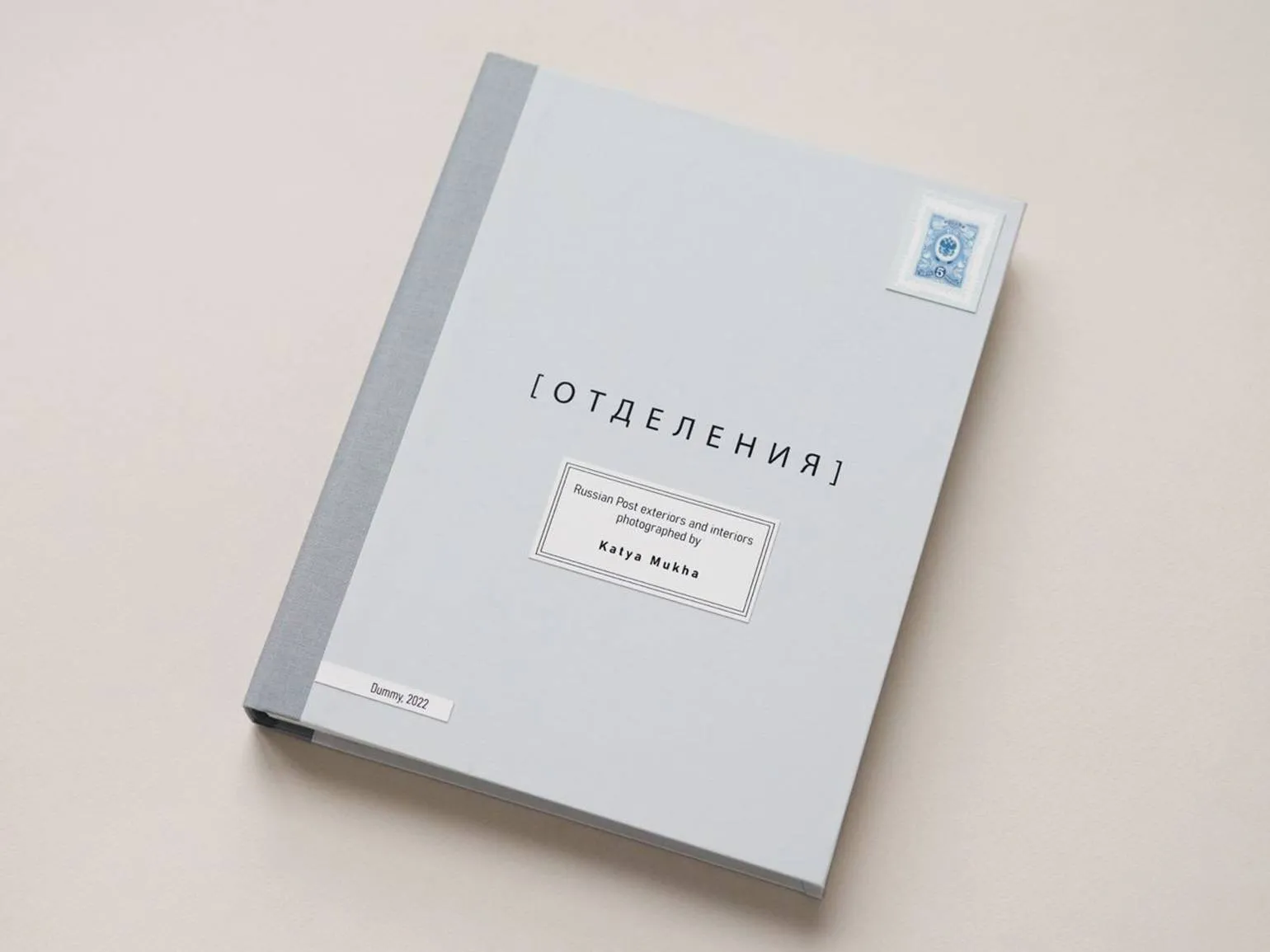
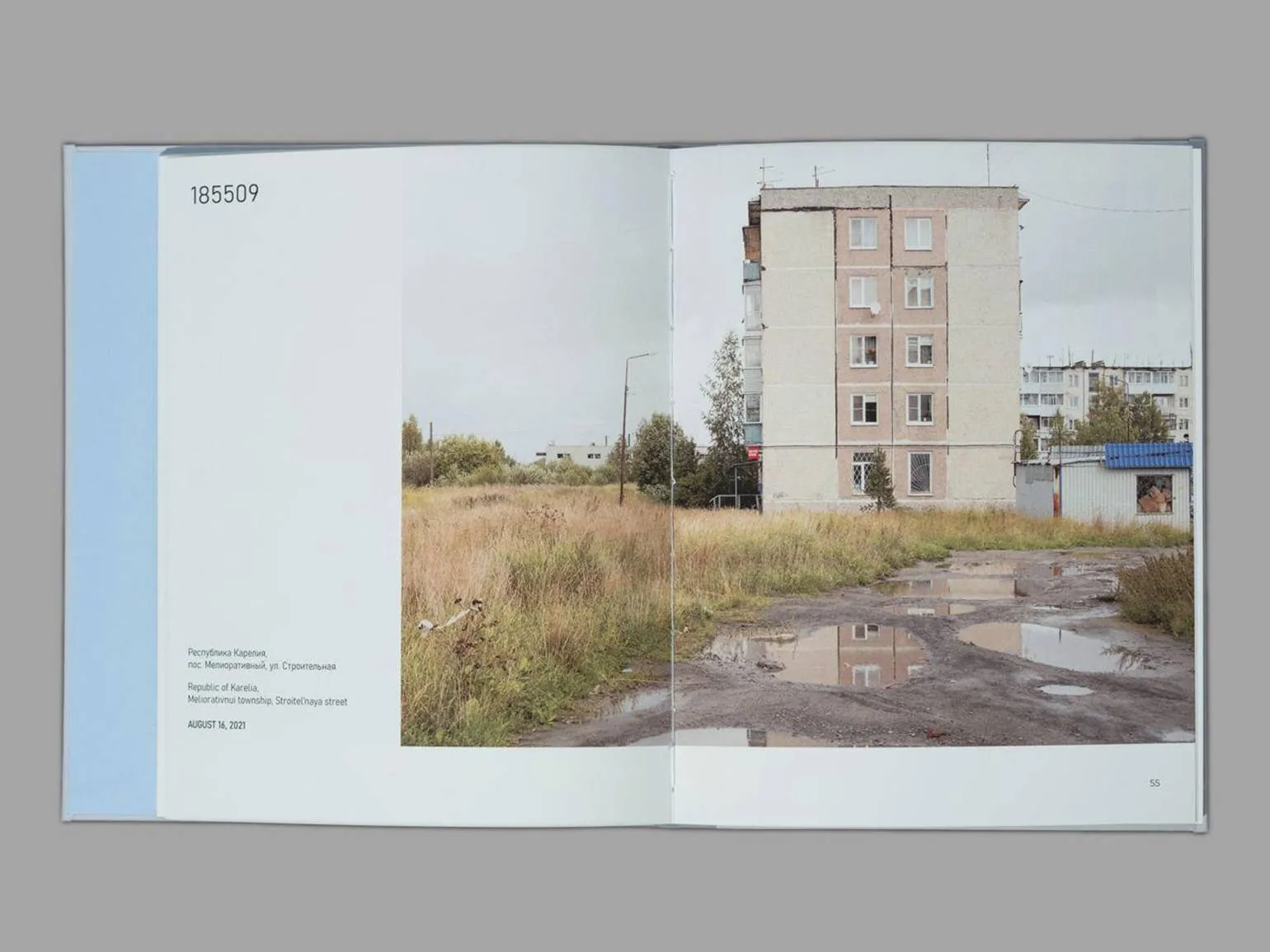
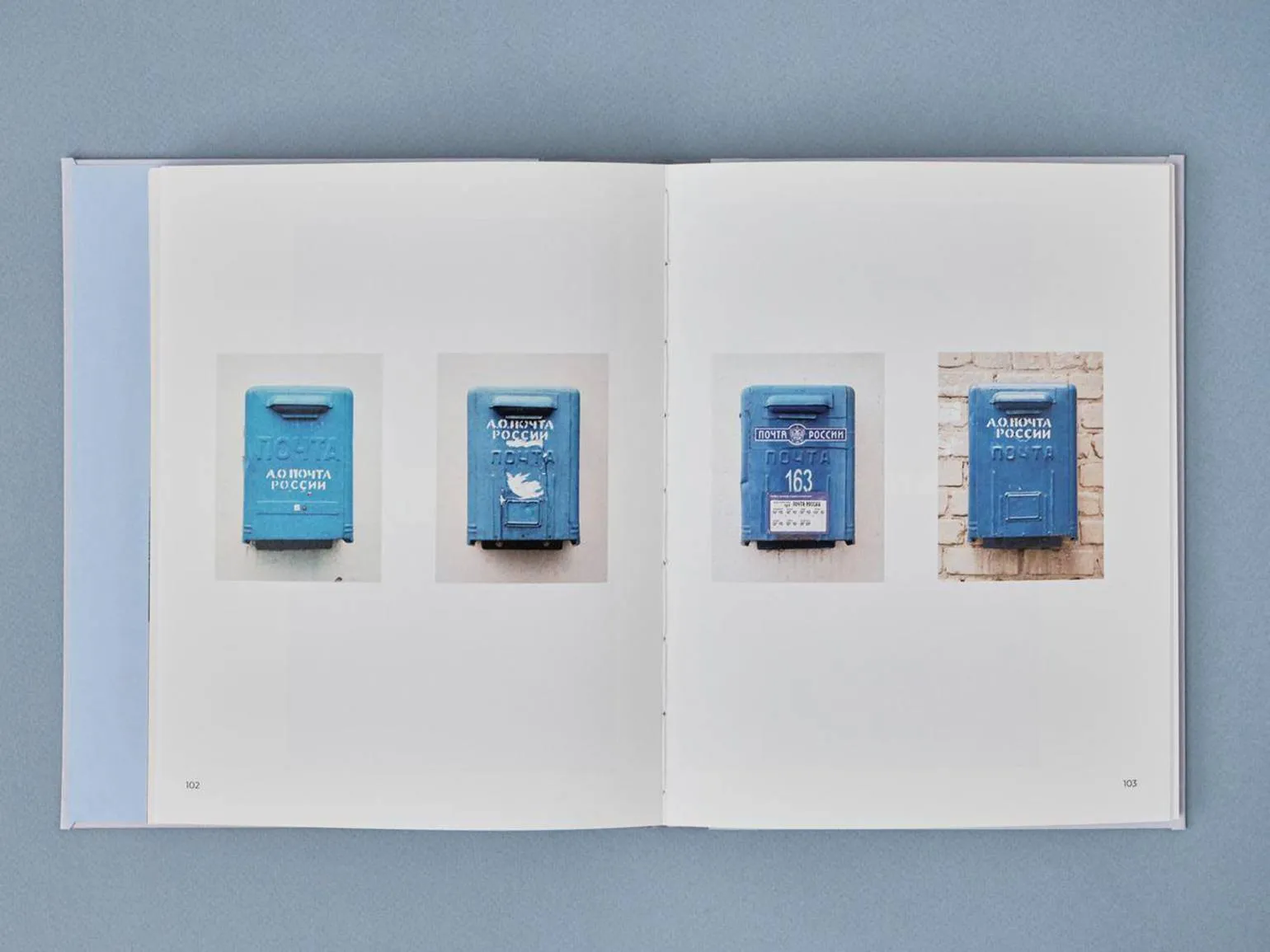
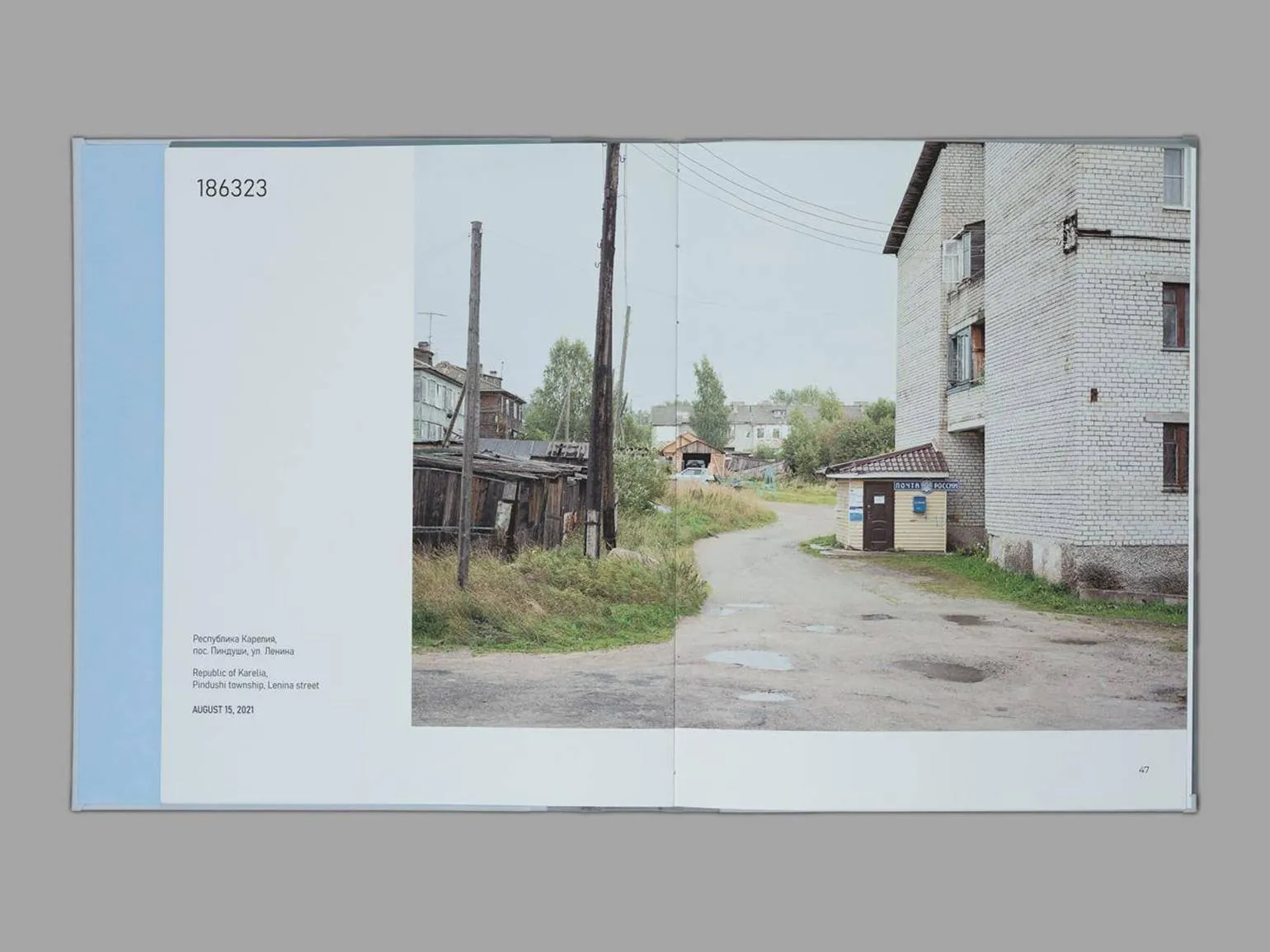
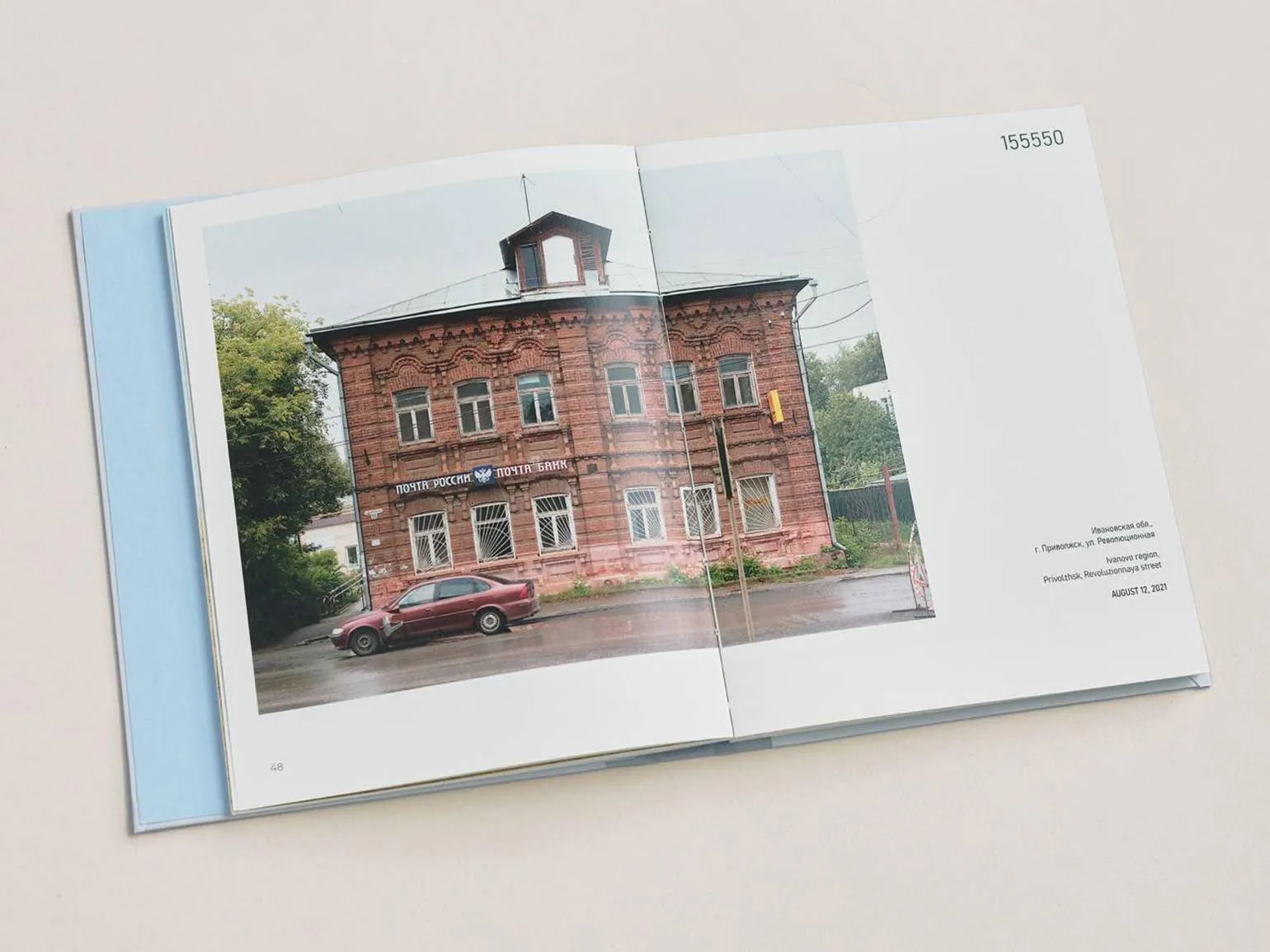
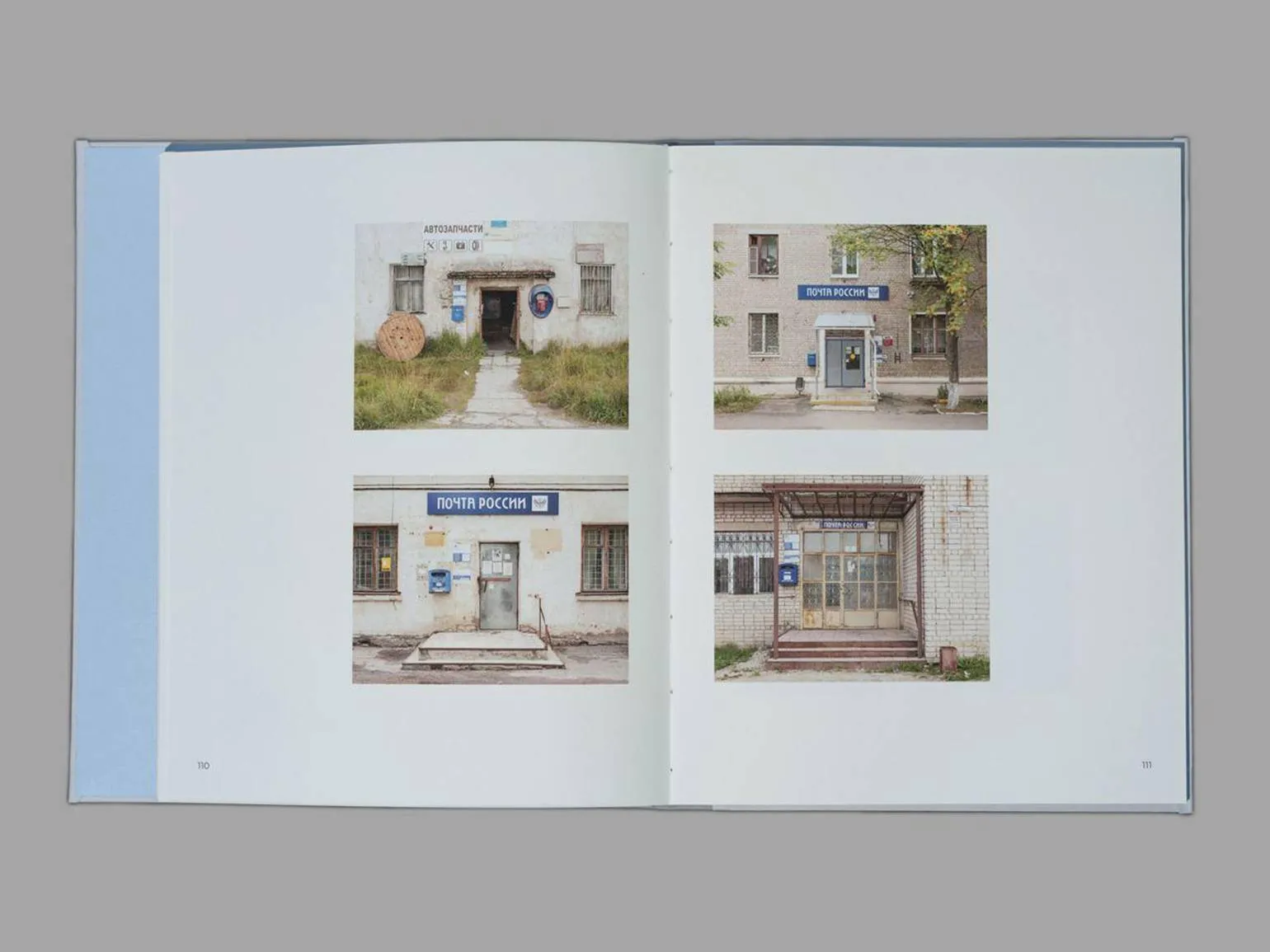
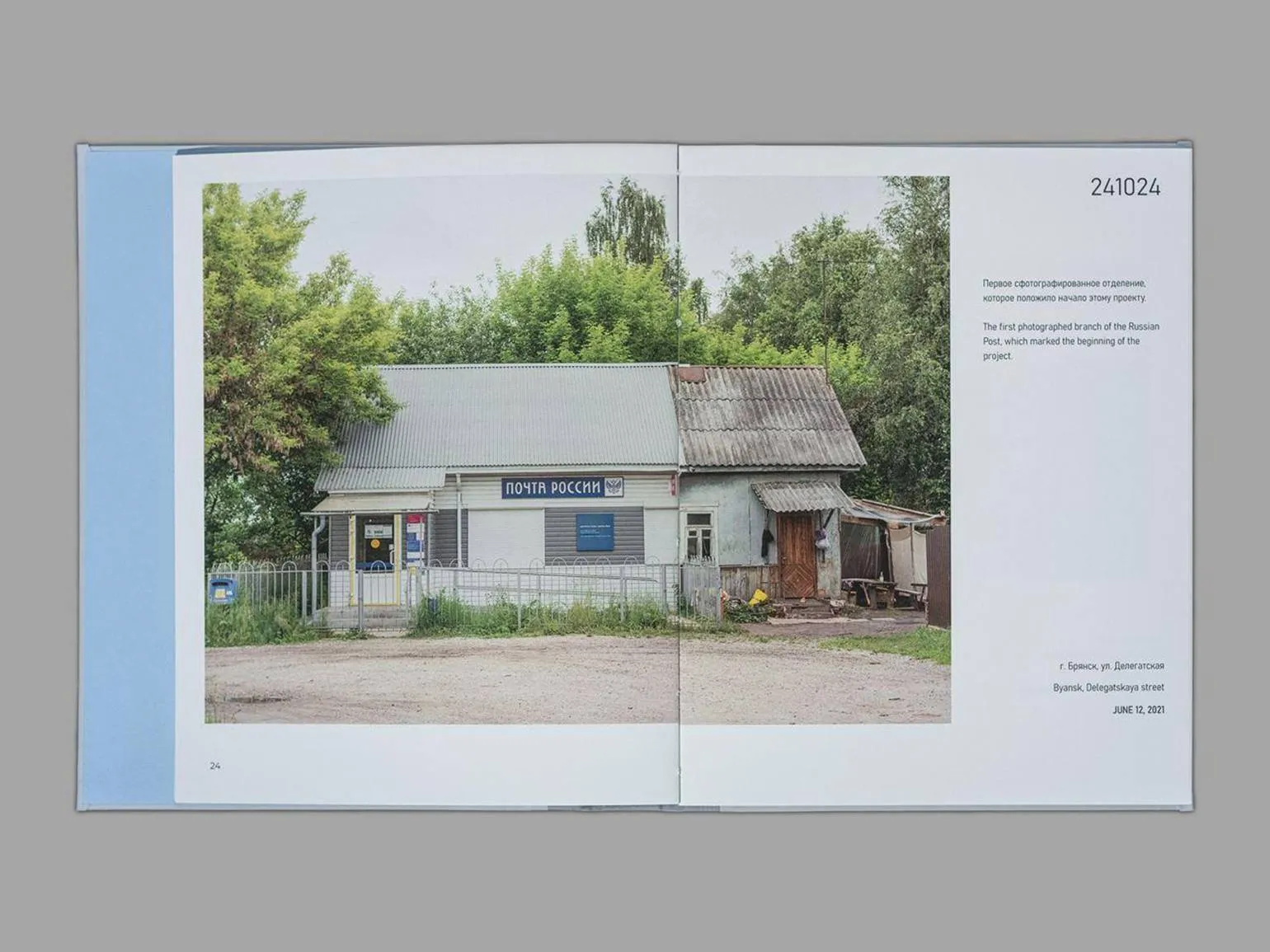
This documentary photo project explores the topology of post offices, which become central characters in a linear narrative. In a bookish interpretation, the project focuses on the fading of traditional forms of material communication. The photographs illustrate the connections between past and present, emphasizing the cultural significance of the postal service in the modern world. This project aims to provoke reflection on the transformation of communication and preserve the memory of the importance of physical interaction in the digital age.
Oleg Kolimbet's series "So Far, So Close: In Search of Bering Island" is based on the author's personal experience and represents a fascinating exploration. The book combines his father's archival photographs with Kolimbet's contemporary shots, creating a unique montage. Despite the intimate nature of the topic, the project raises universal questions about the workings of human memory and its mechanisms. This work not only reflects individual experience, but also invites the reader to reflect on the connection between the past and the present, and how memory shapes our perception of the world.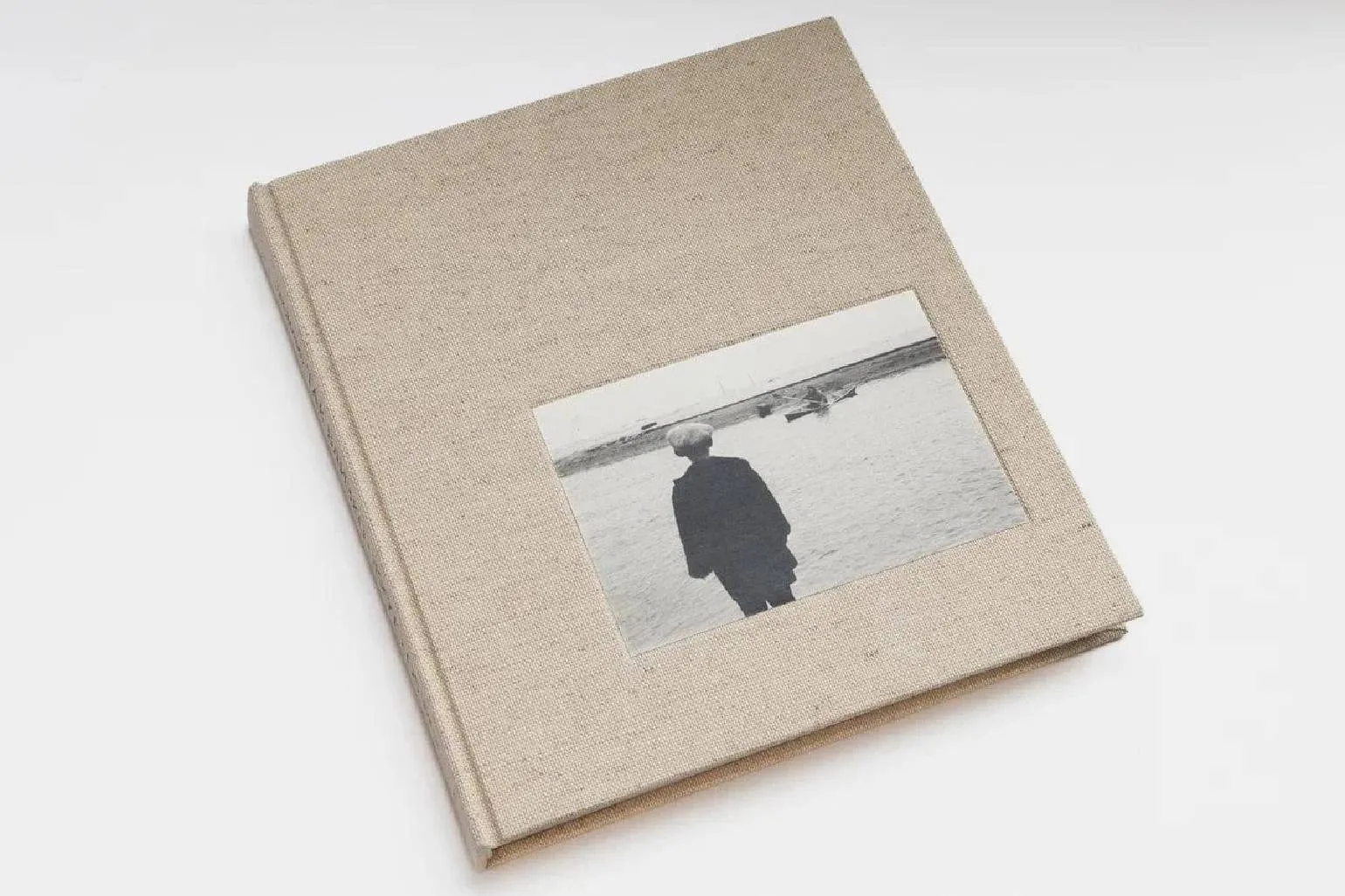
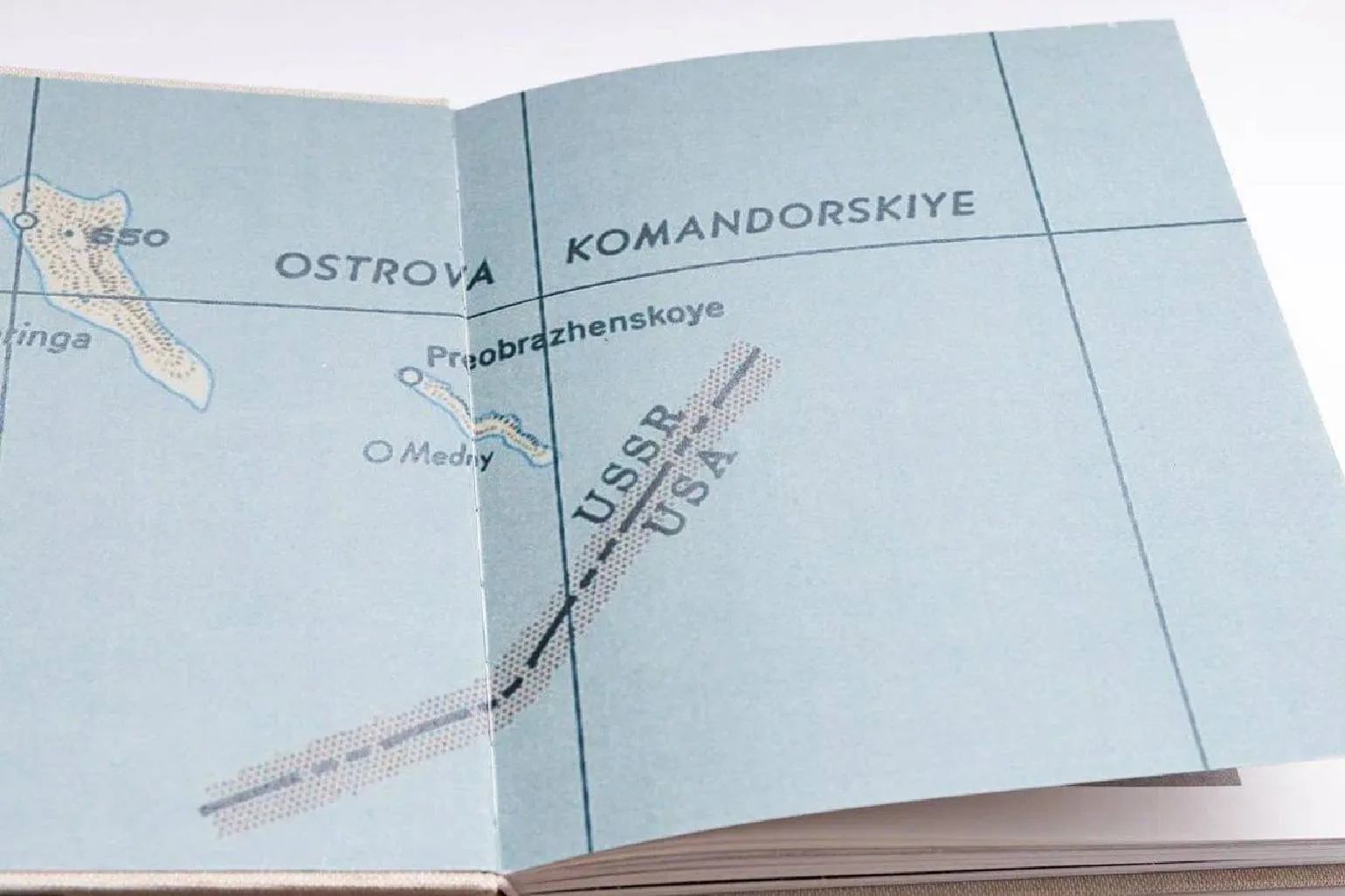
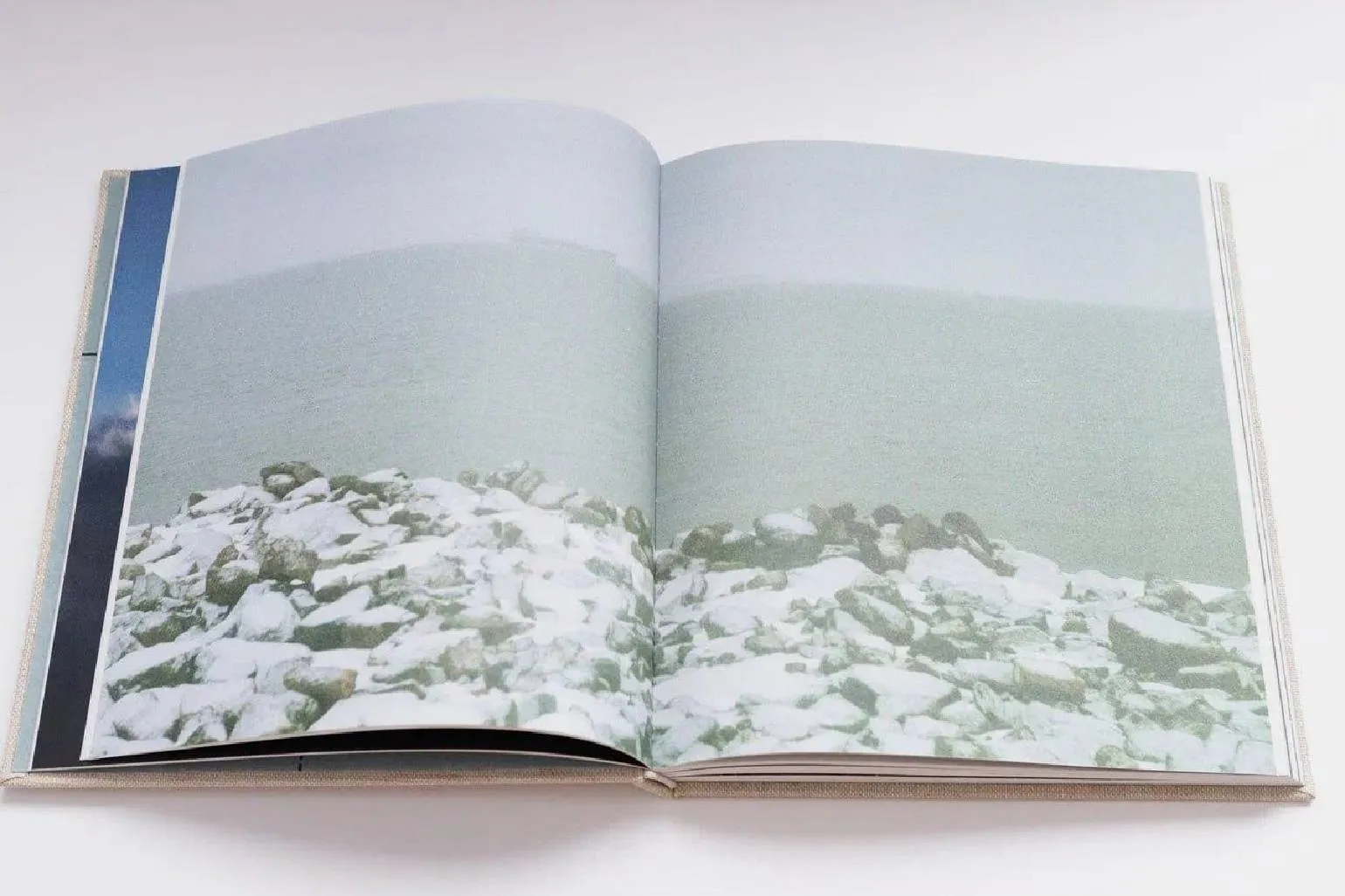
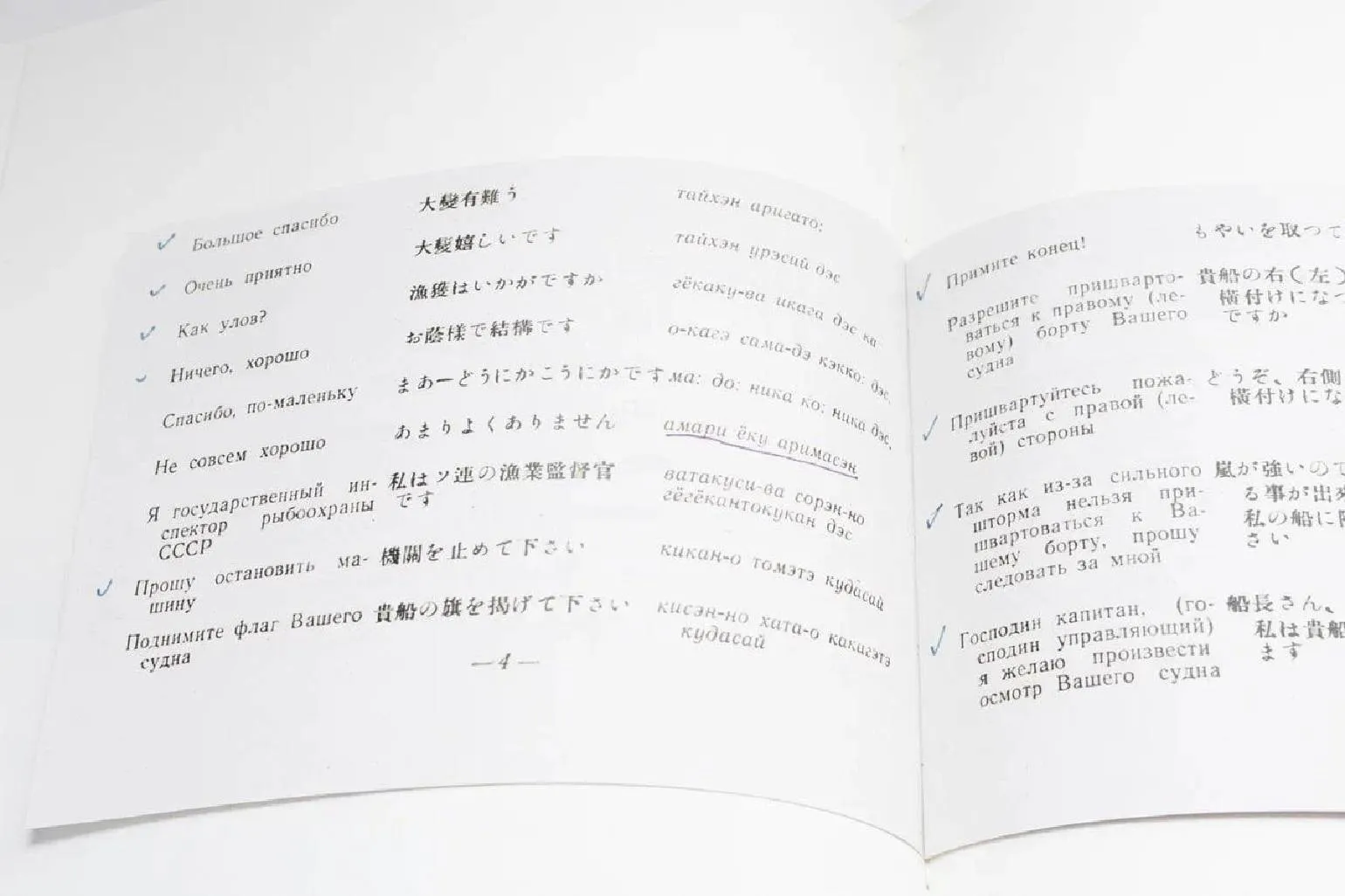
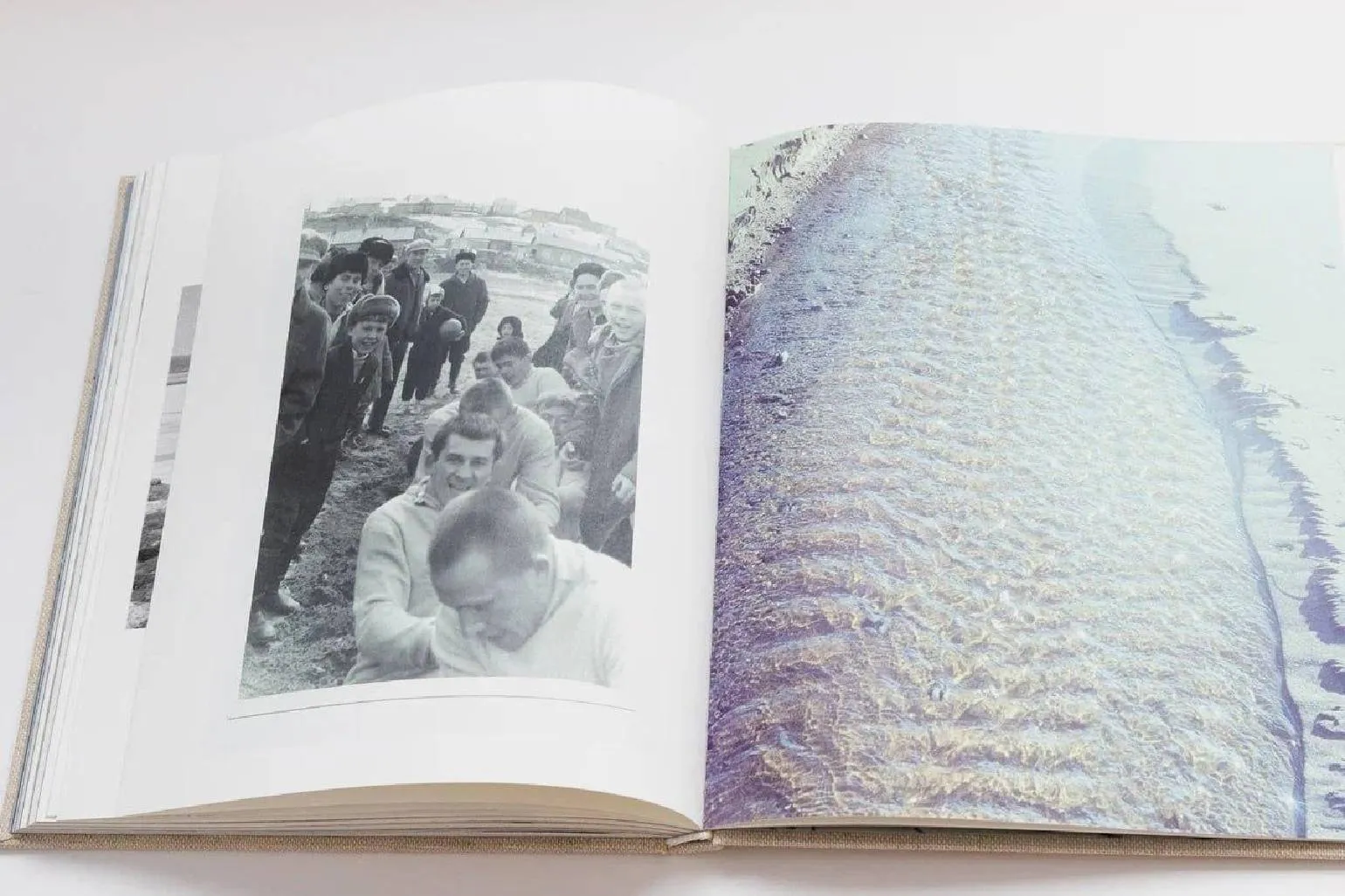
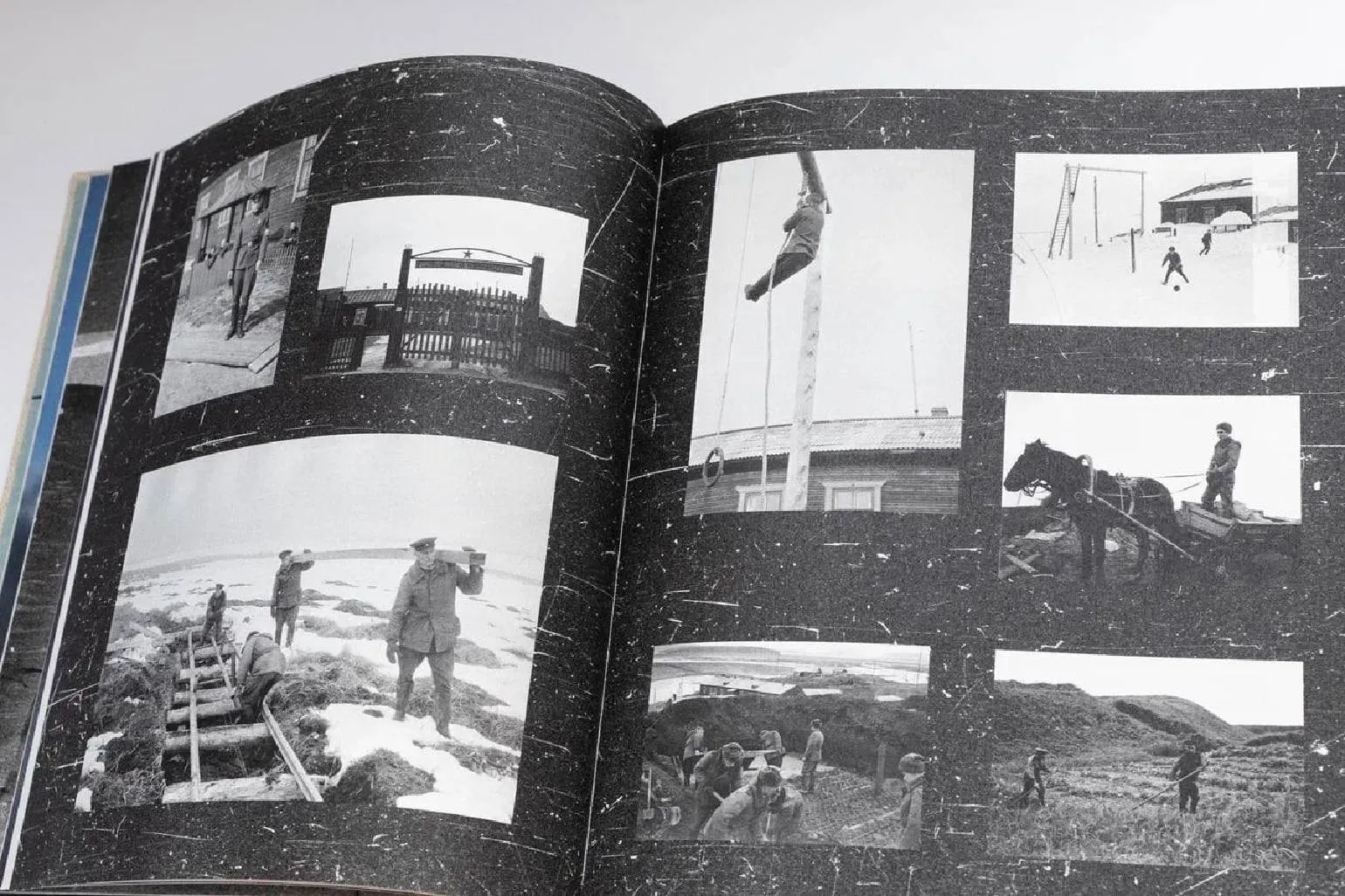
Despite their different visual presentations, both books offer a wealth of interpretive possibilities for personal and social experience, as well as memory and landscape. Each offers a unique perspective on these themes, allowing the reader to gain a deeper understanding of the interplay between individual perception and social contexts.
During workshops and courses on zines and books, we often see authors come to us with an already accumulated body of photographs taken over many years. They try to make sense of this material, which can sometimes prove challenging. Many photographers tend to categorize their images into traditional categories, such as color and black and white, landscape and city. However, it might be worth considering a broader approach to organizing and interpreting their work. Openness to new ideas and methods can lead to a deeper understanding of your own photographs and their significance.
To overcome creative block, it's helpful to start asking yourself questions. English: You can use the following questions as a starting point:
- In what time period was this filmed?
- What was happening to me during this time?
- Did I change?
- Where did this take place?
- Does the context of the place matter for understanding my work?
- What intersections are there between different shoots?
- What was I interested in at the time?
- How was I living?
- What was happening around me?
- What general world issues were relevant then? Did they affect me?
This will allow you to rethink the existing content and find a unique idea for writing your own book.
Subscribe to our Telegram channel "Behind the Curtain" to stay up to date with all the latest news and events. We share useful information and interesting materials that will help you stay on top of your interests. Don't miss the opportunity to receive fresh updates straight to your phone. Join our channel and stay up-to-date with the latest news!
How to Work with an Idea
A personal book offers opportunities for experimentation, where you can combine seemingly incompatible elements, and perhaps the idea will find its own expression. However, having certain skills will help you achieve much more than just creating a standard photo album. With a serious approach to working on a book, it can become a true work of art. If you are a budding artist and are just starting your first project, don't miss the opportunity to study various methods that will help develop your idea and make it unique.
Based on my experience, methods from management, art therapy, and other disciplines can effectively overcome creative block and reveal the internal motivation for implementing a project on a specific topic. These techniques not only help activate creative thinking but also structure the work process, which ultimately contributes to the successful completion of the plan.
One of the most effective methods I use is stream-of-consciousness or brainstorming. I recommend taking a piece of paper and starting to write down all your thoughts, interests, and concerns that arise in the moment. The key is not to stop or analyze during the writing stage; simply record everything that comes to mind. After completing this process, analyze what you have written. This will allow you to narrow down the topics worth exploring further. This way, you can identify ideas and topics that require deeper exploration. This method is excellent for generating content and identifying relevant questions worth exploring.
The second method I regularly use is creating mind maps. A mind map helps organize ideas and better organize information. You can create such a map manually on a piece of paper or use specialized online platforms, such as Miro, which offer convenient tools for visualizing your thoughts. This approach significantly improves comprehension and retention of information, and also promotes creative thinking.
Start by identifying a keyword that will become the basis of your topic. Then, using the association method, create a list of related keywords. From this list, identify narrower and more specific subtopics. Experiment with word combinations to deepen the concept of your project. This will help you better structure your ideas and create more meaningful and focused research.
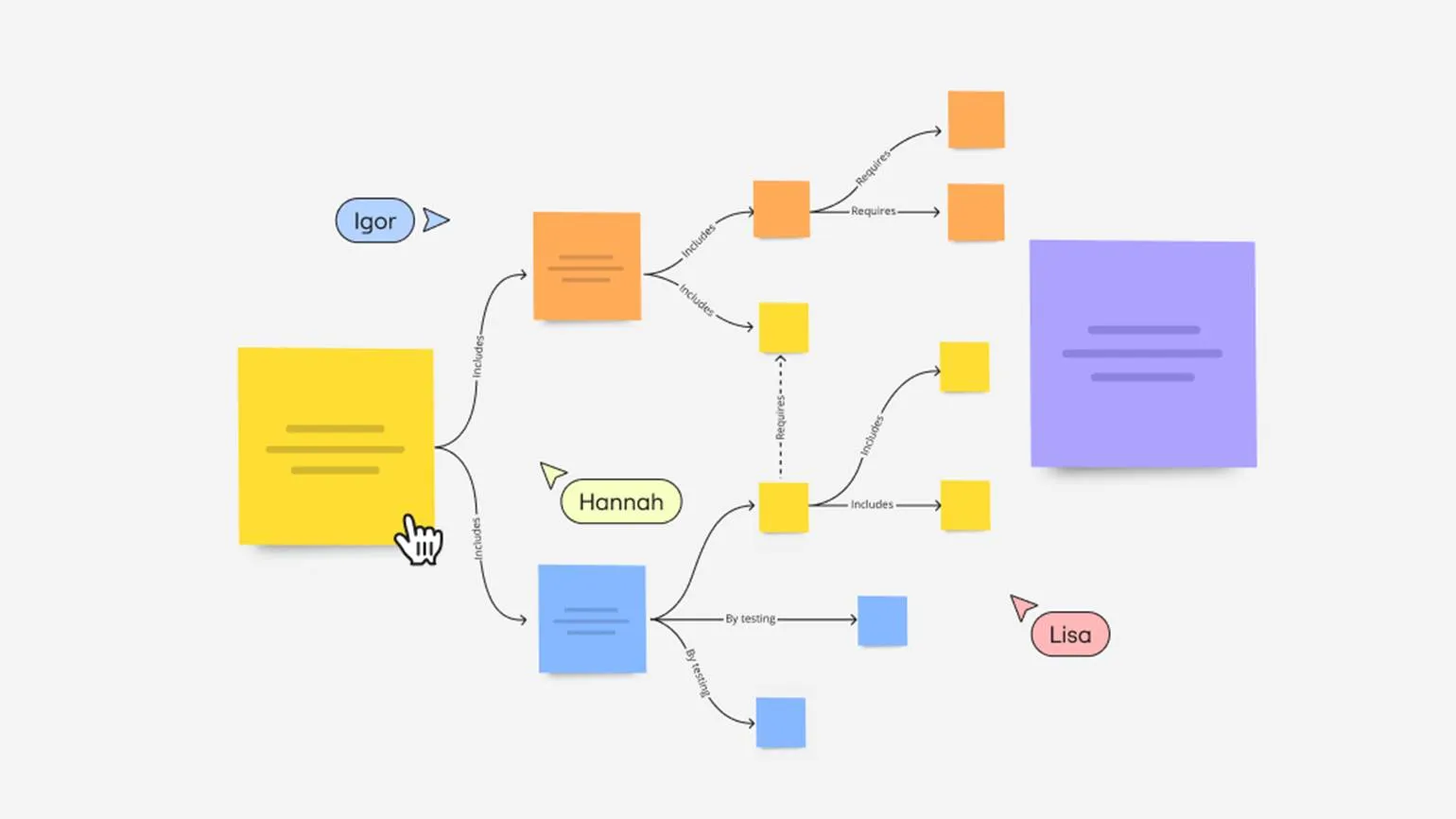
Even if your idea is not yet fully formed, create a simple prototype of the project to evaluate its functionality in practice. This will allow you to understand what works and what doesn't, as well as determine the next steps in developing your idea. Regularly review your concept, make any necessary changes, and set aside time to refine it. This approach will help you uncover the essence of your project more deeply and increase its chances of success.
Methods for working with ideas are included in a broader field known as artistic research. In this field, artists use scientific methods to analyze and study their artistic projects. Unlike traditional scientific research, artistic research emphasizes art as a process of exploration and experimentation. Artists view their practices as exploratory processes in which they move nonlinearly, striving to deepen their art and enrich it with a theoretical foundation. This allows them not only to create original works but also to develop new approaches to the perception of art and its role in society.
If you're lacking ideas, pay attention to the reality around you. Explore what surrounds you: what people, objects, and events are around you. Personal stories often intersect and can be combined into a unified whole. Use this experience to inspire and generate new ideas.
If you have a lot of ideas but don't know where to start, I recommend using the small steps method of time management. Start by defining one large task, then break it down into smaller steps. Create a plan and follow it consistently. This approach will help you avoid creative chaos and simplify the process of creating a book, which requires high concentration and the ability to multitask. Using this method, you can become more organized and bring your projects to completion.
How to learn to come up with ideas?
An idea can arise spontaneously or form in your mind over a long period of time. To improve your ability to generate ideas, it is worth paying attention to several important aspects. First, regularly practice creative thinking using brainstorming and association techniques. Second, surround yourself with inspiring people and resources that stimulate your imagination. Third, don't be afraid to experiment and try new approaches, as this can lead to unexpected and unique solutions. Finally, it's important to allow yourself time to reflect and rest, as a fresh perspective can help uncover new ideas and perspectives. Developing these skills can significantly enhance your creativity and ability to generate original ideas. It's crucial for an artist to constantly explore their relationship to the world around them and develop a personal positioning. This is an active process that facilitates the rapid generation of ideas for artistic projects. Understanding your place in the world allows you to find inspiration and create unique works that reflect the artist's inner world and their perception of reality.
If you are a photographer and want to deepen your knowledge, studying photographic theory will be an essential part of your development. Understanding the basics of photography will help you see it not only as a means of self-expression but also as an art form that requires knowledge of technical and aesthetic aspects. By mastering theory, you will be able to go beyond conventional frameworks and learn to use photographs as a powerful tool for conveying emotions and ideas.
Key Authors: Susan Sontag, Roland Barthes, Rosalind Krauss, Elena Petrovskaya, and Boris Groys have played a significant role in the development of contemporary art and theory. Their works explore the complex relationships between text, image, and cultural context, making their contributions invaluable to the study of contemporary art. Susan Sontag, known for her essays on photography and cultural criticism, brought new ideas about the perception of visual images. Roland Barthes, with his concept of the "death of the author," rethought the approach to the interpretation of texts and their relationship to cultural contexts. Rosalind Krauss draws attention to the relevance of media and the interaction of various artistic forms. Elena Petrovskaya explores the influence of Russian culture on contemporary art, and Boris Groys analyzes the intersection of philosophy and art. These authors form the foundations of contemporary thinking in the field of art and its theoretical understanding, making their works relevant and important for further study.
To deepen your knowledge of art and photography, it is worth turning to various sources that will help broaden your understanding of these topics. Studying art history, various artistic movements and styles, and photographic techniques can significantly enrich your experience. Furthermore, familiarizing yourself with the works of renowned artists and photographers will allow you to better understand the context and development of these disciplines. It is also recommended to analyze critical articles and studies that highlight new trends and approaches in art and photography. This will not only help you master the theory but also inspire you to create your own work.
- Online platform "Projection"
- "Art Magazine"
- Spectate webzine
- E-Flux publishing platform
To form ideas and deeply perceive art, it is important to develop a keen eye for detail in your practice. Photographers need to study how contemporary artists convey their thoughts and concepts. In this context, it is useful to refer to specialized books, magazines, and online resources for photo competitions. It is also recommended to visit galleries, exhibitions, and festivals to expand your understanding of art and be inspired by new approaches.
Photography magazines and specialized publications are a unique way of capturing and conveying visual stories. They serve as a platform for photographers, artists, and writers, allowing them to share their work and ideas with a wide audience. It's important to note that photo magazines can be both print and digital, which expands their accessibility and reach. These publications often include not only photographs but also articles, interviews, and analytical materials, making them multifaceted and engaging for readers. Photo magazines contribute to the development of visual culture and inspire people to create their own projects. Choosing a quality photography magazine can enrich your appreciation of art and photography by providing new ideas and perspectives.
- PhMuseum
- Der Grief
- Phases Magazine
- Yogurt Magazine
- Grandmama’s Print
- Zerofeedback
- 1000 words
- Photoworks
- Futures
A comprehensive directory of photo galleries.
Photography Festivals and Fairs: A Complete Guide
Photography festivals and fairs provide a unique opportunity for photographers, both beginners and professionals, to showcase their work, exchange experiences, and be inspired by the creativity of others. These events attract art enthusiasts, providing a platform for discussing current photography topics and emerging trends.
Festivals and fairs feature a variety of exhibitions, workshops, and lectures, making them a great place to learn and develop skills. Participants get the chance to network with experts, learn about the latest technologies and trends, and expand their network.
Photography festivals and fairs include both international and local events held in different parts of the world. Participating in such events not only enriches your professional experience but also helps you establish connections with colleagues in the industry, which can be useful for future projects.
Stay tuned and don't miss the opportunity to participate in upcoming photography festivals and fairs to expand your horizons and immerse yourself in the world of art.
When creating your own book, it is crucial to study other photo series that have been released as books. We recommend looking at photobook flip charts to better understand how the materials are assembled and laid out. Useful resources on this topic can be found in our previous article. This will not only help you find inspiration but also master design techniques that will make your book more attractive and professional.
In the next section, we'll discuss how to begin the physical implementation of your book project. We'll cover the key steps needed to successfully bring your idea to life, including preparing, printing, and distributing your book.
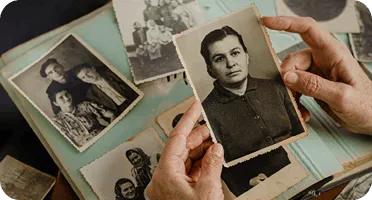
Please note the following:
Photo storage is an important aspect that allows you to preserve your memories for a long time. To effectively store photos, it is worth considering several key points. First, choose reliable storage media, such as external hard drives or cloud services, that keep your data secure. Second, organize your photos by category or event to make them easier to find in the future.
It's also recommended to create regular backups to avoid data loss due to hardware failure or other unforeseen events. Use metadata to add information about your photos, which will help with future sorting and searching.
Don't forget about the storage format: JPEG and PNG are popular formats, but TIFF is better for archiving, as it doesn't lose quality. Storing your photos properly will not only protect your memories but also ensure they are accessible at any time.
Photographer Profession
You will learn how to take professional photos from scratch. You will learn how to organize shoots, process frames, manage models and a team. Find your style, build an impressive portfolio, and start making money doing what you love.
Find out more