Contents:
- "A man filmed his own cacti and those of his friends"
- "An archive worth one and a half million and deputies on TV"
- "In the days when there was no Netflix and Okko, they got out a slide projector"
- "People in Soviet portraits are tense"
- "The happy granny who found a big mushroom"
- "Slides are a part of culture that is little studied"
Documentary photographer and researcher of Soviet private photography, Mikhail, argues that good color reveals unique aspects of the world that cannot be seen anywhere else. He is the owner of an extensive archive of 80,000 slides used at home for projection through a projector. A small portion of this collectible material has already been scanned and is available online under the name "Skvoz." This collection allows modern viewers to immerse themselves in the atmosphere of the past and see rare moments in the lives of Soviet families.
Skvoz is a project dedicated to the collection, research, and popularization of private slide photography created in the Soviet Union. Our goal is to preserve unique visual evidence of the history and culture of that time, making them accessible to a wide audience. We strive not only to collect but also to analyze these photographs to better understand their meaning and impact on modern society.
A slide, or transparency, is a positive image, usually in color, that can be viewed by shining light through it. Slides can be used in overhead projectors or overhead projectors, or they can be viewed against the light. This image format is ideal for presentations, educational purposes, and art exhibitions, providing vivid and detailed color reproduction. Transparencies remain popular due to their ability to convey visual information with high clarity and saturation.
A slide is a physical object, an image on transparency film. It is usually housed in a plastic or cardboard frame. This frame provides convenience when used with an overhead projector or overhead projector and also simplifies slide organization. Slides are an essential element of visual presentation and archiving, allowing us to preserve and share memories.
The "Skvoz" Project is a unique concept aimed at exploring various aspects of human existence and interaction with the world around us. The project's primary goal is to create a space for discussion and exchange of experiences, where participants can share their views, ideas, and feelings. The project covers topics such as personal growth, social connections, and cultural differences, allowing for a deeper understanding of our commonalities and individuality.
Through a variety of formats, including workshops, lectures, and open discussions, "Skvoz" strives to bring together people with different life stories and perspectives. We believe that it is through the exchange of opinions and experiences that we can find new approaches to solving pressing issues and problems facing people in the modern world.
"Skvoz" not only creates a platform for communication but also promotes the development of critical thinking and emotional intelligence, which is essential in a rapidly changing society. Participants in the project can not only expand their horizons but also strengthen their skills in interaction and self-expression. Join the "Through" project and discover a world of new possibilities and perspectives.
We discussed with Mikhail the importance of studying old photographs and how they reflect a sense of freedom. Old photographs not only preserve history but also allow us to deeply understand the cultural and social contexts of the past. They can inspire new ideas and shape our perception of the present. Freeing ourselves from the stereotypes and biases captured in these photographs opens up possibilities for analysis and interpretation, making them a valuable resource for researchers and art lovers.
"The man photographed his cacti and those of his friends"
Mikhail, what prompted you to choose slides for collecting? Archives of negatives and glass photographs also have their own unique appeal and interest.
I've been collecting black-and-white amateur Soviet photography for many years. This era is close to my heart, although I only experienced it as a child. My passion for Soviet photography is based on the uniqueness and expressiveness of the images that captured moments of life at that time. Each photograph is not just an image, but also a testimony to the history, culture, and everyday life of the people of that era.
I avoid collecting film, as it's always a risk—you never know what you'll find inside. My black-and-white archive primarily consists of individual prints that piqued my interest. I also have a few glass negatives, but they are much more difficult to handle: they are more expensive, the glass is fragile, and they require special care for storage. Storing such negatives requires care to avoid damage and keep them in perfect condition for future use.
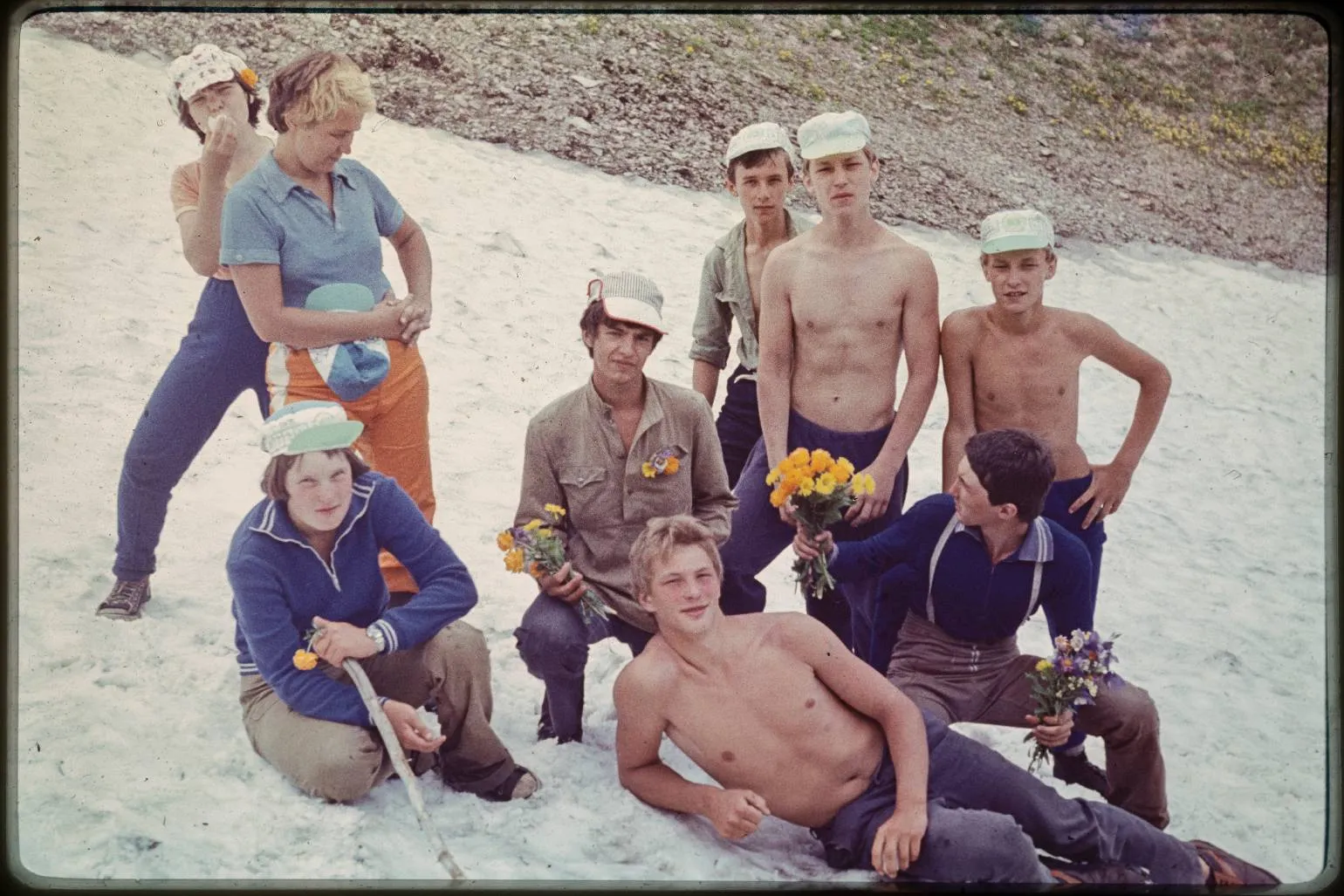
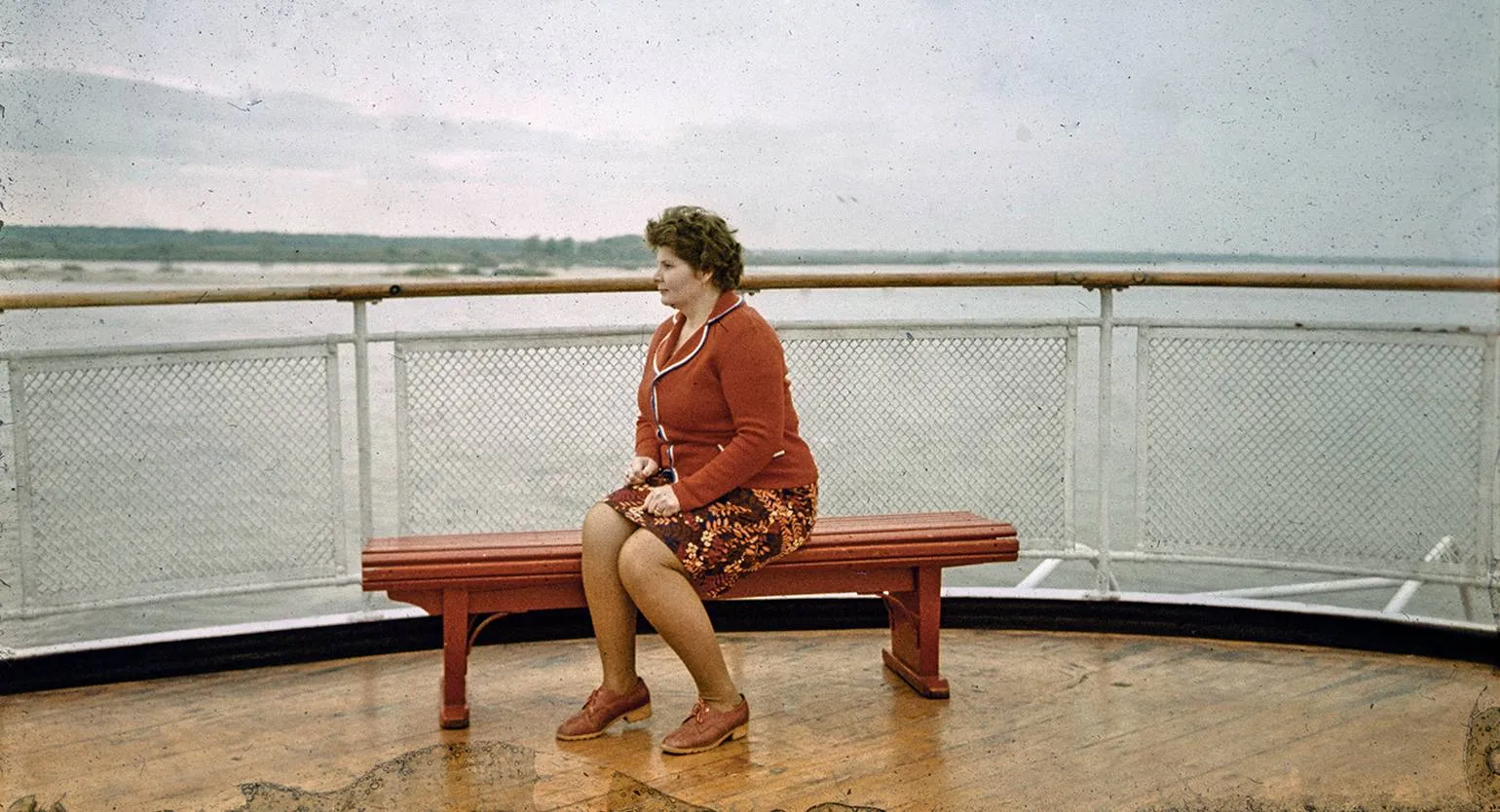
A year before the pandemic, I came across an archive of slides capturing a trip to Africa. These photos likely belonged to a diplomat. At the time, I was discussing with a friend that finding slide archives is quite difficult these days. It soon became obvious why: the slides were highly prized and were mostly sold in large cities. Therefore, slides were most often created by people of high social status, such as diplomats or high-ranking officials. This conversation inspired me to think about the joy of collecting slides and preserving unique memories. Slides can be a valuable source of historical information and visual evidence worth studying and preserving.
People of my generation often have vivid memories associated with photography—stories of how our parents used their cameras, such as a Zenit. Over fifteen years spent in the world of photography, I've heard many such stories. I have my own story, although it didn't have a significant impact on me. However, I clearly remember moments from my childhood associated with slides. My father had only a few boxes of them, and I especially remember reshooting posters for foreign rock bands. At the age of eight, I repeatedly looked at these slides with images of Kiss and Scorpions. It was a real revelation for me—I couldn't understand how someone could be so talented. These memories of music and photography remained forever etched in my memory and inspired me to further explore the art of photography.
My professional interest intersected with childhood memories.
The idea of collecting slides arose, but things didn't progress beyond a single box. By 2019, I had already gained considerable experience in searching. Watching colleagues like Artur Bondar and other outstanding collectors and researchers with impressive archives, I felt a healthy envy.
Later, I came across a second archive, which I dubbed the "creepy meme archive." It contained a whole thousand slides, and I expected something exciting. However, it turned out to be just a collection of cacti. The man had captured his own cacti and his friends' plants. At first I was disappointed, but soon realized that this was an unusual and interesting experience that should be taken with an open mind.
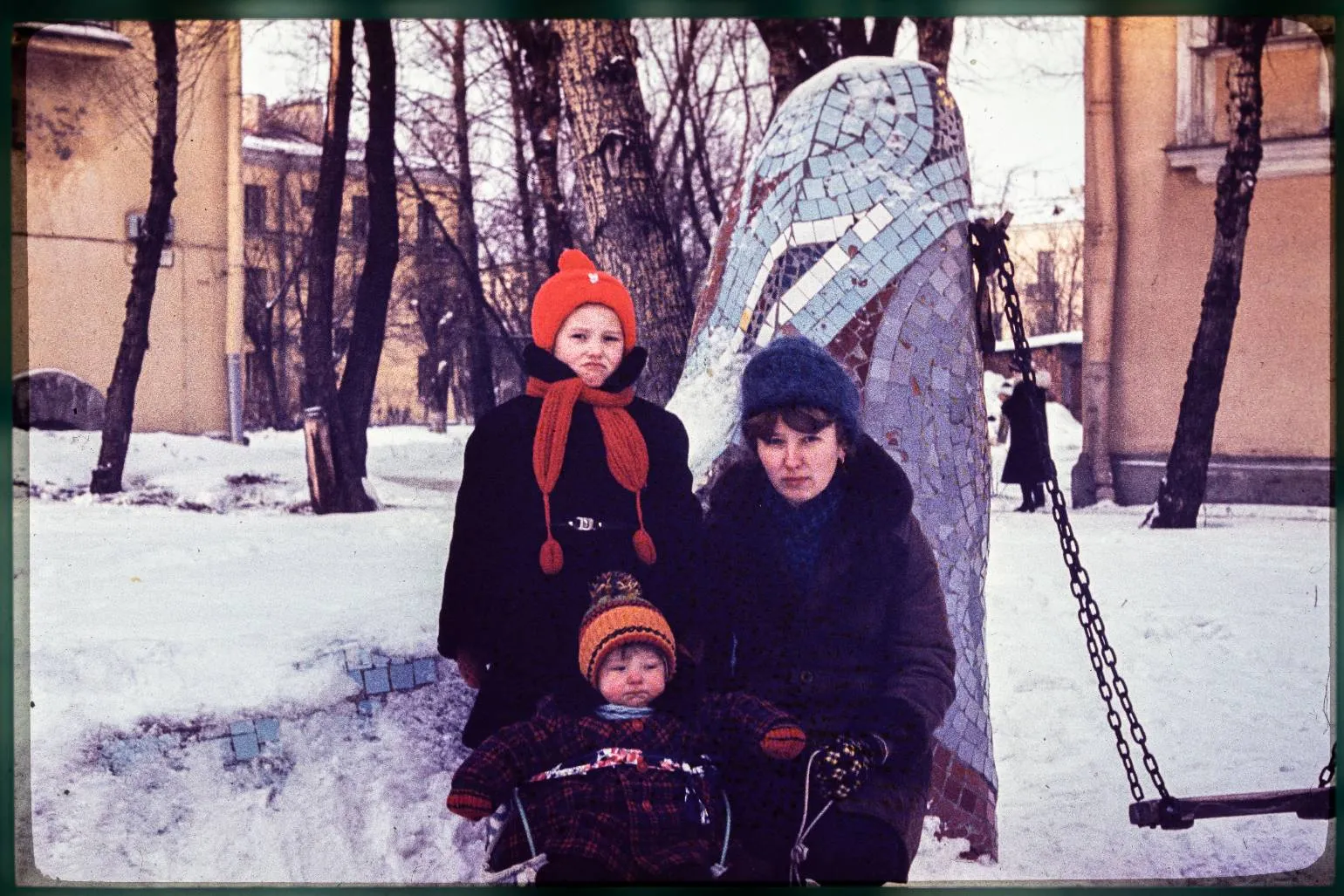
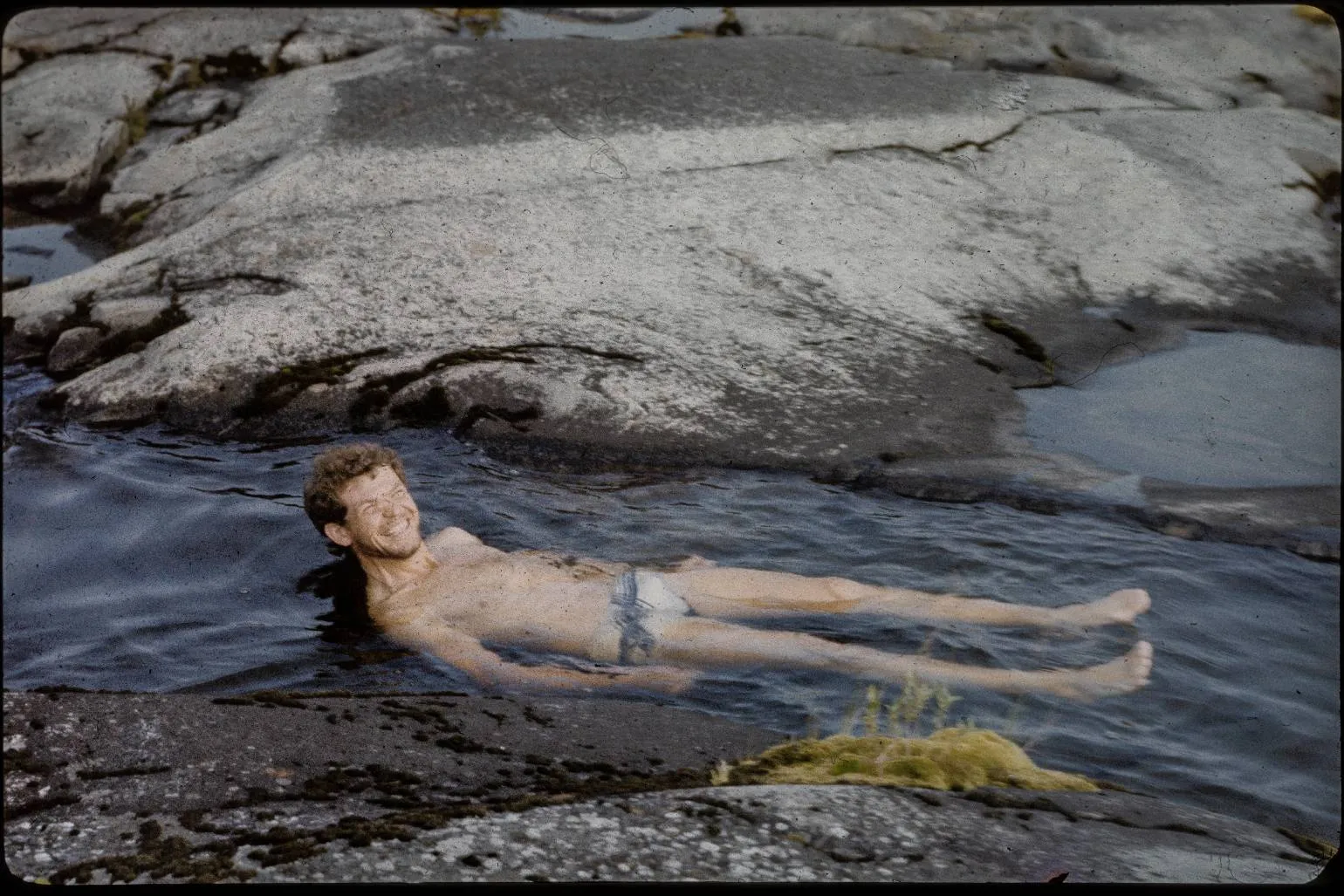
I realized that it is possible to find extensive archives with slides, and soon I came across a third archive concerning shipping in the Far East. This archive turned out to be quite interesting, and I was able to establish its authorship. Although I had not yet completed a full scan, only a brief examination of the materials, this convinced me of the importance of working with slides, and I began a targeted search.
An archive worth one and a half million and deputies on TV
The process is as follows. First, there is initiation, followed by the collection of the necessary data. Then, the obtained information is analyzed, which allows us to identify key aspects. Based on the analysis, recommendations and strategies for achieving the set goals are developed. Finally, the proposed solutions are implemented and their effectiveness is monitored. Thus, the cycle is closed, ensuring continuous improvement of the process.
Working at flea markets in different cities is a real find for collectors and lovers of unique things. On a recent trip to Tbilisi, I discovered an interesting archive of five hundred slides at a tourist flea market. In addition to physical searching, I also actively use online platforms for trading and exchange. Some people directly offer me their archives, which expands my opportunities to search for rare and valuable items. This combination of traditional and modern searching methods allows me to find unique things and support an interesting hobby.
The collection you have already assembled is stored in a safe and secure place. We take care of the safety of your data, ensuring access only to authorized users. This ensures that your collection is protected from unauthorized access and loss. We use modern storage and backup technologies to ensure that your collection always remains accessible and up-to-date. You can rest assured that your materials are in good hands.
Most of my house is taken up by the collection, and I am already feeling uncomfortable with its volume. I have even started counting the archives in cubic meters, as they take up a significant amount of space.
I am gradually digitizing the archive, but I am faced with the question: what to do with the scanned slides, especially those that do not evoke particular emotion? I feel sorry to throw them away, but there is not enough storage space. Finding the optimal solution for preserving such materials is important. Consider creating a digital album where you can collect all your slides, even those that are less significant. This will preserve memories without cluttering your physical space. Additionally, you can use cloud services to store and organize archival materials for easy access at any time. Digitizing an archive is a complex and labor-intensive process that requires a careful approach and professional skills. The initial stage involves assessing the condition of the archival materials to determine the methods and technologies necessary for their digitization. Documents or photographs are then scanned using specialized equipment, ensuring high image quality. This is followed by digital file processing, including image correction and data organization for easy access. Importantly, digitizing an archive not only preserves information but also makes it accessible for future use and research. Proper digitization of archival materials contributes to their preservation and increases their accessibility to a wider audience.
I scan images with a camera, using a reproduction system that includes a mirrorless camera and other devices. The slide is placed on a reflective material, and the light source is positioned below. While working, I have a rather unusual appearance: I wear white gloves and sunglasses, as high-powered lighting is required for high-quality reproduction.
Using a scanner to digitize all the documents would be incredibly time-consuming. It would likely take me several lifetimes to complete the process. To complete the task effectively, I would need to purchase several scanners and engage a team of ten people, which would require months of intensive work.
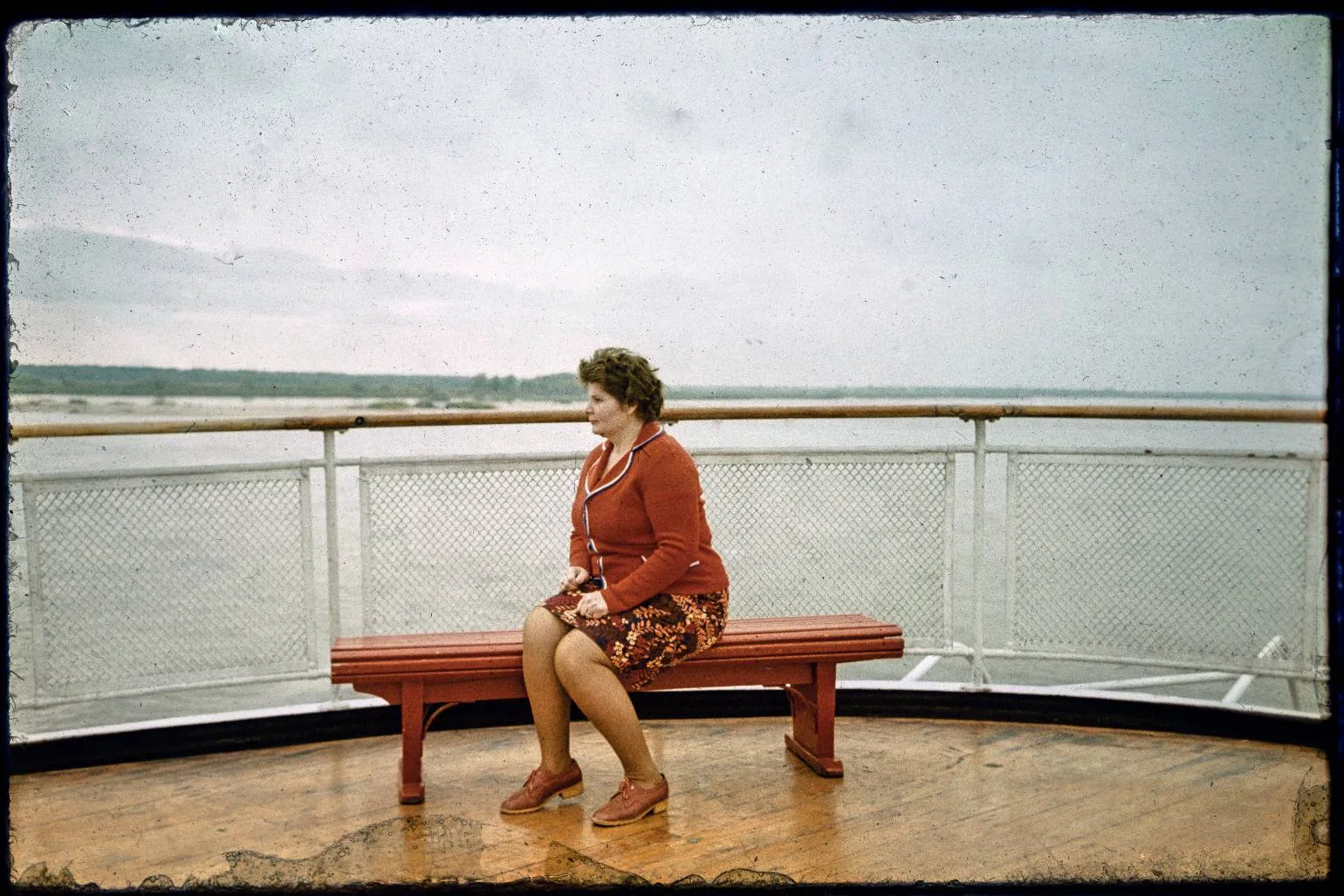
Reproduction ensures high image quality, fast processing, and ease of use, since the output is a full-fledged RAW file. This allows you to effectively edit photos in Lightroom, which significantly reduces processing time. A single shot takes only fifteen seconds, but significant time is spent preparing the room and removing unnecessary objects. I plan to optimize this process and involve other people in it. I am currently finishing writing the shooting instructions and hope to launch in August.
The price of a slide archive can vary depending on several factors. Firstly, the size of the archive is an important aspect: the larger the number of slides, the higher the cost. Secondly, the quality of the images also plays a significant role. Professionally scanned and processed slides are usually more expensive than regular ones. A third factor is the uniqueness of the content: exclusive or rare slides can fetch a significantly higher price. It is also worth considering the provider's reputation and their experience in the market. Ultimately, the price of a slide archive is based on these factors, which makes each archive unique in its price.
The price of archives starts at zero, as some users are willing to provide them for free. In the last two weeks, three people have offered to provide me with archives: someone gave them in full, and someone only offered to scan them. This solution is convenient because it avoids storage issues.
Regarding the upper price range for archives, one of the most surprising offers I encountered came from a woman in St. Petersburg. She valued her relative's archive, containing approximately 5,000-7,000 photographs, at one and a half million rubles. This offer surprised me, since although the archive is not bad, the author was not an outstanding photographer. As of now, the archive has not been sold. Nevertheless, I periodically call her and maintain sluggish negotiations.
There are high-quality archives that cannot be sold for five years due to the inflated price. At the same time, you can find more affordable options, where the price per slide ranges from one to five rubles. This is a very reasonable price, which makes such archives attractive to buyers.
You mentioned that you were able to establish the authorship of one of the archives. Please share the process you used to do this. What are the main steps for determining the authorship of archival materials?
There are two main approaches to obtaining information from a seller. The first approach is to try to extract the necessary data directly from them. In this case, the results can be unpredictable. Sometimes information comes to you if archives are offered by relatives, but such cases are extremely rare. Most often, archives are sold to resellers—these can be people involved in the apartment-clearing business or those who collect things from dumpsters. It is usually impossible to obtain information from such sellers. In such situations, you can try to find the information yourself. I had a successful experience finding information. One of the photo albums had an uncommon name listed. After a quick search online, I was able to find out who it was. The albums turned out to be unusual—the woman was documenting the speeches of parliamentarians by filming Soviet television screens.
A conceptual project represents a fundamental idea that serves as a basis for further development. It encompasses not only visual and functional aspects but also an implementation strategy. Such a project helps define goals, objectives, and expected results, as well as identify key stages of its implementation. A conceptual project can cover various fields, including architecture, design, technology, and marketing. It is important that it is clearly structured and easy to understand, which will effectively convey ideas to the target audience and ensure successful implementation.
Some members of parliament captured in photographs from the late 1980s continue to participate in political life. This raises surprise and questions about the stability of the political system and the role of the older generation in modern realities. It is interesting to observe how these figures remain relevant despite significant changes in society and politics.
Slide archives tend to remain in the shadows. Information about them is often limited to simple marks on the cardboard slide cases, indicating only the place and year of creation. In some cases, archive owners label the storage boxes or place papers inside with additional information. However, the presence of the author's name is a rare exception. Proper organization and cataloging of such archives can significantly increase their value to researchers and collectors, preserving important cultural and historical moments.
"Back when there was no Netflix or Okko, people used a slide projector."
Shooting on slides has its own characteristics that are important to consider to achieve high-quality results. Firstly, it is necessary to pay attention to the choice of film, as different types of slide film can significantly affect the color rendition and contrast of the image. Secondly, it is important to expose the frame correctly, as slides are less forgiving of lighting errors compared to negative film. Careful exposure adjustment and the use of manual camera modes will help avoid underexposed or overexposed shots.
It is also worth considering that when shooting on slides, it is better to use a tripod to achieve maximum sharpness and image stability. Lenses with good optics and low aberrations will help you achieve clear, high-quality photographs. It's important to remember to test film and cameras to determine which settings and conditions produce the best results.
Shooting slide film requires attention and careful preparation, but by following all techniques and recommendations, you can achieve stunning photographs that will delight you with their brightness and detail.
Achieving high-quality photographs requires precise exposure. A slight overexposure is acceptable, but shooting in low-light conditions can lead to undesirable consequences. In such cases, the image may become too dark, which negatively impacts its quality: the picture either loses detail in the shadows or the color gamut is distorted.
The second feature of slide film is its low ISO value. Low ISO ensures minimal grain in the image. However, it's worth noting that this does not apply to Soviet films, which often remain grainy regardless of the settings. To successfully shoot on slide film, a photographer must have certain skills and knowledge in the field of photography.
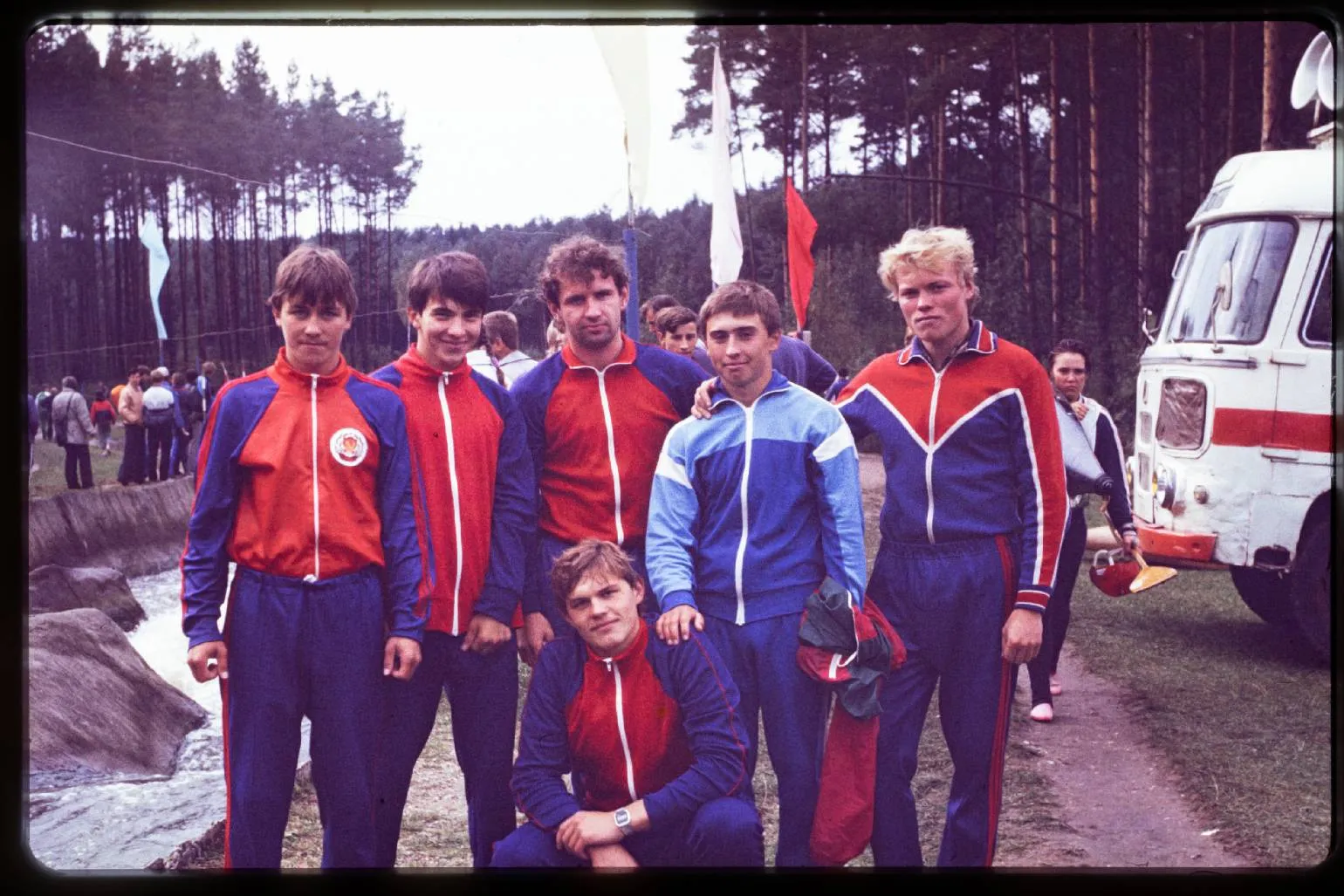
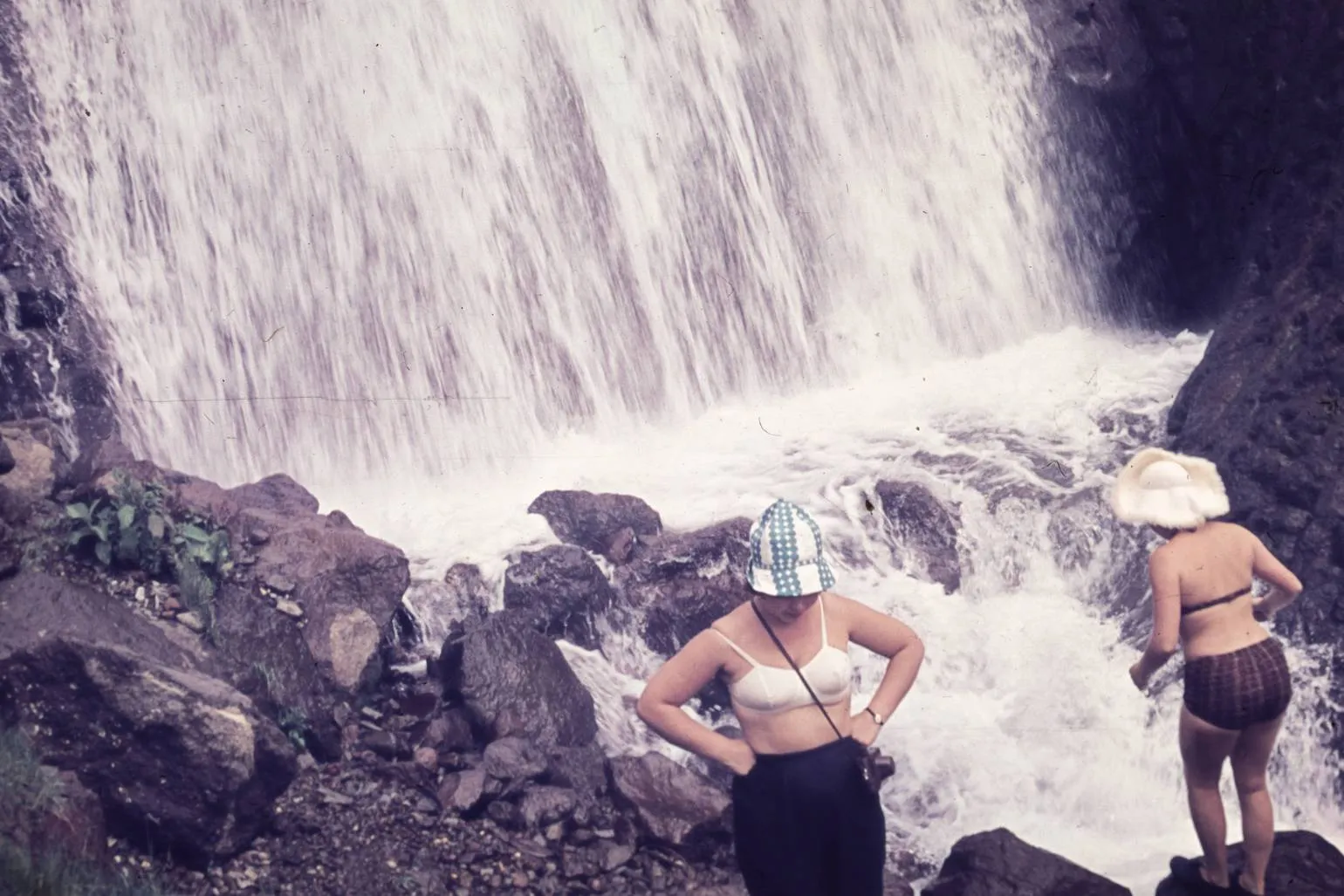
Low ISO is the main reason why most of the slides were taken outdoors. Of the analyzed part of the archive, about ninety percent of the shots were taken outdoors. Indoor shooting was carried out only occasionally, and usually with the use of a flash. This circumstance emphasizes the importance of natural light for obtaining high-quality images.
Modern slide films provide a wide range of bright and saturated colors, which is especially typical of leading manufacturers. In the past, however, photography enthusiasts often used Soviet films, the quality of which left much to be desired. Some photographers preferred ORWO Chrom film from Germany, which was available in the Soviet Union and offered slightly better quality than its Soviet counterparts. When traveling, many chose American Kodak film, known for its bright and detailed images. Japanese Fuji film was found primarily in diplomatic circles. After analyzing thousands of scanned images, I can easily determine which film they were shot on based on their characteristic features and color rendition.
The color quality leaves much to be desired, which has become one of my main frustrations in working with the archive. Although I use modern scanning methods, I still have to manually process the images to improve color rendition. When comparing my archives with the work of the French Anonymous Project, where a team collects slides from all over the world, it becomes clear that their images are more rich and appealing.
Soviet realities remain an important part of history, shaping the perception and worldview of an entire generation. These realities influenced the social, economic, and cultural lives of people, leaving a noticeable mark on their consciousness. Studying the Soviet period helps us understand not only the past but also its influence on the present. It is important to understand how the historical context shapes our society and influences the development of various aspects of life.
When shooting slides, cameras similar to those used for working with other types of film were used. This ensures high image quality and accurate color reproduction. Slides require special attention to exposure and lighting, which makes the choice of camera and lens particularly important. Using professional equipment and the correct settings helps achieve excellent results when shooting slides.
The archive contains mainly 35 mm films, which allows for the use of a variety of cameras. In some of the photos, you can see the photographers themselves, captured in the mirror. Zenit cameras were primarily used, but foreign models were also used. Medium format is also present, but such cameras are extremely rare due to their high cost.
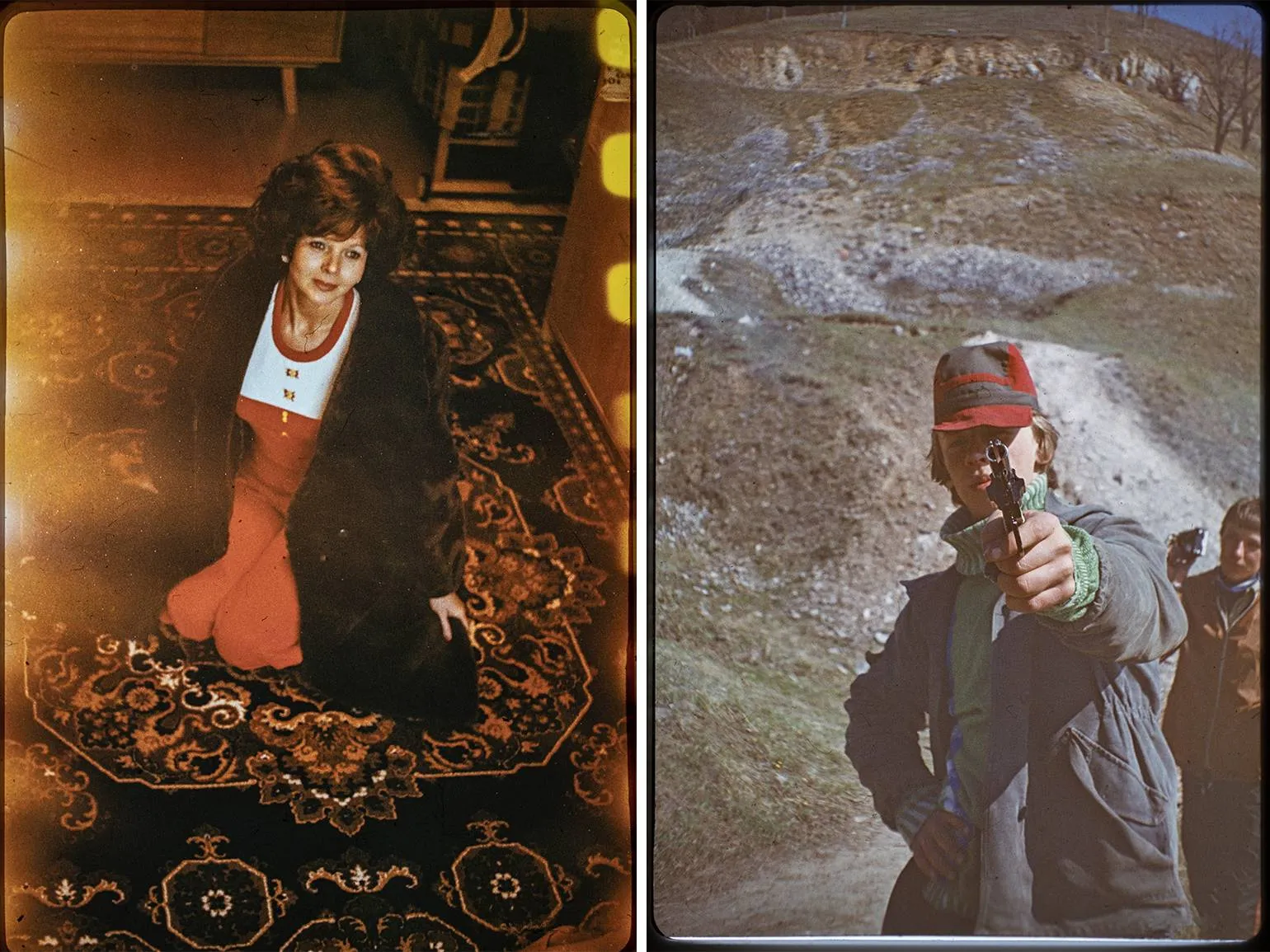
The question of how families processed slides remains relevant. Many people wonder if it was possible to print and develop slides at home, as was done with regular black-and-white film. Slides were popular for decades, and processing them required specialized skills and equipment. Unlike black-and-white film, slides required a more complex development and printing process, often reserved for professional photo labs. However, as technology advanced, solutions emerged that allowed some families to develop and print slides at home. However, for most, this remained a difficult task, requiring knowledge and specialized equipment.
Most of the work was done in the lab. If you prefer, you can purchase all the necessary chemicals and develop the film yourself. However, it's worth noting that the result may not be of the highest quality, as the slide development process requires adherence to certain nuances and technologies.
Regarding the issue of slide printing, it can be assumed that attempts at printing did indeed take place. Existing technologies, such as direct printing from transparency film, make this process possible. However, it should be noted that home slide development and printing did not enjoy the same popularity as black-and-white film development and printing. This is due to the more complex equipment and process requirements, making black-and-white photography more accessible to a wider range of enthusiasts.
What if there was a need to create a copy of a slide—to transfer an image from one film to another?
The main question is why slide film attracts so much attention.
Transparency film, commonly known as a slide, is a piece of film placed in a housing for display. This form of presentation became popular in the days before modern streaming services like Netflix and Okko. Slide projectors were used to entertain guests, showing family photos, which still evokes nostalgia. I have a slide projector, and I can confirm that the high-quality, color-saturated analog images look stunning on a wall. This is the primary purpose of slides. Of course, not everyone could afford a projector in Soviet times, and not every photograph was suitable for display as a slide.
It is technically possible to create a copy of a slide, but this requires specialized equipment.
Storing cut pieces of film in specialized housings provides a higher level of protection compared to traditional rolls. Mechanical damage to slides occurs much less frequently, making them more reliable for long-term storage. In contrast, roll film is often susceptible to damage such as wrinkling or even insect damage, which negatively impacts image quality. Choosing the right storage method for your film is key to preserving its condition and longevity, which is especially important for photographers and collectors.
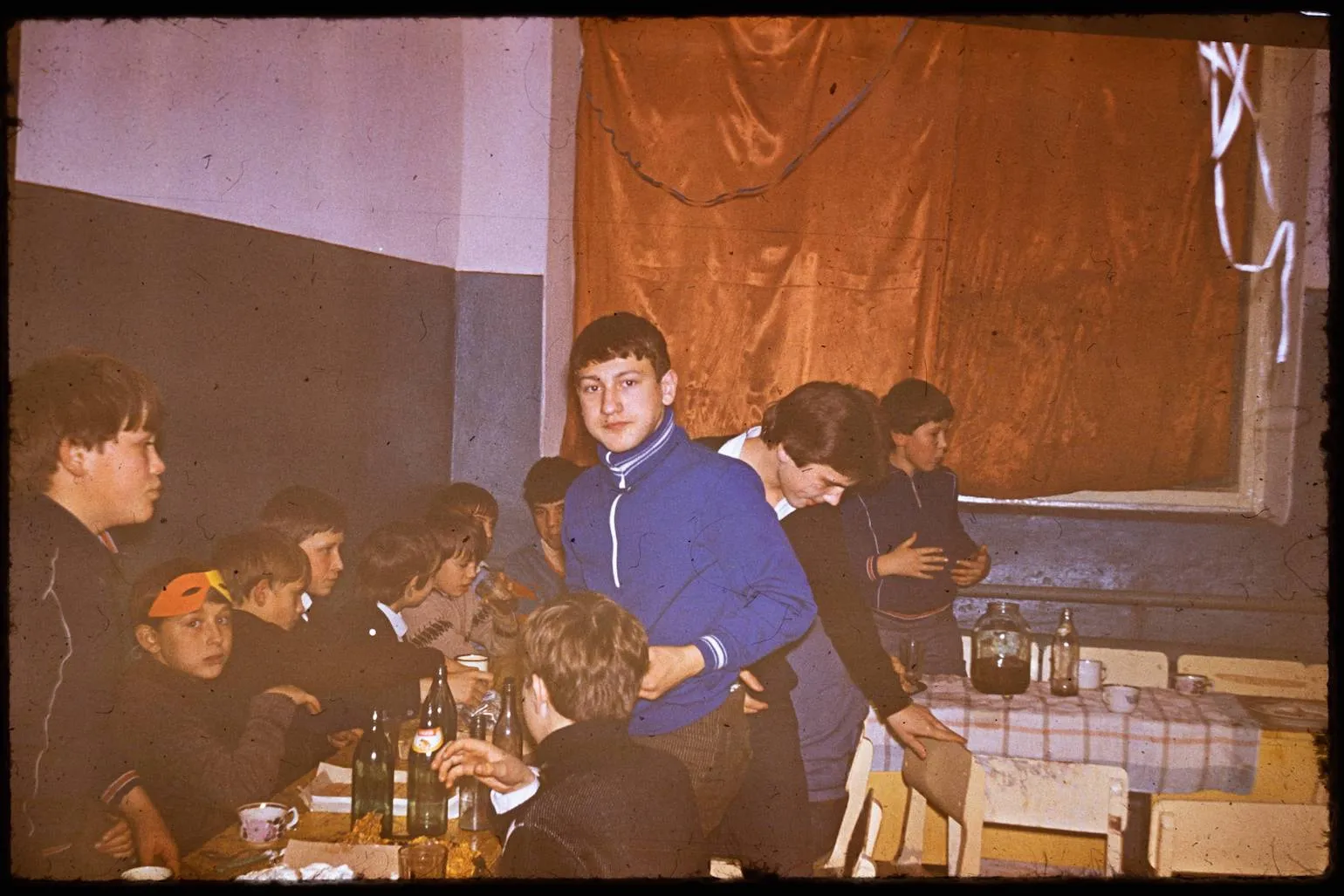
The filmstrips we watched on projectors as children can also be considered slides. These visual materials are a sequence of images projected onto a screen. Filmstrips, unlike modern digital slides, used film and mechanical projections, but their primary function remained the same—to convey stories and information through visual images. Slides and filmstrips enriched our childhoods, allowing us to immerse ourselves in fascinating worlds and develop our imaginations.
Technically, yes, but filmstrips are made from a single sheet of film and are manufactured in factories.
The Soviet Union produced a huge number of slide sets, covering topics such as paintings, cartoons, and ITAR-TASS news for the year. Before purchasing the archive, one of my tasks was to determine whether the slides were original films or factory copies. Sometimes it was quite difficult to figure out, as the differences between them are not always obvious.
"People in Soviet portraits are constrained"
We discussed that slides were most often created by people with certain privileges. I wonder if there is additional data in the archives that shows social correlations?
When I shared my opinion on social media that slides were mainly created by the privileged strata of society, some users responded and reported that they also had slides in their family, although their financial situation was far from wealthy. This highlights that interest in photography and slide making could be widespread across different social groups, regardless of their economic status.
Archival materials can provide valuable information about people's places of residence and their travel abroad. During the Soviet era, the average citizen did not have the opportunity to travel to other countries. However, some of my archives raise questions; Sometimes they create the impression of life in a capitalist society. This highlights an interesting contrast between access to information and real life in different historical periods.
Several groups of people can be identified in the archival photographs. The first group includes officials and diplomats, who are quite numerous in the photographs. The second group consists of representatives of the creative intelligentsia, whose images and ideas are reflected in these shots. The third category consists of passionate amateur photographers with skills and an interest in photography. The fourth group includes those who had access to slides for various reasons. In our family, for example, such slides were available because my father was a keen photographer and worked as a sailor.
People in old photographs are often perceived as more attractive. There is a feeling that the subjects of these pictures differ from modern ones. Perhaps this is due to nostalgia that colors the perception of the past, or because old photographs capture moments filled with simplicity and sincerity. Do you think the people in these slides really look different, or is it just an illusion created by time?
There's a feeling that these are completely different people. Perception is influenced by many factors, such as fashion, hairstyles, cars, and architecture. My experience with perception is unique: collecting black-and-white prints, I looked at thousands of images and encountered many identical scenes and recurring situations. However, when I saw the same scenes in color, my perception changed dramatically. I realized that good color can truly reveal a world that is impossible to see in other formats, except perhaps in color film. The slides differ significantly from the Soviet color images published in Ogonyok magazine, underscoring the importance of color perception in art and photography.
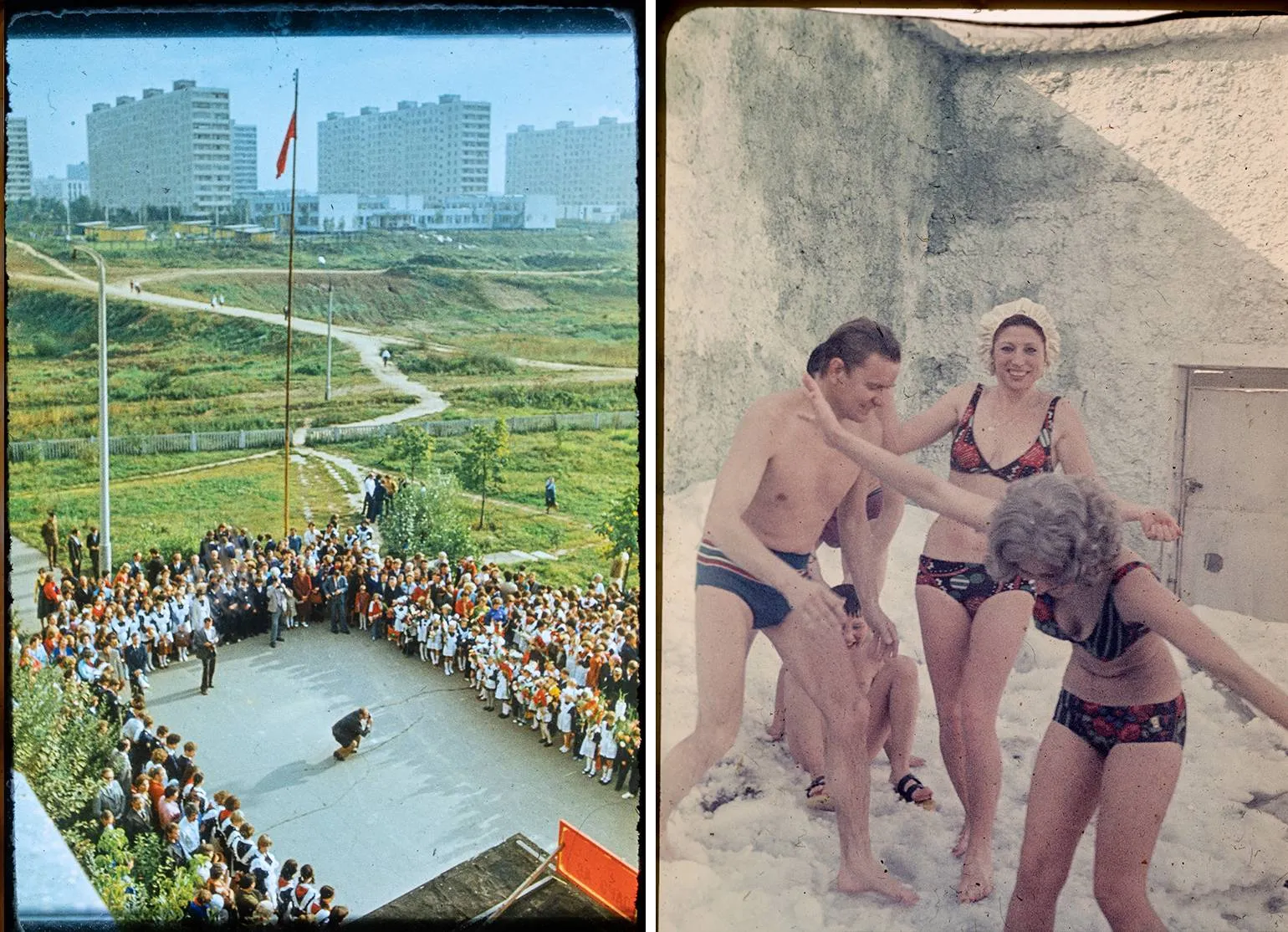
Slide archives often contain a variety of subjects reflecting various aspects of life and culture. These can include historical events, significant figures, nature and landscapes, as well as everyday moments in people's lives. Social themes, such as social movements and societal changes, also play an important role. Additionally, archives can include subjects related to art, science, and technology, allowing for a deeper understanding of the context of time and place. Such collections become a valuable resource for researchers, historians, and enthusiasts, providing a unique perspective on the past through visual images.
Family photography often captures moments of travel. These images feature parents with children, other relatives, and individual portraits. Photos are typically taken against the backdrop of significant family locations, such as monuments or favorite dachas. These shots not only preserve memories of shared adventures but also convey an atmosphere of family comfort and joy.
The subjects in the slides are reminiscent of amateur Soviet photography, but have their own unique feature. Unlike dynamic shots, static poses predominate. This is due to the low ISO of the film and the careful handling it receives. When action scenes appear in the frames, they evoke a special delight and attract attention. Such images become true treasures, emphasizing the uniqueness and value of film photography.
The key genres of photography are portraiture and landscape. Although landscape photography occupies a significant place in my archive, many images fail to live up to expectations, and I set a third of them aside in a separate folder. Nevertheless, there are also successful works, especially memorable moments from mountain hikes in the Caucasus, which inspire new photographs and convey the grandeur of nature.
Portraits captured in Soviet photography differ from foreign photographs in their restraint. This trait, characteristic of amateur photography of the time, is especially evident in slides. In Soviet images, people often appear less relaxed and more formal, which creates a special atmosphere and context for perceiving these works.
People remain reserved, even if a family member is involved. This may be due to their shyness or insecurity in front of the camera, regardless of who is holding it. This can be exacerbated if a person has had negative experiences in the past or if they feel their appearance does not meet standards. Therefore, it is important to create a comfortable atmosphere to help people relax and behave naturally during the photo shoot.
Culture has a significant influence on people. Even in the process of being photographed, we often repeat certain gestures and body language characteristic of our environment. Black-and-white amateur photography allows more room for humor, unusual scenes, and even comic moments. While slides appear more restrained and dignified, color slide portraits have a special calm and simplicity. They often capture people against the backdrop of significant objects, which gives them special beauty and expressiveness.
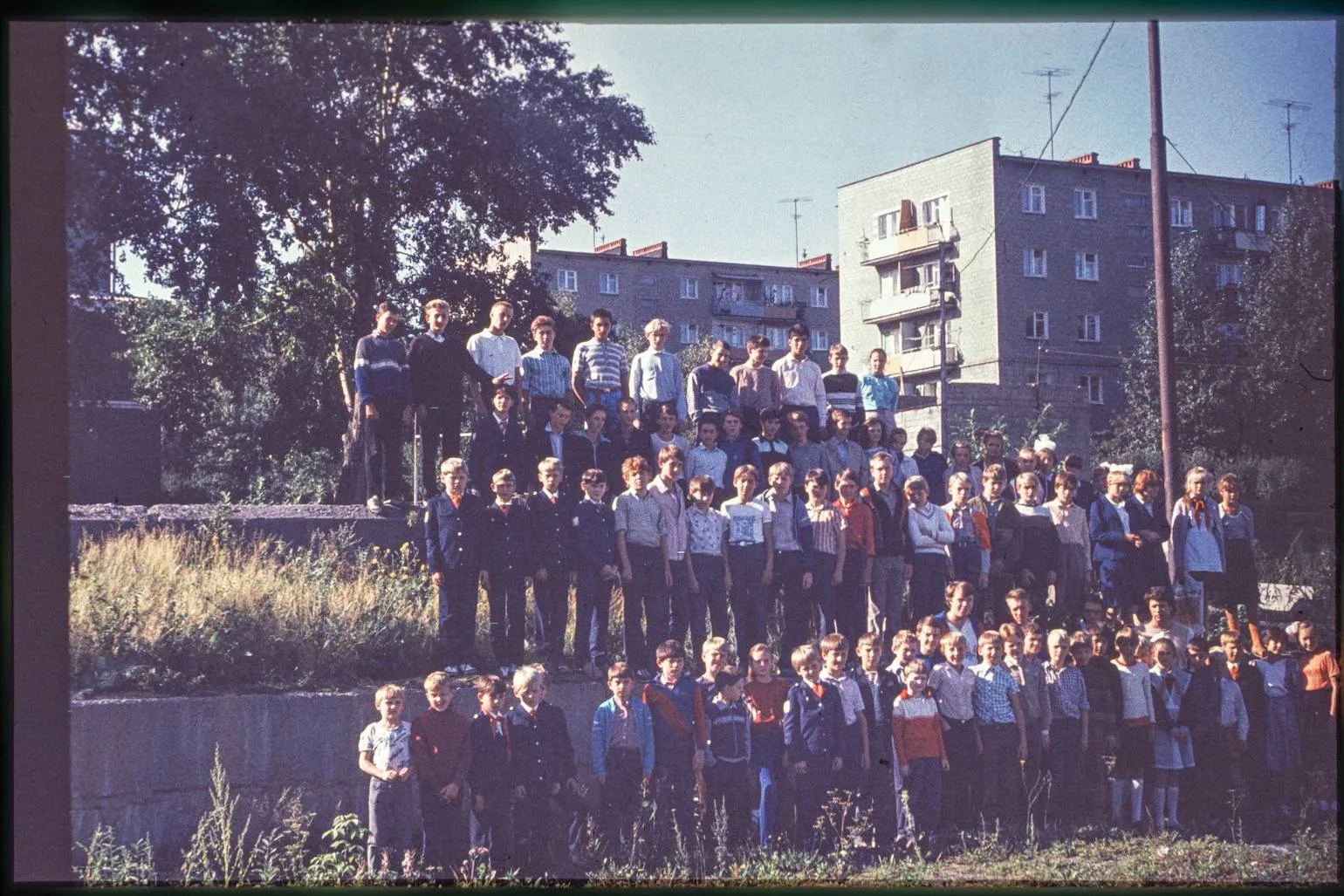
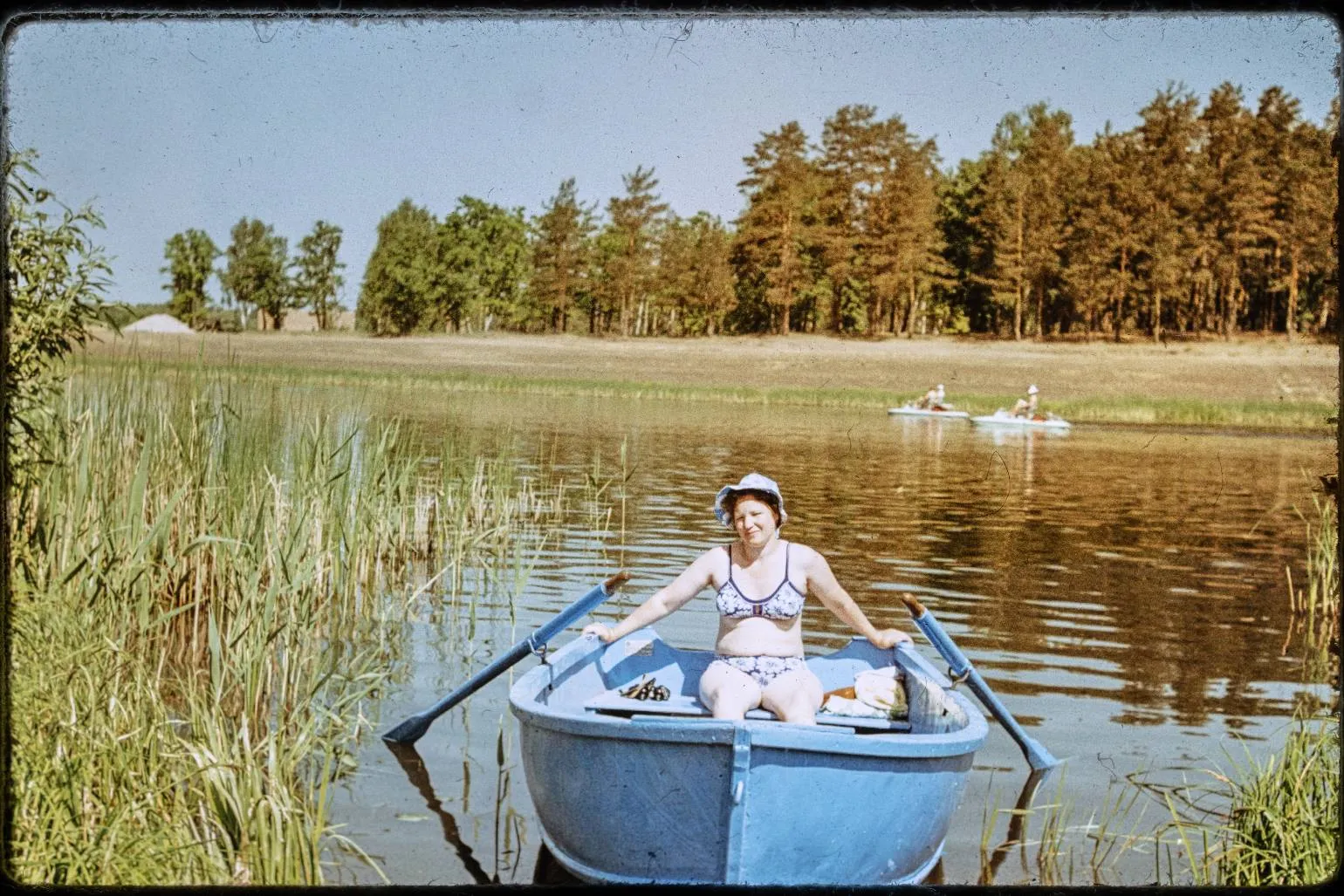
Modern amateur photographs on social media often differ from Soviet photographs in their style and content. Soviet photographs are more thoughtful and artistic. They often capture deep emotions and meaningful moments, unlike many modern photographs, which can be superficial and focused on quick publication. This contrast highlights how the values and perception of photography in society have changed. Modern technology and the increased accessibility of photography have made it more widespread, but this doesn't always foster the depth and artistic expressiveness that were characteristic of Soviet times.
Modern photographs are becoming more monotonous, which, in my opinion, is not a negative phenomenon. This is part of the cultural peculiarities of interacting with a camera. Nevertheless, sometimes truly unique shots emerge. Recently, I posted one such photograph on the project website – it shows a young couple, a man and a woman, passionately kissing. This image stands out for its color and originality, which makes it especially memorable.
The main artistic advantage of slides is their color. We are grateful to the chemists and engineers who created slide films that are pleasing to the eye. The bright and saturated colors of slides help convey emotion and atmosphere, making visual content more appealing. These technologies significantly improve the perception of images, allowing each viewer to experience the depth and expressiveness of the materials presented.
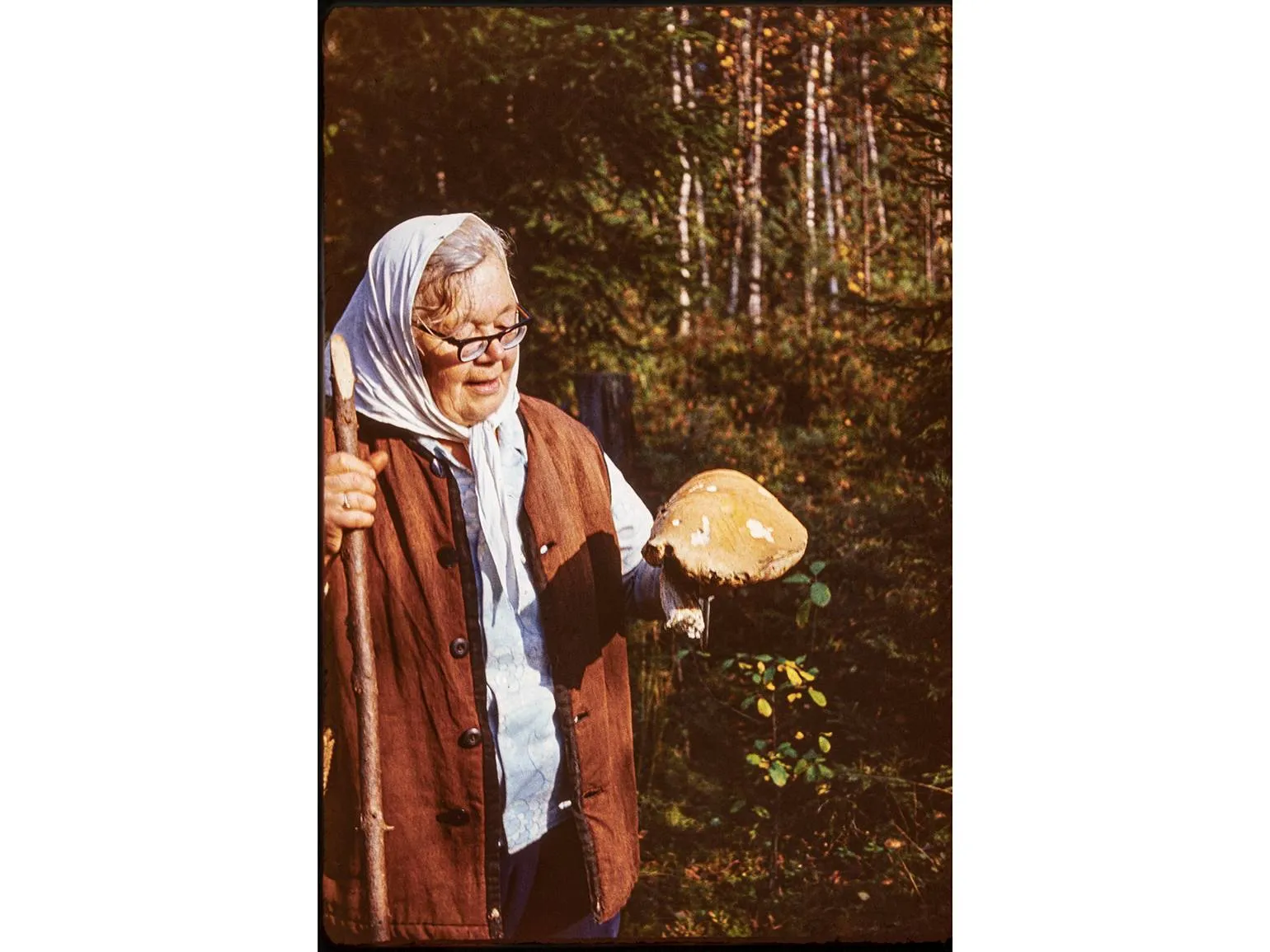
"Happy Grandma Who Found a Big Mushroom"
The slides in our collection belong to a specific historical period, which covers key events and trends. We provide carefully selected materials that reflect significant moments and changes in various fields. Our collection is regularly updated to meet modern requirements and user interests.
The history of this period begins in the late 1950s and covers events up to 1991, when the Soviet Union collapsed. This time period is marked by significant social, political, and economic changes that influenced the development of the post-Soviet countries.
Family photographs can reveal many aspects of people's lives in a particular era. They not only capture moments, but also reflect the atmosphere of the time, social conditions, and cultural characteristics. By analyzing such photographs, one can see how family values, traditions, and customs have changed. However, can one say with certainty that all families were happy? Family happiness is a complex concept, and it can manifest itself in different ways. Family photos can capture joyful moments, but behind them can be difficulties and problems that are not always visible on the surface. Thus, family photographs not only tell a story of happiness but also provide an opportunity to reflect on the depth of human relationships and the diversity of life situations.
I believe that photography is a vast illusion, regardless of the time in which it was created. I like to believe in this illusion, but it is important to remember that the people in the photographs can have completely different stories. For example, there are photographs of young couples radiating happiness and love. At first glance, they look happy, but we do not know what was really happening and how their destinies turned out. A photograph can capture a moment, but it does not convey the full depth and complexity of human emotions and experiences.
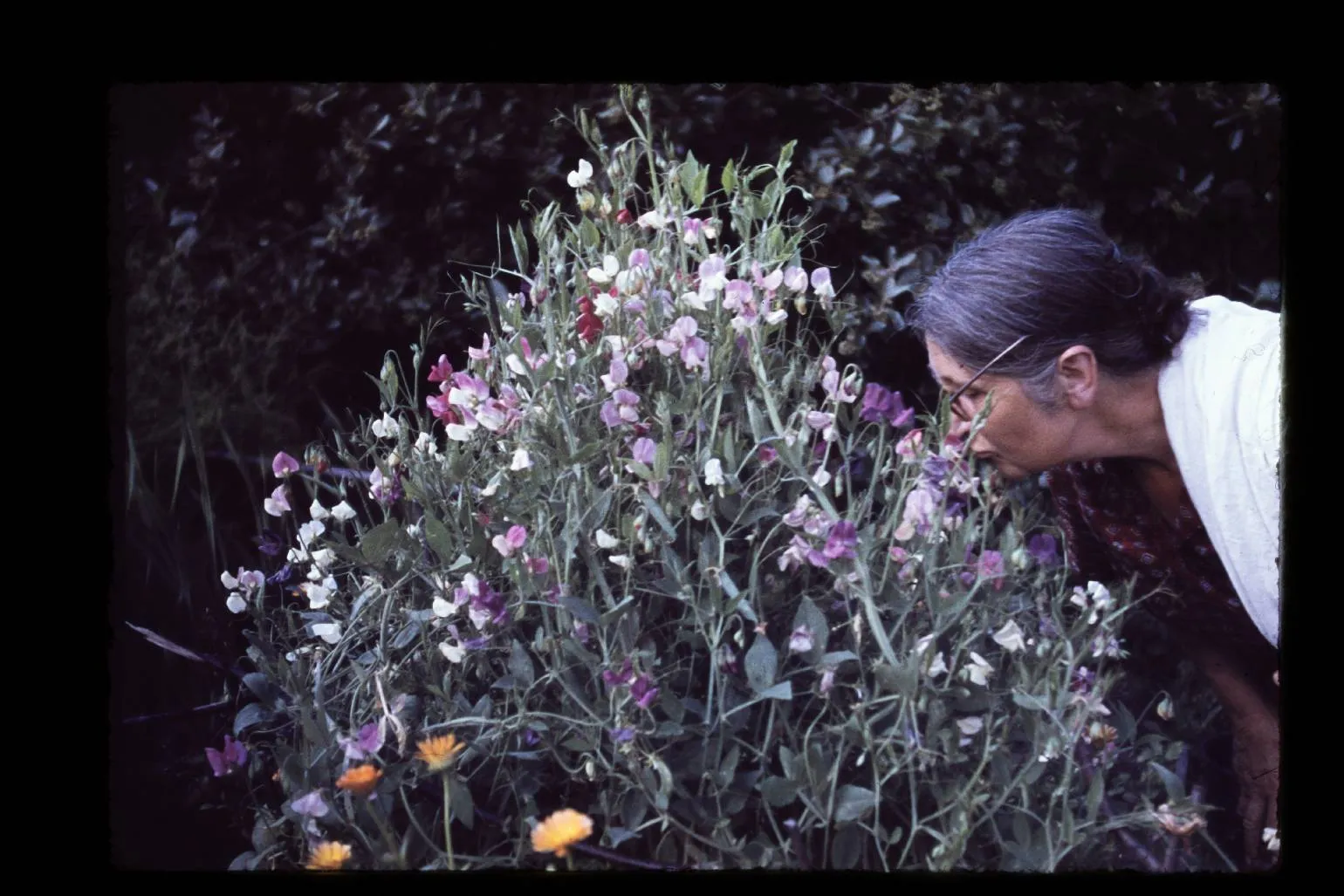
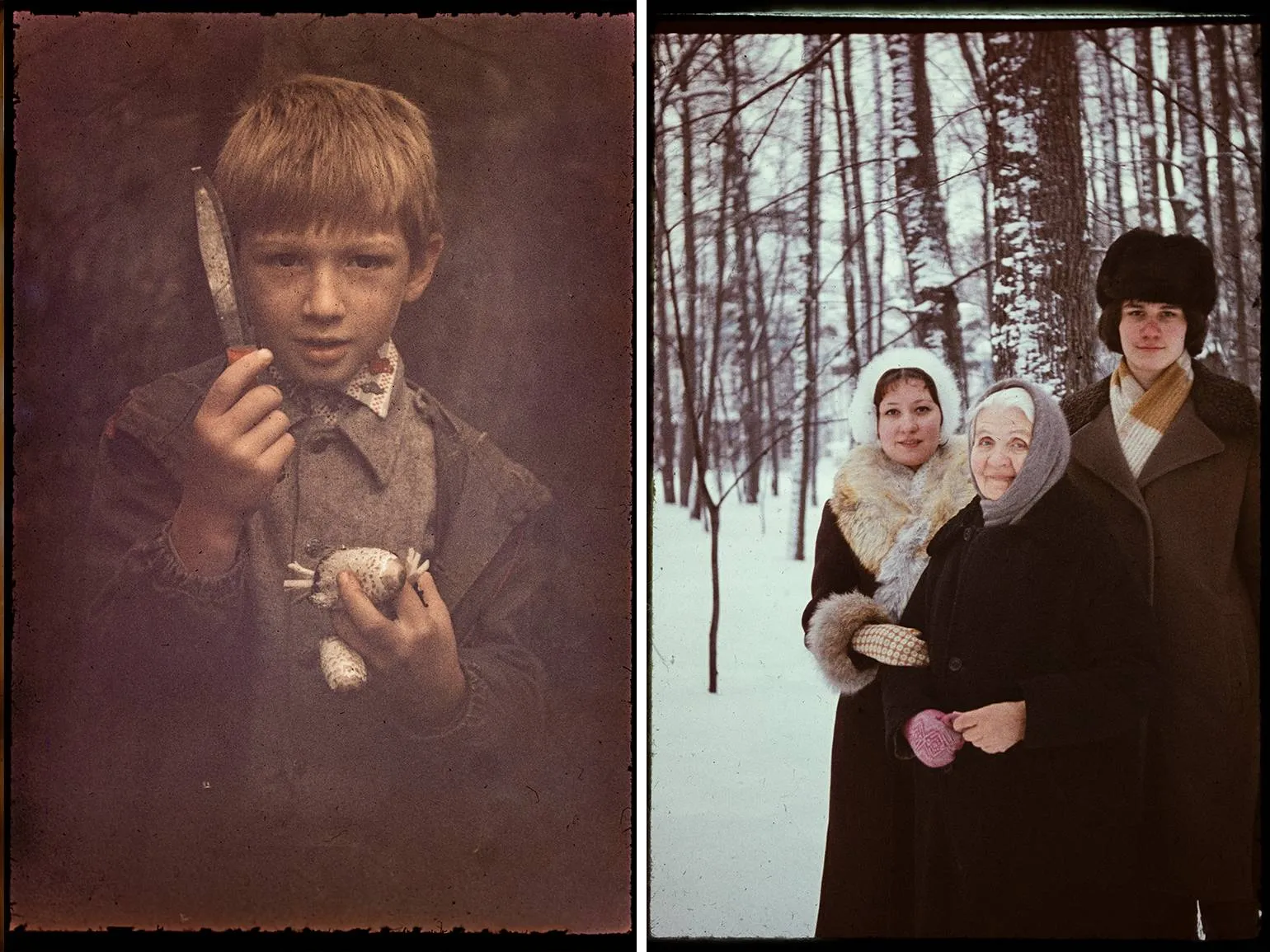
Family archives offer a unique window into the world of happiness, allowing us to explore its connection to everyday life. Photographs capture simple moments that evoke warm feelings and memories. For example, the image of a grandmother finding a large mushroom captures the joy and simplicity of life. These touching scenes remind us that happiness often lies in the little things, in the everyday joys we sometimes overlook. People's happiness is revealed in such moments, and it is they that shape our perception of well-being and joy.
The mid-1950s - mid-1960s are characterized by the era of the thaw in the Soviet Union. During this period, significant changes occurred in both the political and social life of the country. Looking through family archives, one can see how these changes affected people's daily lives. Photographs and documents from that time can tell us about the emerging freedoms, cultural events, and changes in public consciousness. The Thaw brought new ideas and hopes, which also affected family values and traditions. Thus, family slides become an important source for understanding the political context and its impact on the lives of ordinary citizens during this historical period.
I can share my experience collecting black and white photography. Although I cannot speak specifically about the 1960s, post-war photography shows significant changes. From the subjects to the overall mood, a greater relaxation and the appearance of smiles are noticeable. These changes are due not only to social changes but also to technological advances: cameras began to be mass-produced, making photography more accessible to families. As a result, the subjects have become more diverse, and the subjects in the photographs appear more relaxed compared to photographs of the 1930s and 1940s. This also affects slides, although the main genre remained static portraits, photographed with seriousness.
Have you ever seen slide collections created by professional photographers?
Yes, this is rare. This is probably because if a photographer used slides, they also worked with other formats. This implies the presence of an extensive archive that can be sold for significant sums. Such an archive becomes an object of competition and interest among collectors and specialists.
Our collection contains many fascinating archives that may interest you. For example, we have unique records dedicated to rare plant species and their characteristics. These archives contain valuable data on characteristics, growing conditions, and care, making them indispensable for gardeners and botanists. Also worth noting is a collection of photographs demonstrating the diversity of flora in various climatic conditions. These materials are not only visually appealing but also informative, allowing for a better understanding of the ecological aspects of plant life. Our archives are regularly updated, which helps keep them relevant and interesting to a wide audience.
Currently, I have scanned only a small portion of my collection. Of the eighty thousand slides, I have viewed about two thousand images. When I receive a new archive, I review it, but do not delve into detail. Thus, at the moment, I only have one unusual collection, besides the cacti and the shipping company archive.
One of the understudied areas of slide photography is erotic images. Most often, these are reshoots from foreign magazines or professional photo shoots. Personally, this topic does not appeal to me, but one day I came across an archive with similar content at a low price and felt that these photographs had some special features. I decided to ask the seller, and he explained that these were reshoots of scenes from films.
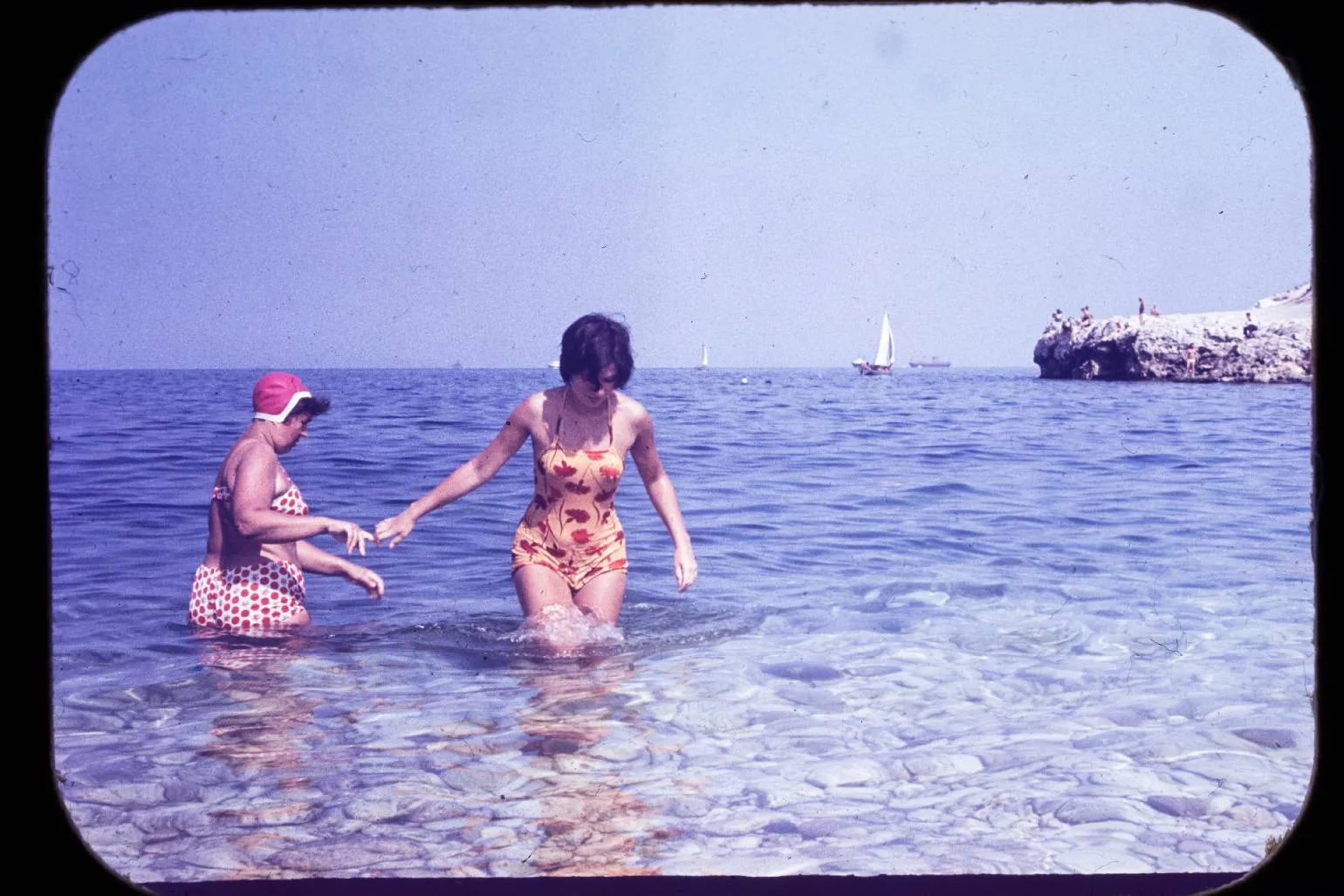
I purchased the archive and did a little research, opening the slide cases. It turned out that this was not a photo archive, but clips from a film roll. The collection primarily features dramas and melodramas, including American, Italian, and a few Soviet films. Apparently, the author of the archive is a projectionist who spent time watching films, searching for erotic elements. This approach to collecting materials demonstrates an interest in a specific subject and a desire to preserve unique moments in cinema, making the archive valuable to film enthusiasts and researchers.
There were five boxes containing approximately two hundred slides. I wrote down the film titles and plan to find the corresponding frames. This research proved fascinating. In a sense, cropping out a frame can be considered an artistic technique known as appropriation. Contemporary art actively uses such techniques. However, in this case, someone created these slides for viewing on a projector, which gives this process special value.
"Slides are a part of culture that is little studied"
Buying archives is an inherently unpredictable process. When it comes to searching, acquiring, and opening the "bag" of an archive, the most emotional moment for me is the moment of discovery. This is when the unknown is encountered, when new possibilities and surprises are revealed that can greatly influence further research. This feeling of anticipation and excitement before revealing the archive's contents makes the process unique and memorable.
Now I feel more calm, as my collection has expanded significantly. Tension arises during online auctions, when I realize that the archive is truly valuable, and an active fight for it begins. I worry that the archive may go to another buyer. When I manage to acquire it, I feel the joy of having this archive in my hands, as I don't know where it might have gone otherwise.
The feeling of magic when the archive is unpacked is indescribable. Even my children's interest in this process was evident the first time I opened the archive. It's truly awe-inspiring: simply illuminate the back of the slide or approach a window, and the image begins to glow. This effect creates a unique atmosphere and attracts attention, making viewing more engaging and memorable.
When you scan a slide, there comes a moment when every detail in the image comes to life. This process not only allows you to see every detail but also evaluate the quality of the scan. Proper equipment settings and the use of appropriate technologies will help achieve the best results, which is especially important for professional photographers and archivists. Scanning slides opens up new possibilities for image analysis and restoration, allowing you to preserve precious memories for years to come.
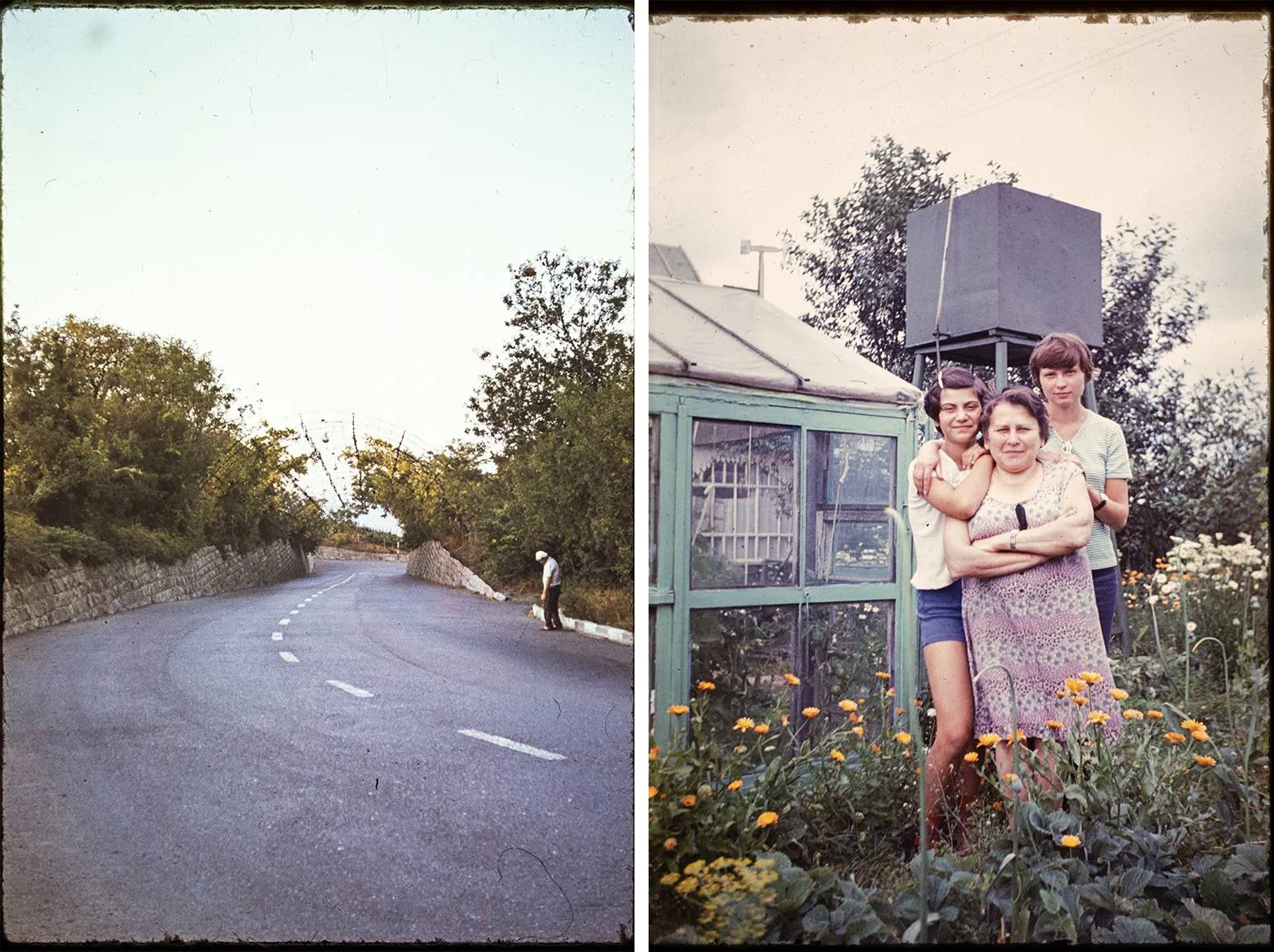
You mentioned that you feel happy when the archive ends up in your hands and not in the hands of a stranger who needs it for unclear reasons. What is your motivation? What is the goal of your project?
There are several professional slide collectors in Russia who collect slides. However, beyond simply accumulating them, some actively research and catalog their collections, which contributes to the preservation of their historical value and cultural heritage. Collecting slides is becoming not only an exciting hobby but also an important part of documenting the country's visual history.
Slides are rarely the subject of in-depth research. There are researchers who use academic or artistic methods: they create visually appealing reels and make impressive prints. However, I approach this task from a different perspective. The main goal is a more thorough analysis and evaluation of slides as a tool for conveying information and visual content.
We need to engage in more meaningful initiatives than simply posting slides on social media, even if they are accompanied by manifestos. We should pay attention to the examples of colleagues in France, who successfully publish books and organize exhibitions. These activities facilitate deeper audience engagement and the formation of a cultural context. Creating high-quality content and organizing significant events will help establish strong connections with your target audience and increase awareness.
Color photography in the Soviet Union primarily appeared in magazines, due to the propaganda and censorship of the time. Studio photography also existed, but to a much lesser extent. Color became a part of domestic photography towards the 1990s, when Kodak film appeared on the market. Slides represent an important aspect of Soviet culture in color, making them particularly interesting to study.
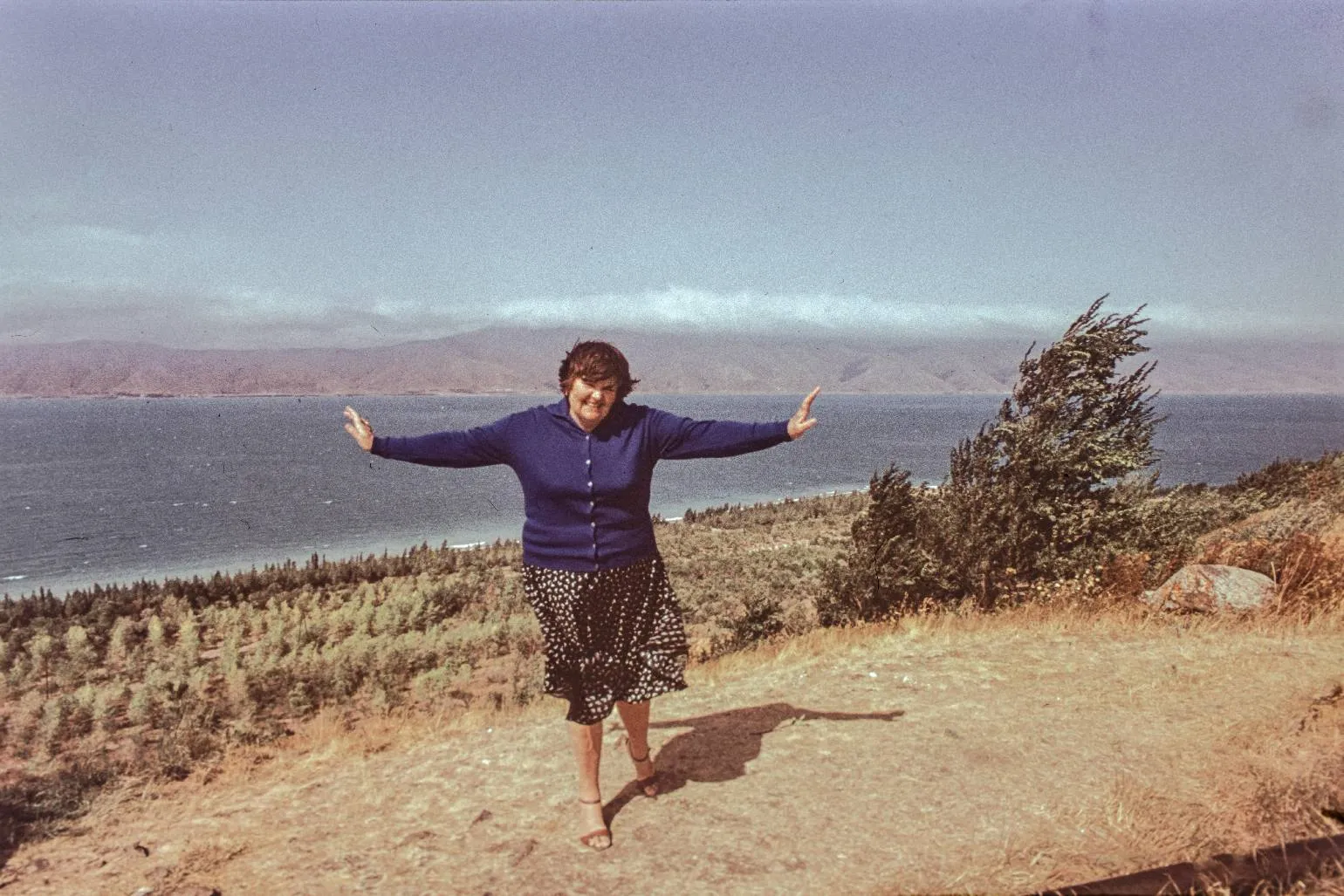
This area of culture remains poorly studied. When I started collecting slides, I was surprised by the lack of projects dedicated to their collection and analysis. Sometimes I hope that someone else will take up this work, but such people are few. I have the largest collection, which allows me to actively engage in research and an in-depth study of this topic.
Studying Soviet amateur photography has its own logic for me. As a documentary photographer, I am disappointed with photojournalism and documentary photography of the Soviet Union, as they were heavily influenced by propaganda. Only in the last 10-15 years have true documentary photographers, working with sincerity and honesty, begun to appear en masse in our country. In Soviet amateur photography, I find more truthfulness, both in the behavior of people in front of the lens and in the aesthetics of the photographs themselves. These photographs reflect real life, emphasizing emotions and moments that are not distorted by ideology. Thus, amateur photography becomes an important source for understanding the historical context and cultural identity of that time.
Did the name of the project, "Through," arise spontaneously or was it the result of much reflection? This name captures the essence of the idea and concept we wanted to convey to the audience. It symbolizes overcoming obstacles and moving forward, which is the central theme of our project. We strive to show how one can overcome difficulties and find new paths in life. The name "Through" is perfectly suited to convey these deep meanings and emotions, creating an atmosphere of openness and possibility.
The project's name was a long process—about two years in the making. I considered various options, but none of them satisfied me. Earlier this year, while immersed in studying slides, I came across a Wikipedia article about the prefix "dia-," meaning movement through. At that moment, a simple but powerful idea occurred to me—hence the name.
Subscribe to our Telegram channel "Behind the Curtain" to stay up-to-date with all the news and not miss important updates. We share relevant information and interesting events that might interest you. Join our community to stay in touch and be the first to receive the latest news.
Profession Photographer
You will learn how to take professional photos from scratch. You will learn how to organize shoots, process frames, manage models and a team. Find your style, build an impressive portfolio, and start making money doing what you love.
Find out more