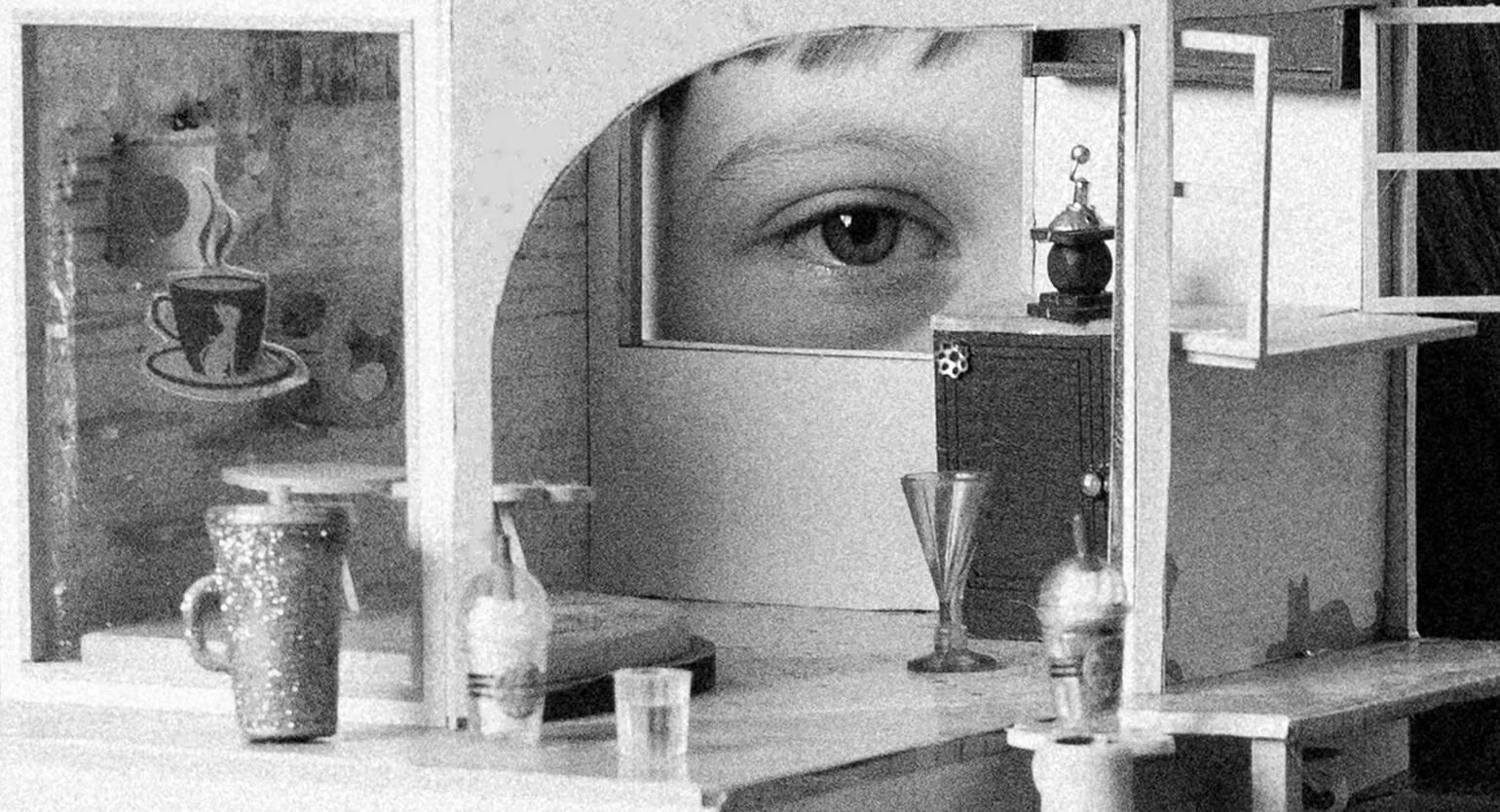
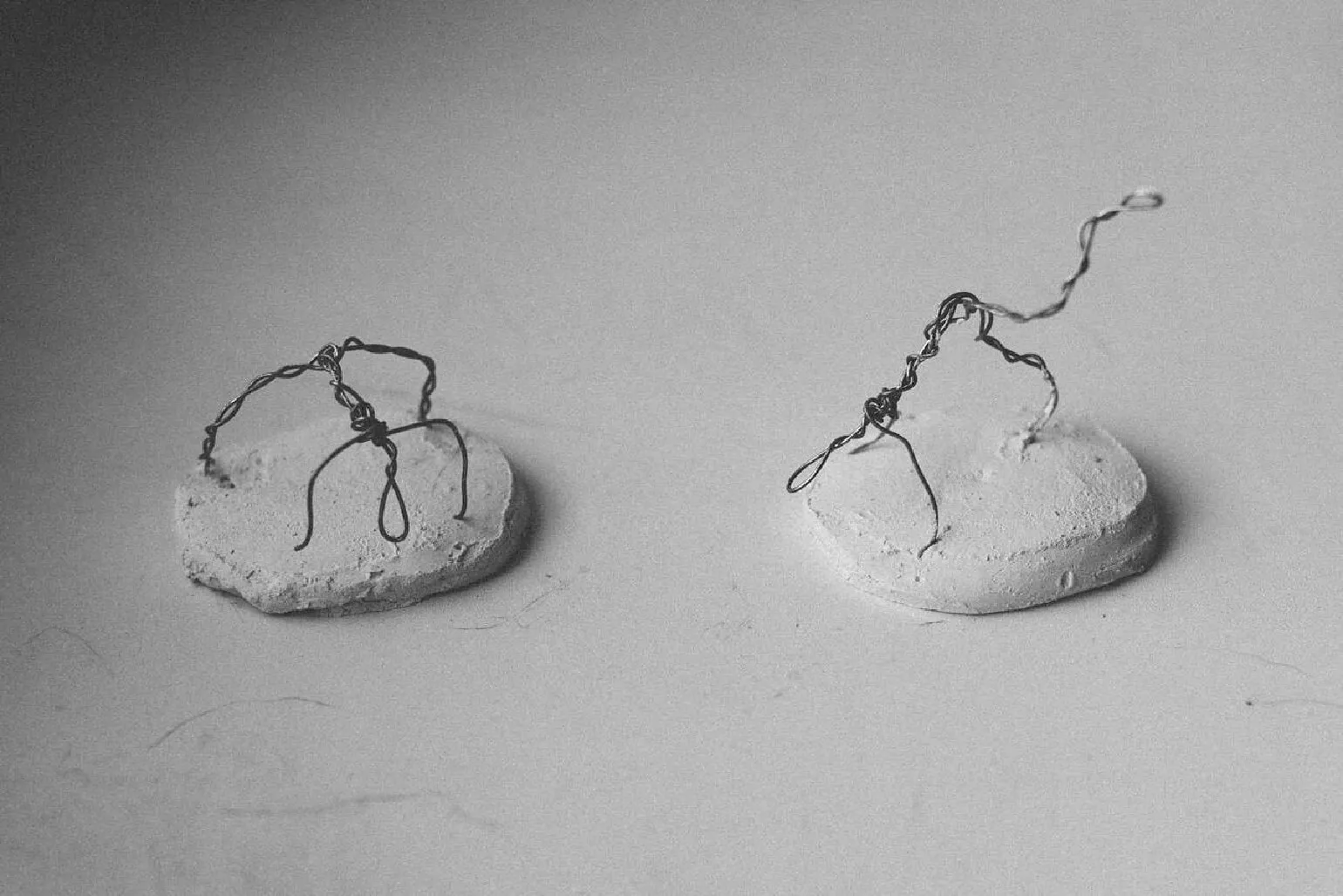
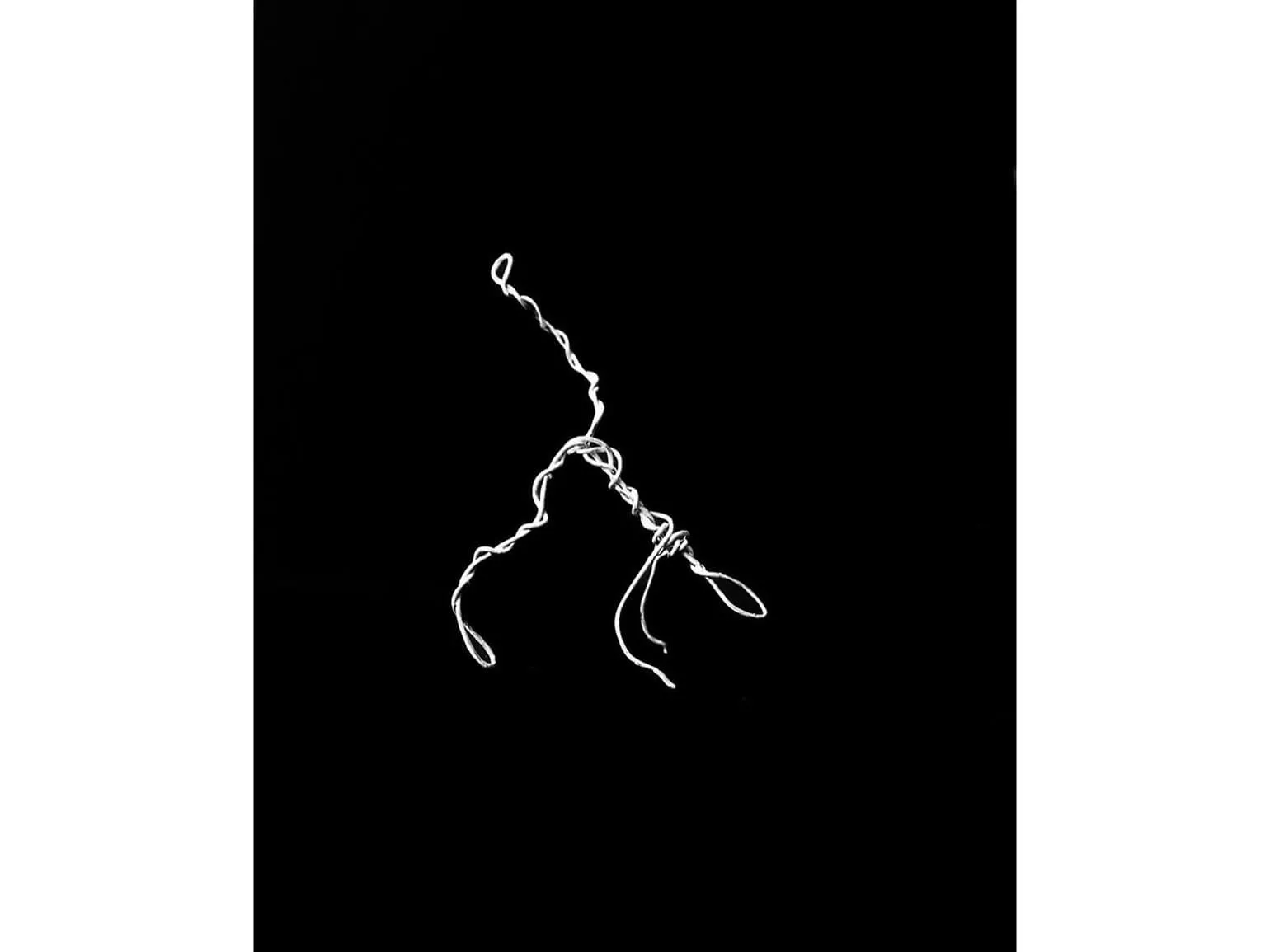
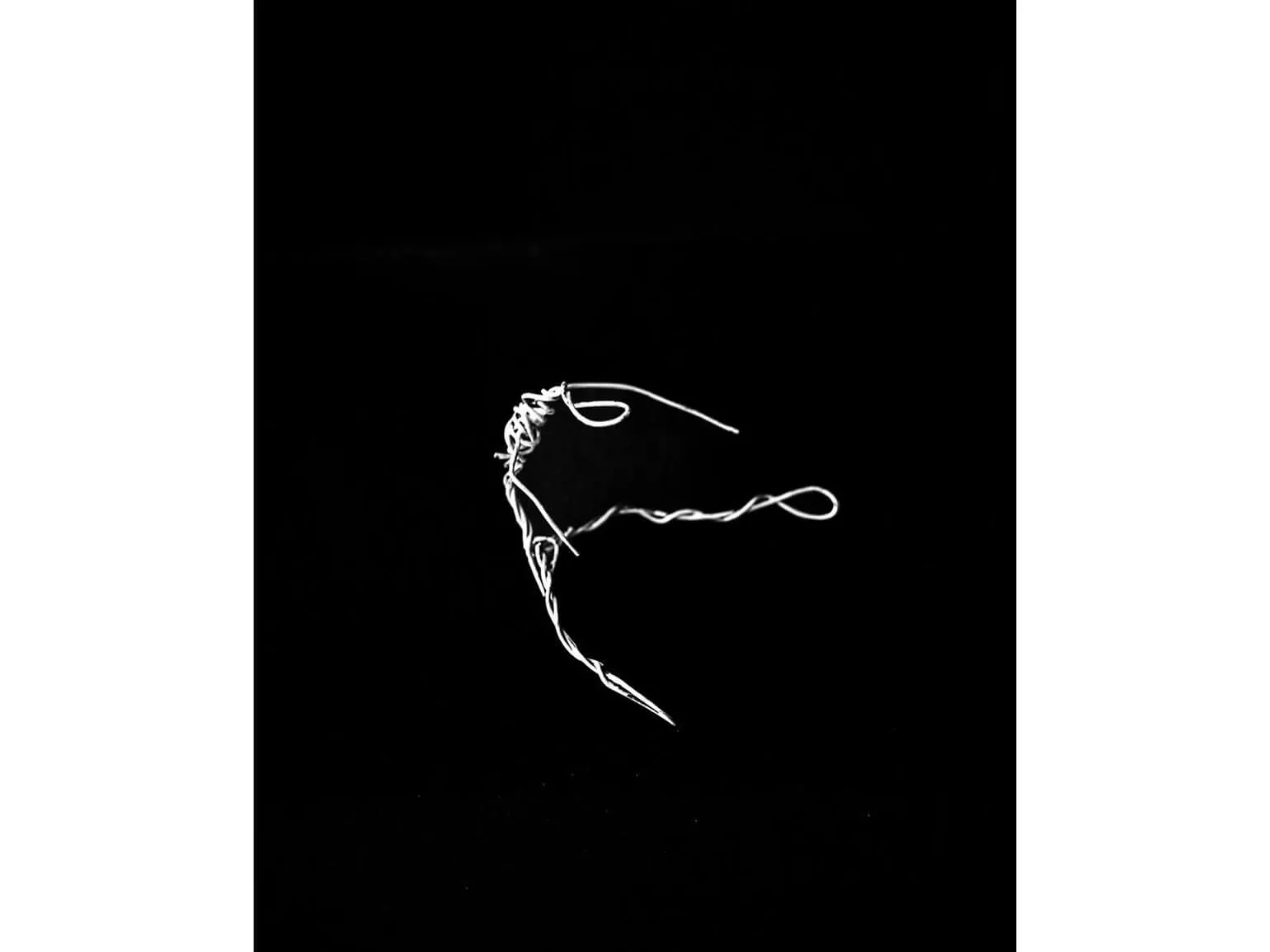
On March 6, the Pennlab Gallery at Winzavod opened an exhibition of the project "Die, Freeze, Rise" by artist Yulia Pavlova. The exhibition features photographs, collages, sculpture groups, and video art. The central idea of the project is the search for spiritual salvation in difficult and unstable times. The artist explores this theme through the prism of motherhood and art, seeking to draw attention to issues that concern modern society.

The Gallery of Contemporary Russian Photography is a platform where the works of both young talented artists and renowned masters are presented. We actively support the development of photography in Russia, providing artists with the opportunity to demonstrate their unique visions and approaches to photography. Our gallery strives to create a space for discussing and promoting current trends in photography, attracting the attention of both art connoisseurs and professionals.
The artist draws inspiration from the theater of the absurd, which emerged in the mid-20th century as a reaction to total wars, death camps, and the threat of mass extermination. Characters in absurdist art are objects, puppets, deprived of their own will. Their images are distinguished by their grotesqueness and strangeness, which makes life in absurdist art an absurd nightmare, and transforms death into something playful. This style emphasizes the fragility of human existence and questions traditional notions of reality and the meaning of life.
The title of the project refers to a well-known game. When the leader says "Die!", participants freeze in unexpected poses. Then, at the command "Rise!", they come to life again. In a similar way, we respond to life's difficulties, when fear becomes too strong to continue our usual existence. In such moments, we can freeze in strange poses, reflecting our inner experiences and anxieties. This project explores how fear and stress influence our behavior and perception of reality, attempting to find ways to cope with them and return to normal life.
While working on the project, the artist captured moments with children. Together, they created a unique theater where the characters don't question or interpret reality—they accept it as it is. This approach brings them happiness and harmony.
Project Concept
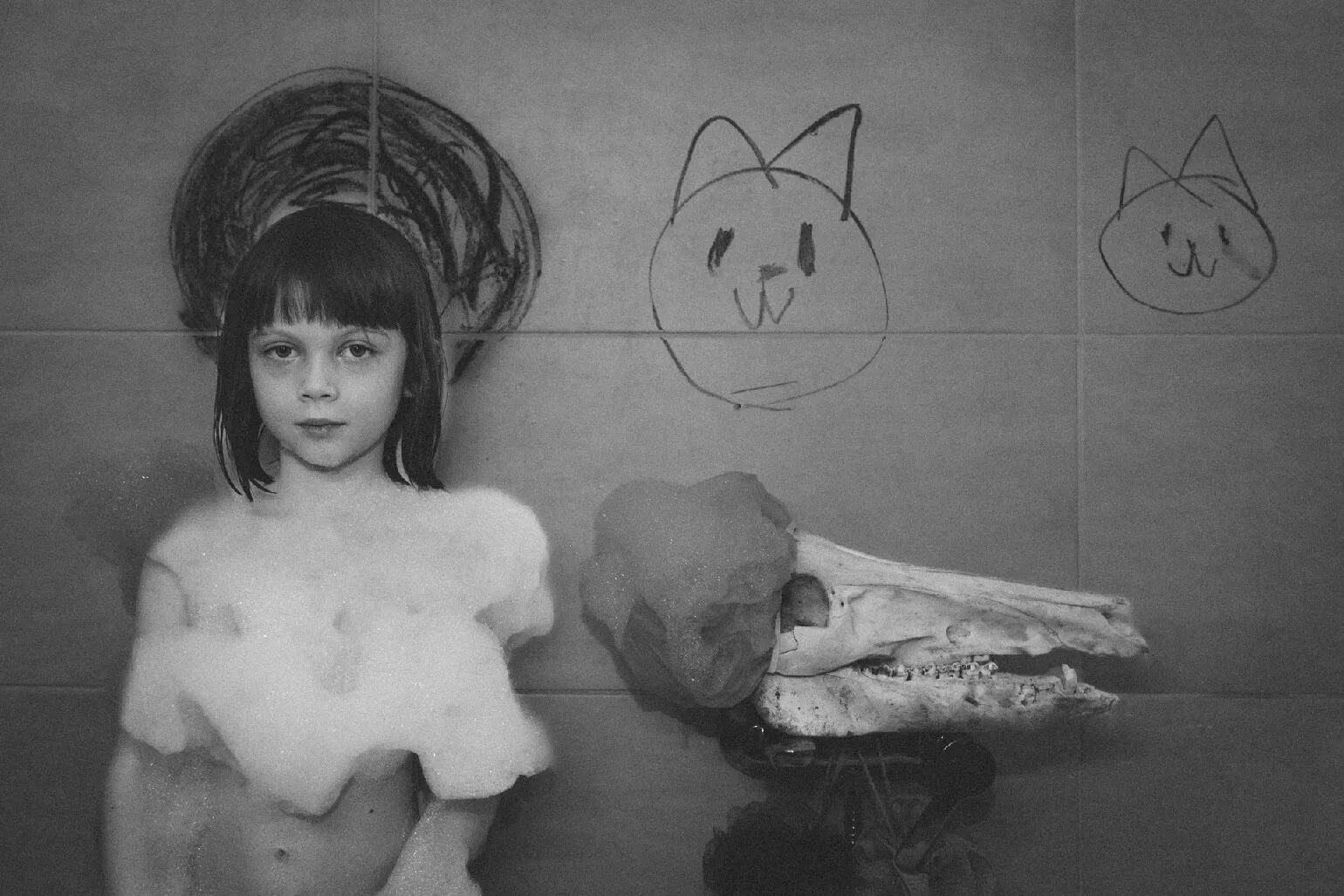
Die, Freeze, Resurrect! Players begin to move chaotically, running and jumping. The leader announces: "Night falls—everything freezes." The players pause in their positions. The leader selects one player and asks them to describe their position—what can they do in this position? Then the leader says: "Day falls—everything comes alive," and the game continues. This exciting activity develops creativity and attention, and brings great pleasure to the participants.
Classic literary figures have repeatedly addressed the theme of play, among them Albert Camus. His views on this topic made a significant contribution to the understanding of human nature and existential questions. Camus explored how play reflects internal conflicts and the desire for freedom, making his work relevant to the study of philosophy and psychology. Camus's influence on literature and philosophy continues to be important, opening new horizons for the analysis of human existence through the prism of play.
The writer reflected on how rational beings can exist in an irrational world and how to make sense of a reality that seems devoid of meaning. To answer these questions, Albert Camus proposed creating our own rules for play, allowing us to find support and meaning in the chaos of reality.
Play is an important means of adaptation and survival in absurd times. Children are the key players in this process. Although adults can also participate in games, Yulia Pavlova's project focuses specifically on children. Through play, children explore the world, develop skills, and find ways to overcome challenges, making them true heroes in this context.
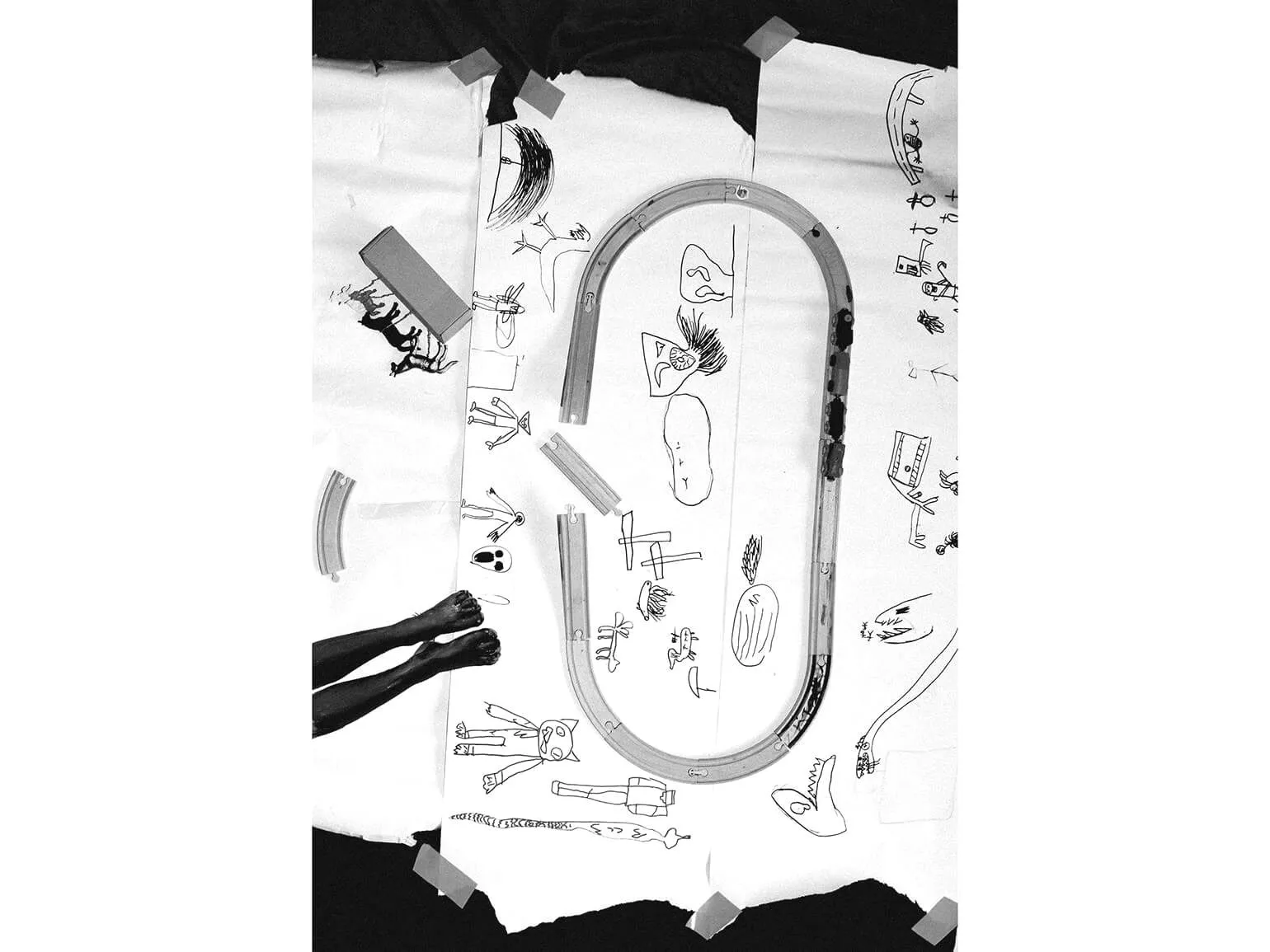
Children have an amazing ability to forgive, love, hope, and dream. They believe in goodness and miracles, perceiving the world with all their sincerity and openness. For children, play is an integral part of life: in their imagination, animals can talk, trees have feelings, and the sun smiles. This childlike ability to perceive reality through the lens of play helps shape their personality and enriches their inner world. Playful activity fosters creativity, imagination, and emotional intelligence, which are essential for their future.
As people age, they gain more knowledge and experience, but their perception of the world becomes less flexible. Adults often continue to carry anxieties with them, which can haunt them even in solitude, such as a monastery. Along with these anxieties, they carry resentments, anger, and other emotional burdens that shape their inner world. This emphasizes the importance of working on your emotional state and releasing negative experiences to achieve harmony in life.
Adults often try to understand what's happening and control the situation, even when it's impossible. At the same time, children intuitively find a way out. They live in the present moment, experiencing every emotion—grief, despair, joy—and the next morning, they start all over again. Children possess the secret to happiness: they understand that their cup is already full, and the task is only to maintain this state and not spill it. This approach to life can serve as a lesson for adults, reminding them of the importance of being present in the moment and enjoying every moment.
The artist draws inspiration from the Gospel of Matthew. One of the quotes she uses deeply reveals the meaning of her creative concept. This work explores themes of faith, hope, and spiritual inquiry, reflecting important aspects of biblical teachings that continue to move and inspire people.
Jesus said, "Let the little children come to me, and do not hinder them, for of such is the kingdom of heaven." These words emphasize the importance of childhood innocence and openness, and also show that the Kingdom of Heaven is accessible to those with a pure heart. Jesus calls us to value and protect children, for they are examples for adults. It is important to remember the meaning of these words in our daily lives, striving to create a space where everyone can feel love and acceptance.
Meanings
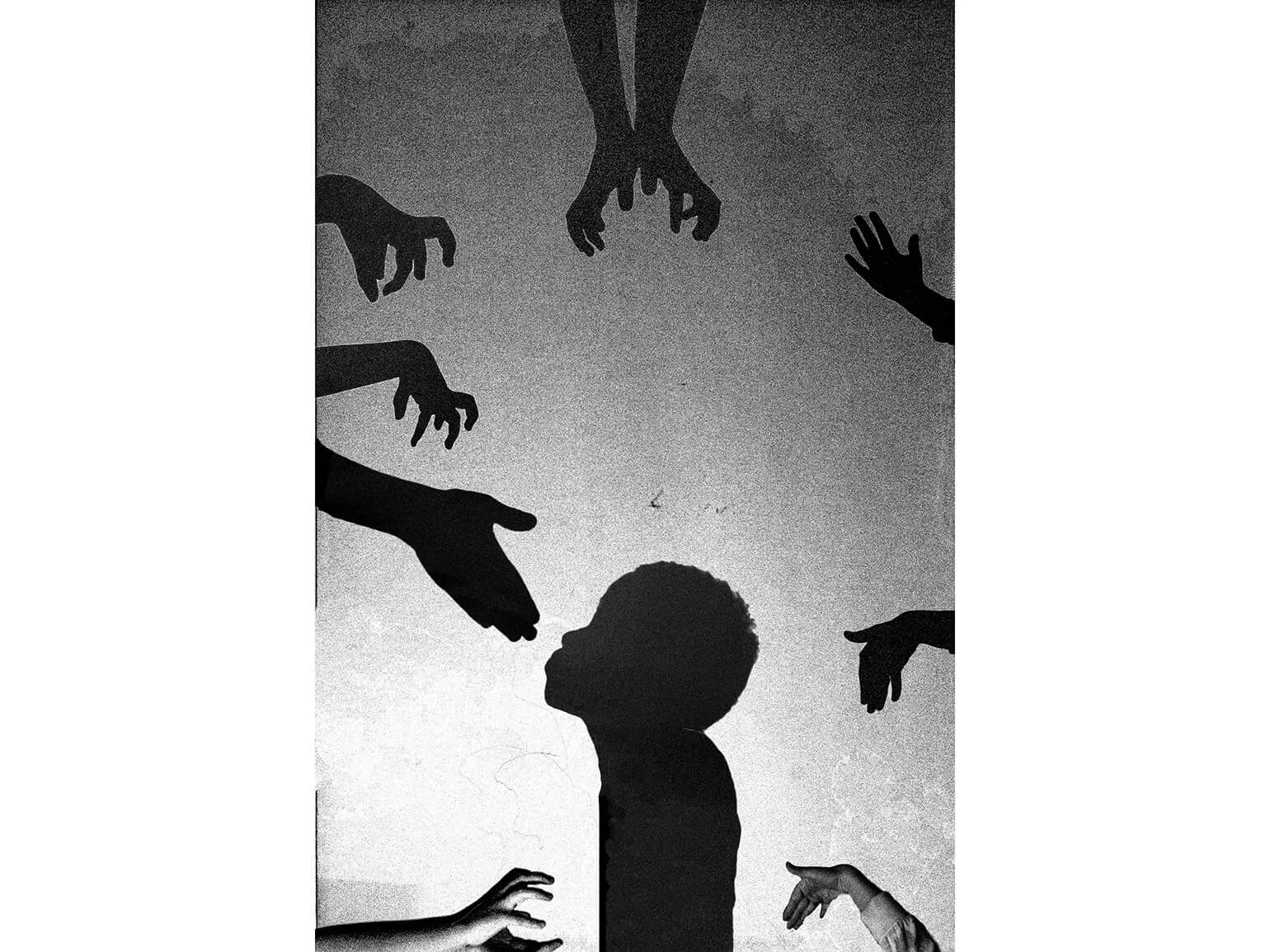
Yulia Pavlova shares her reflections on spiritual salvation, which was the initial intention of her work. In preparation, she delved into Christianity, particularly Orthodoxy, and analyzed how other authors had addressed this important topic. In particular, Yuri Norshteyn, in his book "Snow on the Grass," mentions icons, which also influenced her perception of this topic.
We have so exhausted our senses and minds that we begin to seek sacred meaning in everything. However, we must not forget the sensual side of life. Have you ever watched a foal suckle its mother? It is a simple yet profound expression of connection and care that reminds us of the importance of emotional experience.
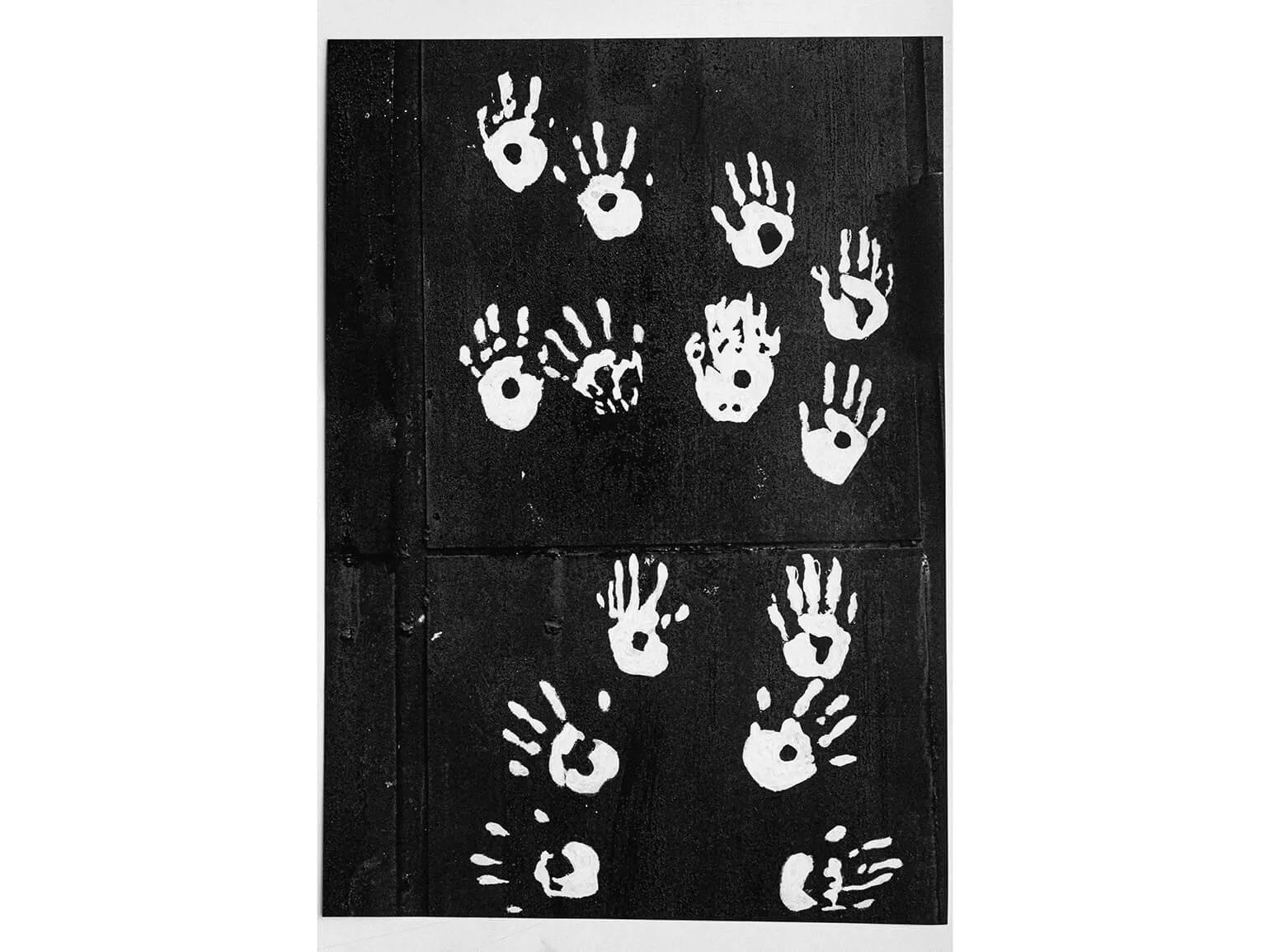
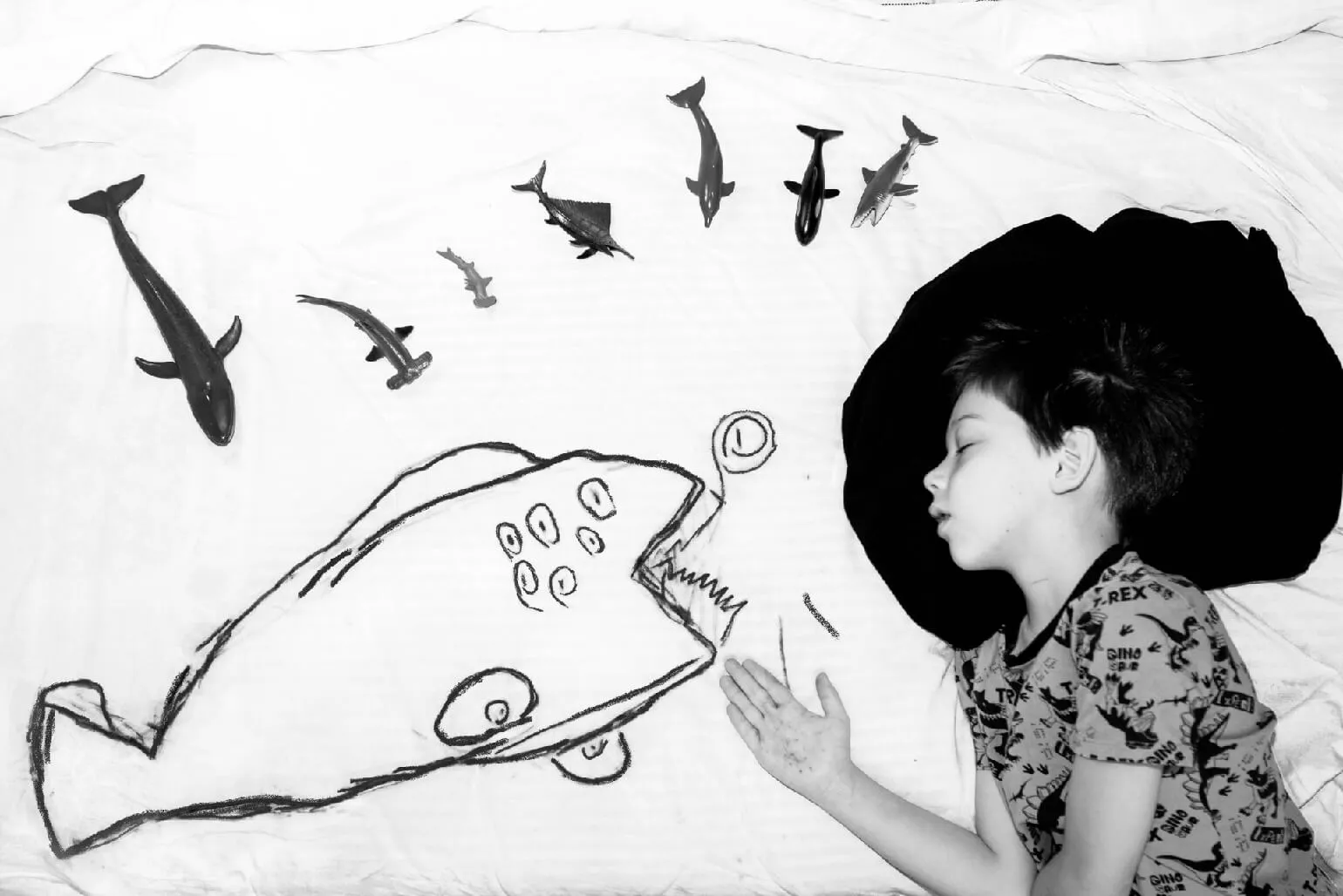
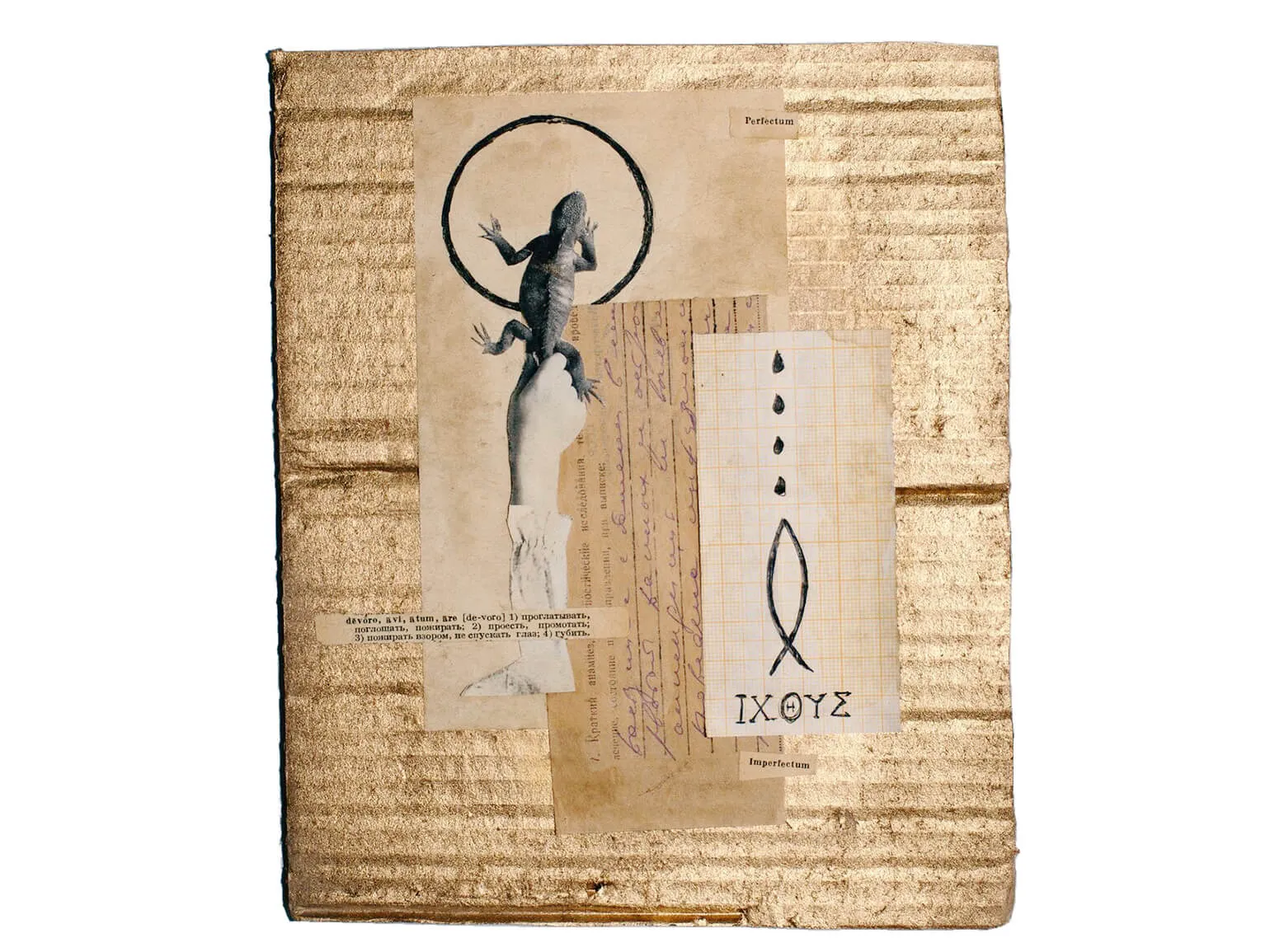
Yulia and her children created images of various animals, in particular fish. The choice of this animal is no accident: early Christians often depicted fish on the walls of the catacombs, serving as an allegorical symbol of Christ. The word "fish" (ichthys; Ίχθύς) is an acronym composed of the first letters of the name Jesus Christ (Ἰησοῦς Χριστός). The image of fish can be found both directly and indirectly, including depictions of fish fry. Fish symbolize the faith and unity of Christians, making them an important element in religious iconography.
Collages
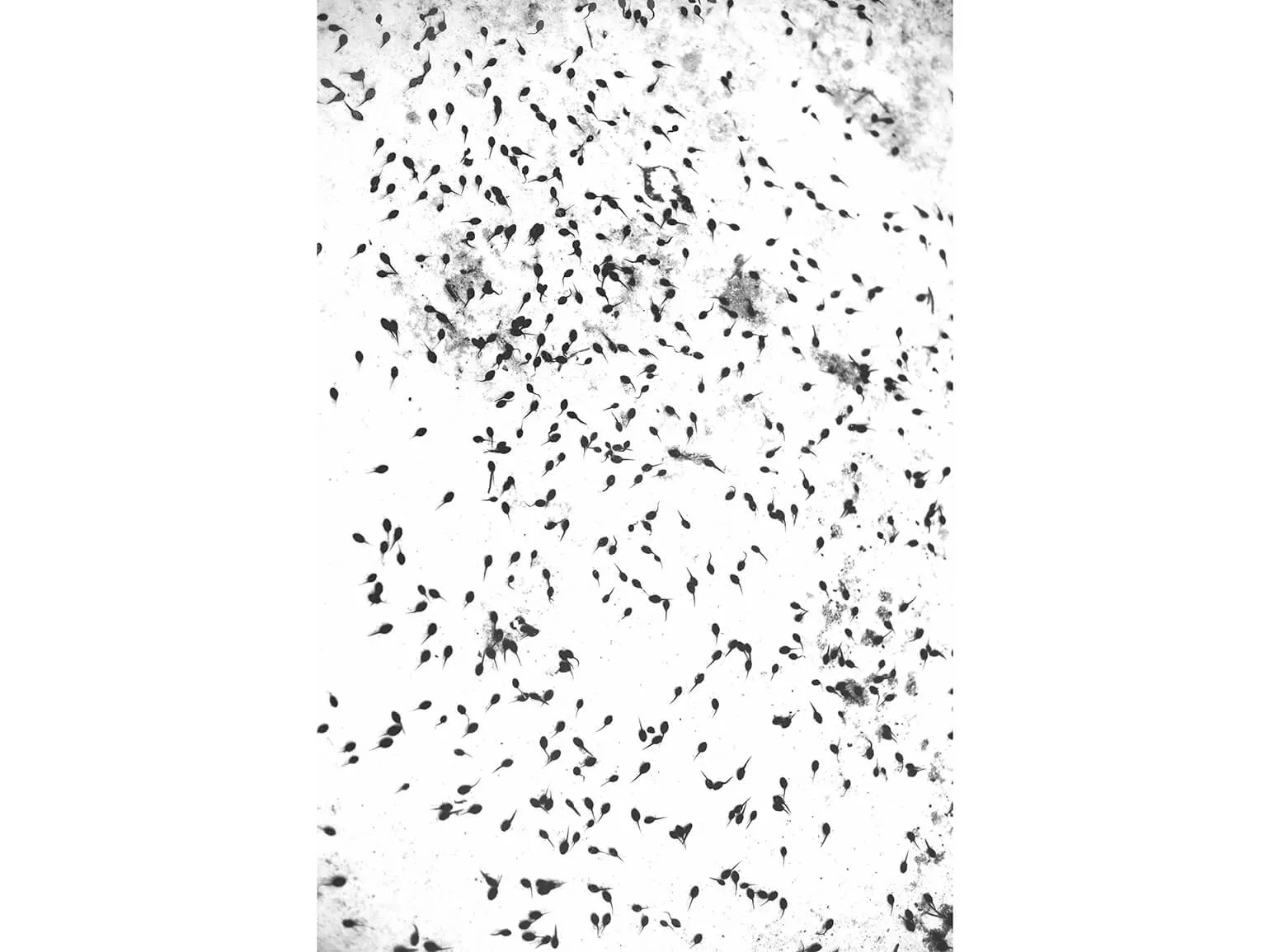
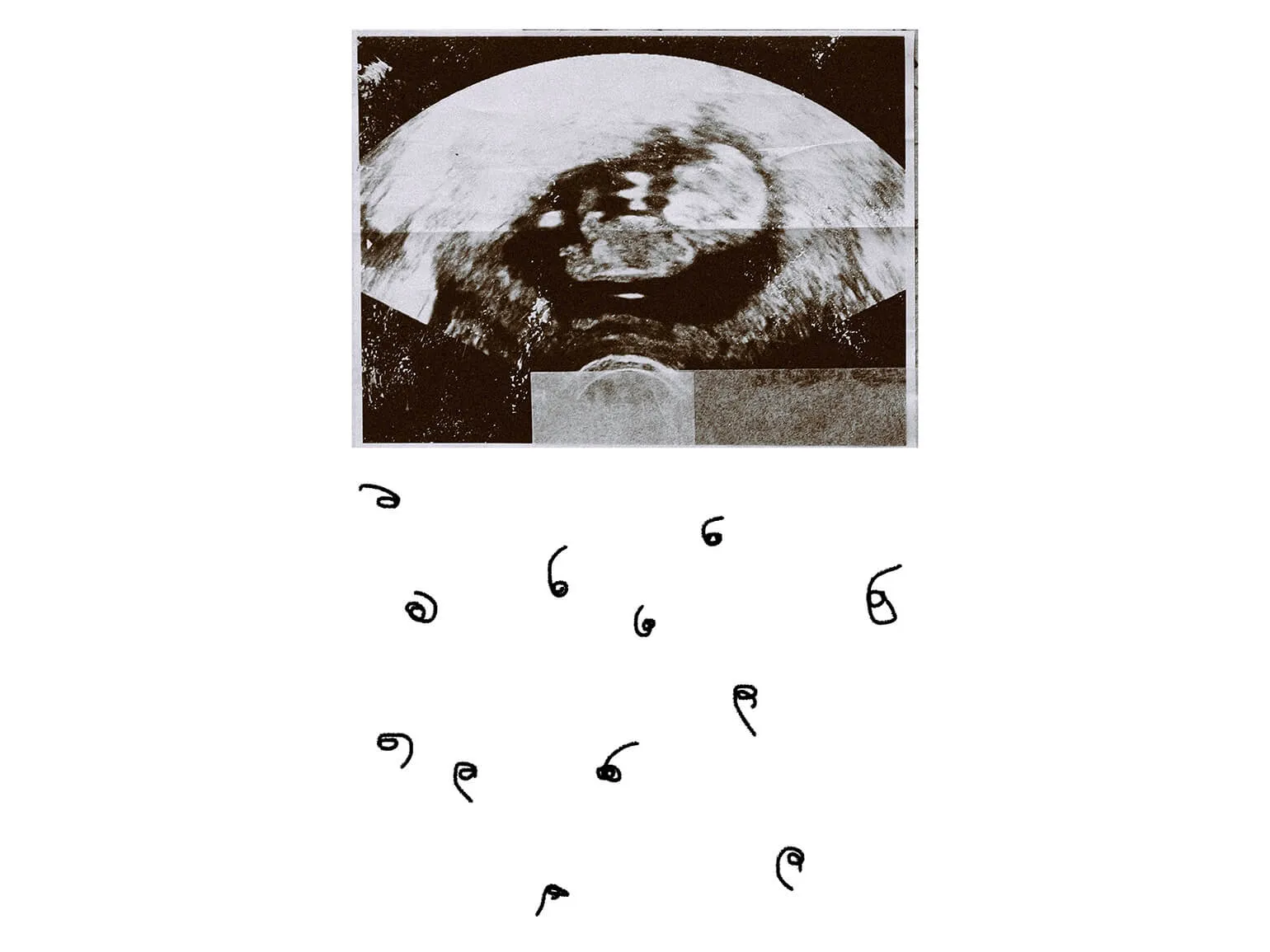
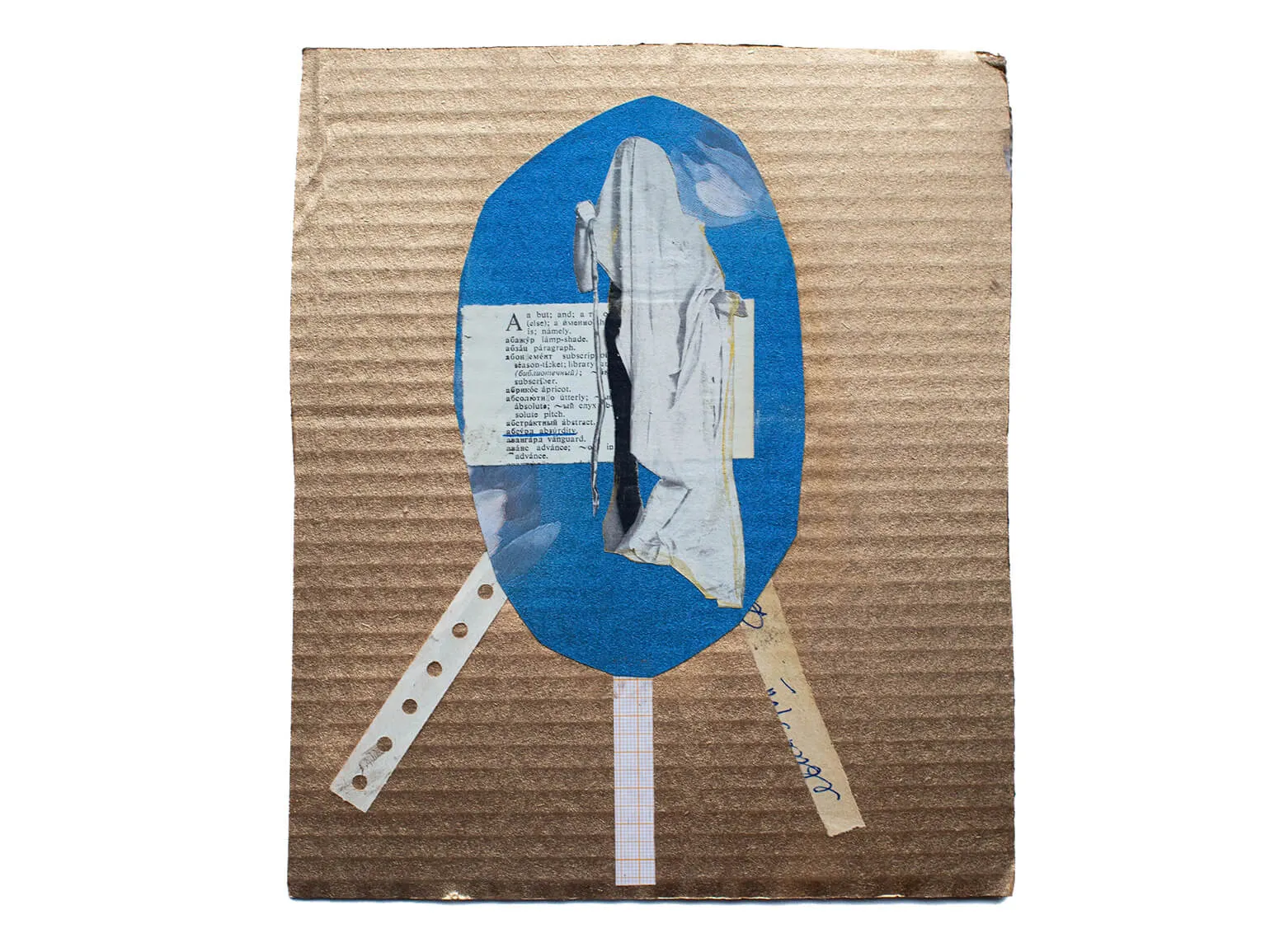
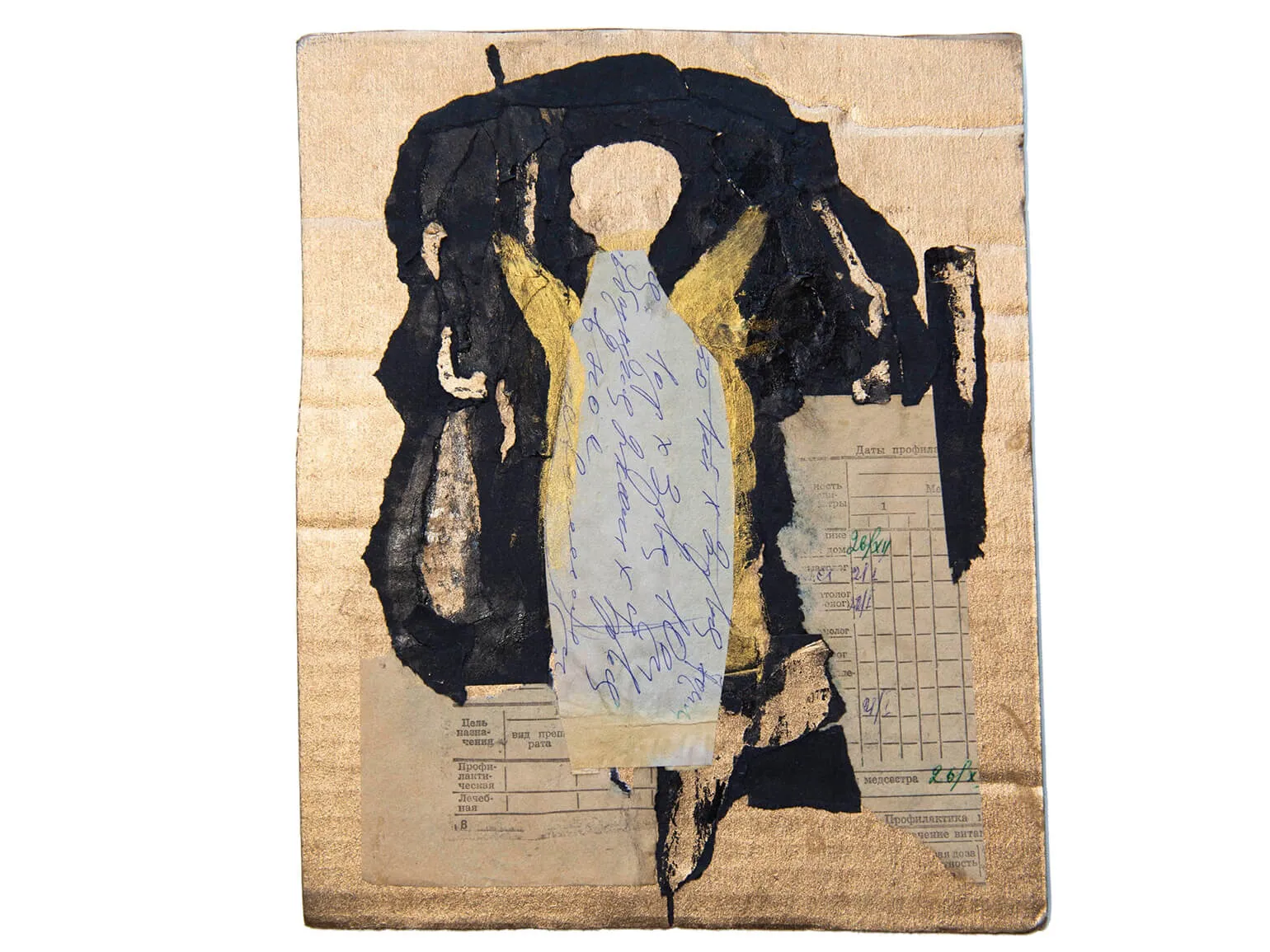
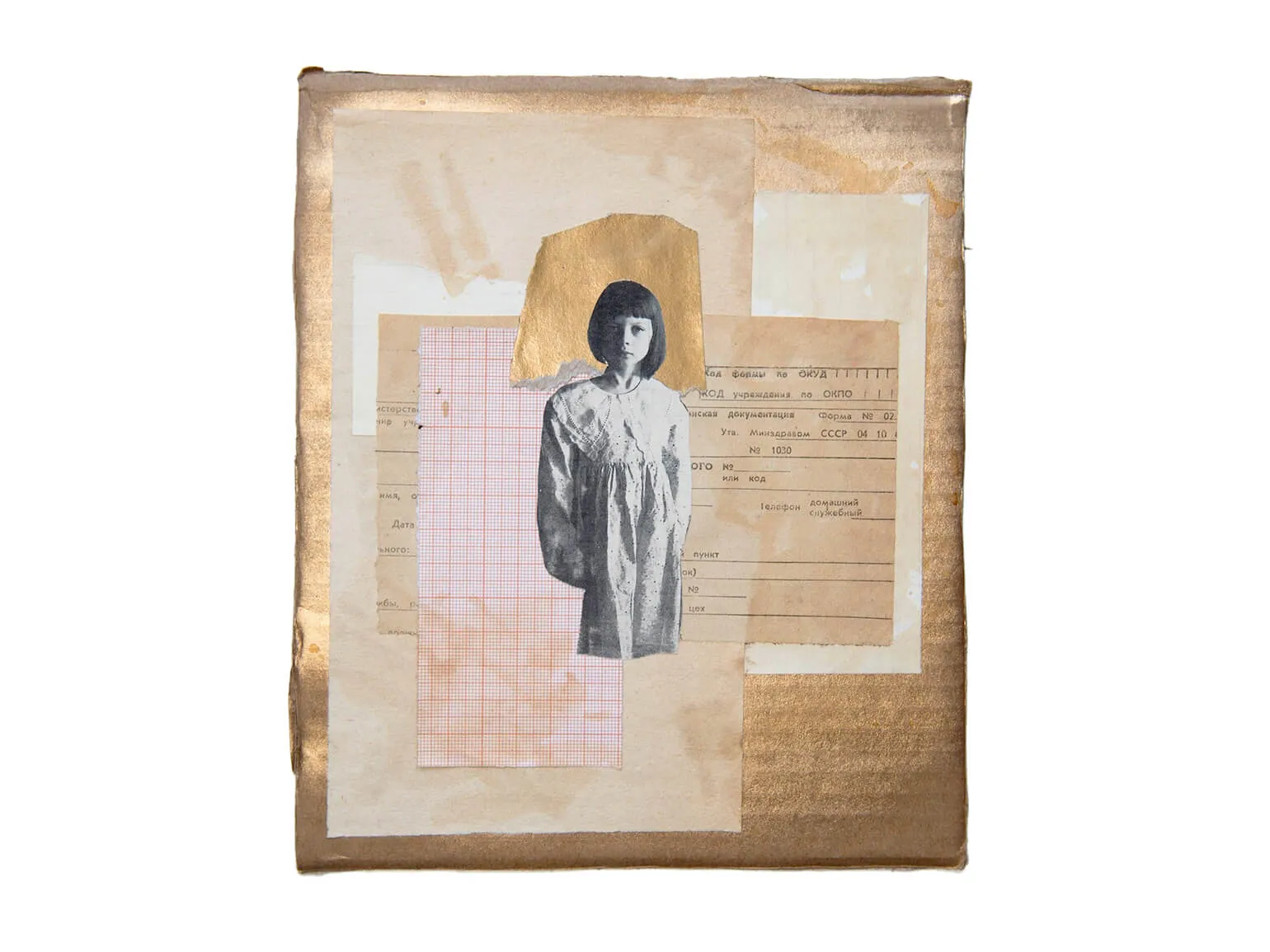
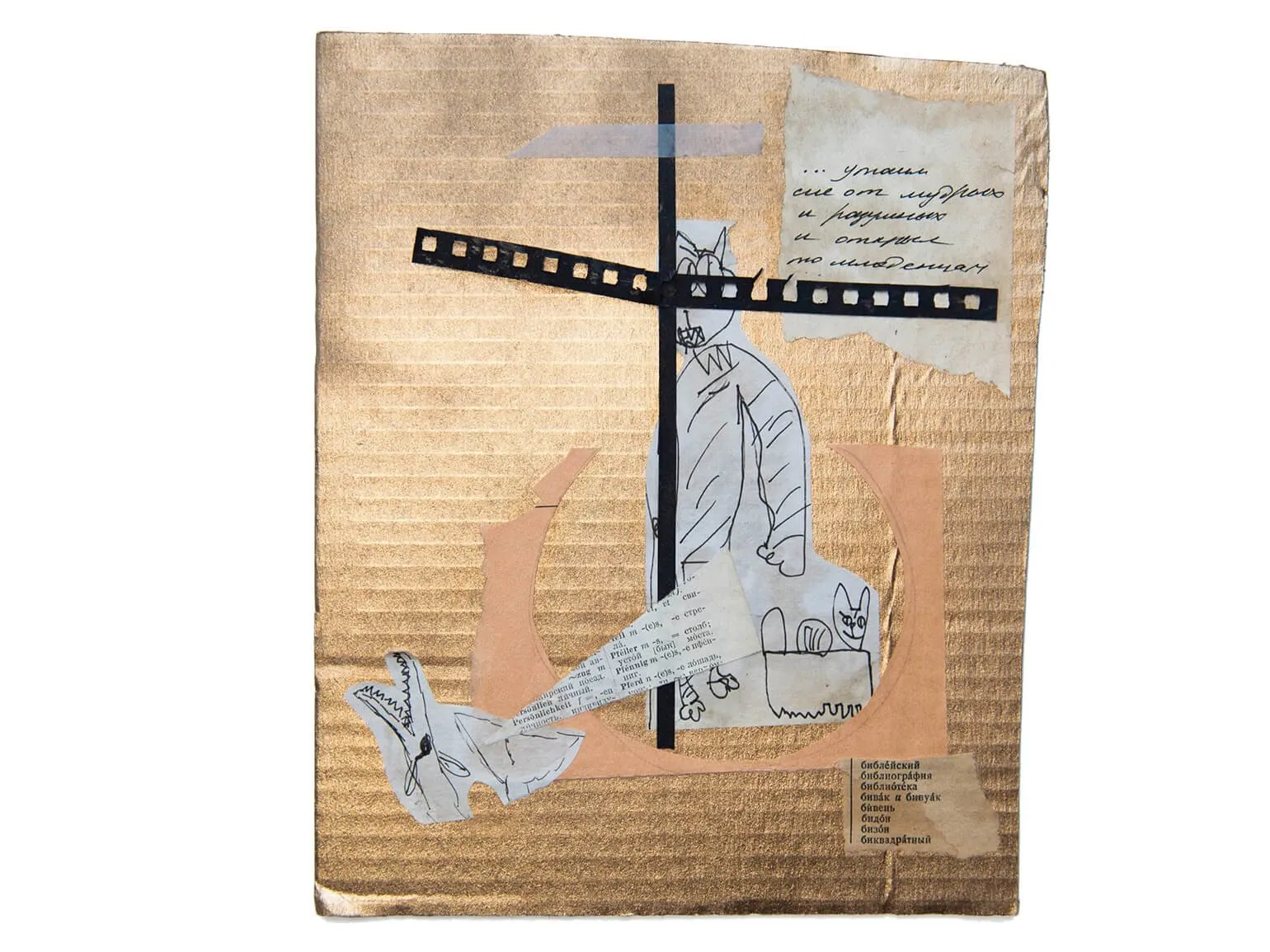
The artist continues to create a series of collages, emphasizing that this format allows her to experiment and develop the concept of the project. She involves children in the process of working on collages, which makes the process even more exciting and creative.
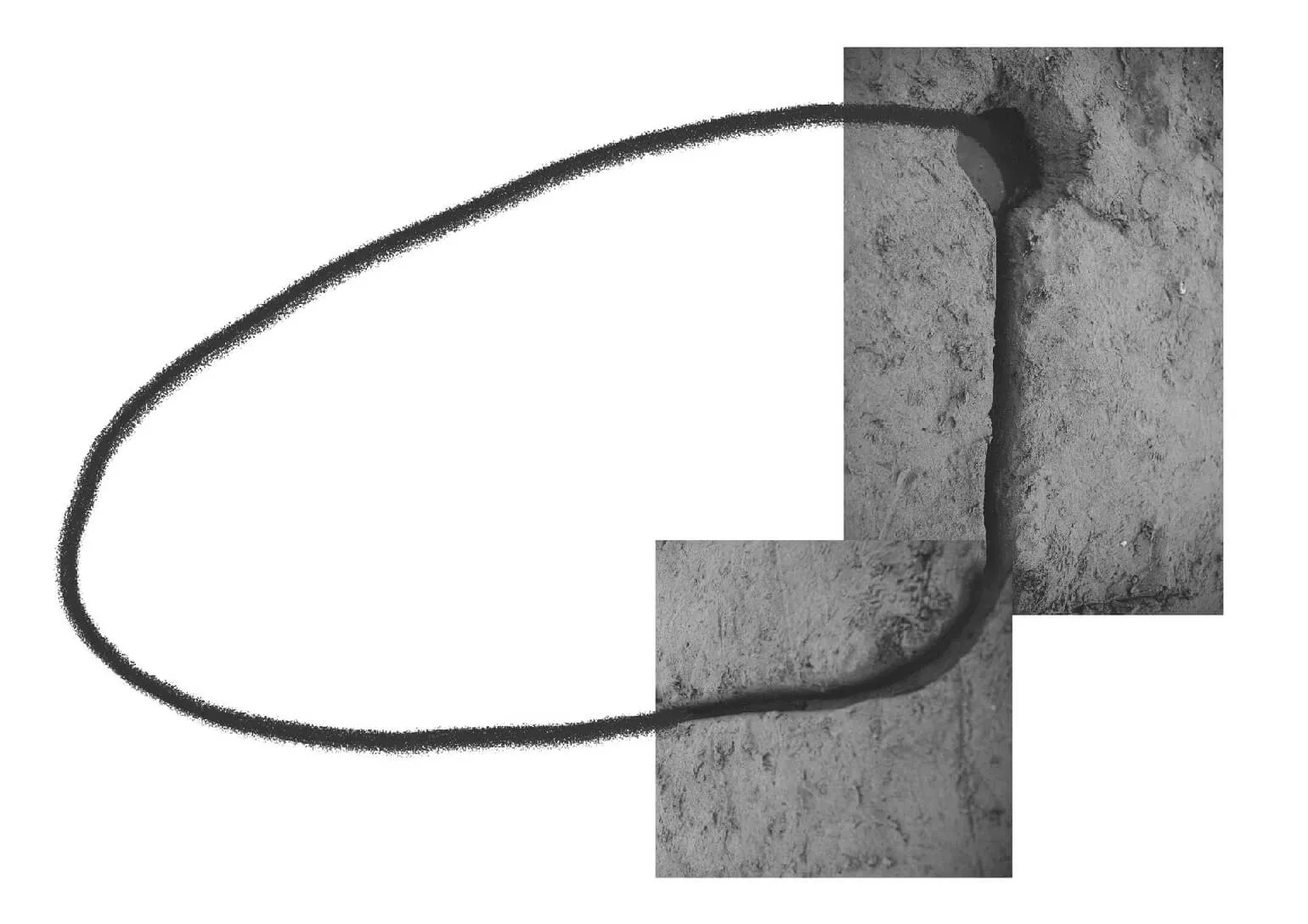
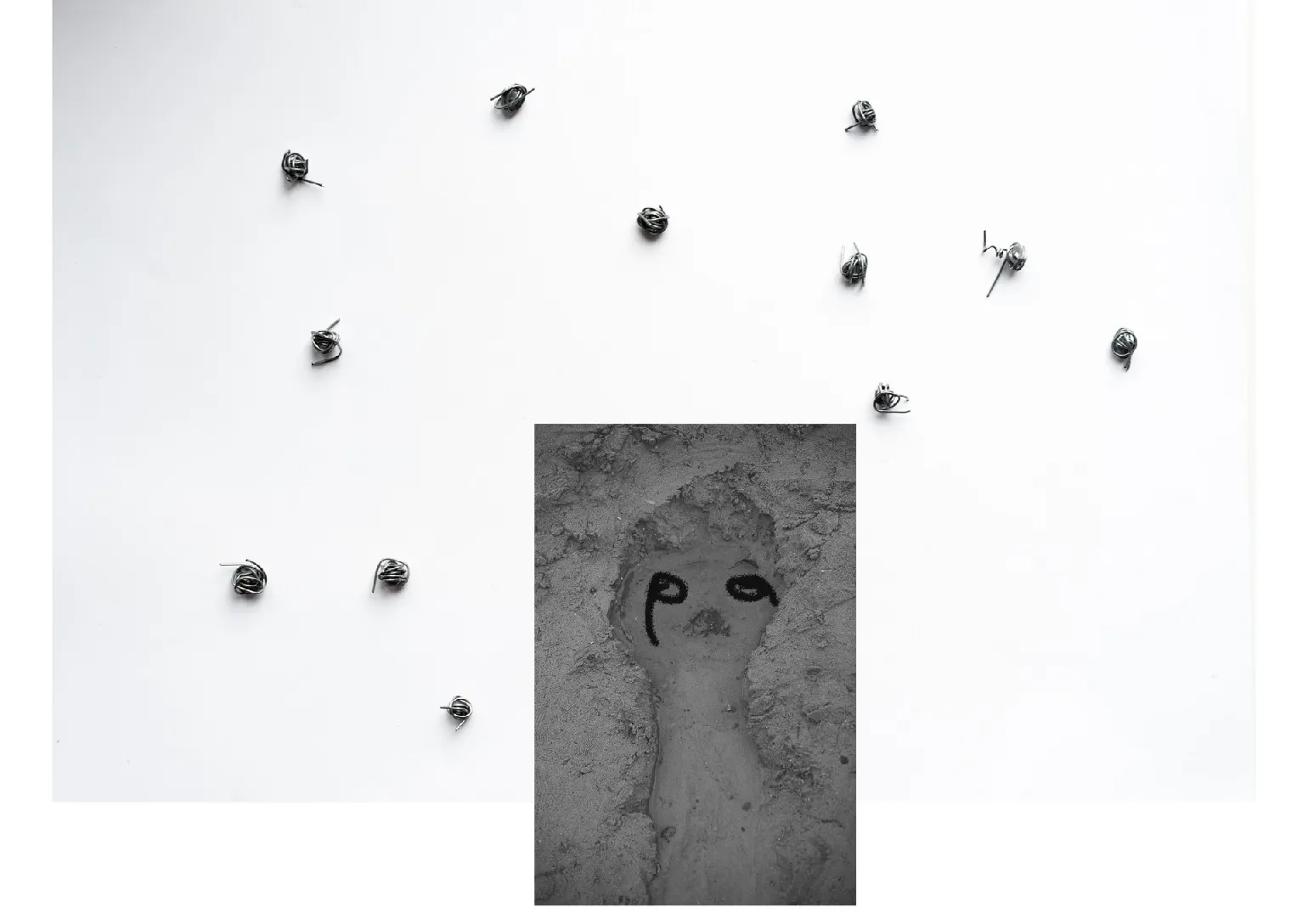
Yulia drew inspiration from the icon collection of the Novgorod Museum-Reserve. In icon painting, green represents life. Red, on the one hand, symbolizes anger at sinners, and on the other, purity. Blue is associated with the sky and the desire for God.

Puppet Theater
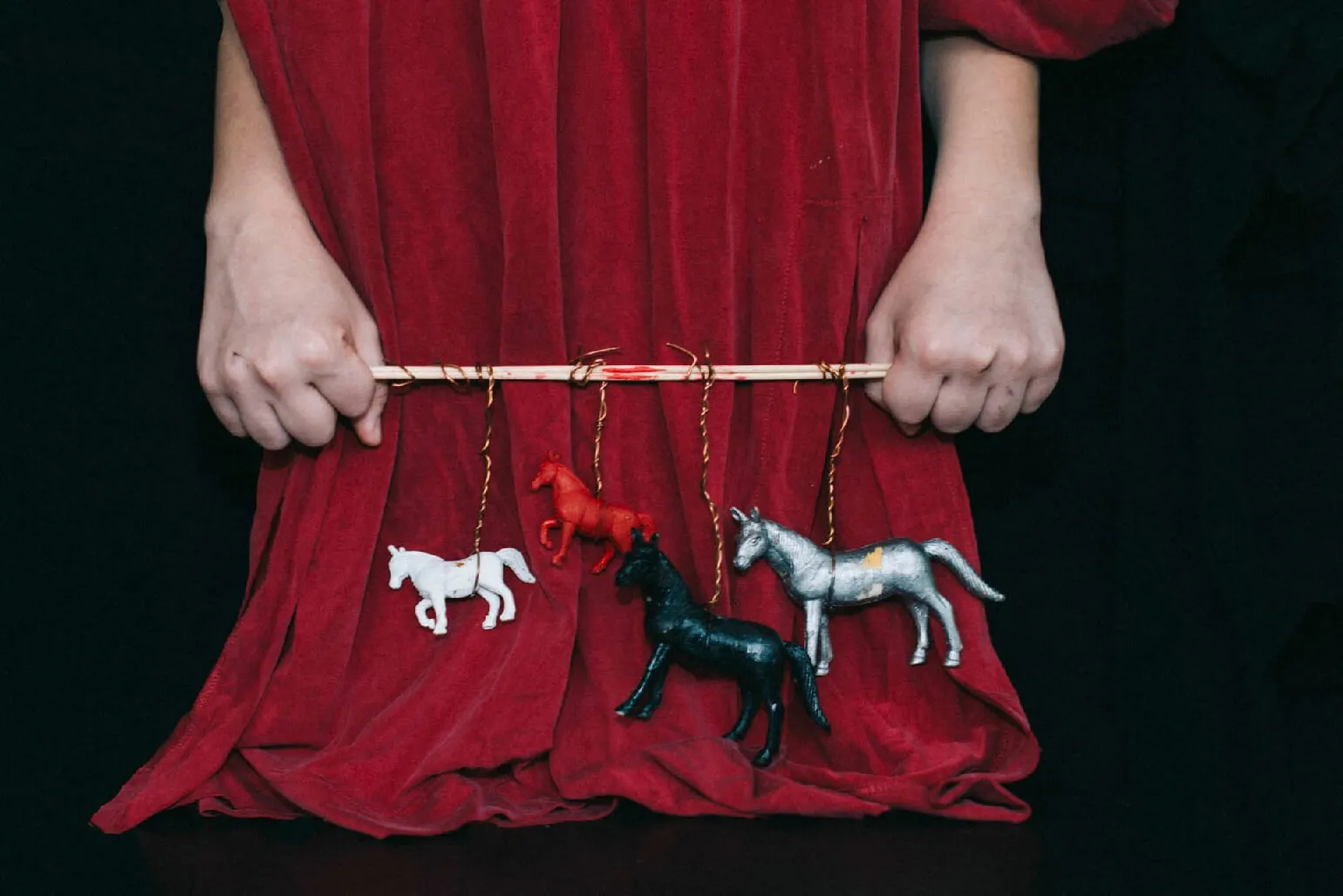
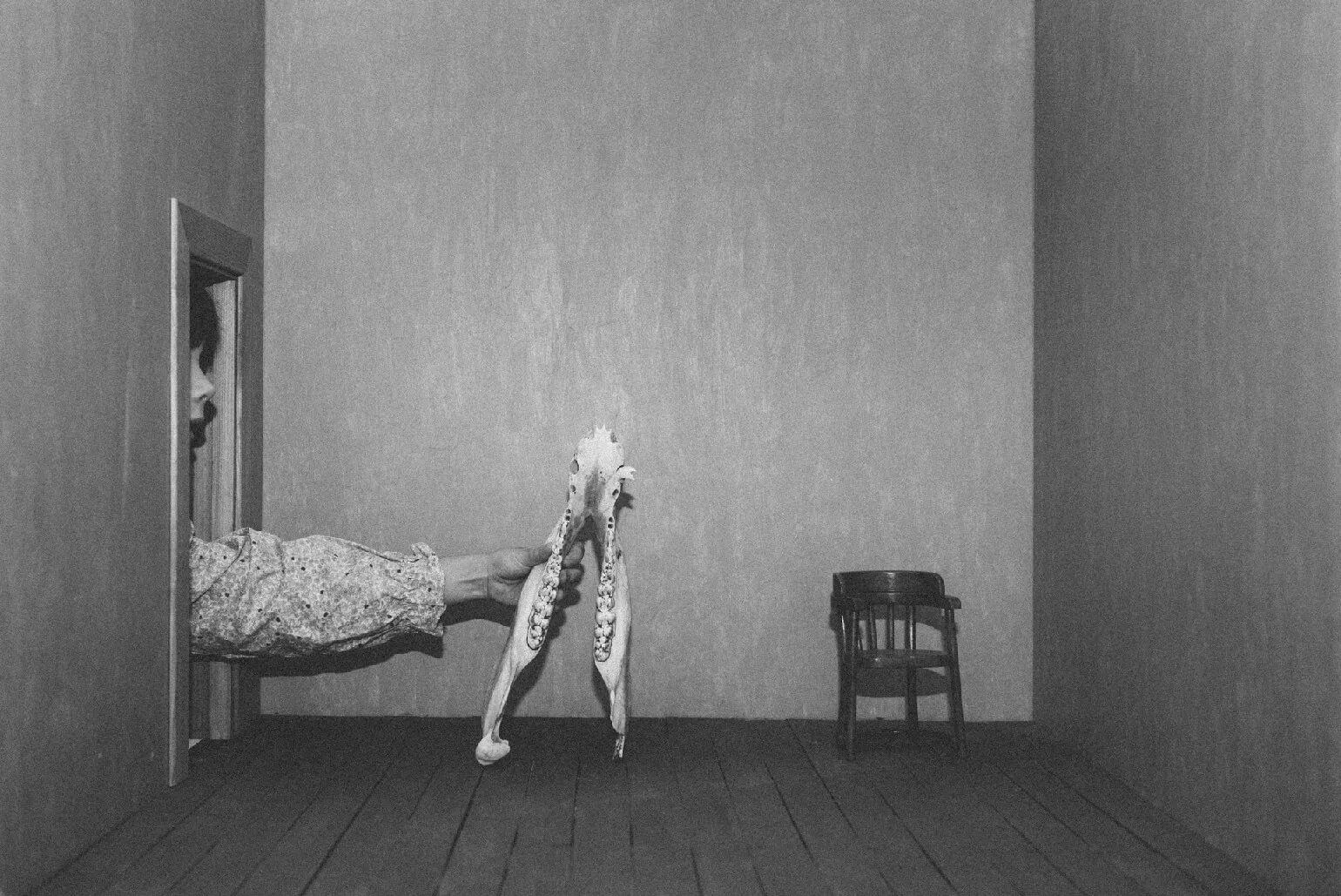
These photographs reflect the artist's inspiration, drawn from the literary works of Lewis Carroll. The logic of his famous works about Alice and the enigmatic Snark is permeated with absurdity: events often have no connection, the characters are absurd, and their behavior and existence as a whole seem meaningless. The artist uses these absurd elements to create unique images that provoke the viewer to reflect on the nature of reality and imagination.


Sculpture
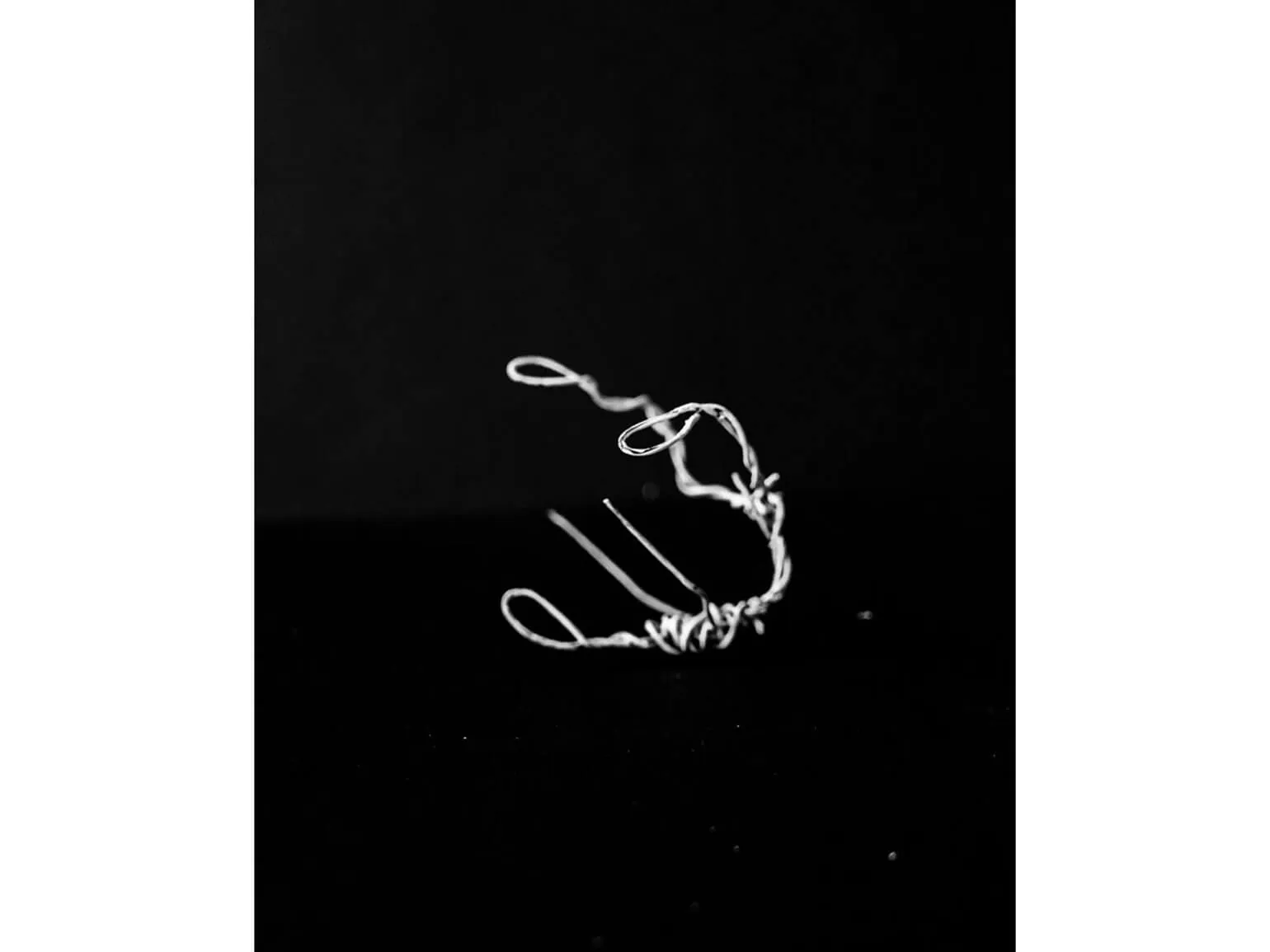
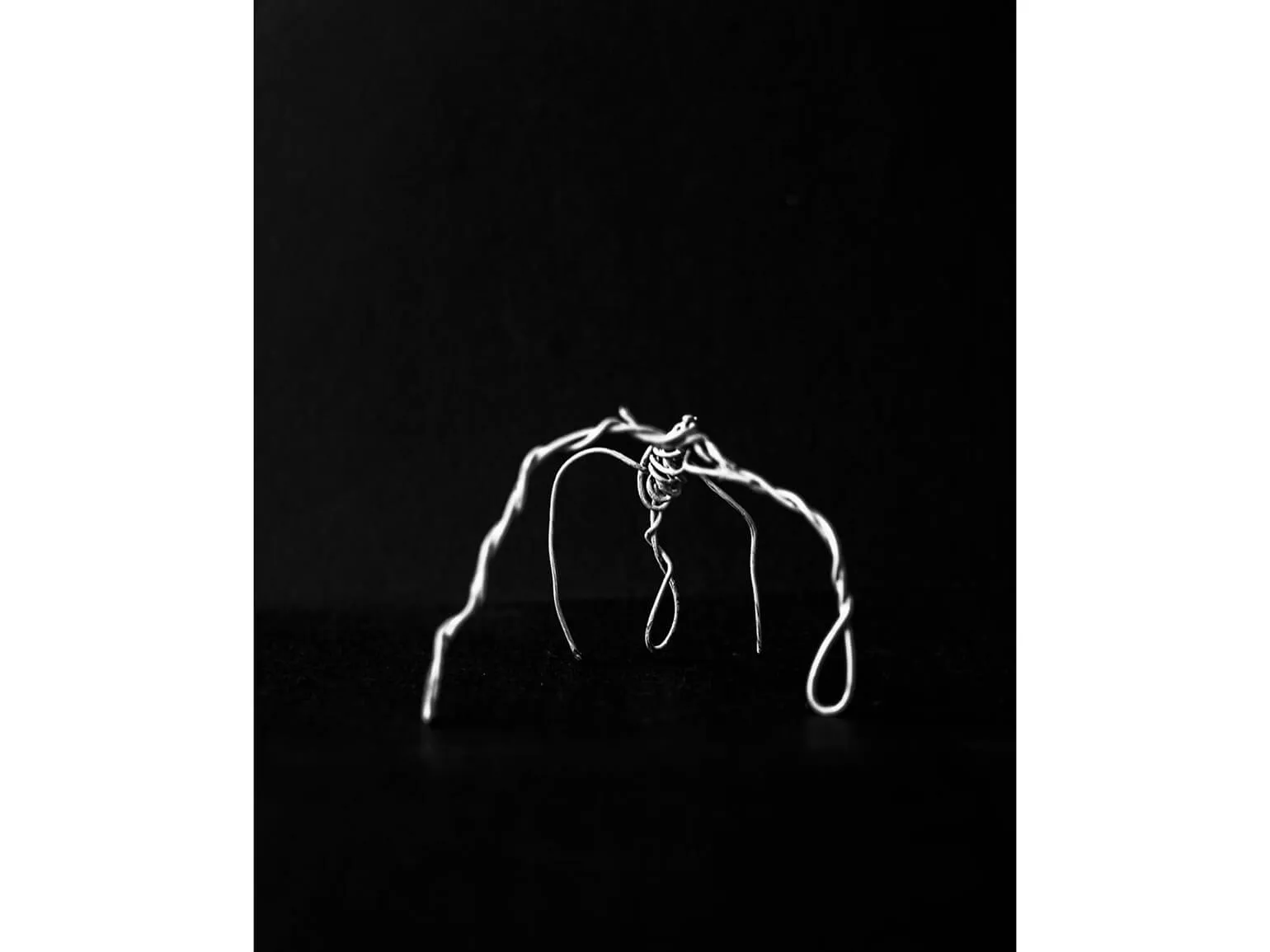
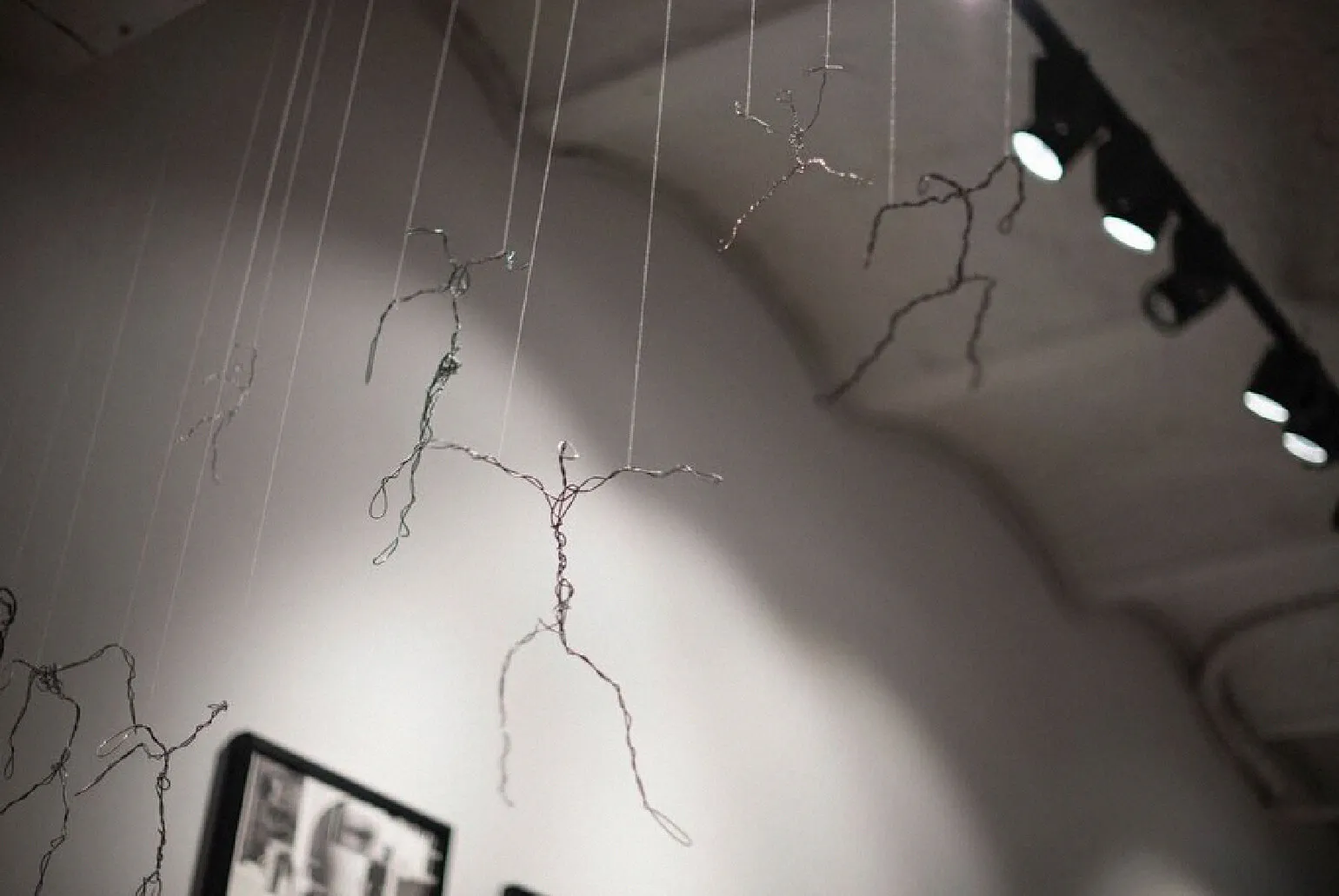
Book
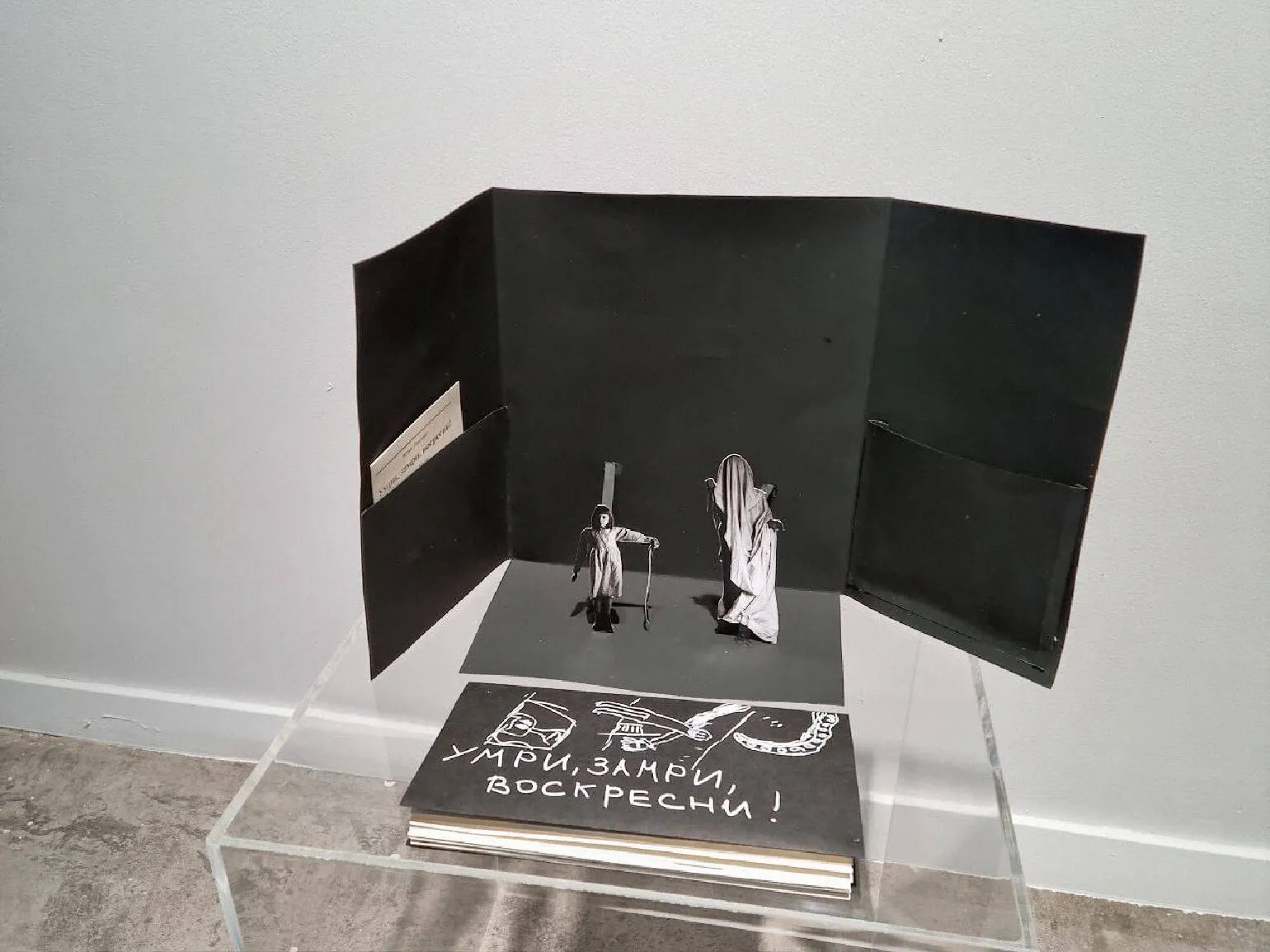
The exhibition features the artist's book, which details the concept and ideas of the project. This publication is an important addition to the exhibition, allowing for a deeper understanding of the author's intentions and exploring key themes reflected in her works.
The artist shares her inspiration, which she drew from vintage theater brochures, playbills, and librettos. This inspiration informed the book's elongated form, creating a unique visual experience. She also sought to combine elements of play and theater, engaging children in the creative process. This approach promotes creativity and interaction, making art more accessible and engaging for young viewers.
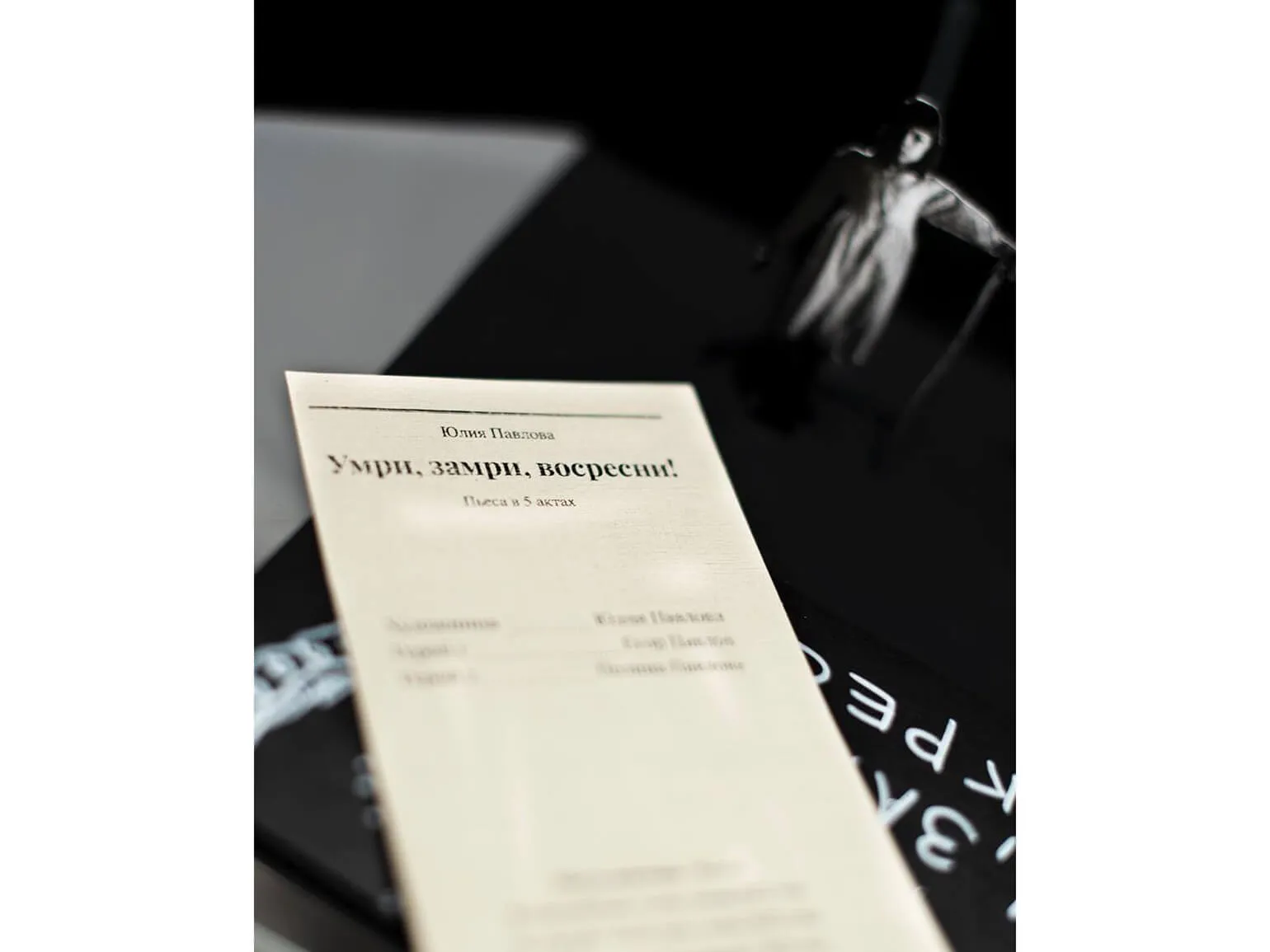
The game has the following rules: "Night falls - everything freezes", "Day comes - everything comes to life". The book is structured into chapters, similar to scenes in a play, with each chapter reflecting a separate act of the play. This allows for a deeper immersion in the atmosphere and dynamics of the plot, emphasizing the importance of changing the time of day for the development of events.
Profession Photographer
You will learn to take professional photos from scratch. You will learn how to organize shoots, process shots, manage models and a team. Find your style, build an impressive portfolio, and start making money doing what you love.
Find out more