Contents:
Convenience
When choosing between film and digital photography, it is important to consider the technical aspects. In the case of family or wedding photography, I prefer to use digital equipment. This is explained by the need for quick reaction and the ability to take multiple takes, which is especially important in dynamic moments. Digital photography allows you to instantly preview the results and, if necessary, repeat the shots, which significantly increases the chances of getting successful shots.
Film significantly limits the number of shots, which, on the one hand, is excellent practice for a photographer, allowing you to develop skills and awareness when shooting. However, on the other hand, this can lead to the loss of significant moments. Untaken shots sometimes become a source of regret and even nightmares, reminding us of missed opportunities. Therefore, it is important to find a balance between quality and quantity to ensure that every shot counts and captures important moments.
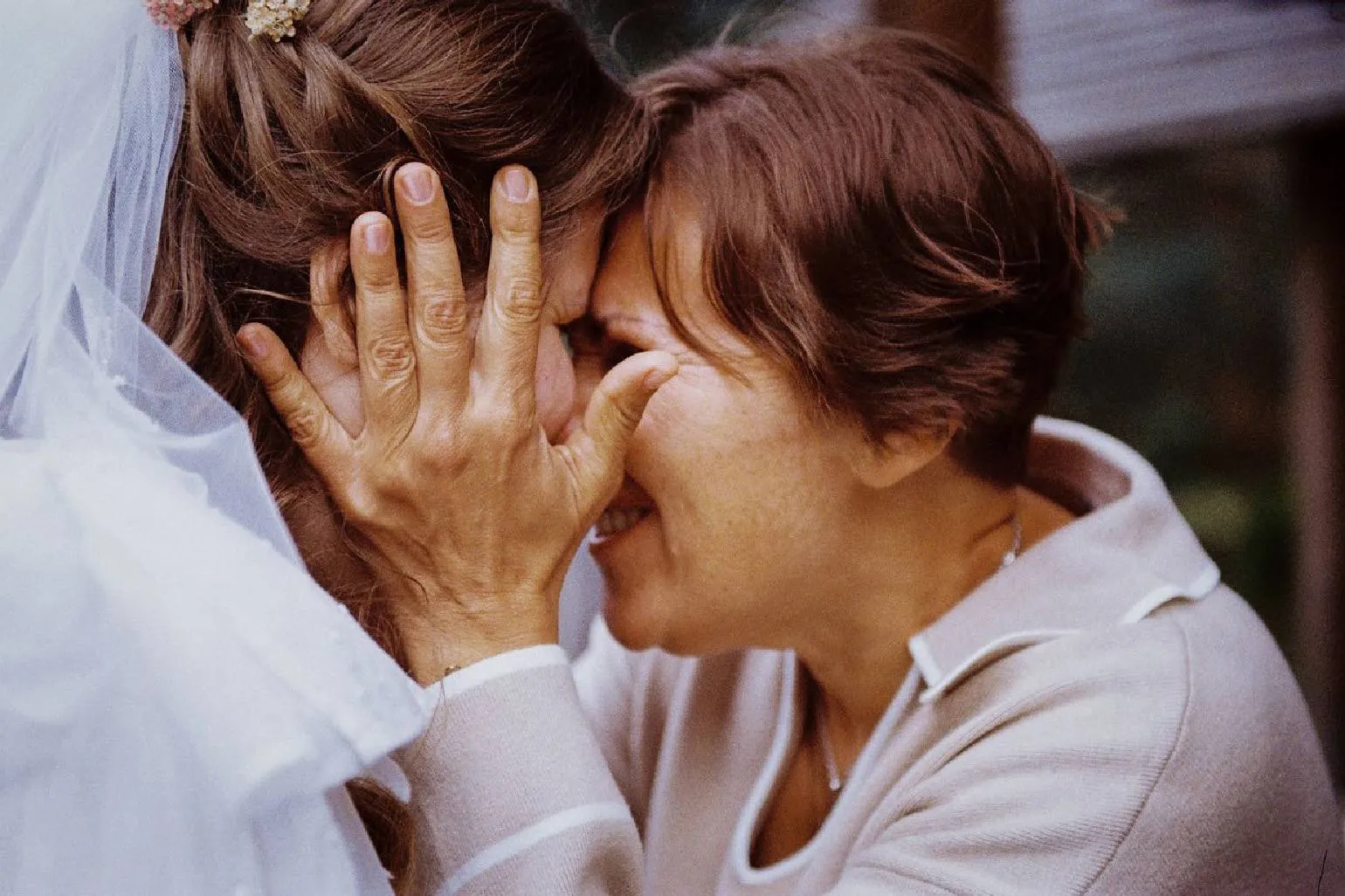


When filming a ceremony at a registry office, you might run out of film at the most crucial moment, for example, when the newlyweds are putting on each other's rings. To avoid such problems, I always keep a digital camera on hand. This allows me to simultaneously capture important moments in different formats, ensuring reliability and quality of filming. Using digital equipment in addition to film ensures that no important moment is missed, and you can provide the newlyweds with a complete, high-quality video of their celebration.

A Telegram channel for photography enthusiasts. Here you will find inspiration, tips on shooting and editing, as well as discussions of current trends in the world of photography. Join our community to share your work, receive feedback, and learn from professionals. Discover new techniques and ideas to improve your skills and make your photographs more expressive. Stay up-to-date with the latest news and events in the world of photography with our channel.
We strive to showcase the diversity of the literary world. Subscribe to our resource, where you will find the work of talented Russian authors, information about global competitions, and creative advice from professionals. Discover new ideas and inspiration for your own work.
Concept
Film is considered an outdated medium in the world of photography. Shooting on film today is like riding a horse instead of driving a car. While it is technically possible, it is important to understand your goals and reasons for choosing this method in advance. Film photography can provide a unique experience and artistic qualities that are difficult to reproduce with digital technology. However, for most photographers, digital cameras remain a more practical and convenient choice.
Film is ideal for projects exploring material culture, memory, and history. In my latest project, I used film to create works about St. Petersburg and my personal, complex relationship with the city. This was an attempt to go beyond the traditional depiction of St. Petersburg. I'm conducting a kind of detective investigation, in which I play the role of a detective trying to uncover the city's true face. Film allows me to convey the mutability and elusiveness of this face. The entire project was shot on film, with the exception of one frame, which was shot digitally due to the need for underwater photography. I didn't have the time to use film—shoot, develop, and reshoot.
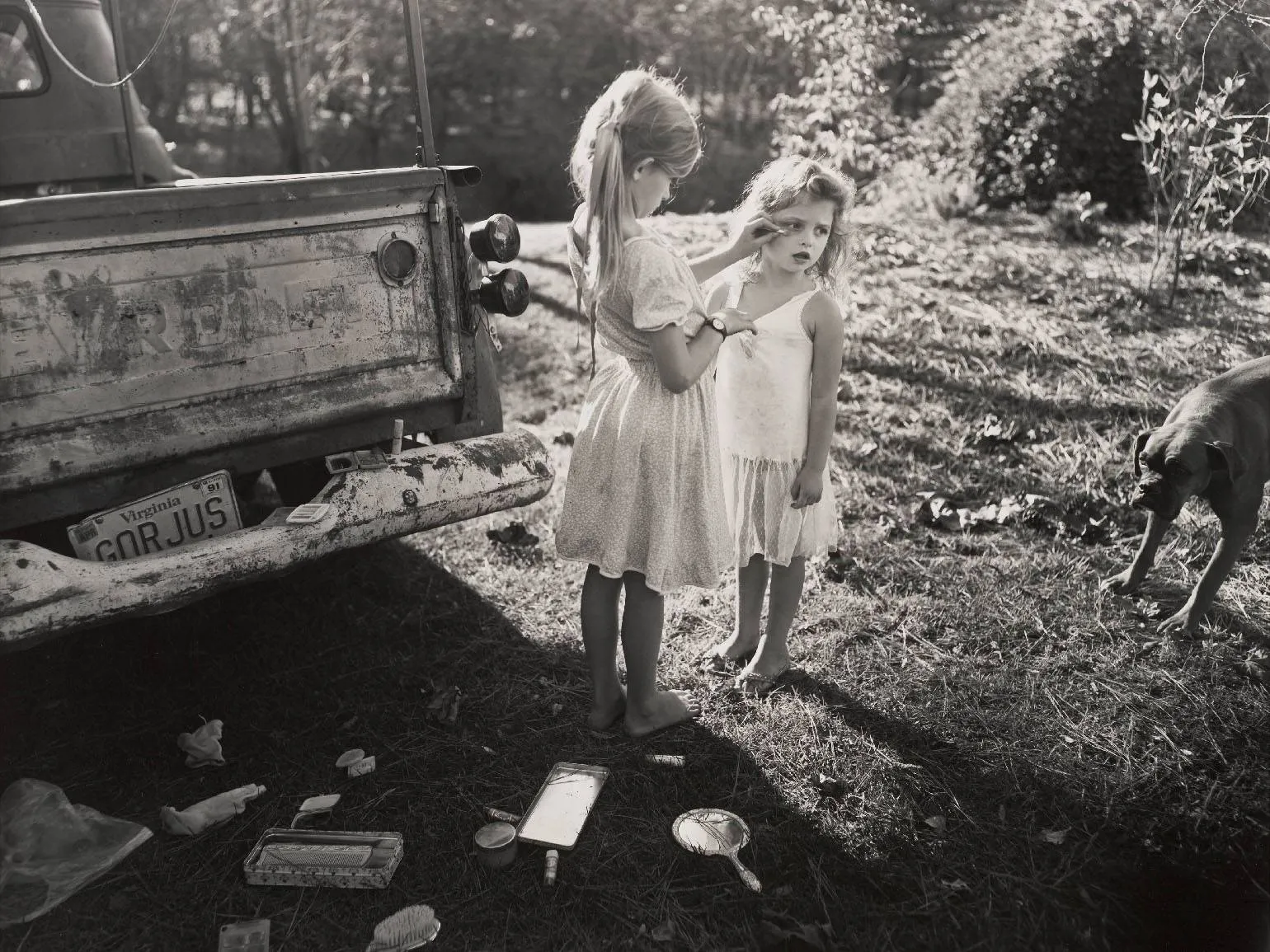
Photographer Sally Mann is known for her series "Immediate Family", which captures her children on glass plates. The use of this ancient technology imbues her work with a unique quality, creating a timeless effect. Viewers may long wonder whether these photographs were taken in the nineteenth or the late twentieth century. The children in the photographs resemble characters from classical paintings, lending a sense of timelessness to the contemporary subject matter. This striking combination is made possible by the choice of medium, which underscores the importance of film in the creation of artistic images.
Authenticity
Film symbolizes the authenticity of the image and minimal intervention in it. When using a digital camera, people often shoot without much attention to settings, relying on the ability to refine the image in an editor such as Lightroom. Although film photographs can also be scanned and processed, the process of shooting on film requires more care and awareness. Film imparts uniqueness and character to photographs, making each shot special.
Meditative
I currently work with a film camera equipped with autofocus, which is especially convenient for commercial shoots. Using a zoom lens allows me to avoid moving around the set and effectively set up shots. This significantly speeds up the shooting process and allows me to focus on the creative aspects of the work. A film camera, despite the progress of digital photography, still provides a unique image quality and atmosphere that many clients appreciate.
Previously, I used fully mechanical cameras with manual focus. Recently, I was given one of these cameras, which is probably about 60 years old. Working with it requires patience: all processes happen slowly and manually, which creates a unique meditative atmosphere. Shooting with such a camera allows you to more deeply understand each frame and enjoy the process of photography.
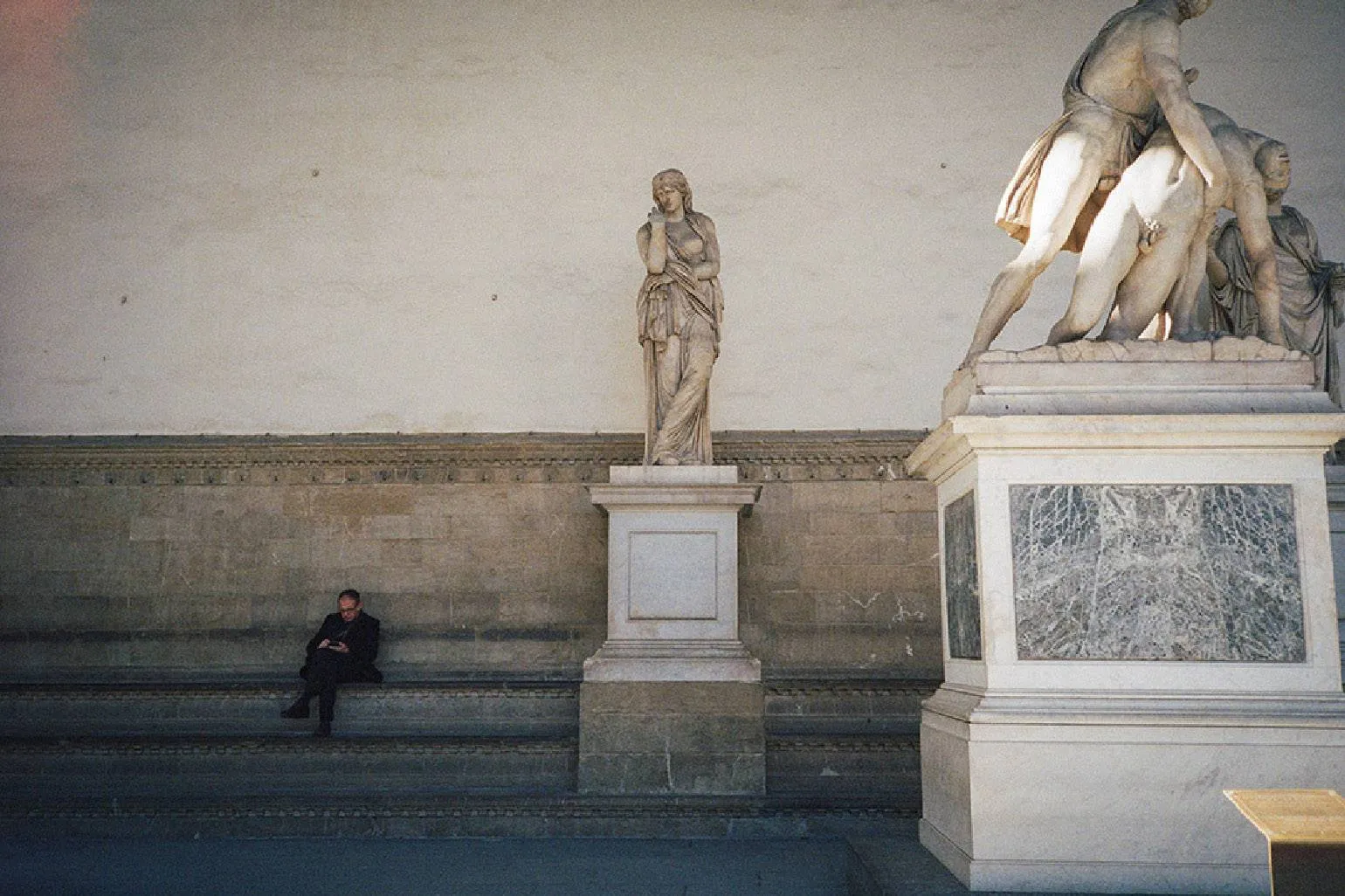
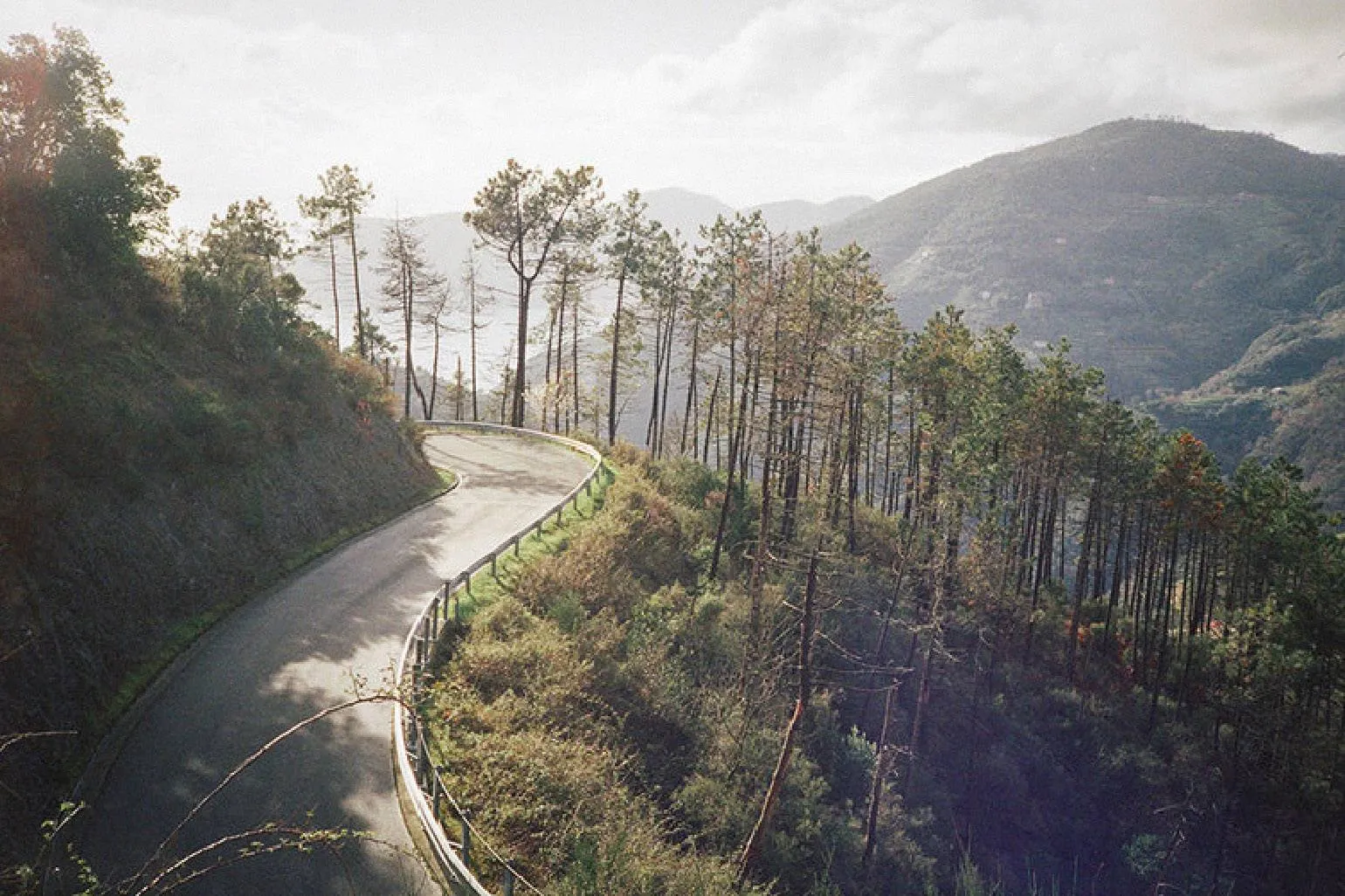
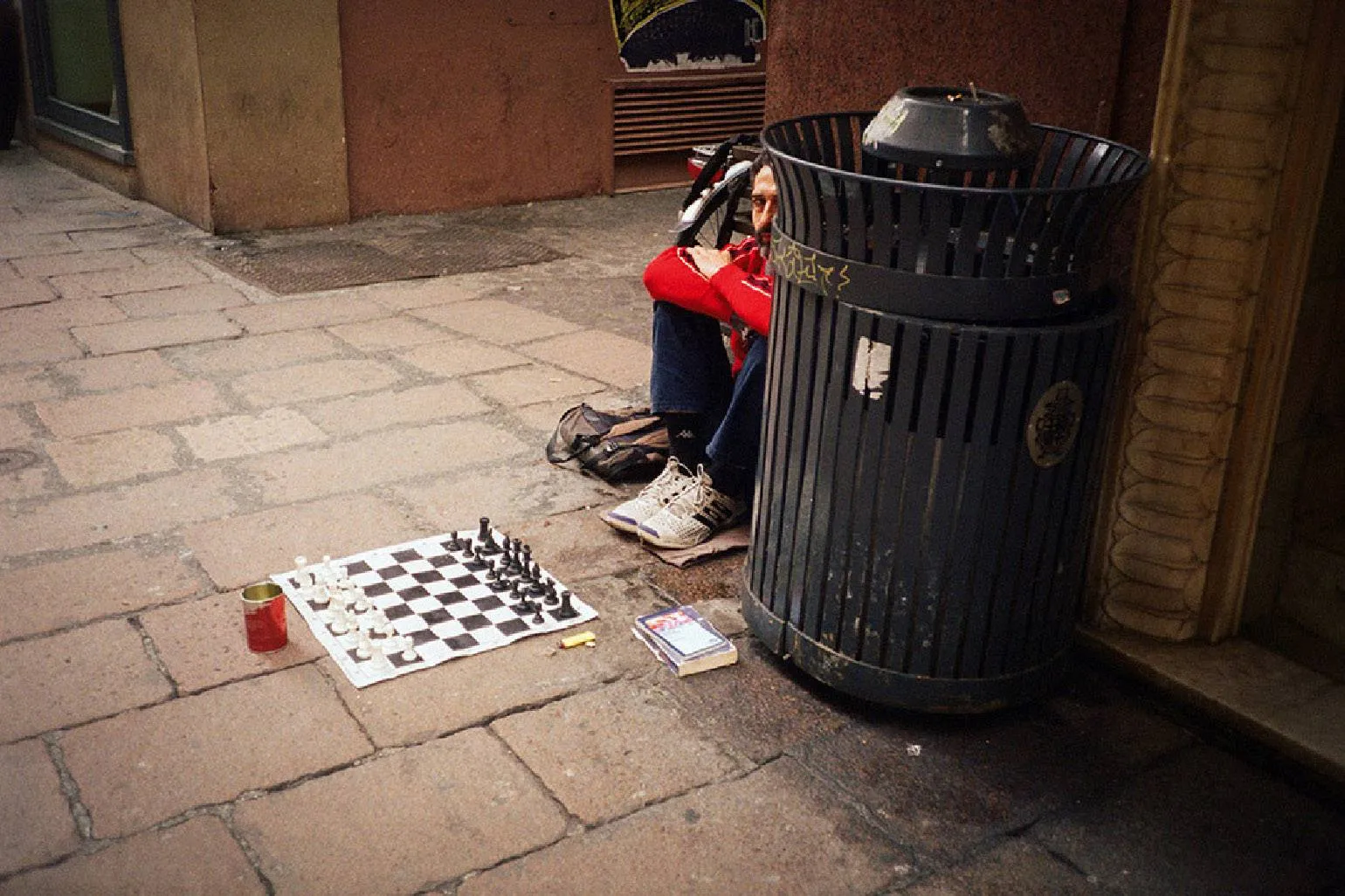
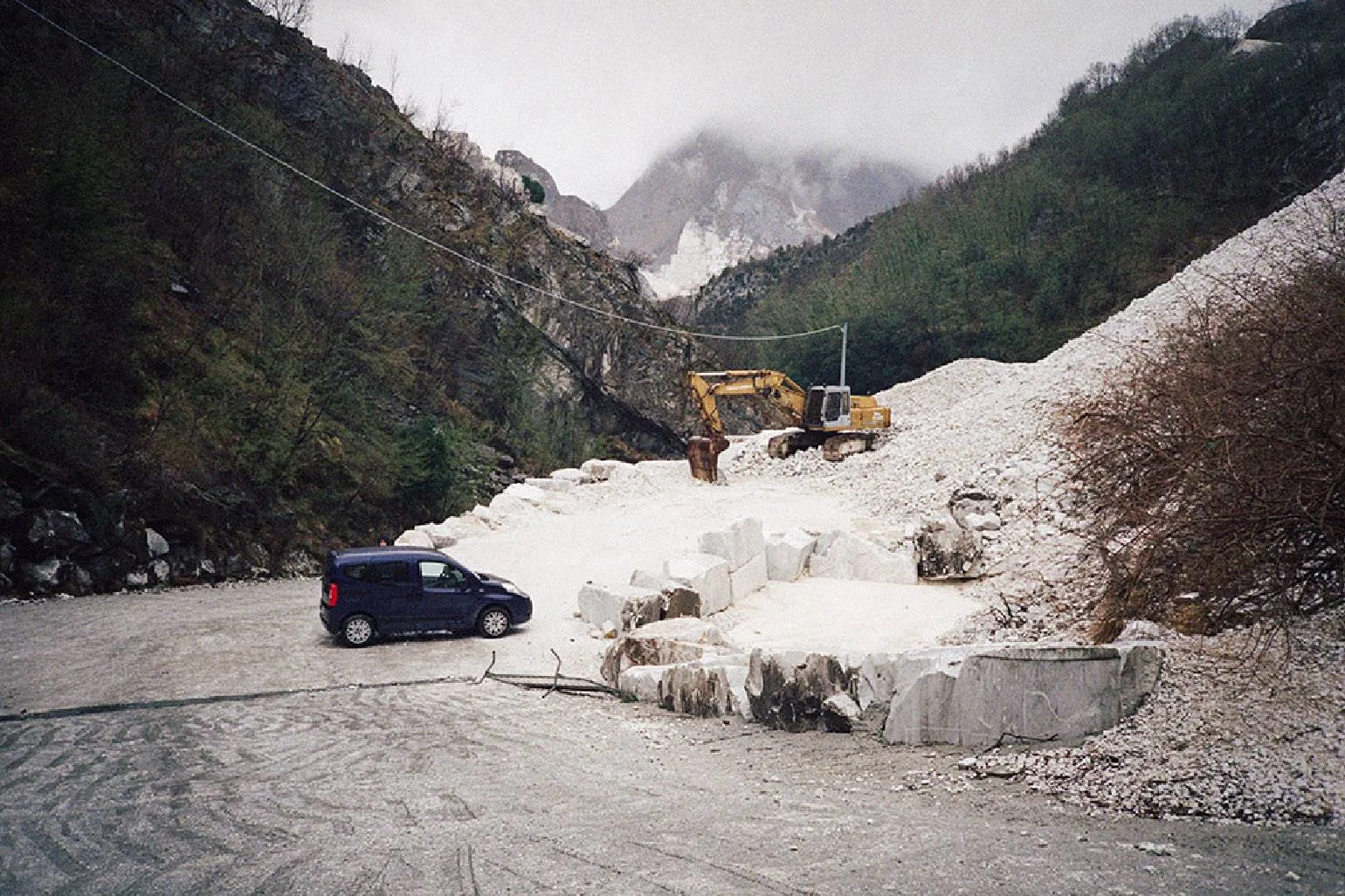
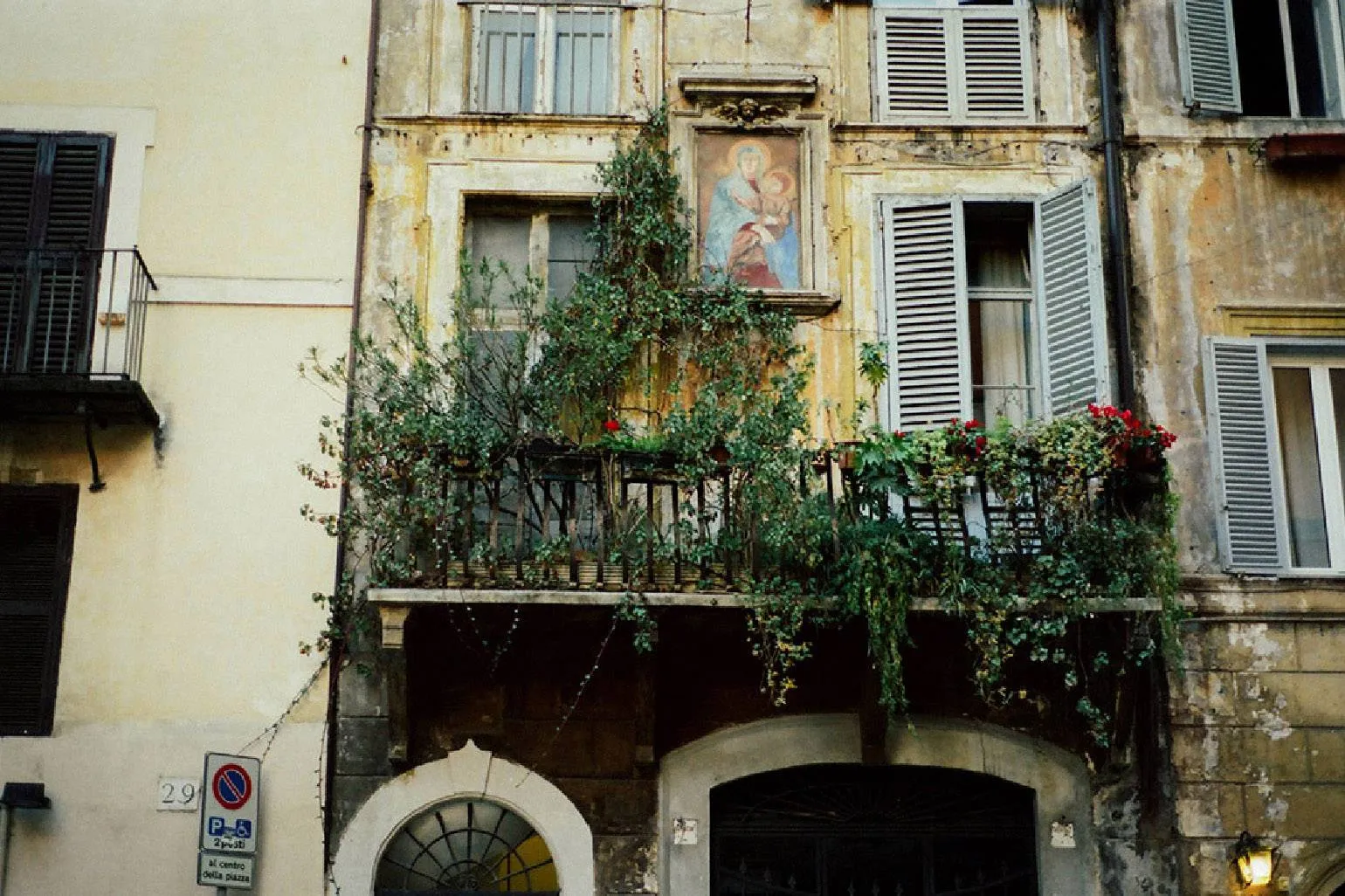
Photography with a film camera requires more time compared to digital analogues. This is neither a positive nor a negative aspect, but simply a feature. Photographers with an active temperament who value dynamics and quick reaction may encounter certain difficulties when working with film. Using a film camera requires a more meticulous approach to each shot, which can be a challenge for those accustomed to the spontaneity and speed of digital photography.
Quick Learning
If you're just starting out in photography, it's recommended to start with a digital camera. The digital process is more visual than analog: you can take a photo, immediately review it, analyze it, and make adjustments before the next shot. Working with film doesn't offer this opportunity. Beginners find it easier to understand basic photography parameters such as shutter speed, aperture, and ISO sensitivity in a digital format, where they can quickly see how these three components interact with each other. Once you master the basic skills on a digital camera, you can confidently transition to film photography, which will open up new horizons in your creativity.
Cost
Film is getting more and more expensive, and this is a significant obstacle for me. When shooting on film, I face high costs, since part of the budget goes on purchasing film and its development. Shooting on a digital camera allows me to significantly reduce costs. However, my love for film does not allow me to give up this format. Despite financial constraints, I continue to use film, appreciating its unique characteristics and artistic possibilities.
Colors
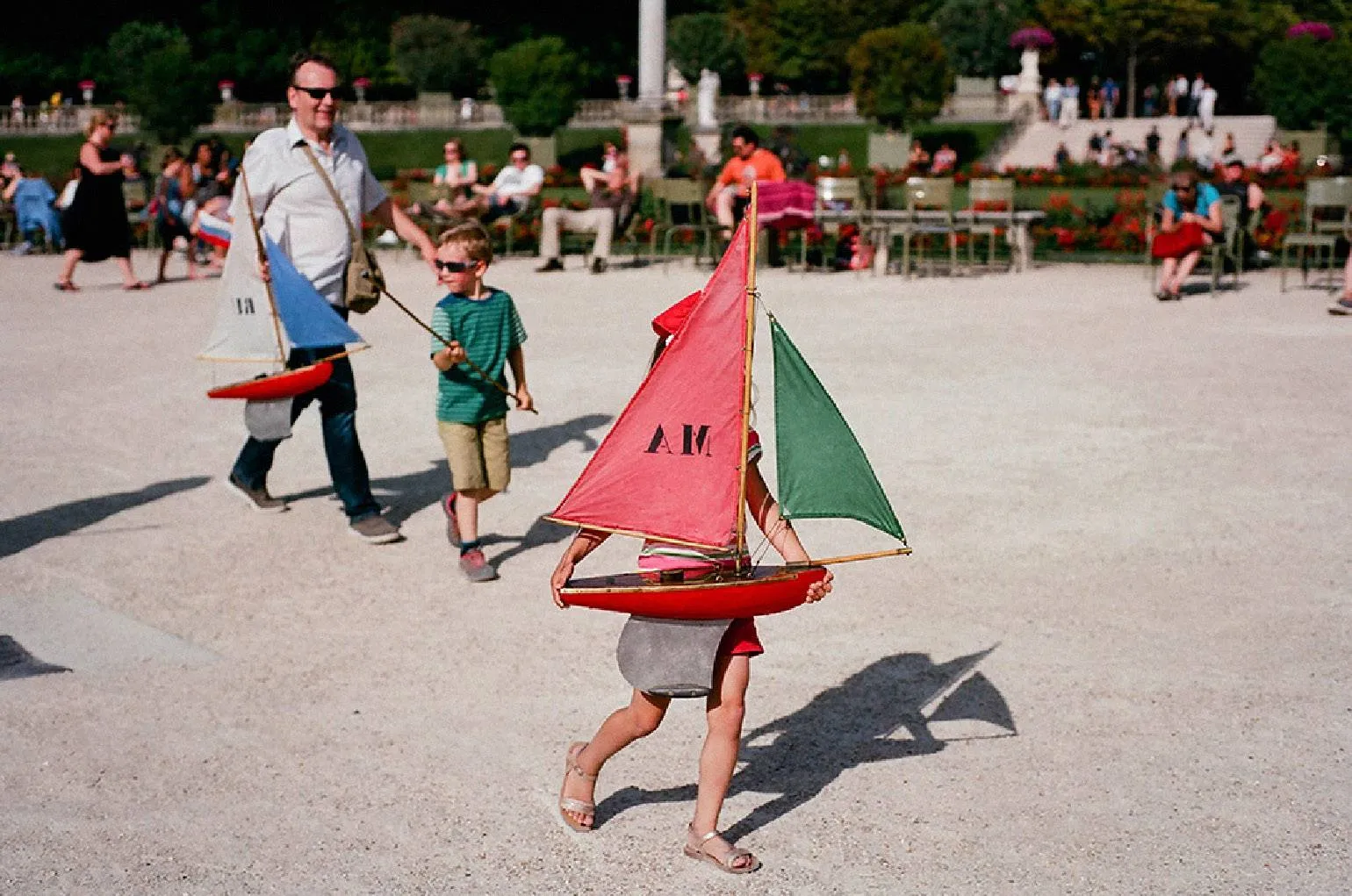
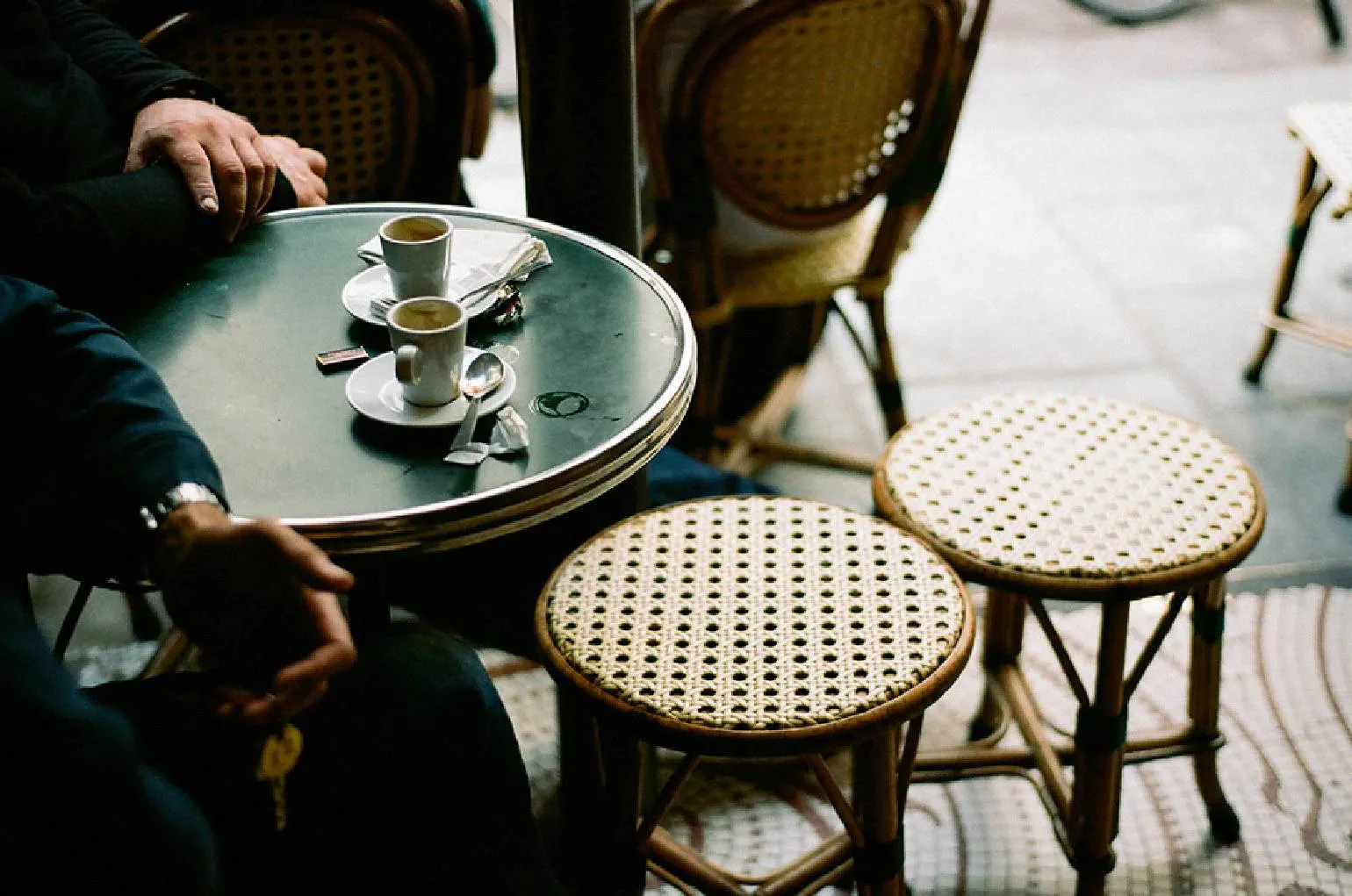
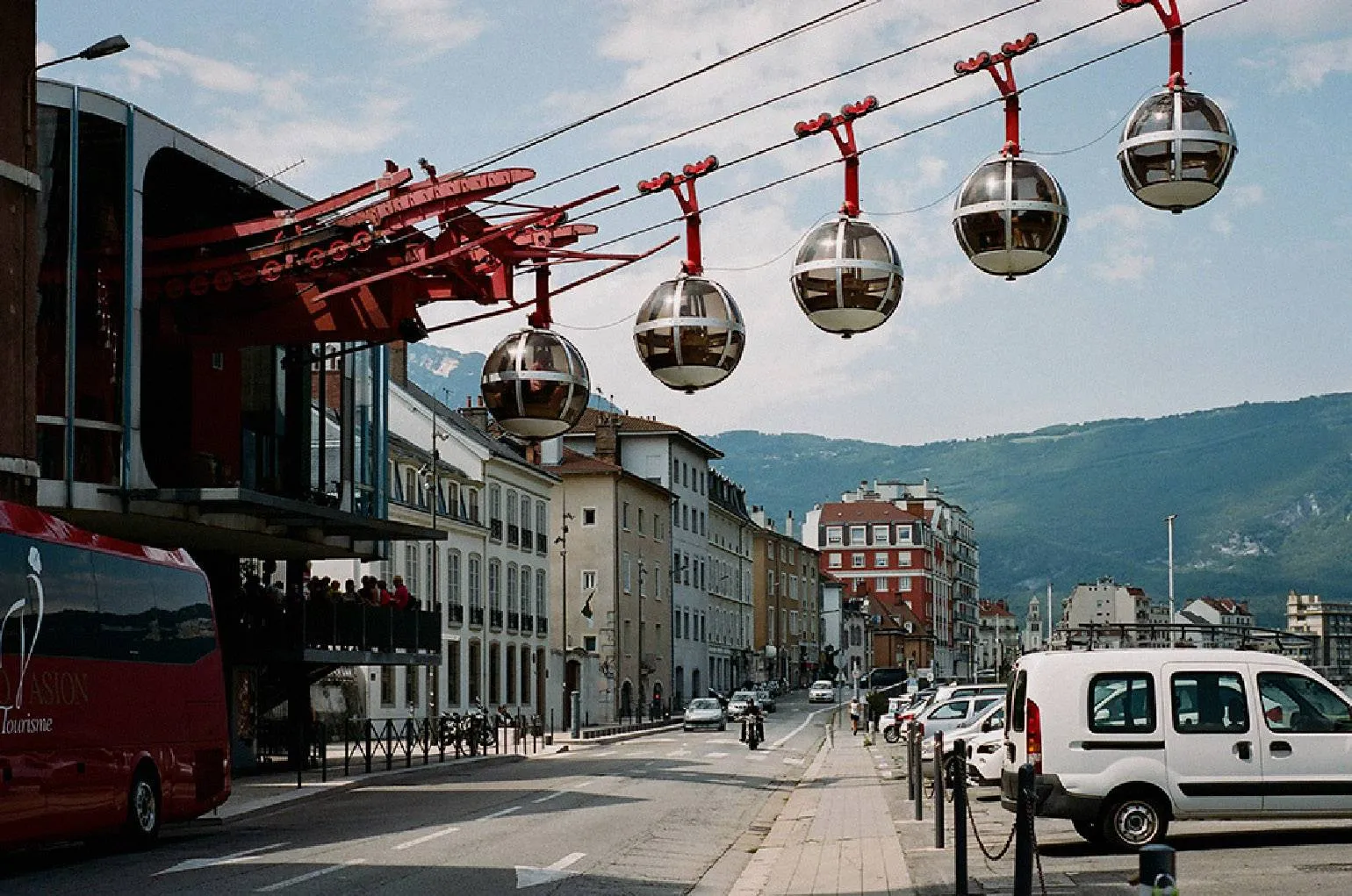
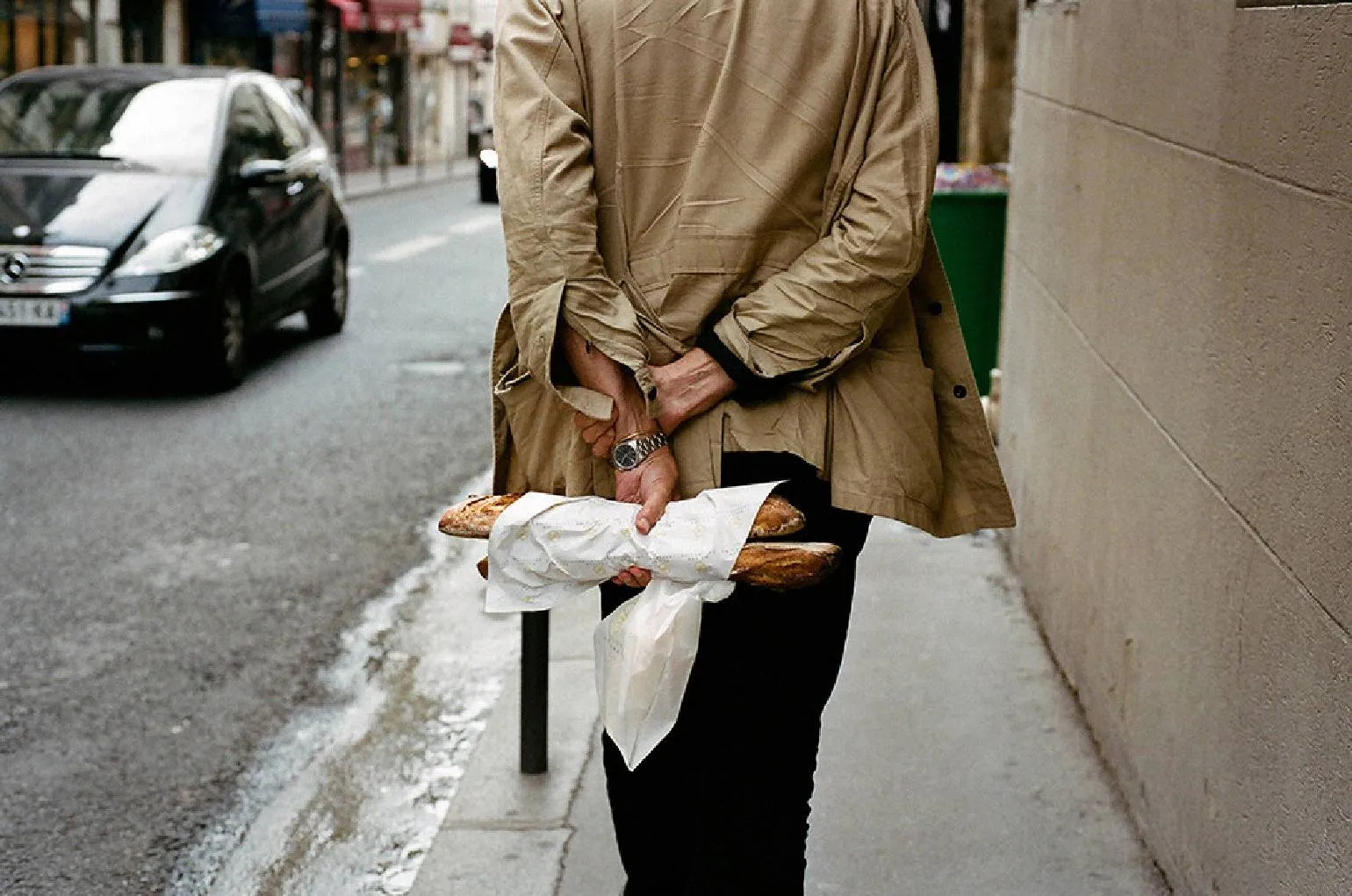
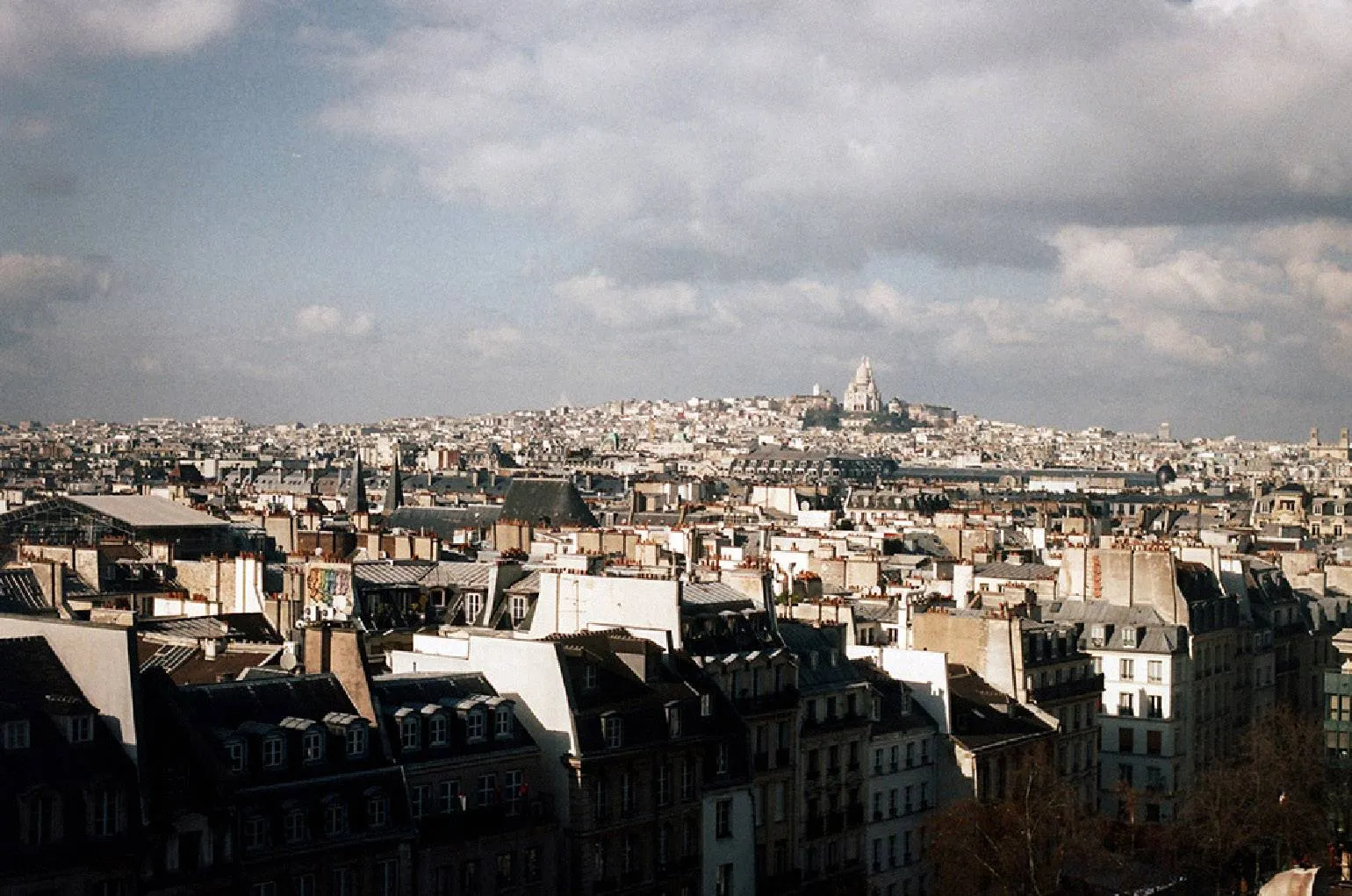
Film color has a unique charm. It looks imperfect, slightly faded, like frames from an old movie. Film creates an atmosphere of cinematography and nostalgia. These shades evoke associations with something old, warm and cozy. I especially appreciate Kodak's colors—warm, with red-yellow-orange hues; I also like Fuji's greener tones. Film color is delightfully imperfect, with its characteristic technical nuances, grain, and slightly fuzzy image. This makes him truly unique in the world of photography.
Practicality
Film creates attractive color distortions, but in some cases this can be a problem. For example, when shooting brand books for clothing manufacturers, the realism of the color gamut is of paramount importance. In such situations, it is important that designers can quickly view the results of the shoot. By connecting a digital camera to a computer while working, you can instantly evaluate how the photographs look, which allows you to make the necessary adjustments and achieve the desired result.
Tactility
A film about materiality and tactility offers the viewer the unique opportunity to hold it in their hands and examine the negatives against the light. This process allows for the creation of a print without the use of a computer, which harks back to the pure traditions of the 19th century. This approach grounds and helps to deeply experience the process of photography, emphasizing its physical nature and connection to reality.
Emotion
It is believed that a physical medium such as film makes the shooting process more meaningful and human. When I work with film, every shot is the result of a conscious choice, and I am aware of how I influence the final result. Unlike digital technology, where the process remains less tangible and sometimes abstract, film allows me to immerse myself more deeply in the creative process and be aware of every action. This emotional connection to photography is an important aspect that makes film photography unique and attractive to many photographers.
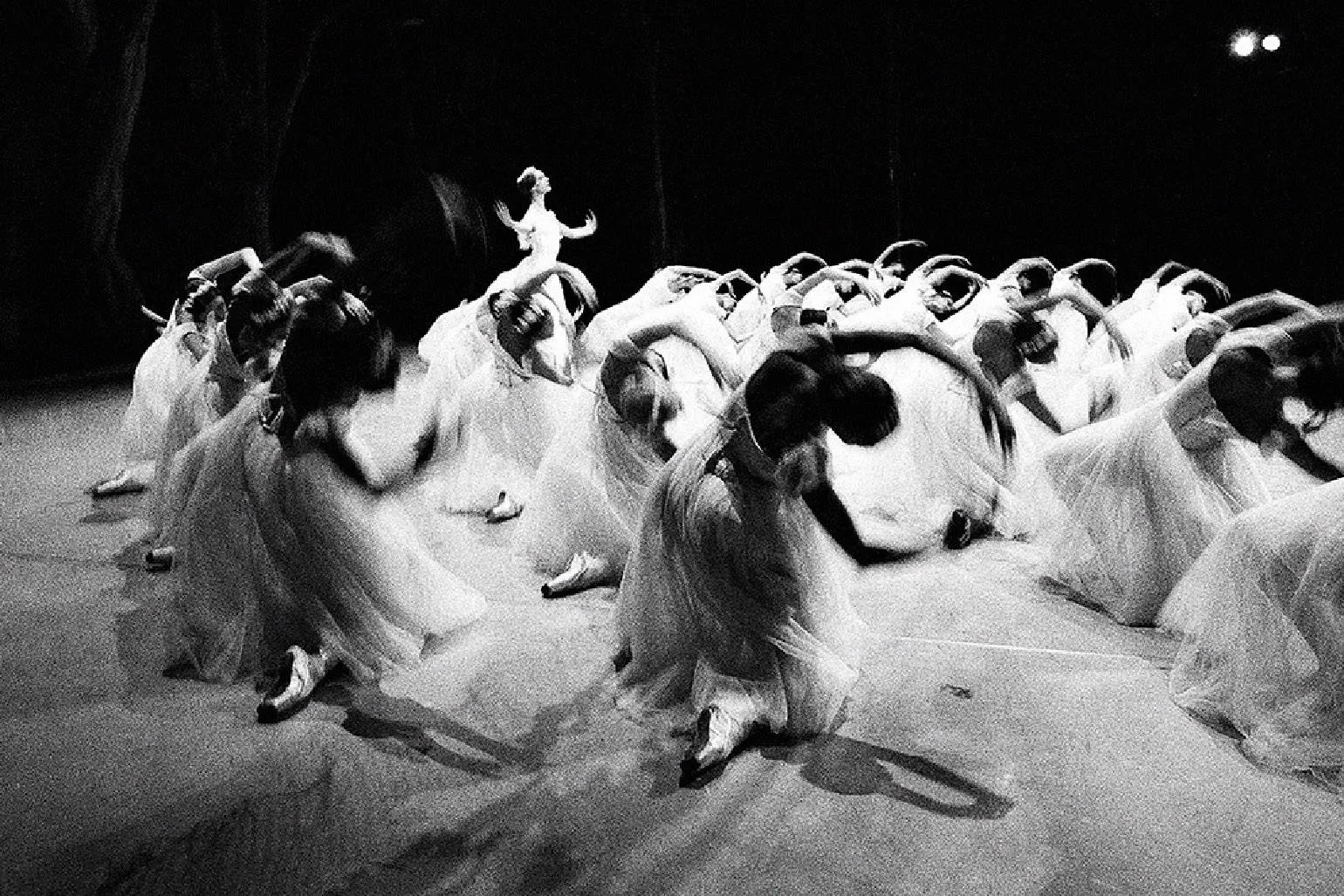
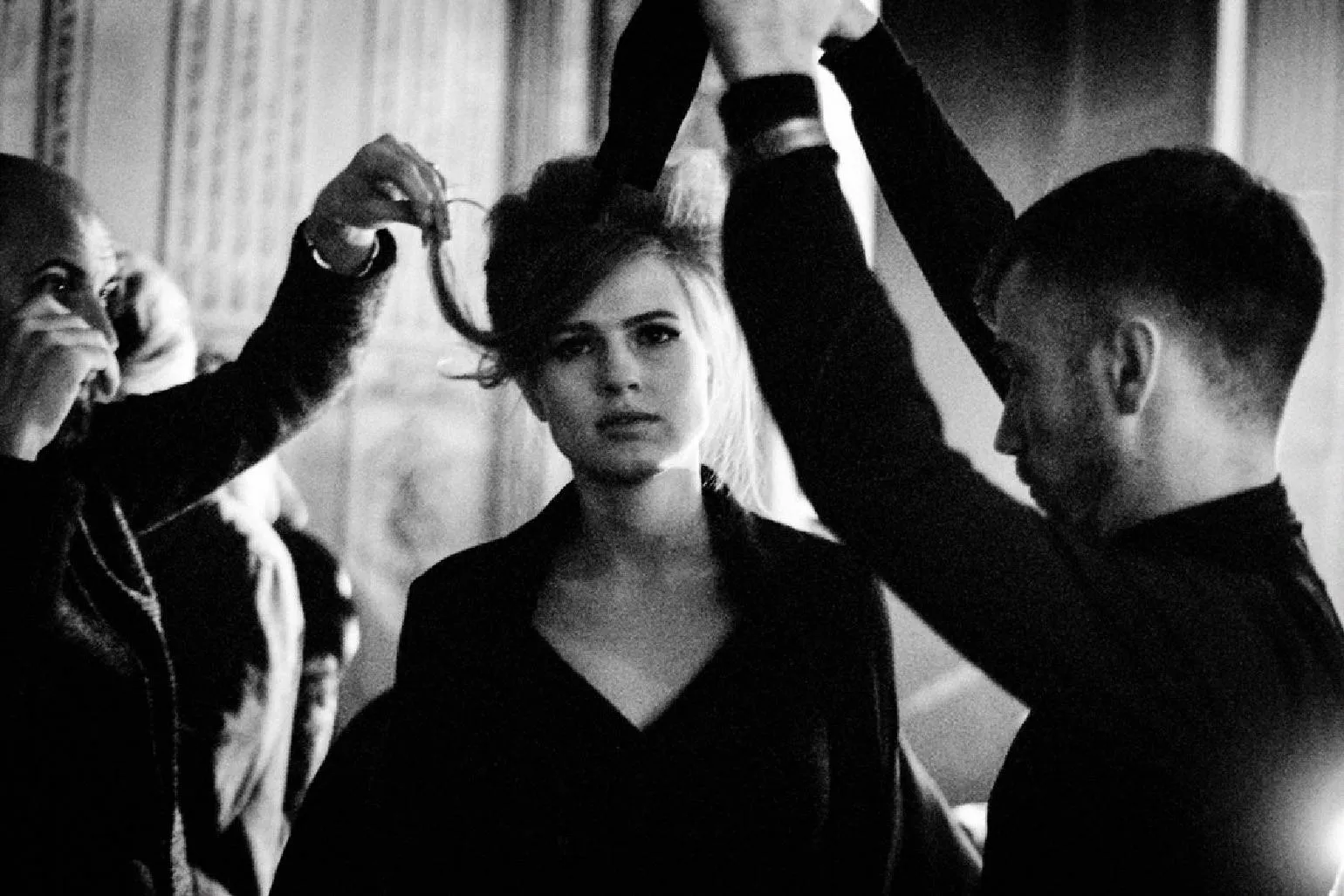
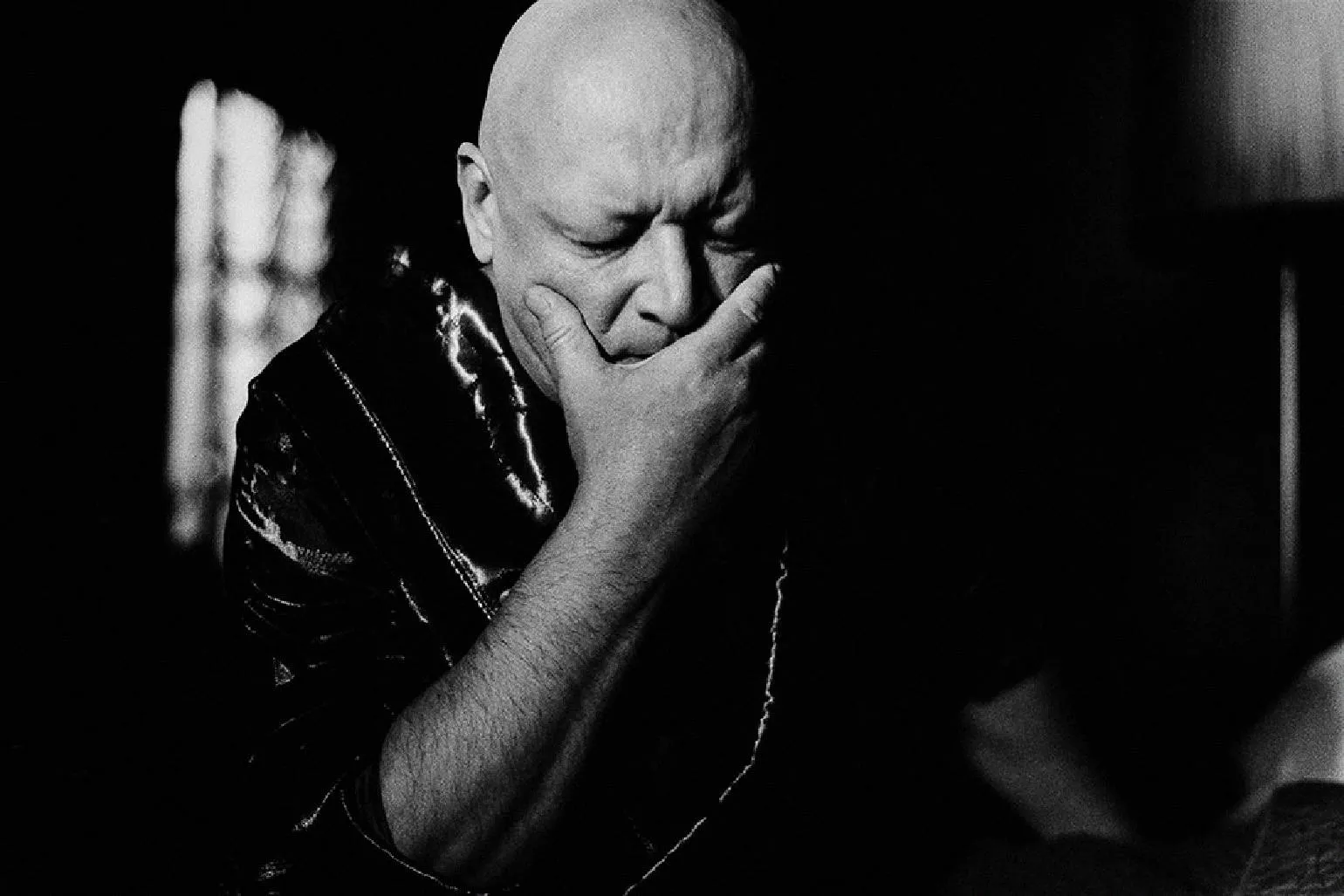
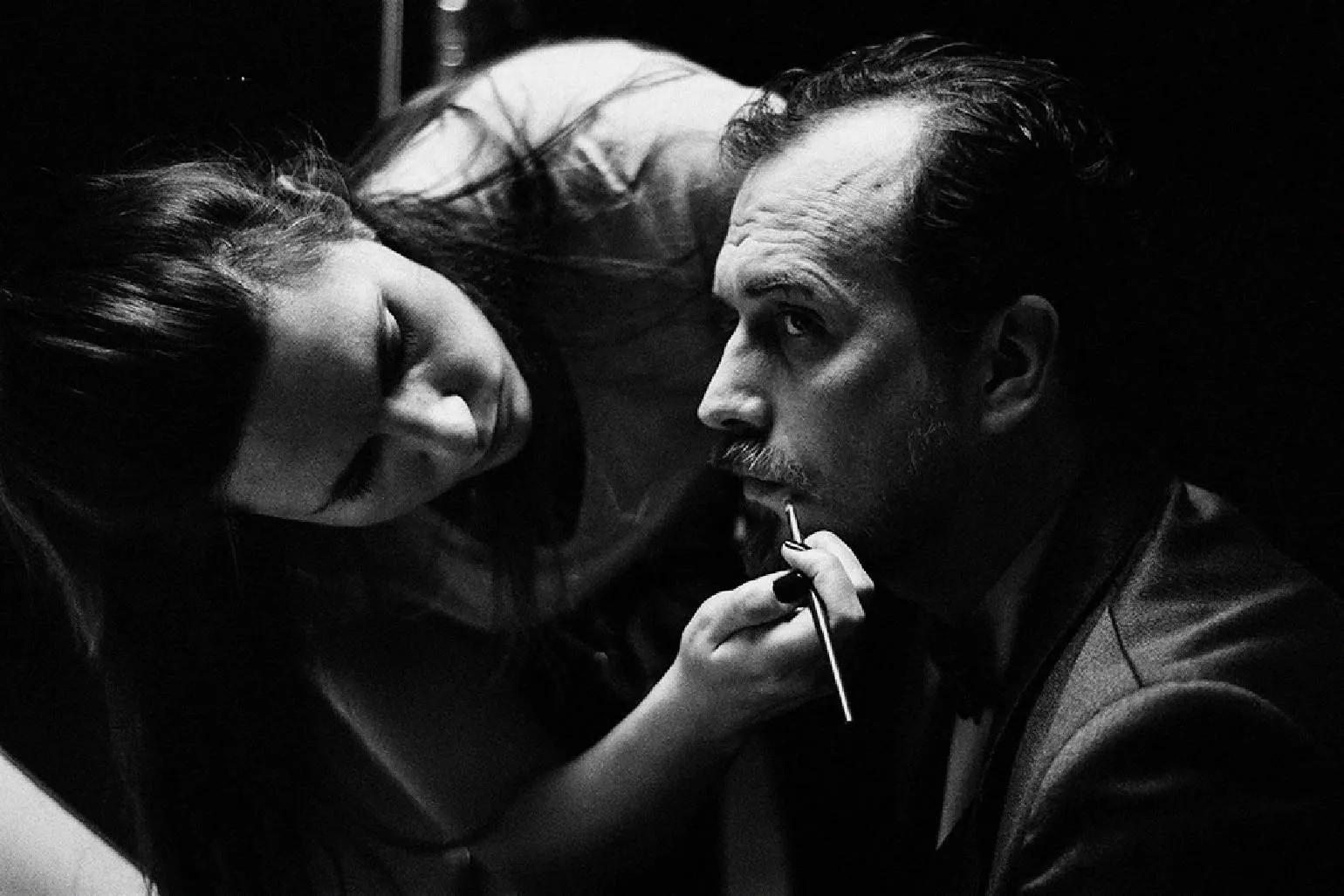
It's important to understand that the shooting process requires effort and focus. With digital photography, we often don't pay attention to the result at the moment of shooting, as we will later select the best moments on the computer. With multiple takes, the feeling of participation in the photographic process can fade. You often look at the camera display rather than the frame itself. In digital format, pressing the shutter is effortless. In contrast, shooting on film requires greater concentration: you hold your breath to keep your hand from shaking, and this creates a special excitement. Each frame becomes unique, and you won't have another chance to create it. No matter how many years I've been shooting, every time I receive a link to the scans from the lab, I feel excitement and anticipation. Photography isn't just a snapshot; it's emotions captured on film.

Postproduction
For me, digital is a working tool, like a hammer. During the shooting process, it does not cause any special claims or surprising discoveries. The magic of digital photography begins at the post-processing stage. There are photographers who skillfully process digital images, creating lively, emotional and expressive works. They are passionate about the editing process, experimenting with settings and trying new techniques.
I am passionate about photography and value connecting with people during the process. It is important for me to be in the moment and fully immerse myself in the atmosphere. However, working on a computer is difficult for me, so I try to minimize the time spent on post-production.
Spark of Excitement
Receiving scans from the lab makes you feel like a pioneer who has made an important discovery. It's an amazing feeling when you've created images with a camera, as if capturing moments from a movie. I try to maintain this excitement within myself so that photography doesn't feel like a routine task. The analog process allows me to preserve that spark of delight that inspires creativity and new experiments.
Read also:
"In Search of the Sea" is a photo project dedicated to exploring the theme of loss. This project is a visual narrative that conveys the depth of experiences associated with loss through images and emotions. The photographs reflect not only physical absence but also the internal states that arise from loss. "In Search of the Sea" becomes a metaphor for the quest for solace and restoration, opening new horizons in understanding human emotions. This project invites the viewer to reflect on their experience of loss and how it affects their life and perception of the world.
Profession Photographer
You will learn how to take professional photos from scratch. You will learn how to organize shoots, process frames, manage models and a team. Find your style, build an impressive portfolio, and start making money doing what you love.
Find out more