Contents:
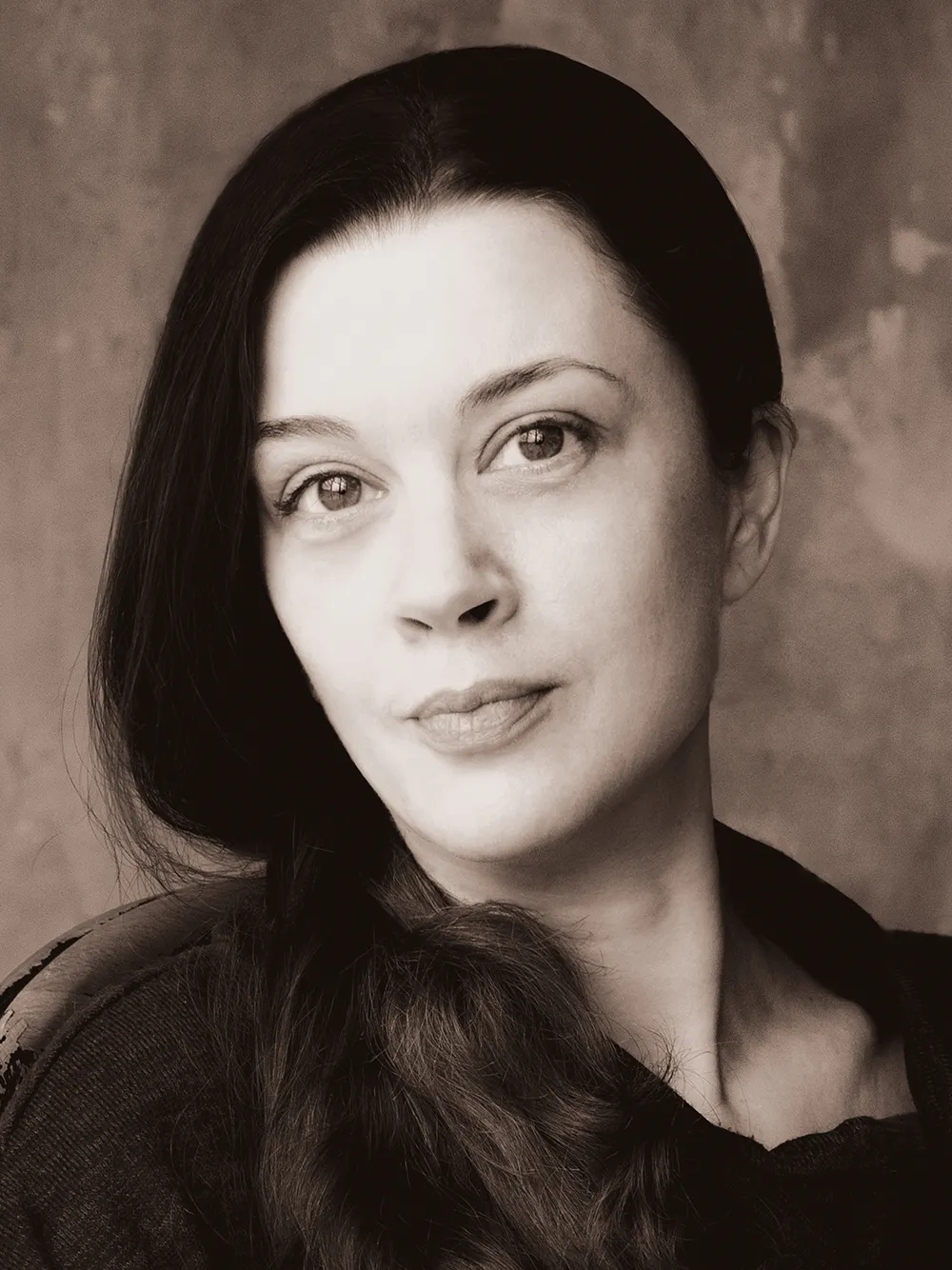
A member of the Union of Photo Artists of Russia and the Eurasia Association of Photographers, she graduated from the School of New Photography, founded by Elena Sukhoveeva and Viktor Khmel. In her work, she explores themes of the collective unconscious and mythology, creating unique visual works that immerse the viewer in the depths of human consciousness and cultural archetypes. Her work attracts both photography enthusiasts and professionals thanks to her original approach to imagery and profound semantic content.
My immersion in magical worlds began in childhood thanks to books. I explored captivating stories, met characters, and felt the spirit of myths and legends. Reading became a window into another world for me, where reality intertwined with fantasy, and each work opened new horizons for the imagination. These books not only entertained but also shaped my perception of the world, inspiring dreams of adventure and distant lands. Reading formed the basis of my fascination with fantasy and mythology, which continues to inspire me to this day.
Over the years, my fascination with literature deepened. I began to explore the philosophical and anthropological aspects of myths, seeking to understand their origins and influence on culture. Mythology opens doors to understanding human nature and social structures, making it an important topic of study.
Studying fairy tale characters from different cultures allows us to identify their common traits and motives. My project is based on centuries-old spiritual experience passed down from generation to generation. This research shows how fairy tales shape our understanding of the world and moral values, uniting people through shared archetypes and symbolism.
I am inspired by the idea that each of us is a bearer of the richness of world culture. We are connected to historical traditions, art, and knowledge that have been passed down through generations. This heritage shapes our identity and enriches our understanding of the world. Every cultural achievement, be it literature, music, or the visual arts, leaves its mark, and we continue this amazing chain of interaction and creativity. Understanding our place in this context allows us to deeply appreciate the diversity of cultural expressions and respect their impact on our society.
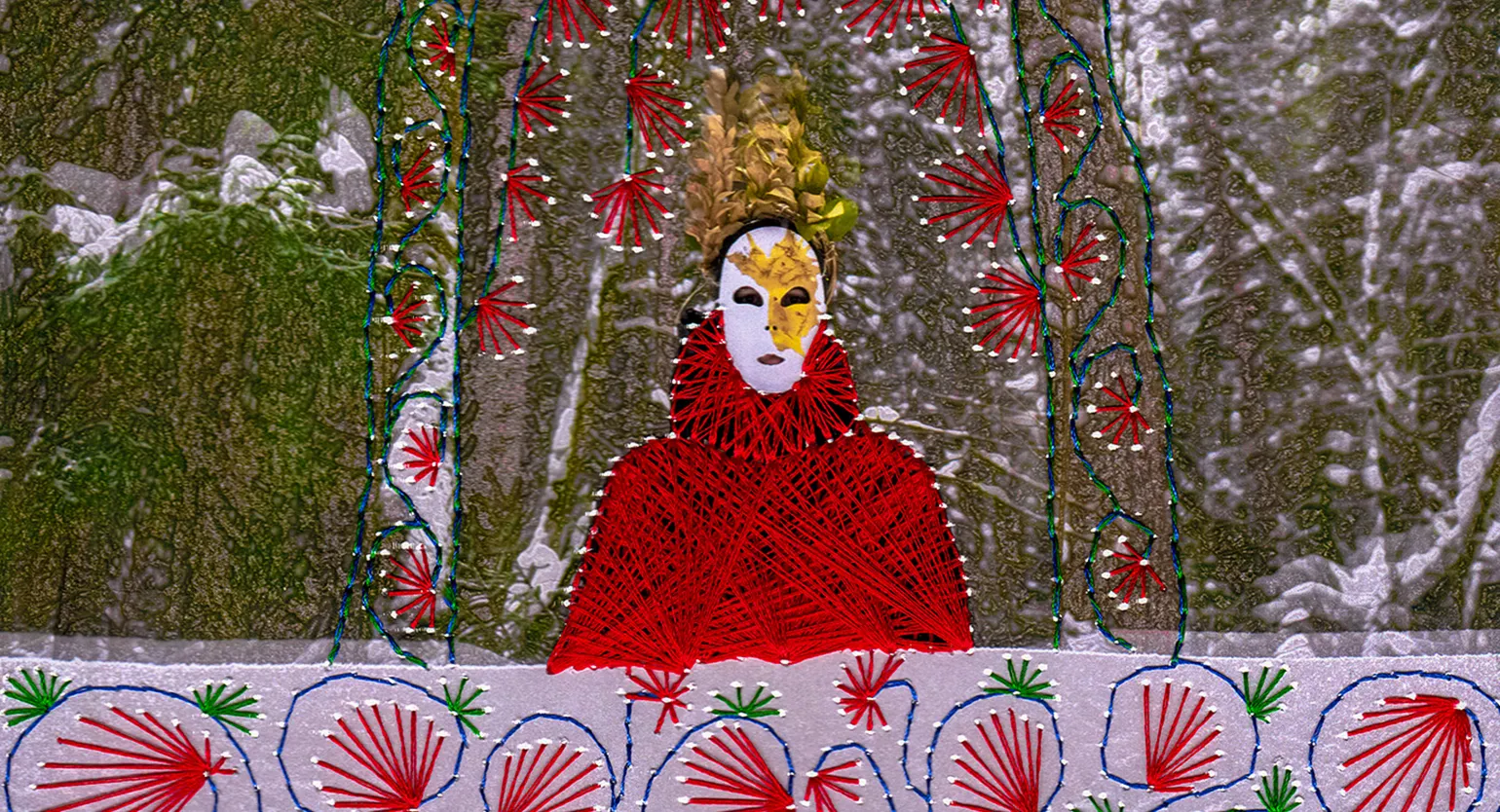
As an art photographer, I constantly seek new ways of self-expression. In this project, I applied hand embroidery techniques to photographs. I frame what is most precious to me—my family—with ancient rituals. By immersing myself and my children in a mythical forest, I create unique works of art. This process combines elements of creativity and art therapy, allowing me to gain a deeper understanding of myself and my emotions.
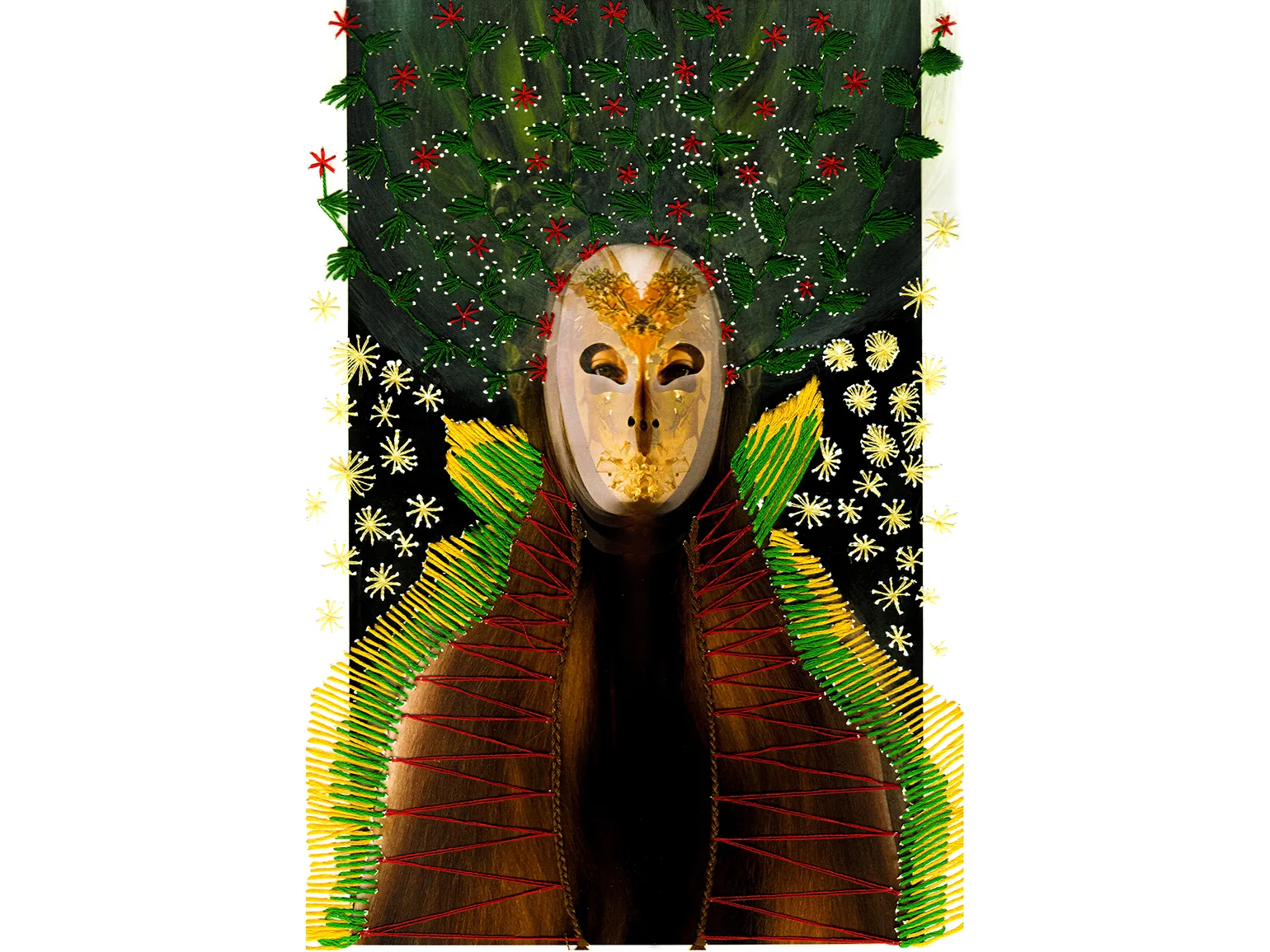
Nagual is a concept that defies precise description. It has no clear boundaries and represents a space filled with powerful energy. The nagual is a source of power that influences our perception of reality and opens access to profound knowledge. Understanding the nagual allows us to deepen our interaction with the surrounding world and unlock the potential of our inner strength.
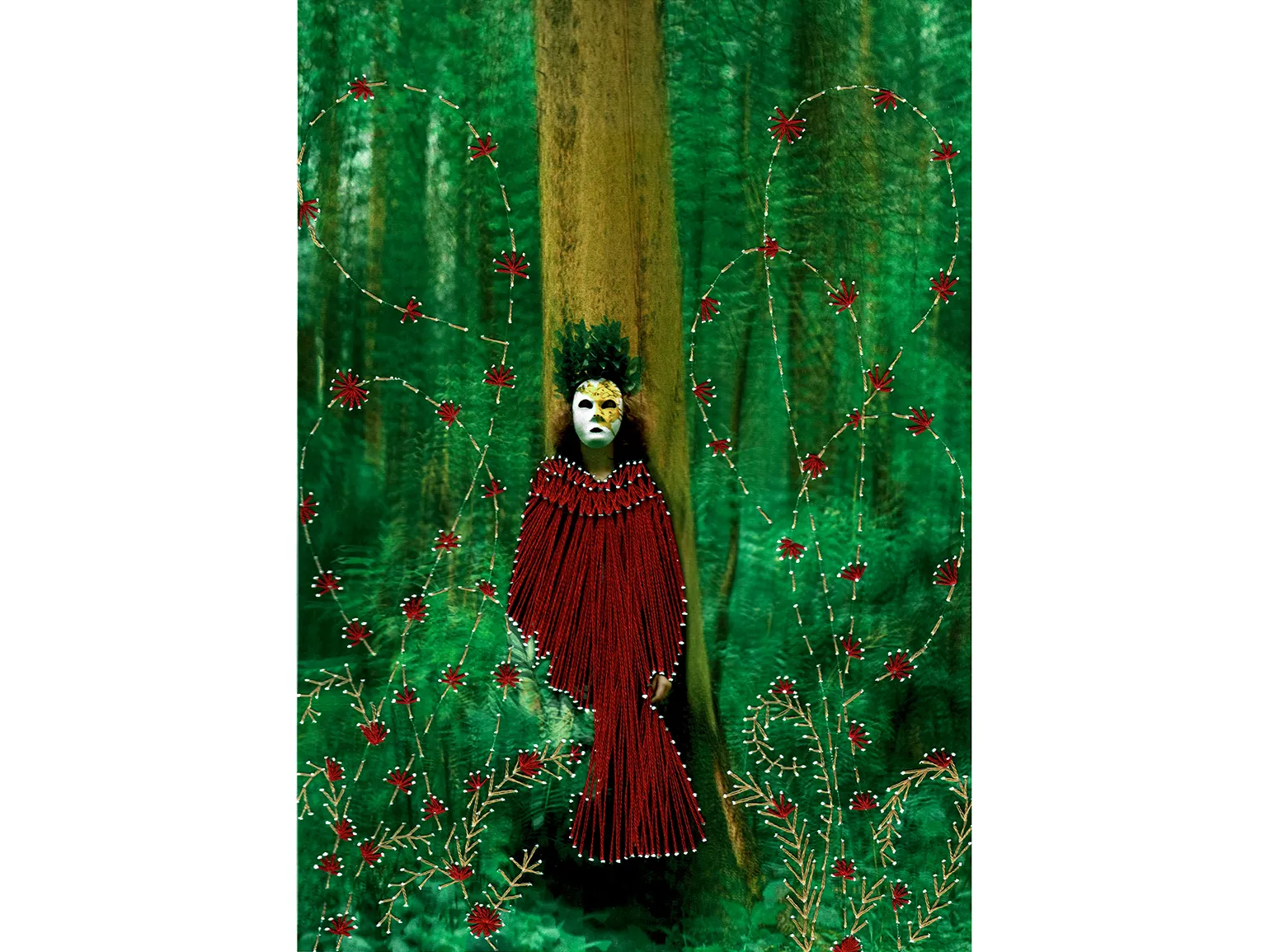
Mother Elder is the guardian spirit of the elder tree, who cruelly takes revenge for any damage to the tree. Elder has long been associated with witches and fairies, and in some legends, it possessed an independent essence, similar to dryads or goddesses. In folk mythology, elder is considered a sacred tree, possessing magical powers and capable of protecting its owners. Respect for this tree and its spirit plays an important role in maintaining harmony in nature and in human life.
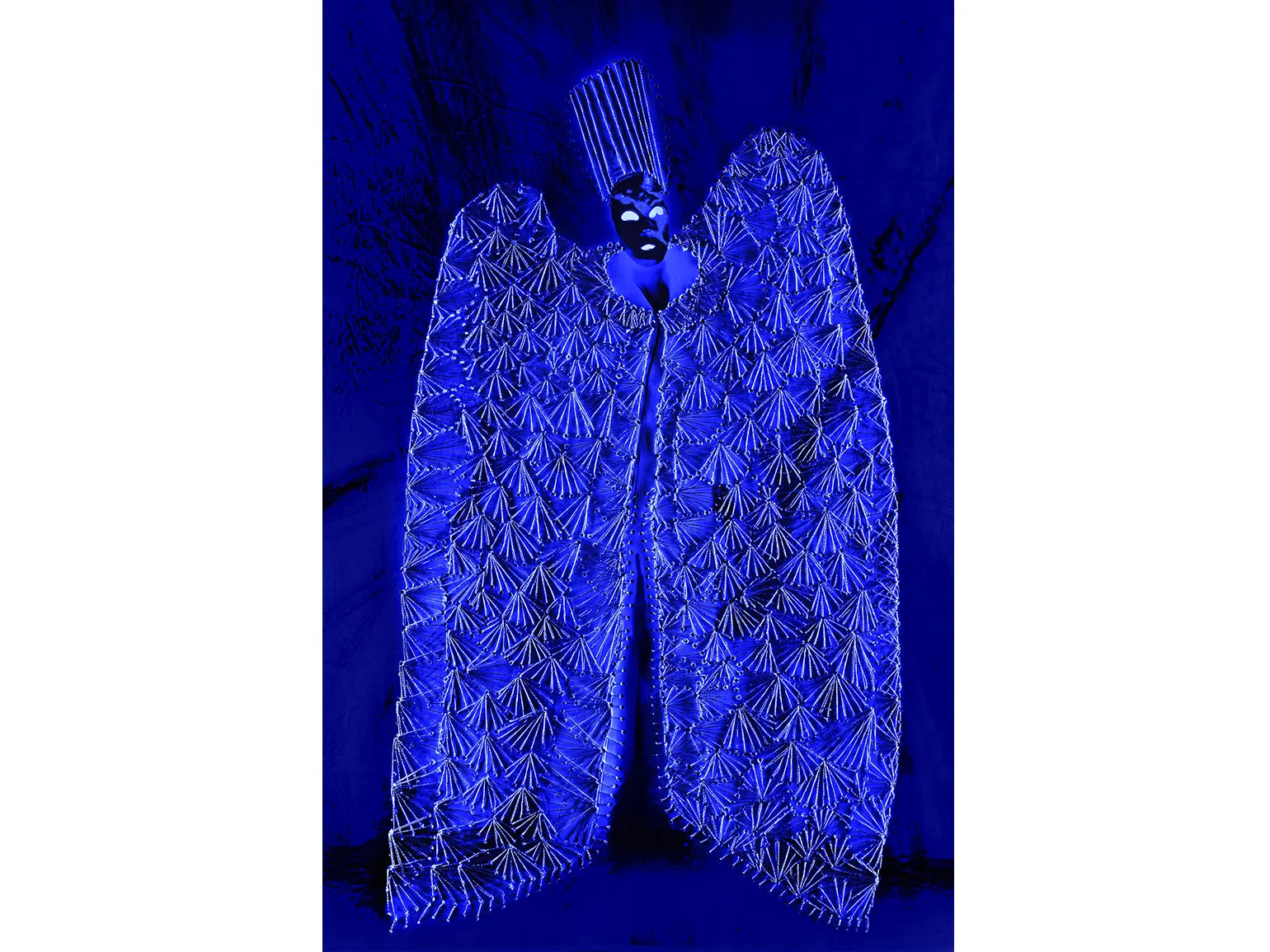
The thunderbird is a mythological image found in North American culture. This enormous bird is considered a symbol of the power of nature and is capable of controlling weather phenomena. The thunderbird summons thunder and lightning, embodying the might of the elements. In folklore, she is often depicted as a creature capable of causing storms and changing the climate, which makes her an important element in understanding natural phenomena and their impact on human life.

A leprechaun is a mischievous fairy A leprechaun from Irish folklore, known for their pranks and hoarding of gold. According to legend, leprechauns are often depicted as small, bearded men dressed in green. These creatures are associated with good luck and wealth, and many believe that capturing a leprechaun will grant access to its treasure. Leprechauns occupy an important place in Irish mythology and culture, becoming a symbol of cunning and dexterity. Their stories are passed down from generation to generation, attracting the attention of both locals and tourists interested in Irish traditions.
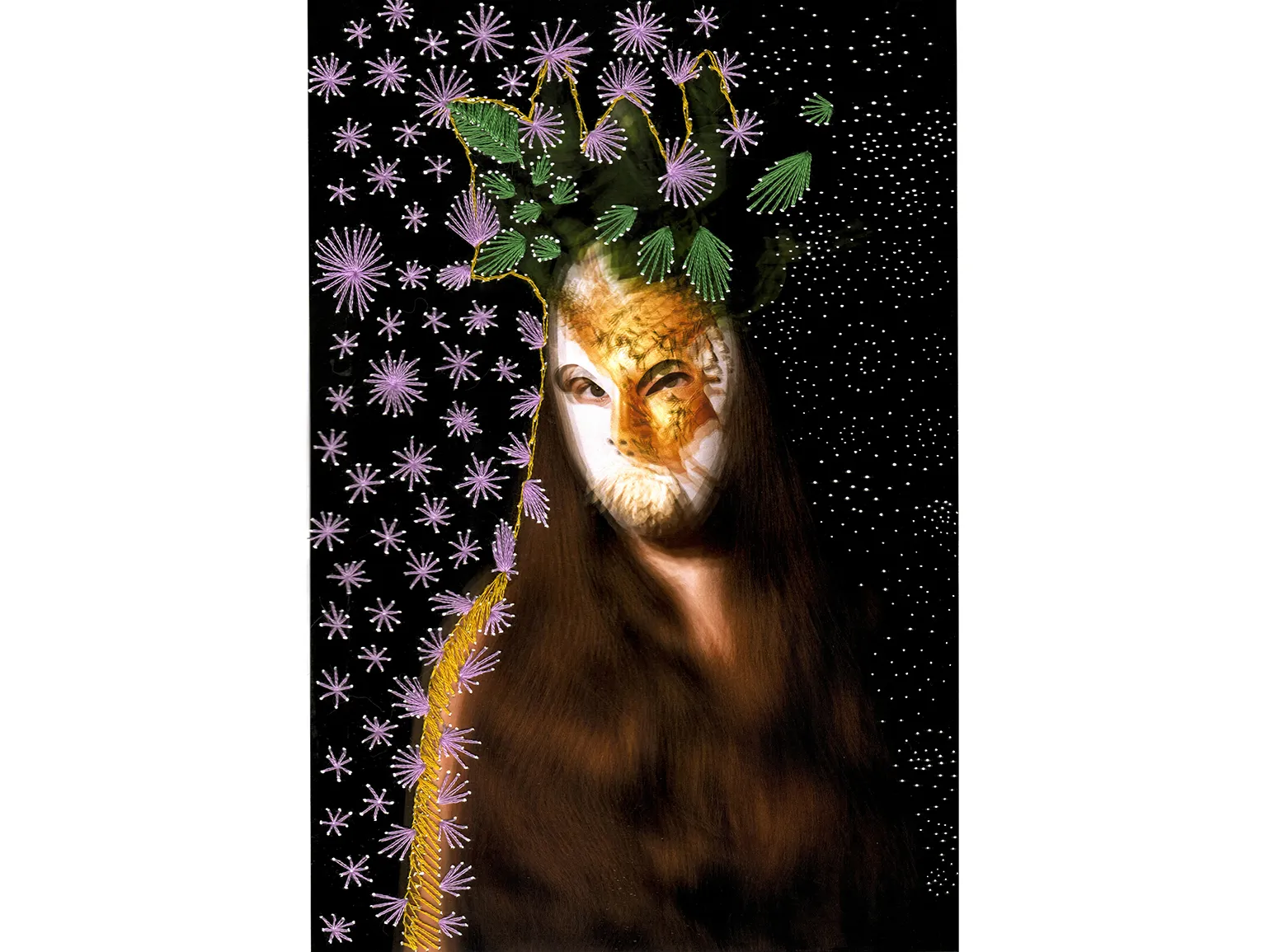
Aurora is the goddess of dawn, symbolizing the beginning of a new day. She brings light to both gods and humans, filling the world with warmth and hope. Aurora is also considered the mother of all the stars that illuminate the night sky. Her image inspires creativity and symbolizes renewal and bright prospects.
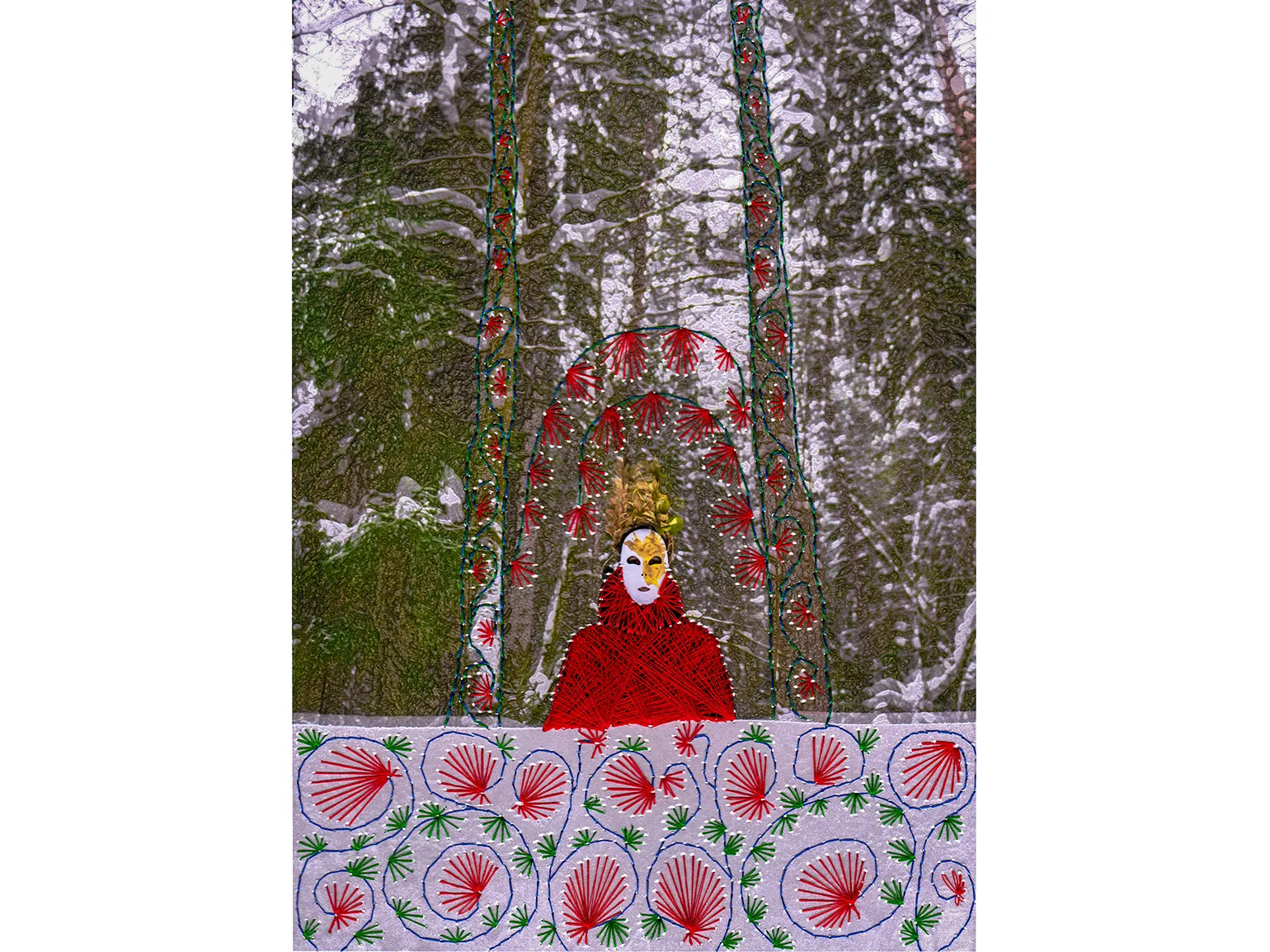
Tannamu kvisin is the spirit of an old tree in Korean mythology. Invocation of the tannamu kwisin was believed to bring good luck and cure illnesses. This mythological figure embodies humanity's connection with nature and the spiritual world. In Korean culture, the tannamu kwisin symbolizes protection and well-being, making it an important part of traditional beliefs and practices. Many people invoked this spirit in hopes of improving their fortunes and health.
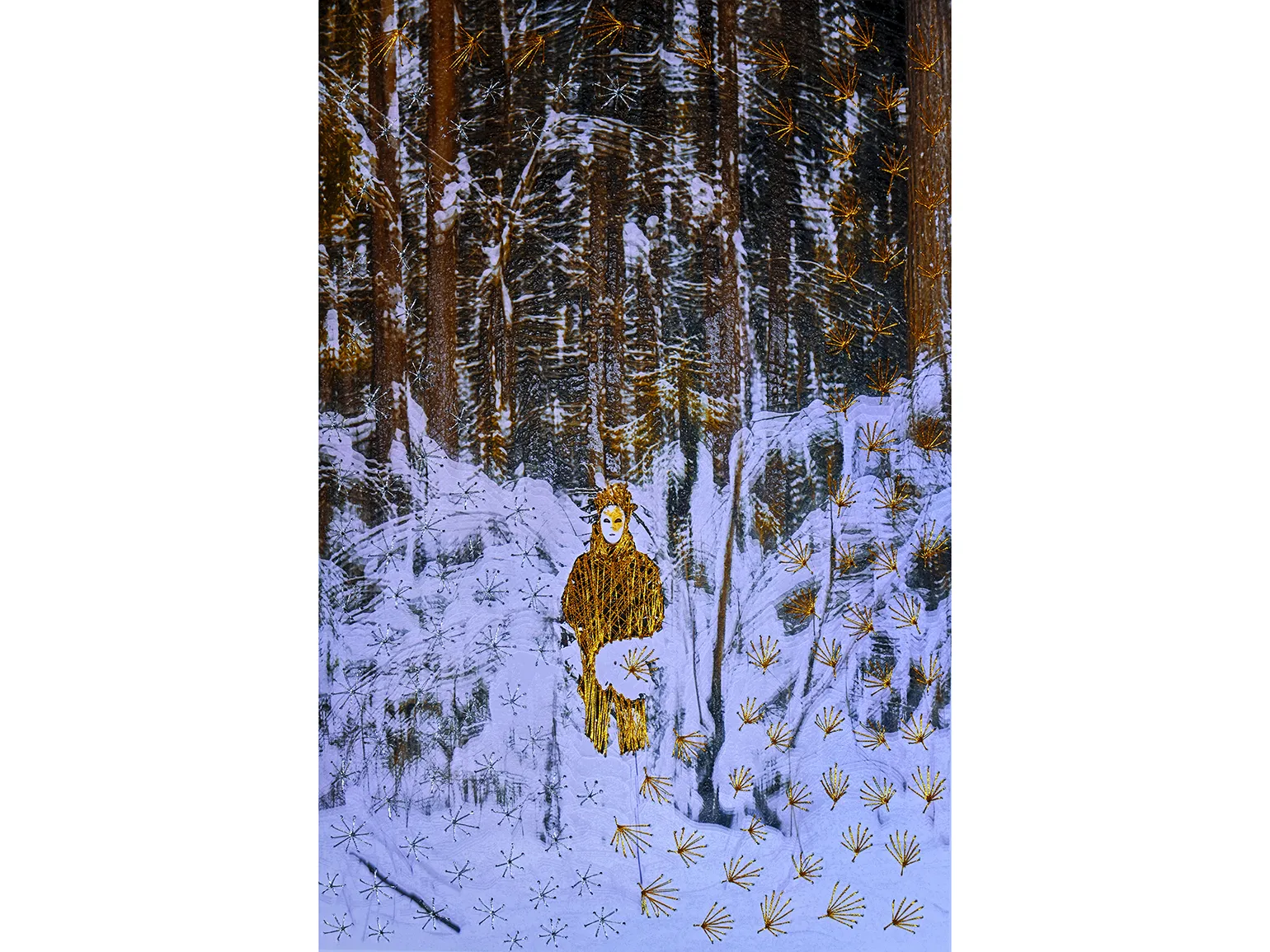
The golden deer is a mythical creature whose tracks can turn into precious stones, gold and silver. This magical character symbolizes good luck and wealth, and only a noble person with a pure heart can receive generous gifts from him. Legends of the golden deer inspire many and serve as a reminder that true wealth lies not only in material possessions, but also in the kindness and generosity of the soul.
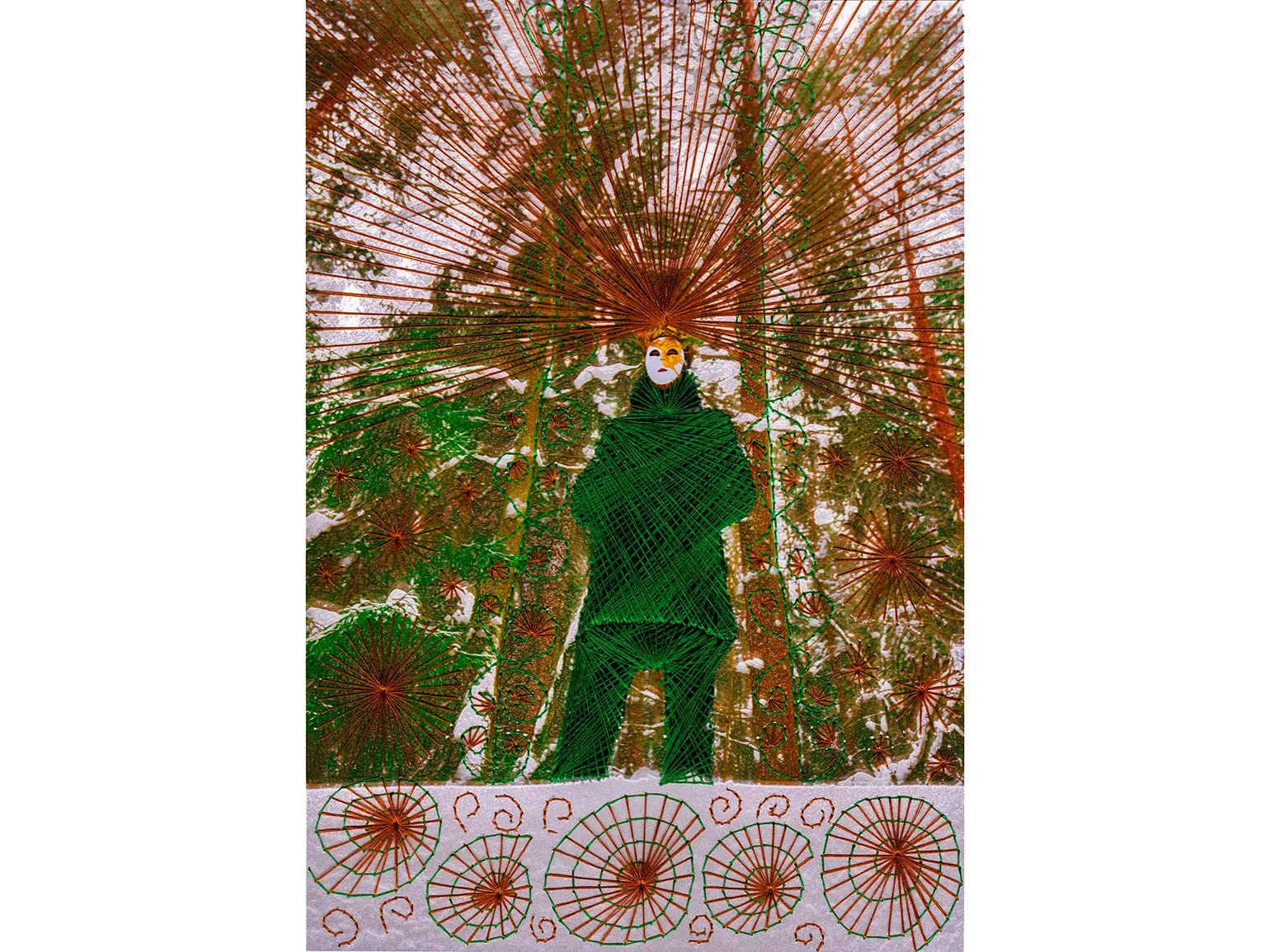
Shishigami is a deer spirit in Japanese mythology that personifies the god of life and death and acts as a protector of the forest. This mythological figure plays a key role in the ecosystem, symbolizing the harmony between nature and humans. Shishigami is associated with strength, wisdom, and protection, making it an important element of Japanese folklore. Stories about Shishigami emphasize the value of nature and the need to protect it, reflecting the deep connection of the Japanese people with the world around them.
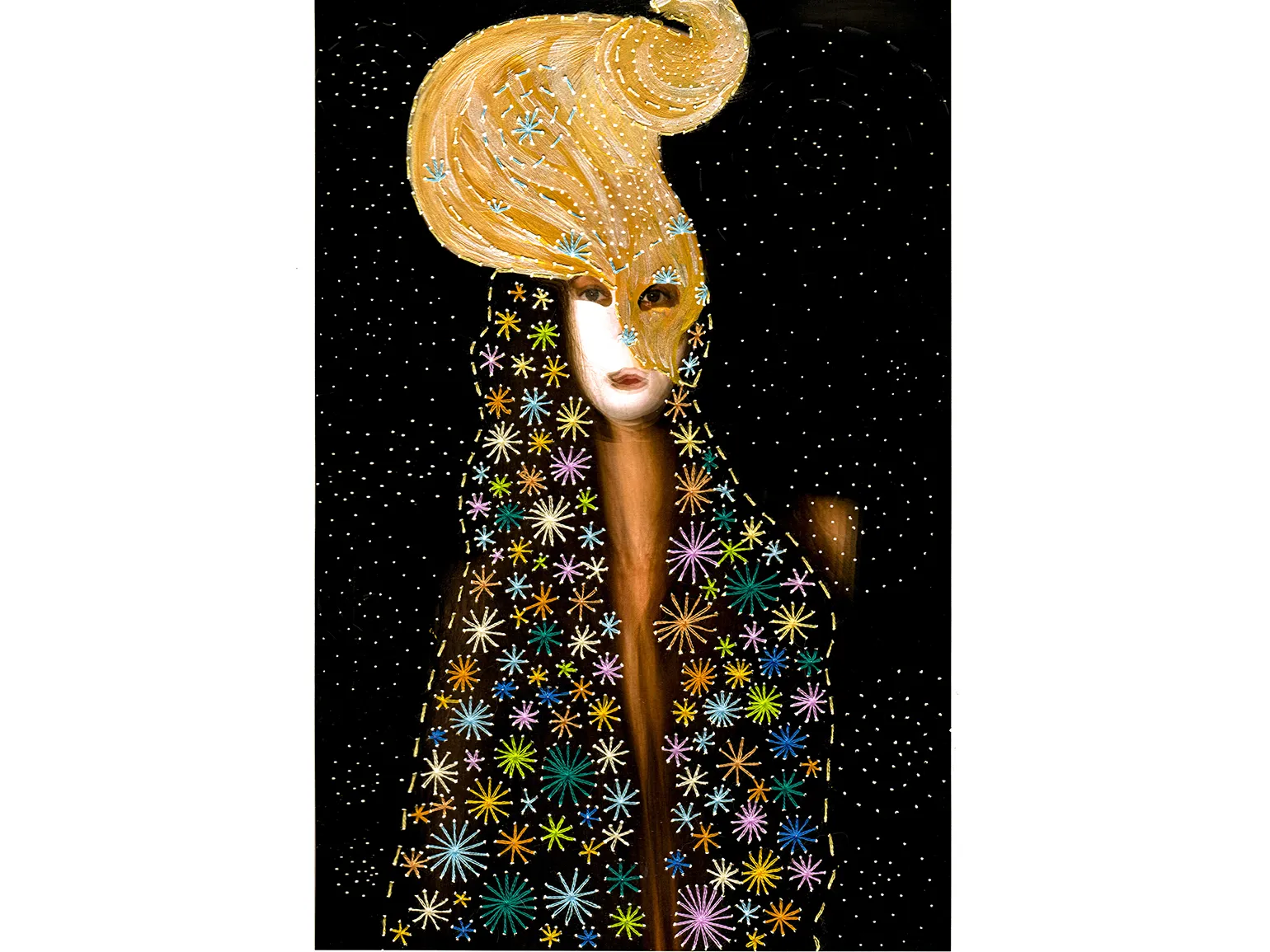
The nine-tailed fox - kitsune - is A mythological creature widely known in Japanese culture, the kitsune possesses magical powers and is considered a symbol of wisdom and protection. In Japanese legends, foxes of this species can take human form and are imbued with the power to manipulate fire. The nine-tailed kitsune is considered particularly powerful, as each new tail increases its strength and wisdom. These creatures are often associated with the rice goddess Inari, making them important figures in the Shinto religion. Kitsune also symbolizes mystery and enigma, which makes her a popular character in Japanese folklore and contemporary art.
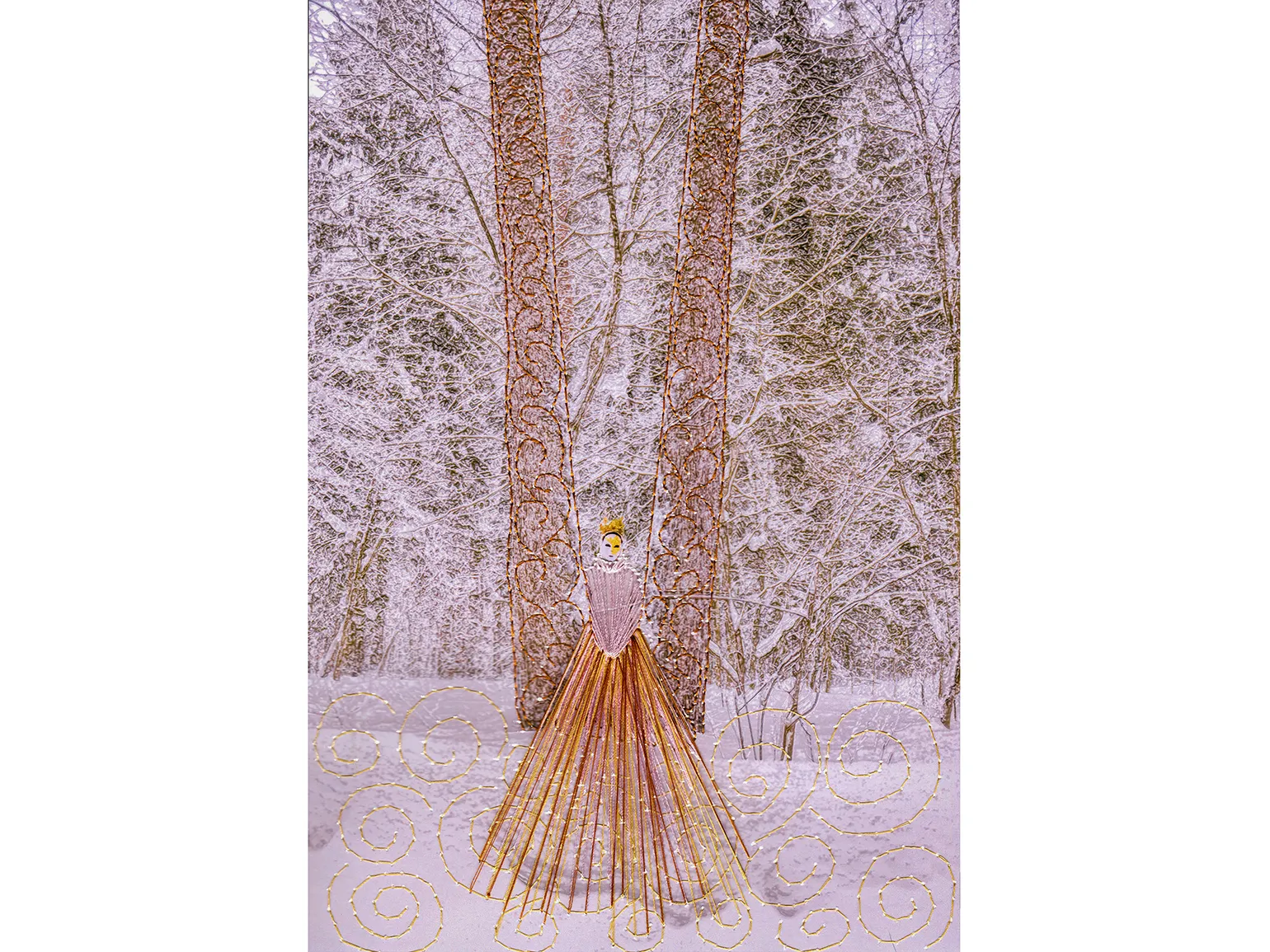
Kaigus is a figure from Ket folklore, Representing the patron spirit of the forest and the mother and mistress of fur-bearing animals, this mythological character plays an important role in Ket culture, personifying the connection between humans and nature and the protection of forest resources. Kaigus symbolizes care for animals and their habitat, emphasizing the importance of harmony between humans and nature. In Ket beliefs, she is the protector of forest dwellers and promotes the preservation of the ecosystem.
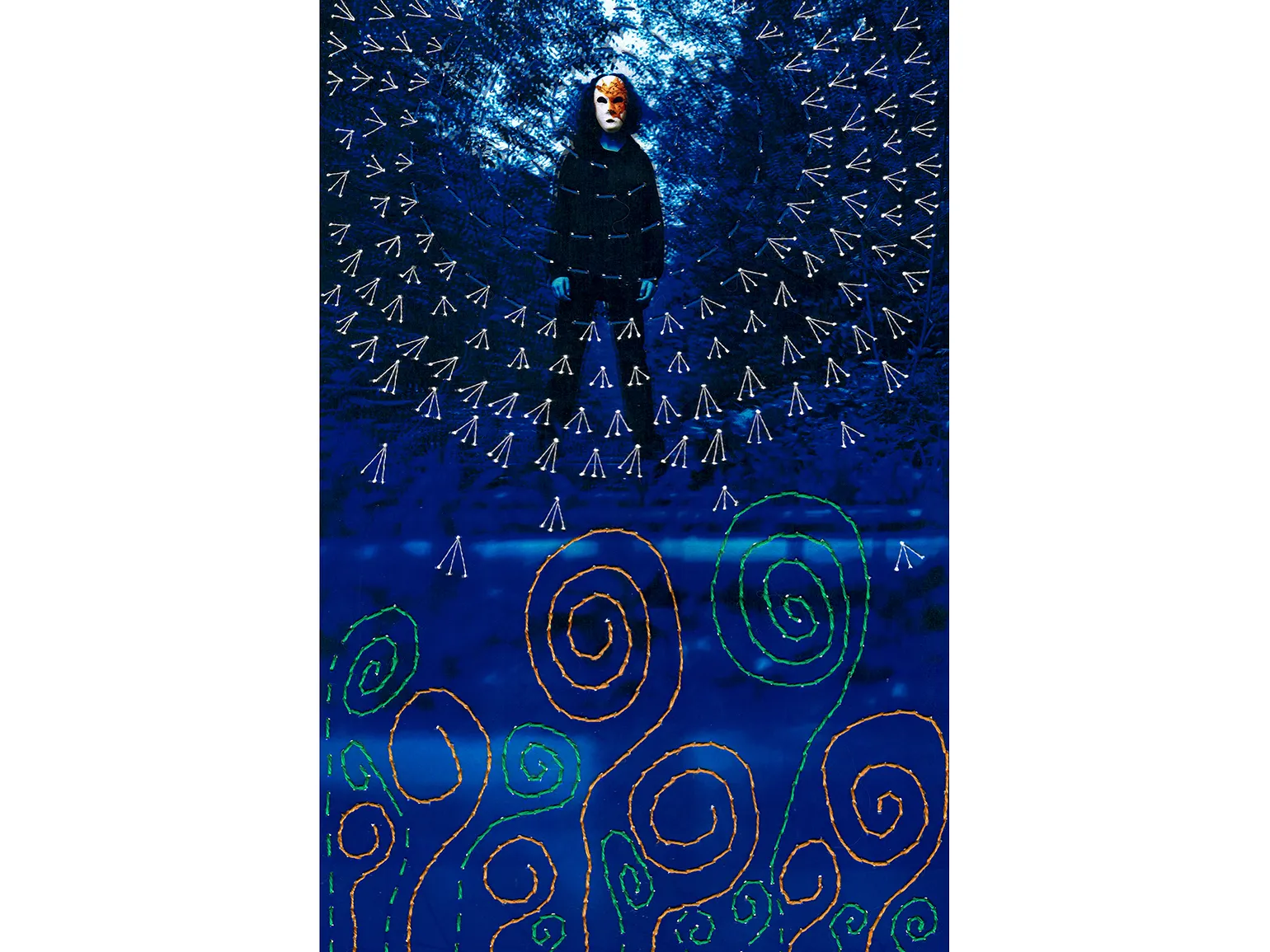
Varjelle, according to Sami mythology, is the spirit-master of the forest. This mythological character is able to help a person if he shows respect to him and performs a certain service. Interaction with Warjelle symbolizes the harmony of man with nature and the importance of observing traditions. Respect for the spirits of the forest and their inhabitants is a central element of Sami culture, emphasizing the connection between people and the world around them.
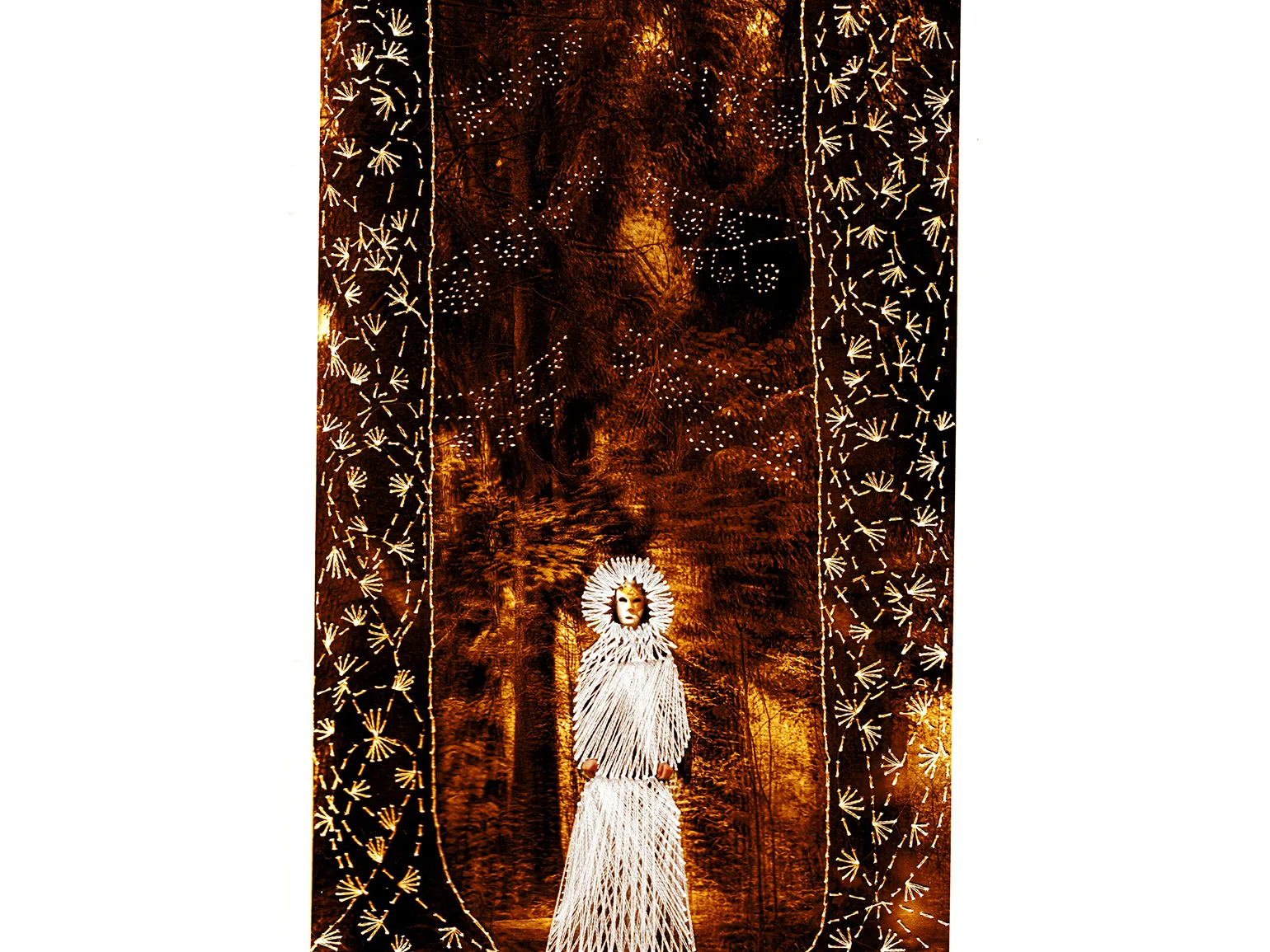
In Czech folklore, Medulina is a forest white Madam, the patron spirit of forest bees and honey. In the Czech Republic, there is a tradition of bringing honey to the forest in the spring with the request: "Here is for you, Medulina, and return it to us within a year." The name Medulina comes from the Czech word "medu," meaning "honey." It was believed that honey falls from the sky onto flowers, and bees merely collect it. This legend emphasizes the importance of honey in Czech culture and demonstrates respect for nature and its gifts. Medulina symbolizes the connection between man and the forest and its inhabitants, as well as the importance of bees in the ecosystem.
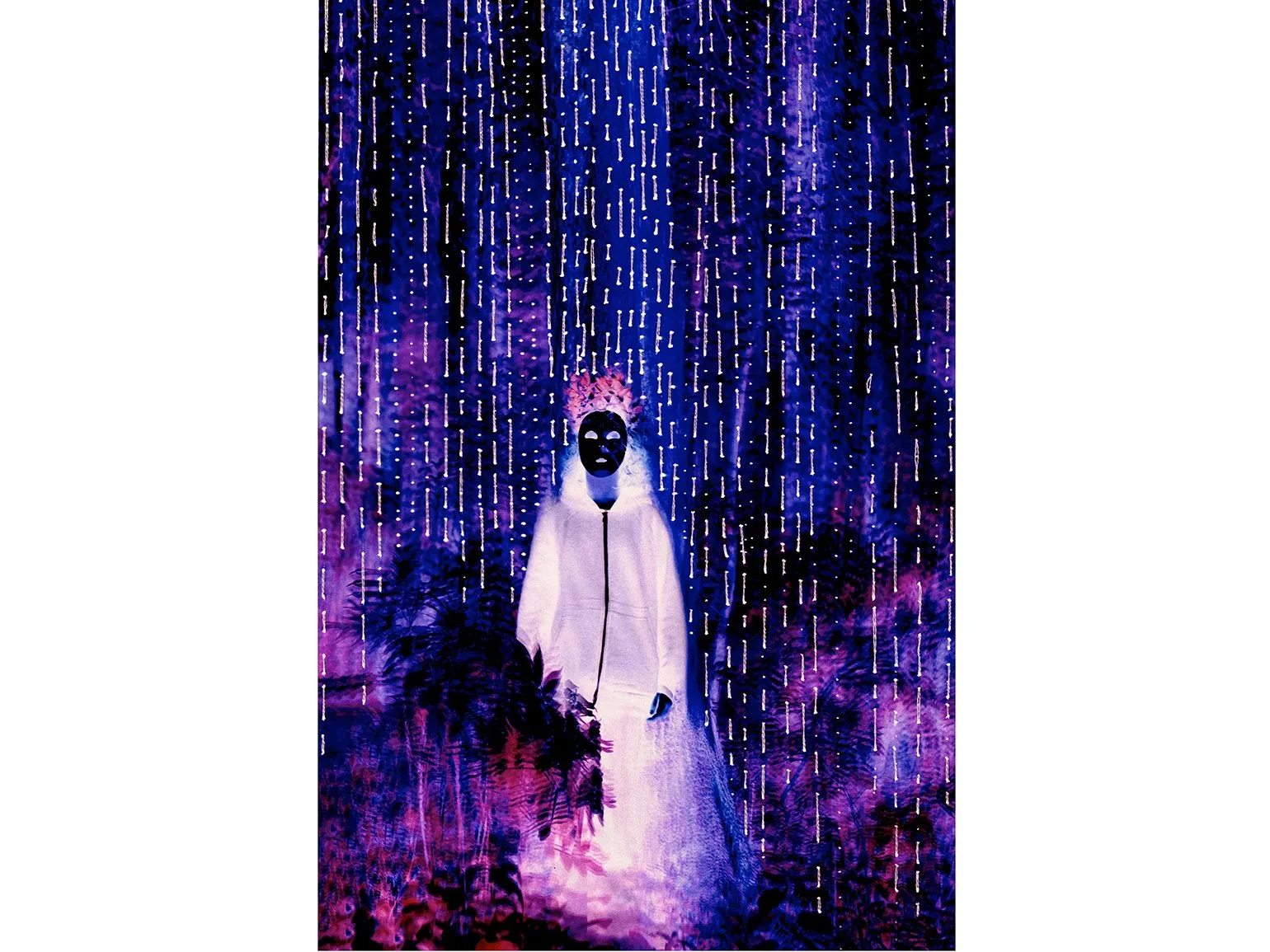
The tree of souls is the central element of the forest, playing a key role in uniting and supporting all inhabitants. This unique tree symbolizes the connection between all living things, ensuring harmony and balance in the ecosystem. Its roots penetrate the earth, connecting various life forms, and its crown provides a home for many animals. The Tree of Souls is not only a natural object, but also a source of energy that nourishes the forest and its inhabitants, contributing to their prosperity.
Profession Photographer
You will learn to take professional photos from scratch. You will learn how to organize shoots, process frames, manage models and a team. Find your style, build an impressive portfolio, and start making money doing what you love.
Find out more