Table of Contents:
The article from Foam Magazine #66, titled "The Missing Mirror - Photography Through the Lens of Artificial Intelligence," is an in-depth exploration of the impact of technology on contemporary photography. In this translation, we examine how artificial intelligence is transforming the perception and creation of images, as well as its role in shaping new artistic practices. The focus is on how AI is reshaping traditional notions of photography, opening up new horizons for artists and viewers. Technological advances allow us not only to create unique visual images but also to reimagine the process of photography itself, leading to new forms of self-expression.
Subscribe to our Telegram channel "Behind the Curtain" to stay up-to-date with all the latest news and events. Don't miss the opportunity to receive the latest information and interesting updates straight to your phone. Join our community and stay connected with the latest news.
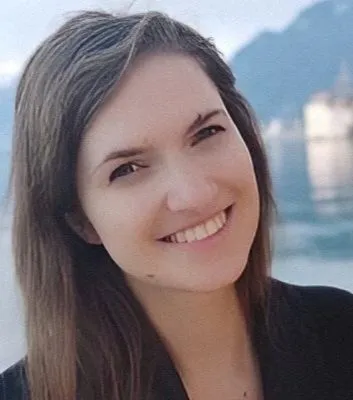
An art historian, Ferenczi specializes in generative art and explores its evolution from its historical roots to contemporary practices. Her background includes museum work and an in-depth study of late 19th-century art, including Dutch art movements and art settlements. In 2021, Ferenczi focused on digital media, writing a series of articles on the intersection of art and technology. She currently serves as an art historian and art director at Kate Vass Galerie in Zurich, which specializes in new media art.
Subscribe to our Telegram channel "Behind the Curtain" to stay up-to-date with all the latest news and events. We regularly publish relevant information and useful materials to help you stay up-to-date. Join our community and stay connected.
Since the advent of the camera, the art community has been divided. Some artists embraced photography as a revolutionary means of expression, while others viewed it with distrust, fearing it could eclipse traditional practices such as portraiture. However, as photography developed, it not only enriched existing techniques but also opened up new horizons for artists, facilitating the emergence of new artistic movements. Over time, photography transformed, moving beyond simple documentation and taking its rightful place as an independent medium in contemporary art.
Throughout history, artists have shown an interest in new technologies, integrating them into their creative processes. The camera obscura, the precursor to the modern camera, is a prime example, helping masters like Vermeer create realistic paintings. Leonardo da Vinci explored the mechanics of flight, anatomy, and engineering, incorporating this knowledge into his artwork. In the 19th century, photography became a major technological advancement that significantly impacted art, and in the 20th century, digital technology played a similar role. Today, the widespread availability of artificial intelligence tools encourages artists to use them for self-expression and experimentation. However, as at the beginning of the photography era, this new genre still finds its place in the context of traditional art.
The idea of artificial intelligence (AI) has its roots in ancient myths about artificially created beings with human traits. This reflects humanity's centuries-old desire to imbue inanimate objects with life. During the 1800s, interest in this field increased, with the first images of artificial beings appearing in literature, such as in Mary Shelley's novel Frankenstein. However, the modern understanding of AI began to take shape with the development of electronic computers in the mid-20th century. In 1950, Alan Turing, one of the founders of computer science, made a significant contribution to the field with his paper "Computing Machinery and Intelligence." In it, he raised the question of whether machines could think and proposed a test for assessing machine intelligence. The term "artificial intelligence" was coined by John McCarthy in 1956 at the historic Dartmouth Seminar on Artificial Intelligence. McCarthy brought together leading scientists for a two-month conference to discuss the possibilities of creating machines that can imitate human thought, officially establishing AI as a field of scientific research and kickstarting innovation in the field.
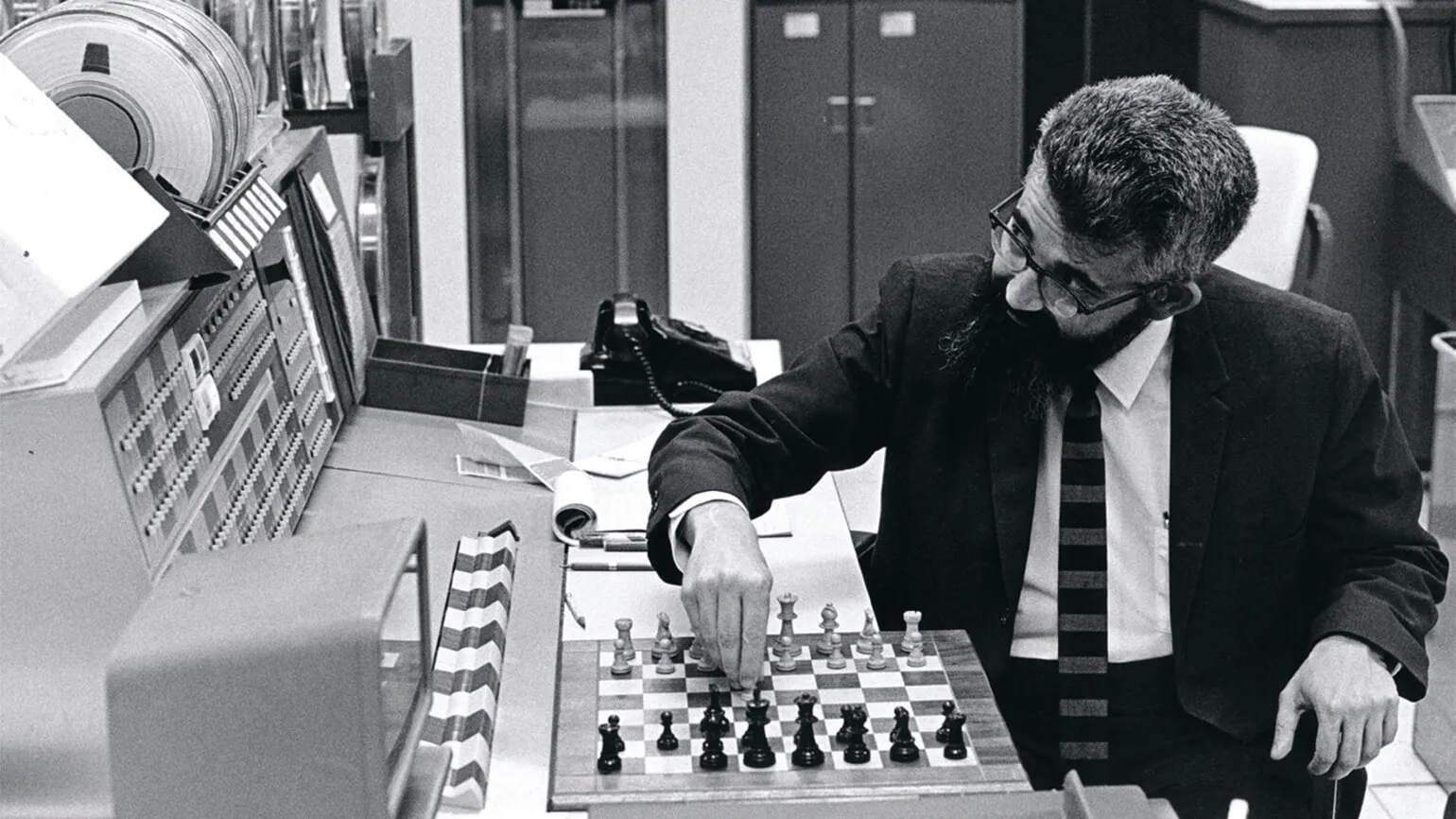
In In the 1960s, as technology advanced, computers became faster and data storage capacities increased significantly. This led to significant changes in the fields of computing and artificial intelligence. One example is the General Issue Solver program, which had an impact on numerous problems and tasks. In 1966, Joseph Weizenbaum created Eliza, the first chatbot, which marked a significant step in the development of human-computer interaction. In 1972, Japan's Waseda University introduced WABOT-1, the first fully humanoid robot capable of locomotion and dialogue. These advances laid the foundation for further research in robotics and artificial intelligence, opening new horizons for future technologies.
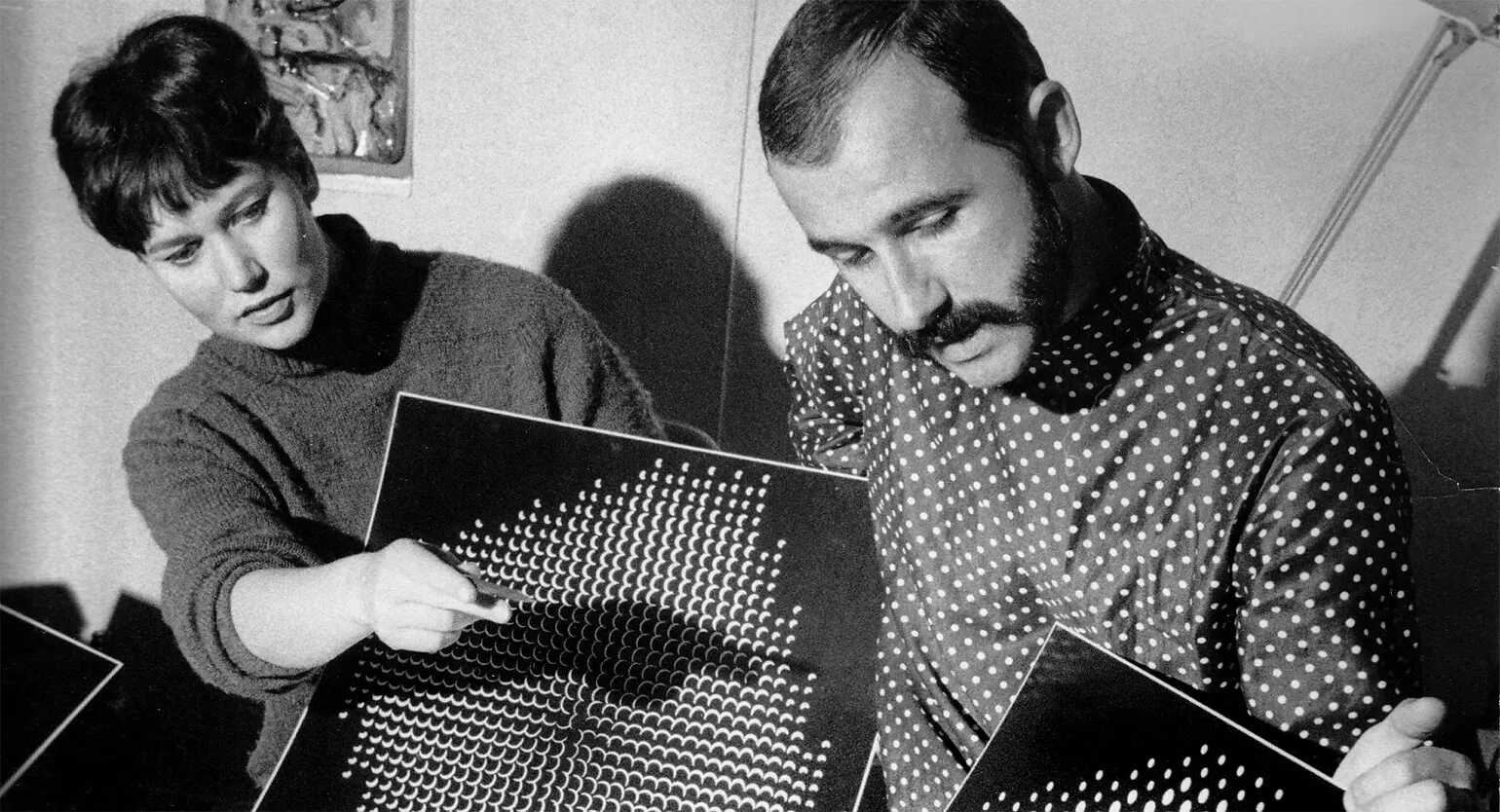
With the advent of artificial intelligence, computer-generative art emerged. In the 1960s, thanks to rapid advances in computer technology and information theory developed by Max Bense, artists began using autonomous systems, such as computer programs and algorithms, for creative expression. At the time, collaboration between artists and scientists was common, as computers were only available at universities, research institutes, and large companies. Parallel to the development of generative art, generative photography emerged, with its roots in experimental photography of the 1920s and concrete photography of the 1950s. Generative photography focuses on the systematic creation of visual aesthetics using programs that perform photochemical, photooptical, or phototechnical operations. It combines traditional photographic techniques with mathematical algorithms. The first exhibition to feature works in this direction took place in 1968 at the Bielefeld Picture Gallery, where works by artists such as Hein Gravenhorst and Gottfried Jäger were on display. This event marked an important stage in the development of generative art and photography, opening new horizons for creative expression.
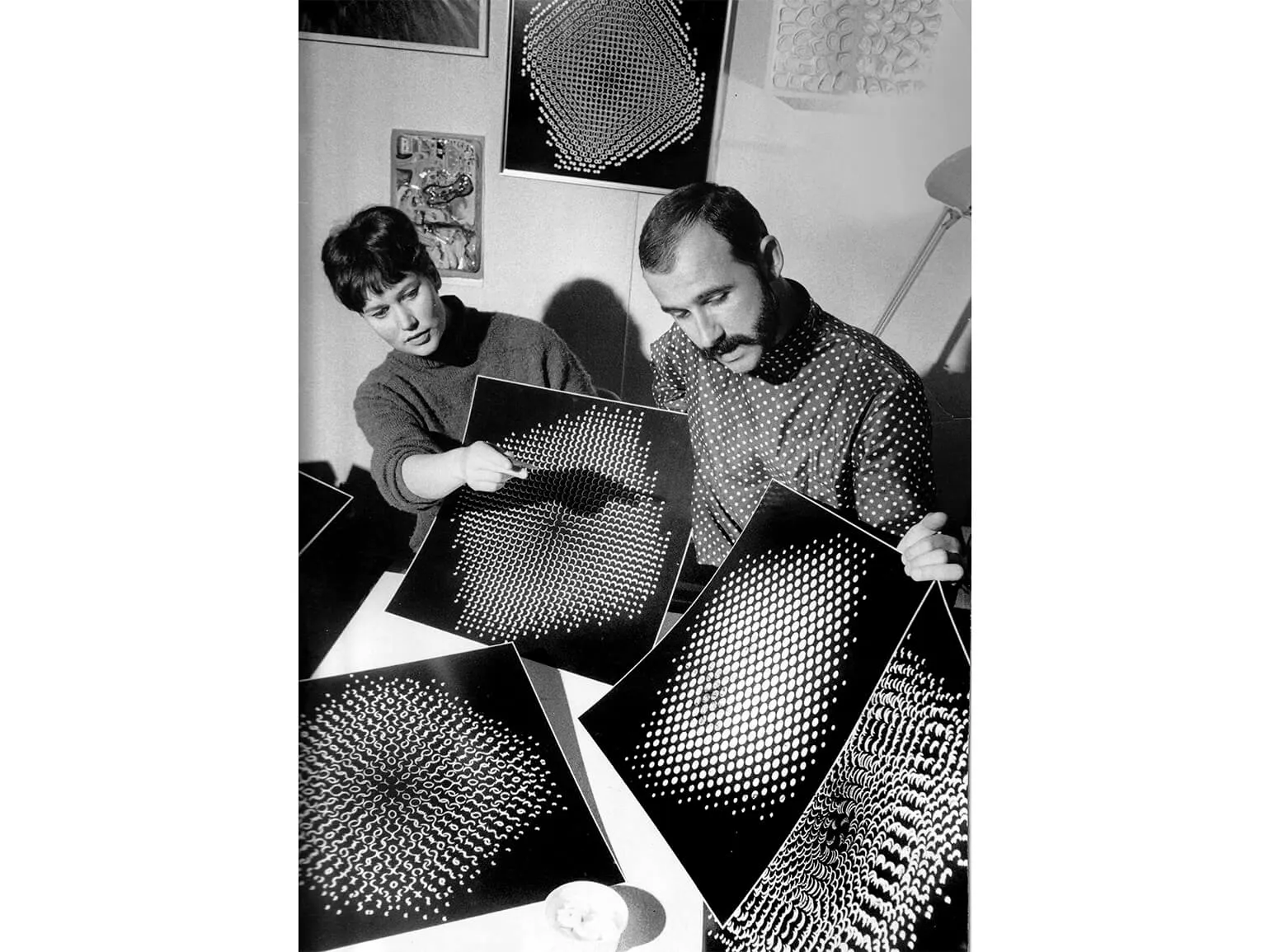
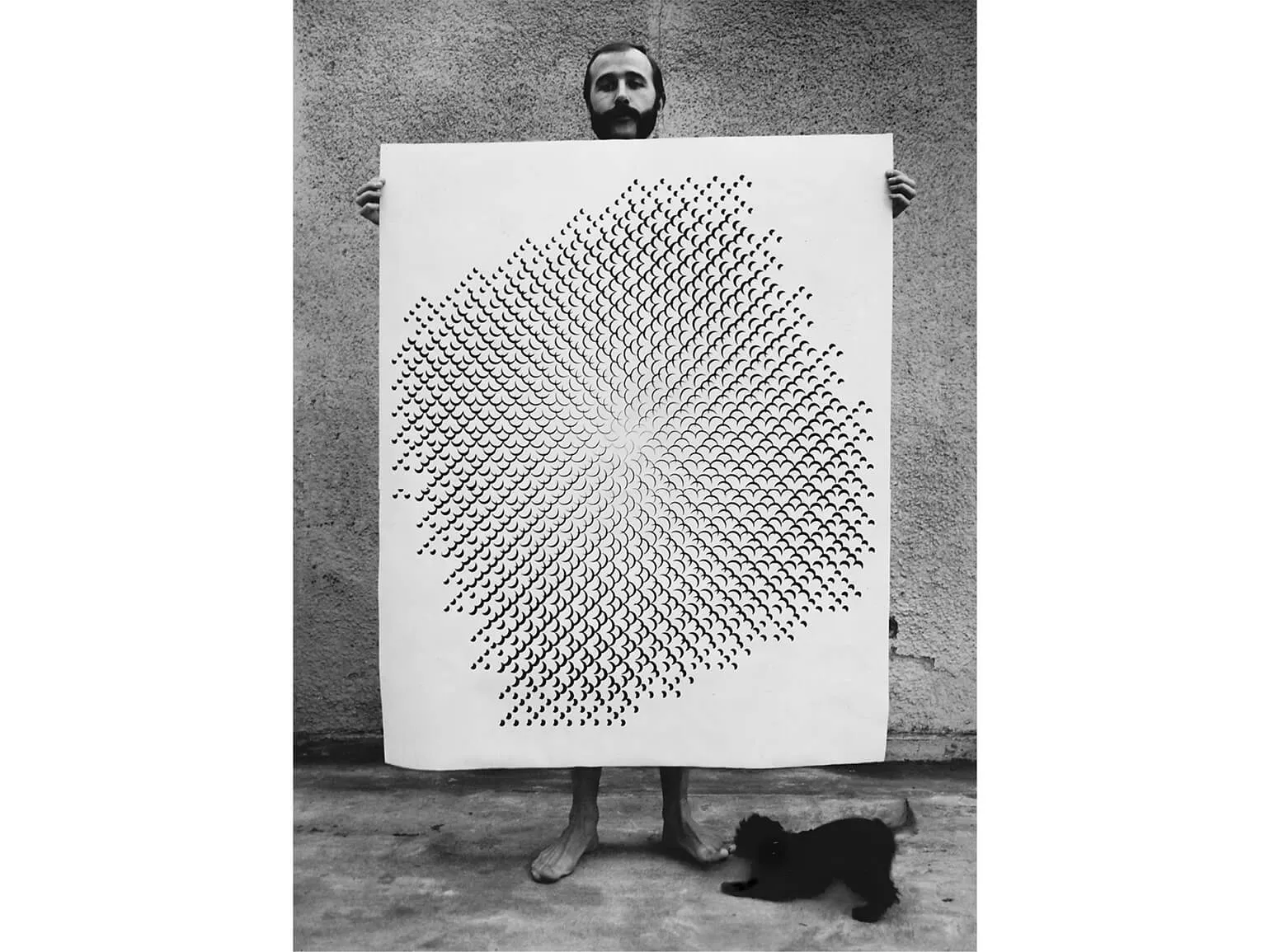
While many artists laid the foundations of generative art, they did not apply what is today called artificial intelligence. Harold Cohen became the first artist to integrate AI into his work, developing the AARON software in the early 1970s. This system is considered one of the first in the field of computer art. AARON used a set of principles defined by Cohen to autonomously generate images and make independent compositional decisions. The program initially generated single-color abstract drawings that the artist colored by hand. Over time, AARON learned to create more complex and colorful works, including realistic images. Cohen's development demonstrated how AI can make independent decisions, which opens up new horizons in autonomous creativity.
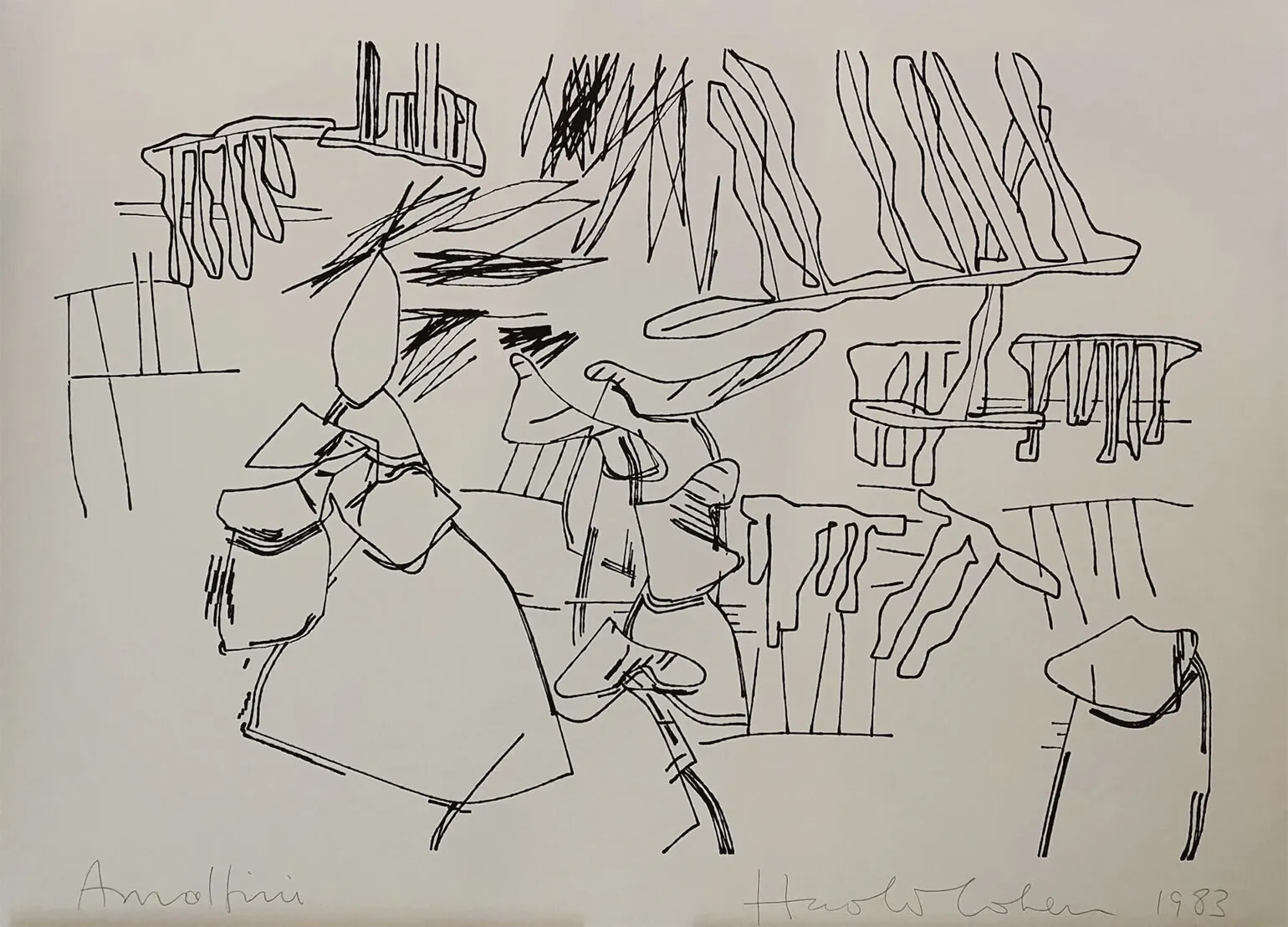
In the 1970s, the development of artificial intelligence (AI) faced significant challenges, leading to a period known as the "AI winter." The slowdown in progress in the field led to a decline in funding and increased criticism of AI technologies. However, in the 1980s, interest was revived, driven by advances such as expert systems and the large-scale Japanese Fifth Generation Computer Systems project.
The 1990s and 2000s saw significant progress: computers became more affordable, faster, and more powerful, while increased memory capacity and the advent of the internet opened up access to vast amounts of data. Key events in the development of AI included the victory of IBM's Deep Blue system in chess against champion Garry Kasparov, as well as the success of Watson, a natural language AI, which won the television quiz show Jeopardy! against top competitors.
Today, AI is widely used in various fields such as mathematics, engineering, and economics, demonstrating its ability to solve a variety of problems. The development of technologies such as machine learning and big data analytics continues to open new horizons for artificial intelligence, making it an integral part of modern society.
In the 2010s, neural networks and machine learning became the main drivers of the development of artificial intelligence, building on fundamental research conducted in the 1980s. Neural networks are computer systems that mimic the functioning of the human brain by learning and adapting based on incoming data. This technology has revolutionized fields such as image and speech recognition, as well as natural language processing, significantly impacting the art created with AI.
One of the key advances in this field was generative adversarial networks (GANs), developed by Ian Goodfellow and his team in 2014. GANs consist of two neural networks trained simultaneously to create high-quality, detailed images. Since 2017, artists have begun actively using GANs in their work, demonstrating two different approaches to integrating this technology into art.
Thus, the development of neural networks and GANs has opened new horizons for artists, allowing them to experiment with forms and styles that were previously impossible.
Read also:
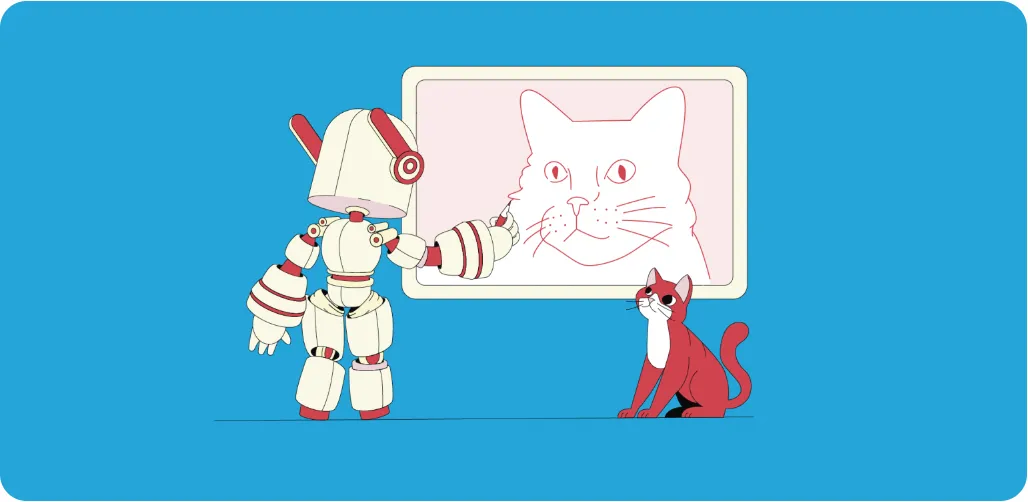
Generative adversarial networks (GANs) are one of the most exciting technologies in artificial intelligence. To better understand how they work, let's consider them using cats as an example. GANs consist of two main components: a generator and a discriminator. The generator creates new images, and the discriminator evaluates them, determining whether they are real or generated.
Imagine the generator is trying to create images of cats. It studies many real photos of cats to understand their features. It then begins generating new images that look like real cats. Meanwhile, the discriminator receives both real and generated images and tries to determine which ones are fake.
With each round, the competition between the generator and discriminator becomes increasingly intense. The generator improves its skills to fool the discriminator, and the discriminator refines its algorithms to detect fakes. Ultimately, generative adversarial networks can create images that are virtually indistinguishable from real ones.
This technology has applications in a variety of fields, from creating artificial images to generating music and text. GANs open new horizons in creativity and automation, making them an important tool in the world of artificial intelligence. Thus, generative adversarial networks, using cats as an example, demonstrate how modern technologies are capable of creating unique content and solving complex problems.
Some artists, such as Robbie Barratt and Mario Klingemann, use vast amounts of online data to create their works. While others, such as Helena Sarin and David Yang, prefer to work with more limited datasets, including their own paintings or photographs. Klingemann's works, such as "The Butcher's Son" from 2017, are an early example of the application of generative adversarial networks (GANs) in art. In this project, the artist trained artificial intelligence (AI) to transform simple drawings into full-fledged paintings using massive amounts of online images to demonstrate how neural networks perceive the human body. Yang's 2018 series "Learning from Nature" represents a more personalized approach to data selection, where the artist trains machines using small datasets, such as his own photographs, aiming to bring AI closer to human perception. Helena Sarin's unique method is embodied in her project "AI Candy Shop," in which she uses her watercolors, sketches, and food photographs as input for AI training. This approach involves curating and interacting with AI, allowing it to more accurately reflect the artist's artistic vision.
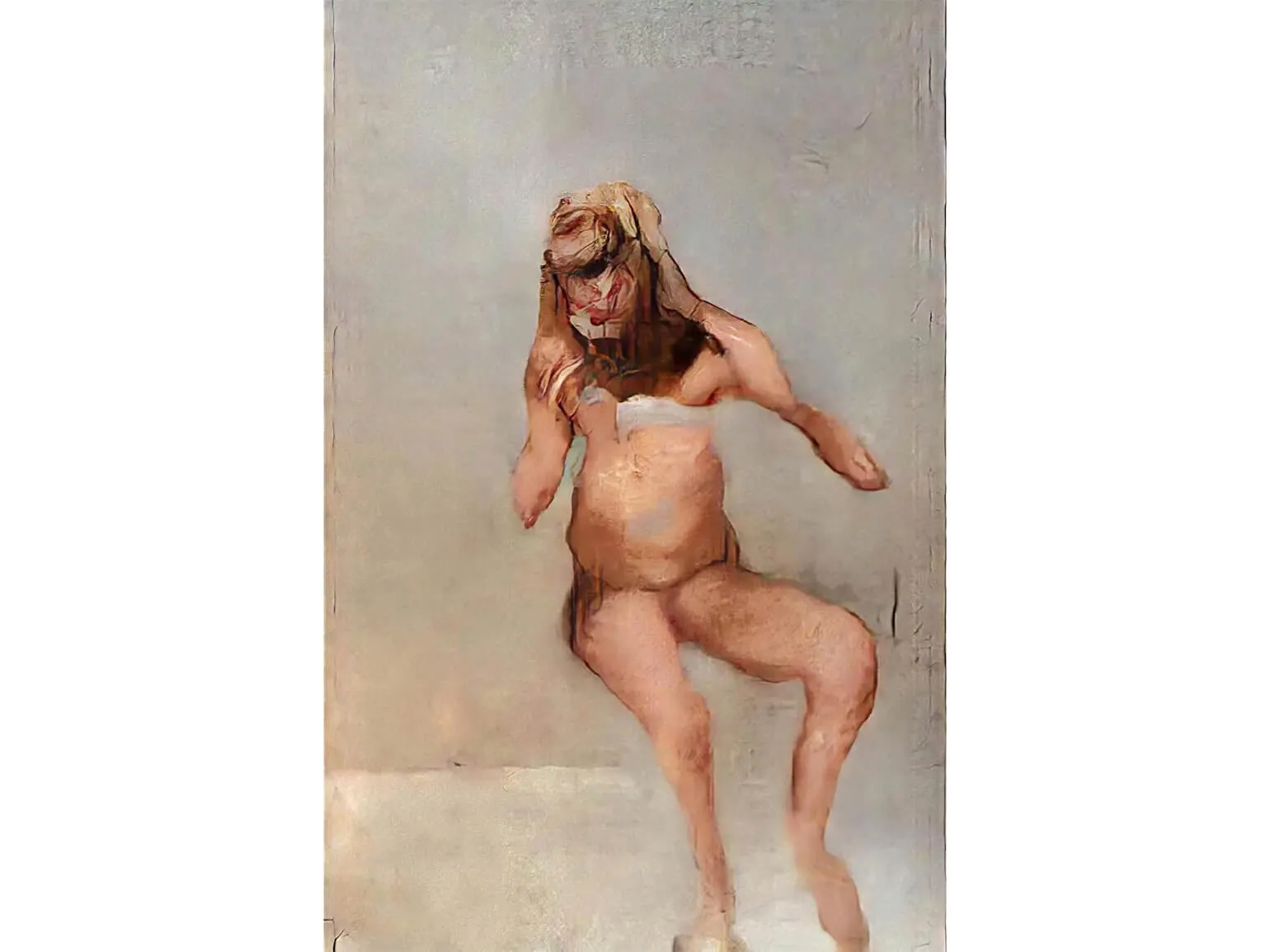
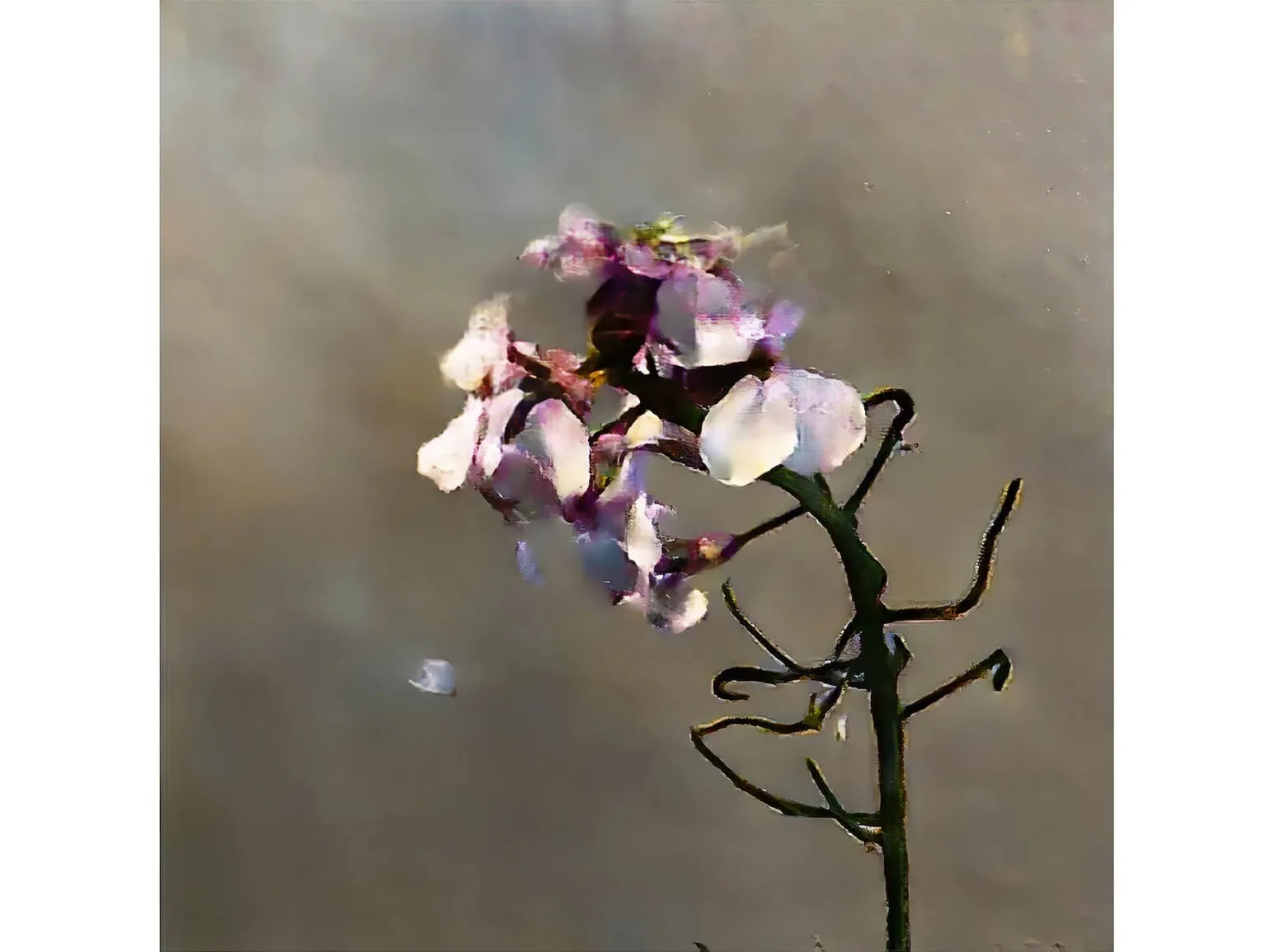
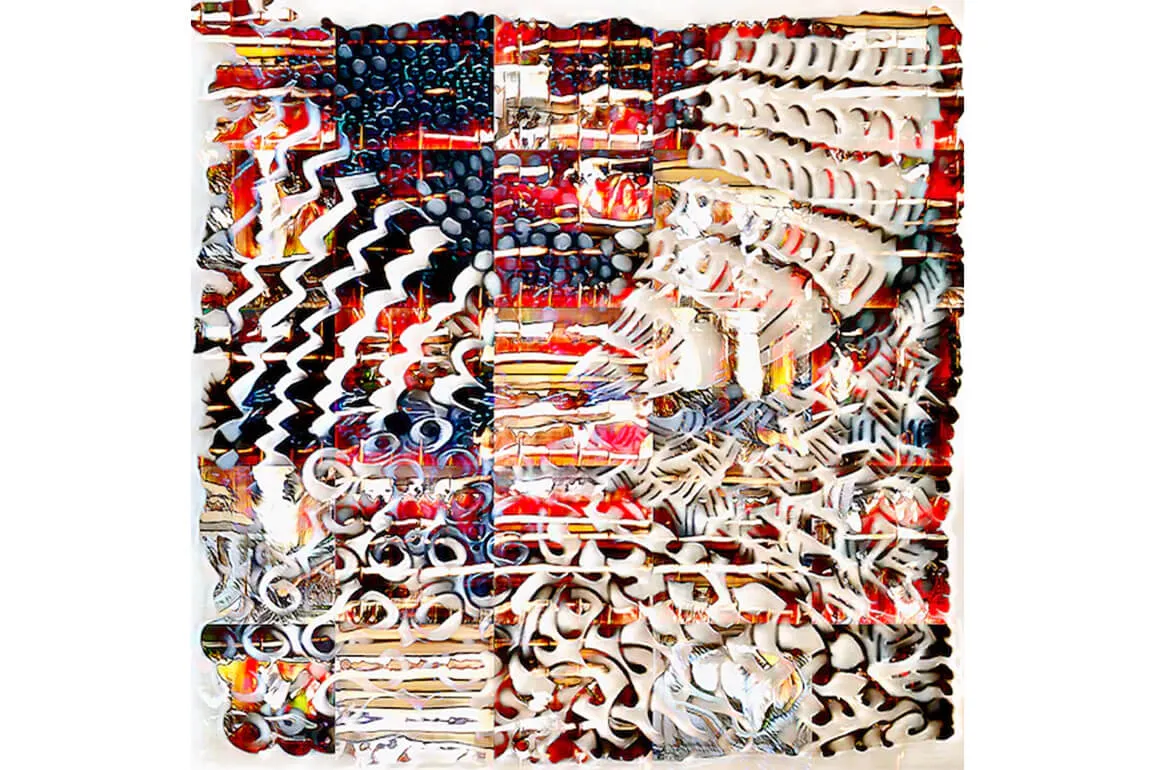
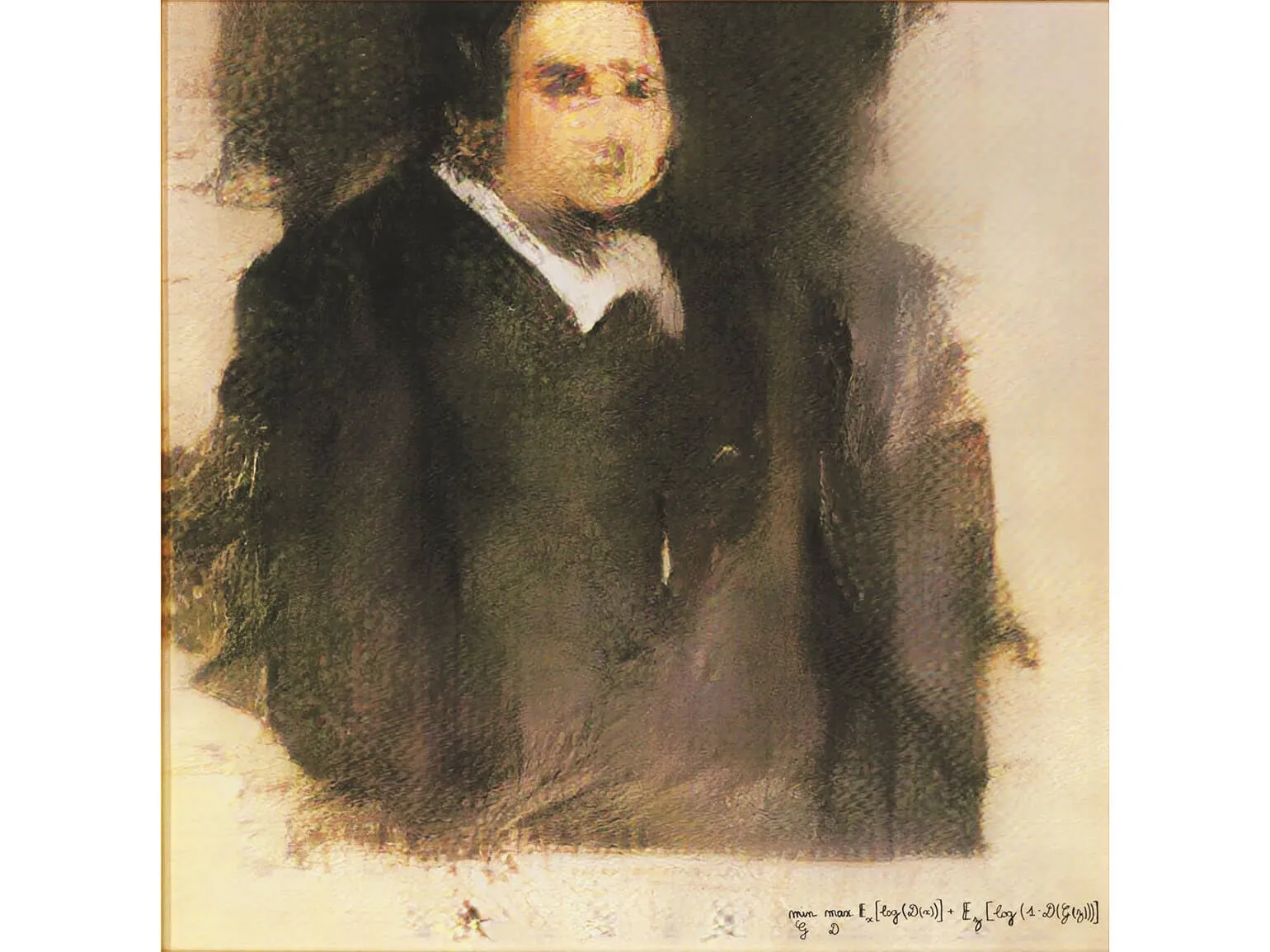
In 2018, artificial intelligence (AI) began to actively attract attention in the world of traditional art through the use of generative adversarial networks (GANs). An example of this is the "Portrait of Edmond de Belamy" by the French collective Obvious, which sold at auction at Christie's for $432,000. This sale marked a milestone in the history of AI art and marked the beginning of explorations of AI's capabilities in both traditional and new media art.
New media artist Hito Steyerl presented her video installation "Power Plants" at the Venice Biennale in 2019, using neural networks to generate images of non-existent plants. This work offered a critical look at the digital world and the social consequences of technological change, highlighting the growing importance of AI in contemporary art.
During this period, companies began to recognize the potential of AI and actively invest in its development. Google, one of the leading tech giants, made a significant contribution to the development of the DeepDream algorithm, created by Alexander Mordvintsev in 2015. DeepDream can highlight patterns in images and transform them, giving them a fantastical and psychedelic look.
Also in 2020, OpenAI introduced the CLIP deep learning algorithm, which has had a significant impact on AI art. CLIP establishes complex relationships between text and images, allowing AI to create works of art based on text cues. Another important innovation was diffusion models, which gradually transform random pixel patterns into coherent images. These developments open new horizons for artists and researchers, promoting the further advancement of AI in the field of art.
GANs and diffusion models play a key role in the evolution of post-photography, going beyond traditional photography and integrating digital technologies, including artificial intelligence. In 2020, Dutch photographer Bas Uterwijk, known as Ganbrood, took a step toward post-photography, using AI to create portraits of historical figures who lived before the advent of the camera. One of his most famous works is a portrait of Jesus, in which he combined cultural, historical, and archaeological elements using neural networks. Another prominent representative of this movement is Rupe Reinisto, who applies specially trained diffusion models and the visual language of traditional photography to create images that simultaneously evoke nostalgia and futurism. By harnessing the power of artificial intelligence, these artists can explore and visualize their ideas in ways impossible with traditional methods. In recent years, research in artificial intelligence has rapidly advanced, and this technology is becoming part of our everyday lives, manifesting itself in virtual assistants, advertising, and language models such as ChatGPT. A similar trend is occurring in the arts: platforms like DALL-E, Stable Diffusion, and Midjourney generate images based on text queries, making creativity accessible to a wider audience.
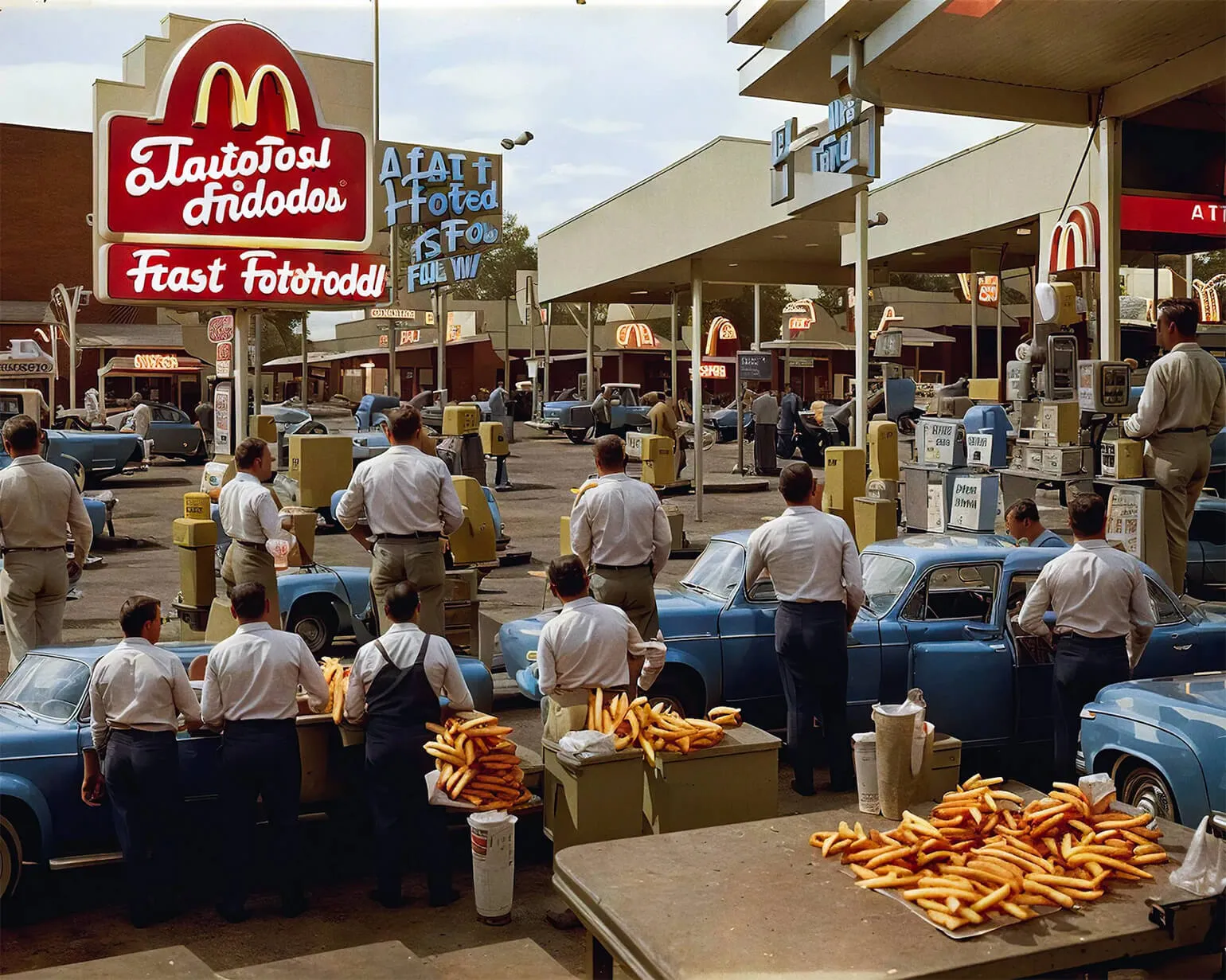
Art created with artificial intelligence, despite some concerns, has received recognition from leading cultural institutions. Museums such as the Los Angeles County Museum of Art, the Centre Pompidou in Paris, and the Museum of Modern Art in New York have included AI works in their collections. This form of art has also found a place at art fairs and biennales, including the Venice Biennale and Art Basel. Renowned auction houses such as Christie's and Sotheby's have showcased AI art, furthering its legitimacy as a genre. Just as photography once gained recognition, AI art is moving towards full recognition as an independent branch of contemporary art, transforming the ways of creative expression.
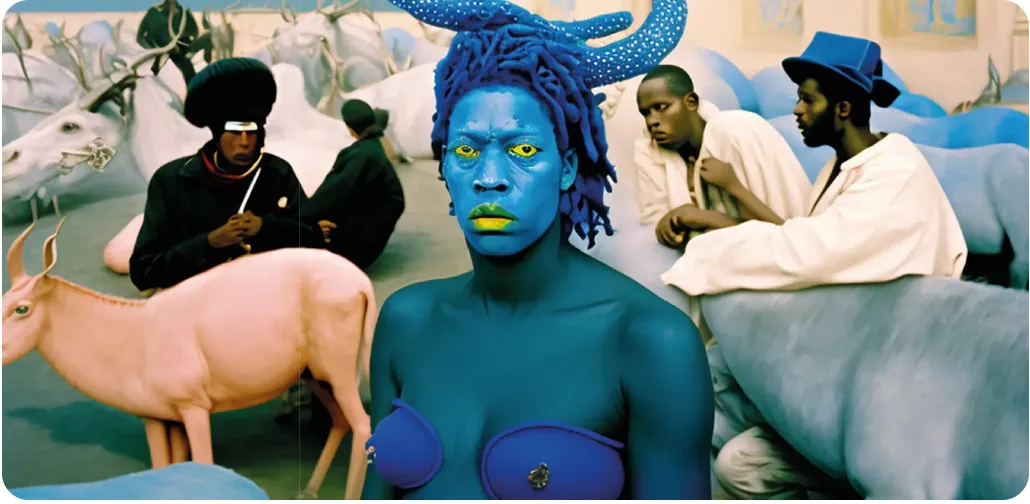
Reading is an important part of our lives, and it opens up many opportunities. Immersing ourselves in books develops imagination, improves vocabulary, and broadens horizons. It's important to choose a variety of genres and authors to enrich your experience. Reading not only helps you relax but also promotes mental development, increasing your concentration and analytical thinking. Regularly reading books can be a great way to cope with stress and improve overall well-being. Research shows that reading improves memory and writing skills, which is especially beneficial for students and professionals. Make it a habit to set aside time for reading every day to enjoy all the benefits it has to offer.
Between Before and After: 16 Artist Projects Using Artificial Intelligence
In recent years, artificial intelligence (AI) has become an important tool in the art world. Artists are increasingly turning to new technologies to create unique works that challenge traditional notions of creativity. In this article, we will examine 16 projects in which AI plays a key role, demonstrating how technology can transform the art-making process. These works illustrate the shift from traditional methods to modern approaches, where algorithms and machine learning become partners with artists. By exploring these projects, we'll see how AI not only expands the horizons of artistic expression but also raises new questions about the nature of creativity and authorship.
Profession Photographer
You will learn to take professional photos from scratch. Learn how to organize a shoot, process footage, and manage models and a team. Find your style, build an impressive portfolio, and start making money doing what you love.
Find out more