Contents:
Photographer's Skills
Modern photography is a diverse field of art and technology. One photographer may work with film and process negatives in a darkroom, while another creates images using neural network technologies. However, there are certain skills that a photographer needs to be successful in this field. These skills include the ability to use a camera, knowledge of the basics of composition, lighting, and post-processing. It is also important to have a creative approach and the ability to adapt to new technologies and trends. Improving these skills will help a photographer not only stand out in a competitive environment but also realize their creative ideas.
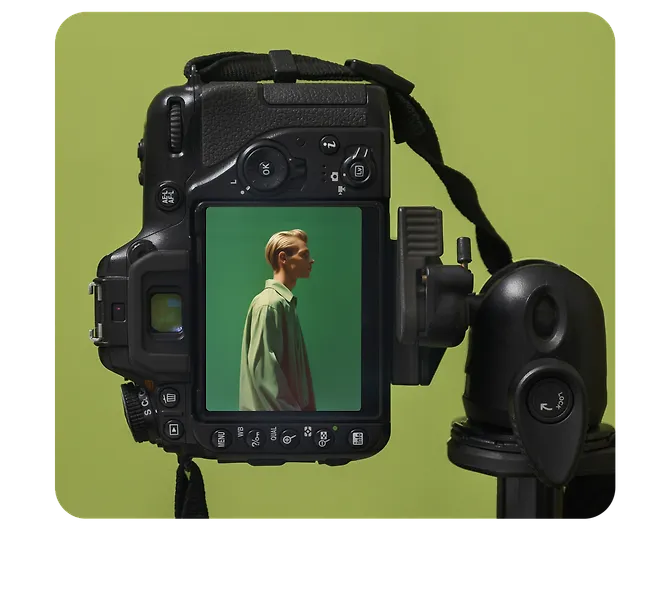
Effective camera work requires knowledge of basic parameters such as shutter speed, aperture, and ISO. Knowing how to properly adjust these elements is the key to obtaining high-quality and predictable photographs. Proper shutter speed allows you to control subject movement, aperture affects depth of field, and ISO determines the sensor's sensitivity to light. By mastering these settings, a photographer can better adapt to different shooting conditions and create stunning images.
Using Additional Photography Equipment. Depending on specific tasks, a photographer may use a variety of equipment, including lighting fixtures, reflectors, flashes, and tripods. The correct selection and combination of these tools allows you to achieve high-quality results and improve your professional skills.
Working with photo editing software is a key step in creating high-quality photographs. At the initial stage, it is important for a photographer to master the basics of cropping and color correction using popular programs like Lightroom and Photoshop. These skills will help make photographs more expressive and professional, which is especially important for attracting audience attention and enhancing visual content. By mastering photo editing software, photographers can significantly improve the quality of their work and stand out in the world of visual art.
Visual sense plays a key role in creating high-quality content. The ability to see a frame, construct a composition, and have a sense of form and color form the foundation for successful work in the visual arts. Good taste doesn't always depend on natural talent; these skills can be developed and refined. Understanding the basics of composition and color harmony will help you create engaging and memorable visual content, which is especially important in today's digital media.
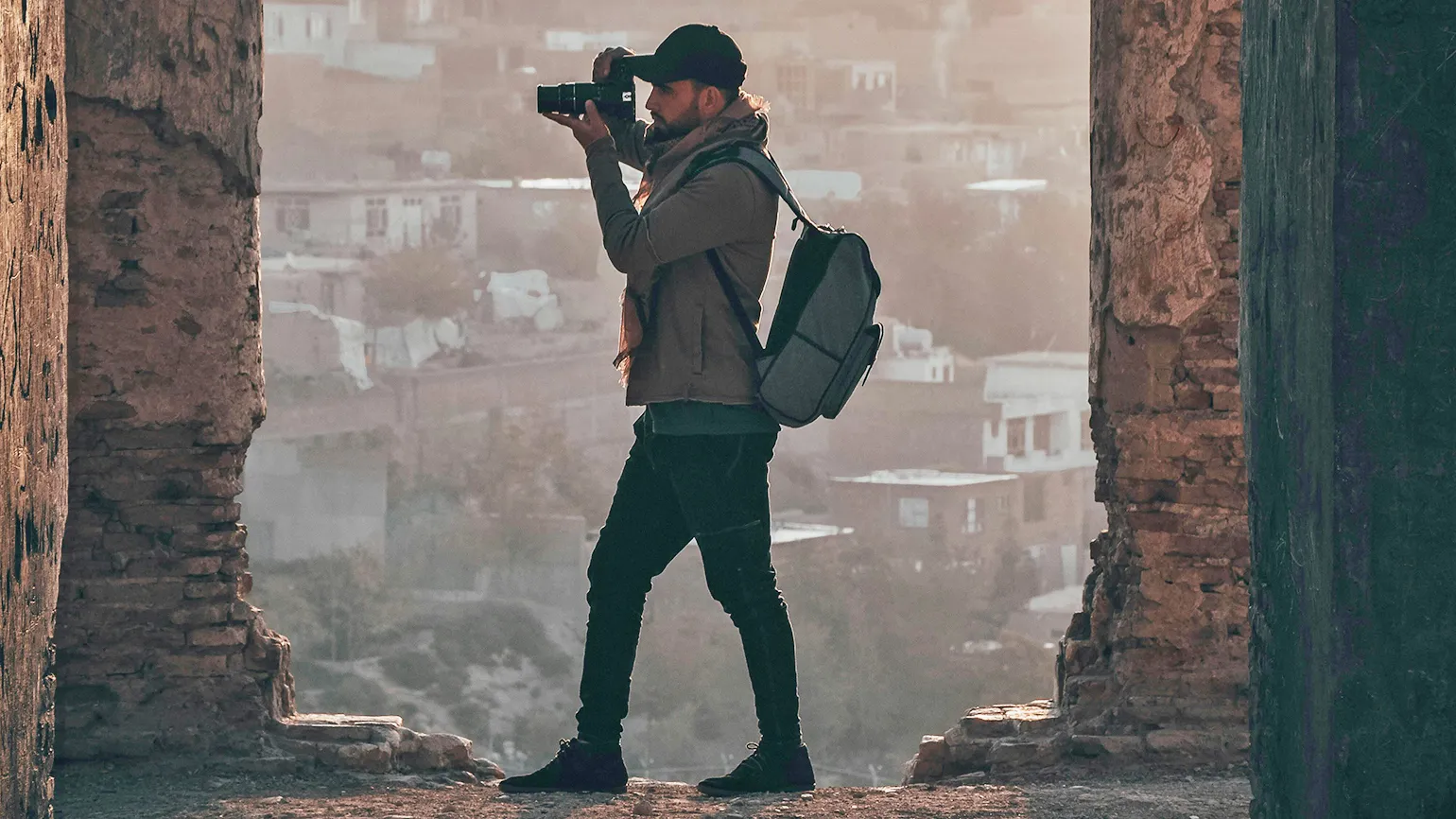
Creative thinking is the ability to generate unique ideas and find unconventional solutions to various problems. This is an essential skill that allows people to approach problems from a new perspective, which can lead to innovative results. Creative thinking is actively used in various fields, including art, science, business, and technology. Developing this skill promotes creativity and improves the ability to adapt to changing conditions. The ability to think creatively opens new horizons and helps achieve goals. Soft skills play a key role in the work of every professional who interacts with people. For a photographer, the ability to effectively communicate with clients and models is essential. It is also important to be able to negotiate locations for shoots and work in a team with other specialists, such as stylists, makeup artists, and producers. Developing these skills contributes to the successful implementation of creative projects and improves the quality of work. In a market economy, professionalism is not enough. It is important to be recognized. Therefore, the basic skills of specialists working on a project basis or freelance, such as photographers, are supplemented by the ability to effectively manage social media and competently present their services. This not only helps attract clients but also build a personal brand, which is key to a successful career in today's competitive environment.

Read also:
Social networks for photographers: effective use
Social networks play an important role in promoting photographers and their work. They provide a unique opportunity to showcase a portfolio, attract clients, and interact with an audience. To successfully use social platforms, photographers should adhere to several key principles.
First, it's important to choose the right social networks based on your target audience. Instagram and Pinterest are ideal for visual content, while Facebook and Twitter can be used for communication and sharing ideas. Regularly updating content and engaging with followers will help build a loyal community.
Second, it's worth paying attention to the quality of your photos. High-quality images attract more attention and contribute to a positive image. Use relevant hashtags and geotags to increase the visibility of your work.
Also, don't forget about the content that accompanies your photos. Interesting captions, stories about how the photos were taken, or photography tips can complement the visuals and engage followers.
Finally, analyze the results of your social media activity. Use built-in analytics tools to understand which content generates the most engagement and what could be improved. Proper use of social media will help photographers not only promote their work but also build relationships with clients and industry colleagues.
The Main Duties of a Photographer
A photographer is typically a professional who creates visual images using a camera. Photographers work in various genres, such as portrait, landscape, wedding, and commercial photography. Their task is not only to capture a moment but also to convey emotion and atmosphere through the image.
Professional photographers have mastered shooting techniques, understand the basics of composition and lighting, and have post-processing skills. They use different cameras and lenses depending on the tasks they face. It's important to note that a good photographer understands how to work with clients to capture their wishes and create unique images that meet their expectations.
Modern photographers also actively use social media and online platforms to promote their work and attract new clients. This allows them to expand their audience and share their creations with the world. In an increasingly competitive visual services market, the ability to promote your photographs is becoming an essential aspect of a successful photography career.
Developing a shoot idea involves choosing the style and concept of the project. The specialist creates a mood board with references, which helps visualize the idea. They also assist the client in choosing an image for the shoot and, if necessary, coordinate the creative plan with the client. This approach ensures a harmonious combination of all elements and meets the client's expectations.
Organizing a shoot includes many important stages. The specialist prepares the studio or carefully selects other locations, plans the shoot time, sets up the equipment, and selects the necessary props. The photographer also coordinates with the models. On larger projects, many of these tasks can be delegated to assistants and other professionals, allowing for more efficient time and resource management. Proper organization of the shooting process is key to achieving high-quality final footage.
The photo shoot begins. This is the moment when the photographer begins working with the camera. Important aspects of the process include choosing the angle, adjusting the lighting, and creating the composition. The photographer can also help the model position herself correctly in the frame. All these actions are aimed at achieving the perfect image and creating the right atmosphere.
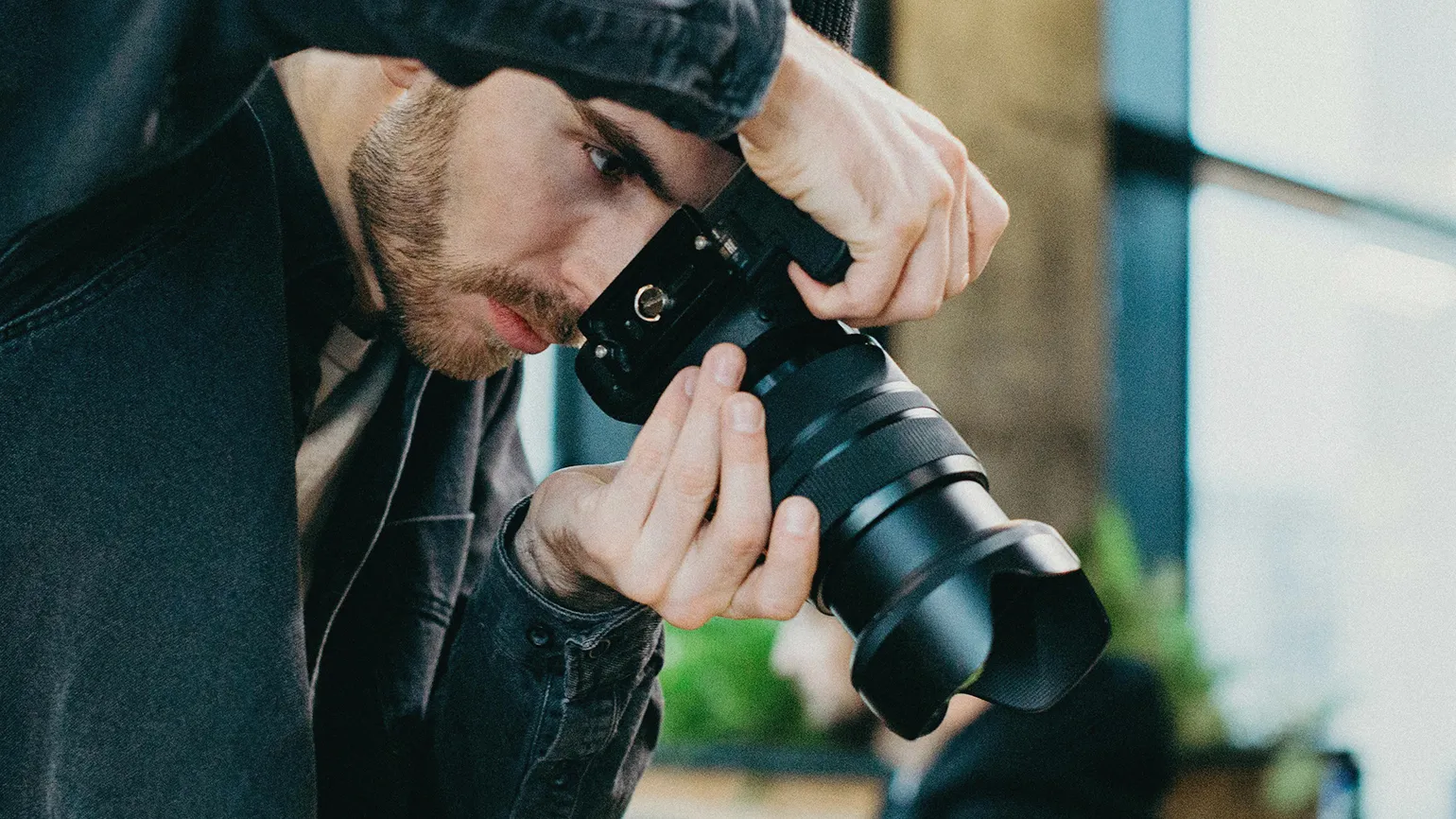
Post-production includes processing the footage using photo editors. This process allows you to improve image quality, adjust color palettes, remove unwanted elements, and create a final product that meets established standards. Proper post-production processing helps emphasize the style and visual identity of a project, which is especially important for professional photography and video production.
The photographer transfers the material to the client or uses it at their own discretion if the work was done for personal purposes. This could include publishing on a blog, adding to a portfolio, or printing photos for a book project. This approach allows you not only to satisfy clients' needs but also to develop your own creative potential.
Photography is a multifaceted art, in which each specialization has its own unique challenges and approaches. Let's look at the main directions in photography to better understand what a photographer does in various fields. Each direction requires specific skills and a creative approach, which makes the photography profession diverse and exciting.
A Telegram channel for photography enthusiasts where you can find inspiration, tips, and ideas. Join our community to exchange experiences, discuss shooting techniques, and share your work. We offer useful resources, articles, and tutorials to help you improve your photography skills and find your unique style. Stay up-to-date with the latest trends and discover new horizons in the world of photography.
If you want to learn about the diversity of contemporary literature, subscribe to our resource. We publish the works of talented Russian authors, analyze global literary competitions, and share creative advice from experienced writers. Discover new horizons in literature and be inspired by fresh ideas.
Photographer Specializations
Photographs in which the main subject is the human face play a key role in creating a visual image. The photographer's task is to convey the desired impression of the model through the image. This can be an image shoot for employees of commercial companies aimed at shaping a professional image, or intimate portraits for private clients that highlight individuality and character. High-quality portrait photography can tell a story, evoke emotion, and establish a connection between the model and the viewer. It's crucial for a portrait photographer to develop soft skills such as emotional intelligence and communication. These qualities contribute to establishing a trusting rapport with models, which, in turn, is reflected in the quality of the photographs. Most portraits are taken in a studio setting, where skill in working with artificial light plays a key role in achieving expressive and professional images. Successful interaction with the model and proper lighting settings will help create unique and memorable portraits. Wedding photography combines both reportage and staged photography. It's important to be able to capture lively emotions and touching moments during the celebration. It's also essential to guide the bride and groom so they know how and where to best pose for their photos. A love story shoot, which many couples book before their wedding, requires creativity and the ability to generate original ideas. Every detail is important to create unique and memorable photographs that will become a wonderful memory of an important event in life.
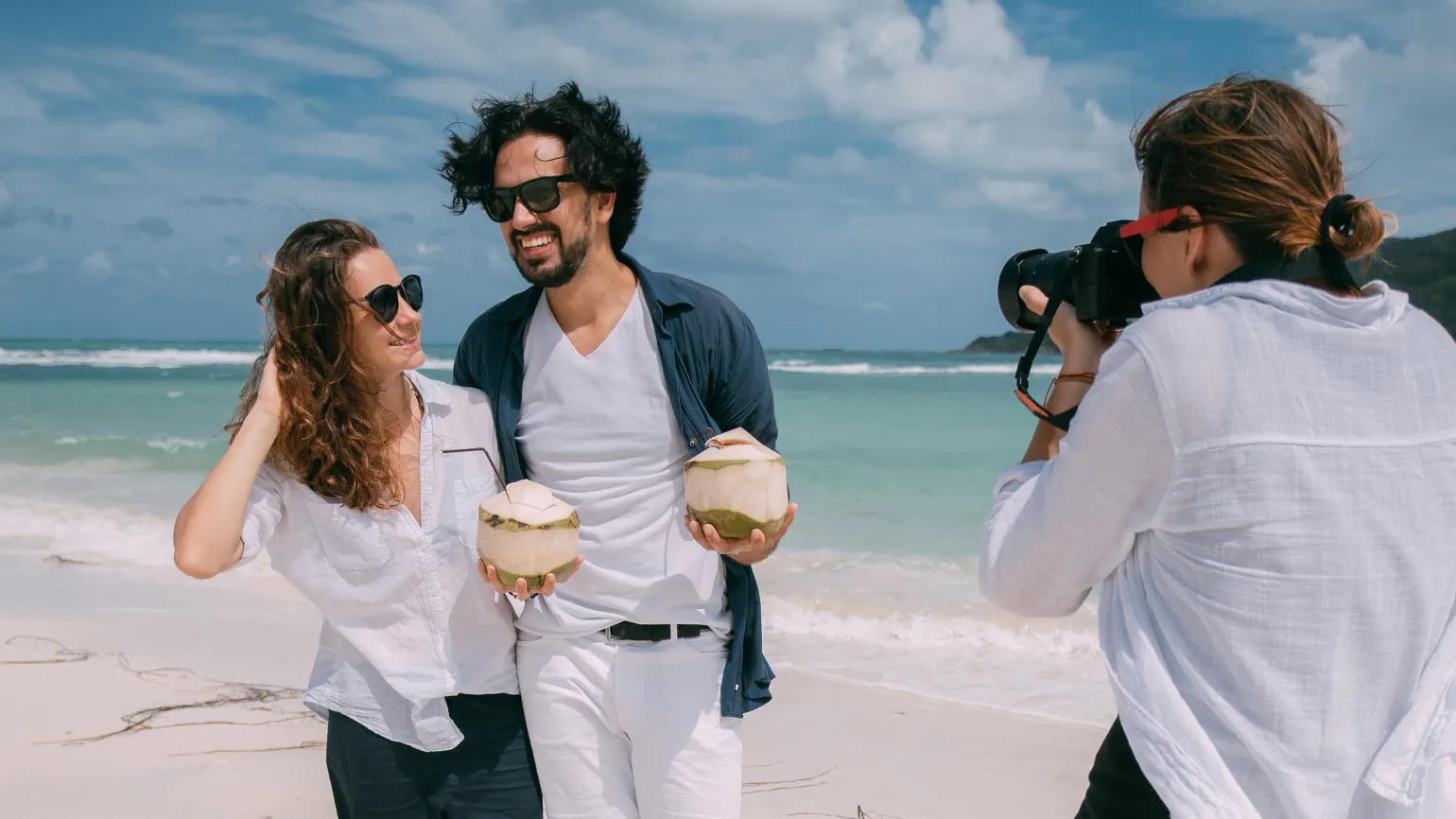
An unobvious, but important quality for a wedding photographer is good physical shape. On a wedding day, they spend many hours with the newlyweds, from morning until evening, and are actively moving around with equipment. Wedding photographers often use two cameras with different lenses, which requires considerable effort. Maintaining physical activity allows the photographer not only to do their job effectively but also to be prepared for any unforeseen situations during the wedding.
A family photographer works in a variety of locations, including studios with a variety of decorations, as well as at off-site events, such as celebrations in restaurants and outdoors. This work requires a combination of many skills, including the ability to work with lighting, background selection, and interaction with clients to create natural and memorable shots.
Some family photographers prefer to focus on a narrow niche. For example, they may specialize in maternity photo sessions or focus exclusively on newborns. This approach allows them to deeply understand the needs of their clients and create a unique style that will appeal to the target audience. Choosing a narrow specialization also helps photographers develop their skills and offer higher-quality services in a specific field. Fashion photographers create advertising images for clothing and cosmetics brands, collaborating with renowned glossy magazines. They also work on models' portfolios, helping them showcase their skills and style. These professionals play a key role in the fashion world, creating visual content that attracts attention to brands and helps shape their image in the marketplace. To be successful, a fashion photographer must be able to work in a team. Typically, a makeup artist, stylist, models, producer, and assistants collaborate with the photographer on such shoots. It's important to combine a creative approach with adherence to technical specifications, as well as staying up-to-date with current visual trends. This allows for the creation of high-quality work that meets client expectations and the modern demands of the fashion industry. Understanding the roles of each team member and effective communication are key to achieving the overall result.
A product photographer strives to showcase the product in the most favorable light to attract buyers. Photographers can use a variety of items, including electronics, cosmetics, books, and many other items. Properly executed product photography highlights the features and benefits of a product, which helps increase sales and generate consumer interest.

Successful product photography requires high technical skills and the ability to manage lighting. It is also important to pay attention to detail and have a comfortable command of modern photo editing software at an advanced level. These qualities enable the creation of high-quality images that attract attention and highlight the features of their subjects. Good lighting and precise photo editing play a key role in the preparation of visual content for a variety of purposes, including commercial advertising and online sales.
Reportage photography focuses on capturing events without interfering with their course. There is no place for staged shots in this genre. The main goal of a reportage photographer is to accurately convey the atmosphere and emotion of the moment, witnessing a significant event. High-quality reportage images allow the viewer to experience the full scope of what is happening, conveying important details and context.
A professional in this field requires attentiveness, an eye for detail, and quick reactions. These qualities allow them to effectively cope with tasks and minimize errors. Developing these skills is a key aspect of a successful career in this profession.
Photography can be roughly divided into two categories: documentary and artistic. Documentary photography captures reality, depicting the world without distortion. In contrast, fine art photography conveys the author's individual vision, often using staged elements. Both of these forms of photography can be considered part of contemporary art if the work is based on a clear artistic concept.
Photographer's Starter Pack
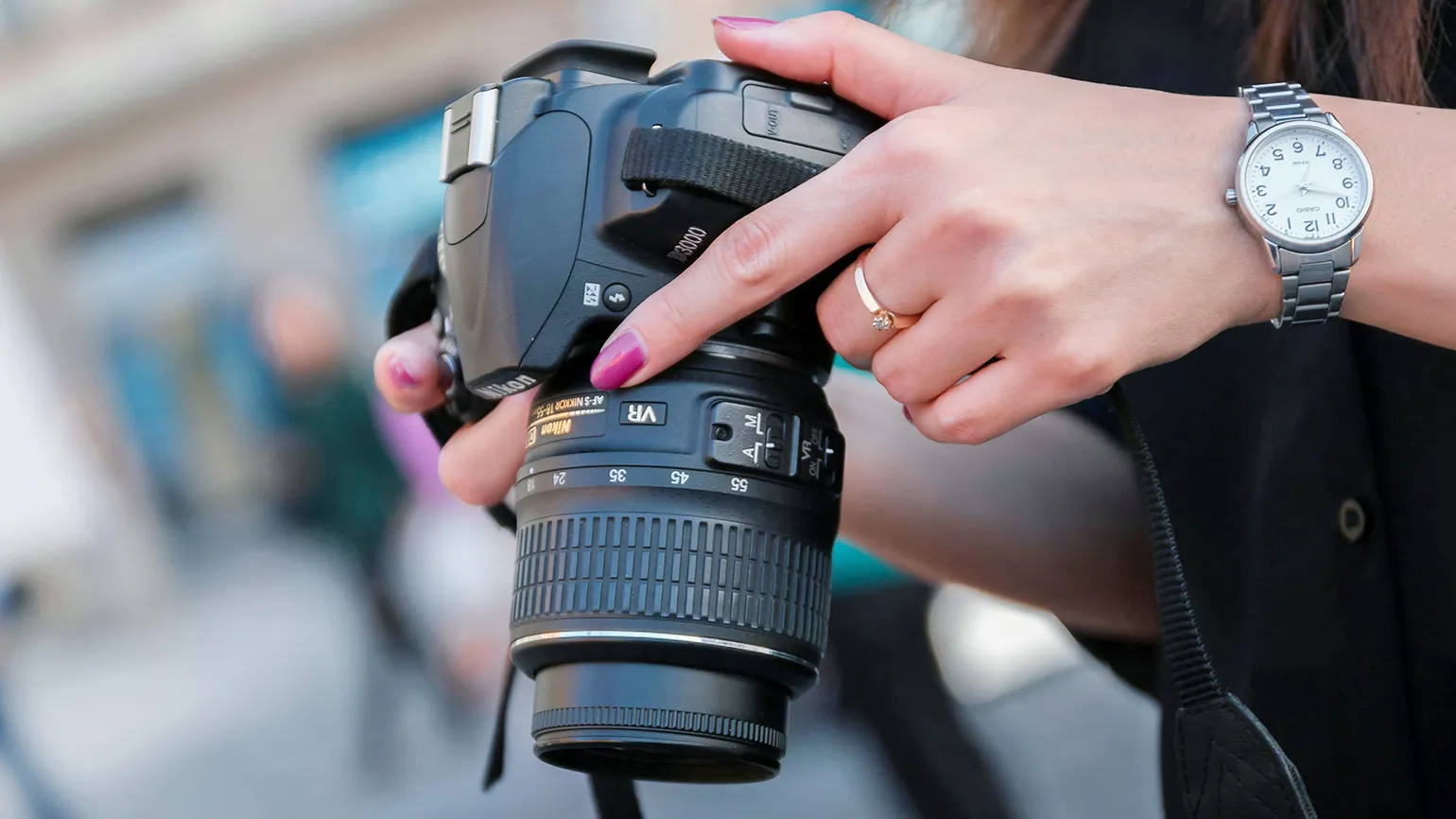
If you've decided to become a photographer from scratch and have chosen a digital camera as your primary tool, you'll need a few key things. First, you need to familiarize yourself with the camera's basic functions and settings to understand how they affect the final result. Second, it's worth investing in a high-quality lens that will allow you to experiment with different shooting styles. Third, learning the basics of composition and lighting will help you create more appealing and professional-looking images. It's also helpful to learn image processing software to be able to enhance your photographs in post-processing. Finally, don't forget about practice: regular shooting will help you develop your skills and find your unique style.
Today, the most popular digital cameras are divided into two types: DSLRs and mirrorless cameras. For beginner photographers, a mirrorless camera is recommended. Although these models can be expensive, their lightweight and compact size make them worth the investment. Camera manufacturers are actively developing this market segment, leading to constant improvements in cameras and an expanding range of lenses. A wide range of accessories are available, allowing you to gradually build a photography kit that will last for a long time. Choosing a mirrorless camera is a smart move for anyone looking to develop their photography skills and produce high-quality images.
Visit our other content:
The Best Cameras of 2025: A Review of Digital Cameras from Budget to Professional. This year, there are many models on the market that will satisfy the needs of both amateurs and professionals. We'll explore the key features that make cameras stand out, including image quality, functionality, portability, and price range. Regardless of your budget, you'll be able to find the perfect camera for capturing breathtaking photos and videos. Check out our list of the best digital cameras of 2025 to make an informed choice and capture your most important moments.
A kit lens is an excellent choice for beginner photographers. This versatile lens is often included with the camera, making it affordable and convenient to use. Suitable for both wide shots and portraits, it covers a wide range of photography styles, both indoors and outdoors. Using a kit lens allows you to easily experiment with different genres of photography and develop your skills.
High data read and write speed is key for quickly transferring files to a computer and taking burst photos. It is recommended to use a memory card with a minimum write speed of 120 MB/s. The minimum memory capacity of 128 GB is recommended to provide sufficient space for storing large amounts of data and high-quality images.
When choosing a method for storing and transporting equipment, we recommend choosing a backpack, even if the amount of equipment is small at the moment. A backpack allows you to evenly distribute the weight across your back, which is much more comfortable than carrying a heavy load on one shoulder. In addition, a backpack will become a reliable assistant if your fleet of equipment grows and the weight of the equipment increases. The right backpack will ensure comfort and safety during transportation, which is especially important for the safety of your equipment.
For photo processing, we recommend using Adobe Photoshop and/or Adobe Lightroom. These tools offer a wide range of image editing capabilities, allowing you to improve the quality of photos, correct colors, and create unique effects. Adobe Photoshop is ideal for detailed image editing, while Adobe Lightroom provides convenient features for managing and organizing photo projects. Using these programs will help you achieve professional results in photo editing.
To get started, you will need the bare minimum of equipment. This includes a second battery for backup power while shooting, an external hard drive for storing large amounts of data, and tools for maintaining your equipment. Additional lenses suitable for your needs, a tripod, and a flash can also be important elements of your arsenal. These accessories can be acquired gradually as you gain experience, allowing you to better understand what exactly you need to achieve high-quality results.
- Camera and lens - the price of equipment with a reasonable price-quality ratio starts at 80,000 rubles (for example, the Canon EOS R50 kit).
- Memory card - around 2,800 rubles for a fast 128 GB card.
- Photo backpack - around 2,000 rubles for the most basic option.
- Software - although Adobe has officially suspended sales of new subscriptions in Russia, there are ways to purchase official software. A monthly subscription to Adobe Photoshop will cost approximately 2,500 rubles.
Prices start at 87,300 rubles.
Where should a budding photographer study?
For beginners, the most obvious option is to study at a specialized school. There are many educational institutions that offer a variety of programs suitable in duration, cost, and format—both in-person and online. However, it should be noted that training is usually fee-based. Some schools have a competition for free places, which can be a good opportunity for those who want to study but do not have sufficient financial resources.

Reading is an important part of our lives and helps develop thinking, enrich vocabulary and broaden horizons. In today's information-filled world, books remain an indispensable source of knowledge. They not only entertain but also educate, allowing you to immerse yourself in different topics and cultures.
Regular reading helps improve concentration and analytical skills. It also helps reduce stress and improve overall well-being. It is important to choose literature that matches your interests and goals, whether it is fiction, scientific articles, or educational books.
Remember to share your findings with others. Discussing what you read can deepen your understanding of the material and open up new perspectives. Reading a book is not just a hobby; it is an opportunity to become a better person by expanding your horizons.
Photography: Where to Get a Photography Degree?
Photography is an art that requires not only a creative approach but also professional skills. If you are considering studying in this field, it is important to choose the right educational institution. There are many options, including art schools, universities, and specialized courses.
When choosing a place to study, pay attention to the programs offered by the educational institution. Some schools offer courses in photography fundamentals, composition, and lighting, while others focus on digital photography and post-processing. Also consider the availability of hands-on training and the opportunity to work with professional equipment.
Don't forget the school's reputation and alumni reviews. A good photography program will help you develop essential skills and build a portfolio that will open doors in the industry.
Studying photography can lead to a variety of career opportunities, including freelance work, studio work, event work, or journalism. Choosing the right school is the first step to a successful career in photography.
If you're ready to dedicate significant time to your studies and are eager to earn a degree, consider the following schools. They offer a high-quality education and will help you achieve your academic and professional goals.
- British Higher School of Art and Design;
- Higher School of Economics School of Design;
- Rodchenko Moscow School of Photography and Multimedia (a non-state diploma is awarded).
If you are completing 9th or 11th grade, you should consider enrolling in a technical school or college. These educational institutions offer a variety of professional programs that will help you obtain a sought-after specialty. Choosing a technical school or college can be an important step in your career, as many professions require practical skills and knowledge that can be acquired at these educational institutions. Studying at a technical school or college will give you the opportunity not only to earn a diploma, but also to acquire valuable skills for future work.
- College of the Russian State Humanitarian University;
- College of Film, Television and Multimedia VGIK.

Read also:
Certain subjects are required for successful admission to the photography department. Most schools require exams in art, art history, and drawing. These subjects will help develop creative thinking and visual perception, which is crucial for future photographers. It's also worth considering additional subjects, such as physics, which will help you understand the basics of lighting and camera operation. Pay attention to preparing your portfolio, as it is often a key admissions criterion. Your portfolio should reflect your vision and skills in photography, so choose your best work, demonstrating a variety of styles and techniques. Remember that successful admission to a photography program requires not only knowledge but also a passion for this art.
If you're not looking for an easy way out and are confident in your foreign language skills, consider study abroad programs. Choose schools based on the language you speak, the photography area you're interested in, and your budget. Some countries, such as France, offer free tuition, which can significantly reduce your costs. Explore available options and find the best deals to get a quality photography education.

Read also:
Studying Photography Abroad: Important Aspects and Tips
Studying photography abroad provides unique opportunities to develop skills and immerse yourself in a cultural context. The choice of country, program, and educational institution play a key role in the learning process. First of all, decide on the purpose of your studies: do you want to improve your technical skills, learn the artistic aspects of photography, or master the business side of this profession.
It is important to pay attention to the reputation of the educational institution. Read student reviews, look at the work of graduates. Programs should include practical classes that will help you build a portfolio and gain real-world skills.
It is also worth considering the language of instruction. If you do not speak the language of the country, you may want to consider courses in English. This will give you the opportunity to immerse yourself in the international community of photographers.
Don't forget about visa and financial aspects. Make sure you have enough funds for tuition and living expenses. Some educational institutions offer scholarships, which can significantly ease the financial burden.
Studying photography abroad is not only about gaining knowledge, but also an opportunity to broaden your horizons, meet new people and cultures. Use this chance to develop your creativity and find your own style.
First of all, this offer is absolutely free. Secondly, you can develop your own training program based on your goals and knowledge gaps. This approach allows you to maximize the use of time and resources to achieve your desired results.
Pay attention to key information sources. This will help you stay informed about current events and trends. Primary sources include news sites, specialized blogs, social media, and professional forums. Using RSS feeds will allow you to quickly receive updates from various sources. It's also worth subscribing to newsletters and podcasts to receive expert opinions and analysis. Don't forget about online courses and webinars, which can provide in-depth knowledge in your area of interest. These channels will help you stay informed and make informed decisions.
Books on photography theory and practice are an excellent resource for anyone looking to improve their skills in this field. Explore our carefully selected recommendations to help you master the basics of photography, explore various techniques, and develop a creative approach to shooting. Our collection includes both classic textbooks and modern manuals suitable for both beginners and professionals. Use our selections to find the perfect book to help you reach new heights in photography.
Online resources for photographers. Find recordings of master classes, lectures, and inspiring public pages. We offer collections of thematic and author-driven blogs that will help develop your skills and inspire creativity. Use these resources to improve your skills and expand your horizons in the world of photography.
Exhibitions and films play a key role in shaping the visual experience. Visiting museums is important for developing your visual acuity. It is recommended not to limit yourself to photography exhibitions but also to explore collections of classical paintings and contemporary art. Good cinema can also enrich your visual experience and broaden your horizons. Regular participation in cultural events and viewing quality content help deepen your understanding of art and visual aesthetics.
Regardless of the chosen direction, regular practice is key for a photographer. Constantly improving your skills and experimenting with different techniques will help you become more experienced and confident in your craft. Practice not only allows you to strengthen your theoretical knowledge but also develop your own style, which is especially important in the world of photography.
How to find your first clients
Recommend your services to your friends, setting a symbolic price or providing them for free. At the initial stage, the key is gaining practical experience and creating a high-quality portfolio. This will help you establish yourself in the professional field and attract new clients.
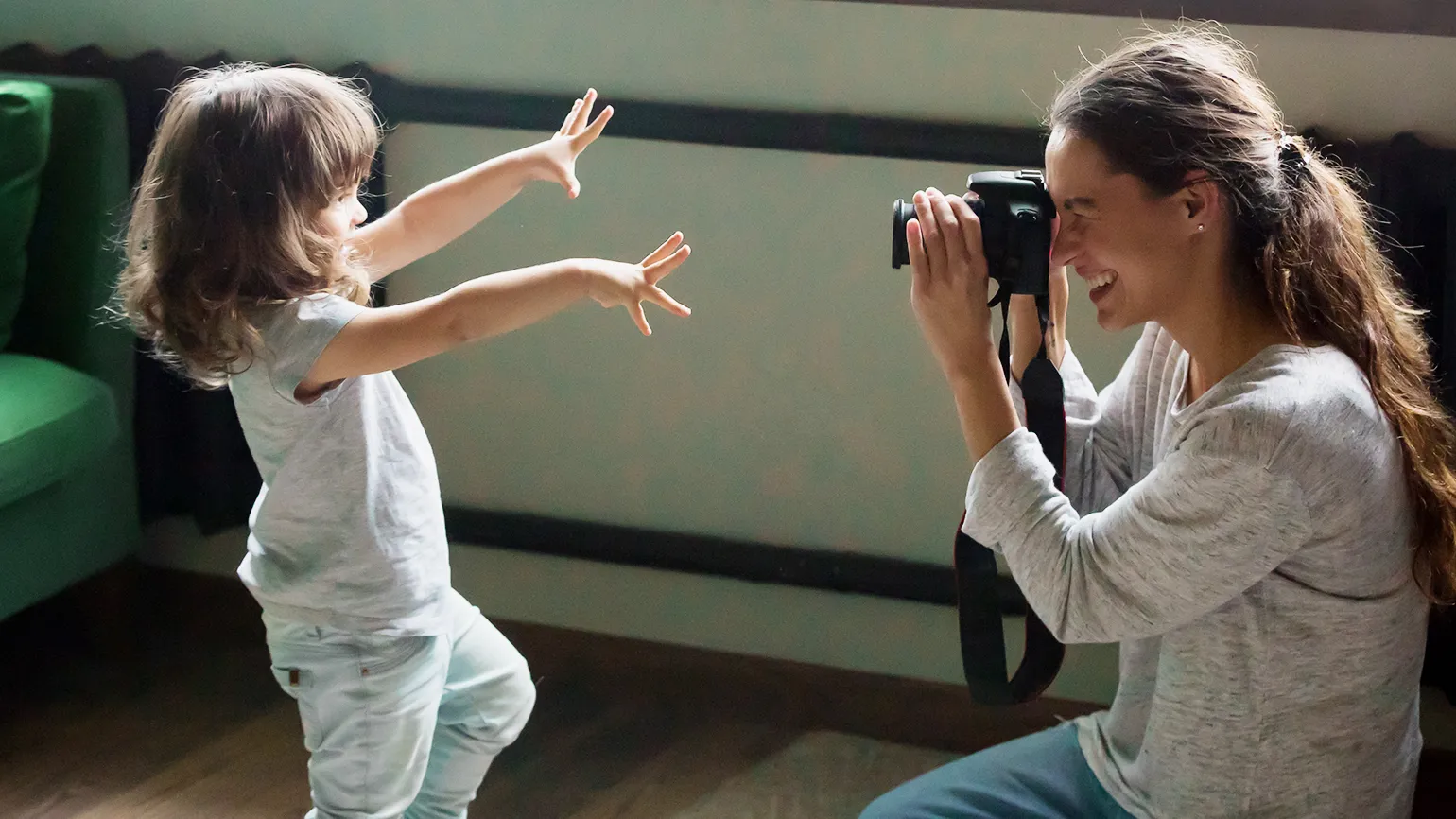
Word of mouth is an effective way to attract new clients. If your first clients were satisfied with the result, do not hesitate to ask them to share their experience with others. Recommendations from satisfied clients can significantly increase your reputation and contribute to business growth. Good reviews will help you establish trust with potential clients and increase your brand's visibility.
Social Media. Share your work on social media. Specify what type of photography you work with; create a clear list of services offered and indicate their prices; and include contact information. This will help draw attention to your services and increase your chances of getting new clients.
How much does a photographer earn?
The average salary of a photographer working for hire in Russia in 2025, according to the GorodRabot.ru portal, was just over 59,000 rubles. In Moscow, this figure is significantly higher and amounts to over 75,000 rubles, and in St. Petersburg - almost 71,000 rubles. These figures highlight the growing demand for professional photographers in major cities across the country, which may be an important consideration for those considering a career in this field.
Freelancers have the potential to earn significantly more than full-time employees. Income levels, of course, depend on a number of factors, such as experience, skills, specialization, region of work, and the ability to effectively market their services. Highly skilled specialists in in-demand fields can significantly increase their income, making freelancing an attractive choice for many professionals.
Experienced wedding photographers in Moscow typically charge between 1,600 and 2,500 euros for a full day of shooting. The average price for such a day is around 60,000 rubles. Beginner photographers can earn significantly lower rates, including the option of free work to build a portfolio, especially if this is their first shoot.
According to professional platforms, high-level portrait and product photographers charge around 10,000 rubles per hour of shooting. At the same time, the cost of reportage photography varies from 2,000 to 20,000 rubles per hour, depending on the experience and reputation of the photographer. Choosing a photographer depends on your needs and budget, so it is important to consider not only the price but also the quality of the work, client reviews, and portfolio.
Pros and Cons of the Profession
Creative expression is a process that allows you to express your unique vision of the world around you and your ideas. This ability not only enriches your personal experience but also helps convey your thoughts to others. Creativity serves as a means of communication, allowing you to interact with and inspire your audience. By developing your creative skills, you can create original works that will attract attention and generate interest. Creative expression promotes personal growth and social interaction, making it an important aspect of everyone's life.
Freelancing provides unique freedom of choice. You determine the time, scope of work, and partners for collaboration. This allows for flexible schedule planning and work-life balance. The ability to choose projects and clients fosters creativity and professional development. Freelancing offers the chance to realize your ideas and work in a comfortable environment, making it attractive to many professionals.
There's no upper limit on earnings in photography. Clients appreciate a unique approach to photography and are willing to pay for it. Furthermore, many experienced photographers begin earning money not only from photo shoots but also by teaching master classes and training courses. This opens up additional sources of income and allows you to share your knowledge with others.
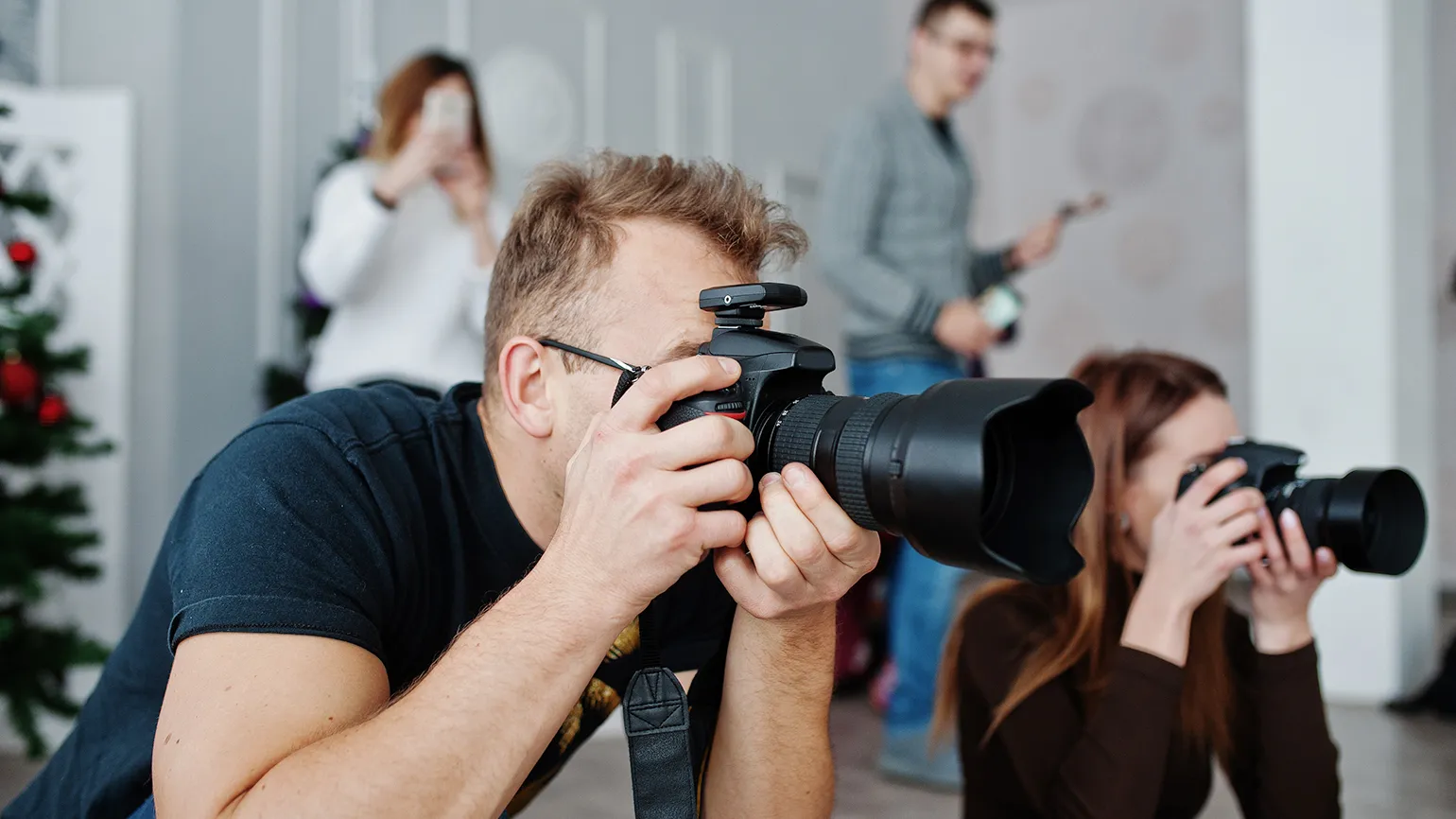
Freelancing can be both an advantage and a disadvantage. Income instability is one of the main characteristics of this profession. Certain periods see a significant increase in orders, while other seasons may see a decline in work. This is especially true for seasonal events like weddings, which are most often held during the warmer months. It's important for freelancers to account for these fluctuations and plan their finances to cope with periods of low activity.
Modern Technology. We see rapid technological advancements every day, leading to an increased need for new equipment. Professional work requires constant investment in equipment to remain competitive and effectively complete work tasks.
Competition in the photography industry is fierce. There are many photographers, and to stand out in this market, you need to master the skills of promoting your services. A successful photographer must be able to effectively "market" their work, attract clients, and build their brand. This includes not only creating high-quality images but also the ability to effectively present yourself and your services online. Developing a promotion strategy and using SEO methods will help increase visibility in search engines, which is a key factor in attracting a new audience.
Read also:
The most expensive photographs in the world and their authors
Photography is not only an art, but also an investment. Some pictures become real masterpieces, their value reaches millions of dollars. The most expensive photographs in the world were created by renowned photographers who were able to capture unique moments or express profound ideas through their work.
One of the most famous authors is Andreas Gursky. His photograph "Rhein II" was sold for a record $4.3 million in 2011. This image of the Rhine River has become a symbol of contemporary art and high prices for photography.
Another outstanding photographer is Richard Prince, whose work has also achieved high prices at auction. His photograph "Untitled (Cowboy)" was sold for $3.4 million, highlighting the importance of context and interpretation in contemporary art.
Equally impressive are the works of Damien Hirst, who creates unique photo collages. His work "For the Love of God" has become iconic and has significantly increased interest in photography as a collectible.
Among the most expensive photographs, one can also note the works of such masters as David LaChapelle and Nan Goldin, who have become iconic thanks to their unique styles and expressive themes.
Thus, the world of photography offers not only aesthetic pleasure, but also high investment opportunities. The works of famous authors continue to attract the attention of collectors and art connoisseurs around the world.
Profession Photographer
You will learn to take professional photos from scratch. Learn how to organize photo shoots, edit footage, and manage models and a team. Find your style, build an impressive portfolio, and start making money doing what you love.
Learn more