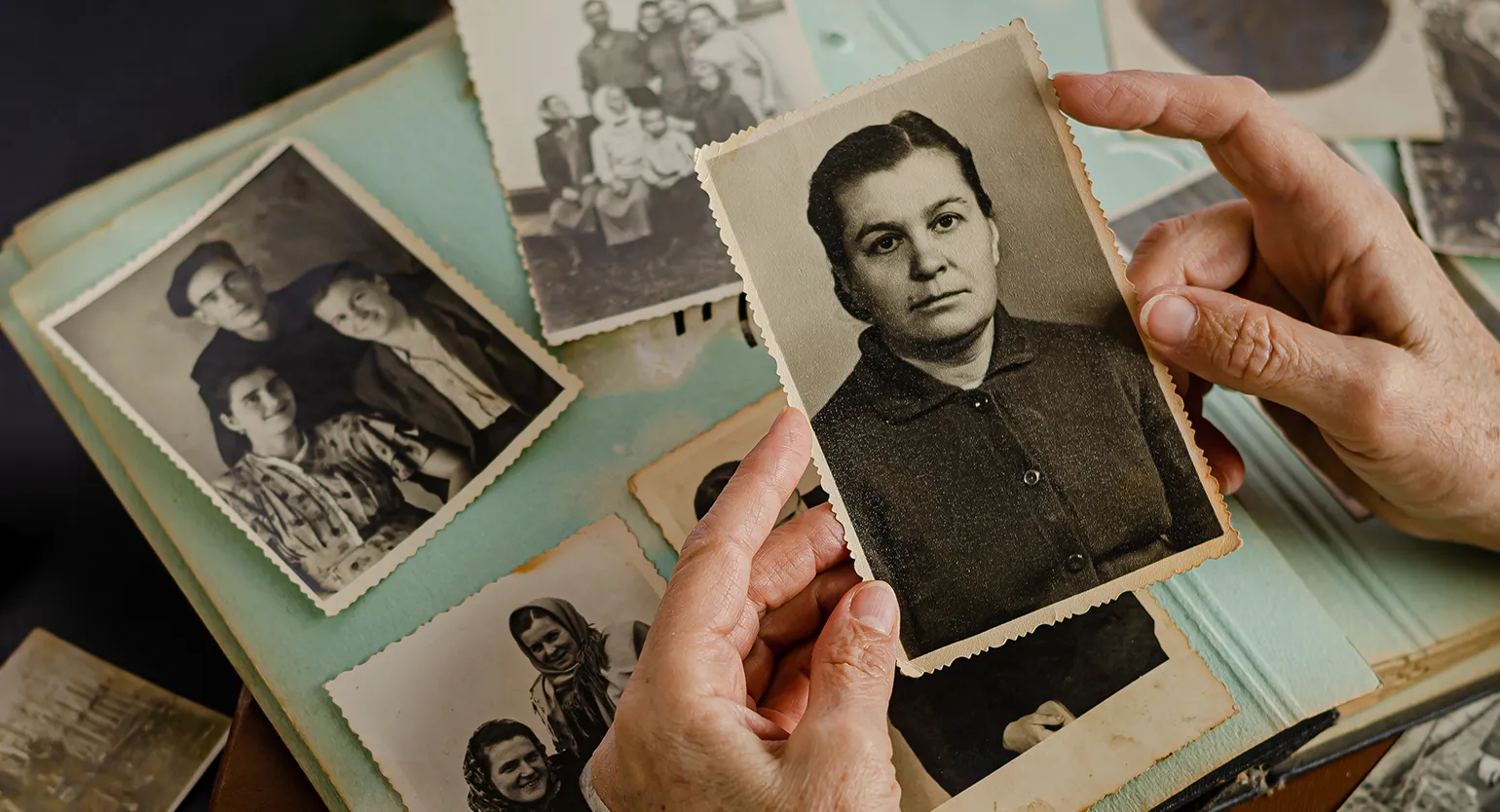
Contents:
What a Photograph Is Made Of
Understanding the basics of photographic storage is important to understand why processes are organized the way they are. Proper organization of photographic materials ensures their preservation, accessibility, and ease of use. Storing photographs requires consideration of various factors, such as format selection, storage conditions, and archiving methods. These aspects directly affect the quality and longevity of images, making knowledge of the theory key to effective photographic management.
Most photographic prints consist of three main layers. These layers include the emulsion layer, which contains the light-sensitive grains; the base layer, which provides support and stability for the print; and the protective layer, which protects the image from external influences. Each of these layers plays an important role in the process of creating a high-quality photographic print, ensuring both durability and color accuracy. Understanding the structure of photographic prints helps to better appreciate printing technologies and select the optimal materials for achieving the best results.
- base;
- image;
- binder.
The photographic card familiar to each of us is most often made on paper. However, images can also be printed on other materials, such as glass, metal, or plastic. Each of these media provides unique qualities and style to photographs, allowing them to be used for a variety of purposes, from decorative elements to professional exhibitions.
The image, or rather the material that forms and preserves the image, is the basis of the picture we see. In modern photography, the main components are silver compounds.
Between the base and the image is a transparent binder layer, which can be made of albumen, gelatin, or collodion. This layer provides a strong bond between the materials and affects the quality of the image, its brightness, and durability. The choice of binder matters for the final result, as each has unique characteristics that can alter the perception of the work. Albumen, for example, is known for its ability to capture detail and create rich colors, while gelatin provides softer textures. Collodion, meanwhile, is used in classic photographic printing and imparts a special depth to the image. Choosing the right binder is essential for achieving the desired artistic effect and the durability of the final product.
Where to Store Photo Archives
Museum professionals recommend specific storage conditions for photographs to ensure their durability and maintain their quality. While creating the ideal environment for storing prints at home can be challenging, achieving acceptable conditions is entirely possible. Proper storage of photographs helps protect them from damage, fading, and other negative factors. It is important to consider factors such as temperature, humidity, lighting, and the choice of storage materials. Proper handling and storage of photographs will help preserve memories for years to come.
High humidity is the main enemy of photographic prints. It promotes mold growth and can also cause residual fixing salts on images to react with moisture, forming chemical compounds that can damage photographs. To preserve photographs, it is recommended to maintain indoor humidity levels no higher than 50%. Therefore, storing photographs in attics or basements is not a practical solution. It is also important to ensure that boxes containing archival materials do not come into contact with the exterior walls of buildings, where condensation can accumulate. Proper storage of photographs will help maintain their quality and prevent future damage.
Dry air can pose a serious problem for photographs. In low humidity conditions, the photographic base and image layer may shrink unevenly. This leads to fragility and increases the risk of mechanical damage. To maintain the quality and longevity of photographs, it is important to control the humidity level in the room where they are stored. Optimal conditions will help avoid deformation and destruction of images, keeping them in perfect condition for many years.
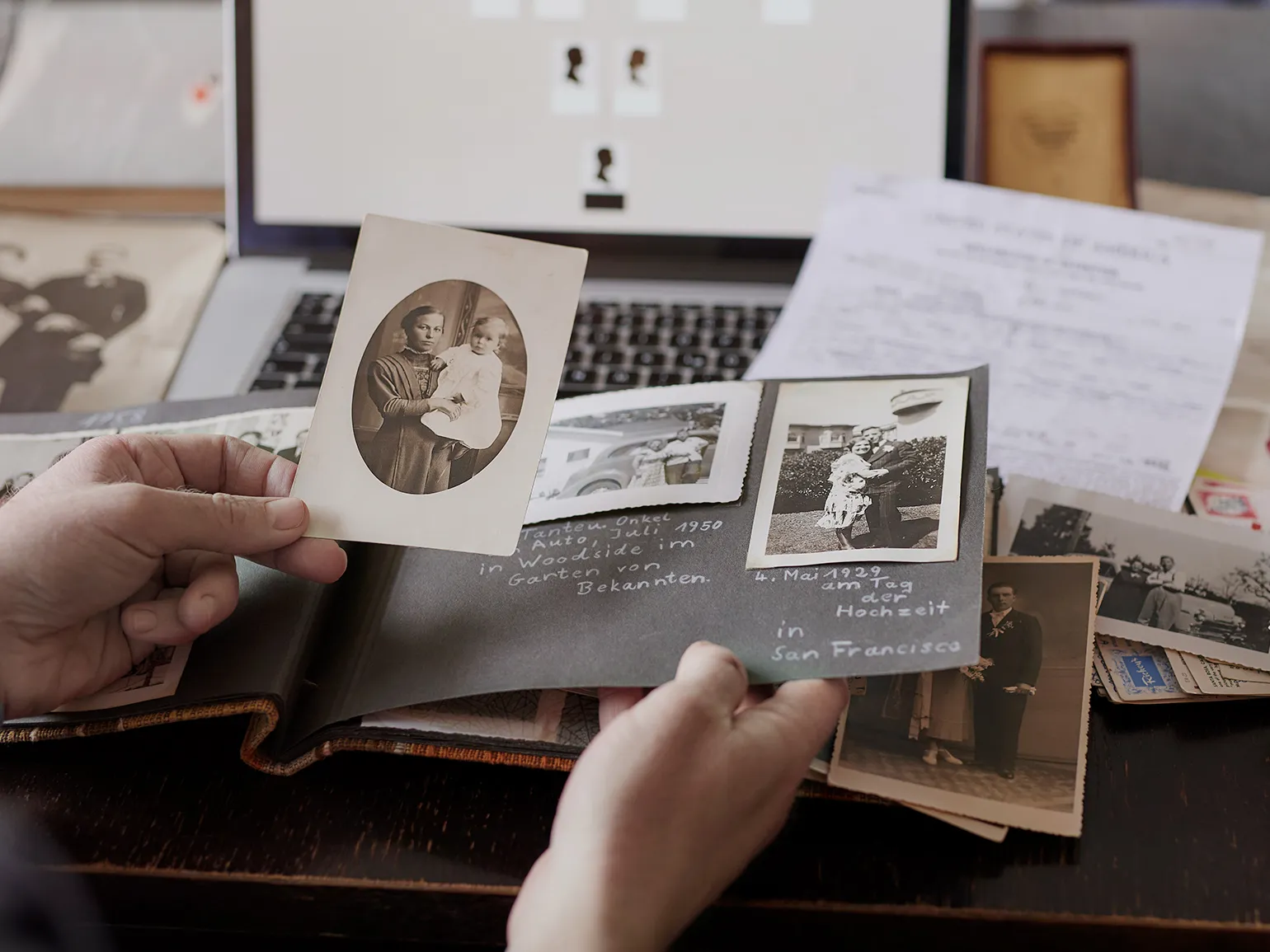
The most dangerous factor for storing photographic documents is fluctuations in humidity. Experts recommend maintaining a stable humidity level in rooms where photographic documents are stored, with a daily fluctuation of no more than 2-3%. This will help prevent damage and preserve the quality of photographs for a long time.
Controlling indoor humidity is difficult, but if humidity is constantly rising, it is advisable to install a dehumidifier. This device significantly reduces the risk of damage to photographs and other moisture-sensitive items. Properly maintaining indoor humidity will help keep your items in good condition and prevent mold.
Heat accelerates the deterioration of photographs and promotes the growth of microorganisms. The optimal temperature for storing photographs should not exceed 20 degrees Celsius. According to government standards, museum storage facilities are recommended to maintain a temperature range of 17-19°C, which is suitable for most photographic materials. For storing film negatives, experts recommend using lower temperatures, within the range of 10-12°C, to ensure their durability and protection from damage. Proper storage conditions are key to maintaining the quality and integrity of photographs and negatives.
Museum staff monitor temperature and humidity in storage areas using thermohygrometers. Despite their complex name, these devices are compact, inexpensive, and readily available on marketplaces. For those seeking more professional solutions, specialized temperature and humidity meters are available. For example, the Iva-6 thermohygrometer is a popular choice among specialists. Using such devices is essential for preserving exhibits and ensuring their longevity.
It is important to keep the air in the room from stagnating, as this helps prevent the growth of fungus and mold. A ventilation system is optimal. If there is no system, avoid storing boxes containing archives in basements and similar areas. Proper organization of space and ensuring air circulation will significantly reduce the risk of harmful microorganisms.
Hygiene plays an important role in maintaining cleanliness and comfort in any room. The presence of debris encourages the appearance of pests, such as rodents and insects. These unwanted guests can be attracted to various components sometimes present in photographs and other materials. To avoid such problems, you should regularly clean and maintain the premises. Cleanliness not only creates a pleasant atmosphere but also protects against the negative consequences associated with the presence of creatures.
The optimal conditions for storing photo prints are complete darkness. To achieve this, it is important to use appropriate packaging, which we will discuss in more detail below. It is important to keep in mind that in rooms with bright lighting and high humidity, there is a risk of photographs sticking to envelopes or packaging. Proper storage of photographs will help preserve their quality and prevent damage.
How to store photographs
At first glance, the process of packing photographs seems simple: each photograph is placed in a separate envelope, then the envelopes are placed in cardboard boxes. However, there are many nuances to this process that are important to consider to ensure the safety and security of photographs. Let's look at key points to help you organize your packaging properly.
There are two main types of packaging for archival documents: primary and secondary. Primary packaging is designed to directly protect documents, ensuring their safety from mechanical damage, contamination, and environmental influences. Secondary packaging, in turn, provides additional protection and organization for already packaged documents, facilitating their storage and transportation. Proper packaging selection plays a key role in the longevity of archival materials.
Primary packaging includes all items that directly interact with documents, in this case, photographs. These items include envelopes, photo albums, and photo mats. These accessories play an important role in preserving and protecting photographs, ensuring their integrity and durability.
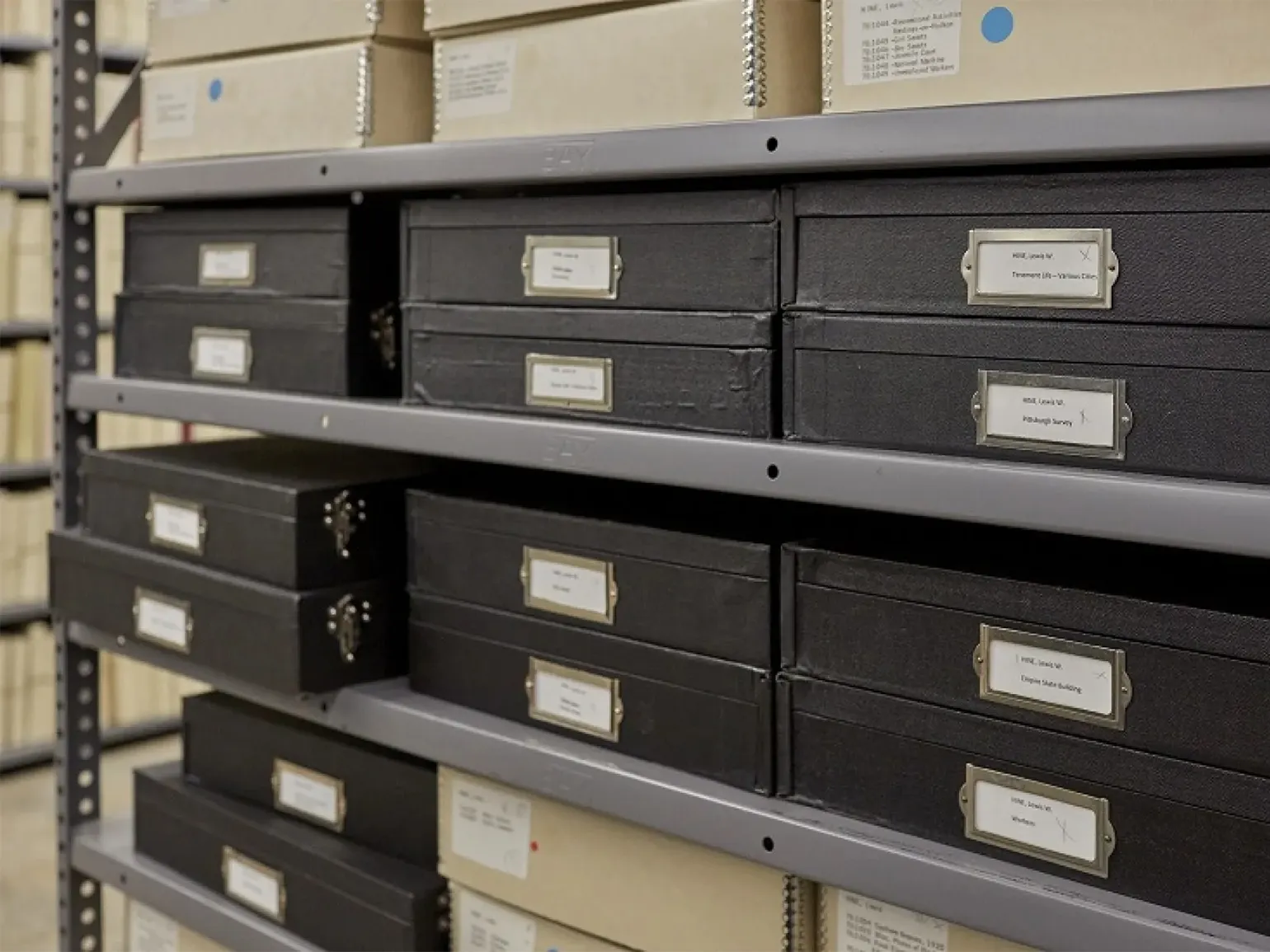
Secondary packaging is designed to store and protect materials already in primary packaging. Most often, secondary packaging is represented by cardboard boxes, but it can also include plastic containers, cases, and folders. Proper use of secondary packaging provides additional protection for products and simplifies their transportation.
The first and most important requirement for packaging is the use of chemically inert materials. This ensures that the packaging will not react chemically with the emulsion or other components of the photographs. The choice of such materials ensures the quality of the photographs is preserved and prevents their deterioration. Proper packaging plays a key role in preserving the properties of photographs, so it is important to pay attention to its composition.
Packaging materials undergo a specialized test for photographic activity, known as the Photographic Activity Test (PAT). During this test, the manufacturer places the packaging material and a photograph in a high-temperature, high-humidity environment. After a certain period of time, an analysis is performed to determine whether changes have occurred in the chemical composition of the material. This allows us to determine whether the packaging material has reacted with the photograph's emulsion. If no negative changes are detected, the material is considered safe for storing photographs. This fact is confirmed by a corresponding certificate. Packaging that has passed the PAT test is marked with the PAT abbreviation upon release, guaranteeing its safety for long-term storage of photographs.
The lack of information about the PAT test significantly complicates the process of selecting materials. Without data on test results, it is difficult to make an informed choice, which can lead to errors and inefficient use of resources. It is important to obtain up-to-date information on PAT tests to ensure optimal results when selecting materials.
Paper intended for long-term storage must be resistant to yellowing, brittleness, and decomposition. These undesirable processes occur as a result of the breakdown of lignin contained in the paper. Lignin is a hardened resin secreted by plants during their growth. The main component of tree bark, lignin affects the strength and durability of paper. To ensure the durability of paper materials, it is important to use products with a minimum lignin content, which promotes their preservation and prevents negative changes over time.
The wood pulp used to produce paper contains two main components: cellulose and lignin. Manufacturers strive to minimize the lignin content, as it negatively affects the quality of the paper. The higher the pure cellulose content in the paper pulp, the higher the quality of the final product. High-quality paper with good physical and chemical properties has a longer service life and is better suited for various printing processes. Therefore, an important aspect of paper production is the efficient separation of cellulose from lignin. Lignin molecules are highly susceptible to oxidation when exposed to oxygen. This causes the paper to yellow and decompose over time. Such changes are highly undesirable for the long-term preservation of photographs. Therefore, when choosing paper, it is recommended to look for products labeled "100% purified cellulose." This ensures better quality and durability, which is especially important for preserving your memories. Low-quality paper not only poorly preserves images but is also susceptible to oxidation, which can negatively impact the longevity of photographs. The acidic environment contained in such paper can damage the emulsion layer, leading to deterioration in the quality of the photographs. To ensure the longevity of photographs, it is necessary to choose high-quality materials that are resistant to harmful factors.
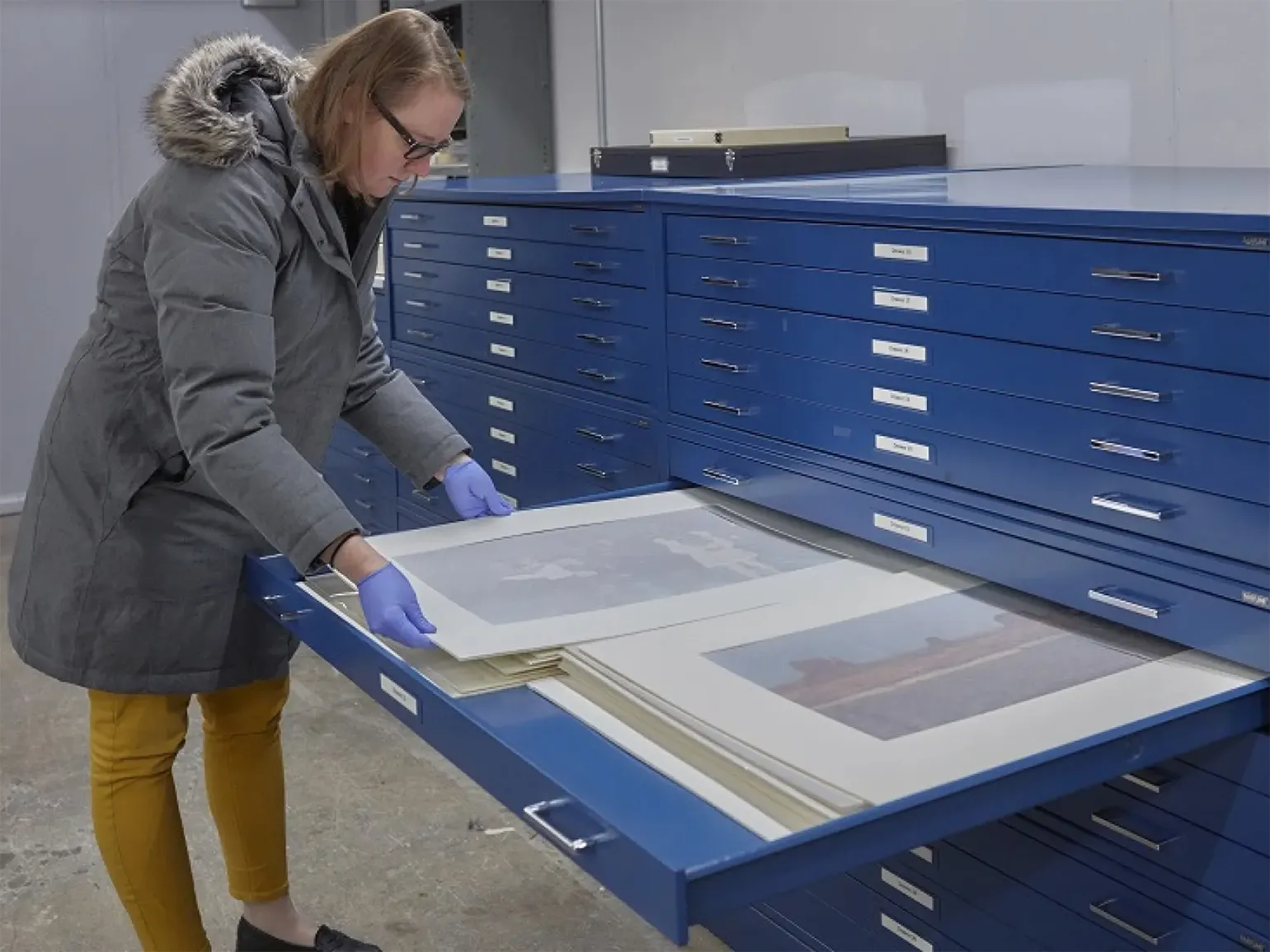
Experts recommend using packaging made of acid-free paper, also known as archival paper, for long-term storage of items. This paper provides reliable protection against acid damage, which is especially important for preserving documents, photographs, and other materials. Acid-free paper packaging is readily available in stores specializing in restoration and conservation products, including online. Choosing such packaging will help extend the life of your items and keep them in perfect condition. Those with a keen eye for research can test the acidity of paper and other packaging materials themselves. This not only allows them to assess their quality but also determine their impact on the safety of their contents. Testing acidity is an important step for those concerned about the longevity of documents and goods, as high acidity can lead to their rapid deterioration. Simple methods and tests exist that allow you to easily assess the pH level of paper and packaging at home. pH is a measure of the acidity of a medium, also known as pH. This indicator is widely used, including in skincare advertising. A pH value below 7 indicates an acidic environment, while a value above 7 indicates an alkaline environment. A value of 7 is considered neutral. Understanding pH is important in a variety of fields, from ecology to medicine, as it influences chemical reactions and physiological processes.
Ph can be determined using litmus paper, which is affordable and easy to purchase. However, keep in mind that the indicator strips must be immersed in the liquid. To test the pH of a solid substance, it can be crushed and dissolved in distilled water. After some time, a pH test strip can be used for analysis. If the strip turns red, this indicates an acidic environment, which means the packaging is unsuitable. Using litmus paper to determine pH is a reliable and simple method that is suitable for both laboratory research and household needs.
There is a simpler, albeit less interesting, way to test the acidity of paper or cardboard: using a special pencil. It is important to carefully read the instructions, as an acidic environment is not always indicated by the color red. For example, the American Abbey pH Pen is red, but when drawn on acid paper, it turns yellow. This method allows for quick pH determination and is suitable for those looking for effective and affordable solutions for material analysis.
There are two main types of electronic pH meters: household and professional. Libraries and other institutions often use devices such as the Skincheck, which are designed to measure the pH of skin and hair. These pH meters provide accurate results and do not damage the surface of the material, making them ideal for use in a variety of settings. Choosing the right pH meter depends on the specific tasks and requirements of the user.
Envelopes are one of the most common and convenient options for primary packaging for photographs. They can be made of paper or plastic, making them versatile for a variety of needs. Paper envelopes are often used for storing and transporting photographs, providing protection from damage and contamination. Plastic envelopes, on the other hand, offer additional water and dust protection, making them ideal for long-term storage. Choosing between paper and plastic envelopes depends on your preferences and intended use, but both options are effective at preserving photographs in good condition.
The paper should be smooth, as a rough surface can damage the photograph.
It is important to avoid glue on the envelope, as it can damage the emulsion layer of the print. The use of glue can significantly degrade image quality and lead to undesirable results. Therefore, it is recommended to carefully check the envelopes before use to ensure the safety of photographs and other materials.
For secure storage of photographs, we recommend using plain envelopes. This will ensure the safety of your photos and prevent them from becoming discolored. Choosing envelopes with a neutral design will help protect your photos from unwanted damage and prolong their lifespan.
In everyday life, photographs are often placed in regular mailing envelopes. Although better than nothing, such envelopes are not suitable for long-term storage of images, as their paper quickly oxidizes. In addition, envelopes usually contain a layer of glue and sometimes designs that can leave marks on photographs. Rosfoto specialists recommend using four-flap, glueless envelopes, which provide reliable protection and prevent damage to photographs. These envelopes do not contain aggressive materials and ensure the long-term storage of your photographs.
When choosing plastic packaging, look for the absence of additional chemical coatings. If the packaging is not intended for specialized archiving, check its feel: high-quality plastic should not be sticky. As with paper, avoid packaging containing pigments. It is recommended to use envelopes made of polyester film, such as Melinex, which provide reliable protection and durability.
For storing materials, you may need mica paper. This paper is made not from cellulose, but from cotton, making it thin yet very durable. It is widely used for packaging exhibits in museums and is available for purchase online. Mica paper is ideal for providing additional protection for photographs, which should be interleaved before placing them in an envelope. Using mica paper ensures the durability and preservation of your materials, which is especially important for collectors and curators of cultural treasures. Secondary packaging provides additional protection for photographs from dust and light. It plays an important role in preserving the quality of the photographs, preventing damage and fading. Proper secondary packaging not only extends the life of photographs but also helps preserve their original appearance, which is especially important for archiving and storing valuable images. Packaging should be made of acid-free materials to protect the contents. It should be sturdy and free of discoloration. Specialized secondary packaging is available for purchase online and labeled "acid-free" or "archival." Typically, such packaging materials come in the form of cardboard boxes, which ensure durability and safety of stored items.
How to Place Photos in an Archive
Prints and negatives in envelopes should be stored separately from each other in cardboard boxes. This is important, as some film negatives can release acidic gases over time that can damage other materials. Proper storage will help maintain the quality of your photographs and negatives for years to come, preventing them from deteriorating. Use archival boxes to ensure reliable protection and long-term preservation of your valuable materials.
Photo prints are placed in envelopes and stacked horizontally in boxes. It is recommended to use photos of the same size for neat storage and easy organization. This will help preserve the quality of the images and make it easier to view them in the future.
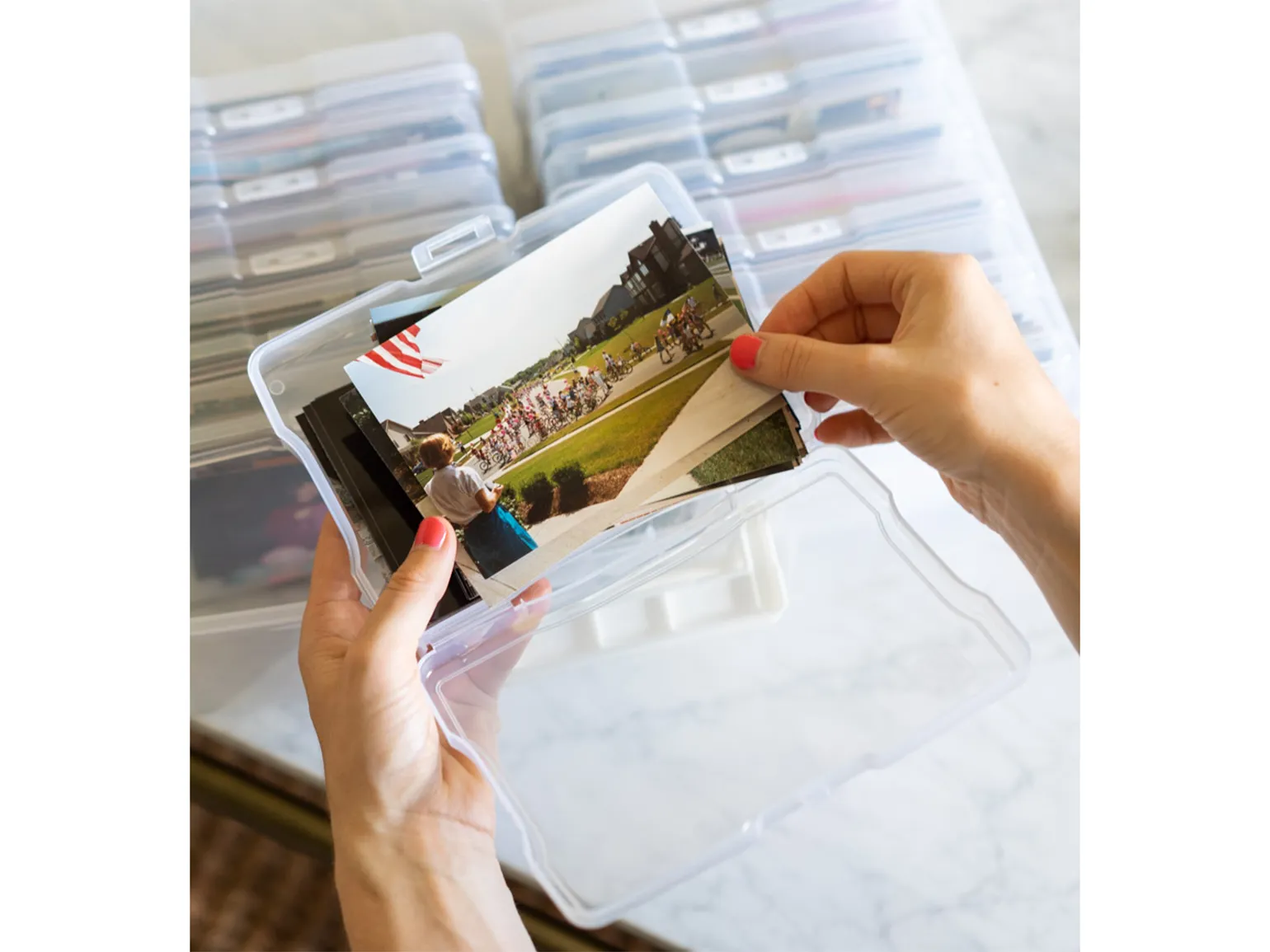
Storing photos in albums can be a great solution for protecting and organizing them. It is important to ensure that the album meets high quality standards, has passed the PAT test, and is able to reliably preserve images. If the album meets these requirements, it is recommended to store it in a special storage box without removing the photos. This will ensure the longevity of your photos and prevent them from getting damaged.
We recommend avoiding albums with corner stickers and magnets for storing photos. This can damage the images and degrade their quality. Instead, it's better to use specialized albums with acid-free paper, which provide reliable protection and durability for your photos. This will help preserve important moments and memories in perfect condition for years to come.
We recommend storing photo albums horizontally to avoid page deformation. To protect album pages from damage, it's best to use mica paper, which will prevent them from shifting and preserve the original quality of the photos. Proper storage of albums will help extend their lifespan and keep your memories intact.
Photographs in their original cases are not removed for storage, but placed in cardboard boxes. It is important to choose a box of the appropriate size and use a soft membrane material for protection. This material not only repels water but also allows air and water vapor to circulate. There are special fabrics designed for the safe transportation and storage of works of art, which provide additional protection and help keep them in perfect condition for a long time.
How to handle photographs to avoid damage
When working with an archive, it is important to consider several key aspects for effective data management. First and foremost, make sure you are using the appropriate archive format for your needs. Popular formats such as ZIP, RAR, or 7z provide reliable compression and fast file extraction. It is also worth paying attention to the methods for organizing the archive contents. Creating a logical folder structure makes it easier to find and access the information you need. Don't forget about data security: use passwords to protect archives containing confidential information. Regularly updating archives and creating backups will help prevent the loss of important files. Ultimately, proper archival handling allows you to streamline your workflows and save time when searching for the data you need.
- Wear white cotton gloves. Otherwise, fingerprints will remain on the surface of the photographs.
- Hold the photographs carefully with both hands. This reduces the risk of damaging the photographic documents.
When organizing the archive, it is important to exercise care. Avoid consuming food and drinks in the room where you are sorting archival materials. One careless movement can damage important documents and leave unwanted marks. It is recommended to completely eliminate food and drinks from the work area to ensure the safety of the archival data.
Be sure to keep ballpoint pens away from the photographs. The ink may bleed and damage your photographs.
It is recommended to label envelopes, boxes, and the photographs themselves with a soft pencil that will not damage the surface. For convenience, you can mark boxes containing particularly valuable photographs so that in the event of an emergency, they can be saved first. This approach will help preserve important memories and simplify the process of finding the photos you need.
What to do if the photos are already damaged
One of the most common and harmless problems with photographs is dust on their surface. Before placing the photos in envelopes, it is recommended to thoroughly clean them. Use a soft brush to gently remove dust, starting from the center of the print and moving towards the edges. This approach will help preserve the quality of the photographs and prevent damage during long-term storage.
The print may have significant dirt that requires a special approach. It is not recommended to use chemicals such as detergents or solvents to remove them. This can lead to damage to the image and the appearance of stains. The best solution is to contact a professional restorer who can carefully restore the quality of the print.
If the base of the photograph is damaged, it is recommended to use cardboard as a backing. Cardboard prints should be placed in a plastic sleeve for protection and preservation. This will help prevent further damage and prolong the life of your photograph.
If the binder peels off or the surface of the print cracks, it is recommended to place the image in a small, separate box rather than in an envelope. This will help prevent further damage and ensure the safe storage of your photograph. Using a box protects the image from environmental influences and mechanical damage, which is especially important for preserving its quality for many years.
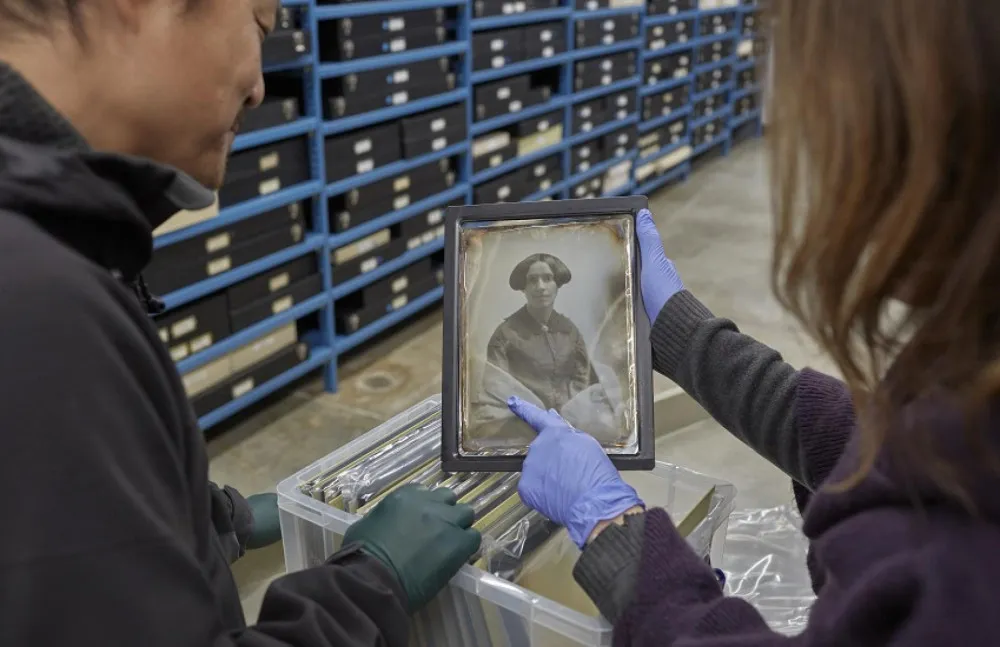
It is not recommended to glue torn photographs yourself. It is best to contact professionals who specialize in image restoration. Using regular glue for this purpose can cause damage, and if you've already tried to restore the photo yourself, it will be difficult for a professional to correct the mistakes. By entrusting the restoration to experienced professionals, you will achieve high-quality results and preserve your memories in perfect condition.
If your photographs or negatives are stuck together, it is recommended to contact a professional. This will ensure high-quality restoration and preservation of your images, preventing further damage. Professionals have the necessary skills and equipment to carefully process and restore photographic materials. Do not attempt to solve the problem yourself, as this may deteriorate the condition of your photographs.
Problems may arise during storage of photographic films: negatives may have bubbles on the surface, become sticky, loose, or discolored. It is not recommended to store such films together with other films, as this may deteriorate their condition. The best option is to contact a specialist who can assess the condition of the negatives and possibly restore them.
If a glass negative is damaged, it is important to properly package its fragments. Place the fragments in separate paper envelopes to prevent them from damaging each other. Be sure to label each envelope containing the fragments for easy handling. In this condition, the fragments can be safely delivered to a specialist for further processing. Proper packaging will help preserve the original details and prevent additional damage.
If it is not possible to store the fragments separately, it is recommended to assemble them into a single image and place them on a cardboard backing with borders. You can make the backing yourself, adjusting the dimensions to fit the image itself. The borders will help keep the fragments in one place. After completing the assembly, place the entire structure in an envelope, first placing thin cardboard between them for additional protection. This storage method will ensure the safety and integrity of the image.
Features of storing certain types of photographs
Cyanotype, based on the use of iron salts, was popular from the mid-19th century to the 1920s. Cyanotype photographs of the period are easily recognizable by their characteristic blue tint. In modern art, cyanotype has expanded its possibilities, allowing for the creation of a variety of shades and experimentation with color, making it attractive to photo artists and lovers of unique printing methods.
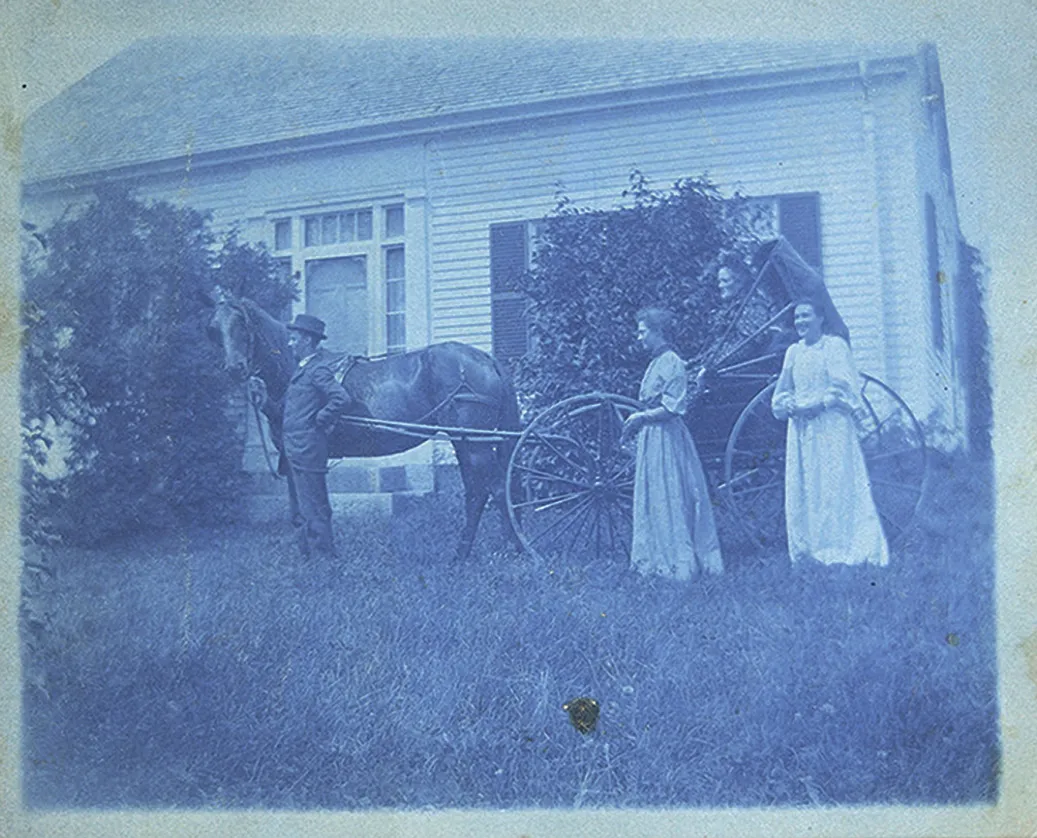
Cyanotype prints are subject to fading and loss of tonal density when exposed to light for long periods. Placing the print in a dark place can partially restore its color, but for long-term storage, it is important to protect it from light. Proper storage conditions for cyanotypes include minimizing exposure to light, which will help preserve their original characteristics over time.
Cyanotype images are recommended to be additionally protected with mica paper. This approach ensures the longevity and preservation of printed works, preventing damage and fading. Mica paper creates a protective barrier that helps preserve the brightness and contrast of cyanotypes and protects them from external factors. The use of mica paper is an important step in the framing and preservation of cyanotype images. These two-layer photographs, containing albumen, a material derived from egg whites, appeared in the mid-19th century and were used until the early 20th century. These prints are recognizable by their warm ochre hue and semi-matte texture. In some cases, the images were hand-colored or pigmented during printing, with pink being the most common. Albumen photographs represent an important stage in the history of photography, as they provided new opportunities for artistic expression and the preservation of visual memories.
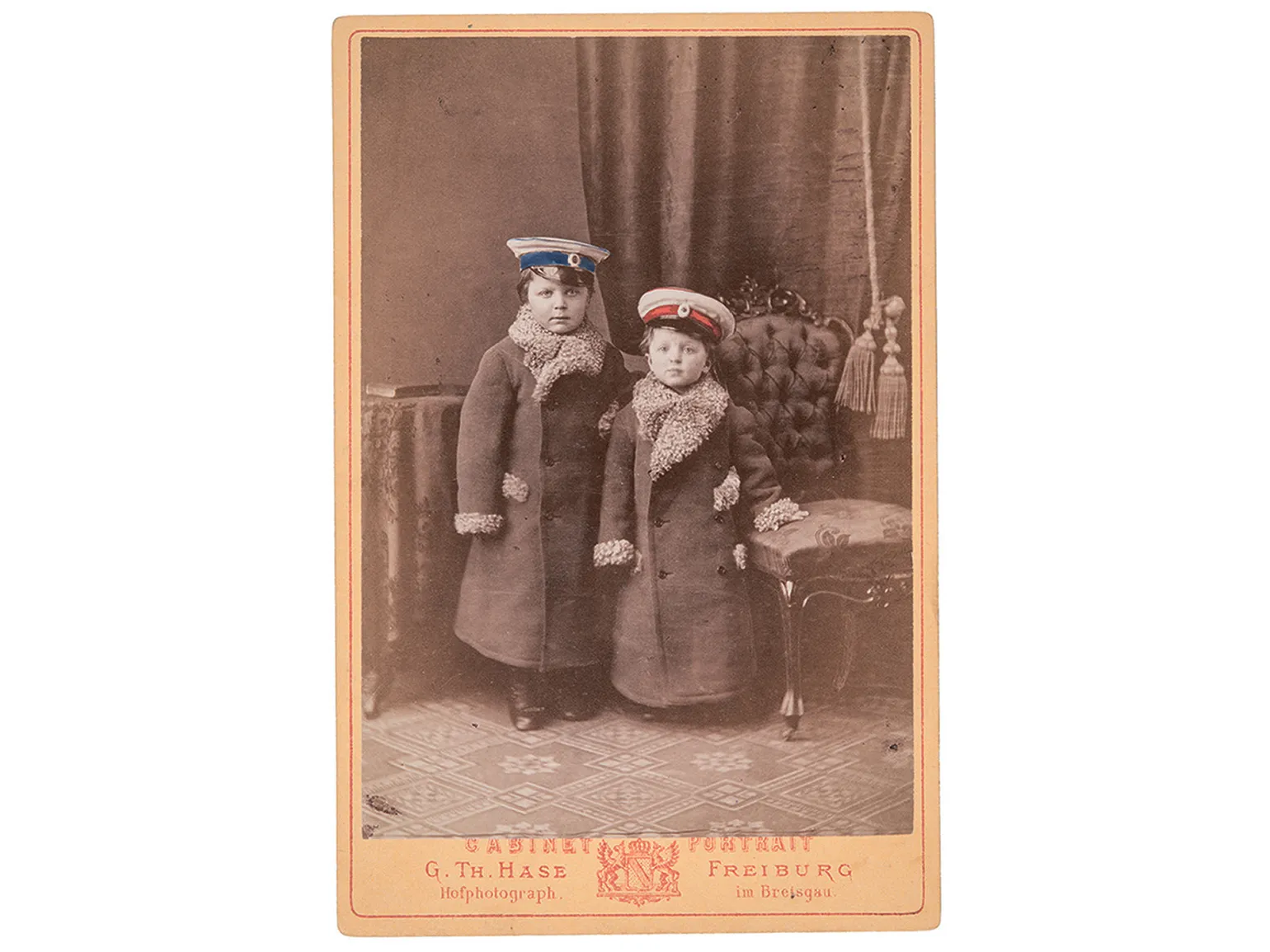
Albumin prints are highly sensitive to light, which causes them to fade quickly. To preserve the quality of these photographs, they must be stored in complete darkness. It is also important to ensure stable environmental conditions, as changes in temperature and humidity can cause cracks in the surface of the photographs. Proper storage of albumin prints will preserve their original appearance and extend their lifespan, which is especially important for collectors and photography enthusiasts.
Photographs framed in a photo studio using cardboard mats require special care to maintain their quality. To properly preserve such photographs, they must be packaged without removing them from the mat. First, wrap the photographs in mica paper, which will protect them from moisture and mechanical damage. Then, place the packaged photographs in an acid-free envelope, which will prevent the acid from damaging the paper. Complete the packaging process by placing the envelope in a box of an appropriate size. This approach ensures the durability and safety of your valuable photographs.
Printing, first introduced in 1885, remained relevant until the 1930s. It is characterized by a variety of image tones, while details always remain clear and expressive. This printing technology was an important step in the development of graphic design and continues to influence modern methods of image reproduction.
Preserving photographs requires special care, since the image layer is very thin and vulnerable. Mica paper is recommended for protecting photographs. If photographs are placed in an album, it is important to avoid them touching, as this may result in imprints appearing on the surface of one photograph from another. Proper storage and the use of protective materials will help preserve the quality of the images for a long time.
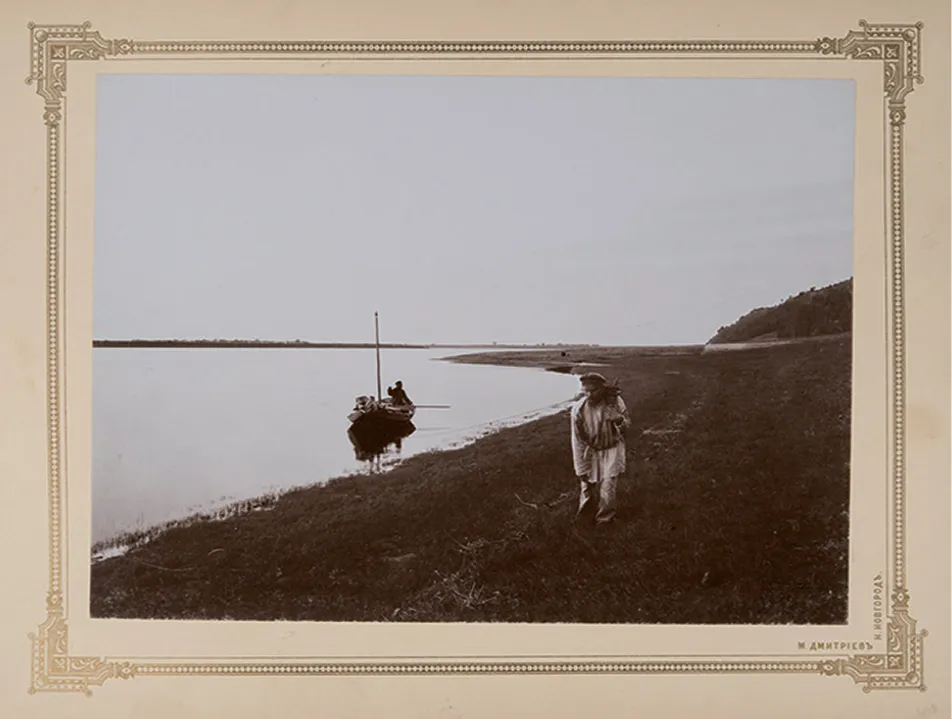
To protect prints from mechanical damage, it is recommended to frame them under glass. It is important to ensure that the glass does not touch the front of the photograph, which will help prevent damage and preserve the quality of the images for a long time.
Aristotype printing was popular from 1885 until the 1940s. This method used a special paper coated with a silver chloride gelatin emulsion. Aristotype paper provided high-quality images and deep tonal rendition, making it the preferred choice for photographers and artists of the time. Printing on aristotype paper made it possible to create durable and fade-resistant prints, which contributed to the popularization of this method in art and documentary photography.
Most often, such photographs are made in brown shades and have a glossy or semi-glossy texture.
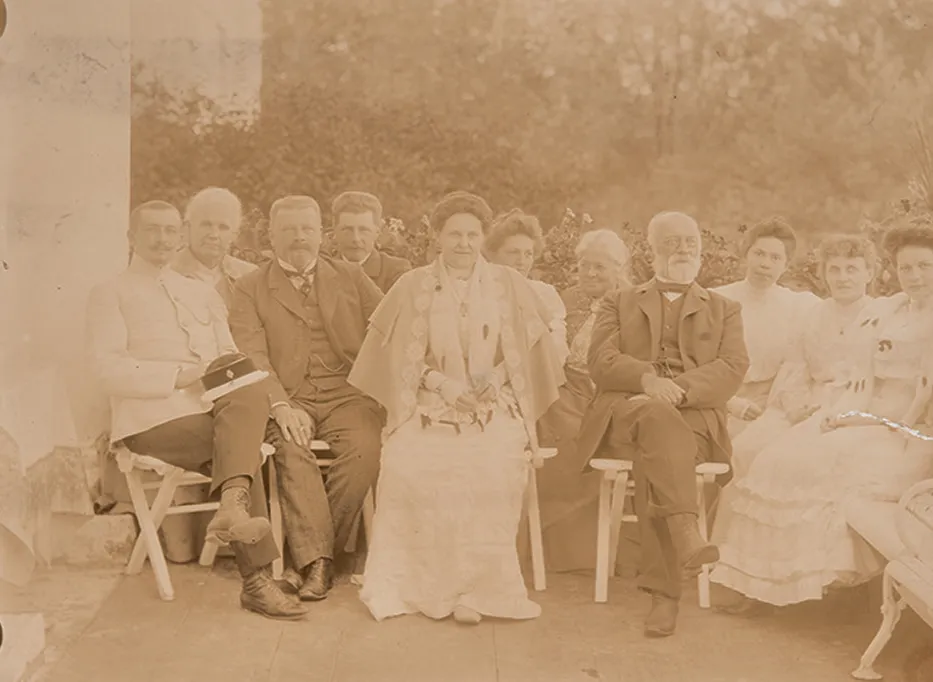
Photograph prints often tend to curl towards the image, as noted by experts from Rosfoto. It is recommended to use envelopes made of archival film or acid-free paper for storing them. Environmental stability is also an important factor, as sudden changes in humidity and temperature can cause the emulsion to peel off the paper. Proper storage and adherence to proper conditions will help maintain the quality and durability of your prints.
Photographic printing, a fundamental process in 20th-century photography, appeared in 1885 and remains widely used today. This method uses silver salts, which allows for the creation of high-quality images. After a chemical treatment known as development, the image becomes visible, opening up a world of photographic possibilities. This process is the basis for many modern printing technologies and continues to influence the development of photography.
The tonality of old photographs ranges from gray to almost black. This creates a special atmosphere and nostalgic mood, which often attracts the interest of modern viewers. Such images convey a unique perception of time and emphasize the historical significance of the moment. The use of black and white tones in photography helps focus on form, texture, and composition, which makes them especially attractive to collectors and art lovers.
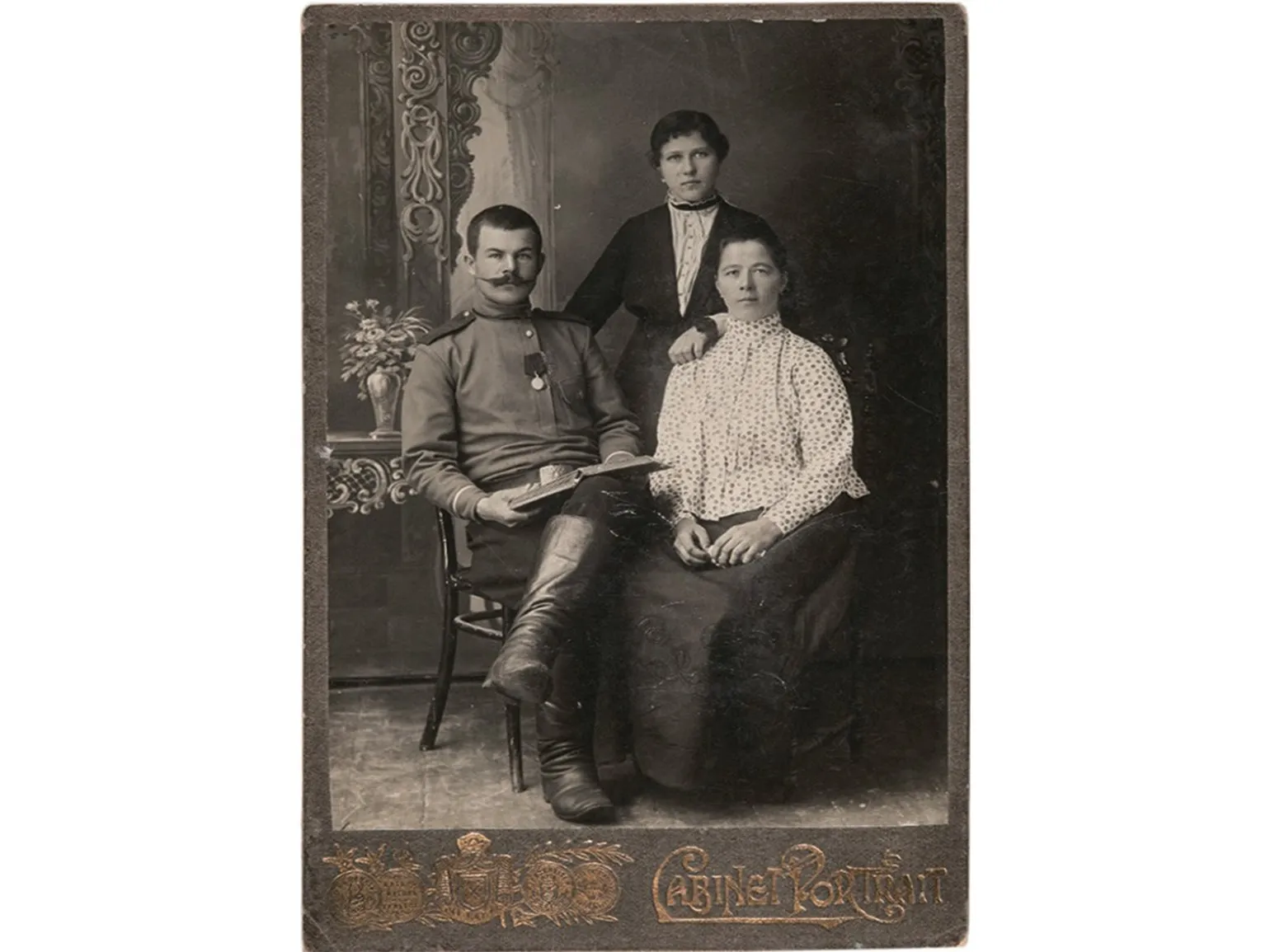
Photographs made with gelatin emulsion require special storage conditions. A sharp increase in air humidity can cause the gelatin to swell, causing the emulsion to adhere to the packaging materials. Furthermore, high temperatures and humidity create favorable conditions for the growth of mold, which can damage the photographs. Therefore, to preserve the quality and durability of photographs, it is necessary to ensure stable storage conditions, controlling temperature and humidity levels.
From the mid-19th century to the 1930s, a wide range of phenomena and trends were observed. This period marked an important stage in the development of society, culture, and technology. During this time, significant changes were taking place that influenced many areas of life, including art, science, and social structures.
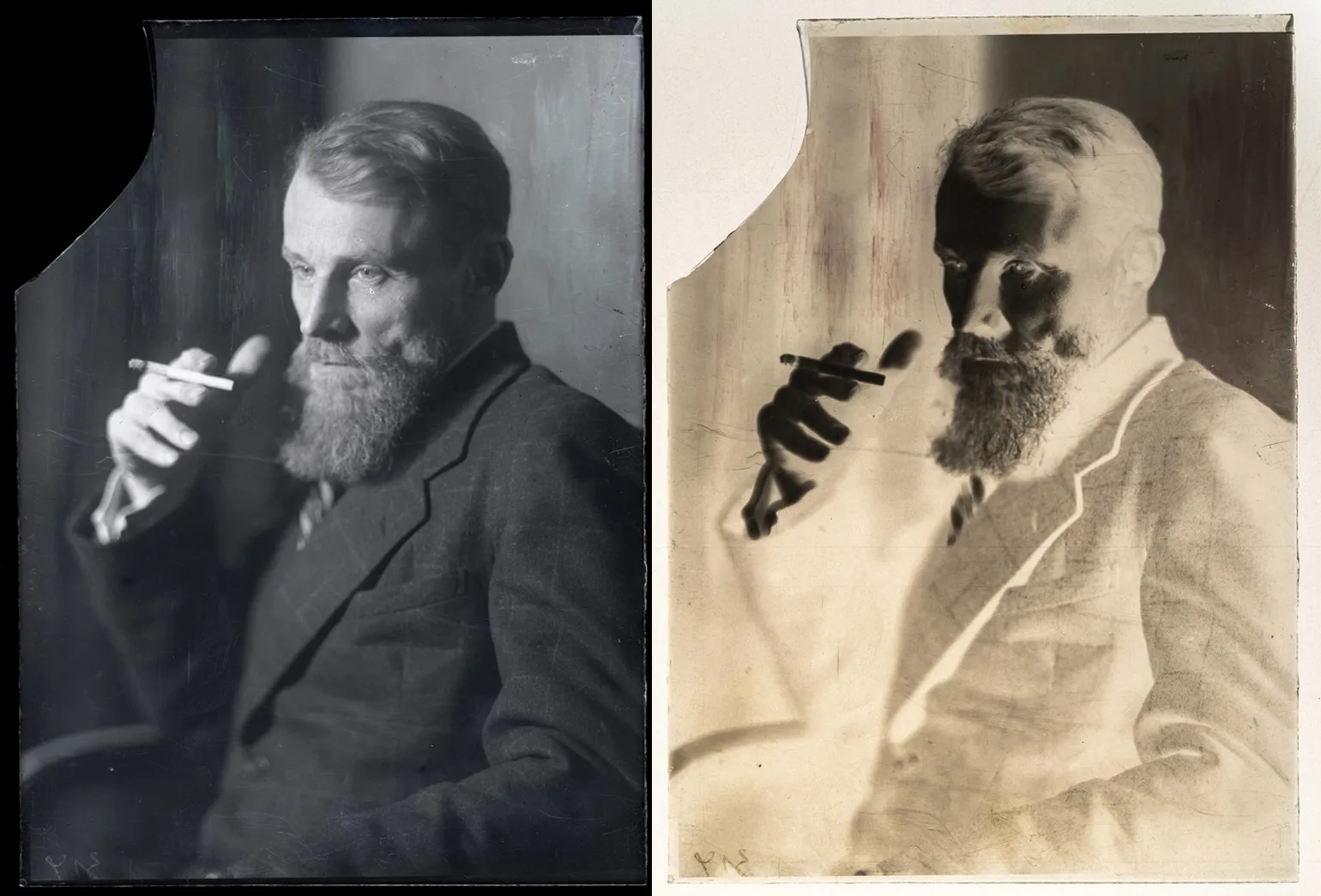
Negatives have specific storage requirements. Small plates should be placed in acid-free envelopes and arranged vertically. Special boxes, similar to library card boxes but with a lid, are used for this purpose. Proper storage of negatives ensures their durability and image preservation.
Large and damaged glass negatives should be stored horizontally. This will help prevent deformation and damage, preserving image quality over time. Proper storage of glass negatives will ensure their long-term preservation and protection from external influences.
Pictures have a unique feature: the image develops instantly, but this does not mean that the chemical process on the surface of the photograph is complete. It takes about a month from the time it is taken for the image to achieve full stability. If you plan to save a recent photograph in an archive, it is recommended to wait until this period. This way, you guarantee the durability and safety of your photos.
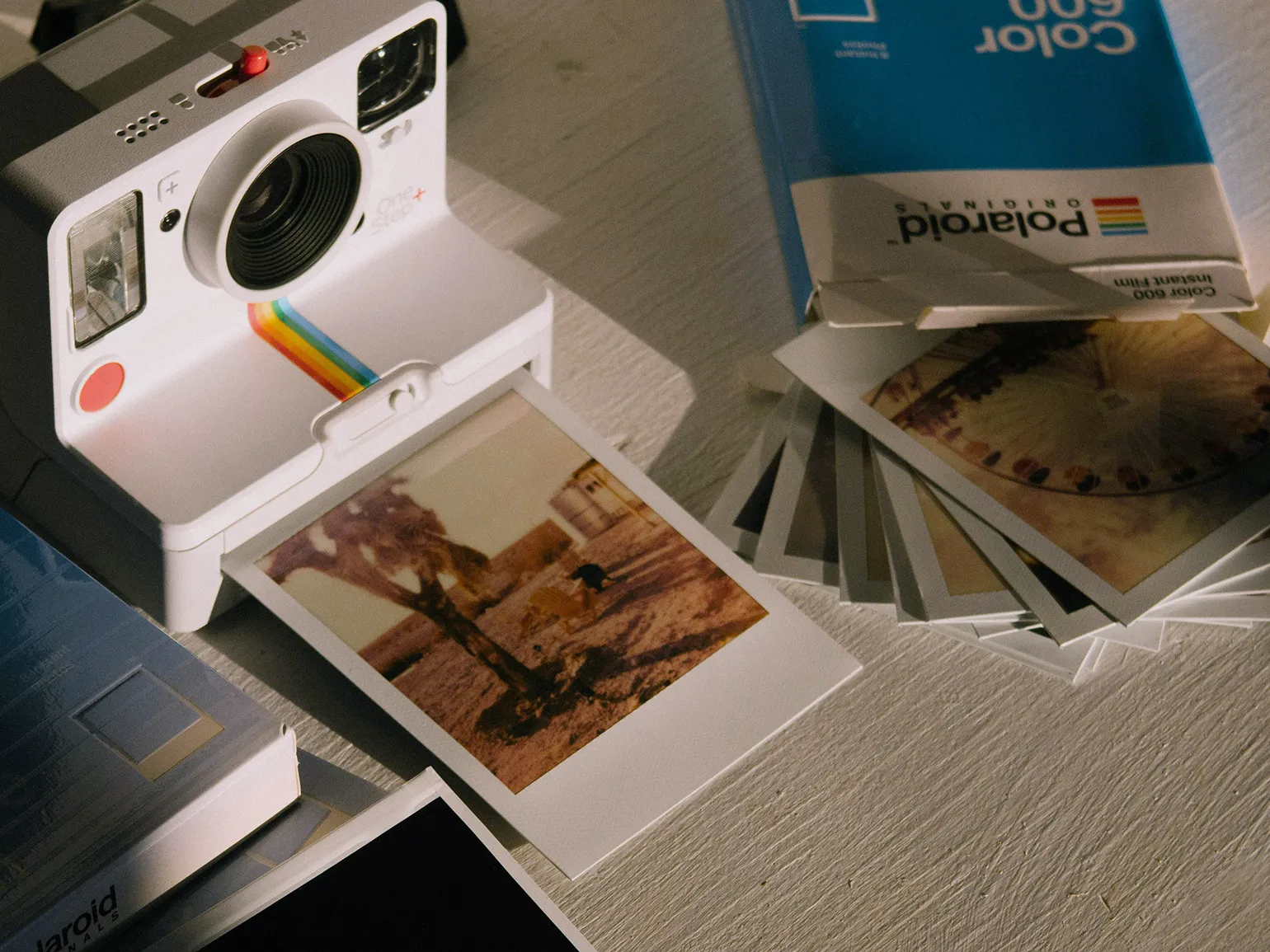
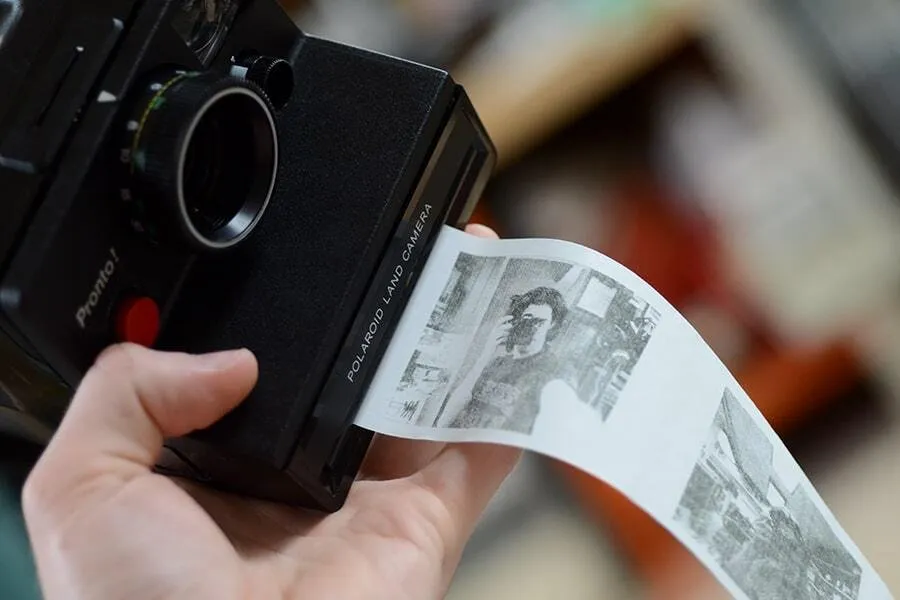
Receipt paper is often used for instant photography, but it has its own characteristics. When exposed to light, such paper quickly fades, which negatively affects the quality of the photos. Furthermore, if receipt paper is exposed to heat, a second chemical reaction can occur, damaging the image. Therefore, it is crucial to protect it from sunlight and follow storage guidelines similar to those for other photographs. Proper handling of receipt paper will help keep your photos bright and clear for a long time.

Read also:
Completing a photography project is an important stage that requires a careful approach. First of all, you need to carefully analyze all the photos taken and choose the best ones that match the concept of the project. Don't forget to process the images to improve their quality and create a unified style.
After processing, it's worth considering presentation options. This could be an exhibition, a printed album, or an online gallery. Each of these formats has its own advantages and can attract different audiences.
Also, don't forget about promoting your photography project. Use social media, blogs, and specialized photography platforms to share your work and attract attention.
The final step is to analyze the project's results. Pay attention to audience feedback and your own impressions to incorporate them into future work. Completing a photo project is not only the end, but also the beginning of new ideas and creative opportunities.
Profession: Product Photographer
You will learn how to effectively photograph objects, food, and interiors. You will understand how to work with a camera and retouch photos. Find your style, stand out from the competition, and attract customers.
Find out more