Contents:
Alla Mirovskaya, An artist, curator, and urban researcher, Mirovskaya shares her experience in the field of artistic movement dedicated to place research. This approach allows for a deeper understanding of the environment and its impact on people. Place research contributes to the creation of unique artistic projects that reflect the cultural and historical aspects of a territory. Mirovskaya emphasizes the importance of art's interaction with the urban environment, which opens up new perspectives for understanding and interpreting space.
What is place research?
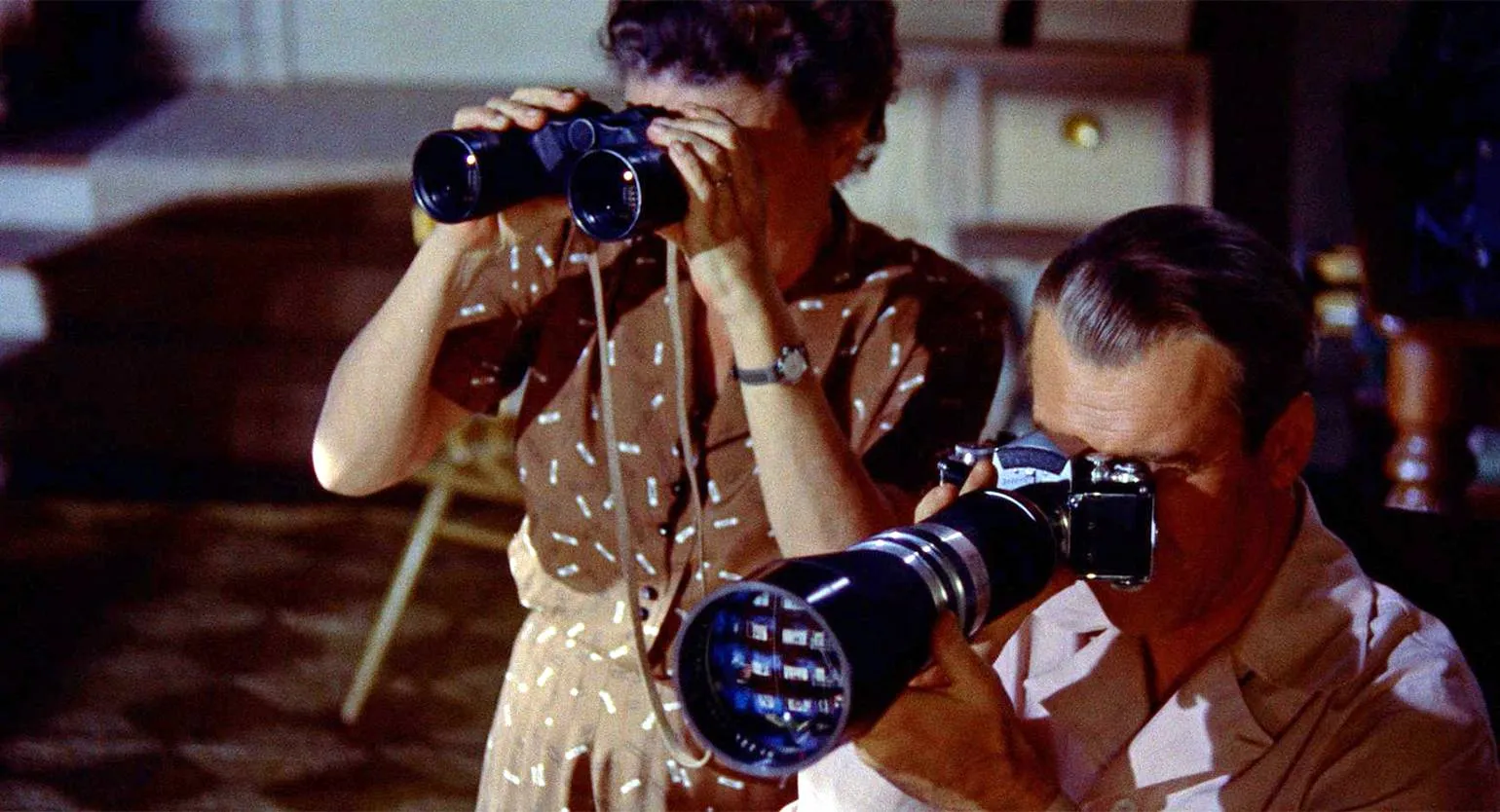
In artistic practice, research involves searching for books, articles, and artifacts related to the author's topic of interest. However, scientists sometimes react with bewilderment when photographers call their work research. This is due to differences in approaches: science strives for reliability and objectivity, while art relies on subjective perceptions. Not all colleagues may agree with this point of view, but, in my opinion, artistic projects are often built on speculative assumptions and fantasies. This is natural and is part of the author's vision. Artists use research not only as a method but also as a means of self-expression, making their work unique and multifaceted.
Place can be defined as a space saturated with human experience. It is not simply a physical location, but an environment in which cultural codes and social practices are manifested. Place acquires meaning through individual and collective experiences, creating a unique atmosphere characteristic of a specific geographic point. It is important to understand that place is not limited to geographic coordinates alone, but includes both emotional and cultural components, thereby creating a complete understanding of its meaning for individuals and society.
Interest in place has always been important to artists, which is reflected in world art. Examples of this include paintings by Pissarro and Marquet depicting Paris, works by Lapshin and Vedernikov dedicated to Leningrad, and works by Vasnetsov and Polenov depicting Moscow. In the second half of the 20th century, the concept of "psychogeography" emerged among French artists and political activists. This field studies the influence of the urban environment on the emotional state and behavior of its residents. Psychogeography focuses not only on the visual perception of a place but also on its semantic content. This has led to the development of methods for analyzing the environment, such as the creation of emotional maps, where points are designated based on personal experiences—attractive, repulsive, or neutral. Thus, psychogeography helps to deepen the understanding of the relationship between people and space, revealing new aspects of urban perception and their impact on individual emotions.
Place represents the intersection of geographic, cultural, and personal aspects. It is a key subject of study for artists, as it encompasses the atmosphere of a space, cultural codes and social practices, as well as the character and behavioral characteristics of local residents. Place is always linked to both geographical coordinates and human relationships. Researching a place allows for a deeper understanding of the influence of culture and society on the individuality and behavior of people in a particular location.
Let's look at a few examples.
"The Path to the Sea"
Elena Sakirko is a professional in her field, known for her achievements and experience. She is actively involved in various projects, demonstrating a high level of competence and dedication. Elena has deep knowledge that allows her to effectively solve problems and achieve goals. Her approach to work is based on thorough analysis and strategic planning, which allows her to achieve high results. Working in a team, Elena is always ready to support colleagues and share her knowledge, contributing to overall success.
Artist Elena Sakirko sets off on an expedition to the White Sea, traveling along the Mezen River on the boat "Kovda". The karbas is a traditional Pomor vessel used by the inhabitants of the Russian North for fishing and transporting goods by sea and river. The "Kovda" boat is a modern example of this type of vessel, built using ancient technologies that have largely disappeared. Elena Sakirko's expedition not only continues the traditions of Pomor shipbuilding, but also draws attention to the culture and heritage of the Russian North.

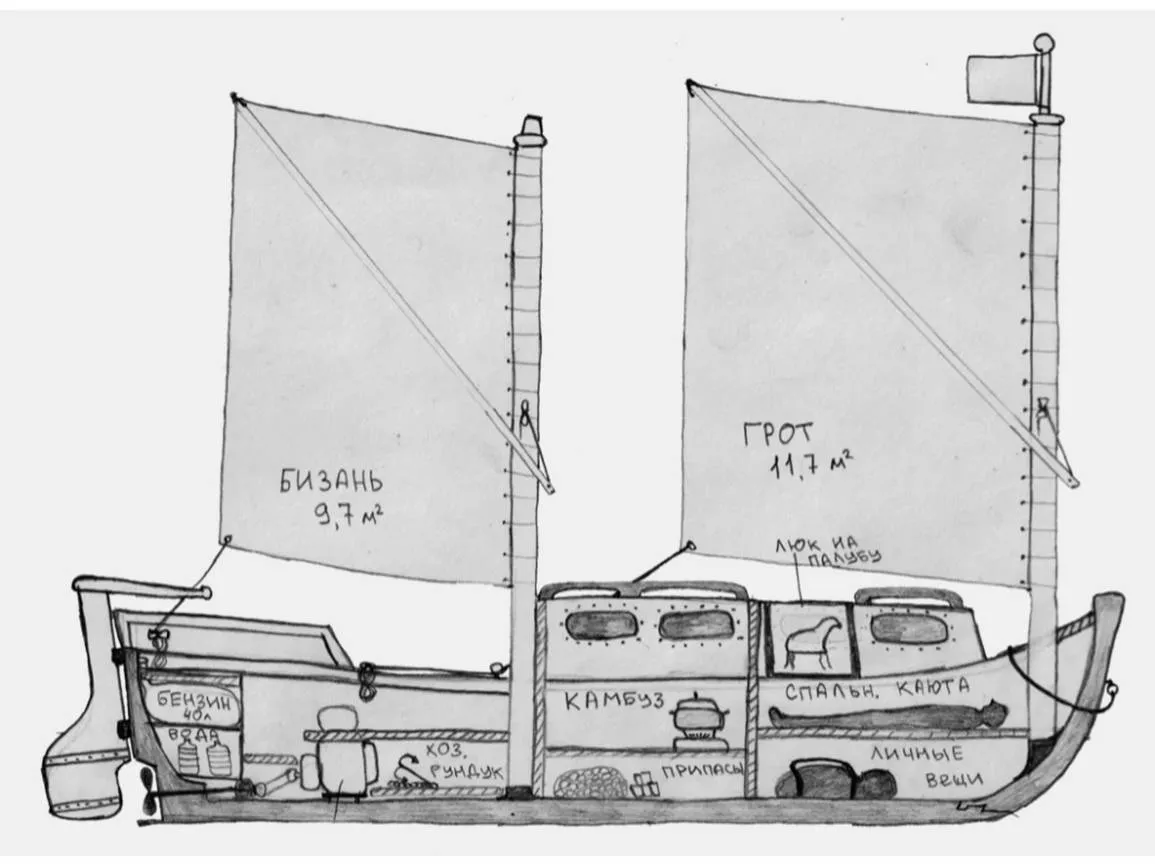
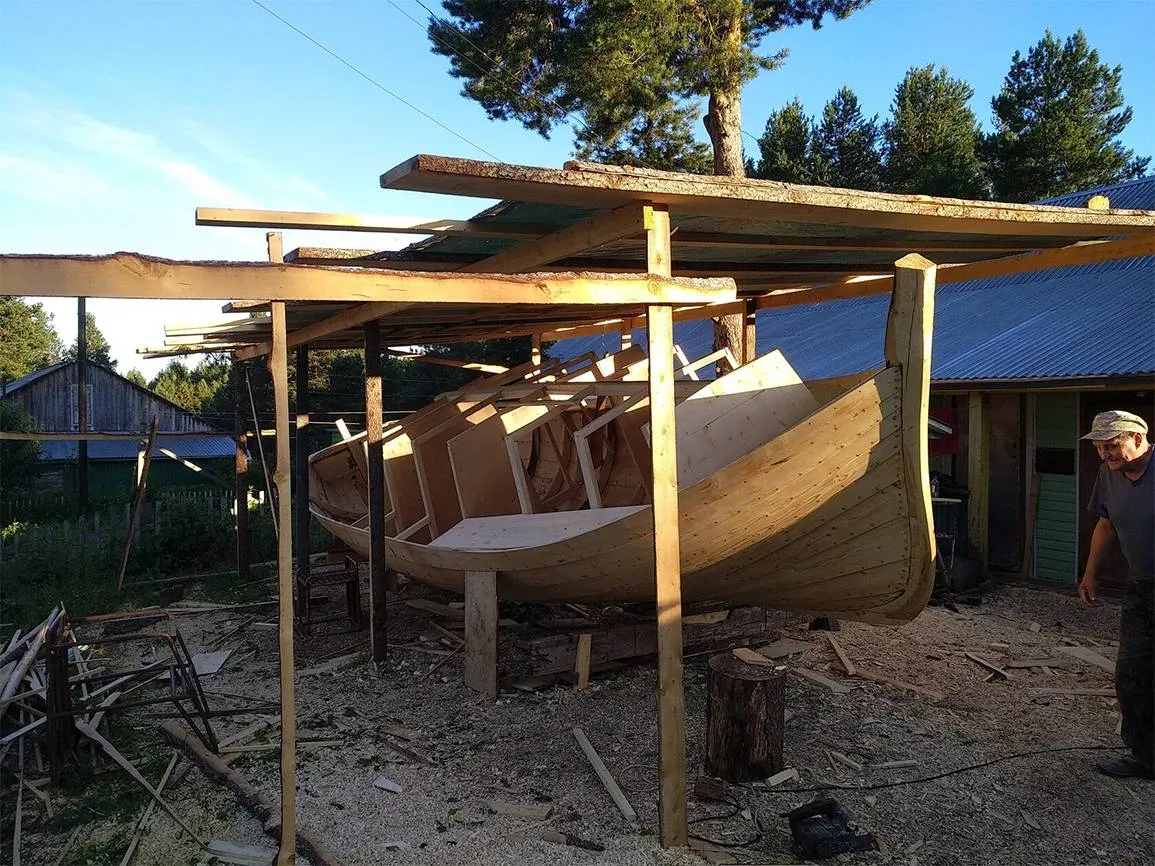
Lena's project interested me because of its performative component related to the preparation for the expedition and the construction of the vessel, as well as its unique combination of documentary and artistic approaches. The participants of the journey traveled over 500 kilometers along the Mezen River, making stops in ancient Pomor villages, which allowed them to delve deeper into the cultural heritage of the region.
The expedition diary, photographs of places and people, conversations with local residents, as well as the artist's drawings and collages form the basis of her project. The collected materials provide a unique insight into the distinctive life of a small group of people living far from large cities and significant events. The author's personal motives are organically woven into the narrative, allowing us to see the Russian North from different perspectives. The distant horizon of the collective memory of the inhabitants of the banks of the Mezen River intertwines with the present, creating a flow of poetic images. This project highlights the richness and diversity of the culture of the northern regions of Russia, focusing on their unique history and traditions.
"Two Seas - An Ode to Bruno Tautu"
Ikuru Kuwajima is a prominent Japanese artist and designer, known for his unique artworks and innovative approach to design. His works are distinguished by a deep understanding of traditional Japanese aesthetics and contemporary art. Kuwajima actively uses various techniques and materials, creating impressive installations that attract the attention of viewers. His work reflects the harmony between nature and man, which makes his work relevant in the context of contemporary art. Ikuru Kuwajima continues to inspire a new generation of artists, expanding the boundaries of perception of art and design.
Homesickness is one of the central themes of contemporary photography and art. People forced to leave their homes for various reasons strive to find new roots, but often face setbacks. The project "Two Seas - An Ode to Bruno Taut" is particularly noteworthy in that it addresses events from a century ago, creating a kind of time loop. This project not only explores the theme of loss and the search for a new home but also highlights the influence of historical events on the contemporary perception of space and identity.
The project is based on the ideas of the German architect Bruno Taut, who fled Nazi Germany in the 1930s and spent the rest of his life in Japan and Turkey. While exploring the northwest coast of Japan, Taut noticed that the local landscape—thatched roofs, sandy beaches, pine trees, and the sea—reminded him of the Baltic coast of East Prussia, his homeland, now divided between Lithuania, Poland, and Russia. This project seeks to explore and visualize the cultural and architectural connections between these regions, as well as highlight the influence of nature on the formation of architectural styles and traditions.
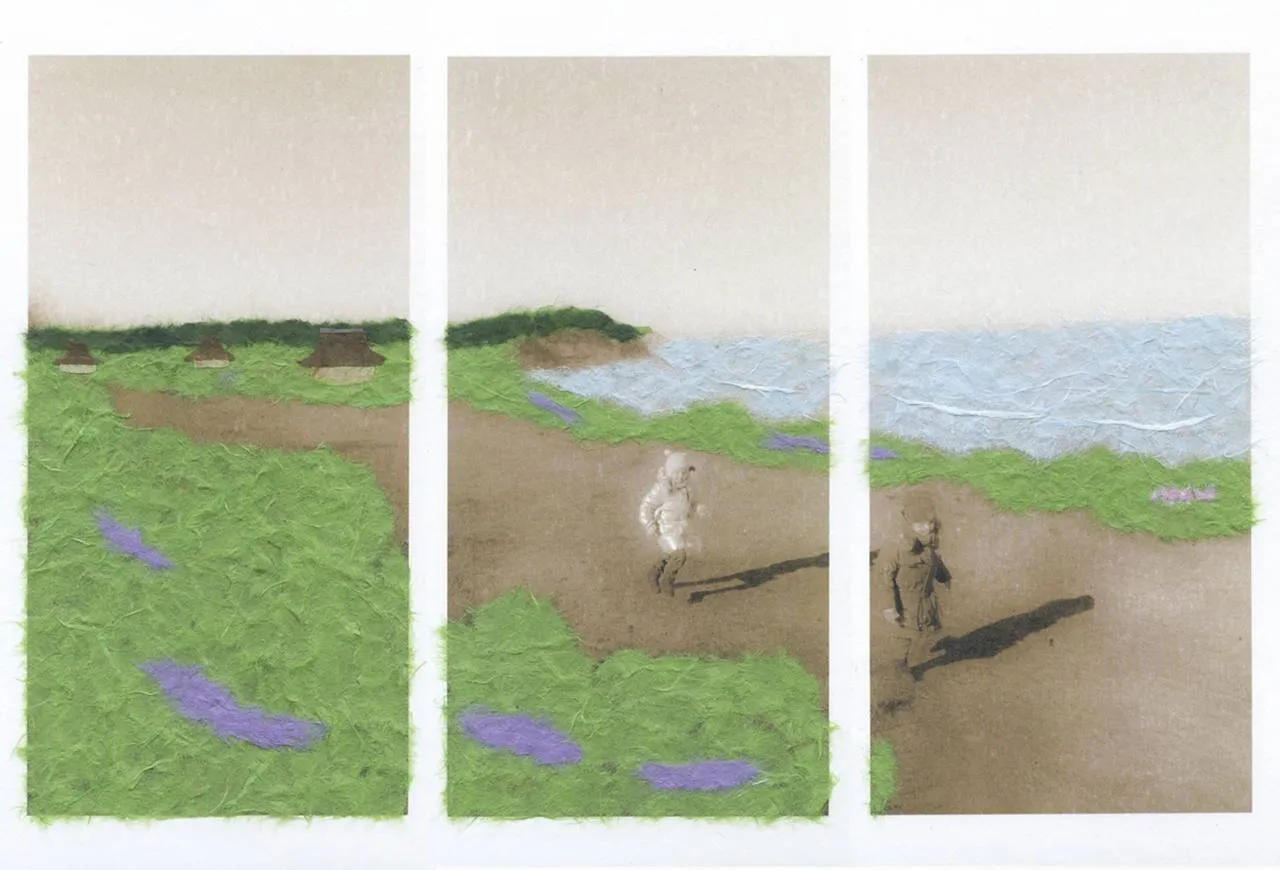
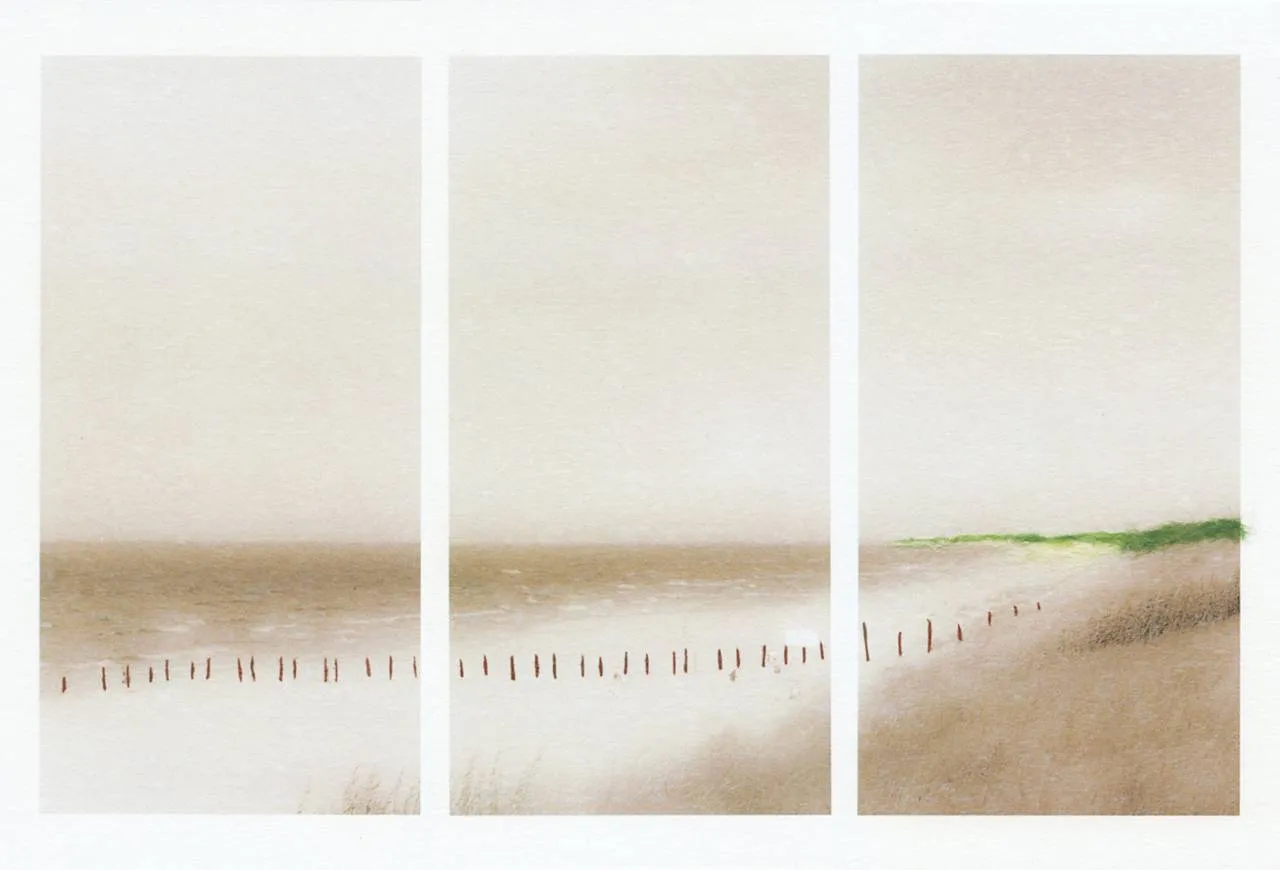
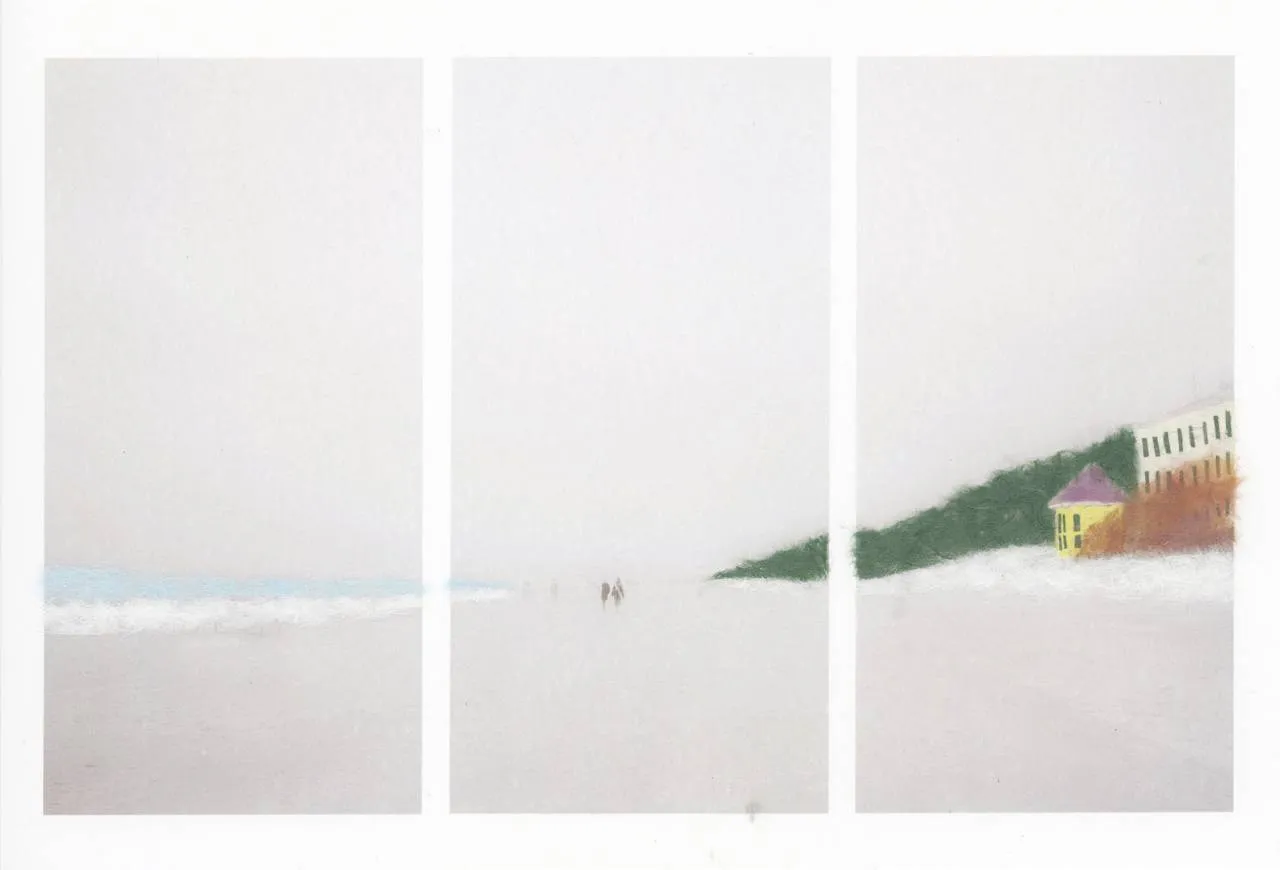
Several years ago, Japanese artist Ikuru Kuwajima followed in the footsteps of Bruno Taut and discovered that the architect's vision remains relevant today. Inspired by this experience, he traveled to the Baltic coast to create photographs. Based on his photographs, Ikuru developed paper collages using the traditional Japanese torn paper appliqué technique known as chigiri-e. The result is a series of triptychs that interpret the vision of the exiled architect, who looked nostalgically at the Baltic Sea from Asia on the eve of World War II. This conflict radically changed the geographical and cultural map of the Baltic region, which makes Kuwajima's work particularly significant in the context of historical memory and the contemporary perception of architecture.
"The Pit"
Evgeny Shchemilin is a name that has become famous in certain circles thanks to its achievements and contribution to his field. He is a specialist with extensive experience who helps people and organizations achieve their goals. In his work, Evgeny demonstrates a high degree of professionalism and responsibility, which makes him a valuable partner in projects of various scales. His approach to work is based on thorough analysis and an individual approach to each client. Thanks to this, he is able to offer effective solutions that meet current requirements and trends. Evgeny Shchemilin actively shares his experience and knowledge, which contributes to the development and training of other specialists in his field.
The project is a collection of photographs taken by Evgeny Shchemilin at the historic Mayak mine in Norilsk in the 2010s. This period marked the disappearance of the long-standing mining "subculture," which gave way to new corporate standards. The photo book "The Pit" documents this transformational process and simultaneously conveys the author's emotional experiences of working in the mine, as well as the fear of the dark workings.
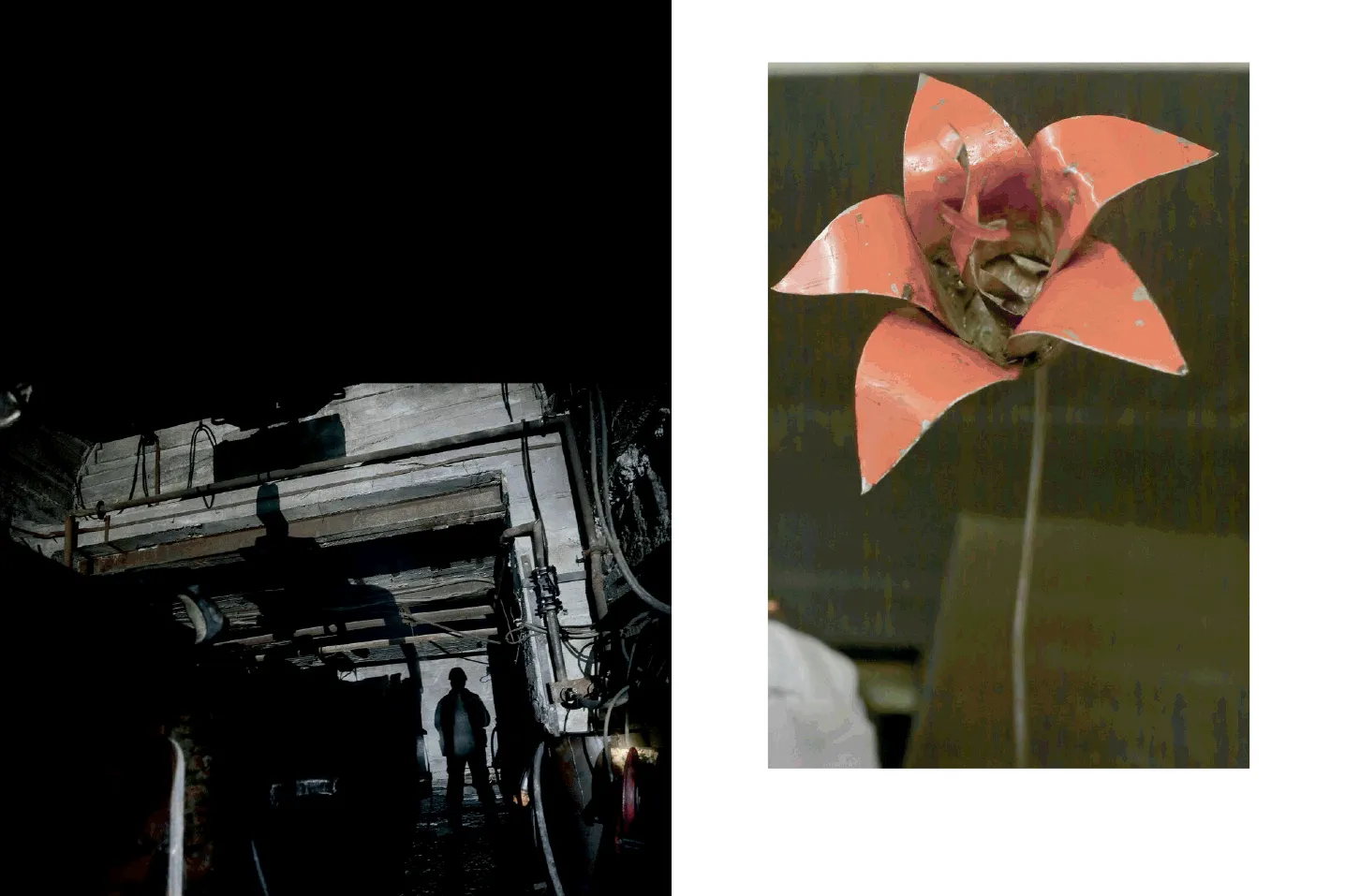
Sometimes the question arises: where does this fear come from? Perhaps this is connected to "genetic memory"—an instinctive human fear of the unknown and darkness. Or it could be a fear that we are plunging into the depths of the Earth, violating its natural space. The anxiety that arises in such situations may be the result of ancient instincts ingrained in our consciousness. We often fear what we cannot control, and darkness, as a symbol of the unknown, makes us uncomfortable. Understanding these fears can help us better understand ourselves and our reactions to the world around us.
I first heard the word "pit" when I was working as a shift supervisor in the self-propelled diesel equipment repair section at Mayak. The men used it in conversation with some respect and slight displeasure: "He went into the pit." When I asked, "How are things in the pit?", the answers were short and laconic: "Dark and wet." This expression has become a symbol of complex and difficult work that required not only skill but also perseverance. The pit was staffed by true professionals who understood that every task required dedication and a willingness to face physical challenges.
In this project, we strive to create a unique solution that will meet modern requirements and user expectations. Our goal is to develop a functional and intuitive interface that will enhance user experience. We incorporate the latest design and technology trends to ensure high quality and reliability. Throughout the project, we actively collaborate with experts and users to gather feedback and make necessary adjustments. This allows us to ensure that the final product is not only effective but also user-friendly, significantly enhancing its competitiveness in the market.
The photo project explores the theme of place, revealing the unique aspects of the mine and the city of Norilsk. The North, rich in mineral resources, remains a region with extreme weather conditions, and the history of its development is full of dramatic events. The "Pit" project immerses the viewer in the depths of Norilsk, an area where access is restricted and signs read "No Trespassing." This unique glimpse into Norilsk offers a deeper understanding of both its natural resources and the complex history of the development of this harsh region.
A Telegram channel for photography enthusiasts offers unique content dedicated to the art of photography and photography techniques. Here you'll find helpful tips, inspiration, and discussions about best photography practices. Join our community to share experiences, ask questions, and receive advice from professionals. This channel will be a great resource for anyone looking to improve their skills and expand their knowledge of photography.
If you're interested in the diversity of literary creativity, subscribe to our resource. We publish the works of talented Russian authors, follow global competitions, and share creative life hacks from practitioners. Discover new facets of literature with us.
"Moscow. Konkovo. Reboot"
Alla Mirovskaya is a well-known figure in her field. She has established herself as a professional with deep knowledge and experience. Her contribution to the development of her specific field of activity has not gone unnoticed. Alla actively shares her experience through various platforms, including social media and specialized events. Her approach to work and commitment to self-improvement inspire many. Alla Mirovskaya is a role model, demonstrating how success can be achieved through perseverance and determination.
The Konkovo project focuses on a place that, at first glance, may not attract attention. This residential area in southwest Moscow, where I spent my childhood, was built in the 1960s and 1970s and today represents an architectural ensemble consisting of five-, nine-, and twelve-story buildings in the Soviet modernist style, surrounded by more modern structures. Konkovo boasts many unusual and amusing objects: equestrian sculptures located on the hills of the district, as if hinting at its name; homemade monuments and art objects; and more than a dozen half-empty shopping centers. One of the most significant events in the life of the region was the "Bulldozer Exhibition" of 1974, which opened the way for the second wave of Russian avant-garde to the wider world. This project highlights the uniqueness and character of Konkovo, showing how even the most unremarkable places can have their own history and cultural significance.
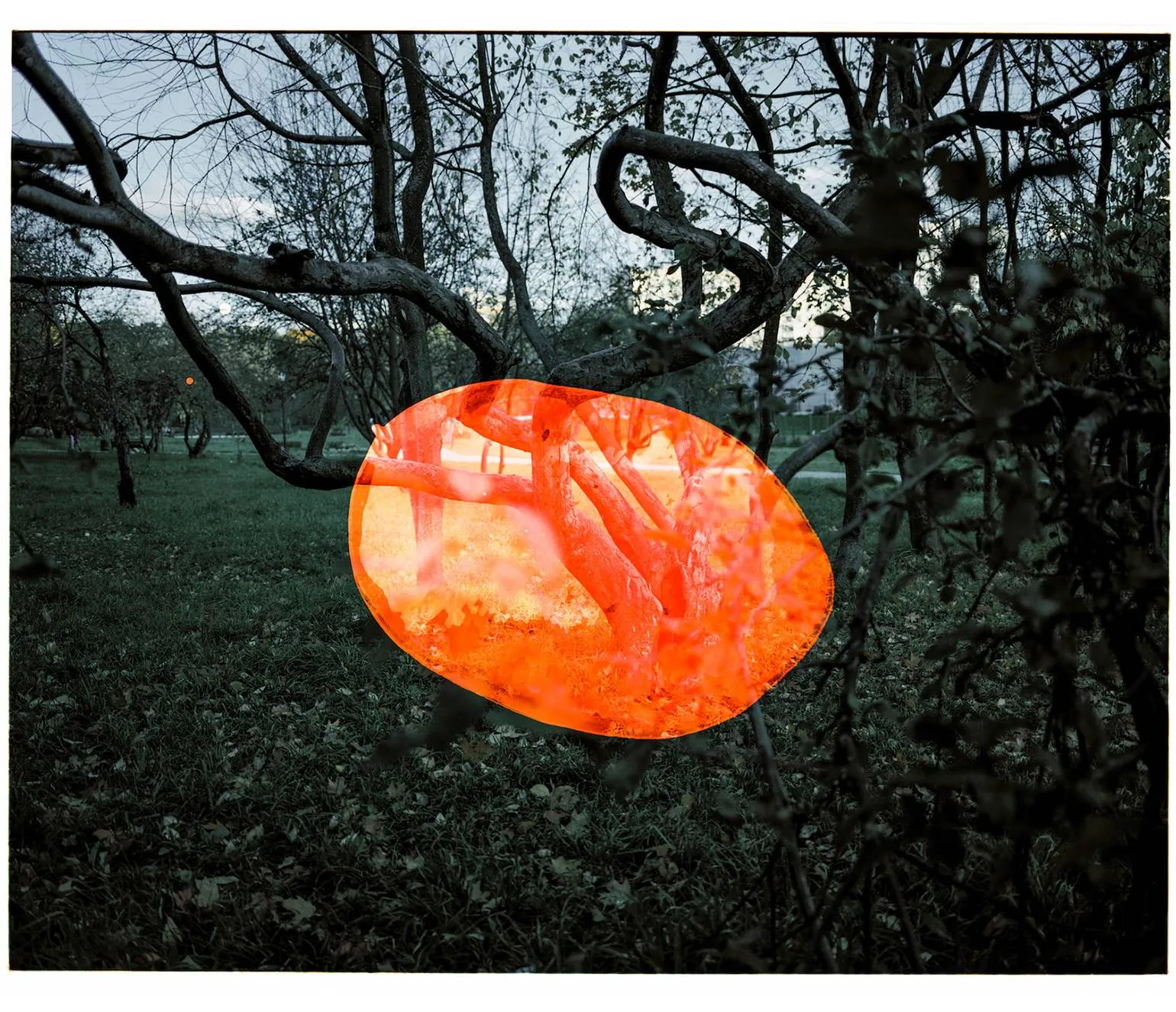
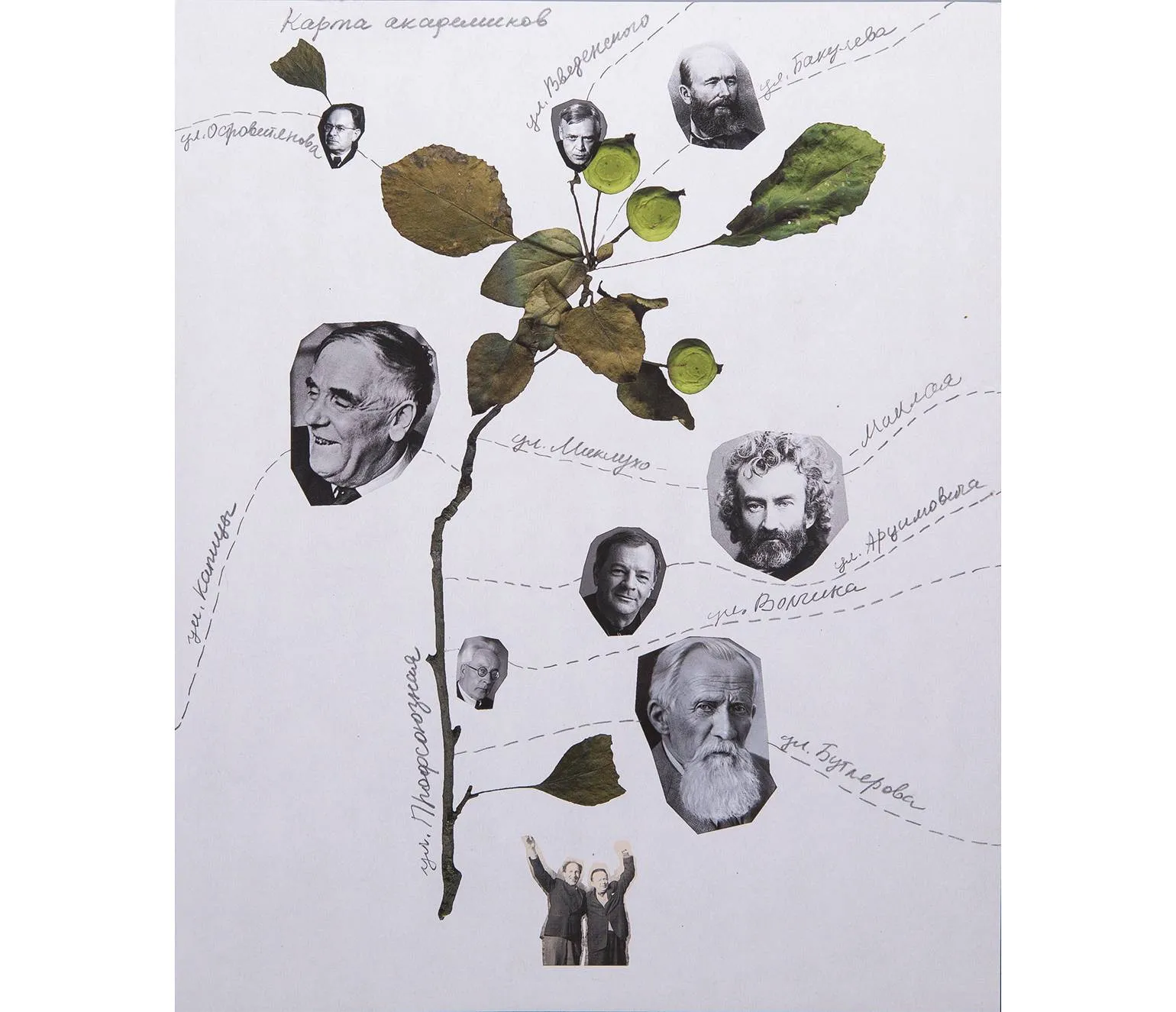
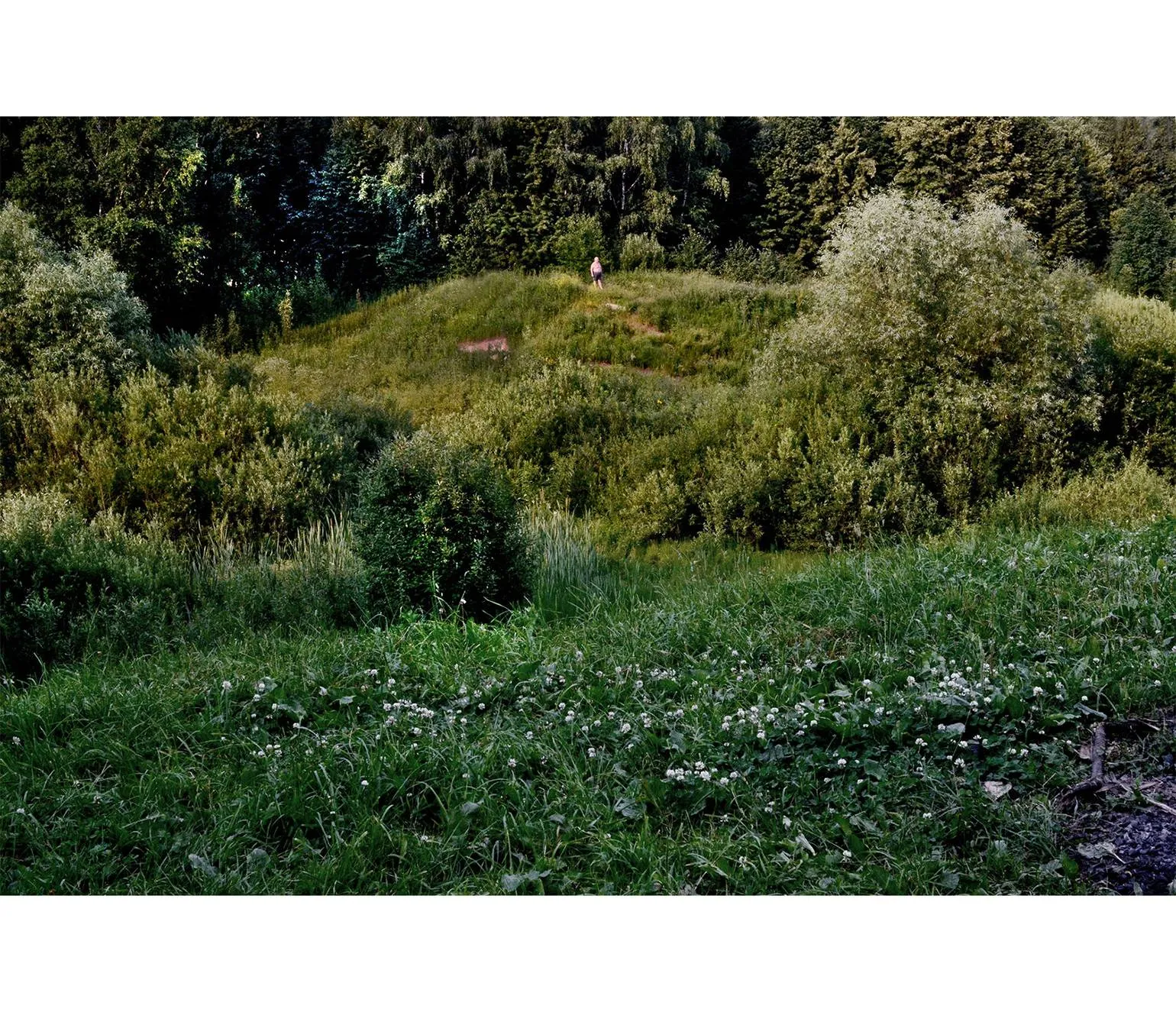
Konkovo's modest appearance presented a real challenge during the project. Despite its shortcomings, this area is a comfortable and proportionate residential environment. It features wide spaces between buildings and spacious courtyards dotted with greenery and trees. Ponds, walking paths, well-kept gardens, and parks create an atmosphere of harmony with nature. Hares inhabit the surrounding forests, and local residents care for stray cats, building cozy houses for them. Konkovo preserves its historical identity, reflecting the destinies and experiences of its residents, making it a unique place to live.
The Konkovo project is a multimedia installation that functions as a text-room. The walls of this installation transform into pages of a unique "Konkovo ABC." The ABC includes characteristic words, phrases, and popular place names without which understanding this region would be difficult. The project also features the collective photo book "Konkovo Forever," an artist's book, collages, drawings, documents, artifacts and photographs, as well as object maps. This project creates a holistic view of Konkovo, its culture and history, allowing viewers to gain a deeper understanding of the uniqueness and richness of this region.
"It Seems Fun All Around"
Alexander Baranovsky is a renowned figure whose work spans several fields. He has established himself as a successful professional, making a significant contribution to his field. Thanks to his experience and knowledge, Alexander has become an authority, attracting the attention of both colleagues and a wider audience. His work and achievements inspire many and serve as a role model. Alexander actively shares his ideas and new approaches, which contributes to the development of the areas in which he works.
Alexander Baranovsky's photo book "It Seems Fun All Around" is interesting due to the author's desire to understand the essence of the Soviet social experiment, which continues to influence our lives. This distance allows for an analytical approach to the past, while preserving its emotional component. The book becomes an important cultural artifact that helps us understand how historical events shape modern society and its values.
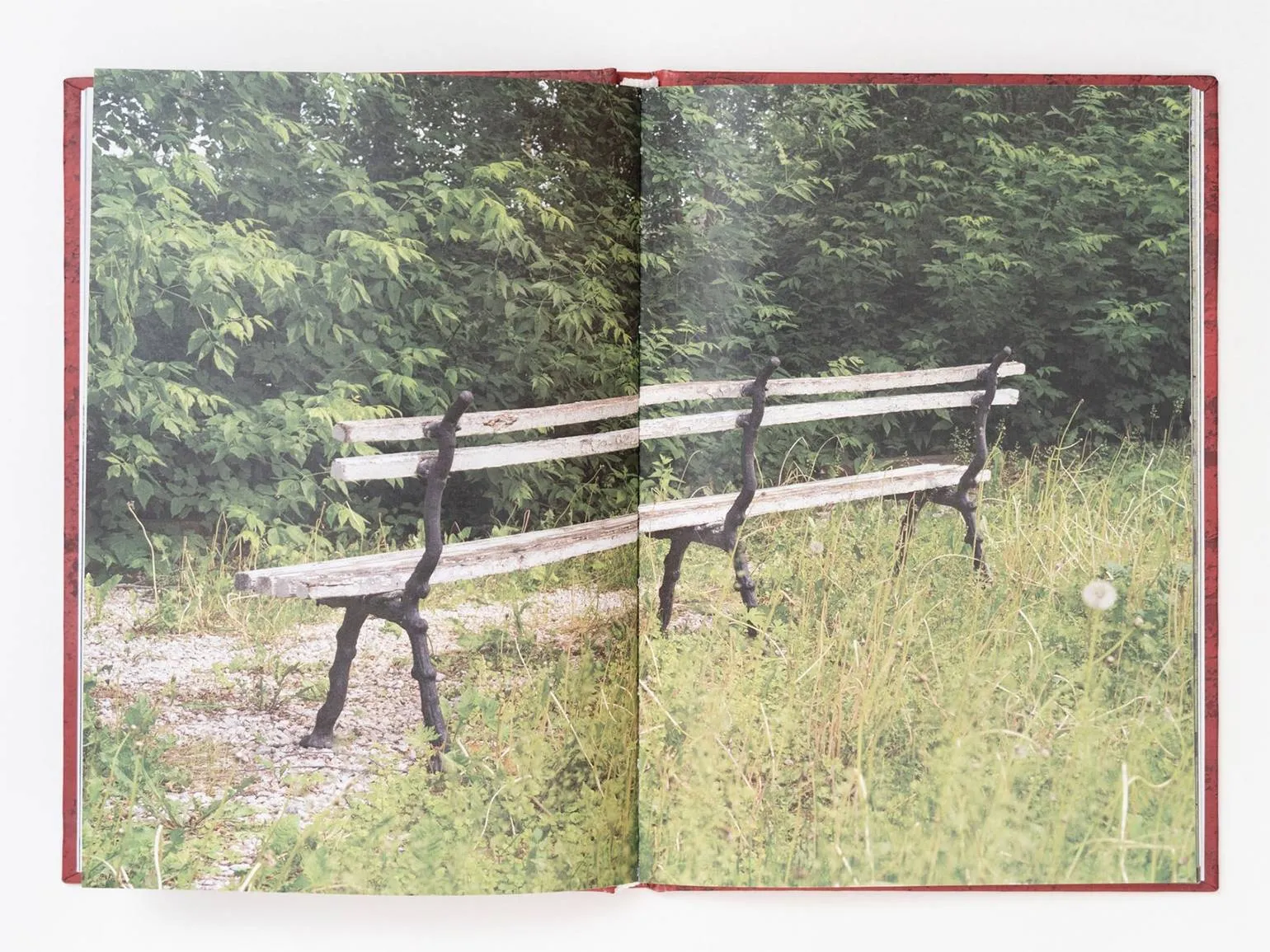
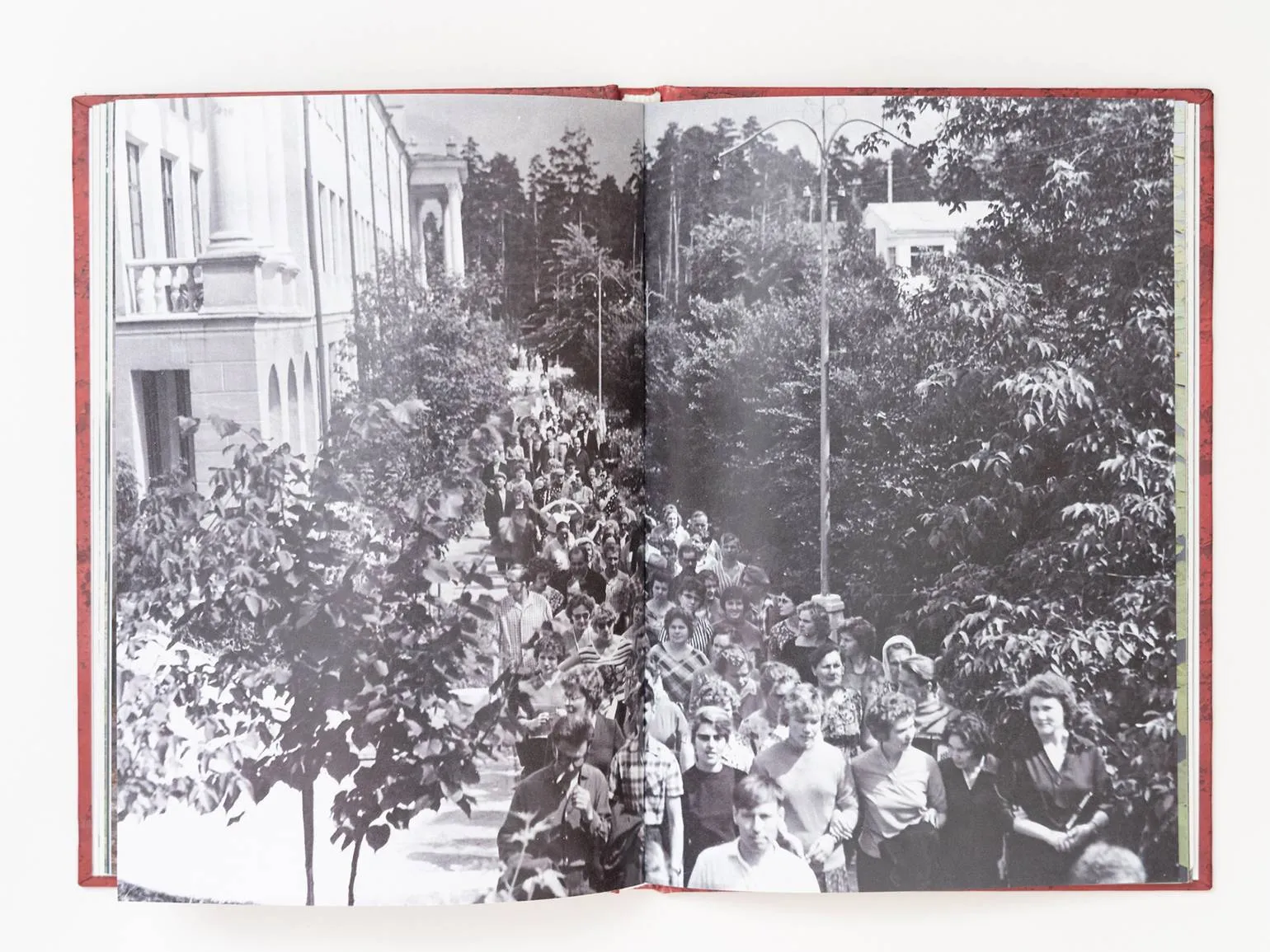

Artifacts of past eras have always piqued my interest, and one of such objects was the Kisegach sanatorium, located near Yekaterinburg. Founded in 1926, it is a striking example of the architectural heritage of the socialist era. In the early 2000s, during my student years, I first visited this place. My friends and I often vacationed nearby and more than once walked through the picturesque grounds of the sanatorium, enjoying the atmosphere of its history and unique architecture. Kisegach sanatorium continues to attract the attention of not only tourists but also history buffs, making it an important part of the region's cultural heritage.
Part of the sanatorium is operational, while another part remains abandoned. This contrasting situation opens a window into the past. For me, studying the history of the sanatorium has become a way to fill in the gaps in my understanding of the country where I was born, but which no longer exists. Delving into the past of this place allows us to understand its significance and influence on the development of the region, as well as to understand how living conditions and culture have changed.
Brief description of the project. The project is focused on improving the user experience by providing convenient and effective solutions for current problems. Our main goal is to create innovative products that meet high quality standards and satisfy user needs. We strive to use advanced technologies and methodologies to ensure the reliability and functionality of our solutions. The project also includes active interaction with customers to obtain feedback and continuously improve our services. As a result, we aim to create a product that not only solves current problems but also anticipates future market requirements.
The author, representing the "borderland generation"—people born in the final years of the Soviet Union—examines the sanatorium's contemporary appearance. He makes extensive use of archival materials, such as photographs, local newspaper articles, postcards, and local party minutes. This allows for a deeper understanding of the changes that have taken place at the sanatorium and its significance in the region. The use of historical documents creates a context for understanding the present and future of this place.
The book's title includes part of a quote found in the archives. During a May demonstration, a Ural Komsomol member remarked, "Everything seems cheerful, but in reality, it's all an inflated mood, not genuine." The artist asks, "Was it cheerful, or did it seem so?" This fragment highlights the contradiction between the outward appearance of joy and inner experiences, forcing us to reflect on true feelings and the sincerity of emotions in society.
"Replica"
Ekin Ozbiçer is a talented professional, renowned in his field. He demonstrates outstanding abilities and is actively involved in various projects. His reputation grows every day, and he becomes an increasingly prominent figure in his field. Ozbiçer constantly strives for self-improvement and expanding his knowledge, which allows him to reach new heights and attract the attention of both colleagues and clients. His approach to work and dedication serve as an example for many.
The author of the "Replica" project, Ekin Ozbiçer, like Alexander Baranovsky, explores places of mass recreation, but on her native land in Turkey. In her work, she photographs buildings, interiors, and vacationers in all-inclusive hotels. At the same time, she discovers replicas of famous landmarks from other countries, such as the Russian Kremlin and houses on the banks of Amsterdam's canals. One wonders why tourists, both Europeans and residents of Turkic countries, choose artificial replicas of foreign landscapes instead of enjoying the unique natural and architectural beauty of Turkey itself? The answer to this question reveals profound cultural and social aspects of modern tourism, where vacationer preferences shape demand for certain visual images.
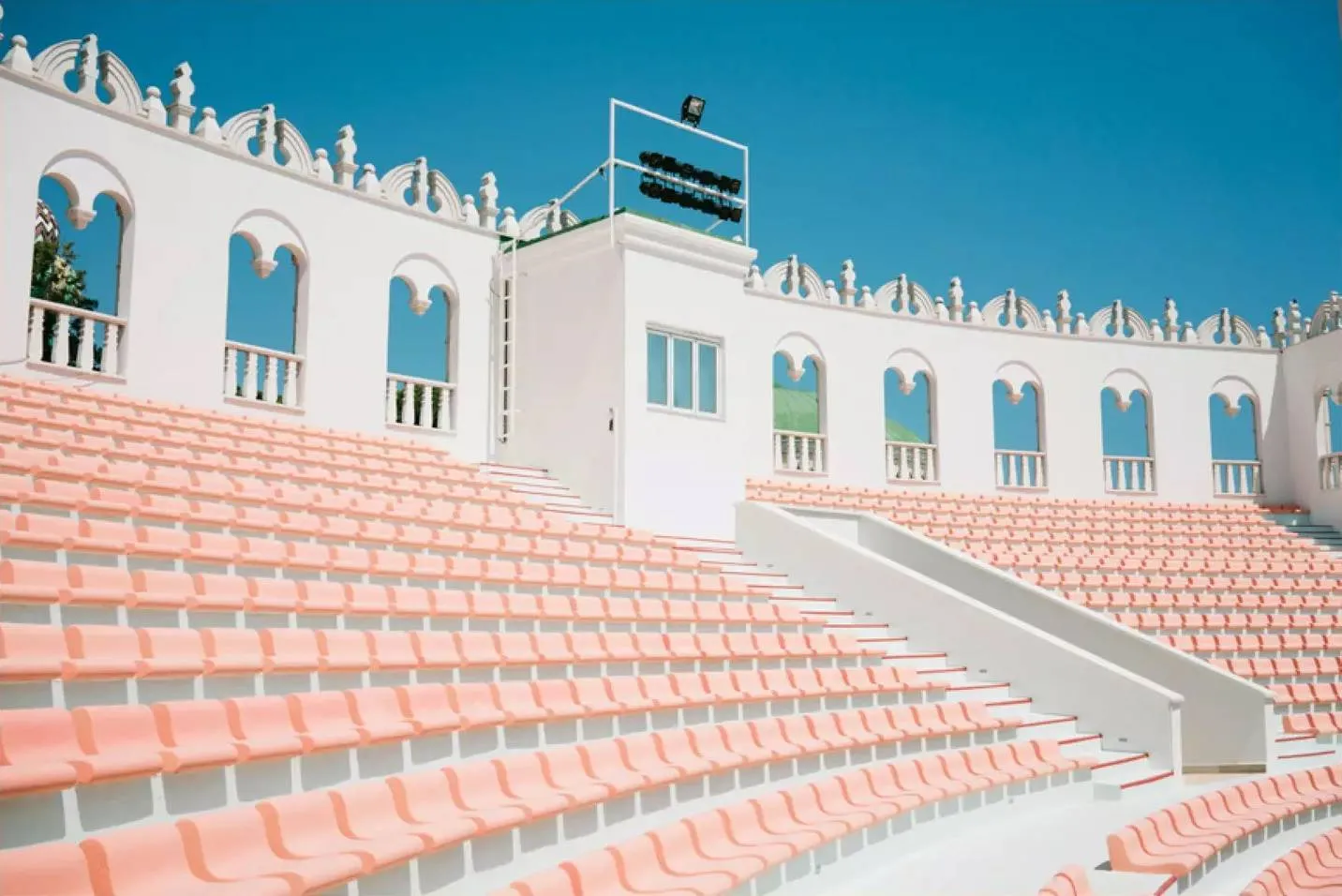
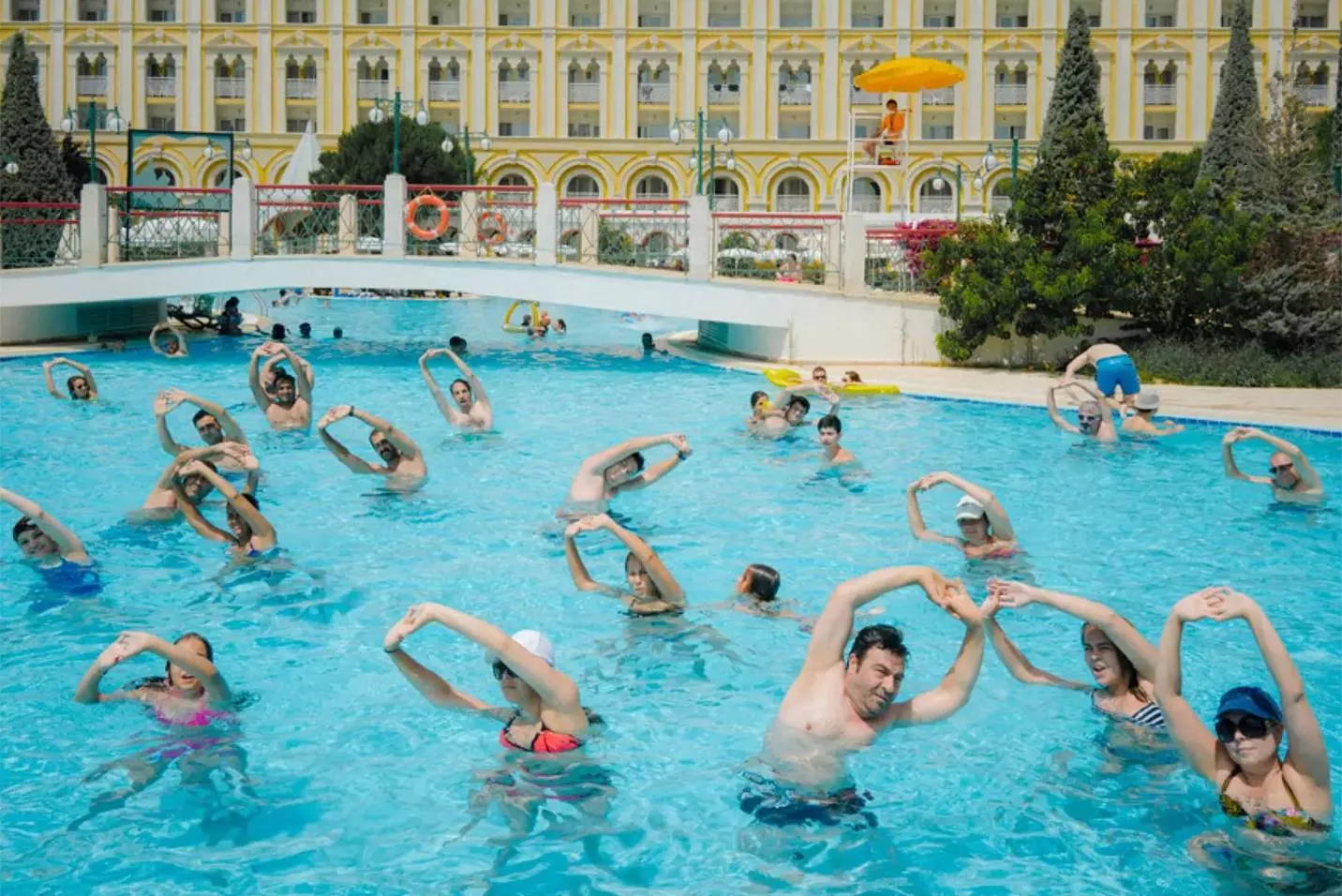
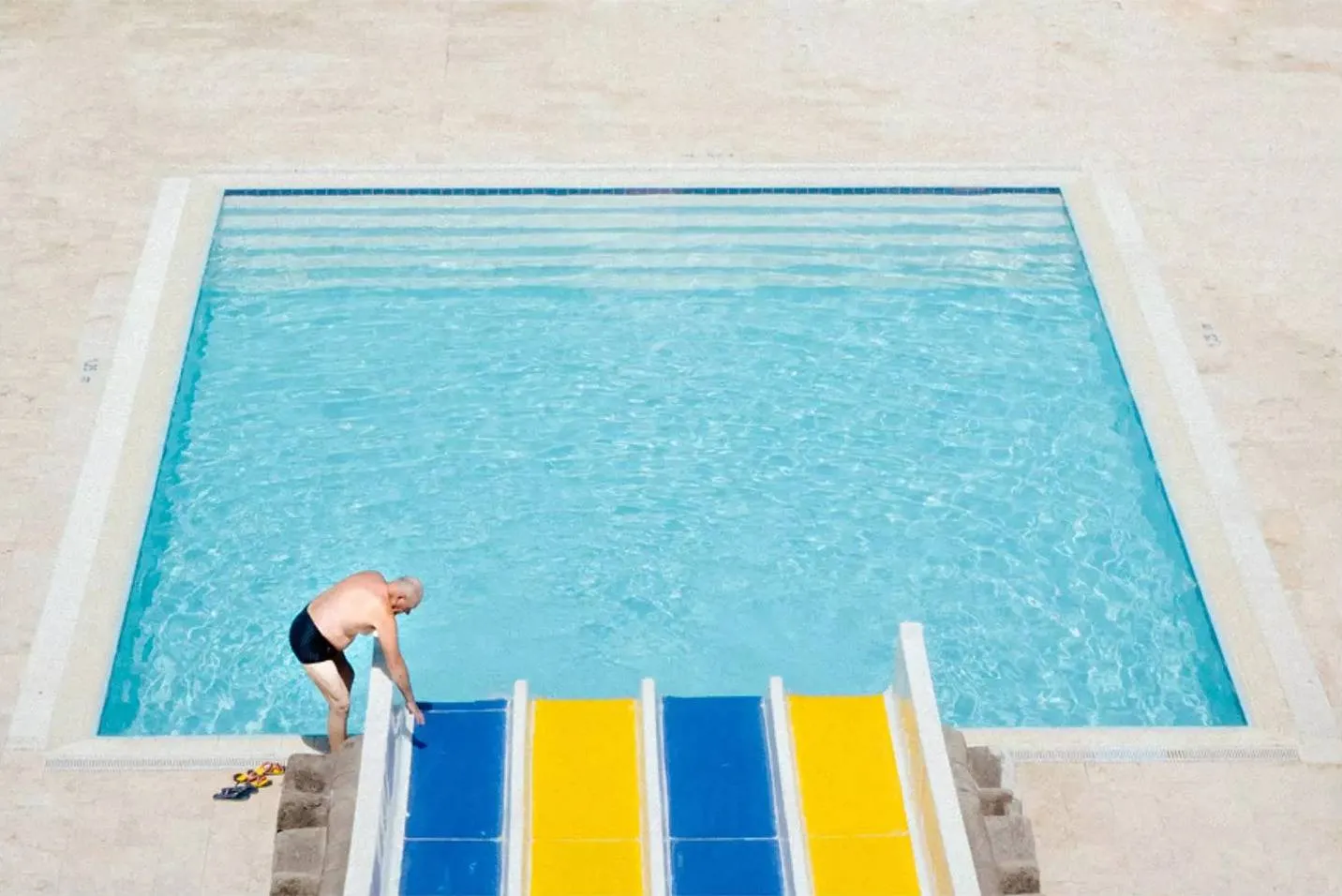
Özbiçer's work explores the Turkish way of life and the class hierarchy of society. The artist approaches the topic with an ironic look, considering both social aspects and her own identity. She raises questions about what it means to be Turkish, located at the crossroads of two continents - West and East. This multi-layered perspective allows for a deeper understanding of the cultural and social characteristics of Turkey, as well as their influence on personal perception and self-awareness.
"Vepsian Forest"
Evgeny Molodtsov is a well-known figure in his field, with significant achievements and experience. His work spans a variety of fields, including [indicate primary field of expertise, e.g., business, art, science]. Molodtsov has established himself as an expert, bringing innovative ideas and effective solutions. His approach to [indicate specific aspects of work or methods] achieves high results and inspires many. As an active participant in [mention communities or professional organizations], Evgeny Molodtsov continues to develop his skills and share his knowledge with others.
Evgeny Molodtsov's multimedia installation "Vepsian Forest" explores themes of new nomadism, loss of roots, and the complexity of national identity. The project immerses the viewer in the history of the Vepsians, a small people of the Finno-Ugric language group. According to the 2021 census, there are just over 4,500 Vepsians in Russia, while at the beginning of the 20th century, their number exceeded 30,000. The installation emphasizes the importance of preserving cultural identity and draws attention to the fate of the people facing the challenges of modernity.
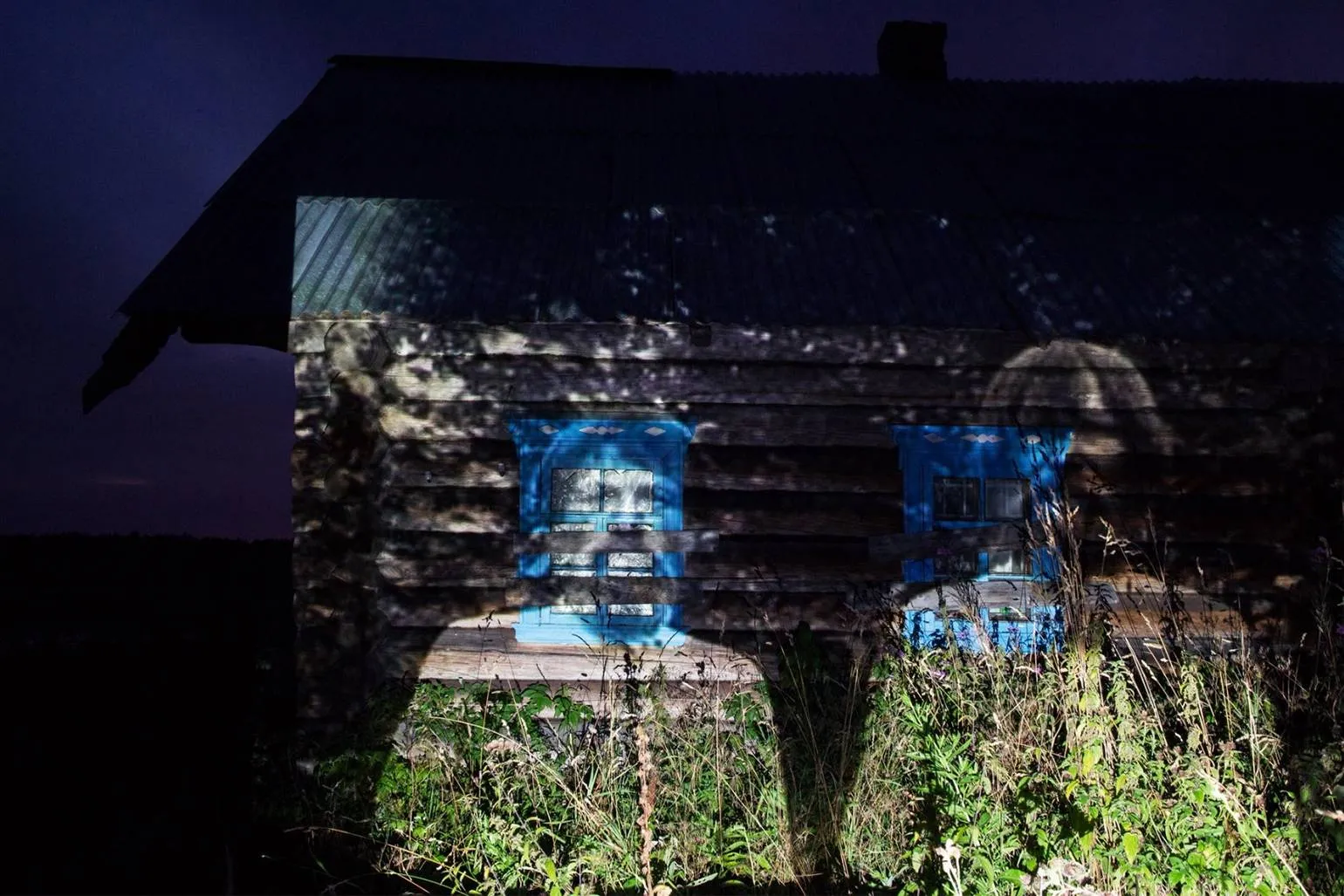
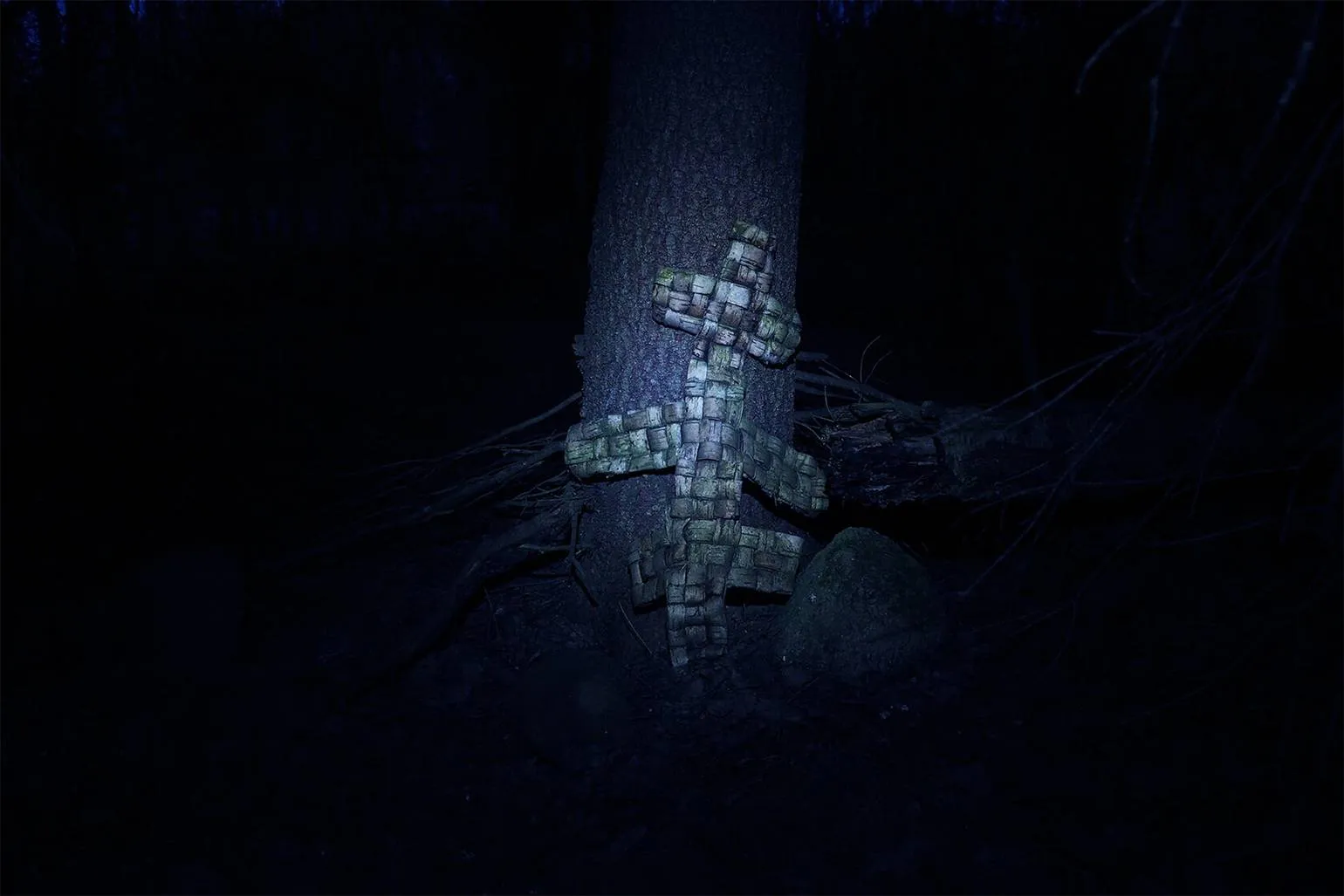
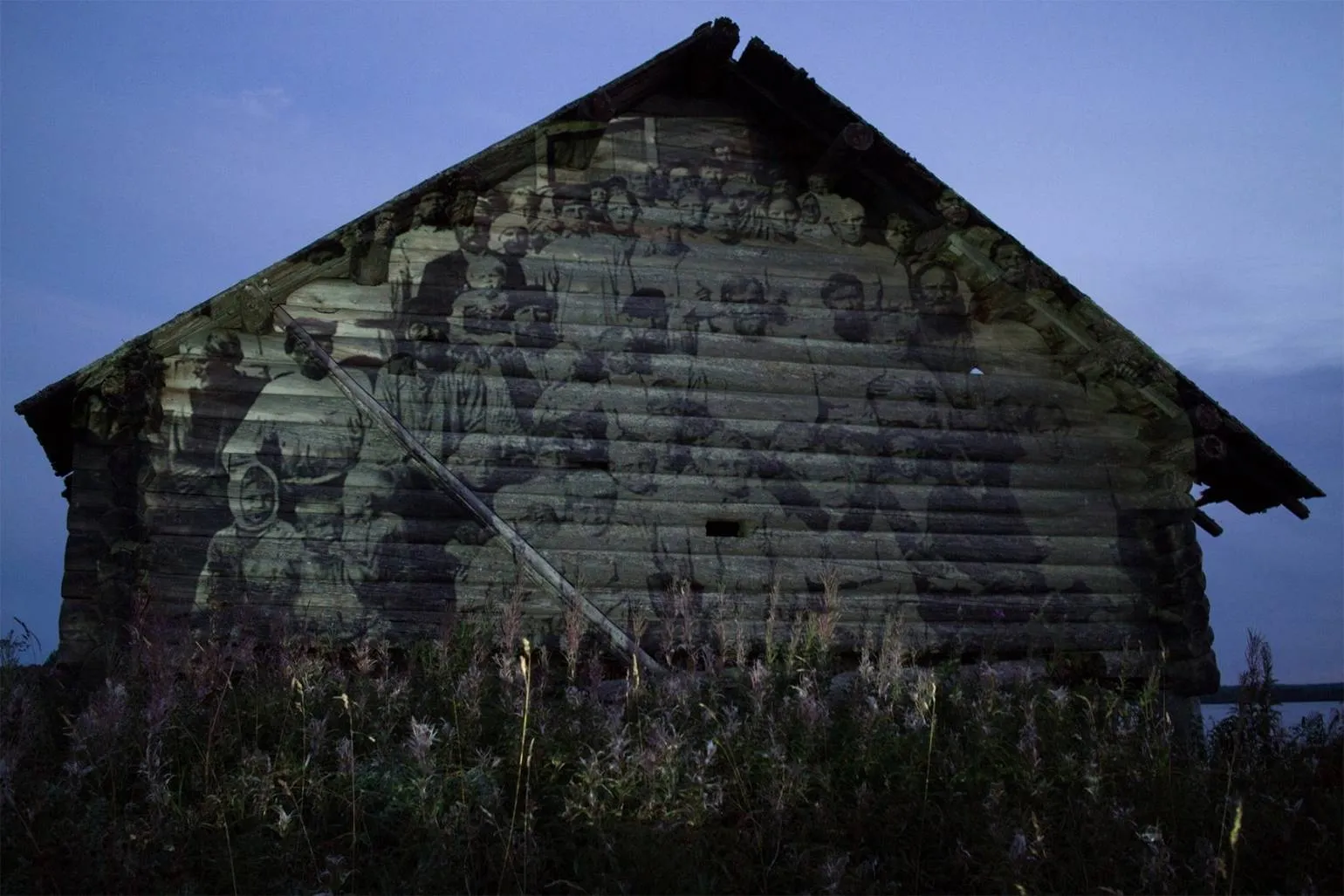
The author recreates the atmosphere of the Vepsian forest and the abandoned village of Noydala in the Leningrad region, which was once the center of settlement of the Vepsians. The forest is filled with life, abandoned houses once again become home to inhabitants, and the stream carries paper boats with texts of the Vepsian epic. This area is full of history and cultural heritage that come to life in every corner. Immersion in the unique nature and cultural traditions of the Vepsians creates an inimitable atmosphere where nature and human history are intertwined.
"Forever yours, P."
The collective project is a joint effort of a group of people united by a common goal. Participants contribute their knowledge and skills to achieve a common result. This approach allows for the efficient use of resources and a diversity of ideas. Collective projects can be implemented in various fields, including business, science, art, and education. Through collaboration, participants can generate innovative solutions and achieve better results than when working individually. Effective communication and process organization are key elements of a successful collective project. It is important to consider the opinions and contributions of each participant, which helps create an atmosphere of trust and mutual support.
Previously, we discussed personal projects, and now we present a collective project dedicated to a specific place.
This informal guide to the Presnya district is the result of the work of the Author's Photobook Laboratory at the Zotov Center. Over the course of three months, a team of twelve authors explored this unique district of Moscow from various perspectives, seeking to identify the characteristic features that make Presnya special. The project participants were divided into groups: photographers, illustrators, researchers, and interviewers. Some worked in archives, collecting facts and documents, while others spent time on the streets of the area, taking photographs, drawing from life, and interacting with local residents. This project not only immerses you in the atmosphere of Presnya, but also emphasizes the importance of interacting with the community and the cultural heritage of this area.

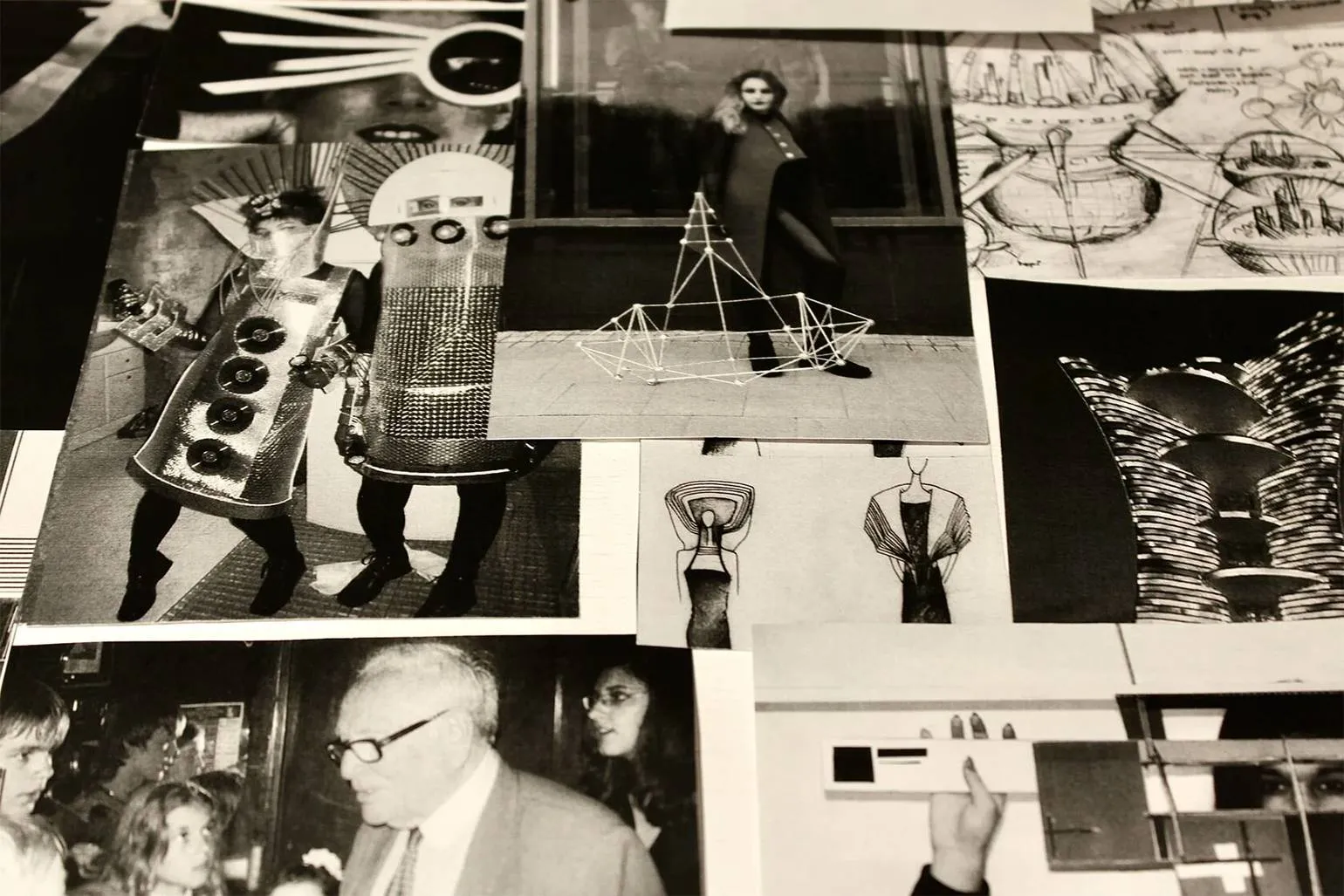
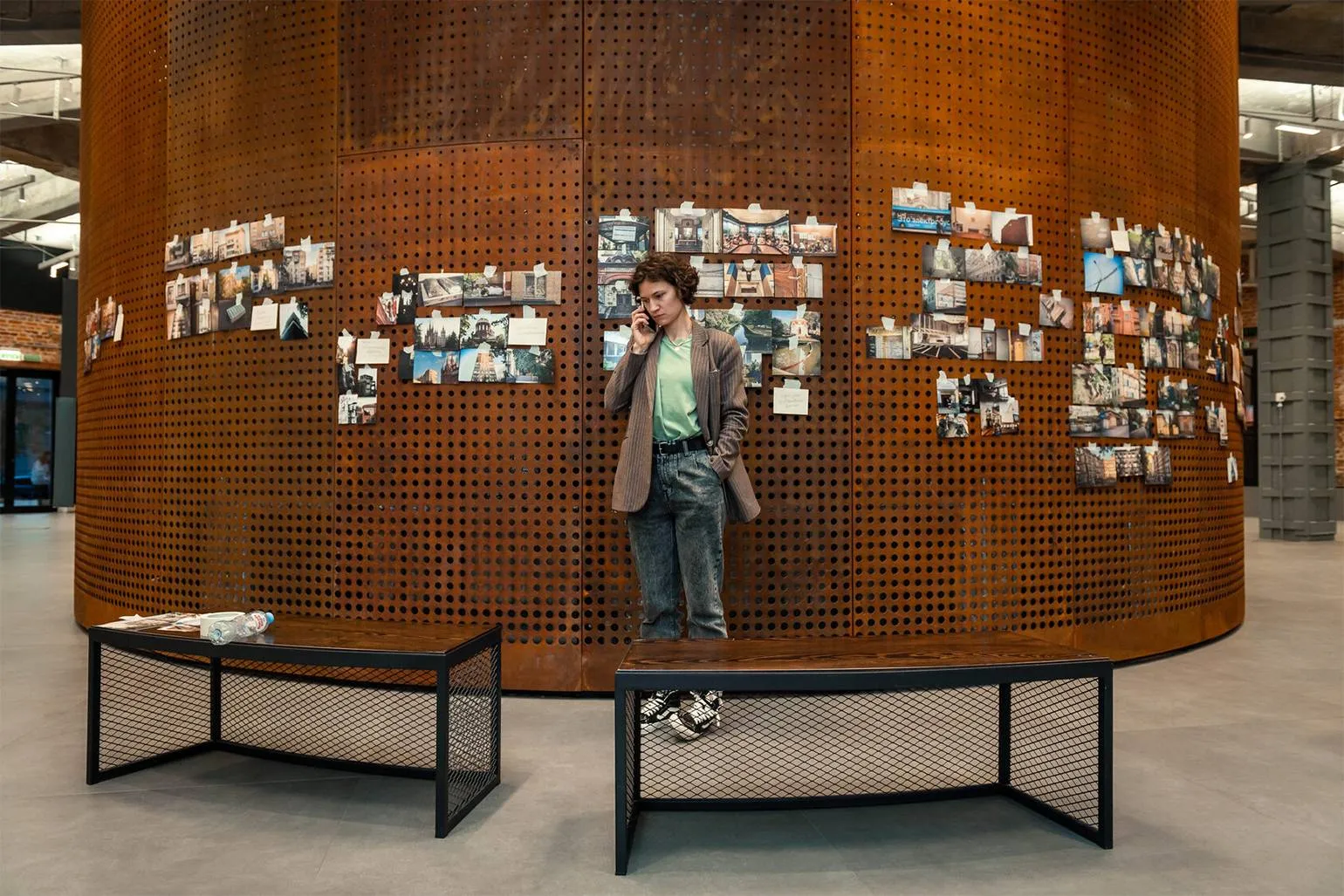
The result of this collaboration is a guidebook consisting of five unique routes through one of the most symbolically rich districts of Moscow. The routes "You're on the right path, comrades!", "Left bank, right bank", "Red brick road", "Fathers and sons" and "New house" offer a deep understanding of the physical and cultural geography of this place. Each route reflects the lives and opinions of the area's residents, creating a complete picture of its history and culture.
"Chernobyl Herbarium"
Anais Tondeur and Michael Marder are outstanding figures in their field. Their work and research are aimed at a deep understanding of various aspects of human life and culture. Anaïs Tondeur is known for her analytical approaches and critical reflection, while Michael Marder emphasizes philosophical aspects and interpretations. Their collaboration opens new horizons for research and discussion of pressing contemporary issues. Together, they make a significant contribution to the advancement of scientific knowledge and cultural dialogue, making their work relevant to a wide audience and specialists.
In our new collective project, we focus on Chernobyl. The book "Chernobyl Herbarium" brings together the works of philosopher Michael Marder and the plant photograms of artist Anaïs Tondeur. Photograms are direct prints of objects on light-sensitive material, created without the use of a camera. This project allows us to better understand the consequences of the disaster and restore our connection with nature, which continues to exist even in the face of radiation contamination.
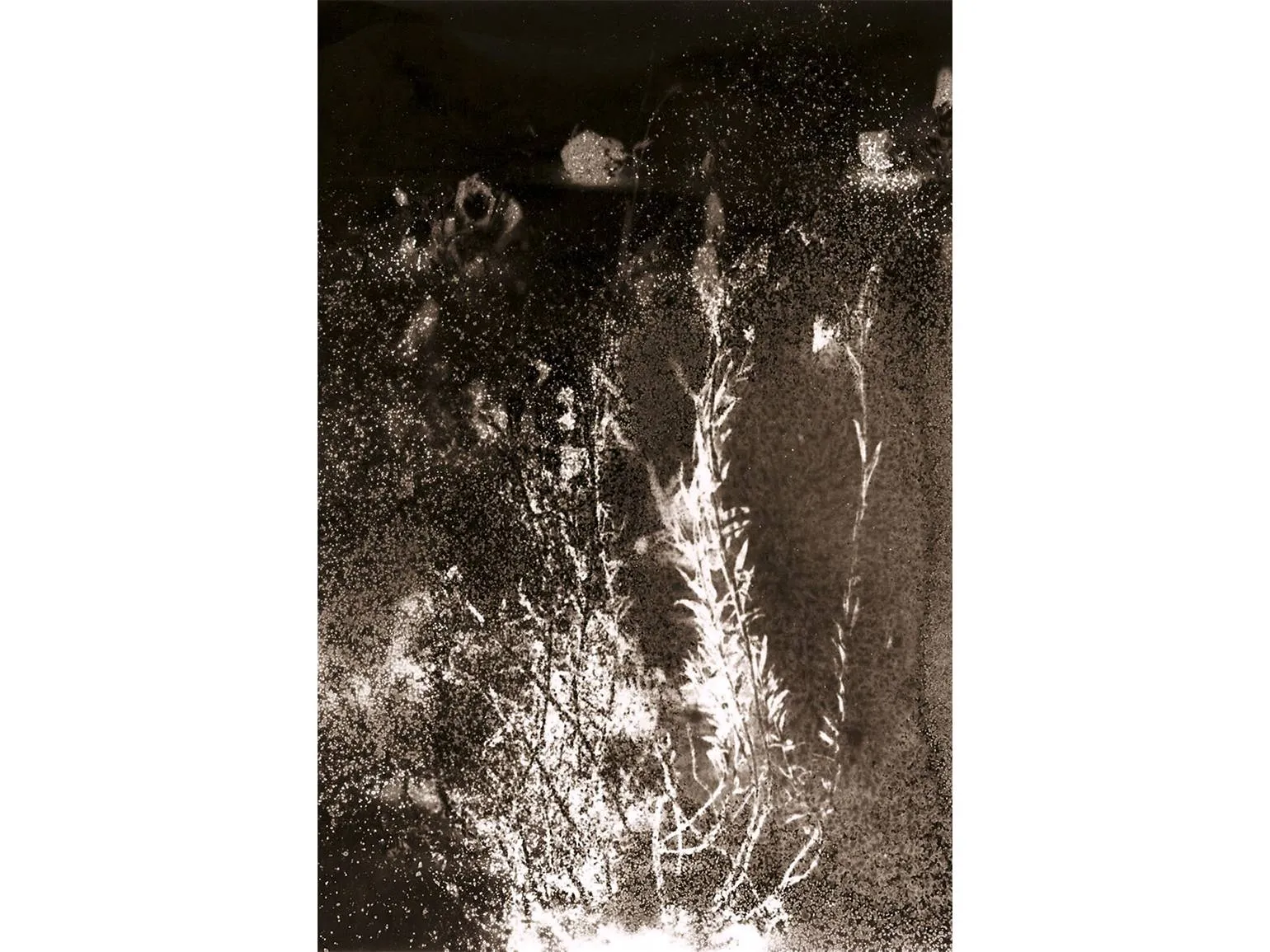
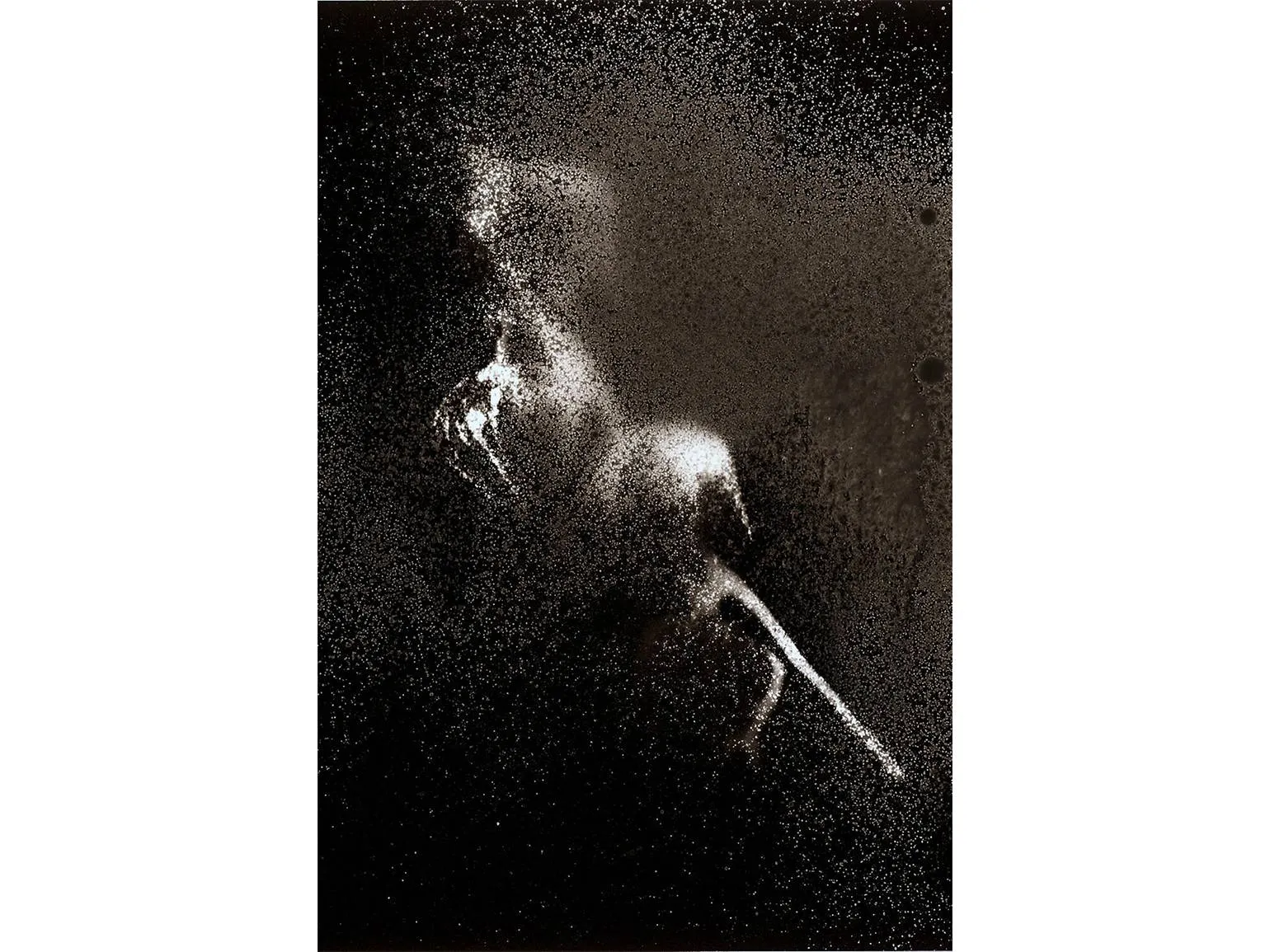
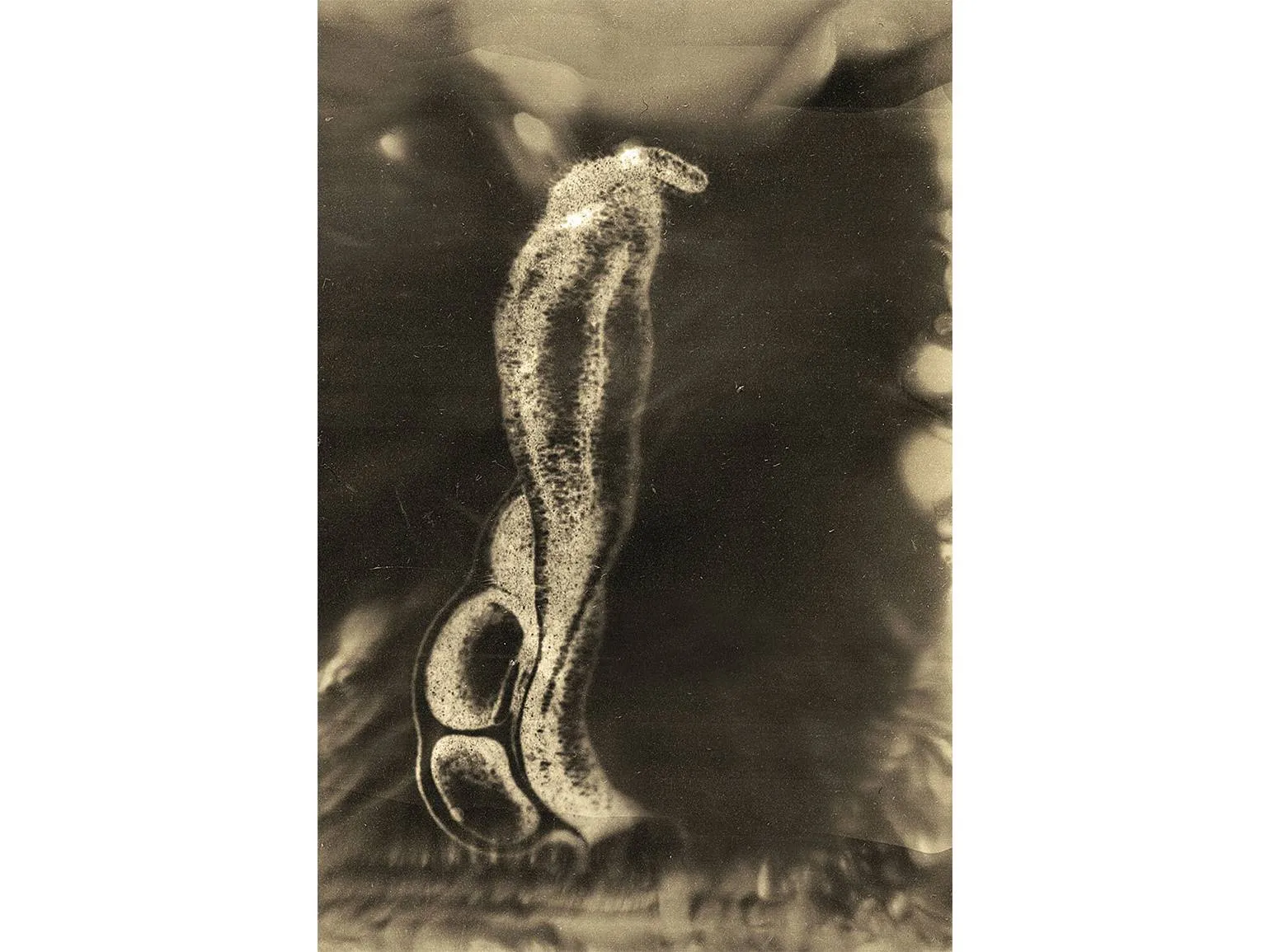
The images in the "Chernobyl Herbarium" are similar to "British Algae" created by botanist Anna Atkins, making them the first photobook in history, published between 1843 and 1853. However, despite the superficial similarity, there is an important difference. The Chernobyl photograms are imprints of plants from the so-called "radioactive herbarium" created by biogeneticist Martin Hajduch. Under his leadership, a team of scientists from the Institute of Plant Genetics and Biotechnology of the Slovak Academy of Sciences conducted research into the mechanisms of plant adaptation in the Pripyat exclusion zone. These studies help to better understand how plants survive and adapt to extreme conditions associated with radiation.
Plants from the "Chernobyl Herbarium" are transformed into therapeutic agents and symbols of the memory of the disaster, reflecting the events that took place without providing the viewer with a familiar visual and chronological perception. They highlight the disturbing reality: thirty years after the accident, little has changed in the world. Nuclear power plants continue to operate, even in the context of military conflicts. This context calls into question the sustainability and safety of nuclear energy, prompting reflection on the consequences of the disaster and the relevance of environmental and social issues associated with its legacy.
"Hiroshima - Eternal Flow"
Yoshikatsu Fujii is a renowned Japanese artist whose work spans a variety of genres. His works are distinguished by a unique style and profound symbolism, which attracts the attention of both collectors and art lovers. Fuji became popular for his vibrant colors and original compositions, which often reflect Japanese culture and traditions. His paintings harmoniously blend modernity and classicism, making them relevant and in demand internationally. Today, Yoshikatsu Fuji continues to exhibit actively, and his works can be found at prestigious exhibitions and auctions worldwide. Yoshikatsu Fuji's personal project, "Hiroshima: Eternal Flow," explores the aftermath of the atomic disasters. A native of Hiroshima and the grandson of a hibakusha, the artist explores the trauma left by the atomic bombing. Hibakusha is a term used in Japan to refer to survivors of the atomic attacks. Fuji's grandmother was just a kilometer from the epicenter of the explosion on August 6, 1945, and miraculously survived. More than 70 years later, the artist recreates the events of that fateful day based on her memories and analyzes their personal and global consequences. Its multilayered epic narrative is presented as a hand-bound artist's book, heightening the emotional impact of the material. Images of the past are intertwined with the present of the memorial city, where more than half the population—estimated between 100,000 and 200,000 people—perished in the disaster. The Fuji Project serves as an important reminder of the tragedy and its consequences for future generations.
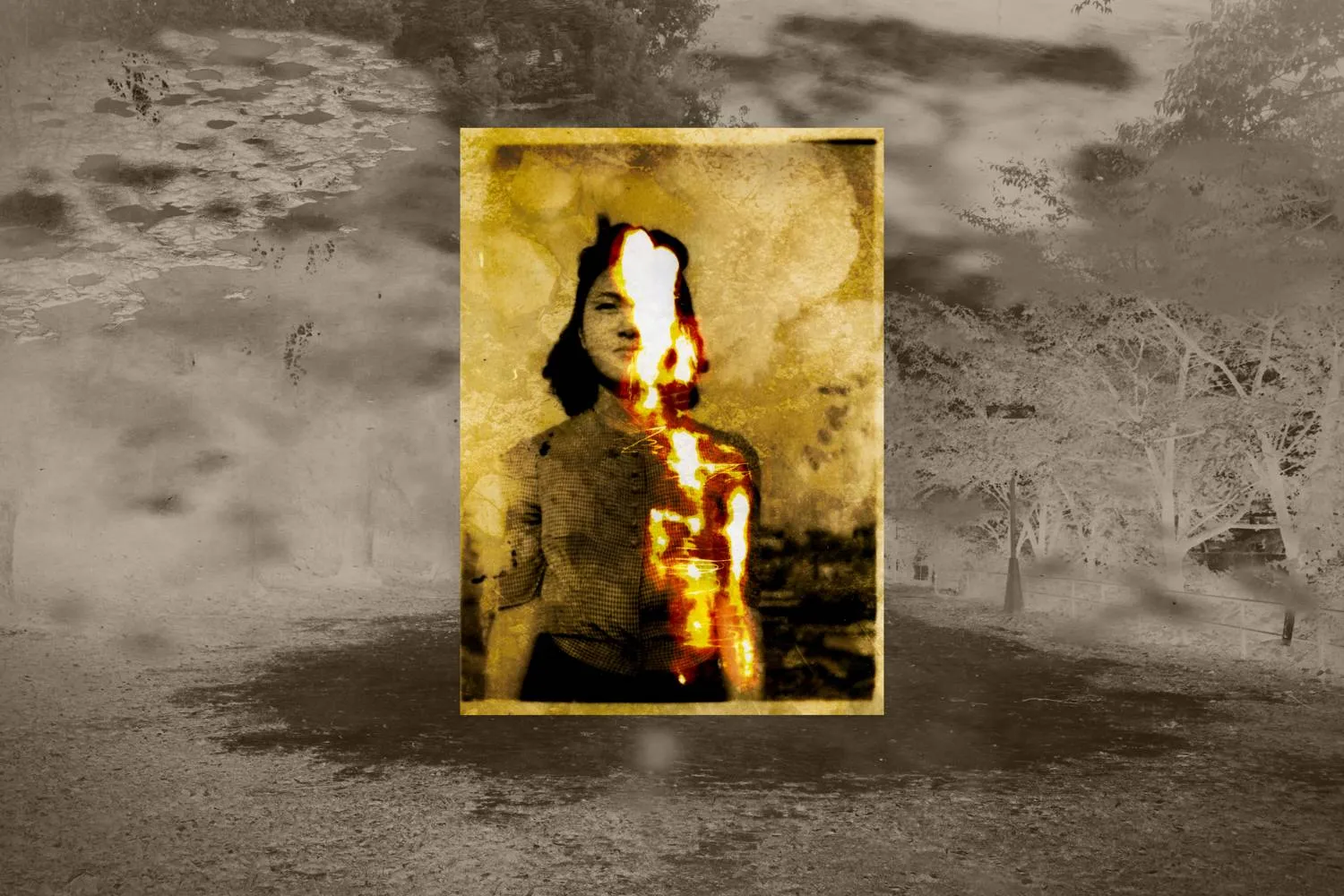
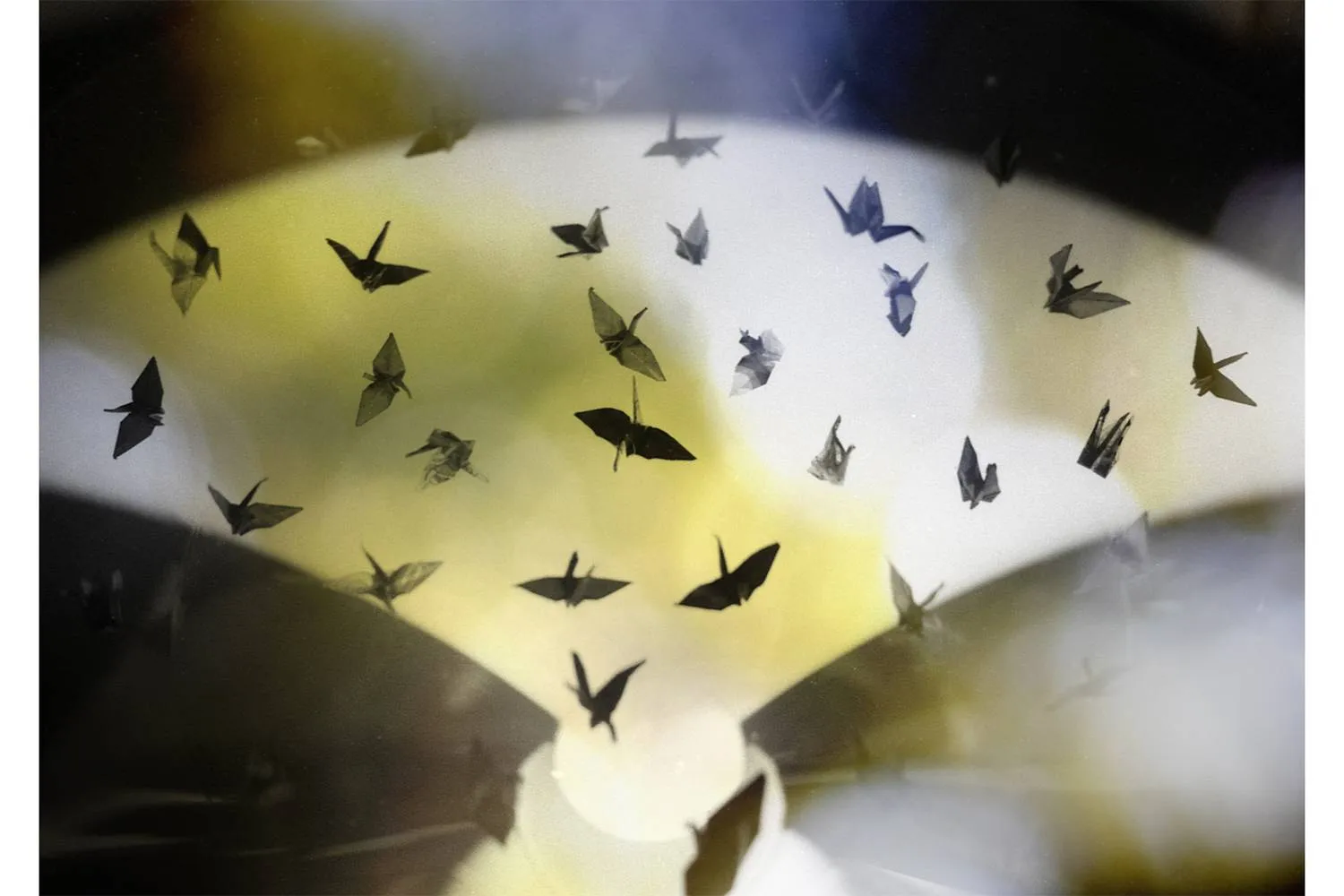
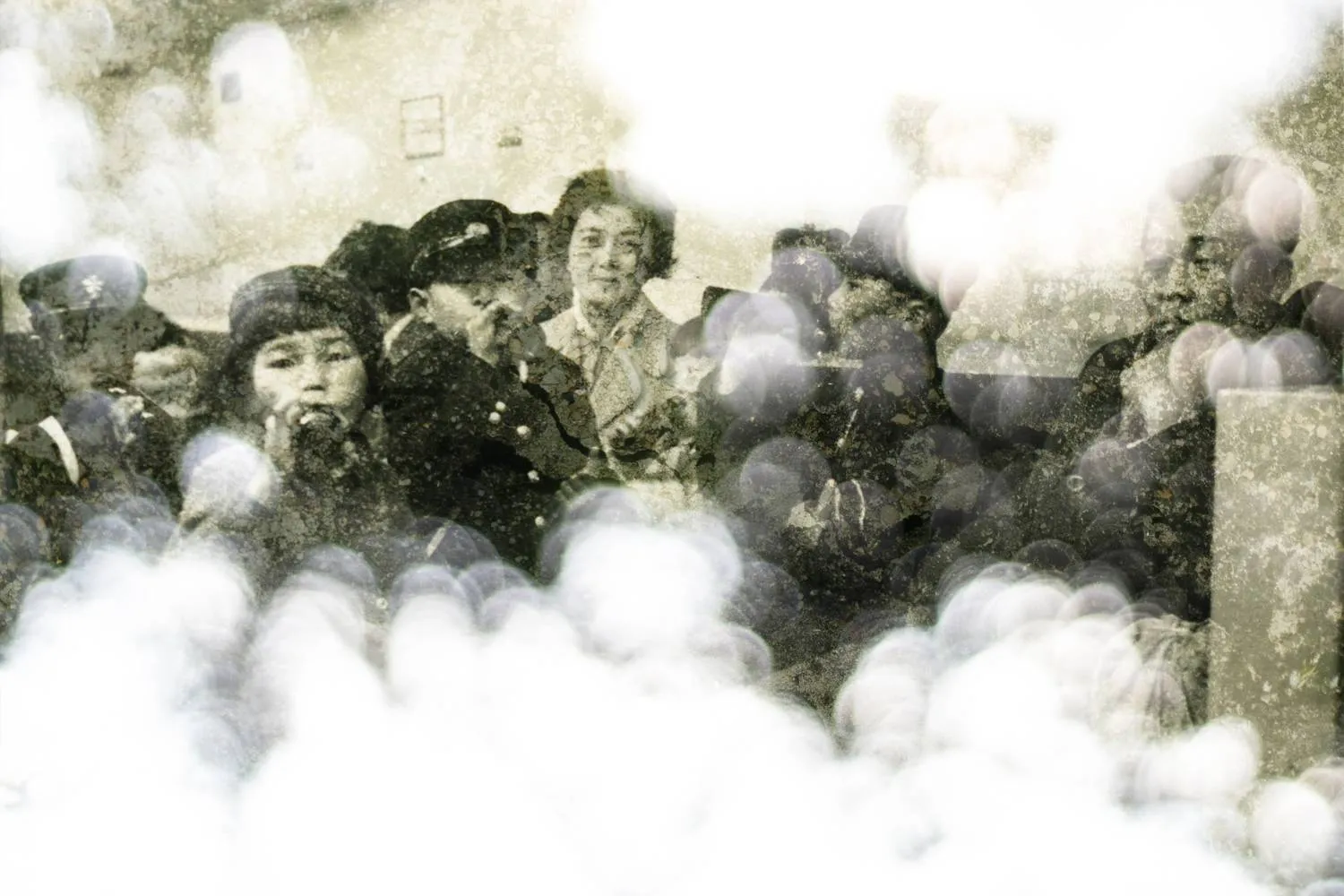
The artist reflects on the possibility of hereditary diseases associated with radiation exposure among hibakusha. Although scientific research does not support this hypothesis, the descendants of survivors continue to worry about their health and the health of their children. This anxiety raises questions about the genetic consequences of radiation exposure and its impact on future generations.
It is important not only to remember the tragedy, but also to pass on its story to new generations. Without this, they will not be able to fully understand the severity of the consequences of the atomic disaster, which extend beyond the lives of its eyewitnesses. By sharing stories like these, we preserve memories and foster an understanding of the importance of preventing similar disasters in the future.
"Recipes for Belonging"
Keri Higa is an outstanding figure whose work and achievements leave a significant mark on her field. She is known for her unique approaches and innovations that inspire many. Keri actively shares her knowledge and experience, making her a valuable resource for professionals and beginners alike. Her expertise covers a wide range of topics, allowing her to engage her audience and create valuable content. Keri Higa continues to evolve, remaining at the forefront of current trends and technologies, making her a significant figure for many people.
The Japanese grandmother once again delights us with her culinary secrets. Japanese cuisine is truly exotic for a European. For Keri Higa, author of the project "Recipes of Belonging," food is an important connection to her family history and her native place. Japanese dishes not only surprise with their flavors but also immerse oneself in their cultural heritage, allowing one to understand Japan's traditions and customs. Preparing Japanese food becomes more than just a culinary process, but a true journey through time and space, strengthening the connection with one's roots and family traditions. Keri was born in Tokyo to a Japanese mother and a father from Okinawa, an island in southern Japan. The family traveled extensively, allowing Keri to grow up in the United States and Austria. Her childhood combined diverse culinary traditions: from American corn dogs and root beer to traditional Okinawan dishes. This unique combination of flavors became the foundation of her gastronomic preferences and cultural identity. Keri travels to Okinawa to visit her grandmother Fumiko, the keeper of the family culinary secrets. The artist believes that traditional rituals for preparing national dishes will help her establish a deeper connection with her own roots and cultural heritage. For her, a trip to Okinawa will be not only an opportunity to learn new recipes, but also a chance to understand her identity through the prism of culinary art passed down from generation to generation.
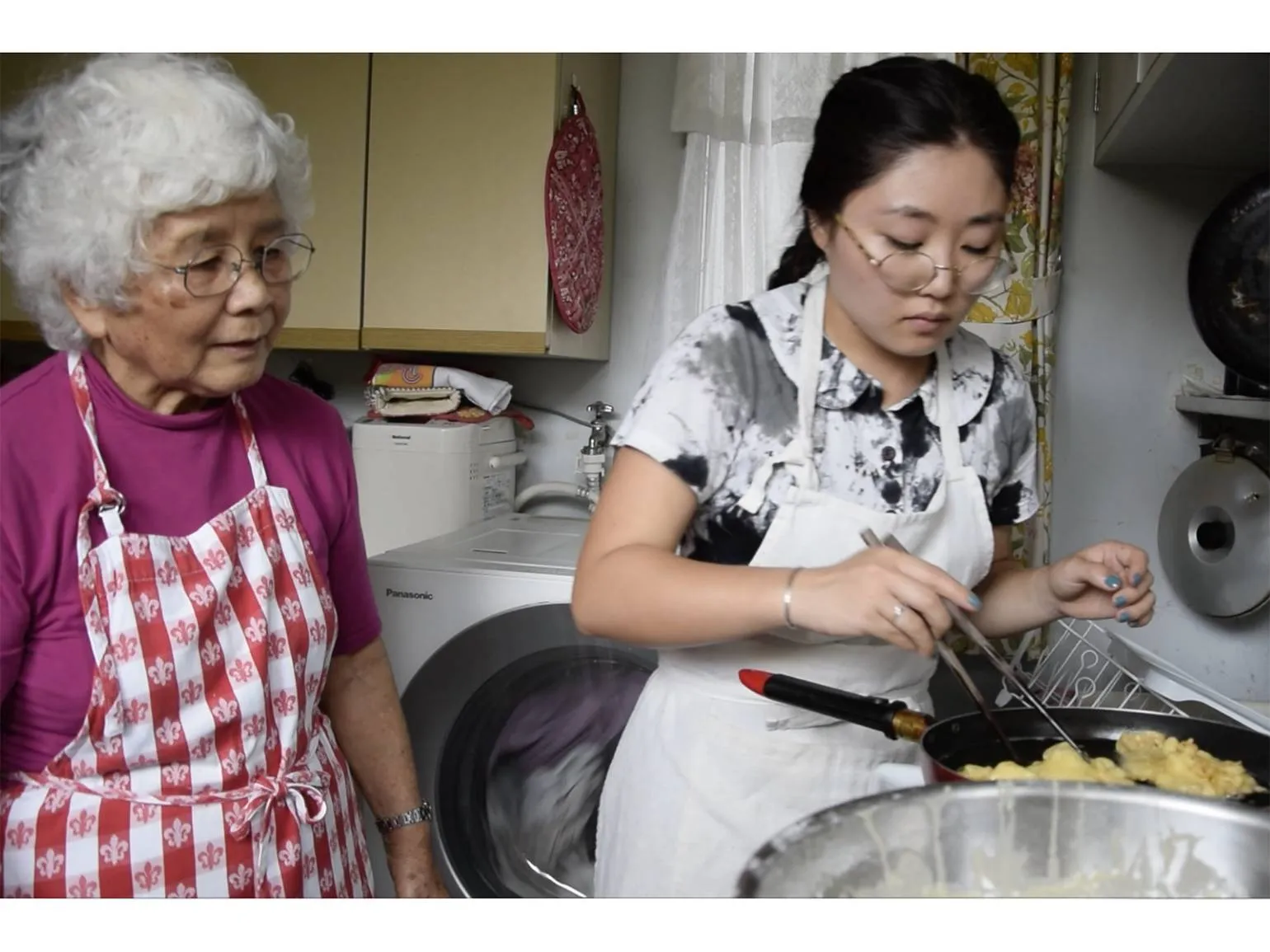
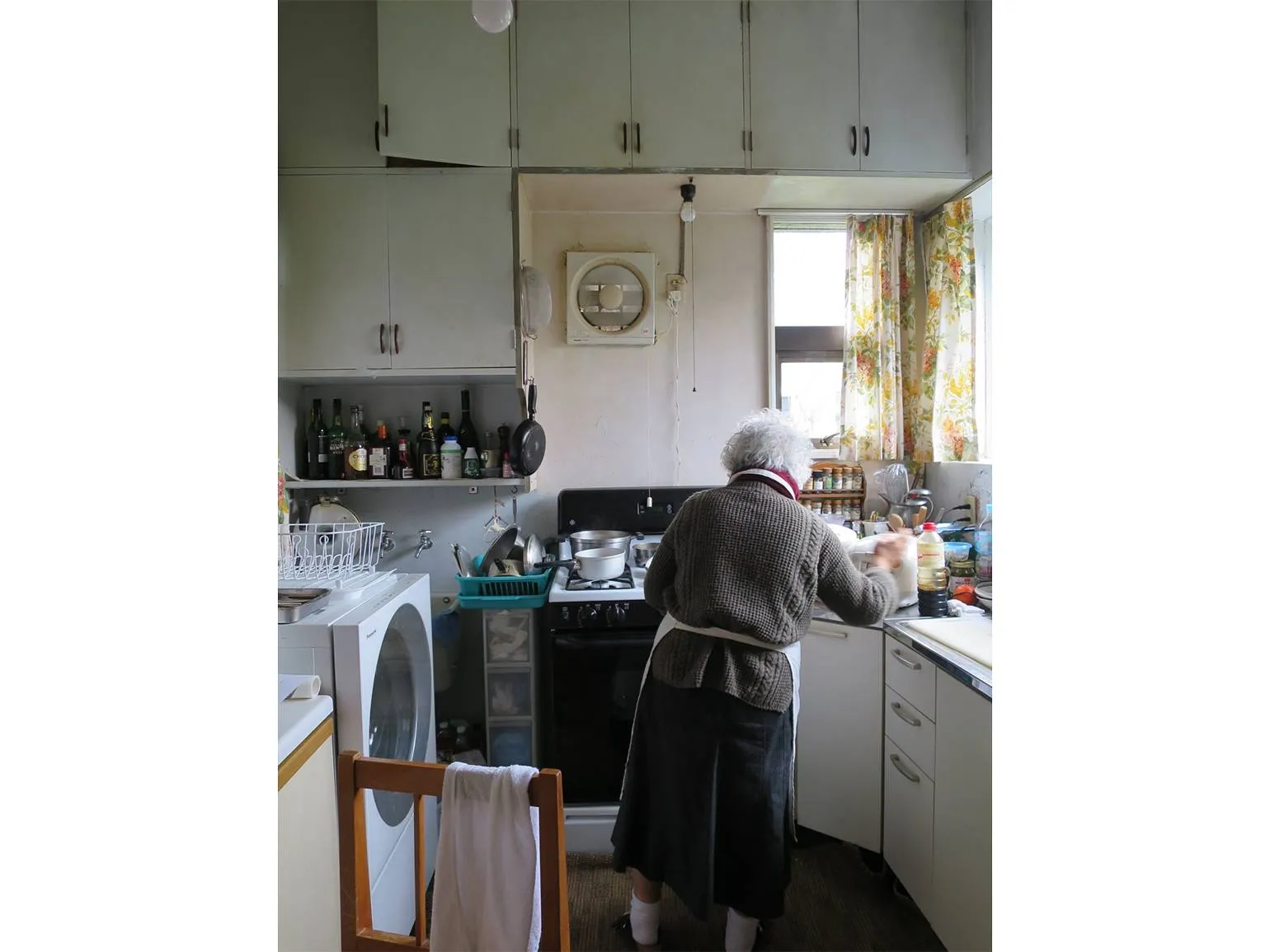
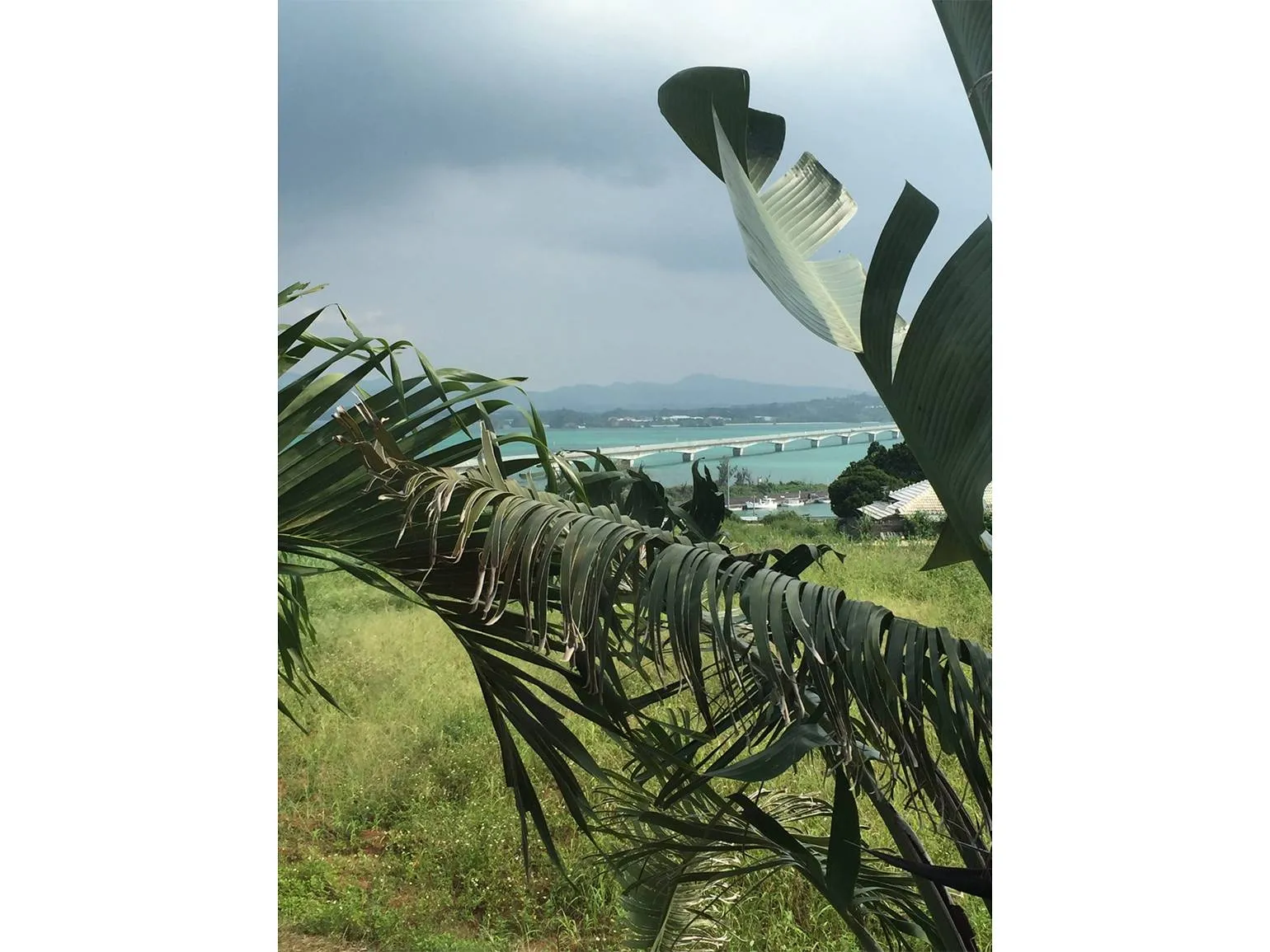
Conversations with my grandmother often bring up difficult topics. These include painful memories of the time when Okinawa was home to an American military base, as well as earlier events related to the suppression of the island's indigenous culture. These stories illuminate important aspects of historical memory and cultural identity that continue to influence modern society.
Grandmother Fumiko's stories do not focus on pain and war, as does the work of artist Keri Higa. She uses facts about occupation, war, and the suppression of ethnic identity to understand her place in history. However, her project emphasizes the joy of close relationships, responsibility, and the excitement that comes from exploring old family recipes. This expresses a sense of rootedness and a connection to long-standing traditions, emphasizing the importance of cultural heritage and personal identity in the context of historical events.
Interesting projects:
- Igor Mukhin — "Born in the USSR", "Moscow", "Weekend";
- Valery Nistratov — "Forest-Steppe";
- Anton Akimov — "Stories of Moscow Houses Told by Their Residents" and continuation of this theme in other cities;
- Dmitry Lukyanov — Instant tomorrow;
- Olga Matveeva — Feud;
- Natalia Baluta — "Gradual Sea";
- Anastasia Tsayder — "Arcadia".
Text for SEO should be optimized to attract more traffic and improve visibility in search engines. Make sure the keywords fit naturally into the content and reflect the topic. Here is the revised text:
Read also:
Author's book: how to find an idea
Finding an idea for an author's book is a key stage of the creative process. To create a unique work, it is important to consider several factors. Start by analyzing your interests and hobbies. Think about what topics inspire you and what you would like to talk about. Studying popular genres and trends in literature will help you determine what's currently relevant.
Pay attention to personal experience. Often, the most interesting plots arise from real-life events, experiences, or observations. Try writing down ideas that come to you, and don't be afraid to experiment with different concepts.
It's also helpful to connect with other authors and readers. This will help you get feedback and new perspectives on your idea. Reading books in your genre can inspire you and give you new ideas for plot development.
Don't forget the importance of your target audience. Consider who you're writing for and what topics might interest them. This will help you focus on creating meaningful and engaging writing. Ultimately, finding an idea for an author's book is a creative process that requires time and patience, but can ultimately lead to the creation of a unique work.
Profession Photographer
You will learn how to take professional photos from scratch. You will learn how to organize shoots, process frames, manage models and a team. Find your style, build an impressive portfolio, and start making money doing what you love.
Find out more