Contents:

A photographer living in Samara specializes in A combination of documentary and art photography. His work focuses on themes of collective trauma and memory, as well as ethnography, folklore, and mythology. This approach allows him to create unique visual narratives that deeply reflect cultural and social aspects of life. The photographer actively explores how memory and collective experiences shape identity and the perception of reality in contemporary society.
From 1993 to 1997, at least 10 murders committed by a serial killer occurred in the Samara region. These crimes shocked the local population and attracted the attention of law enforcement. The investigations into these cases continued for many years, and many of the victims left their families and loved ones in deep grief. The murders had a significant impact on public perceptions of safety in the region and became the subject of discussion in the media.
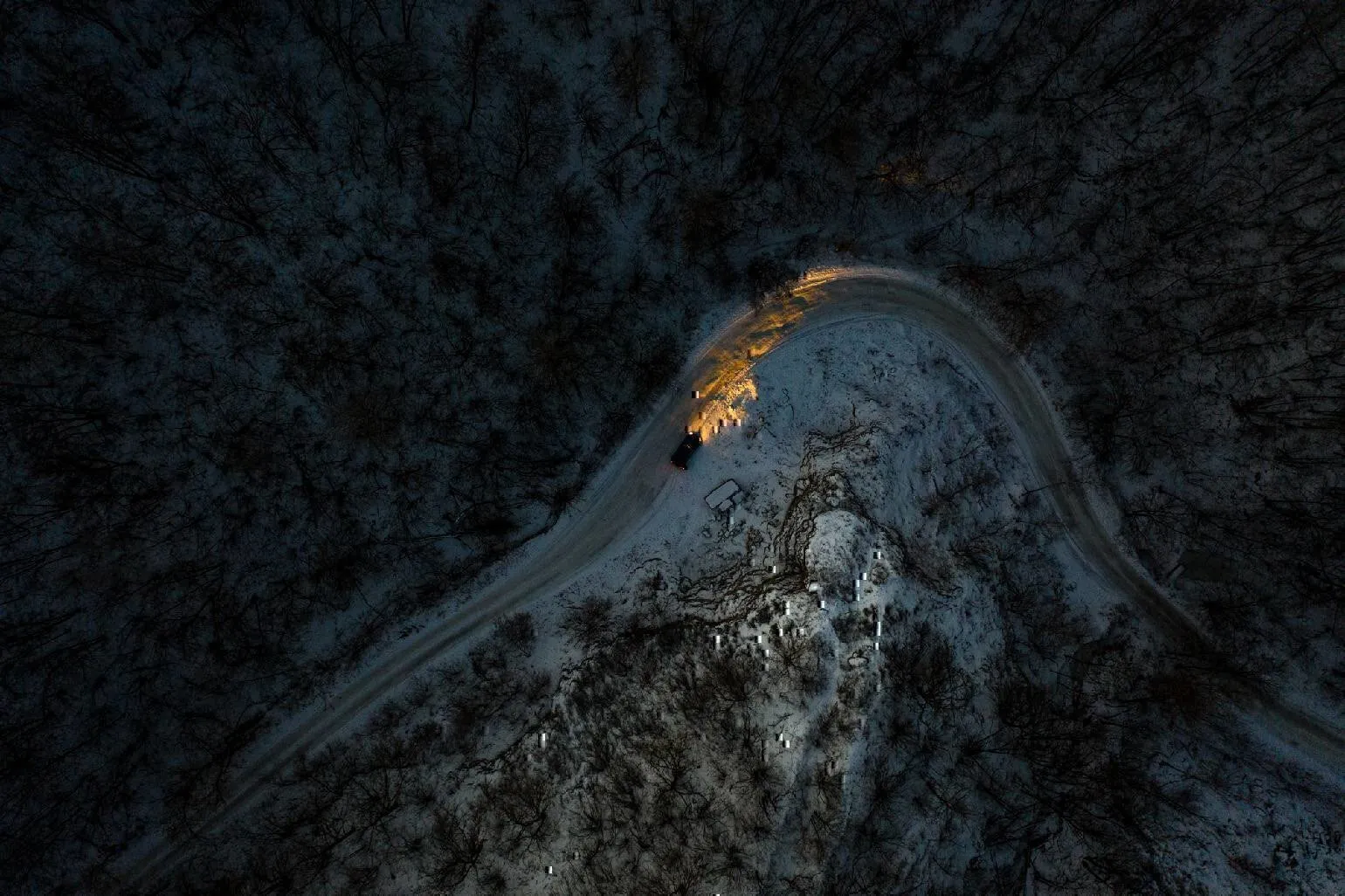
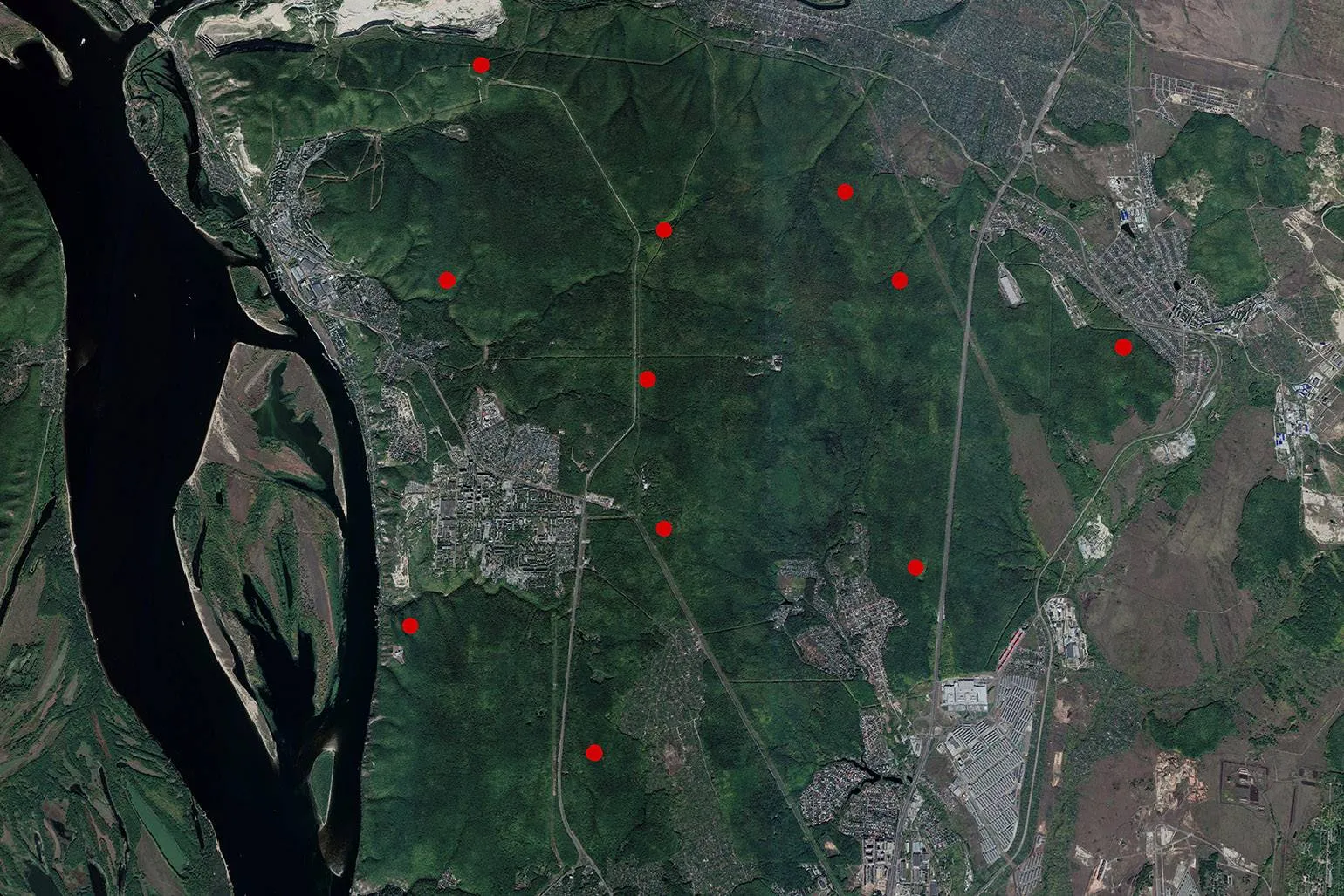
The attacks took place near the Road of Love, as locals called the dead-end section leading from the highway to the quarry. This forested area attracted couples seeking solitude. The man, later nicknamed the "Forest Maniac," waited for one of the lovers to leave a car and then attacked them with a knife. He then moved toward the person remaining in the car.
In 1999, Dmitry Voroshilov, an employee of the local Federal Penitentiary Service, was convicted of a series of murders. Investigators were able to establish his guilt in only two of these crimes. In 2012, after serving his sentence, Voroshilov was released. This case became a landmark in criminal law, raising questions about justice and the effectiveness of investigations.
Several years later, photographer Natalia Shulgina decided to rethink the story shrouded in rumors in her project "Modus operandi / Mode of Action." This project explores the complex aspects of perception and interpretation of events, drawing attention to the importance of truth and authenticity in photography. Shulgina strives to show how rumors can distort reality and how art can serve as a tool for restoring it.
A Telegram channel for photography enthusiasts. Here you will find inspiration, shooting and editing tips, and discussions of current topics in the world of photography. Join the community where experience, knowledge, and creative ideas are shared. Get helpful tips and expand your photography skills with us.
If you're interested in the diversity of the literary world, subscribe to our resource. We publish the works of talented Russian authors, follow current international competitions, and share creative advice from experienced writers. Join us to stay up-to-date on new releases and literary inspiration.
Natalia shares her impressions of the area where she lived for a long time and which witnessed tragic events. This place is incredibly beautiful, and she often visited it to photograph landscapes. During her walks, Natalia noticed a certain memory effect about the place. She's not sure whether this is due to the story of a maniac she heard or something else. However, every time she finds herself in the forest, she experiences images associated with the possibility of finding a dead body. Such places leave a deep impression and evoke strong emotions.
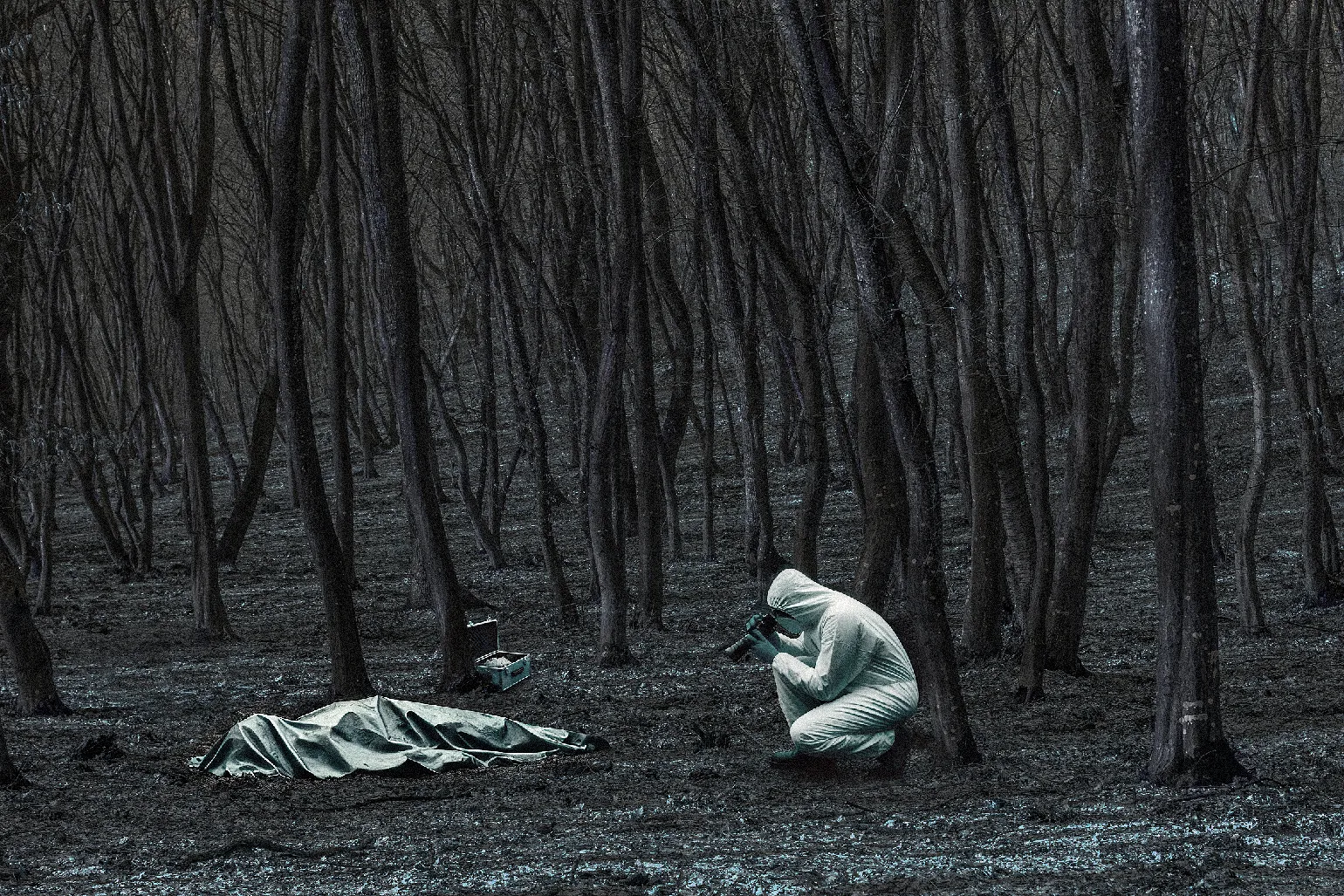
Inspired by her passion, Natalia decided to reconstruct the events that could have taken place in this forest.
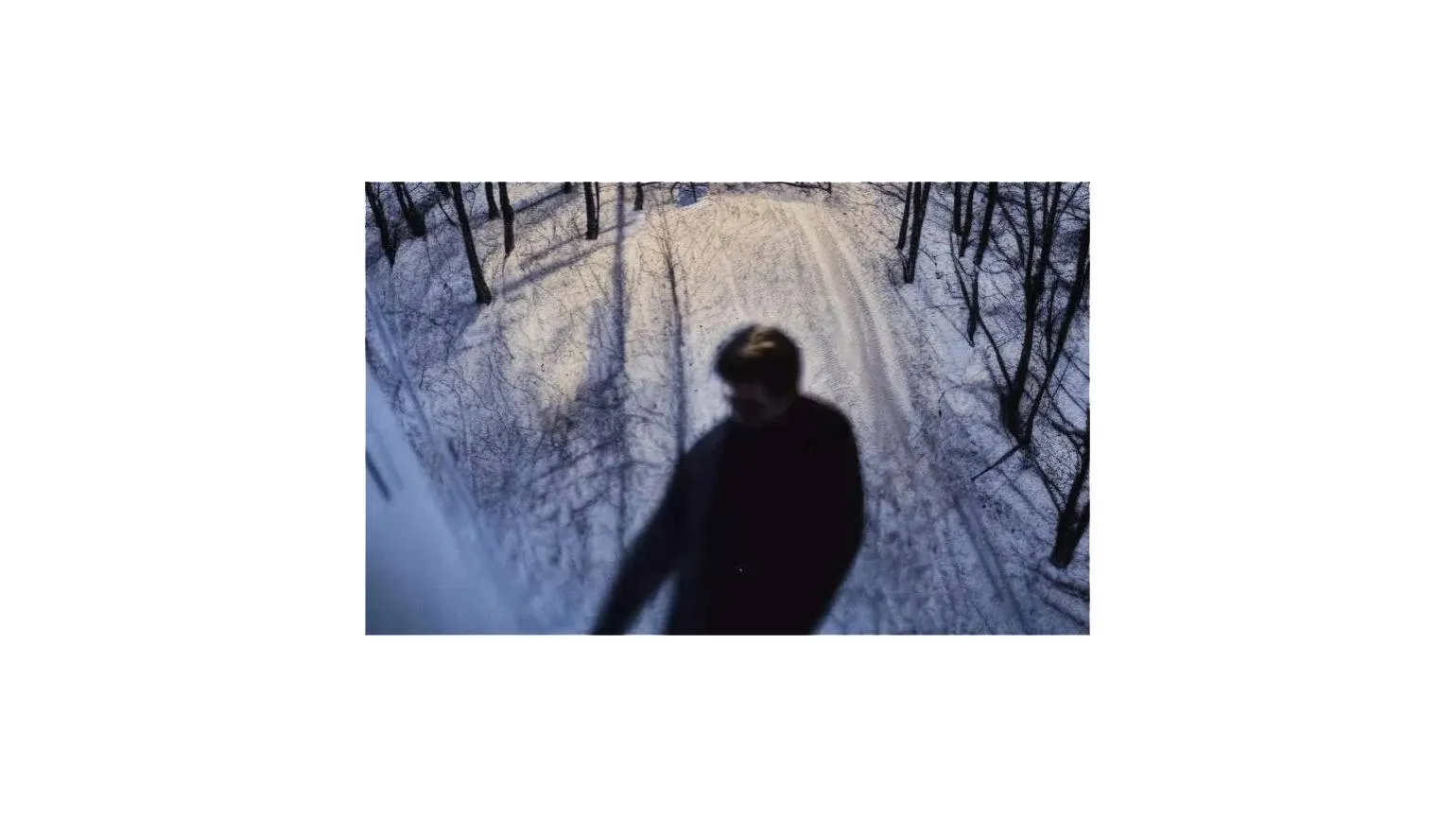
My friend and her husband unexpectedly agreed to participate in the shoot. Initially, I didn't perceive it as a photo project, but as I worked, interesting ideas began to form and material began to accumulate.
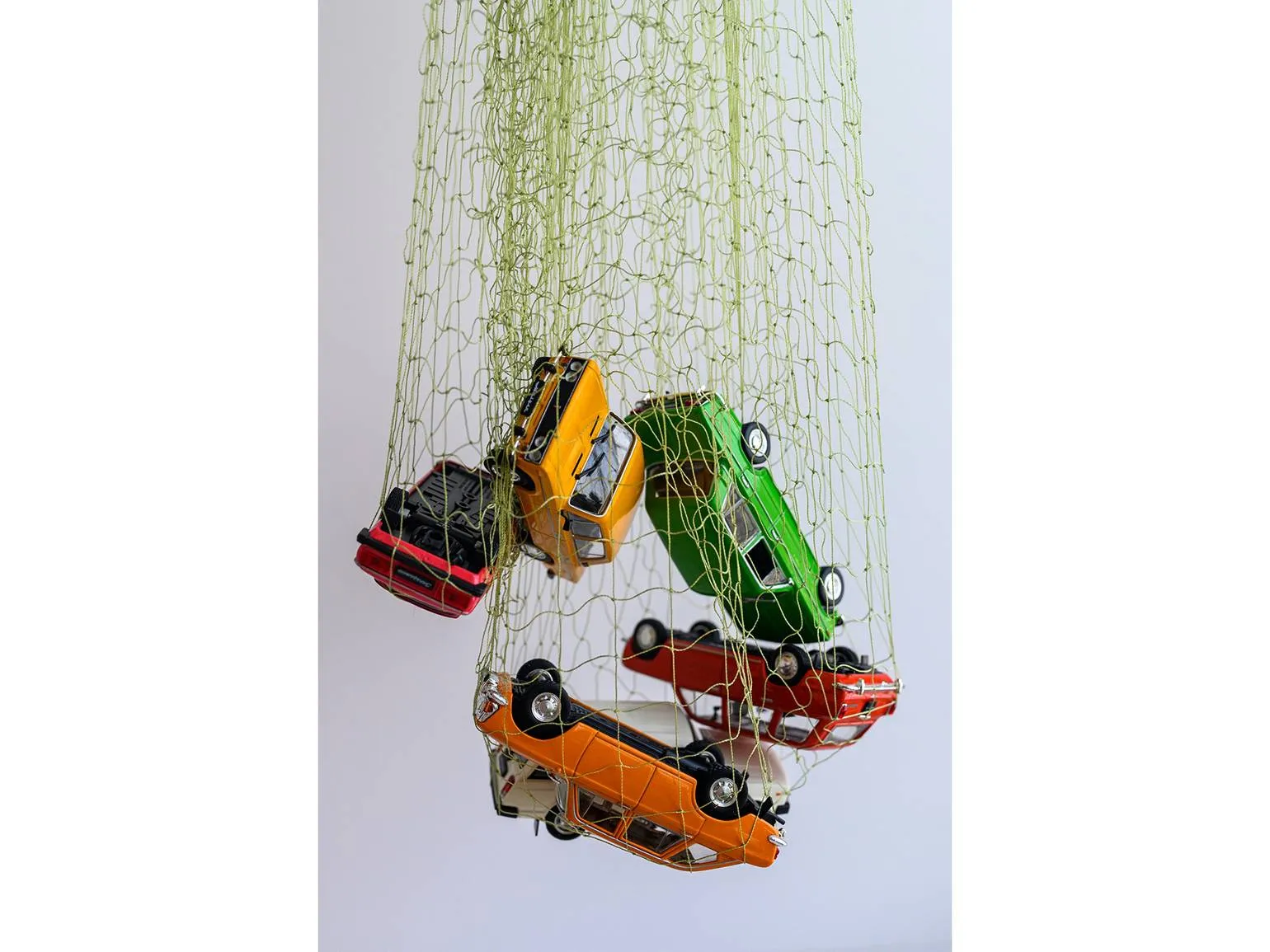
Natalia researched information using open sources, including journalistic materials about the Forest Maniac and comments from local residents on social media. However, while working on the project, she didn't strive for a rigid documentary approach. For some shots, Natalia used toys, using model Soviet cars of the same makes as those in the photographs from the criminal case. Additionally, some images were generated using neural networks. This approach allowed us to create a unique visual series that combines elements of reality and fantasy.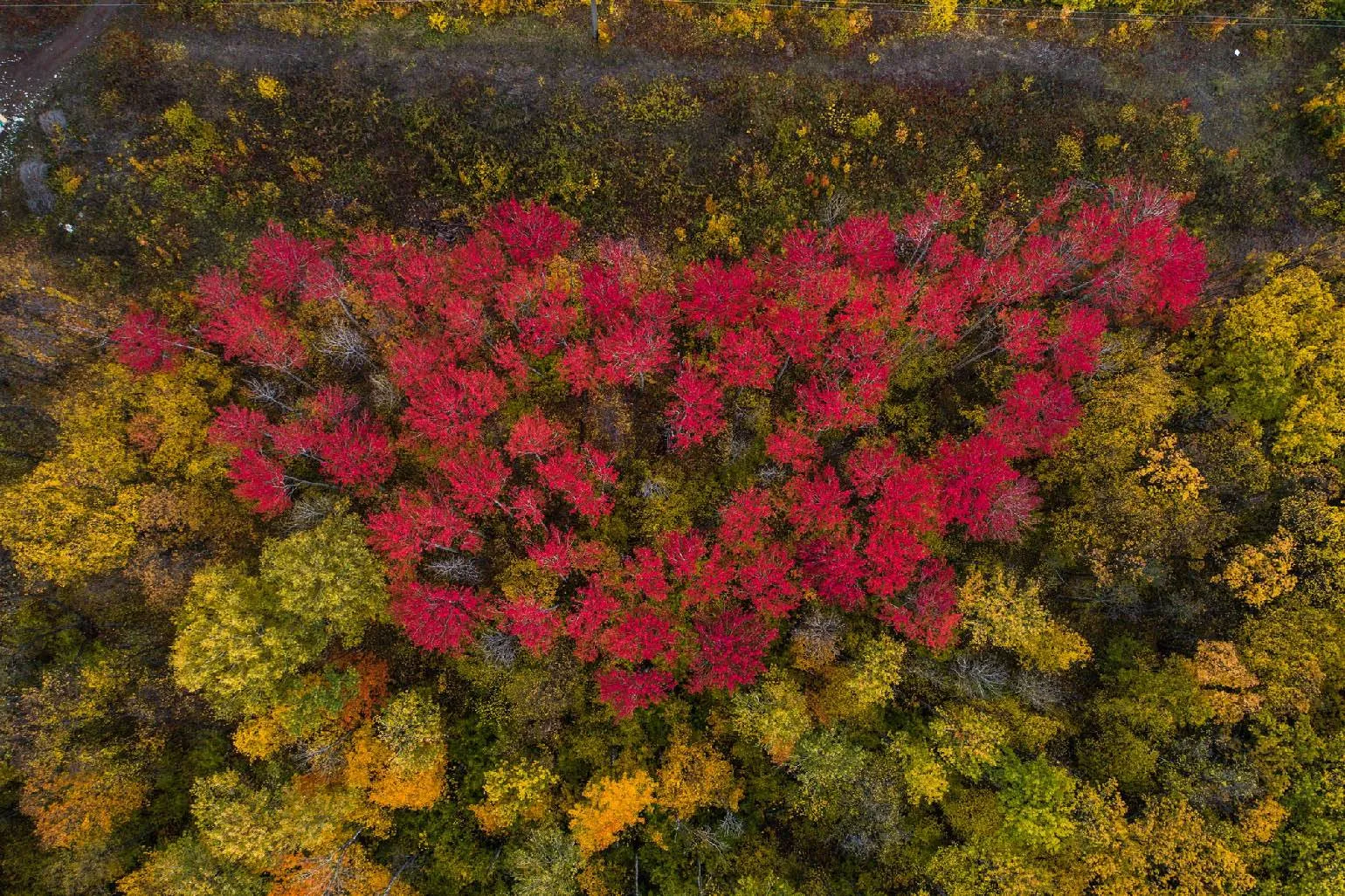
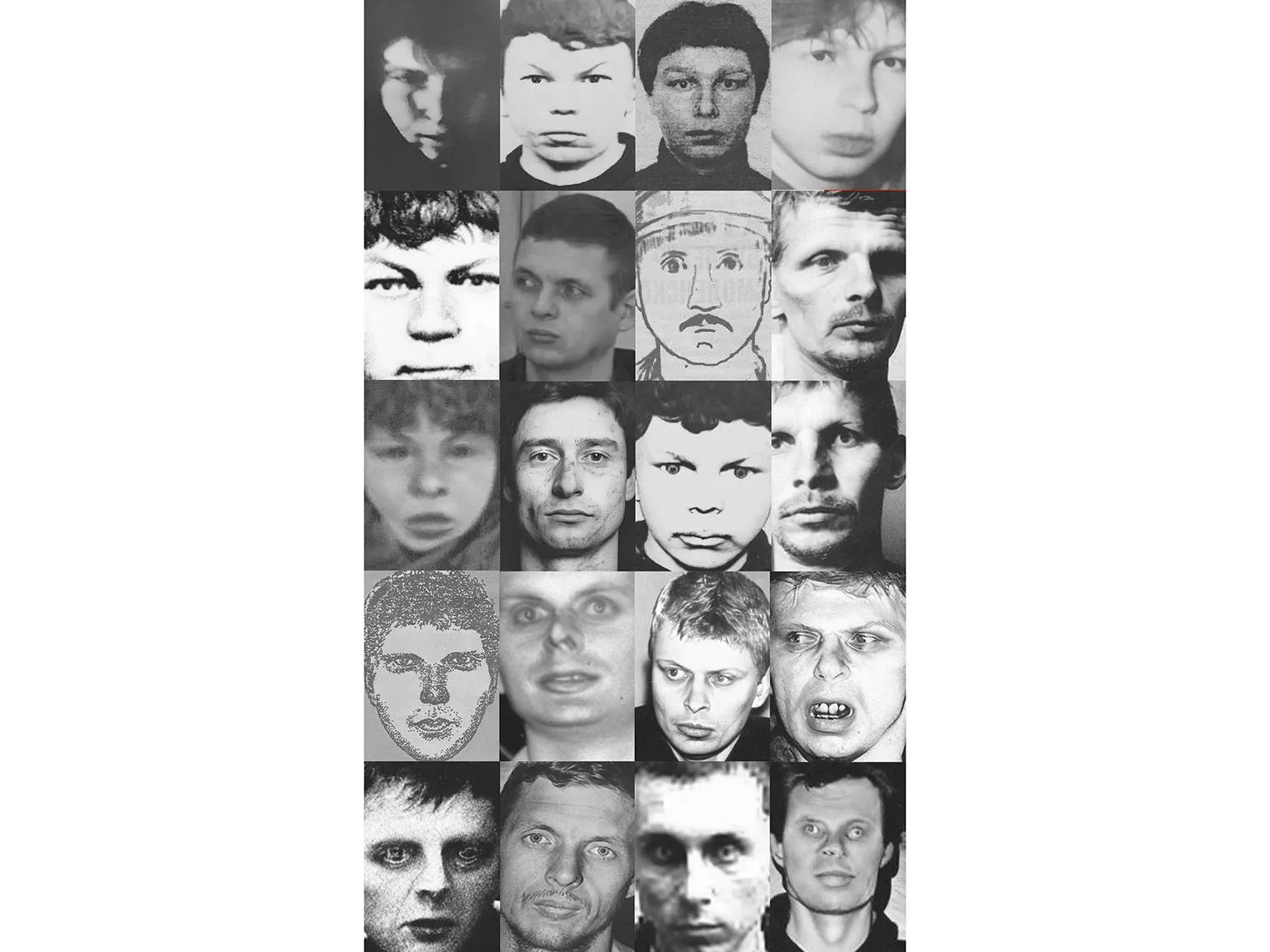
The theme of mythology in the context of crime stories is becoming especially relevant in light of the growing popularity of the true crime genre. In modern shows, real criminal cases are often mythologized, which allows viewers to perceive them from a new perspective. In Samara, in particular, there are urban legends about a maniac known as a hunter of lovers. These myths often lend a romantic tint to horrific crimes. A photographer, exploring this phenomenon, turned to artificial intelligence to demonstrate the process of mythologizing the image of a serial killer. Neural networks, using real photofits, created unique portraits of the maniac, demonstrating how visual interpretations of the same image can vary greatly. This approach highlights how technology can influence the perception of crime stories and shape new myths.
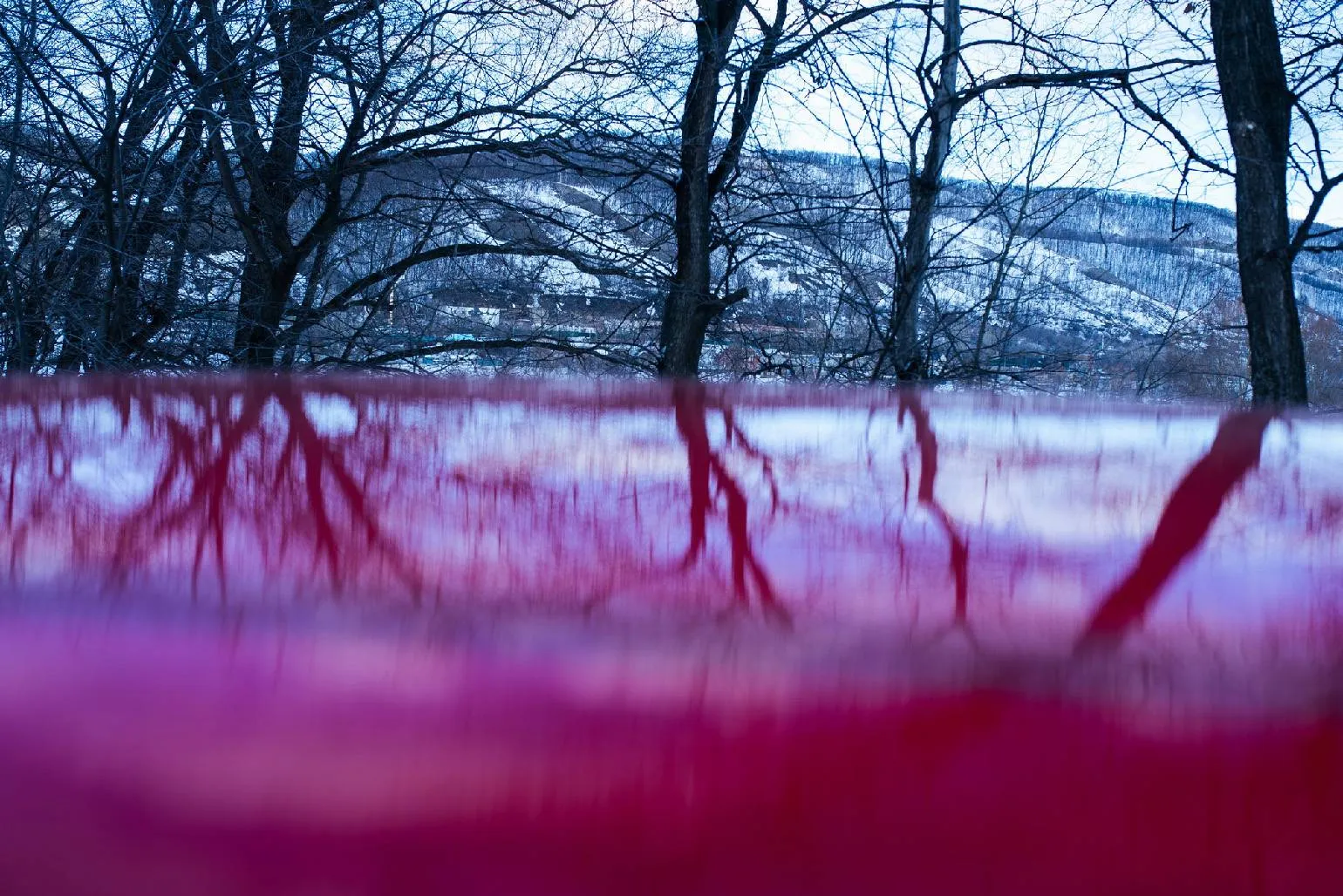
Natalia sought to highlight the ongoing doubts surrounding the Lesnoy Maniac case, which continue to worry the public.
It is unclear whether the attacks in The Forest Maniac was the perpetrator. A series of murders occurred in the 1990s, suggesting that these crimes may have been random, rather than the result of a single individual. In the Forest Maniac case, there are no confessions, and only two incidents have been proven. Moreover, similar crimes committed in a similar manner continued to occur even after this person's imprisonment.
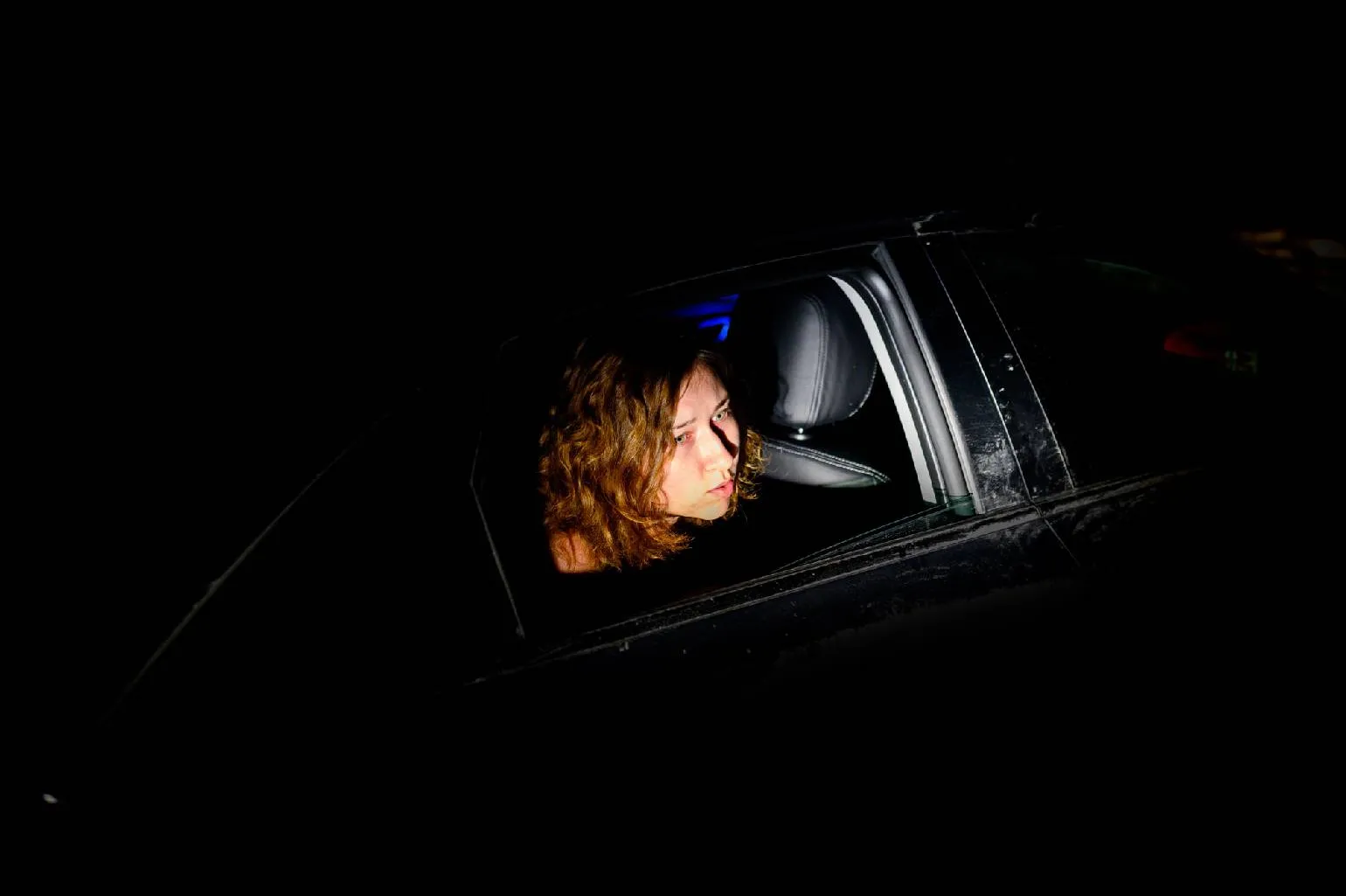
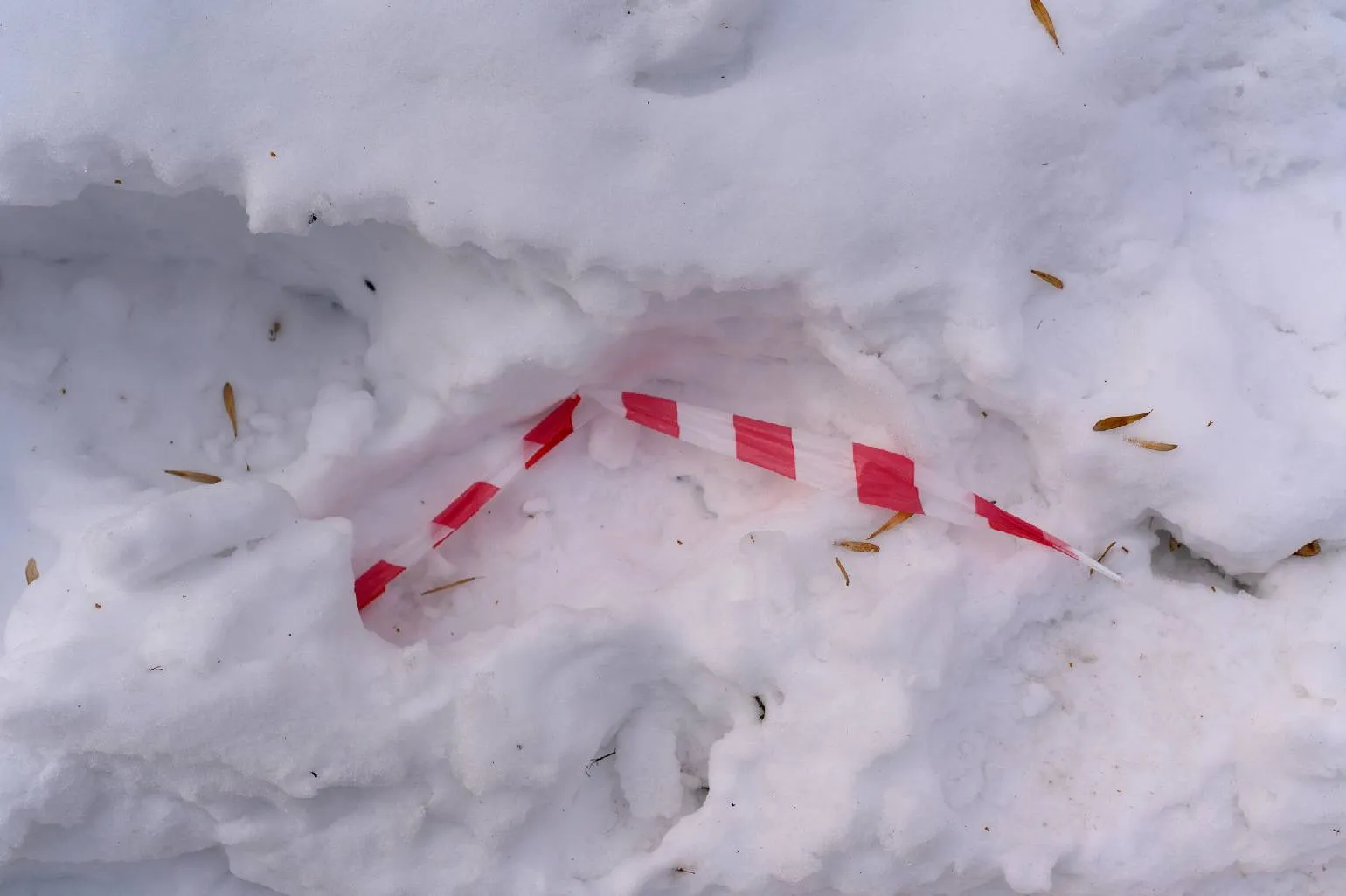
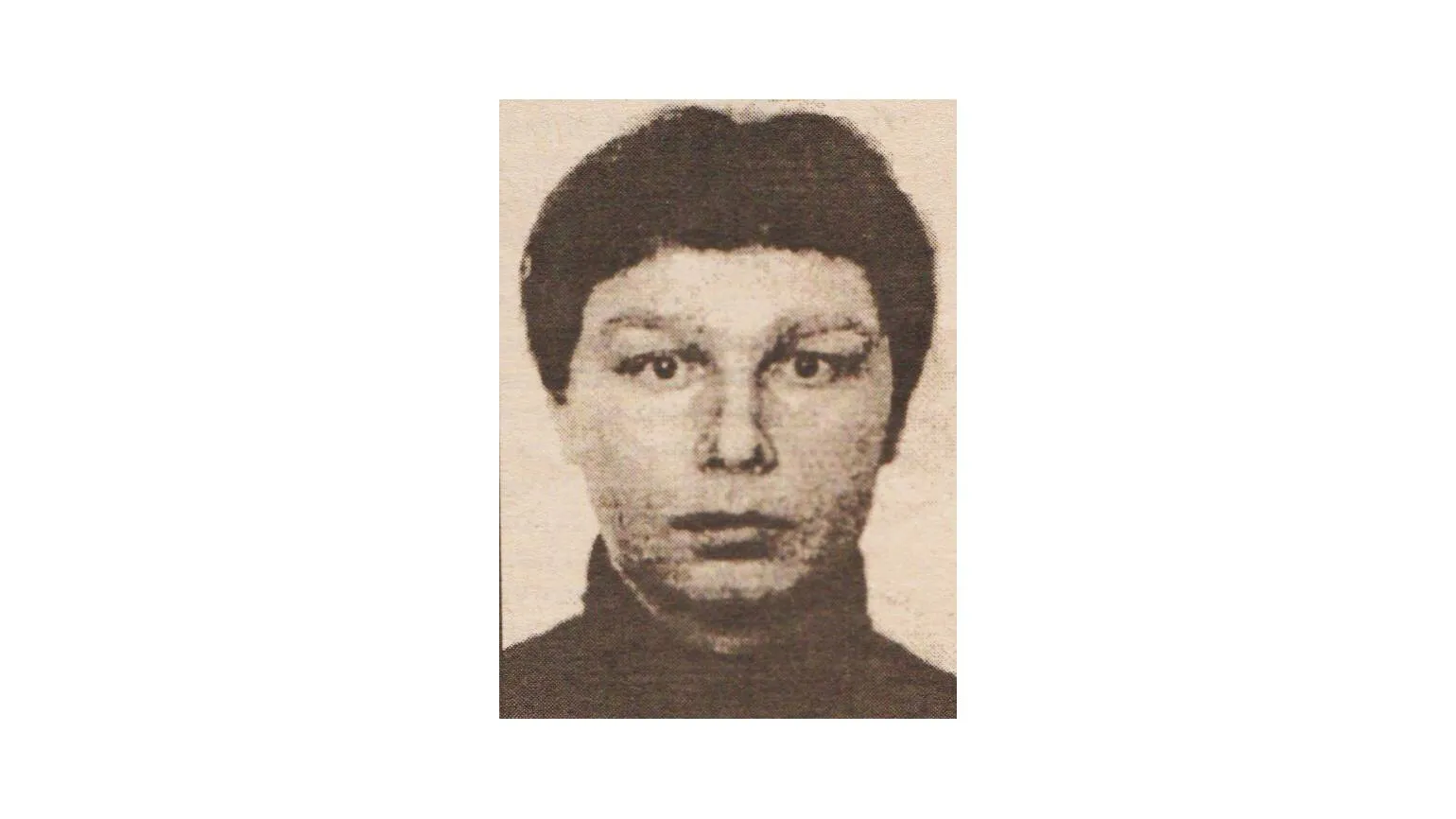
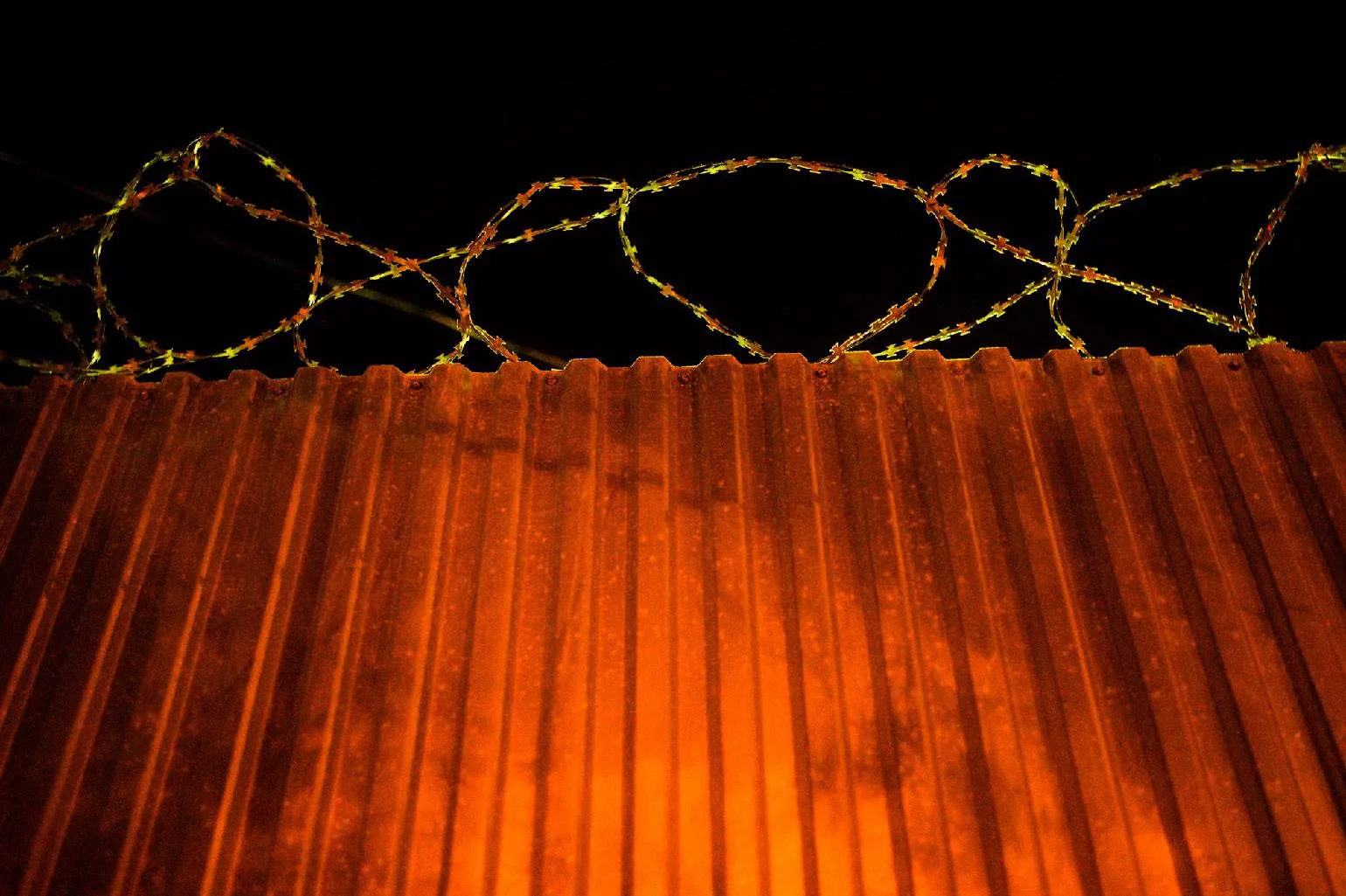
At the stage of developing a rough photo book and planning the exhibition of the project, Natalia was joined by the brave photographer Ekaterina Olenina. The artists decided to set up a table in the dark room, randomly displaying photographs and other project materials. This will allow the viewer to create their own mythological story about the events that took place in the forest along the Road of Love. This approach not only engages the audience but also deepens their understanding of the work, opening up new possibilities for interpretation.Natalia explains that the project's goal is to demonstrate how the brain forms a coherent story from fragmented data. To achieve this, the project utilizes artificial intelligence, which serves as a tool for generating artificial connections within the context of an event. The use of AI allows for a deeper understanding of the mechanisms of information processing and the creation of meanings based on disparate elements.
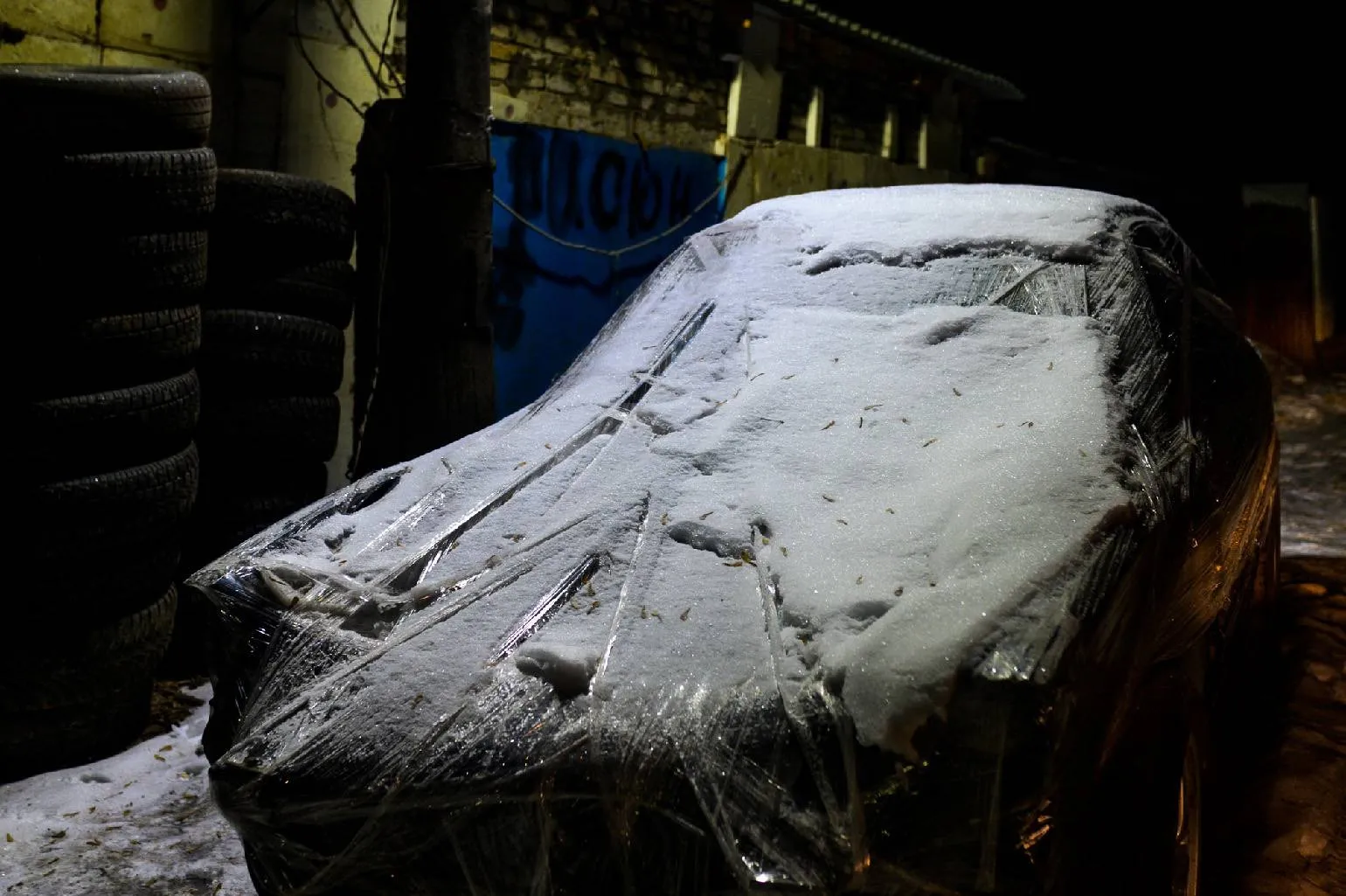
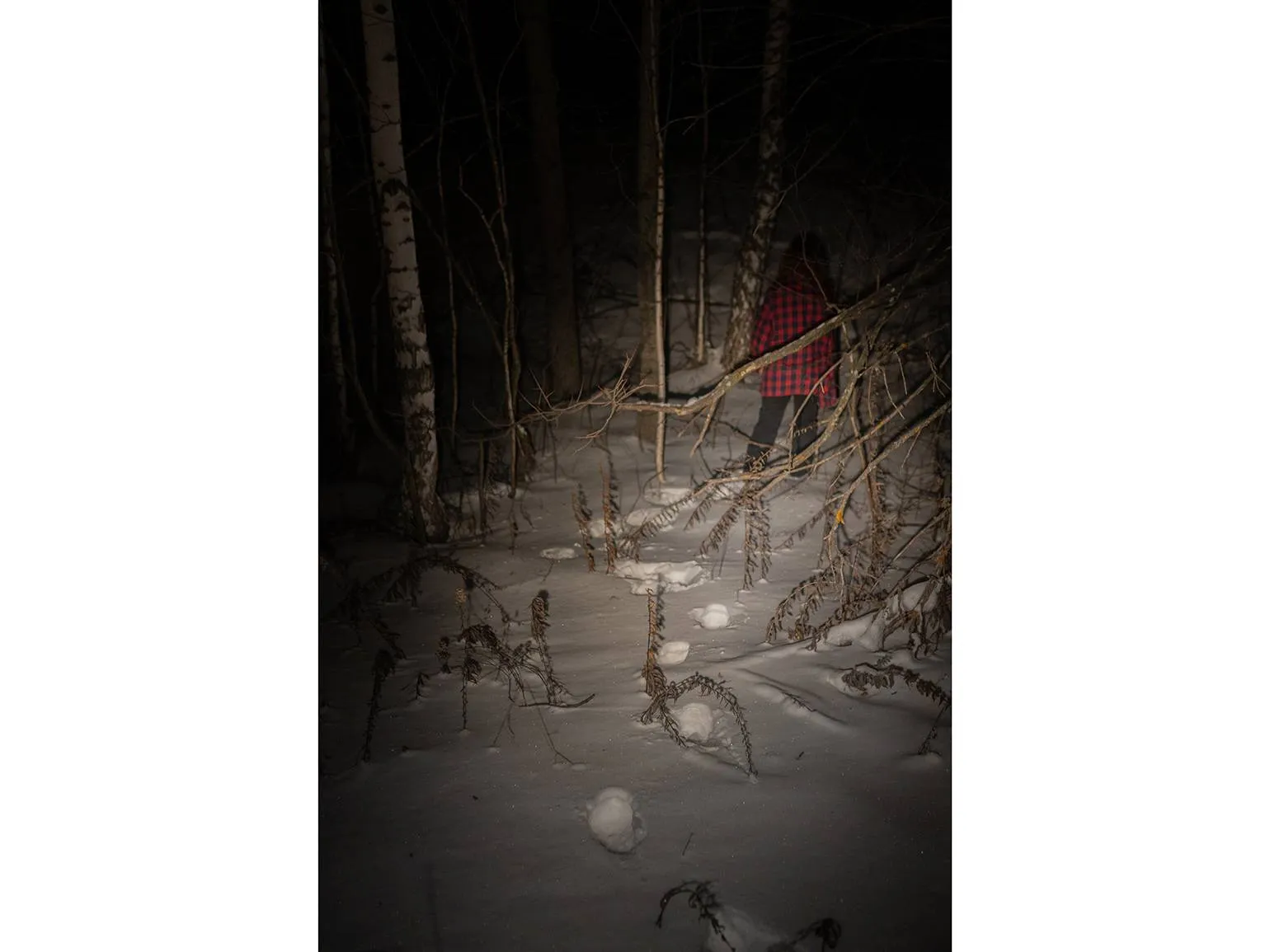
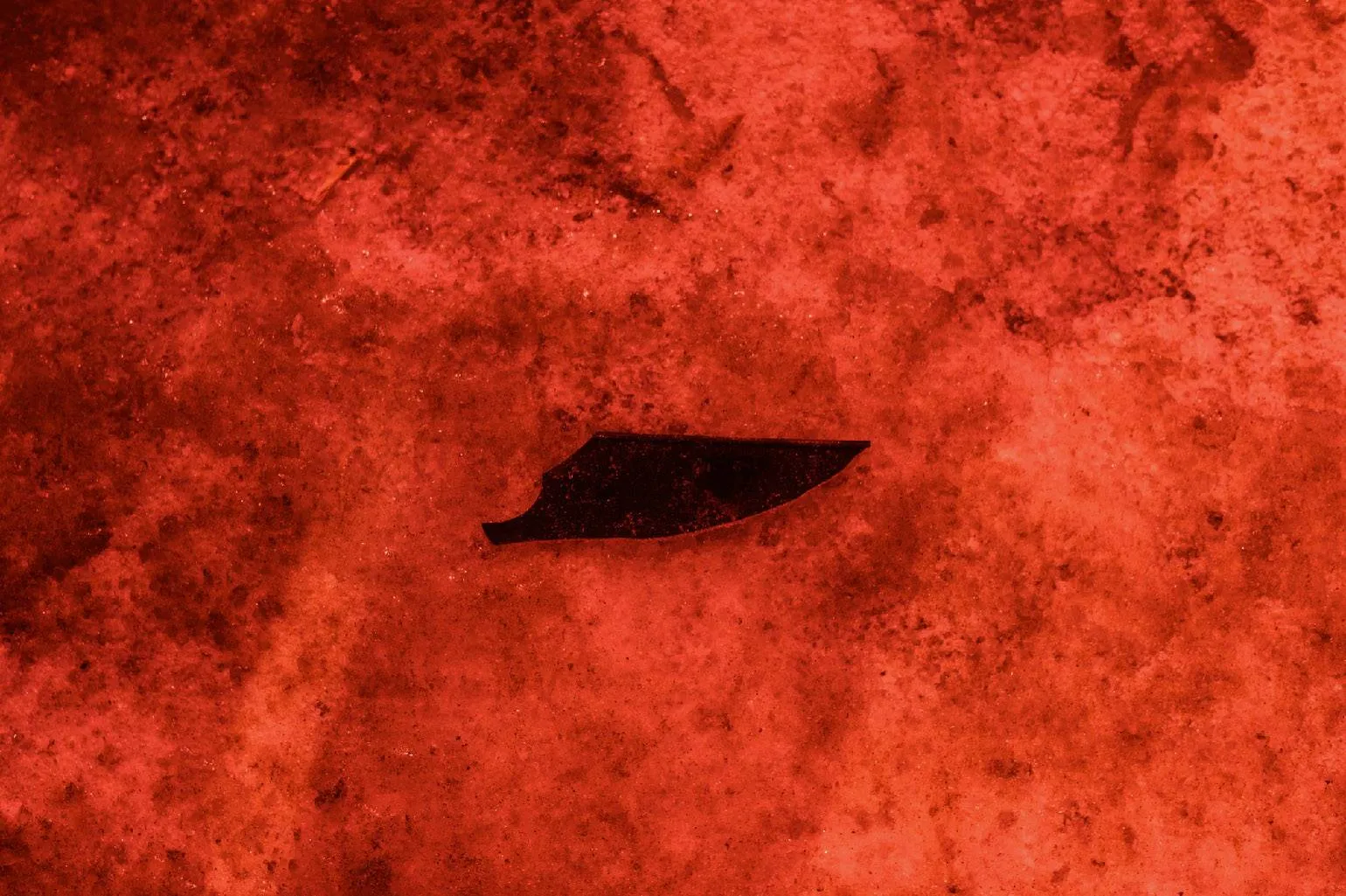
As part of the project, a new section was added dedicated to screenshots of user discussions on social networks. These images show people sharing their opinions and discussing the events surrounding the Lesny Maniac. These screenshots help illustrate public opinion and reactions to the events, and provide context for further analysis. Natalia shares her observations: "People's reactions are quite informative in themselves. They raise interesting topics for discussion. Some report living near this road and claim that the man arrested is definitely a maniac, adding, 'Now I recognize him.' Others comment that the man is certainly unusual, but can we really say he's a maniac? These statements became the basis for creating a story, which formed the basis of the draft photo book of our project."
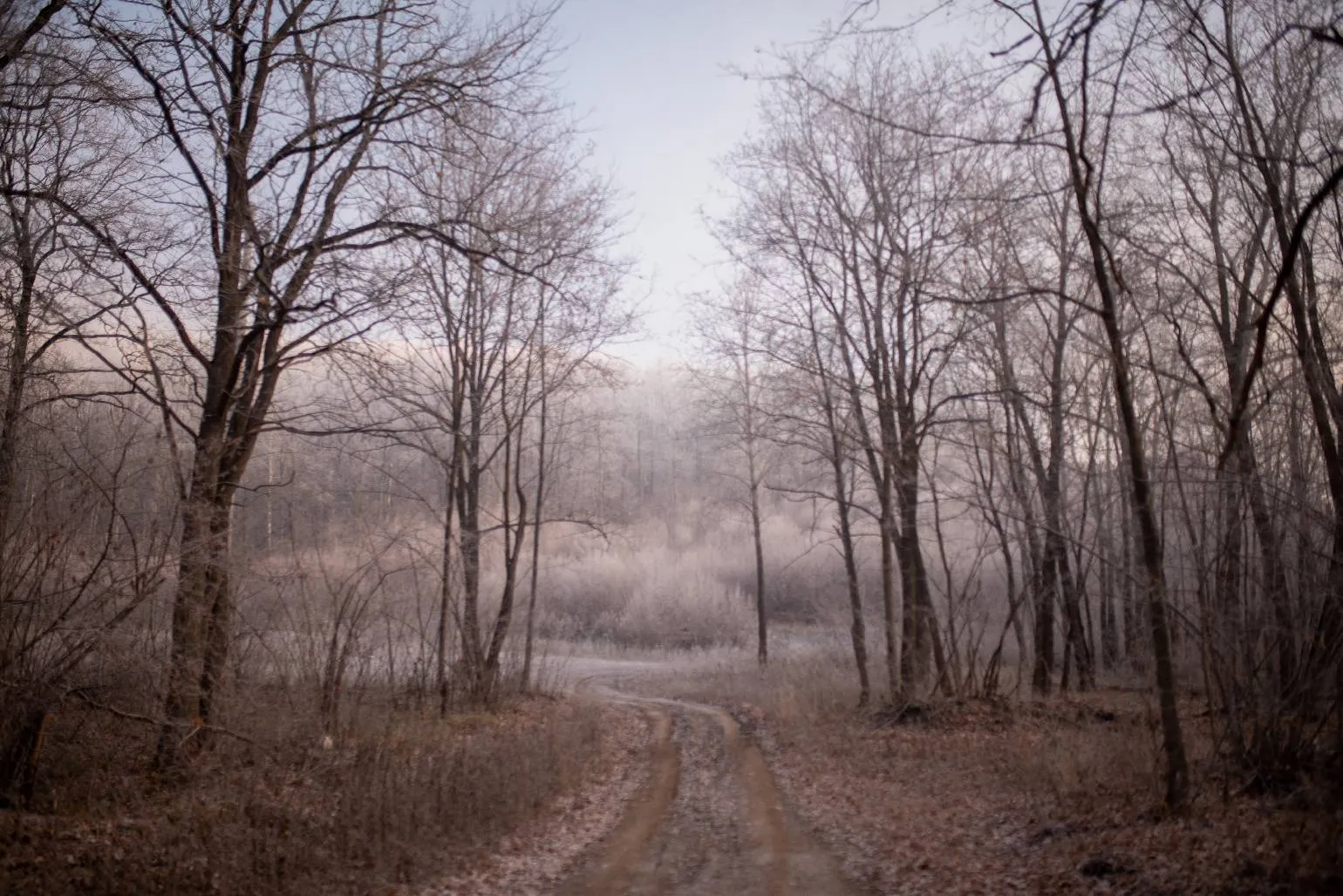
Working on the series, despite the chosen theme, did not turn out to be emotionally draining for Natalia. She was able to preserve her inner resources and creative energy, which allowed her to successfully complete the project. Natalia used effective time and emotional management techniques, which contributed to her productivity and inspiration during the creative process.
The artist shares her perspective on trauma and its perception. "Perhaps this is my way of understanding my experiences, although my story does not coincide with the fates of this man's victims," she notes. "Engaging with such topics affects people differently. Some can experience severe trauma even when watching a film about a serial killer, while others are helped by facing their fears. This is why many choose to watch films about serial killers. This project has unexpectedly become a kind of liberation for me."
Some of the images in this series illustrate how modern realities intersect with historical locations. Photographs, including those taken from the air, allow us to see changes over time.
The name "Road of Love" remains relevant to this day. Couples in love continue to visit this place to strengthen their feelings and create romantic memories. This place has become a symbol of love and affection, attracting both locals and tourists. Each year, the "Road of Love" is filled with new stories and moments that remain in the hearts of lovers forever.
Not everyone remembers this story, says Natalia. In 2012, when this man was released, many social media users began discussing how they should now live in a changed reality. This event became an important milestone, touching on issues of social adaptation and public opinion. Social media conversations reflected the fears and hopes of people seeking answers to difficult questions about justice and the possibility of second chances.
He appears to have left the region.
To effectively promote your content in search engines, it is important to consider several key aspects. First, use relevant keywords that match your topic and the interests of your target audience. Wisely distributing keywords throughout the text will help improve your page's visibility in search results.
Secondly, create high-quality and unique content that answers user questions and provides them with useful information. This will not only attract new visitors but also increase trust in your resource.
Don't forget to optimize your titles and meta descriptions. They should contain keywords and be attractive to users, which will help increase click-through rates. It's also worth paying attention to internal optimization: use links to other pages on your site to improve navigation and visitor retention.
Regularly update your content, adding new materials and updating old ones to keep the information current. By following these recommendations, you can significantly improve your site's SEO ranking and attract more targeted visitors.
Read also:
Natalia Kondratenko's photo project "On the Other Side" offers a unique perspective on the world through the prism of personal experiences and emotions. In this project, the artist uses photography as a means of self-expression, creating visual stories that provoke reflection on the human condition and its interaction with the surrounding reality. Each image reflects deep feelings and experiences, allowing the viewer to connect with themes that concern many. This photo project not only demonstrates Natalia Kondratenko's mastery but also raises important questions about life, love, and self-discovery. Opening new horizons of perception, "On the Other Side" becomes a significant contribution to contemporary photography.
A Telegram channel for photography enthusiasts. Here you will find inspiration, shooting tips, and image editing recommendations. Subscribe to stay up-to-date with interesting materials and exchange experiences with other photographers. Join a community where everyone can share their creativity and learn something new about the world of photography.
If you want to learn about the diversity of literature, join us. We publish the work of talented Russian authors, follow global competitions, and share creative life hacks from experienced writers. Subscribe to our content to stay up-to-date with interesting materials and writing tips.
Profession Photographer
You will learn to take professional photos from scratch. Learn how to organize a shoot, process footage, and manage models and a team. Find your style, build an impressive portfolio, and start making money doing what you love.
Find out more