
Between 1870 and 1890, modern man became someone who strove for dynamics and kept up with technological progress. In this context, the bicycle became a tool that opened new horizons for personal space. Culturologist Alexandra Yurgeneva explores cycling and the symbolism of a person with a bicycle in photography. We present an excerpt from her book "Man as a Social Body", published with permission of NLO Publishing House.
The book "Man as a Social Body. European Photography of the Second Half of the 19th Century" provides an in-depth analysis of photographs reflecting the lives of people from various social groups and professional spheres of that time. The author explores how Europeans' relationships with their own bodies have shaped the context of social change and cultural transformation. The work offers unique perspectives on the perception of the body, identity, and social roles, emphasizing the importance of visual images for understanding the historical context.
Alexandra Yurgeneva is a PhD candidate in cultural studies and a senior researcher in the Department of Artistic Problems of Mass Media at the State Institute of Art Studies. In her work, she examines the influence of mass media on culture and analyzes the artistic aspects of modern media formats. Alexandra actively participates in research projects and publications, contributing to the development of cultural studies in the field of mass communications and art.
Society and the Concept of Movement. The Athletic Body in Photography
In the context of cycling, two main types of images can be distinguished: photographs from competitions and portraits of cyclists. In these images, the human figure and the bicycle form an inseparable union. In portraits, bicycle owners often hold the handlebars, with the bicycle itself positioned in the foreground or slightly offset. This creates a stable composition reminiscent of a triangle or trapezoid, symbolizing the confidence of a person who controls their own path both on the road and in life. This reflects the image of a self-sufficient individual who replaced the traditional Victorian representatives. The conflict between generations and physical practices is vividly illustrated by the life of Edmund Dangerfield, one of the founders of the cycling magazine Cycling, which has been published since 1891 and is now called Cycling Weekly. His success in cycling took a toll on his relationship with his father, a factory owner, highlighting the tension between tradition and modern values in the world of cycling.
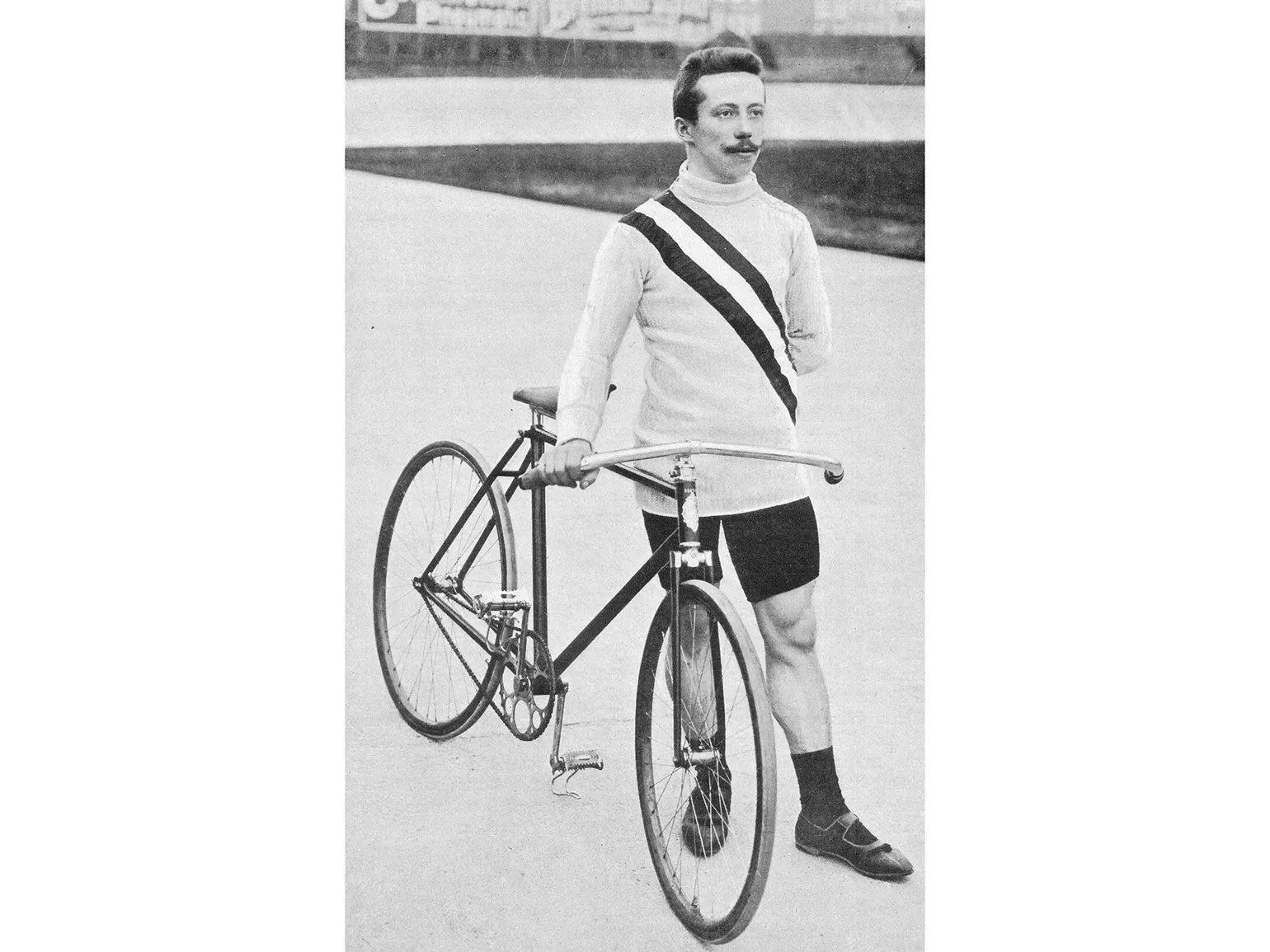
The bicycle significantly increased the radius The bicycle revolutionised human mobility, making it easier to travel through rural areas and allowing city dwellers to explore new territories. The freedom of movement provided by the bicycle had a significant impact on a variety of professions, including postmen, doctors, and rural priests. This mode of transport became an integral part of their daily lives, allowing them to carry out their duties efficiently and significantly reducing travel time. As a result, the bicycle not only changed people's lifestyles but also became an important tool for the development of rural communities.
With this unusual means of transport, he, a city dweller, set off for the countryside, which at that time remained virtually unexplored territory for most people from the city.
Bristol Cyclists and Tricyclists Club: Victorian Cyclists
The Bristol Cyclists and Tricyclists Club was founded in the Victorian era and has become an important part of cycling history. The club brought together lovers of two-wheeled transport and became a meeting place for enthusiasts striving to develop cycling.
The Victorian era saw the rapid development of bicycles and tricycles. Bicycles became accessible to the general population, and clubs like the Bristol Cycling Club helped popularize this mode of transport. Club members participated in competitions, organized bike rides, and shared experiences, contributing to the development of cycling culture.
Today, the Bristol Cycling and Tricycle Club continues to uphold its traditions, attracting new members and promoting cycling as a healthy and environmentally friendly means of transport. The club actively participates in organizing events and social activities aimed at promoting cycling in the region.
Photographs of cyclists are most often taken outdoors, but clients often pose in the studio against a backdrop of painted landscapes with fake bushes and trees. Such images depict cyclists in their "natural environment." As evidence of the importance of getting away from the hustle and bustle of the city, one of the authors of the Manchester Guardian in 1895 cites the words of a writer who described meeting a man who spent most of his time in a small shop hung with leather goods. This man enthusiastically shares his memories of his Sunday ride: "It was an unforgettable day! I even stopped and got off my bike when I saw violets growing on the side of the road." Bicycles offer the opportunity to move quickly and change environments with minimal physical exertion, especially compared to running. German sports physician F. A. Schmidt argued that for many women, cycling fifteen miles is no problem, while walking five miles can be challenging. He emphasized that cycling is an ideal form of physical activity for those who would otherwise remain at home. Cyclists can enjoy changing scenery while covering significant distances. The image of a cyclist is closely linked to the concept of the body as "reflecting images and analyzing them according to various stimuli," described by Henri Bergson in Matter and Memory (1896). This dynamic body constantly interacts with new objects and reacts to changes in the environment, making it a symbol of freedom and the desire for adventure.
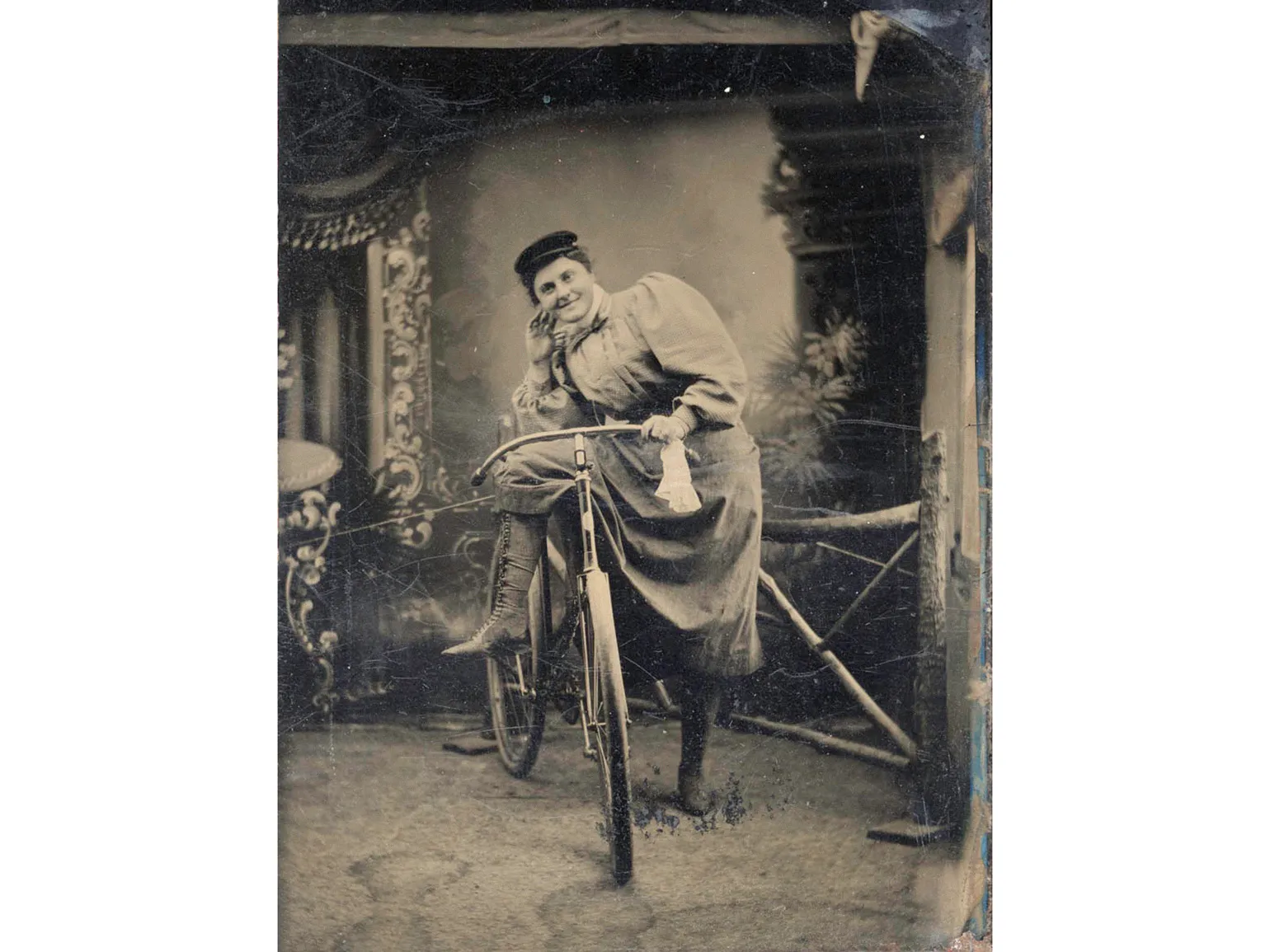
The readiness for action is especially evident in photographs of female cyclists, confidently gripping the handlebars. They are dressed in clothing that was revolutionary for its time: shortened skirts or bloomers, known as "cycling pantaloons." These images symbolize not only the desire for freedom of movement but also the breaking with traditional stereotypes about women's fashion. The influence of such outfits on the popularization of cycling among women is undeniable; they were an important step towards the creation of more comfortable and practical women's clothing.
By the beginning of the 20th century, the cycling suit had acquired a complete look. It included a short jacket worn over a men's-cut shirt and wide bloomers. This style became an essential part of cyclists' wardrobes, combining comfort and functionality for an active lifestyle.
Kapustina D. Study of the influence of cycling fashion on the development of women's tracksuits in the late 19th and early 20th centuries. During this period, bicycles became popular among women, which significantly influenced changes in sportswear. Women began actively participating in cycling, which necessitated the creation of comfortable and functional clothing. Tracksuits of the time became more practical and adapted for active recreation, with an emphasis on comfort and freedom of movement. This led to a transformation of traditional notions of women's fashion and contributed to the popularization of women's sports in general. The influence of cycling culture on fashion paved the way for further changes in the design and functionality of women's sportswear, opening new horizons in the world of fashion and sports.

A Telegram channel for photography enthusiasts. Here you will find inspiration, shooting and editing tips, and discussions of current trends in the world of photography. Join our community to share your work, receive feedback, and meet like-minded people. We discuss various styles and techniques, from portraiture to landscape photography, and help each other grow as photographers. Don't miss the opportunity to learn more about equipment and image processing software tips. Stay up-to-date with the latest photography news and events by subscribing to our channel.
If you're interested in the diversity of literature and want to discover new horizons, subscribe to our resource. We publish works by talented Russian authors and follow current international competitions. We also share creative life hacks from experienced writers that will help you develop your skills. Join us and dive into the world of literature with us.
Modern society often negatively perceives elements of men's clothing on women, making such images in photographs a true challenge to traditional norms. This is a visual statement of one's rights and freedom of expression. One woman, who decided to take a walk around the city in a "practical dress," shared her experience, emphasizing how important it is for her to be able to push the boundaries of style and assert her individuality.
Eight people wanted to know the address of my tailor, and even more wanted the name of my hatter. A ragged boy ran past and asked me for matches. "Could you lend me some matches?" The barber, a little further down the road, looked even better. He stood on the step and asked, "Would you like a shave, sir?"
Chains of Freedom: The Impact of the Bicycle on Britain in the 1890s.
In the 1890s, the bicycle became a symbol of freedom and independence in Britain. Previously an item available only to the wealthy, it significantly changed social and community dynamics. The bicycle opened up new horizons for transportation, allowing people to cover greater distances without having to rely on public transport or horses.
The impact of the bicycle on women was particularly pronounced. With the advent of the bicycle, women were able to travel independently, which contributed to their emancipation and changed traditional roles. Bicycles became not only a means of transportation, but also a tool for social and political activism.
Furthermore, the development of cycling infrastructure, including road surfaces and bike paths, contributed to improving living conditions in cities. The increase in the number of cyclists also stimulated the economy, opening up new opportunities for businesses related to the production and maintenance of bicycles.
Thus, in the 1890s, the bicycle became not just a means of transportation, but an important element of the cultural and social transformation of Britain, changing the idea of freedom, mobility, and equality.
Schmidt, a representative of the medical discourse, raised the important issue of clothing comfort, focusing on the needs of the body. He argued that a "practical" dress, for example, with a shortened skirt, is a blessing not only for women who were keen on cycling. The bicycle took a special place in the lives of women, giving them the opportunity to take long walks and creating a unique personal space along the way. This space was unavailable when traveling by train or cab. A woman could choose her direction of travel and avoid unwanted company from fellow travelers, which was especially important when using public transport.
However, as one case demonstrates, only an uncomfortable traditional dress could protect a cyclist from negative reactions from others. The newspaper Sport im Bild describes a scandal that occurred in the outskirts of London, when a priest and his wife, dressed in a pantsuit, rode a two-seater bicycle to church. Parishioners expressed dissatisfaction, but the priest defended his wife's right to comfort, declaring, "What a woman wants, God wants." This incident highlights the importance of choosing clothing that meets not only aesthetic but also practical requirements, promoting women's freedom of movement and self-expression.
It is interesting to note that the image of a woman on a bicycle has become an important element of erotic photography. Uwe Scheid's collection features a series of photographs featuring completely nude models posing against a painted streetscape. Two models are perched on a flower-covered two-seater bicycle, one on a tricycle, and a fourth is miming a fall from a bicycle. Thus, the free expression of female cyclists is transformed into an overtly sexualized image. This image would certainly not have emerged in the photographs without the existing connotations in public perception, linking women and bicycles with sensuality and provocation.
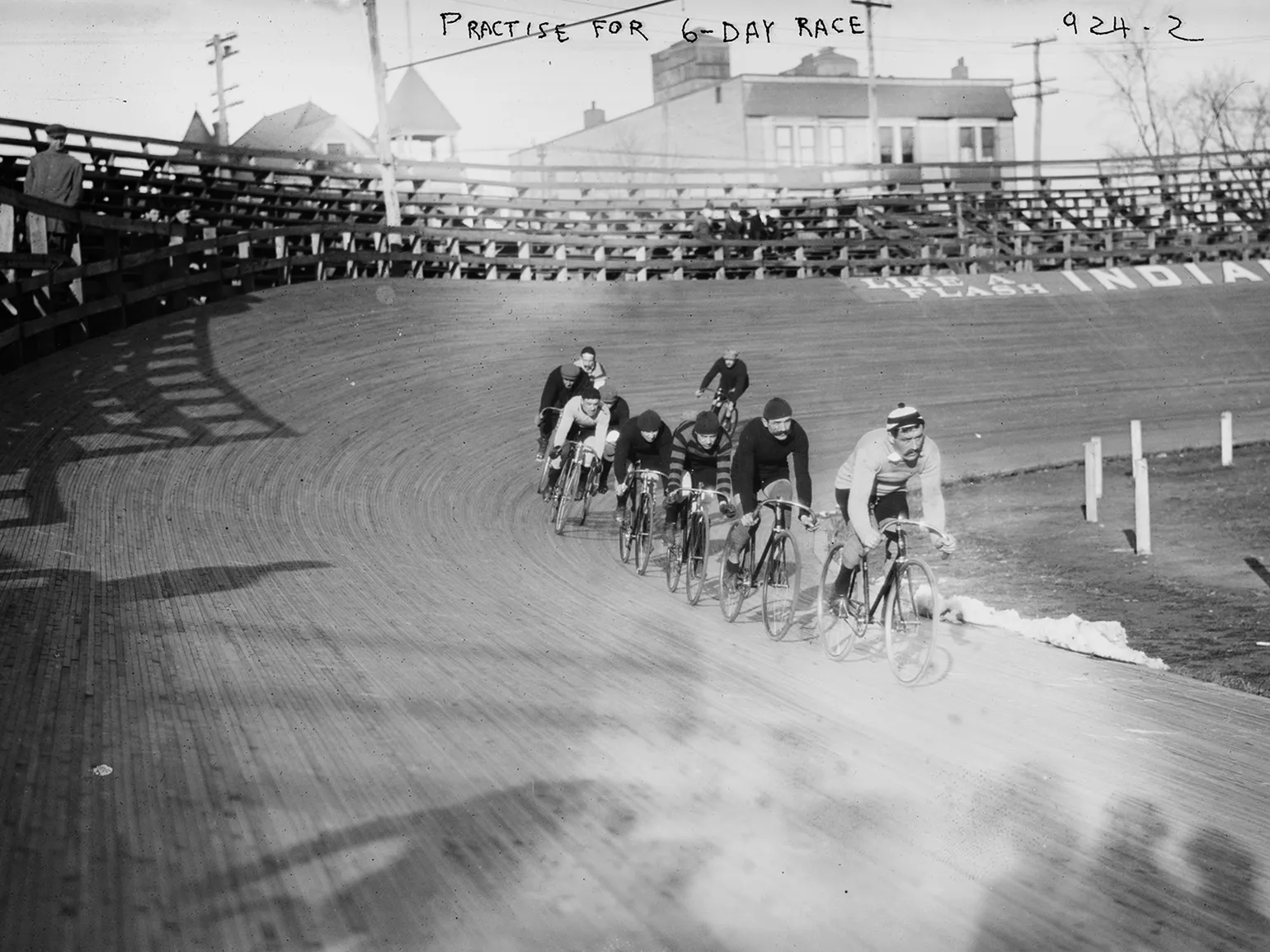
Snapshots of a bicycle race are especially important for our topic. In photographs capturing the first women's race in England and other moments, you can see how the figures of cyclists lean synchronously along with their bicycles. These images convey the dynamism and speed characteristic of cyclists. In another photograph, athletes at the start hold tightly to the low handlebars, their feet already on the pedals, and coaches support their unified structure, ready for a rapid start. Even in the studio, cyclists often pose as if riding, adopting a characteristic stance with their gaze directed forward, emphasizing the symbiosis of man and bicycle.
These images demonstrate the positive aspects of automation, where the bicycle serves as a source of freedom and emancipation, especially for women. However, some opponents of cycling viewed it as a regressive phenomenon, associated with the loss of upright posture and an animal-like posture. The archive contains photographs of various bicycle models, from the penny-farthing with its huge front wheel and small rear wheel, produced since 1870, to stable tricycles and two-seater tandems. You can also see triplets, tandems with a "trunk" for babies, and the "Wanderer" bicycle with a chain transmission, which began production in 1884.
This gallery of bicycle types illustrates the evolution of mechanical means of transportation and emphasizes the connection between technical progress and the human experience, making life more fulfilling and happier.
Explore more Materials:
Ivan Filatov is a photographer who captures the essence of freedom. His works capture unique moments that express the true nature of human freedom. Filatov's photographs evoke deep emotions and make the viewer reflect on the meaning of freedom in each person's life. Traveling to various corners of the world, Ivan creates vivid and memorable images that inspire and emphasize the importance of freedom in modern society. His work is not just photographs, but stories that tell about the desire for freedom and independence.
A Telegram channel for photography enthusiasts. Here you will find inspiration, shooting and editing tips, as well as discussions of current trends in the world of photography. Join our community to share your work, receive feedback, and learn from other photographers. We strive to create a space for the exchange of experiences and ideas so that everyone can develop their skills and passion for photography.
If you want to learn about the diversity of literature, subscribe to our resource. We regularly publish works by talented Russian authors, follow global literary competitions, and share useful creative tips from practitioners. Join us to stay up to date with the latest trends and find inspiration in literature.
Profession Photographer
You will learn to take professional photos from scratch. Learn how to organize a shoot, process footage, and manage models and a team. Find your style, build an impressive portfolio, and start making money doing what you love.
Find out more