Contents:
Photographers who want to participate in competitions often face difficulties at the initial stage. It is important to understand that participating in competitions is not only a chance to demonstrate your skills but also an opportunity to gain recognition in the professional community. To get off to a successful start, you need to prepare thoroughly.
First, choose competitions that match your style and subject matter. Study the previous works of winners and pay attention to the requirements for participants. This will help you understand what exactly the judges are looking for.
Second, pay attention to the quality of your work. Optimize your photos for the competition, making sure they are high-resolution and meet the technical requirements. Don't forget about post-processing: proper color correction and cropping can significantly enhance the visual appeal of your images.
Third, create a portfolio that showcases your best experience. Choose a variety of works that showcase your unique style and abilities. This will help you stand out from other participants.
Finally, don't be afraid to receive feedback. Discussing your work with peers and participating in photography communities can provide valuable advice and boost your confidence. Entering competitions is a great way to grow as a photographer and develop your career. Start small and work your way up to greater achievements.
How do you know if your work is worthy of a competition?
If you've invested your heart, talent, time, and knowledge into your photography, it already has significant value. Each of your creations reflects a unique perspective and individuality, which makes it especially appealing to viewers. The importance of emotional connection and skill in photography is undeniable. Your efforts in creating high-quality content will not only help you stand out from the crowd but also attract attention to your work. Each image becomes a valuable asset when personal experiences and professional skills are invested in it.
I strongly recommend striving to create work that best suits your professional and financial capabilities. Such projects require significant effort, but they are what attract viewers' attention. If you're confident you've put in enough effort, your work is worthy of attention. If you feel there's room for improvement, don't hesitate to make changes and share your results.
Why participate in competitions?
Don't hesitate to submit your work to international exhibitions and festivals. Even if you're rejected, it will be a polite refusal, and with luck, your work will attract attention, which could launch your artistic career. Participating in such events gives you the opportunity to showcase your talent and receive valuable feedback from art professionals. Don't miss your chance to make a name for yourself on the global stage.
Photography competitions offer a unique opportunity to showcase your photography. Participating in such competitions not only allows you to demonstrate your skills and creativity but also gain recognition among photography professionals and enthusiasts. This is an excellent platform for sharing experiences, receiving feedback, and being inspired by other participants. Photo contests often attract a wide audience, which can be a great opportunity to increase the visibility and popularity of your work. Participating in competitions can also help develop your portfolio and open up new professional horizons.
- the general public;
- curators, art critics, gallery owners;
- media photo editors.
In addition, they help:
- form a social circle and business connections;
- sell works not only to individuals, but also to museums and galleries.
A Telegram channel for photography enthusiasts offers unique content dedicated to the art of photography. Here you'll find inspiration, shooting tips, equipment reviews, and information about exhibitions and competitions. Join our community to share your work, receive useful recommendations, and connect with like-minded people. Discover the world of photography with us.
If you're looking to learn about the diversity of literature, subscribe to our resource. We present the work of talented Russian authors, follow global literary competitions, and share useful creative advice from experienced practitioners. Discover new literary horizons with us.
Types of Competitions
Competitions can be classified into various categories. This will help better understand their features and goals. First of all, there are creative competitions, where participants demonstrate their artistic, literary or musical abilities. Next come intellectual competitions aimed at testing knowledge and logical thinking. Sports competitions bring together people striving for physical perfection and teamwork. There are also social competitions that focus on solving current social problems and community involvement. Each of these categories has its own unique characteristics and attracts different audiences.
- useful and useless;
- paid and free.
These are events that contribute to the career growth of participants. They are usually organized by professional associations, educational institutions, companies and various communities interested in developing professional skills. Participation in such events helps expand your network of contacts, improve your qualifications, and gain new knowledge in your field.
- they hold group exhibitions of winners and shortlisted participants, and sometimes — solo exhibitions of winners;
- they offer a rich program: artist talks, portfolio reviews, film screenings, performances;
- they maintain contact with authors after the competition, publishing their work in the media and social networks.
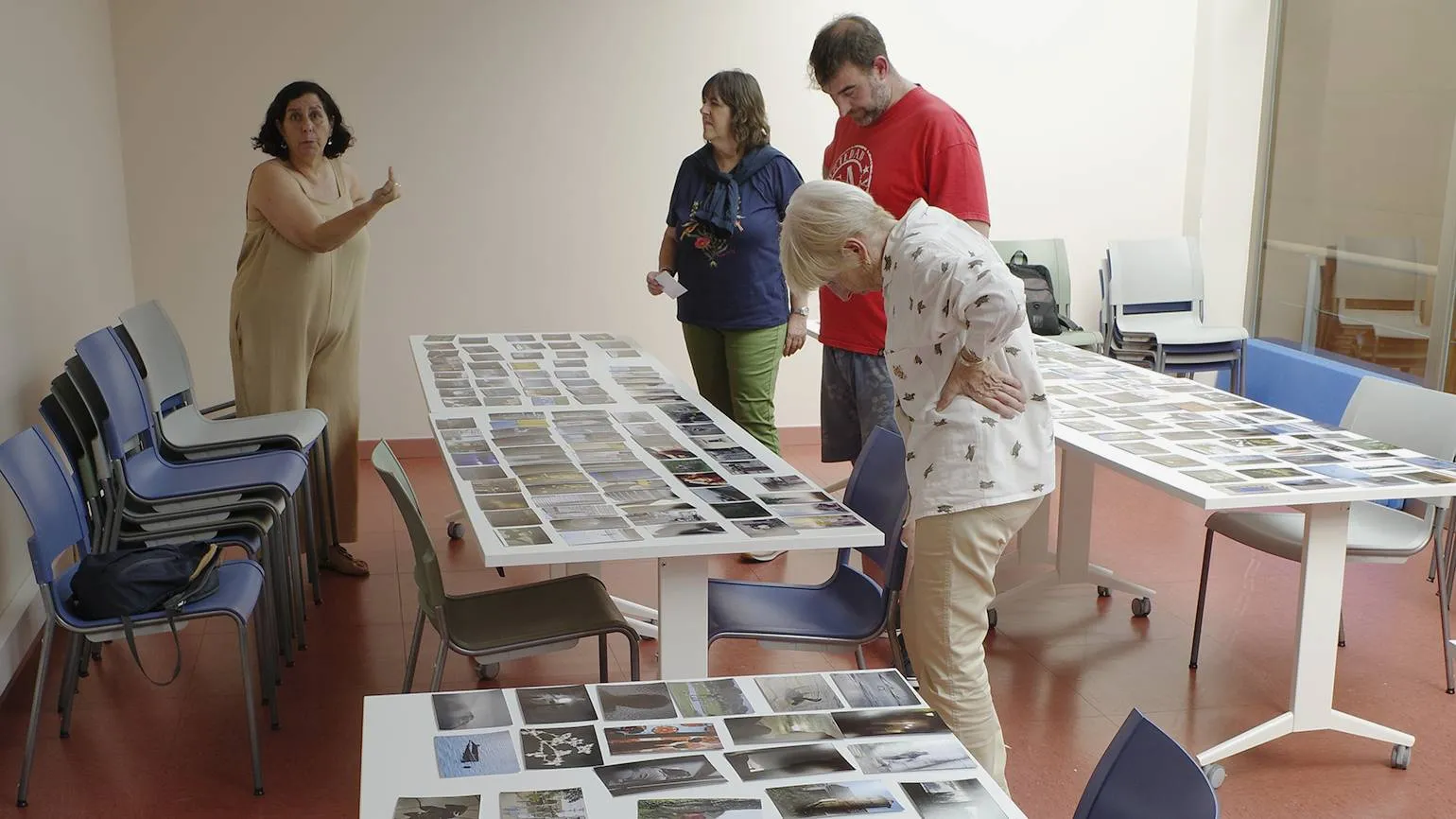
Participation in photography competitions is of significant importance in the professional community. Photographers who participate in such events often receive offers from editors of various publications, which contributes to the development of their careers and increases their visibility in the industry.
The level of a competition is often determined by the quality of the work presented by its participants. However, for beginners, this level can be difficult to adequately assess, especially with a lack of experience.
Signs that indicate a dubious competition include several key factors. Firstly, the lack of transparent information about the organizers and the rules of the competition can be a warning sign. If the conditions of participation are unclear or not published, this may indicate the unreliability of the event. Secondly, if the competition requires significant payments for participation or services, this can also raise suspicions. A third sign is the lack of actual prizes or awards, which may indicate fraudulent intent. Don't ignore reviews from participants either, as negative comments may discourage participation in such competitions. Finally, if the competition is actively advertised in dubious sources, this may also be a cause for concern. It is important to be attentive and cautious to avoid falling for the scams of unscrupulous organizers.
- the organizer is a photographic equipment manufacturer or a large company for advertising purposes (there are exceptions);
- the prize offered is the "honor" of decorating the company's premises, which is presented as an opportunity for self-promotion;
- the competition does not include exhibitions or publications for a wide audience.
Artist competitions may or may not charge a participation fee. Typically, such a fee is needed to cover the organizational costs associated with holding exhibitions. Fees help ensure the quality of events and create conditions for more effective presentation of participants' work.
In free competitions, participants often cover printing, exhibition, and organizational costs. This may include not only the cost of printing their work but also the rental of exhibition space and other related expenses. Participating in such competitions requires participants to be prepared to invest in their creativity, which can be both an advantage and a disadvantage. Understanding these costs is important for those who want to participate in competitions effectively and benefit from them.
In fee-based competitions, especially in European ones, the organizers usually cover the financial costs. This allows participants to focus on creating high-quality projects without additional financial outlay. Organizing such competitions promotes wider participation and an increased level of submitted work, as participants can focus on their ideas and creativity.
Be sure to read the full terms and conditions of the competition to clearly understand all possible costs that may arise.

Where to find good photo contests
There are two ways to achieve this goal.
- Google and other search engines. You can search for contests online directly. Foreign ones are in English.
- Specialized resources. Photo contests are collected in one place, which allows you to avoid missing deadlines and significantly simplifies the application process.
There are many websites that host photo contests. These platforms provide an opportunity for photographers of all levels to showcase their work, gain recognition, and even win prizes. Some of the most popular resources for participating in photo contests include specialized websites, as well as social networks where contests are regularly organized. Participating in photo contests not only helps develop photography skills but also allows you to expand your social circle of like-minded people. Choosing the right photo contest can be an excellent opportunity for creativity and self-expression.
The advantages of the platform include the ability to upload a set of photos with descriptions and your resume in advance. This allows you to avoid re-filling information for each application, saving significant time and simplifying the application process.
The disadvantage is the limited number of competitions. However, this also has a positive side: all the events presented are relevant and significant, without redundant information.
Advantages:
- there is a free subscription;
- you can enter your information and upload photo series in advance;
- an email with a list of forty new opportunities for photographers is sent once a month;
- a weekly newsletter with articles about photography in English;
- the site often publishes interesting photographs and collages that are difficult to find online.
The disadvantages of using the product may include various aspects that are worth considering before purchasing. Firstly, this may be a high price, which makes the product inaccessible to some buyers. Secondly, there may be quality issues, since not all products meet the stated characteristics. A third drawback is the manufacturer's insufficient support, which can create difficulties if questions or problems arise with the product. Furthermore, it's worth mentioning the difficulty of use, especially if the product has a confusing interface or requires significant effort to master. Finally, some users may experience limited compatibility with other devices or software. All these factors can affect the overall impression of the product and its effectiveness in solving the assigned tasks.
- a paid subscription for more extensive features ($10 per month, long-term plans are available);
- sometimes the list of contests is delayed - for example, I only received the link to the April list on the 5th.
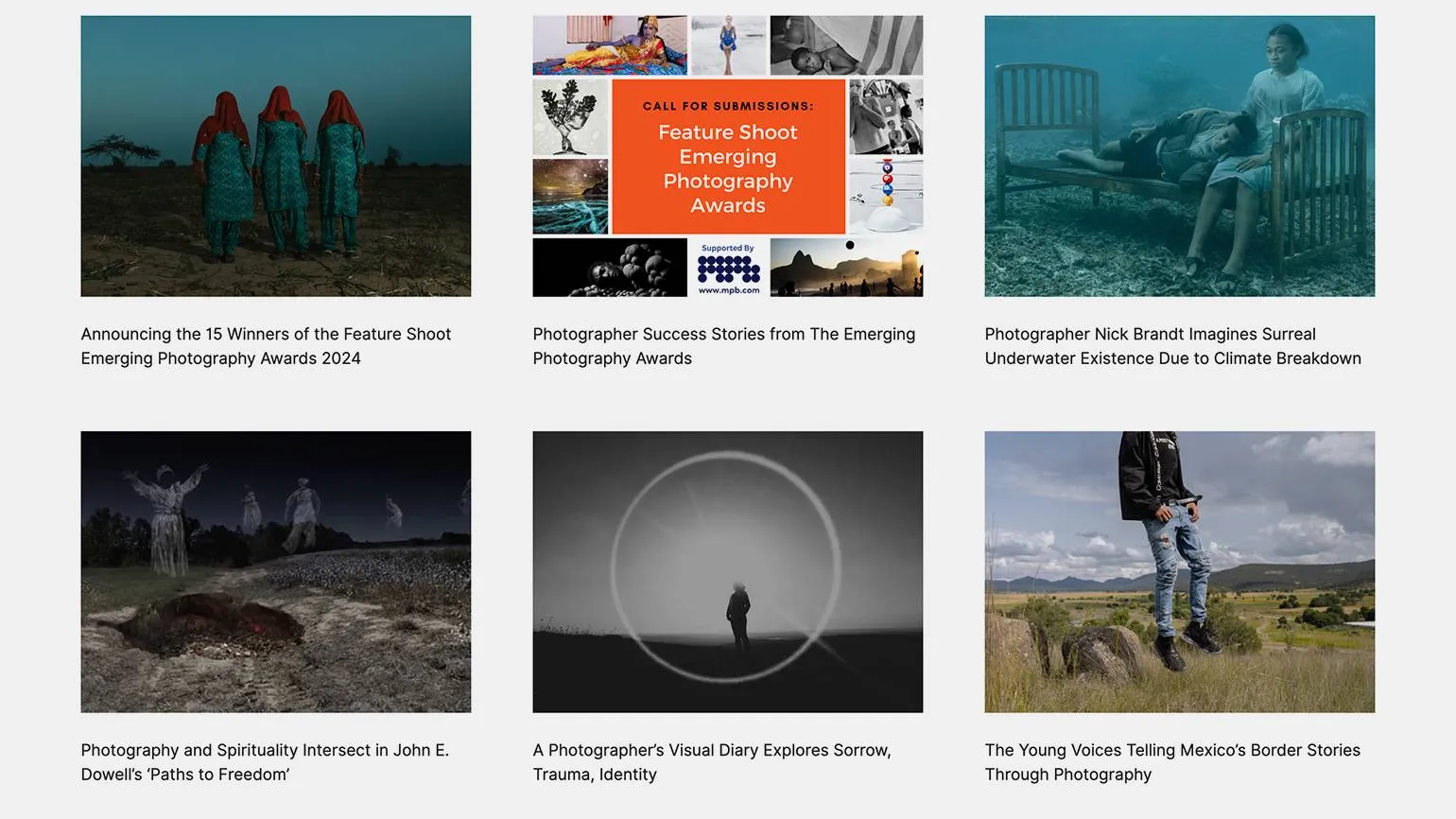
Organizers of various photography competitions use this platform to accept entries. As a result, participants have the opportunity to submit their work to certain competitions exclusively through this resource.
Advantages:
- they publish a wide range of photography materials, from reportage series to conceptual works and collages;
- old entries are saved, which allows you to reuse the settings.
Disadvantage: a limited number of available competitions.
An online magazine that publishes monthly lists of opportunities for photographers, including categories such as competitions, open calls for exhibitions, and grants. We have a paid subscription, but you can also check the available lists yourself at the beginning of each month. We strive to provide up-to-date information to help photographers find new opportunities for development and self-expression.
The advantage is the availability of an extensive list of competitions. This resource offers a variety of opportunities to participate in various events, ensuring everyone can find the right competition. A wide selection of competitions promotes skill development and knowledge acquisition, opening doors to career growth and self-fulfillment. The downsides of using specific technologies or services may vary depending on the specific context. However, there are general disadvantages worth considering. First, high implementation and maintenance costs can significantly increase overall costs. Second, the lack of flexibility in customization may limit adaptation to changing business requirements. Third, potential compatibility issues may lead to additional integration costs. It's also worth noting that insufficient developer support may make it difficult to resolve any issues that arise. Finally, data security risks can be significant if the necessary measures are not taken to protect information.
- Only international competitions are published, so opportunities in Russia will have to be sought separately;
- You cannot submit an application through the magazine itself - it is simply a list with links.
How to Simplify the Application Process
Before applying to a competition, carefully consider all aspects so that all you have to do is select and analyze a specific competition. This is essential for successful participation. Prepare the necessary documents and materials in advance to avoid rushing and making mistakes during the application process. Research competitions, their requirements, and conditions to choose the most suitable option. This approach will give you confidence and increase your chances of success.
Creating a resume (CV), artist statement (Artist Statement), and bio (Bio) is an important step for every artist. These documents allow you to present your professional activities, creative approach, and achievements.
The resume should contain your contact information, education, work experience, exhibitions, and awards. Pay attention to formatting so that the information is clearly structured and easy to perceive.
The artist statement should reflect your unique creative philosophy and approach to art. Talk about what inspires you, what themes you explore, and how your work relates to contemporary trends in art.
The bio provides general information about you as an artist. List your achievements, participation in exhibitions, publications, and other significant events in your career. It is important that the text is written in the third person and contains key points that emphasize your individuality and professionalism.
Make sure all documents are correctly written and formatted. This will create a positive impression of you as a specialist and will help attract attention to your work.
If you plan to participate in international competitions, it is recommended to consult a professional translator to translate your text into English. After this, it is advisable to have a native speaker proofread the completed material. It is important to note that during my seven years of participating in exhibitions, I have never encountered an international competition that did not accept applications in English. This makes English the primary language for submitting applications to international events.
Save documents in DOC or DOCX format. Competitions often require PDF files. However, editing the application in Word is much more convenient, and you can easily resave the file in the required format for submission.
Save photographs in various formats and resolutions for optimal use. This will allow you to choose the appropriate option for each specific situation, whether publishing online, printing, or storing in an archive. A variety of formats, such as JPEG, PNG, and TIFF, provide flexibility and image quality depending on your needs.
Contests most often accept images in JPEG format, but resolution requirements may vary. The most common requirements include a maximum of 2000 pixels on the longest side and 72 DPI, or alternatively, a minimum of 3000 pixels and 300 DPI. Be sure to check the specific requirements of each competition to ensure your image meets the required standards.
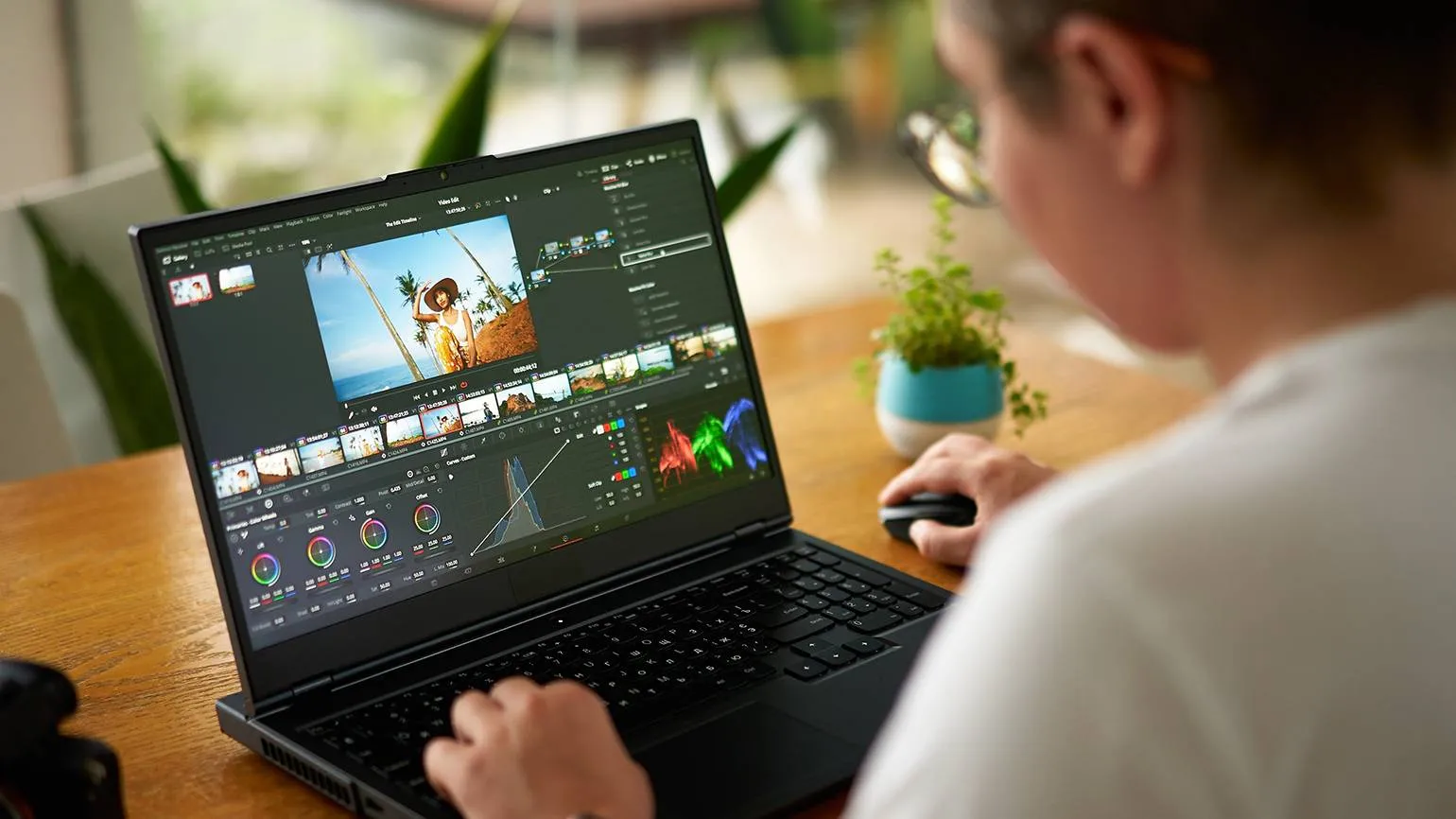
Sometimes there are specific requests, such as the need for TIFF images with a resolution of 1920 pixels on the long side. However, such requirements are rare.
How not to give up?
Stephen King, a famous writer, faced difficulties on his path to success, receiving about 60 rejections from various publishers before his story was sold for $35. These rejections and persistent attempts are an integral part of the process of achieving success in literature and other fields. Every author can face difficulties, but it is important to keep working on your work and not give up, because persistence often leads to the desired results.
Rejection or negative feedback does not reflect your true abilities. Talent is primarily the result of hard work. Based on my experience, courage and hard work are the main factors contributing to successful career advancement. By developing these qualities, you can overcome obstacles and achieve the desired results in your professional life.
If you encounter rejection, continue submitting your work to other platforms. It's important not to be afraid of failure and to remain confident in your abilities. Every rejection is an opportunity to grow and improve. Keep looking for the right places to publish and don't let fear stop you on the path to success.
Photographer Profession
You will learn how to take professional photos from scratch. You will learn how to organize shoots, process shots, and manage models and a team. Find your style, build an impressive portfolio, and start making money doing what you love.
Learn more