Contents:
A high-quality portfolio is the result of careful and purposeful work. This is an important tool that opens doors to new opportunities and helps you stand out from the competition. A professionally designed portfolio showcases your skills, achievements, and work style, which significantly increases your chances of career success. By investing time and effort in creating your portfolio, you not only get a visual representation of your projects but also the opportunity to attract the attention of potential clients and employers.
What is a portfolio?
A portfolio is a collection of the best works or projects completed by the author. This document serves as an important tool for demonstrating professional skills and achievements, allowing potential clients or employers to evaluate the level of skill and creativity. A well-compiled portfolio can significantly increase the chances of career success, as it reflects the individual style and uniqueness of the author.
A photographer's portfolio is more than just a collection of images. It demonstrates professionalism, experience, and a willingness to collaborate. A portfolio reflects the photographer's ability to complete projects, as well as their reasonable expectations and understanding of reality. Each image in a portfolio serves as proof of the artist's skill and artistic vision, which is key to attracting clients and building trust.
Why does a photographer need a portfolio?
A portfolio is an important tool for self-presentation, representing the artist in their absence. This document helps competition juries and experts evaluate your abilities and achievements. Decisions about scholarships, grants, awards, and opportunities to participate in exhibitions are made based on your portfolio. A well-designed portfolio highlights your strengths and demonstrates professionalism, which can significantly increase your chances of success in competitions and other forms of evaluation.
Your portfolio plays a key role in whether potential clients and employers will see your work. Approach its creation with the same seriousness as the shooting process. A properly designed and structured portfolio not only demonstrates your skills but also helps you stand out from the competition. Ensure each piece is presented in its best light, with high-quality images and a detailed description that highlights your achievements and unique style. When creating a portfolio, remember its importance for attracting new clients and developing your career.
Portfolio Types
It is recommended to store your portfolio in both electronic and physical formats. In most cases, especially competitions, an electronic portfolio is required. However, some European competitions still require the submission of printed copies. Physical copies are also useful for portfolio reviews, allowing you to showcase your work in the best possible light. Thus, the presence of both formats will provide greater opportunities for participation in various events and competitions.
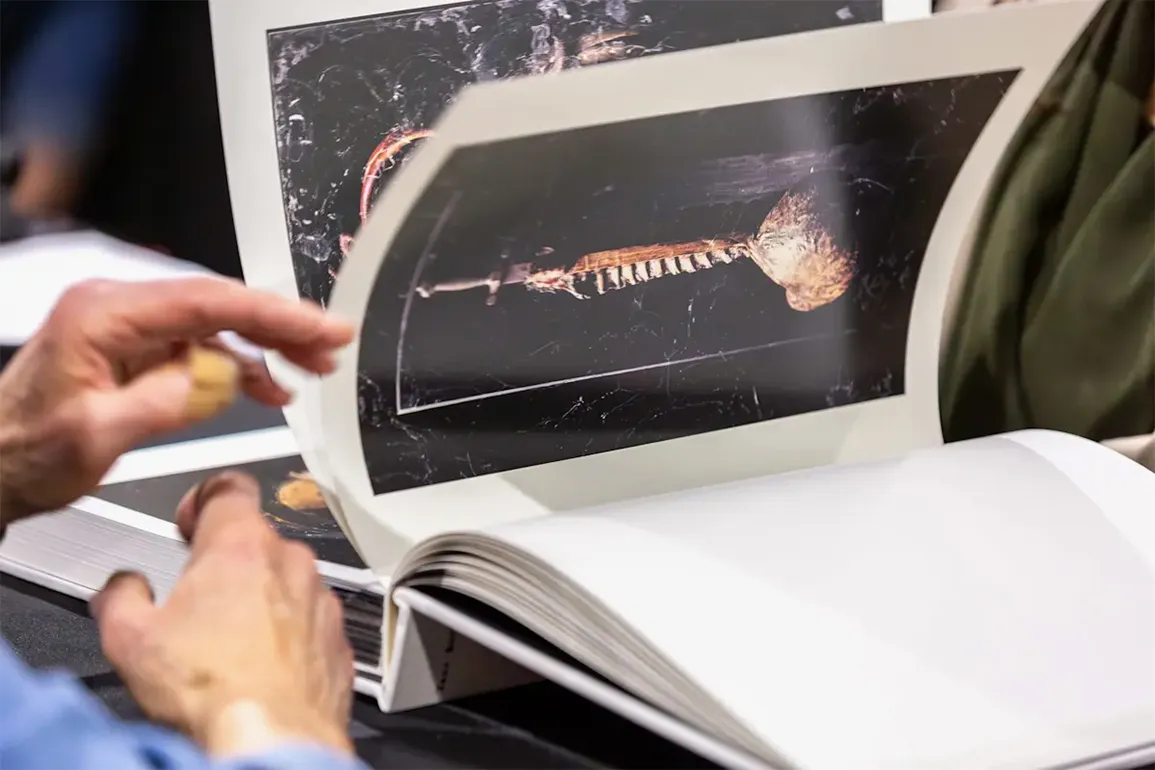
Physical and online portfolios have their own unique characteristics, which necessitates different preparation for each format. A physical portfolio requires careful selection of materials, such as printed work, texture samples, and other elements that can demonstrate your skills and style. It is important to consider quality and presentation to impress potential clients or employers.
On the other hand, an online portfolio offers more opportunities for interactivity and a dynamic presentation of work. Here, it is necessary to focus on ease of navigation, image optimization, and the use of SEO techniques to increase visibility in search engines. An effective online portfolio should be responsive to ensure comfortable access from a variety of devices.
Therefore, when creating a portfolio, it is important to consider its format and target audience to present your professional achievements as effectively as possible.
Electronic Portfolio
The document must include your personal information and attach photographs with appropriate descriptions. Let's consider each element in more detail.
Contact information
- full name and surname;
- date of birth;
- country and city of residence;
- phone number linked to WhatsApp and/or Telegram;
- e-mail;
- link to your website.
Natalya Vasilievna Ershova is a name that is known to many. She is an outstanding professional in her field, with extensive experience and deep knowledge. Natalya Vasilievna's work is characterized by a high level of responsibility and dedication. Her achievements and contribution to the development of the industry command respect and admiration. Possessing unique skills, she successfully solves complex problems and helps many people achieve their goals. Natalya Vasilievna Ershova is a person who inspires and motivates others to new achievements.
Russia, whose capital is Moscow, is one of the largest countries in the world. Moscow, as a cultural and economic center, attracts many tourists and businessmen. The city is known for its rich history, architectural monuments, and diverse cultural events. Among Moscow's main attractions are Red Square, the Kremlin, and numerous theaters and museums. Moscow is also an important transportation hub, linking various regions of the country and international destinations. With its unique blend of tradition and modernity, Moscow remains an attractive place to live and work. Contact us at +7 XXX XXX XXXX via WhatsApp or Telegram for additional information and consultations. We are ready to assist you with any questions. Please note the importance of SEO optimization of text content to improve your website's visibility in search engines. To achieve this, you must use keywords relevant to the topic and structure the text in a way that is informative and useful to the reader. Ensure that headings and subheadings contain key phrases, and use internal and external links to improve navigation. Don't forget about meta descriptions; they should be engaging and contain keywords to help increase click-through rates in search results. Also, update your content regularly to keep it relevant and interesting to your audience. This helps improve your website's search engine rankings and attract new visitors. Natalia Ershova is a professional photographer offering a wide range of photography services. On her website, you'll find a portfolio that showcases Natalia's skill and unique style in various genres, including portraits, weddings, and family photography. Each image captures the emotion and atmosphere of a special moment, making Natalia's work truly special for her clients. Natalia offers a personalized approach to each order, creating unique and unforgettable photographs. The website also features reviews from satisfied clients, confirming her high level of professionalism and creativity. If you're looking for a talented photographer for an important event or want to capture the most memorable moments in your life, Natalia Ershova is an excellent choice. Browse the portfolio on the website and contact Natalia to discuss your ideas and wishes. Professional photography is more than just a job; it's an art form, and Natalia knows how to create masterpieces for her clients.
Please only include methods of communication you use regularly. Avoid adding messengers or email addresses you don't use. This will simplify communication and allow for faster responses.
Please pay attention to the appearance of your email address or messenger handle. It is recommended to use your first and last name. This will make it easier for the curator to find feedback and will help avoid awkward situations when your portfolio is sent from an address containing inappropriate or informal elements, such as "sexy_cat." Properly formatted email and handles help create a positive first impression and demonstrate your seriousness and professionalism.
Photographs are an important element of visual content that helps convey information and emotions. They can be used for a variety of purposes, including advertising, artistic expression, documenting events, and creating personal memories. Photographic quality plays a key role in the perception of the image, so it's important to consider aspects such as lighting, composition, and shooting technique.
Using photographs in web content helps improve SEO, as search engines take visual elements into account when evaluating pages. Optimizing images, including using proper formats and alt attributes, can increase a site's visibility in search engines.
Photographs also help attract users' attention and retain their interest, which can lead to increased time spent on the site. It is important to choose images that are relevant to the content topic and relevant to the target audience.
In conclusion, high-quality photographs are an essential part of successful content, contributing to both aesthetic perception and improved search engine rankings.
Choosing images for your portfolio is an important step in creating a professional image. Start by defining your target audience and the style you want to convey. Choose only those photos that showcase your strengths and unique approach. Pay attention to the quality of the images: they should be clear and well-lit. Make sure your work is varied to demonstrate the breadth of your skills. It's also helpful to include both completed projects and work in progress, which will help potential clients see your creative approach. Regularly update your portfolio, adding new work and removing outdated ones, to keep your work fresh and engaging. Start by selecting your most impressive project. The strongest work should be presented first. The first photo should immediately grab the viewer's attention and interest.
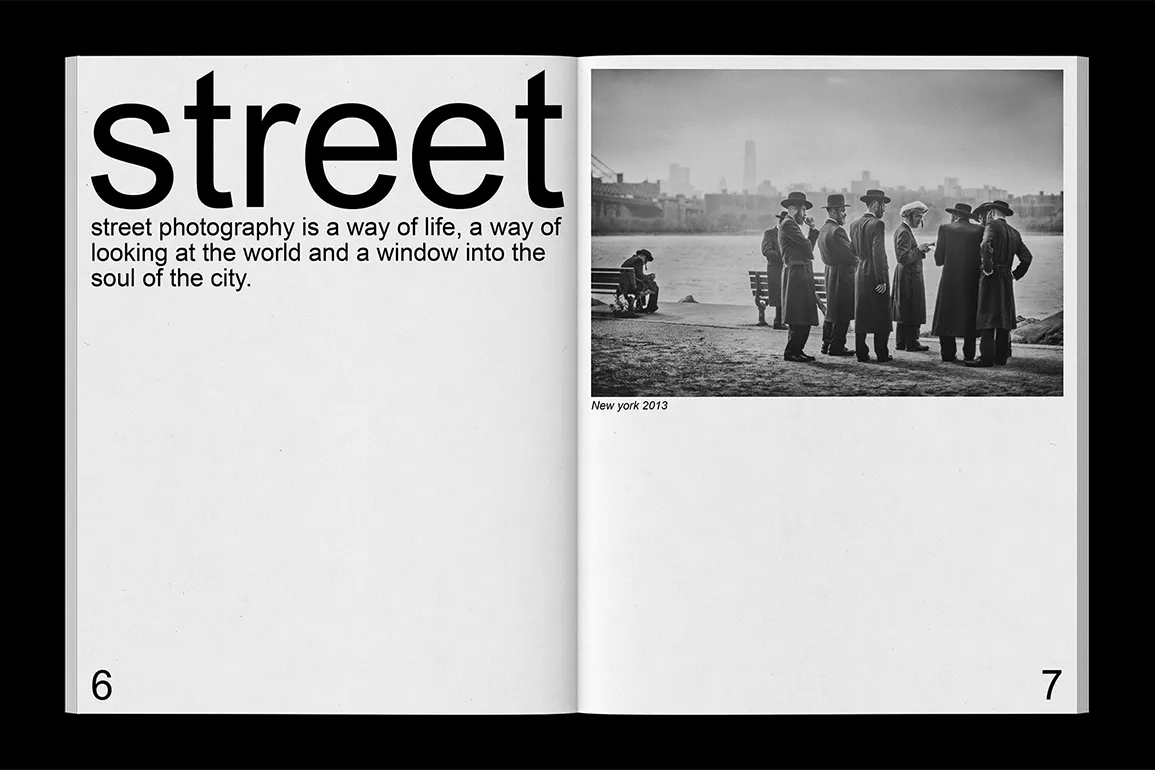
Choose projects that effectively showcase your unique style and highlight your individuality as an author. This will help you create an attractive portfolio and attract the attention of potential clients or employers. Your work should reflect your skills and interests and meet the needs of your target audience. This way, you can not only make a name for yourself but also establish credibility in your professional abilities.
The main rule: minimalism is the key to success.
If you have 11 completed projects, each with 20 photographs, don't put all the images in one file. Choose three or four of the most successful series and select at least seven images for each. This will demonstrate your mastery of the ideas. If the competition for which you are preparing your portfolio does not specify a limit on the number of shots per project, you can include all 20 photographs. This will make your portfolio more cohesive and representative, increasing your chances of success.
Text is an important element of any website, as it helps convey information, attract user attention, and improve search engine rankings. High-quality content helps increase traffic and improve audience engagement. It's important to create unique and informative texts that answer user questions and solve their problems. SEO optimization includes keyword usage, proper title structure and meta tags, and compelling descriptions. Additionally, consider readability and text formatting to ensure it's easy to understand. High-quality texts are the foundation of successful content marketing and contribute to online business growth.
Each project in your portfolio should be accompanied by a description. Include a few sentences explaining the process and concept behind the project. Competition judges look not only at the quality of the photographs but also at their content and the ideas they convey. Detailed descriptions will help highlight the uniqueness of your approach and showcase your creativity. A well-written description can significantly increase interest in your portfolio and improve your chances of success in competitions.
A Telegram channel for photography enthusiasts offers unique materials, tips, and inspiration for creating beautiful photographs. Join us to learn about new techniques, best practices, and the latest news from the world of photography. We share interesting stories, hold competitions, and discuss the work of participants. Stay on top of the latest trends and develop your skills with us. This channel will become your reliable source of information and inspiration in the world of photography.
If you want to learn about the diversity of literature, subscribe to our resource. We present the works of talented Russian authors, track the global literary competition, and share useful creative tips from practitioners.
Creating a portfolio is an important step for professionals in various fields. There are many platforms where you can effectively present your work.
One of the most popular options is using specialized web services such as Behance and Dribbble. These platforms are aimed at designers and creative professionals, allowing them to showcase their projects and find inspiration in the work of others.
You should also consider creating your own website. This will give you complete control over content and design, as well as the ability to optimize the site for search engines. Use website building platforms such as WordPress or Wix to quickly and easily create your resource.
Don't forget about social media, such as Instagram and LinkedIn, which can also serve as a great showcase for your portfolio. Post your work and engage with your audience to increase visibility and attract potential clients.
The choice of portfolio platform depends on your professional field and goals. The main thing is to make your content accessible and attractive to the target audience.
- InDesign - for professional layout;
- Word - a simple and accessible option that suits most authors;
- Google Docs - if you need an online version with quick access.
Many programs offer the option of saving your portfolio as a PDF, which is most often required for presenting work. It is also important to save an editable version of the file so that you can quickly adapt the document to various competitions and requirements. Using PDF ensures compatibility and a professional look of your portfolio, which is critical for the successful presentation of your work.
Minimalism is the foundation of a successful portfolio design. Key principles to consider: use simple and clean lines, avoid unnecessary elements, and choose a limited palette of colors and fonts. Focus on the quality of the content, presenting only the most significant works. Make sure the navigation is intuitive and the information is easily accessible. This will help highlight your professionalism and attract the attention of potential clients or employers. It's important to remember that minimalism doesn't mean a lack of creativity; on the contrary, it allows you to highlight your best achievements and make them more noticeable.
- Black text on a white background.
- Fonts: Times New Roman, Arial, or Roboto.
- The layout is simple and clean, without decoration, embellishments, or bright colors. Nothing should distract from the photographs.
Save your documents in several cloud storage services, such as Google Drive and Yandex Drive. This will provide you with quick access to your portfolio at any time. You can easily and quickly send a link to your portfolio to both the competition and the curator. This approach ensures the safety of your work and simplifies the submission process.
Submitting your portfolio to the competition in accordance with the submission guidelines is a key aspect of success. Even the most impressive photographs will go unnoticed if you do not follow the established requirements. It is important to carefully review the terms of participation and ensure that your portfolio meets all the criteria. This will increase your chances of attracting the attention of the jury and standing out from other participants.
The portfolio file must be named strictly according to the application requirements. For example, if the competition rules specify that the PDF file should be named "firstname_lastname_portfolio", then your file should be named "natalia_ershova_portfolio". Violating this rule may result in your portfolio not being taken into account, especially if the jury automatically organizes files. Correctly naming the file is an important step to ensure its visibility and avoid loss.
Applications usually specify the required file size and format. If this information is missing, it is recommended to send documents up to 20 MB in size. This is important because users don't want to waste time downloading large files, and many email services may block such messages. If your file exceeds this limit, it's better to reduce its size using a PDF editor rather than reducing the quality of each photo individually. This approach will not only simplify the information transfer process but also increase the likelihood of your document being successfully delivered.
If your application specifies a specific channel for submitting your portfolio, be sure to use that method. Please review the requirements before submitting. This will help avoid misunderstandings and expedite the review process.
Before submitting your portfolio to the competition, please review the requirements for the documents that must be attached to the email. The competition terms and conditions may state: "Please attach your resume, portfolio, and project description to your email." This means that all required files should be sent in a single email to the provided email address. Please ensure all documents are completed correctly and contain up-to-date information to increase your chances of successfully participating in the competition.
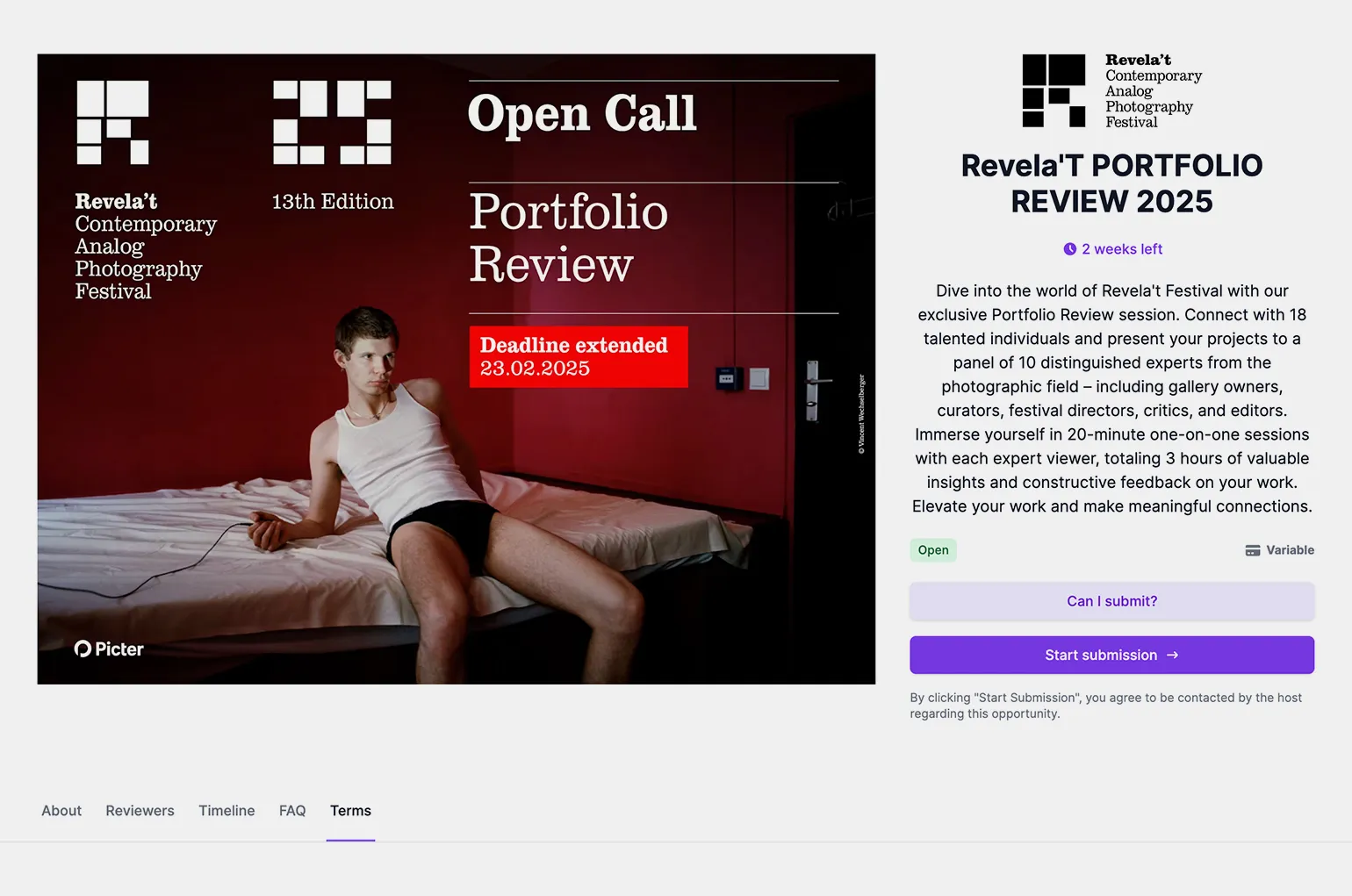
In my practice, I have encountered competition participants who sent three separate letters. In one of them, they attached a resume, in the second, a portfolio, and in the third, the proposed project. However, the jury typically does not consider applications formatted this way, as it complicates their analysis and comprehension. Properly formatted and structured applications play a key role in successful participation in competitions.
If the terms and conditions require uploading a file via WeTransfer, be sure to use this platform for transfer. The jury is not obligated to understand every file-sharing service available. This ensures that your materials are easily accessible and correctly perceived. Using this service also helps simplify the evaluation process, which can have a positive impact on your presentation.
Read also:
Website optimization for search engines (SEO) is an important aspect of digital marketing. Proper use of SEO will help improve your website's visibility in search engines, attract more target audience and increase conversions. Key elements of SEO include keywords, meta tags, internal and external links, and quality content. Pay attention to the structure of your website to make it easy for users to find the information they need. Regularly updating content also helps improve search rankings. Don't forget about the importance of mobile responsiveness and page loading speed, as these significantly impact user experience and SEO.
Writing an effective resume (CV) is a key step towards successful employment. The importance of proper CV formatting and structure cannot be overstated, as it is the first impression of you as a candidate. Start by choosing an easy-to-use format that highlights your strengths.
Include the following key sections in your CV: contact information, objective (or summary), work experience, education, and skills. Contact information should be current and easy to read. The resume objective or summary should clearly reflect your career aspirations and be relevant to the job opening.
Work experience should be described in reverse chronological order, starting with your most recent job. Include not only your job titles but also any accomplishments that highlight your qualifications. Your education is also important, including institutions and degrees earned.
Don't forget about skills. Highlight both professional and personal skills that are relevant to the job posting. Using keywords that match the job description will help your resume be better indexed by automated selection systems.
Finally, check your resume for grammar and typos. A clean and neat formatting will give your CV a professional look. A properly written CV is a step towards successful employment.
Paper Portfolio
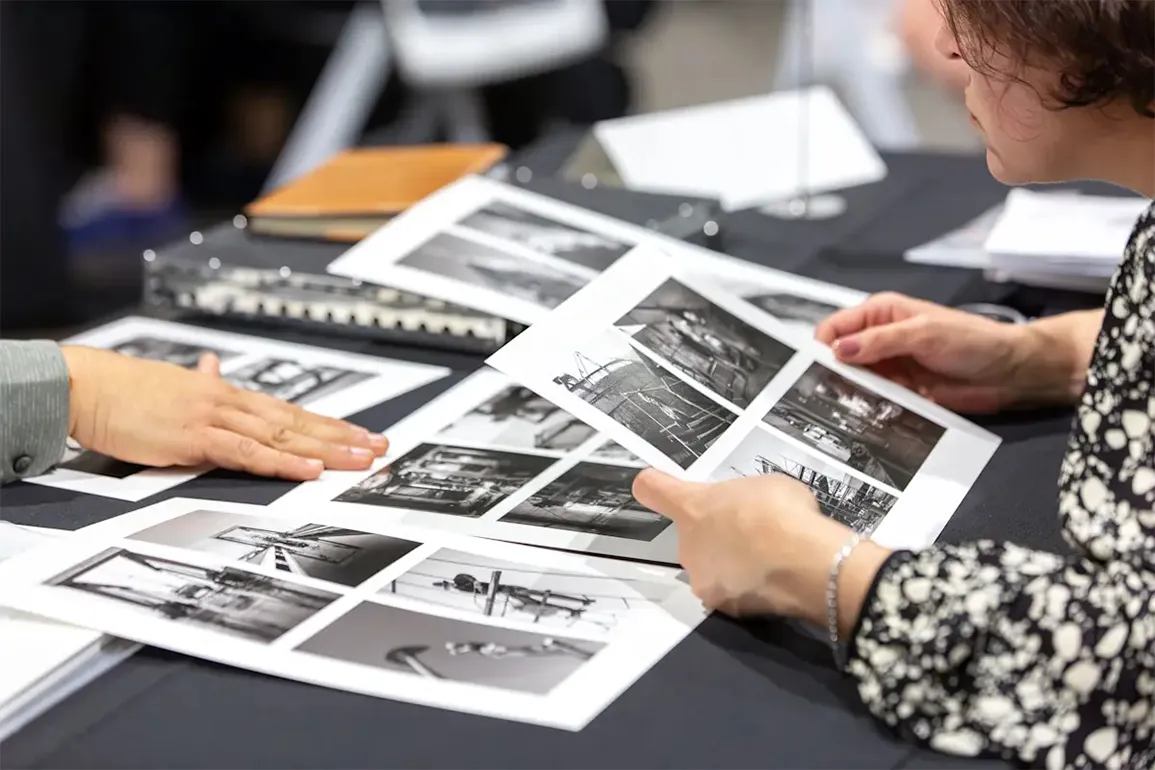
A paper portfolio is typically used at portfolio reviews and is a key tool for showcasing your work. These meetings with curators, critics, and gallery owners allow you to present your projects in a personal format. At these meetings, every detail matters, as the first impression of your creativity and professionalism depends on it. A well-presented portfolio can be a decisive factor in future collaborations and career development in the arts.
Launch three projects.
A portfolio review is a timed event. You only have 15-20 minutes to impress the reviewer. If you decide to show only one project and it fails to spark interest, you risk missing an important opportunity. To increase your chances of success, it's worth preparing several projects in advance, each demonstrating your skills and creative approach. Make sure the presented project stands out and reflects your style, and meets the requirements of the target audience. Preparing for a portfolio review can significantly increase your chances of a positive review and future opportunities.
Three projects provide the necessary flexibility when presenting your portfolio. If one project doesn't meet the reviewer's interests, a second or third may attract attention. It's important to keep your portfolio diverse while maintaining a consistent style. Diversifying your projects allows you to showcase a wide range of skills and creativity, which increases your chances of successfully interacting with potential clients or employers.
As with an e-portfolio, it's important to remember that the first photo should be the most impressive. This is your "hook" that will grab the reviewer's attention. Keep in mind that they view 20-30 people's work every day, so you need to stand out from the start. Creating a strong first impression will help you engage your audience and increase your chances of success.
Print the photos and arrange them in the desired order.
It's recommended to mark the order of the photos in pencil on the back of the photos. This will help you quickly organize them after each review and simplify the process of demonstrating them to the next specialist. This approach will ensure efficient management of your photos and will make them much easier to work with.
When preparing your physical portfolio for printing, there are several key aspects to consider. First of all, you need to carefully select the materials that will be included in your portfolio. Make sure each element showcases your best work and is relevant to the chosen theme. You should also pay attention to the design and layout: they should be harmonious and attractive. Don't forget about print quality, as it directly affects the perception of your work. It's also worth considering a portfolio cover that should reflect your style and creativity. It's important that your portfolio is easy to read and logically structured, which will help your potential clients or employers quickly assess your skills and experience. Image format plays a key role in digital photography and affects image quality. There are various formats, such as JPEG, PNG, TIFF, and RAW. Each has its own characteristics, advantages, and disadvantages. JPEG is the most popular format due to its compression, which allows for smaller file sizes without significant loss of quality. This format is ideal for web publishing and everyday photography.
PNG, in turn, supports transparency and better preserves image details, making it an excellent choice for graphics and web design.
TIFF is used in professional photography and printing due to its high definition and editing capabilities. This format retains more information, but also takes up significantly more disk space.
RAW is a format that allows you to save data from the camera sensor without processing. It provides maximum flexibility in editing, but requires specialized software and takes up a lot of space.
The choice of photo format depends on the intended use of the images, the required quality characteristics, and the user's preferences. Choosing the right format will help optimize your work with photographs and improve their quality.
The optimal photo sizes for printing are 30 × 40 cm or 40 × 30 cm. These formats are ideal for creating high-quality photos that can be used in interior design or as gifts. Choosing the right photo size is crucial for ensuring clarity and detail in the image, which in turn impacts the overall impression of the work. Use the dimensions listed for best results when printing your photographs. Don't print all your photographs in the same format. Choose one large photograph from the main project, for example, 60 x 90 cm. This will allow you to demonstrate to the curator how your work will appear at exhibition scale. This approach will more effectively present your ideas and draw attention to your work.
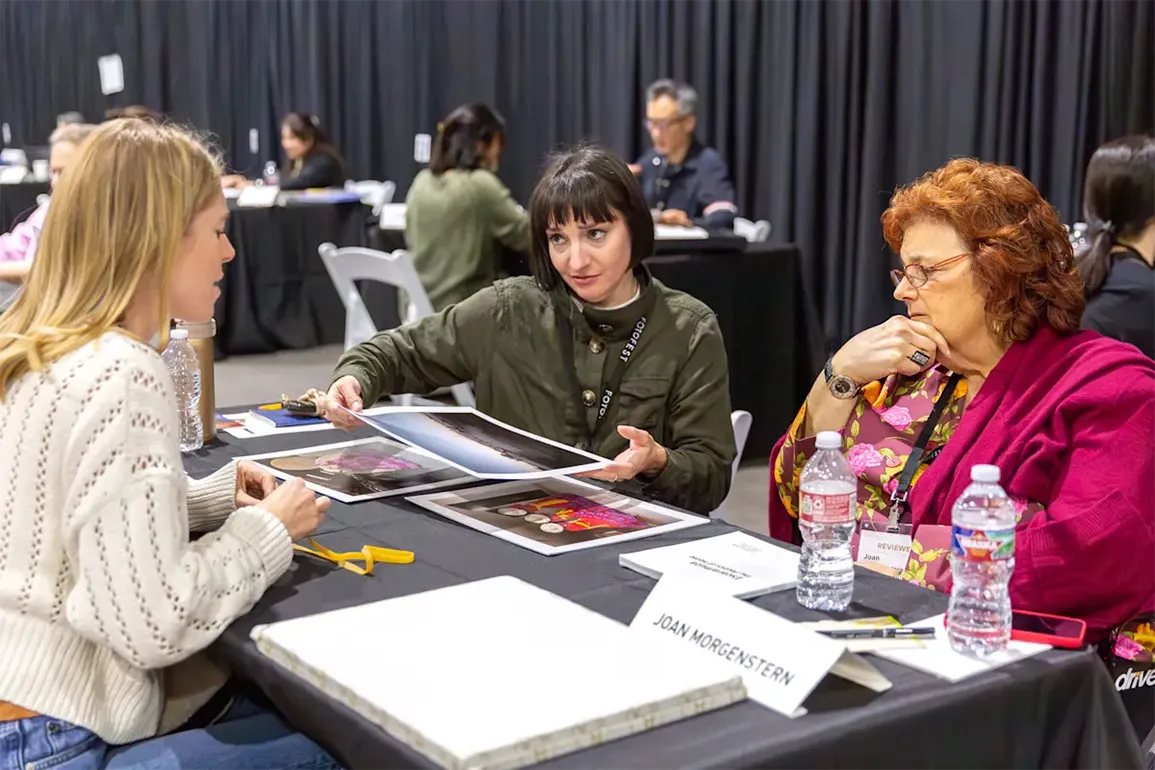
If there are a lot of small details in the project, for example, in interior or documentary shooting, where textures and nuances are critical, it is recommended to use a large format for photographs. This will allow for maximum detail and high image quality, which is especially important for demonstrating complex elements and artistic designs.
Paper is a material widely used in various areas of life. It is made from wood pulp and other plant fibers, making it an environmentally friendly product. In everyday life, paper is used for printing, packaging, writing, and artistic purposes.
There are many types of paper, including office paper, kraft paper, glossy paper, and matte paper. Each of these varieties has its own characteristics and applications. For example, office paper is ideal for printing documents, while kraft paper is often used for packaging and crafts.
In recent years, there has been a growing interest in paper recycling and the use of recycled materials. This not only helps reduce waste but also contributes to the conservation of forests and natural resources. Sustainable paper use is becoming an important aspect of environmental responsibility.
Therefore, paper remains an indispensable element in our lives, combining functionality and eco-friendliness.
The gold standard in printing is matte paper, which prevents glare and ensures the clarity of image details. Glossy paper is not recommended for artistic presentation, as the shine it imparts is more appropriate for promotional materials rather than creative works. Using matte paper helps emphasize the texture and depth of images, making them more appealing and easier to perceive.
When choosing paper, it is important to consider the nature of your project. For delicate and airy works, we recommend using a textured surface, which will add depth and a sense of lightness. If the project involves a graphic and formal style, a smooth matte paper is better suited, emphasizing the clarity and rigor of the design. Choosing the right paper can significantly impact the perception and visual appeal of the final product.
Print quality plays a key role in creating impressive materials, whether business cards, brochures, or advertising posters. High-quality printing ensures vibrant colors, sharp images, and durable materials. To achieve excellent results, it's important to consider paper selection, the type of ink used, and the printer settings. Professional printers and modern printing technologies allow you to create products that will attract attention and leave a positive impression. By paying attention to each of these aspects, you can achieve the highest print quality and meet the needs of your audience.
Portfolios require museum-grade printing. This means that photographs should be printed by a professional print shop or studio that specializes in exhibition printing. Using high-quality printing ensures durability and color saturation, which is especially important for displaying works at exhibitions and in galleries. Choosing a reliable printing service will help highlight the artist's skill and professionalism.
Avoid printing photos at local photo labs or on a home printer, as poor print quality can significantly ruin even the best photos. For the best results, it is recommended to use professional photo studios with modern equipment that provide high-quality printing. This will help preserve the detail and color saturation of your photos.
Use artist folders with rigid sides. This will provide reliable protection for your photos from damage and prevent them from wrinkling. Rigid folders will not only keep your works in perfect condition but also make them easier to transport. Choosing high-quality artist folders will help you organize your materials and extend their lifespan.
Avoid placing your works in tubes. Firstly, this can lead to damage and deformation. Secondly, photographs in this condition will bend on the table, which will create inconvenience when displaying them. Proper storage of your work will help keep it in perfect condition and make your presentation more professional.
Of course, I am happy to help you with text editing. Please provide me with the text that needs revision.
If you need to put your work in a tube, choose thick and wide options. It is recommended to let the photographs “smooth out” before the review. This will help avoid damage and preserve the quality of the images.
General Rules
The portfolio should contain only the most significant and useful projects, while remaining concise. Avoid overloading the jury with a large number of works, complex designs, or creative layouts that require additional time to perceive. Focus on the quality of the presented projects to demonstrate your skills and achievements.
In the absence of specific requirements, it is important that your portfolio corresponds to the topic of the competition or review. This will help attract the attention of the jury and increase your chances of success. Make sure the work you present in your portfolio reflects key aspects of the given topic and demonstrates your skills and creativity. The correct choice of projects and their competent presentation are crucial for creating a positive impression.

If you actively work in various media, for example, you take photographs and sometimes create light installations, when submitting to the photo competition, submit only your photographs in portfolio. This will allow the jury to focus on your best work in this particular area and increase your chances of success in the competition.
Introducing a powerful new project - add it to your collection.

Read also:
Photography contests: reasons for participation and their advantages
Photography contests are an excellent opportunity for photographers, both professionals and amateurs, to showcase their Skills and a creative approach. Participating in such competitions not only allows you to gain recognition but also expand your audience.
Firstly, photo competitions promote the development of creative abilities. The desire to create a unique work that meets the competition criteria can inspire new ideas and experiment with technique.
Secondly, winning or even participating in a competition can be an impressive addition to a photographer's portfolio. This can have a positive impact on a photographer's career, opening up new opportunities for collaboration with brands and potential clients.
Furthermore, many photo competitions offer prizes, which can include cash awards, equipment, or publication in reputable publications. This creates an additional incentive to participate and improve the quality of your work.
Don't forget that participating in photo competitions allows you to exchange experiences with other photographers and receive feedback from the jury. This can be a valuable source of information for further growth and improvement of your skills.
In conclusion, participating in photo competitions is not only a chance for recognition and prizes, but also an important step in developing as a photographer. Each competition provides a unique opportunity to showcase your work, find like-minded people, and be inspired by new ideas.
Photographer Profession
You will learn how to take professional photos from scratch. You will learn how to organize shoots, process shots, and manage models and a team. Find your style, build an impressive portfolio, and start making money doing what you love.
Find out more