Contents:
Today, photography training is available both at prestigious state universities and in courses that can be found on social networks. There are many options for those wanting to master the art of photography, and choosing the right one can be difficult. We want to highlight those institutions that focus on non-commercial photography, develop project thinking, and teach modern visual languages. This information can help you make an informed choice as you study photography.
Subscribe to our Telegram channel "Behind the Curtain" to stay up-to-date with all the news and events. We regularly publish relevant information and interesting materials to help you stay on top of things. Don't miss the opportunity to receive the latest updates directly to your device.
"Fotografika"
The "Fotografika" Academy of Documentary and Art Photography was founded in St. Petersburg under the direction of photographer and teacher Katya Bogachevskaya. Currently, the school offers long-term online courses, allowing people from all over the country to study. At Fotografika, teaching is conducted not only by professional photographers, but also by directors, photo editors, journalists, and other experts in the field of visual arts. The educational program includes original courses and meetings with invited lecturers, which enrich the learning process and allow students to acquire relevant knowledge and skills in the field of photography.
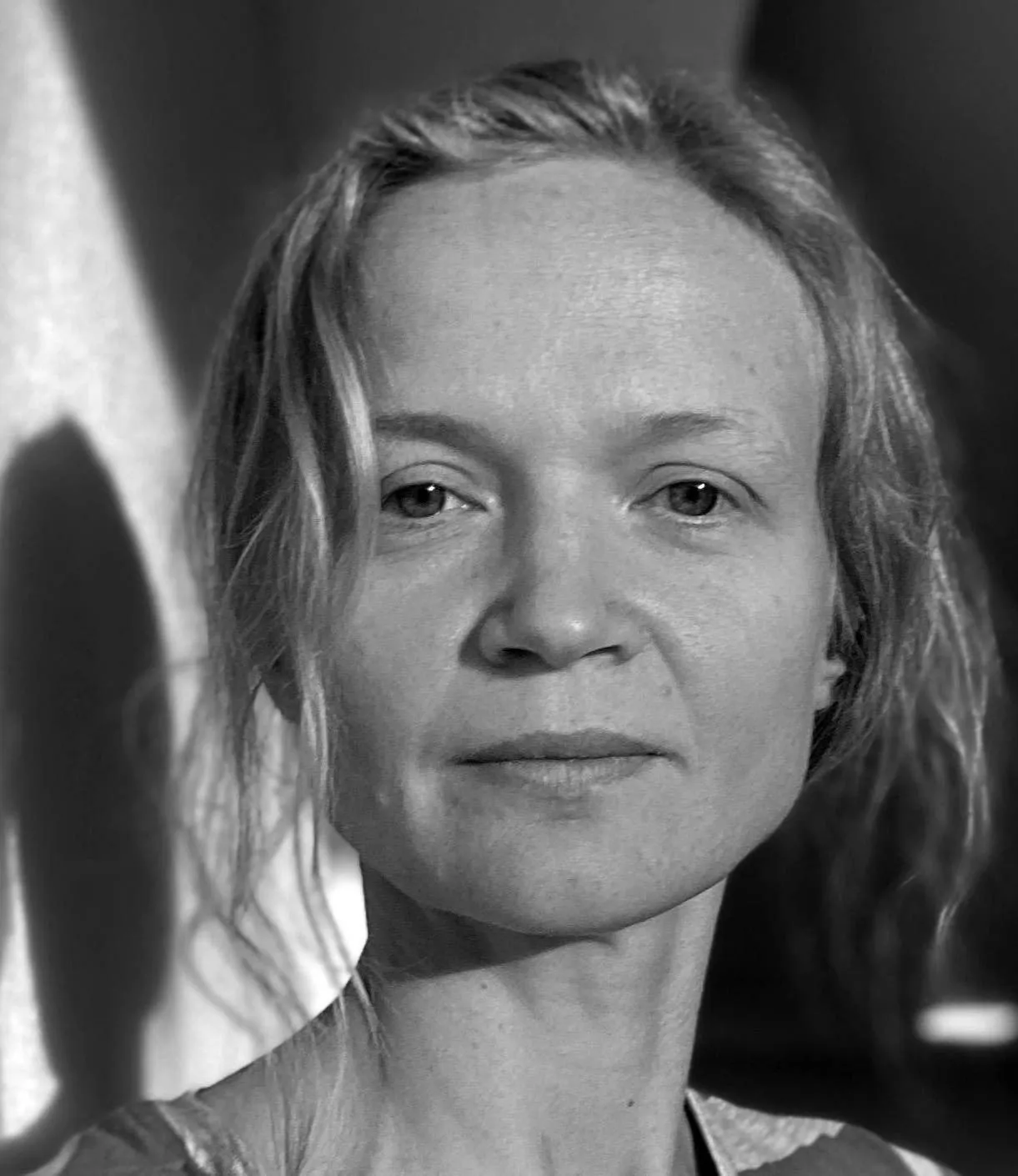
Independent photographer, curator, and photo editor with extensive experience. I am the director of the Fotografika Academy, where I teach students the fundamentals of photography and contemporary trends in art. I also founded Fotografika Publishing, which supports young photographers in the creation and publication of photo books. My goal is to help emerging talent find their audience and realize their creative potential through high-quality publications.
I conducted photography workshops at several educational institutions in St. Petersburg and realized that one person could not demonstrate to students the full diversity of approaches to photography. Thus, the idea was born to create a school where specialists with different, sometimes opposing, views on the profession would teach. I shared this concept with the students, and the following year, Fotografika opened in St. Petersburg. This school has become a place where everyone can learn about different styles and techniques of photography, enrich their experience, and develop their creative potential.
Initially, our work was conducted exclusively in an offline format, and interest in the training was high. An attractive aspect of our approach was the diversity of our instructors, which distinguished us from traditional educational institutions where only one instructor teaches. Later, we launched an online program, which quickly gained popularity due to its accessibility and flexibility.
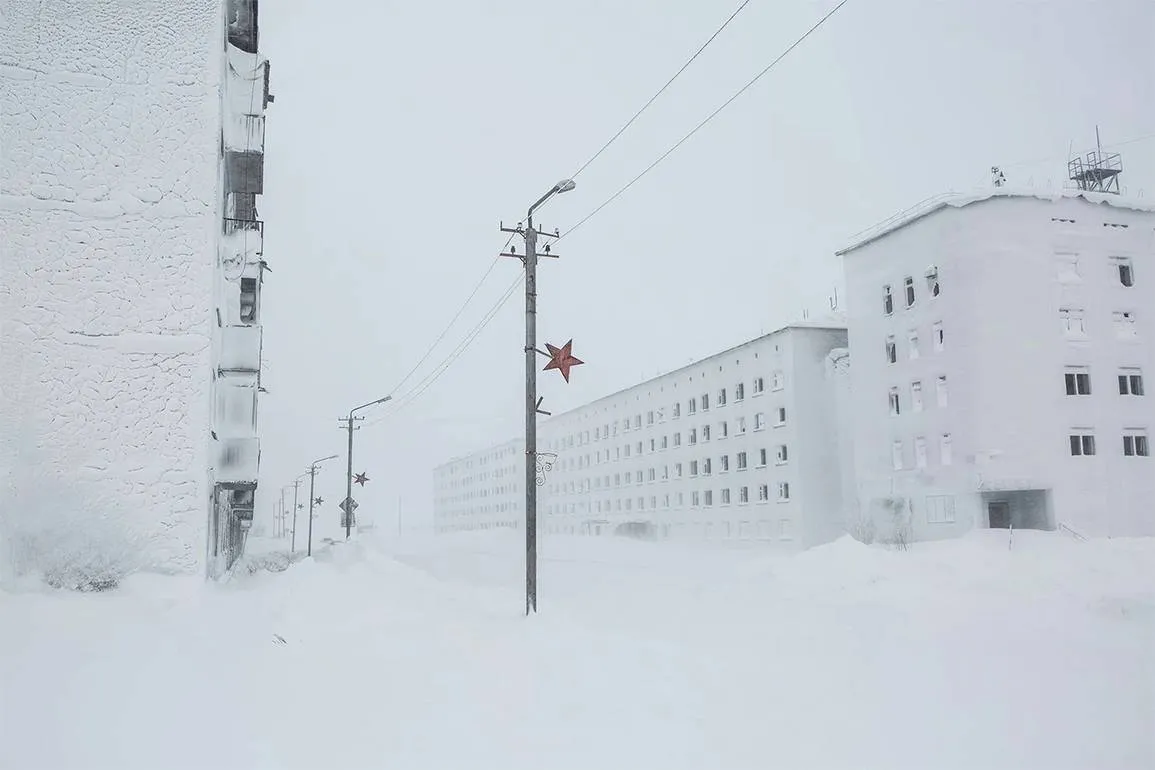
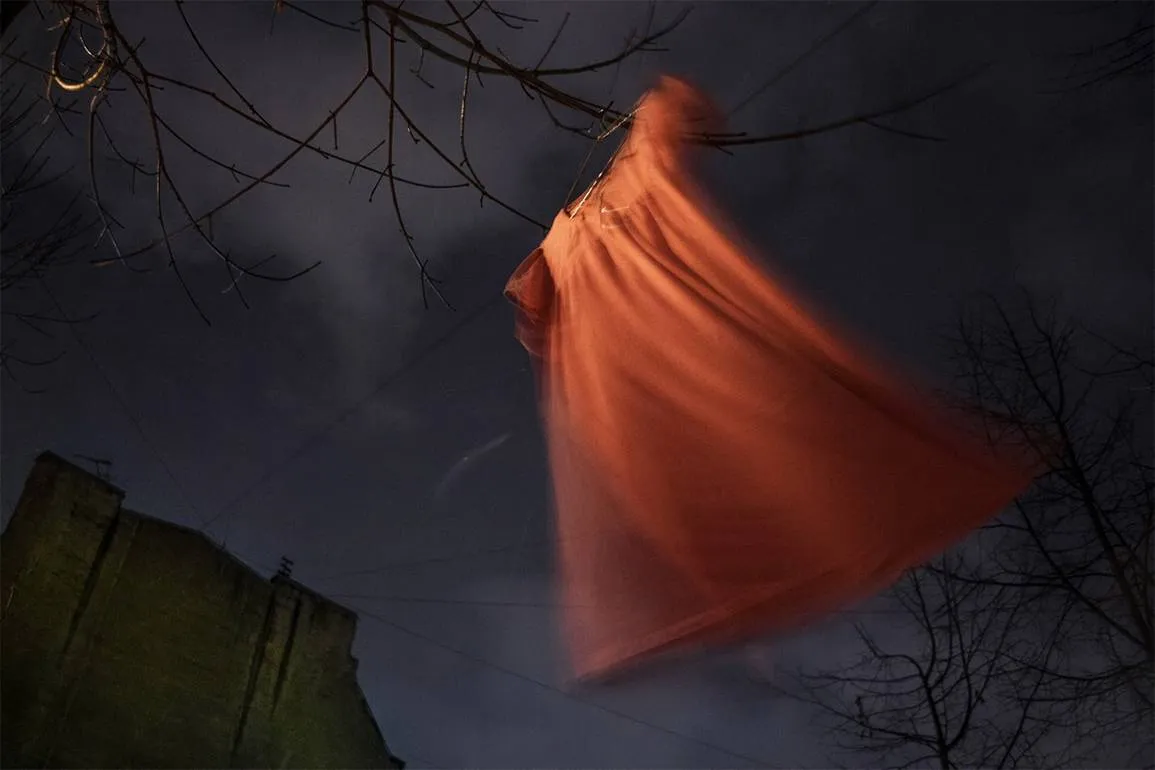
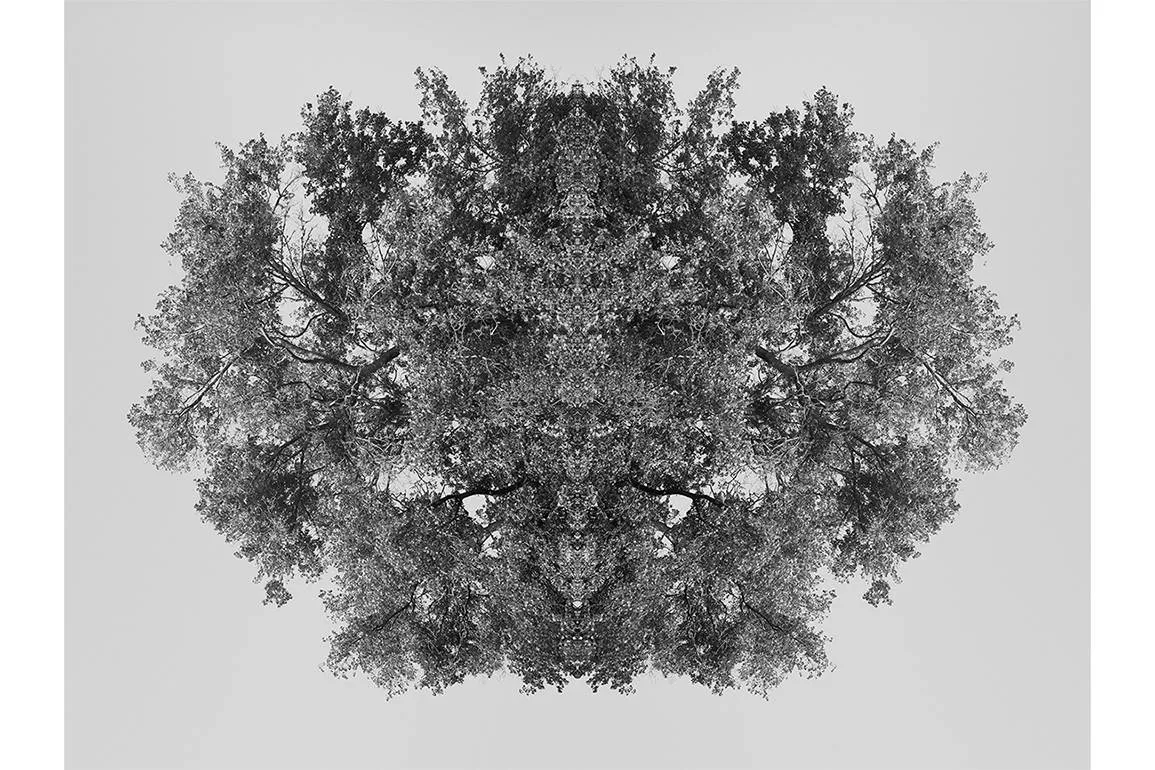
Today, only she remains – I left Russia, and the offline school in St. Petersburg was closed. About a third of our teachers and students also went abroad, so the online format of education has become more relevant and effective in the current conditions. We have adapted to the new realities and continue to offer high-quality education in the virtual space.
The online format provides a unique opportunity to invite a variety of lecturers. For several years, I have been inviting foreign speakers related to photography. This is especially relevant for the Russian audience, which is currently experiencing great isolation from the Western world of photography. Sharing knowledge and experience with international experts helps expand horizons and enrich the perception of photography among participants.
We offer two long-term study programs in photography. The full course is designed for beginners who want to integrate photography into their lives. Photography is an accessible and engaging creative outlet that allows you to express your feelings and emotions. In today's world, many people seek ways to express themselves, and that's why they turn to photography. Our programs will help you master the fundamentals and develop the skills needed to create stunning images. Join us and discover the world of photography.
The second program is designed for professionals already working in photography. These are typically photographers working on commercial projects and looking to shift their focus to project photography. The program offers an in-depth study of technique, creative approaches, and project management, which will help expand your horizons and improve the quality of your work.
Our audience is quite diverse, representing people of all ages: from high school graduates to 65-year-old students. Many of those coming to photography already have a relevant education, often in a technical field. Some of them previously worked as accountants, economists, and other professionals and realized they longed for a more creative career.
Many people no longer fear major life changes.
Our educational programs include original courses that provide students with a unique opportunity to explore various photographic disciplines. A particularly comprehensive program allows students to immerse themselves in genres such as documentary and project photography. Students have the chance to explore various aspects and determine which they want to apply in their lives. This approach is fundamental to our academy, as we strive to unlock the creative potential of each student and help them find their way in the world of photography.
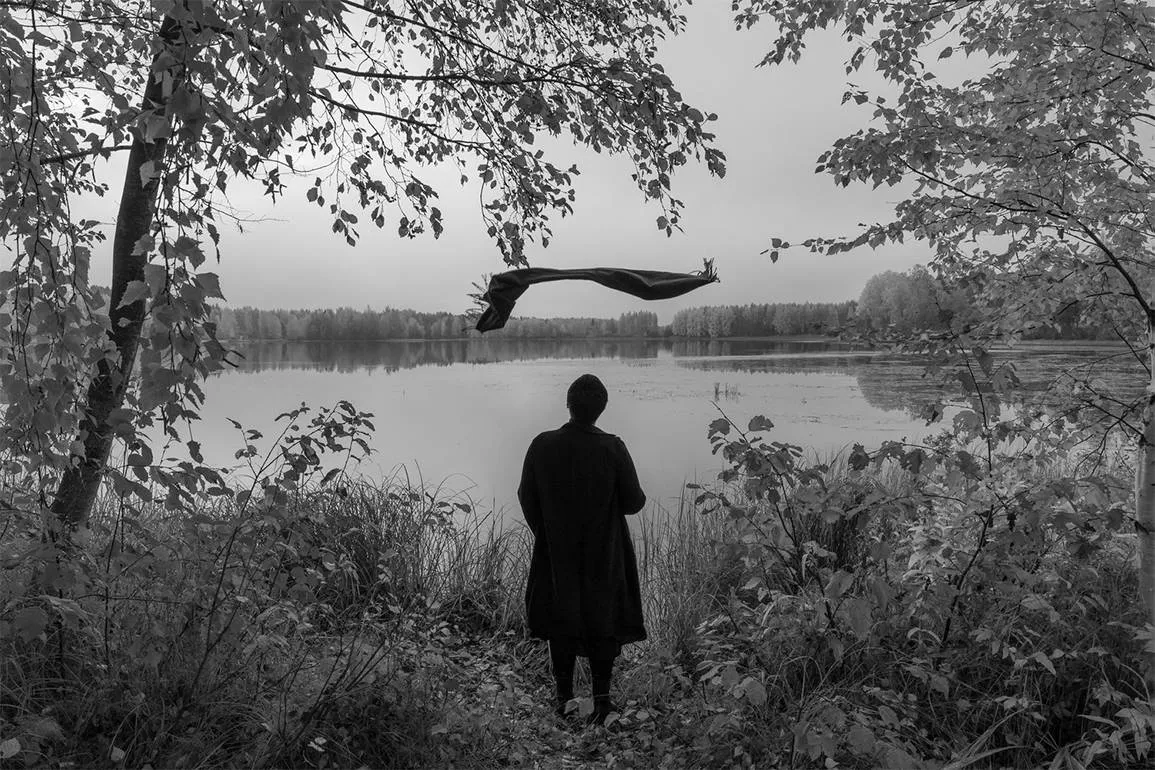
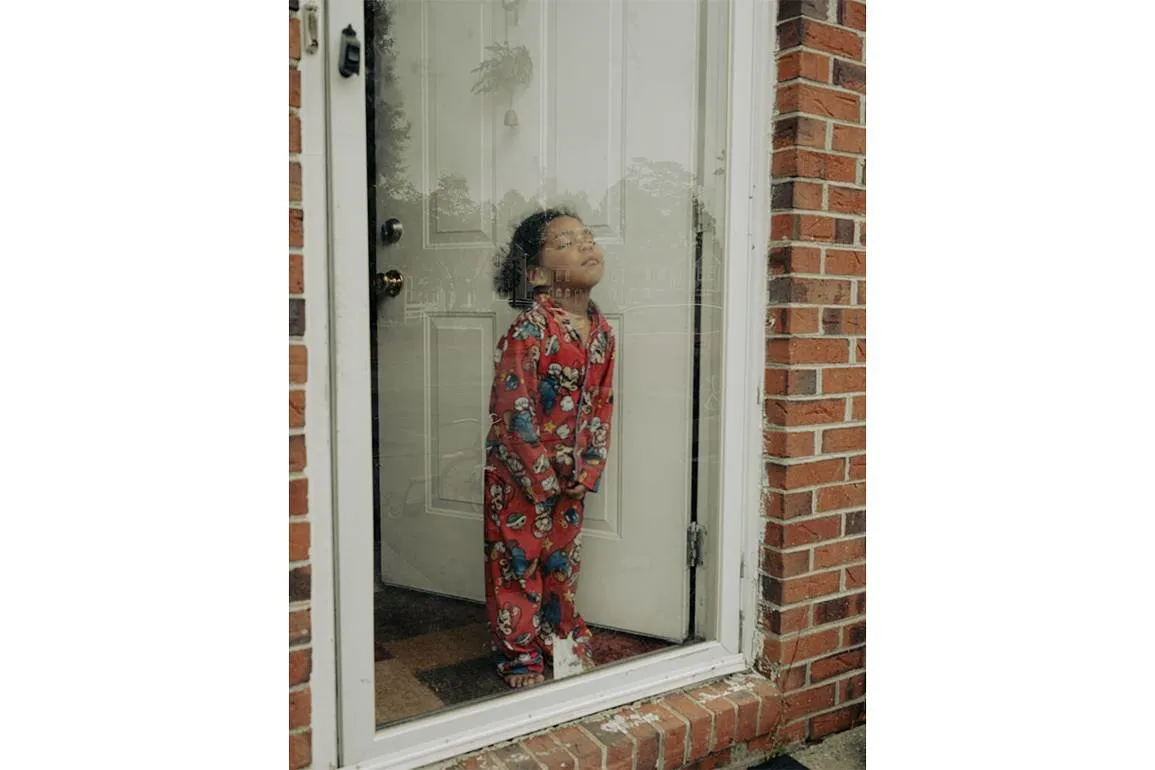
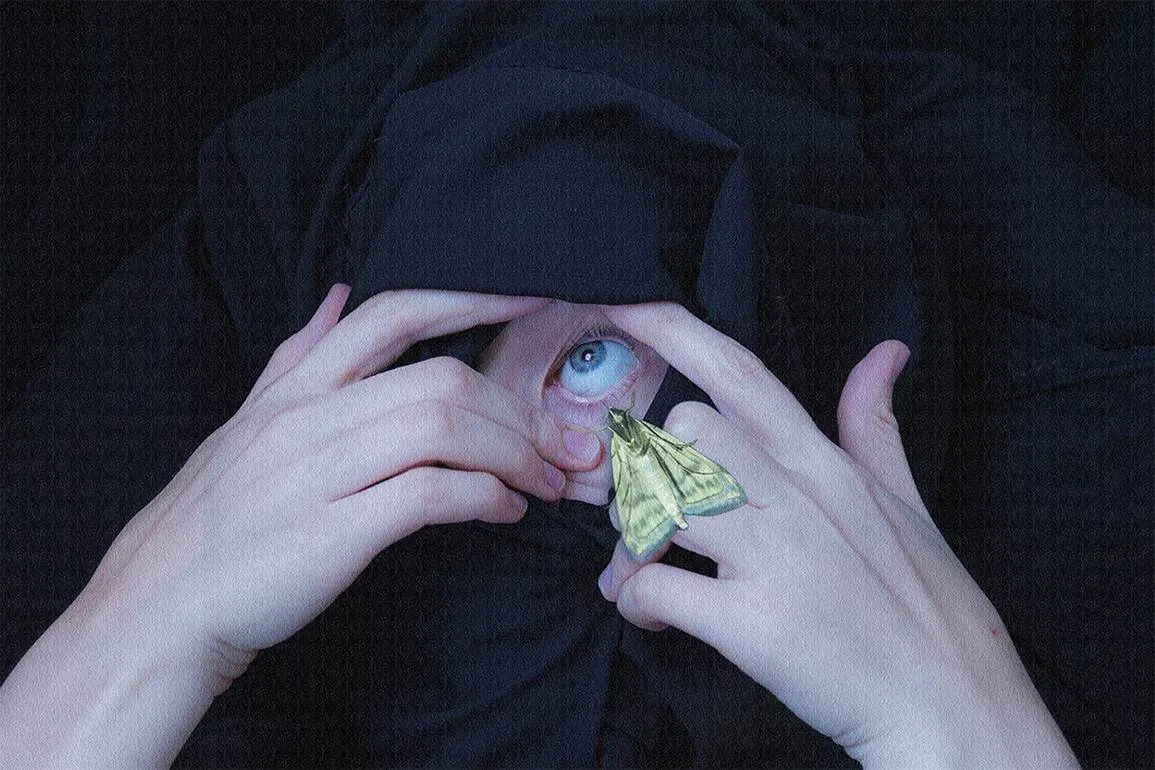
It is important to note that we offer many courses that are not directly related to photography, but contribute to the development of visual perception and the formation of visual literacy. Such courses include the history of painting and the history of contemporary art. This year, we also added a course on film, which helps students develop media literacy. This knowledge enriches the learning process and allows for a deeper understanding of visual art as a whole.
We do not impose a specific visual language or methods on our students. The rigidity of classical education, which asserts: this is possible, this is not, this is bad, and this is good, does not appeal to me. Photography is a creative process in which there should be no strict boundaries. Everyone has their own style, and it is important to constructively discuss differences without dismissing anyone. Currently, new horizons are opening: one can boldly combine documentary and art photography, experiment with artificial intelligence. This is a truly exciting time for creativity. Our main goal is to help students understand all these possibilities and confidently move forward in the world of photography.
The community forming around "Fotografika" plays a key role in supporting students located around the world. In the context of globalization and remote learning, connection with like-minded people is becoming especially important. This community not only facilitates the exchange of knowledge and experience but also helps maintain motivation and inspiration. Through active interaction, participants can share their work, receive feedback, and discover new creative ideas. The importance of such a community is difficult to overstate, especially in today's climate, when distance learning is becoming the norm.
Many photographers working in project photography face challenges in creating and presenting their projects. They don't always know how to properly select material, write a compelling statement, and promote their work. We frequently receive such requests and consider it important to help those who have realized that photography is not only an art form but also a way to interact with the world around them and themselves. Our goal is to make their stories more visible and accessible to a wider audience.
There is significant interest in self-reflection tools among students. Many of them seek to work through personal issues and rethink events that have been traumatic for them. Students are looking for ways to share their stories and find support in the process of self-discovery and self-expression.
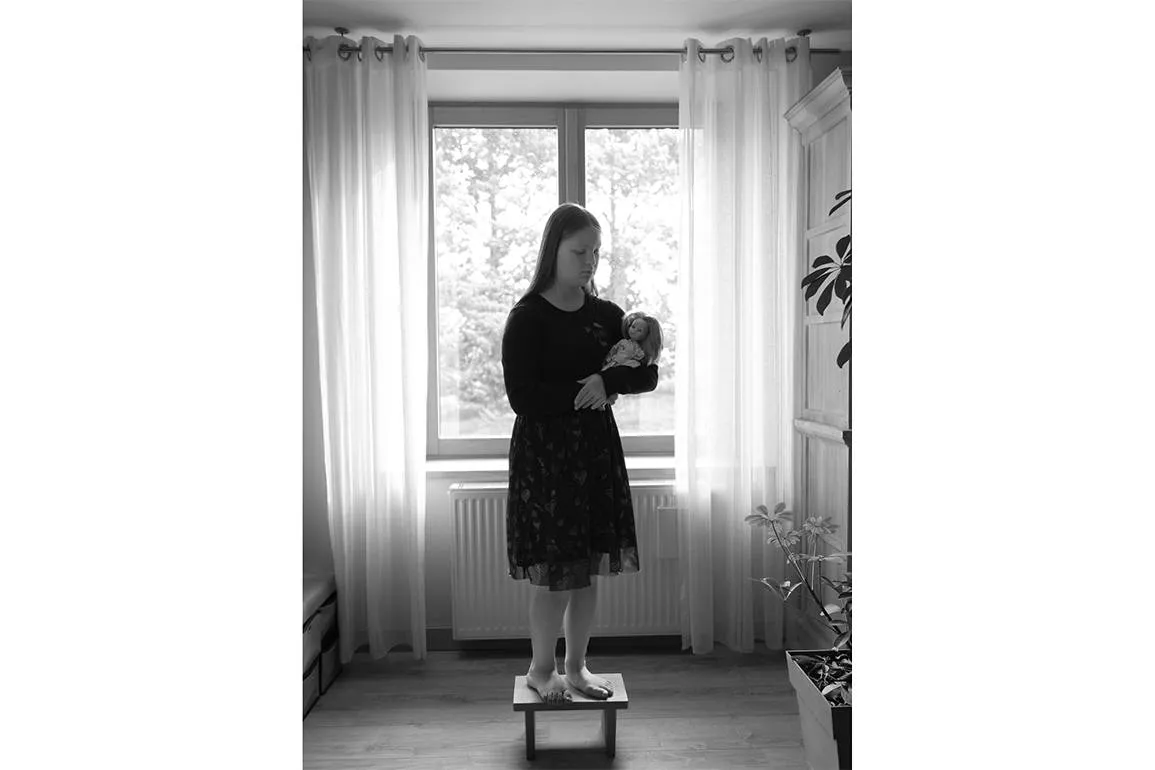
The emergence of many personal projects in photography is associated with the increase in the number of women in this profession. They openly explore their inner worlds. Today, about 90% of our students are women. This trend is observed not only in our country but also internationally. While ten years ago, men dominated photo competition shortlists, now the majority of participants are women. This is a positive change, as the entry of women into the profession has brought previously undiscussed topics into the spotlight. Themes of violence, the complexities of motherhood, and corporal issues are relevant and important for discussion. Several years ago, student Masha Alekseeva worked on a project dedicated to the child abuse she had experienced in her own life. This process proved extremely difficult for her, but it yielded a significant amount of feedback and support. The project was published in several publications and exhibited, confirming its significance. A particularly significant moment was that her mother, who had previously denied the problem, finally acknowledged the need to support her daughter, and they had a frank conversation. This experience highlights the importance of communication and support in family relationships.
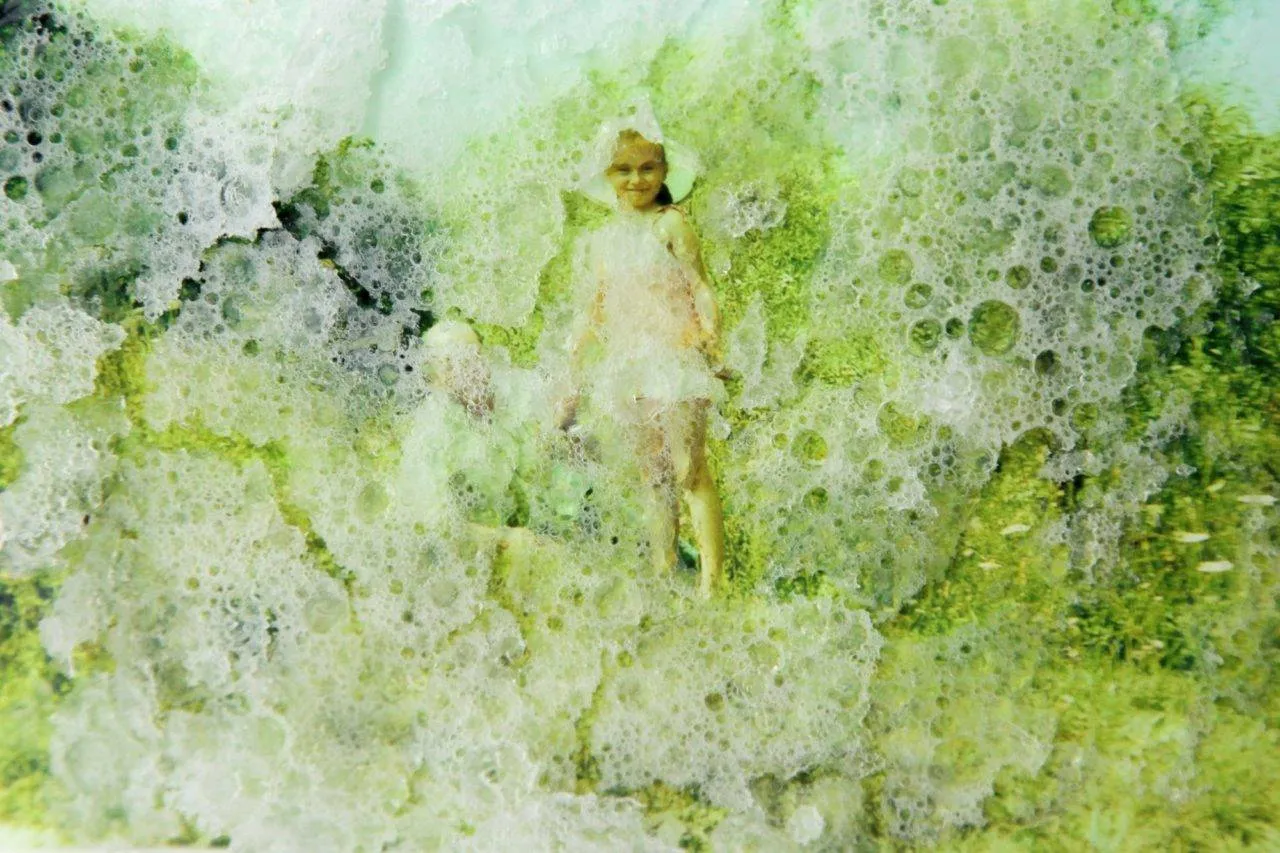
We had a student who created a photo book as a gift for her father. Everyone has their own reasons for taking up photography, and even such a seemingly simple project as creating a book for one person has enormous significance. This personal approach to photography emphasizes its uniqueness and value. A photo book becomes more than just a collection of images, but an emotional gift that will forever preserve memories and moments important to the family. Change in the world can begin with small projects. I believe in the effectiveness of the theory of small deeds. These small initiatives have the power to create significant transformations, influencing society and the environment. Small deeds can become the foundation for greater change, inspiring others to take action and creating a positive impact. It is important to remember that every step, even the smallest, can lead to significant results. In exile, I faced a difficult emotional situation and realized that I needed to find a way to express my feelings. I began creating a project that reflects my experiences with current events in Ukraine, my fear for my children, and my feelings of helplessness. Living in Lisbon, I found support in the Portuguese nature and ocean, which inspired me to create subjective landscapes. These works become more than just artistic expression for me; they become a way to understand and share my emotions with the world around me.
I was experiencing a serious crisis in understanding the importance of project photography. However, when I picked up the camera again and started shooting, this understanding returned. Project photography is an integral part of visual communication, allowing me to convey ideas and emotions that are difficult to express in words. Each image has its own story and purpose, which makes project photography an important tool in the world of art and business. Returning to shooting reminded me how photographs can inspire, tell stories, and create unique images.
"Docdocdoc"
Docdocdoc is a photography school in St. Petersburg, founded by photographer Mikhail Domozhilov and photography researcher and artist Feodora Kaplan. The school offers training in contemporary documentary, post-documentary, and art photography. The course emphasizes technical skills and creative thinking, allowing students to develop their own unique style. The course is available online, making it convenient for students from all regions.
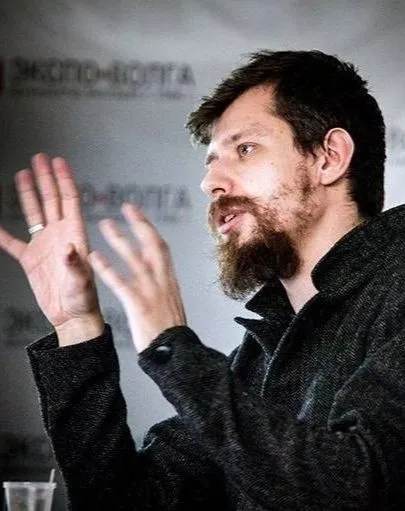
Founder of the DocDocDoc photography school, documentary photographer and researcher in the field of photography. He is a collector and winner of numerous professional competitions, including the NPPA Best of Photojournalism, Sony World Photography Award, and LensCulture Exposure Awards. His photography practice explores themes of subcultures, nationalism, and military and social conflict.
Before founding the school, I was already teaching photography. With each passing year of my experience, it became clear that I needed to create a unique educational program that would meet my own expectations and needs, as I was just beginning my photography journey and facing various challenges. During this period, I conceived the idea of creating a school, and that's when I met Feodora. This meeting led to love, marriage, the creation of a family, and a joint educational project. At our school, I teach documentary photography, while Feodora focuses on fine art photography. We strive to provide our students with a high-quality education based on personal experience and current trends in the world of photography.
When I began practicing documentary photography, there was no systematic education in this field. I asked myself questions about how to properly implement a photo project and how to overcome challenges at every stage, starting with choosing a subject. I had to study all these aspects on my own, gaining experience and encountering various difficulties. I sought information in books and turned to related disciplines, such as sociology and journalism. This path has helped me better understand how to create high-quality photo projects and effectively solve problems that arise.
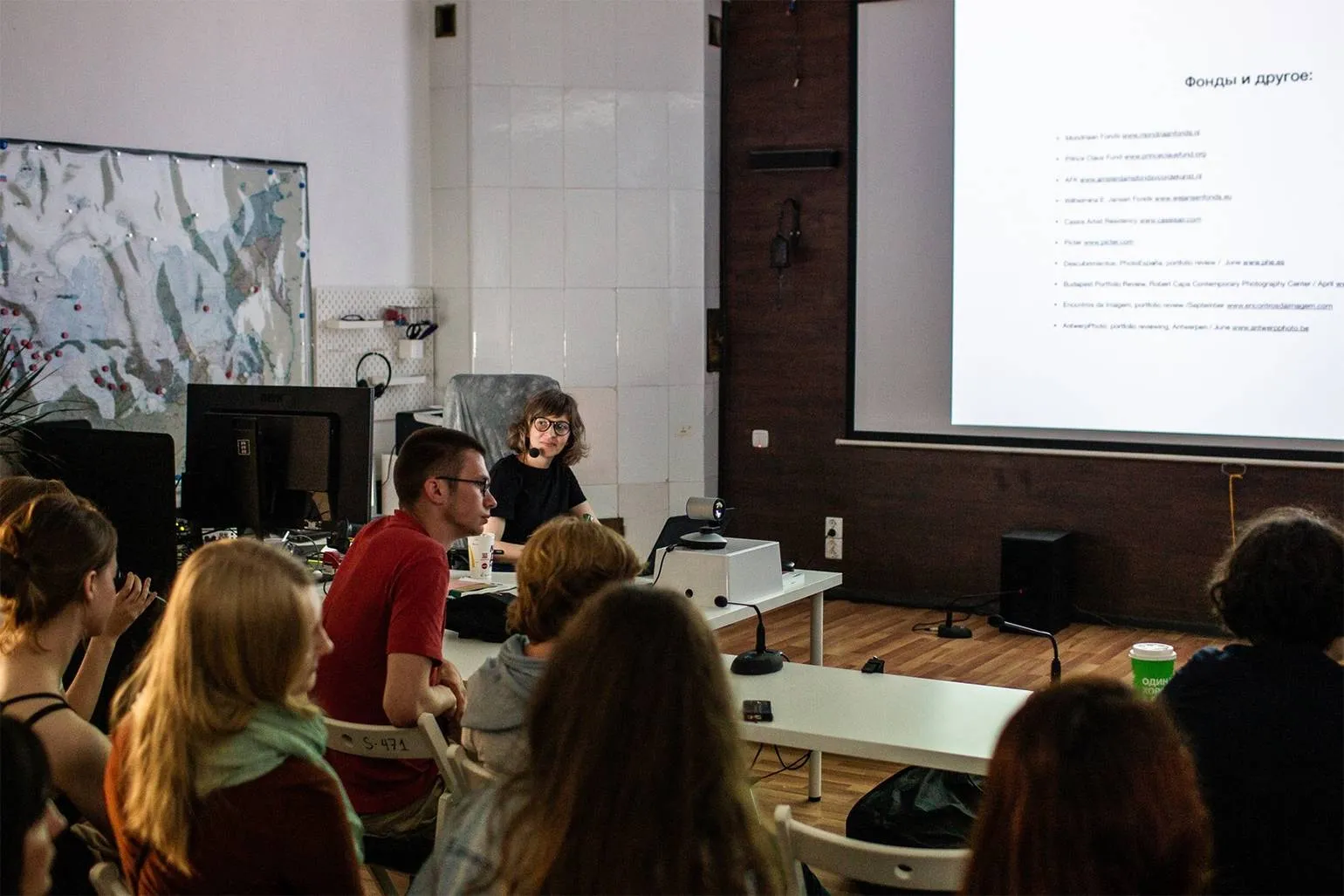
How to effectively analyze the footage? I developed my own tasks and methods for image analysis, which I then adapted for school teaching. This approach not only allows for a deeper understanding of photographs but also develops critical thinking skills in students. Using individual analysis methods helps you better understand the material and makes the learning process more engaging and productive.
We have launched a course called "Post-Documentary Photography," which is a true innovation in the educational field. This topic was virtually unexplored and rarely discussed in professional circles, allowing us to establish a unique position in the market. The course offers a deep dive into the world of post-documentary photography, revealing its characteristics and techniques. We strive to teach students modern approaches and concepts that will help them create unique visual narratives.
Students with a wide range of experience come to our photography school. Among them are beginners who have not yet acquired a camera, and experienced photographers seeking to discover new horizons in the art of photography. Many of our students are passionate about photojournalism, while others are engaged in commercial photography and want to try their hand at a creative field where the concept of "client-oriented images" does not exist. We train those who are seeking ways to express themselves and those who are simply trying to understand themselves and their passions. We welcome everyone, but training is only available to students over 18.
I am critical of the "class approach" to teaching, which involves creating groups of students with varying levels of technical knowledge. Our groups include students with a wide range of technical knowledge. While technically advanced students may quickly grasp the material, difficulties arise if some lack knowledge in other areas. However, this is surmountable—such students can improve and develop. Importantly, beginners now have the opportunity to enroll in a basic course, which allows them to gain the necessary foundation for further learning.
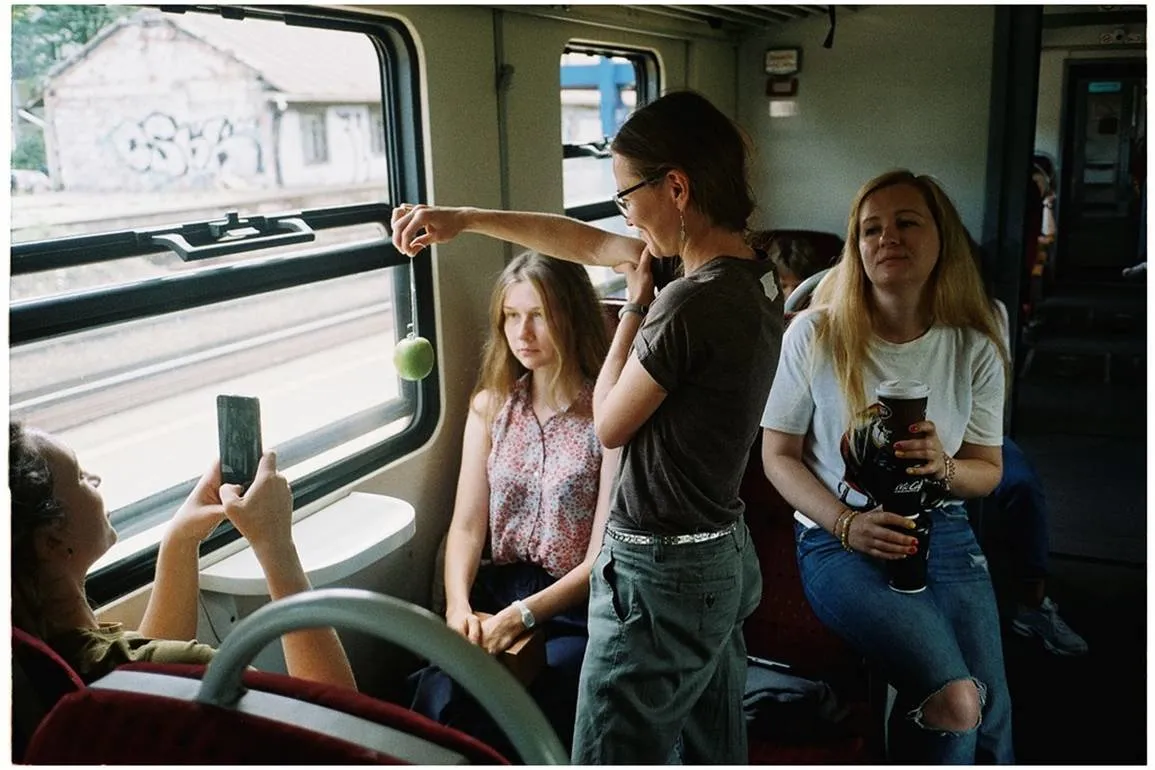
The idea for this course arose because many students have good language skills and interesting concepts, but face technical difficulties. In situations like these, I always share my experience: it took me about fifteen exhibitions, twenty publications in professional journals, and participation in ten competitions to understand the basics of working with a polarizing filter. This course aims to help students overcome technical barriers and develop their skills using practical examples and tips. We will focus on practical aspects of the work to increase participants' confidence and mastery in their field.
In our program, we place special emphasis on the technical aspects of photography, and I myself am a proponent of an in-depth study of equipment, including cameras. However, a purely technical course could seem too boring, so we decided to complement it with a creative component. As part of the training, I actively discuss technical details, and together with Feodora, we delve into serious conversations about art. This combination perfectly helps our students develop both technical skills and creative vision.
In recent years, we have seen an increase in interest in personal topics among students, despite our efforts to instill an interest in a variety of areas. Interest in social photography and the historical impact of Soviet and post-Soviet Russia is particularly strong. Students are also actively exploring analog photography, viewing it as a tool that can be effectively used in project work. Motivation plays a key role in the learning process. One student remarked that our school tends to offer too much information. This is truly thought-provoking. This is especially true for adult students, for whom time is a crucial resource. Therefore, it is important to optimize the educational process to make it more effective and responsive to student needs. We provide a wealth of resources for further study, as well as reading and viewing recommendations, as an intellectual foundation. It is important to note that success in photography depends on a person's motivation and the chosen field. For example, for documentary photography based on reportage, it is crucial not only to be well-read and knowledgeable but also to prioritize the practice of proper shooting and subsequent analysis. Conceptual art photography requires deep intellectual work, which makes this path longer and more complex.

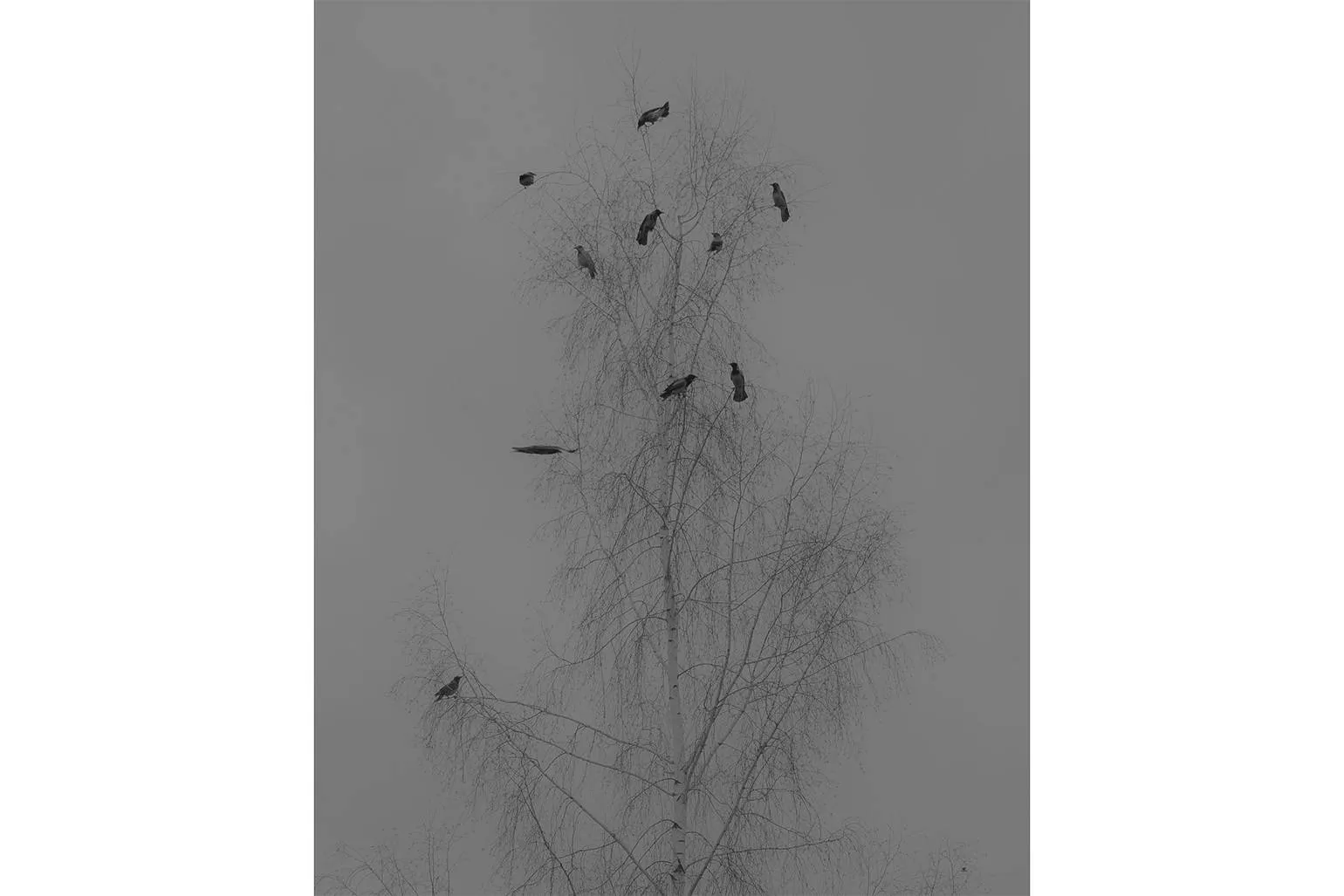
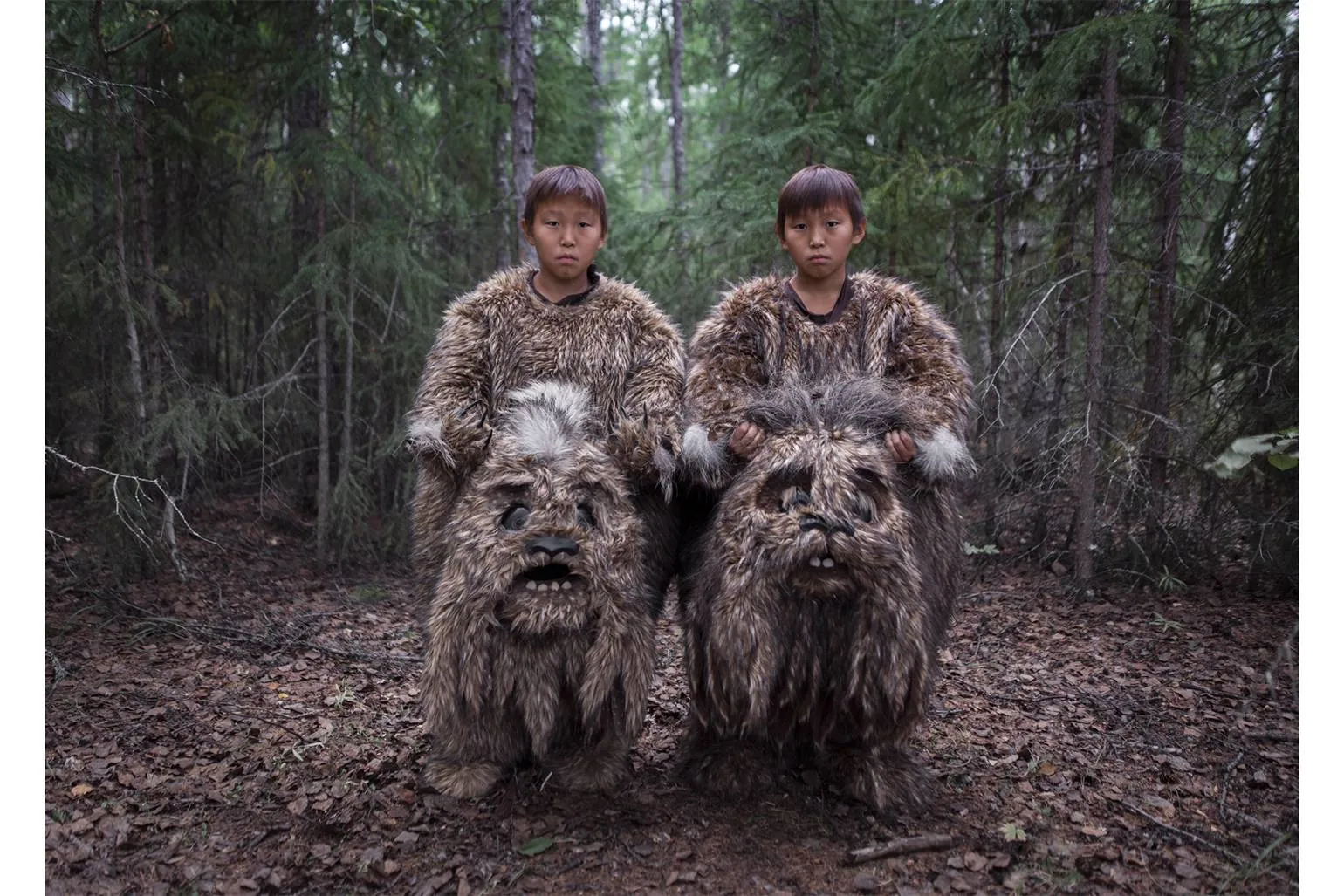
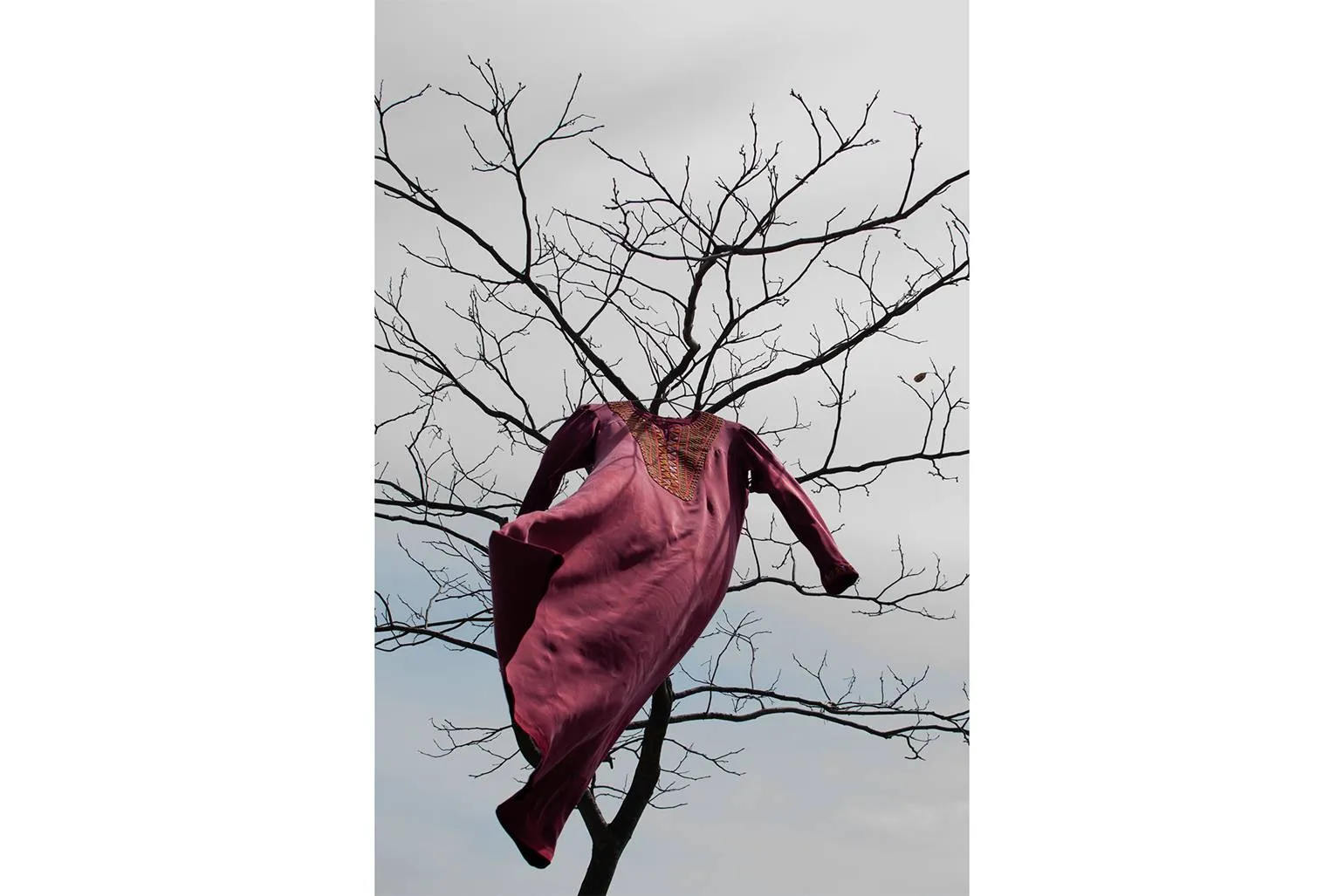
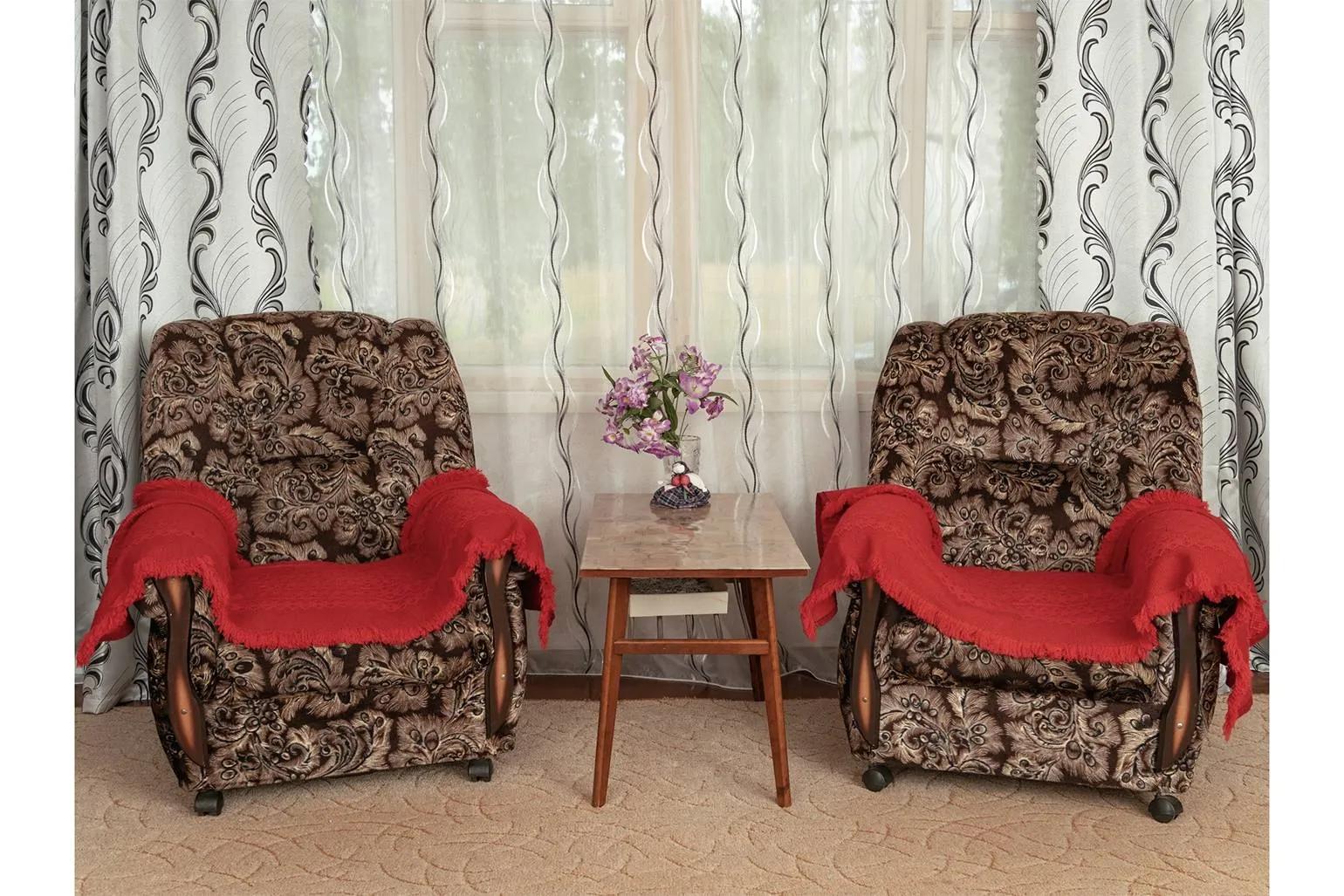
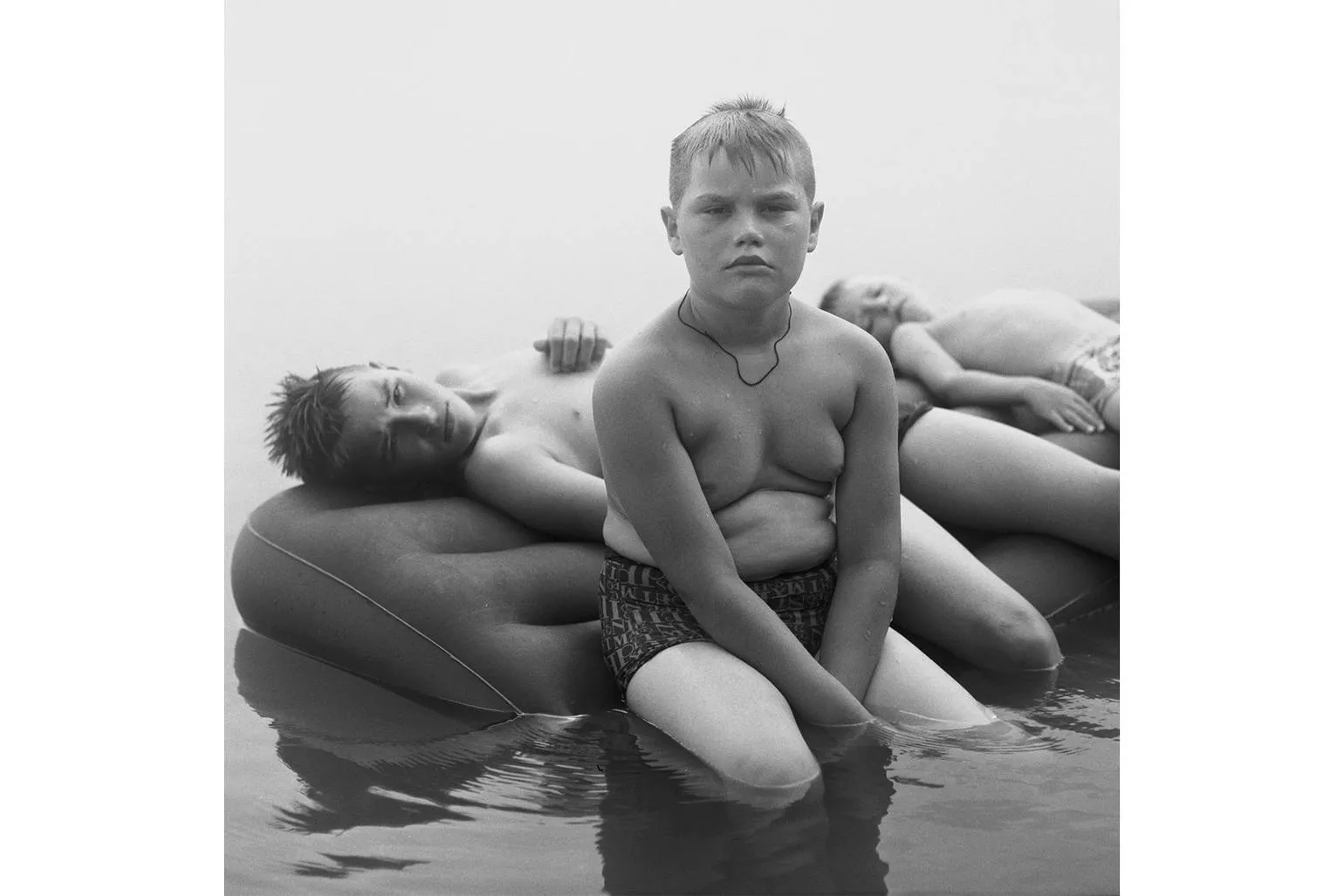
Photography reveals a multitude of talents and possibilities. Some photographers have a unique visual style, others have a deep understanding of concepts and ideas. Some masters are excellent in technique, others choose interesting and original subjects for their work. However, even those who possess none of these qualities can succeed through hard work and persistence. Ultimately, diligence and hard work can play a decisive role in achieving high results in photography.
When we opened the school, my main goal was for most students to complete final projects. Nowadays, I approach this issue more relaxedly, understanding that not everyone has the opportunity to create something significant in their first year. Our primary goal now is to immerse students in contemporary photography trends relevant in 2024. We strive to give them a deep understanding of current trends, technologies, and styles so they can develop their skills and creative approach to photography.
Our second goal is to demonstrate the possibilities of modern education. I studied in the 1990s, when the influence of the Soviet educational system was still felt, and there are many questions about it and it leaves its mark on students throughout their lives. Therefore, it is important for me to change people's minds within the educational process, reducing their dependence on grades. Often, students create projects not for themselves, but to please teachers, which reduces motivation and creativity. I strive to avoid toxic relationships, especially in a creative environment where people are sensitive and vulnerable. Although ideal results are difficult to achieve, it is important to continue these efforts to create a healthier and more productive educational atmosphere.
We strive to change the perception of photography. As a passionate fan of documentary photography who began my career in this field with the advent of the digital revolution, I am eager to inspire students to explore documentary photography. This is especially relevant in the current climate, when the country is facing difficult times and unique opportunities are opening up for documentary photographers. A student group project, conducted during an expedition to the Tambov Region, represents significant research. The students participating in this project included Pavel Basin, Yulia Serebrennikova, Polina Trel, Evgenia Gubanova, Evgenia Frolova, Valeria Parinova, and Sasha Kulagina. Participation in such an expedition allows for a deeper understanding of the region, its culture, and ecosystem, while also developing skills in teamwork and scientific research. The photographs taken during the project reflect not only the individual achievements of the students, but also their joint efforts in studying the Tambov region.
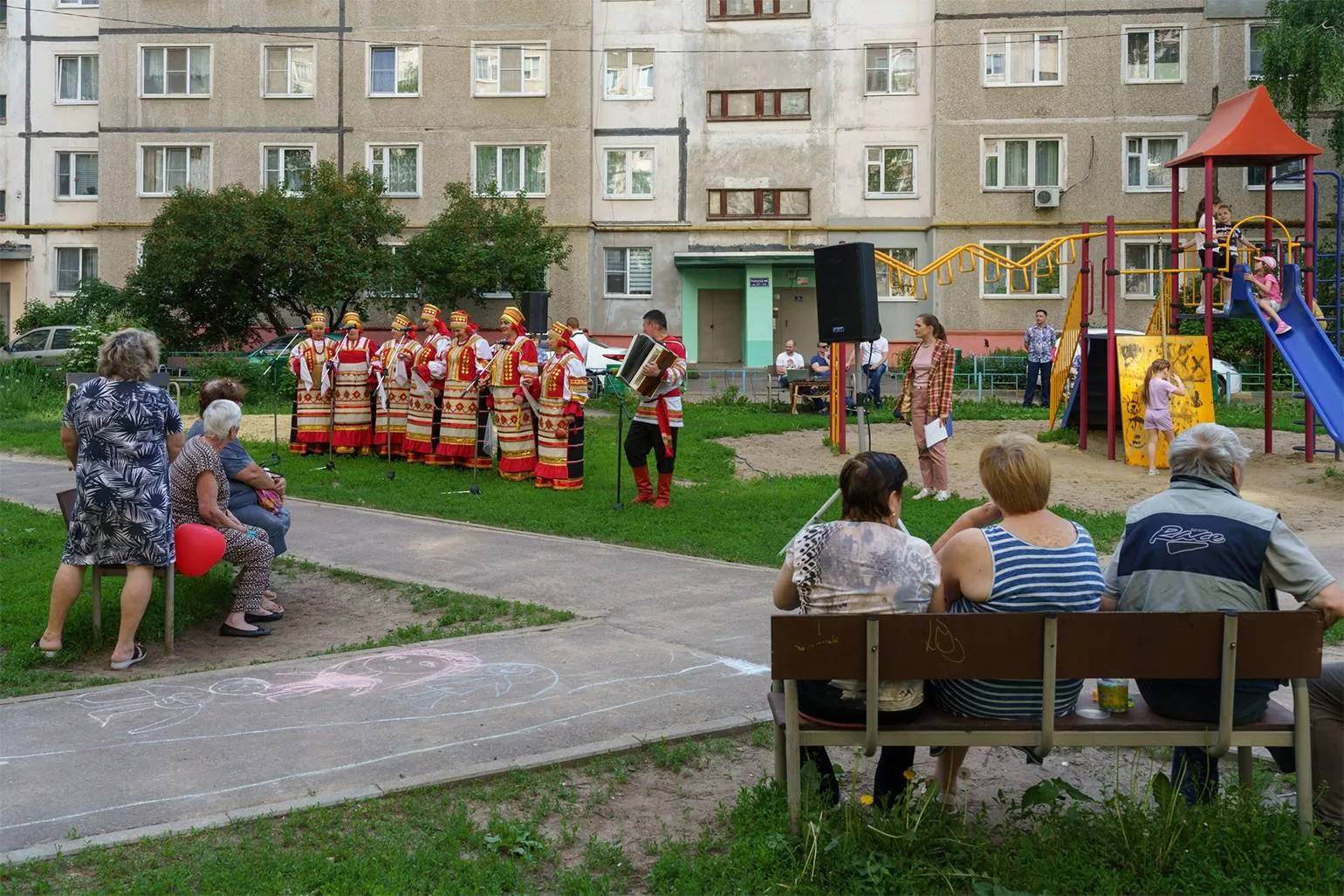
The mission of our school is to develop photography, including documentary and art photography. While there are many commercial photography training options available, opportunities to explore other genres, such as documentary and fine art photography, remain limited. We strive to fill this gap by offering quality training and support in these areas to inspire and develop talented photographers.
We do not have the resources of larger educational institutions—we do not have large premises or exhibition spaces. However, we have achievements and successful graduates. Students come to us from other schools, and some of us leave for other educational institutions. This is a natural process, as each person strives to find their calling and realize their potential.
FotoDepartment / Projection
FotoDepartment is a recognized organization in the photography field. In recent years, it has changed its approach to training, abandoning the traditional photography school format. All of FotoDepartment's educational resources and programs are now concentrated on the online platform "Proektsiya," allowing students to access high-quality content and materials in a convenient format. The platform currently has 3,500 registered Russian-speaking participants from around the world. Recently, the topic of "Trauma and the Visual" has become particularly popular among students. There has also been strong interest in practical courses such as "How to Write About Photographic Projects" and "How to Write a Bio and CV." These programs enable participants to develop skills in writing and critical analysis of visual materials, which contributes to their professional growth and deepening of knowledge in the field of photography and visual arts.
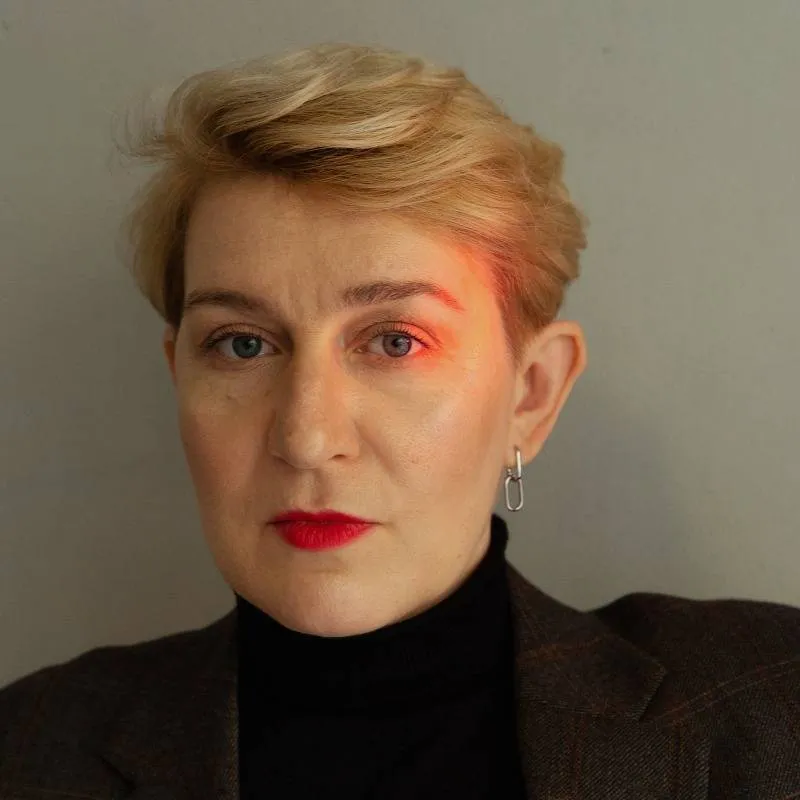
Researcher, co-founder and director of FotoDepartment, as well as a photo critic. Specializes in organizing exhibition and educational projects in the field of photography. Author of courses and workshops aimed at developing skills in the visual arts.
In the long-term program "PhotoDepartment. Institute," we use a hybrid learning format. We were the first to introduce online courses, combining practical lessons with theoretical knowledge. However, over time, it became clear that remaining in the same format was ineffective, even with the program being updated.
This wasn't a crisis, but a conscious step toward creating high-quality and visually appealing content available online. This form of education provides the opportunity to independently study photography theory and visual art in general. This independence is crucial to our approach. An educational process that involves a year of progressive work with support may not always reveal a person's potential, and it's easy to get stuck in this format. We offer a risky but exciting path—learning independently.
Many notice that learning new material becomes more difficult when there is no support, supervision, or approval. The educational process at "Proekciya" differs from the usual format. We offer a unique approach for those ready to develop and mature. Here, you will have the opportunity to independently acquire knowledge and skills, which facilitates profound personal transformation and professional growth.
Currently, the number of face-to-face online meetings with subscribers on our platform has been significantly reduced. This is necessary to avoid an infantile approach to learning. We recognize that users come to us not for meetings, but to immerse themselves in high-quality content and make their own decisions about studying it. Based on "Proekciya," we offer intensive online meeting courses called "Routes." These events are not designed for simple knowledge acquisition, but rather present participants with challenges that require in-depth analysis and a systematic approach to solving them. This format promotes the development of critical thinking and structuring the reflection process.
In independent work, it is important to realize that praise and support will not be constant. You need to learn to develop and spin up your mental impulses. Understanding that impulse plays a more significant role than tools is key. Visual diagonals, color combinations, composition, style, and aesthetics of the photo are certainly important aspects, but they only make up about thirty percent of what is necessary to form a complete statement. Focusing on developing the thought process will help achieve a deeper understanding and expressiveness in creativity.
In the field of education, it is important to develop the individuality of the person and not limit itself to the transfer of knowledge. In our country, there is a shortage of self-sufficient authors, especially among photographers capable of creating unique art.
There are no technical courses in photography at "Proektsiia". We are not focused on those who seek to improve their shooting skills, but on those who want to deeper understand how photography as an art function and is expressed. Our goal is To help you understand the philosophy and concepts behind photography, inspiring creativity and the development of artistic vision.
When something unclear arises within a person that requires expression, but they cannot find the words, they should turn to "Projections" and "Routes." We do not seek to simplify understanding, but rather to deepen immersion in the artistic space, providing the opportunity for more complex interpretation and self-expression.
Why does a person strive to enter the world of art? Most often, it is the desire to succeed, and this is a completely normal aspiration. However, the true goal of art education is not to create successful artists, but to open people's eyes to new ideas and perspectives. This is a kind of service to society. Although it may sound somewhat pretentious, the main task of an artist is to promote freedom of thought both in viewers and in themselves. If an educational institution offers other goals, it is worth considering the feasibility of such training. It is also important to recognize that everyone has the right to choose whether or not to consider themselves an artist, which is an important aspect of personal identity.
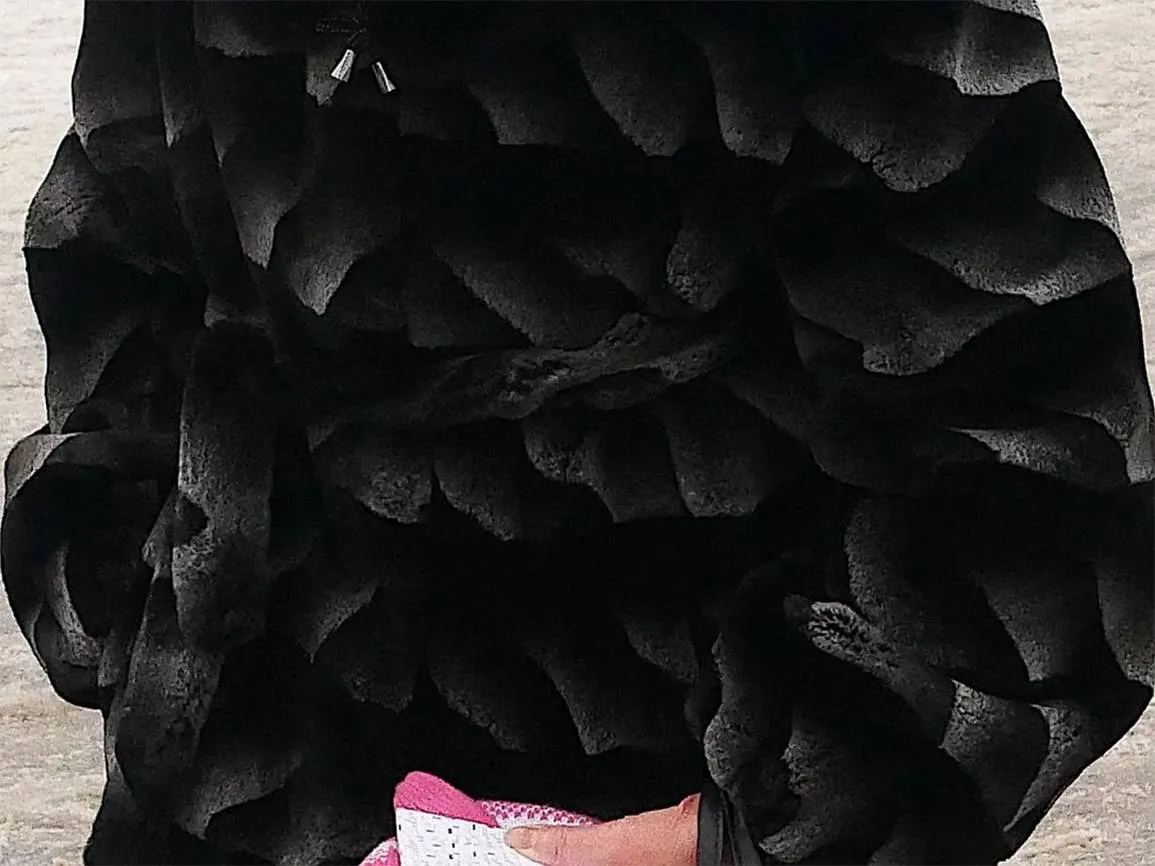
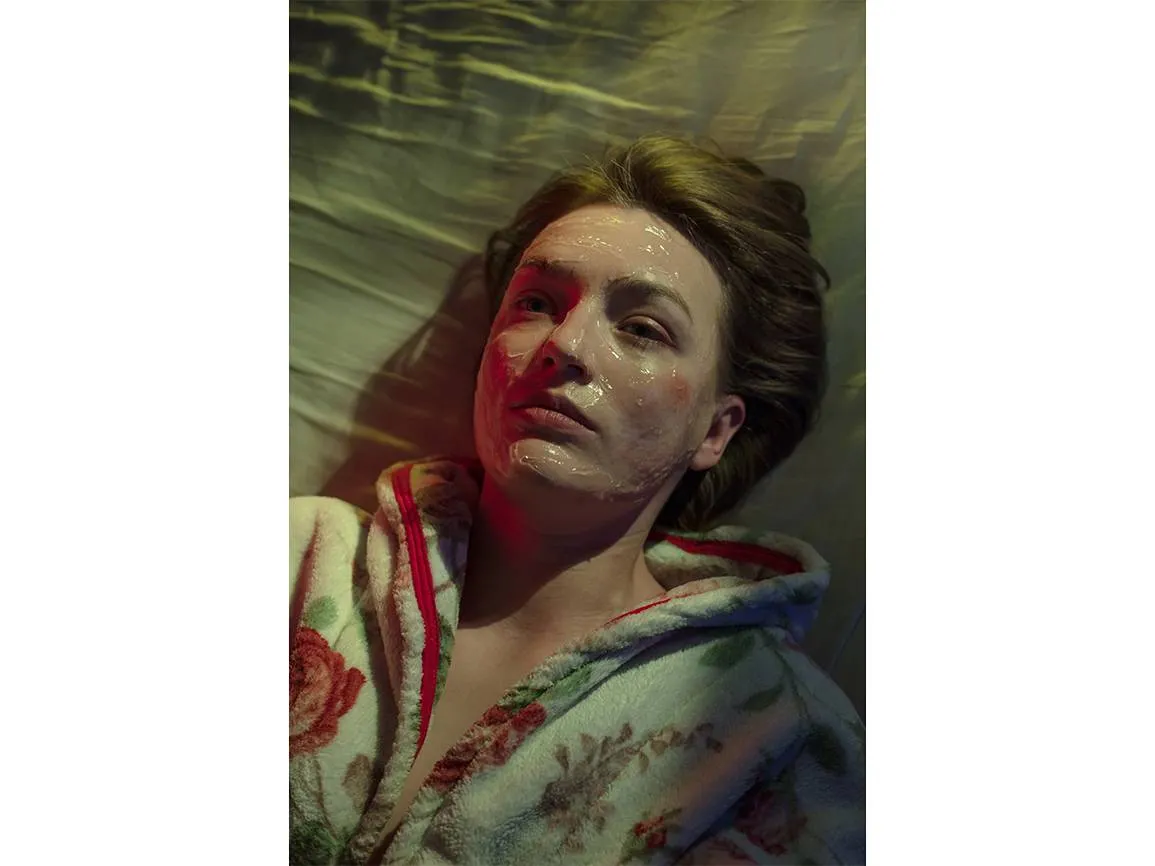
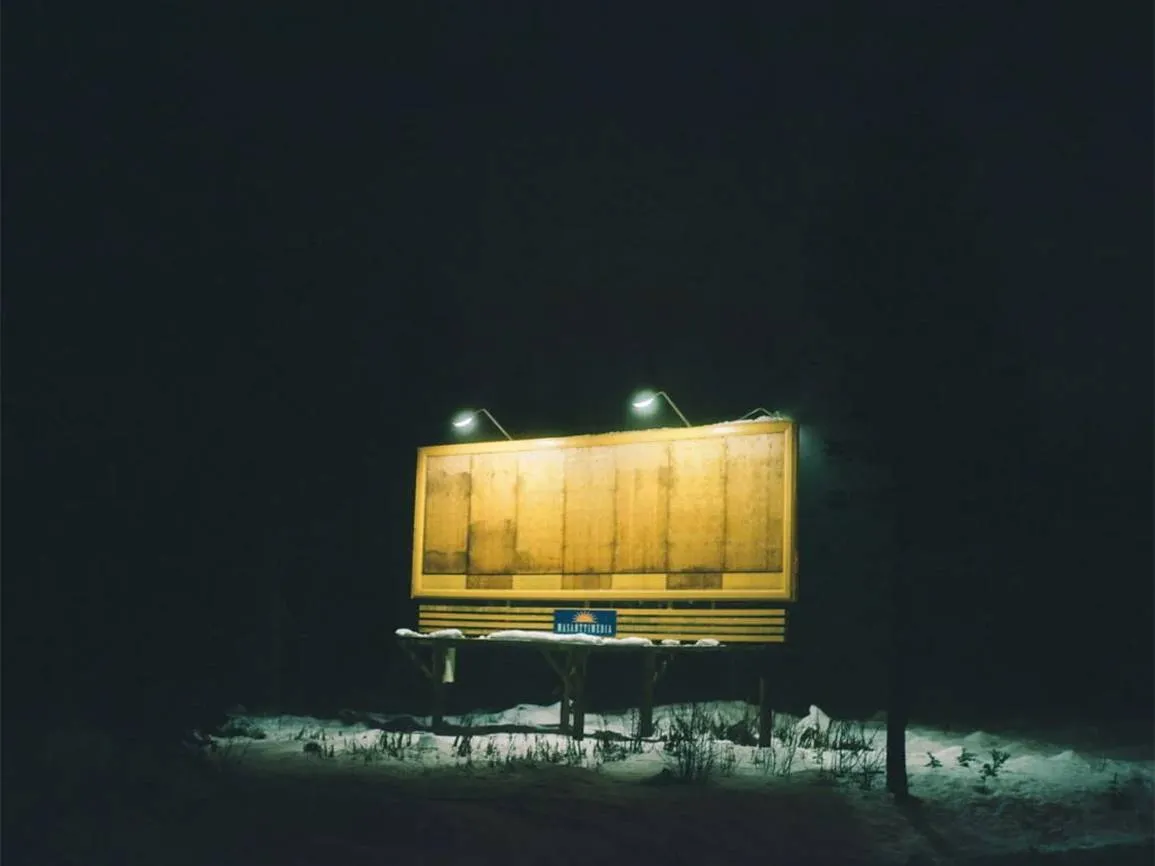
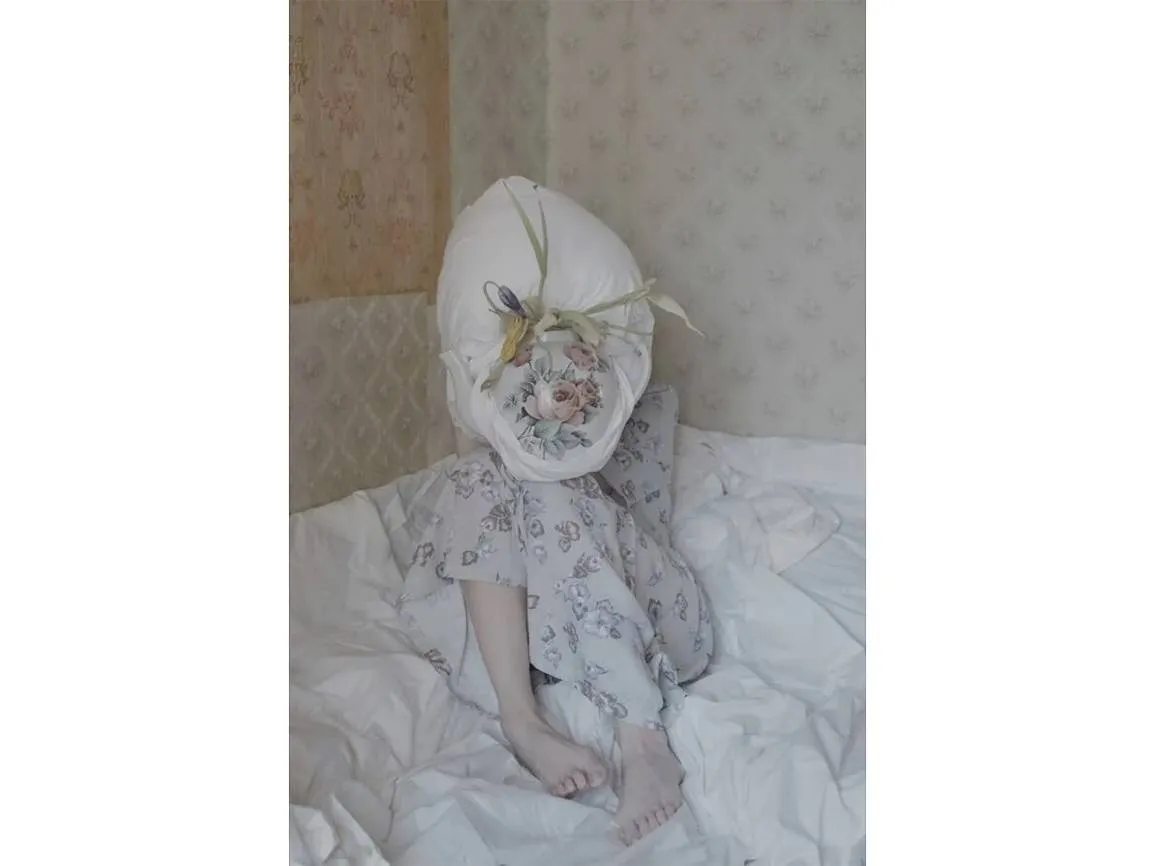
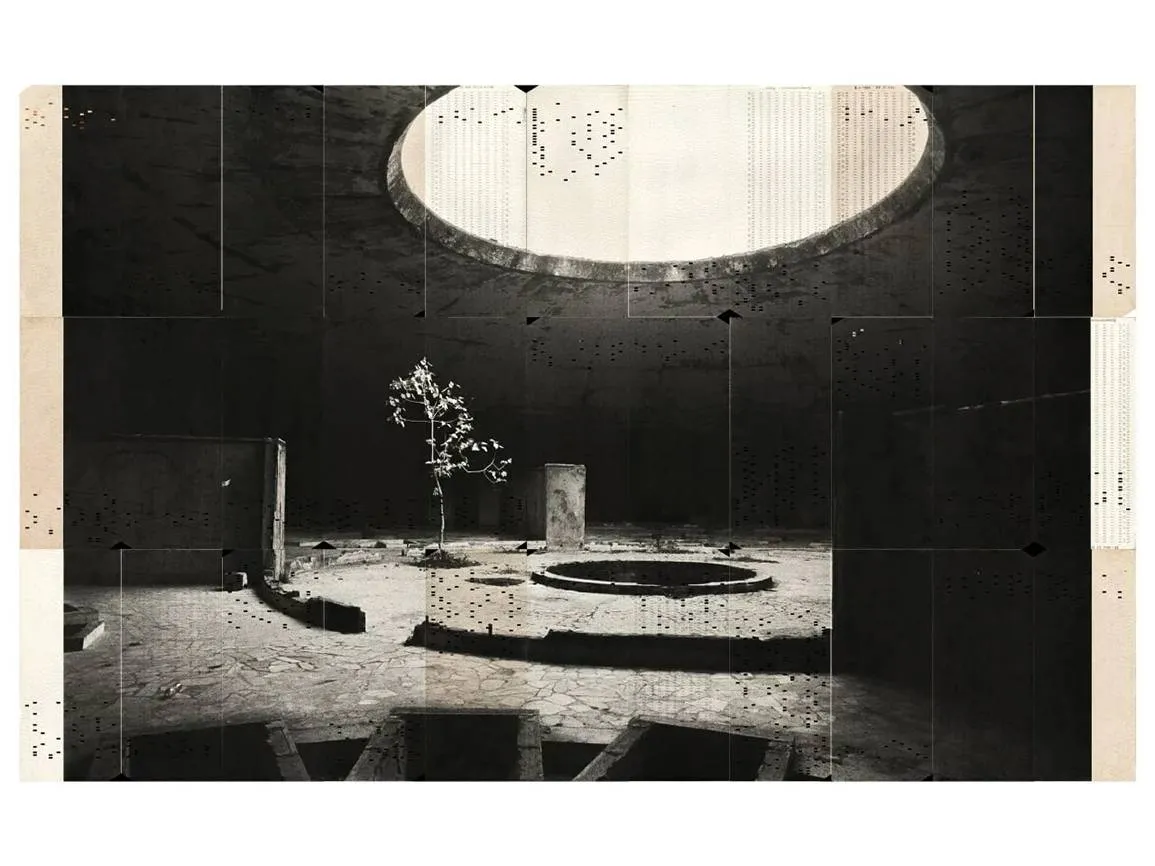
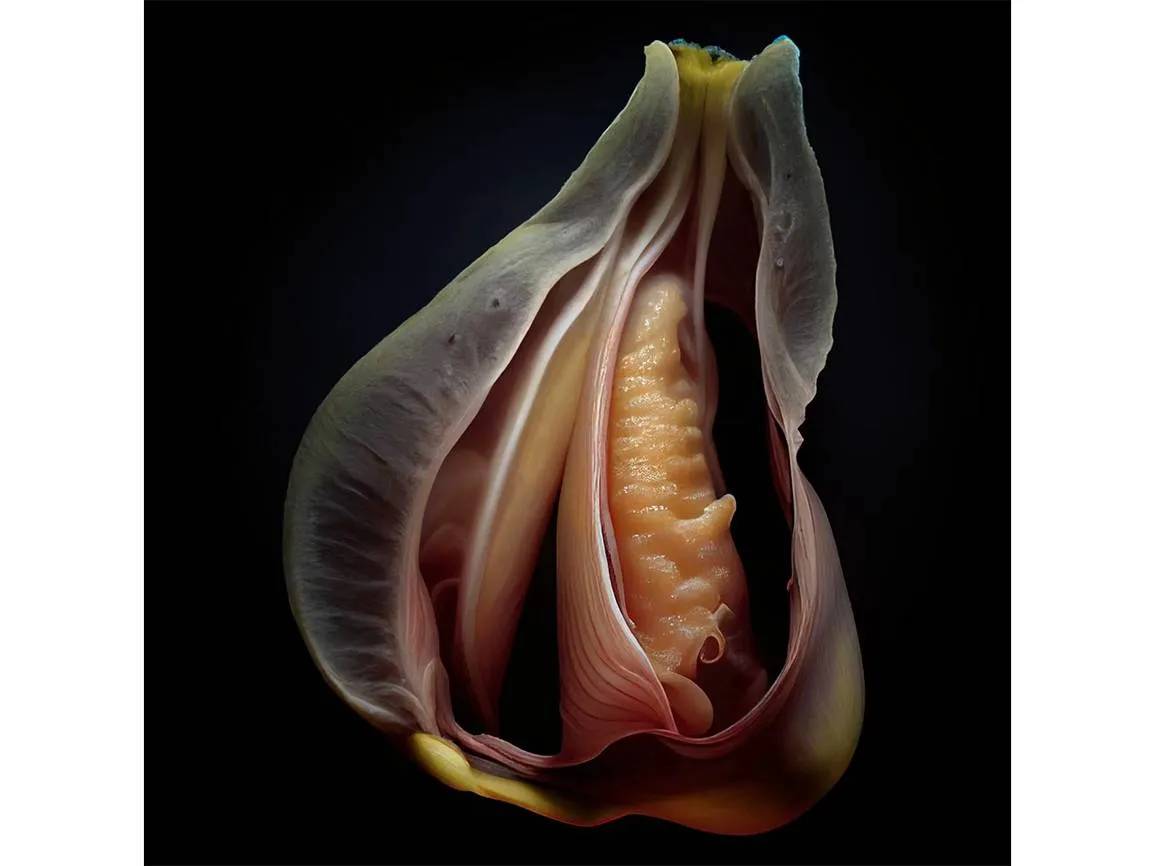
An artist needs to develop thinking, attention, and interest in the surrounding world. Photography is closely connected to reality, and it is more important than simply creating a beautiful image, but to understand the relationship between photography and physical space, as well as the world of subtexts and contexts. The technical means of photography are as complex as in other art forms, and their study is an important part of the creative process. It is also a path to self-knowledge. This is precisely what art schools should provide.
The theoretical material on the "Projections" platform provides a deep understanding of the evolution of contemporary photography and art over the past ten years, building on trends that emerged in the 1960s. Even for those without a formal education in contemporary photography, studying the increasing complexity of photographic projects is sufficient to understand the dynamic development of art and learn to perceive the mechanisms by which meaning is created through visual images. This allows one not only to appreciate the aesthetic value of works but also to grasp their cultural and historical significance.
The platform provides a unique opportunity to develop photography skills while simultaneously developing artistic thinking. Learning photography is not limited to technical aspects such as camera operation or image processing. It is a process that fosters creativity and the ability to see the world from a new perspective. You gain not only practical knowledge but also the ability to perceive reality through the prism of art, an essential aspect of any creative endeavor.
Artistic thinking is the ability to recognize the interconnectedness of various elements and media that together form art. At this point, the understanding comes that the world around us, in which we find ourselves and what we do, has profound meaning. Art becomes multilayered and complex, transcending the boundaries of a simple image that can be quickly "consumed." We strive to develop people's ability to manage their circumstances so that their lives become rich, resonate with reality, and deeply meaningful. Photography here serves merely as a tool that helps them embrace this mindset. Reading becomes an important element in this process, fostering artistic perception and heightening awareness.
It often happens that after studying theory, people stop applying their knowledge in practice. This phenomenon occurs in many people, and there's nothing wrong with it. The key is to question your true priorities and values. Understanding what's truly important to you can be key to your personal and professional growth.
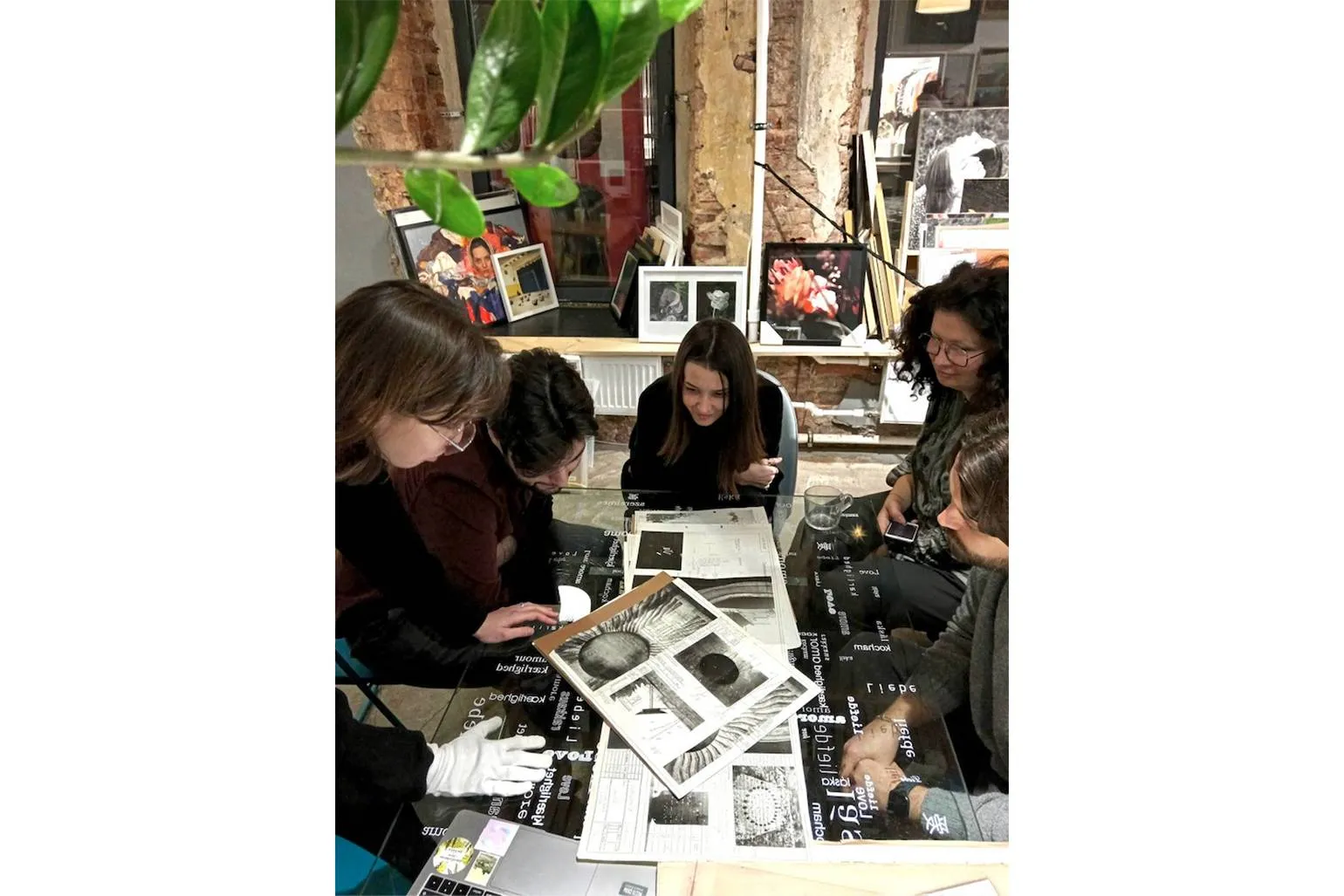
Understanding the complexity and fascination of the internal connections that shape art allows you not only to observe, but also to create meaningful contexts around which you can build your life. A birthday can be celebrated with profound meaning, and a walk in the forest takes on new value when we recognize its significance. The phrase "one more detail, and something powerful will emerge" reflects the artist's mindset. Each person is capable of discovering this space by exploring the world of art and creating unique meanings.
The FotoDepartment website states that the project's primary goal is to demonstrate how art can be applied in various settings and transform consciousness through photography. We are confident that this goal is achievable. Our task is to create complex and profound concepts that will later become understandable and accessible to a wider audience.
How to evaluate the effectiveness of an educational project? Evaluation should not be based solely on student success in competitions, as such criteria may be insufficient. More important is an analysis of long-term results, such as the number of mature and critically thinking authors who remain after completing the program. It is also important to determine in which fields these authors become authorities and what influence they have on the perceptions and thinking of those familiar with their work. The effectiveness of an educational project should be assessed through the prism of the formation of sustainable knowledge and skills in students, as well as their ability to influence others.
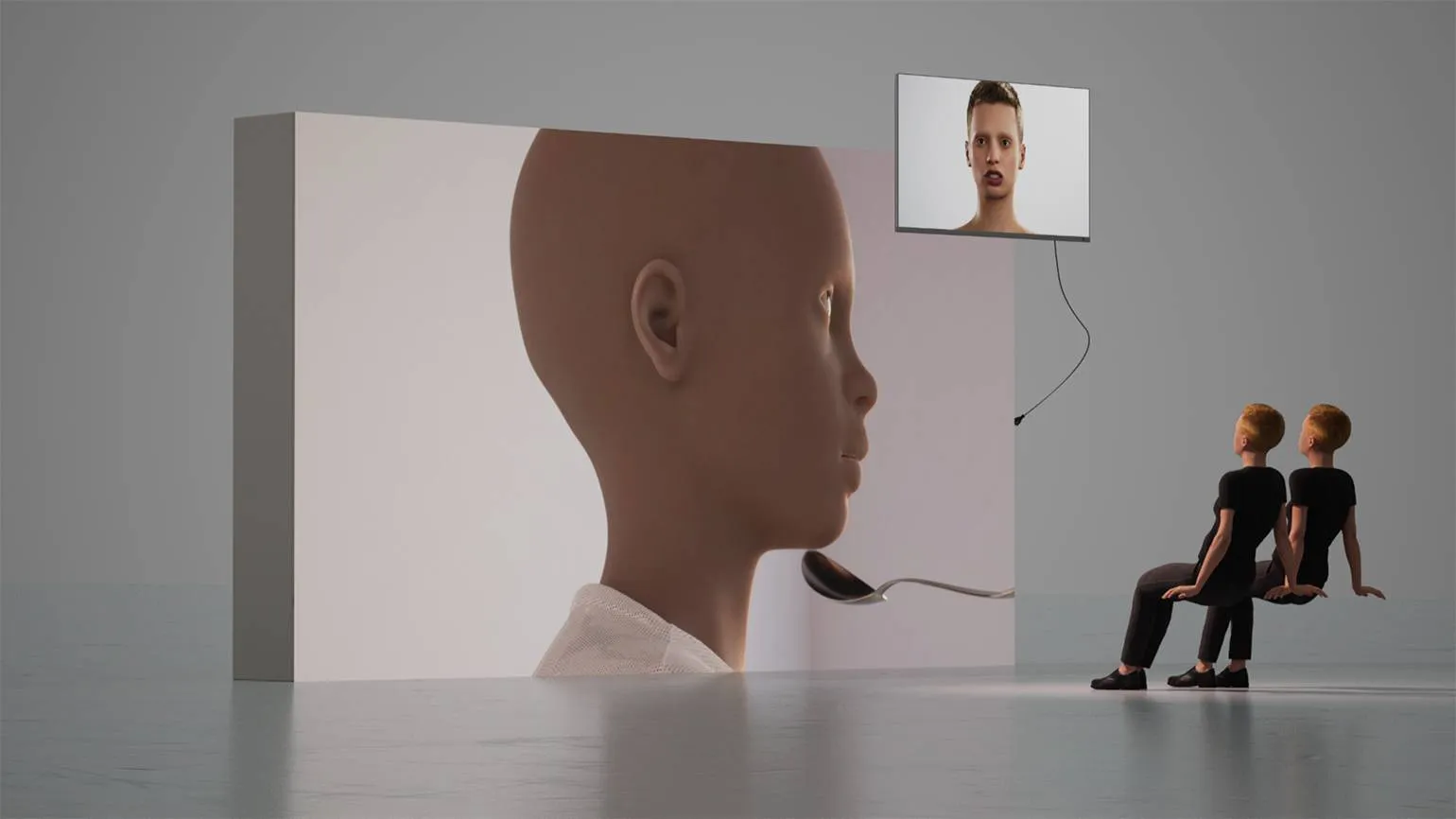
We recently opened an exhibition by Irina Zadorozhnaya entitled "My Limbo Land. I trained Irina in 2014, and since then she has participated in several group exhibitions. She was absent from the public arena for 6-7 years, and now she has returned with this impressive project. The creation of such a multi-layered work requires considerable time, at least a year. This level of maturity is consistent with international biennials, as noted in the discussions of the exhibition. Irina's approach to her work, when she takes time out of her life to develop a project and its philosophical understanding, commands respect. We are ready to work with such authors, even if it takes many years. The race for awards is not important to us; it is much more valuable when an author creates a project based on their life experience.
Rodchenko School
The Rodchenko Moscow School of Photography and Multimedia was founded in 2006 and is part of the Multimedia Art Museum. The institution's educational program draws on the experience of the world's best art schools and is rooted in the traditions of the Russian avant-garde. The school offers unique courses that cover various aspects of photography and multimedia art, equipping students with the necessary knowledge and skills for successful careers in these fields.
The school traditionally offers full-time instruction, but this year, a distance learning format was introduced. An online course is now available, which is equivalent to full-time instruction. This approach allows students to acquire knowledge in a format convenient for them, while maintaining all the essential elements of the traditional educational process.
Our school's core curriculum is taught in a workshop format. We discussed the specifics of this process with the leading workshop artist Elena Anosova, who is not only a teacher but also a graduate of our school.
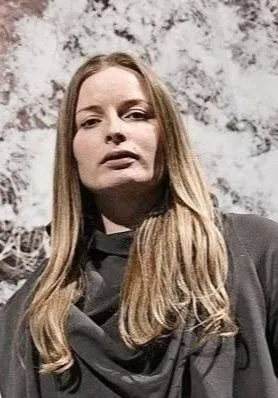
The artist, researcher and curator has been a master of the main program of the Rodchenko School of Art since 2021. She is the co-founder and curator of the art residence of contemporary art on Lake Baikal called "The Strawberry Case". Elena's visual research has been supported by the Garage Museum and the Aaron Siskind Foundation. Her work has received recognition in international competitions, including World Press Photo and LensCulture awards. Elena's primary professional interest is the study of isolated communities, making her work relevant in the context of contemporary art and cultural studies.
I was offered a teaching position at the school long ago, but back then, the system was akin to "serfdom": a student would be assigned to a master for all three years, and it was extremely difficult to transfer to another workshop if you felt that the medium or master wasn't your thing. Under such conditions, I would have found it difficult to mentor. However, in 2021, changes were made, and students were allowed to attend multiple workshops simultaneously, giving me the opportunity to actively participate in the educational process.
My workshop, "Design Thinking in Visual Media," offers a unique opportunity for students to realize their creative ideas in a variety of directions. Although only a few of the eight participants are involved in photography, the rest explore a variety of media formats. Some create documentaries, others develop computer games, paint, draw graphics, create sculpture, or create video art. Workshop participants are free to combine various mediums or work in teams, which facilitates the exchange of ideas and the expansion of creative horizons. The most important thing is interest and genuine engagement in the creative process. The workshop is focused on developing project thinking and creativity, which allows each participant to find their unique voice in the world of visual media.
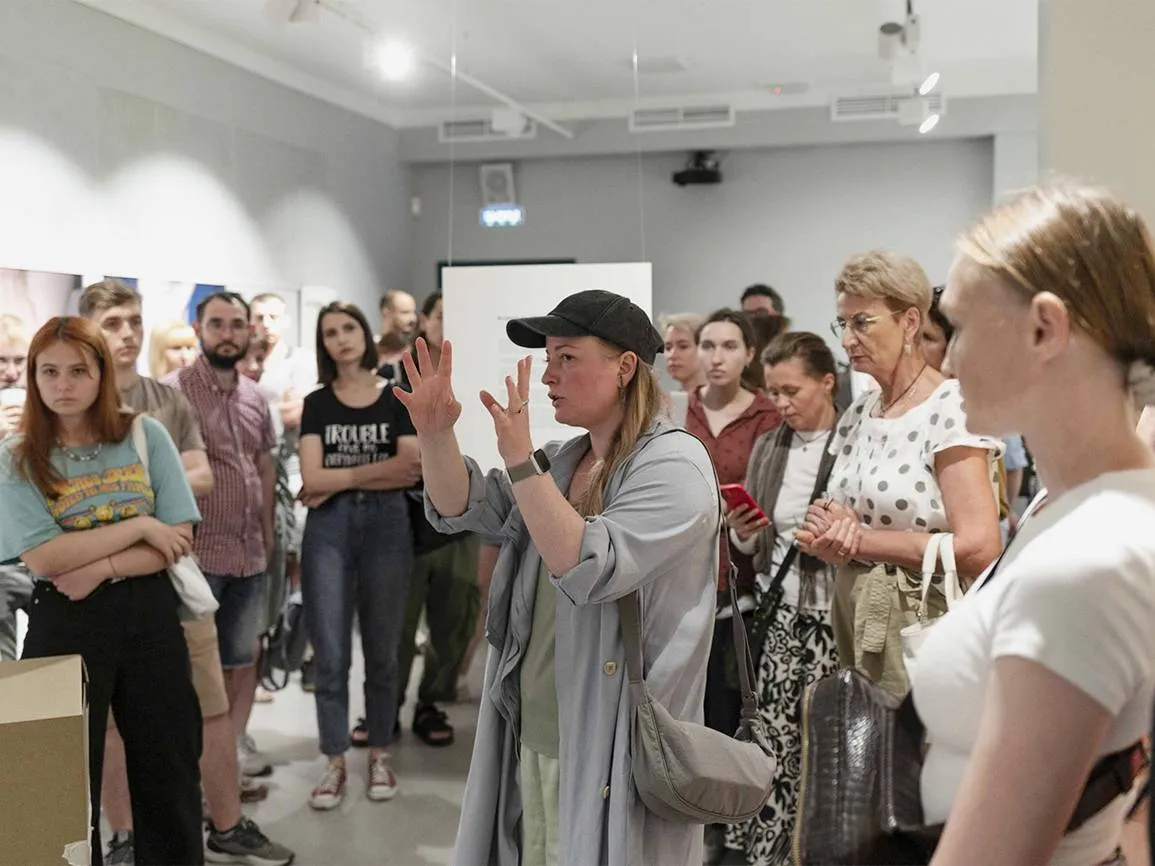
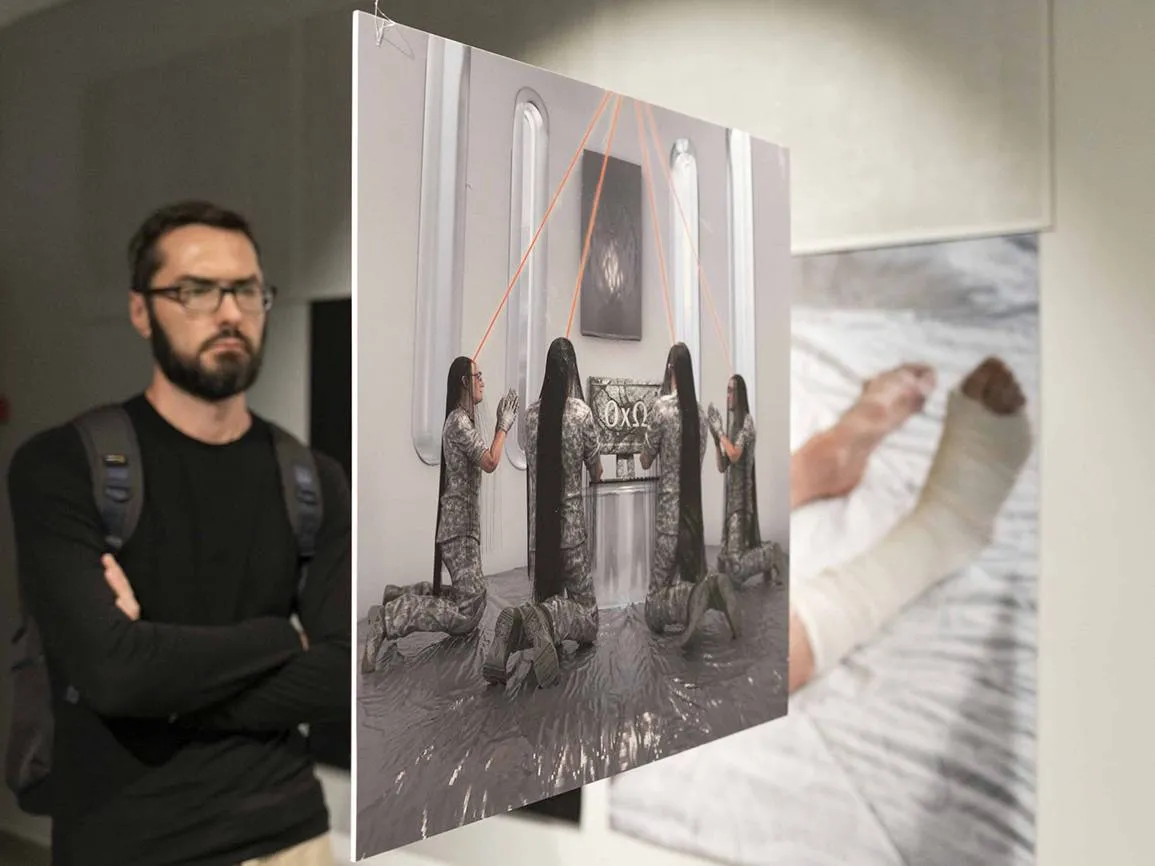
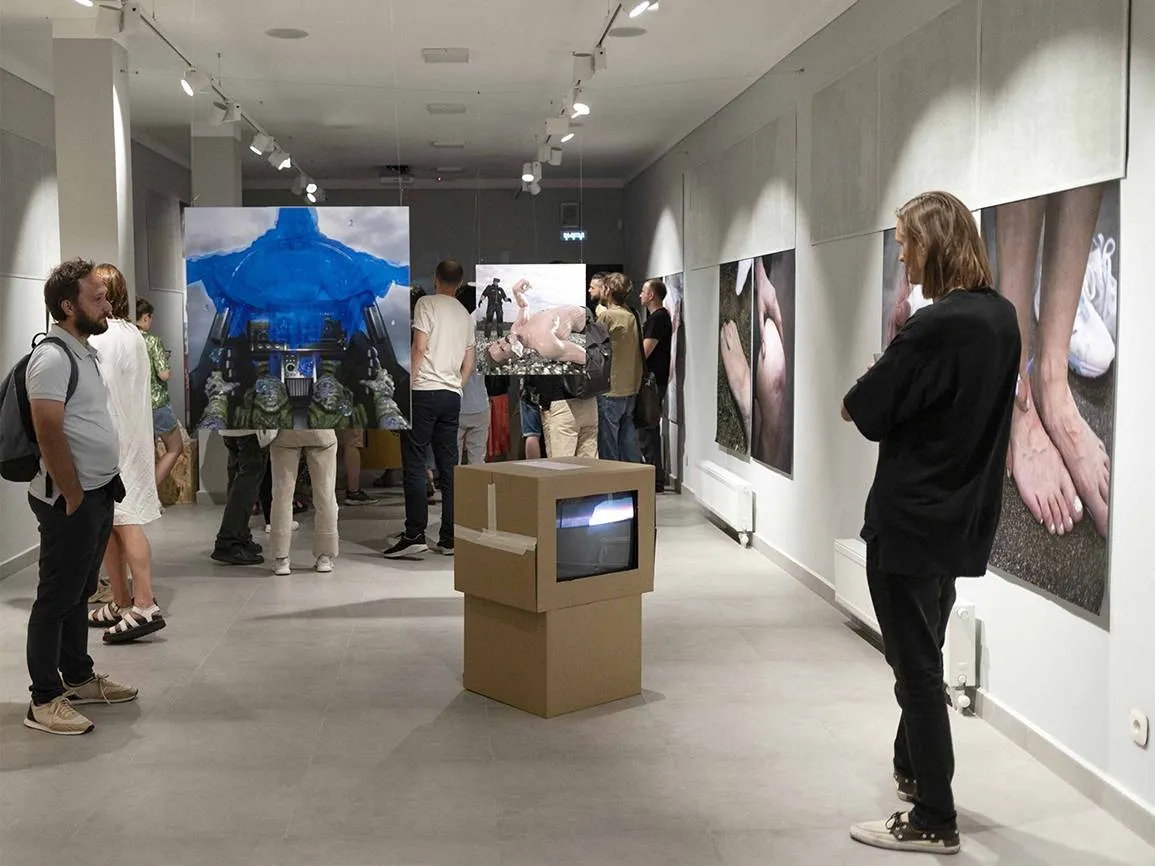
One of the first topics students encounter is understanding themselves and the world around them, as well as the times in which they live. Questions about who I am, where my roots come from, what family processes and traumas influence my life become central. We often perceive everything through the prism of our own experience, and this personal perception can expand to the level of a neighborhood, city, or even a country, influencing other people. It's important for the author to skillfully use metaphors or ask open-ended questions such as "what's happening?" or "why is this so?" to deepen understanding of these themes.
When reviewing potential students' portfolios, I first evaluate the content of the work. In the second and subsequent stages, attention is paid to the formal aspects of the design and structure of the work.
In my workshop, there are several principles, one of which is: "We don't compare ourselves to others, we compare ourselves to ourselves yesterday." Each person has unique capabilities, experiences, and ideas, as well as an individual speed of development. For some, it may take several months or even years to understand what questions interest them and how to formulate them correctly: through which medium and with what techniques. In this context, both results and processes are of great importance. Self-comparison allows us to focus on our own progress and personal achievements, which is key to successful development in any field.
Our workshop has a tradition: at the end of each trimester, we go on trips to cities such as Vladimir, Suzdal, Zvenigorod, and Kaliningrad. During classes, I always emphasize that I will take those who perform well during the semester along with me on the trip. "Good behavior" means following simple rules: sleeping at least five hours a night and eating at least twice a day. Although this is presented with a smile, it's important to understand that in the process of immersing ourselves in practice, we often forget about our own health and pleasure, which can lead to regret later. In my classes, we create an atmosphere where you can not only focus on learning but also snack on apples and nuts, drink coffee, and not be distracted by the group discussion. This allows you to maintain a balance between the educational process and health care.
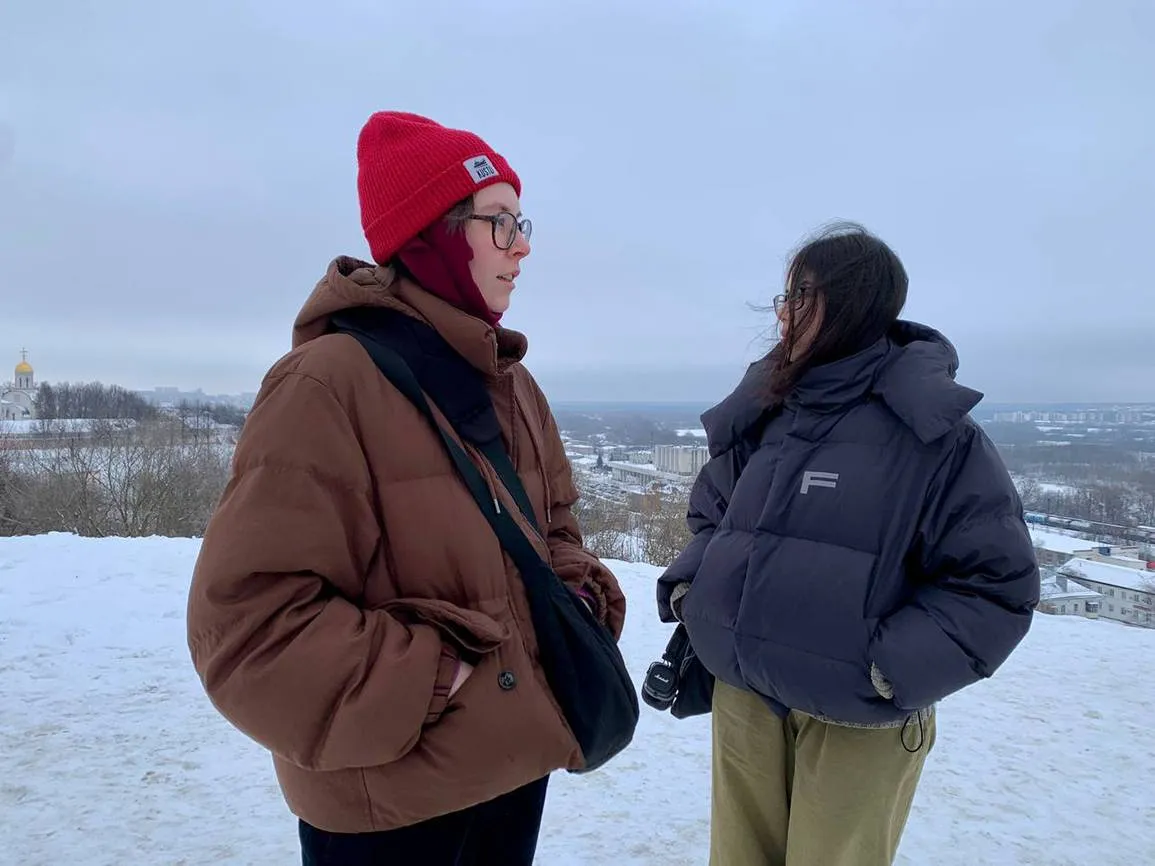
Group work is a key aspect of learning. While students develop individual projects, they also gain valuable skills in interacting and collaborating with others. This collaboration fosters the exchange of ideas, improves communication, and develops leadership skills. Learning to work in a team not only enriches the educational experience but also prepares students for future professional careers, where teamwork plays a vital role.
I am available to conduct several online study sessions from an artist residency or expedition. We will discuss practical issues and aspects of everyday life. We will consider how to balance the pace of life and relationships with loved ones, as well as how to combine art with commercial activity. This is especially important for those at the beginning stages of their careers and seeking financial stability to realize artistic projects.
Some established artists study at the Rodchenko School. The question arises: do they really need to spend three years in classes from 10 am to 7 pm? Many believe this is an opportunity to establish contacts with gallery owners, which will help them immediately start selling their work at exhibitions such as Cosmoscow. However, this is a misconception. The Rodchenko School does not serve as an art management institution or a platform for rapid advancement in the art world. Successful artists should consider participating in art residencies and summer schools rather than wasting time on lengthy studies at academic institutions. However, if you are searching for your artistic path or are an aspiring artist with ideas, aspirations, and sincerity, and are ready to devote three years of your life to studying, this school will be an excellent choice for you.
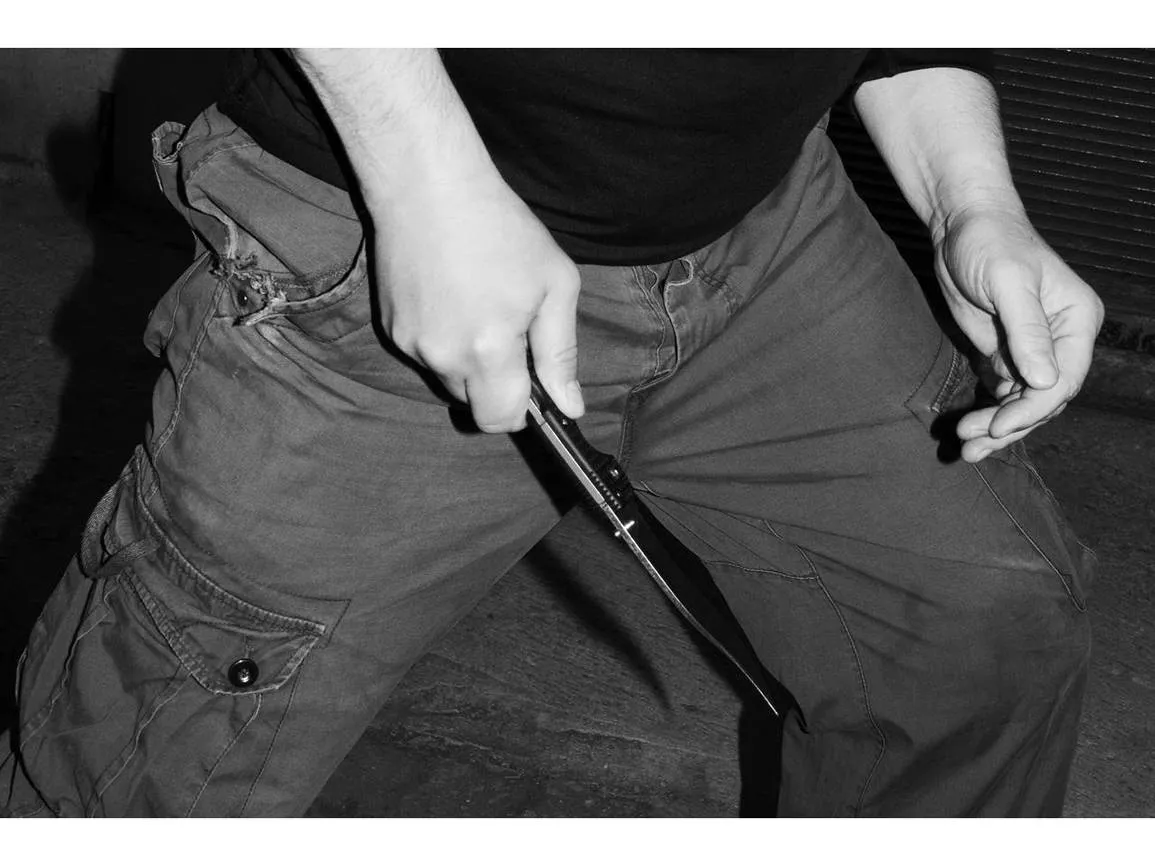
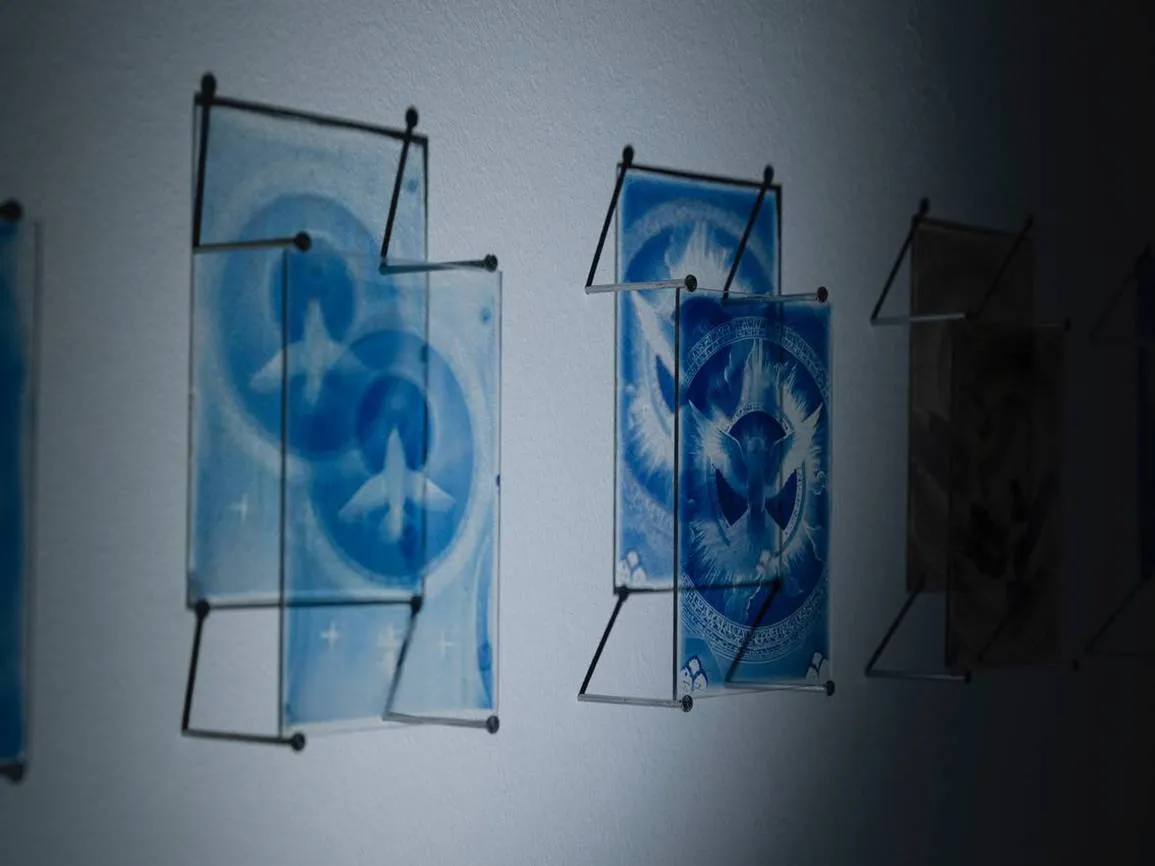
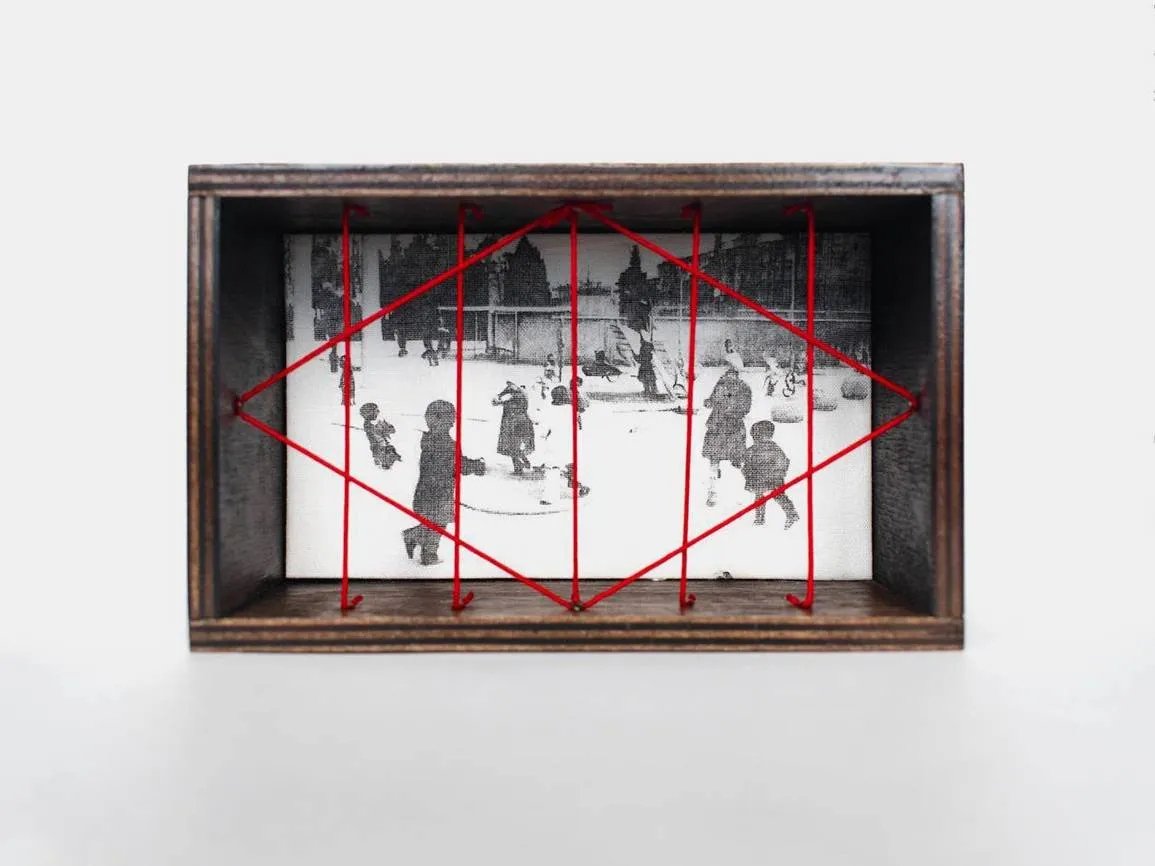
Технические дисциплины в школе Родченко преподаются более 18 лет. В своей практике я получаю удовлетворение от тонкой работы с освещением, и это можно освоить именно в Родченко. Дисциплины, связанные с работой со светом, важны не только для фотографов, но и для всех, кто занимается визуальными искусствами. В фотографии необходимо сразу создавать нужный эффект, так как в дальнейшем уже невозможно изменить изображение, особенно если речь идет о документальной фотографии.
I entered the Rodchenko School at 31, and it became a crucial step in my artistic practice. The group environment provided me with the opportunity to develop my skills and ideas. Thanks to my mentor, Evgeny Nesterov, at the end of my first year, I was able to go on an exchange program to the Gobelins School of the Image in Paris. I also attended the Vienna Book Festival, funded by a grant from the school. Networking with colleagues and sharing experiences significantly contribute to my professional growth and inspiration.
An academic education provides significant advantages in mastering various mediums, particularly photography. This art form is one of the most accessible for beginners. Modern digital cameras and automated film processes significantly simplify the shooting process, eliminating many technical difficulties. Photography has become accessible to a wider audience, as there are no significant material barriers, except when it comes to professional shooting with expensive cameras like Hasselblad and working in large format. Unlike photography, painting requires a specialized space, a studio, and more expensive materials, making it less accessible to many. The school, founded by Olga Sviblova, Irina Uspenskaya, Elena Lungina, and Vladimir Kupriyanov, offers a unique opportunity for students seeking a career in art and design. Thanks to its developed tuition system, students can study for free, opening the door to careers for many talented individuals. Importantly, the only mandatory fee is a small depreciation fee for equipment and materials. However, for three years, students have access to free printers, including 3D printers, kilns, and a wide range of photography equipment. This makes studying at the school incredibly valuable and accessible to anyone who seeks to develop their skills and professional qualities in in-demand fields.
HSE School of Design
The School of Design is part of the National Research University Higher School of Economics (HSE). This educational institution offers more than 15 educational programs, including photography. Students have the opportunity not only to master the technical aspects of photography, but also to study how photography interacts with other mediums, which significantly enriches their creative process and expands their professional horizons.
Evgeniya Solomatina, coordinator of the program, shared the features of the training.
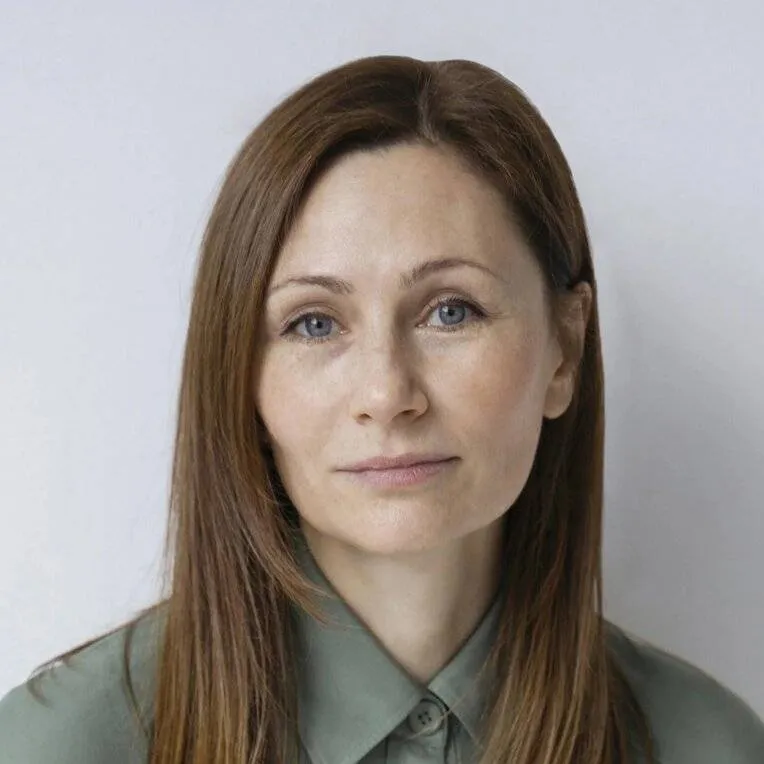
A photographer specializing in artistic project photography, she is the coordinator of the Photography program at the HSE School of Design. He actively produces exhibitions and public projects implemented by the school's students, which contributes to their professional growth and development. He also curates the online photography magazine "Otpechatok," which publishes materials covering current topics and trends in photography.
The HSE School of Design was founded in 2012 with the goal of integrating project work into the educational process. From the very beginning, students set specific tasks in each module, which they must defend during exam sessions. At the beginning of their studies, the tasks are theoretical in nature, but as they progress through their senior years, students encounter projects that are as close as possible to the real-life conditions of their future profession. This ensures a deep understanding of the practical aspects of design and develops the skills necessary for a successful career in this field.
From the very first lesson, each student actively works on their own project, which promotes the development of complex thinking and problem-solving skills. This also allows them to build a professional portfolio, which plays a key role in launching a career. Our open platform already contains more than 200,000 student projects, which provides unique opportunities for learning and self-realization.
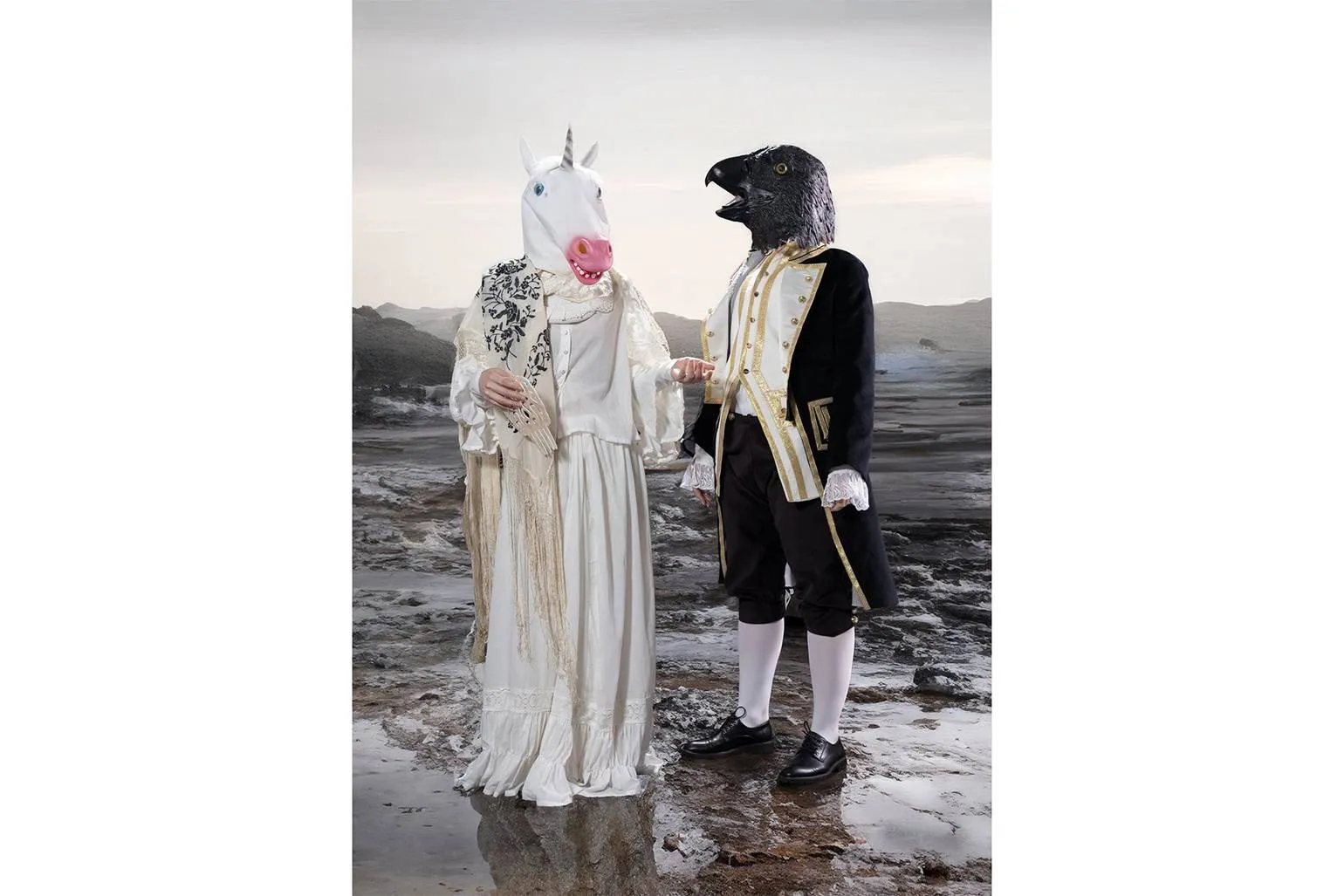

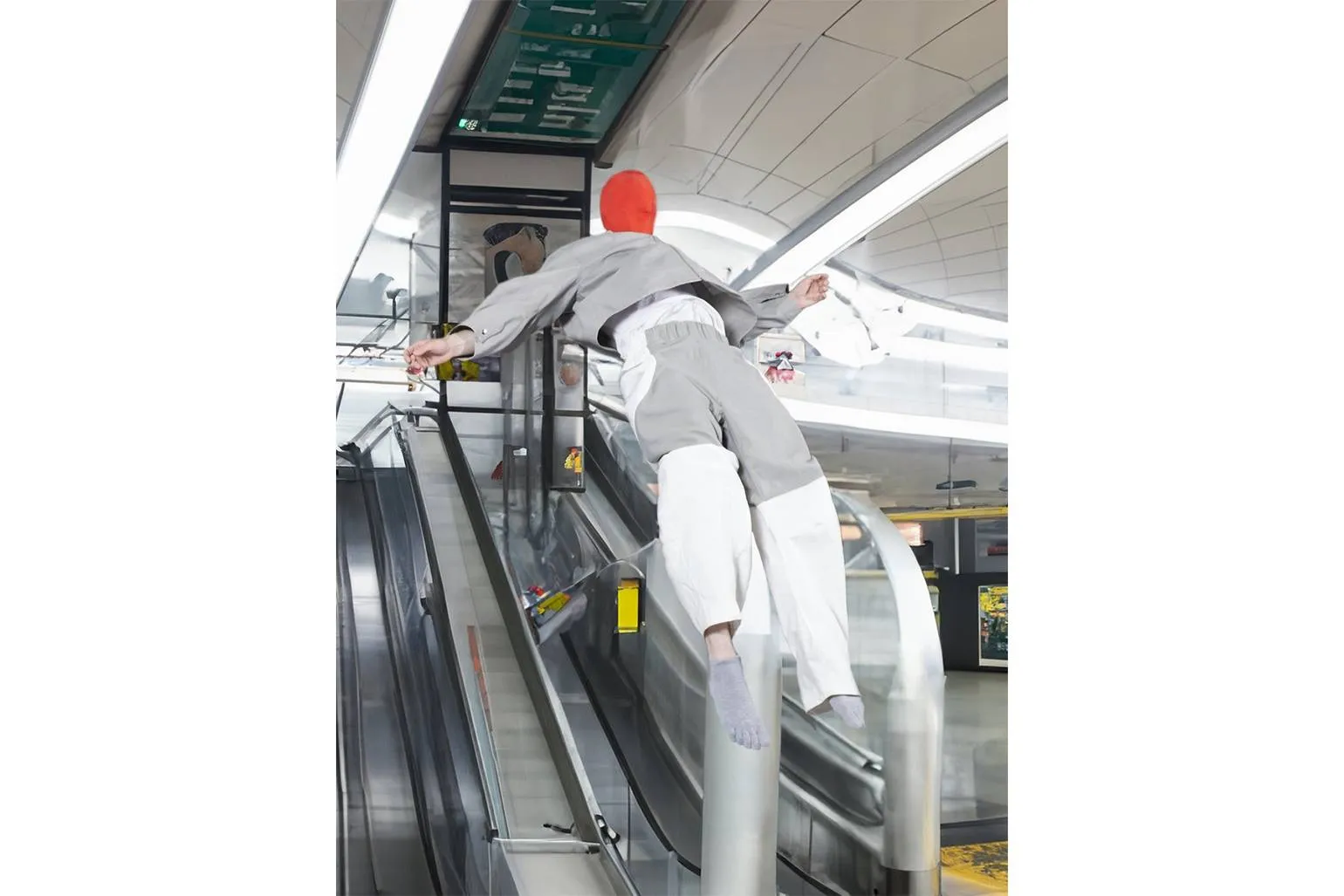
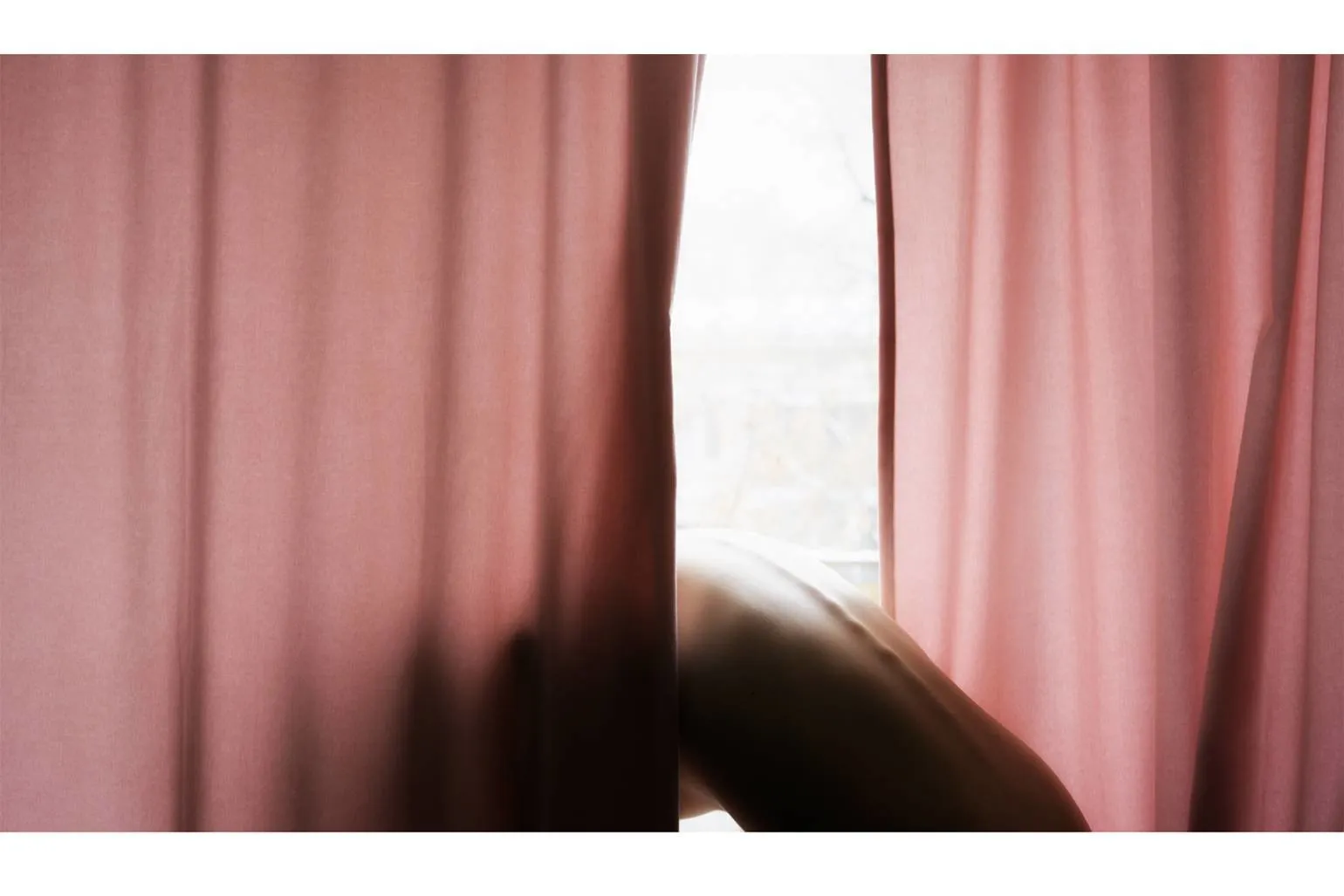
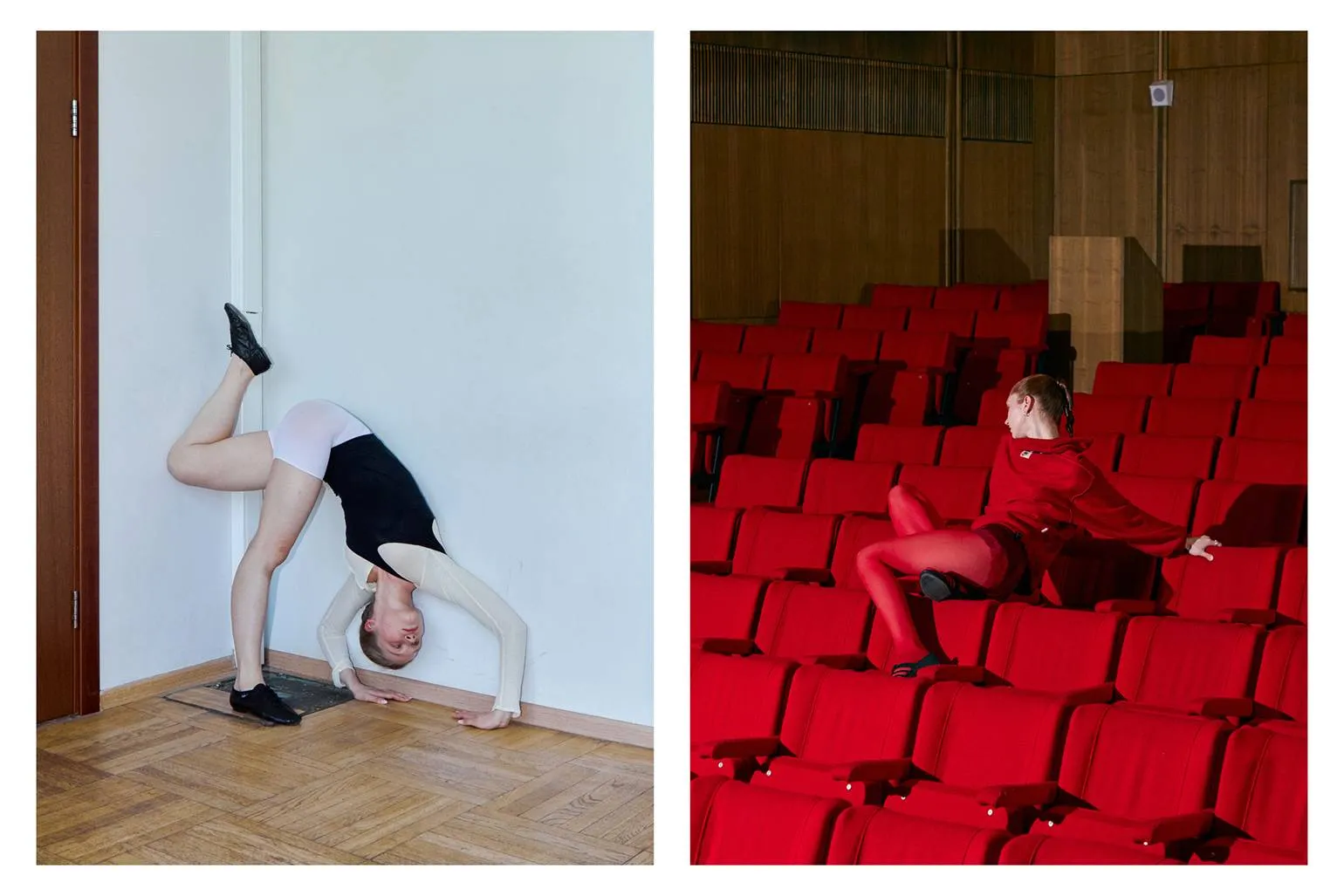
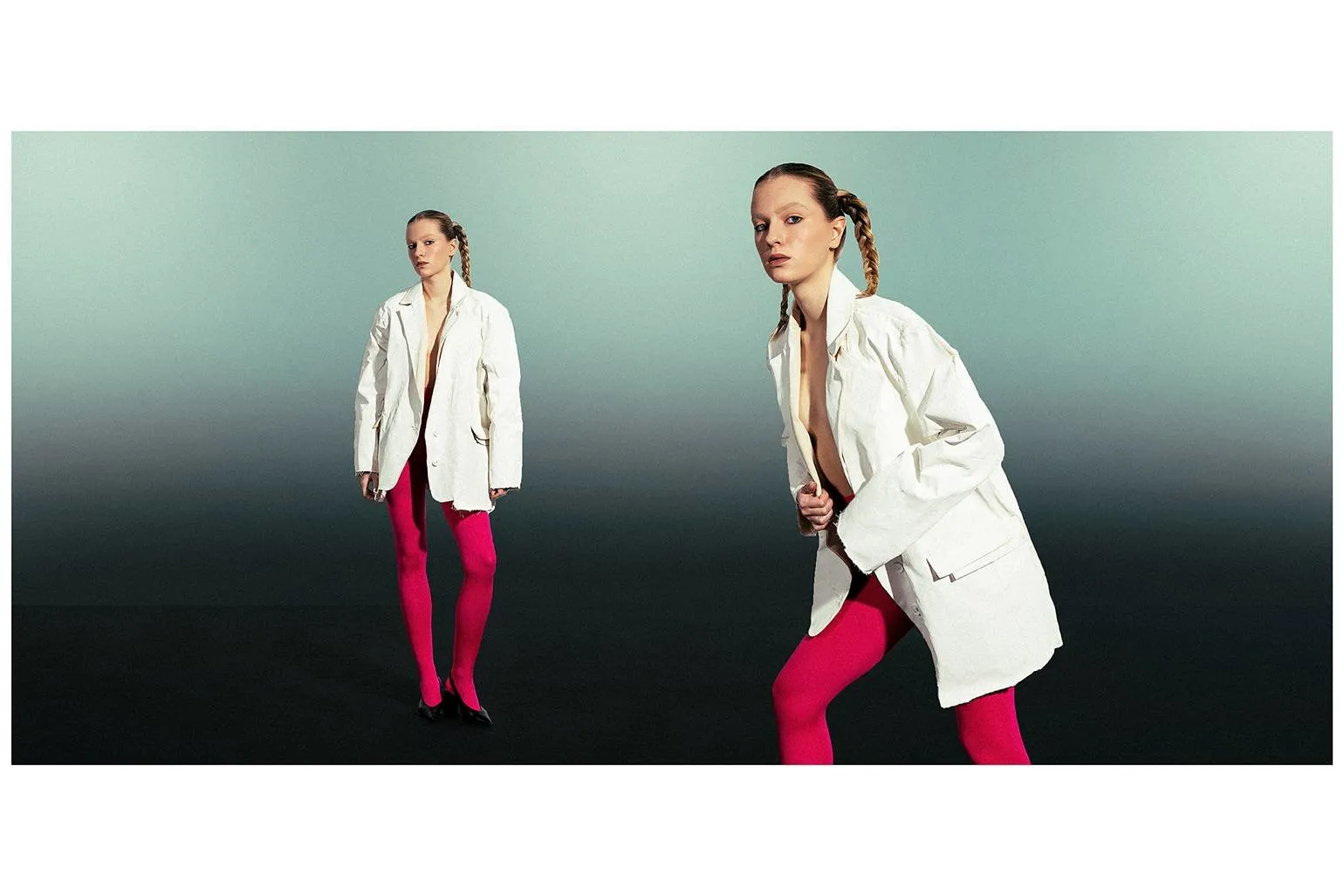
We strive to ensure that students are immersed in real professional activity as early as possible. To achieve this, we offer a variety of opportunities. By studying applied photography with us, students have the opportunity to work not only on real projects but also with real clients. This allows them to learn not only how to generate ideas but also how to work with a brief, developing their creativity within a given framework, which will be extremely useful in their future careers. Working on fine art photography projects, students create complete and meaningful works. Our school regularly organizes exhibitions in renowned museums in Moscow and St. Petersburg, giving students the opportunity to confidently launch their artistic careers.
Modern students seeking a comprehensive education in art and technology prefer to choose educational institutions that match their interests and ambitions. Such schools provide a high-quality education, implementing innovative teaching methods and modern technologies.
We offer a variety of photography programs covering all levels: undergraduate, graduate, short-term courses, and specialized classes for children. Our goal is to help everyone develop their photography skills, regardless of age or skill level. Our photography program is organized into two main areas: fashion photography and art photography. Students gain an in-depth understanding of the history and theory of contemporary photography, as well as explore the intersection of photography with design, video art, and installation. A significant number of practical classes are devoted to mastering technical shooting skills, as well as analyzing current trends in fashion and commercial photography, which allows students to develop their creative potential and professional competencies.
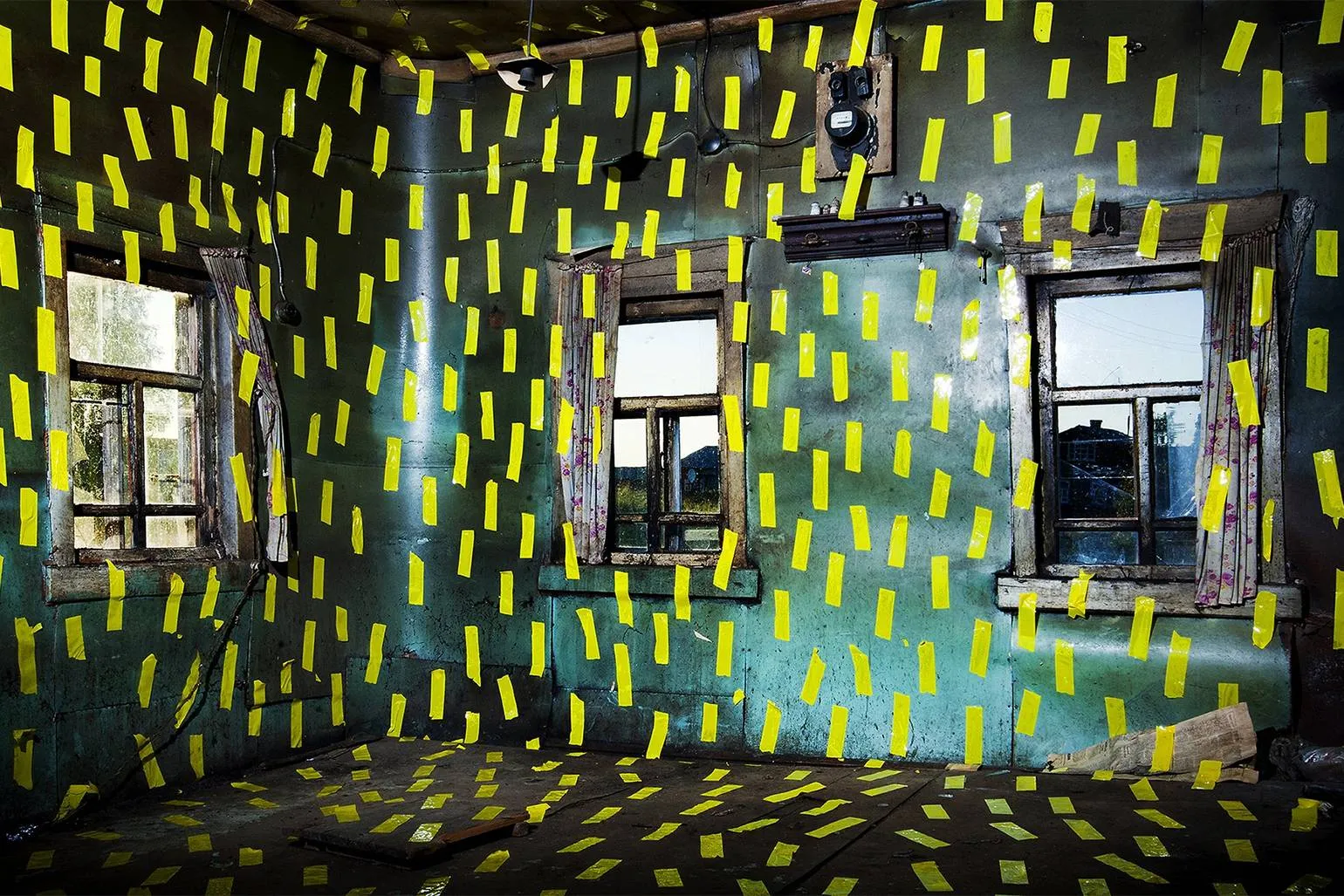
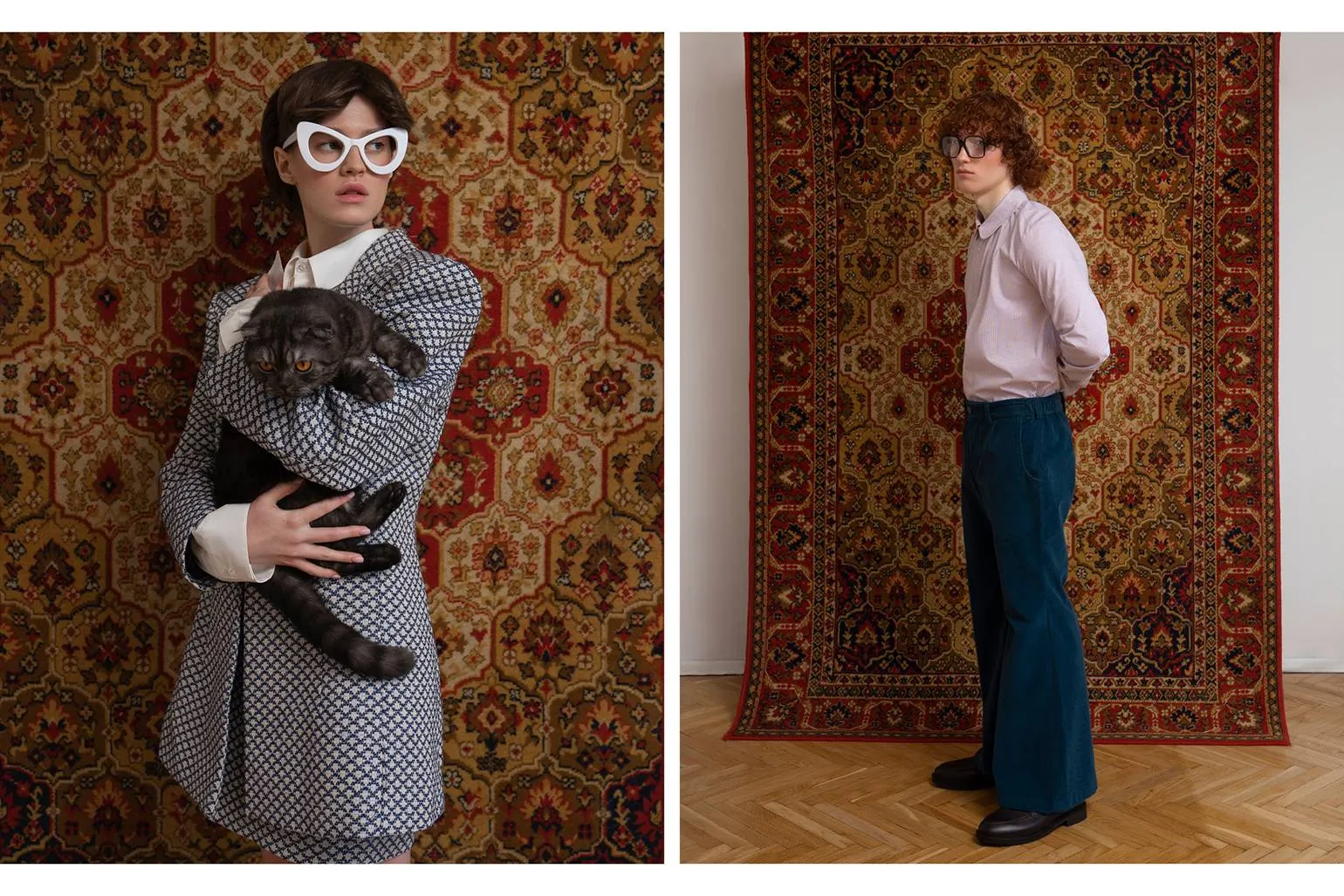
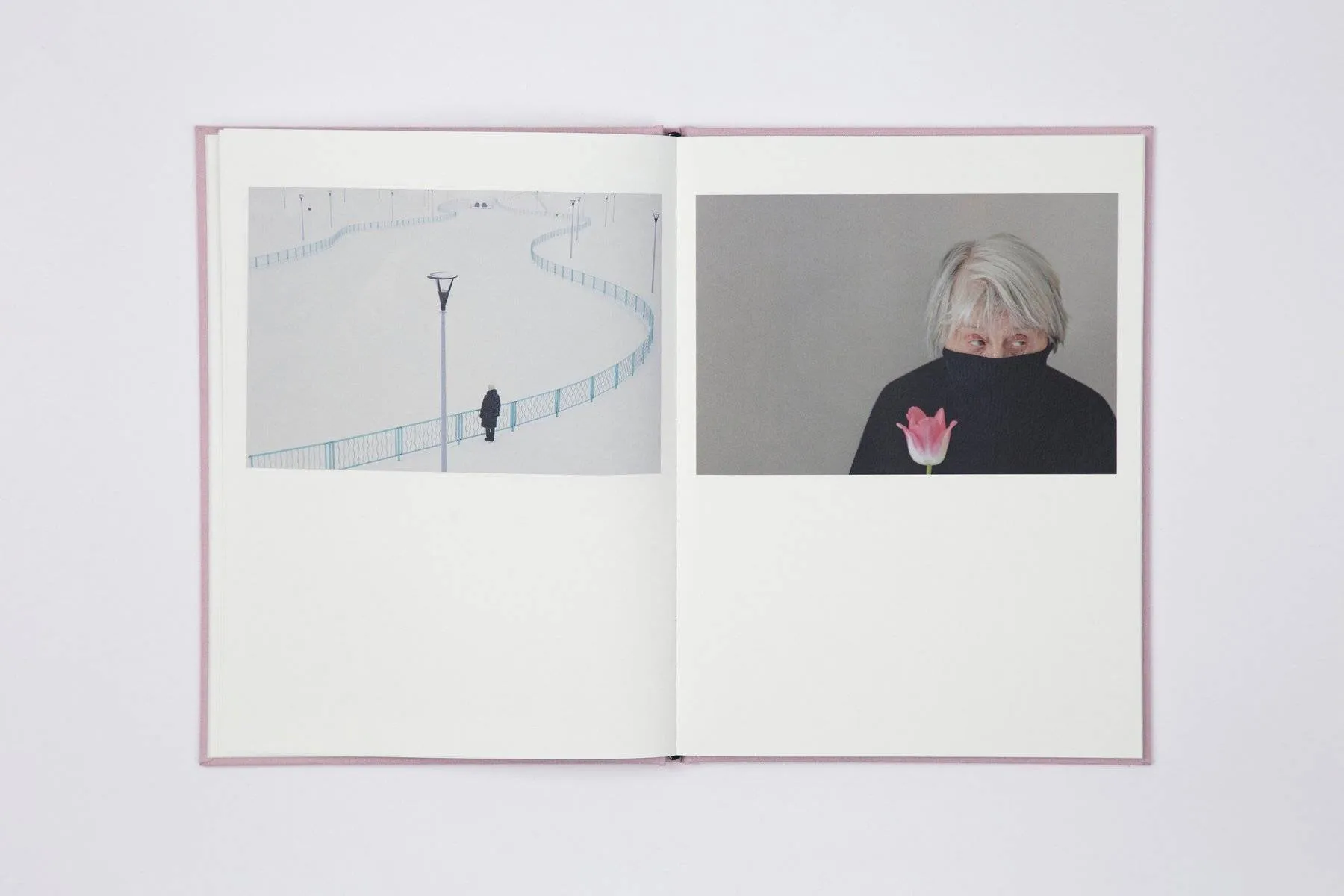
We offer a wide range of curated and elective courses, allowing each student to choose the right courses for their studies. Our programs are designed in accordance with current trends and market needs, ensuring a high-quality education and developing the skills necessary for a successful career. Choose from a variety of tracks and find exactly what suits your interests and goals.
Electives are signature courses developed by the design school faculty. These courses are available to third-year students and provide a unique opportunity to work under the guidance of renowned artists. Students gain valuable knowledge and skills not included in the standard curriculum, allowing them to expand their horizons and deepen their understanding of design. A variety of courses helps students develop creative thinking and the practical skills necessary for a successful career in design.
In the upcoming Photography module, we offer the "Art Photography" program. Course leader Yuri Molodkovets, an artist photographer at the State Hermitage Museum, has extensive experience, having authored over 200 catalogs and albums dedicated to the Hermitage's collections, as well as books on the history and architecture of St. Petersburg. In this course, students will explore the history of photography, analyzing it through the lens of fine art, with an emphasis on the Hermitage collections. This will deepen their understanding of the relationship between photography and art, as well as develop artistic photography skills.
The "Architectural Photography and Spatial Exploration" course is a joint project between the school and the Zotov Center. This course combines architectural photography methods with contemporary artistic practices aimed at spatial exploration. Students will engage in creative research of Moscow's Presnya district, develop an exhibition concept, and create art projects. The exhibition is expected to open in November 2024 at the Zotov Center. The project's curator, artist and photographer Vladislav Efimov, is a laureate of the Innovation Prize and other prestigious art awards. Participation in this program will provide students with a unique opportunity to develop their skills and immerse themselves in the world of architectural photography and artistic research. While developing a project concept under the guidance of a curator, future graduates learn key tools for realizing their ideas in the "Photography Technologies" course. They also expand their artistic arsenal in "Art Practice" classes and gain a theoretical foundation in "History and Theory of Photography." These courses help develop a comprehensive approach to creating photo projects, providing students with the necessary knowledge and skills to successfully realize their creative visions.
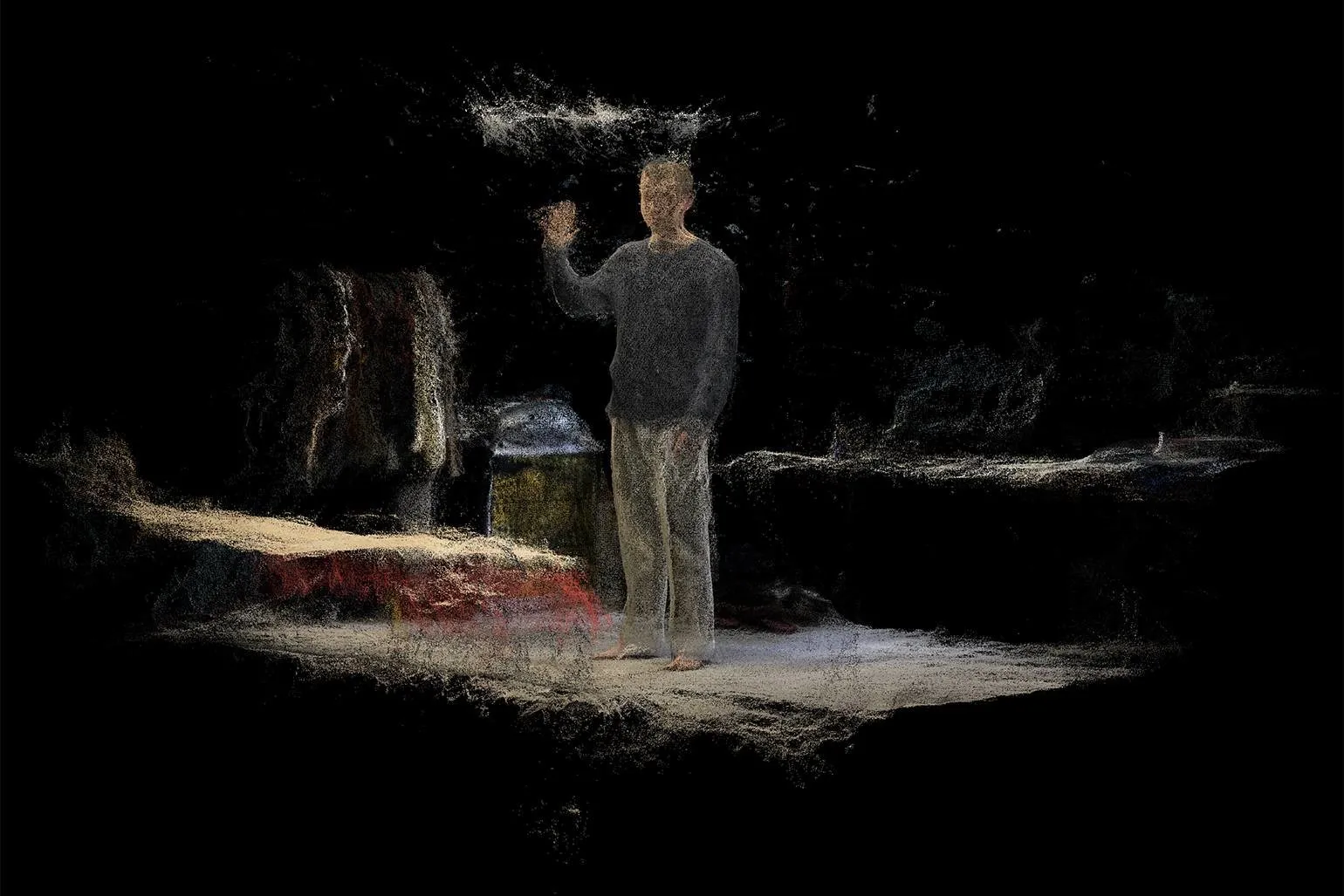
The field of photography is experiencing a surge in new educational initiatives. A variety of highly specialized short-term programs are emerging, as well as masterclasses from renowned authors and experienced technical specialists. These opportunities help photographers develop their skills, delve deeper into various aspects of photography, and stay abreast of the latest industry trends. Photography is one of the most accessible and understandable forms of communication. The desire to convey what one has seen, interpret reality, and share impressions appeals to many. Photography continues to be an important tool for discussing significant topics and imaginary worlds. Current trends show that interest in film technology and hand-made prints on paper not only persists but also intensifies. At the same time, there is a growing fusion of analog photography with new digital technologies. Artists, using neural networks, create unique works that represent non-existent spaces and form new models of reality.
Photography plays a significant role in commercial areas such as advertising, fashion, and journalism. In today's world, high-quality visual materials are essential for attracting audience attention and building a positive brand image. In advertising, striking and memorable images help convey key messages and boost sales. In fashion, photography is becoming a tool for showcasing collections and creating a unique style. Journalism, in turn, relies on powerful imagery to convey stories and engage readers. Thus, professional photography is an essential element of successful communication in these fields.
Contemporary art is constantly evolving and expanding its boundaries. New exhibition venues, festivals, and fairs are emerging, demonstrating growing audience interest in emerging artists and their work. This creates favorable conditions for the discovery of unique creative ideas and concepts that attract a wide audience.
In today's art world, there are many paths to a successful career. Some begin their journey immediately after completing school, enrolling in an undergraduate program, while others, drawing on life experience, develop their careers as artists and then continue their studies in a master's program. Regardless of your chosen path, it's important to consider current trends and demands in the arts to maximize your potential and achieve success.
The undergraduate program offers budget-funded places, making tuition more accessible. The school also offers a discount system, especially for undergraduate students. After a successful six-month period of study, a student rating is compiled, based on which discounts ranging from 25% to 75% are awarded. This motivates students to achieve high results and eases the financial burden on families.
All our educational programs are offered in person. Enrolling in school is an important step in life. Therefore, we organize numerous open days throughout the year. At these events, you have the opportunity to learn about all of our programs, ask questions of our curators, and view the work of students and graduates. We strive to create the most transparent environment possible for prospective students so they can make informed decisions about their education. We are proud of the achievements of our graduates, who successfully work with leading Russian publications and brands. For example, Mitya Lyalin, who graduated in 2020, has collaborated with publications such as The Blueprint, Snob, and Tinkoff Magazine. Other notable graduates include Zulya Aliyeva, Victoria Alexandrova, Yulia Petrenko, Dasha Kalnina, Andrey Valmus, and Sasha Gonokhina. This list goes on, highlighting the high standards of training and success of our students in the professional field.
Profession Photographer
You will learn to take professional photos from scratch. You will learn how to organize shoots, process frames, manage models and a team. Find your style, build an impressive portfolio, and start making money doing what you love.
Find out more