Table of Contents:
The Digital Self
CJ shared her typical routine with me. She wakes up at half past seven, planning her hair and makeup.
You immediately imagine how it will look in photographs, don't you?
"I don't care how it looks in reality. When I apply makeup, I don’t look in the mirror, I use my phone as a reflection.”
“Why do we need a mirror if it just reflects reality?”
“Fuck the mirror,” she agrees.
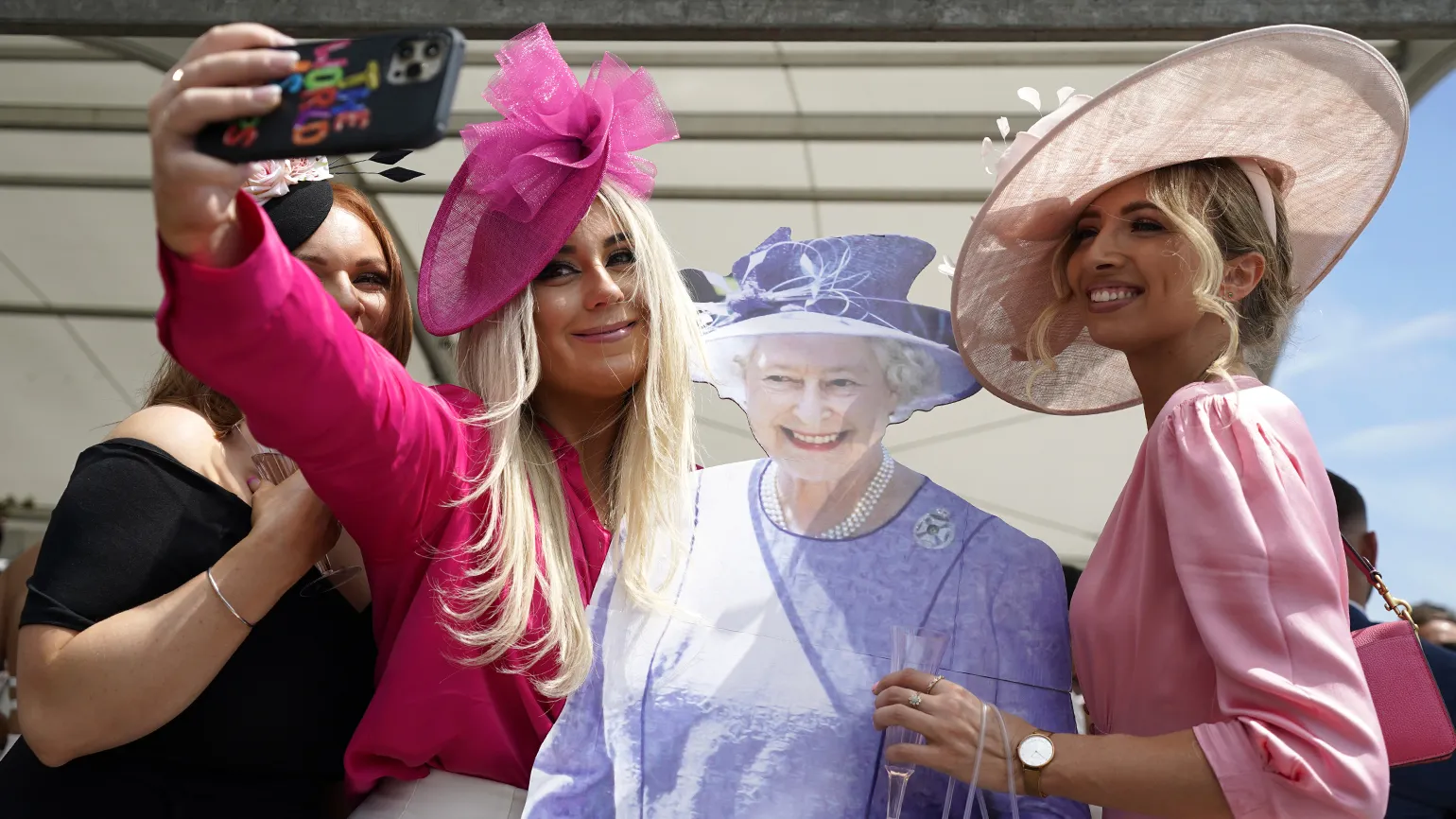
Once her makeup is almost complete, she takes a few selfies to capture the result. Adds a little blush, snap, a little more blush, snap. Then a similar process goes through with her hair and choosing her outfit. If she has to go to the bookstore where she works part-time, CJ gets on the bus and keeps taking selfies. Sometimes she hears people laughing at her. In those moments, she thinks, “They’re looking at me, thinking about me, and will probably think about me all day.” It gives her confidence and shows her the importance of expressing your individuality.
“Is this really good?” — I ask.
Sure, so be it.
At work, she records videos in the staff room, and then in the hall with customers. She is pleased when someone asks to take a selfie with her. “At that moment, I always keep my hands in the frame so that it is clear that I did not take the photo,” she says. “It’s like saying, ‘Oh, someone wanted to take a photo with me!’ I really like that.”
In the evening, she takes selfies with other residents of the dorm. Sometimes she says, “We haven’t taken photos today!” to which they reply, “Uh, let’s skip today?” However, she continues her habit, editing and posting photos until 4 a.m. or even later. “I’ve even taken selfies at funerals,” she shares. “When we kept my godmother’s funeral, I was wearing black and had red lipstick. We were waiting for the coffin to be brought in, and I thought, 'It's not often I see a look like this.'" When her mother commented on the inappropriateness of such behavior, CJ replied, "I look good. It's always appropriate."
CJ is a slender, white, straight-A student with intelligence and talent. She is studying drama and acting at the University of Roehampton. Her dorm room is brightly decorated, featuring colorful hearts, glittery stars, and photos of Audrey Hepburn. Vintage Disney movie posters adorn the walls, along with the motto, "Sometimes when I feel like giving up, I remember how many assholes I have to prove wrong." CJ has several tattoos, most notably a large arrow on her forearm. She explains its meaning: "It's from The Hunger Games. The main character says, 'When I raise my bow and draw back the string, the arrow can only fly one way—forward.' I've always loved that. Keep moving forward. Don't look back, no matter where life takes you." She also has a tattoo of Princess Diana's signature, whom she aspires to be like, combining beauty, rebellion, and fame.
Her main goal in life, as she admitted, is the pursuit of fame.
If you suspect that CJ has narcissistic personality traits, you may be right. She took the NPI survey, which is designed to assess levels of narcissism and is commonly used by psychologists. In line with her desire to be at the top of any ranking, she showed an impressive result, scoring 35 out of 40 possible points. This result is significantly above average, amounting to 97.9%. This confirms the presence of pronounced narcissistic traits.
Doubts about CJ's sincerity do not leave me. She claims to have taken "hundreds of thousands" of selfies over the years - is this possible? She herself is a reflection of modernity. In a gamified, individualistic economy where the pursuit of perfection is increasingly insistent, it's no surprise that the pursuit of self-esteem has become so popular. This movement offers a simple solution to achieving power, happiness, and success, arguing that our true selves are already perfect—we just have to believe it. However, data shows that the popularization of this idea has led to a rise in narcissism. In recent years, the selfie phenomenon, which originated in Silicon Valley, has added to the culture of self-love. Taking photos of oneself for likes and comments has become a persistent trend. Professor Campbell, who has researched narcissism with Twenge, notes that people could have used the technology in different ways—the internet could have been filled with images of nature or architecture—but the selfie has taken center stage. Individuals who have so easily succumbed to selfie culture have grown up in an era of self-esteem glorification. Millions of parents in the 1980s, 1990s, and early 2000s convinced their children they were exceptional, which may explain the rise in narcissism. Dr. Eddie Brummelman, who led the study that found a link between excessive praise and childhood narcissism, says that while conclusions can't be drawn directly from his work, there has been an increase in the prevalence of such parenting methods.
Of course, I'm happy to help you with editing the text. Please provide the text itself for revision.
Today, selfies and the comments on them have become an important tool for CJ to boost her self-esteem. "A good comment energizes me for the whole day," she shares. "I have friends who tell me, 'You're so beautiful,' but for some reason I wait for approval from strangers online. It gives me strength." Thus, social media plays a significant role in her life.
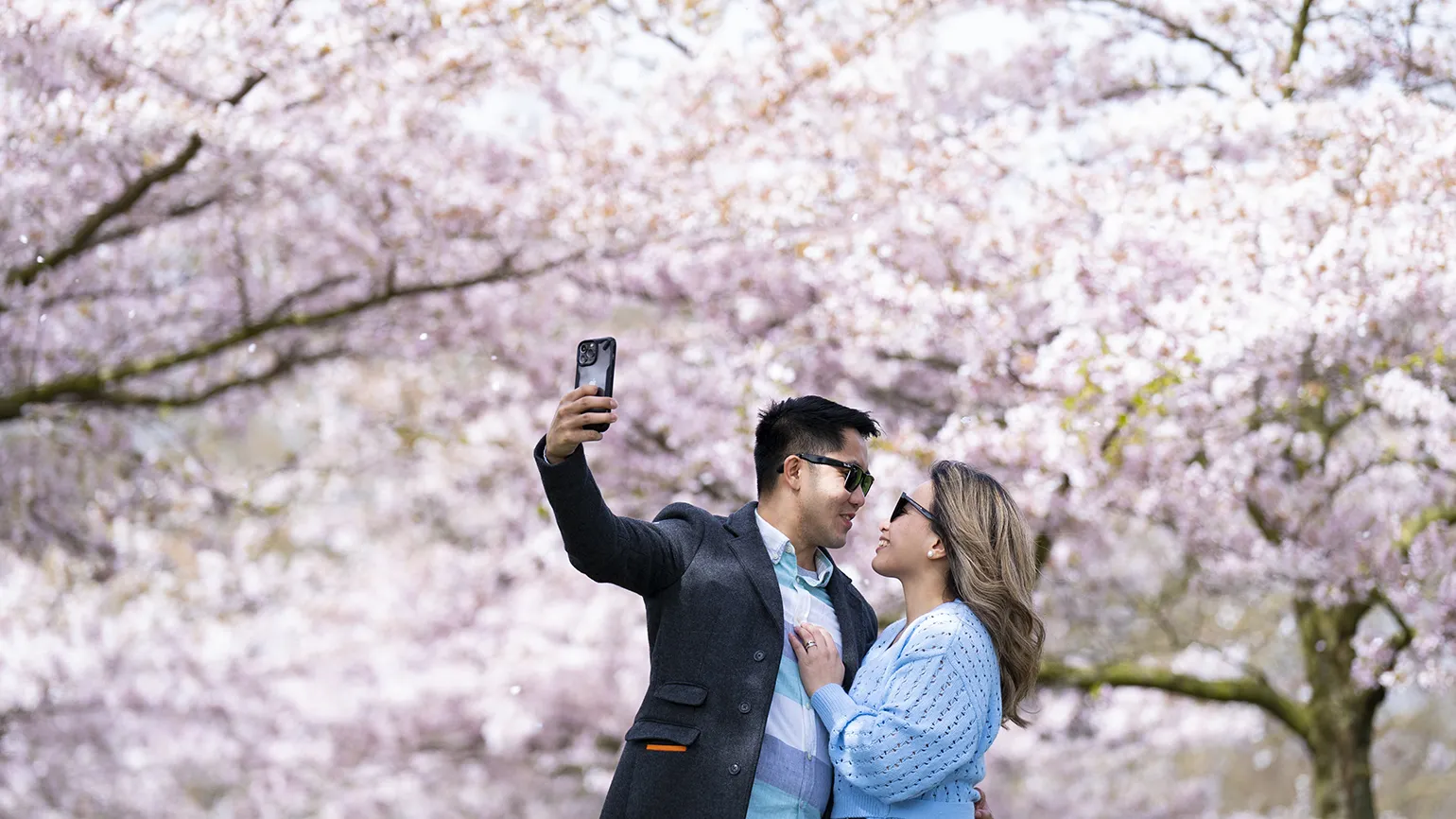
Waiting for approval from followers on social media may not be an obvious problem, but the constant need for such approval is a concern, notes Professor Jessie Fox of the Ohio State University School of Communication. The risk is that regularly receiving positive feedback and compliments can lead to dependence, and when this flow stops, a person begins to feel uncomfortable. This situation is exacerbated by the ubiquitous use of mobile phones, which are always at hand, as well as the structure of social media, which places users in the same information space as famous figures. This creates an illusion of intimacy and provokes comparisons with them. Unlike past Hollywood stars, who seemed unapproachable, new celebrities, many of whom emerged from reality TV and social media, appear more familiar and accessible. As Fox notes, “We used to perceive Hollywood actresses as unattainable, whereas now anyone can become a star, which generates increased interest and engagement.”
Read also:
The History of Photography: 10 Unique Selfies
Photography as an art and a form of self-expression has come a long way since its inception. Selfies—self-portraits that allow people to share moments of their lives—have become one of the most striking phenomena in the modern world. In this article, we'll look at 10 amazing selfies that have become iconic in the history of photography and changed the perception of this genre. Selfies began to gain popularity with the development of smartphones and social media. These images not only reflect the author's personality but also contribute to the creation of new forms of communication. Some selfies have become iconic and even made history, inspiring generations of photographers and art lovers. Each of these selfies marks a unique moment, whether it's a famous image or just a funny shot. They show how photography can be a tool for self-expression and communication, and also highlight the importance of a moment in each person's life.
So, selfies aren't just entertainment, but an important element of cultural and social exchange in our time. In the future, we will see how this genre will evolve and transform, while remaining an integral part of our lives.
Modern young people increasingly feel the pressure to maintain an ideal appearance. The influence of selfies and constant attention to one's appearance shapes thoughts like: "How do I look? Do I look fat? Why is this guy looking at my hair? Where is the mirror?" Teenagers are known for being critical of each other and are often concerned about what others think of them. Fox shares a memorable incident at a conference in Puerto Rico. She decided to go to the pool, not caring about the opinions of others. However, when she saw her students sitting by the pool in their clothes, looking longingly at the water, Fox asked them, "Did you bring your swimsuits?" When they answered affirmatively, she suggested, "So jump in the pool!" Concern about appearance is common among young people, but it is exacerbated by the fear of being photographed and displayed online. The cult of the selfie truly exists in Russia and is actively discussed on social media, particularly Telegram. In recent years, self-portraits have become an integral part of online communication. Selfies are used not only for personal archives but also as a means of self-expression and image-building online. Many users share their photos to showcase their individuality, style, and mood. This phenomenon also influences modern trends in fashion, cosmetology, and even psychology, as people strive for the ideal image. Discussing this aspect of culture on Telegram allows for a deeper understanding of how selfies influence public perception and personal relationships.
Profession Photographer
You will learn how to take professional photos from scratch. You will learn how to organize shoots, process frames, manage models and a team. Find your style, build an impressive portfolio, and start making money doing what you love.
Find out more