Contents:
Free education and many exhibitions
The Higher School of Arts of Clermont-Ferrand is a prestigious educational institution specializing in the training of specialists in the field of art and design. The institution offers a wide range of programs, including fine arts, graphic design, theater, and music. Students have the opportunity to develop their creative skills under the guidance of experienced faculty and participate in a variety of cultural projects. The Clermont-Ferrand School of Arts is known for its innovative approach to teaching and commitment to excellence, making it an attractive choice for students pursuing a career in the arts. Visual arts are one of the most significant forms of human expression, reflecting their perception of the world. They encompass various artistic mediums, such as painting, sculpture, drawing, and photography. Each of these fields has its own unique techniques and styles, allowing artists to convey emotions and ideas. Painting, as one of the main forms of fine art, encompasses a variety of styles, from realism to abstraction. Sculpture, in turn, allows for the creation of three-dimensional forms, which can range from classical statues to contemporary installations. Graphic arts encompass drawing, printing, and illustration, opening new horizons for artists to experiment with.
Visual art plays a vital role in culture and society, serving not only as a means of self-expression but also as a means of communication. It has the power to evoke deep feelings, provoke thought, and inspire change. Through a diversity of forms and techniques, visual art continues to evolve, opening new horizons for creativity and perception.
By delving into the study of visual art, one can better understand both historical contexts and contemporary trends, making it relevant and in demand throughout the centuries.
The duration of study for a Bachelor's degree is 3 years.
Tuition is currently free, but a tax of €300 to €500 per year will be required. This should be taken into account when planning your tuition budget.
Admission is online and includes submitting a portfolio, writing a motivation letter, and passing an interview. These stages are important for assessing your candidacy and allow you to demonstrate your skills, achievements, and motivation. Preparing for each of these elements will help you stand out from other candidates and increase your chances of successful admission.
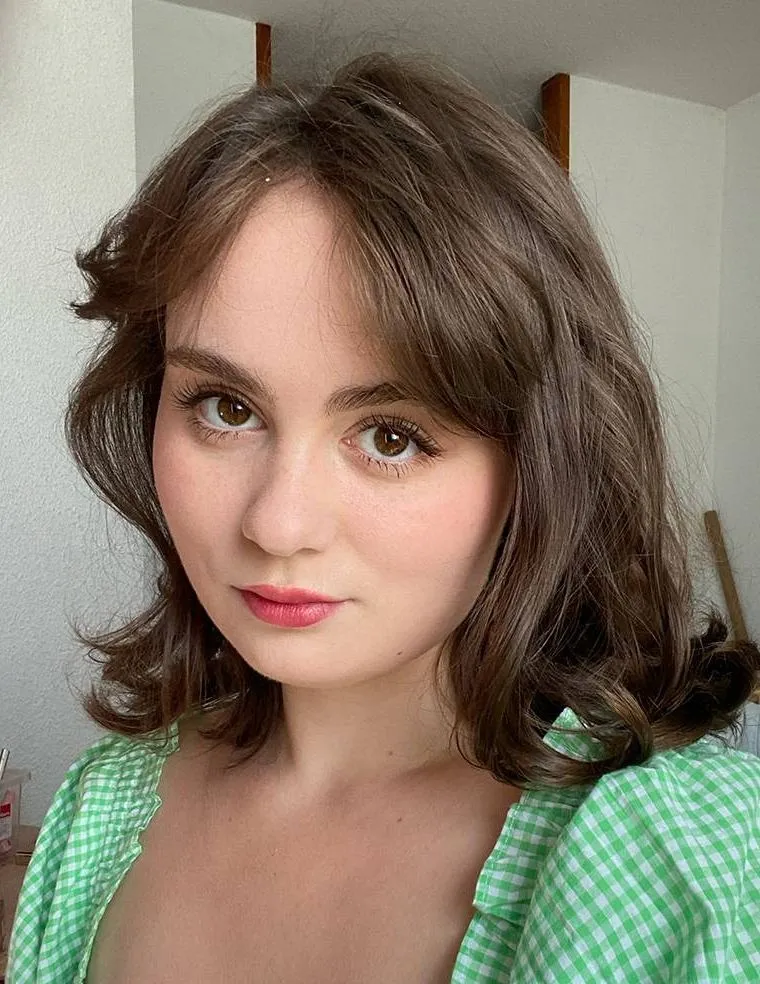
Photographer and master's student at the University of Lyon in France, as well as a graduate of the Russian school of documentary photography "Docdocdoc". Specializing in creating expressive visual stories, combining academic knowledge with practical experience in documentary photography.
I'm originally from Samara and love the city, but there aren't many opportunities for artistic development here. Moscow and St. Petersburg weren't suitable for me either. Realizing I didn't see any prospects in Russia, I began considering France as an option where free education was available. Although it's conditionally free, as a tax of €300-500 per year is required, depending on the educational institution. Furthermore, I speak French, which significantly facilitates the adaptation and learning process.
There is an international organization, Campus France, which has a representative office in Russia. It assists international students in applying to French educational institutions. The application process is carried out online through the Études en France platform, where you can choose from three undergraduate and seven graduate programs. However, it's worth noting that this resource is not focused on creative fields. I also submitted additional applications through another resource, Campus Art, which allowed me to expand my options. In total, I sent about ten applications to schools that offered the programs I was interested in. To apply to educational institutions in France, in addition to a creative portfolio, you must prove your French proficiency at level B2 or C1, depending on the chosen program. You also need to prepare a motivation letter, which can be used for applications to several universities, attach letters of recommendation, and provide your most recent diploma or current grades for school students. For creative programs, an interview and, in some cases, entrance examinations may be required. During the interview, it is important to discuss your background, your motivation for choosing France as a place to study, as well as your interests and impressions of recent exhibitions. You must also provide a bank statement confirming the availability of 7-8 thousand euros for living expenses for a year. I was accepted to four schools and one university. The schools offer a more intimate format of education with small groups and an individual approach to each student. I chose my school in Clermont-Ferrand because I was impressed by the city, the school's website was informative, and the interview was pleasant.

A student visa is issued for one year and requires renewal if the period of study exceeds this period. It offers the same rights as French students, including access to free education and the possibility of obtaining affordable housing, if available. The student visa also provides partial financial compensation for rent and health insurance, which covers approximately 90% of expenses.
I entered my final year, and the main focus of my studies was preparing a thesis. A thesis always involves the creation of a physical object that can be demonstrated. Interim results are assessed throughout the year, and at the end of the academic year, there is a defense, which is presented as an exhibition. This allows you not only to showcase your achievements but also to receive feedback from teachers and experts in your field.
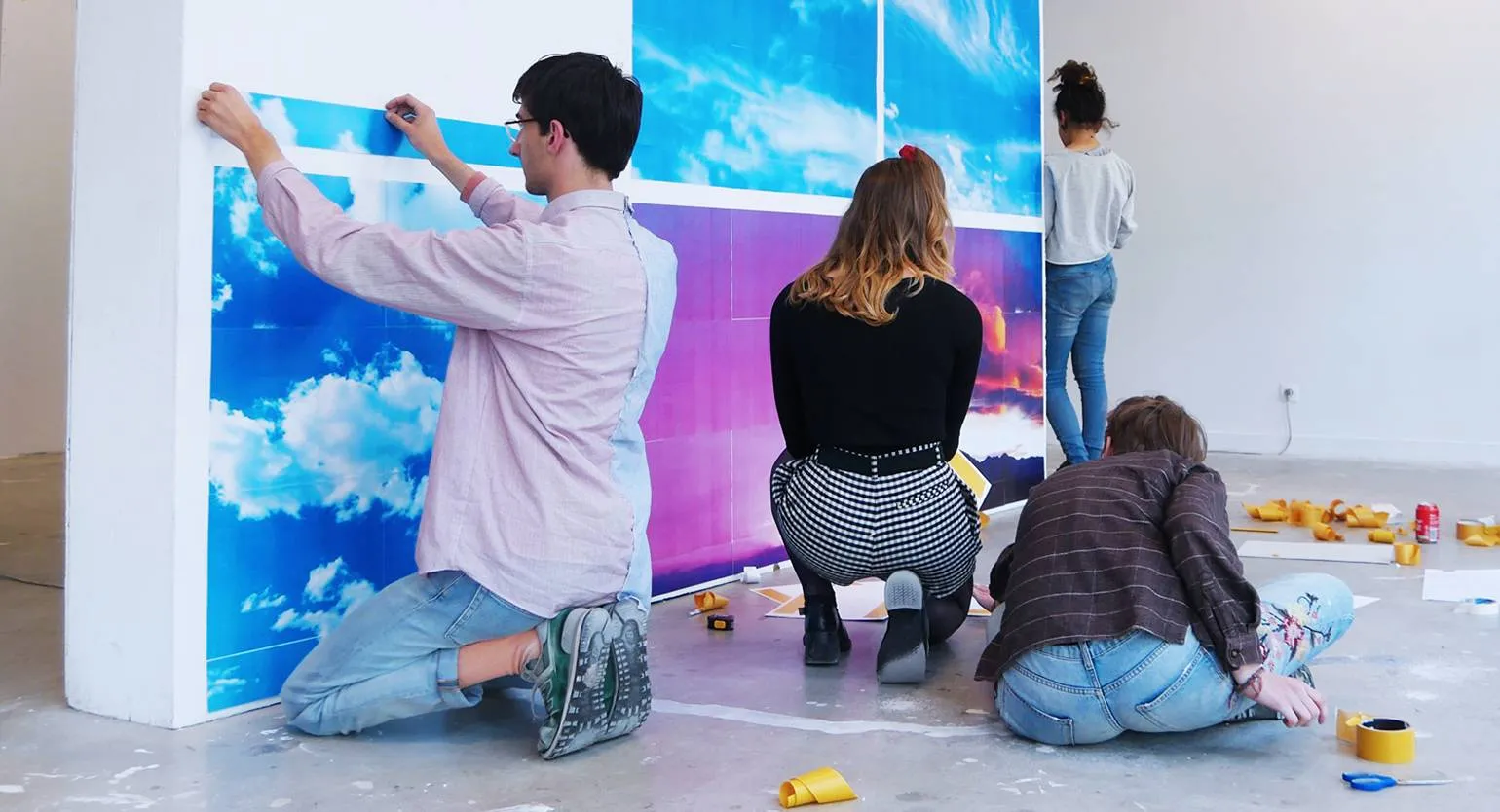
Throughout the year, we actively showcased our creative achievements: hanging works on the walls and placing them on the floor, showing films, and organizing performances. The school has many specially equipped rooms for these events. Typically, a committee assembles to evaluate the works, listen to the author's presentation, ask questions, and provide feedback. This is followed by a pre-defense, which takes place in a more formal setting with a jury of two practicing artists not affiliated with the school. All interested students and teachers are welcome to attend the pre-defense and defense, provided the author is prepared to publicly discuss their work.
Subscribe to our Telegram channel "Behind the Curtain" to stay up-to-date with all the news and updates. We share relevant information and useful materials to help you stay connected with the latest developments. Don't miss out on important notifications and exclusive content. Join our community today.
In addition to writing their theses, students study various disciplines. One such course is called "fabrique", which translates as "production". Over the course of a month, students choose a subject and study it in depth. I chose a course that could be translated as "rereading" or "editing." This course requires you to take any book and physically rework it: tearing pages, crossing out text, re-pasting elements. An important point was that the work wasn't supposed to be conceptual, but based on an intuitive approach. The course culminated in an exhibition at the museum, where each participant could present their revised book in any format.
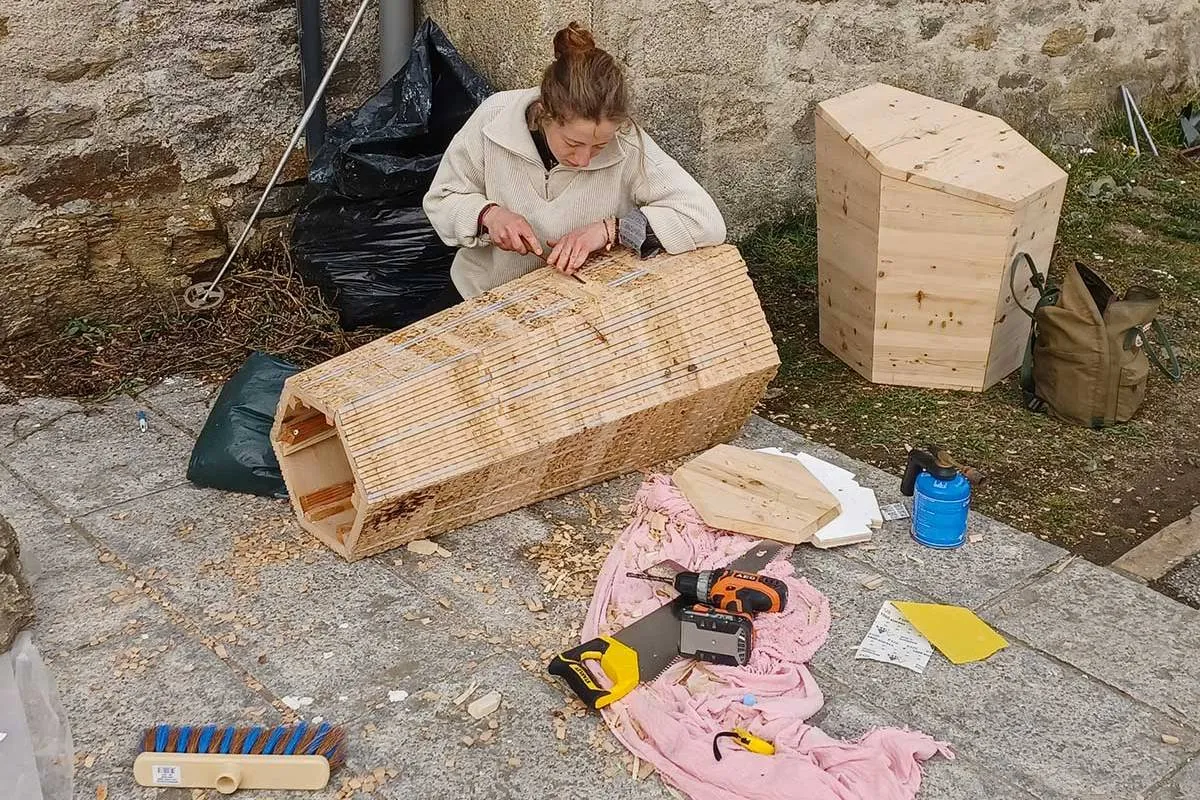
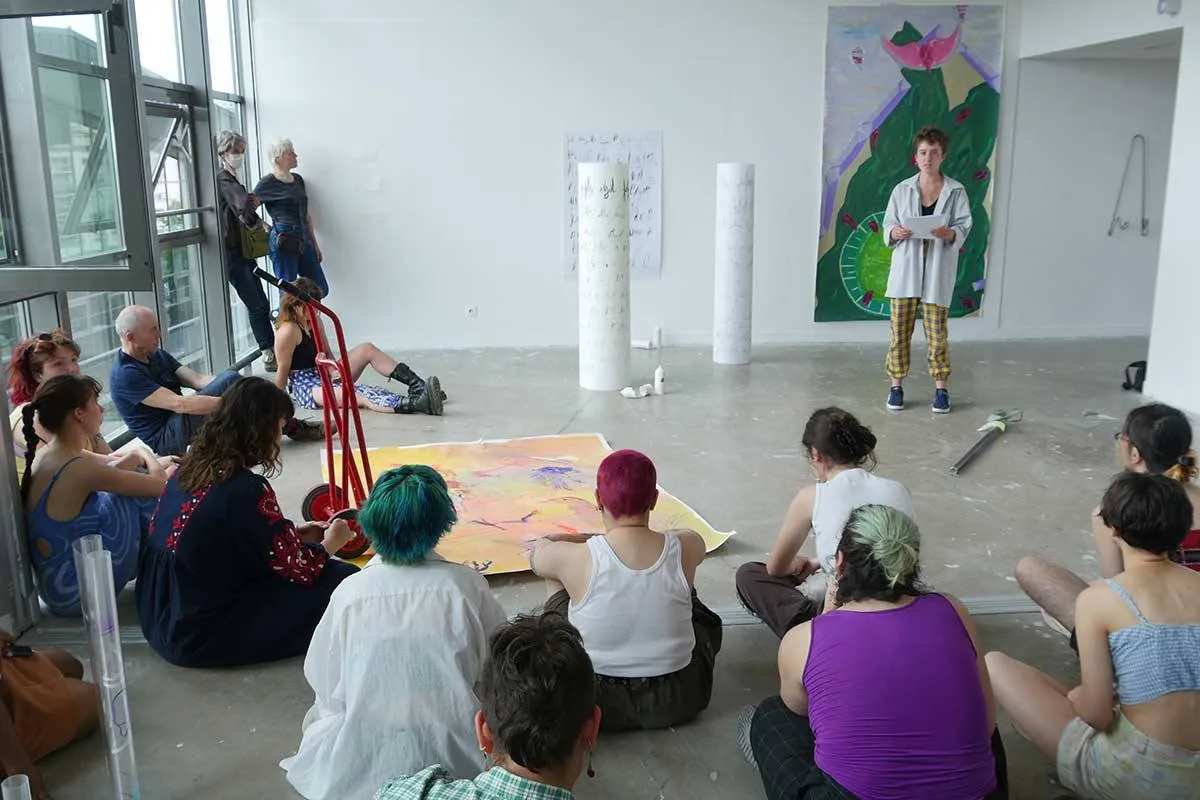
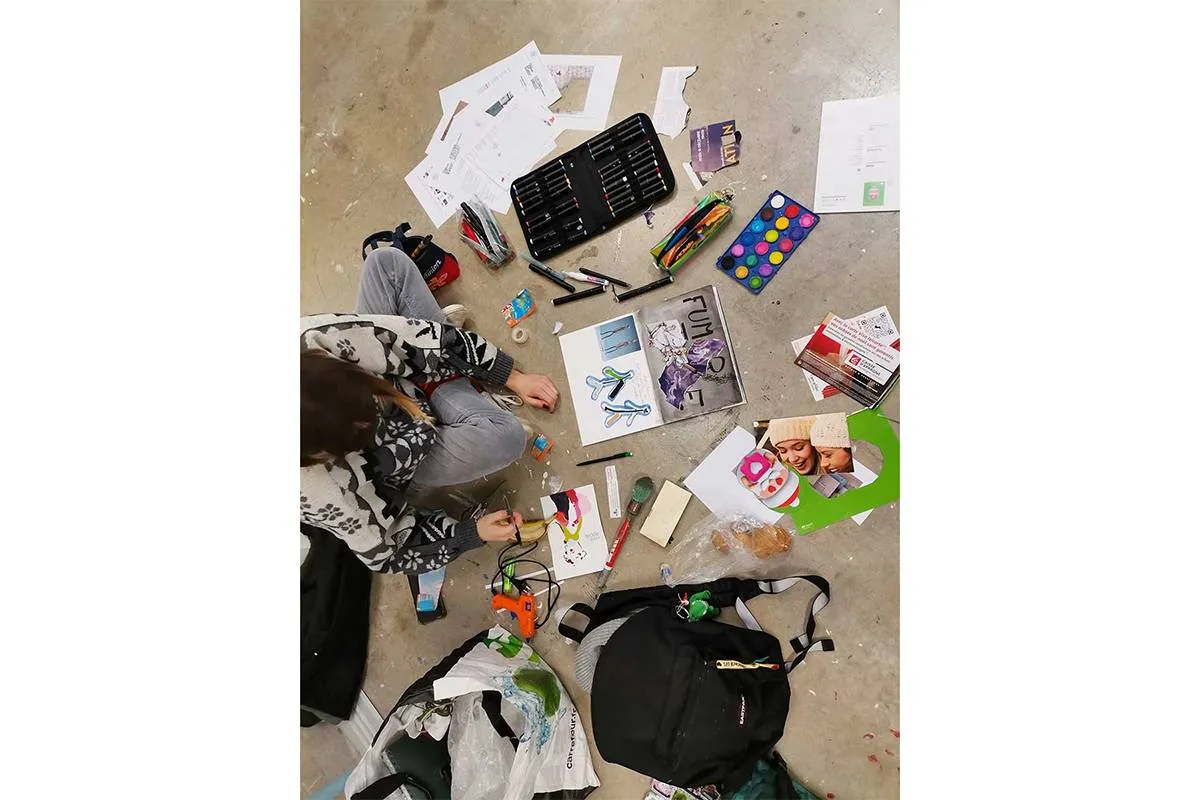
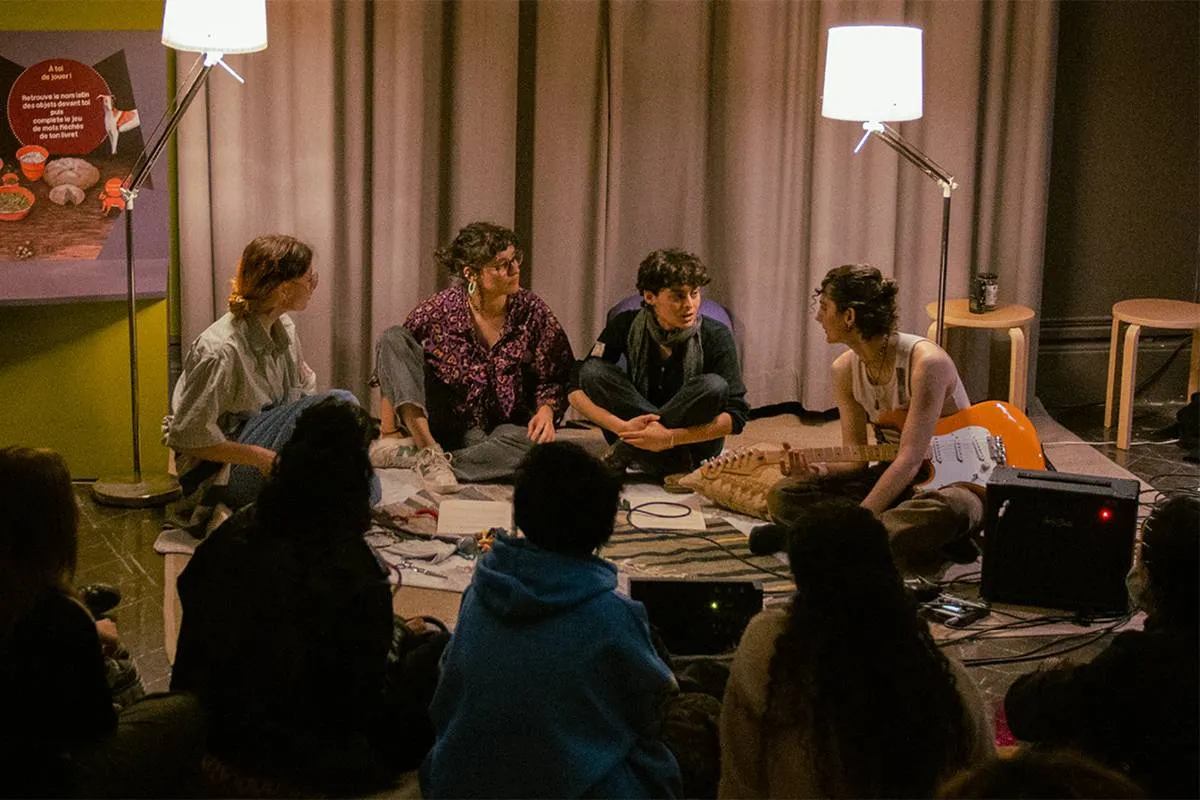
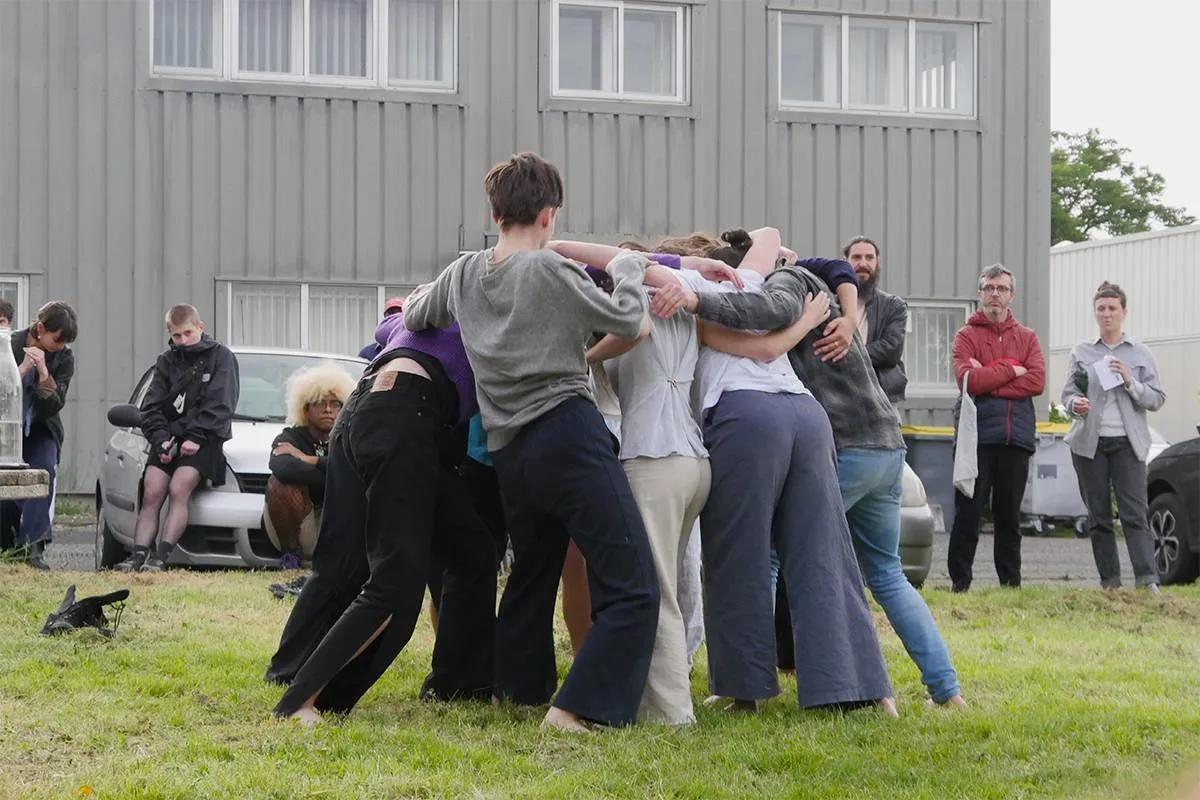
The curriculum included electives that students had to choose throughout the semester. The courses ranged widely, from film photography to lectures on art history. There were also craft classes, such as learning how to use sound recording equipment. In France, there is a trend toward a multi-genre approach in art education, allowing students to explore different directions and methods. I initially planned to create a photography project as my thesis, but the teachers insisted on expanding the techniques used. As a result, I incorporated drawings into the project and made a short film, which enriched my thesis experience.
As part of one of the courses, we were asked to create performances under the guidance of a teacher who is a working artist. We had the opportunity to present our work in an open space outside the school walls, where local residents were welcome. This event was a unique experience and allowed us to interact with the audience.
The school actively participates in various exhibitions and events, which provides students with unique opportunities for development. I was honored to serve on the jury of the international film festival held in Clermont-Ferrand. This festival, known as the International Clermont-Ferrand Short Film Festival, attracts both international and national juries, as well as film experts. The jury is made up of professionals and students, which creates a diversity of opinions and approaches. The student jury is made up of selected participants, and I was delighted to join a group of four students from our school. We watched competition films, performed on stage, and announced the winners, which was an unforgettable experience. Participating in such events not only broadens horizons but also allows you to gain practical skills in the film industry.
Art education in France provides unique opportunities for self-expression and creativity. Unlike the traditional approach often seen in the Russian education system, in France there are no clear guidelines. All ideas and projects are initiated by the student themselves, which can be both inspiring and challenging, especially for those accustomed to strict discipline. These are two opposing extremes: in France, there's a sense of freedom of choice, while in Russia, there's pressure from professors and strict requirements. This contrast can be difficult to adjust to. Nevertheless, the respectful attitude toward students in France is admirable. The educational environment is warm and supportive. The technical conditions foster creativity: a variety of workshops and extensive libraries are available, allowing you to realize almost any idea. Thus, all the necessary conditions for the development of artistic skills and the implementation of creative ideas have been created in France.
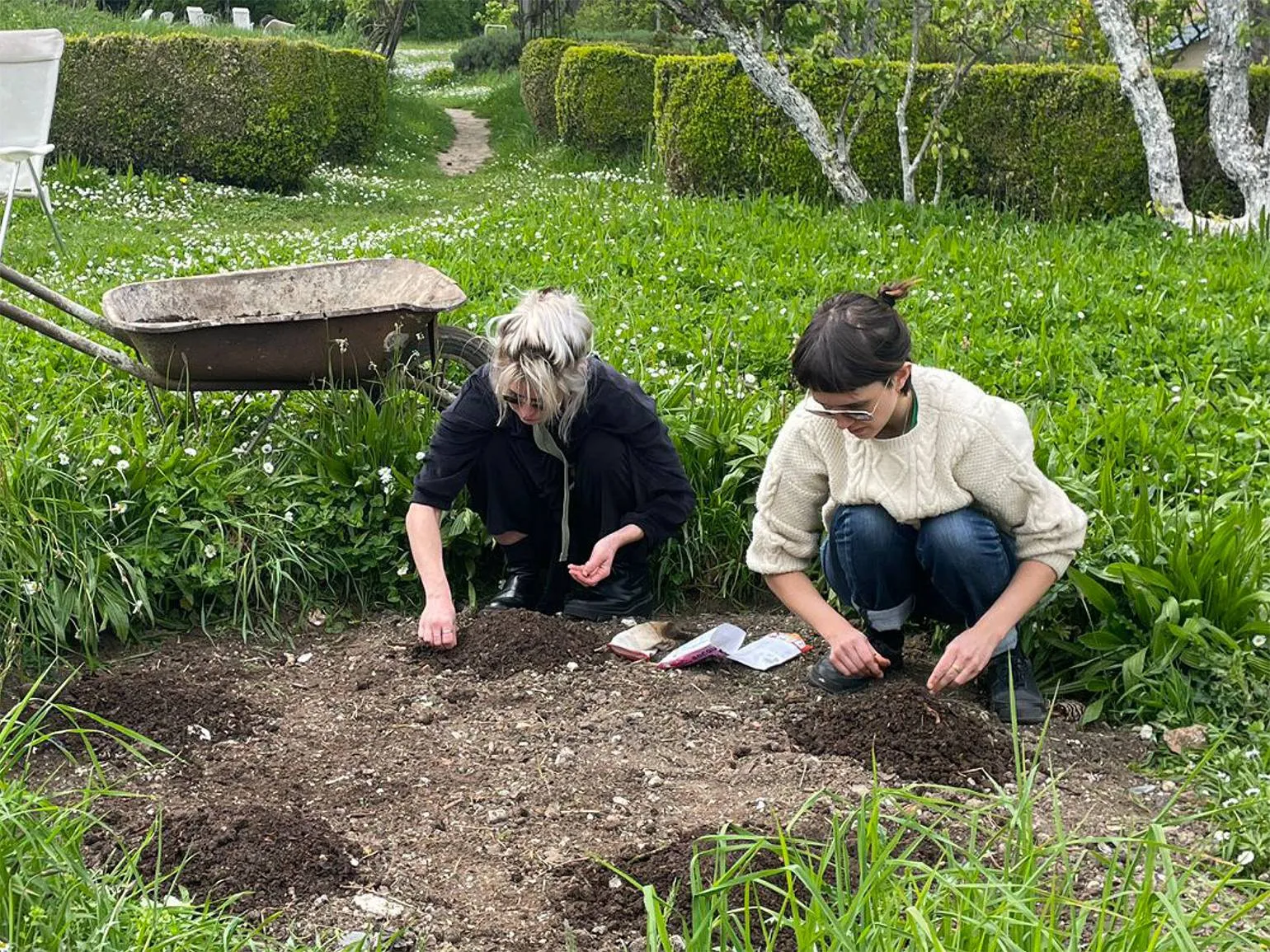
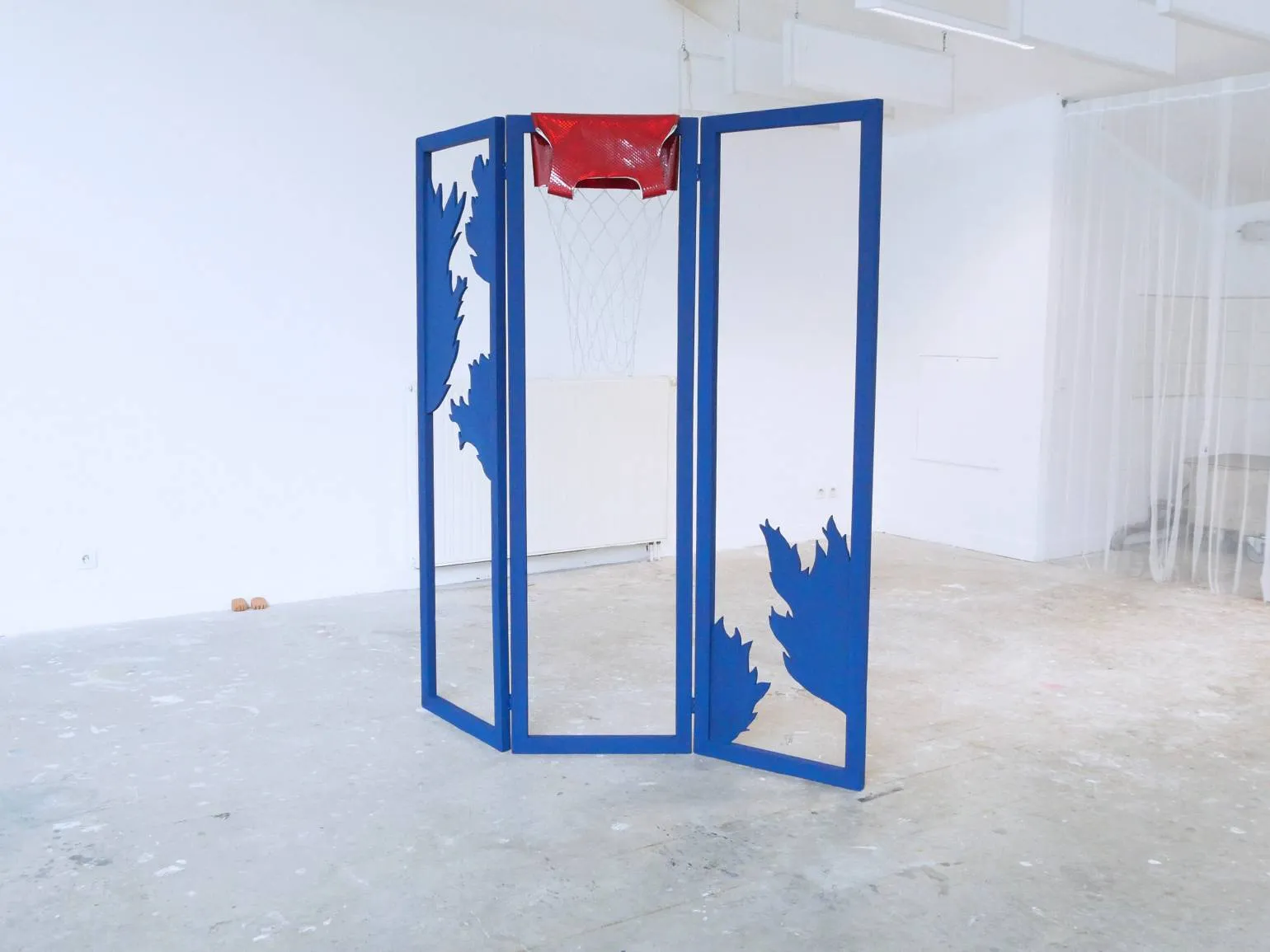
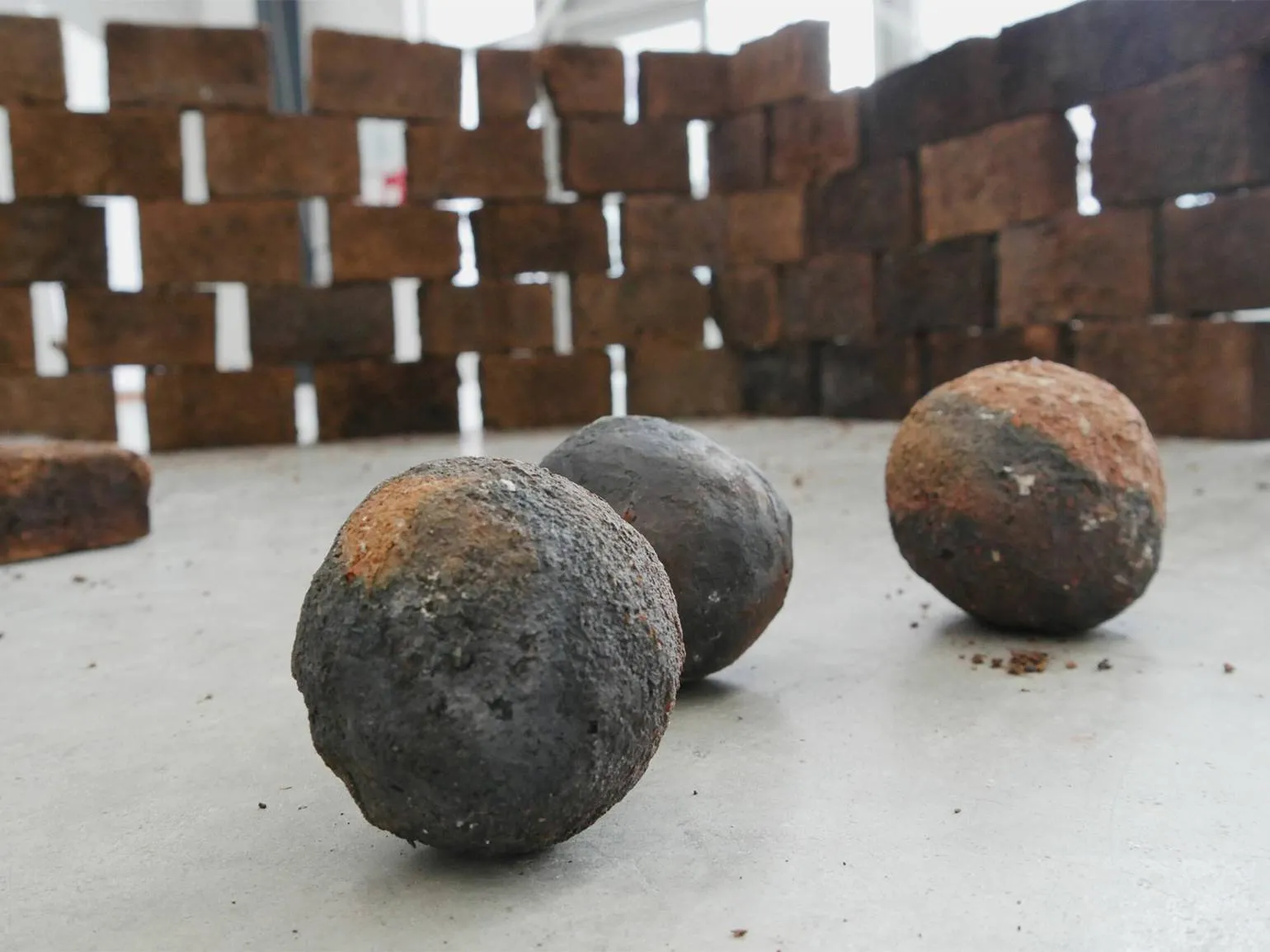
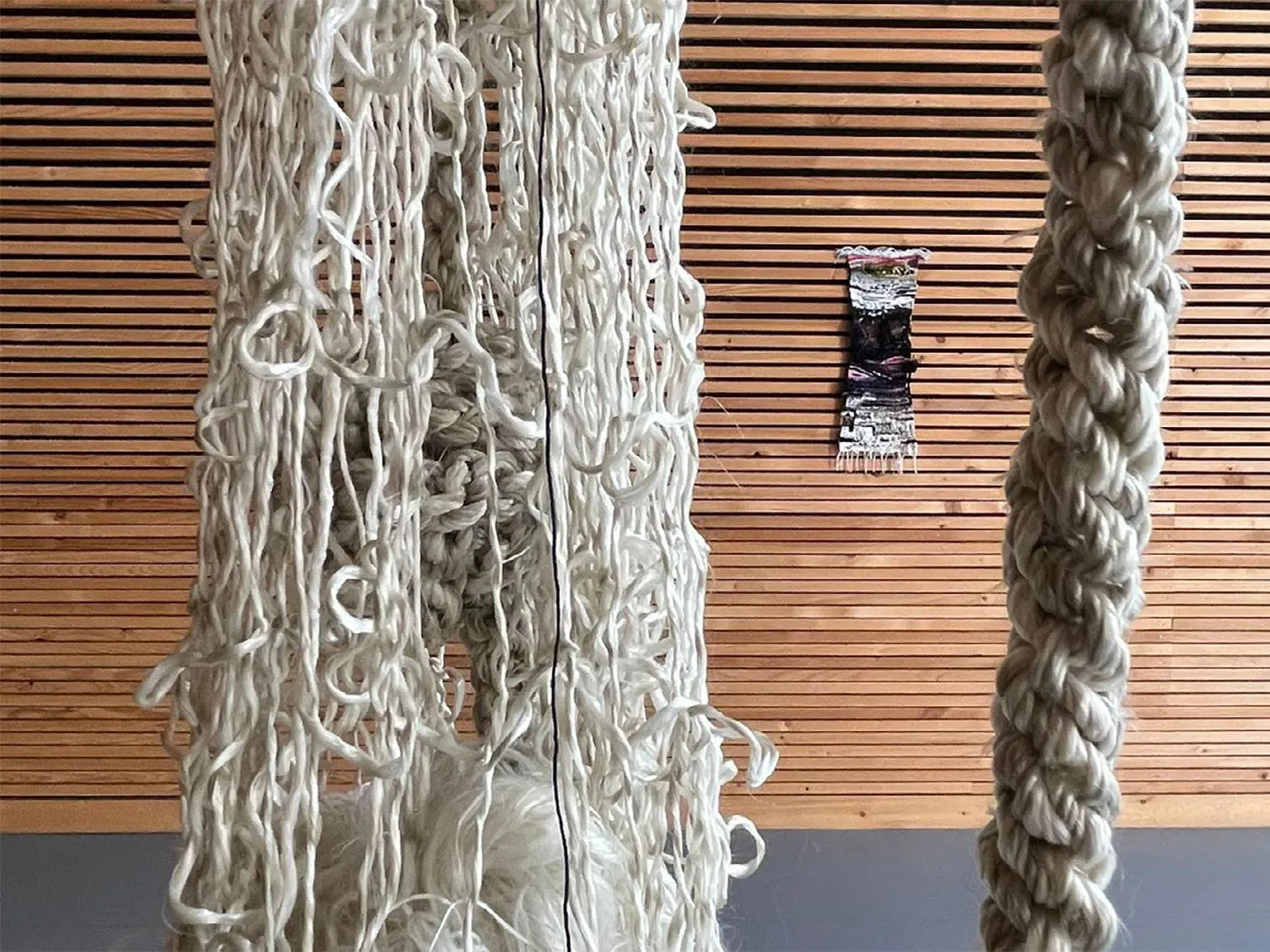
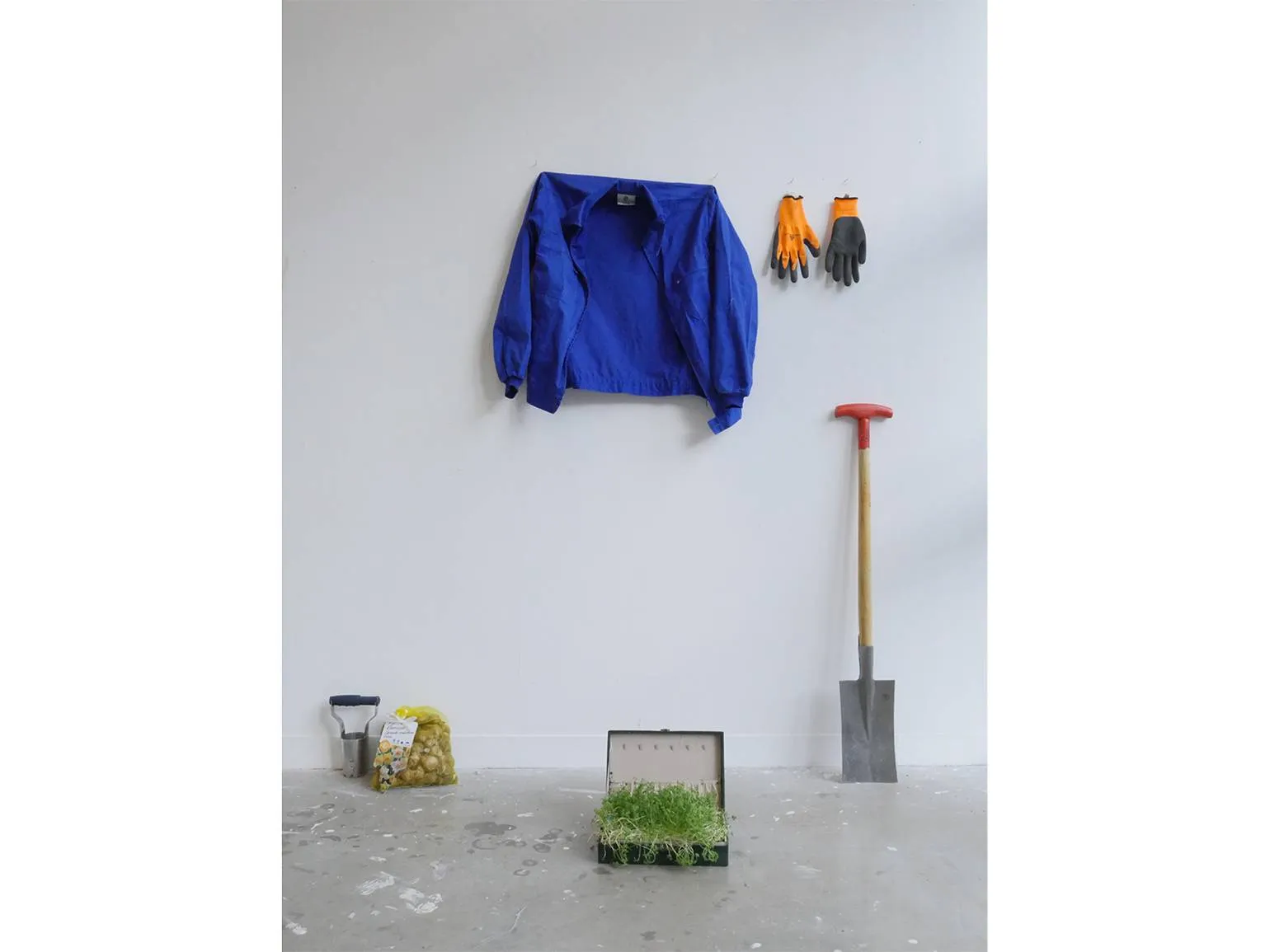
Internships are an integral part of the school education. Students must find an internship on their own, while the school provides support in composing a CV and writing motivation letters. I completed two internships, although this was not mandatory. My experience includes working as a photographer for one of the leading newspapers in Clermont-Ferrand and for a regional contemporary art foundation. These internships significantly enriched my skills and allowed me to gain valuable professional experience.
I planned to stay in France, and now I am enrolled in a Master's program in Cultural Management at the University of Lyon. This university has a significant student population and offers many opportunities for development. Although I could have continued my studies in Clermont-Ferrand, I don't really feel comfortable in that city. It's cozy, but too small, which makes it a bit boring for me. Lyon, on the other hand, offers a more diverse cultural life and many interesting events, making it an ideal place for studying and personal growth.
When applying to an educational institution, key aspects are a motivation letter and a well-written curriculum vitae (CV). Many applicants, especially those who have just finished school, face difficulties in preparing them. It is important to be able to reflect any of your activities in your CV, including, for example, preparing a presentation for a literature class. The main skill is to present all your achievements in a way that shows a unified creative line. Having a common idea, clearly expressed in the applicant's projects, significantly increases their chances of successful admission. Independence and initiative are also valued and should also be emphasized in the motivation letter and CV. Proper presentation of information can be a decisive factor in selecting a candidate.
Lots of freedom and lots of responsibility
Educational institution: Gerrit Rietveld Academy. This academy offers modern education in the fields of design and art. Students receive unique knowledge and skills that help them develop in a creative environment. The academy's curriculum emphasizes innovative approaches and practical training, which contributes to the training of highly qualified specialists. The Gerrit Rietveld Academy is known for its attention to the individual development of each student, which makes it one of the leading educational institutions in its segment.
Photography is an art and technique that allows you to capture moments and convey emotions through visual images. In the modern world, photography plays a key role in various fields, including advertising, journalism, fashion, and art. It allows us to tell stories, capture events, and preserve memories.
Modern technology has greatly simplified the process of taking and editing photographs, opening up new horizons for photographers. The use of digital cameras and smartphones has made photography accessible to a wider audience. However, to create truly impressive images, an understanding of the basics of composition, light, and camera settings is necessary.
The development of social media has also contributed to the popularization of photography. Platforms like Instagram provide the opportunity to share your work and receive feedback from viewers. This creates a space for the exchange of ideas and inspiration between photographers and amateurs.
Photography not only captures reality but also allows you to create new worlds using creativity and artistic vision. Whether portraits, landscapes, or street photography, each image tells its own unique story. It's important to remember that photography is more than just a hobby, but a true art form that requires skill, patience, and creativity.
The Bachelor's degree program lasts five years. This program provides students with in-depth knowledge and skills in their chosen field, laying the foundation for future professional development. Over the course of five years, students will master key disciplines, gain practical experience, and prepare for a successful career. A Bachelor's degree opens doors to numerous opportunities for further education and professional growth.
The current tuition fee is €8,791 per year. This is the price for a quality education that opens up a wealth of opportunities for students. It's important to remember that investing in your education can significantly improve your competitiveness in the labor market.
Admission to the program is available both remotely and full-time. The process includes preparing a portfolio and passing an interview.
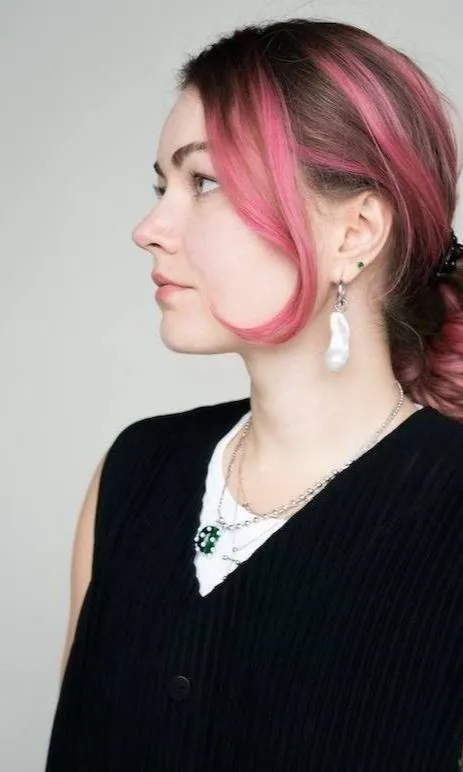
An artist who uses photography as the main medium in her work. She is a finalist and winner of international competitions, and also the author of two photo books. Lilia's works are exhibited in museums and are in private collections in the Netherlands, France, Switzerland, Great Britain and the USA. She currently resides in Amsterdam.
In 2009, I began attending courses at the FotoDepartment project in St. Petersburg, inviting renowned European photographers and artists to conduct engaging workshops. During the course, I realized my passion for conceptual photography. Around the same time, I visited Amsterdam and fell in love with the city. While researching artists connected to the Netherlands or having studied there, I discovered that most of my favorite photographers had studied at the Gerrit Rietveld Academy. This realization inspired me to enroll at this academy, as at that time, high-quality higher education in conceptual photography did not exist in Russia.
After returning from vacation, I had only two weeks to prepare my documents and portfolio, which at that time had to be submitted in printed form and sent by regular mail. Then I went to an in-person interview, which turned out to be quite difficult. The jury was strict, and I later learned that getting into Rietveld is very difficult even for local students. It was a stroke of luck.
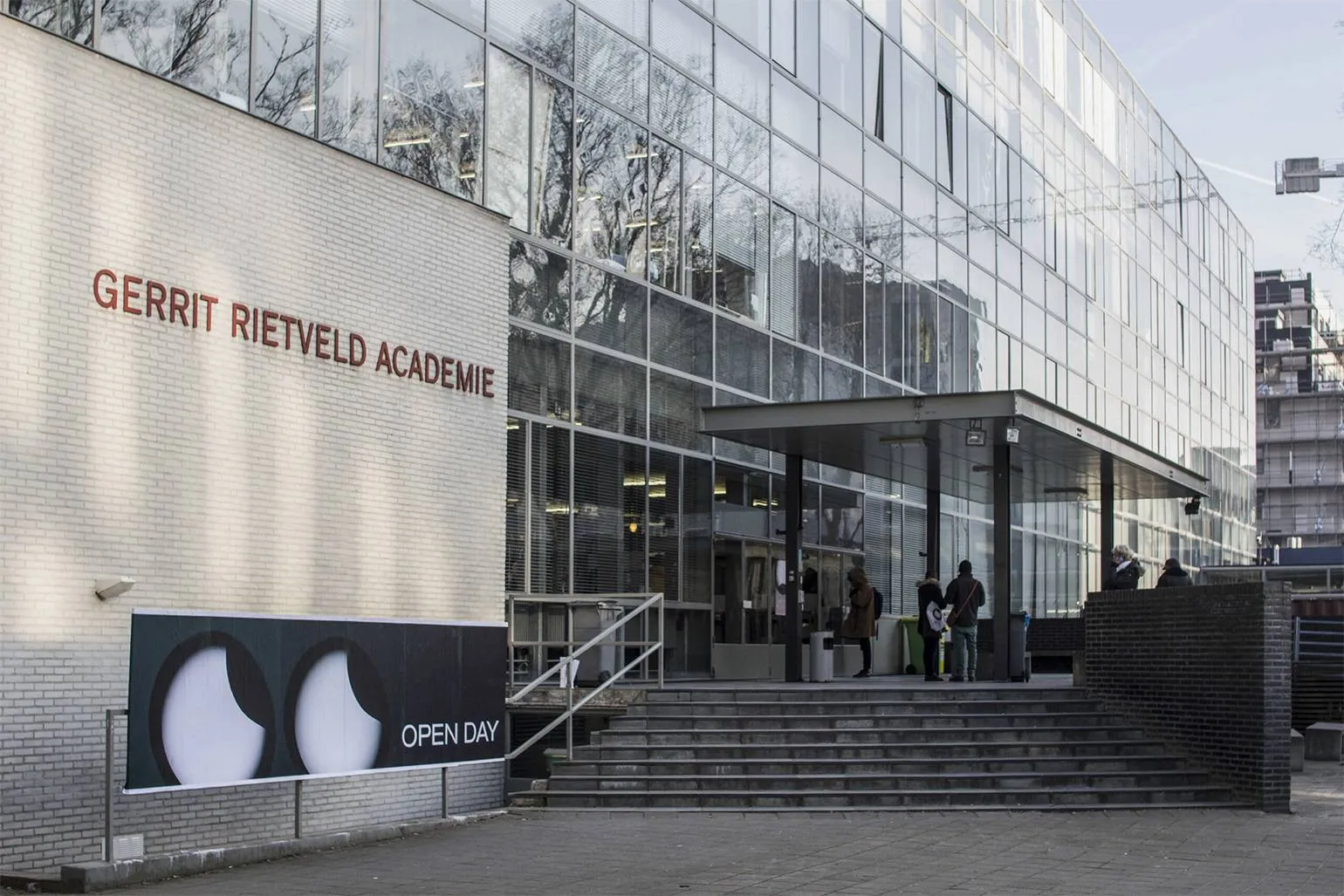
I was accepted onto the course halfway through thanks to my unfinished art degree. I studied with the renowned photographer Paul Kooiker, who is a significant figure in the Dutch art world. He currently works successfully in the fashion photography field. I was eager to study with him, since in creative education, the teacher's choice is particularly important.
I left on a student visa, which is issued for the entire duration of my studies. This visa allows me to work a limited number of hours per week and travel throughout the European Union. In addition, in the Netherlands, after completing my studies, I am given an additional year to find a job in my field. This significantly facilitates my ability to stay in the country, which is an attractive factor for students seeking to develop their careers in Europe.
The academy is largely based on the principles of the Bauhaus. Its instructors are experienced professionals for whom teaching is a way to impart knowledge and experience, not just a career move. This creates a unique learning atmosphere where students gain practical skills and a deep understanding of their specialty.
The educational process at Rietveld is characterized by its chaotic and intuitive nature, which is characteristic of Dutch education. This approach emphasizes student independent work. Teachers review completed assignments and, at best, offer a few suggestions without setting strict homework or guidelines. This contrasts with the Russian educational system. Students independently choose topics, develop them, determine the medium, and implement their projects. Discussions of intermediate results take place in a group setting with the teacher, allowing everyone to express their opinions. Most classes at Rietveld are built around such discussions. Since I began the course midway through the course, I was unable to delve deeply into the theoretical subjects.
Sometimes I lacked a clear learning path. Rietveld is known for its strict standards: only the strongest survive, those who can adapt and master the material. Exams are assessed using two criteria: pass or fail, without using percentages or points. This lack of midterm grades created particular stress for students, as half measures were not allowed. In the event of failure, only one retake is given, after which the student must repeat the course. Each session, held twice a year, becomes a real test, and it is impossible to dispute the results.
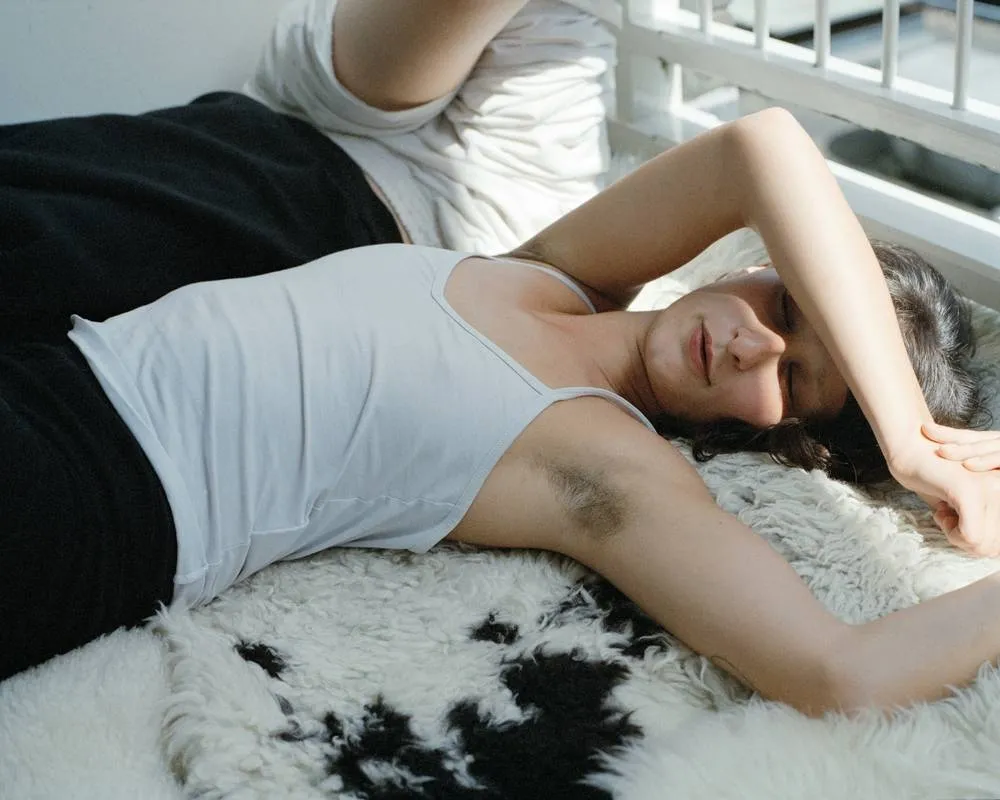
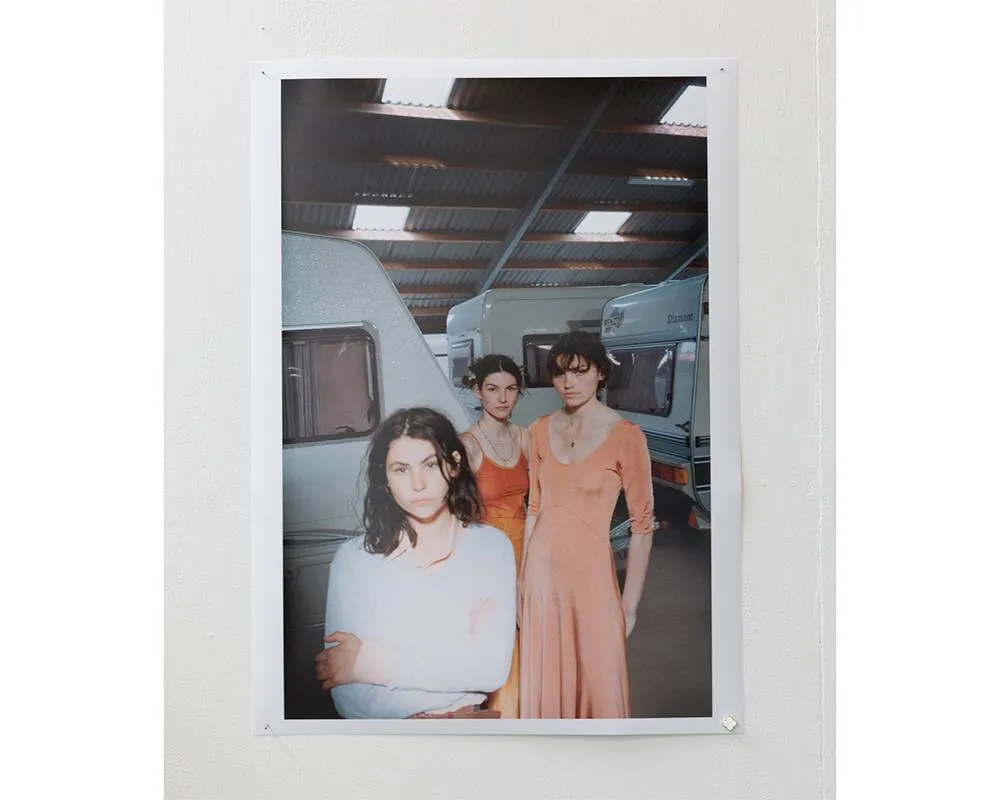
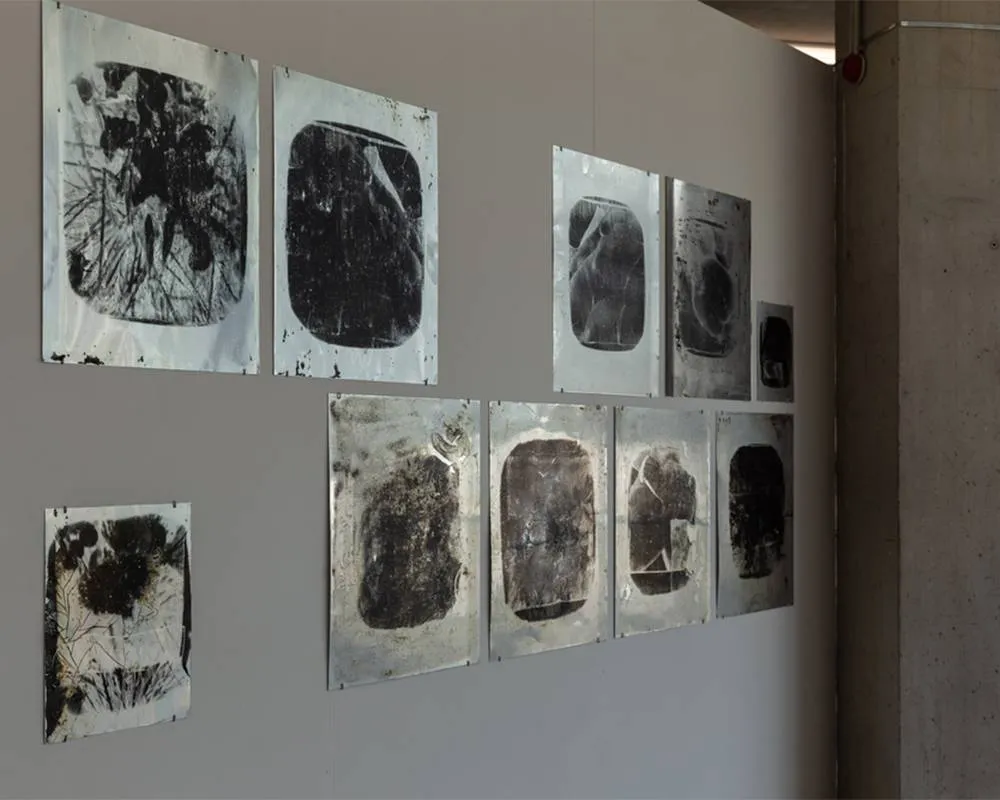
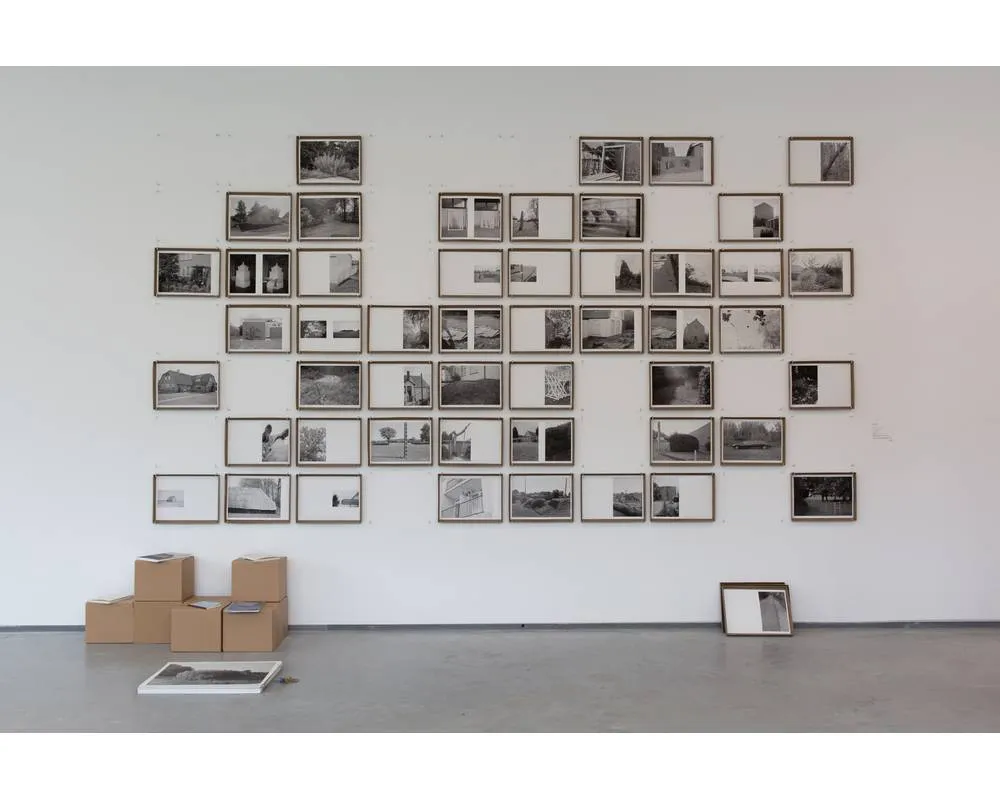
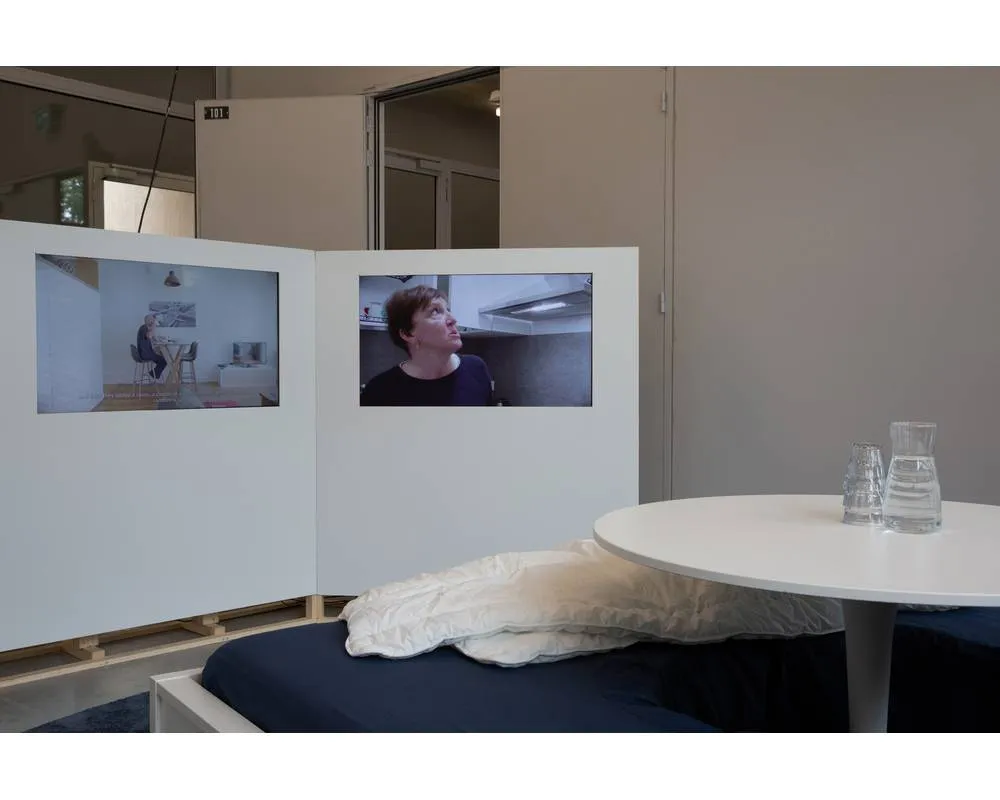
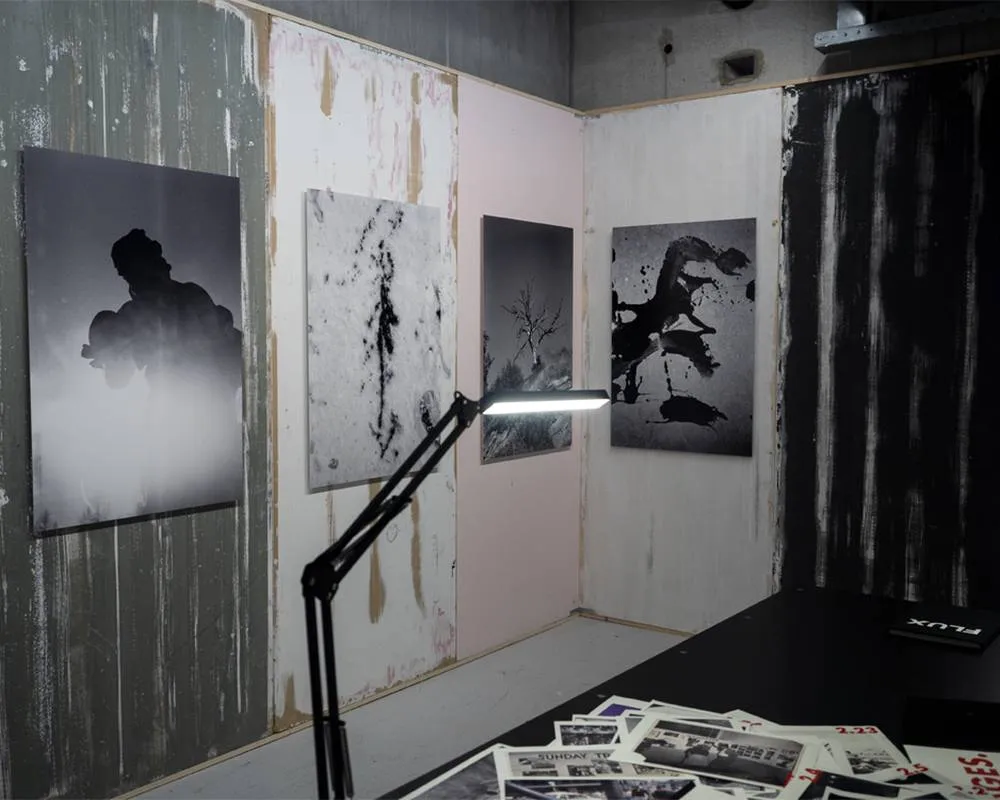
You have great freedom, but also significant responsibility. You can't say, "I didn't understand," or "I wasn't informed." A mature approach is used here: students are treated as equals. While there is a chain of command, there is no sense of hierarchy or pressure. While you may be directly confronted with shortcomings in your work, this happens without derogatory comments, strictly to the point. You could say that the communication style here is typical of Northern Europeans. Although they maintain a certain distance, there is respect for everyone. Adapting to the local education system in the Netherlands proved challenging for me. As an expat, I faced many practical issues and had no support from those around me. At the same time, I had to study, quickly generate creative ideas, and implement them. The experience of studying at the Rietveld is not for the faint of heart; few can claim that everything went smoothly and carefree. However, this challenging experience proved valuable when I began to pursue an autonomous artistic practice, where all responsibility rests solely with me. Studying at Rietveld prepared me for life in the Netherlands, where the people's mentality implies a high degree of independence and responsibility for their actions.
Read also:
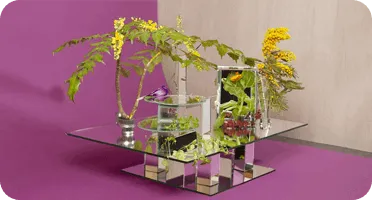
Artist Lilia Luganskaya talks about how everyday objects and the environment are transformed into art. Her works show how familiar things take on new meaning, evoking deep emotions and reflection. Liliya explores the relationship between people and objects, emphasizing that art can be found in every aspect of our lives. Her work inspires a rethinking of the mundane and awakens interest in what surrounds us. This ability to see beauty in simplicity makes her work unique and memorable.
Every year in early July, the Rietveld becomes a large gallery where students present their annual and final projects. Gallerists, museum staff, and the general public attend this event. As part of my final project, I presented a video work, which, unfortunately, did not elicit the expected response, which was disappointing. However, a year and a half later, a curator from London, who had attended the screening, contacted me. She rediscovered my work on the website and offered to organize a group exhibition in Poland, which became a significant step in my career.
The academy actively collaborates with artists and local institutions, which allows us to create unique opportunities for students. We organize trips to various countries, where students have the opportunity to present their work at partner institutions. For example, I initiated a trip for our course to St. Petersburg, which became an important milestone in their educational process. It's gratifying to see that Rietveld takes students' opinions into account. Joint exhibitions were also held in countries such as Germany, Belgium and the UK, which contributes to the expansion of international ties and the exchange of experience.
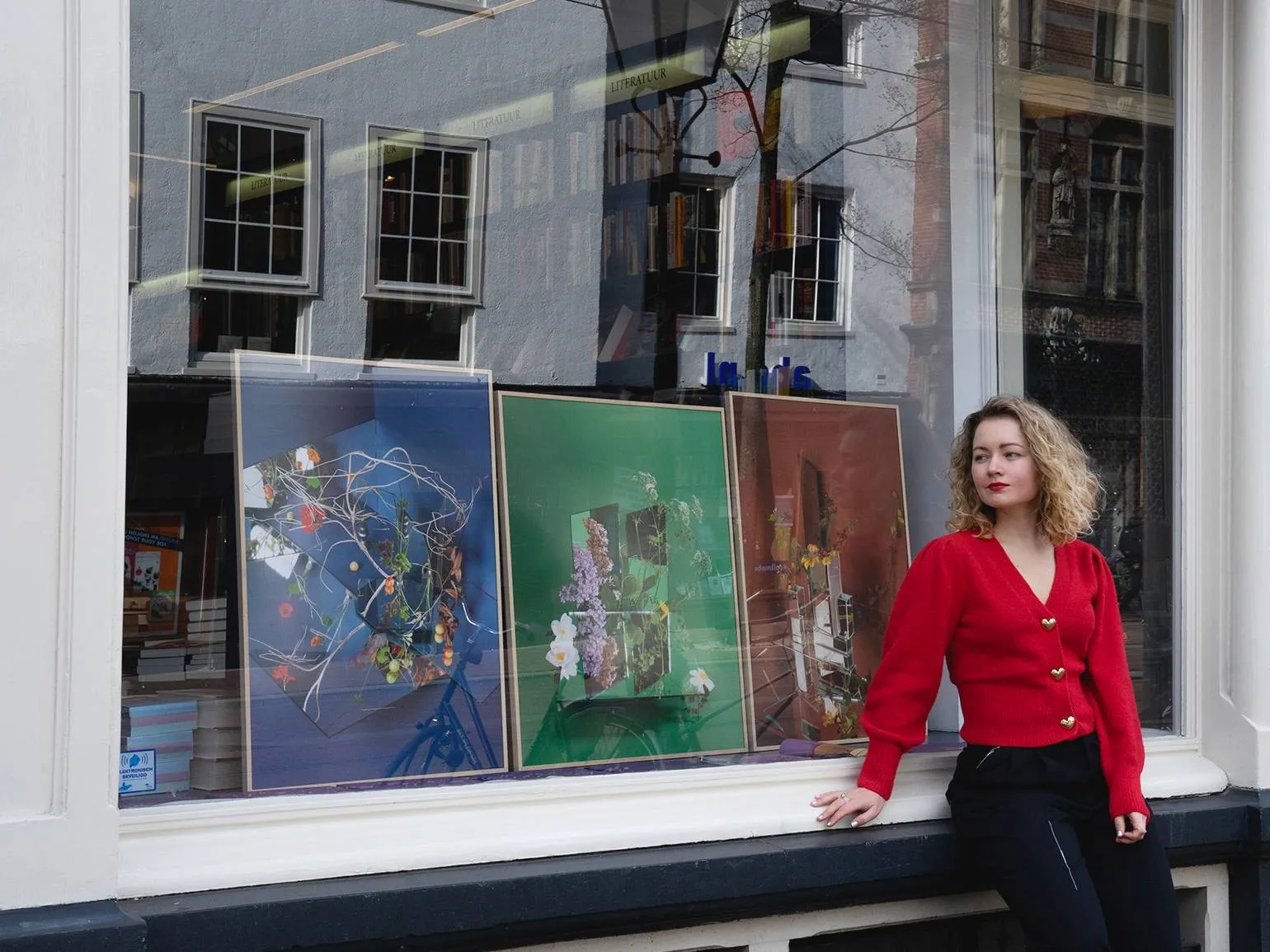
I initially did not intend to return to Russia. My desire is to continue my career where it is easier to achieve. The Netherlands offers grants that, while not significant, allow for internships, studio rentals, and exhibitions. The Netherlands is a stable country where it is comfortable to live, start a family, and raise children. The only drawback is the climate, which, unfortunately, is not encouraging.
When planning your application, motivation is a key factor. It is also important to consider your financial capabilities, as emigrating requires significant expenses. This process can be challenging and exhausting, but as a result, you gain new perspectives and become more experienced.
A Passport to the Art Community
The Magdalena Abakanowicz University of Arts in Poznan is a leading educational center that offers a wide range of programs in art and design. Founded with the aim of forming highly qualified specialists, the university provides students with the opportunity to develop their creative potential and professional skills in various fields of art. Educational programs cover such disciplines as fine arts, graphic design, theater arts, and many others. Thanks to highly qualified faculty and modern learning resources, the Magdalena Abakanowicz University of Arts in Poznań has become a magnet for students seeking creative expression and professional growth in the art world.
Photography is the art of capturing moments, which allows you to convey emotions and atmosphere through visual images. In the modern world, photography occupies an important place, serving not only as a means of self-expression but also as a powerful tool for business, marketing, and social media.
There are many styles and trends in photography, including portrait, landscape, architectural, street, and macro photography. Each of these styles has its own unique characteristics and requires specific skills and knowledge.
Professional photographers use a variety of techniques and equipment to achieve high-quality images. An important aspect is an understanding of composition, lighting, and working with color. Modern technologies, such as digital cameras and editing software, open up new opportunities for creativity and experimentation.
Photography is also actively used in various fields, including advertising, fashion, journalism, and art. The ability to create attractive visual content can significantly increase interest in a product or service, as well as draw attention to important social and cultural issues.
Thus, photography is not only a way to capture moments but also an important tool in modern communications that helps convey information and emotions through visual images.
The duration of study for a Master's degree is 2 years. During this period, students gain in-depth knowledge in their field, develop analytical and research skills, and prepare for professional work. A Master's degree opens new career opportunities and promotes professional development.
The tuition fee is 8,000 PLN per year, which is equivalent to approximately 200,000 rubles. This information is important for those planning to enroll in Polish educational institutions and are interested in higher education abroad. Given the high quality of education and international prospects, investing in studies may pay off in the future.
Admission: full-time; requires providing a portfolio, motivation letter, and passing an interview.
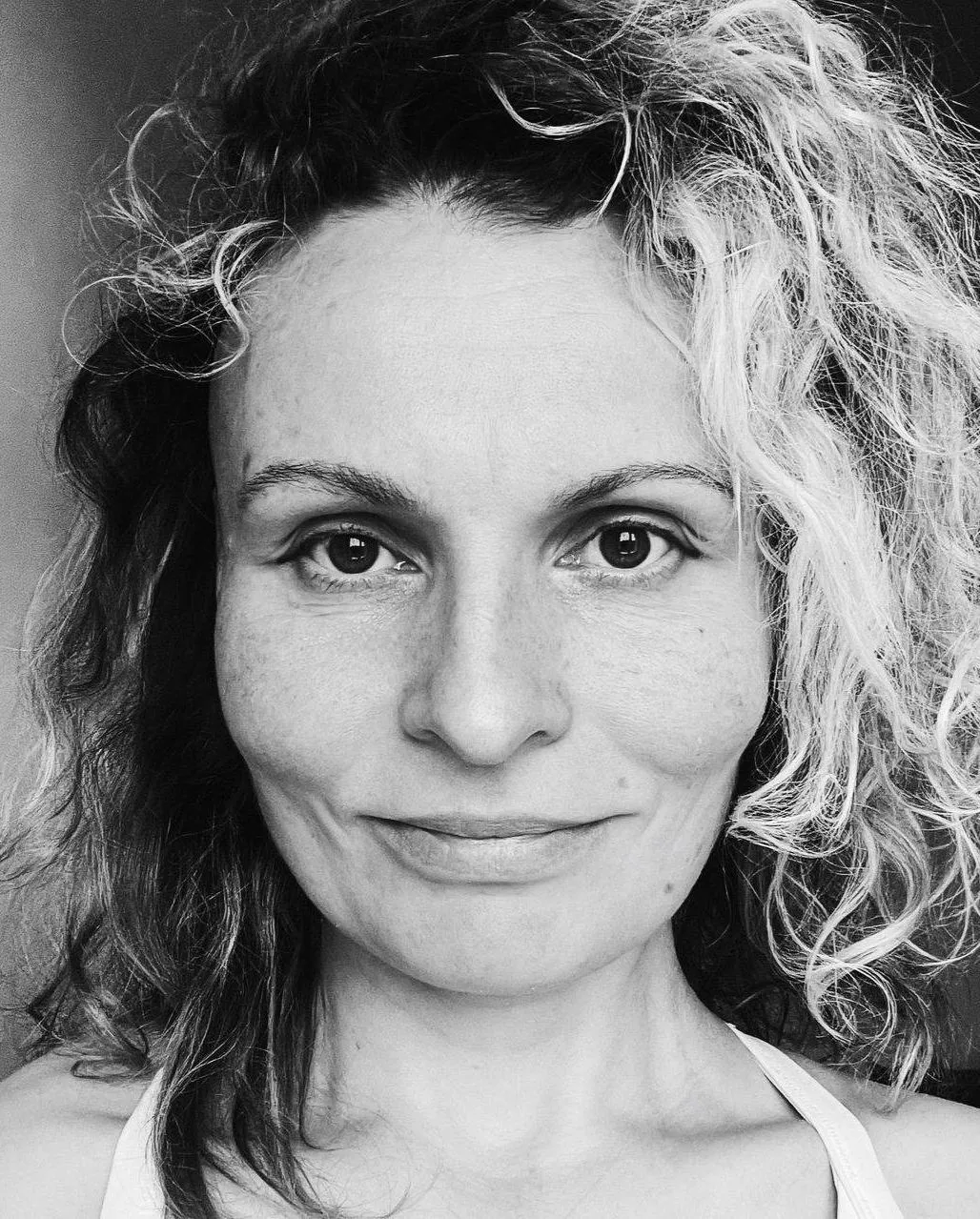
Maria is a photographer, teacher, and developer of educational programs in photography. Her work is represented in the collections of institutions such as the Moscow Art Museum (MAMM), the Moscow Museum, and private collections in the United States, Europe, and Russia. Maria actively shares her knowledge and experience with her students, helping them develop their photography skills and understanding of visual art.
I moved to Poland to follow my roots. Initially, I had no intention of studying—it seemed strange to be a student again, especially after teaching for so long. I was worried about being the oldest in my class. However, I needed to quickly integrate into the country's art community. Everyone I consulted unanimously agreed that studying was the optimal path to achieving this goal.
Our trip through Poland marked the beginning of an important chapter in my life. My husband and I explored various cities, visiting galleries, art spaces, and educational institutions. In Poznan, we stopped by the University of Arts, and it made a huge impression on me. My husband suggested, "Why don't you apply here?" I thought about it. The second option I considered was the renowned film school in Łódź. However, the Poznan University of Arts turned out to be preferable, as its program focuses more on contemporary art, not just photography. For me, a person with many years of experience in photography, it was more important to gain broader knowledge and understanding of the context of contemporary art.
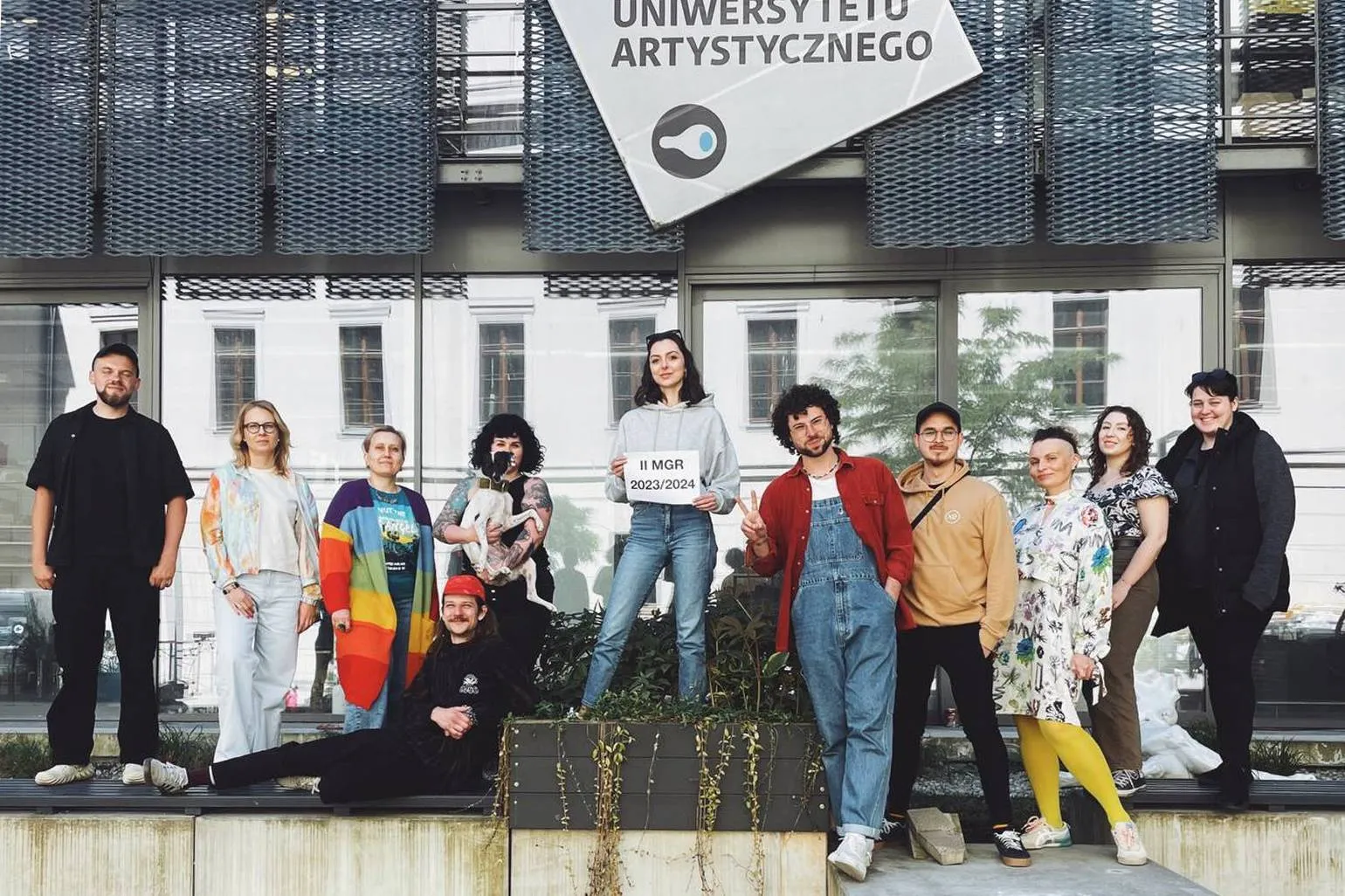
To be admitted, you had to submit a portfolio and a motivation letter. If you pass the first round, you are invited to an interview. I successfully completed all stages. My concerns about my age turned out to be unfounded—two people in my group were older than me. This confirms that age is not a barrier to successful learning and achieving goals.
The language of instruction is Polish. I could have chosen full-time study, but I chose the part-time department. This is similar to Russian distance learning, but has its own unique features. Classes are held two weekends a month: online on Friday and offline on Saturday and Sunday. This approach allows students from different regions of Poland and even from other European countries to join the course. In the beginning, I traveled to classes from Krakow.
The part-time format is in high demand among professors. This educational path attracts students who clearly understand their goals and are striving to develop in their professional field. Typically, more mature and experienced practicing artists who are ready to invest in their education study here. Teachers find it more interesting to work with such motivated students, which contributes to a deeper and more productive learning process.
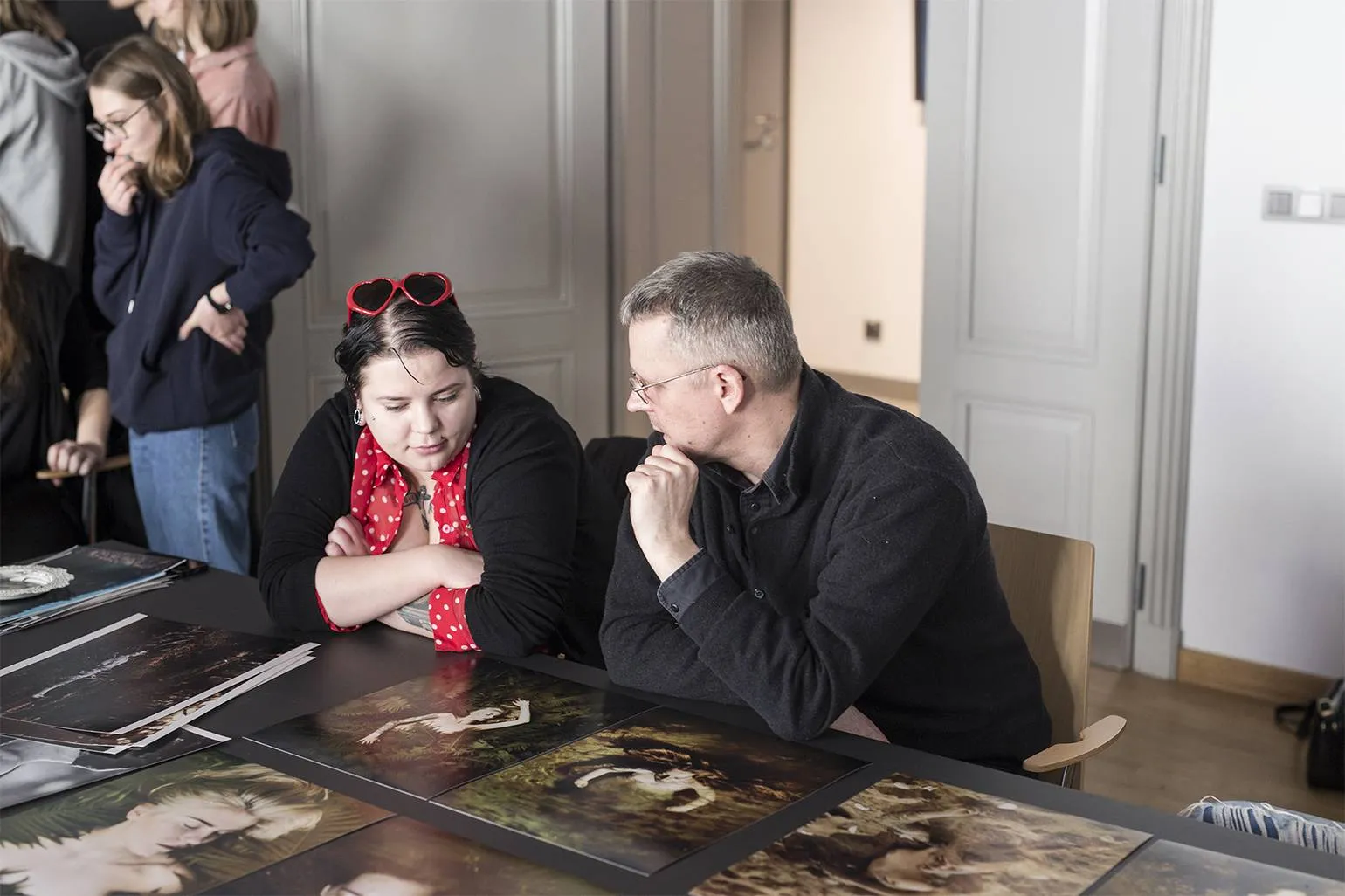
The educational process in the master's program is organized as follows: Friday is devoted to theoretical classes, including the study of art history, photography and courses with visiting artists. On Saturdays, two mandatory workshops are held, along with optional classes at the students' discretion. Workshops bring together students from different groups, creating an opportunity for shared experiences. At the beginning of the school year, the teacher assigns a general theme, but students are free to suggest their own ideas, allowing for freedom of choice in the creative process. During the classes, students present their projects, which are discussed in the group, fostering critical thinking and teamwork skills. Two projects are required to be completed over the course of the semester. On Sundays, students continue their studies, participating in theoretical classes and practical workshops. The curriculum includes both creative and technical disciplines, such as portfolio development and artistic practice management. This structure allows students not only to develop their creative abilities but also to acquire the necessary skills for a successful career in the arts.
The course fosters strong relationships between students and teachers. There is no pressure, and full responsibility for learning rests with the student. This contrasts with some aspects of Russian art education, where excessive stress and expectations can sometimes be present, which can lead to anxiety and negative emotions. In such an atmosphere, students can freely develop and reveal their creative abilities without fear of failure.

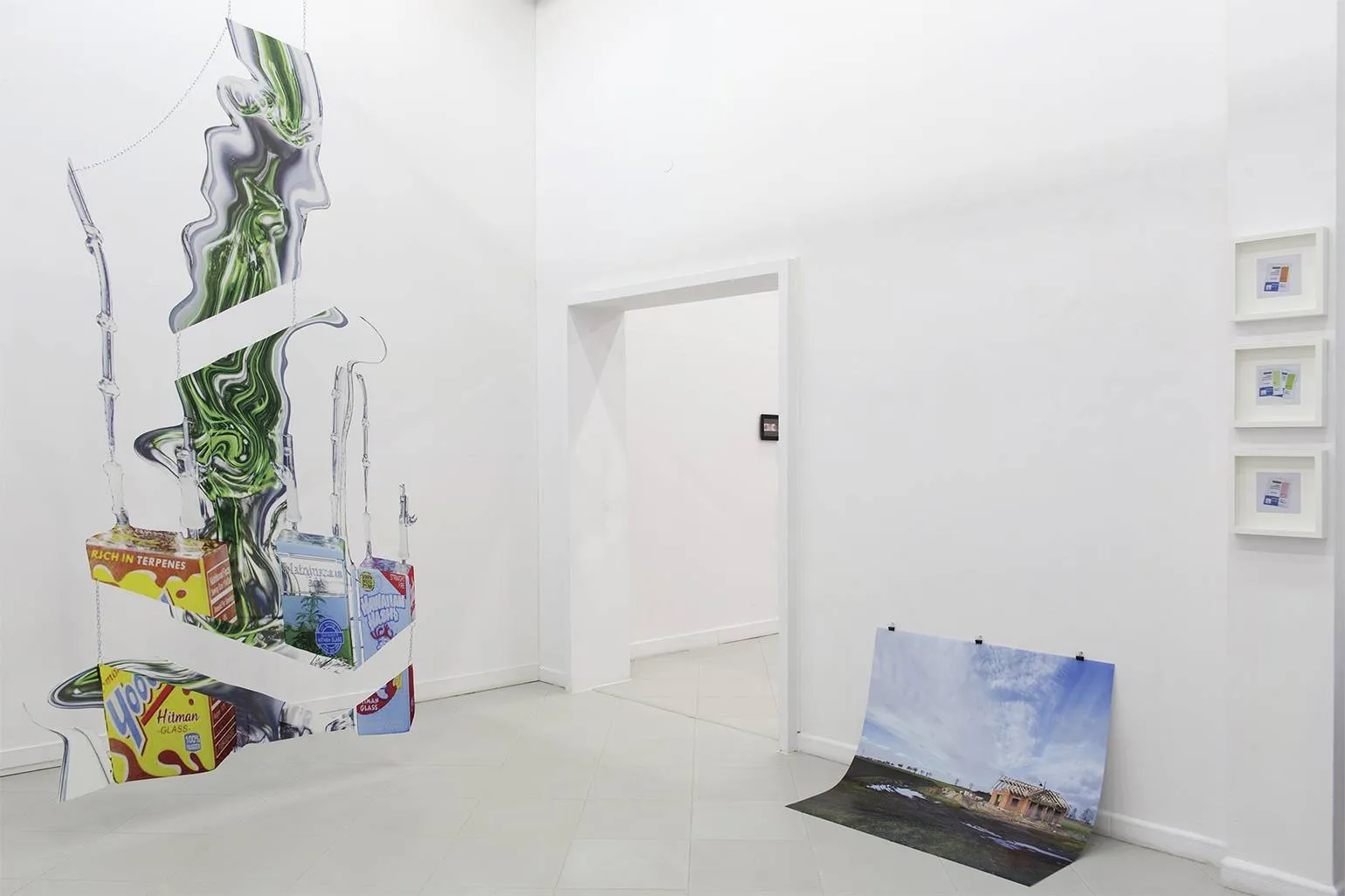
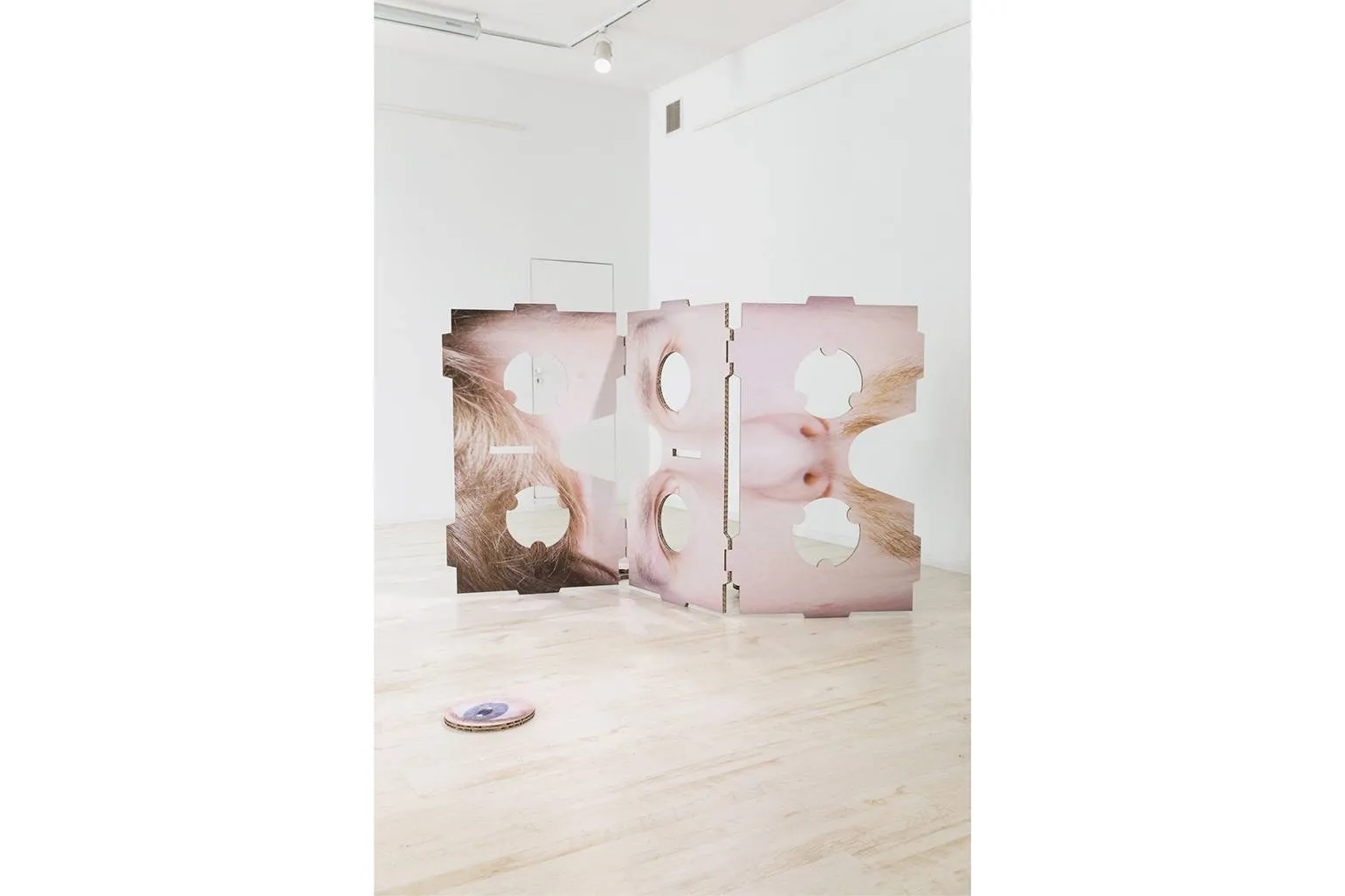
Sessions at the part-time department are held during off-site events. In winter, the group goes to the seaside for a whole week, and in the summer - to the mountains. This is a kind of art festival with a rich program. Participants attend lectures and master classes given by invited artists and also have the opportunity to view works and receive consultations from masters. In the evenings, friendly get-togethers are organized, which can last until the morning, if there is energy left.
The university actively supports and develops its students, providing them with opportunities for self-expression and presentation of their creative work. At the end of each academic year, our faculty hosts a large-scale exhibition, organized by the students themselves. The works are displayed in classrooms and corridors, attracting the attention of not only the university audience, but also city residents. We widely promote exhibitions, which contributes to their popularity. Furthermore, the University of Poznań has several galleries where students, faculty, and alumni can present their projects. Faculty also actively initiate joint projects with students, which facilitates the exchange of experiences and the development of creative ideas.
Another important form of support is the opportunity to meet current museum and gallery curators. Many of them also teach at universities. This provides not just an opportunity for superficial communication at exhibition openings but also a chance for deeper interactions and even friendships. Such connections facilitate the establishment of meaningful connections in the art community and can open new horizons for career development in the arts.
In Poznań, almost all galleries and art spaces set aside days for student graduation exhibitions. Each student has the opportunity to organize a solo diploma exhibition, which is excellent practice. This serious approach to the diploma project as an individual undertaking emphasizes the importance of students' creativity and professional growth. The city's openness to young artists inspires and creates a favorable atmosphere for the development of the artistic environment.
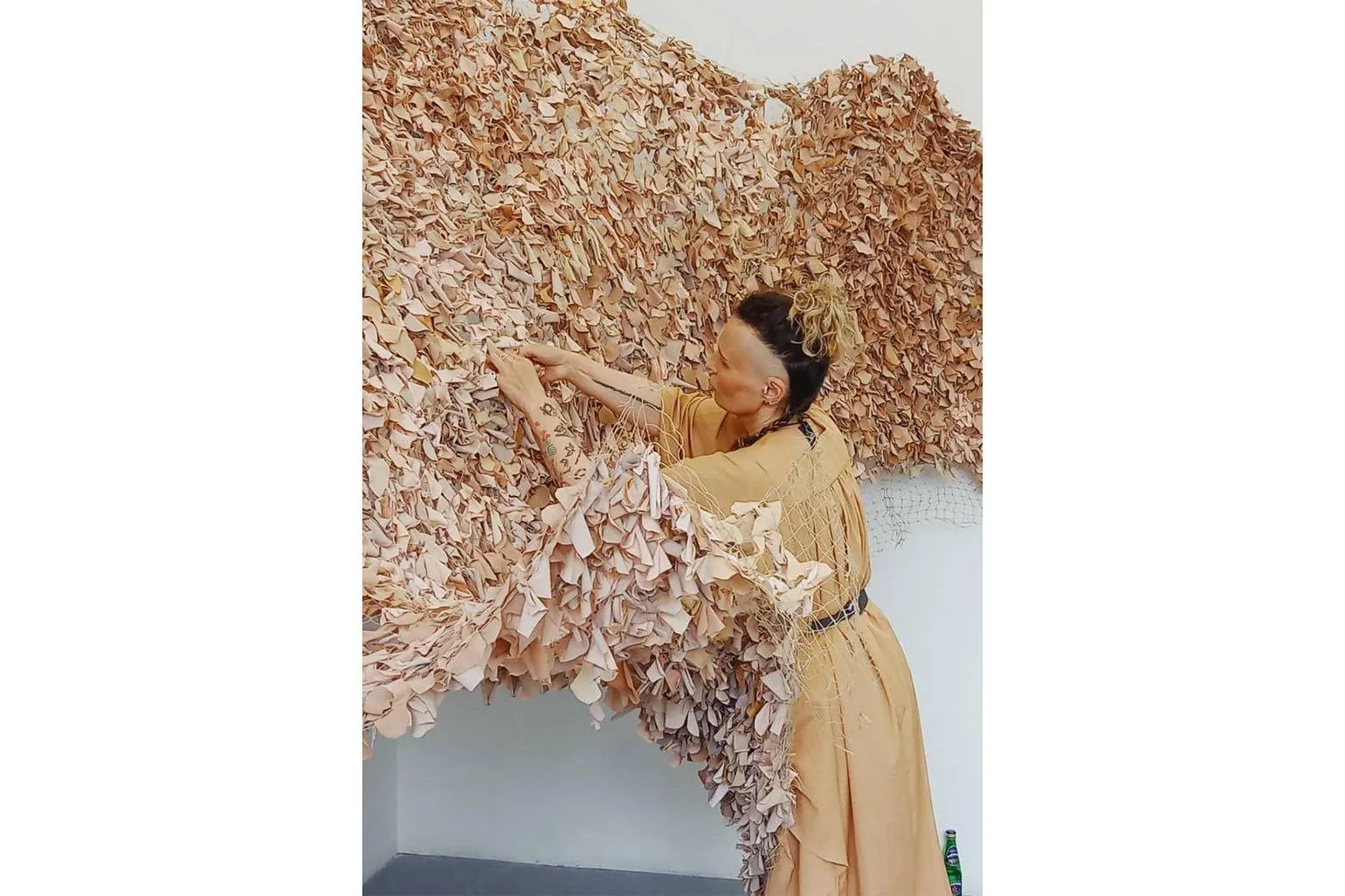
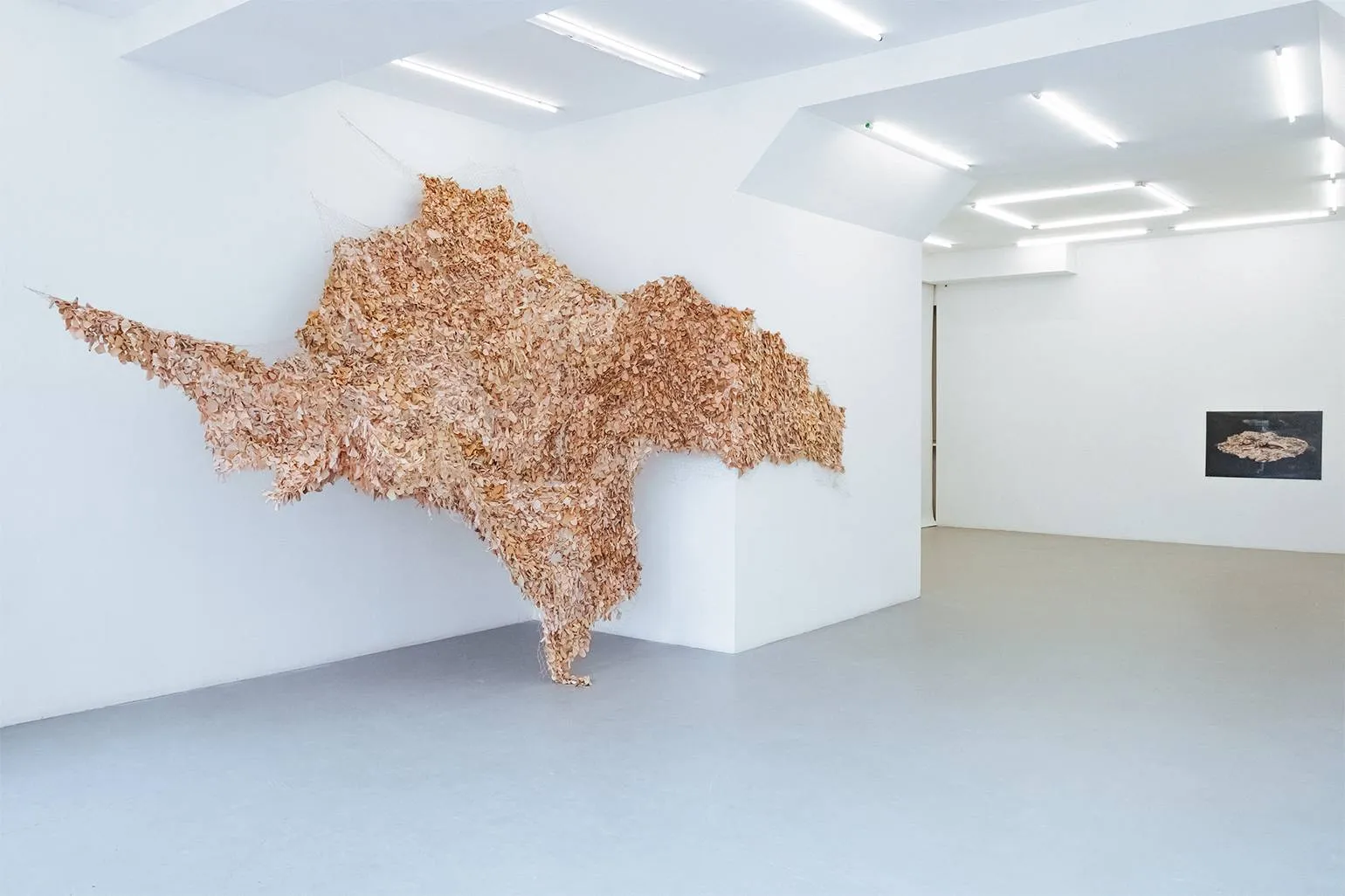

Entering this university was one of the most significant decisions in my life. Despite my fear of the language barrier, I have not regretted my choice. Deciding to give it a try is always the best option. This experience opened up new opportunities and perspectives for me.
Reading is an integral part of our daily experience. It not only develops thinking but also broadens horizons. It is important to choose high-quality sources of information to enrich your knowledge and skills. Immersion in various genres of literature, including scientific articles, fiction, and specialized publications, helps improve critical thinking and analytical skills. Reading also helps develop imagination and creativity, which is especially important in today's world. By regularly reading, you contribute to your personal growth and professional development.
Photography: Where to Get a Photography Degree?
Choosing an institution to study photography is an important step for those looking to develop their skills and build a career in this field. There are many options, from specialized art schools to universities with full visual arts programs.
When choosing an institution, pay attention to accreditation, teacher qualifications, and student reviews. It is also important to consider the field of study: fine art photography, commercial photography, reportage photography, or photojournalism.
Online courses have become a popular way to gain knowledge, as they allow you to study at a convenient time and place. Many platforms offer courses from professionals that will help you master shooting techniques, post-processing, and portfolio creation.
Don't forget about practical experience. Participating in master classes, photo shoots, and competitions will not only help you improve your skills but also establish connections in the industry. Therefore, choosing an educational institution and training program should be carefully considered to best meet your needs and goals in photography.
Profession Photographer
You will learn to take professional photos from scratch. Learn how to organize a shoot, process footage, and manage models and a team. Find your style, build an impressive portfolio, and start making money doing what you love.
Find out more