Contents:
In 2024, the book market will see a plethora of original works worthy of attention. Kristina Sergeeva and Oksana Sazonova from the Nizina team of cultural popularizers highlight the best Russian and foreign books worth reading. These works offer a unique perspective on contemporary realities and topical issues, reflecting the diversity of cultures and literary styles. Check out this list to stay up-to-date on exciting new titles that will enrich your library and broaden your horizons.
"Lay Her on Her Back"
"Lay Her on Her Back" by Irish artist Róisín White explores the mistrust of women's pain and discomfort faced by women in medical practice. In her work, White raises important questions about how doctors have long ignored or underestimated women's experiences, which has created barriers to adequate medical care. The book is a critical look at the healthcare system and a call for a change in attitudes towards women's health.
The treatment method known as rest cure was developed in the 1880s and was used to treat nervous disorders, especially in women, who were united by the concept of "hysteria." The treatment program included bed rest for up to six months, forced feeding, isolation, and, in some cases, electrical stimulation. This treatment approach attracted attention for its radicality, but its effectiveness and ethics raised serious questions. Rest therapy became a symbol of the time, reflecting ideas about the female psyche and health.
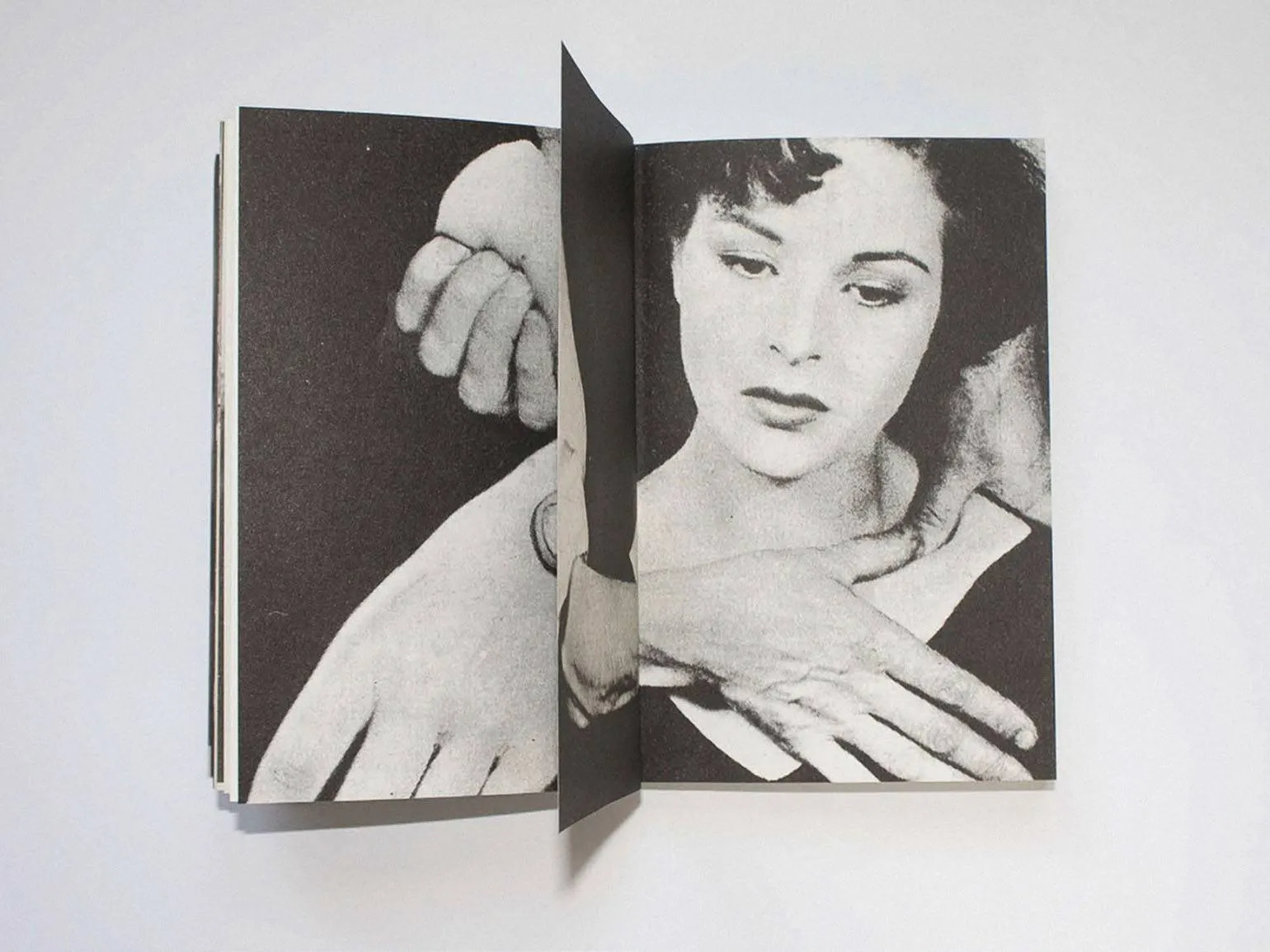

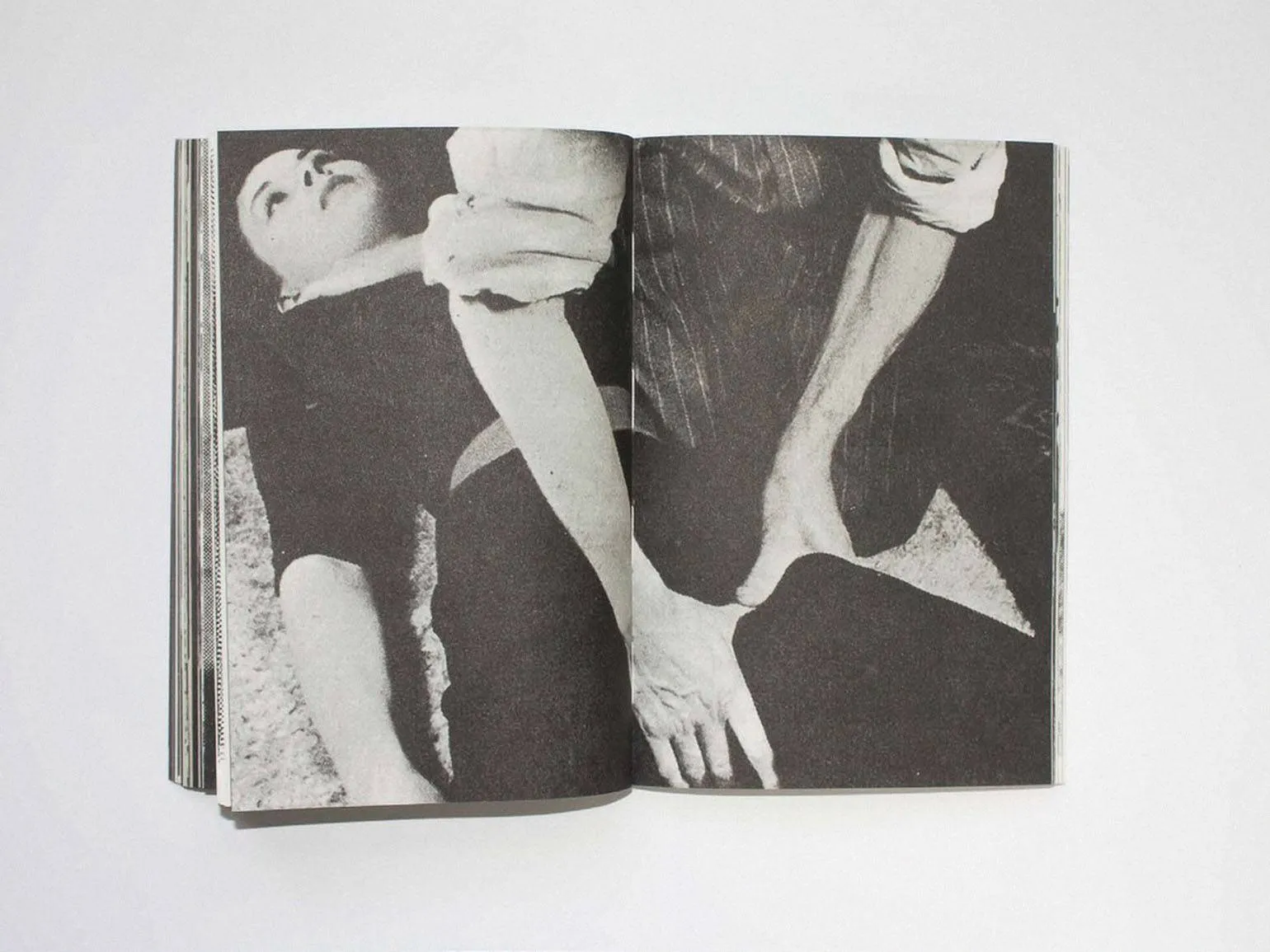
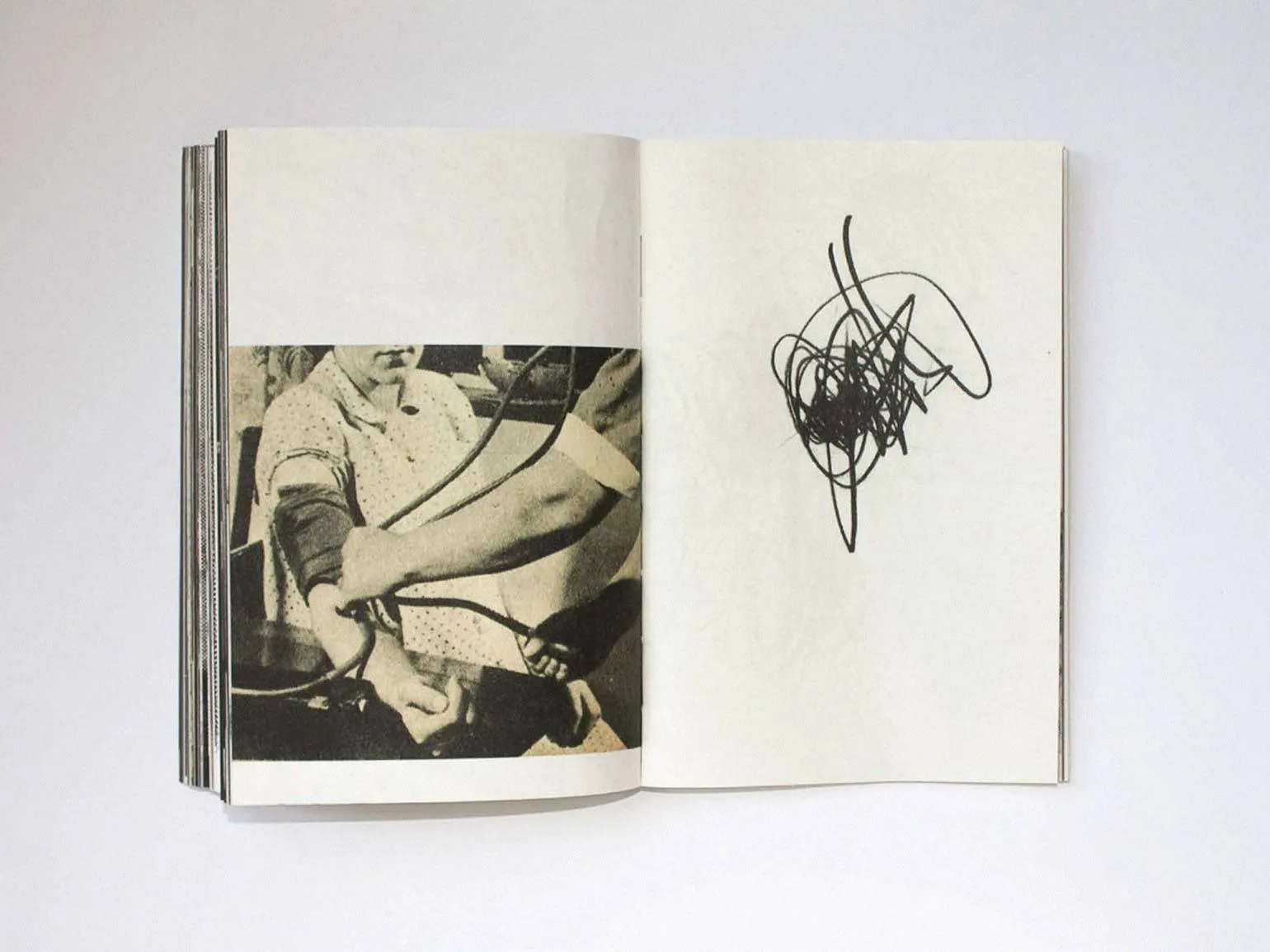
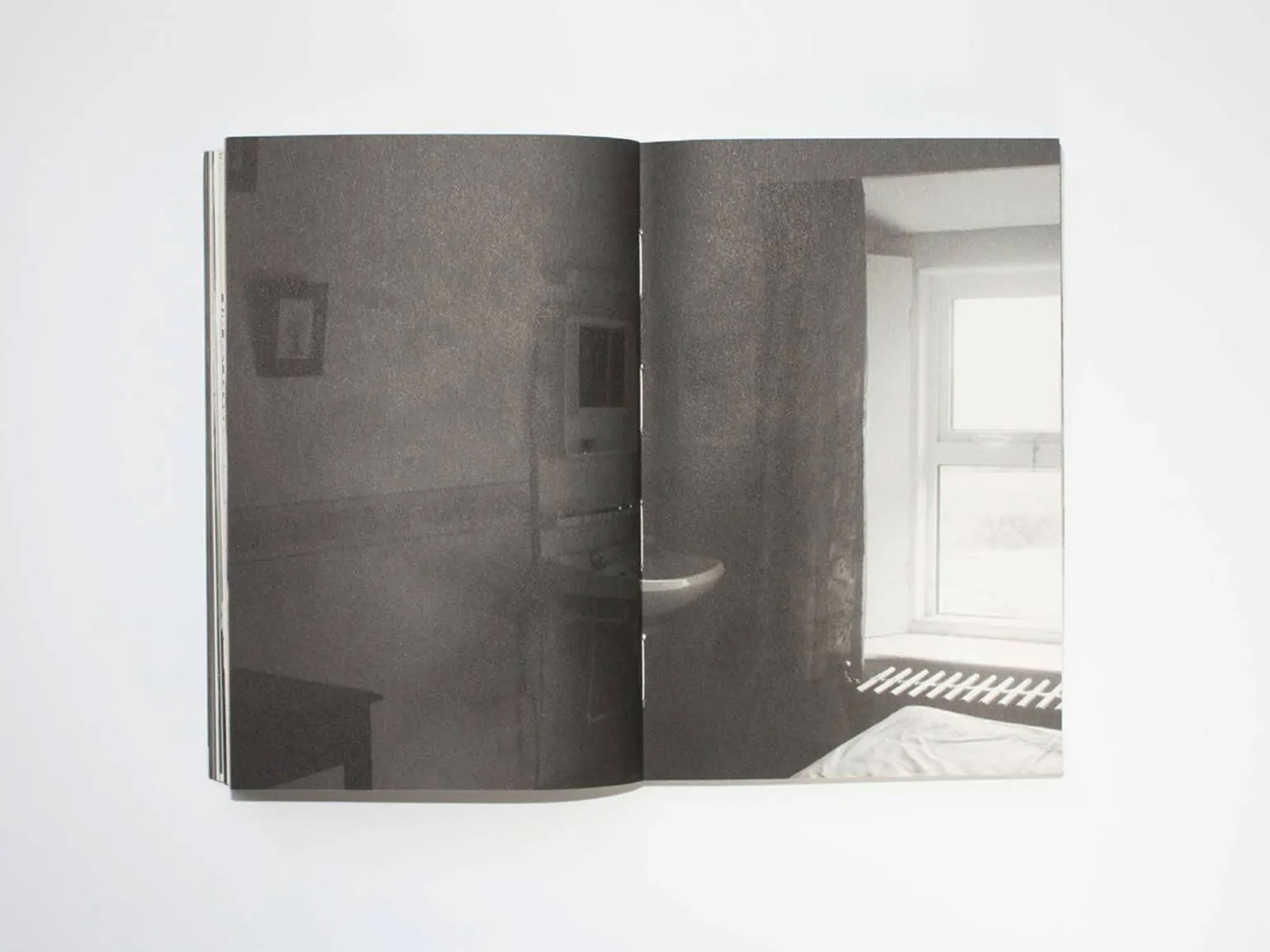
The book has multi-layered content, which combines contemporary photographs featuring Róisín, archival images, graphic works by the artist, stories of women, and excerpts from fiction. There is also a tactile element imitating wallpaper. "The Yellow Wallpaper," a novella by Charlotte Perkins Gilman published in 1892, became a landmark work of feminist literature. It addresses the neglect of women's mental and physical health, as arsenic was added to the color pigments used to create the rich yellow hue, slowly poisoning people. While the "rest cure" has lost its relevance, its influence on modern medicine is still felt, the author notes. Endometriosis in women often goes undiagnosed for years, as symptoms such as nervousness, anemia, and pain are often perceived as normal features of a woman's body. Instead of investigating the causes of these symptoms, doctors sometimes recommend blanket solutions, such as bed rest, patience, and painkillers. This highlights the importance of a deeper understanding of women's health and the need for careful diagnosis.
"Territoire Nomade"
Territoire Nomade, or "Territoire of Nomads," is a unique handmade book created using a multi-layer printing process based on the light sensitivity of dichromats, making each copy unique. In a limited edition of only thirty copies, this book combines 19th-century art and innovation. The thin Japanese paper used in its creation gives the pages lightness and transparency, filling them with air and creating a special atmosphere. This work is ideal for collectors and connoisseurs of unique publications.
French writer Guillaume Holzer explores the lives of the Bajau and Bugis communities in a small Indonesian village on the island of Komodo. For many years, these communities have been actively fighting to protect coral reefs and expand the rights of local residents. Holzer enriches her story with personal sketches and recordings, allowing for a deeper understanding of the culture and everyday realities of these communities. His work highlights the importance of preserving the marine ecosystem and supporting local communities in their quest for sustainable development.
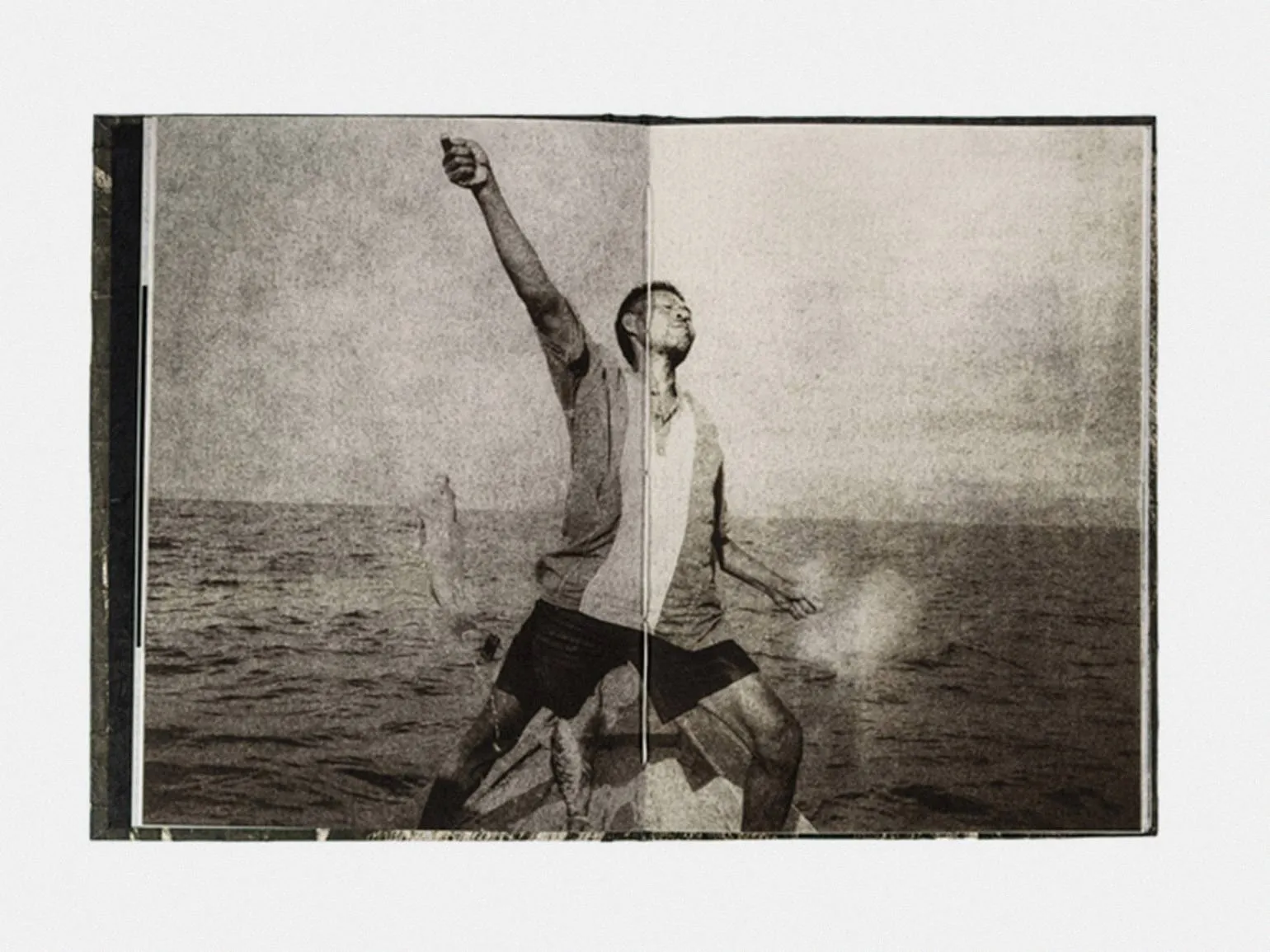
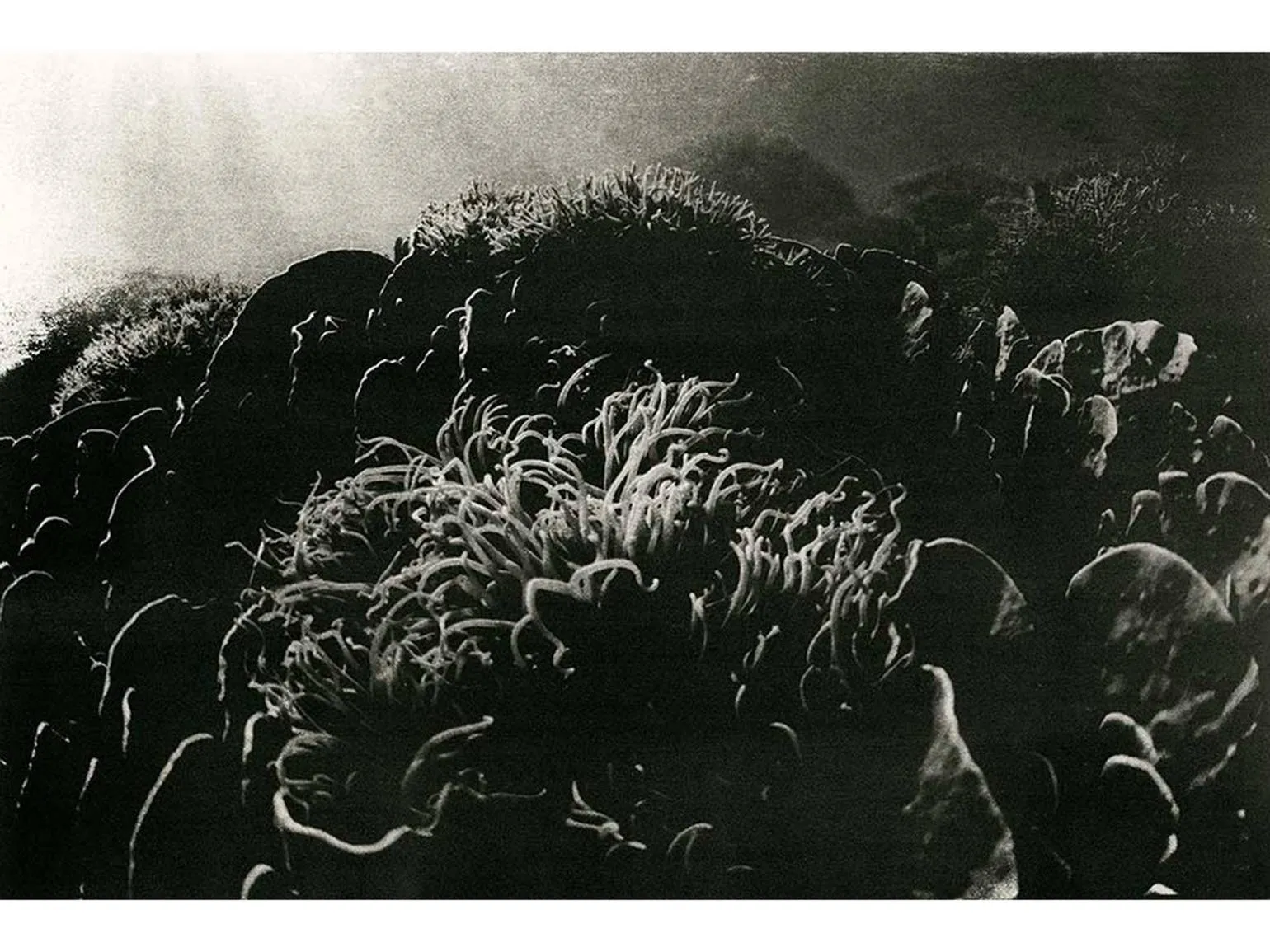
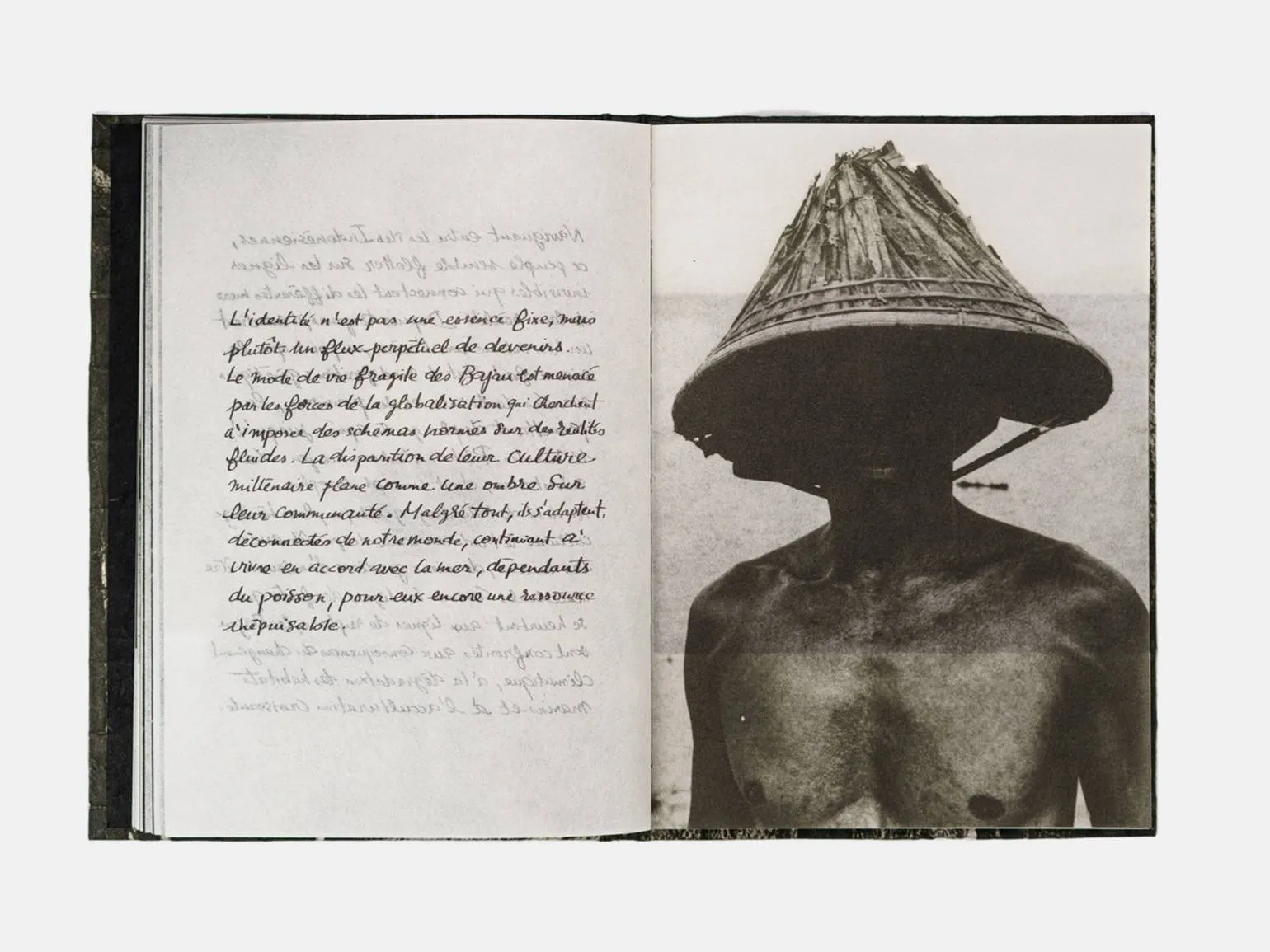
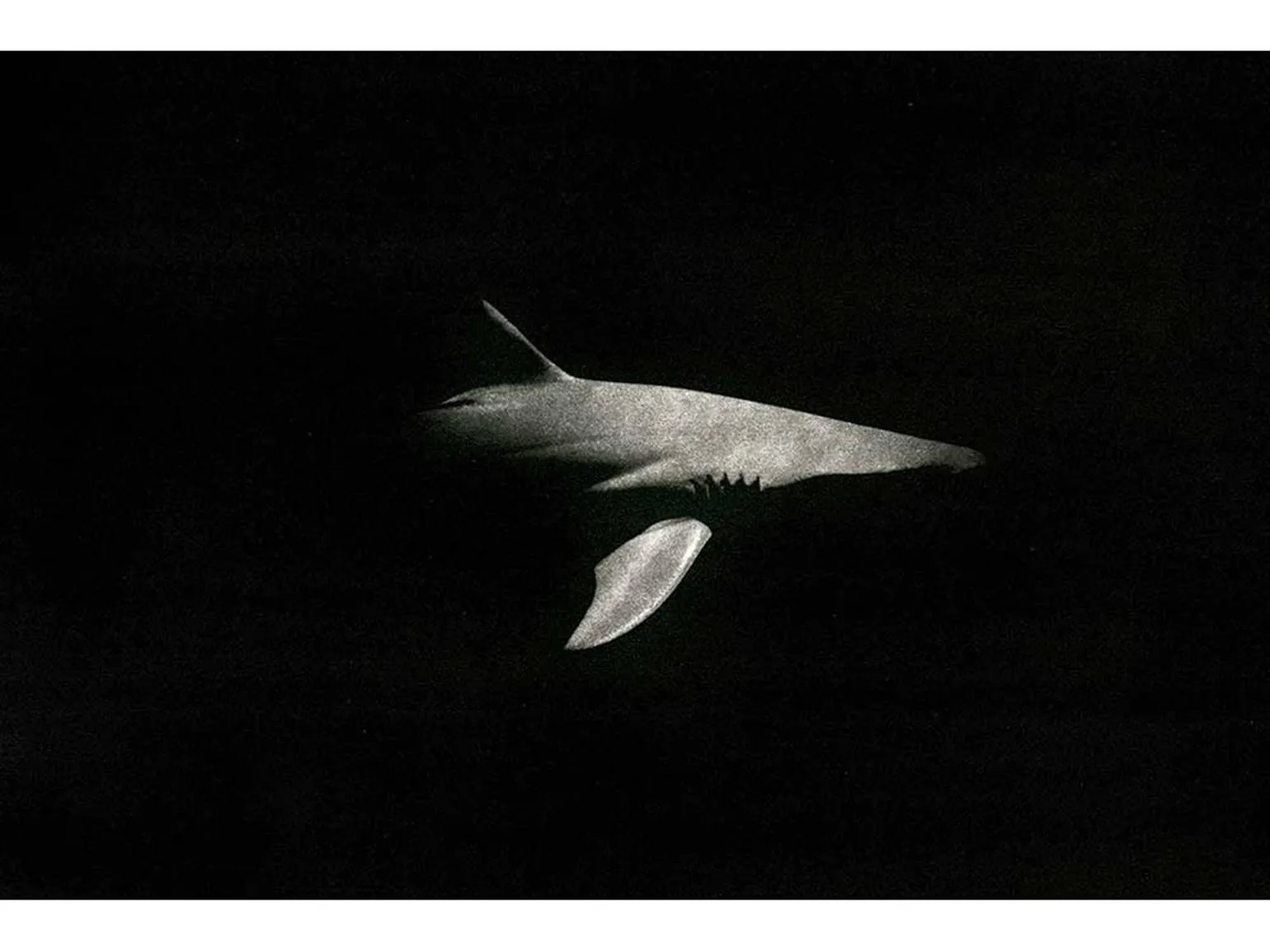
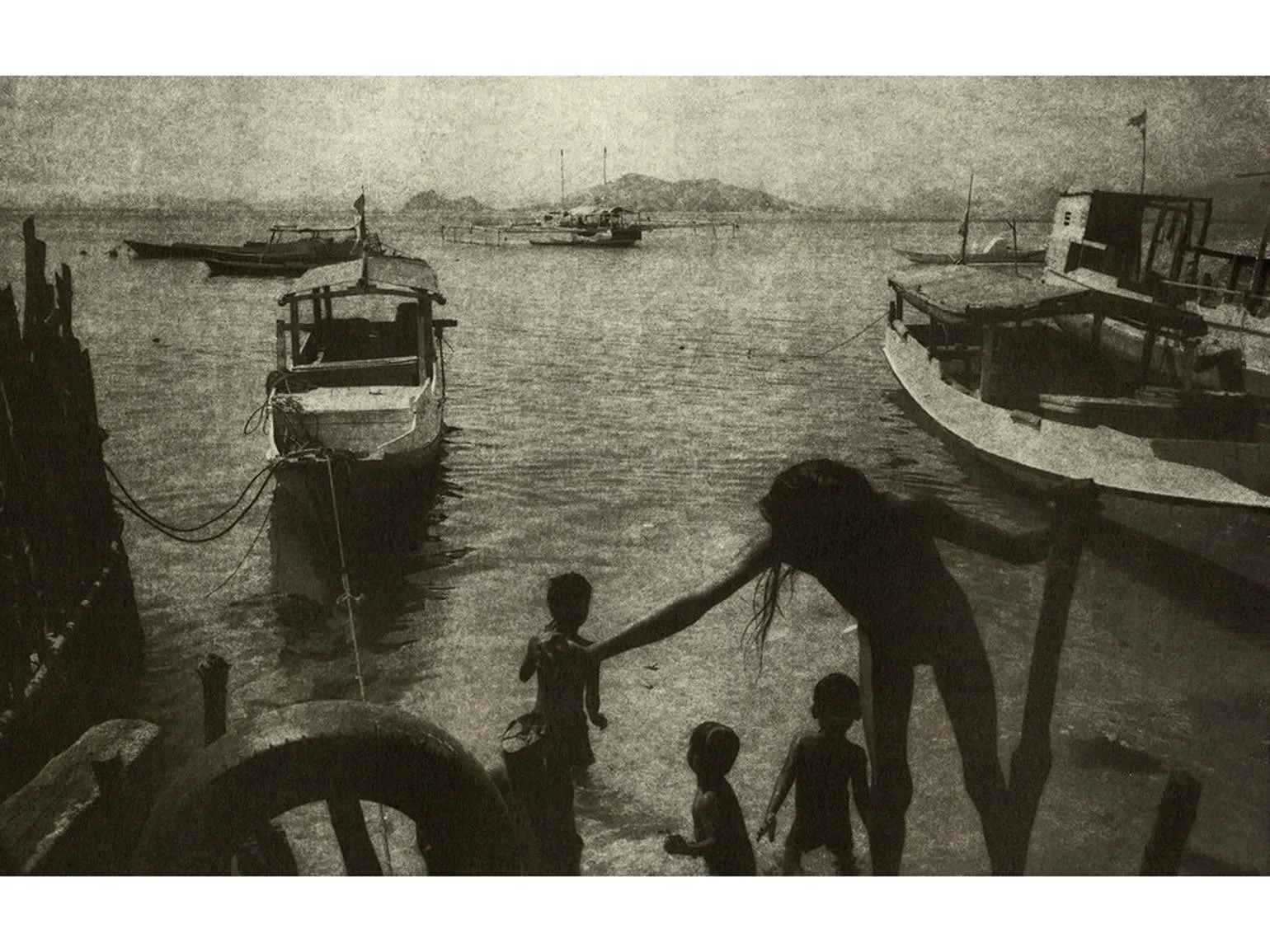
The book explores important themes such as the relationship between identity and space, as well as the limits of mobility and their impact on contemporary society. The author examines in detail the concept of deterritorialization, which refers to the weakening of ties between a place and its cultural context. This occurs as a result of the movement of cultural subjects and objects beyond their usual territory. This work is relevant for understanding the new realities that modern people face in the context of globalization and migration.
"Beauty is Currency"
Photo retouching, including facial contouring, mole removal, birthmarks, and stretch marks, is an attempt to create an ideal image that is far from reality. Conceptual photographer Francesca Bergamini believes it is as if we were removing our skin and replacing it with a new one. While retouching can improve the appearance of photographs, it also raises the issue of the importance of maintaining naturalness and individuality. It is important to remember that ideal images often do not reflect the real beauty and uniqueness of each person.
The images of pieces of meat in the book "Beauty is Currency" create a special rhythm and emphasize the purple birthmark on the author's face. These visual elements serve as a metaphor for the vulnerability of her position in society and highlight the complex aspects of the perception of beauty. The author's work explores how physical features can influence social relationships and self-esteem, opening up profound questions about what it means to be beautiful in the modern world.
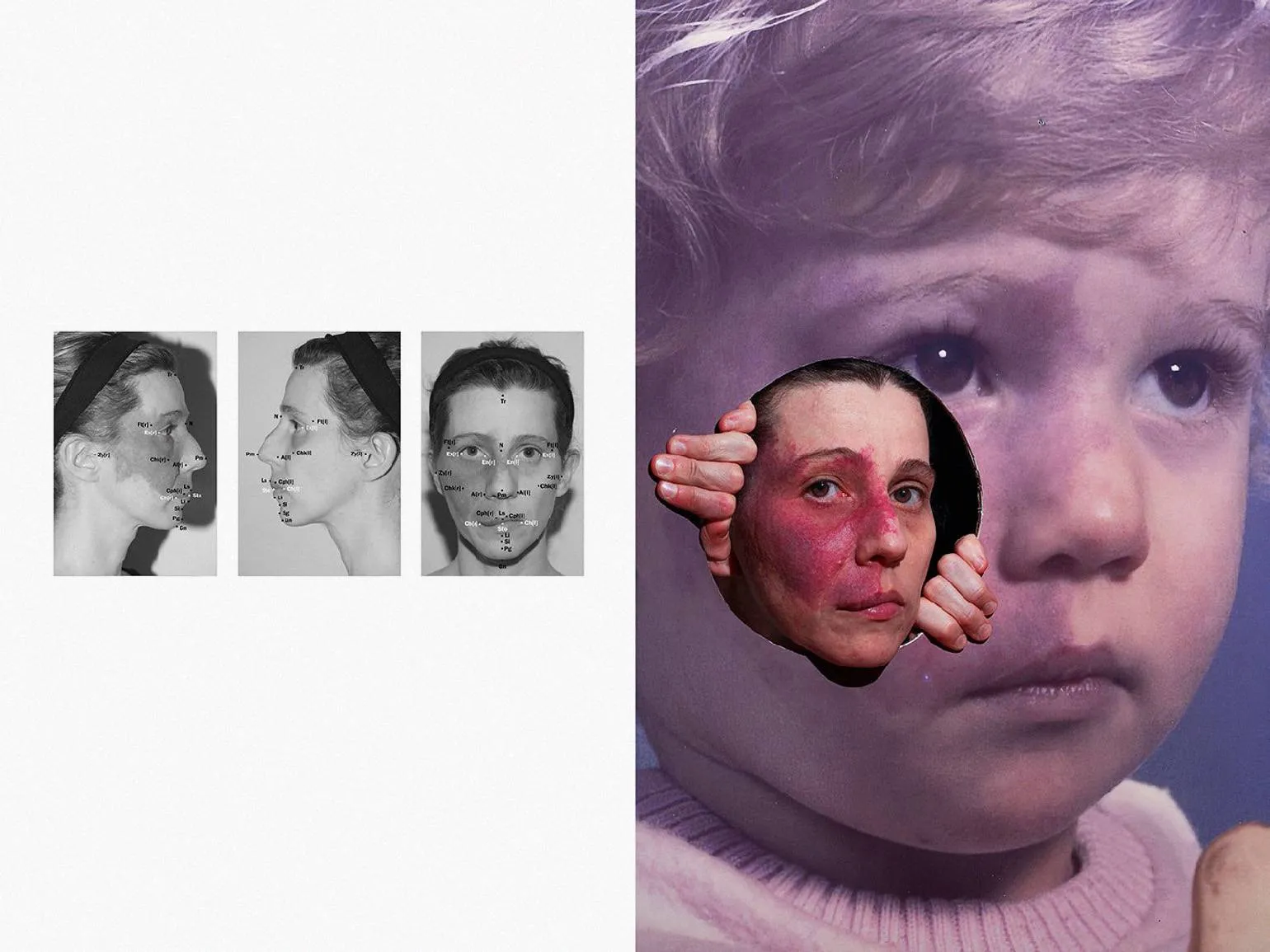
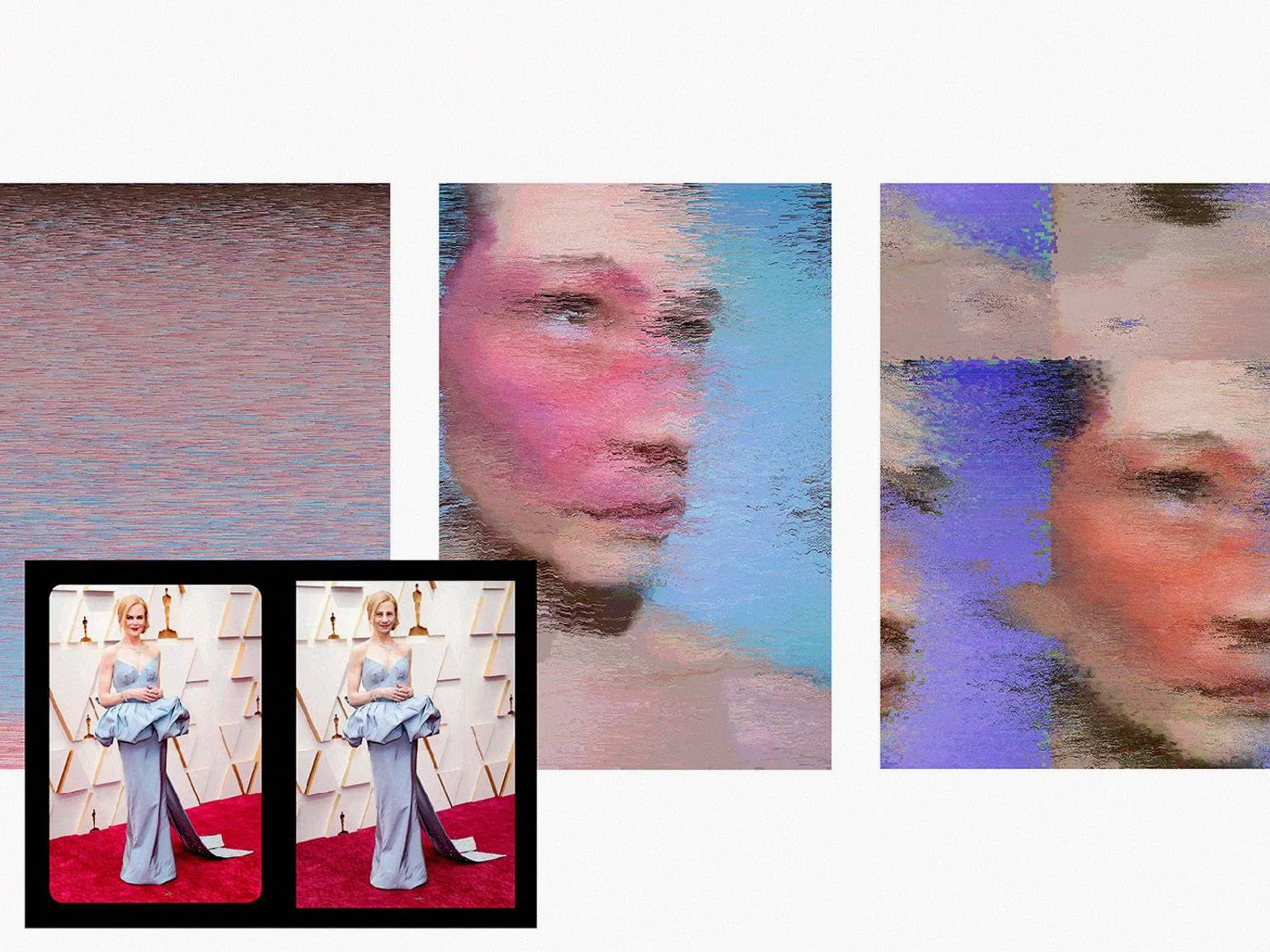
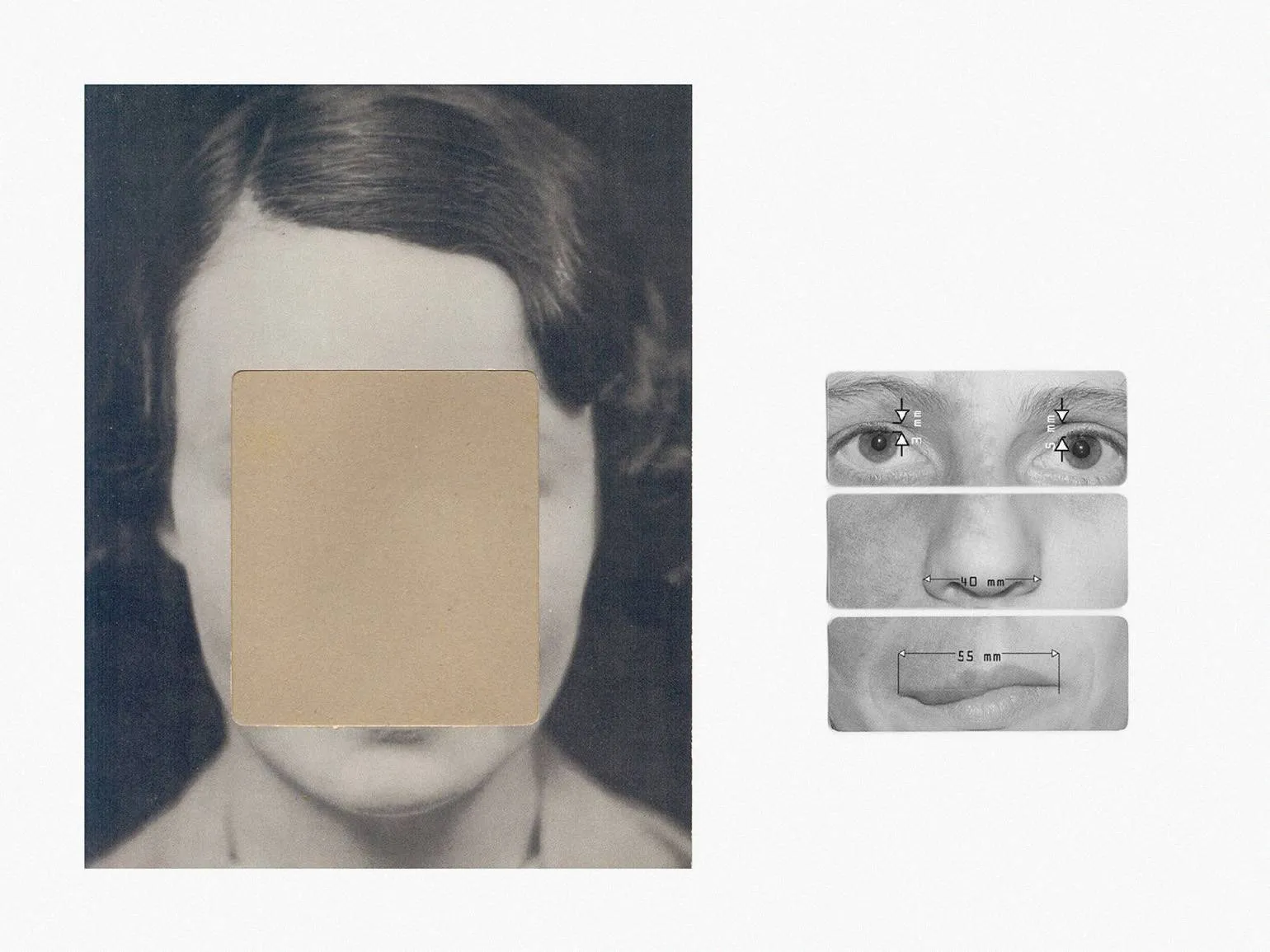
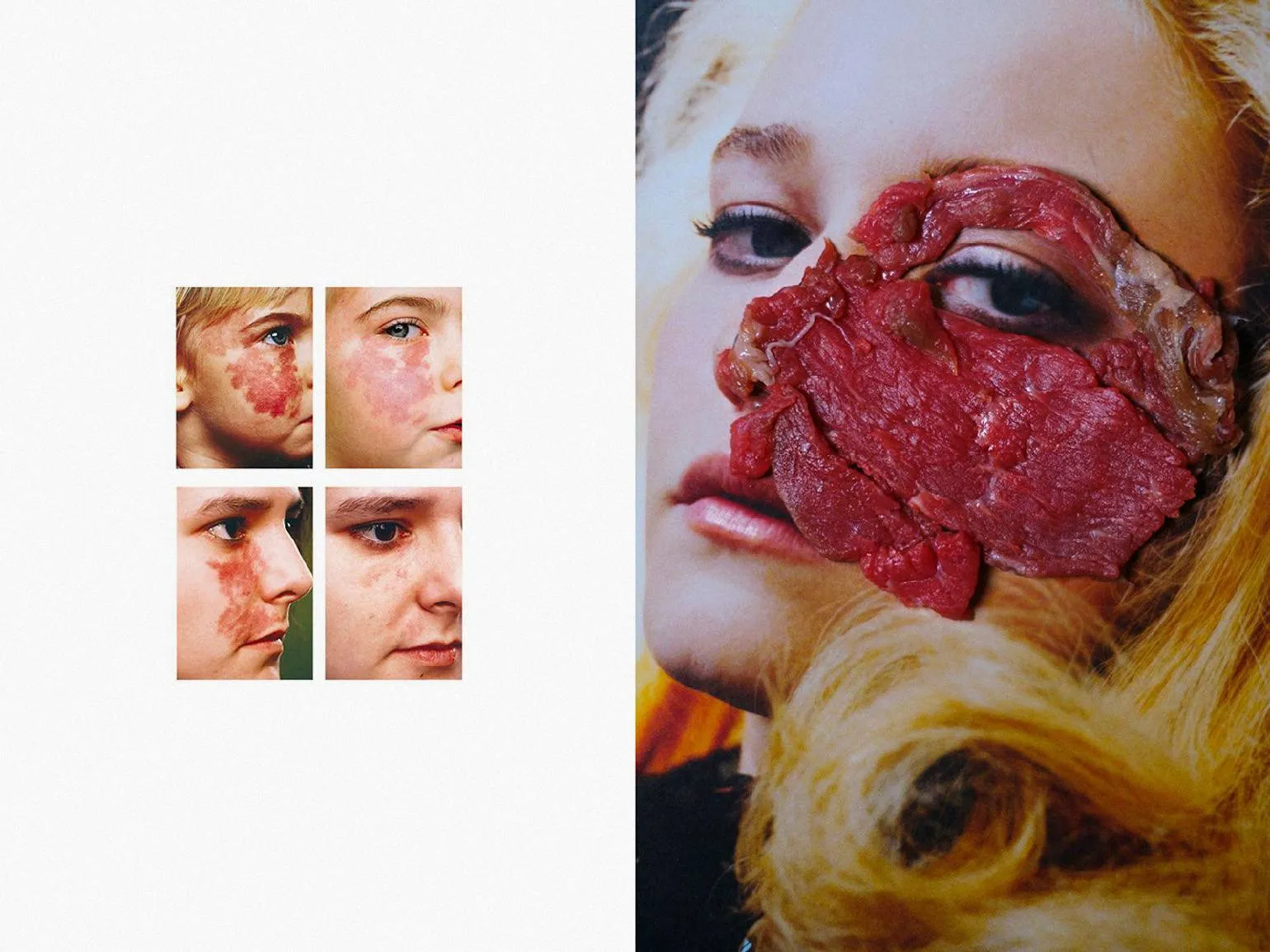
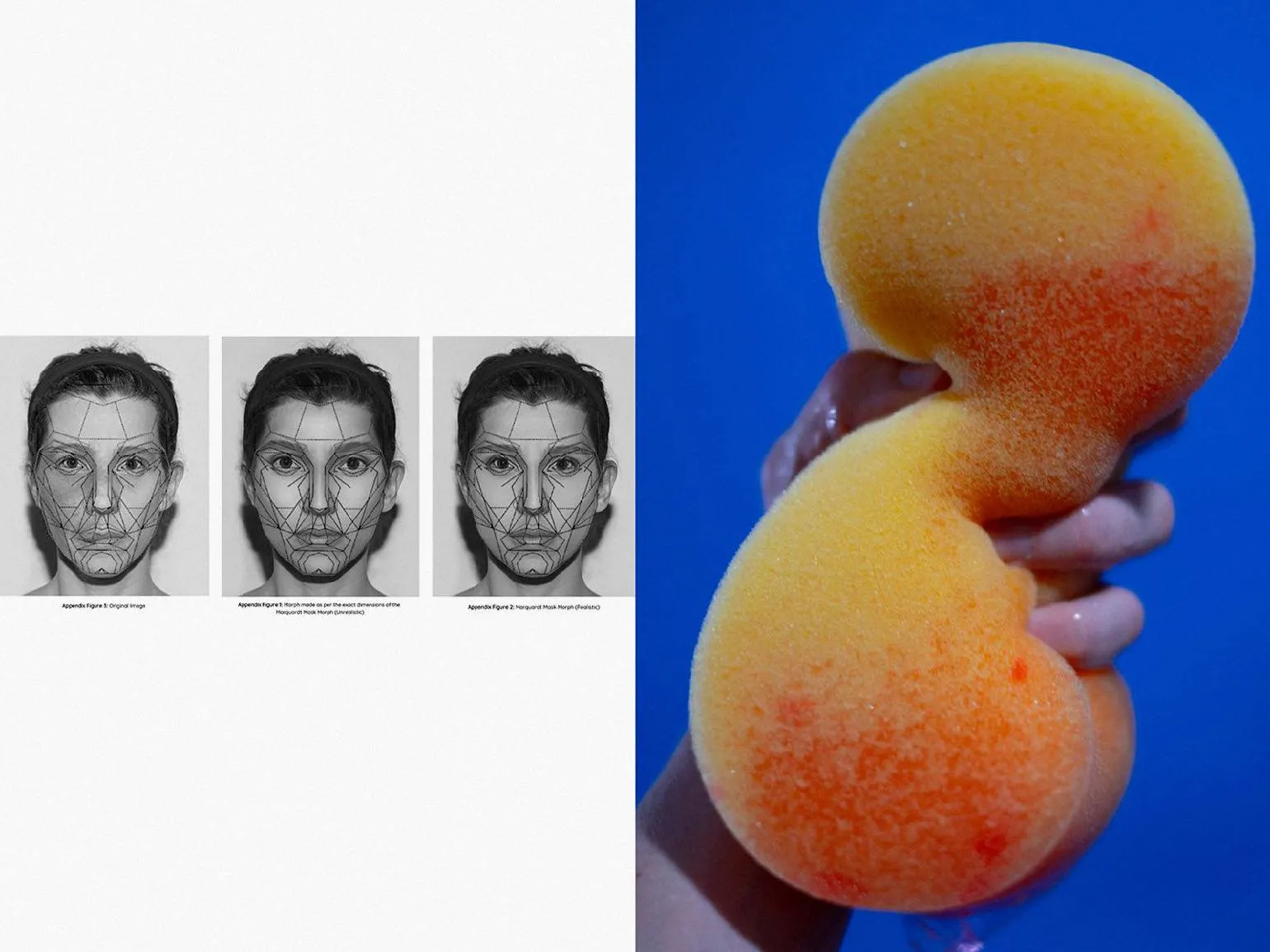
People don't always respond appropriately to unusual appearances. Francesca uses artificial intelligence technologies to demonstrate how programs also have difficulty when faced with images of faces half of which are covered with birthmarks. Is society ready to recognize beauty or accept as normal something that goes beyond conventional standards but does not pose a health risk? It's important to recognize that diversity in appearance is part of human nature, and accepting such differences can contribute to a more inclusive society.
"As I Found It: My Mother's House"
"As I Found It: My Mother's House" is a story of decay told through the lens of objects. American photographer Russell Hart captures the empty rooms of his mother's home, which suffers from dementia. In preparation for selling the house, he goes through her belongings, including items with special meaning to him, collected in boxes. Documenting these objects helps the author understand the fragility of human life. Melancholic black-and-white photographs create an atmosphere of emptiness despite the visual presence of the interior, immersing the viewer in the depths of personal loss and memory. This work touches on important themes of memory, connection, and the inevitability of change, making it relevant and significant in the context of contemporary art.
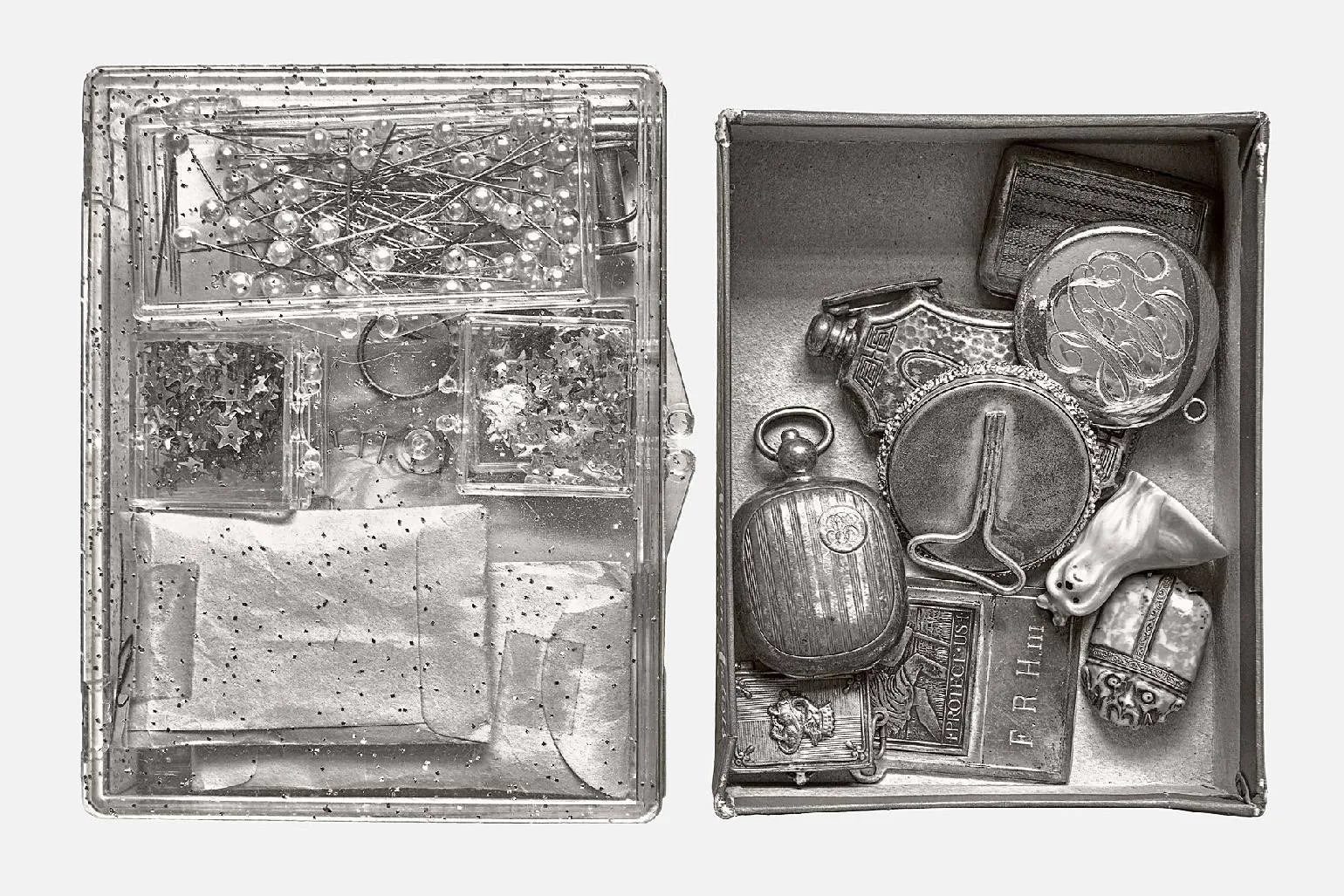
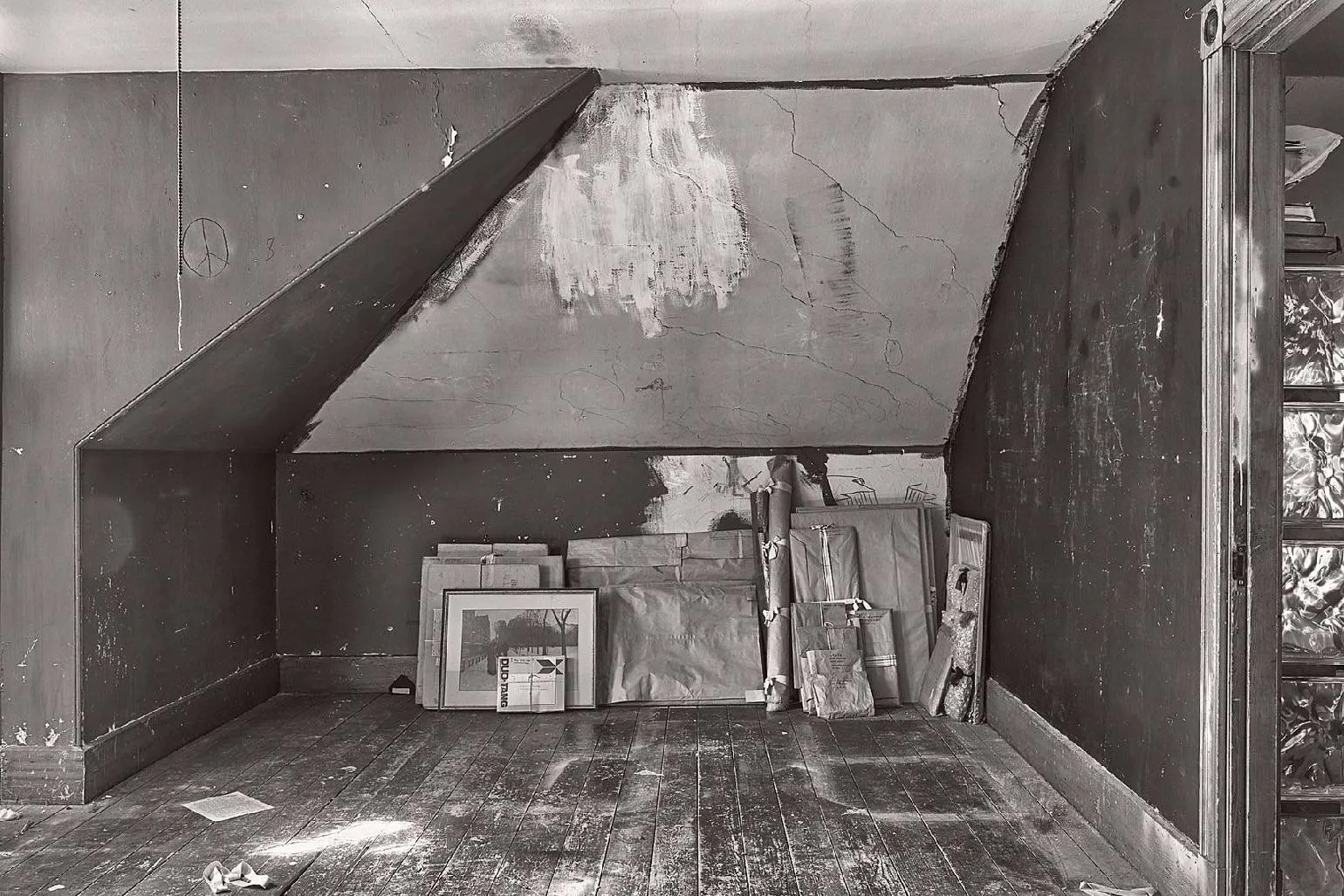
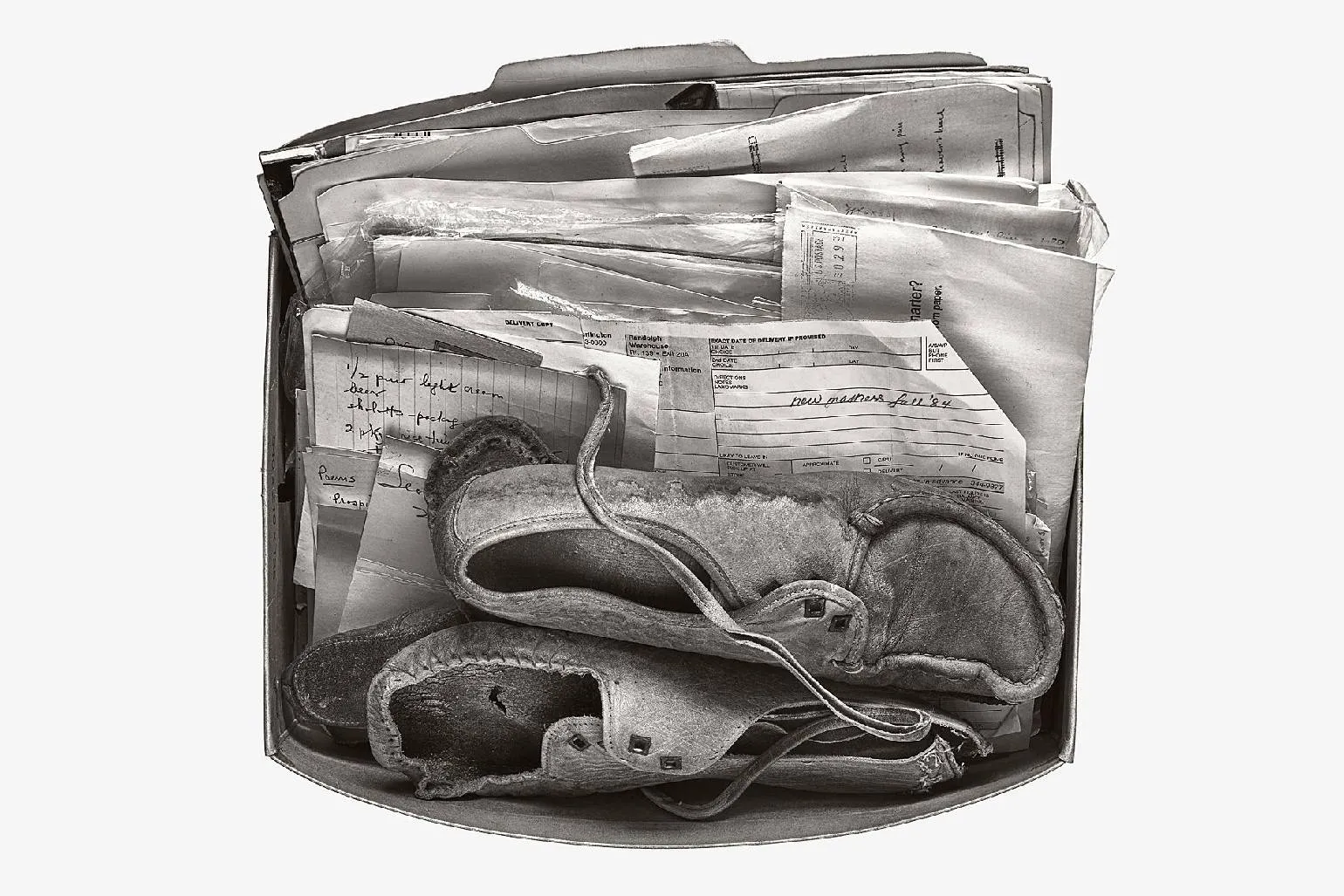
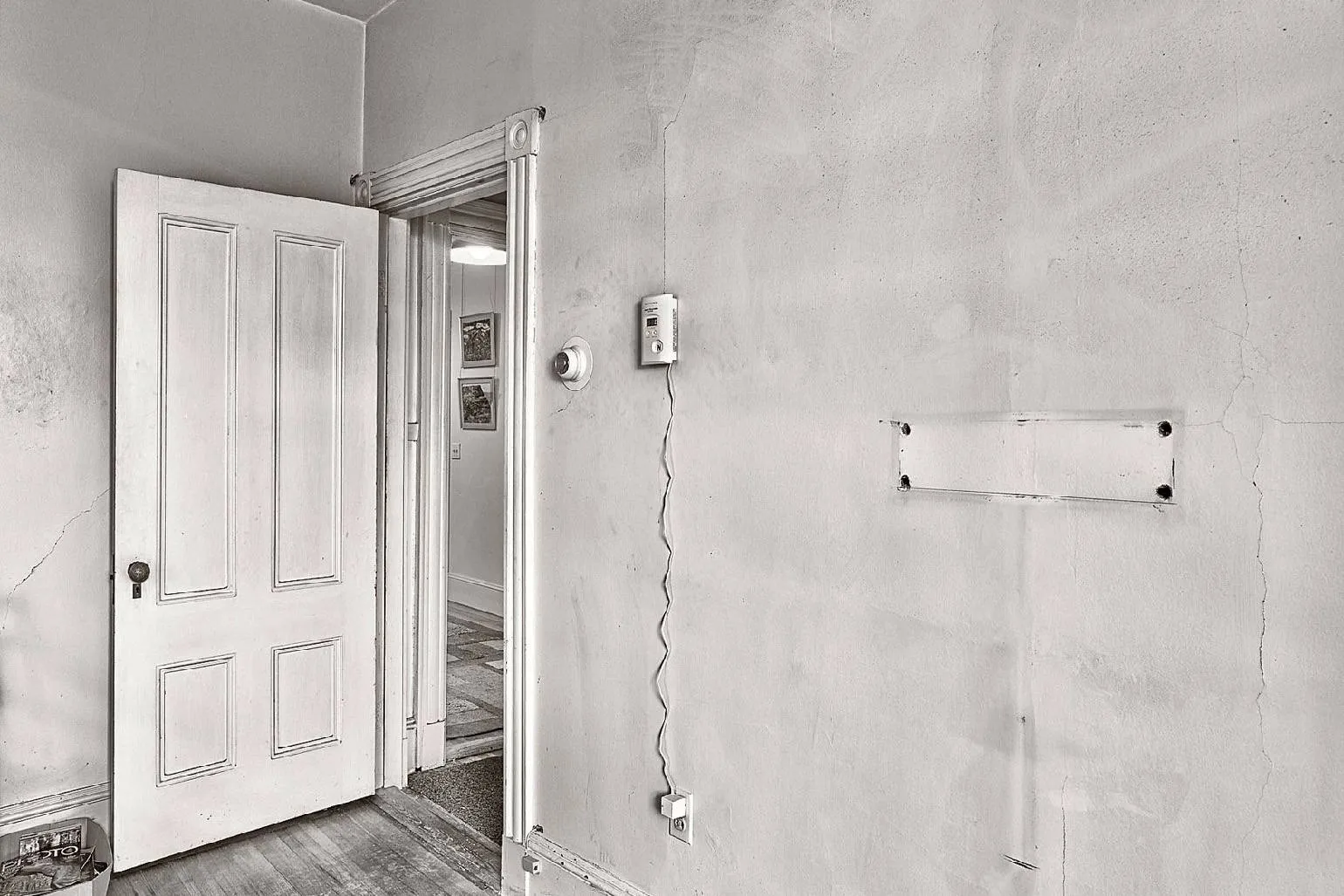
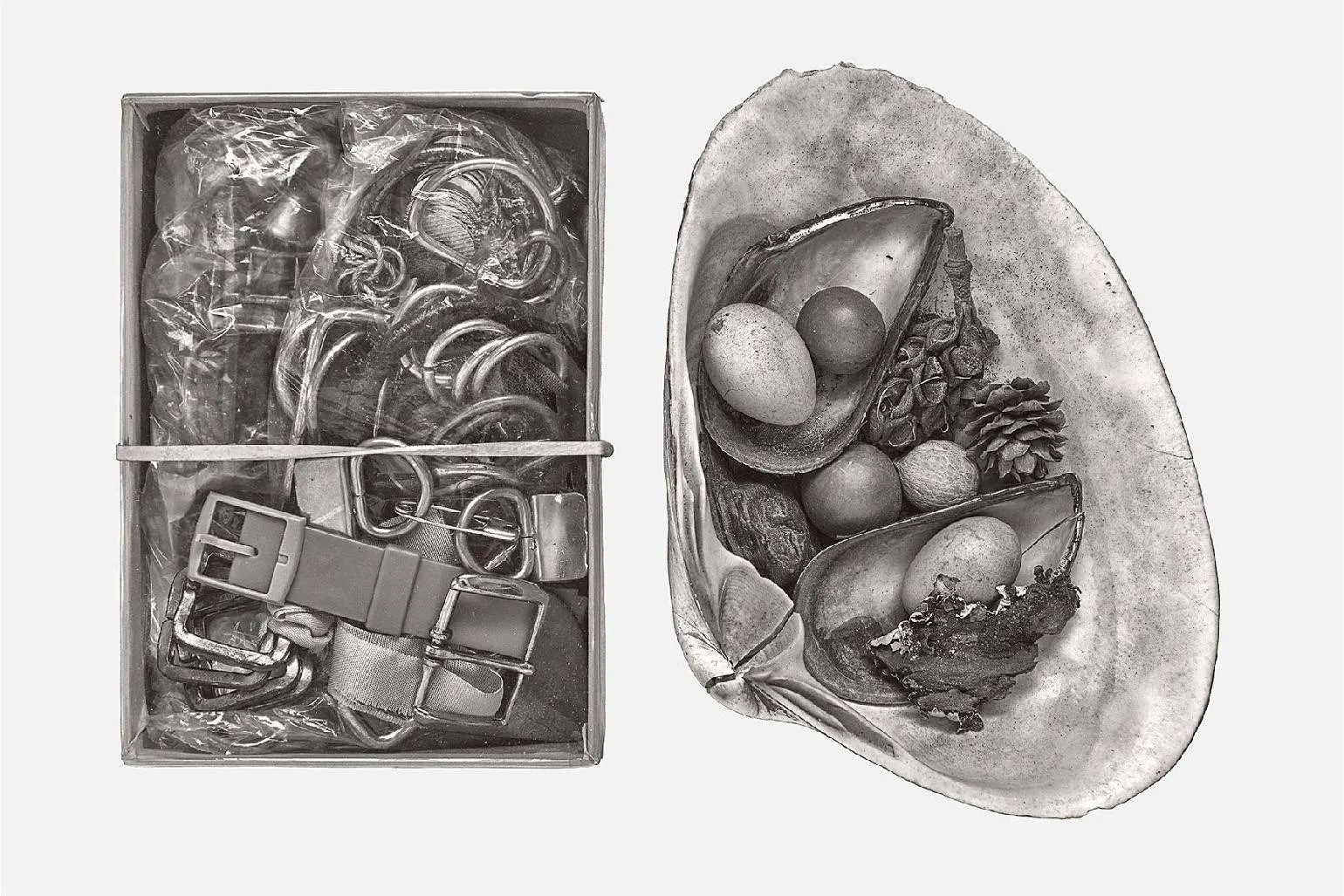
Context radically changes the perception of familiar things. What usually serves as a support in everyday life becomes a reminder of the fleeting nature of human existence. It is important to be aware of how surrounding circumstances influence our perception of reality and give new meaning to familiar objects and situations. This understanding helps us to understand life more deeply and appreciate every moment.
Russell Hart's documentary style reflects the author's deep emotions and his connection with a loved one through the comfort they once created. The book ends with an unexpectedly found note from his mother: cryptic scribbles on a crumpled piece of paper contrast sharply with the neat inscriptions on boxes of things, which emphasizes the individuality and uniqueness of personal memories.
Phenomena
Australian photographer Morganna Magee explores the themes of life and death through fine art photography. Her book, Phenomena, immerses the viewer in a dreamlike state where destruction and creation are harmoniously intertwined. The book's concept is vividly illustrated by a quote from writer Ben Lawrence from his work, The Treeline, in which he explores northern forests in the context of climate change. This approach emphasizes the relationship between nature and its transformation, and also draws attention to current issues of ecology and conservation. Magee's works are not only visually impressive, but also make you think about the fragility of existence and the importance of conservation.
Life is not the opposite of death, but a continuous process. Its evolutionary nature is a driving force, revealing many secrets and unknown aspects to us. Every step we take simultaneously includes elements of destruction and creation. Comfort can be found in the understanding that we always build on the past, which shapes our present. Life is a constant movement forward, enriching our experiences and allowing us to discover new horizons.
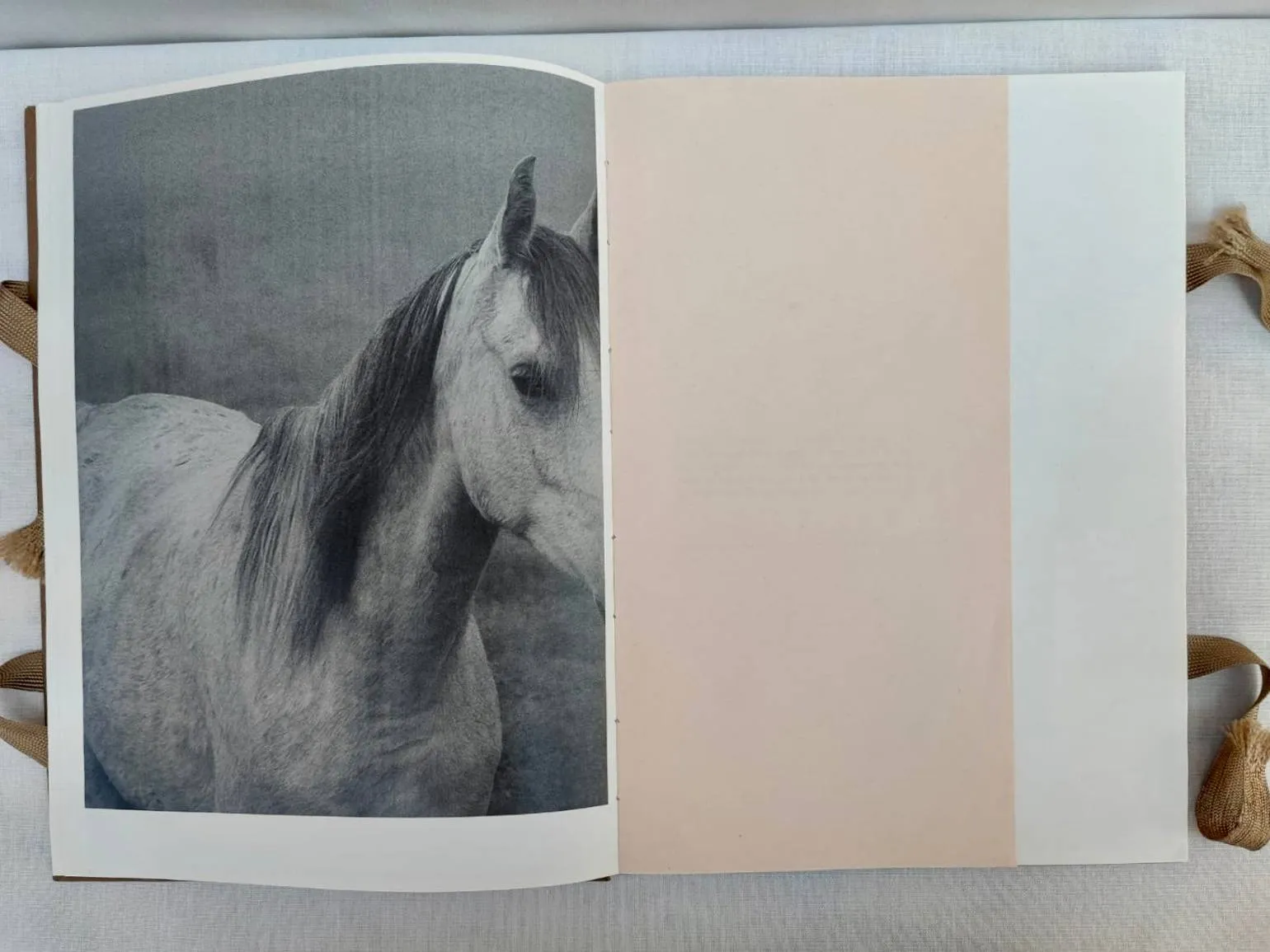

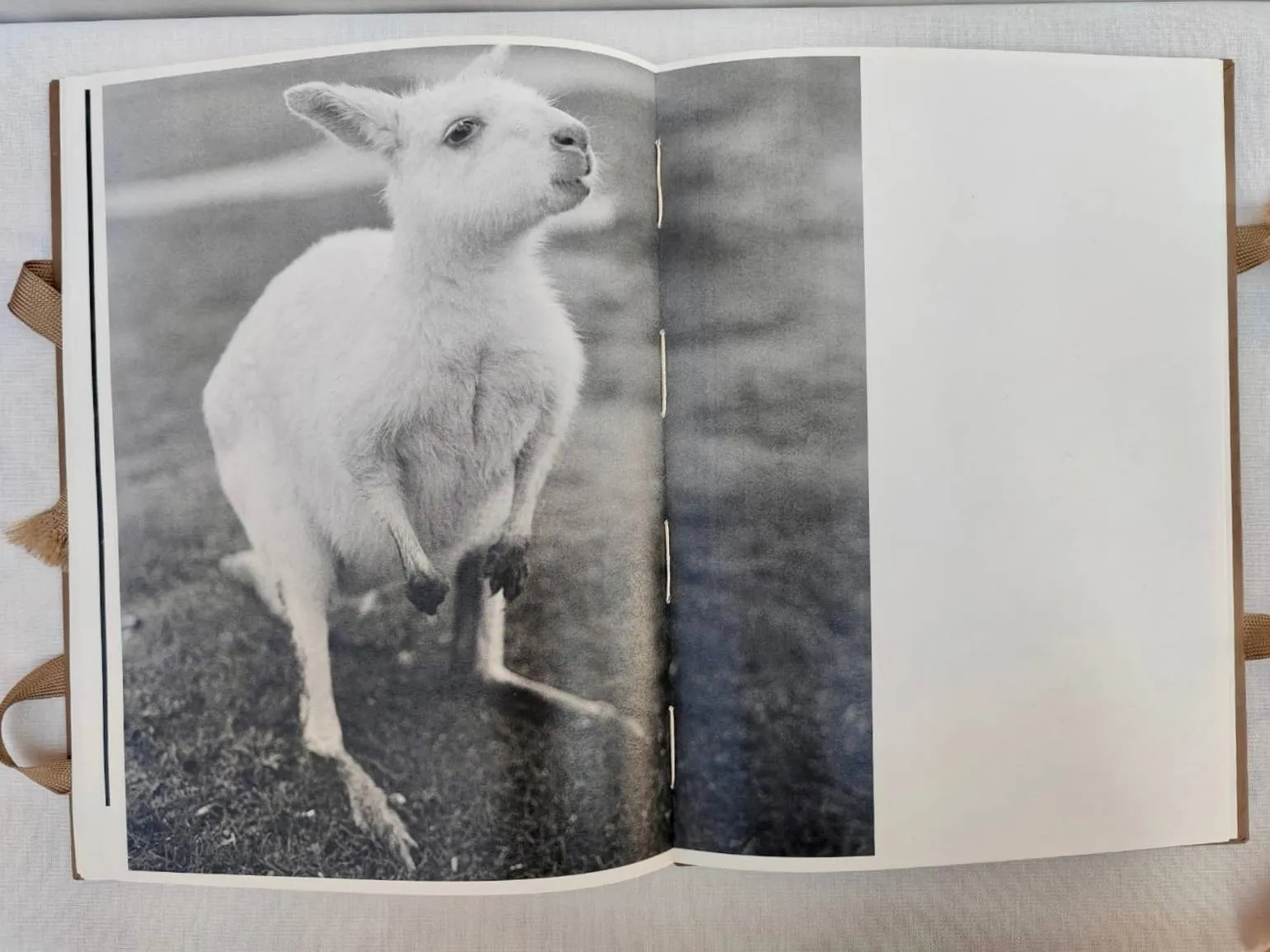

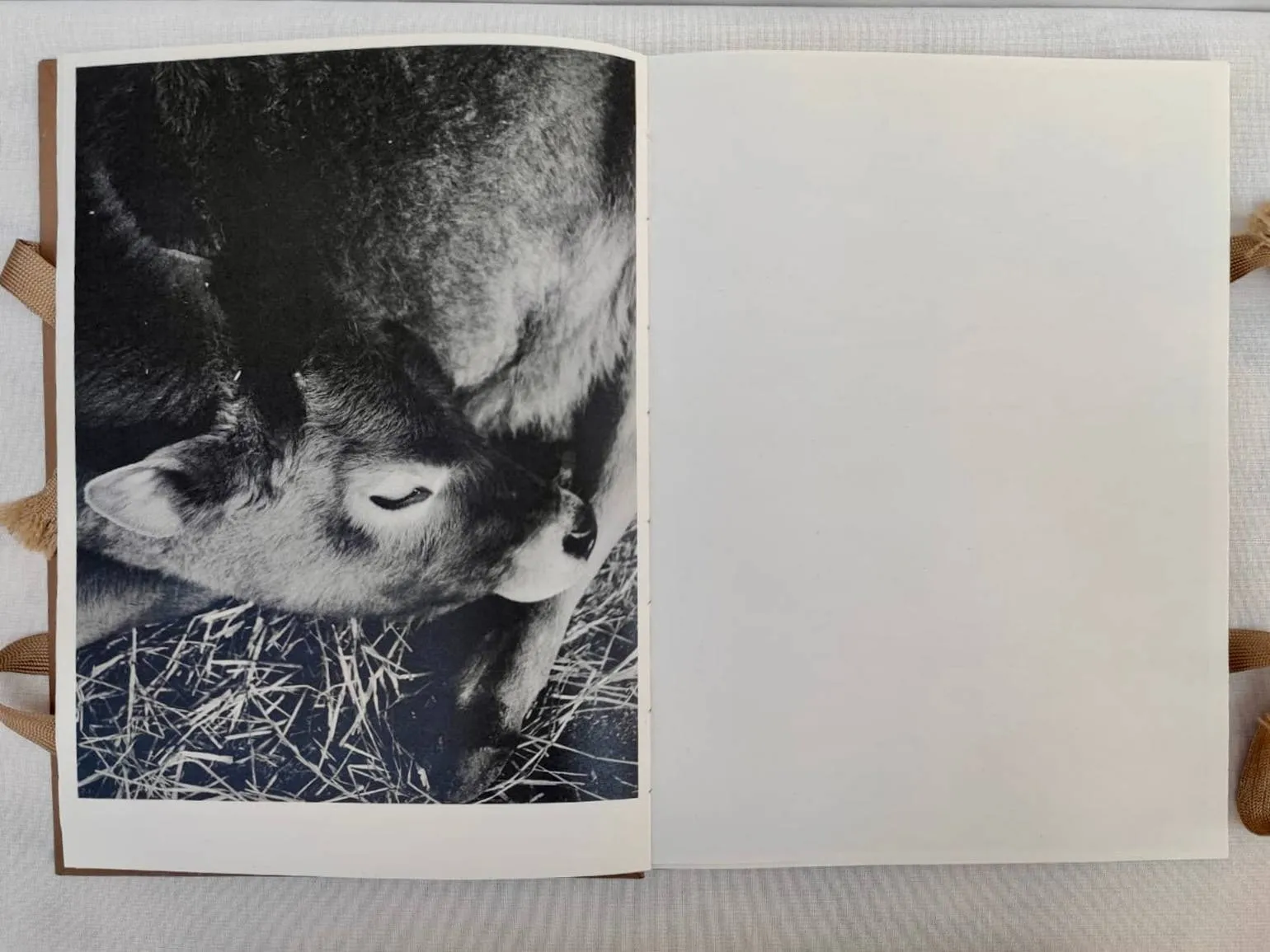
This idea allows the viewer to individually respond to the presented topic by exploring the pages of the book. It features photographs complemented by graphic elements that are reminiscent of biology classroom materials. This creates an additional incentive to delve into the narrative of vulnerability and security.
"Damned"
In Charlie Engman's "Damned," we encounter a reality that challenges our own identity. The human body in this work takes on unusual shapes and positions, entering into complex interactions with the environment. These distortions provoke a wide range of emotions in the reader: from disgust to pleasure and horror. "Damned" explores the boundaries of human perception and makes us think about what it means to be human in a world where norms and familiar ideas about the body and space are subject to deep analysis.
A Telegram channel for photography enthusiasts offers unique content that will inspire you to create new photos. Subscribers get access to useful tips, lessons on shooting and editing techniques, as well as discussions about the best cameras and accessories. Join our community to share your work, receive feedback, and find like-minded people. This channel will be the perfect platform for sharing experiences and exploring new aspects of the world of photography.
If you want to learn about the diversity of literature, subscribe to our resource. We present the work of talented Russian authors, monitor international literary competitions, and share creative advice from experienced writers. Discover new literary horizons with us.
The Cursed project, developed using artificial intelligence technology, is a unique exploration of various body states, expressed through exaggerated imagery. This project is an experiment aimed at deeply exploring the viewer's perception, allowing them to rethink familiar concepts. Cursed explores the boundaries of perception and interaction, allowing the viewer to reflect on their sensations and emotions in response to visual stimuli.
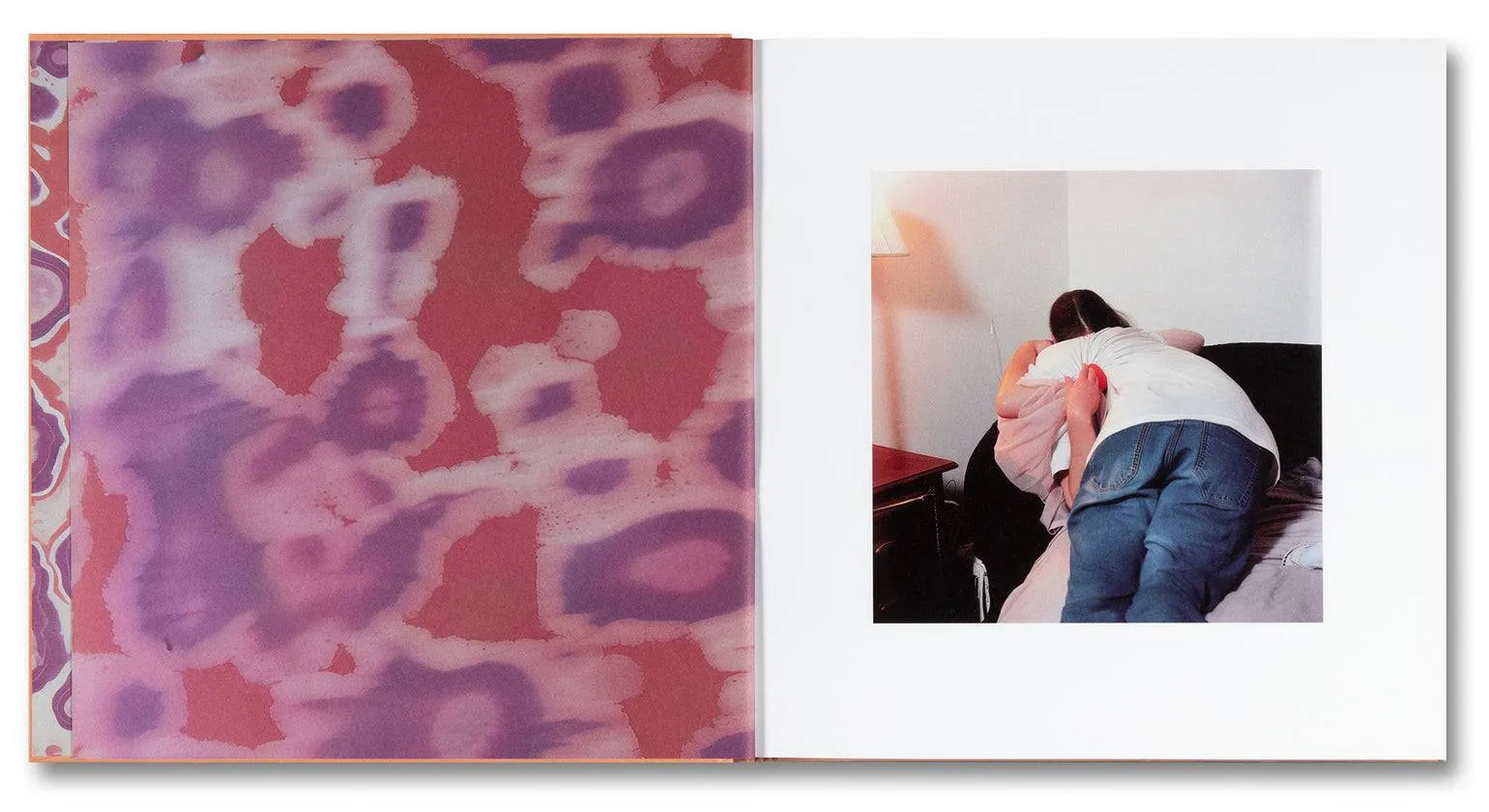
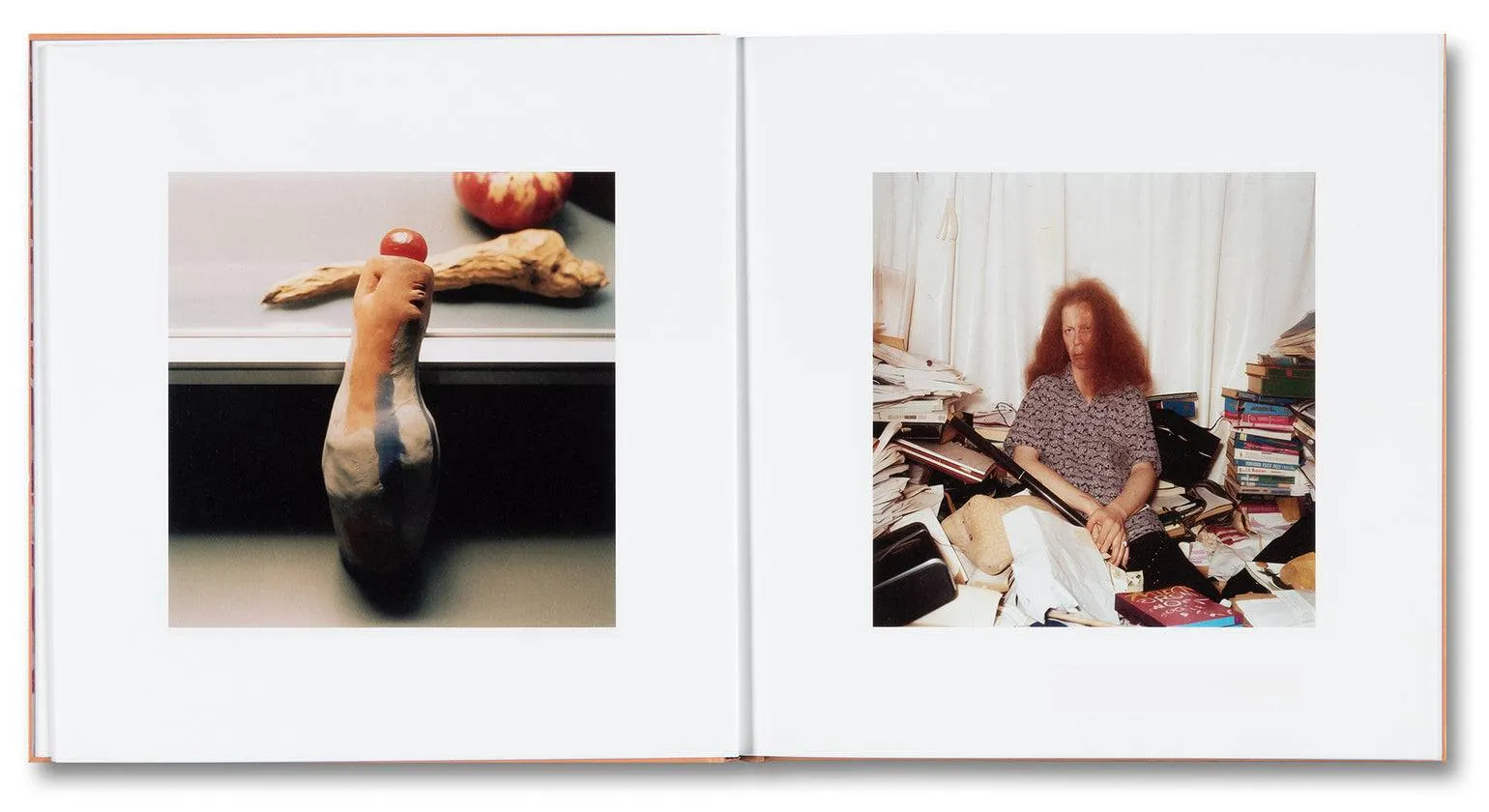
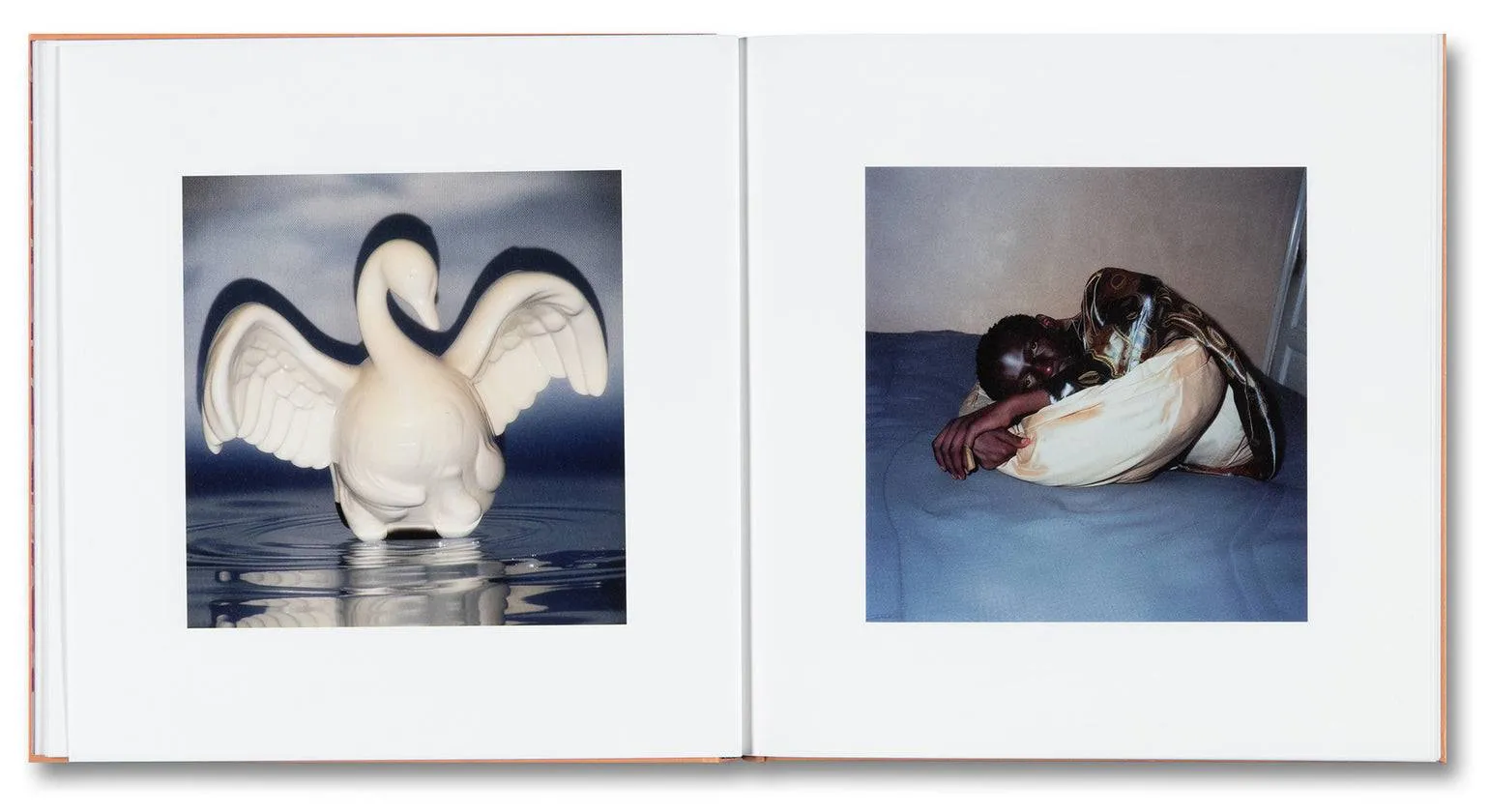
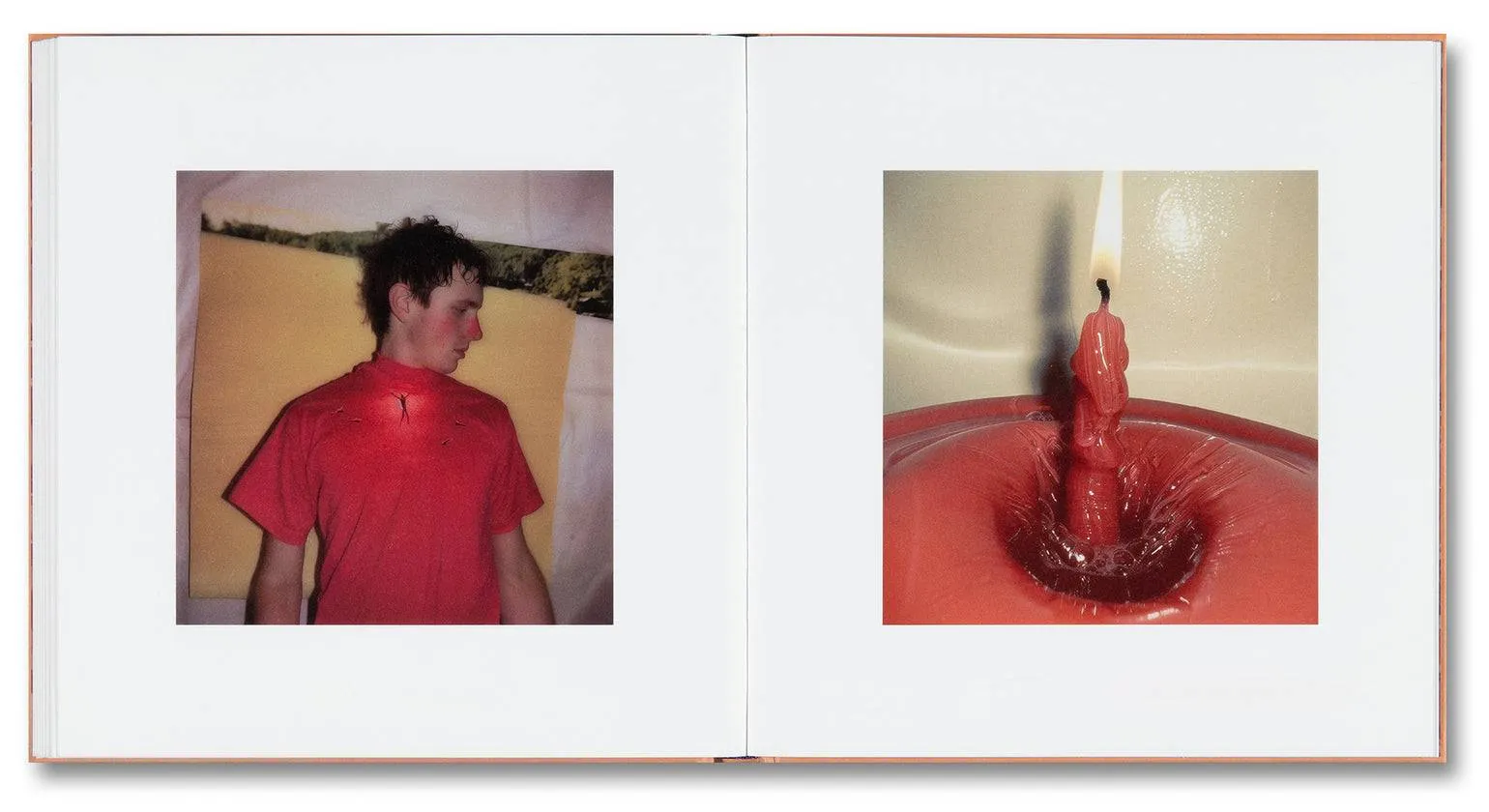
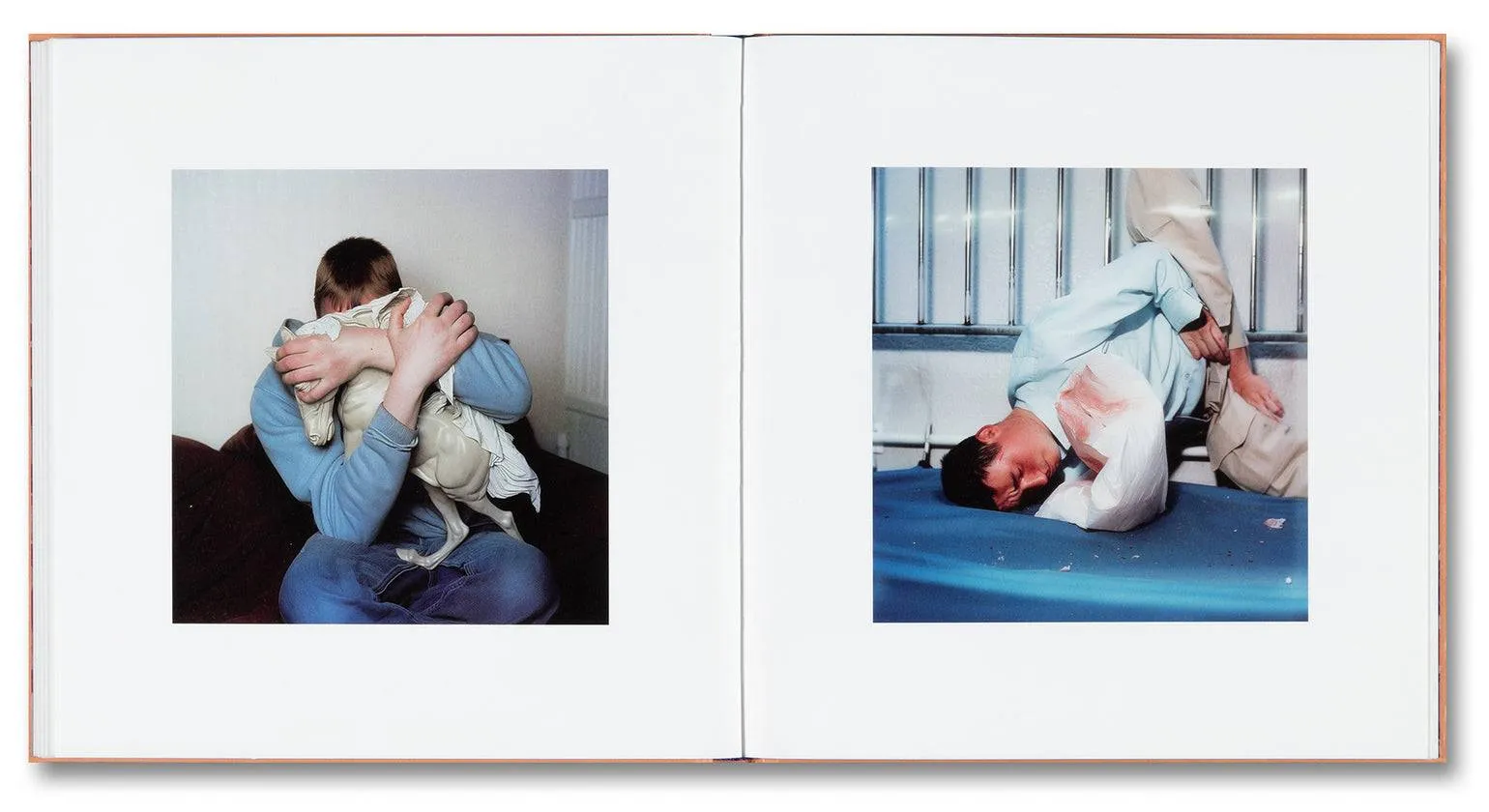
The author questions traditional ideas about the external world and asks whether artificial intelligence is capable of reflecting the concepts of "good and evil" based on the collective experience of humanity. This question opens new horizons for understanding the interaction of technology and human morality, pointing to the possibility of creating a system that will reflect the complexity and diversity of human values. The importance of this topic is increasing in light of the rapid development of AI and its implementation in everyday life, necessitating awareness of the moral and ethical aspects associated with its use.
Reworked text taking into account SEO:
Learning new topics and current issues is always beneficial. Our materials will help you deepen your knowledge and broaden your horizons. We offer a variety of articles that cover important aspects and trends. Explore our content to stay up-to-date with the latest ideas and solutions.
Read also:
Neural networks are increasingly used in photography, significantly changing approaches to image creation and editing. They can improve photo quality, restore details, and suggest unique processing styles. One of the main uses of neural networks is to automate the editing process, saving photographers time and effort.
Using deep learning algorithms, neural networks can recognize objects, improve color rendition, and remove noise in photographs. They can also create artistic effects, imitating the style of famous artists or specific genres. Furthermore, neural networks can be used to create images from scratch, allowing artists and photographers to experiment with concepts.
In recent years, neural networks have also been actively used to create portraits, enhance landscapes, and even in photomontage. This opens up new horizons for artists and professionals, offering them innovative tools to realize their ideas. Thus, neural networks are becoming an important tool in photography, changing traditional methods and approaches to visual art.
"Disruptions"
The cover of the book "Disruptions" (in Russian translation "Disruptions") is a watercolor sketch of a black flower that blurs against a blue background, creating a visual association with digital interference. When the book is opened, the reader watches as the blue background transforms into a "blue screen". The interference on this screen is represented by "pixelated" images by Palestinian artist Taysir Batniji, capturing his video calls with his family in the Gaza Strip between 2015 and 2017. These images reflect the complexity and tragedy of life in conflict, and also serve as evidence of the artist's emotional connection with his family.
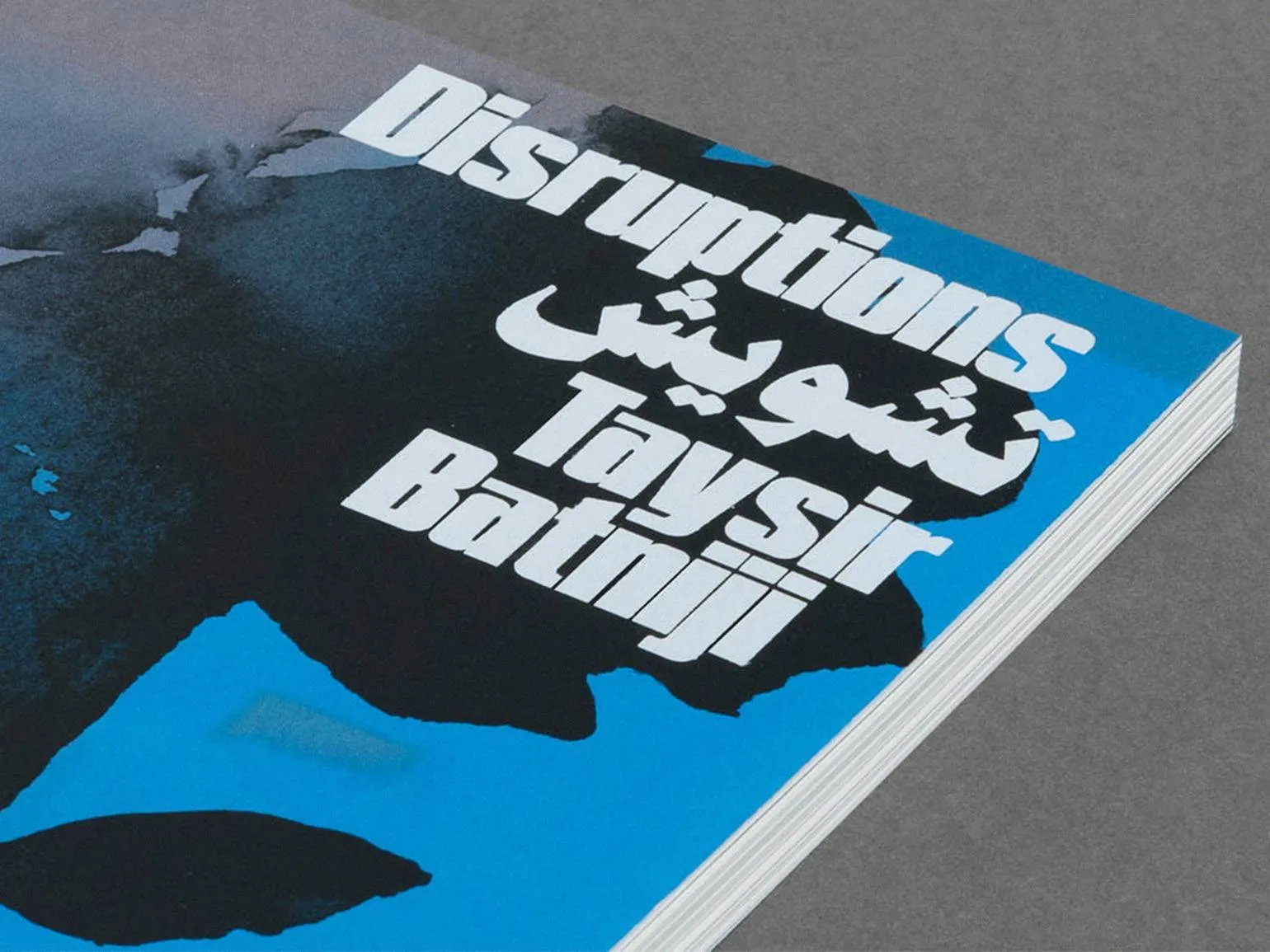
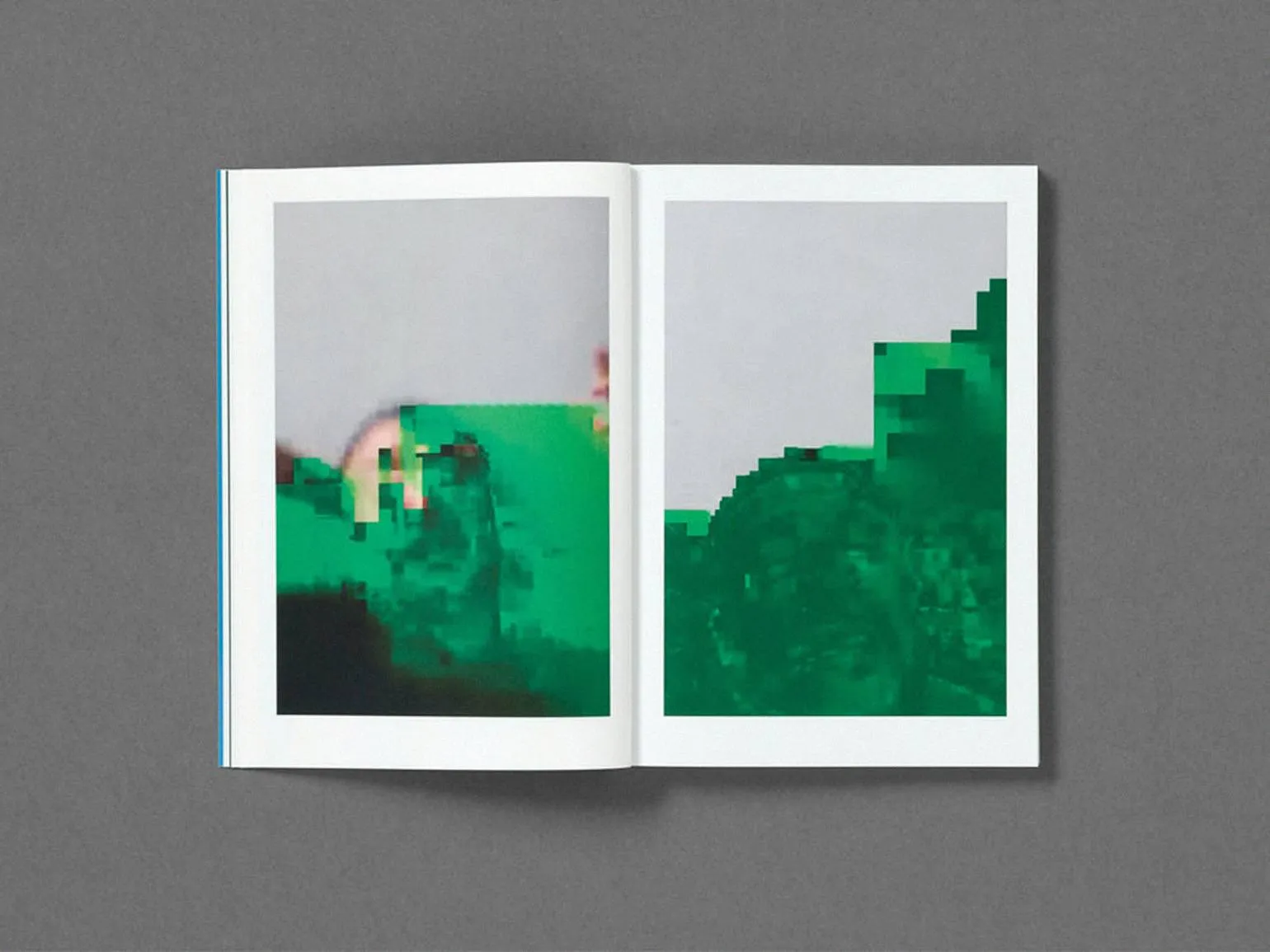

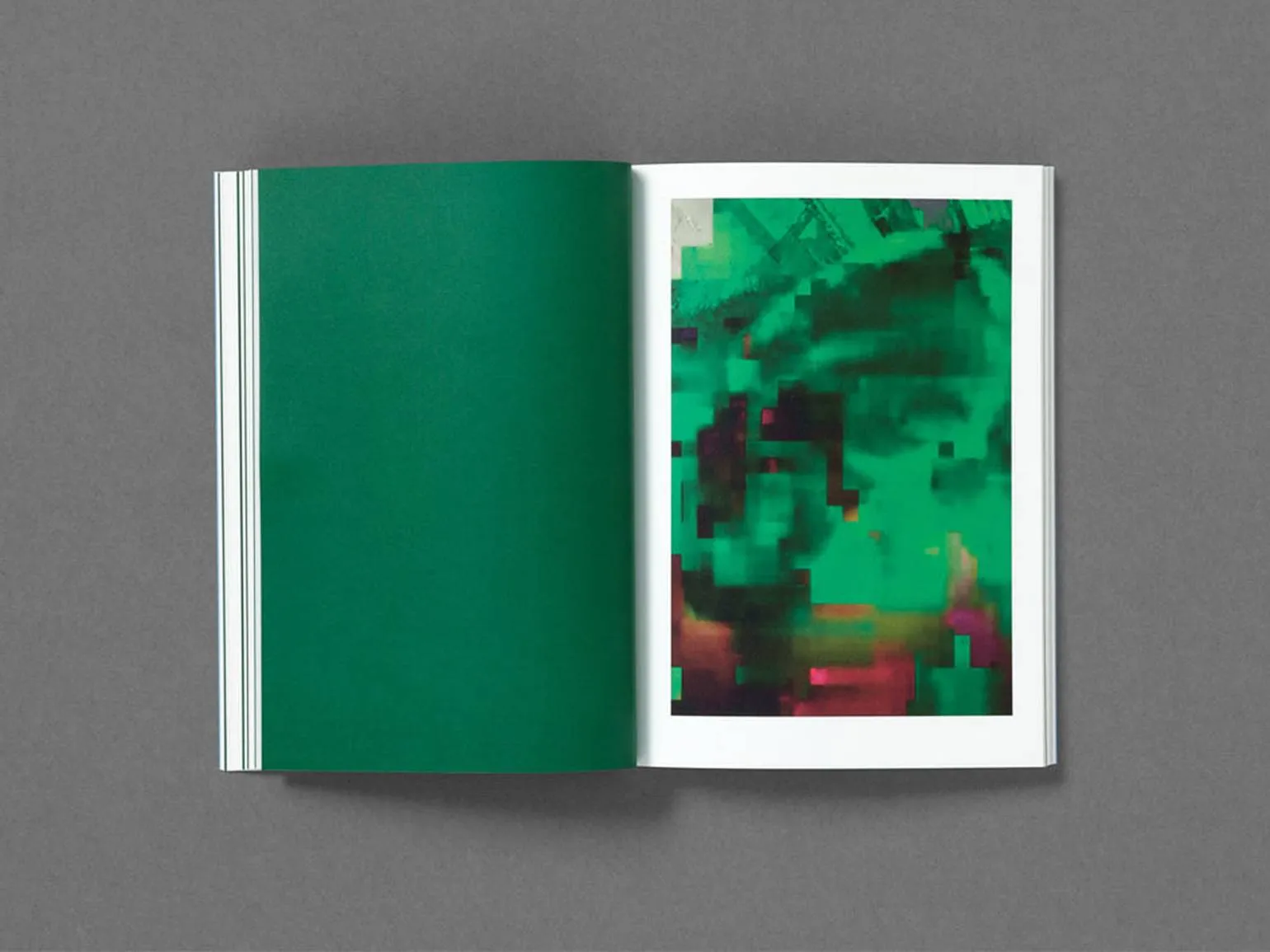
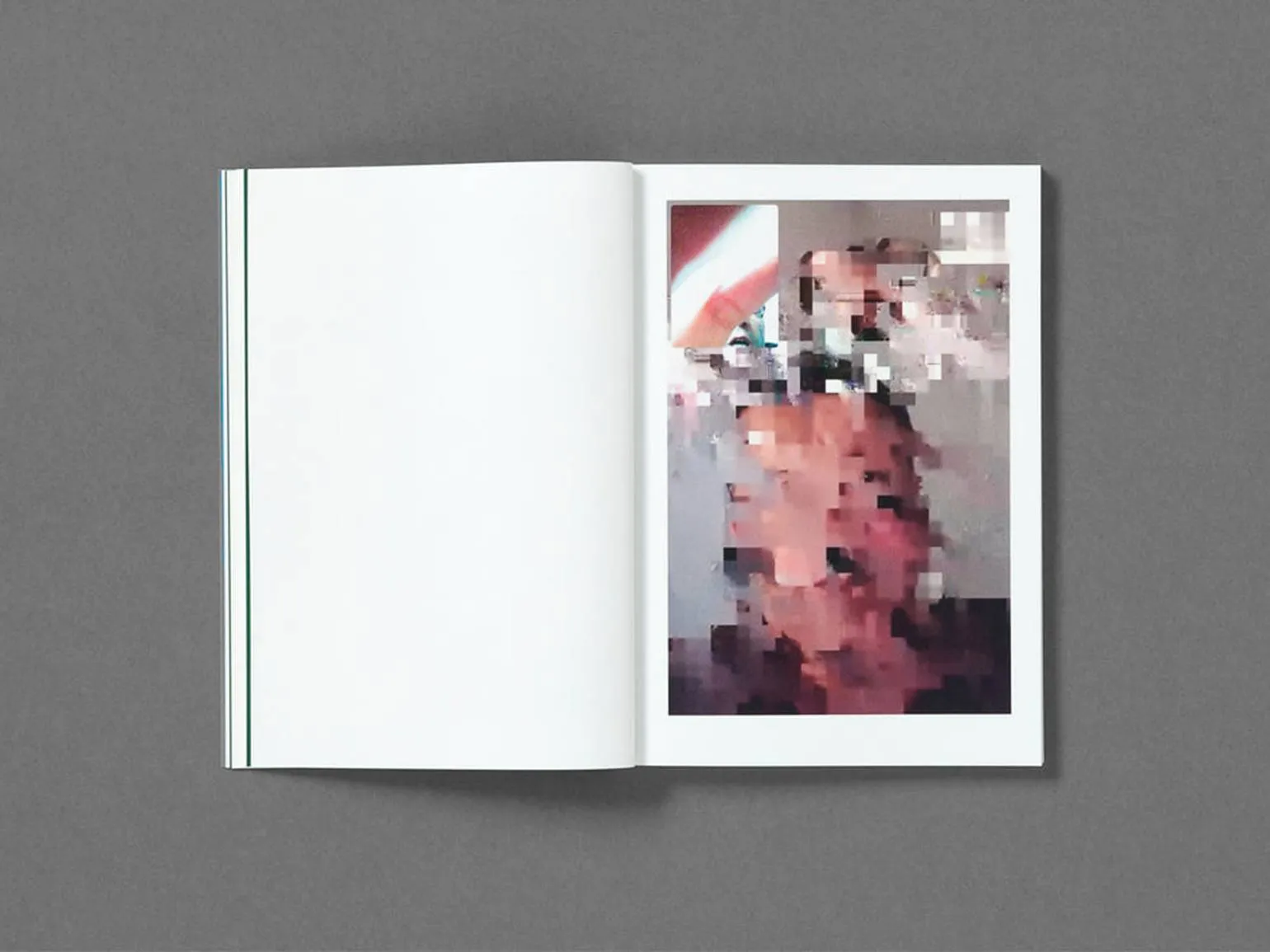
Low-resolution and highly compressed images serve as important tools for visualizing the conflicts in the Gaza Strip and aspects of control over the daily lives of Palestinians. These images provide a deeper understanding of the complex realities faced by the region's residents and highlight important social and political issues. Image compression often results in a loss of detail, which can make it difficult to perceive what is happening, but this is precisely what makes them accessible to a wider audience. It is important to recognize that such visual materials play a key role in shaping public opinion and drawing attention to humanitarian issues in this conflict-ridden region.
"Ray Ridiculous"
Richard Billingham's acclaimed photo story about life in a dysfunctional family continues to attract attention. A flying cat, a drinking unemployed father, and a stern mother scolding her husband—these photographs reflect the author's pain and ironic view of the situation. The book was first published in 1996, and in 2024, Mack Books released an updated version with a less intense tone. This work continues to be relevant and arouses the interest of viewers and readers thanks to its sincerity and depth.
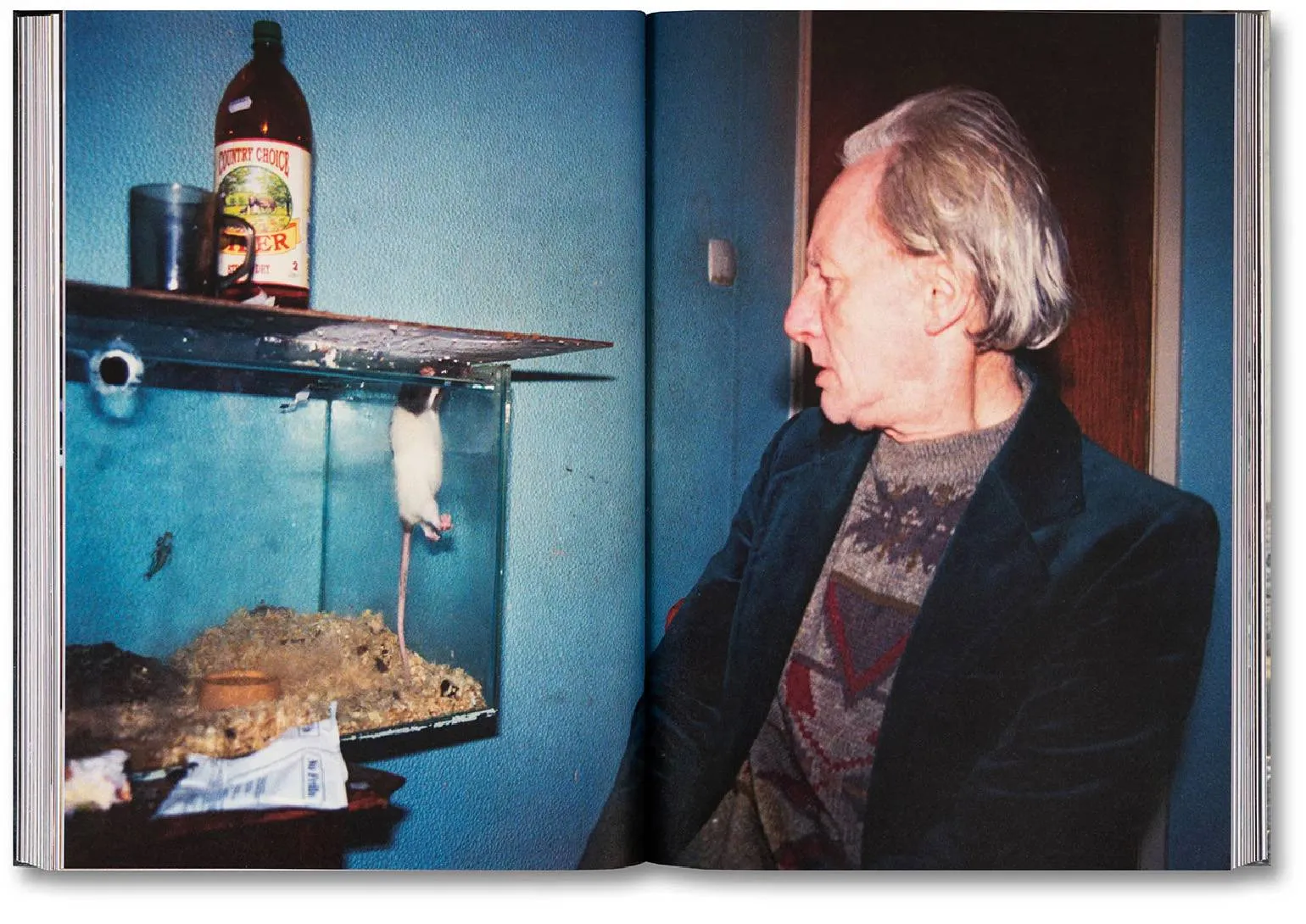

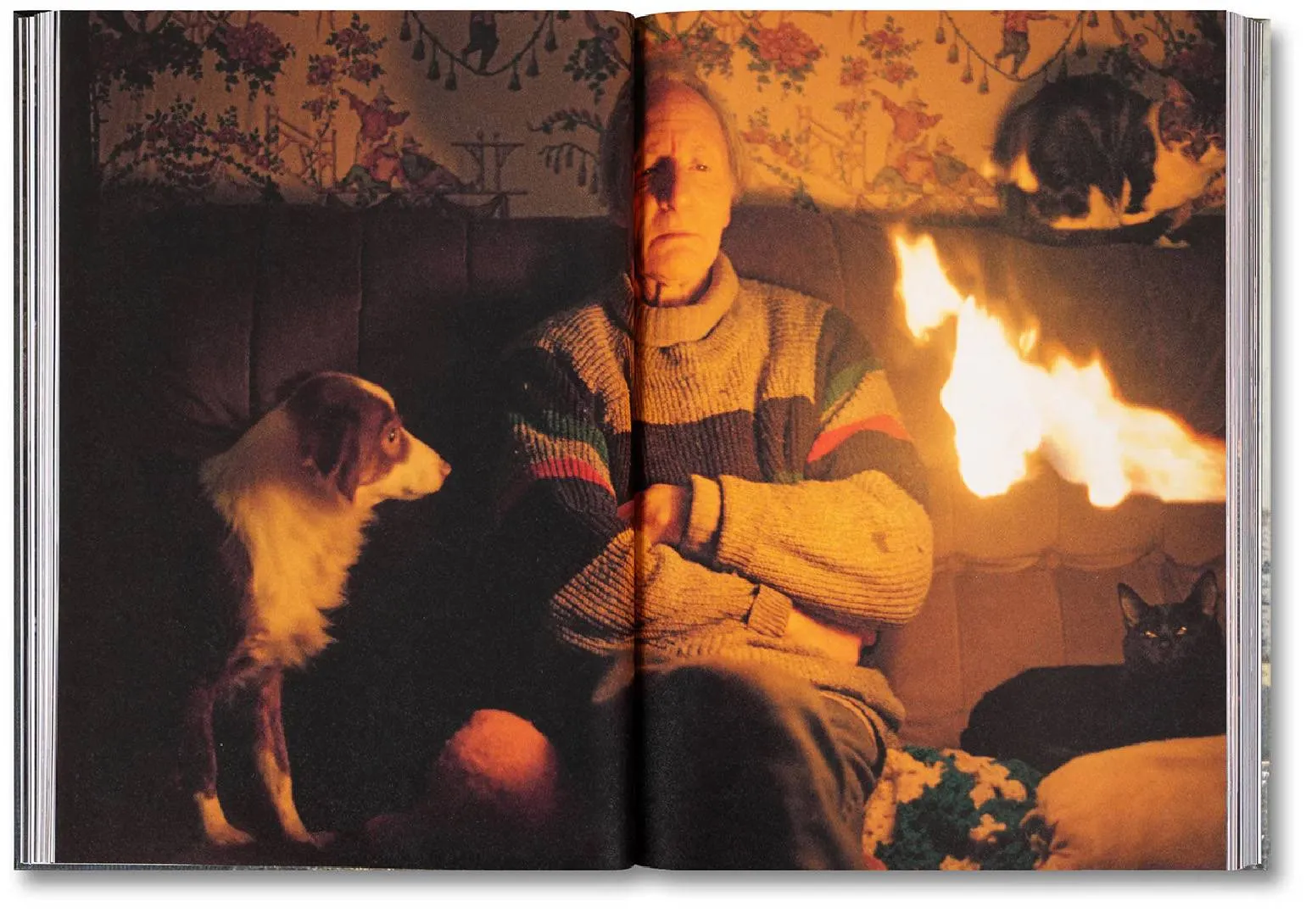
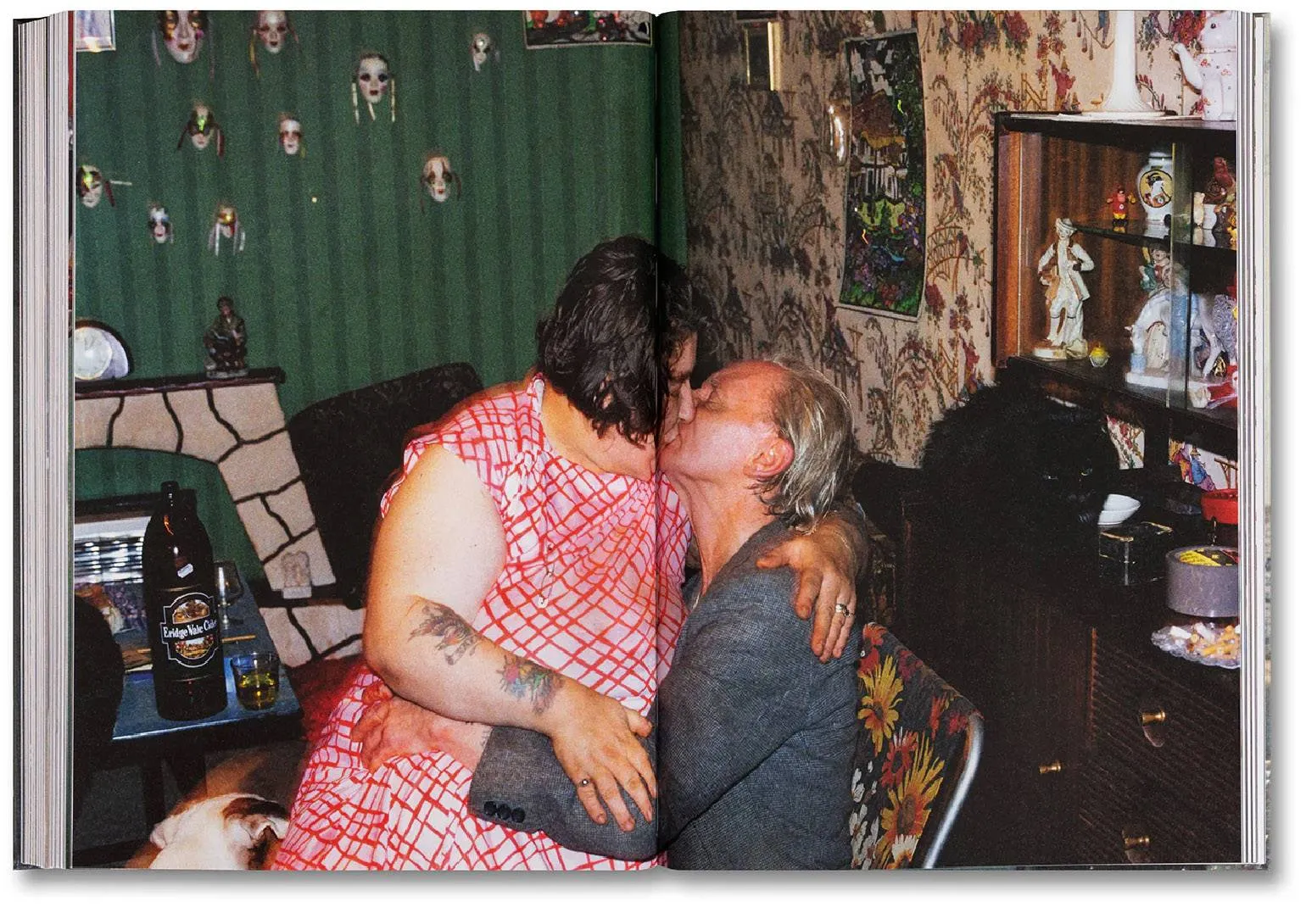
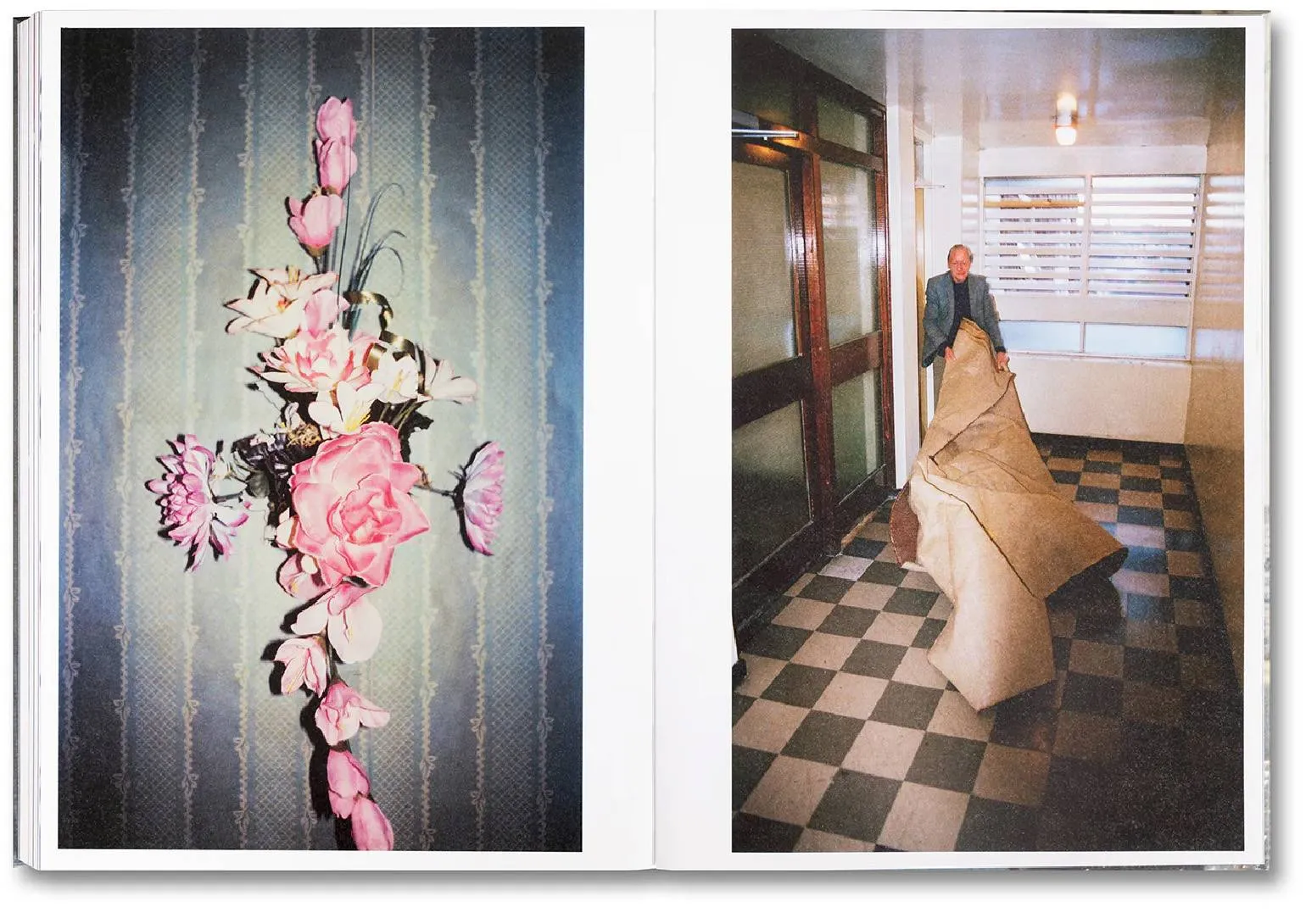
In the updated version of the book, Ray, the head of the family, is seen in a new light. He is no longer just a source of problems and chaos. The author reveals his loneliness more deeply, enriching the text with melancholic images of his father, detailed shots of everyday life and the view outside the window. The chaos that arises from drinking, fighting, and domestic disorder contrasts with the warmth and love evident in the photographer's mother's neat jewelry, her brother's embrace with his dog, and her care for a newborn kitten. This version of the book harmoniously combines the themes of both family disunity and cohesion.
Read also:
Self-portrait as a form of self-expression and a diary in photography allows for a deeper understanding of yourself and the world around you. This genre of photography is becoming a powerful tool for exploring the inner world and conveying emotions. A self-portrait can capture not only your appearance, but also your mood, experiences, and personal stories.
Keeping a photo journal helps you capture important moments in your life and track changes in your perception. Each image becomes part of a larger narrative, reflecting the author's unique perspective on the world. Self-portraits allow you to experiment with different styles, techniques, and groups, creating unique images.
Thus, self-portraits and photo journals combine artistic expression and personal reflection, allowing everyone to create their own unique visual story.
A Telegram channel for photography enthusiasts. Here you will find inspiration, shooting tips, and discussions of current topics in the world of photography. Join our community to share your work, receive feedback, and learn from professionals. We strive to create a space for the exchange of experiences and ideas among photographers of all levels. Stay up-to-date on the latest trends and improve your skills with our channel.
If you want to learn about the diversity of Russian literature, subscribe to our resource. We publish the works of talented authors from Russia, follow international literary competitions, and share useful creative advice from practicing writers.
"A Woman I Once Knew"
At 38, American Rosalind Fox Solomon began a new stage in her life as a photographer. From that moment on, she focused on creating self-portraits, which became a tool for deep introspection. Each frame reflects her inner world and allows her to explore her own emotions and experiences. Photography isn't just a hobby for Solomon, but an important process of self-discovery and self-expression.
In 2023, Mack Books released Rosalind's book, "The Woman I Once Knew." This work brings together photographs that capture the artist's body's transformations over more than 50 years, as well as reflect her emotional states. Rosalind's texts include references to periods of depression and bursts of euphoria that occurred during her travels across various countries. This book not only visually illustrates the artist's transformation but also immerses the reader in her inner world, revealing the complex facets of human experience.
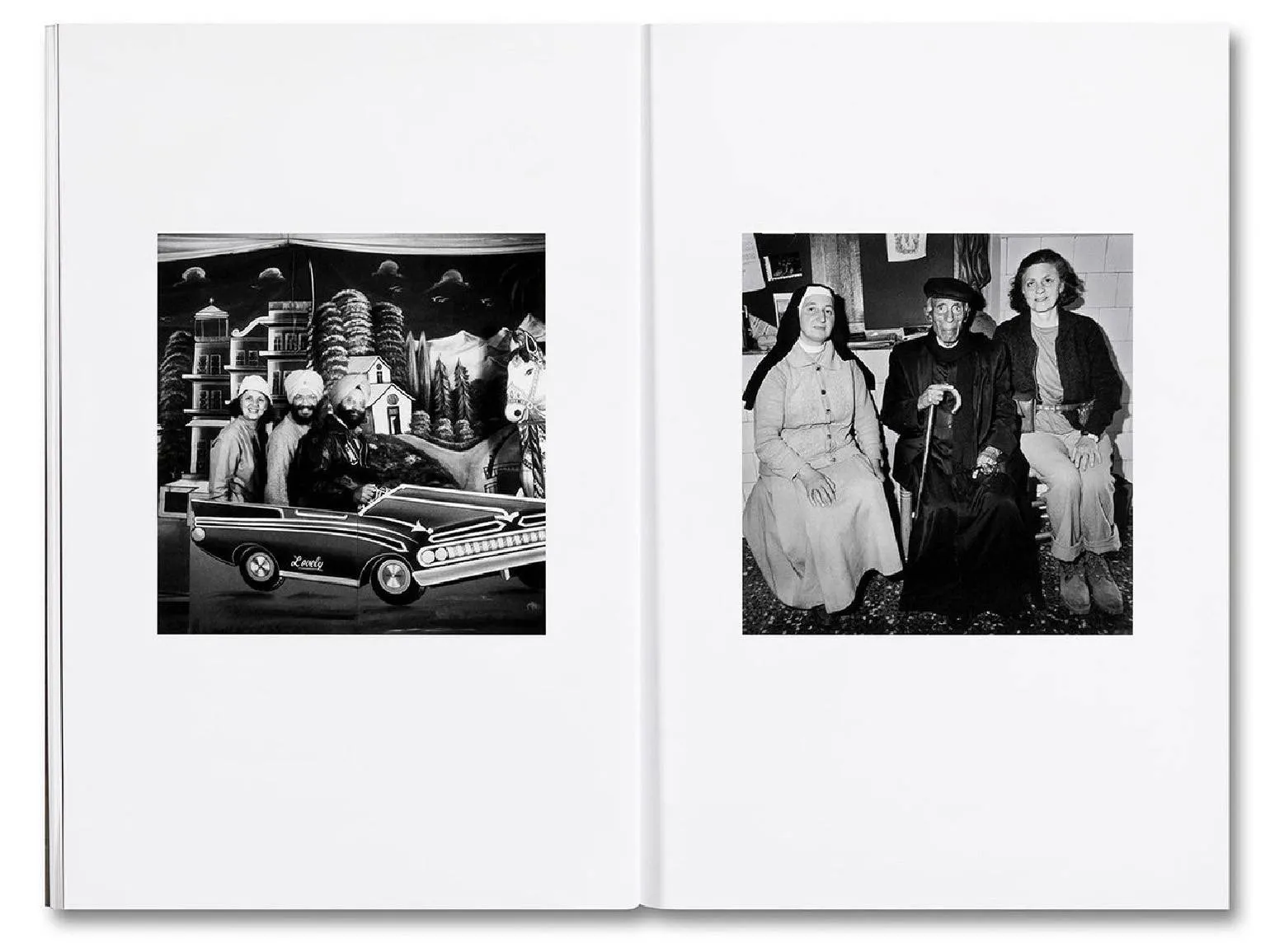
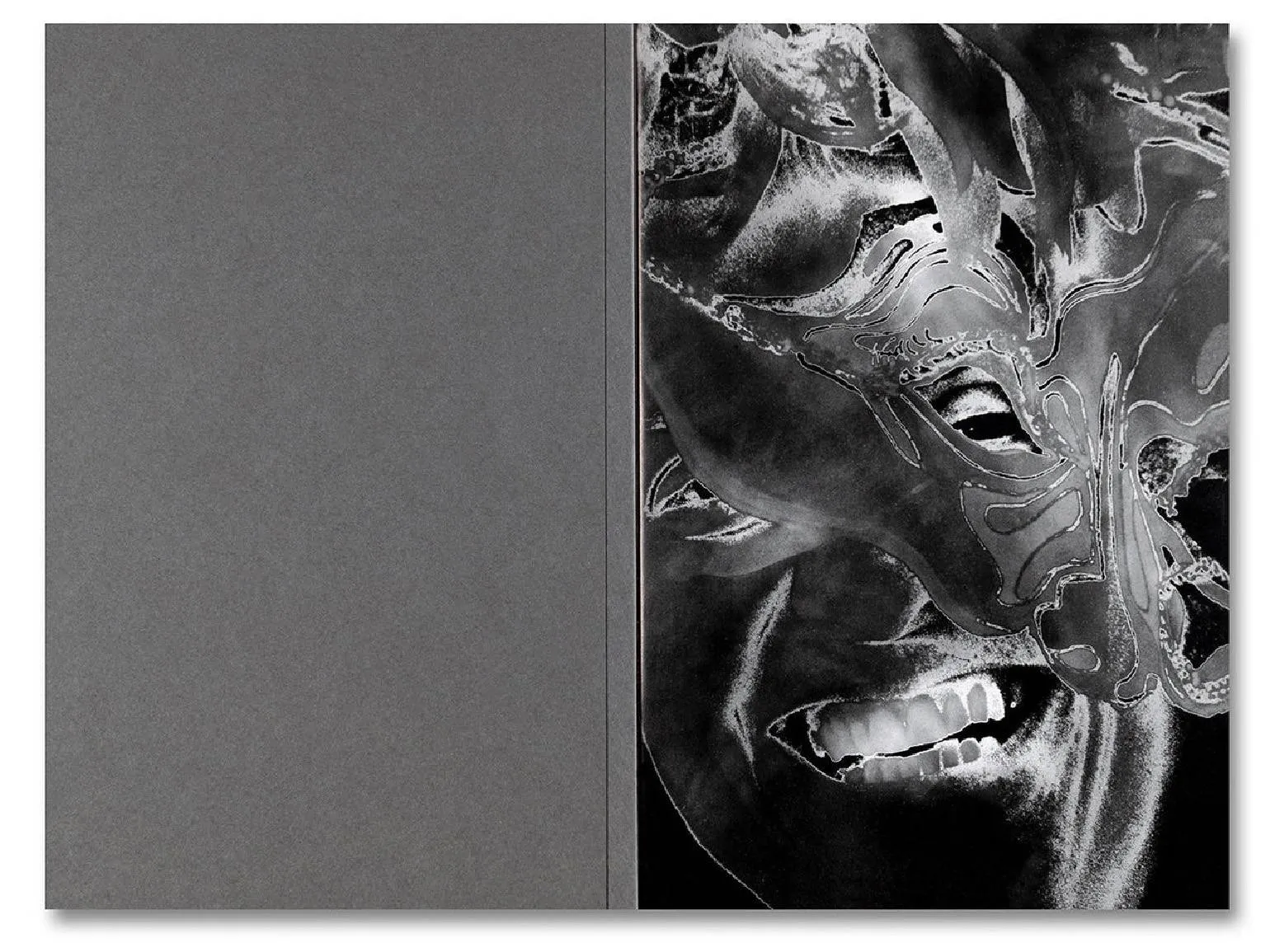
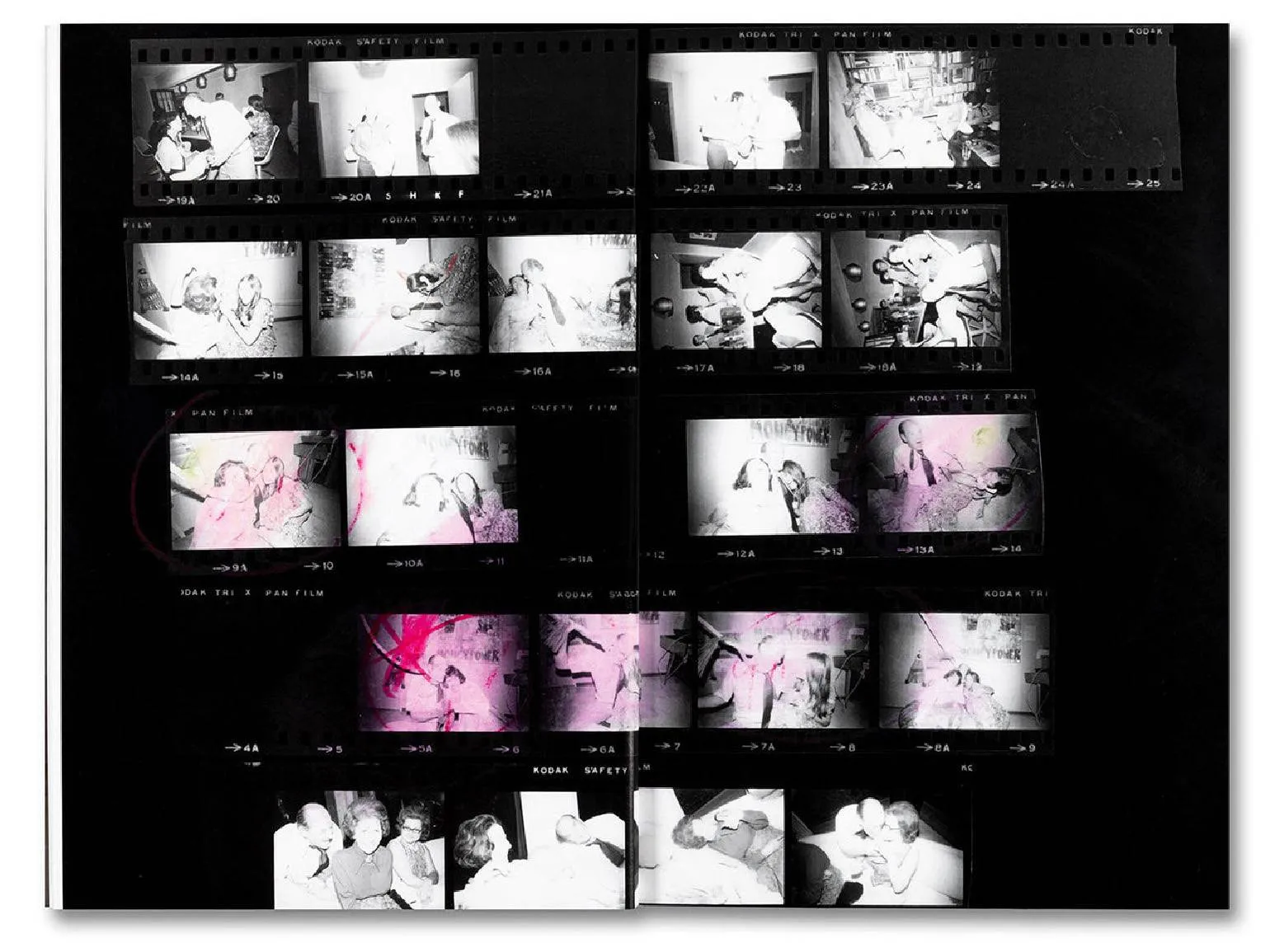
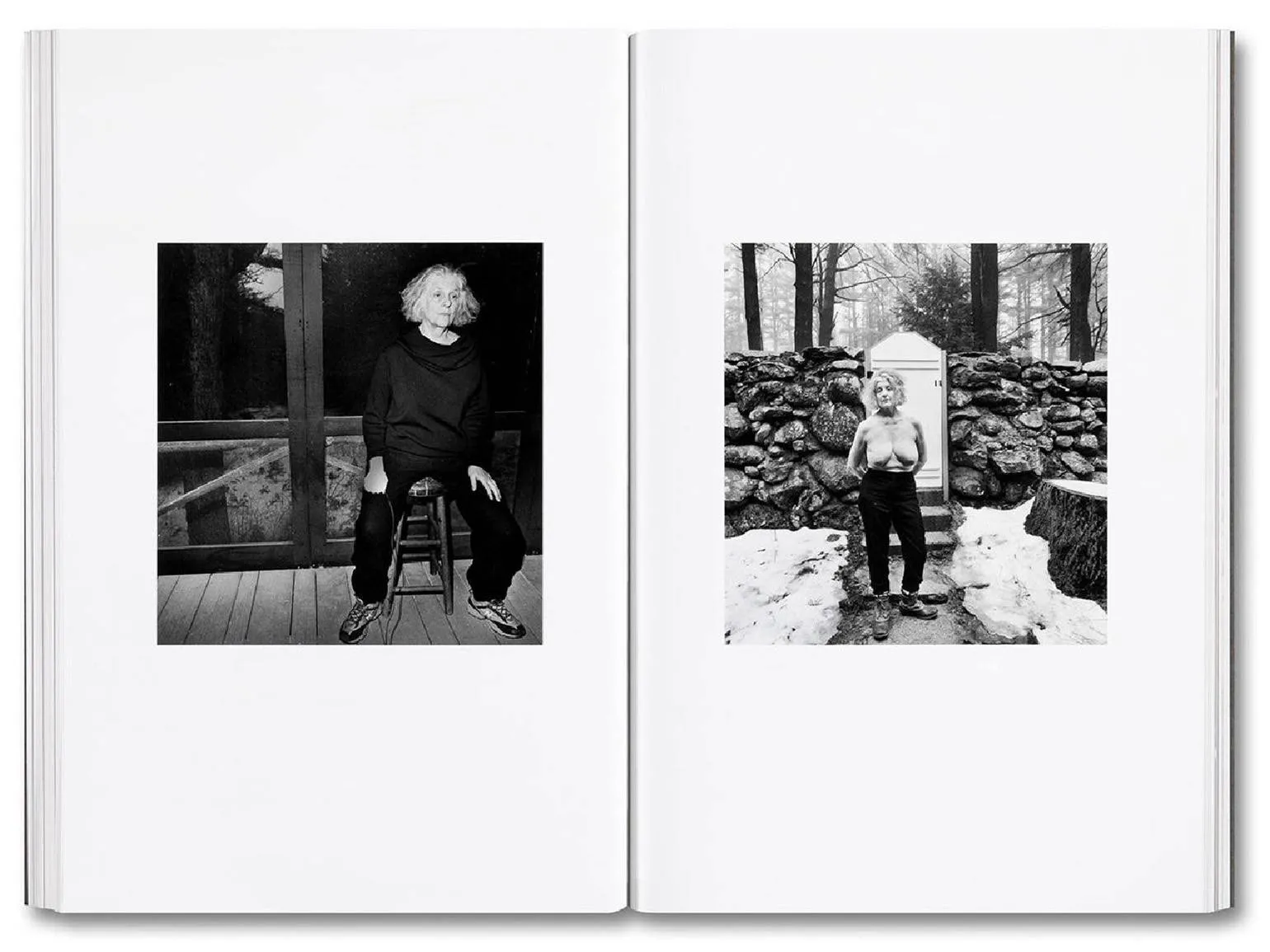
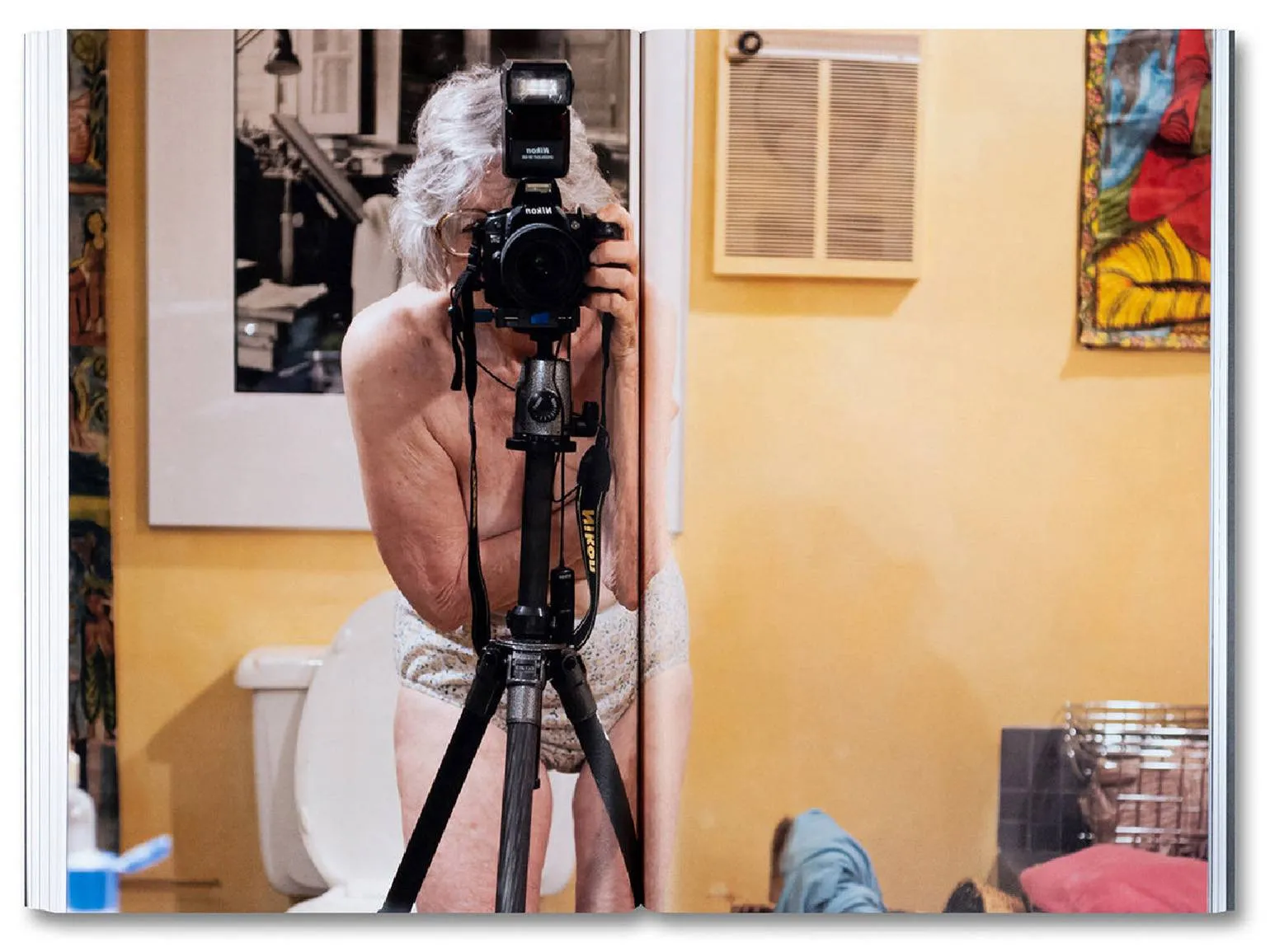
The use of the camera allows the author to establish a connection with "the woman she once knew" and "the woman she sees now." The photograph shows aging not only as a process of loss, but also as a path to the accumulation of wisdom and inner strength. This approach reveals the profound changes that occur in a person throughout life, emphasizing that age brings not only difficulties but also life experiences that shape the personality. By photographing moments of aging, the author creates a visual narrative of transformation, drawing attention to the beauty inherent in each stage of life.
"An Incomplete Encyclopedia of Touch"
The book "An Incomplete Encyclopedia of Touch" deservedly bears the title of an encyclopedia. It presents 1,919 images of people interacting with various objects, organized into thematic chapters: touching fences, fish, refrigerators, and even graves. The author, Dutch photographer Erik Kessels, relies on an extensive photo archive accumulated over many years. However, this material was not enough to create this book. The publication has been supplemented with photographs collected by Karel De Mulder and Thomas Sowin, making it even more fascinating and varied. "The Incomplete Encyclopedia of Touch" Offers readers a unique perspective on human interactions and their importance in everyday life.
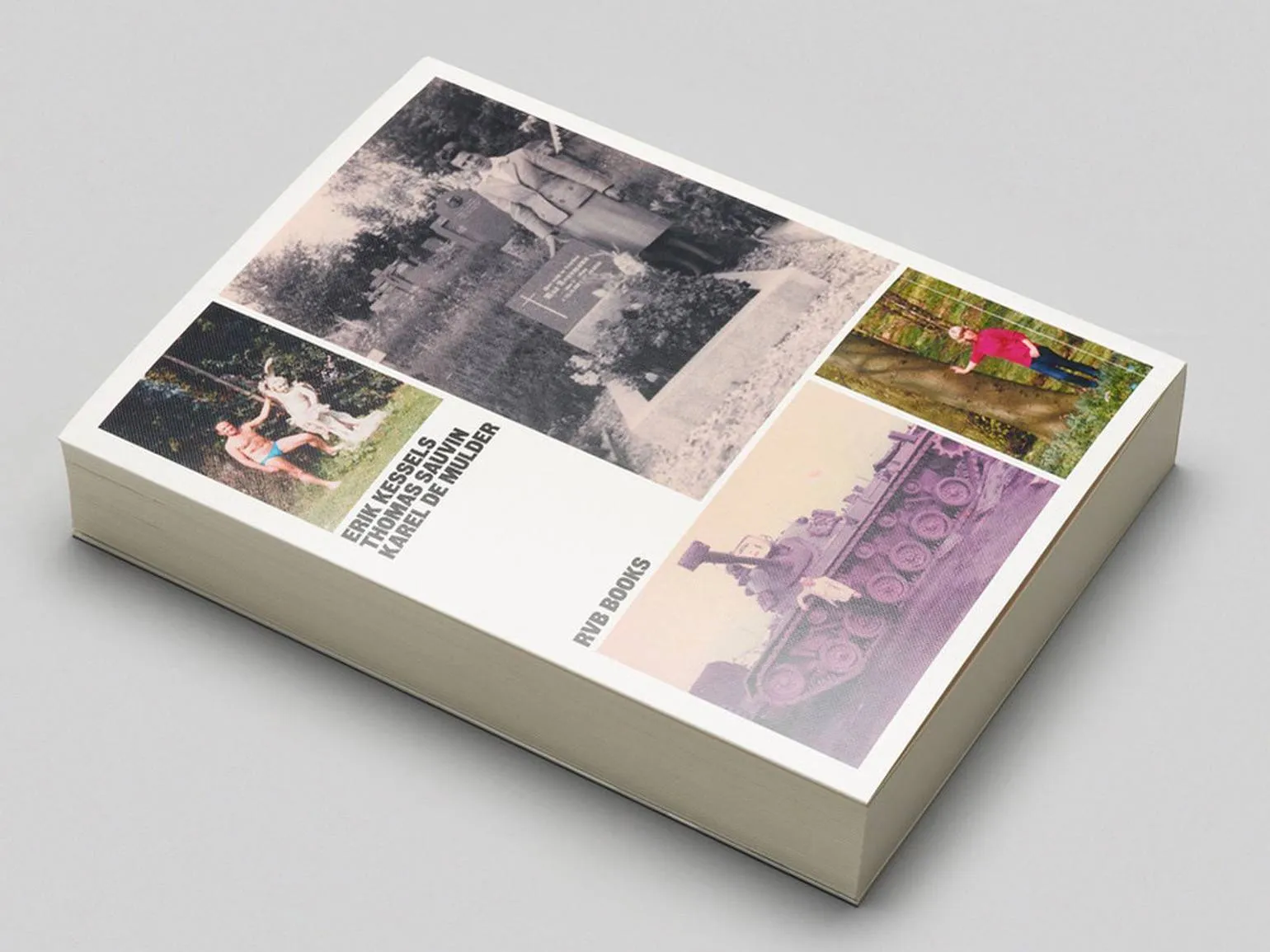
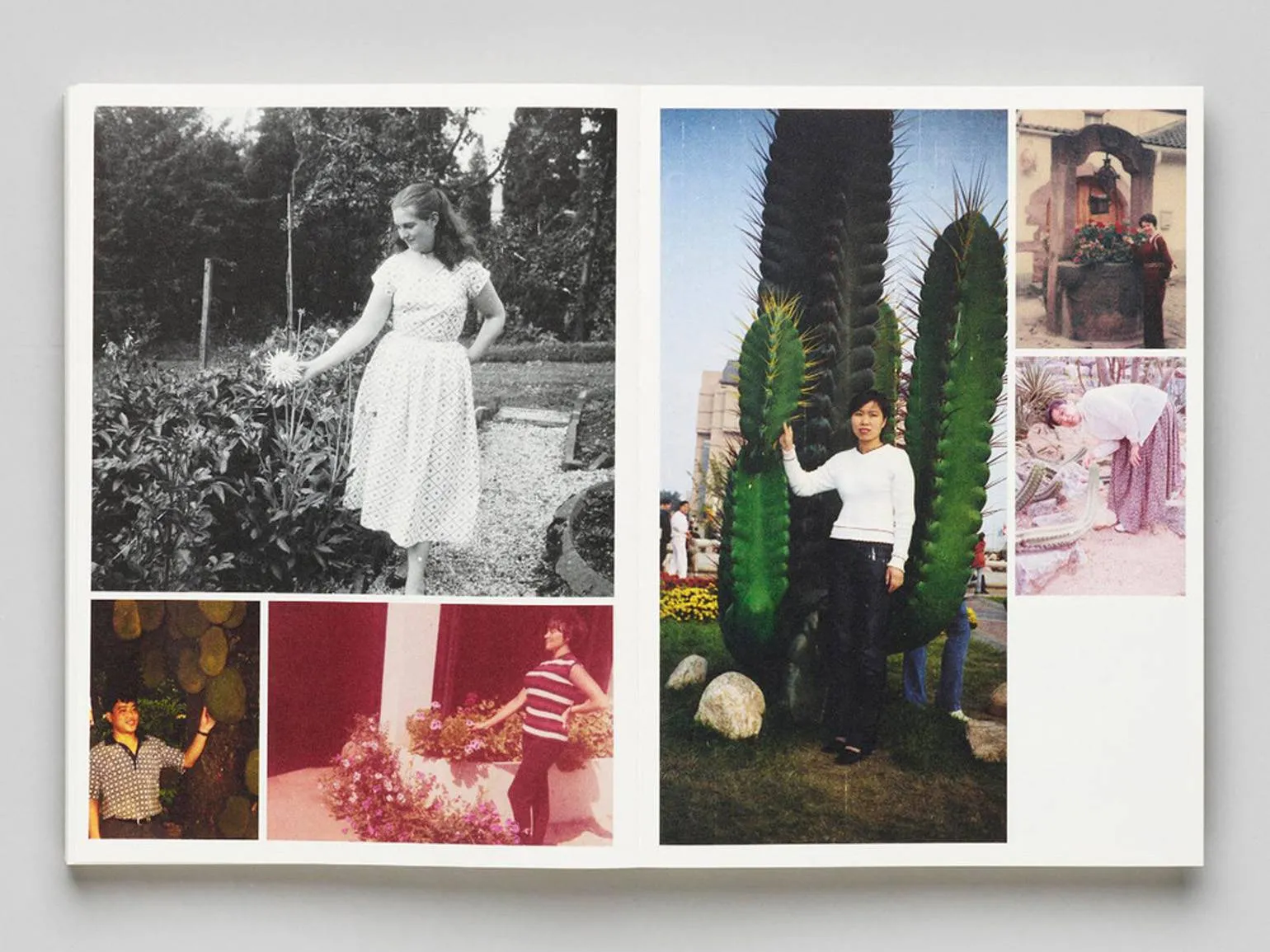
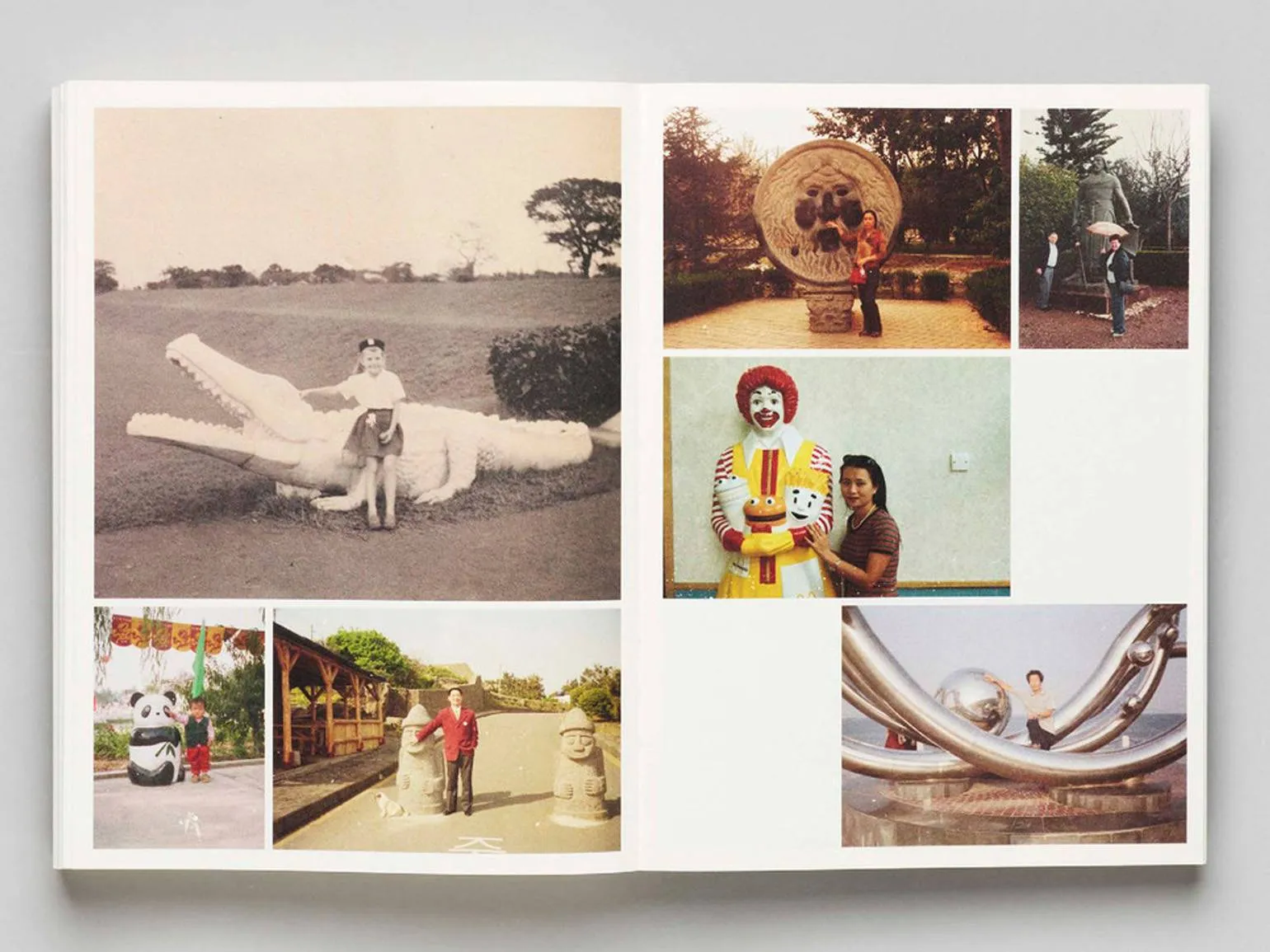
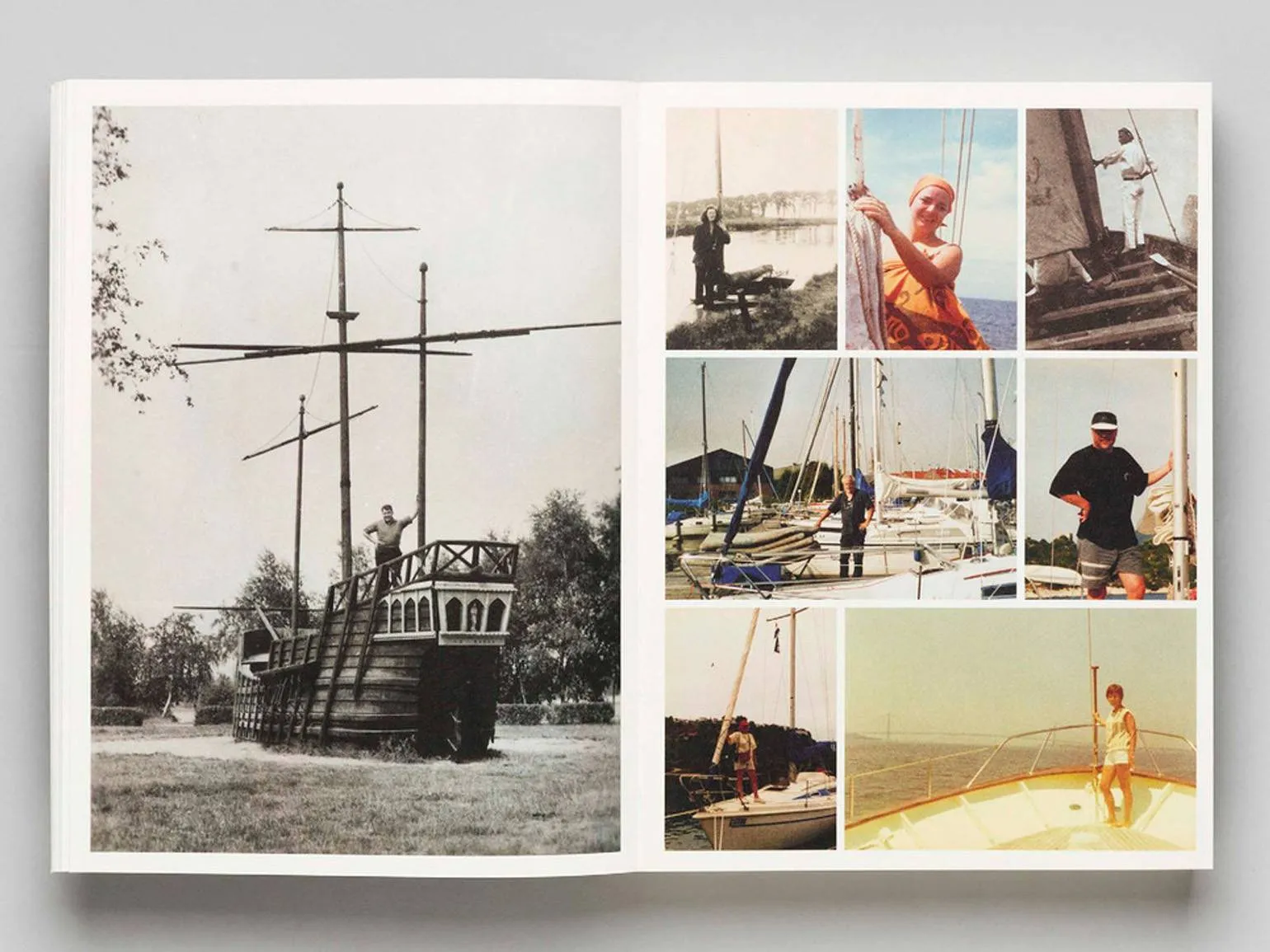
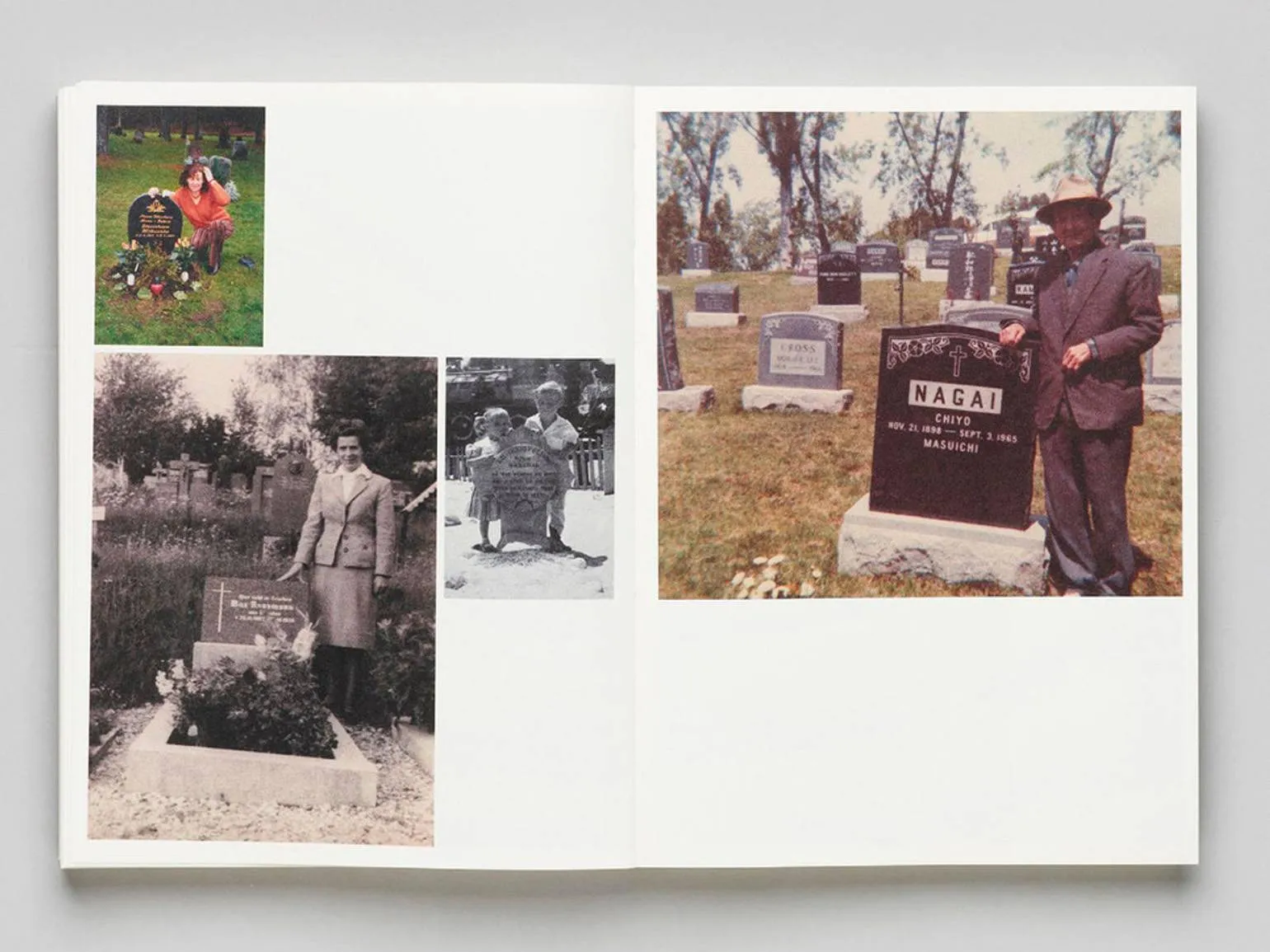
The photographs raise important questions about the motives of people who touch objects and capture this moment. Are they seeking support and support in such gestures? Can the touch captured in the picture be seen as an attempt to establish a connection with the surrounding objects? There are no definitive answers to these questions. Kessels' encyclopedia encourages viewers to reflect on their own. An archive of numerous photographs reveals how fashion trends and posing habits change, but the desire to touch objects remains constant. This desire can indicate a person's deep connection with the world around them and their desire for material interaction.
"Rash"
Lera Kruglova's photo book about the Rostov-on-Don flea market immerses the reader in a unique space where time loses its linearity and forgotten objects gain new life and meaning. This study reflects not only the cultural aspects of the flea market but also the emotional connections that arise between people and their belongings. The photographs convey the atmosphere of this place, creating vivid images that make you think about the value of things and their history.
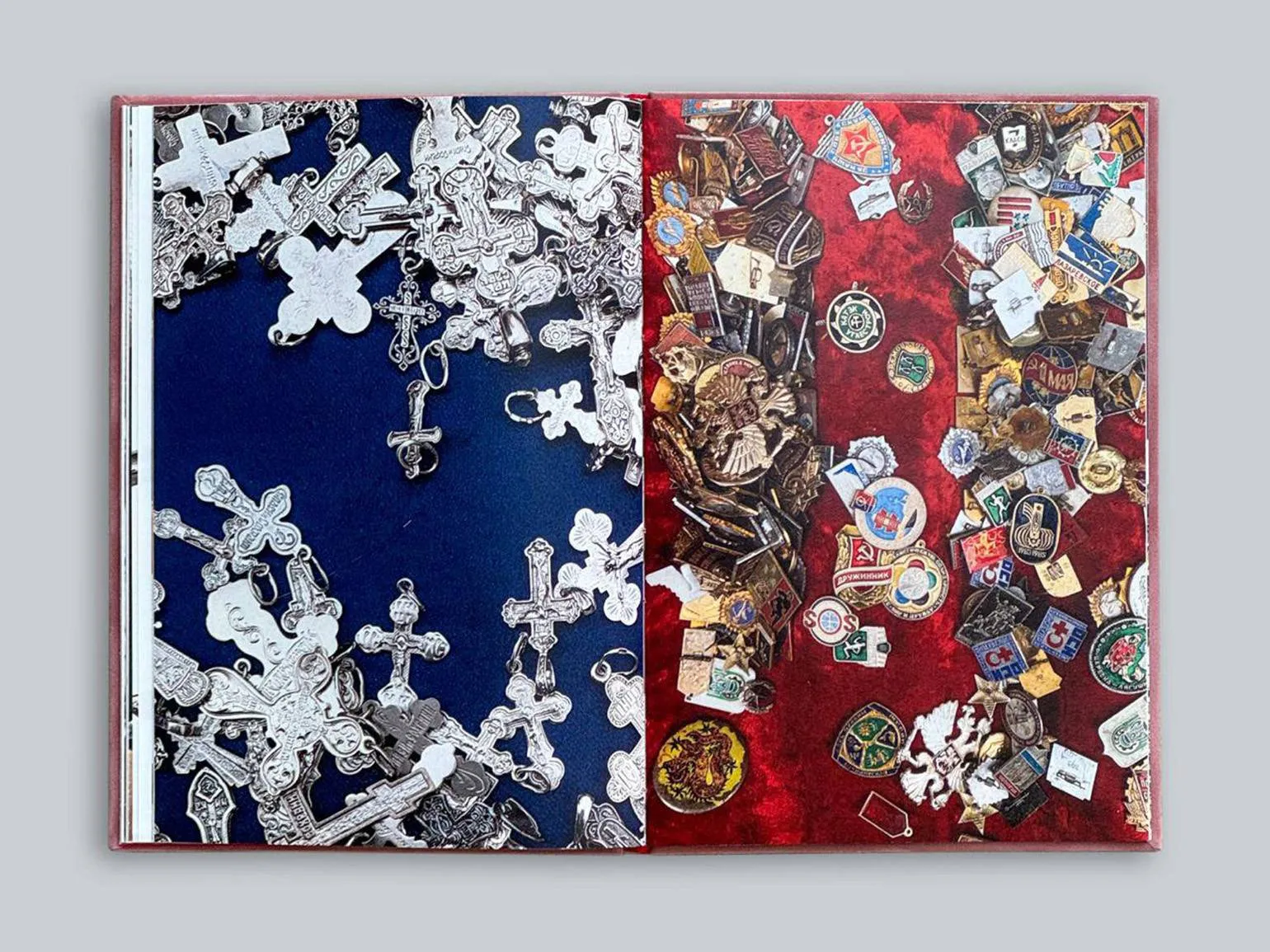
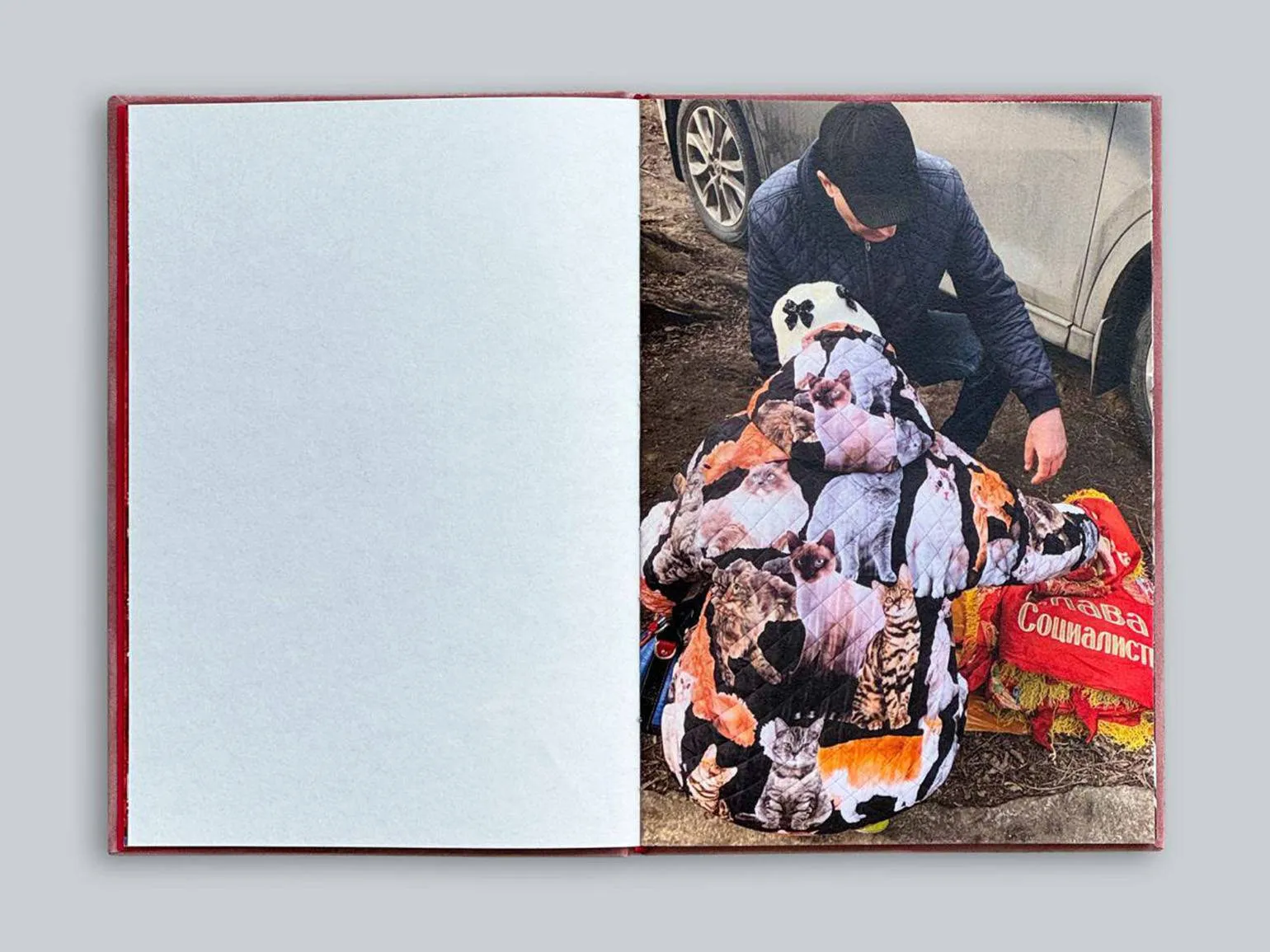
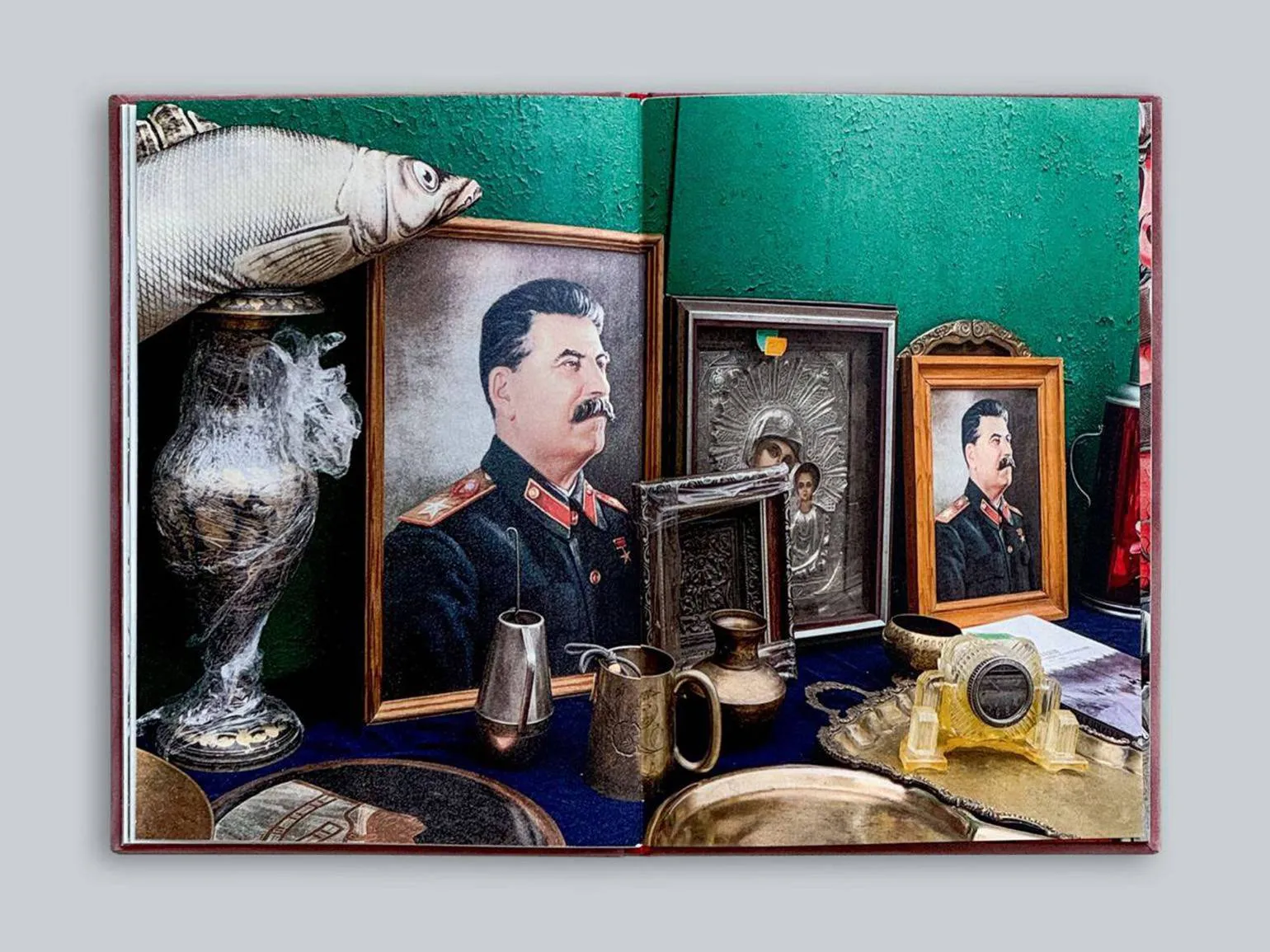
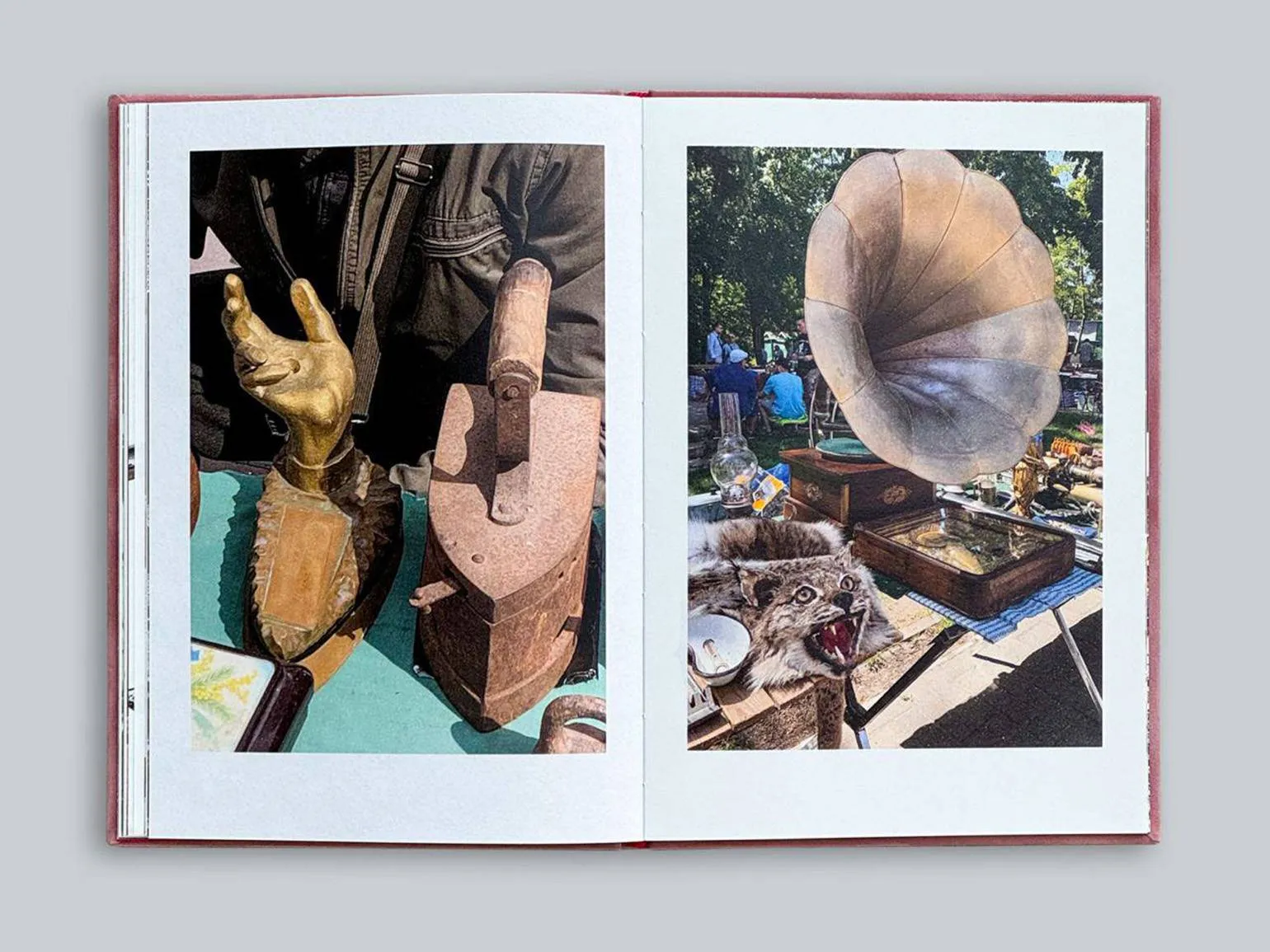
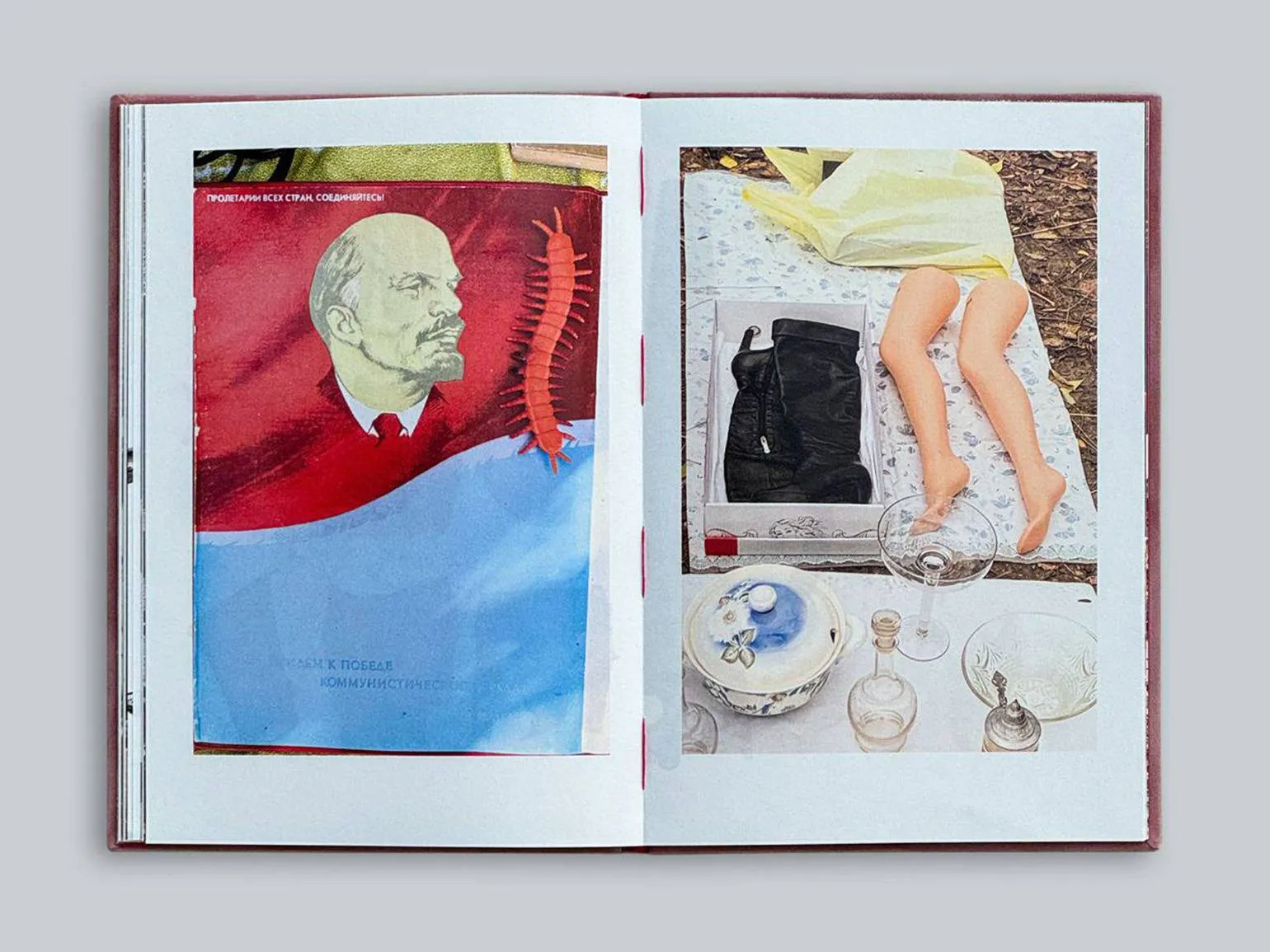
A flea market is a unique venue where objects find new life, transcending their utilitarian value. Here, a forgotten figurine can become a talisman, and an old suitcase – a symbol of memory. Every transaction at a flea market is not just an exchange, but a symbolic act in which the product acts as a mediator between different worlds and cultures. Objects that have lost their original function are returned to a new life cycle, participating in a contemporary ritual exchange of meanings, memories, and emotions. This market demonstrates an orderly system in which each object has the opportunity to acquire a new identity and continue its story. The flea market is not chaos, but a space for creativity and inspiration, where old objects can become important elements of new narratives.
The photobook raises important questions about the value of things and their existence in new contexts. How do objects adapt and transform in the face of contemporary historical change? It is an exploration of the changing nature of time, emphasizing that things can retain imprints of the past, but cannot be completely locked in it. The photobook becomes a reflection of these changes and shows how objects can acquire new meaning by interacting with our perceptions and experiences.
"Father Son Father"
The photobook "Father Son Father" by Oleg Kolimbet is a profound reflection on the essence of fatherhood, time, and the eternal cycle of succession. The narrative centers on the confession of a father who, worried about his son's fate, experiences a personal spiritual apocalypse. The book's images reflect fear for a loved one and serve as a metaphor for concern for the future generation, vulnerable to inevitable changes in the world. This photobook provokes reflection on the role of a father in his son's life and how the transmission of values and experiences can influence the future. Reading "Father Son Father" will allow you to better understand the experiences of fathers and their desire to protect their children in the face of rapid change.
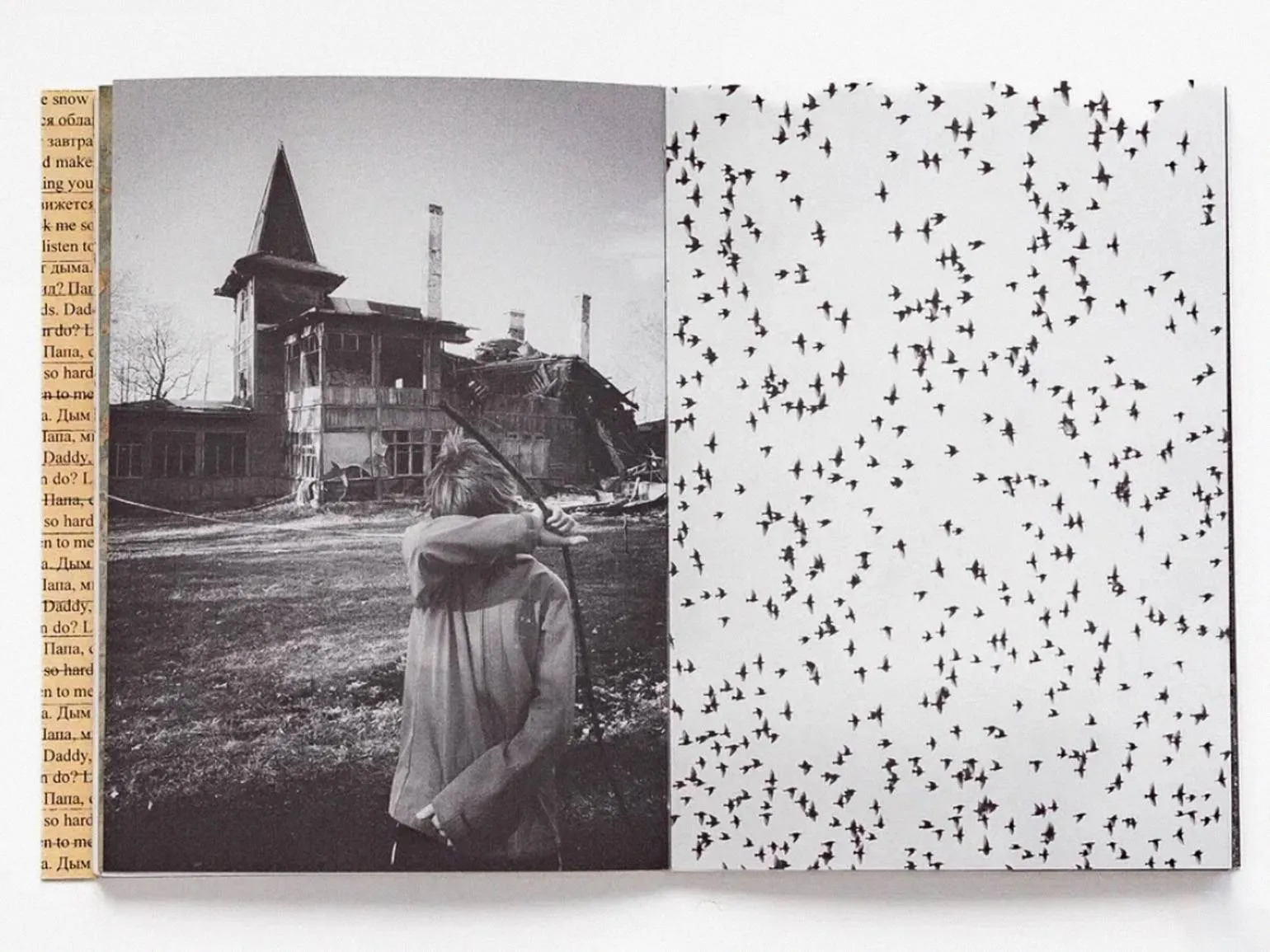
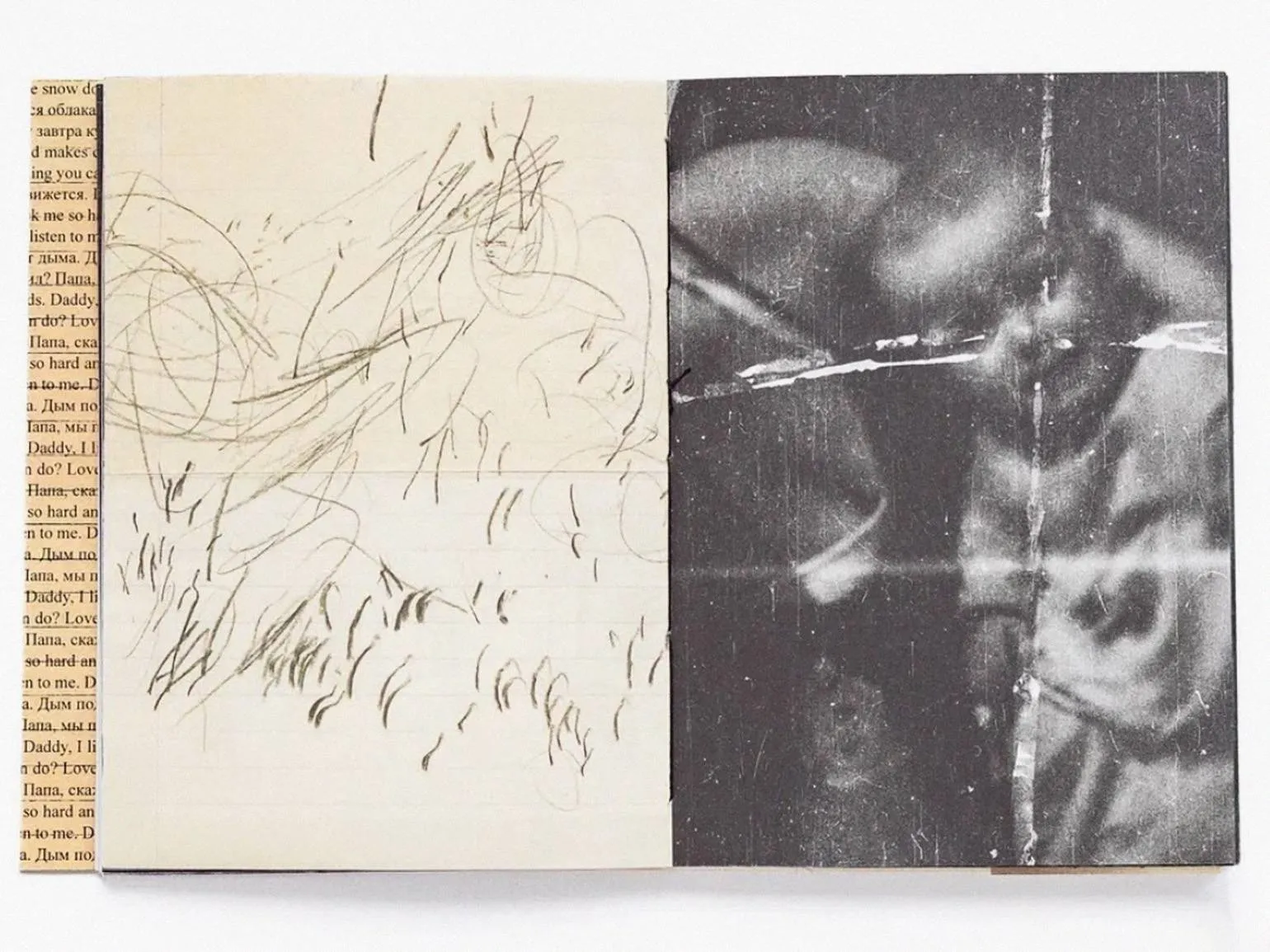
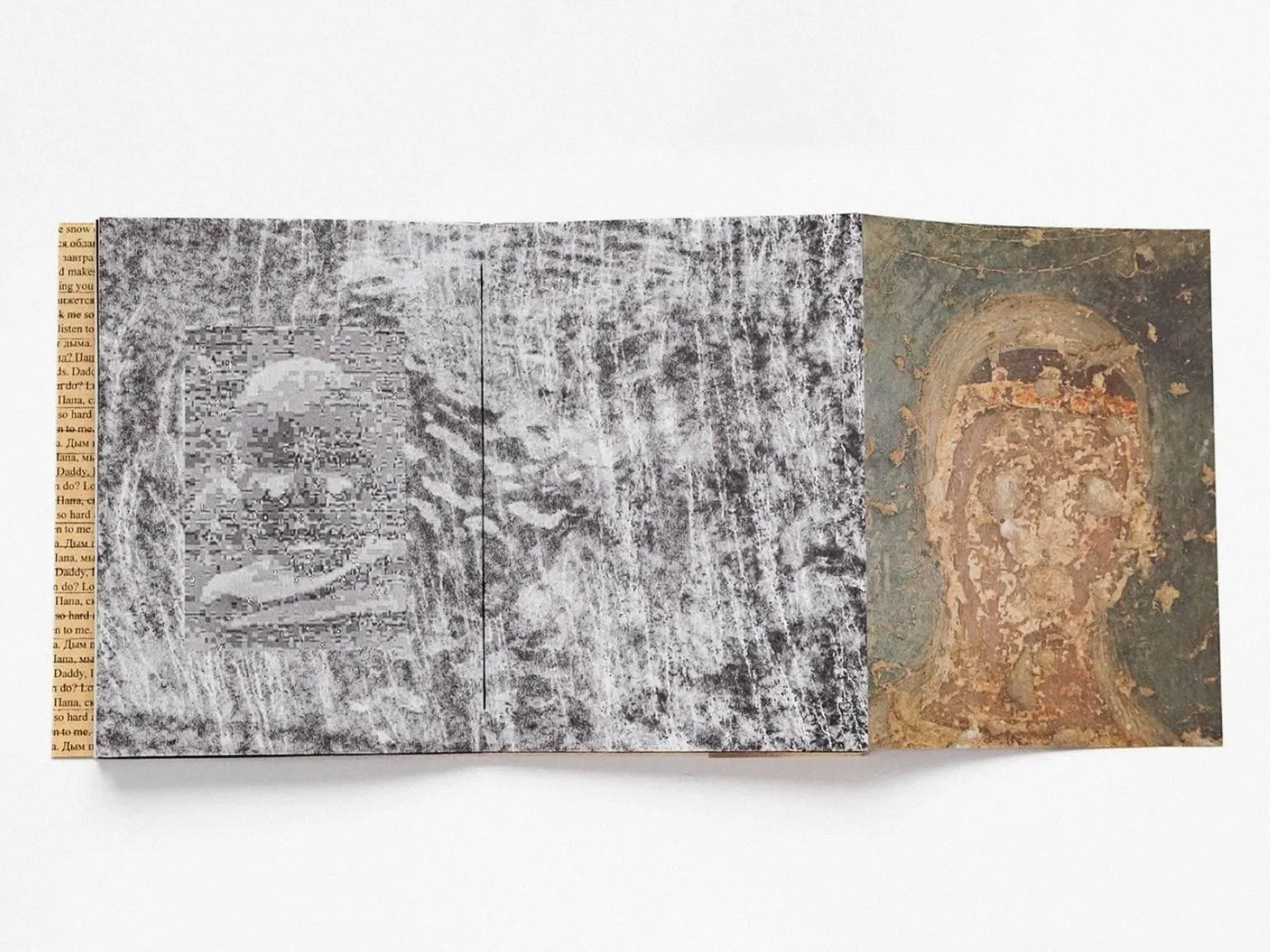
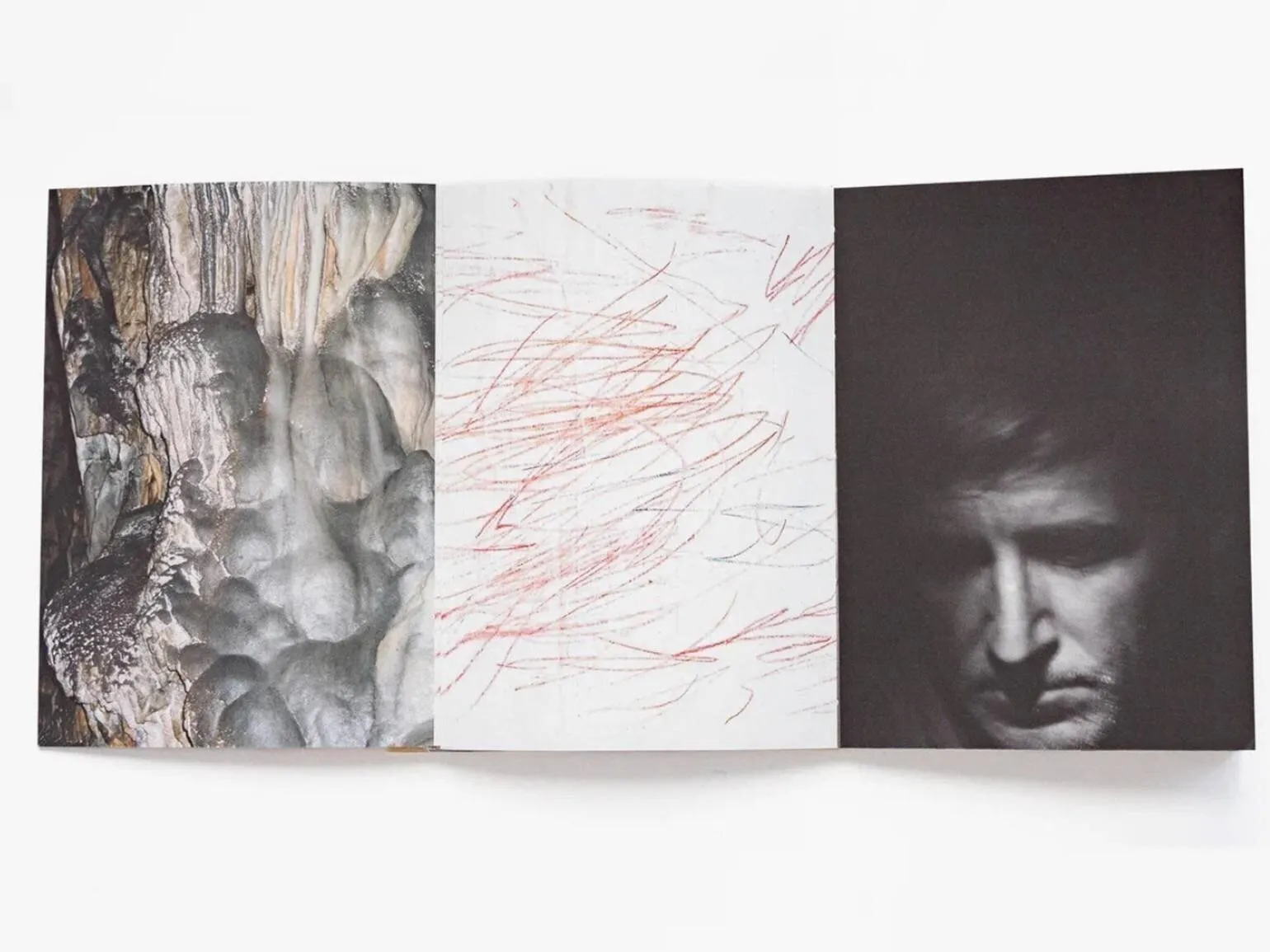
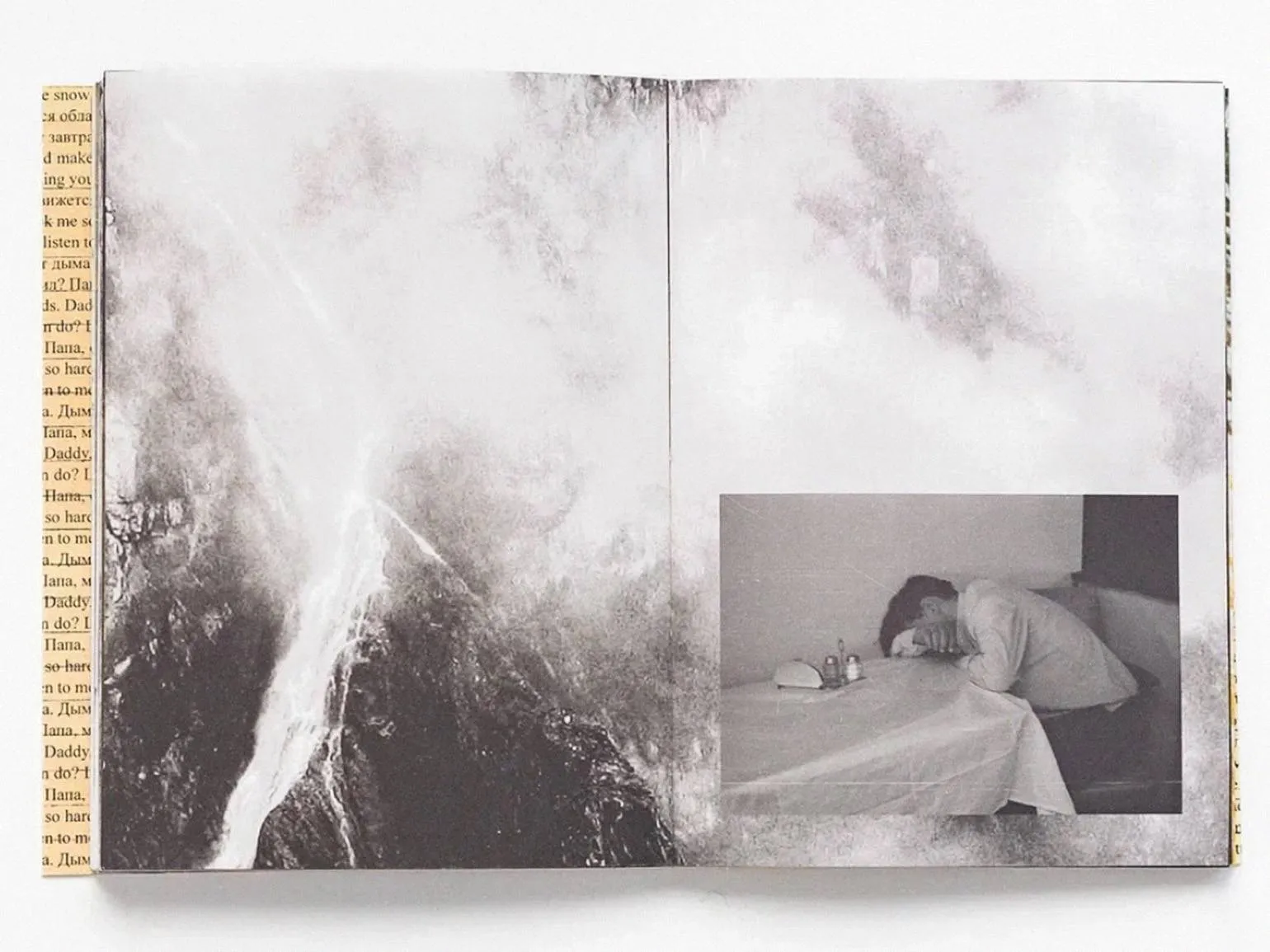
In the book, the past and the present merge: archival and contemporary photographs of three characters are intertwined, creating a unique context of time. Through the interaction of these images, reflecting both moments of togetherness and loneliness, the author raises the question of the fragility of human relationships. The work touches on the topic of social expectations and cultural layers that shape the archetypes of male identity. The author demonstrates how, in the complex realities of life, one can lose touch with oneself and one's true feelings.
The author creates a narrative based on allusions to religious texts and myths: images of destruction are replaced by symbols of redemption, and scenes of emptiness by glimpses of light. Personal experience becomes universal, allowing the reader to more deeply comprehend the themes of hope and rebirth. As a result, the work acquires multilayered elements, where each element serves to convey deep emotional and philosophical meanings.
The photo book explores profound questions about the role of father and son in each other's lives. Fatherhood shapes the son's identity, while for the father, the son is a source of meaning and inspiration. The loss of one of them leads to irreparable consequences: a son without a father loses support, and a father without a son loses his significance in life. The question of whether it is possible to avoid this loss becomes central to the narrative. Ultimately, preserving the memory of loved ones may be the only way to connect their destinies and keep love in their hearts.
The book evokes a sense of anxious uncertainty. It does not provide a clear answer to the question of whether the son is saved and whether the fear is overcome. Perhaps this is its main idea. Both in real life and in the presented photographs, the line between loss and gain becomes blurred. This contrast immerses the reader in the depths of feelings and experiences, forcing them to reflect on the complex aspects of human destiny.
"The Voice of Cold Water"
The study of Lake Ladoga considers it not only as a natural object, but also as a unique ecosystem with living characteristics. This lake, which occupies an important place in the ecology and culture of the region, is home to many species of flora and fauna. The study of Lake Ladoga opens new horizons for understanding its role in the natural balance and its impact on the environment. Analysis of data on water conditions, biodiversity, and ecosystem services allows for a deeper understanding of the importance of this reservoir as a living being interacting with the surrounding world.
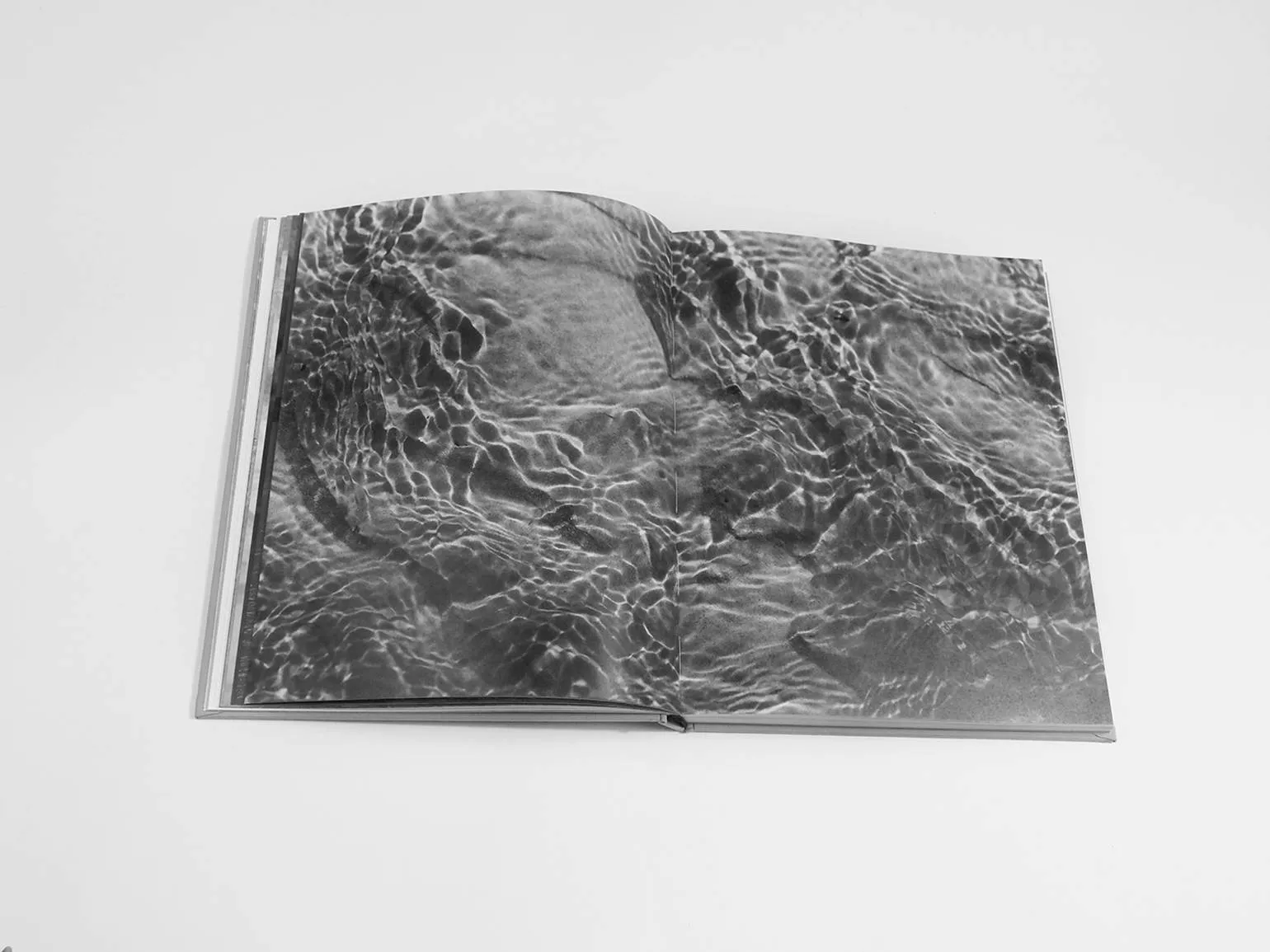
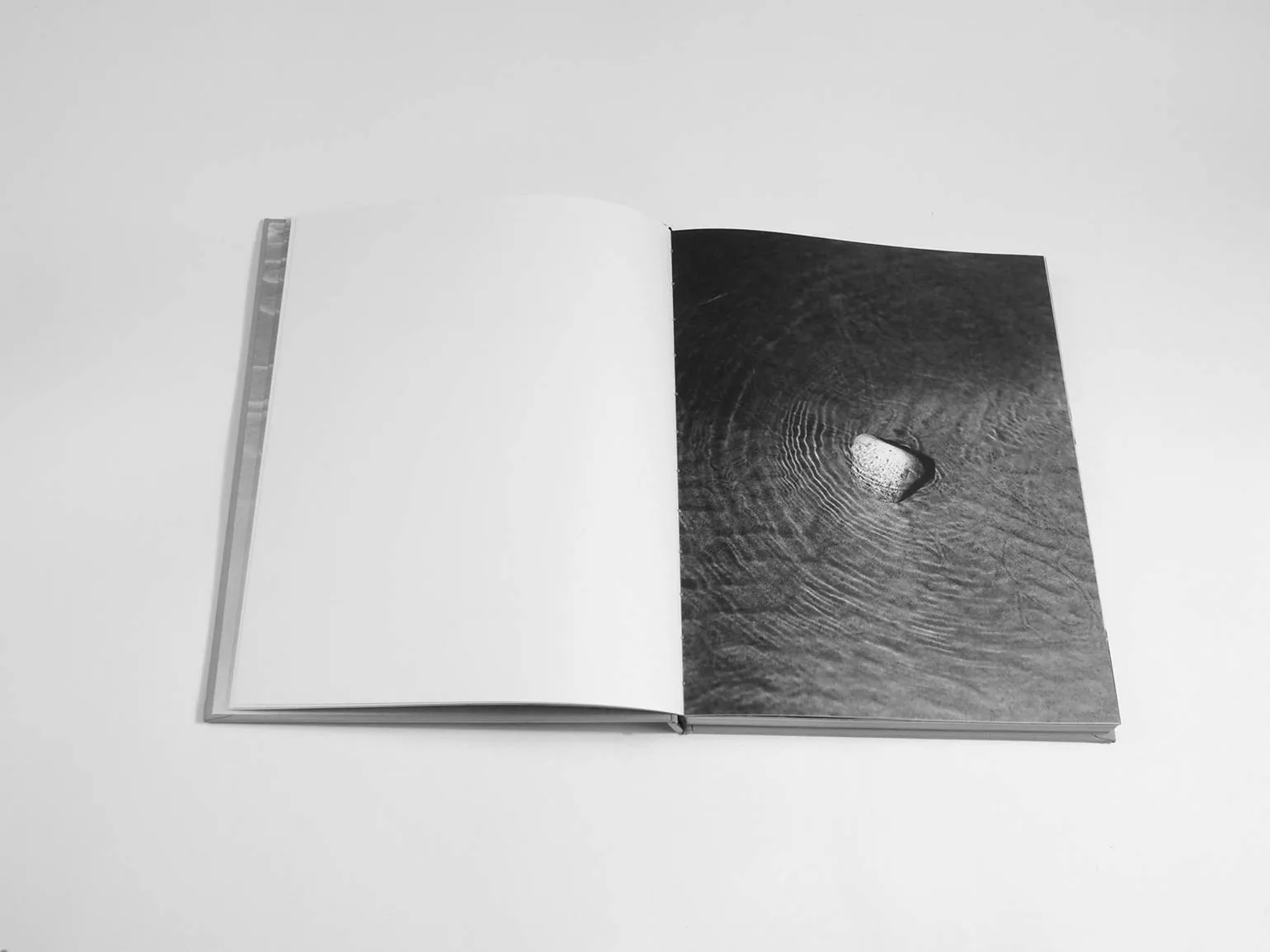
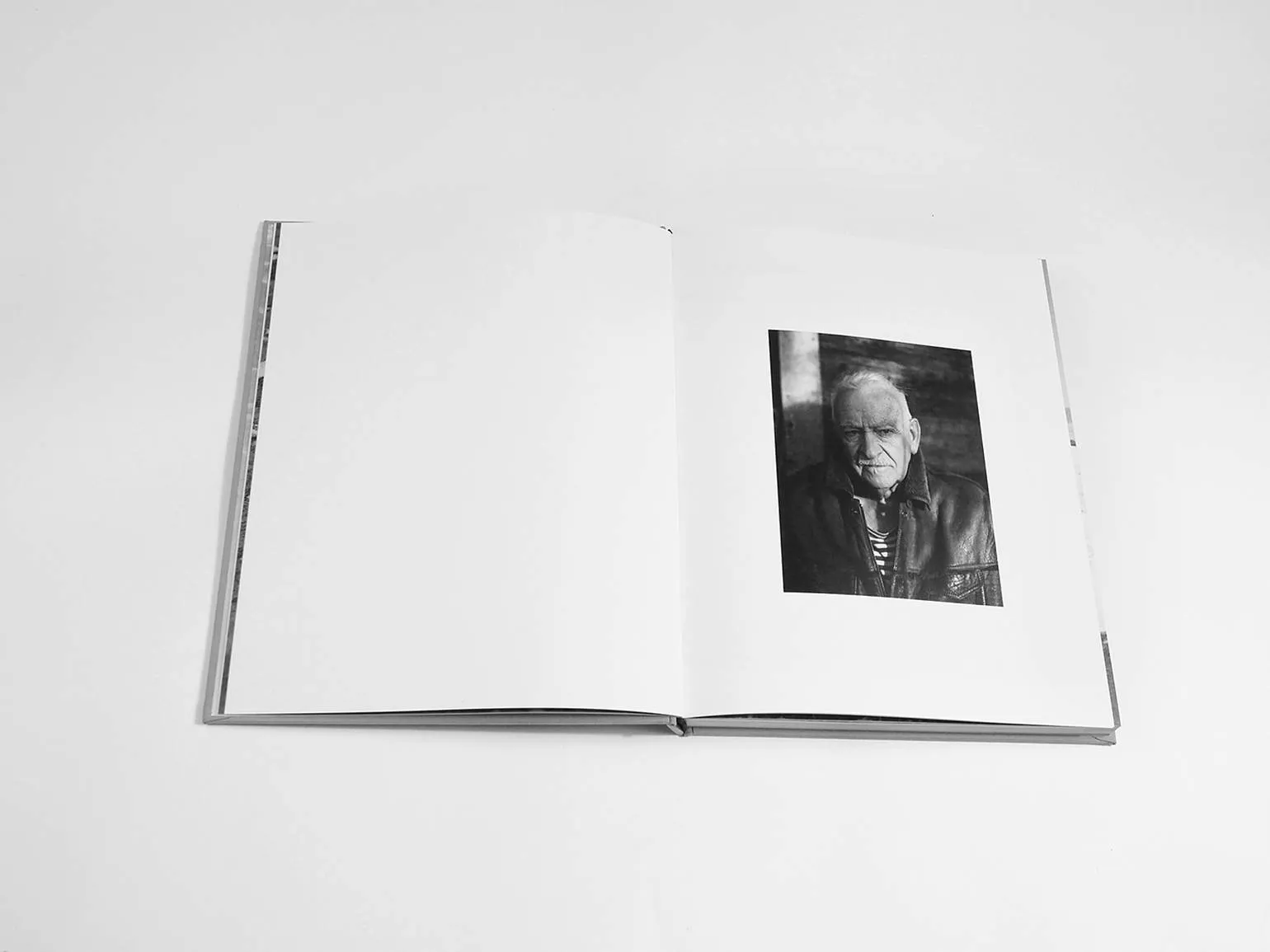
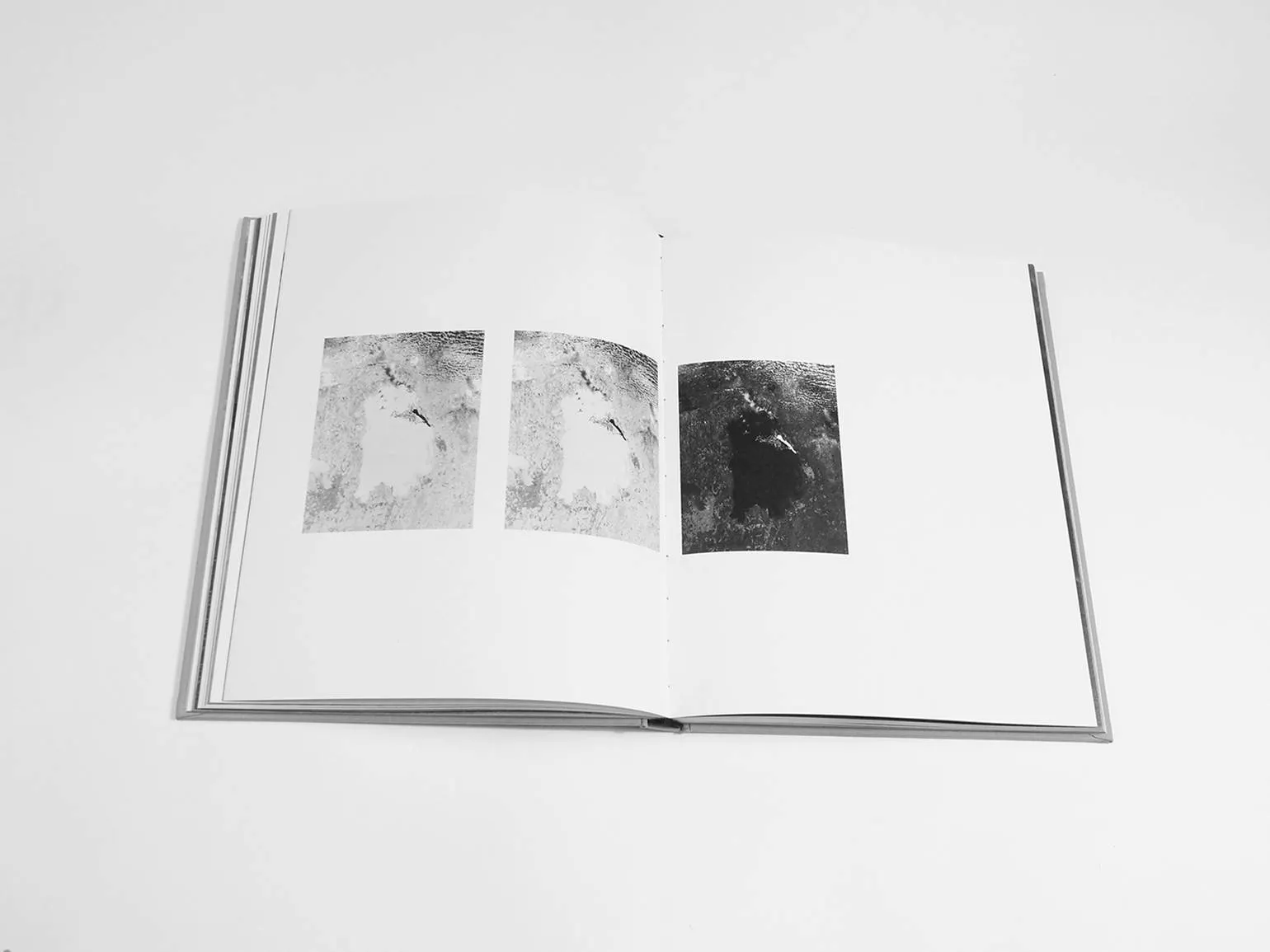
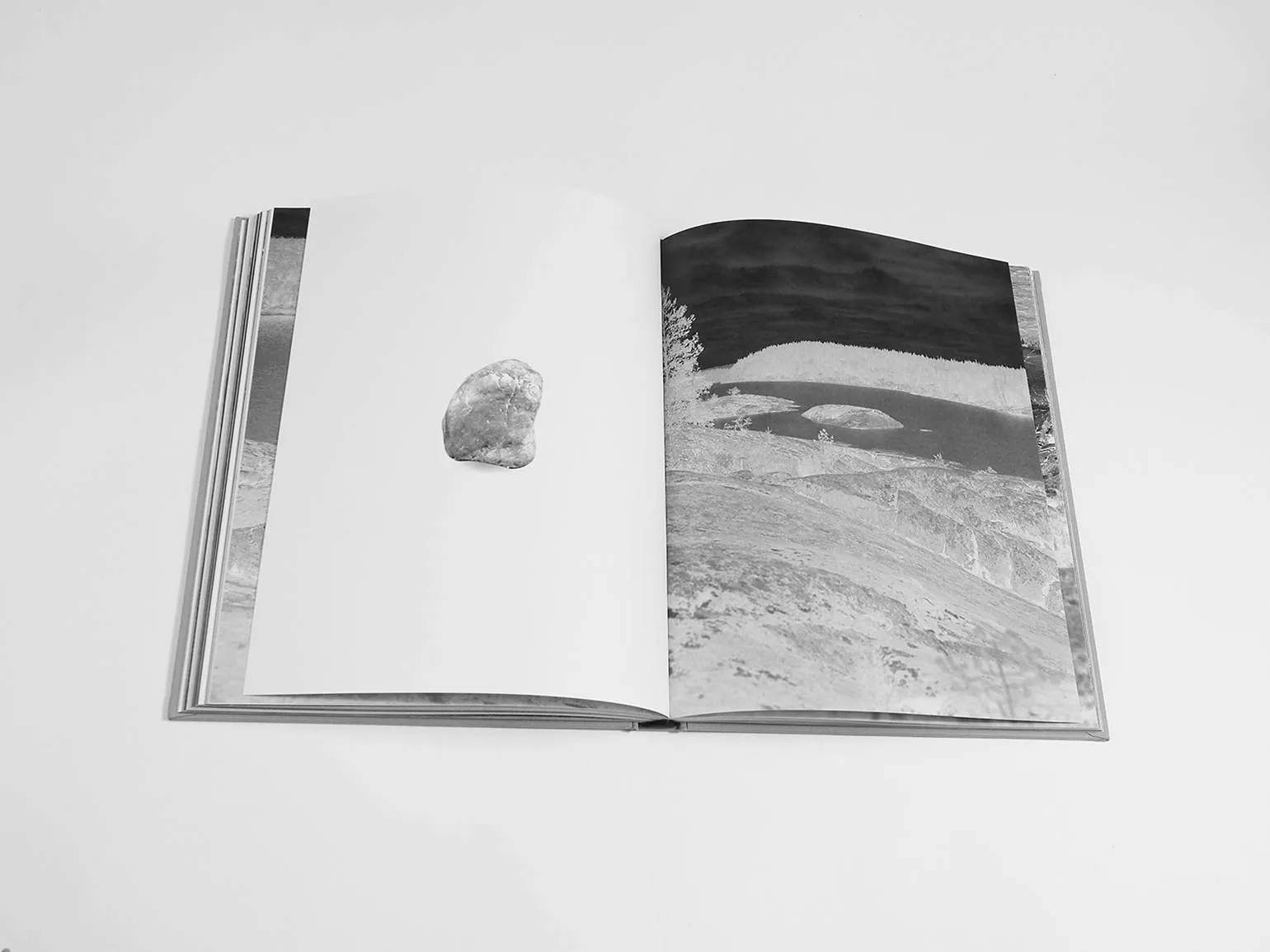
Artist Vika Bukovskaya embarks on a journey to explore the nature and context of a location, and to understand how space shapes human identity. Using a method similar to a road movie, she travels along the shores of a lake, interacting with local residents and studying how their lives intertwine with the natural landscape. In this context, Lake Ladoga becomes more than just a backdrop, but an active participant in shaping the identities of people and the surrounding environment. The landscape shapes human destinies, creating opportunities for deep self-discovery and reflection.
The book devotes significant attention to the archival section, which illuminates the tragic story of the cadets who died in a barge accident on Lake Ladoga. This section contains unique documents and memories that help to better understand the scale of the tragedy and its impact on people's lives.
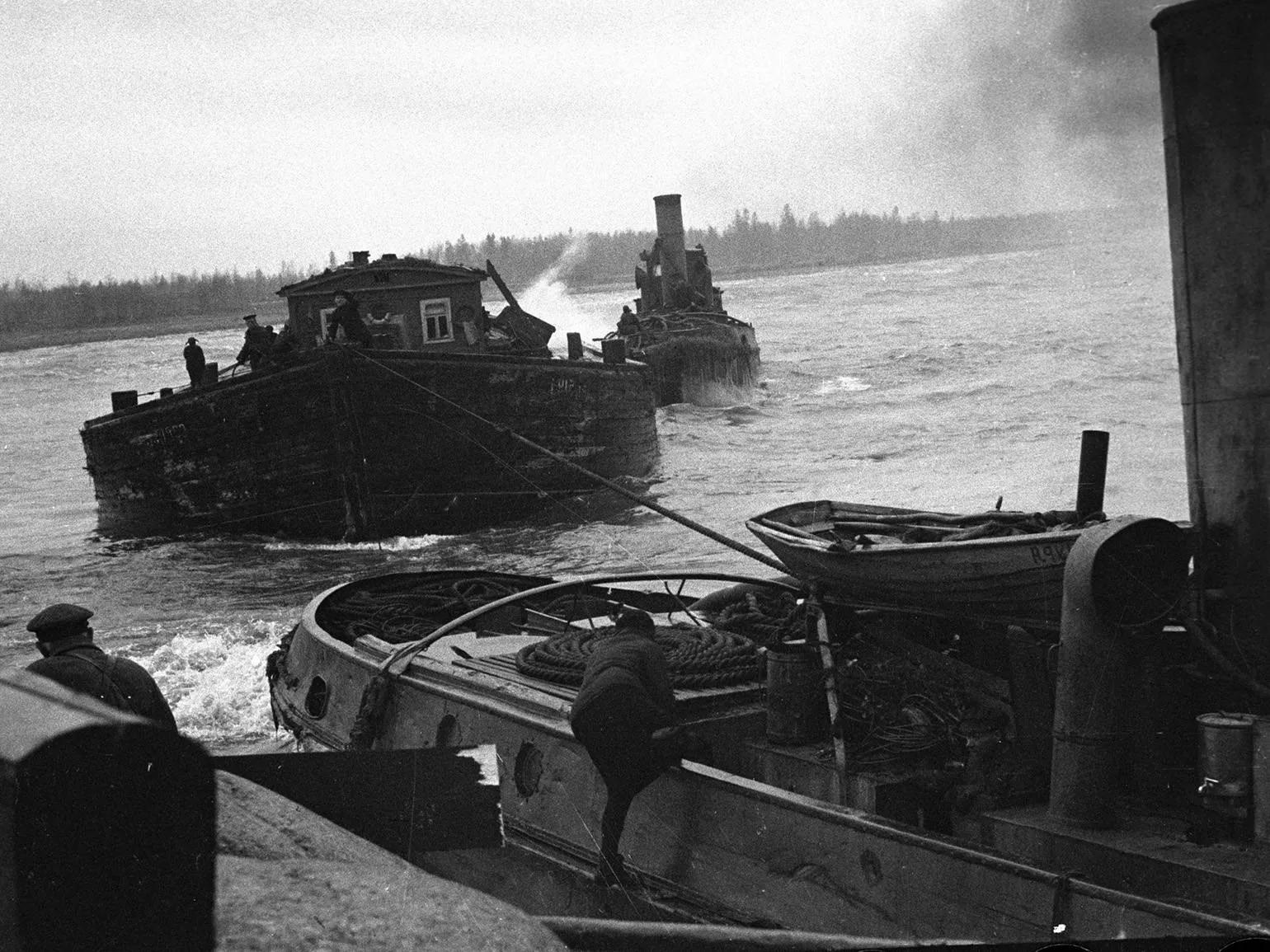
Archival photographs combined with contemporary landscape shots illustrate how war affects the lives of different generations. These visual contrasts highlight the changes that have occurred over time and reflect the impact of military conflicts on society and nature.
"The Voice of Cold Water" is a philosophical reflection on the nature of space. In this context, timelessness takes on the concrete outlines of the present. The eternal and the momentary, the archaic and the modern enter into a subtle dialogue, enriching the space with new meanings and profound interpretations. This work explores how different layers of time interact with each other and shape our perception of the world, emphasizing the importance of each moment in the context of infinity.
"Light in the Shadow of the Past"
Victoria Alexandrova's photo book "Light in the Shadow of the Past" offers readers a unique opportunity to explore the streets of Tkuarchal, a small town in Abkhazia. Founded in 1942, Tkuarchal was an important industrial center during Soviet times, renowned for its coal mines. However, as a result of the Georgian-Abkhaz conflict of 1992–1993, the city suffered severe losses and lost a significant portion of its population. Today, Tkuarchal is often referred to as a "ghost town," but this metaphor conceals a deep and multilayered history. Victoria Alexandrova's photo book not only documents forgotten corners of the city but also restores the memory of its past, allowing the reader to understand how history and modernity are intertwined in this place.
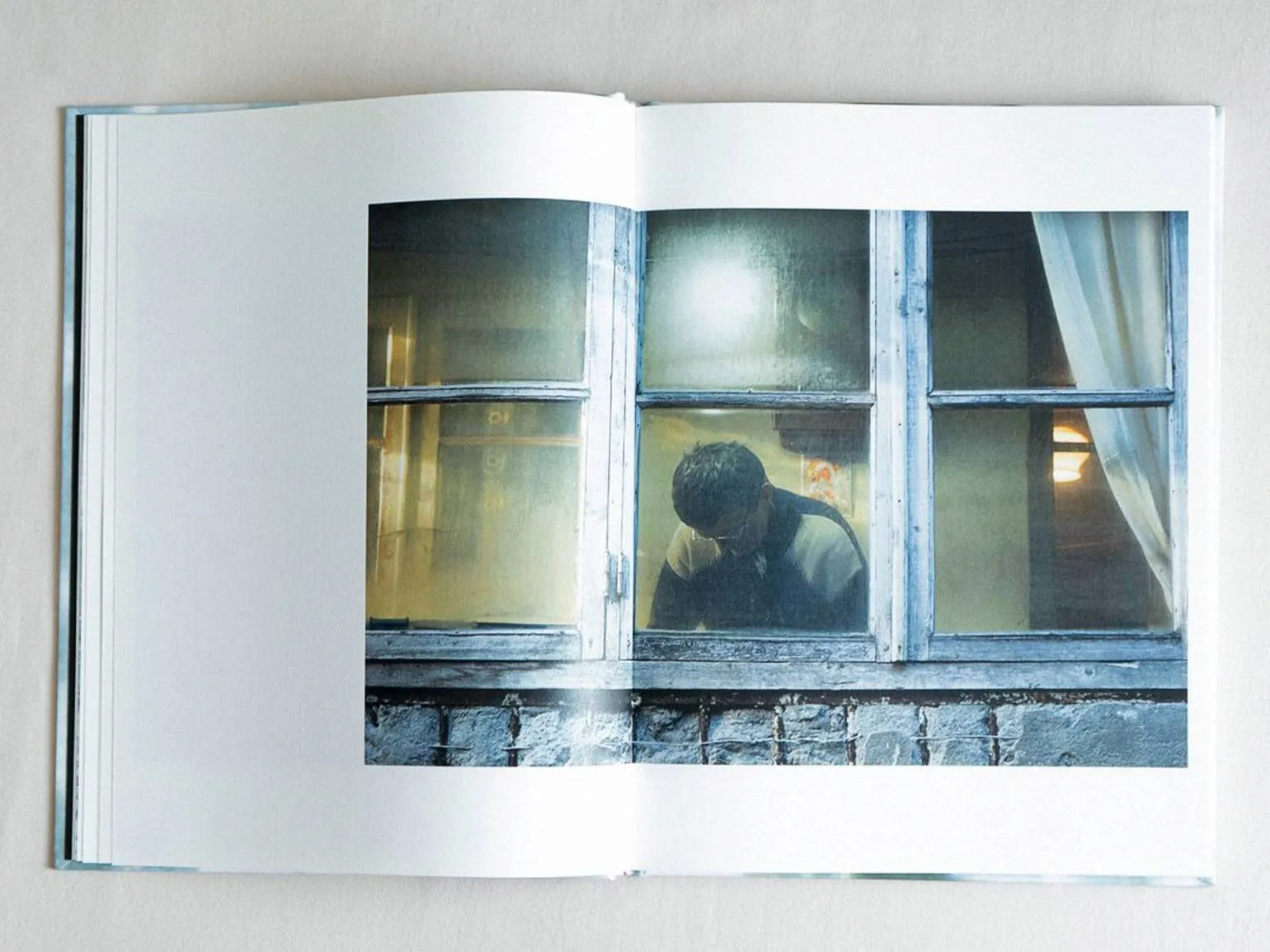
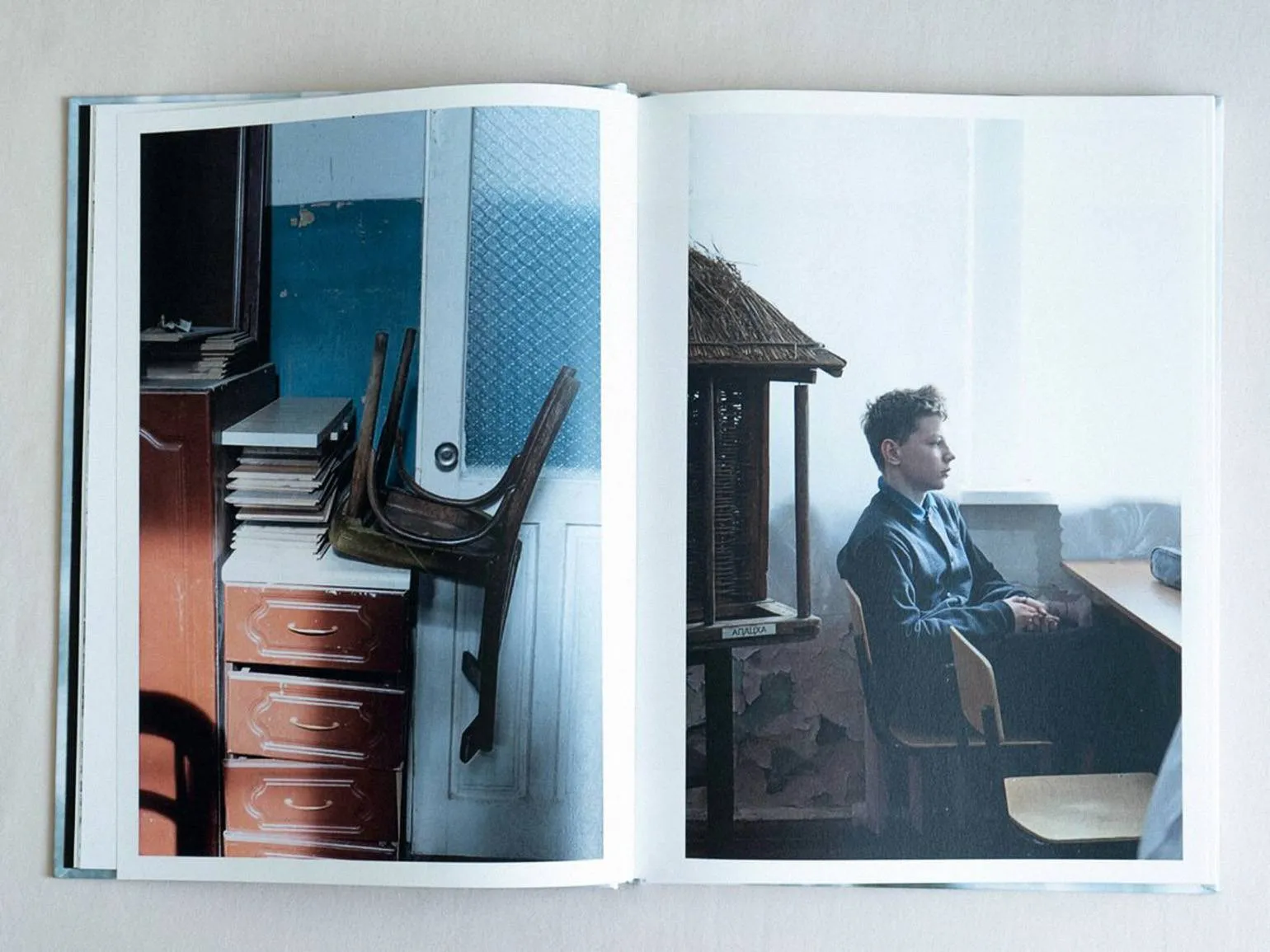
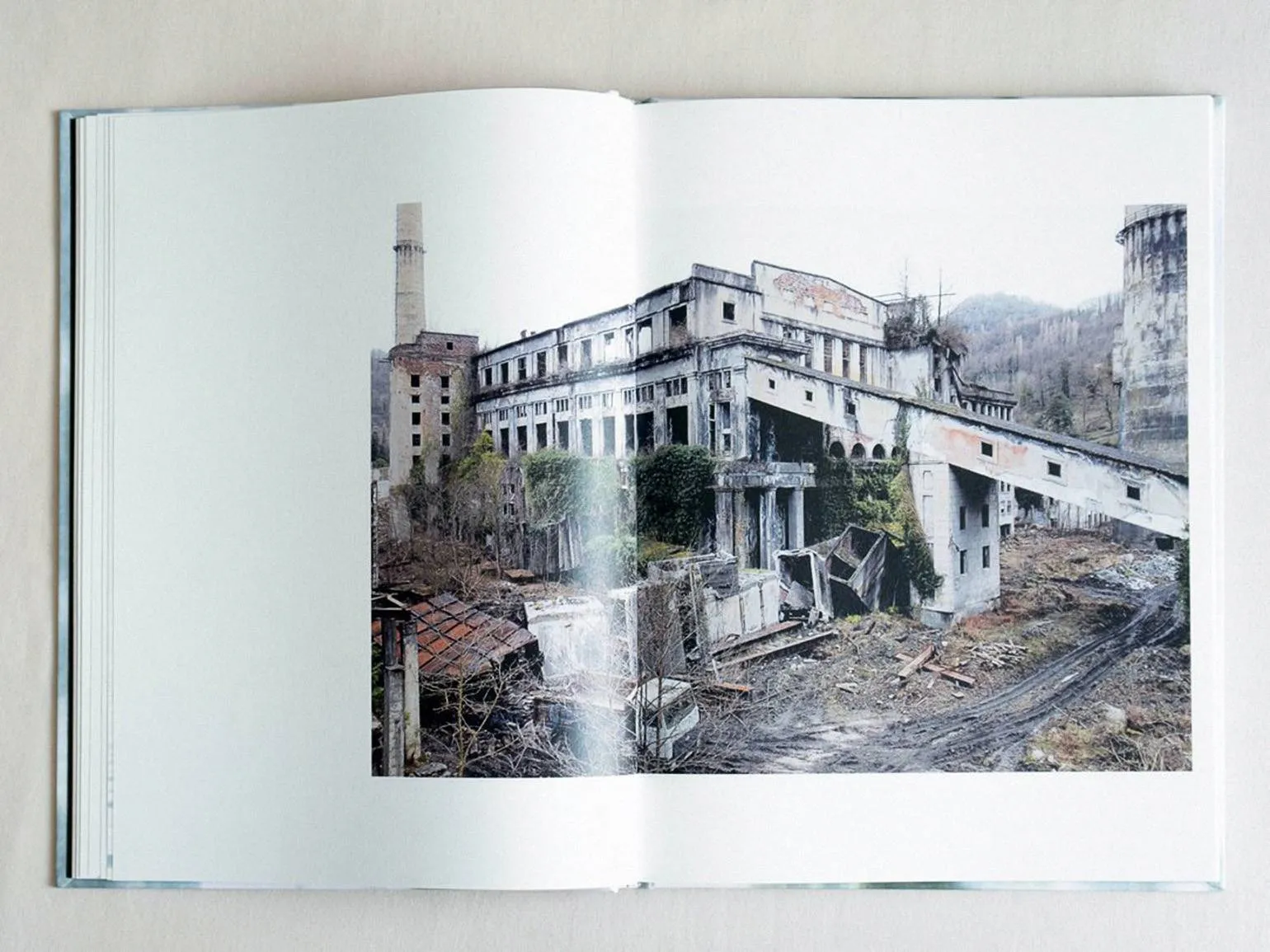
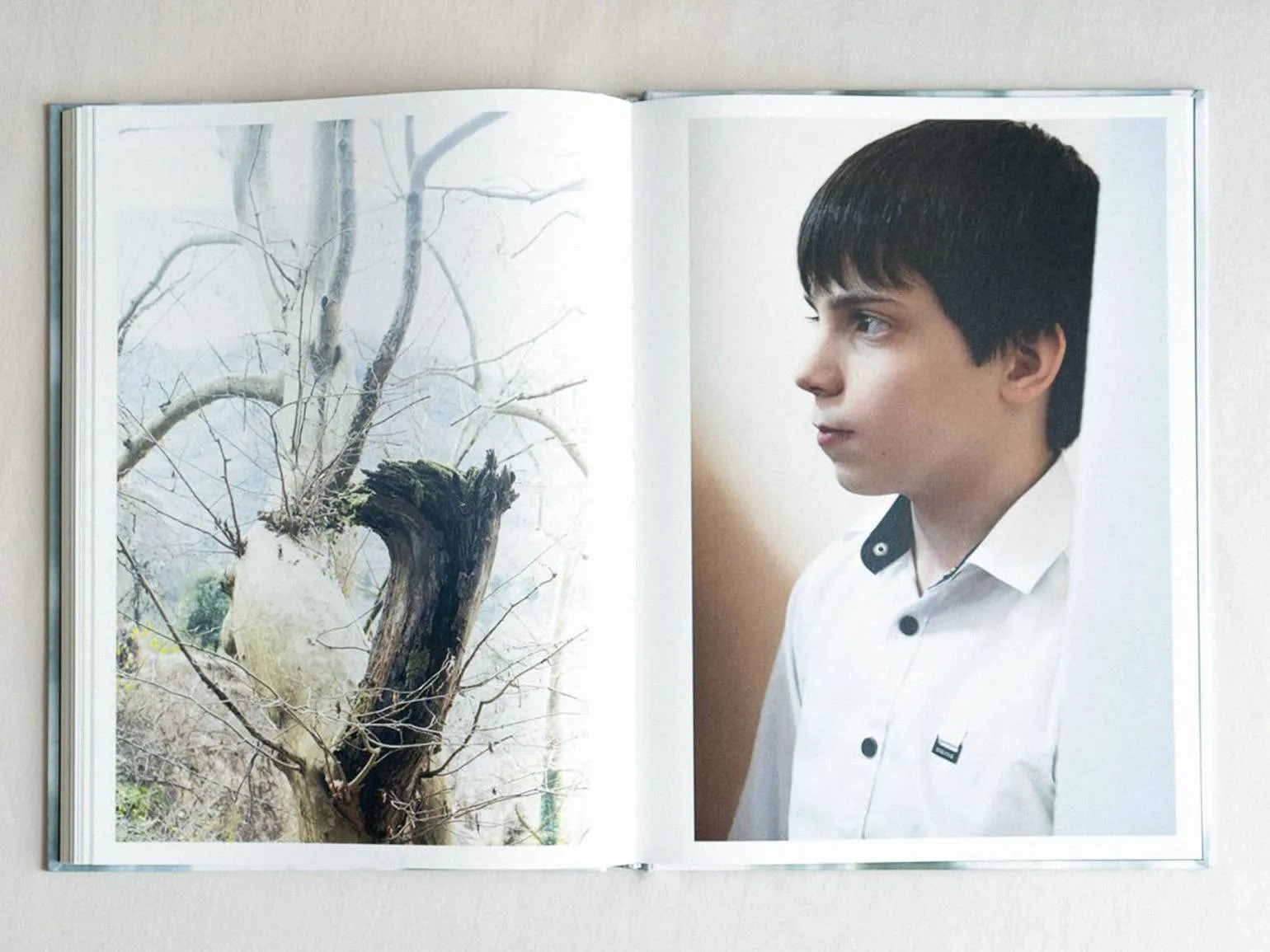
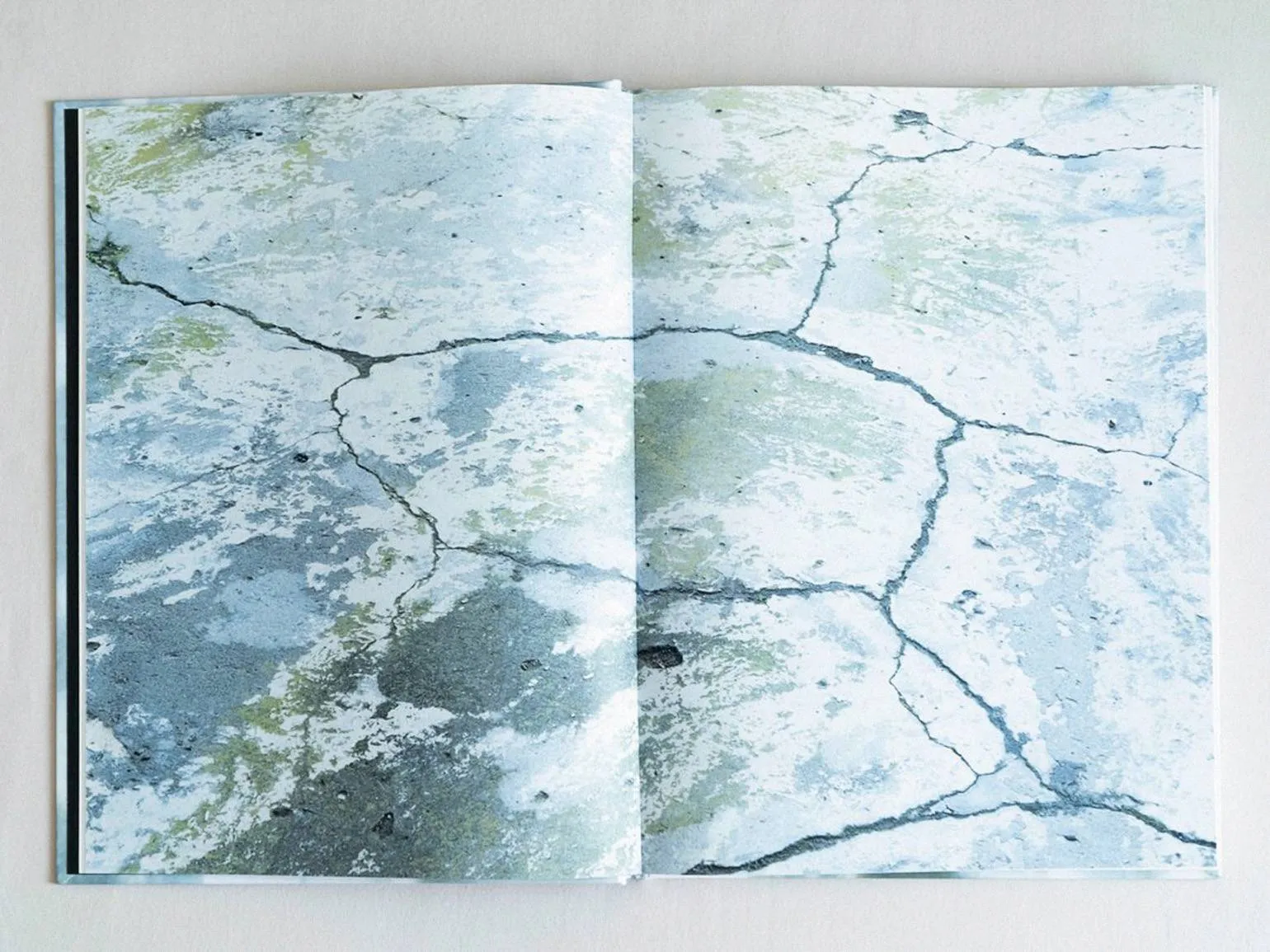
The photo book offers profound insight into current events, revealing the tragedy caused by geopolitical conflict. The photographs help us understand how the devastation wrought by war and economic decline impacts people's lives and changes the surrounding space. The scars of war are visible on the dilapidated facades of buildings and the tarnished glass of windows, but in these same details one can see light—a symbol of human resilience and resilience. Surrounded by majestic mountain landscapes, the city is in harmony with nature. Its residents, despite their losses, continue to find support and inspiration in it. The photo book becomes an important document that not only records the aftermath of the conflict but also shows how people rebuild their lives through adversity.
Tkuarchal preserves its history, and the title of the book embodies the belief that life goes on. This city, despite its tragic past and the uncertainty of the present, remains in the hearts of people who continue to love it. Tkuarchal is not just a place on the map; it is a symbol of hope and memory that inspires new achievements and strengthens the connection with traditions.
Gen Z / «Generation Z»
Alexander Veryovkin's photo book explores the themes of youth and masculinity in a modern context. It shows how traditional ideas about masculinity, associated with strength and aggression, are gradually changing. They are being replaced by a more flexible, vulnerable, and open type of masculinity. In his photographs of young men, the author avoids idealization; Their confusion and uncertainty become important aspects of their identity. This work highlights how new ideas about masculinity influence the self-perception of young men in contemporary society.
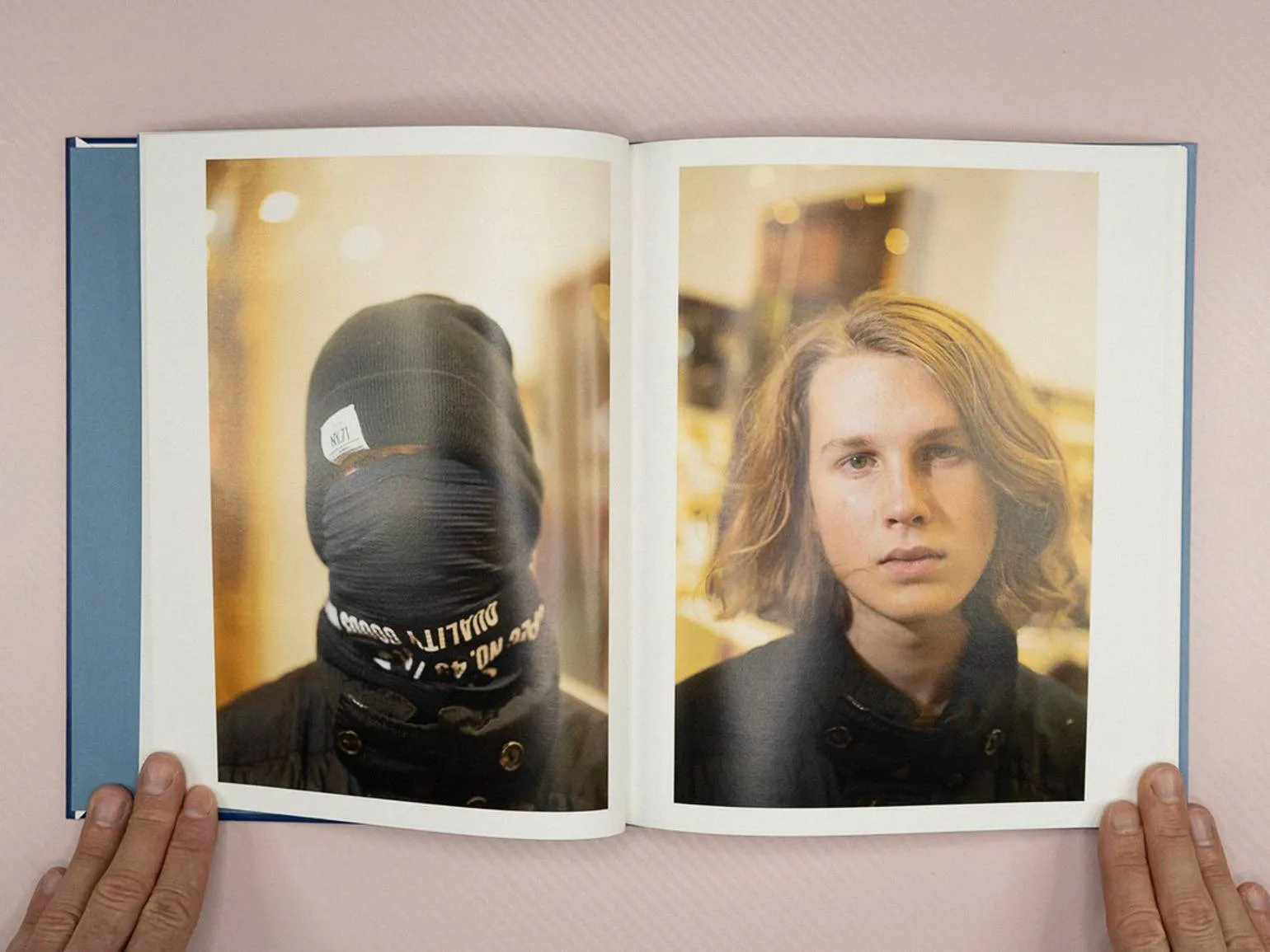
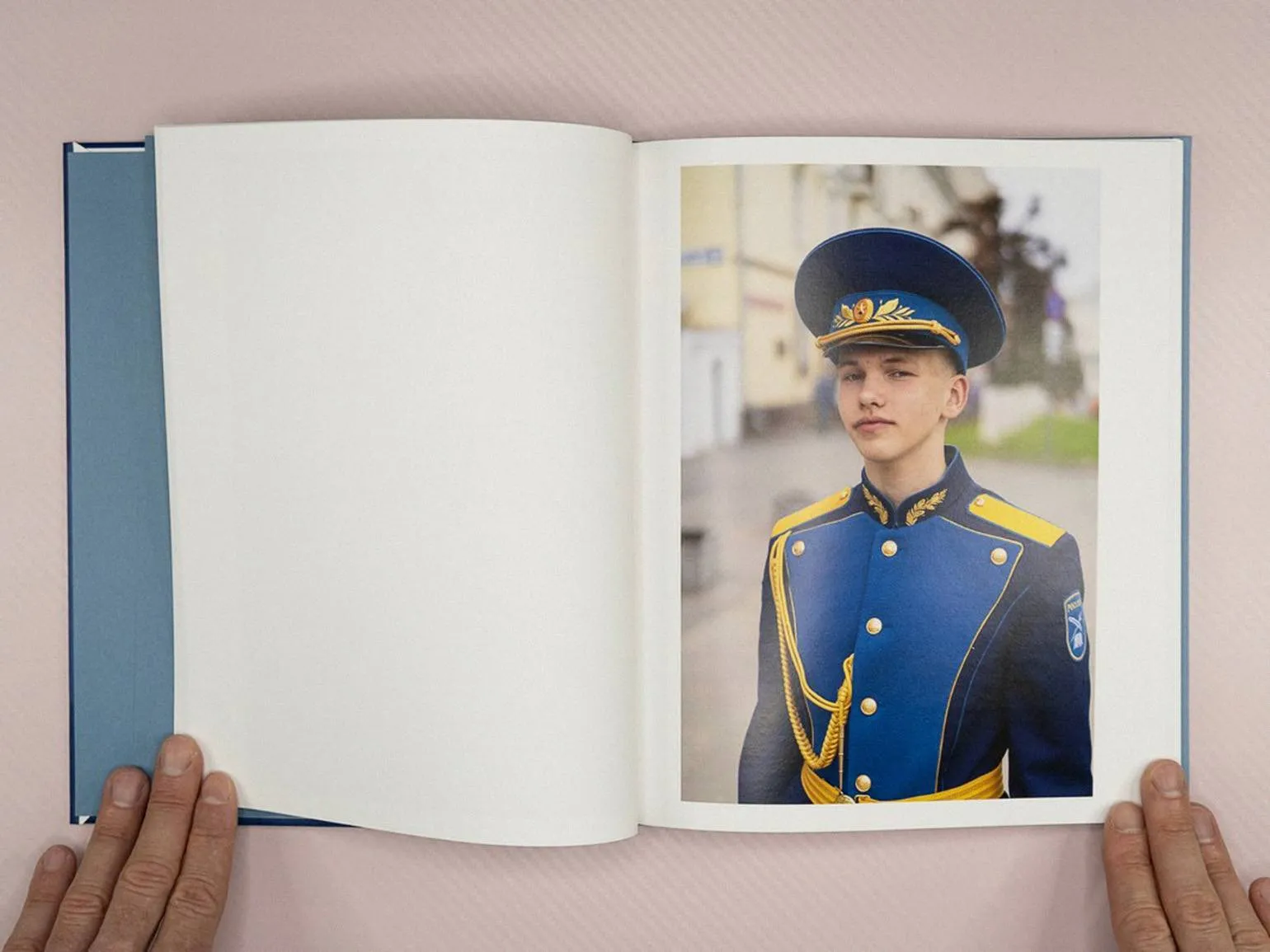
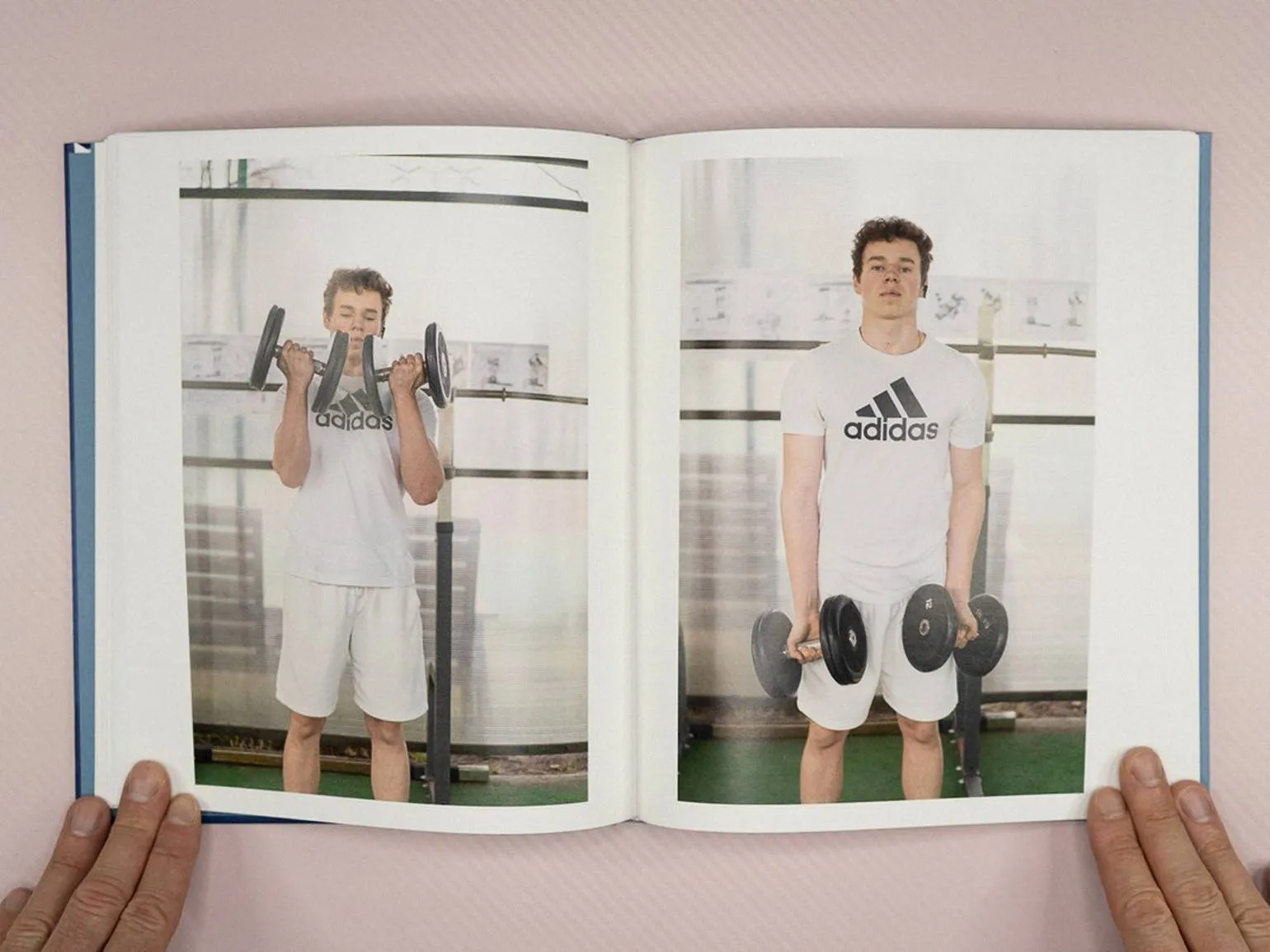
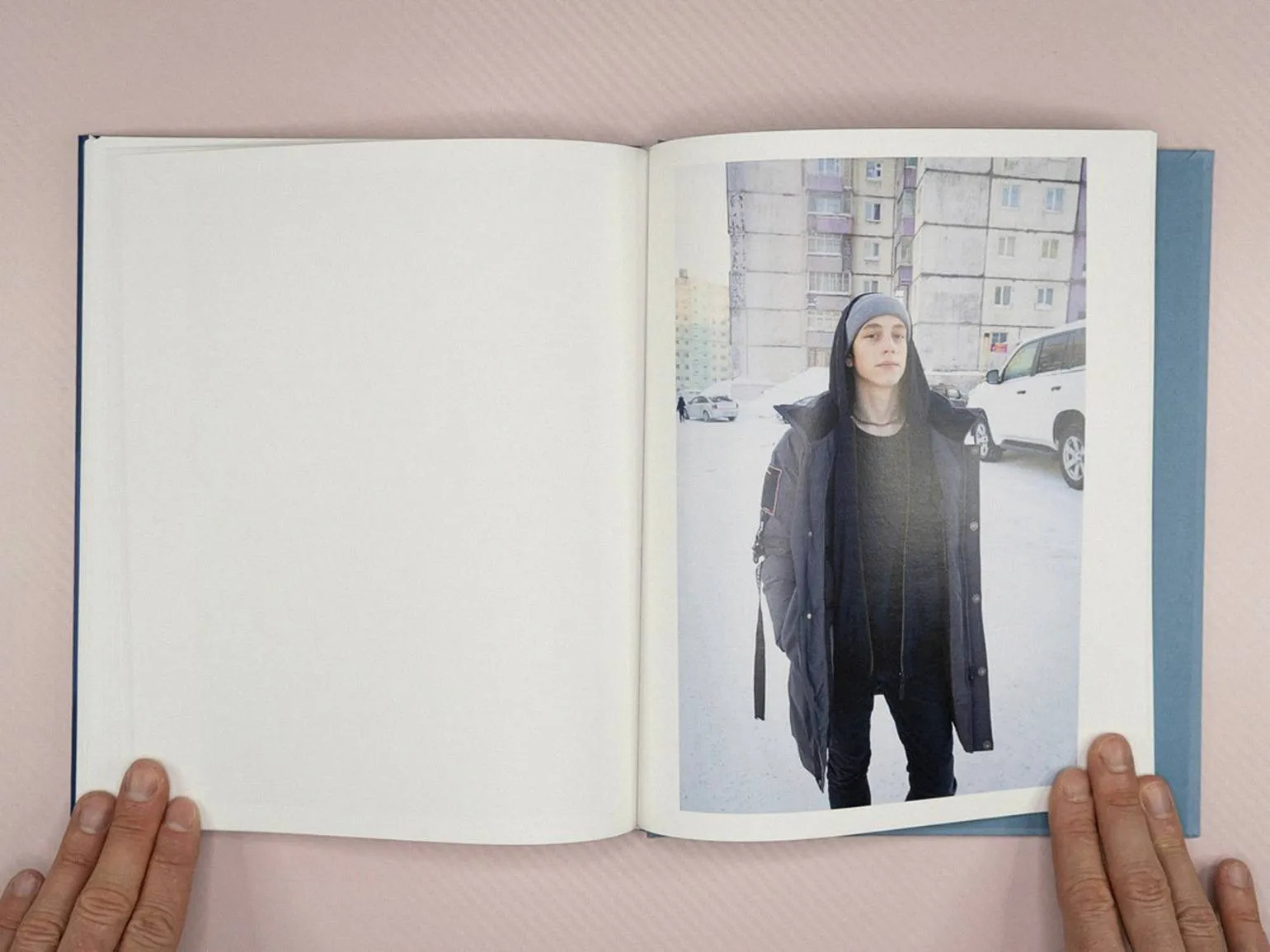
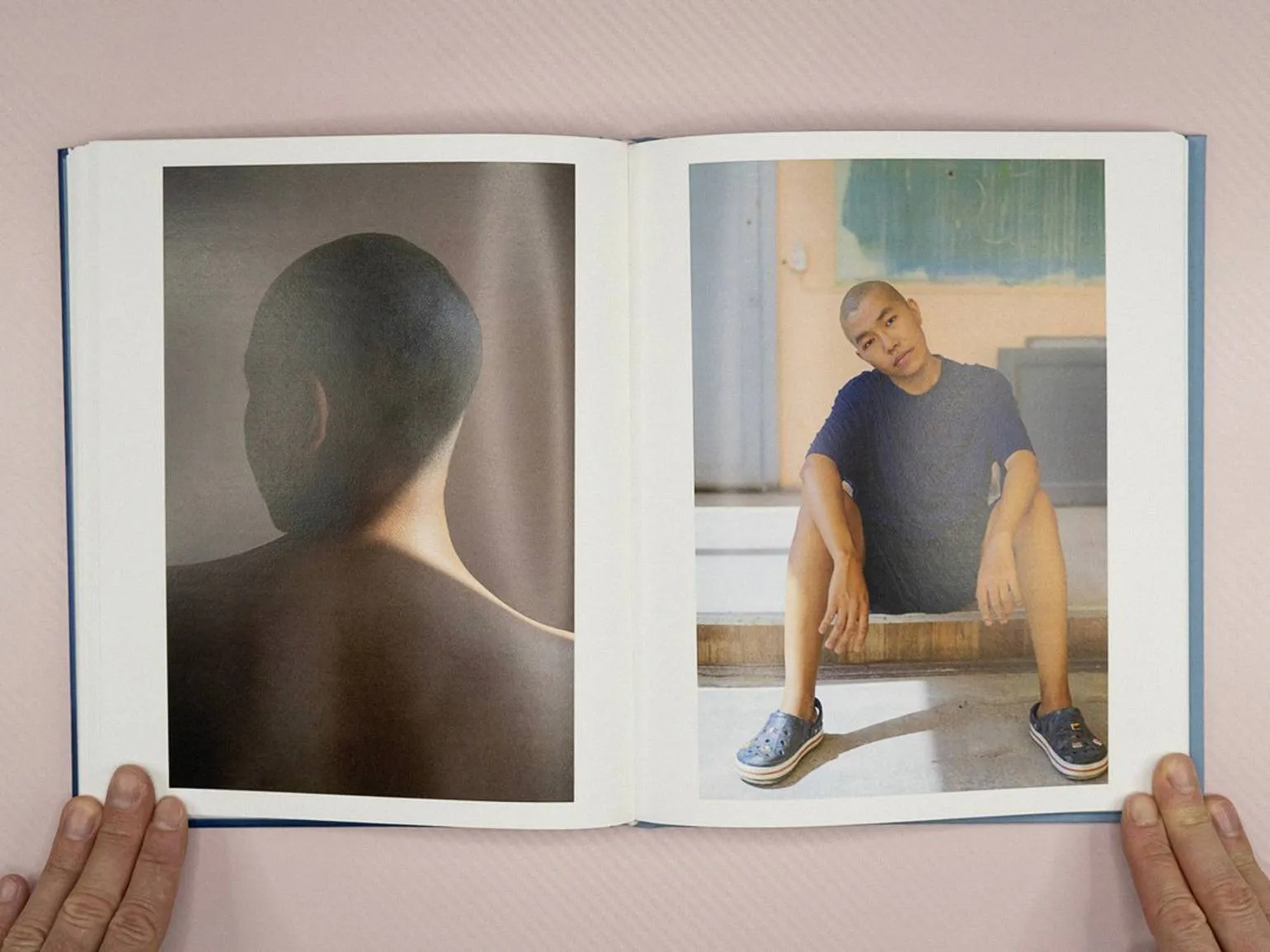
Generation Z includes people born from the mid-1990s to the early 2010s. This generation grew up in an environment of rapid development of digital technologies, the Internet and social networks, which significantly influenced their multitasking skills and the speed of information perception. External factors such as globalization and access to information, as well as important discussions about gender equality, inclusivity, and vulnerability, have led to a shift in the perception of masculinity in Russia. The rejection of outdated stereotypes opens up new opportunities for men to express themselves, allowing them to move beyond traditional notions of masculinity. Thus, Generation Z is becoming more open and flexible in matters of identity and self-expression.
The author of the portraits, focusing on the emotional state of her models, not only explores each subject individually but also creates a holistic picture of the transformations in modern society through a collection of images. Each portrait becomes an element in a broader mosaic of changes, reflecting new forms of masculinity in which vulnerability and inner exploration occupy a central place. This art not only tells individual stories but also highlights the importance of emotional openness in the modern world, facilitating discussion of pressing social issues.
Reworked text:
Also explore:
Creating a photo book or zine yourself is a fun and creative process that allows you to preserve memories or share your ideas with others. To make a photo book, start by choosing a theme and collecting the photos you want to use. These could be family moments, travels, or art projects.
Next, decide on the format of your photo book: it can be either printed or digital. Choose the right design tool: this could be specialized software or online services that offer templates and editing options. When creating the layout, consider the composition, color palette, and fonts to ensure your project looks harmonious.
If you're creating a zine, focus on the content: the text, images, and graphics should be cohesive and convey your idea. Determine the size and number of pages, and use creative elements like collages or illustrations to make your zine more appealing.
Don't forget about printing and design: choose high-quality paper and a cover to give your photo book or zine a professional look. Ultimately, by making a photo book or zine yourself, you're not only preserving memories, but also creating a unique product you can proudly display to friends and family.
Profession Photographer
You will learn to take professional photos from scratch. You will learn how to organize shoots, process shots, manage models and a team. Find your style, build an impressive portfolio, and start making money doing what you love.
Find out more