Contents:
According to public auction data, the highest prices for photographs created in the 21st century are set by the works of certain artists. In this text, we will consider what exactly attracts collectors and what they are willing to pay significant sums for.
A Telegram channel for photography enthusiasts. Here you will find interesting tips, inspiration, and ideas for shooting. Join a community of like-minded people, share your work, and receive feedback. Learn about new trends in photography and learn from experienced masters. The channel will be an excellent source of knowledge and opportunities to develop your photography skills.
If you're interested in how diverse literature can be, subscribe to our resource. We publish the works of talented Russian authors, track global literary competitions, and share creative life hacks from professionals. Stay with us and immerse yourself in a world of fascinating stories and useful tips.
This Dispassionate World
German photographer Andreas Gursky, whose works occupy top positions in the list of the most expensive photographs in the world, lives and works in Düsseldorf. This geographical location plays a significant role in his work. To understand what made Gursky one of the highest-paid artists of the 21st century, it is necessary to look at his history and development over several decades.
In the 1970s and 1980s, conceptual photographer Bernd Becher taught at the Düsseldorf Academy of Fine Arts. He and his wife, Hilla, gained fame for their black-and-white series of photographs of industrial sites in Germany and their objective approach to photography. This style of work became the basis for new directions in photography, including a new movement known as the New Dispassionate, which was actively developed by their students. One of the outstanding representatives of this movement was Andreas Gursky, who continued the tradition of Becher and made a significant contribution to contemporary photography.
A neutral view of the subject, even lighting, and the absence of expressive emotion, or Narrative, in the frame are key characteristics of the new style of dispassionate photography. This approach emphasizes the purity of forms and textures, allowing the viewer to focus on the visual aspects of the image without distracting details. Dispassion in photography opens new horizons for interpretation, allowing each viewer to create their own perception of what they see. Early in his career, Gursky pursued a documentary style of photography, but soon became a pioneer in the use of digital technology for image manipulation. Through digital manipulation, he creates an "exaggerated" reality, presenting it in the form he desires. Using photomontage, Gursky combines several shots taken from the same vantage point at different times into a single whole. The result is his famous works depicting human anthills, which immerse the viewer in a unique visual atmosphere.
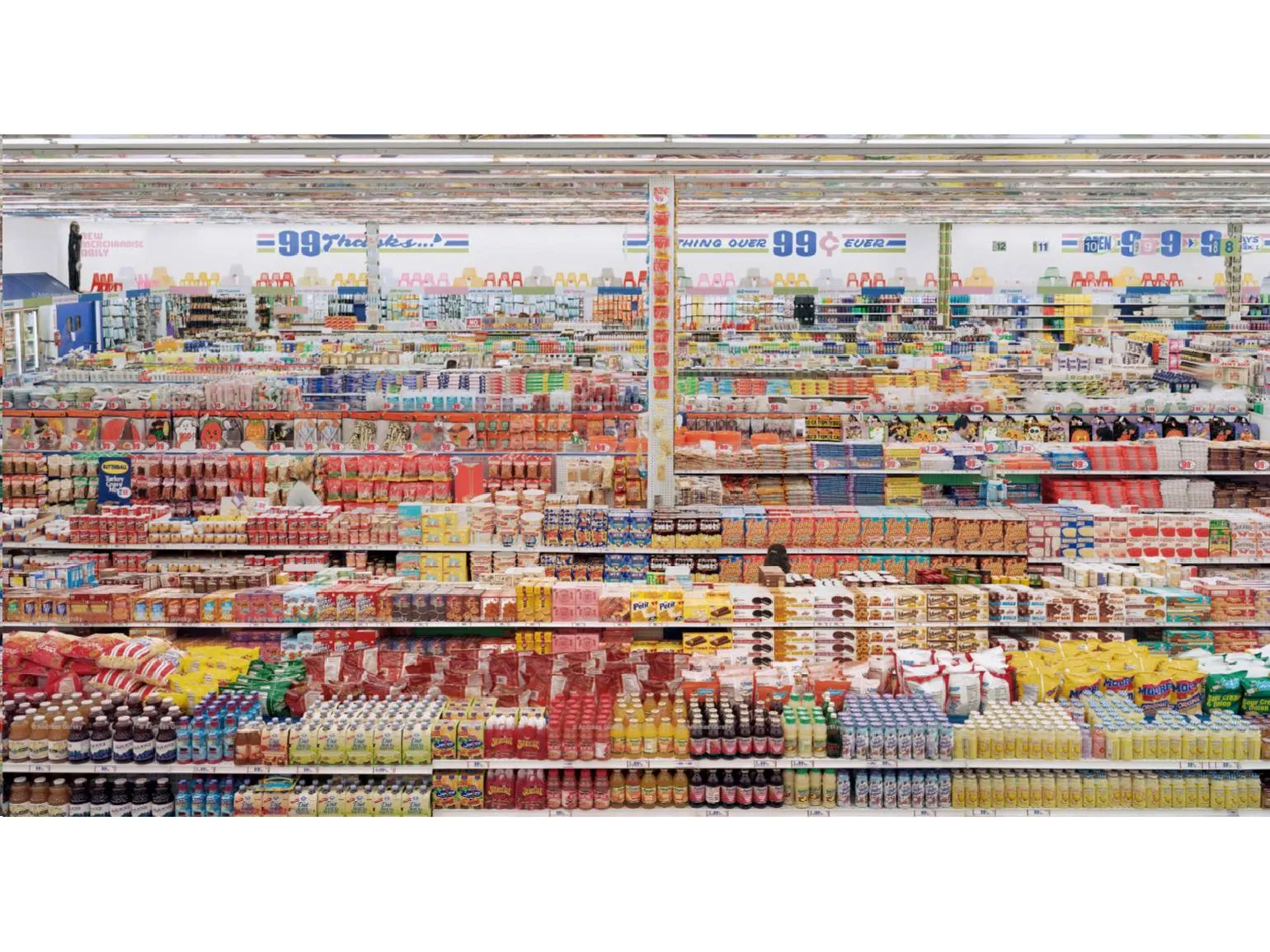
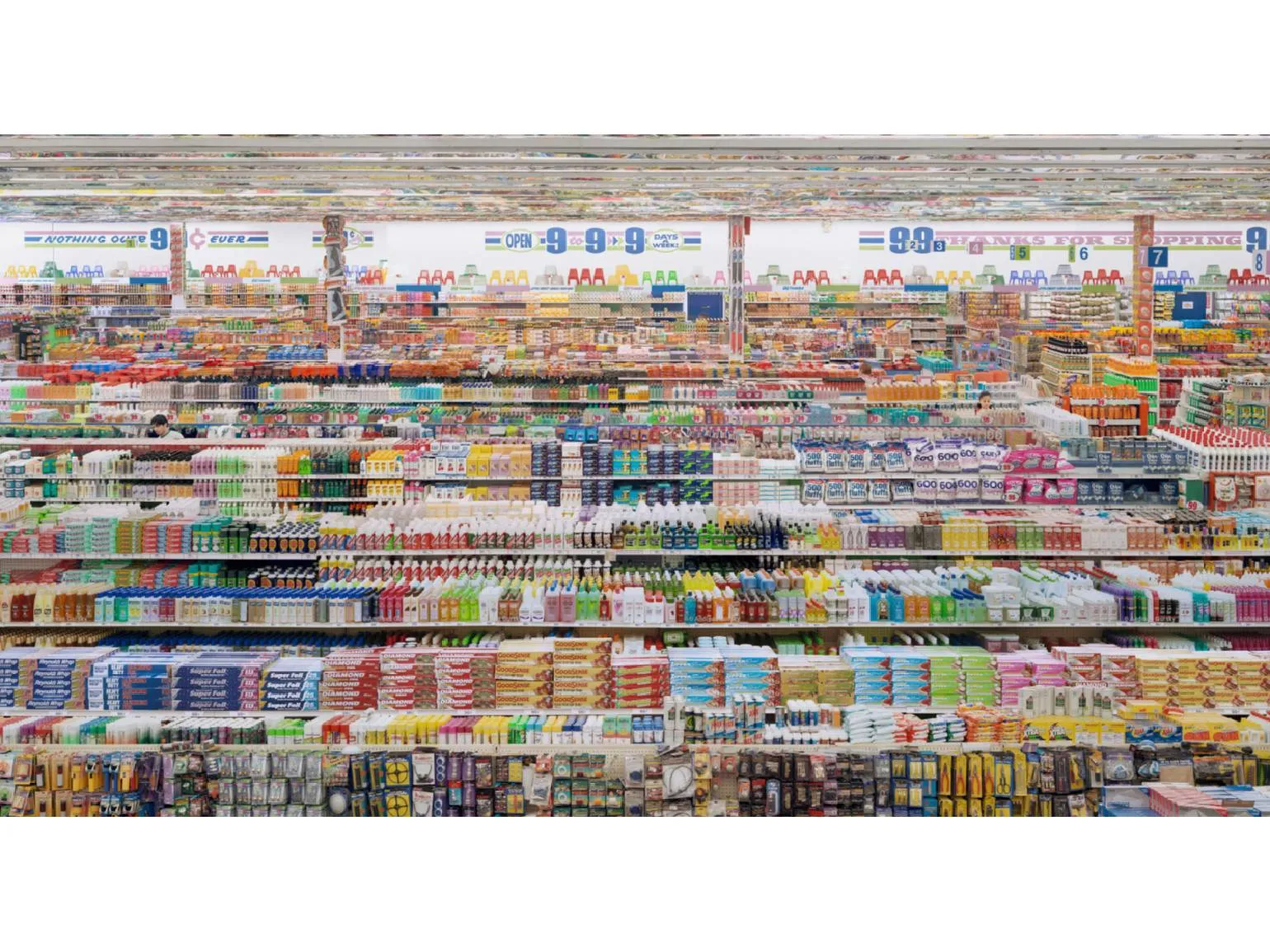
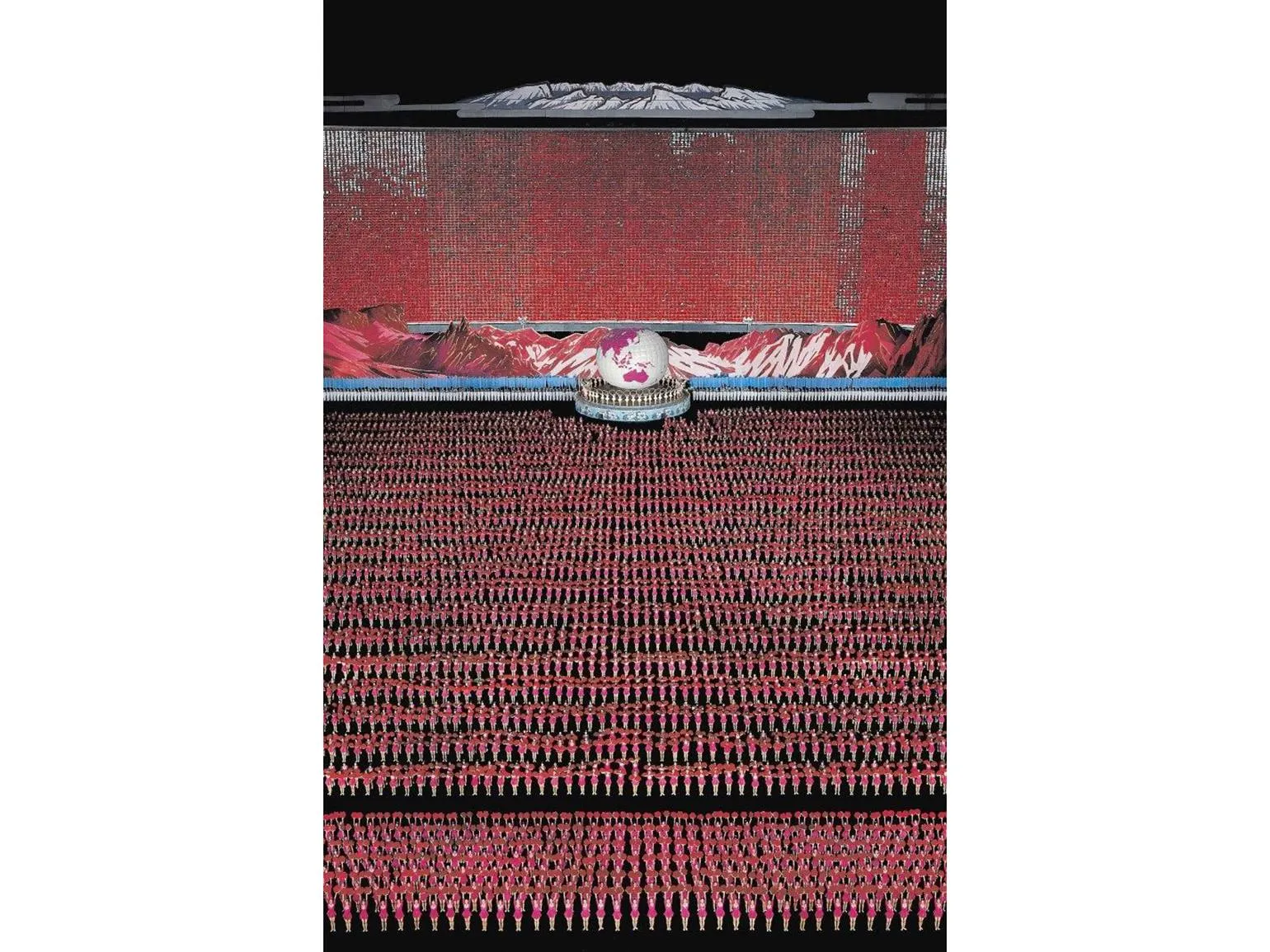
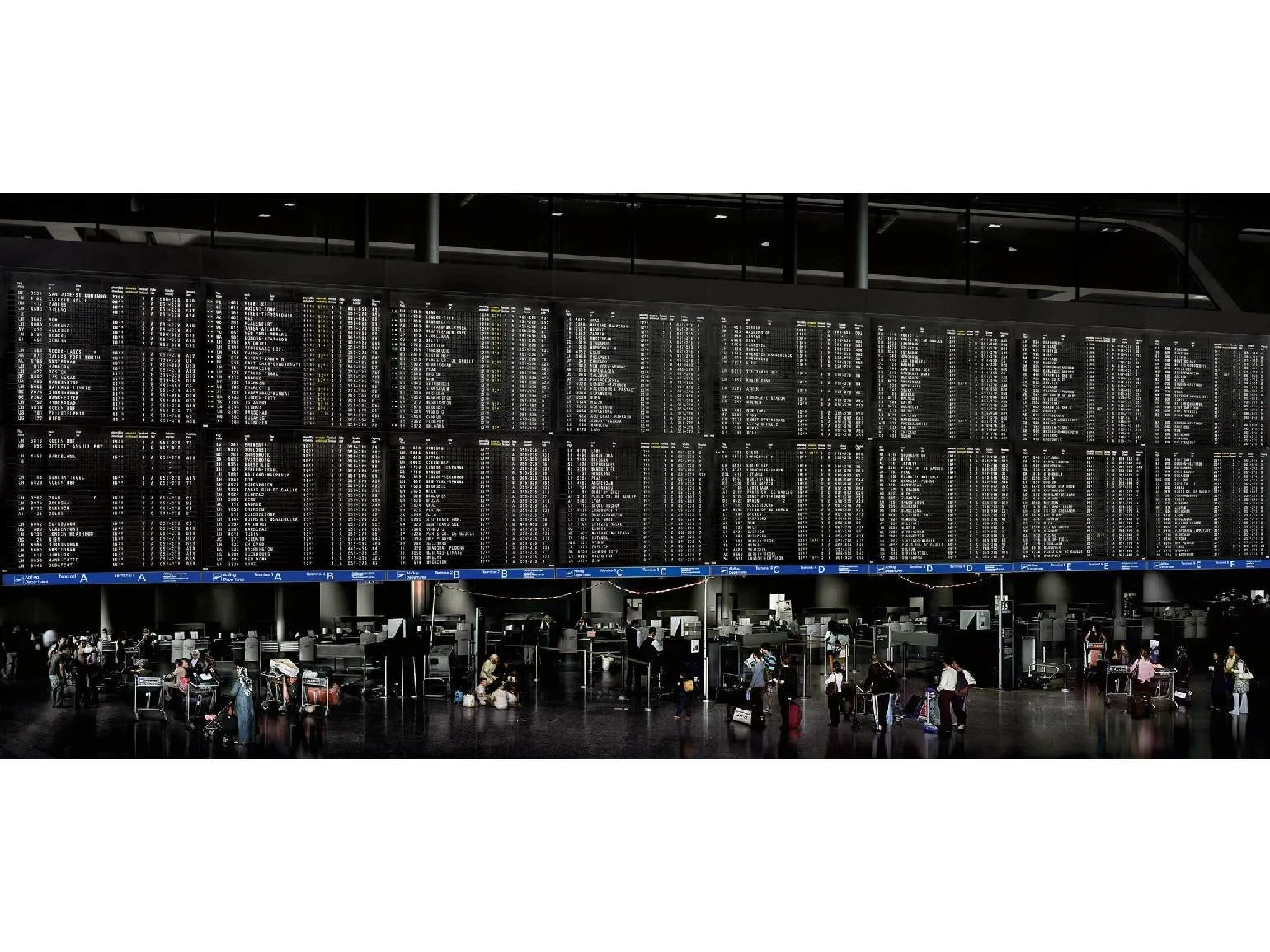
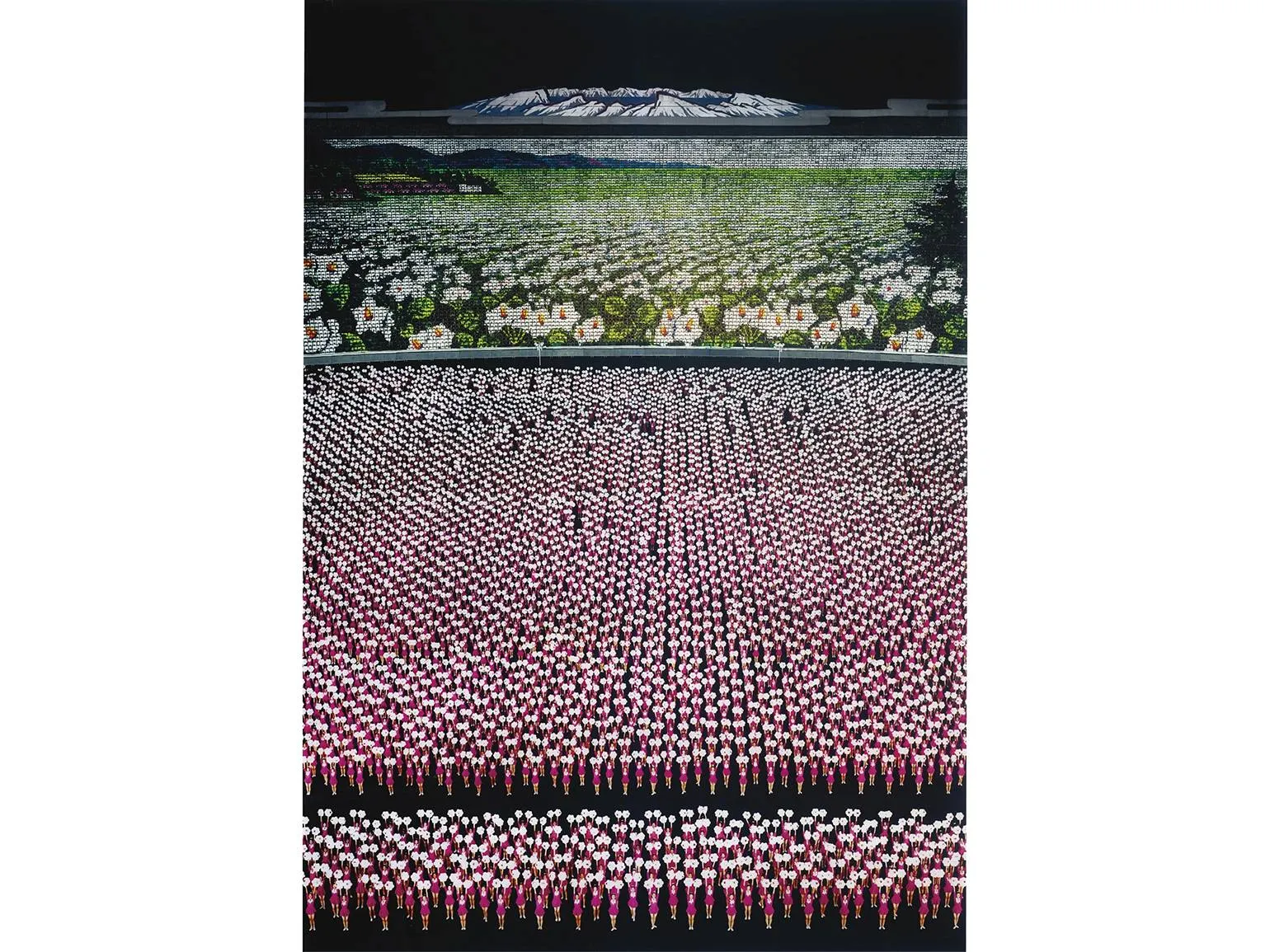
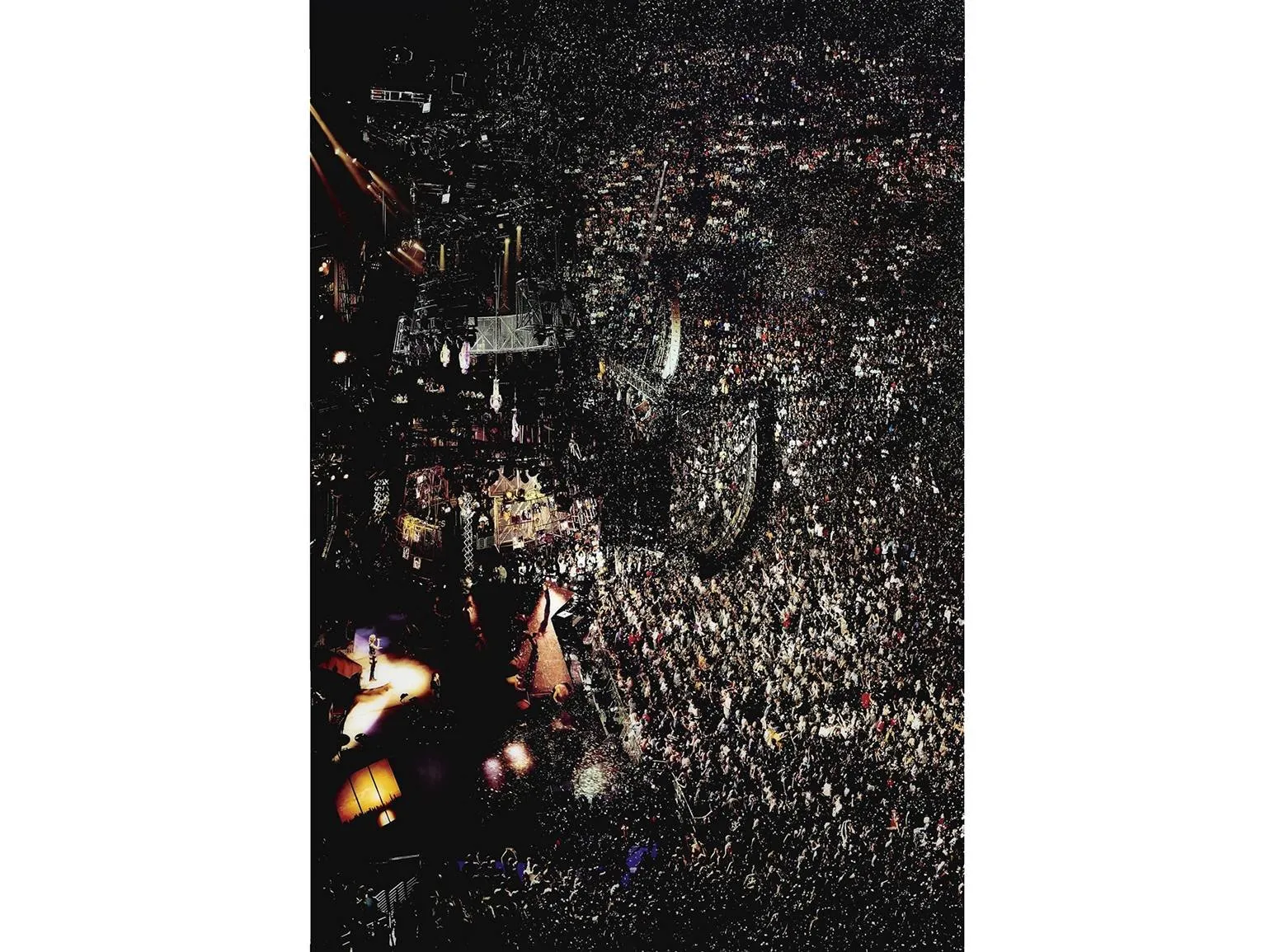
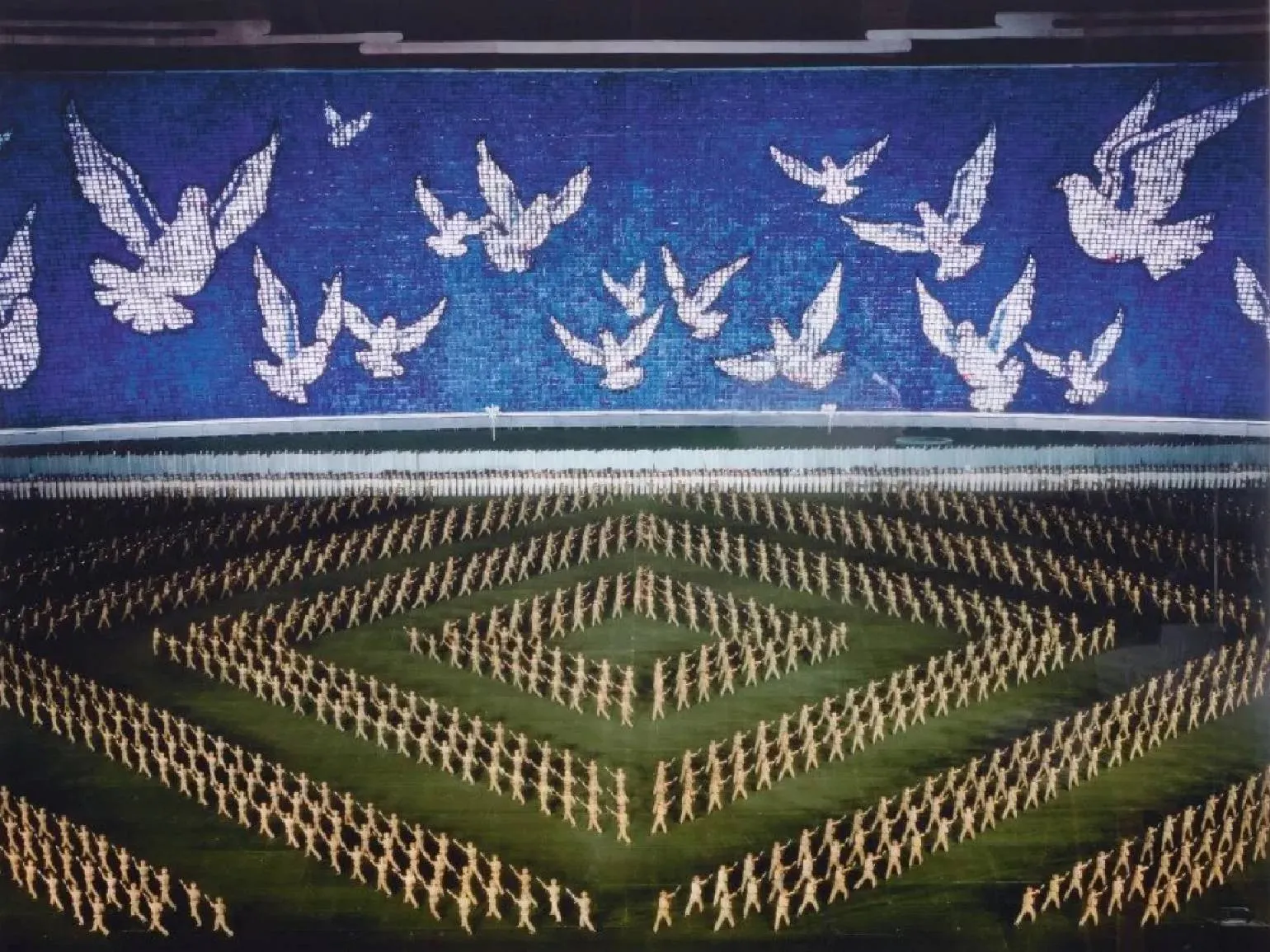
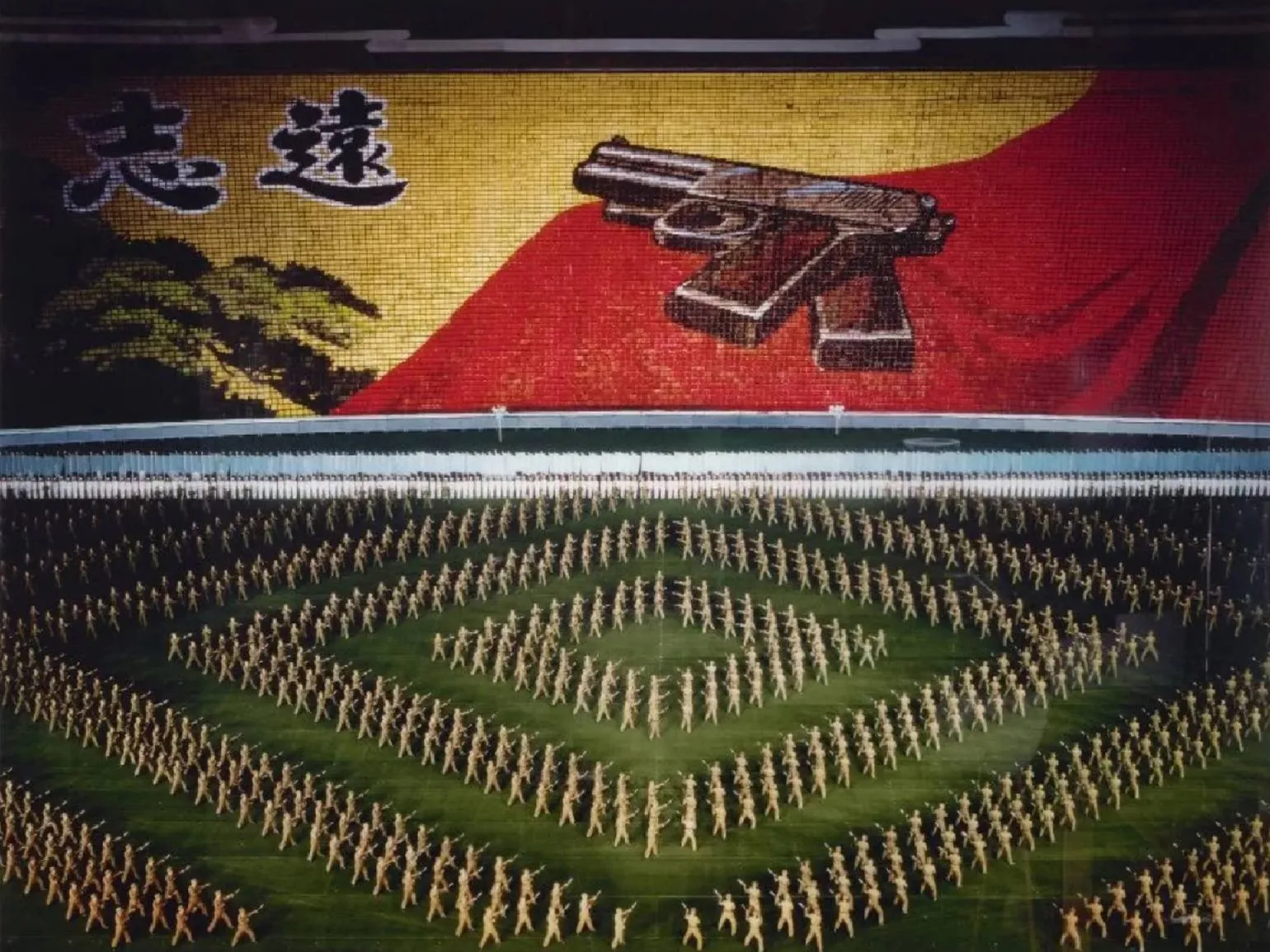
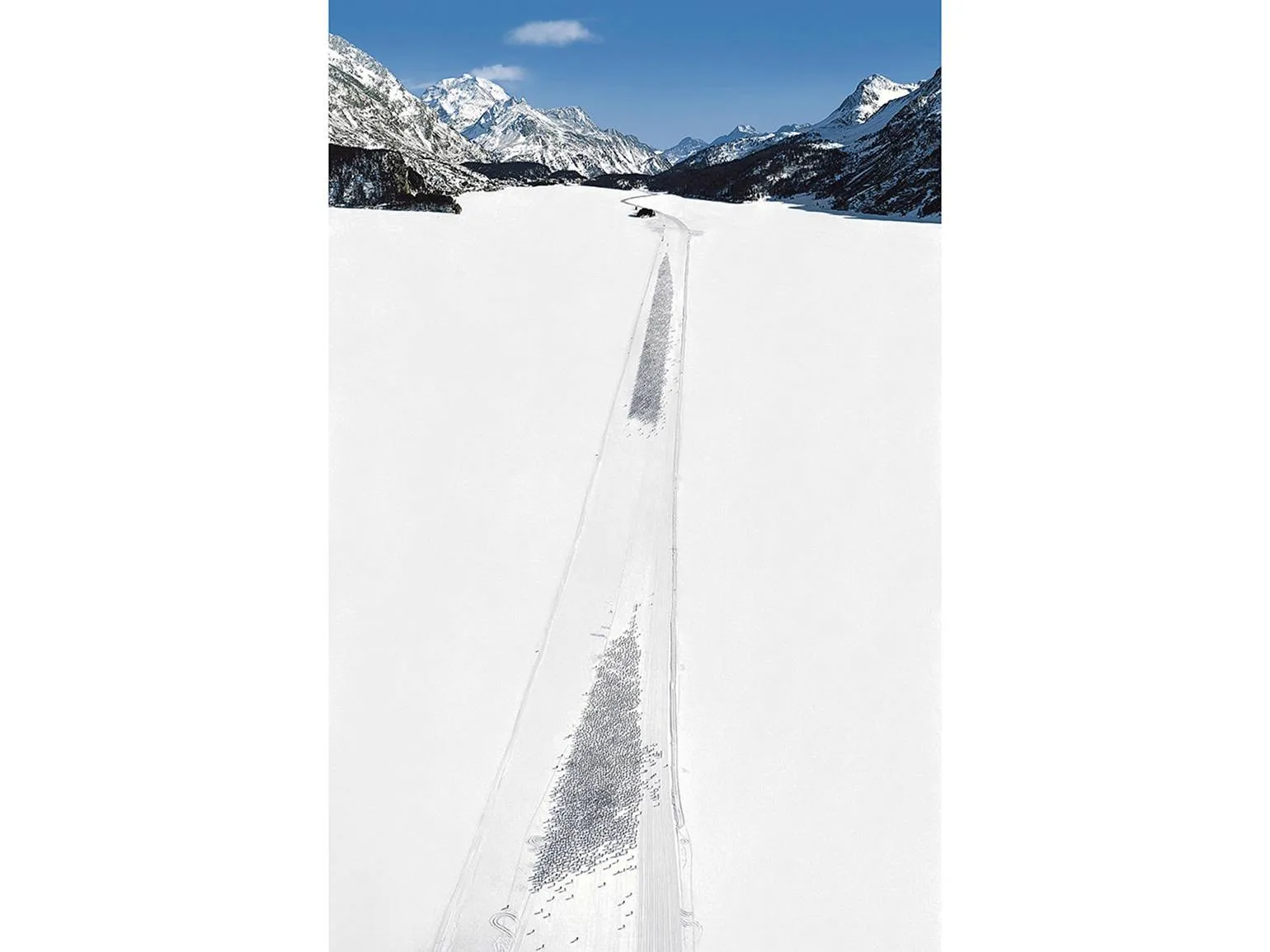
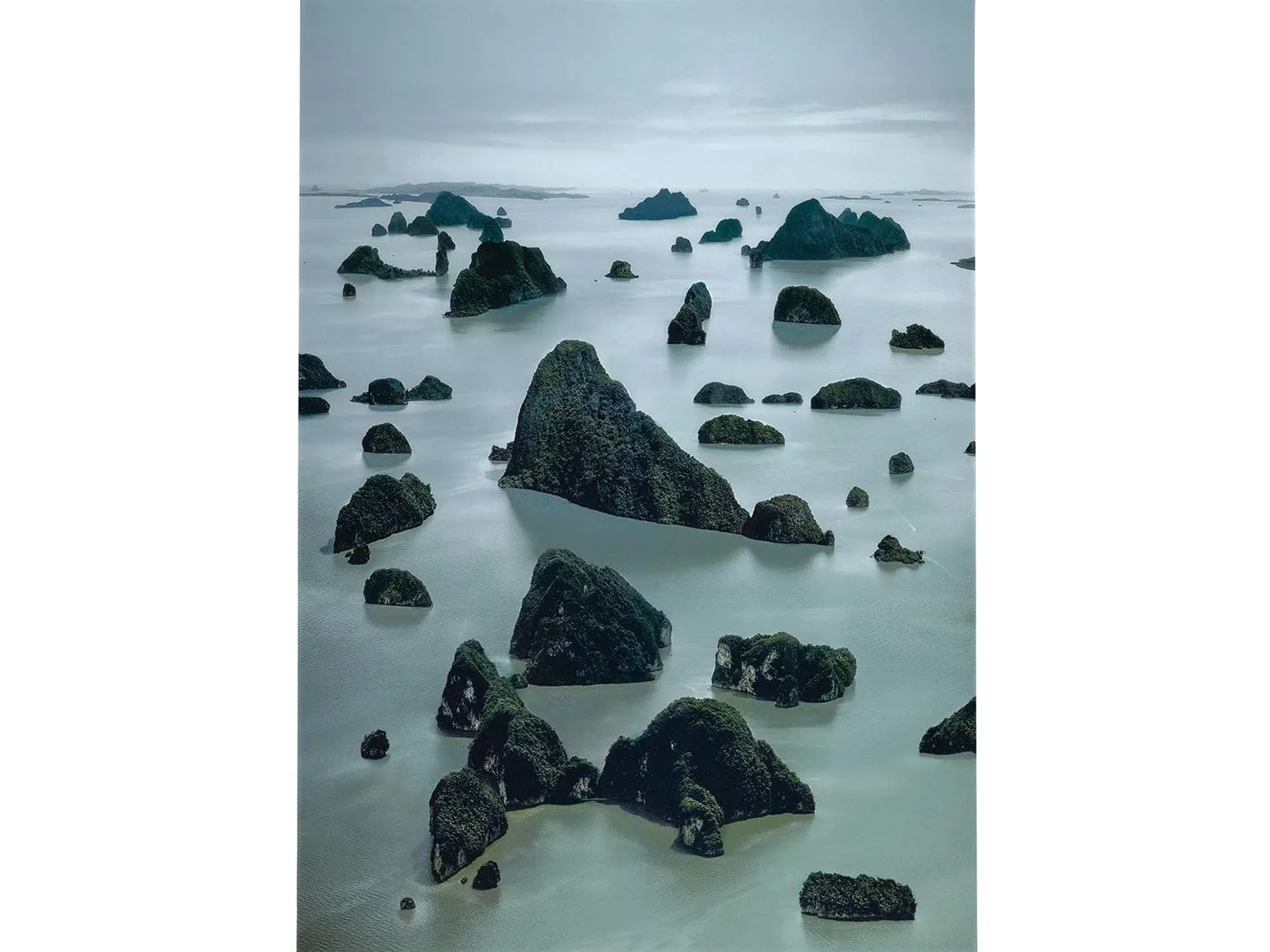
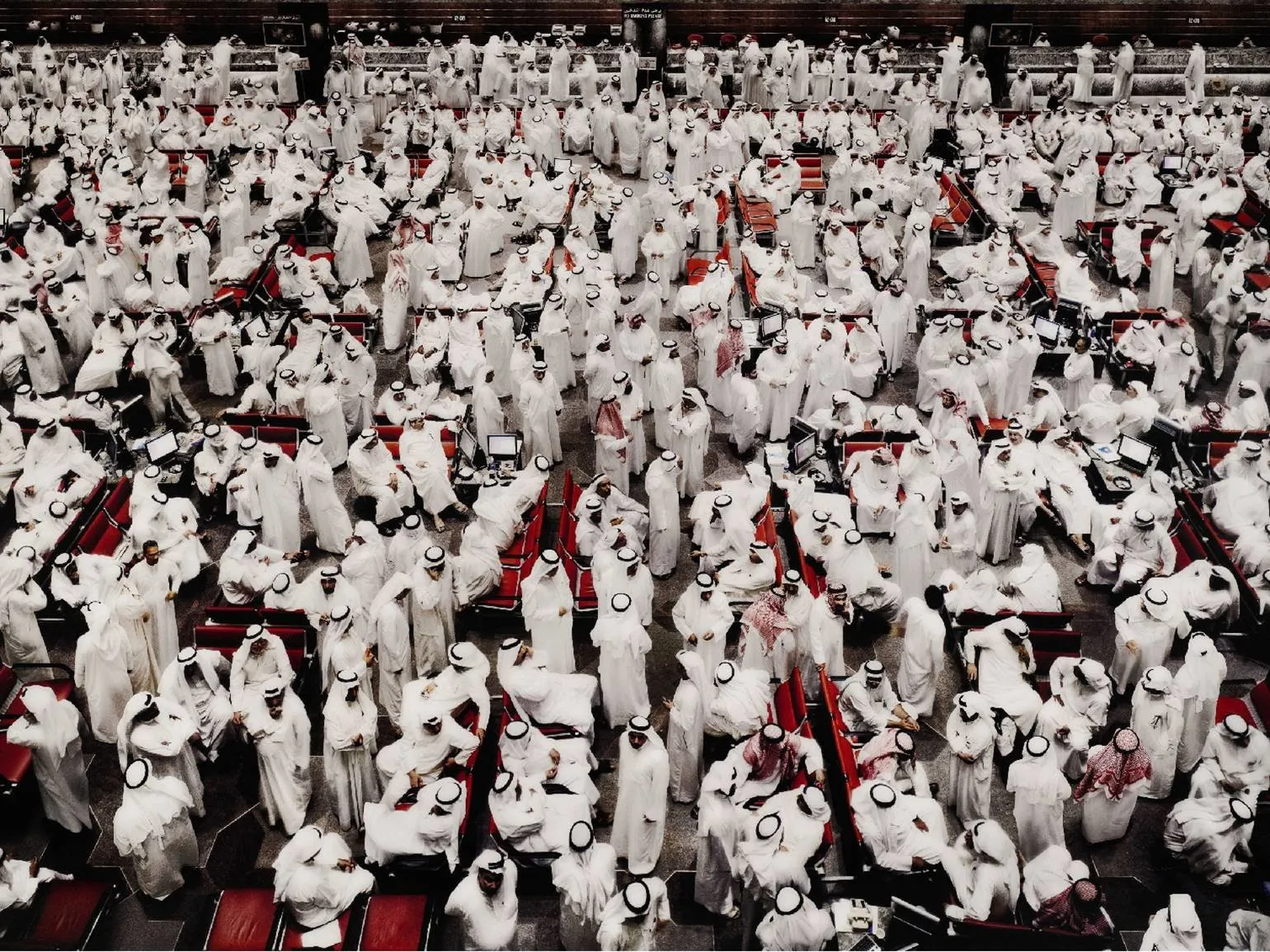
Unlike his predecessors, such as Becherov, Gursky includes people in his photographs, but focuses not on individuals, but on faceless crowds. His works are often created using high angles, which emphasize the scale and multi-layered nature of the subjects. Gursky presents his photographs as large prints, typically measuring over two by three meters. This high degree of detail allows the viewer to discern every detail up close, while when observed from a distance, the elements of the image merge into geometric abstraction. This approach not only demonstrates the artist’s skill but also creates a unique visual experience that engages viewers and challenges them to rethink their perception of contemporary cityscapes and social interactions.
The photographer gained recognition in the 1990s. Critics have noted that his works reflect the world of mass consumption and the lives of people in the era of globalization. Gursky masterfully captures and highlights key aspects that define modern human existence: endless rows in shopping malls, the dynamics of the stock market, and concerts with thousands of people. His unique vision of the world has become recognizable due to his ability to convey complex social and cultural realities through his photographs. Collectors are likely to appreciate the uniqueness and innovation of the works of famous photographers. In 2007, one of Andreas Gursky's iconic works, the diptych "99 Cent II", depicting an American discounter, was sold at Sotheby's for 1.7 million pounds sterling, which is equivalent to approximately $2.2 million. In 2011, his photograph "Rhine II" was sold at Christie's for a record $4.3 million. This image, which captures a deserted landscape along the Rhine River, became famous because the photographer removed all distracting details such as buildings and cyclists, making it one of the most expensive and iconic works in photography.
Take Someone Else's and Change the Context
In early 2024, a court ruled that American artist Richard Prince must pay photographers Donald Graham and Eric McNatt $900,000 in copyright infringement damages. Prince used their photographs in his exhibition "New Portraits," featuring printed screenshots of their Instagram pages. The artist's works were sold by the gallery for tens of thousands of dollars, highlighting the importance of copyright in contemporary art and the need to protect intellectual property. This case has set an important precedent for art and image rights in the digital age.
How did "thief" Prince become one of the most significant and wealthy artists of our time? His work has generated much questioning and debate. Prince is known for his ability to use existing works of art and rework them to create something new and original. This approach to art, perceived by some as theft, is actually an innovative form of expression and a commentary on questions of authorship and value in the digital age. His work attracts the interest of collectors and investors, contributing to his financial success. Prince demonstrates how contemporary art can intersect with commerce, and his influence on art and culture continues to grow.
The court's decision ended a decade-long legal battle in which Prince argued that his intent was not simply to reproduce the images. He sought to give them a new context, ironically mocking people's behavior on social media. This case highlights important aspects of copyright and free expression in the digital age, and demonstrates how art can intersect with contemporary technology and culture.
Appropriation is a technique in which an existing image is used and given new meaning. Richard Prince is one of the most prominent exponents of this approach in contemporary art. His works demonstrate how visual materials can be reimagined, creating new contexts and meanings. The use of appropriation allows artists to explore themes of authorship, originality, and cultural appropriation, making this method relevant in contemporary artistic discourse.
In the 1980s, Richard Prince revolutionized art by creating photographs of photographs from a Marlboro advertising campaign. The iconic image of the cowboy became a symbol of freedom and the American dream, boosting cigarette sales. Prince perceived this advertisement as public property and developed his unique method, which he called "rephotographing." According to his own words, at that time he did not yet know how to work a camera. Following his success with Cowboys, Prince continued to appropriate vivid images from everyday American life, questioning the existence of the original in popular culture. This led to profound reflections on the nature of art and authorship in the modern world.
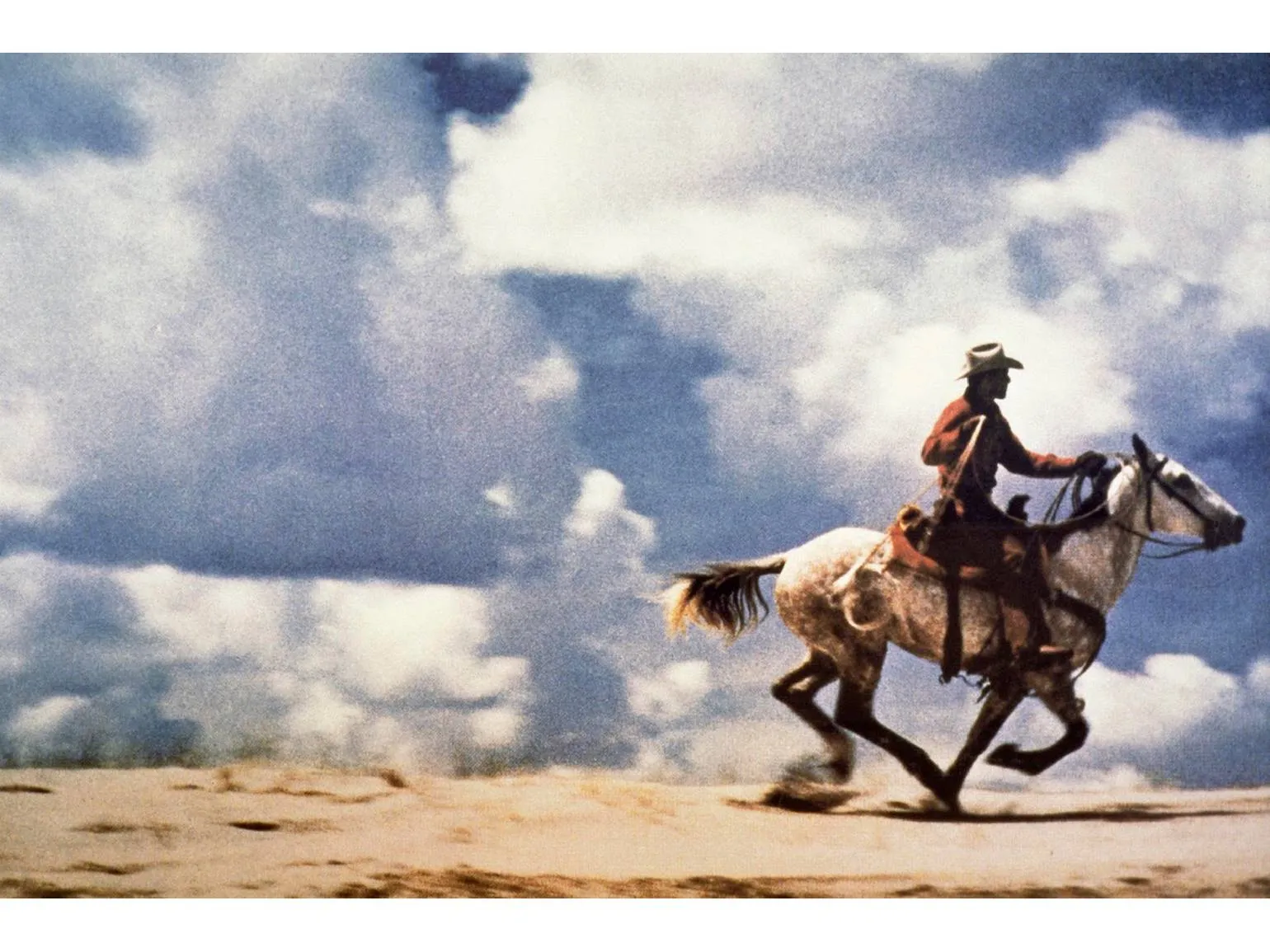
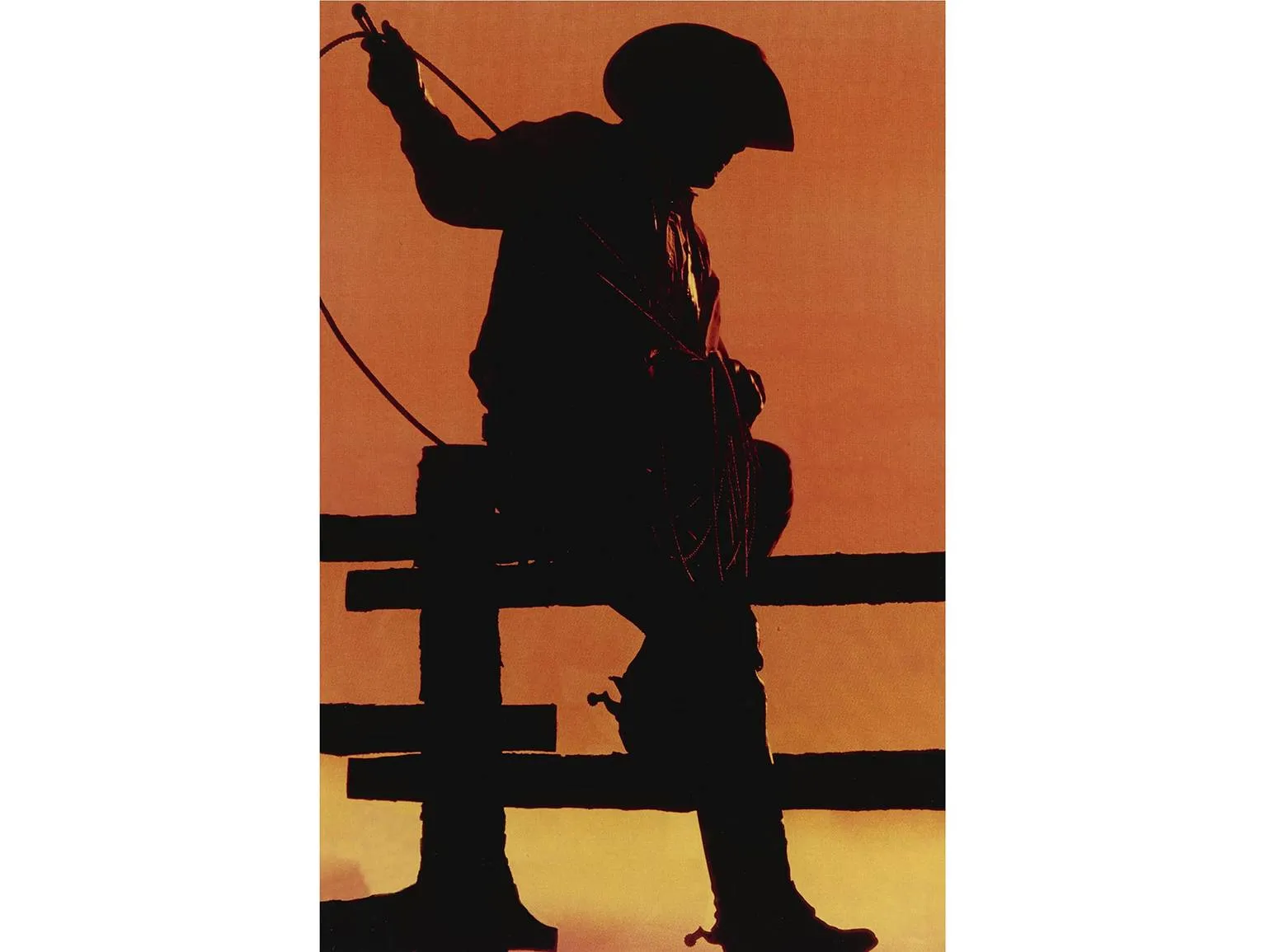
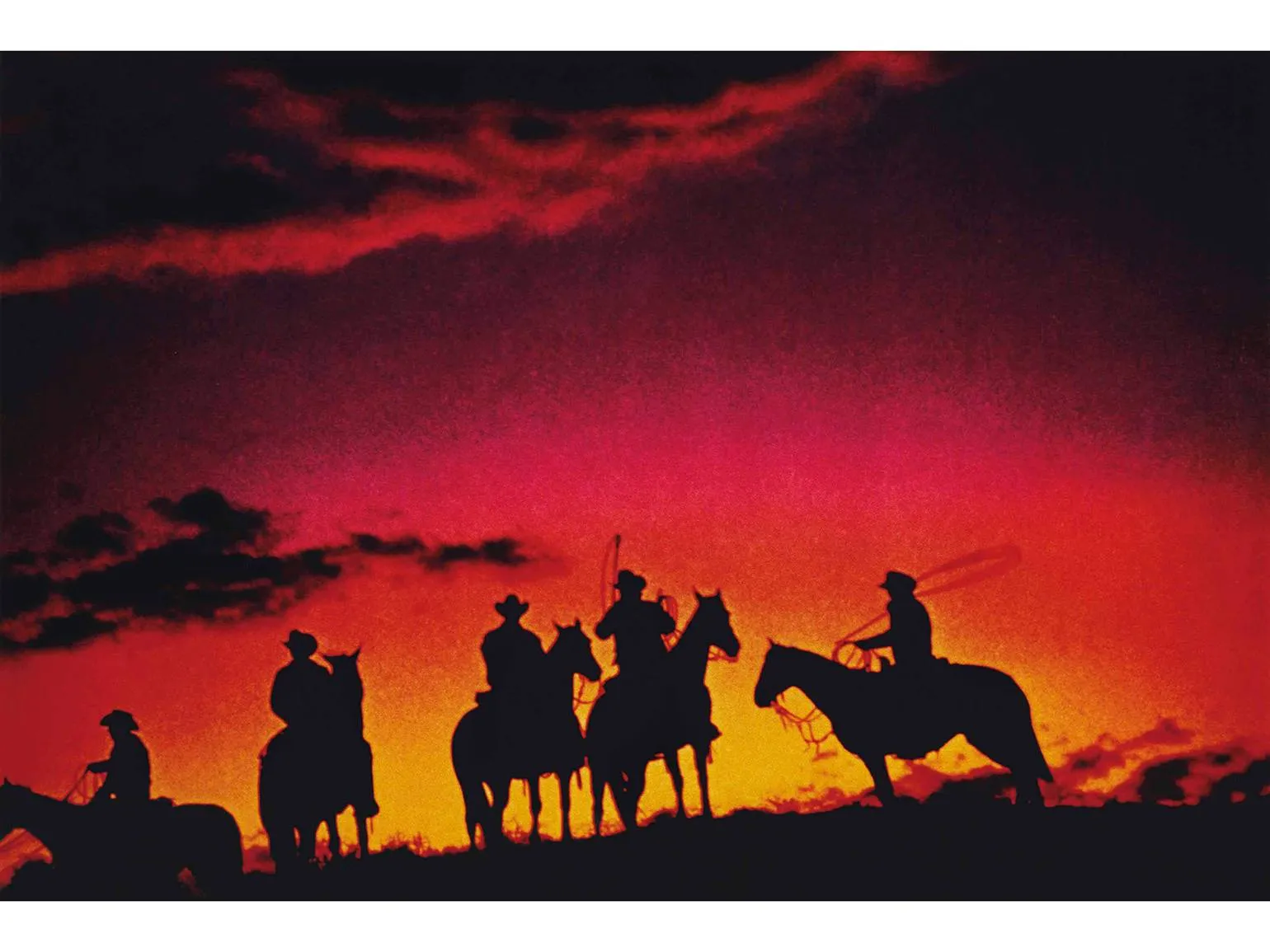
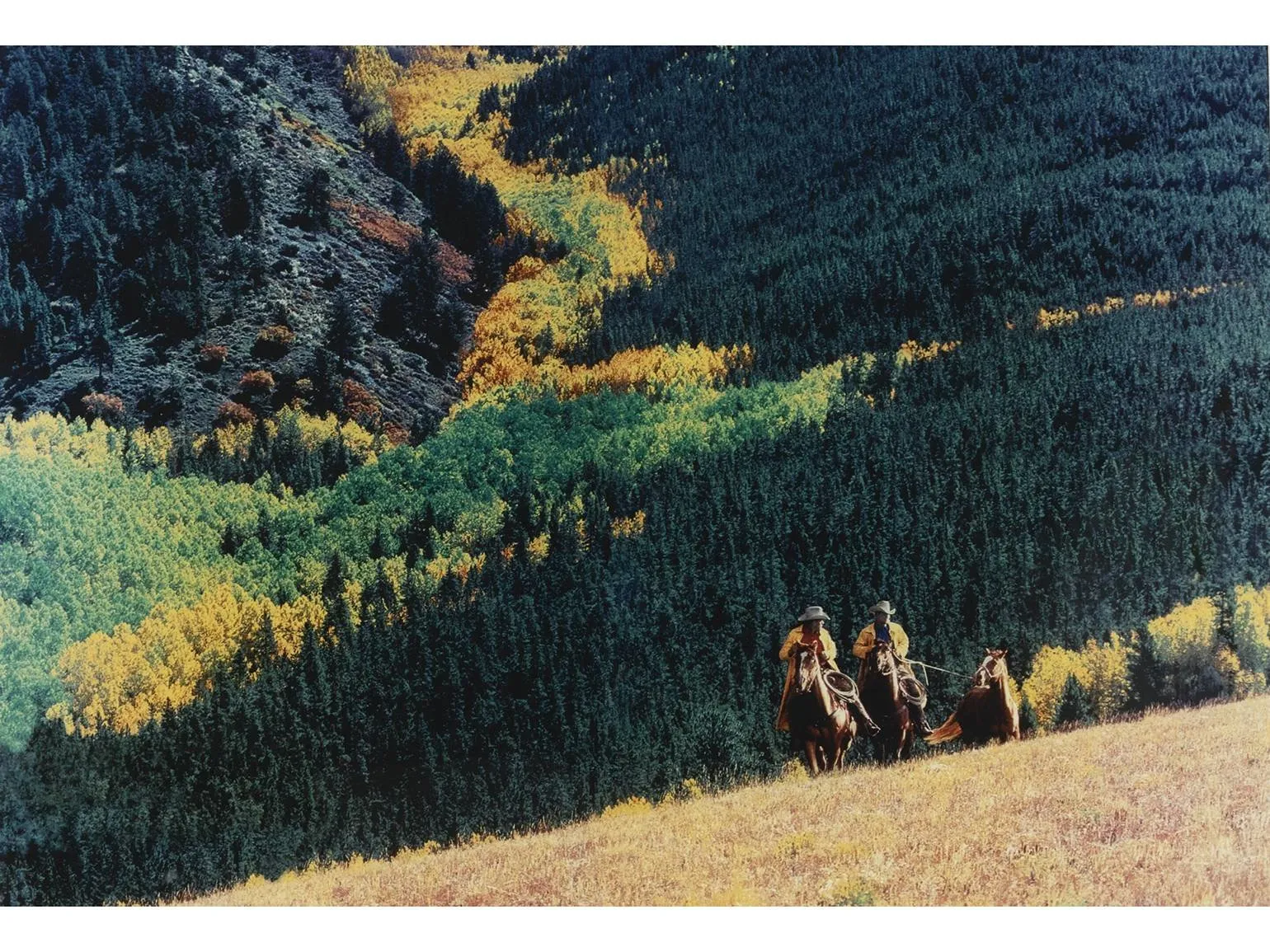
The artist's thesis on authenticity is a key aspect of postmodernism, which posits that universal truth does not exist. Postmodern philosophy also sees a rejection of traditional conventions, the destruction of taboos, and a critical approach to capitalist structures. These ideas highlight the diversity of opinions and the lack of a single approach to understanding art and culture, which makes postmodernism relevant and important for today's society.
Some believe that using someone else's work under the guise of creativity is simple theft, and Prince is controversial in this context. For others, he represents a brilliant artist reinterpreting original works. Regardless of opinions, one thing is clear: collectors are willing to pay huge sums, often with six zeros, for works of art based on the work of others. This raises important questions about copyright and the value of original creativity in contemporary art.
The Heroine with a Thousand Faces
Another significant figure of postmodernism, whose works occupy high positions in the list of the most expensive photographs ever sold.
Cindy Sherman, like Prince, is a key figure in the Pictures Generation movement, representing New York artists rethinking popular culture and media. Her first significant series, created between 1977 and 1980, includes 69 "film stills," in which Sherman depicts a variety of female images borrowed from cinema. The artist carefully analyzed not only the style and demeanor of typical film heroines, but also the compositional features of film frames. In the context of the feminist movement, which at the time emphasized how popular culture shaped ideas about women's roles, Sherman's work took on particular significance and became a landmark in the discussion of gender stereotypes in the media. Sherman quickly established herself as a leading voice in contemporary photography, particularly in the self-portrait genre. She masterfully utilizes theatrical makeup, costumes, and props, fulfilling the roles of model, photographer, and organizer in the creation of her series. By transforming her body into an art object, Cindy creates stereotypical characters that resemble familiar people. However, the artist herself does not consider her works self-portraits, as her photographs do not reveal the true essence of the self, but rather erase individuality. This makes her work unique and provocative, forcing viewers to consider the boundaries of identity and self-expression in art.
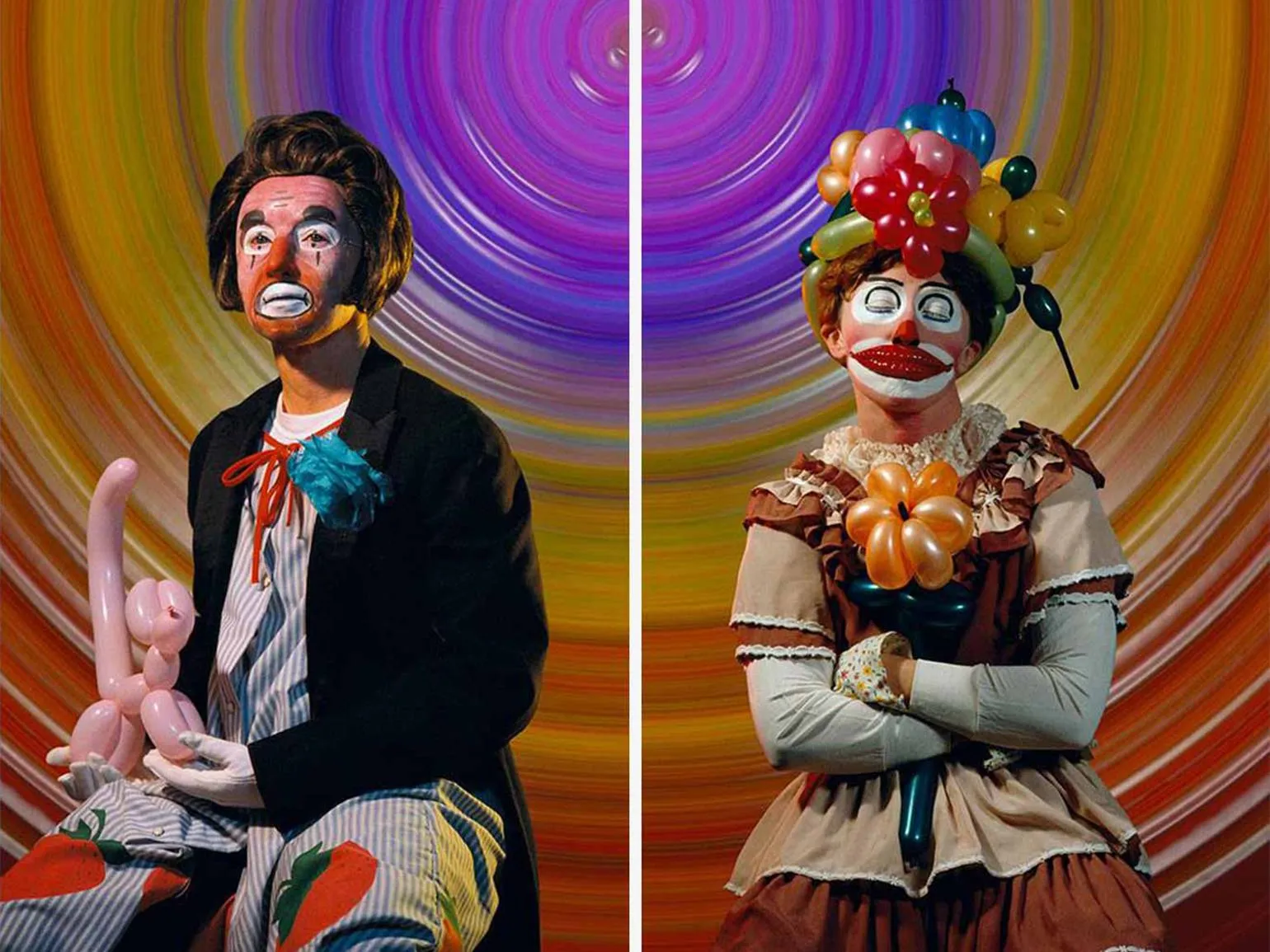
Today, Kari Sherman is recognized as one of the most influential artists in the world of contemporary art. This is confirmed by impressive figures: in 2014, 21 photographs from her "cinema series" were sold at Christie's auction for $6.7 million. One of the most expensive works was Sherman's photograph #96 from the "fashion models" series, which was purchased for almost $3.9 million. Also worth noting is the record sale of a 2004 photograph from a series in which the artist is depicted as clowns - it sold for $1.4 million. These figures highlight not only the commercial success of Sherman's work, but also her significance in the context of contemporary art.
Read also:
Selfies: Reasons Why We Take Photos for Likes and Comments
In the age of social media, selfies have become an integral part of our lives. We take photos of ourselves not only to capture moments, but also to attract attention and get likes. Social platforms have created an environment in which approval from other users has become an important aspect of self-expression. Likes and comments serve as indicators of popularity and social significance, encouraging people to share their images. The selfie phenomenon is also linked to psychological aspects. People seek recognition and approval, making selfies a means of self-promotion and social connection. This need for interaction is heightened by competition for attention in a saturated information space. Selfies help express individuality and strengthen personal image, which is especially important for young people.
Thus, selfies are not just photographs, but a modern way of communication and self-expression, reflecting the desire for social interaction and recognition.
Profession Photographer
You will learn to take professional photos from scratch. Learn how to organize a shoot, process footage, and manage models and a team. Find your style, build an impressive portfolio, and start making money doing what you love.
Find out more