Contents:
What is a selfie in simple terms
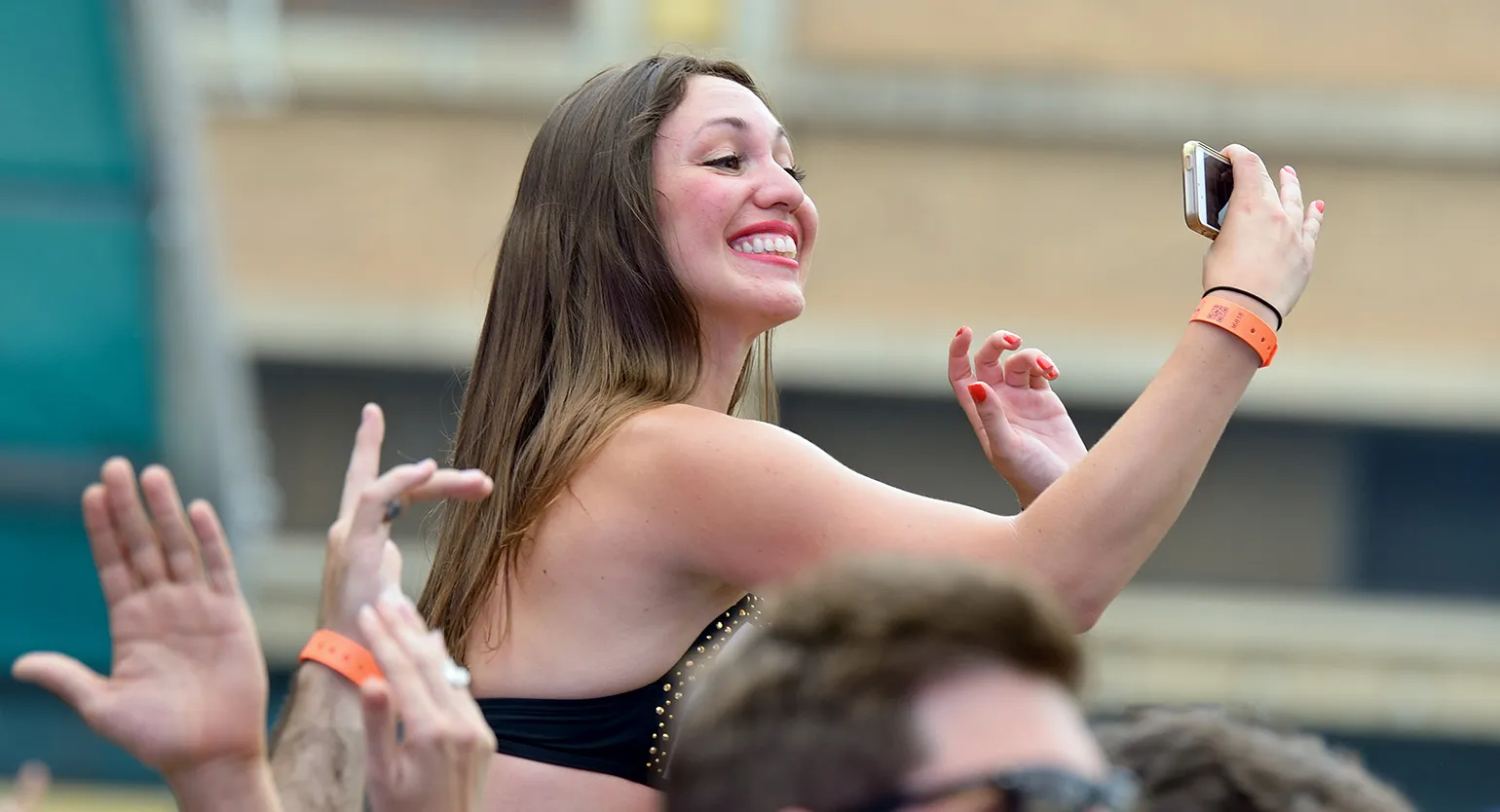
A selfie is a self-portrait that is usually taken using a smartphone. These photos are most often published on social media, where users share moments of their lives. Selfies have become an important part of modern culture, allowing people to express their individuality and connect with friends. Using various filters and effects in photo editing apps allows you to enhance the quality of selfies and make them unique. Selfies are typically taken by holding the camera outstretched or by pointing it at your reflection in a mirror. This method allows you to capture the moment and express individuality. Selfies have become a popular way of self-expression on social media, allowing users to share their emotions and mood. Using different angles and effects also adds uniqueness to each photo.
A Telegram channel for photography enthusiasts offers engaging content and useful tips. Here you will find inspiration for shooting, photo processing techniques, and an overview of the latest in the world of photographic equipment. Join the community where you can share your work, receive feedback, and discuss various aspects of photography. Discover new horizons in photography and connect with like-minded people.
If you're interested in the diversity of the literary world, follow us. We feature the work of talented Russian authors, track global literary competitions, and share creative life hacks from experienced writers. Learn more about different styles and approaches in literature, expand your horizons, and be inspired by new ideas.
The History of the Word "Selfie"
The Russian word "selfie" is a borrowing from the English term "selfie," which is derived from the root "self," meaning "oneself" or "himself," with the addition of the diminutive suffix -ie. In Russian, there is also a synonym for this word: "sebyashka." Selfies have become a popular way to express ourselves and capture moments, especially in the age of social media.
Check out more:
Russian photographers specializing in self-portraiture represent a unique group of creatives who explore themselves and the world around them through the lens of their camera. Their works not only demonstrate mastery of composition and lighting but also immerse the viewer in the depths of personal experiences and emotions. In this context, the self-portrait becomes more than just an image, but a true art of self-expression. Among these photographers, several prominent names stand out, each making a unique contribution to this art form. Their works encourage viewers to reflect on themselves, their place in society, and how we can use visual media to convey our inner states. These masters of photography continue to inspire a new generation of creators and viewers, maintaining the relevance of the self-portrait in contemporary art.
The first mention of the term "selfie" dates back to 2002, according to the Oxford Dictionary. An Australian student posted a photo of himself with a split lip on an online forum, noting that it was a selfie. The next entry is also from an Australian. It is believed that the word originated in Australian English and then, thanks to the internet, became widespread around the world. Since then, the selfie has become an integral part of social media culture and everyday communication, changing the way we share moments of our lives.
In 2013, the term "selfie" was named the International Word of the Year by Oxford Dictionaries. This phenomenon has become a symbol of the social media era, reflecting people's desire to share moments of their lives through self-portraits. Selfies are actively used in various aspects of life, from personal Instagram accounts to brand marketing strategies. The popularity of selfies continues to grow, and they remain an important part of modern digital communication.
The First Selfie in the World
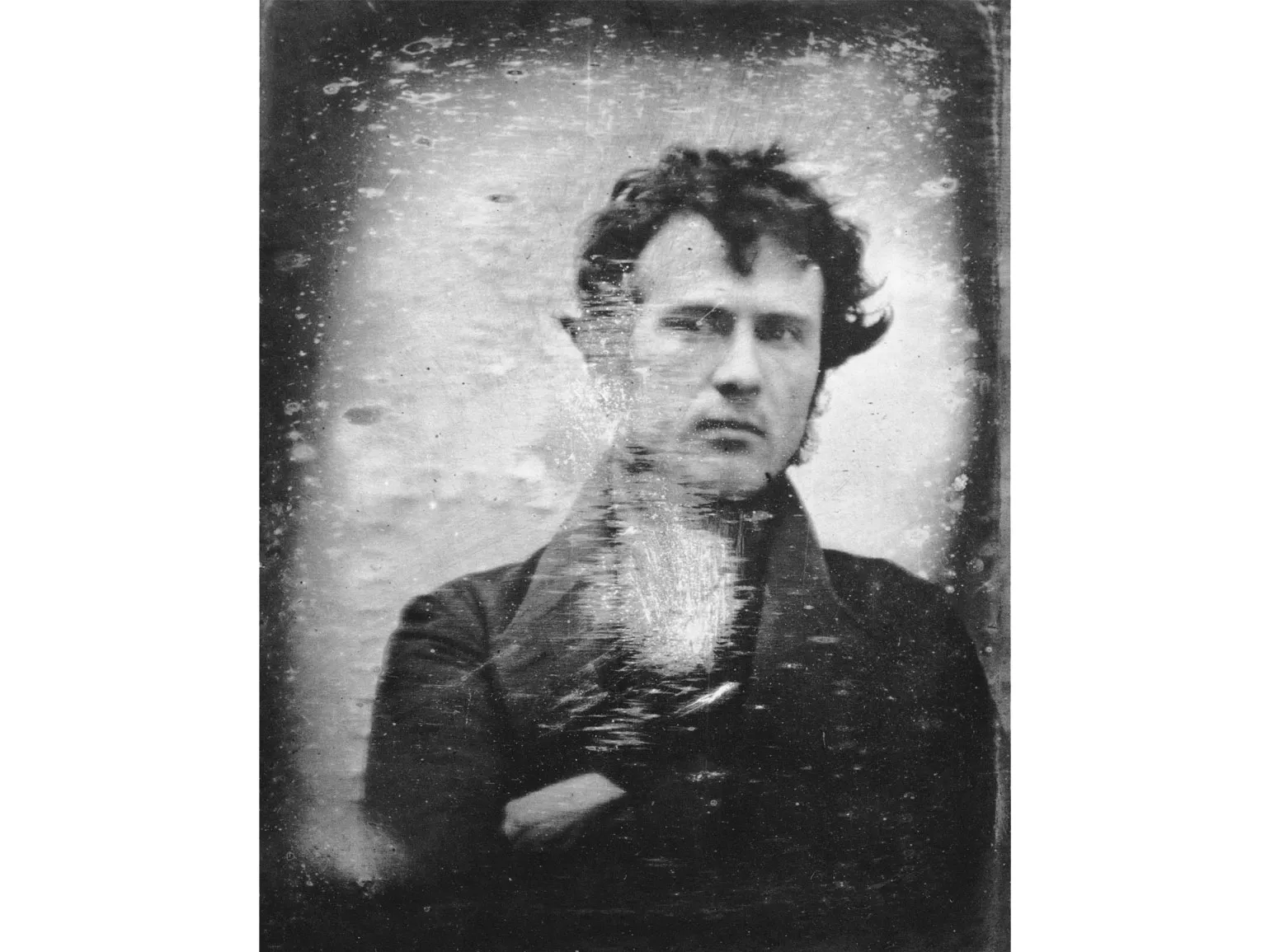
Self-portrait photographs began to appear from the very beginning of the history of photography. The invention of daguerreotype, the first photographic process, dates back to 1839. That same year, the first selfie was taken by American Robert Cornelius, using a silver plate he made himself. This early example of self-portrait marked an important step in the development of photography and opened up new possibilities for self-expression through images. Since then, self-portraits have continued to occupy a significant place in the art of photography, allowing people to capture not only their appearance but also their inner world.
The selfie is considered the first realistic photographic portrait in human history. This genre of photography has become a symbol of self-expression and personal identity in the digital age. Selfies not only reflect individuality but also demonstrate the progress of technology, allowing everyone to easily capture moments of their lives.
Read also:
A subjective look at self-portrait and diary in photography. In contemporary art, photography is becoming not only a means of capturing moments, but also a way of self-expression. A self-portrait, or selfie, allows the photographer to not only reflect their appearance but also convey emotions, inner experiences, and personal experiences. This approach makes each photograph unique and filled with meaning. A photographic diary serves as a tool for tracking changes in life, mood, and the world around us. Each shot becomes part of a personal story, creating a visual narrative that can be interesting not only to the photographer but also to viewers. Thus, self-portraits and photographic diaries combine elements of art and personal history, allowing authors to gain a deeper understanding of themselves and share their experiences with the world.
The word "selfie" appeared more than a century and a half after the widespread use of photography. The term has become synonymous with a self-portrait taken with a smartphone or camera. Interest in selfies increased with the development of social media, where users share their images with friends and followers. Selfies not only capture personal moments but also become part of online culture, influencing modern trends in photography and self-expression.
Following Cornelius, both professionals and amateurs in the history of photography continued to experiment with photographing themselves in various situations. They used storefronts, mirrors, and even took self-portraits holding the camera at arm's length. These experiments became an important part of the development of self-identity in photography and allowed everyone to convey their vision of the world through a lens. A creative approach to self-portraits has enriched the artistic language of photography, opening up new possibilities for self-expression.
June 21 is celebrated as International Selfie Day. This date, however, has no direct connection with the history of the phenomenon itself. The first selfie was taken by Robert Cornelius in October, and the first documented use of the word "selfie" dates back to September. Selfies have become an important part of modern culture, allowing people to share moments of their lives and express their individuality through photographs.
Why People Love Taking Selfies
Selfies became popular thanks to front-facing cameras on smartphones, which made the process of creating self-portraits accessible to a wide range of users. The market quickly adapted to this trend, offering a variety of accessories to improve the quality of selfies. Among them, selfie sticks - extendable tripods with mounts for phones - stand out, as well as selfie mirrors with lighting, which help achieve the perfect lighting and shooting angle. These tools greatly simplify the process of creating spectacular images, which makes selfies not only fun but also professional.
Learn also:
Selfies: Why We Started Taking Photos to Get Likes and Comments
In the modern world, selfies have become an integral part of our lives. We increasingly capture moments of our day to share them with friends and followers on social networks. But why do self-portraits generate such interest and a desire for approval?
One of the main reasons for the popularity of selfies is the desire for recognition and attention. Likes and comments serve not only as an indicator of popularity but also as a source of emotional satisfaction. This phenomenon has become especially noticeable with the rise of social media, where visual content takes center stage.
Furthermore, selfies allow people to express their individuality and creativity. Each photo is an opportunity to show off their best side, demonstrating their style, mood, or achievements. Users create their own unique image, which is formed through visual imagery.
Thus, the desire for selfies and to receive likes and comments reflects not only personal ambitions but also broader social trends. It is important to understand that this process involves not only external evaluation but also internal self-perception, making selfies an important tool for self-expression in the digital age.
Selfies have become an object of interest not only for businesspeople but also for sociologists and anthropologists. These specialists have begun to study why people take selfies and how this phenomenon influences modern society.
Modern internet research emphasizes that the ability to control the final result of a photograph now depends entirely on the user, not the photographer. This creates new parameters of self-expression and self-perception. Narcissism, manifested in excessive self-admiration, is also reflected in this context. Social media plays a key role in shaping one's image, as presenting oneself online has become an essential part of everyday life. Learning to manage your digital image allows people to influence self-perception and increase their value in society.
Text reworked for SEO:
Also explore:
By photographing myself, I strive for self-expression and exploration of my individuality. This allows me to share my thoughts and emotions with others, creating unique content. In the digital age, self-filming has become a popular way to present yourself and engage with your audience. I use this format to share personal stories, experiences, and opinions, which helps me connect with people who share my interests. Furthermore, self-filming provides an opportunity to develop video production and editing skills, an important aspect in the media world. Ultimately, I photograph myself to inspire others and express my creative essence.
Profession Photographer
You will learn how to take professional photos from scratch. You will learn how to organize shoots, process frames, manage models and a team. Find your style, build an impressive portfolio, and start making money doing what you love.
Find out more