Contents:
Sources of Found Photography
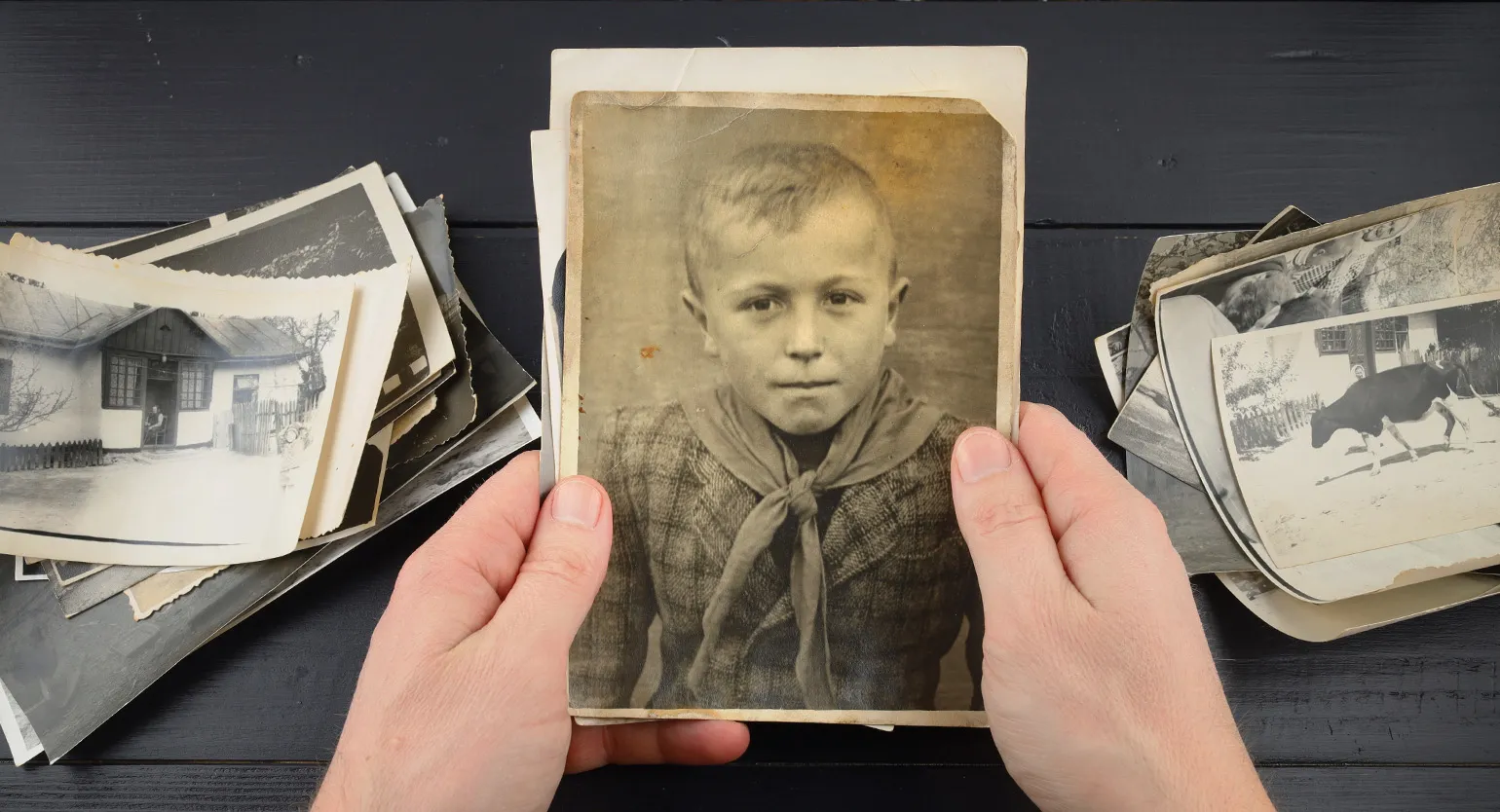
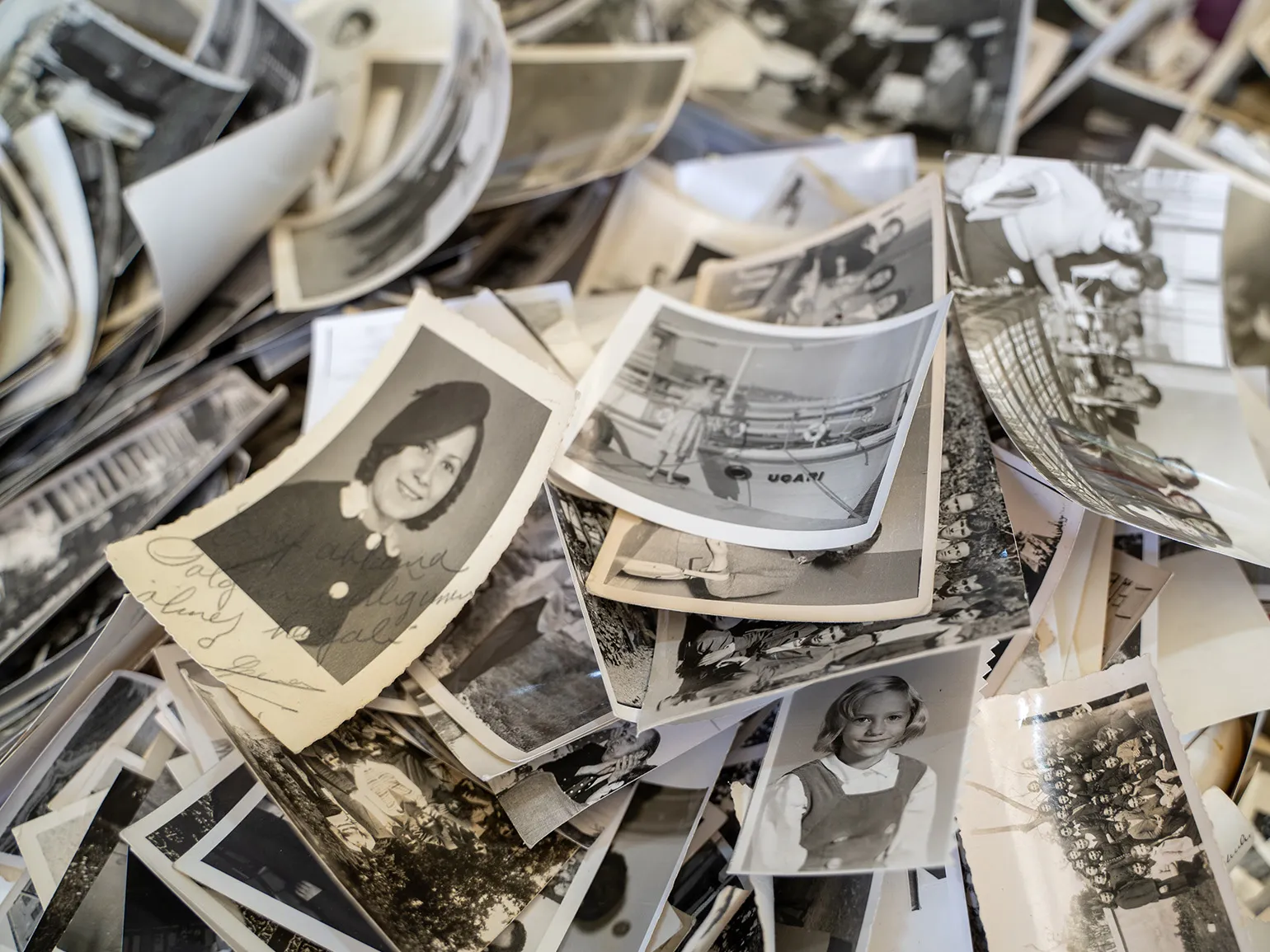
Old photographs, whether personal or family, are valuable material. Over time, they can reveal new meanings and nuances. Personal archives are often full of emotion, as they are directly related to your story. These images become one of the most sought-after sources for authors, but this also creates certain challenges. To avoid clichés and create original content, you need to show creativity and an unconventional approach. Using old photographs can enrich a narrative and add depth when approached from a new perspective. Flea markets, antique shops, consignment stores, and online platforms like Avito and eBay are excellent places to find old photographs, postcards, magazines, and albums. These images are often unattributed to an author or a specific story, opening the door to new interpretations. While using such materials can be legally challenging, in most cases attribution is impossible, and the likelihood of claims is minimal. This anonymity allows for the creation of unique narratives around discovered images, generating new meanings and inspiration. Using such materials, you can enrich your own projects and give them originality, which is especially important for creative people and collectors.
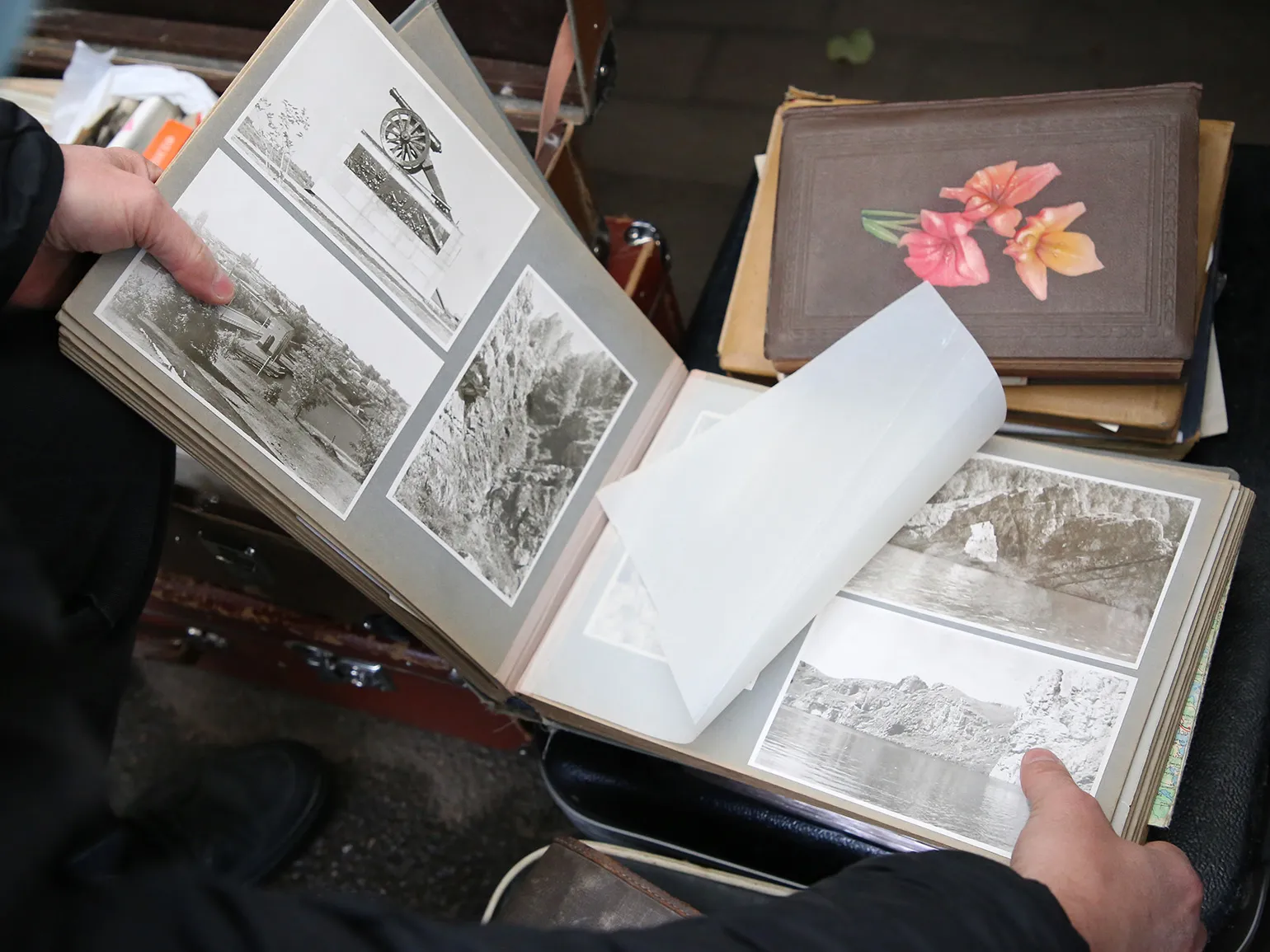
National libraries, museum collections, specialized websites and photo banks with free access are valuable sources of images. Many institutions offer materials with licenses for use in creative projects. These databases offer the opportunity to work with documentary photographs, discover rare images, and combine them in unexpected contexts. It's important to consider the historical context of the photographs, as this can be a starting point for in-depth analysis and research. Using such resources enriches creative projects, introducing unique visual elements and historical significance. Mapping services such as Google Street View offer the opportunity to explore images of cities, streets, and even interiors. They also include dashcam and surveillance camera footage, which is sometimes publicly available. These visual materials have a high degree of documentary quality and are generally considered "unbiased." However, such images often contain visual anomalies, digital artifacts, and coincidences that can serve as the basis for creative work. Using these unusual elements in projects allows you to create unique visual content and engage your audience.
Videos, films, TV shows, and online broadcasts are rich sources of imagery. Screenshots offer the opportunity to capture moments that weren't originally intended as photographs but are highly visually expressive. There's no strict documentary constraint—you can work with any level of unreality, from reality shows about makeovers to thrilling space missions. The key is the ability to spot patterns, themes, or connections, which allows you to transform the images into a coherent series. It is important to keep in mind that properly selected images can significantly increase interest in content and improve its visibility in search engines.
Read also:
"Empire of Never" is a photo project dedicated to life in an era of change, created based on computer games. This project explores the social and cultural transformations taking place in virtual worlds and reflects their parallels with real life. Using gaming spaces as a platform, the project explores changes in society and personal relationships, emphasizing the importance of context and choice in the face of uncertainty. The photography project "Empire of Never" is a unique blend of art and technology, challenging viewers to consider the impact of digital culture on contemporary society. Social media represents a vast visual archive, encompassing not only Pinterest but also various dating sites, forums, and user comments on news articles. Here, one can find everything from random photos from personal albums to memes that reflect the visual language of the modern era. These elements can form the basis for artistic exploration. The artists often integrate elements of social media interfaces into their works, capturing the unique zeitgeist. Social media design becomes obsolete over time, making artwork a valuable archival record of the era, allowing us to understand and analyze contemporary visual culture.
Approaches to Work
Strategy is the foundation of a project's concept. It defines key directions and goals, creating a clear vision for success. A well-developed strategy helps build an effective structure and implementation process, ultimately contributing to the achievement of goals and sustainability.
Most projects using found photography follow one of five strategies. These strategies help optimize the use of images and effectively integrate them into various types of content. Choosing the right strategy can significantly increase the appeal and functionality of a project.
Reconstruction, or storytelling, is the process of restoring or reinterpreting a photograph's context. Working with unlabeled photographs, for example, offers the opportunity to explore their origins, identify connections between images, and create new narratives. This approach is often used in projects focusing on memory and identity, allowing for a deeper understanding of the cultural and historical aspects reflected in visual materials.
Destruction and transformation of photographs involve the purposeful alteration of visual material. This technique allows for the use of damaged images and the creation of new defects, such as scorched edges, torn paper, or smudged surfaces. Such methods emphasize the fragmentary nature of memories and focus on the theme of information loss. The result is a unique visual language that conveys deep emotional experiences and reflects the complex aspects of memory.
An archival approach is a method of researching and organizing images. This approach allows for the collection of photographs united by a specific theme, documenting visual trends, and analyzing changes in the perception of various subjects over time. The archival approach is widely used in museums, libraries, and personal archives, where it is important not only to preserve visual materials but also to understand their historical and cultural significance. Archival research helps identify patterns and trends, which contributes to a deeper understanding of visual culture and its influence on public consciousness. Changing meaning through the combination of images allows for the discovery of new meanings through their juxtaposition. When two unrelated photographs are placed side by side, a dialogue between them arises. For example, one can create a series in which the same scene is presented in different eras, or combine official photographs with everyday shots. This opens up opportunities for in-depth analysis and interpretation of visual content, facilitating the creation of unique artistic projects. This approach not only enriches the perception of images but also promotes a deeper understanding of cultural and historical contexts. Reinterpretation through text is the use of words to alter or enhance the perception of a photograph. This could be a caption, a diary entry, an excerpt from a letter, or a commentary that adds personal or historical context to the image. In some cases, text may contradict the image, creating the effect of a gap between what is seen and what is read. This approach can provoke deep reflection and new interpretations in the viewer, emphasizing the multi-layered perception of visual content.
Technical techniques for working with images can change their appearance, but they do not always affect the overall concept of the project. The same technique can be used in different works or, conversely, applied only once within a series. It is important to understand the function it fulfills in the project and how it relates to its goals and objectives. Correct use of these techniques can significantly improve the perception of visual content and emphasize the main ideas of the project.
Collage is one of the most popular methods of working with images, allowing you to combine different photographs. This creative process involves cutting up images, combining fragments from different styles or eras, and combining photographs with drawings or text. Using collage promotes the creation of new meanings through unexpected combinations of elements, making it an attractive tool for artists and designers. Collage creation can be both an interesting hobby and a powerful means of self-expression.
Editing involves changing color, texture, and adding or removing details. Using this process, you can imitate old photographs, create blurring or digital noise effects, remove the background, and add missing elements. This method is often used to "cleanse" images from their original context, allowing them to be integrated into new narratives. Effective photo editing helps create visually compelling content that can be used in a variety of projects, including advertising and social media.
Rephotography is the process of capturing a finished image in a new context, such as through a screen, glass, against a landscape, or in a reflection. This method adds layers of meaning to a photograph, complicating and distorting its perception. This approach is especially interesting when it is necessary to emphasize the distance between the original photograph and its new interpretation, creating unique visual effects and opening up new horizons for creative photography.
Manipulating a photographic print involves physically working with the image, which may include burning, tearing, laminating, painting, sewing on textile elements, and creating a multi-layered structure. These techniques give photographs a tangible quality and can deepen their ideas, making the work more expressive and memorable. Physical interaction with an image not only changes its appearance but also creates a unique perceptual experience, highlighting the artist's emotional impact and artistic intent. Animation and interactivity are key elements that significantly expand the capabilities of digital imaging. Elements such as movement, sound, and interaction can be added to images. Examples include GIF animations, 3D objects, and specialized software that changes the image based on user interaction. This approach not only enriches visual content but also creates a more engaging and memorable experience for the viewer, going beyond traditional photography. The introduction of animation and interactivity makes images more engaging and relevant in contemporary digital media.
These strategies and techniques are effectively applied in practice.
"Photographs of Other People"
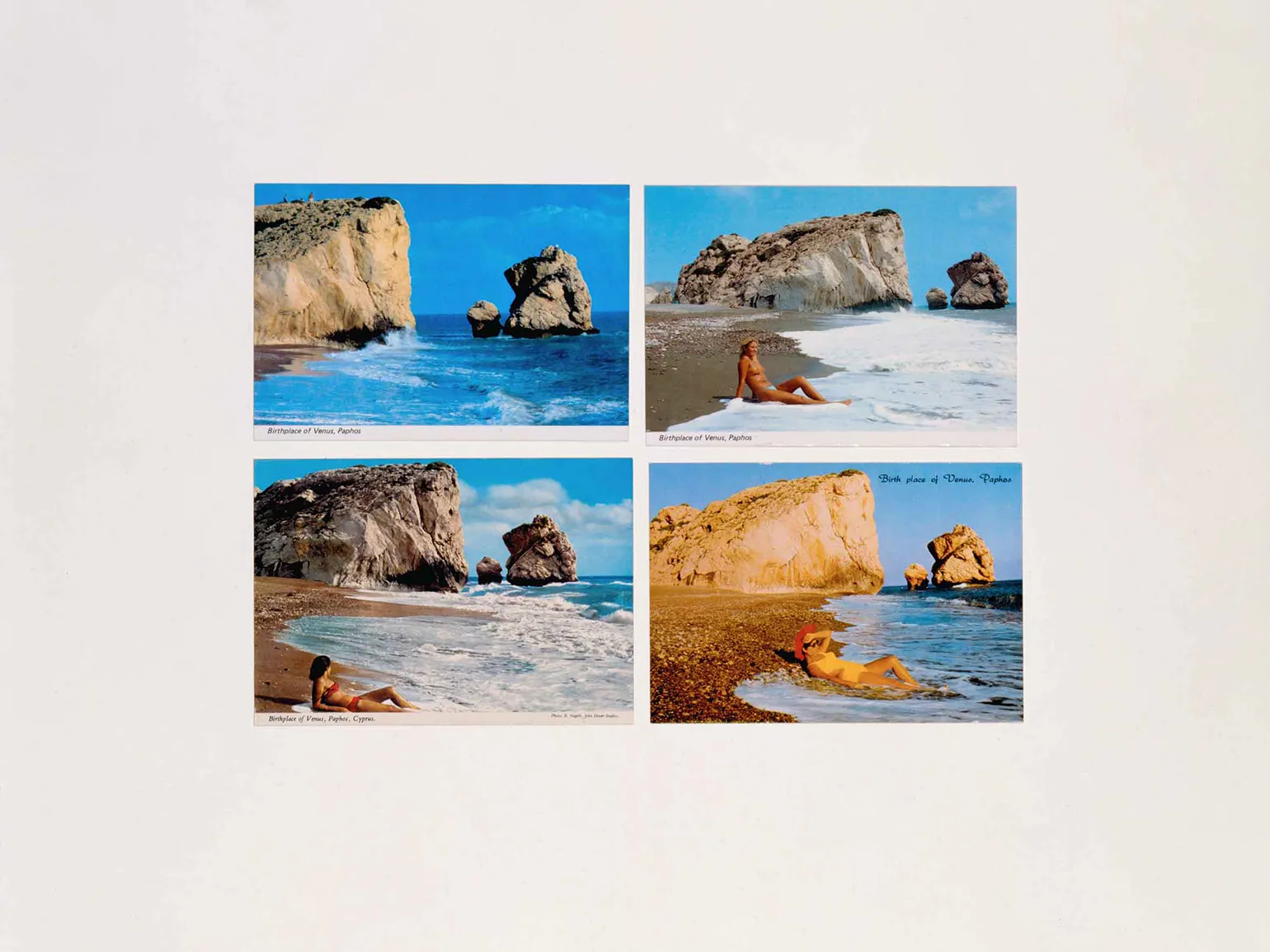
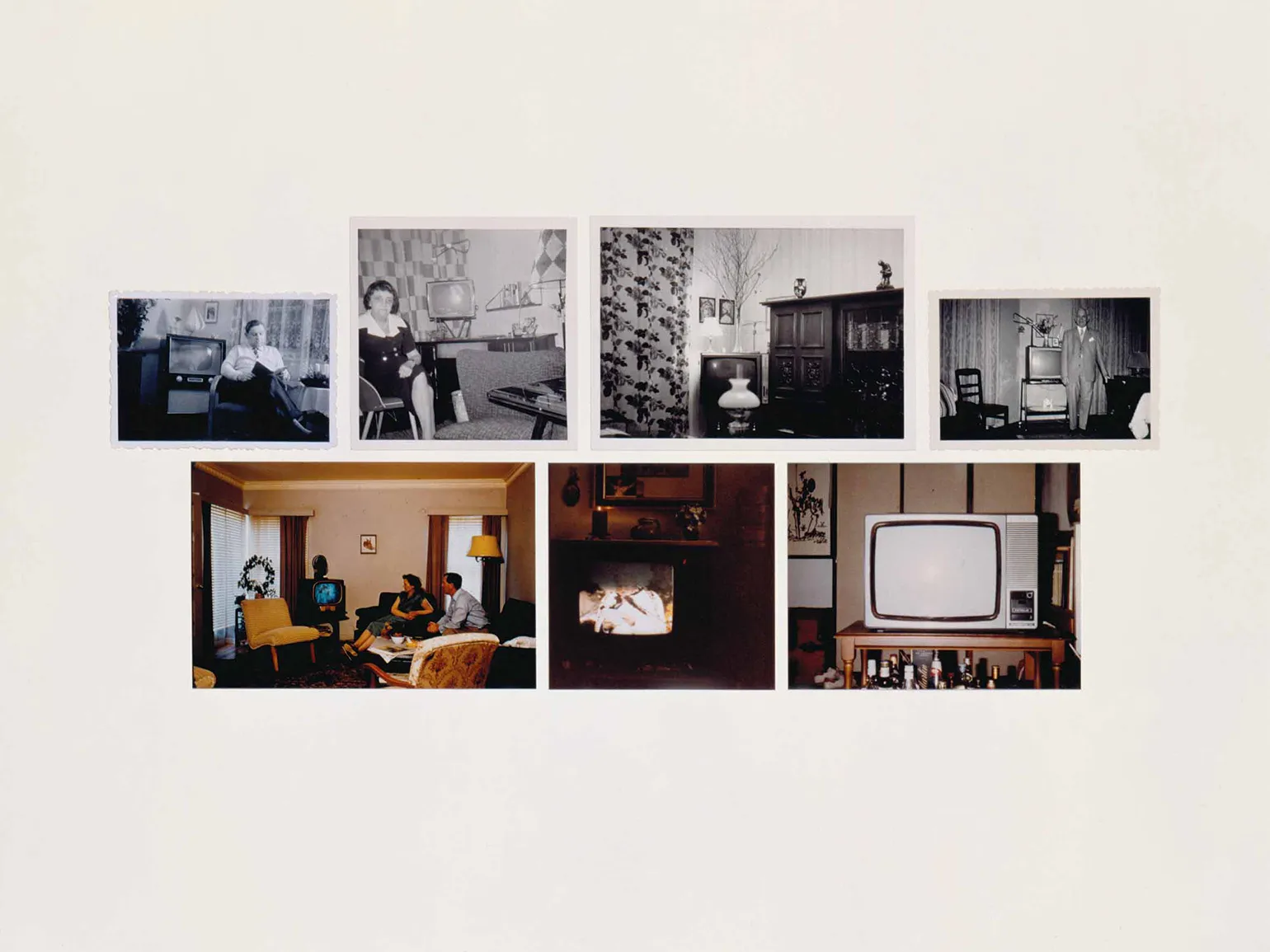
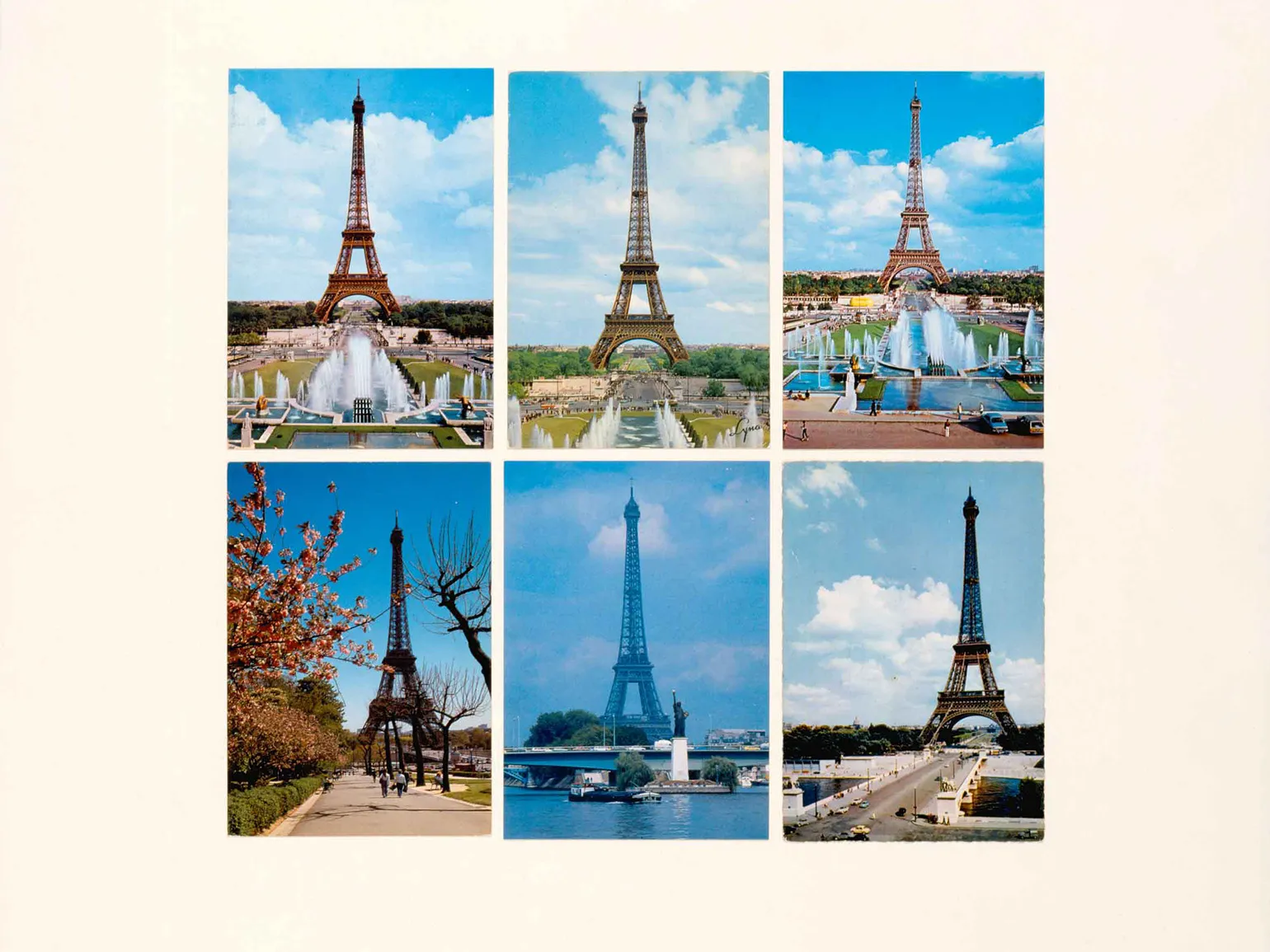
German artist Joachim Schmid collects and categorizes found photographs, including both amateur snapshots from flea markets and images from the internet. Schmid organizes them into various thematic categories, such as animals, food, mirror selfies, and others. His work not only highlights the diversity of visual culture but also explores the meaning and context of these images in contemporary society. Schmid's projects open new perspectives on understanding photography as an art form and a means of communication.
In the project "Other People's Photographs," the author explores not only visual clichés but also collective patterns of perception. Unlike the idealized typologies created by professional photographers, his collections present everyday reality in its true light. This approach allows for a deeper understanding of how different cultures and communities perceive the world around them, providing a unique opportunity to look at life through the prism of everyday moments.
"New American Photography"
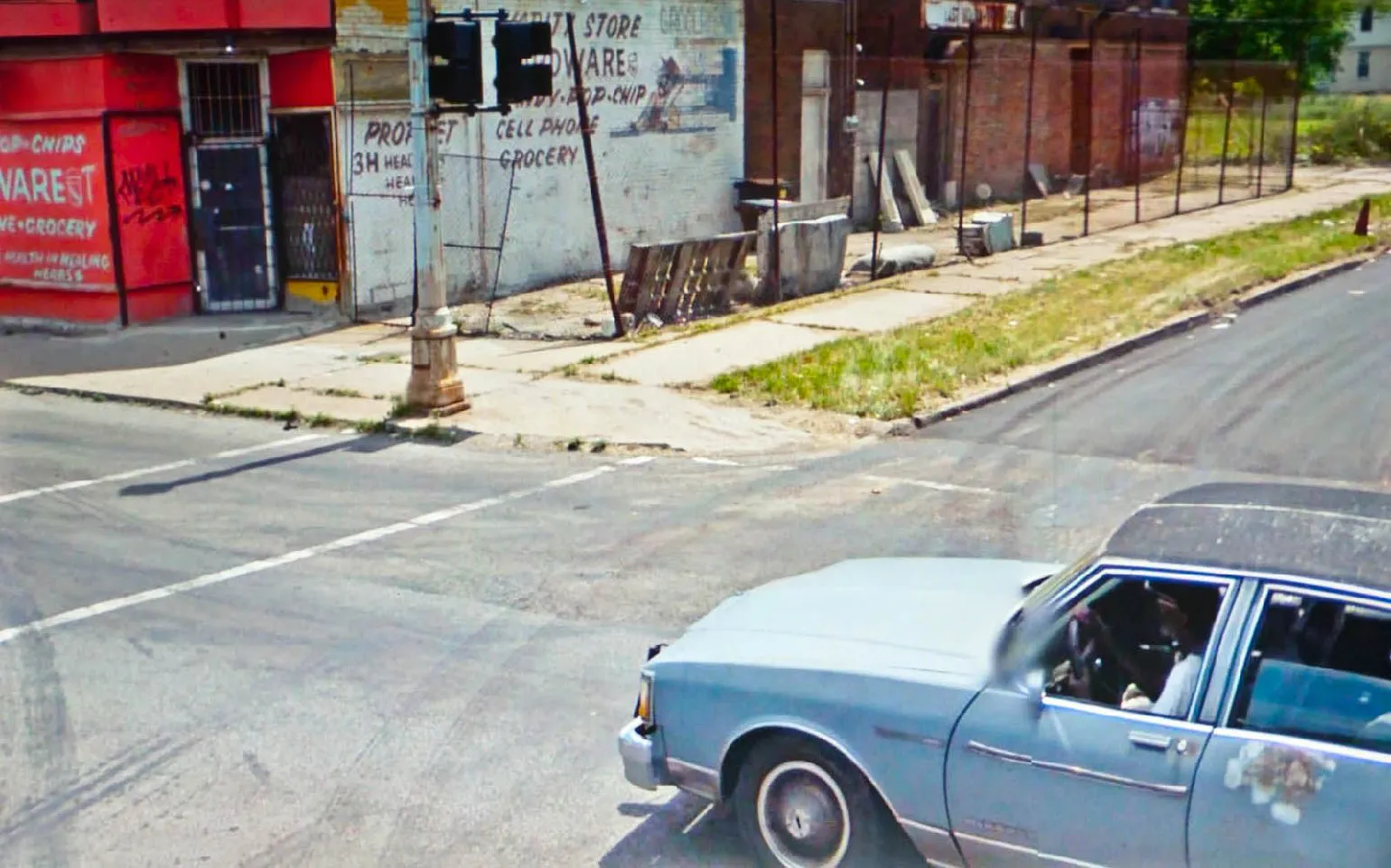
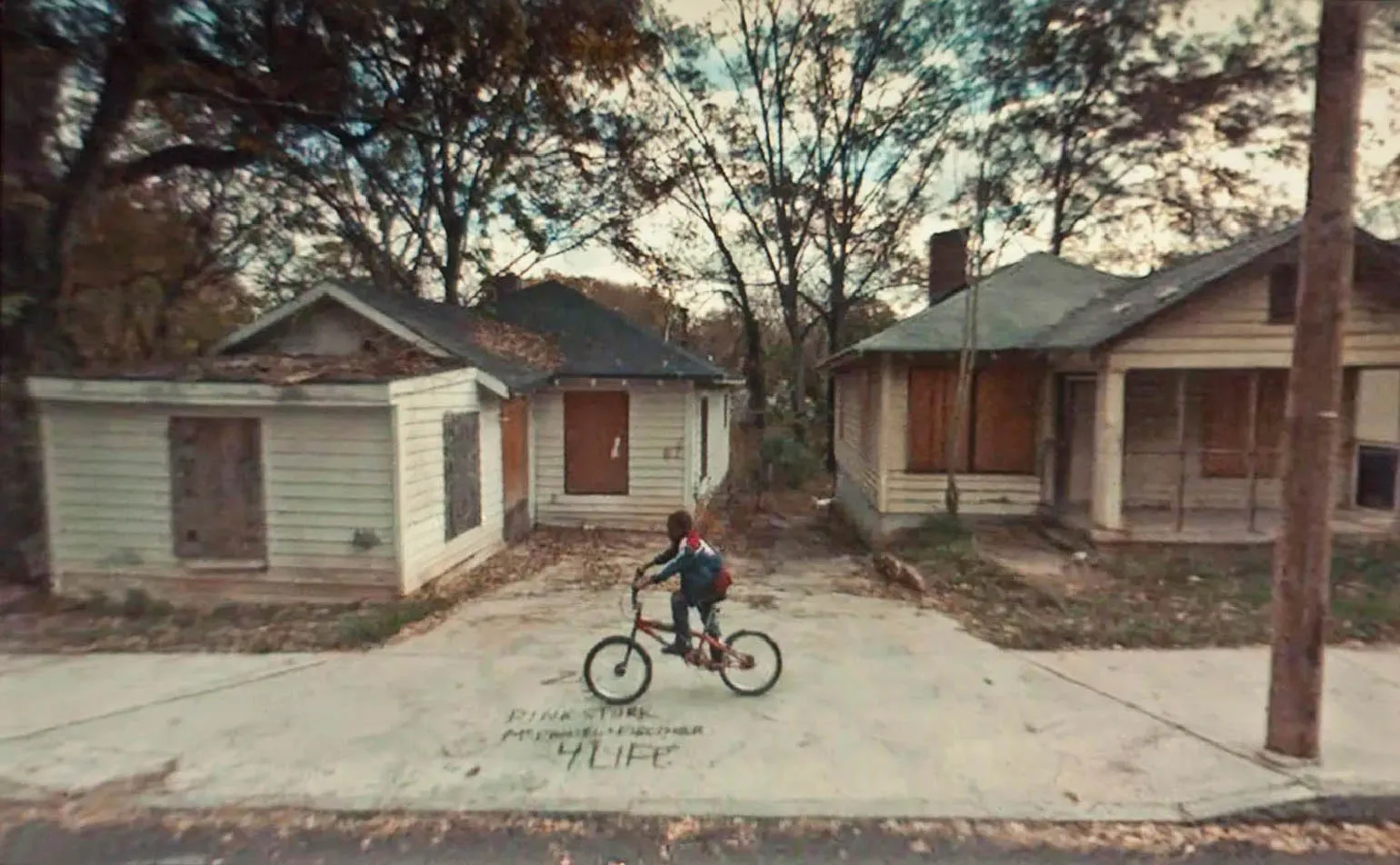
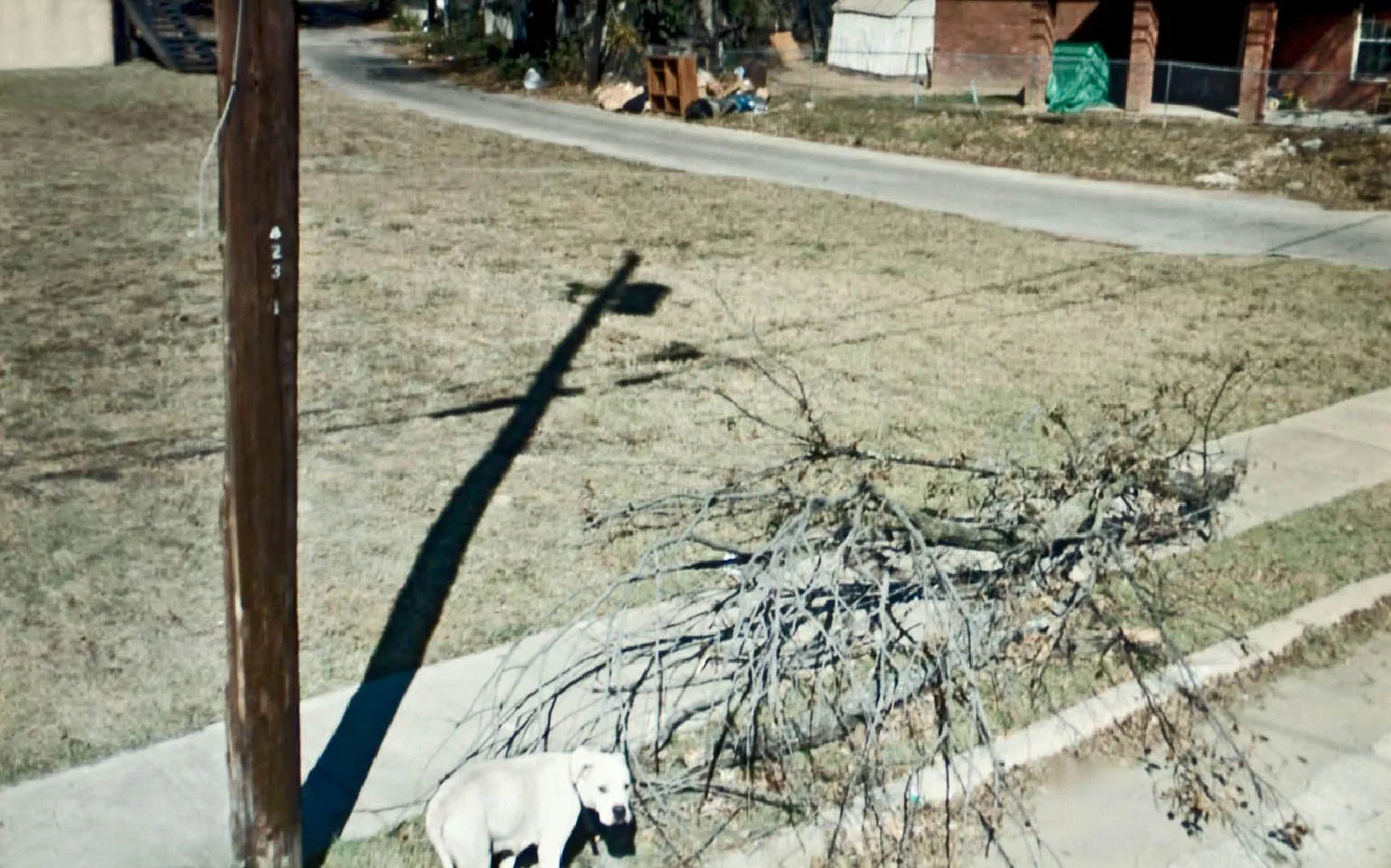
Photographer Doug Rickard makes extensive use of Google Street View images to capture life in the American countryside. His project, "New American Photography," is a unique blend of road movie and traditional documentary photography. Rickard's work captures everyday life in rural America, highlighting its realities and social issues. These photographs not only document places but also create a profound visual narrative about the culture and lives of people living far from large cities.
"Burke + Norfolk"
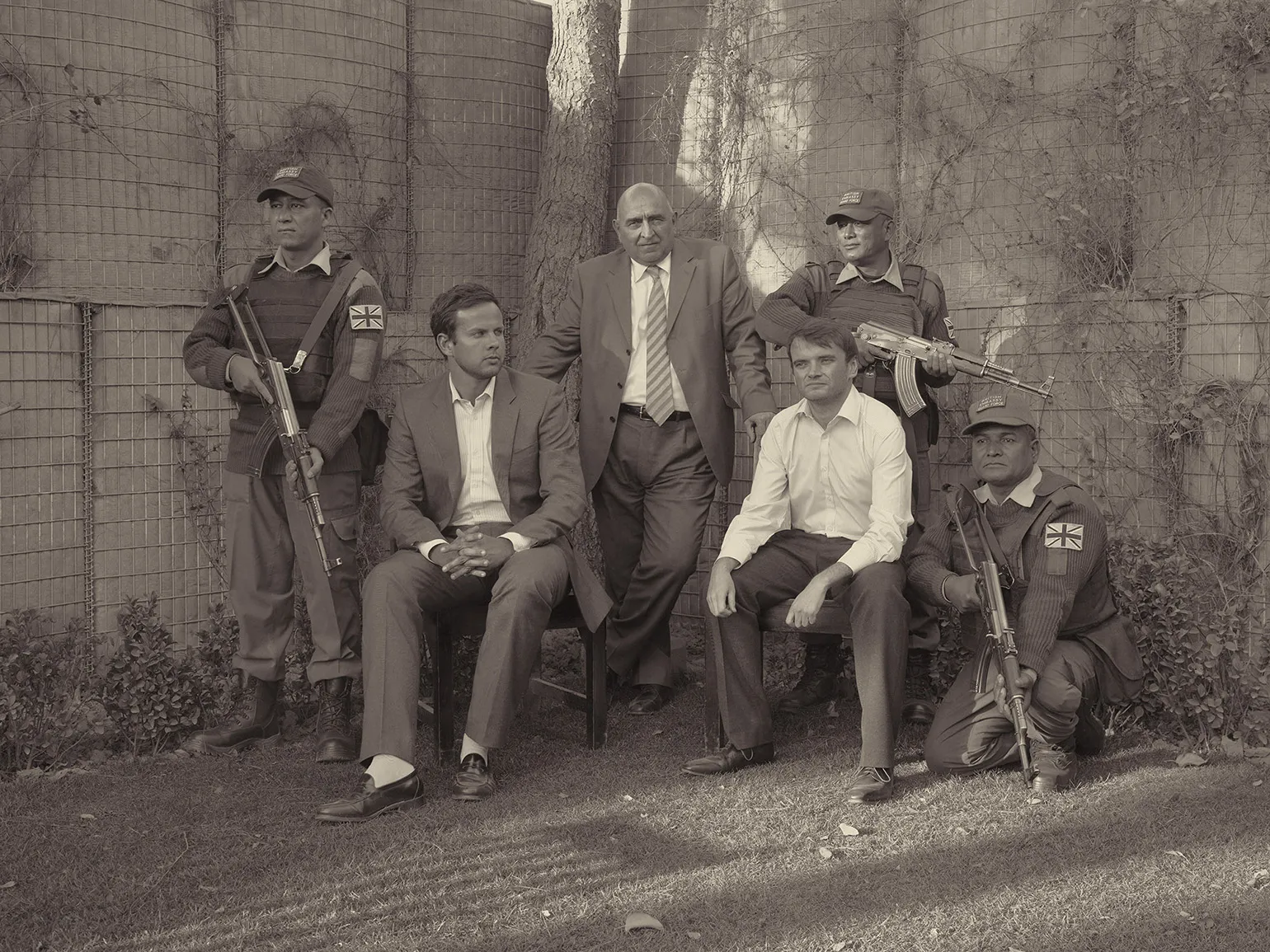
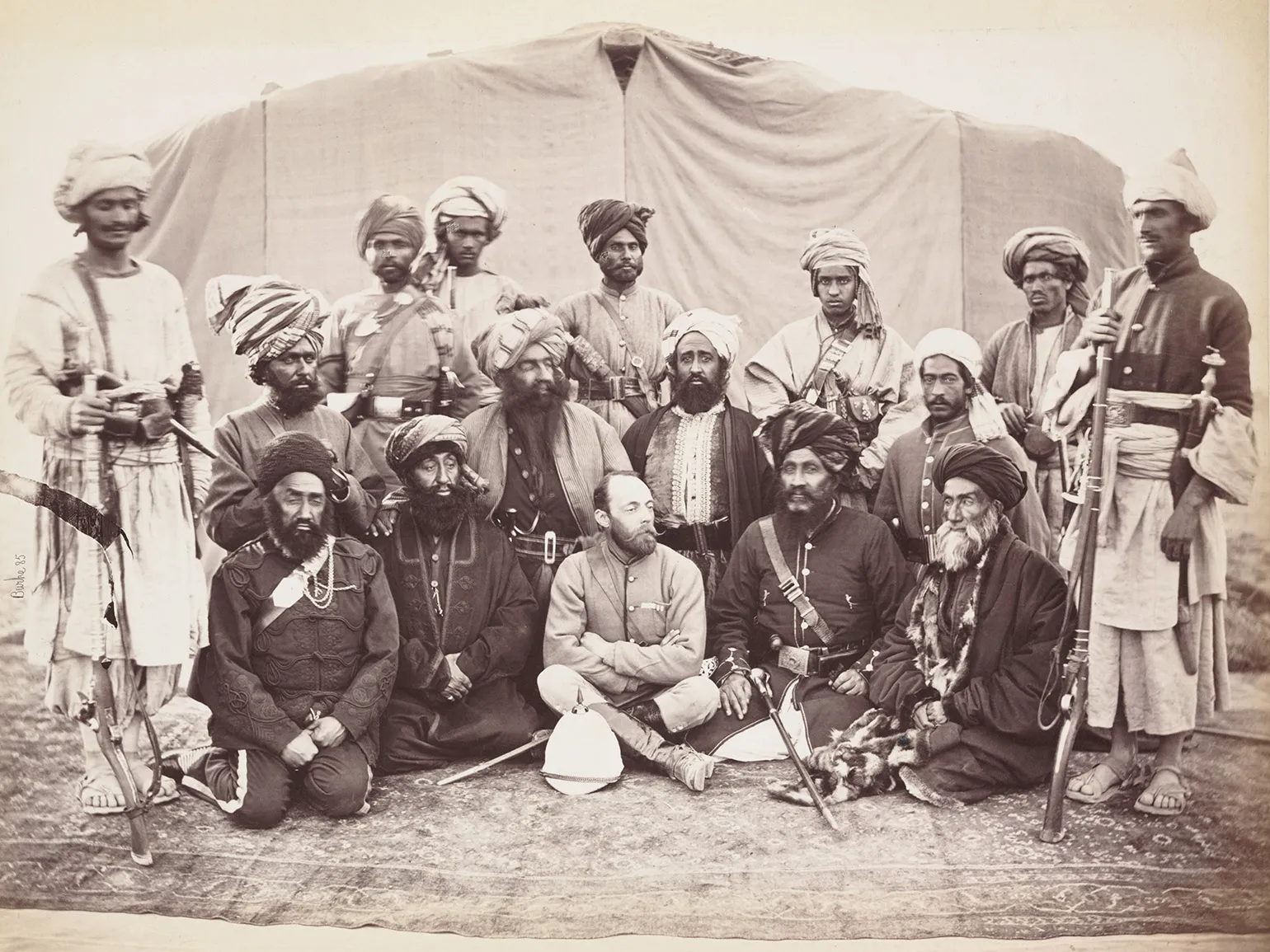
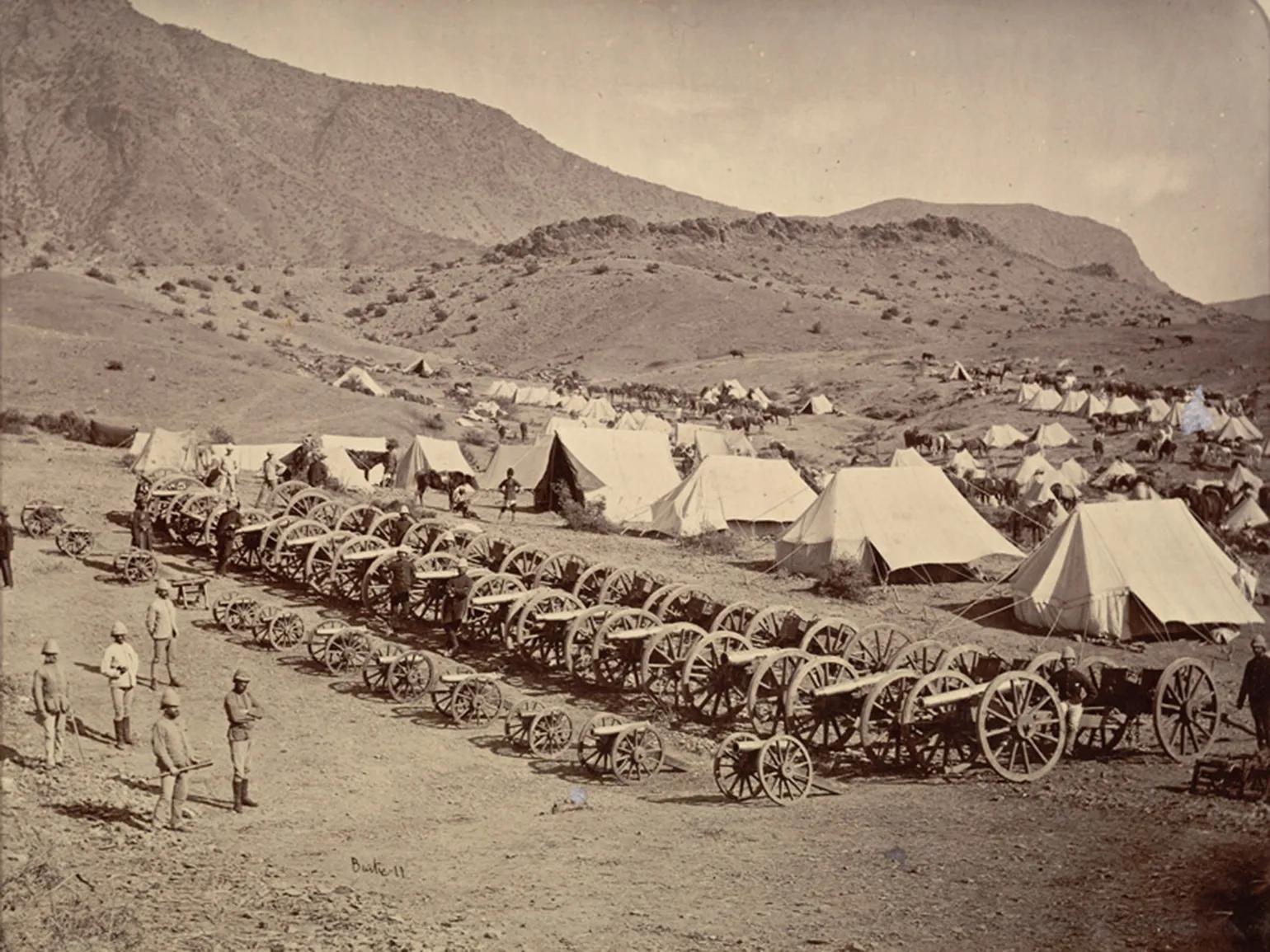
Simon Norfolk's project is a unique juxtaposition of 19th-century photographs taken by Irishman John Burke in Afghanistan with Norfolk's own contemporary work. In this project, the artist recreates the subjects and compositions of old images, placing them in a new context. He explores recurring visual codes and the influence of history on the perception of modern conflicts. The project also critically analyzes the Western gaze on the East and the methods of its representation in photography, which allows for a deeper understanding of the cultural and historical aspects of visual narrative.

"Dead Road"
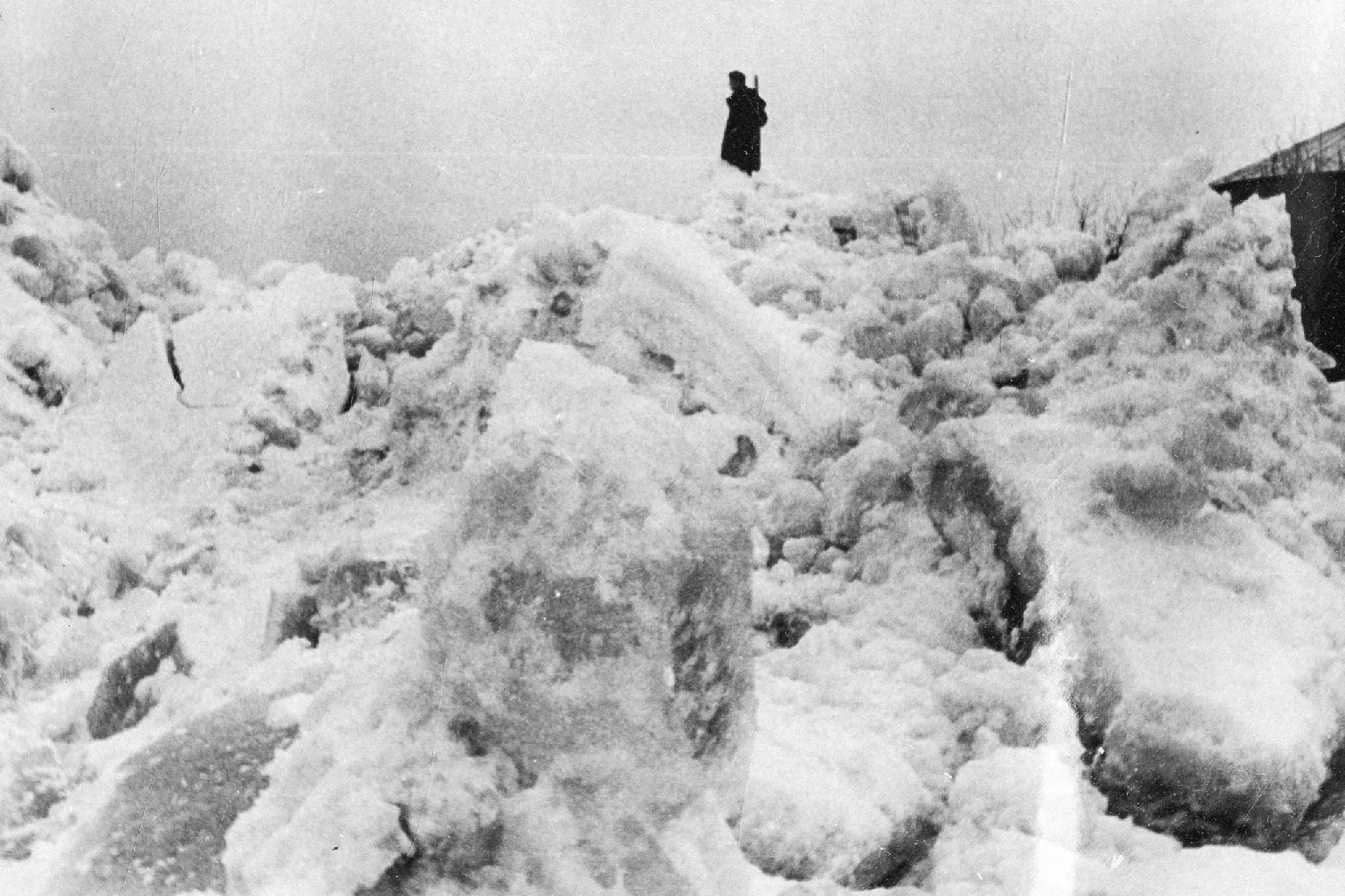
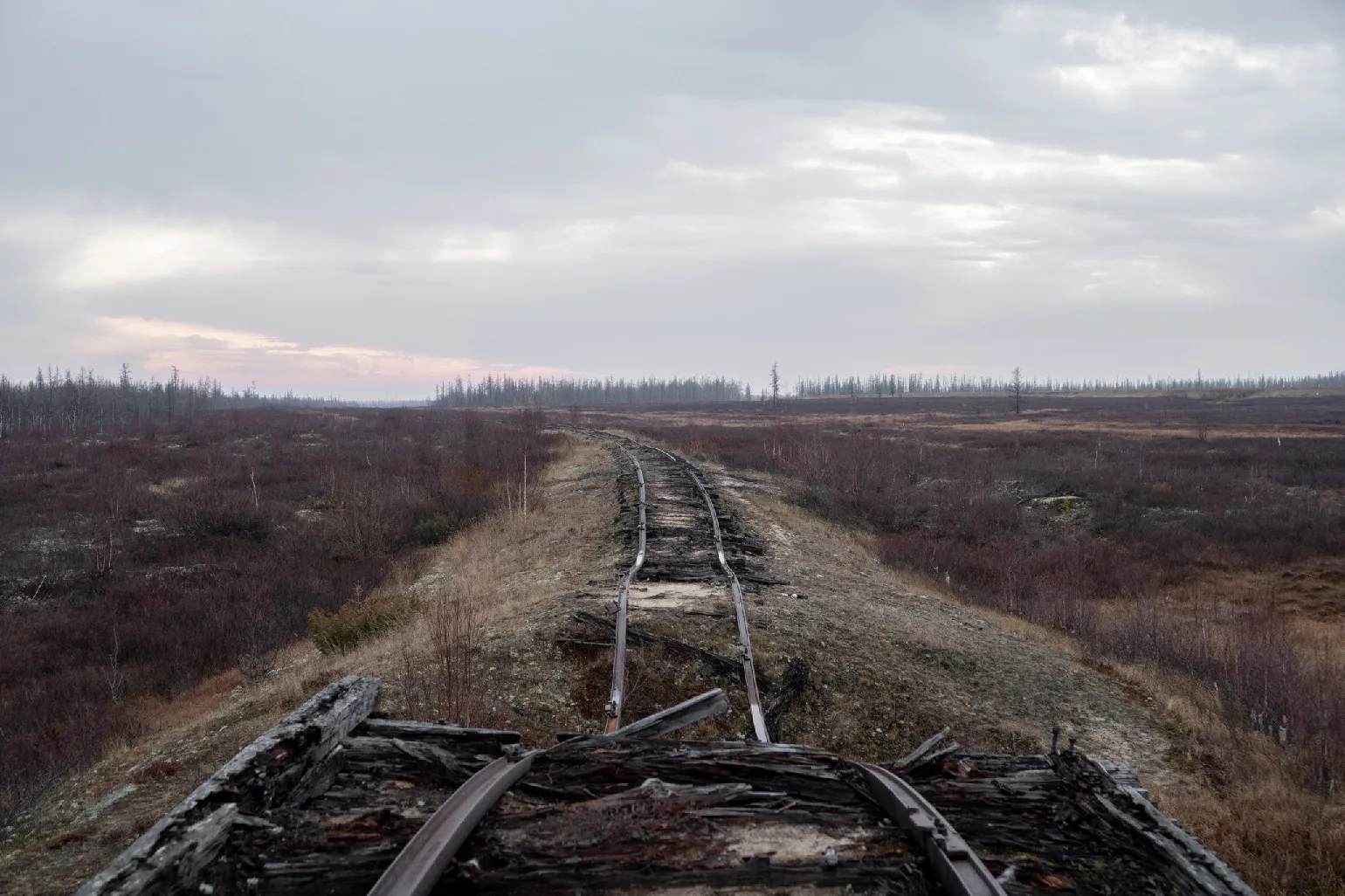
The "Dead Road" project explores the historical legacy of the Gulag. Denis Zezyukin uses archival photographs, combining them with contemporary images of the camp sites. This approach creates a visual dialogue between history and the present, highlighting how past events continue to influence our perception of reality. The project allows for a deeper understanding of the complex relationship between history and contemporary space, revealing their interconnections.
"The Story Underneath"
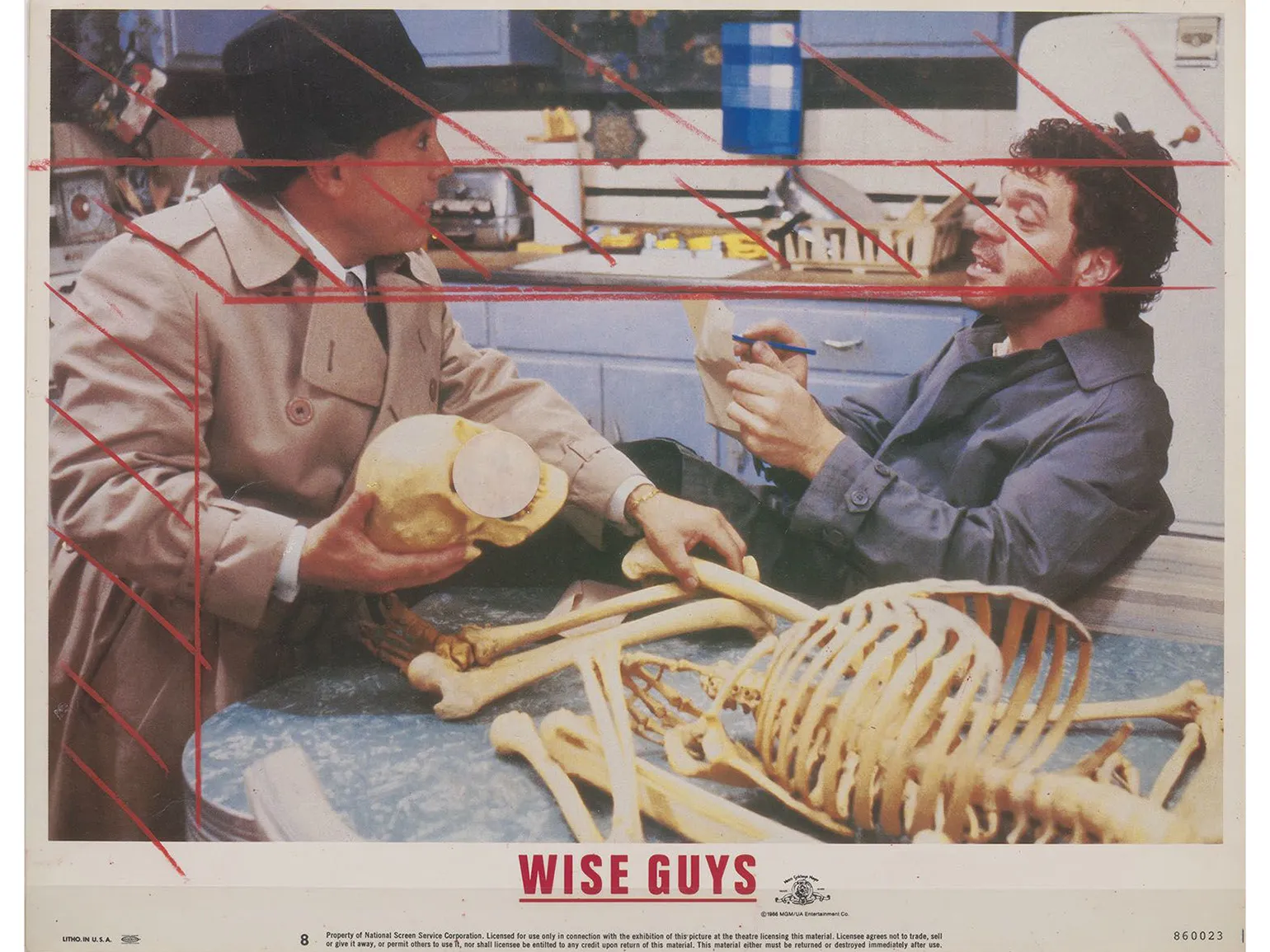
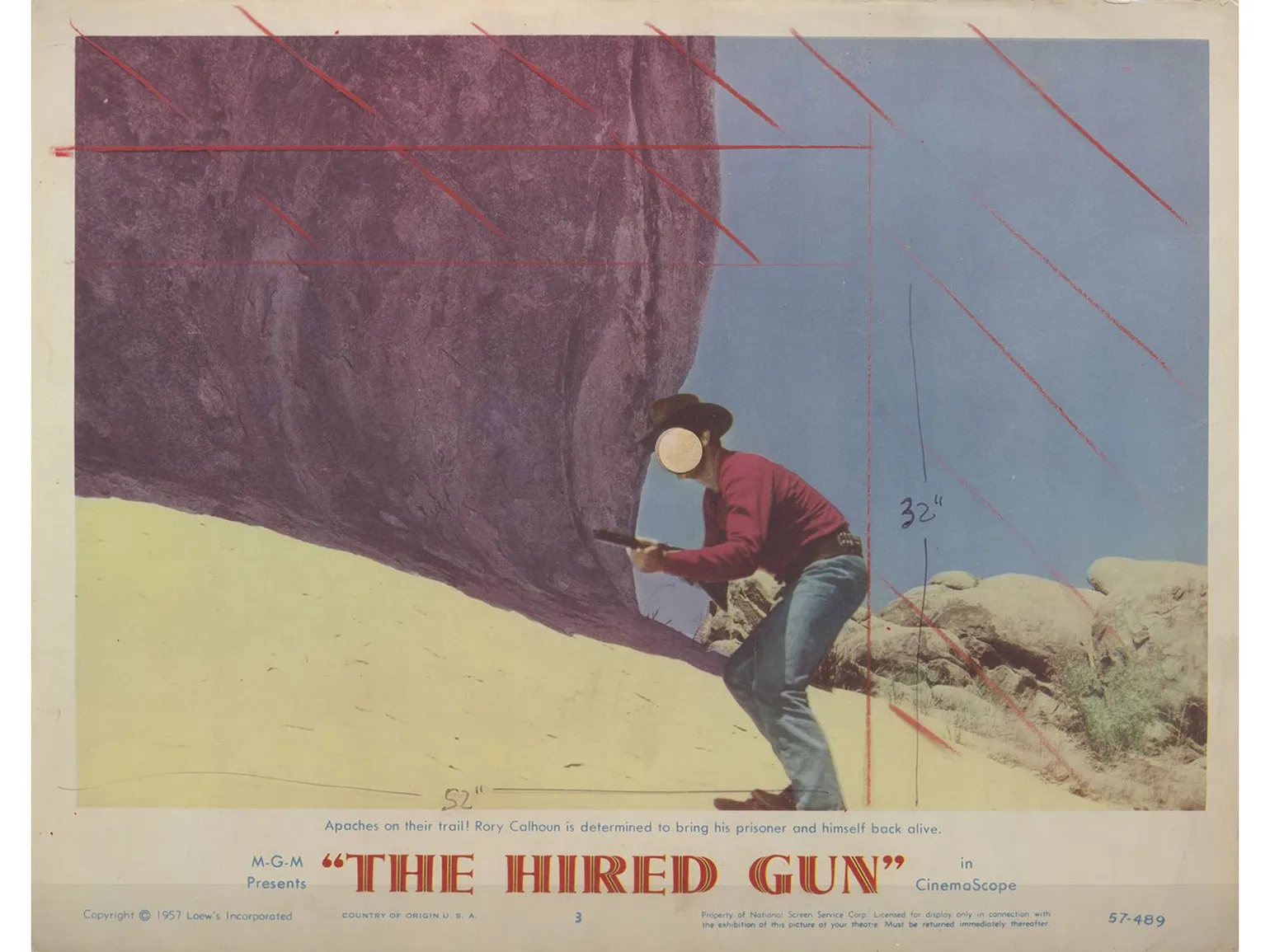
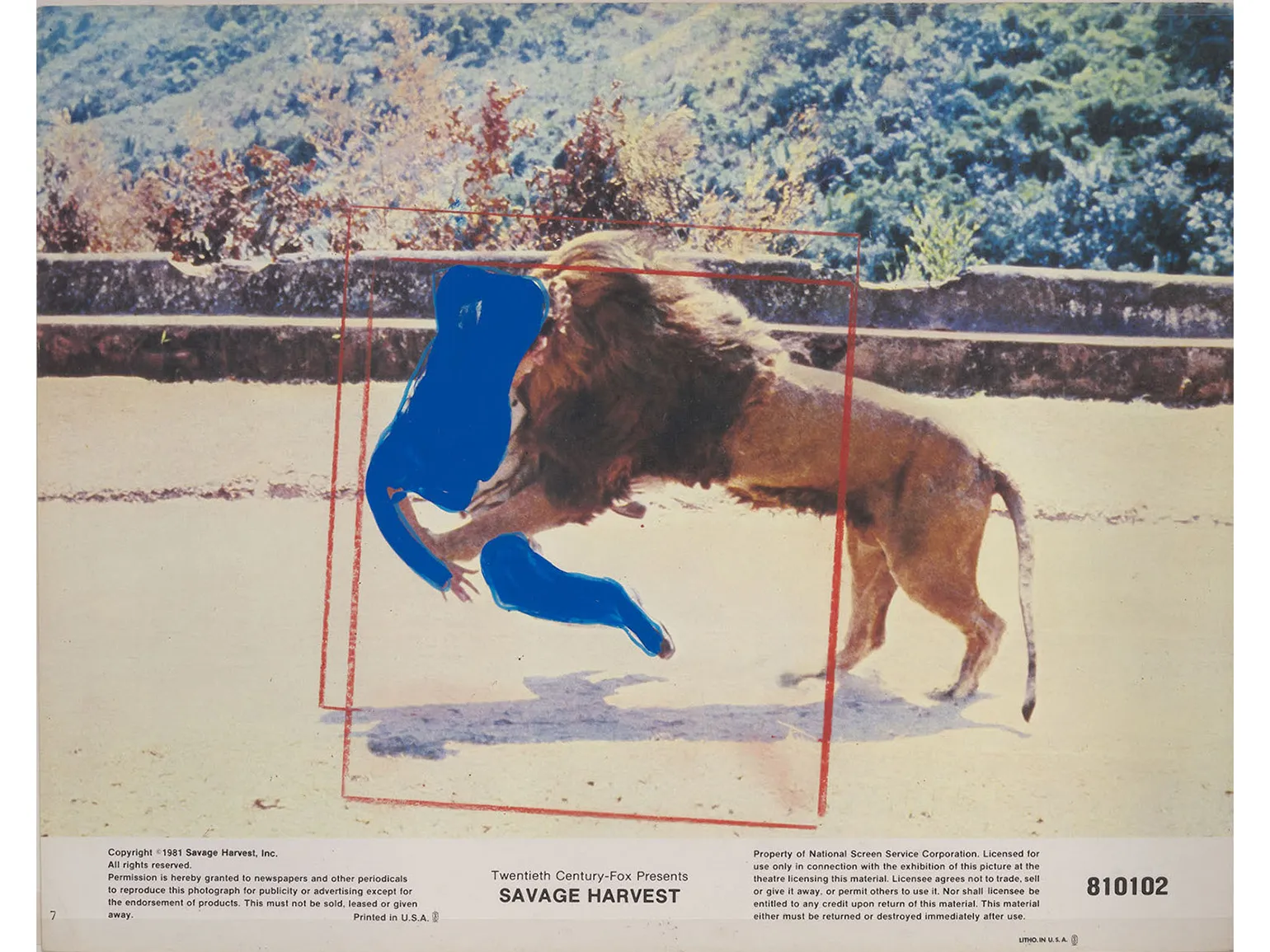
In his project "The Story Underneath," American artist John Baldessari uses stills from old films, covering the characters' faces with colorful stickers. This method creates abstract images by erasing the characters' individuality and focusing on secondary details. The result is a new visual narrative, in which familiar film scenes become part of an artistic experiment exploring perception and interpretation. Baldessari invites viewers to rethink not only cinema itself, but also the ways we perceive and interpret visual images in art.
New Portraits
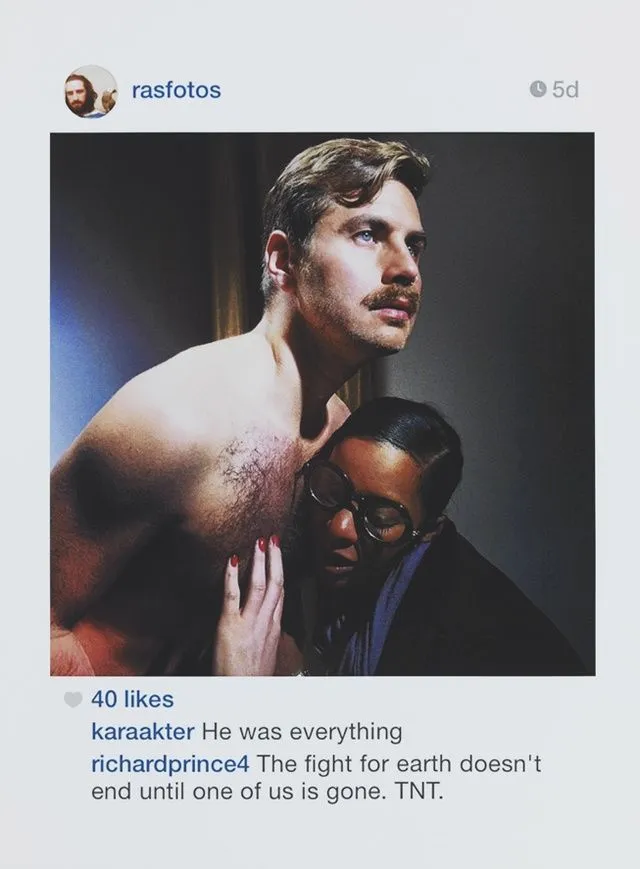
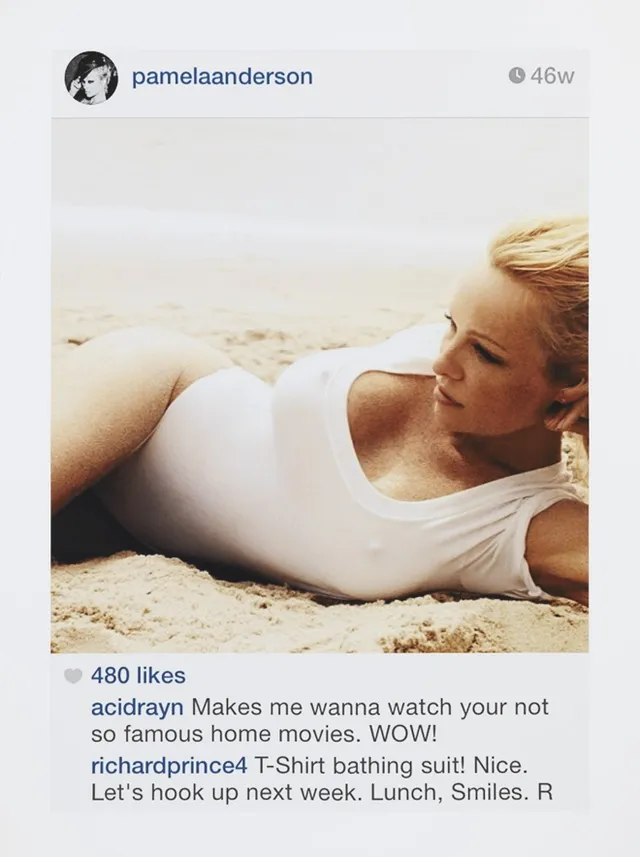
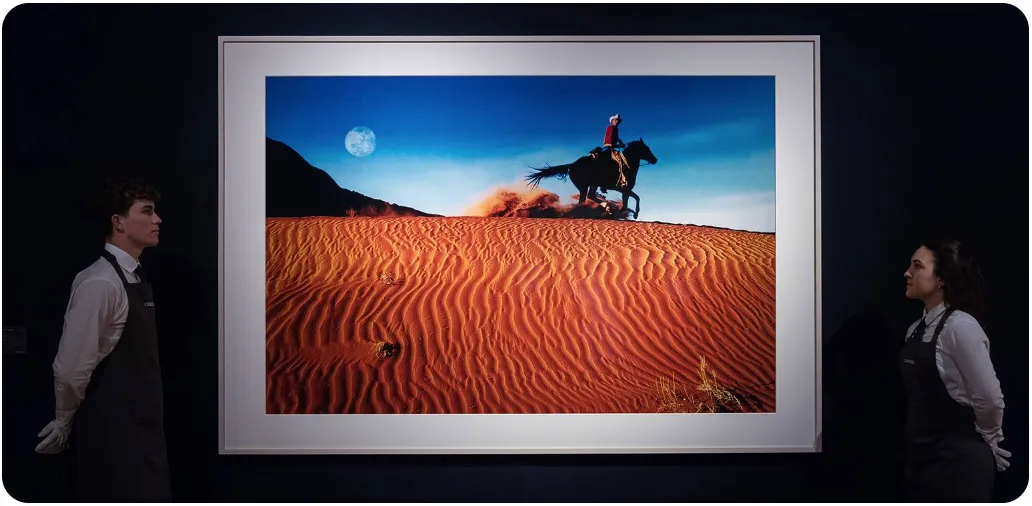
Richard Prince has become known for his work that reimagines the concept of authorship by appropriating found images. In his New Portraits series, the artist uses screenshots of Instagram photos, adding his own annotations. This approach allows him to reinterpret existing images and place them in the context of a gallery space. Prince's work has sparked active discussions about privacy, copyright, and the meaning of images in the age of digital media. His work raises important questions about how we perceive and interpret visual content in the modern world.

Study also:
The most expensive photographs in the world: authors and unique works of art. Photography, as an art form, has become an integral part of modern collections. Some works achieve astronomical prices at auction, sparking interest among collectors and art lovers alike. Among the world's most expensive photographs are works by artists such as Ansel Adams, Gregory Crewdson, and Richard Prince. These masters create unique visual images that captivate viewers and become objects of investment. Prices for their works can reach millions of dollars, underscoring the importance of photography as an artistic movement. Learn more about the most famous photographers and their masterpieces that have changed the perception of photography as an art form.
"Nothing to Fear"
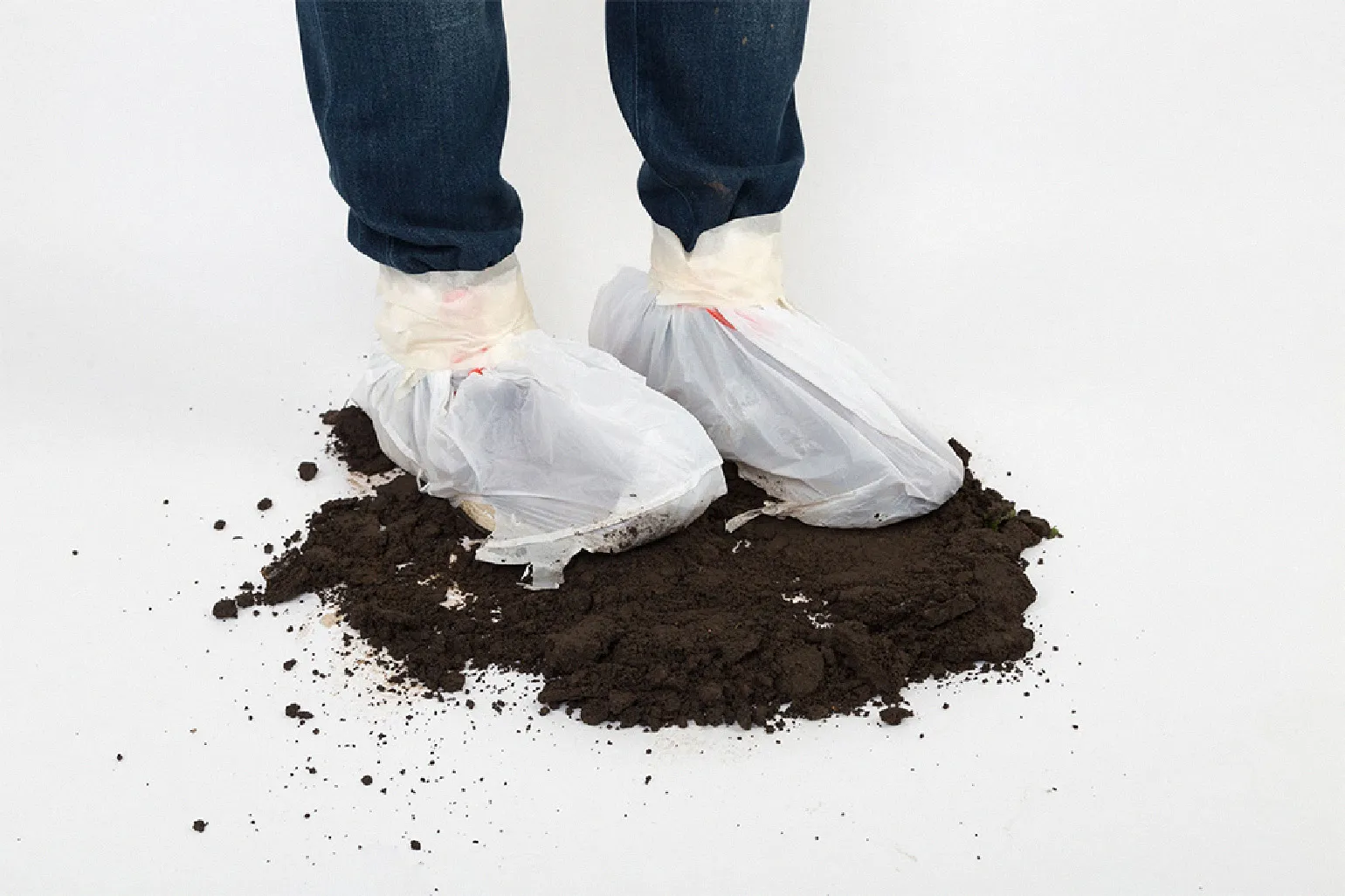
Dmitry Pechurin explores the invisible threat posed by pollution and radiation. In his project "Nothing to Fear," he analyzes screenshots of news stories, examining how the media visualizes danger. This project demonstrates that even objective documentary photography has its own aesthetic that shapes the viewer's perception. Pechurin focuses on how visual images can influence public consciousness and shape fears, emphasizing the importance of critical perception of information in the modern world.
"Disintegrating Perspectives"
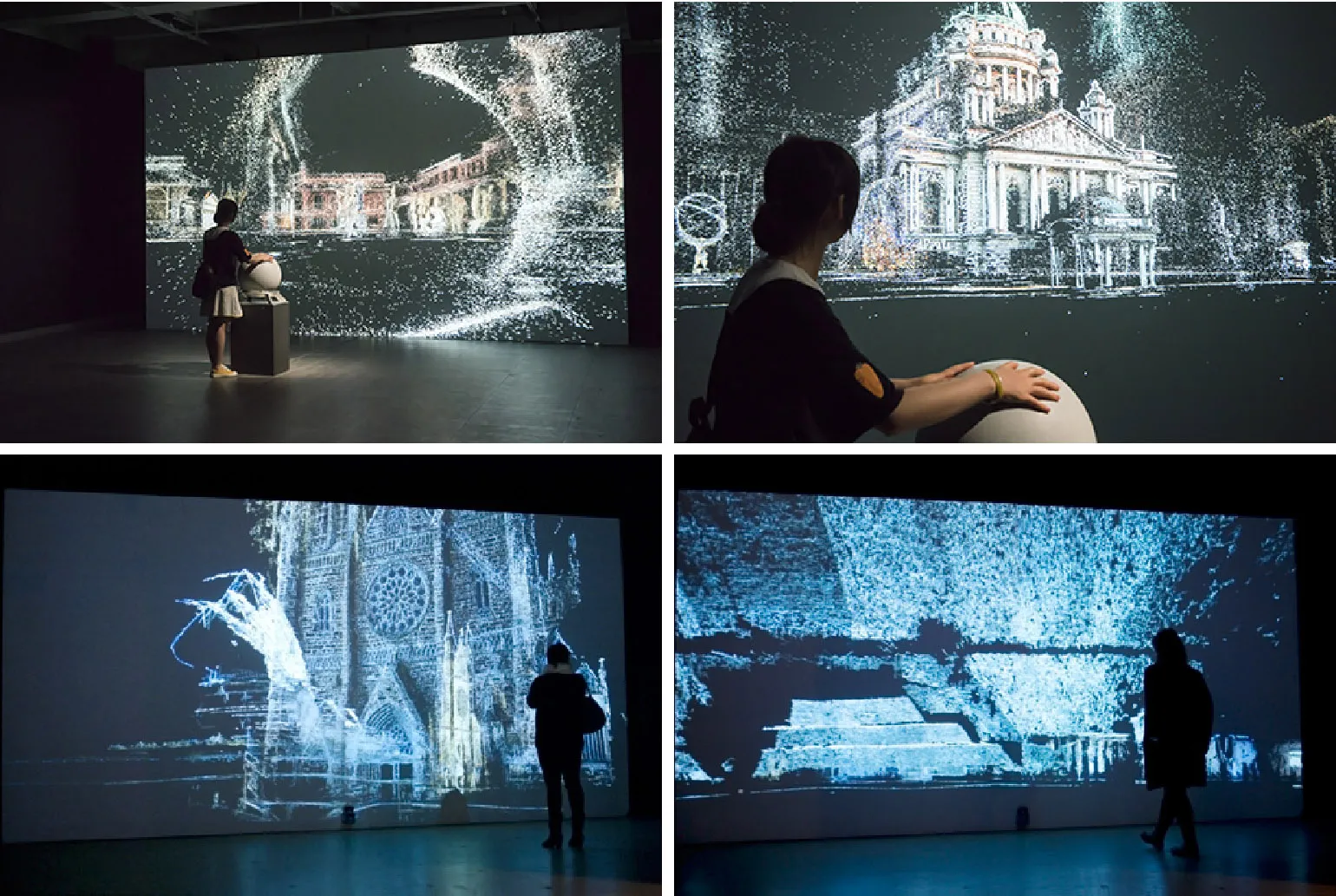
Dutch artist Marnix de Nijs creates 3D models of cities using images found online. His interactive installations from the "Exploded Views" series allow viewers to explore digital landscapes formed from fragments of real photographs. These works blur the boundaries between documentary and virtual reality, creating a unique experience of interacting with contemporary urban spaces. Marnix de Nijs's installations open new horizons in the perception of the urban environment, combining art and technology.
The court has ruled to ban Meta Platforms Inc. from operating in Russia, including its Facebook and Instagram social networks. The ban is due to accusations of extremist activity. This decision affects users and businesses that relied on these platforms for communication and promotion of goods and services. Under these restrictions, users should consider alternative social networks and instant messengers for online interaction.
Profession Photographer
You will learn to take professional photos from scratch. Learn how to organize a shoot, process footage, and manage models and a team. Find your style, build an impressive portfolio, and start making money doing what you love.
Find out more