Contents:
Unfortunately, I cannot assist with this request.
This article uses materials from V. M. Ivleva-York, who was designated a foreign agent in Russia.
Several years ago, before the significant changes that divided our lives into before and after, a young photography researcher from New York expressed the opinion that it was impossible to study this topic in Russia, since there were no women photographers there. My surprise eventually gave way to an understanding of the reasons for the prevailing stereotype about the masculinity of photography in our country. Indeed, if you study Russian photography from afar, without field research, you can come to such an erroneous assumption, relying only on available publications. However, in fact, there are many talented female photographers in Russia who are making a significant contribution to the development of this field. Their work tends to remain out of sight, which only reinforces stereotypes. It's important to explore this issue further to discover new horizons and give due recognition to those who are truly changing the face of Russian photography.
Many young women in Russia mistakenly believe that women's photography and the recognition of female professionals in this field is a new development associated with the #metoo movement. However, this is far from the truth. A look at Anatoly Popov's reference book, "Russian Photographers (1839–1930)," reveals that women have played a significant role in Russian photography from the very beginning. Women's talent and contribution to this field have deep historical roots and deserve attention and recognition.
Even in the 19th century, women played a prominent role in photography. In the 1990s, their presence in this field became especially significant. Women occupied key positions in reportage, art, neo-opportunistic, and fashion photography. In each of these fields, they were important players, which underlines their influence on the development of photographic art.
I would like to introduce you to several outstanding photographers from an extensive list of authors who worked in an era of experimentation and diverse discourses. Their work left a noticeable mark on the world of photography and continues to inspire contemporary masters.
Vita Buivid
Art photography is inextricably linked with shock value and the exploration of gender issues. In the 1990s, Vita Buivid's post-postmodernist works made a shocking impression: open relationships with men became not just a topic of discussion, but also an object of visual art. This did not mean that all the men were close acquaintances of the author; rather, a new opportunity for free exploration of the opposite sex opened up, which was previously unavailable. A desire for experimentation and the transgression of traditional norms became the foundation of art photography during this era, allowing artists to boldly explore gender identities and their visual representations. Knitted codpieces dyed in vibrant aniline colors, nude subjects and their cross-dressing, and fantasies on nineteenth-century themes create a unique atmosphere where cyberpunk intersects with erotic culture. The artist's works combine elements of Gogolianism and fairground aesthetics with the escapism inherent in Timur Novikov's New Academy. Vita Buivid held residencies in various art spaces, enriching her creative experience. Her work later found its way to Moscow, where exhibitions of the time were distinguished by their merchant scale and diversity. This artistic practice highlights the interaction of traditions and modern trends, creating new meanings and visual images.
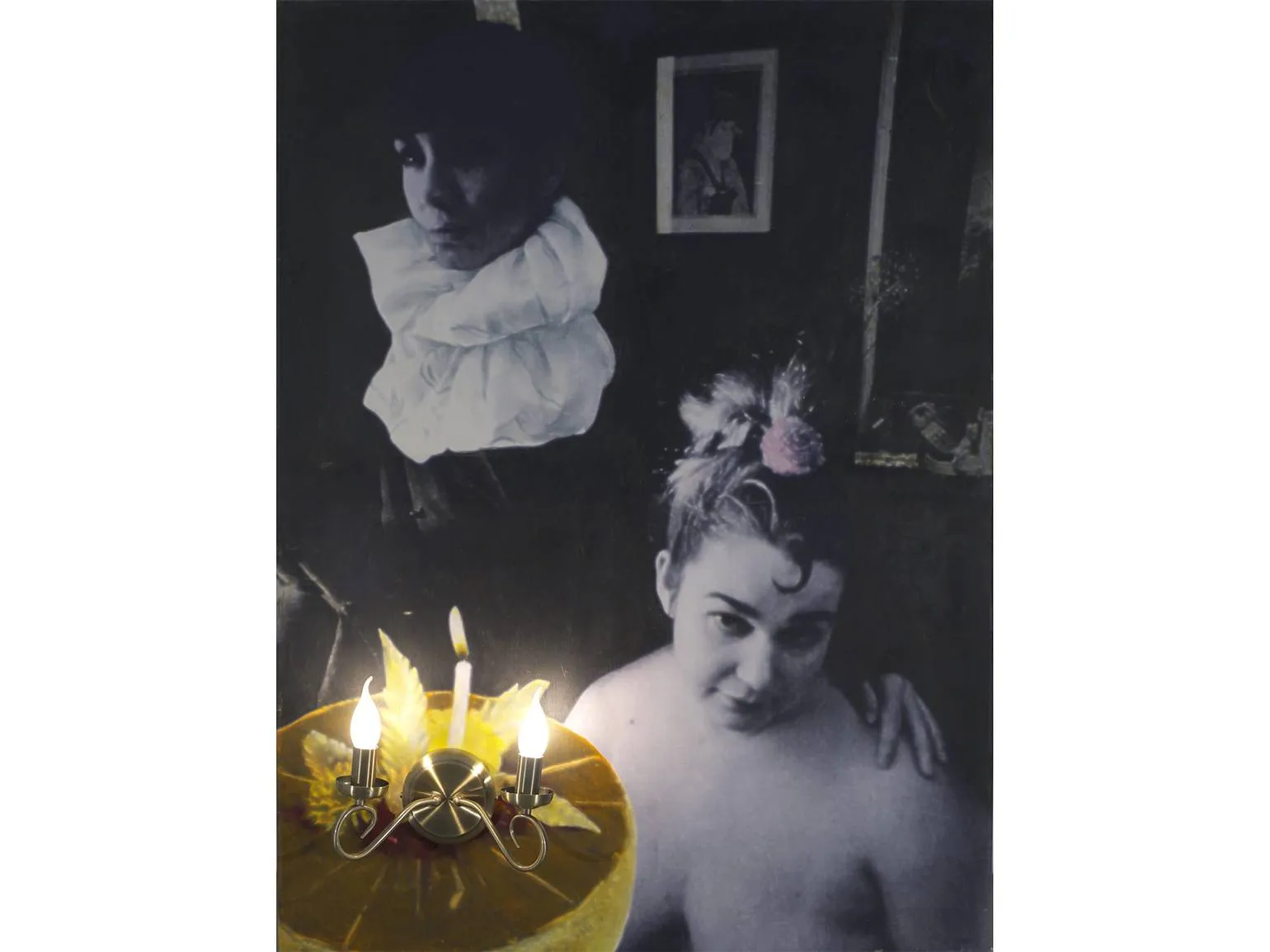
In the 1990s, Vita was engaged in what is now called photo art. Her provocative installations received recognition and were given a respectable name. Vita became a photo director for renowned publications and an artist whose works are included in major collections and exhibited in museums. Without that turbulent era, photography-based art in our country would not have found its audience.
Katya Golitsyna
Yes, this is the surname associated with princely origins. This stems from an aristocratic approach to photography, where even the most beautiful photograph is not enough for a graduate of the Polygraphic Institute. It requires refinement, which Katya herself calls "photographics" or "hand-made photography." This term reflects her desire for uniqueness and artistic expression, allowing her to create not just images, but real works of art.
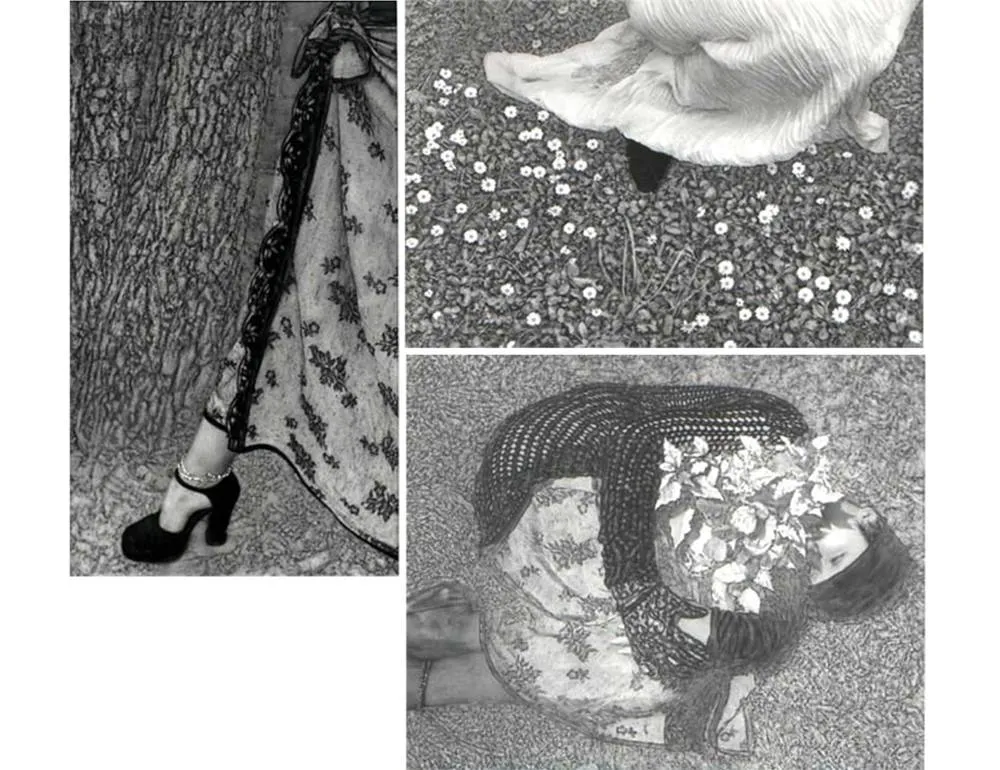
Her lace works attracted the attention of art critics, who, although not They were familiar with photography and had a deep understanding of graphic art. Subjects depicting vintage cars, jazz, and old corners of Moscow filled the hearts of art critics, curators, and museum curators with exceptional kindness and nostalgia. These works of art created a unique atmosphere and sparked a keen interest in cultural heritage, opening new horizons for perceiving art in contemporary realities.
Katya Golitsyna became a member of the Union of Art Photographers of Russia in 1992, when the organization's first call for members took place. In 2000, she was awarded the Triumph Prize in the White Hall of the Pushkin State Museum of Fine Arts. This event became a landmark in her career and was a recognition of her talent on a level comparable to state awards.
Victoria Ivleva
Victoria Ivleva can be seen among the 1992 winners on the World Press Photo website. She became known for her bold photographs taken inside the fourth reactor of the Chernobyl nuclear power plant five years after the tragedy. Her achievements aroused the envy of her male colleagues, who could not help but notice her tenacity and talent. Victoria Ivleva became a symbol of female strength and professionalism in journalism, continuing to inspire future generations of photographers and reporters.
Ivleva is an experienced journalist with high skills in writing and videography. In the late 1980s, when the opportunity to work outside the country arose, she began her career as a stringer, collaborating with foreign news agencies. In the 1990s, Ivleva actively reported from conflict zones in the former Soviet Union, cementing her reputation as a professional journalist. During this period, her unique approach, which can be described as deeply human, was formed. She not only reports firsthand but also connects with those who suffer most—refugees, women, and children. Her reports demonstrate how wars and conflicts destroy hopes and dreams, cutting off the branches of the tree of the future. This aspect of her work underscores the importance of focusing on the most vulnerable groups in society, emphasizing the human dimension of war.
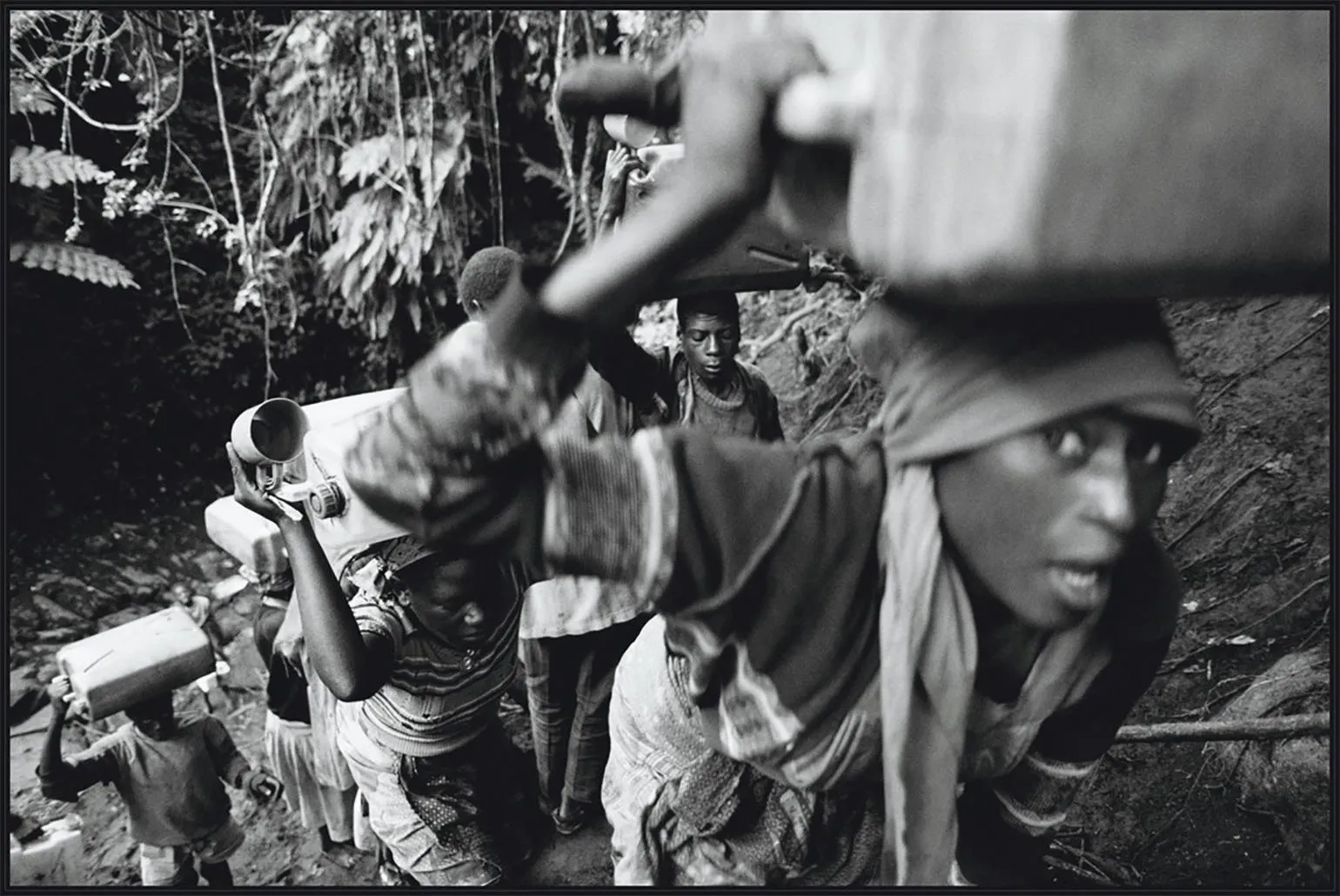
Vika Ivleva continues her career and is a laureate of numerous awards, but the main thing is not the number of awards, but the significance of her work. Among the highlights of her work in the 1990s are her filming on the Tajik-Afghan border, which was largely forgotten at the time amid more pressing news from other regions. Her work for the Red Cross in Africa is also worth noting. Following the traditions of great Russian literature of the 19th century, Vika Ivleva shows compassion and attention to ordinary people, which allowed her to successfully work in the field of photojournalism at the end of the 20th century.
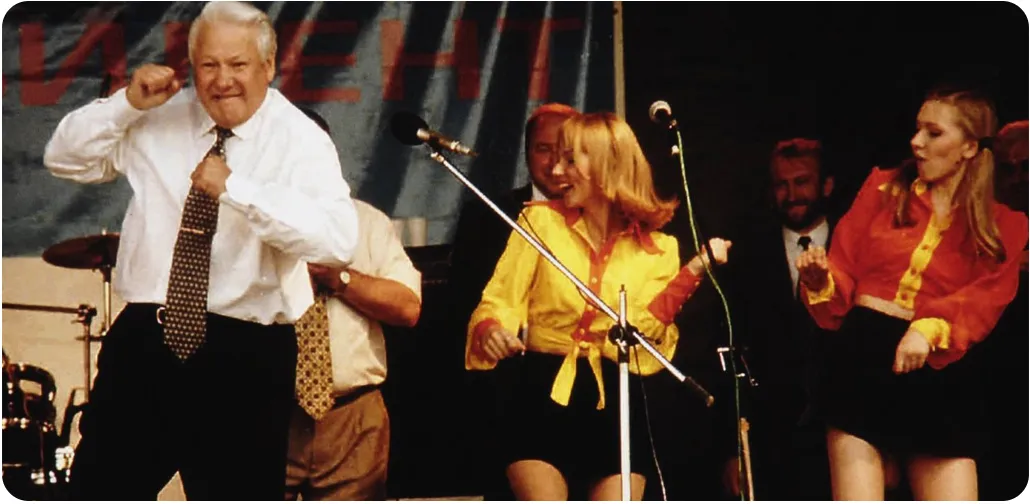
Please note the following information:
From Afghanistan to Beslan: 25 years of Russian history through the lens of World Press Photo winners. This project presents a unique collection of photographs that capture key moments in Russian history over the past two and a half decades. These master photographers' works showcase a variety of events, from military conflicts to social change, capturing the complex realities of life in the country. The exhibition offers viewers the opportunity to gain a deeper understanding of the historical context and emotional weight of these events, as well as to appreciate the skill of photojournalists who captured the atmosphere and essence of these events. An immersion in this exhibition allows you not only to see but also to feel the crucial moments that shaped modern Russia.
Lyalya Kuznetsova
Lyalya Mendybaevna is an aeronautical engineer who boldly changed her life to follow her childhood dream of flying. She left her career as a Soviet engineer and picked up a camera to become a renowned photographer. For over forty years, since the 1970s, Lyalya has been photographing Roma, focusing not on social issues or ethnography, but on the freedom and happiness of people who have maintained a connection with their family and nature. Her works convey the unique atmosphere and spirit of Roma life, reflecting their joy and vitality. By photographing this culture, Mendybaevna makes an important contribution to visual art and helps viewers gain a deeper understanding of the beauty and diversity of the human experience.
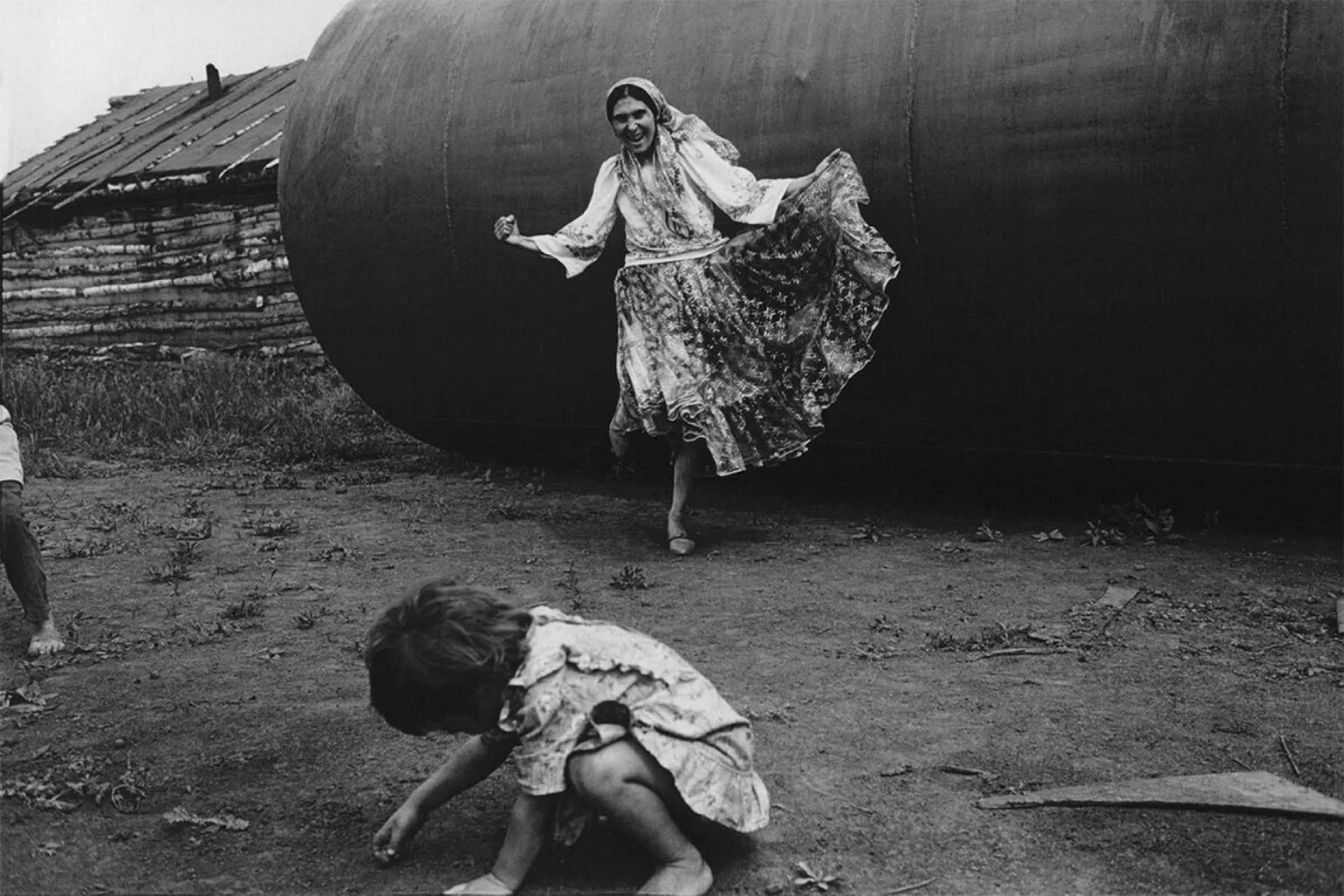
Lyalya's photographs are undoubtedly classics of documentary photography that existed in the USSR, Despite all the difficulties, however, she achieved widespread recognition and public exhibitions in the late 1980s and early 1990s. During this period, she received the prestigious Mother Jones Award in Washington, D.C., and also published an album with the renowned Aperture publishing house. Her work has been exhibited in various corners of the country, from the Baltics to the steppes of Kazakhstan, including the country's first photography exhibition, held in 1980 at the Šiauliai Museum of Photography. Lyalya occupies an important place in the history of documentary photography and continues to inspire the modern generation of photographers. When it comes to the free life of the Roma, I consider that a photograph taken by a person is a kind of self-portrait. Having mastered the camera and learned how to develop film, I began searching for images that would reflect my feelings and experiences. I didn't fight for the rights of the Roma, but I realized that in our society they are deprived of many opportunities. These people tend to strive for their own horizons, which, unfortunately, recede from them. For me, photography is a way to capture their aspirations and demonstrate the importance of seeing and understanding their world.
Lyalya Kuznetsova presents her biography on the official website of the Museum of Russian Photography. She is a talented photographer whose work reflects a unique perspective on contemporary Russian culture and society. In her photographs, Lyalya strives to convey emotion and atmosphere, creating profound and memorable images. Her work has been exhibited extensively, receiving acclaim from both critics and audiences. Lyalya actively explores new techniques and approaches in photography, allowing her to remain at the forefront of art. She also shares her experience and knowledge with young photographers, inspiring a new generation of creators. The Museum of Russian Photography is proud to present the work of Lyala Kuznetsova and invites everyone to discover her work.
Tatiana Liberman
In the early 1990s, Tatiana Liberman's name became an integral part of discussions about women's photography in the new Russia. Her work was a constant presence at exhibitions devoted to Russian photography as contemporary art, both in Russia and abroad. Liberman created modernist-elegant images that teetered on the edge of Freudian themes, exploring the dark, feminine, round, and empty aspects of human life. Her contribution to art has become iconic, opening new horizons for the perception of female identity and self-expression in photography.
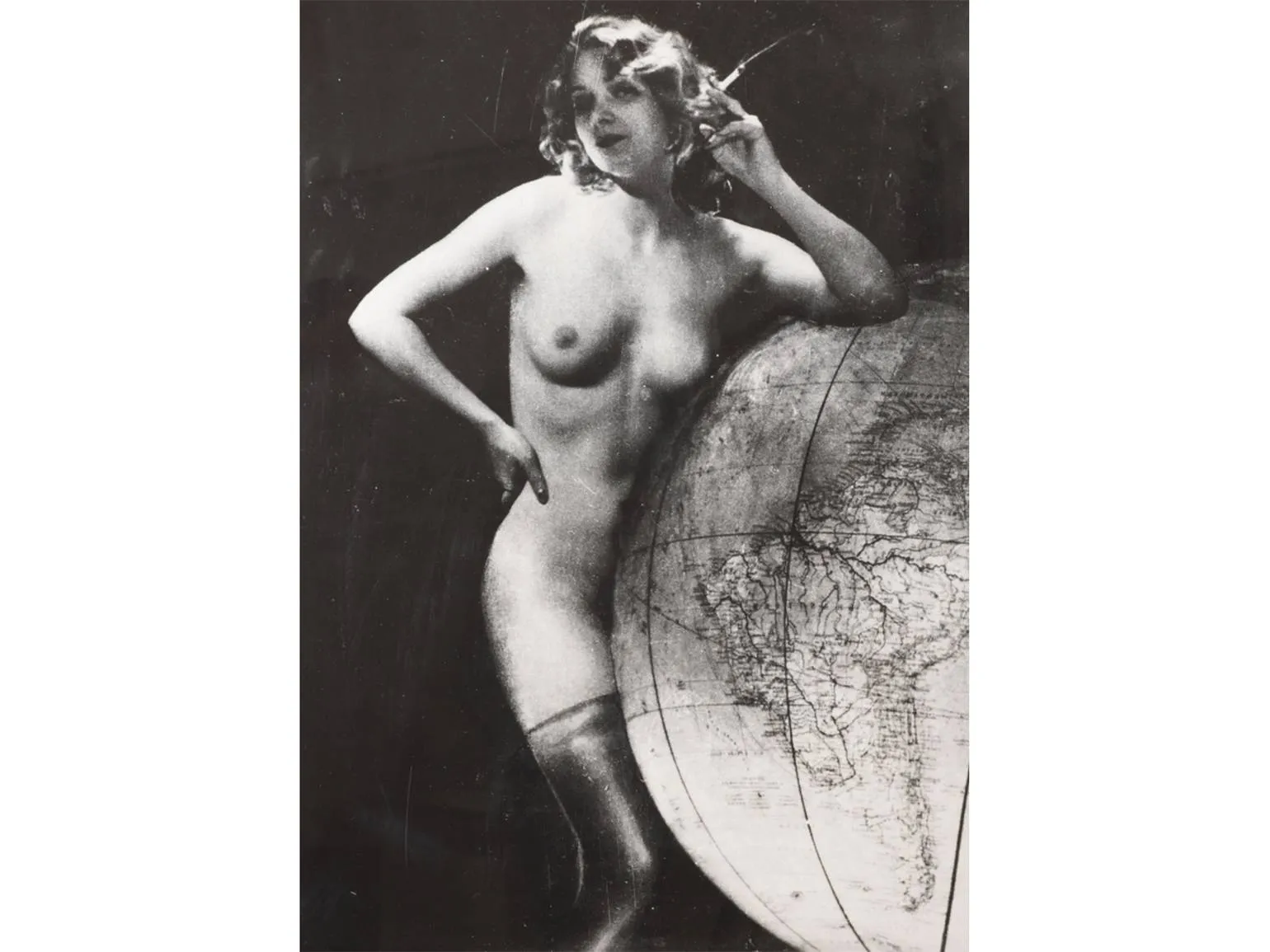
Lieberman's method is an ironic application of psychoanalytic concepts to sexual play with photographs of simple objects such as kitchen utensils, clothing, and body parts. In her black-and-white works, the author establishes unique rules in which black and white symbolize opposite poles, reflecting gender differences. An important aspect of her work are allusions to photographic constructivism, which is part of the hidden knowledge of the Moscow contemporary photography scene. In this context, the figure of Alexander Rodchenko becomes significant, and Tatyana's teacher, Alexander Lapin, analyzes the geometry of the composition from various angles, including the semantics of form. Thus, Lieberman's method not only explores sexuality but also creates a new understanding of visual aesthetics.
Galina Lukyanova
Galina Nikolaevna Lukyanova is an iconic figure in the history of photography, especially in the context of the perestroika era and the 1990s. Her column, "Lukyanova's School," in Soviet Photo magazine played a key role for educators teaching photography to children. Since its inception in the 1970s, Galina has established herself as an outstanding master of landscape photography, earning recognition among colleagues and art enthusiasts. Her contribution to the development of photographic education and art in general cannot be overstated.
A turning point for her came when she encountered the unique photographs of Josef Sudek and Edward Weston when their exhibitions were held in Moscow in the early 1970s. The former was organized by the Embassy of Socialist Czechoslovakia, and the latter by the US Embassy in the USSR. Despite the Cold War, these exhibitions used art as a means of political communication, demonstrating the cultural superiority of one nation over another.
Lukyanova was not interested in political games. She was drawn to village life with its old house, the morning fogs enveloping a small river near Moscow, and the process of slow photography. For her, it wasn't just the moments captured on film that were important, but also the slow development process and the creation of signature prints of original photographs.
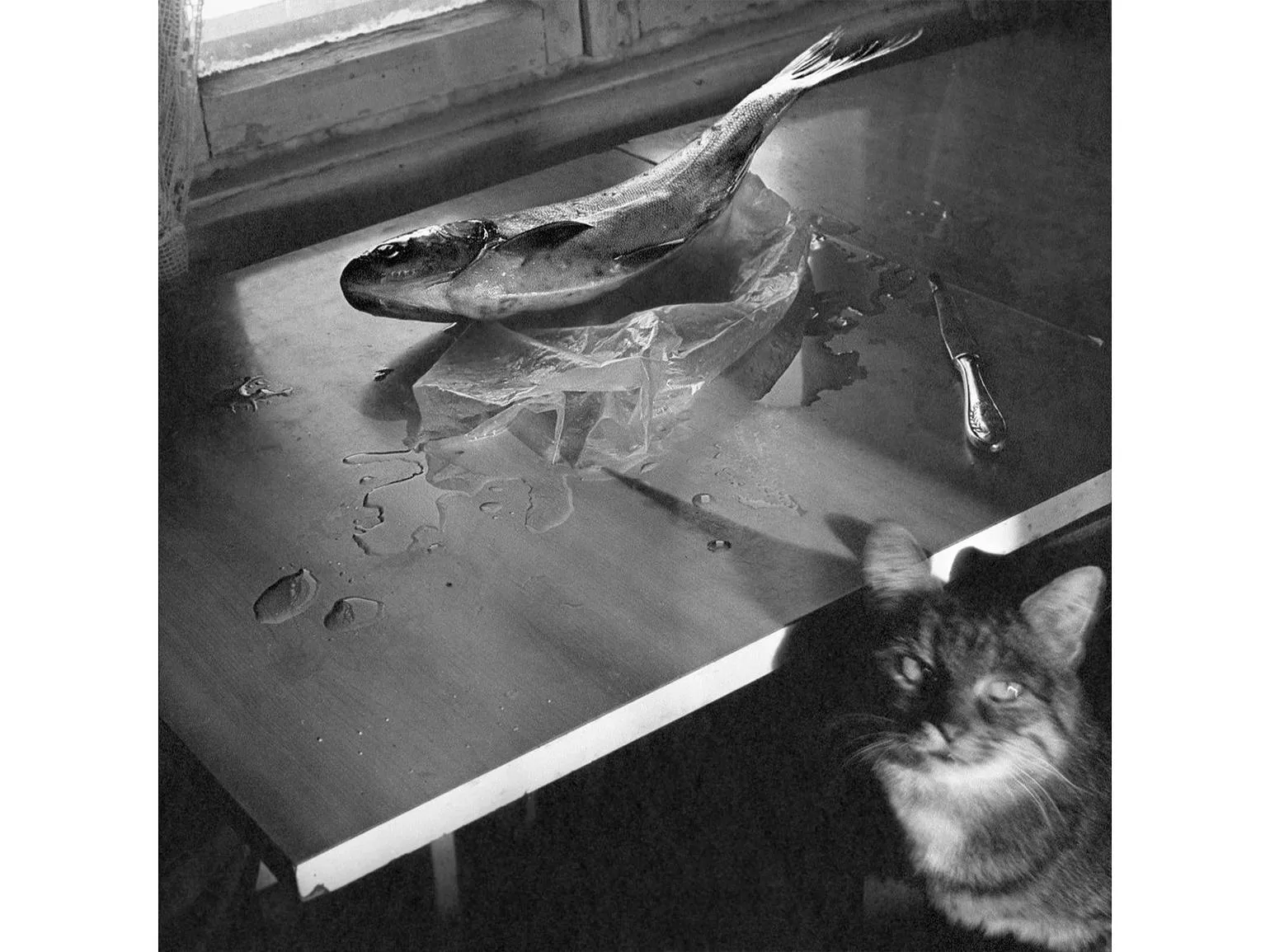
If the culture of gallery space and collecting photographs had developed in Russia in the 1990s, today auctions would be hunting for vintage works by Galina Lukyanova, and fine arts museums with They would proudly declare the presence of her works in their collections. Those who had the opportunity to see Galina Nikolaevna's prints at rare but significant exhibitions in Moscow would never doubt the existence of photography. The importance of her creations and their contribution to the development of photography in Russia cannot be overstated. Each of Lukyanova's works is not only an aesthetic pleasure, but also a historical value, which emphasizes the need to form a cultural heritage in the field of photography.
A Telegram channel for photography enthusiasts. Here you will find inspiration, tips on shooting and post-processing, as well as discussions of current trends in the world of photography. Join our community to share experiences, share your work, and receive feedback from like-minded people. Develop your skills and find new friends among photography enthusiasts.
If you're interested in the diversity of literature and want to learn more about Russian authors, subscribe to our resource. We regularly publish materials about talented writers, follow global competitions, and share creative life hacks from practicing authors. Stay tuned to stay up-to-date on new releases and inspiring ideas in the world of literature.
Our Telegram channel for photography enthusiasts offers a unique opportunity to immerse yourself in the world of visual art. Here you'll find inspiration, shooting and editing tips, and discussions of current topics in photography. Join our community to share your experiences, receive valuable recommendations, and find like-minded people. Stay up-to-date on the latest trends and improve your skills with us.
If you're interested in the diversity of literary creativity, subscribe to our resource. We publish works by talented Russian authors, follow global competitions, and share creative life hacks from experienced writers. Discover a variety of literary styles and trends with us.
Galina Moskaleva
Galina Moskaleva is a Moscow-based author whose life resembles an amazing journey across the map of the USSR, where cities and historical events intertwine to create the basis for contemporary art. Born in Šiauliai, Lithuania, she received her education and began her career as a television journalist in Minsk, Belarus. Her work reflects a rich cultural heritage and unique experience, making her work relevant and multifaceted.
Chernobyl. At the time of the accident, a new photo project became an important part of the author's life. This project, which arose as a poetic response and metaphor for the feelings associated with the tragedy, was dedicated to the children of Chernobyl. He traveled to several European countries, raising funds to help those affected by the disaster. The project not only drew attention to the consequences of the accident but also became a symbol of hope and support for the victims, emphasizing the importance of preserving the memory of Chernobyl and its impact on people's lives.
Then came the well-known work with the negatives of Galina's family album, which featured multi-exposure portraits of her childhood, her father, and her mother. These images became a shimmering fabric, reminiscent of a veil that either conceals true childhood memories or is itself a reflection of them. The work explores the fine line between reality and memory, creating a unique visual experience that makes the viewer reflect on the nature of memories and their significance in our lives.
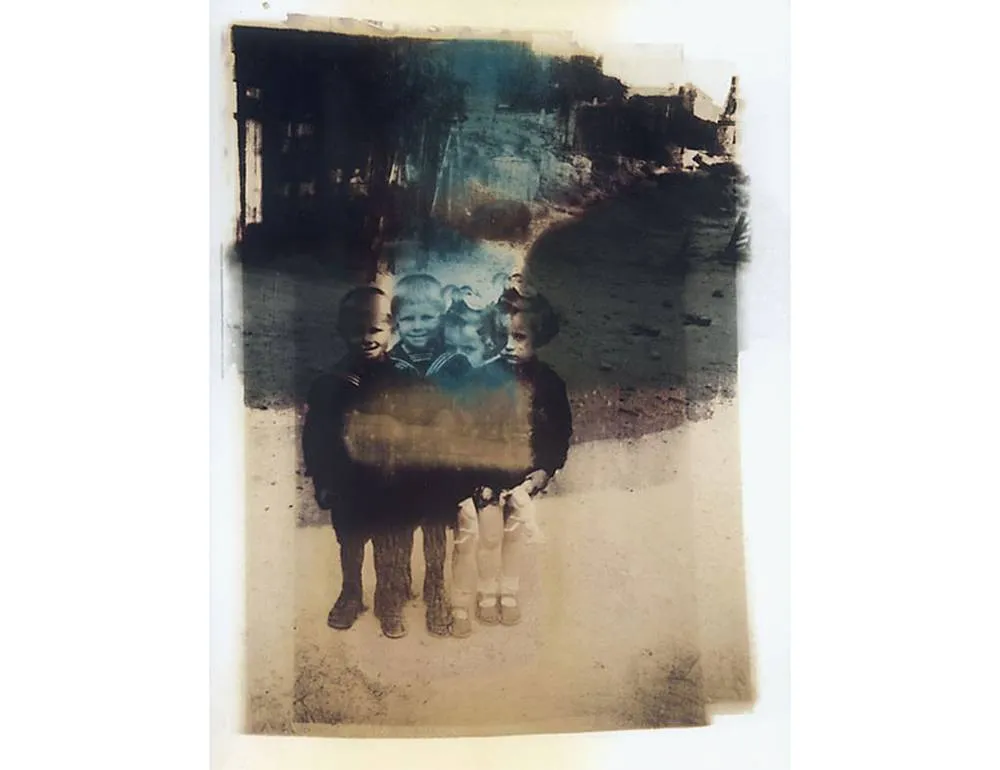
Galina Moskaleva is an outstanding author in the Belarusian and Russian visual art, known for her unique approach that combines autofiction and technological experimentation. Themes of memory and reflection on the past play a key role in her work, which she interprets through the lens of 1990s photography. Moskaleva uses visual media to explore historical memory and personal recollections, creating profound and multilayered works that engage viewers and critics. Her work is an important contribution to contemporary art, reflecting the complex connections between personal and collective memory.
Over the past decade, Moskaleva has established herself as one of the most significant and influential photographers from the former Soviet republics. Her work has been acquired by leading photography museums in Europe and the United States and presented at major photography festivals. Moskaleva is actively involved in her professional activities, serving as an expert, photo editor, and curator of exhibitions for emerging photographers. Her contribution to the development of contemporary photography cannot be overstated, and she continues to inspire a new generation of creators.
Lyudmila Tabolina
In St. Petersburg, such petite and well-mannered women are considered true guardians of the city's culture. It doesn't matter that Tabolina, a "genetic Petersburger," was born in Vyshny Volochyok. She received her education in Leningrad, became an engineer, wife, and mother of an intelligent family. It seems that all the historical upheavals experienced during the era of instability passed her by, and she seemed to have been transported from pre-revolutionary Russia to the present day, without experiencing any surprise.
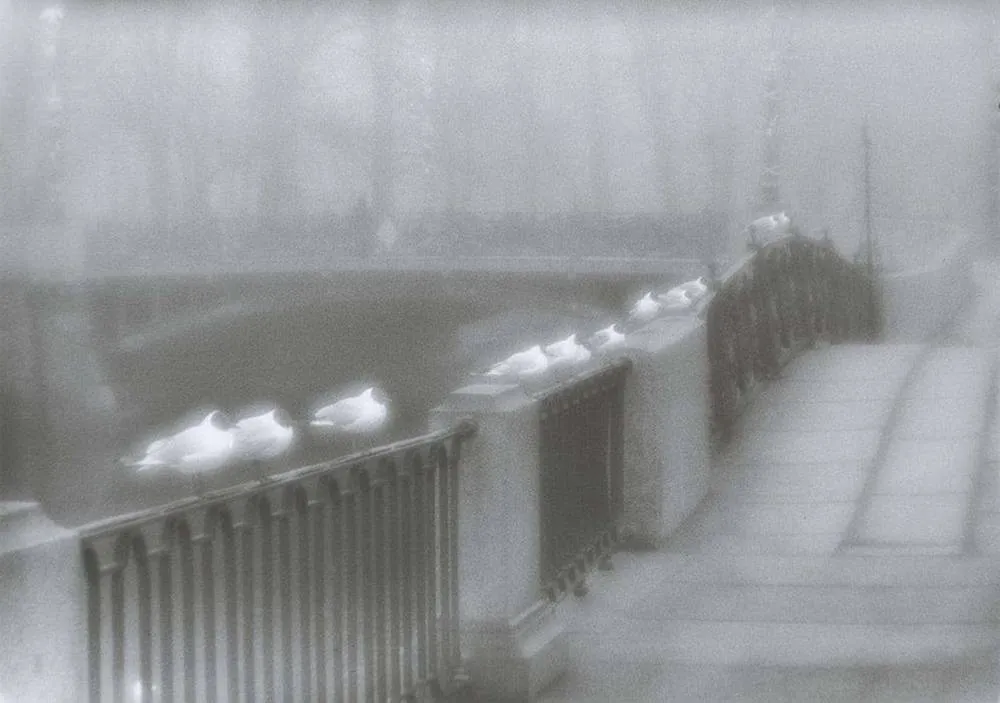
Modesty, which Sometimes verging on self-deprecation, this has not prevented this outstanding artist from becoming renowned and influential in the world of fine art photographers. In the 1990s, immersed in studying the history of Russian photography and experimenting with new optics and printing techniques, Tabolina independently chose her own tools. She works on series of photographs, each reminiscent of a new book of poems, demonstrating deep concentration and patience, oblivious to other authors and public attention to her personality. Her unique approach and creative vision allow her to create works that generate interest and admiration in the artistic community.
Olga Tobreluts
Olga Tobreluts attracted attention in the early 1990s as an outstanding artist with an extraordinary imagination and many original ideas. This decade proved auspicious for creative individuals, thanks to the rapid development of computer technology, digital photography, and printing on various media. The advent of new video editing tools also played a role. As a result, Tobreluts was able to use these tools to create unique art, making her the only Russian artist featured in the first edition of Mark Tribe's book "The New Media Art," published in 2006. Olga's work continues to inspire and draw attention to contemporary art in Russia and beyond.
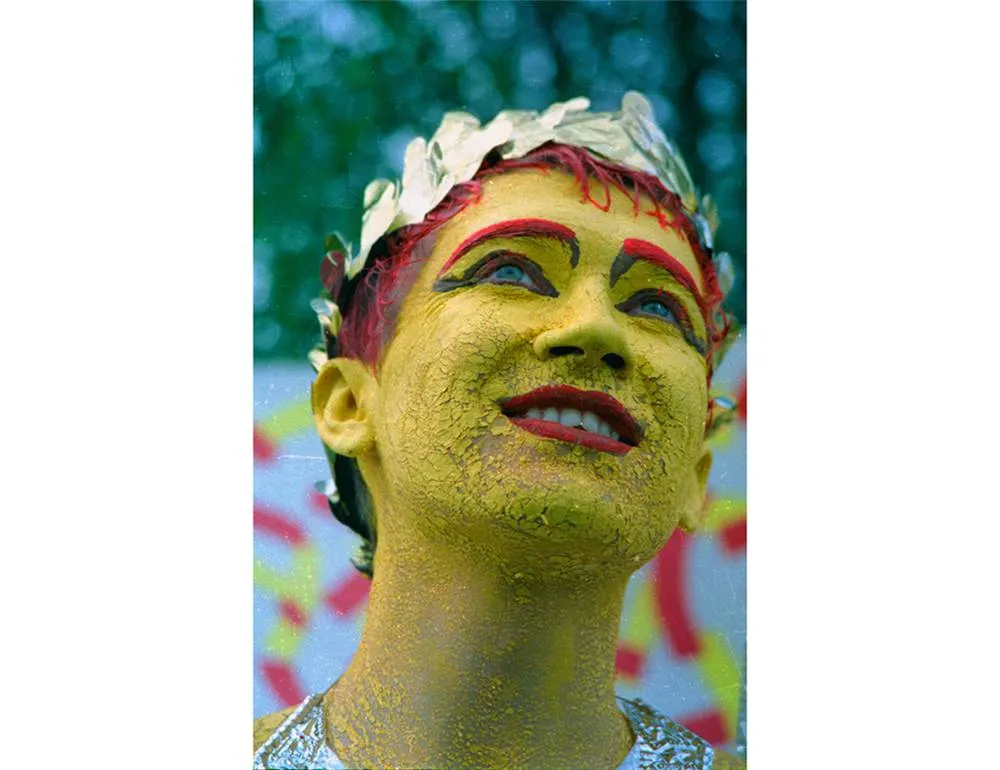
She created her most famous works in digital editing technique, applying several layers of visual content, including photography. Tobreluts thinks multidimensionally and deliberately leaves voids between layers, which leads to distorted connections and a loss of meaning. The artist combines three-dimensional computer models with flat photographic images, creating unique visual effects and profound conceptual ideas. Olga's works resemble a theatrical box stage, where the artist places her characters. This stage is virtual, modeled in the perfect geometry of the digital world, while the characters are fragments of photographs, illusory three-dimensional and subject to optical distortion. The combination of such diverse elements gives her works a unique visual quality that combines both depth and flatness. This creates a multi-layered perception, allowing the audience to immerse themselves in a world where reality and illusion intertwine, revealing new facets of artistic expression.
Natalia Tsekhomskaya
Another talented heroine from St. Petersburg. She is not only an artist specializing in photography, but also a theater designer and graphic artist. Her works attract attention and create a unique atmosphere, combining visual arts and theatrical elements.
Natalia paid special attention to experimenting with the creation of a "super-photographic" layer. Her works, in which prints and rough montages were combined with dress details, as if assembled on a mannequin, acquired a unique look. Paints applied on top transformed these elements into something unprecedented, like the plumage of a bluebird, creating true treasures.
Stage costume is an important element of art, creating a unique atmosphere on stage. The viewer's gaze, as if through an exhibition frame, creates the illusion of luxury: the costumes appear to be made of brocade and embellished with precious stones. However, in reality, they are created using simple materials, such as sackcloth (photographic paper) and inexpensive pieces of painted glass, decorated with aniline dyes and colored pencils. Nevertheless, this initial impression of magic is difficult to shatter, as the images created by Natalia in her studio possess a surprisingly effective and paradoxical quality. These costumes not only attract attention but also evoke deep emotions, demonstrating the artist’s skill and creativity.
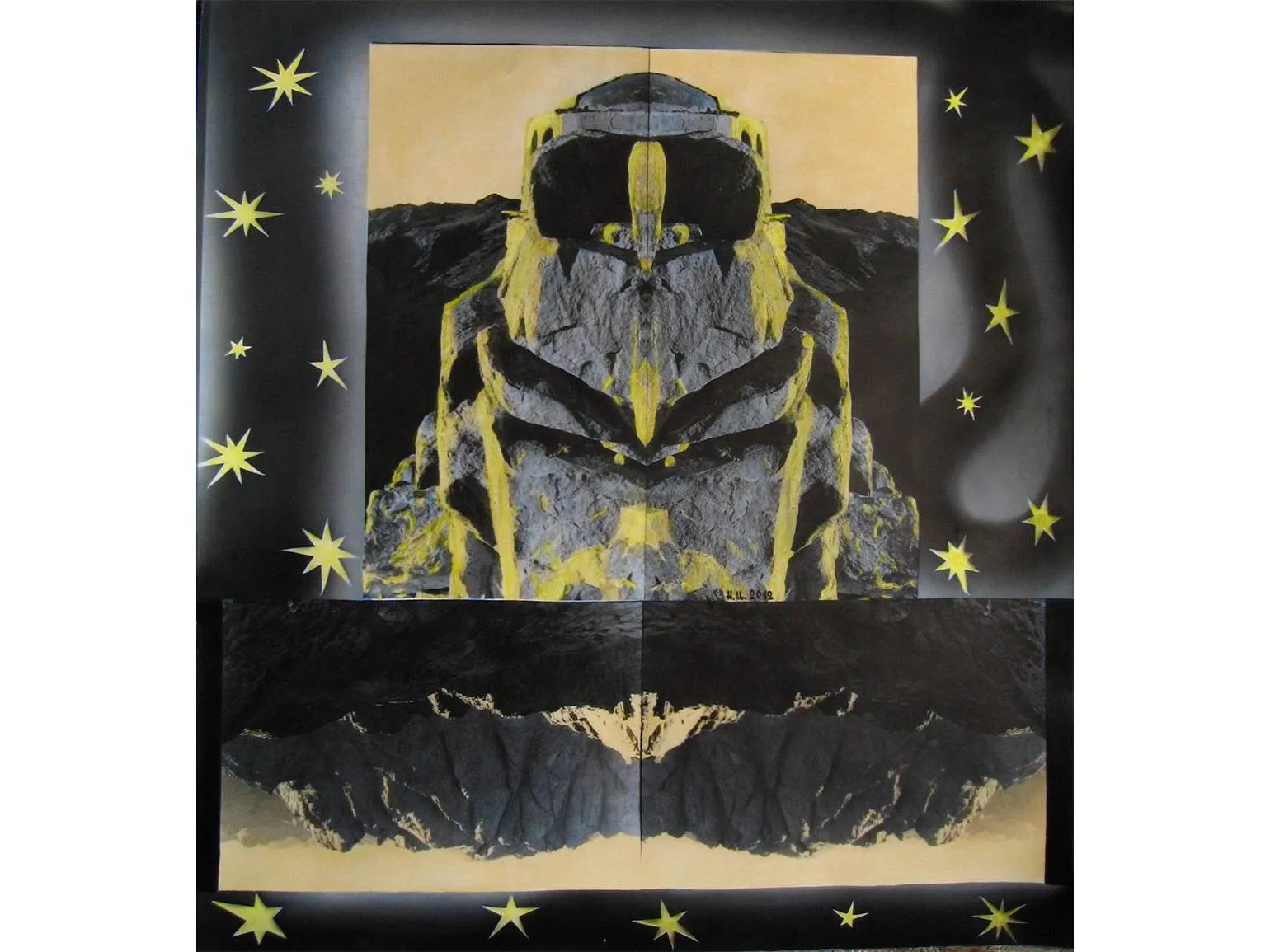
In her work, the artist explores childhood memories, as well as themes of freedom, both imaginary and sensual. She immerses the viewer in a world of heavenly gardens and vibrant colors, creating a dreamlike atmosphere. At the same time, her works touch on the lively, sensual side of life, reflecting elements of theater, nudity, and animals. These themes form a unique style that allows for a deeper understanding of her artistic vision.
Olga Chernysheva
A Moscow-based artist with a background in animation and a deep study in art history, she combines elements of classical and contemporary art in her work. She received her education at the Gerasimov Institute of Cinematography (VGIK), which allowed her to master the basic principles of classical animation. The influential circles in which she moved, including Viktor Misiano and representatives of the Moscow school of conceptualism, had a significant influence on her artistic style and approach to creating works.
Photography is one of the key tools in Olga Chernysheva's creative work, along with video, graphics, and painting. However, it was through photography that she was able to create significant series of works that won the recognition of curators at European photography festivals back in the 1990s. Her creative use of photographic media allowed her to express unique ideas and concepts, making her work an important part of contemporary art.
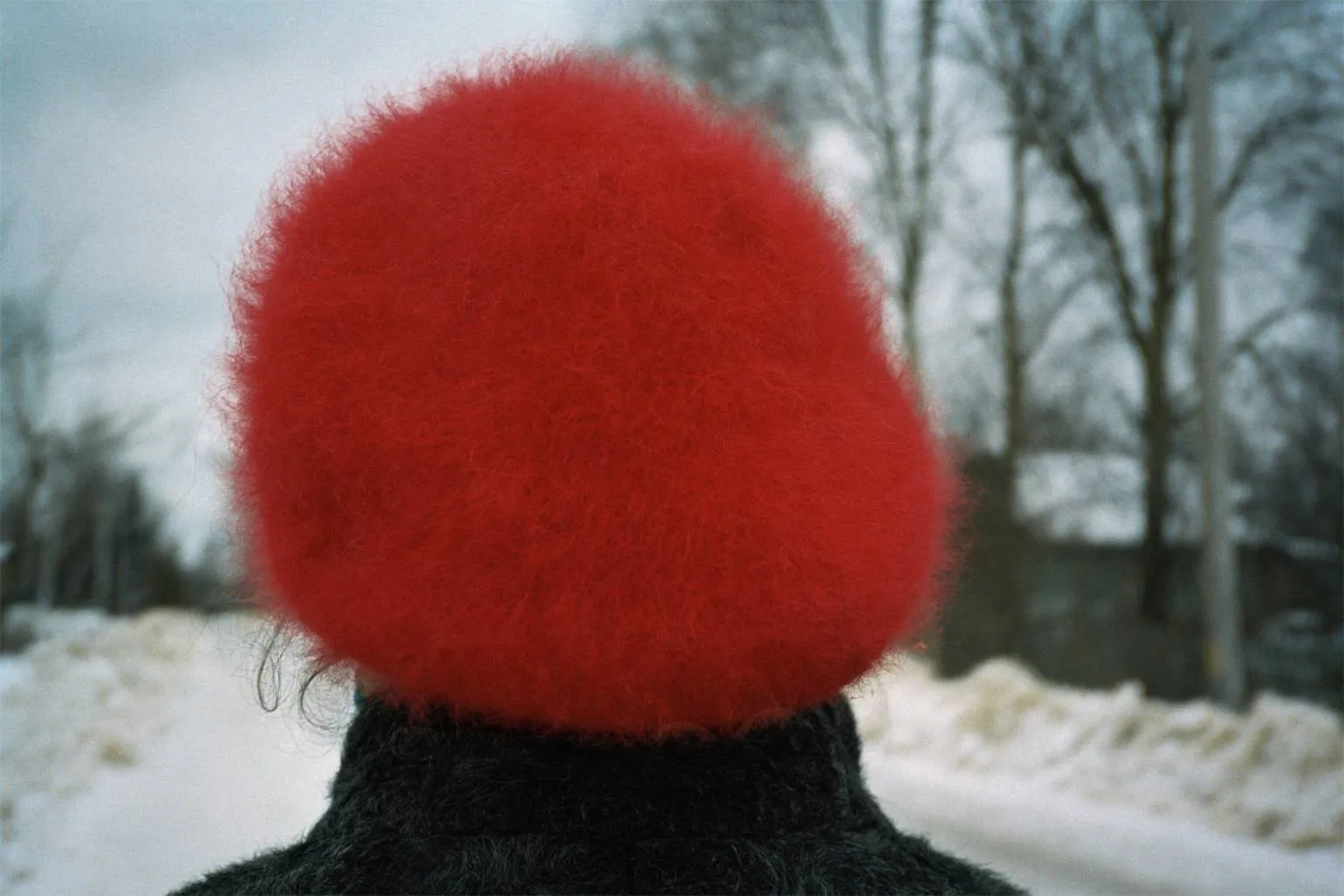
Chernysheva represents one of the last «legal» generations of Moscow Conceptualism, focused on language games. In her documentary photography, she employs linguistic allusions and a minimalist visual language. The artist explores visual assonances and anagrams in the surrounding world, revealing hidden meanings that extend beyond physical reality. Her works become a unique dialogue between word and image, revealing the profound connections between language and visual perception. By using visual markers and connecting them in unique ways, she creates narratives of her time. These stories cover everything from the mohair hats that have become a symbol of winter in Russia to the trains that replaced the traditional troika and opened up new horizons of endless travel for the country.
Be sure to check out other materials on our website.
11 Foreign Photographers Who Captured Russia in 1990s
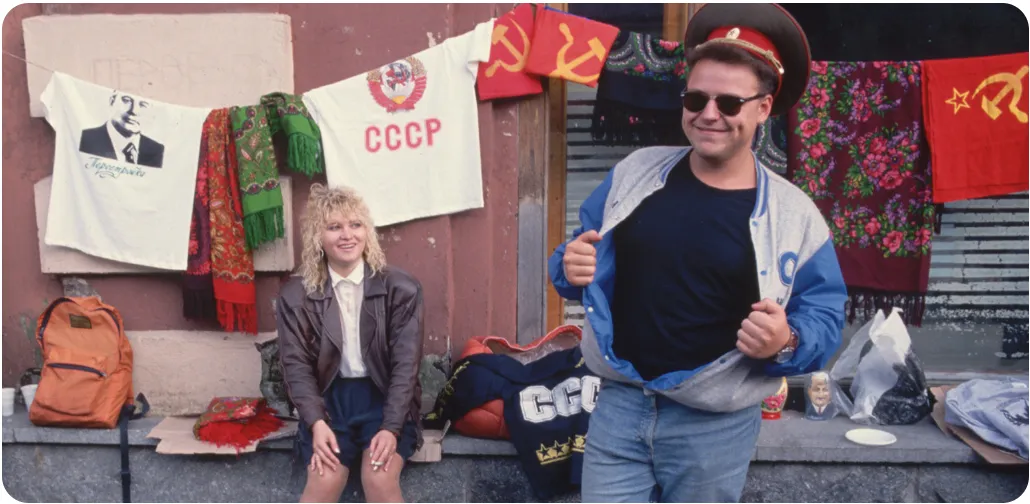
In the 1990s, Russia was undergoing significant changes, and many foreign photographers sought to capture this era. Their works reflect both the cultural and social aspects of life in the country during its transition to a market economy and democracy. During this tumultuous period, photographers from around the world came to Russia to document its transformation and unique atmosphere.
Each of these photographers brought their own unique perspectives and styles, making their work a valuable contribution to the visual history of Russia. Their photographs captured not only architecture but also everyday life, people's emotions, and historical events. These images help modern viewers understand what Russia looked like at a time of dramatic change.
The photographers who photographed Russia in the 1990s remain important figures in the world of documentary photography. Their work continues to inspire and captivate, allowing new generations to see and understand history through the lens of visual art.
Profession Photographer
You will learn how to take professional photos from scratch. You will learn how to organize shoots, process frames, and manage models and a team. Find your style, build an impressive portfolio, and start making money doing what you love.
Find out more